Why Visit Charleston, South Carolina?
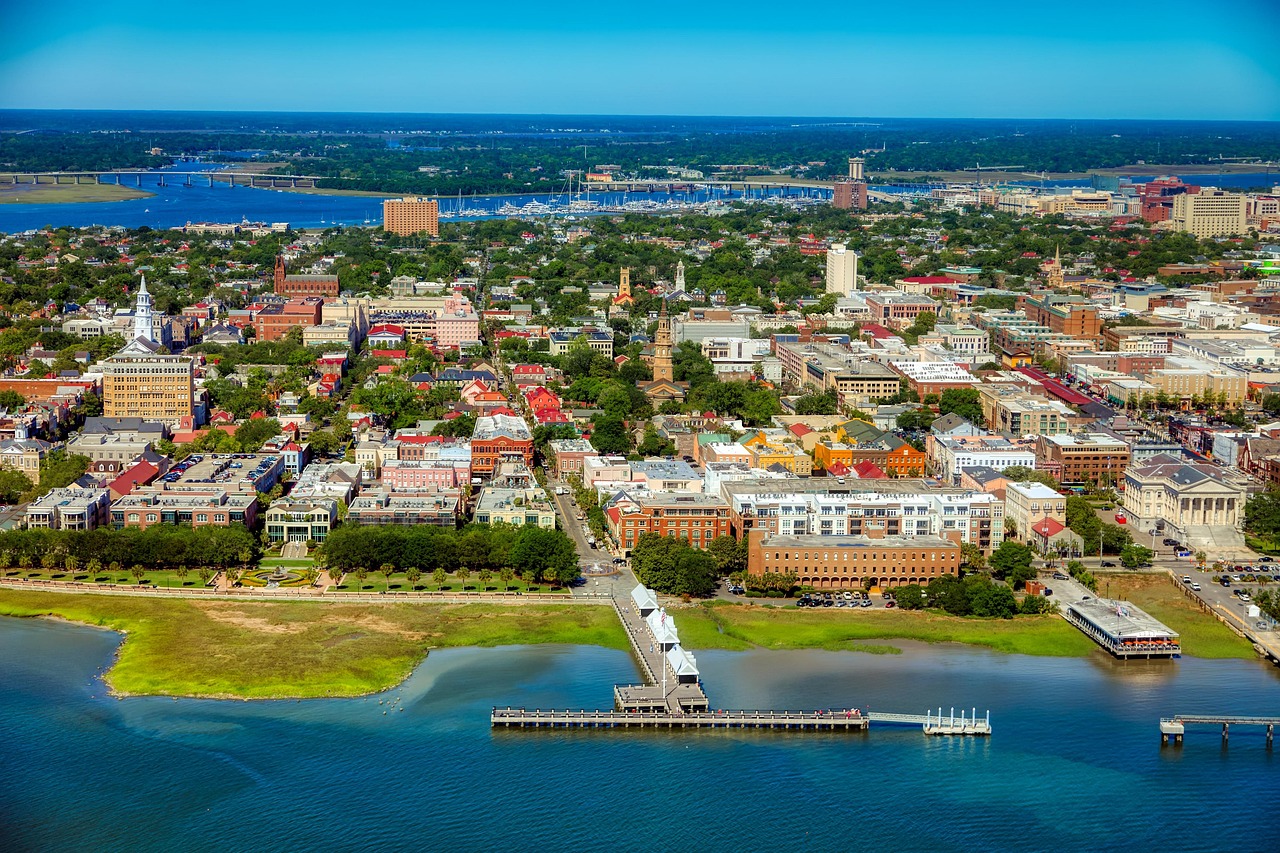
Charleston is one of those rare cities where time feels slower but never boring. Live oaks drip with Spanish moss over cobblestone streets, church steeples pierce a pastel skyline, and the air smells faintly of pluff mud, jasmine, and something good frying in a cast-iron skillet. It’s walkable, romantic, deeply historic, and surprisingly adventurous once you know where to look.
I’ve been coming back to Charleston regularly since my early twenties—on weekend breaks, longer work-remote stints, and a few family trips. Each visit feels different. One year it was all about food (she-crab soup and shrimp & grits at every stop), another it was history and walking tours, and the most recent trips have revolved around slower days on nearby beaches and exploring lesser-known neighborhoods.
In 2026, Charleston is buzzing: new restaurants opening in historic storefronts, festivals expanding, and a growing creative scene that balances the city’s complex history with a more inclusive present. Whether you’re planning 3 days in Charleston, a 4 day itinerary for Charleston, or stretching to 5 days in Charleston, this guide is written to help you experience the city like a well-prepared, in-the-know local guest rather than a rushed tourist.
You’ll find:
- Detailed day-by-day itineraries (3, 4, and 5 days) with personal stories and timing tips.
- In-depth looks at at least 20 of the must-see attractions in Charleston, each with history, significance, and on-the-ground advice.
- Neighborhood breakdowns so you can choose where to stay and wander.
- Honest cultural context and local customs in Charleston to be aware of.
- Where to find the best local food in Charleston—from oysters and barbecue to biscuits and craft cocktails.
- Practical travel tips for Charleston: budgets, getting around, SIM cards, visas, and when to come.
Table of Contents
- 1. Why Visit Charleston?
- 2. Charleston in 2026–2027: What’s New & Upcoming Events
- 3. Top 20+ Must-See Attractions in Charleston (Deep Dive)
- 4. Neighborhoods & Areas to Explore
- 5. Suggested Itineraries: 3, 4 & 5 Days in Charleston
- 6. Food & Drink: Eating Your Way Through Charleston
- 7. Nightlife, Entertainment & Cultural Experiences
- 8. Best Day Trips from Charleston
- 9. Cultural Etiquette & Local Customs
- 10. Practical Travel Advice: Money, Transport, SIM, Visas
- 11. When to Visit Charleston & Final Takeaways
Charleston in 2026–2027: What’s Happening Now
Charleston is not a museum city; it’s evolving. Since my first trip over a decade ago, I’ve watched neighborhoods like the Upper Peninsula and Park Circle become hubs of breweries and creative spaces while the historic core balances preservation with a more honest telling of its past.
Major Events & Festivals (2026–2027)
- Spoleto Festival USA (May–June 2026 & 2027) – One of the country’s premier performing arts festivals, with opera, theater, dance, and music filling venues across the city. Book accommodation months in advance.
- Charleston Wine + Food Festival (early March 2026 & 2027) – A paradise for food lovers. Tasting tents, chef demos, and special dinners. Prices add up quickly; I’ll share money-saving tips later.
- MOJA Arts Festival (late September–early October 2026) – Celebrating African-American and Caribbean culture with music, visual arts, and performances. A must for meaningful cultural experiences in Charleston.
- Holiday Festival of Lights (Nov–Dec 2026 & 2027) – At James Island County Park; a favorite for families with light displays, train rides, and s’mores.
- Bridge Run Weekend (Cooper River Bridge Run, usually April) – 10K race across the Ravenel Bridge. Even non-runners feel the buzz; traffic is impacted.
In 2026, expect continued expansion of bike lanes, improved bus connections to the beaches, and more restaurants leaning into hyper-local sourcing from Lowcountry farms and fisheries.
Top 20+ Must-See Attractions in Charleston (With Local-Style Insight)
These are the best places to visit in Charleston if it’s your first trip—or your fifth. I’ll weave in personal experiences, how to get there, and how to avoid the worst of the crowds.
1. The Battery & White Point Garden
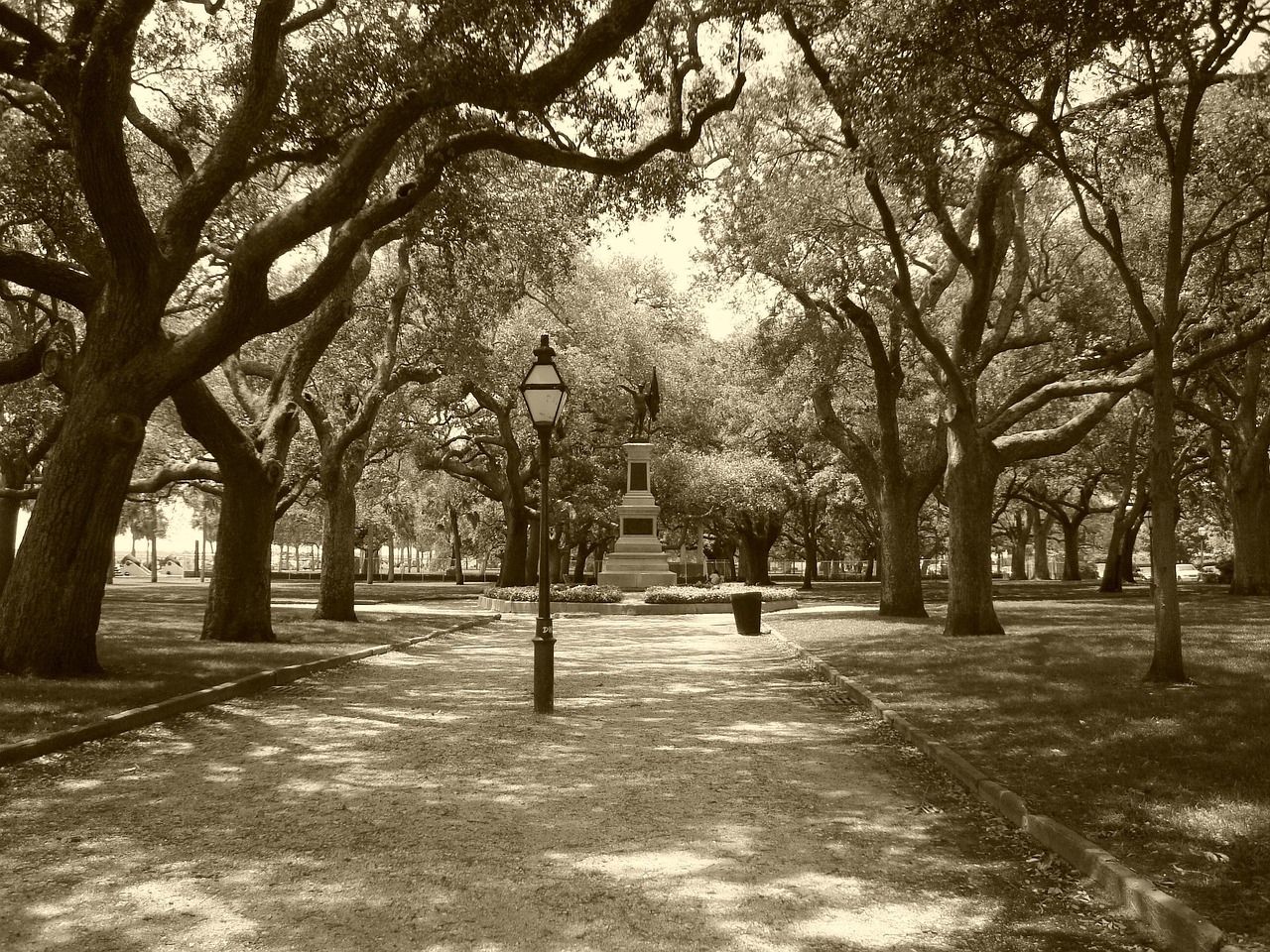
If you only have one hour in Charleston, spend it walking The Battery. The seawall wraps around the southern tip of the peninsula, with 19th-century mansions on one side and Charleston Harbor on the other. I like to start just after sunrise before the carriage tours and cruise ship crowds arrive.
History & significance: The Battery was once a defensive seawall and artillery battery; you’ll still see cannons and Civil War-era monuments in White Point Garden. This is the postcard shot of Charleston—the long row of pastel mansions facing the water.
What I usually do here: I grab a coffee from a nearby café on Broad Street, then wander south until the road curves along the harbor. I stop at the benches in White Point Garden to watch dolphins in the harbor (you see them more often than you’d think). On hot summer evenings, the breeze here feels like a gift.
Tips for visitors:
- Best time: Early morning or golden hour for photography and cooler temps.
- Family-friendly: Very. Kids can run around White Point Garden, but remind them not to climb cannons or monuments.
- Romantic: Come at sunset; walk slowly back up East Bay Street under gas lamps.
- Getting there: It’s an easy walk from most historic district hotels. If driving, street parking is metered and competitive, especially on weekends.
2. Rainbow Row
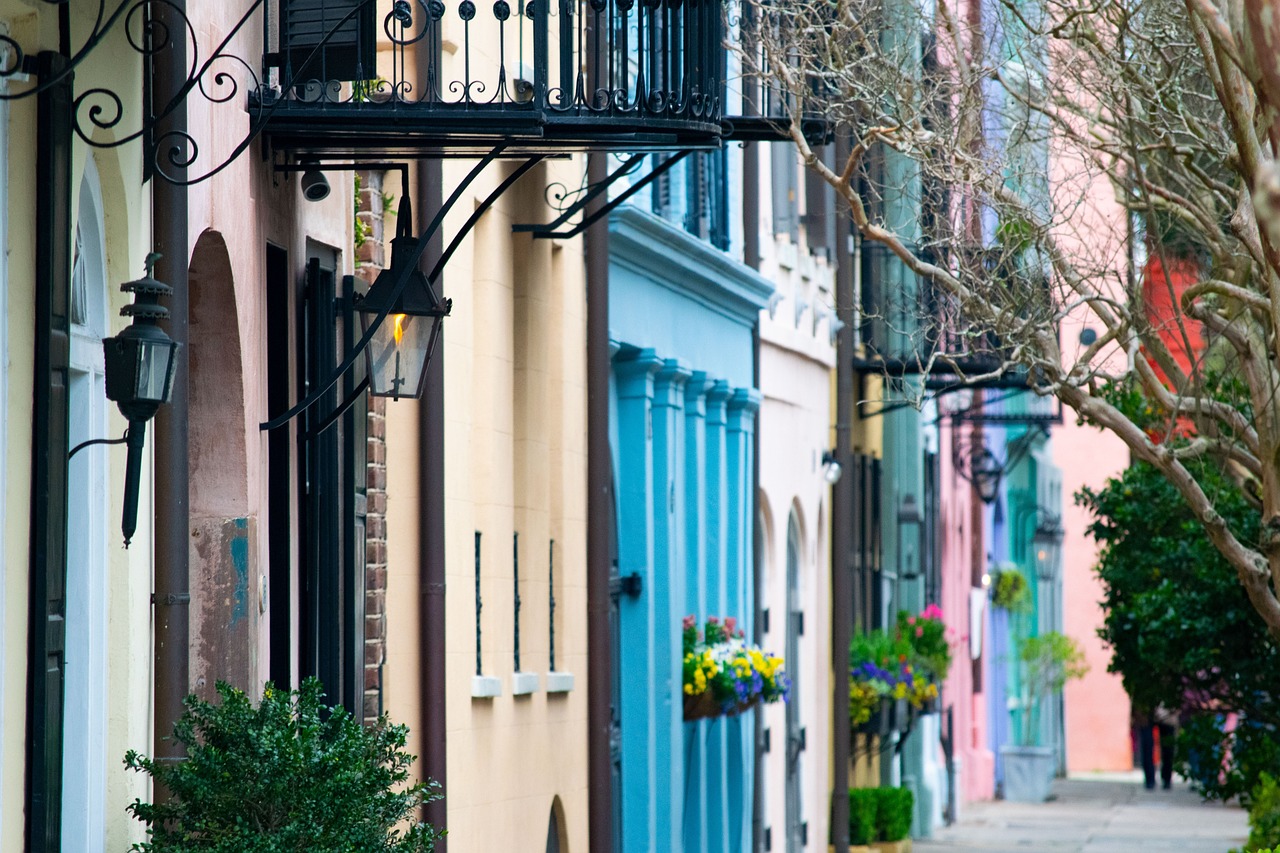
Rainbow Row is a short stretch of pastel-colored Georgian row houses along East Bay Street, just north of The Battery. It’s one of Charleston’s most photographed spots—and yes, it really is that charming, even after your fiftieth visit.
History: Built in the 18th century as commercial houses, this row fell into disrepair after the Civil War. In the 1930s–40s, preservation-minded locals renovated the buildings and painted them in those cheery colors you see today.
My experience: I like to swing by Rainbow Row early, around 8am, when it’s mostly quiet. One of my favorite Charleston memories is standing there after a light rain; the wet cobblestones reflected the pastel facades like a watercolor.
Tips:
- Respect privacy: These are private homes. No peeking through windows, no sitting on staircases.
- Photography: Morning light is soft, and you’ll avoid backlight from the harbor side.
- Combine with: A stroll to Waterfront Park (just a few blocks away) and The Battery.
3. Joe Riley Waterfront Park & Pineapple Fountain
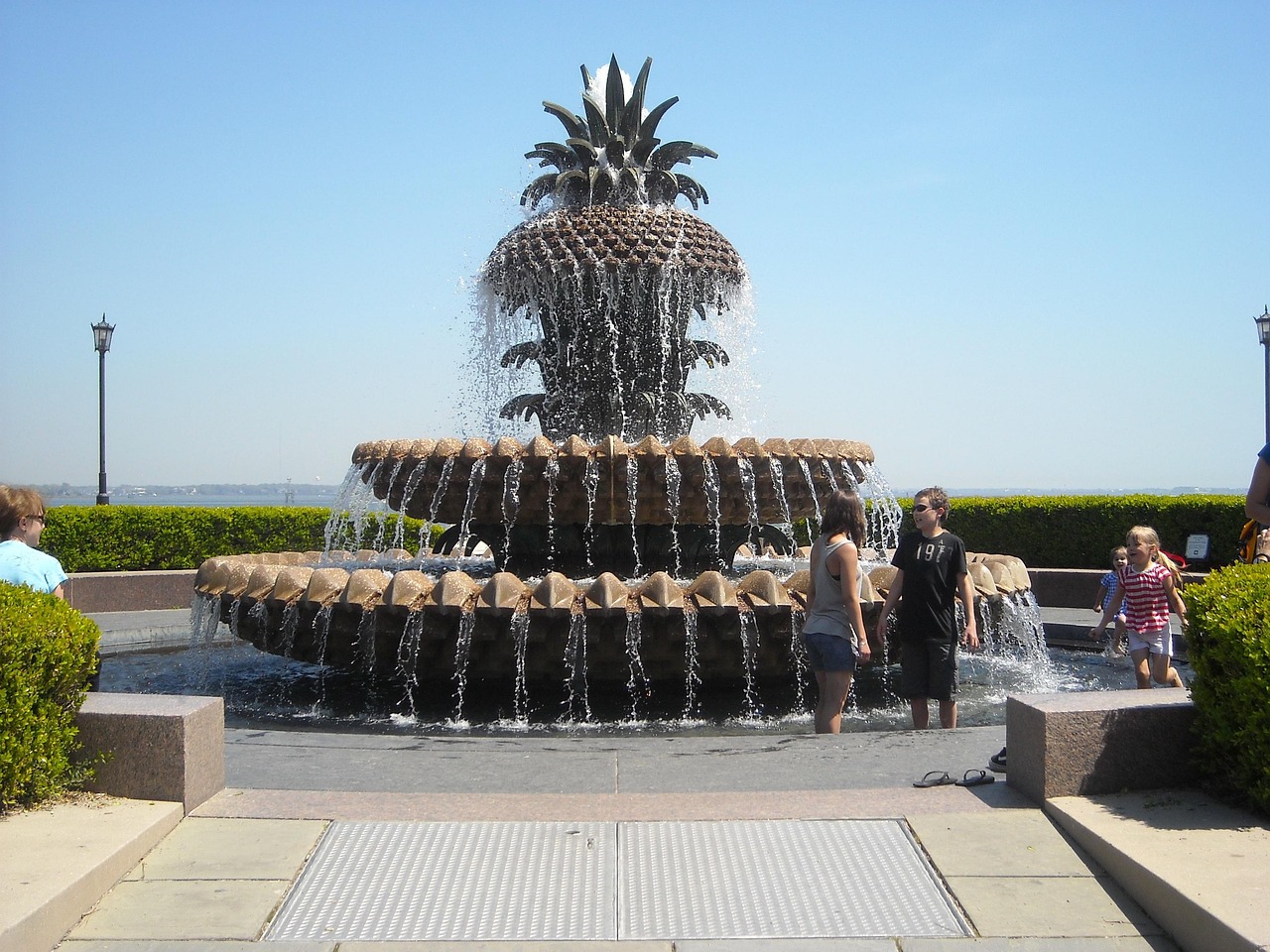
Waterfront Park is where Charleston breathes. Locals jog here, kids splash in the fountains, and visitors rest on swings facing the harbor. The iconic Pineapple Fountain—symbol of hospitality—is where you’ll inevitably take too many photos.
What I love doing here: I often grab a to-go biscuit or sandwich and eat on a bench overlooking the water. On one fall trip, I spent nearly an hour on one of the big bench swings, just watching the changing light on the Ravenel Bridge.
Practical tips:
- Family-friendly: Very. Kids can wade in the Pineapple Fountain (check signage; typically allowed), and in the splash fountain nearby in summer.
- Best time: Late afternoon into sunset. In summer, mornings are cooler.
- Nearby eats: Lots of spots along East Bay (seafood, casual bars) and a short walk up to the French Quarter.
4. King Street: Shopping, Architecture & People-Watching
King Street is Charleston’s main commercial artery, but it’s more than just stores. It’s a cross-section of the city: students, old Charleston families, tourists, and hospitality workers all moving through a streetscape of historic facades, boutiques, and restaurants.
How I break it down:
- Lower King (south of Market St.): Antiques, galleries, historic vibes.
- Middle King: Big-name brands, boutiques, cafés.
- Upper King: Trendy restaurants, bars, nightlife.
I like to wander Lower and Middle King in the morning when the sidewalks are quiet, then circle back to Upper King in the evening for dinner or drinks. On Second Sundays (select Sundays when King Street is closed to cars), the street becomes a pedestrian party.
Money-saving tip: Window shopping is free, and some local boutiques have excellent sales at the end of each season. If you’re on a budget, skip the chain stores and hunt for independent shops and thrift spots on side streets.
5. Historic Charleston City Market
The City Market is one of the most visited things to do in Charleston. It stretches four city blocks and hosts dozens of vendors selling everything from sweetgrass baskets to benne wafers.
History: Built in the early 1800s, the market has a complicated past tied to Charleston’s role in the slave-based economy. Today, it’s a mix of touristy stalls and genuine local artisans, including Gullah sweetgrass basket makers whose craft has been passed down for generations.
My take: I rarely buy much here, but I always walk through, especially the early-morning quiet before the buses arrive. I like chatting briefly (and respectfully) with basket weavers about their work and the marshlands where they source grass.
Tips:
- Go early or late: Midday is crowded and hot, especially in summer.
- Support artisans: If you’re buying, prioritize handmade crafts (like sweetgrass baskets) over mass-produced souvenirs.
- Nearby food: Plenty around, but prices can be tourist-inflated; I often walk a few blocks off Market Street for better value.
6. Fort Sumter National Historical Park
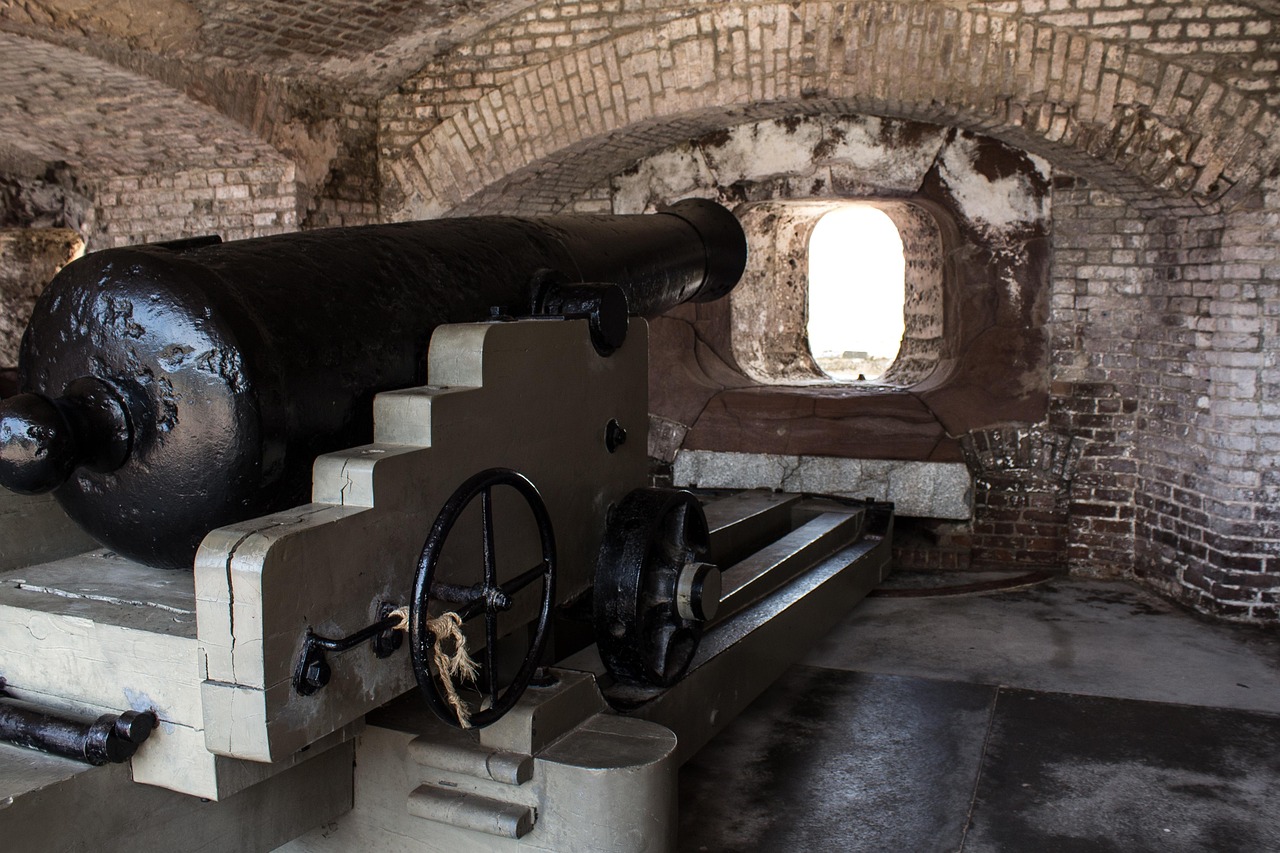
Fort Sumter is where the first shots of the American Civil War were fired in 1861. A visit here combines history with a scenic boat ride through the harbor.
What it’s like: You’ll board a ferry from either Liberty Square (downtown) or Patriots Point (Mount Pleasant). The ride takes about 30 minutes; I always head straight for the top deck for fresh air and harbor views—Ravenel Bridge, the USS Yorktown, and sometimes dolphins.
Once on the island fort, you have about an hour to explore. There are interpretive signs, a small museum, and ranger talks that give essential context to South Carolina’s secession, slavery, and the opening of the Civil War.
Tips:
- Book ahead: Especially in spring and fall; this is a popular attraction.
- Bring water & hat: It’s exposed and can be brutally sunny in summer.
- Family-friendly: Yes, though younger kids may lose interest; the boat ride is usually the highlight for them.
7. Patriots Point Naval & Maritime Museum (USS Yorktown)
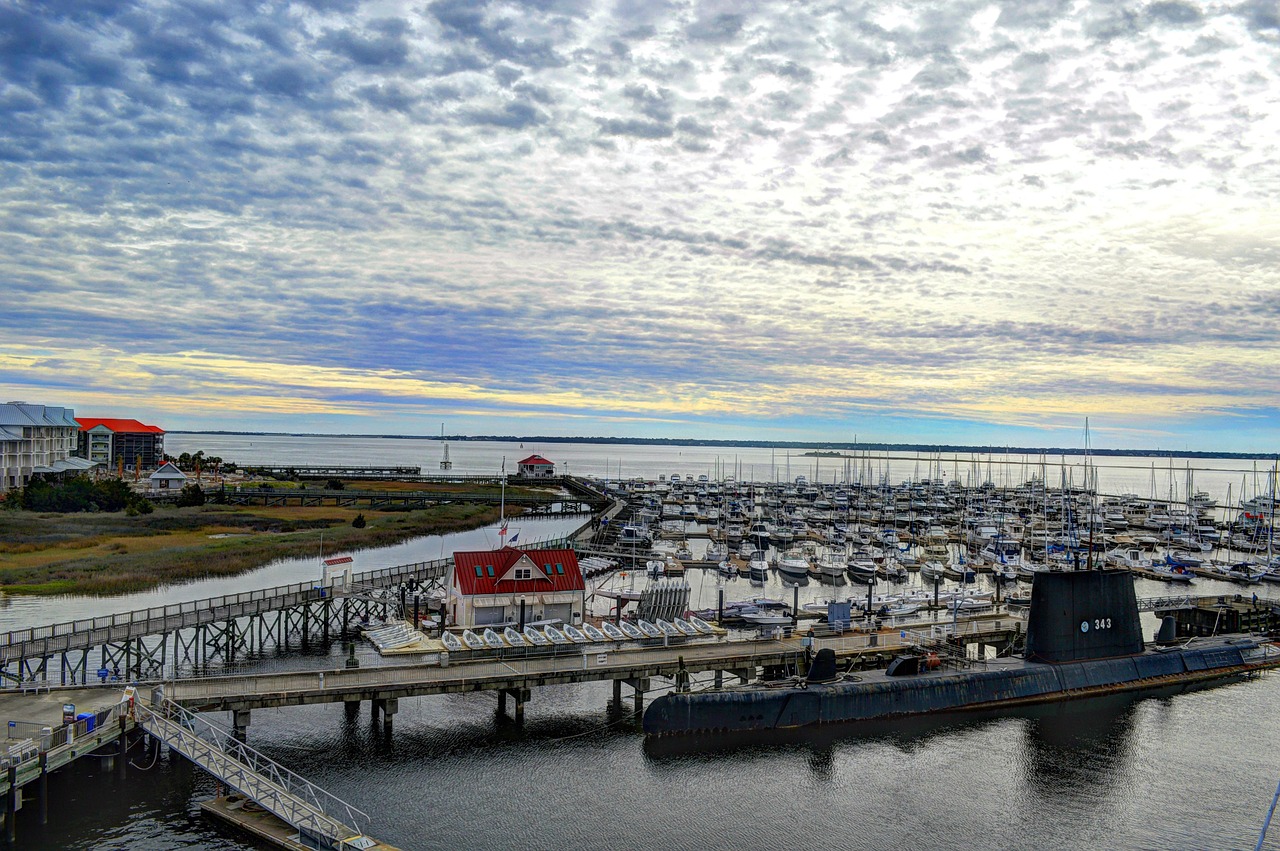
Across the Cooper River in Mount Pleasant, Patriots Point is anchored (literally) by the USS Yorktown, a WWII aircraft carrier turned museum. I’ve gone twice with history-buff friends and once with kids—each time was a different kind of fun.
What to expect: You’ll climb steep stairs, weave through narrow corridors, and explore flight decks with vintage aircraft. It’s immersive and can be physically tiring, so wear good shoes.
Great for: Families, military history fans, and anyone who loves big engineering feats. The views back to Charleston’s skyline from the deck at sunset are spectacular.
Logistics: You’ll need a car or rideshare from downtown (about 10–15 minutes, traffic permitting). Allow 3–4 hours if you want to explore beyond just the main deck.
8. Arthur Ravenel Jr. Bridge & Mount Pleasant Waterfront Park
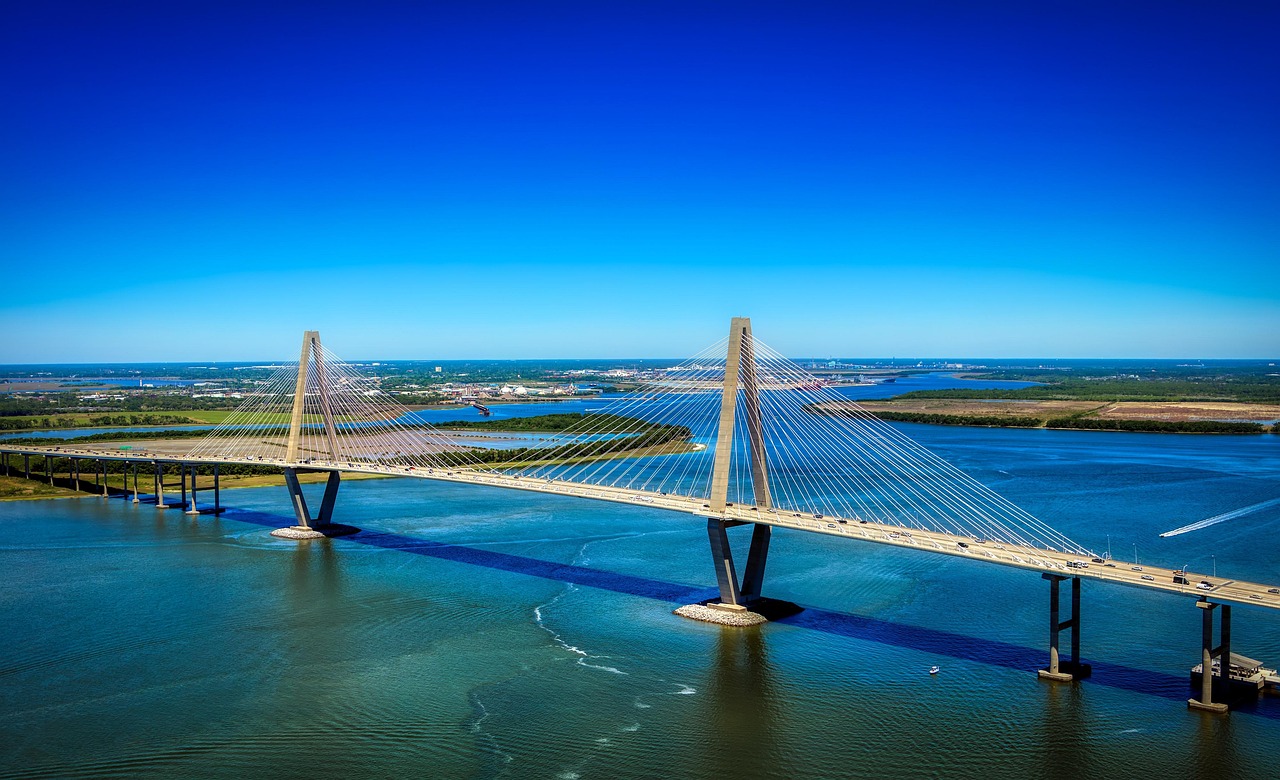
The Ravenel Bridge is Charleston’s modern icon, a sweeping cable-stayed span linking downtown with Mount Pleasant. It’s one of my favorite free hidden gems in Charleston experiences: walking or biking its dedicated pedestrian lane.
My routine: I start at Mount Pleasant Memorial Waterfront Park, where parking is easier, then walk up onto the bridge. The climb is gradual, and the views from the top—harbor, marshes, peninsulas—are worth every step.
Tips:
- Time of day: Early morning or just before sunset; midday can be hot and windy.
- Safety: The pedestrian lane is separated from traffic, but keep an eye on kids.
- Photos: This is where I’ve captured some of my favorite skyline shots.
9. Boone Hall Plantation & Other Historic Plantations
The plantations around Charleston are visually stunning and historically heavy. Boone Hall is famous for its Avenue of Oaks—a long driveway lined with live oaks and Spanish moss—but like all plantations here, it’s also a former site of enslaved labor.
How I approach plantation visits: I go specifically to learn about the lives of the enslaved, the Gullah Geechee culture, and how the land was worked, rather than just to admire pretty grounds. Boone Hall and McLeod Plantation Historic Site, in particular, have made efforts to tell a fuller story.
Tips for visiting Boone Hall (Mount Pleasant):
- Transport: A car or rideshare is essential (about 25–30 minutes from downtown).
- Time needed: 2–3 hours for the Avenue of Oaks, plantation house tour, and slave cabins exhibits.
- Photography: The oak alley is iconic; go early to beat the crowds, and be mindful when taking wedding-style portrait shots in a site of historical trauma.
Alternative: McLeod Plantation (James Island) focuses much more on the enslaved community’s stories and is closer to downtown. I often recommend it for travelers interested in more context and fewer crowds.
10. Middleton Place & Magnolia Plantation & Gardens
Along the Ashley River northwest of downtown sit several historic plantations with lush gardens. Middleton Place and Magnolia Plantation are the most famous and are often combined into a day trip.
Magnolia Plantation & Gardens: Romantic, slightly wild gardens, a picturesque white footbridge, and swamp tours. I once visited in late March when the azaleas exploded in pink and red; it felt like walking through a painting.
Middleton Place: Known for its formal landscaped gardens and as a National Historic Landmark. It also hosts an interpretive program about the enslaved community and Lowcountry agriculture.
Tips:
- Transport: Car or half-day tour from downtown.
- Timing: Spring (azaleas, camellias) and fall (cooler, fewer bugs) are best; summers can be humid and buggy.
- Activities: Great for couples, garden lovers, and photographers; kids usually enjoy Magnolia’s boat and tram tours.
11. Shem Creek Boardwalk & Shrimp Docks
Shem Creek in Mount Pleasant is where locals go for sunset, seafood, and a beer by the water. Shrimp boats line the docks; dolphins often chase fish in the creek; and a long boardwalk lets you wander out into the marsh.
I’ve ended many Charleston days here, sitting on a dock, watching the sky turn orange while pelicans glide by. It feels more local than the downtown waterfront, especially on weekday evenings.
Tips:
- Best time: Sunset. Go a bit early to find parking.
- Dining: Several restaurants line the creek—from casual to more upscale—serving ultra-fresh seafood.
- Family-friendly: Yes, though the bars get livelier later at night.
12. The Charleston Museum & Historic House Museums
The Charleston Museum calls itself America’s first museum (founded 1773). It’s a compact but dense overview of Lowcountry natural history, indigenous cultures, colonial life, and the city’s role in the Revolutionary and Civil Wars.
Why I like it: When I’ve had rainy days or summer afternoons too hot to bear, I escape here. The exhibits provide context that makes walking the streets afterward feel richer.
Nearby house museums:
- Aiken-Rhett House: Preserved in a “time capsule” state, with extensive interpretation of enslaved life.
- Nathaniel Russell House: Restored to its 1808 glory, with a stunning free-flying spiral staircase.
Both are deep dives into Charleston’s elite past and the enslaved people who made that wealth possible.
13. Marion Square & Surroundings
Marion Square is a central green space framed by churches, the College of Charleston, and historic hotels. On Saturdays (seasonally), it hosts the farmers market, which is one of my favorite simple things to do in Charleston.
Farmers market: You’ll find local produce, food trucks, artisans, and sometimes live music. I usually grab breakfast here—maybe a biscuit sandwich or crepe—and then linger on the grass.
It’s also a good orientation point for exploring Upper King’s restaurants and bars.
14. Angel Oak Tree (Johns Island)
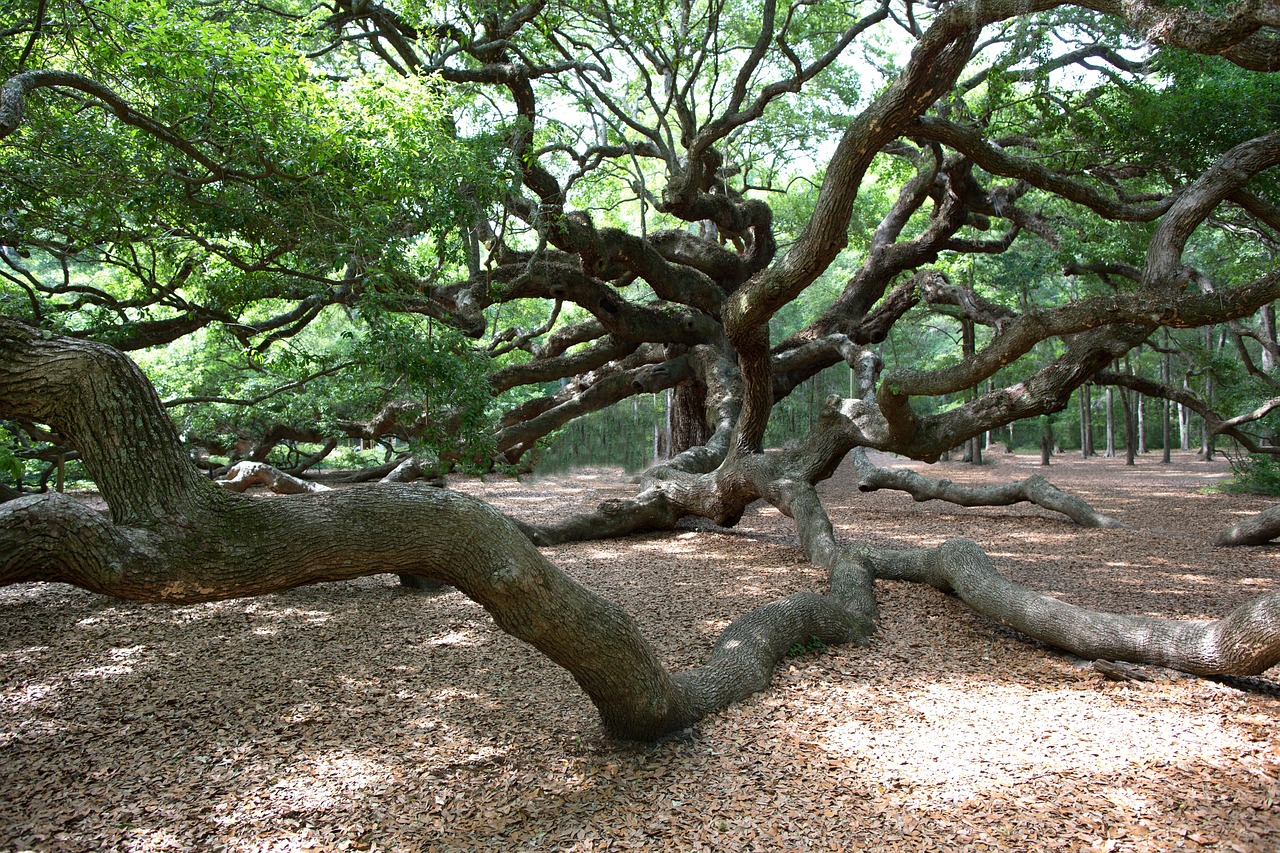
About 30–40 minutes from downtown on Johns Island, Angel Oak is one of the oldest living things in the Southeast—an enormous live oak estimated to be several centuries old (some say 400–500+ years).
My first visit here was on a humid morning; we stepped from the car into cicada buzz, and there it was: branches sprawling in all directions, some so heavy they rest on the ground. It feels almost like a cathedral of wood and leaves.
Tips:
- Transport: You need a car; combine with a beach afternoon on Kiawah or Folly.
- Time needed: 30–45 minutes is enough; it’s a single-site visit.
- Respect: Stay behind fences where indicated; don’t climb or damage the tree.
15. Historic Architecture Walks & Secret Alleys
One of the subtle joys of Charleston is wandering its residential streets, where pastel single houses with side piazzas (porches) line narrow lanes. Between Church, Meeting, Legare, and Tradd Streets, you’ll find some of the city’s most photogenic corners.
I often spend a morning just walking: peeking at walled gardens through iron gates, spotting pineapples and palmettos in architectural details, and ducking into brick alleys like Stoll’s Alley or Philadelphia Alley.
Tips:
- Be respectful: These are lived-in neighborhoods; keep voices low and don’t block driveways or steps.
- Guided tours: A historic walking tour can reveal architectural styles and hidden stories I’d never have noticed on my own.
- Photography: Bring a wide-angle lens if you have one; streets are narrow.
16. Folly Beach
When you need salt air and sand between your toes, Folly Beach—about 25–35 minutes from downtown—is the fun, laid-back choice. It’s surfy, a bit bohemian, and far less polished than the historic district, which is exactly why I love it.
What I do at Folly: I park near the pier, grab a coffee or a breakfast burrito, then walk the beach for an hour before it gets crowded. On calmer days, you’ll see dolphins playing just beyond the breakers. Later, I’ll rent a board or just sit with a book while the tide comes in.
Tips:
- Transport: Car or rideshare. Traffic can back up on summer weekends—go early.
- Activities: Surf lessons, kayak tours, sunset drinks on rooftop bars.
- Family-friendly: Yes; lifeguards near the main area in season, but always check flags and conditions.
17. Sullivan’s Island
Sullivan’s Island, closer to Mount Pleasant, is quieter and more residential than Folly. The beach is wide and windswept, with views of the Morris Island Lighthouse and Fort Sumter in the distance.
I come here when I want a peaceful walk, especially in the off-season. The light near sunset can be magical—soft and golden over the dunes.
Village area: A small strip of restaurants and cafés offers excellent seafood and burgers. It’s a lovely spot for an early dinner after a beach walk.
18. Fort Moultrie (Sullivan’s Island)
Fort Moultrie on Sullivan’s Island is Fort Sumter’s less-visited sibling, but I find it more atmospheric. It covers several eras of coastal defense, from the Revolutionary War through WWII.
I’ve visited twice, and both times I had large stretches almost to myself. Walking the ramparts with ocean views and then reading about the island’s role in the transatlantic slave trade and Gullah Geechee culture is sobering and important.
Tip: Combine Fort Moultrie with a beach stroll and dinner on Sullivan’s for a full afternoon/early evening outside downtown.
19. Old Slave Mart Museum
In the heart of the historic district, the Old Slave Mart Museum occupies the site of an antebellum slave auction gallery. It’s a small but powerful museum that tells the story of Charleston’s role in the domestic slave trade.
My experience: Every time I’ve visited, it’s been a quiet, contemplative space. Exhibits rely heavily on text and documents, so take your time. It’s not a “fun” outing, but it’s essential if you want to understand the city beyond its pretty facades.
Tips:
- Allow time: 45–60 minutes.
- Age-appropriateness: Older kids and teens, yes; for younger ones, it may be too intense.
- Combine with: A self-guided or guided walk through the French Quarter and residential streets.
20. Gullah Geechee Cultural Tours
Several tour operators in Charleston focus on the Gullah Geechee culture—descendants of enslaved Africans who developed a distinct language and traditions along the coastal Lowcountry.
My first Gullah-focused tour completely changed how I saw the city. We learned about praise houses, foodways, spiritual traditions, and how modern development pressures threaten Gullah communities on nearby islands.
Tips:
- Book in advance: Especially in spring/fall peak seasons.
- Listen more than you talk: These are lived cultures, not just “attractions.”
- Support ethically: Buy directly from Gullah artisans and food vendors when you can.
21. College of Charleston Campus
The College of Charleston’s campus is one of the prettiest in the U.S.—live oaks, brick pathways, and old academic buildings that look like movie sets (because they sometimes are).
I love cutting through the campus on my way between King Street and the residential south of Broad area. In spring, azaleas and wisteria are blooming; in fall, students sprawl on the lawns.
22. Halsey Institute of Contemporary Art
Attached to the College of Charleston, the Halsey Institute is a small but sharp contemporary art space. Exhibits rotate and often highlight Southern and international artists with thoughtful, sometimes provocative work.
On one hot afternoon when I couldn’t face another block of sun, I ducked in and found an exhibit of large-scale photography exploring coastal erosion—it paired beautifully with everything I’d been seeing out on the marshes.
Tip: Entry is typically free, making this a great budget-friendly cultural stop.
Charleston Neighborhoods & Areas to Explore
Choosing where to base yourself in Charleston shapes your trip. Here’s how I think of the main areas:
Historic District (French Quarter & South of Broad)
This is the postcard Charleston: cobblestones, steeples, Rainbow Row, The Battery. It’s incredibly walkable and ideal for first-timers who want easy access to the must-see attractions in Charleston.
Vibe: Romantic, historic, expensive. Nights are quieter than Upper King.
Good for: Couples, short stays, travelers who prefer to walk everywhere.
Upper King & Midtown
Upper King is restaurant and nightlife central. Boutique hotels and stylish rentals sit above buzzy eateries and bars.
Vibe: Lively, young, food-focused.
Good for: Friends’ trips, foodies, anyone wanting to be near the action.
Cannonborough–Elliotborough
West of Upper King, this area feels more local and residential but still walkable to downtown. You’ll find coffee shops, bakeries, and small restaurants tucked among colorful homes.
Vibe: Up-and-coming, slightly hipster, more budget-friendly than the historic core.
Good for: Longer stays, digital nomads, travelers wanting a neighborhood feel.
West Ashley
Across the Ashley River, West Ashley is more suburban but has pockets of charm—especially the Avondale area with its restaurants and bars, and the Greenway (a long multi-use path).
Good for: Budget-conscious travelers with a car, families, and those planning to explore plantations along the Ashley River.
Mount Pleasant
Over the Ravenel Bridge, Mount Pleasant mixes newer development with historic Old Village charm. It’s close to Sullivan’s Island and Shem Creek.
Vibe: Residential, family-friendly, with strong suburban comforts.
Good for: Families, longer stays, those wanting easy beach access with a car.
Beach Towns: Folly Beach, Isle of Palms, Sullivan’s Island
If your priority is sand and surf, basing on a beach can be ideal, then day-tripping into the city.
Folly: Funky, surfy, more nightlife.
Sullivan’s: Quieter, upscale, more residential.
Isle of Palms: Family resorts, golf, wide beaches.
Suggested Itineraries: 3, 4 & 5 Days in Charleston
These itineraries are built from my own repeat visits, blending the big sights with hidden gems in Charleston. Adjust based on your pace and interests.
3 Days in Charleston: Classic Highlights
If you have 3 days in Charleston, you can hit the major historic sites, get on the water, and sneak in a beach or plantation visit.
Day 1: Historic Core & Harbor Breezes
I like to spend the first day entirely on foot, letting the city’s rhythm sink in.
- Morning: Start around King Street for coffee and a pastry, then walk toward the French Quarter. Join a historic walking tour (2 hours) to orient yourself—these often cover the big stories behind Rainbow Row, The Battery, and Charleston’s churches.
- Late morning: Stroll down to Waterfront Park and the Pineapple Fountain, then continue along the waterfront to The Battery & White Point Garden. Sit on a bench; watch the harbor.
- Lunch: Grab a casual seafood lunch near East Bay or in the French Quarter.
- Afternoon: Explore the Historic Charleston City Market. Duck into side streets like Church and Meeting to admire architecture. If it’s too hot, retreat into The Charleston Museum or a house museum like Nathaniel Russell House.
- Evening: Dinner on Upper King, followed by a walk or a quiet drink. If you like spooky stories, consider an evening ghost tour for a different angle on the city’s history.
Day 2: Fort Sumter & Gullah Culture
- Morning: Take a Fort Sumter ferry from Liberty Square. Enjoy the harbor views and ranger talk at the fort.
- Lunch: Back on land, eat near the Aquarium/Liberty Square area or walk back into the historic district.
- Afternoon: Visit the Old Slave Mart Museum, then join a Gullah Geechee-focused tour. This combination gives a powerful, necessary context to the city.
- Evening: Stroll down to Rainbow Row and The Battery again for sunset; it feels different every time. Dinner at a slightly more upscale spot—this is your “treat yourself” night.
Day 3: Plantations or Beach Day
For your last day, choose between the Ashley River plantations or a beach escape.
- Option A – Plantations: Visit Magnolia Plantation & Gardens (for romantic gardens and swamp tours) and/or Middleton Place (for formal gardens and historical depth). You’ll need a car or tour.
- Option B – Beach: Head to Folly Beach or Sullivan’s Island for a relaxed day. Walk the shoreline, swim (conditions permitting), and end with seafood.
- Evening: Return to the city for a last wander through the residential streets south of Broad, soaking up the gaslit ambiance before you go.
4 Day Itinerary for Charleston: Add Neighborhoods & Nightlife
With 4 days in Charleston, you can slow the pace and explore more local corners.
Day 1–3:
Follow the 3-day itinerary above, but don’t rush; spread the plantation/beach day across more time if you like.
Day 4: Neighborhood Wandering & Shem Creek Sunset
- Morning: Start in Cannonborough–Elliotborough. Find a local café, linger over breakfast, and then wander side streets lined with colorful houses. Pop into small boutiques and bakeries.
- Midday: Walk or rideshare to the College of Charleston campus and the Halsey Institute. This gives you a taste of modern, student-driven Charleston.
- Afternoon & Evening: Head over the bridge to Shem Creek in Mount Pleasant. Walk the boardwalk, watch shrimp boats, maybe join a kayak or paddleboard tour if you’re feeling active. Stay for a waterfront seafood dinner and sunset.
5 Day Itinerary for Charleston: Deep Dive & Day Trips
With 5 days in Charleston, you can really settle in and start to feel like a temporary local.
Days 1–4:
Use the 4-day itinerary as your base. Then add:
Day 5: Angel Oak & Beach Town Combo
- Morning: Drive to Angel Oak Tree on Johns Island for a quiet start. Afterward, continue to Folly Beach or Kiawah Island (public Beachwalker Park) for a calmer, nature-filled beach day.
- Lunch: Pack a picnic or eat at a beachside café.
- Afternoon: Walk the shoreline, look for dolphins and shorebirds, or rent bikes on Kiawah’s many paths.
- Evening: Return to the city for one last dinner—maybe somewhere you saved from the “must eat” list.
Food & Drink: Local Food in Charleston You Can’t Miss
Charleston’s food scene is a major draw. From white-tablecloth Southern to hole-in-the-wall Gullah spots, you’ll eat well here. Over multiple trips, I’ve learned to balance splurge meals with budget-friendly local joints.
Essential Lowcountry Dishes
- Shrimp & Grits: Creamy, cheesy grits topped with local shrimp—sometimes in a tomato-based sauce, sometimes with bacon and scallions.
- She-Crab Soup: Rich, sherry-laced crab soup, often served as a starter in classic restaurants.
- Lowcountry Boil/Frogmore Stew: A boil of shrimp, sausage, corn, and potatoes—often served family-style.
- Oysters: Local oysters in season (roughly fall–early spring). Roast events are common in cooler months.
- Biscuits: Flaky, buttery biscuits for breakfast, sometimes with fried chicken or pimento cheese.
- Gullah/Geechee dishes: Red rice, okra stew, perloo (rice dish), and more.
Where I Like to Eat (and Save Money)
Restaurant names change fast, but some patterns stay:
- Lunch vs dinner: Many upscale spots are significantly cheaper at lunch; I often do my “fancy” meals midday and keep dinner casual.
- Happy hour: Oyster and drink specials can save a lot; check bars on Upper King and near the waterfront.
- Markets & food halls: Smaller plates and shared seating help the budget; you can sample multiple vendors.
For truly local flavors at reasonable prices, seek out Gullah or soul food restaurants off the main tourist drags, and don’t be afraid to ask locals where they go for a regular weeknight dinner.
Nightlife, Entertainment & Cultural Experiences in Charleston
Charleston’s nightlife isn’t about giant clubs; it’s about good cocktails, live music, and atmospheric evenings.
Evening Ideas
- Upper King Bars & Restaurants: Trendy spots with craft cocktails and small plates. Great for a night out with friends.
- Rooftop Bars: Several hotels have rooftop lounges with skyline or harbor views—perfect for sunset.
- Jazz & Live Music: Look for small venues featuring jazz, bluegrass, or acoustic sets; schedules change, so check listings.
- Spoleto & MOJA Performances (Seasonal): During festivals, evenings fill with theater, dance, and concerts.
- Ghost Tours: Cheesy? Sometimes. But walking the city by gaslight, hearing stories, can be surprisingly atmospheric.
Cultural Experiences
- Gullah storytelling & performances: Some tours and events feature traditional stories, songs, and food.
- Church services: With respect, visitors are sometimes welcome at Sunday services, including those with powerful gospel music—check ahead and follow etiquette.
- Art walks & gallery nights: Monthly/seasonal events in the French Quarter and beyond.
Best Day Trips from Charleston
Once you’ve worked through the main things to do in Charleston, consider exploring the surrounding Lowcountry.
Beaufort & Hunting Island
About 1.5–2 hours south, Beaufort is another historic coastal town with antebellum homes and a relaxed waterfront. Nearby Hunting Island State Park has a lighthouse and wild-feeling beaches.
Edisto Island
Quieter and less developed than Folly or Isle of Palms. Perfect for a peaceful beach day, shelling, and marsh views. A car is essential.
Kiawah Island & Johns Island
Combine Angel Oak with an afternoon at Kiawah’s public Beachwalker Park. Rent bikes and ride Kiawah’s extensive paths if you have time.
Cultural Etiquette & Local Customs in Charleston
Charleston is part of the American South, with its own blend of manners, hospitality, and complex history.
- Politeness matters: “Yes, ma’am/sir,” holding doors, saying “please” and “thank you” go a long way. Locals are generally friendly but appreciate reciprocity.
- Respect for residents: Historic streets are residential. Keep noise down at night, don’t trespass on porches or yards, and avoid intrusive photography.
- Dress: Casual is fine most places, but some upscale restaurants expect smart-casual at dinner. Lightweight, breathable fabrics are key in warm months.
- History & race: Charleston’s beauty is built on a painful history of slavery. Approach plantation and slavery-related sites with humility and respect; listen to descendant communities and guides.
- Tipping: In the U.S., standard tipping is 18–22% in restaurants, $1–2 per drink at bars, 10–20% for tours depending on length and quality.
Practical Travel Advice for Charleston
Getting Around
- On foot: The historic district is compact; you’ll walk a lot. Bring comfortable shoes.
- Public transport: CARTA buses serve the area, and the free DASH shuttle runs loops downtown—useful for saving your feet and your wallet.
- Rideshares & taxis: Uber and Lyft are widely available and handy at night or to reach spots like Shem Creek.
- Car rental: Useful if you plan multiple plantation and beach trips. Parking downtown can be pricey; use garages rather than hunting endlessly for street spots.
- Bikes: Some hotels and shops rent bikes. Great for the bridge path, parks, and beach towns; be cautious on narrow downtown streets.
Money-Saving Tips
- Visit in shoulder seasons (late fall, winter excluding holidays, early spring) for lower hotel rates.
- Use the free DASH bus and walk instead of constant rideshares.
- Make lunch your big splurge meal; do casual dinners or picnic-style suppers from markets.
- Look for combo tickets for museums/house tours and discounted online bookings for Fort Sumter or plantations.
SIM Cards & Connectivity
- For U.S. visitors: Your regular plan will likely work fine; 5G/4G coverage is strong in town, decent on beaches.
- For international visitors: Major U.S. carriers sell prepaid SIMs at airports and big-box stores. eSIM options (e.g., regional or global providers) are convenient—purchase and activate before arrival if possible.
- Free Wi-Fi is common in hotels, many cafés, and some public buildings.
Visas & Driving
- Visas: Charleston follows U.S. federal rules. Citizens of many countries can use ESTA (Visa Waiver Program) for short visits; others need a tourist visa. Check official U.S. government sites before booking.
- Foreign driver’s licenses: Generally accepted for short-term visitors if in English. If not in English, carry an International Driving Permit (IDP) plus your home license.
- Driving style: Right-hand traffic. Local drivers can be assertive but not usually aggressive; watch for sudden stops at crosswalks and bikes in narrow lanes.
When to Visit Charleston & Final Takeaways
Seasons & What They’re Best For
- Spring (March–May): Ideal for gardens, festivals (Spoleto, Wine + Food), and walking. Popular and pricier, but gorgeous.
- Summer (June–August): Hot, humid, with afternoon storms. Best for beach-focused trips and long evenings outdoors. Plan midday indoor breaks.
- Fall (September–November): Warm early, then pleasantly cool. Great for outdoor activities, plantations, and fewer crowds than spring (except festival weekends).
- Winter (December–February): Mild, with some chilly days. Best for budget travelers and those who prefer quiet streets. Holiday lights add charm.
Key Takeaways
Charleston is more than a pretty Southern city; it’s a living, breathing place layered with history, culture, and evolving neighborhoods. Take time to walk slowly, listen to its stories, and venture beyond the obvious. Whether you’re planning a 3 day itinerary for Charleston, stretching to a 4 day itinerary for Charleston, or luxuriating in a 5 day itinerary for Charleston, you’ll find more than enough things to do in Charleston to fill your days—and reasons to come back.
Balance your trip: mix iconic sights like The Battery and Rainbow Row with Gullah cultural tours, neighborhood cafés, and marsh sunsets at Shem Creek. Eat the local food, respect the local customs, and let the slow pace of the Lowcountry work its way into your bones.