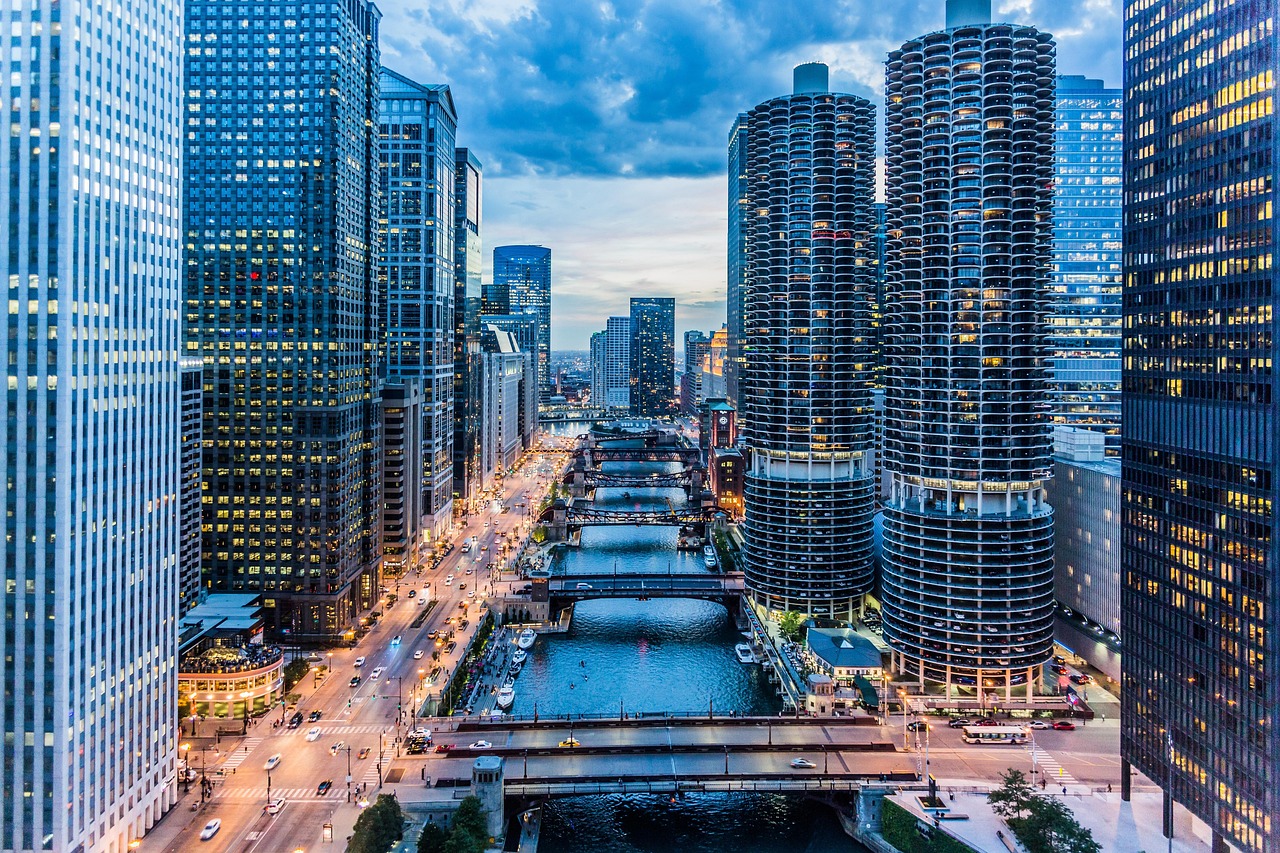
Why Visit Chicago in 2026
Chicago is the city I never meant to fall in love with, and then did—hard. It’s a place where world-class architecture frames a freshwater beach, where jazz spills into alleys, where the food scene swings from Michelin stars to a $6 Italian beef that will ruin you for sandwiches anywhere else. If you’re planning 3 days in Chicago or even a full 5 day itinerary for Chicago, this city will fill every hour with something memorable.
What makes Chicago special isn’t just its famous skyline or deep-dish pizza. It’s the way neighborhoods feel like distinct little worlds: the Mexican bakeries of Pilsen, the brownstones of Lincoln Park, the indie coffee shops of Logan Square, the historic Ukrainian Village bars that seem frozen in time. It’s the palpable pride Chicagoans have in their city, even when we’re complaining about the weather.
In 2026, Chicago is buzzing. The city is still riding the post-Route 66 centennial wave, layering new public art along classic corridors. There’s a renewed focus on the riverfront, and neighborhoods like Bronzeville and Pilsen are seeing a thoughtful resurgence in arts and dining. Whether you’re crafting a 3 day itinerary for Chicago packed with the greatest hits or stretching to a slower 5 days in Chicago, this guide is written as if I’m walking beside you, sharing the shortcuts, the “skip this, do that instead,” and the quiet corners I go back to again and again.
Table of Contents
- Why Visit Chicago
- Chicago at a Glance
- 20 Must-See Attractions in Chicago (Deep Dive)
- Suggested 3–5 Day Itineraries
- Best Neighborhoods & Areas to Explore
- Local Food in Chicago & Where to Eat
- Nightlife, Entertainment & Cultural Experiences
- Major Events & Festivals 2026–2027
- Day Trips from Chicago
- Cultural Etiquette & Local Customs
- Practical Travel Tips for Chicago
- Best Time to Visit & Final Summary
Chicago at a Glance
Chicago sits on the southwestern shore of Lake Michigan, a true inland sea that behaves like an ocean—waves, beaches, and all, minus the salt. The city is the third-largest in the United States, but it rarely feels overwhelming; the lake and the grid layout keep you oriented, and the neighborhoods each have a distinct personality.
- Population: ~2.7 million (city), ~9.5 million (metro)
- Nicknames: The Windy City, The Second City, City of Big Shoulders
- Best for: Architecture lovers, foodies, museum nerds, families, couples, lake/beach fans, music and theater enthusiasts
- Ideal trip length: 3–5 days for first-timers; a week if you want to explore multiple neighborhoods deeply
20 Must-See Attractions in Chicago (With Local-Style Stories & Tips)
These are the heavy-hitters plus a few personal favorites. You don’t need to see all of them in one go (especially if you only have 3 days in Chicago), but this list will help you choose what fits your style. I’ve been to each of these multiple times over the years, and I’ll tell you honestly what’s worth your time, what to skip if you’re short on hours, and how to make each visit smoother.
1. Millennium Park & Cloud Gate (“The Bean”)
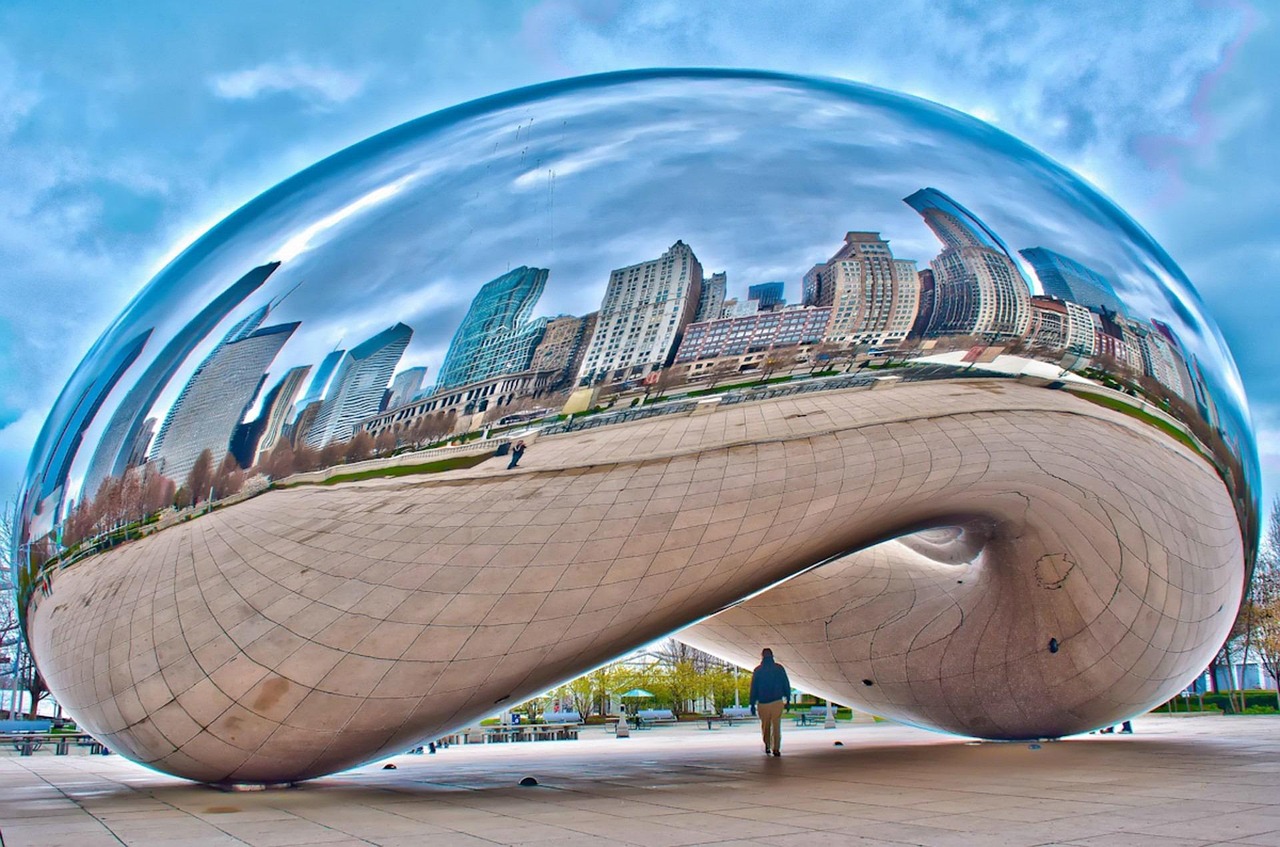
Millennium Park is Chicago’s “front yard” and the one place I insist every first-time visitor sees, even on a rushed 3 day itinerary for Chicago. It’s also the spot where I take out-of-town friends at sunrise, when it belongs mostly to joggers, dog walkers, and photographers.
The park opened in 2004, transforming old rail yards into a sleek, art-filled public space. Its star is Cloud Gate, aka “The Bean,” Anish Kapoor’s reflective sculpture that distorts the skyline and your own reflection. I still find new angles every time I walk around and under it.
What I usually do here: I like to enter from Michigan Avenue, wander first to Cloud Gate before the crowds, then walk over to the Crown Fountain, where video faces blink and spit water in summer. In winter, I’ll detour to the ice rink for a lap or two, city lights glittering around me.
Why it’s great for everyone: Families love the open space and splashy fountains; couples get those skyline photos; solo travelers can just sit on a bench and people-watch for hours.
Food tip: For a quick bite, I often duck into the nearby Revival Food Hall (a 10–12 minute walk) for local vendors under one roof, or grab coffee and a pastry from one of the small cafés along Michigan Avenue.
How to get there: Red or Blue Line to Jackson, Brown/Green/Orange/Pink/Purple Line to Washington/Wabash, then walk east.
Local tip: Visit just after sunrise or after 9 p.m. for the quietest experience and best photos. And don’t climb on The Bean—security will whistle you off quickly.
2. The Art Institute of Chicago
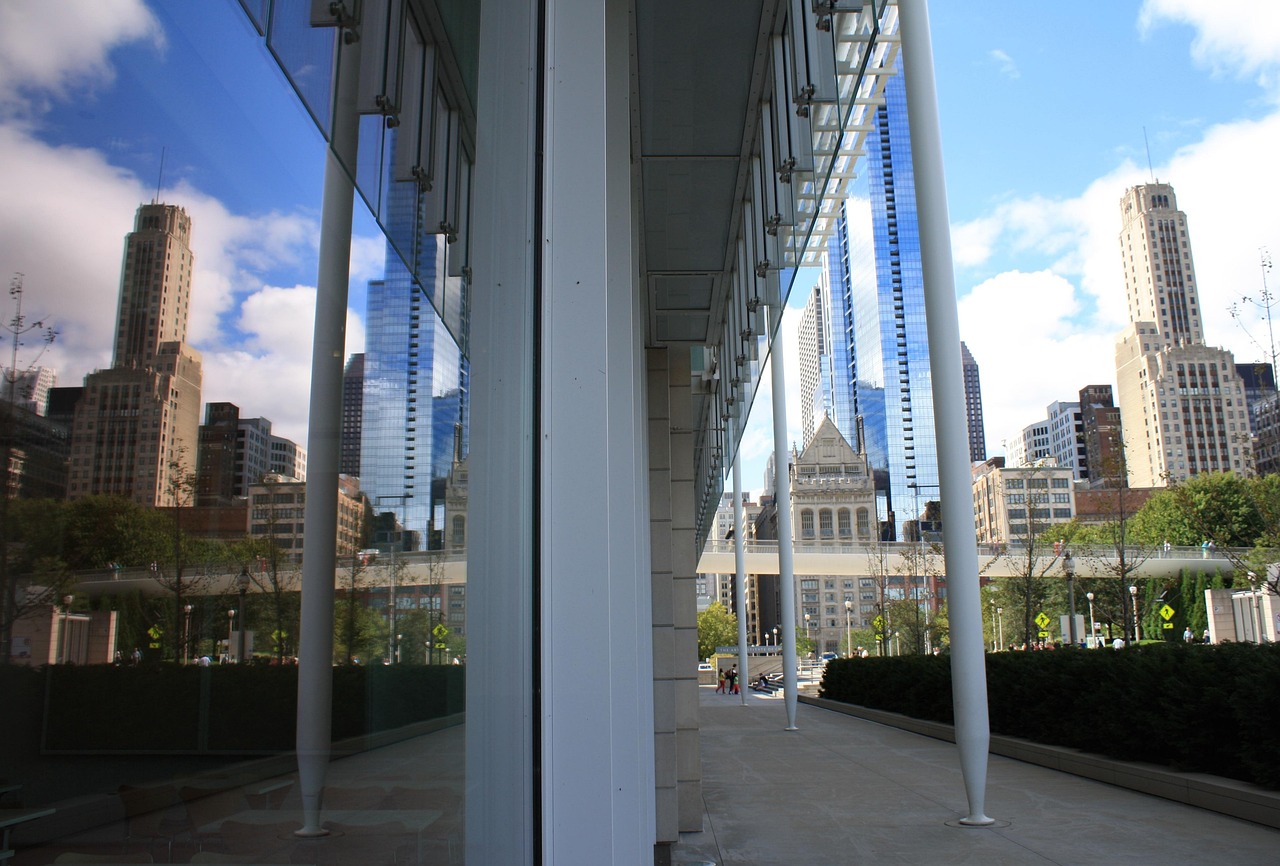
If you love art even a little, this is non-negotiable. The Art Institute is one of the best museums in the world, and I say that as someone who’s happily lost afternoons in the Louvre, Prado, and Met. On a rainy day, it’s my favorite place to be in downtown Chicago.
The museum dates back to 1879 and houses everything from ancient artifacts to cutting-edge contemporary work. Its Impressionist and Post-Impressionist collection is legendary: think Monet’s haystacks, Seurat’s A Sunday on La Grande Jatte, and Van Gogh’s self-portrait.
My usual route: I like to start with the Impressionists, then the American galleries (you’ll find Grant Wood’s American Gothic here), and finally the Modern Wing, which is airy and flooded with light. On one visit, I randomly joined a docent-led mini-tour and it completely changed how I saw a few pieces. Highly recommend the free tours if you catch one.
Family & couples note: Families can pick up kids’ activity guides, and couples often use the museum as a calm, indoor date before dinner in the Loop.
Food tip: The museum café has decent coffee and snacks, but I usually step out to Latinicity (Latin food hall) or grab a quick bowl in the Loop for something more memorable.
How to get there: It’s just south of Millennium Park on Michigan Avenue. Any Loop train stop will get you close; walk east toward the lake.
Local tip: Buy tickets online to skip the line, and if you’re doing several attractions, consider the CityPASS or Go City pass to save money.
3. Willis Tower Skydeck & The Ledge
We still slip and call it the Sears Tower. Whatever you name it, the Willis Tower is one of Chicago’s defining silhouettes. I’ve gone up to the Skydeck at least half a dozen times, and the view never gets old—especially at sunset when the city lights flicker on.
Completed in 1973, Willis Tower was once the tallest building in the world. Today, the Skydeck on the 103rd floor features glass boxes called The Ledge that extend four feet out from the building, letting you stand on transparent floors 1,353 feet above the city. The first time I stepped onto The Ledge, my knees wobbled despite knowing it’s completely safe.
When I go: I try to time my visit for late afternoon, staying through sunset. Watching the sky shift over Lake Michigan and the grid of lights appear below is one of the most cinematic things you can do in Chicago.
Family & romantic angle: Kids love the “standing in the sky” thrill, and couples get dramatic photos—just be patient with the line for each glass box.
How to get there: Walk from most Loop hotels, or take the Brown/Orange/Pink/Purple Line to Quincy and walk a few minutes.
Local tip: Lines can be brutal in summer. Go early morning, or an hour before sunset on a weekday. Pre-book a timed ticket.
4. Navy Pier
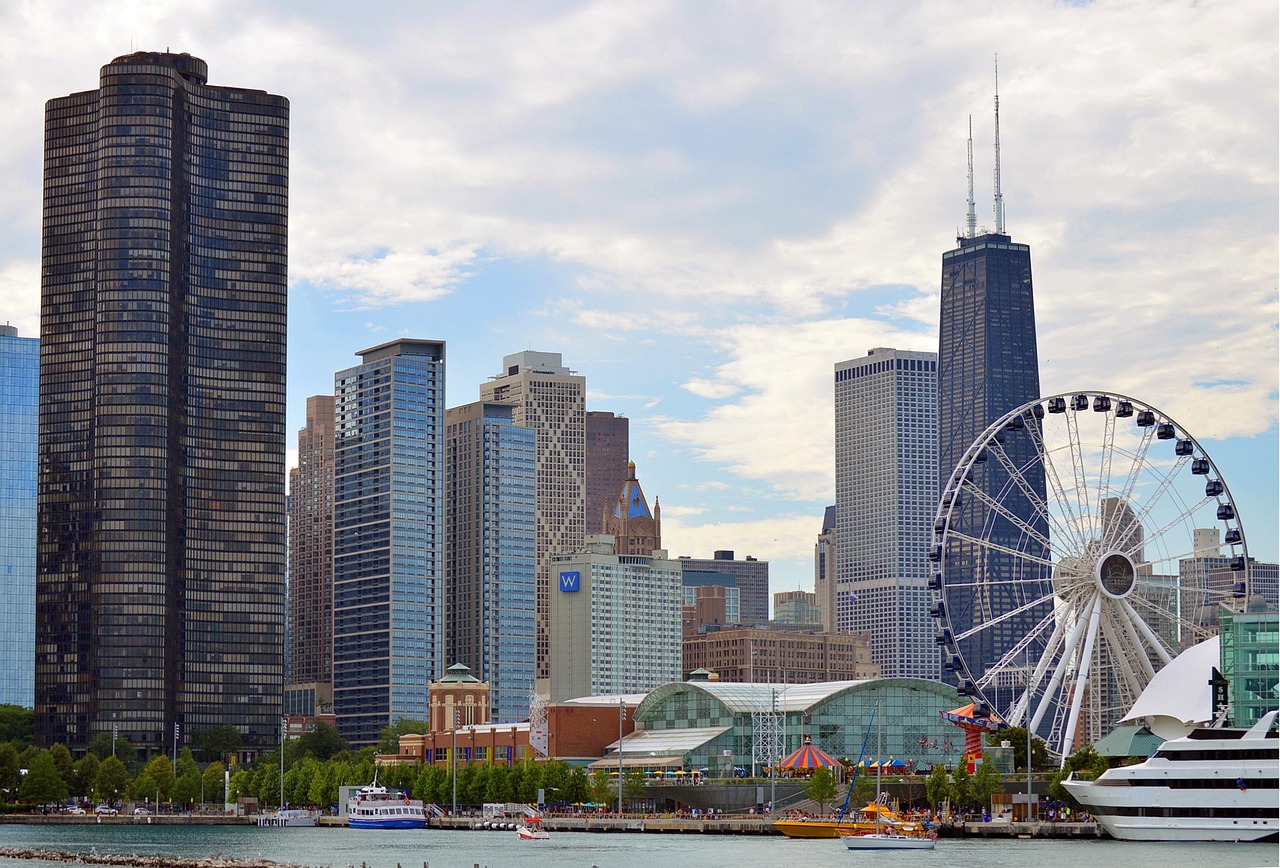
Navy Pier is one of those places locals like to pretend is “just for tourists,” but many of us still end up here for fireworks, boat tours, or the occasional ride on the Centennial Wheel. If you’ve got kids or you’re into lake views, it fits nicely into a 3 day itinerary for Chicago.
The pier dates back to 1916 and has worn many hats: shipping hub, military training site, university. Today it’s a 3,300-foot-long entertainment complex with rides, restaurants, the Chicago Children’s Museum, the Shakespeare Theater, and boat docks.
What I actually do here: I usually skip the chain restaurants and instead grab a drink with a lake view or use it as a starting point for a sunset boat cruise. The Centennial Wheel is fun once—especially at night when the city glows behind you.
Family highlight: The Children’s Museum is excellent for younger kids, and there’s plenty of room to run around.
How to get there: From downtown, you can walk (20–30 minutes from Millennium Park) or take the free seasonal trolleys or buses (like the 29, 65, or 66).
Local tip: In summer, catch the fireworks (typically Wednesdays and Saturdays). Bundle Navy Pier with a lake cruise or architecture tour for a fuller day.
5. Chicago Architecture River Cruise
If you only have time for one classic “tourist” activity in your 3 or 4 day itinerary for Chicago, make it this. I still hop on the architecture river cruise every couple of years, and I always hear some new story about the skyline.
Chicago is essentially the birthplace of the modern skyscraper. The river cruise glides along the Chicago River while a guide explains the history behind buildings like Marina City (“the corn cob towers”), the Wrigley Building, Tribune Tower, and more recent additions like Aqua Tower.
Best time to go: Late afternoon or golden hour is magic—the light is soft, and you can see great reflections on the glass facades.
Romantic angle: Evening cruises with a drink in hand, watching the city light up, are absolutely date-night worthy.
How to get there: Most cruises depart from docks near Michigan Avenue Bridge or along the Riverwalk.
Local tip: Choose a cruise that focuses on architecture (not just a generic “lake and river” combo) if you want the deeper stories. Dress in layers—breezy on the water, even in summer.
6. The Magnificent Mile & Historic Skyscrapers
The Magnificent Mile is Chicago’s most famous stretch of Michigan Avenue, running roughly from the river to Oak Street. Even if you’re not a shopper, walk it at least once—it’s essentially an open-air architecture gallery.
What I like here: I rarely buy much, but I always slow down near the Wrigley Building, Tribune Tower (with its embedded stones from global landmarks), and the historic Water Tower, which famously survived the Great Chicago Fire of 1871.
Family & casual fun: There are mainstream shops and big-name brands, so it’s easy to pick up last-minute clothes or forgotten items. At the north end, you’re near Oak Street Beach for a quick lake break.
Local tip: Duck one or two blocks west or east for more interesting local cafés and less chain-heavy dining.
7. Lincoln Park & Lincoln Park Zoo
On summer weekends, Lincoln Park is where half the city seems to go to exhale. The neighborhood is leafy and elegant, and the Lincoln Park Zoo is one of the rare free zoos in the United States.
My usual Lincoln Park day: I’ll hop off the Brown Line at Armitage, grab coffee from a local spot, wander past brownstones, then cut into the park toward the zoo. After an hour or two checking in on the lions and primates, I walk toward the Alfred Caldwell Lily Pool, a serene, Prairie-style garden that feels miles from the city.
Why it’s great: Families adore the zoo and playgrounds; couples love the skyline views from the South Pond boardwalk, especially at sunset.
Local tip: Don’t miss the Honeycomb structure (People’s Gas Education Pavilion) along the boardwalk—it’s one of my favorite photo spots in the whole city.
8. Museum Campus: Field Museum, Shedd Aquarium & Adler Planetarium
The Museum Campus is where you could accidentally spend an entire day (or two) without realizing it. Three major institutions cluster along the lakefront, all with knockout views of the skyline.
- Field Museum: Natural history, with “SUE” the famous T. rex and deep-dive cultural exhibits. I can lose hours in the Egyptian and Native American galleries.
- Shedd Aquarium: Beluga whales, Caribbean reef, penguins, and more. I still remember being mesmerized by the jellyfish exhibit on a winter day—snow outside, glowing tanks inside.
- Adler Planetarium: The astronomy exhibits are great, but I often go simply for one of the best skyline views in Chicago right outside.
How I usually tackle it: If I only have half a day, I choose either Field + a quick Shedd visit or Shedd + a walk out to Adler for the view. Families with kids might focus on Shedd first.
Local tip: Bring snacks or a picnic—food options inside can be pricey. And if you just want that iconic skyline shot, you can walk out to Adler’s grounds for free.
9. The Chicago Riverwalk
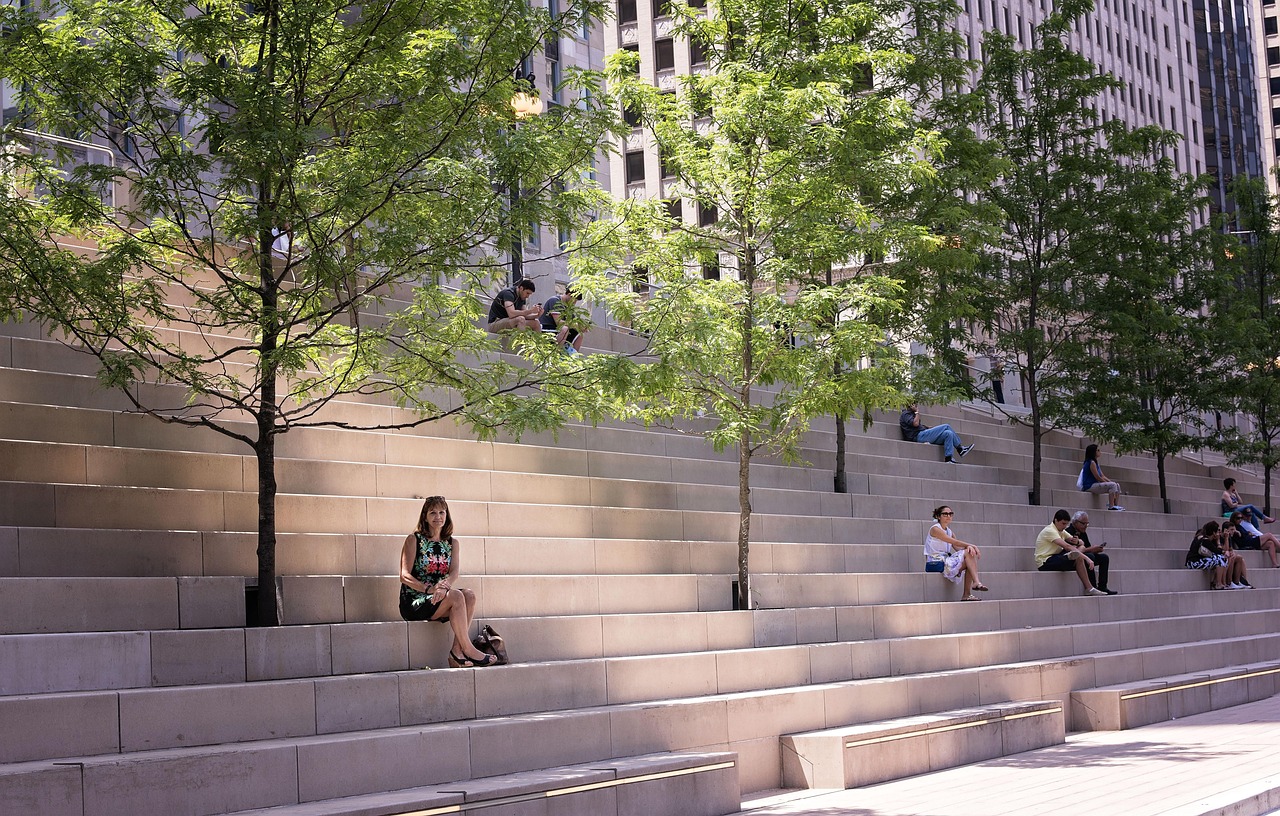
The Riverwalk is where downtown Chicago feels almost European: café tables by the water, boats gliding past, people strolling with gelato or a glass of wine. When I have an hour to kill between meetings, this is where I wander.
Stretching along the south bank of the Chicago River, the Riverwalk is lined with public art, small bars, kayak rentals, and viewing platforms. It’s perfect for a gentle walk at sunset.
Family note: Kids love watching the boats and ducks, and there are plenty of railings, but keep a close eye on little ones near the water.
Local tip: In summer, aim for early morning or late afternoon to avoid the harsh midday sun reflecting off the glass towers.
10. Wrigley Field & Wrigleyville
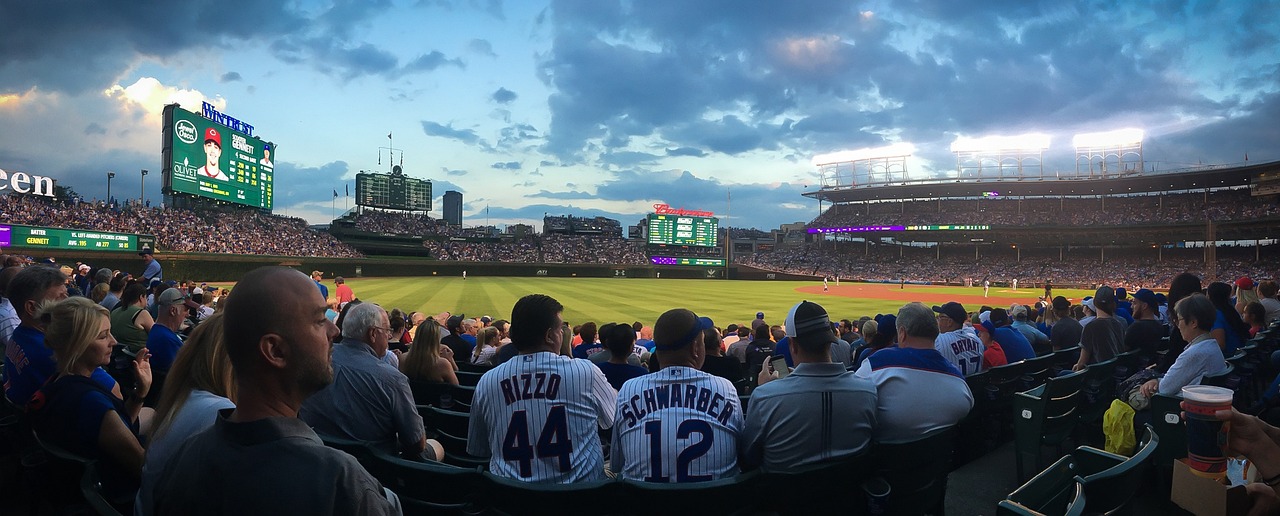
Even if you don’t care about baseball, you should experience Wrigley Field once. It’s one of the oldest ballparks in the country (opened in 1914), with ivy-covered outfield walls and an old-school vibe that newer stadiums can’t fake.
My Wrigley ritual: I take the Red Line to Addison, emerge into a sea of Cubs jerseys, then grab a beer from a neighborhood bar before heading in. Afternoon games are my favorite—sunny, relaxed, and very Chicago.
Wrigleyville today: The area around the park has evolved into a party district, with rooftop bars, big screens, and lots of nightlife. Fun if you’re in the mood; overwhelming if you’re not.
Local tip: Tickets can get pricey; for a budget option, consider upper deck seats or check resale sites closer to game day. And take the train—parking is expensive and traffic is a headache on game days.
11. Museum of Contemporary Art (MCA) Chicago
When I’m in the mood for something thought-provoking and a little weird, I head to the MCA. It’s smaller than the Art Institute but punches above its weight in challenging exhibitions and performance art.
The building itself is a minimalist concrete and glass cube, just off the Magnificent Mile. Inside, you’ll find rotating exhibitions that often highlight Chicago-based and underrepresented artists.
Local tip: Check their calendar for free days and performances; they regularly host music, talks, and experimental shows.
12. Pilsen Street Art & the National Museum of Mexican Art
Pilsen is one of my favorite neighborhoods in Chicago, hands down. It’s colorful, creative, and full of life, with murals spilling across walls and alleys. If you want to see a side of the city beyond the Loop, build Pilsen into your 4 day itinerary for Chicago or longer stays.
My Pilsen days: I usually start with coffee along 18th Street, then wander on foot. The National Museum of Mexican Art is free and excellent, with deep, nuanced exhibits on Mexican and Mexican-American identity. Outside, murals and street art turn whole blocks into open-air galleries.
Food highlight: Don’t leave without trying tacos or pan dulce (Mexican pastries) from a local panadería. Prices are usually friendly, making this a great neighborhood for travelers watching their budget.
Local tip: Respect the art and residents—don’t block doorways for photos, and remember this is a living, breathing community, not just a backdrop.
13. Chicago’s Chinatown
Chicago’s Chinatown is compact but vibrant, and I love heading down here for dim sum on a lazy weekend. The ornate gate along Wentworth Avenue, pagoda-style buildings, and bustling groceries make it feel like you’ve stepped into a different city.
What I do here: Dim sum with friends, bubble tea afterward, then a slow walk through the side streets and the Chinatown Square plaza. On warm days, I’ll sometimes stroll over to the riverfront park.
Local tip: Take the Red Line to Cermak-Chinatown. Go hungry, and bring cash—some of the best spots are small, family-run places that may be cash-preferred.
14. Logan Square & Milwaukee Avenue
Logan Square is where I go when I want a more local, laid-back vibe: indie coffee shops, craft cocktail bars, and great restaurants without the downtown gloss. If you’re staying 4–5 days, spend at least one evening up here.
My typical Logan night: Coffee at an indie café, maybe a stop at a record store, then dinner at a neighborhood spot along Milwaukee Avenue. Afterward, I’ll grab a drink at a low-key bar or catch a live show.
Local tip: The Logan Square monument (at the center of the boulevard) is a fun gathering point and a classic Chicago photo op.
15. Garfield Park Conservatory
On the coldest winter days, I escape to the Garfield Park Conservatory. Walking into its lush, humid glasshouses after freezing outside feels like teleporting to the tropics.
Built in 1908, the conservatory is one of the largest in the country. You’ll wander through ferns, desert cacti, palm houses, and seasonal flower shows.
Local tip: Admission is usually donation-based. Take the Green Line to Conservatory–Central Park Drive. It’s a beautiful, calming break from the urban rush and a very underrated attraction.
16. Andersonville
Andersonville, on the city’s North Side, started as a Swedish enclave and today is a mix of cozy, queer-friendly, and independently minded. Clark Street is lined with boutiques, bookshops, and some of my favorite low-key restaurants.
My Andersonville days: I browse bookstores and vintage shops, grab a coffee, and end up at a neighborhood bar or diner. It’s peaceful, community-oriented, and feels worlds away from downtown’s intensity.
Local tip: Look for the Swedish American Museum and bakeries for a taste of the neighborhood’s roots.
17. Hyde Park & the University of Chicago
Hyde Park, on the South Side, is an intellectual and cultural hub anchored by the University of Chicago. Gothic architecture, tree-lined streets, and lakefront parks make it one of my favorite weekend escapes.
What I do in Hyde Park: I wander the campus, visit the Robie House (a Frank Lloyd Wright masterpiece), and dip into the Smart Museum of Art or the DuSable Black History Museum and Education Center in nearby Washington Park.
Local tip: Combine Hyde Park with a South Side lakefront bike ride for an incredible half-day outside the usual tourist loop.
18. River North Gallery District
River North is where sleek condos meet brick warehouses turned into galleries and restaurants. If you’re into contemporary art but want something more intimate than a big museum, this is your spot.
Local tip: Check if any galleries are holding openings on the night you’re in town—free wine, good art, and local people-watching all in one.
19. Wicker Park & Bucktown
Wicker Park and Bucktown are hip, busy, and endlessly entertaining—think murals, boutiques, cafés, and bars. They’re a staple for anyone who wants to explore beyond downtown during 4–5 days in Chicago.
My routine: Brunch, then a long walk along Milwaukee Avenue, maybe dropping into bookstores, record stores, and clothing boutiques. In the evening, live music or a cocktail bar.
Local tip: The six-corner intersection at Damen/Milwaukee/North is your navigation anchor here. From there, everything radiates out.
20. Lakefront Trail & Chicago Beaches
I’d argue the Lakefront Trail is Chicago’s single greatest asset. A multi-use path hugs the lake for 18 miles, linking beaches, parks, and neighborhoods. On a clear summer morning, biking from the North Side into downtown feels like flying alongside the water.
My favorite stretches: From Montrose Beach to Oak Street Beach for great skyline views, and from Museum Campus down toward Hyde Park for a quieter, more local feel.
Family & romantic angle: Pack a picnic, rent bikes, or just stroll. Sunsets over the city from the lakefront are consistently spectacular.
Local tip: Watch for separate bike and pedestrian lanes. Stay aware—locals move fast here, especially during commuting hours.
Suggested Itineraries: 3, 4 & 5 Days in Chicago
Below are flexible outlines you can adapt. I’ll highlight what works best for a 3 day itinerary for Chicago, and how to expand it to 4 days in Chicago or a fuller 5 day itinerary for Chicago. I’ll weave in some personal “this is how I’d actually spend the day” notes without going minute-by-minute—use these as a backbone, not a script.
3 Day Itinerary for Chicago (First-Time Essentials)
Day 1: Downtown Icons & the Lakefront
Focus: Millennium Park, Art Institute, Riverwalk, architecture cruise.
I usually kick off a short trip with the “greatest hits” close together, so you’re not wasting time in transit on your first day.
- Morning: Start at Millennium Park for Cloud Gate photos and a gentle wake-up walk. Then head to the Art Institute right when it opens. Give yourself at least 2–3 hours.
- Lunch: Grab something nearby—either a quick bite in the Loop or a sit-down lunch along Michigan Avenue.
- Afternoon: Wander the Chicago Riverwalk. If you pre-booked, hop on an afternoon architecture river cruise.
- Evening: Walk the Magnificent Mile as the city lights come on. Dinner in River North or the Loop.
Day 2: Museums & Sky-High Views
Focus: Museum Campus plus Willis Tower or another observatory.
- Morning: Head to the Museum Campus. Choose either Shedd Aquarium (family favorite) or the Field Museum (history and culture lovers). If you’re quick, you can skim both, but I prefer going deeper in one.
- Lunch: Picnic by the lake or eat at a museum café.
- Afternoon: Walk to the Adler Planetarium just for the skyline view. It’s one of my “wow” spots in Chicago.
- Evening: Head back into the Loop for dinner, then go up to the Willis Tower Skydeck for sunset and city lights.
Day 3: Neighborhoods, Navy Pier & the Lakefront Trail
Focus: Get a taste of local life plus some classic fun.
- Morning: Pick a neighborhood: Lincoln Park (zoo + park), Wicker Park (shops + cafés), or Pilsen (street art + Mexican food). Wander, eat, linger.
- Afternoon: Head back toward the lake. Walk part of the Lakefront Trail or relax on a beach if the weather’s good.
- Late afternoon/evening: Finish at Navy Pier—ride the Centennial Wheel, have a drink by the water, maybe catch fireworks in summer.
4 Day Itinerary for Chicago (Add Depth & Neighborhood Flavor)
With 4 days in Chicago, you can follow the 3-day plan above and add:
Day 4: Hyde Park & South Side Culture
- Morning: Take the Metra Electric or bus to Hyde Park. Walk the University of Chicago campus, visit the Robie House, and pop into a café or bookstore.
- Afternoon: Visit the DuSable Black History Museum and Education Center in Washington Park.
- Evening: Stroll the South Side lakefront, then head back north. If you have energy, catch a jazz show in the evening.
5 Day Itinerary for Chicago (Slow, Local & Hidden Gems)
With 5 days in Chicago, you can linger, repeat favorite spots, and add less touristy corners.
Use the 4-day itinerary, plus:
Day 5: Logan Square, Andersonville or Garfield Park Conservatory
- Option 1 – Logan Square & Wicker Park: Brunch, boutique-hopping, murals, and nightlife.
- Option 2 – Andersonville: Relaxed day of bookstores, bakeries, and local bars.
- Option 3 – Garfield Park Conservatory: Escape to the greenhouses, then maybe explore a West Side café or head back downtown for one last sunset on the Riverwalk.
In a full 5 day itinerary for Chicago, I also like building in one open “do-whatever-day”: revisit a museum you rushed, spend extra time on the Lakefront Trail, or just sit in a café watching the city go by.
Neighborhoods & Districts to Explore
Chicago is a city of neighborhoods. Here are some of the most interesting to add to your travel guide for Chicago, each with its own tone and highlights.
- The Loop: Downtown core with skyscrapers, Millennium Park, and most major theaters. Great for first-time stays.
- River North: Art galleries, upscale bars, and restaurants; very lively at night.
- Streeterville: Close to Navy Pier and the lake, lots of hotels, easy access to the Magnificent Mile.
- Lincoln Park: Leafy, affluent, with a free zoo, parks, and lake access. Good for families.
- Wicker Park/Bucktown: Hipster central—murals, indie shops, nightlife, and cafés.
- Logan Square: A bit more relaxed than Wicker, great dining and bar scene.
- Lakeview & Wrigleyville: Residential with nightlife pockets and Wrigley Field; lively on game days.
- Pilsen: Mexican heritage, street art, local taquerias, National Museum of Mexican Art.
- Hyde Park: University vibe, museums, lakefront, historically rich.
- Andersonville: Indie shops, LGBTQ+ friendly, Swedish roots, cozy and walkable.
- Chinatown: Compact and vibrant, best for food and cultural atmosphere.
Local Food in Chicago: What to Eat & Where
Chicago’s food scene is one of its biggest draws. Yes, you should try deep-dish pizza at least once. No, that’s not all we eat. From Polish pierogi to Mexican al pastor to inventive tasting menus, there’s something for every palate and budget.
Iconic Chicago Eats
- Deep-Dish Pizza: Thick, buttery crust, loads of cheese, chunky tomato sauce. Try classic spots like Lou Malnati’s, Giordano’s, or Pequod’s. I usually split one pie among 2–3 people—it’s heavier than it looks.
- Chicago-Style Hot Dog: All-beef dog “dragged through the garden” (mustard, relish, onion, tomato, sport peppers, celery salt, pickle spear) on a poppy seed bun. Never ketchup. Portillo’s is an easy first try.
- Italian Beef Sandwich: Thinly sliced beef on a roll, dipped in jus, topped with sweet peppers or spicy giardiniera. I like it “hot and wet” (spicy, fully dunked). Al’s Beef and Portillo’s are common go-tos; locals debate fiercely about favorites.
- Garrett Popcorn: The “Garrett Mix” (cheese + caramel) is oddly addictive. I bring it on trains and flights as a snack.
Neighborhood Food Highlights
- Pilsen: Street tacos, pozole, tamales, and Mexican bakeries. Prices are typically lower than downtown, making it great for budget-conscious travelers.
- Chinatown: Dim sum, roast duck, noodles, bakeries, bubble tea. Come hungry.
- Logan Square & Wicker Park: Trendy restaurants, inventive cocktails, and solid brunch options.
- Andersonville: Casual restaurants, Swedish-inspired bakeries, cozy bars.
Saving Money on Food
For longer trips or a 5 day itinerary for Chicago, food costs can add up. A few tricks I use:
- Eat your big meal at lunch—many restaurants have cheaper midday menus.
- Use food halls (Revival Food Hall, Time Out Market) to try local vendors at reasonable prices.
- Explore neighborhoods like Pilsen, Chinatown, and Albany Park for excellent, affordable meals.
- Book accommodations with a small kitchen or at least a fridge and microwave for breakfasts and simple dinners.
Nightlife, Entertainment & Cultural Experiences in Chicago
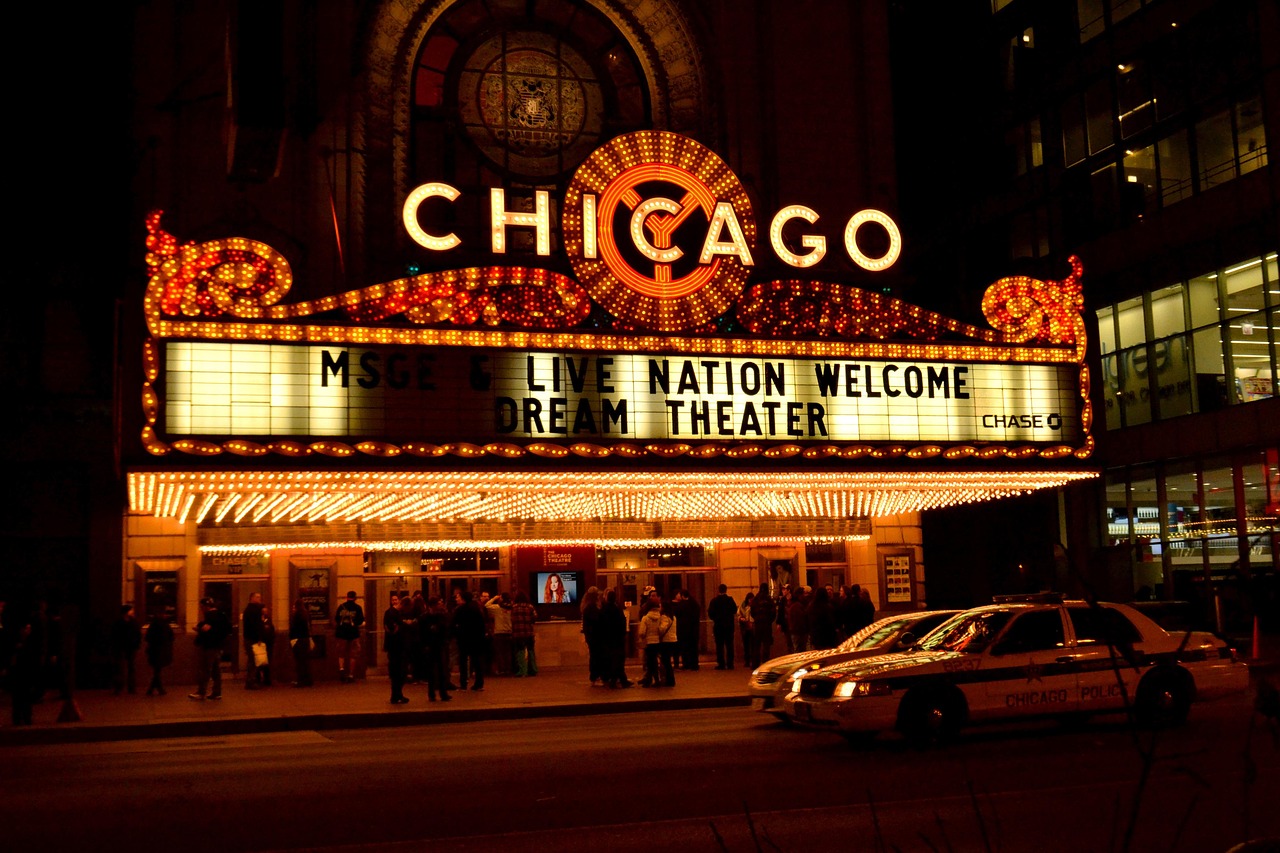
Chicago’s nights can be as low-key or as wild as you want them. Personally, I lean toward jazz bars, improv shows, and late-night walks along the river, but I’ve also had my share of 2 a.m. Wrigleyville stories.
Theater & Improv
- Broadway in Chicago: Touring productions of big-name shows in historic theaters downtown.
- Second City: Legendary improv club in Old Town. I’ve never had a bad night here—expect sharp, fast, and very Chicago humor.
- Steppenwolf, Goodman, Chicago Shakespeare Theater: For more serious theater fans, these are world-class.
Music & Jazz
- Jazz Clubs: Green Mill (Uptown) is a classic, with an old-school vibe and late-night sets. Andy’s Jazz Club (River North) is easier to fit into a downtown evening.
- Blues: Kingston Mines and Buddy Guy’s Legends are iconic spots.
- House & Electronic: Chicago is the birthplace of house music; check listings for current venues and events.
Bars & Late-Night Areas
- River North: Upscale, crowded, dressier vibe.
- Wicker Park/Logan Square: Trendy but more relaxed, with creative cocktails and craft beer.
- Wrigleyville: Sports bars and rowdy crowds, especially on game nights—fun if you’re in the mood.
Major Events & Festivals in Chicago (2026–2027)
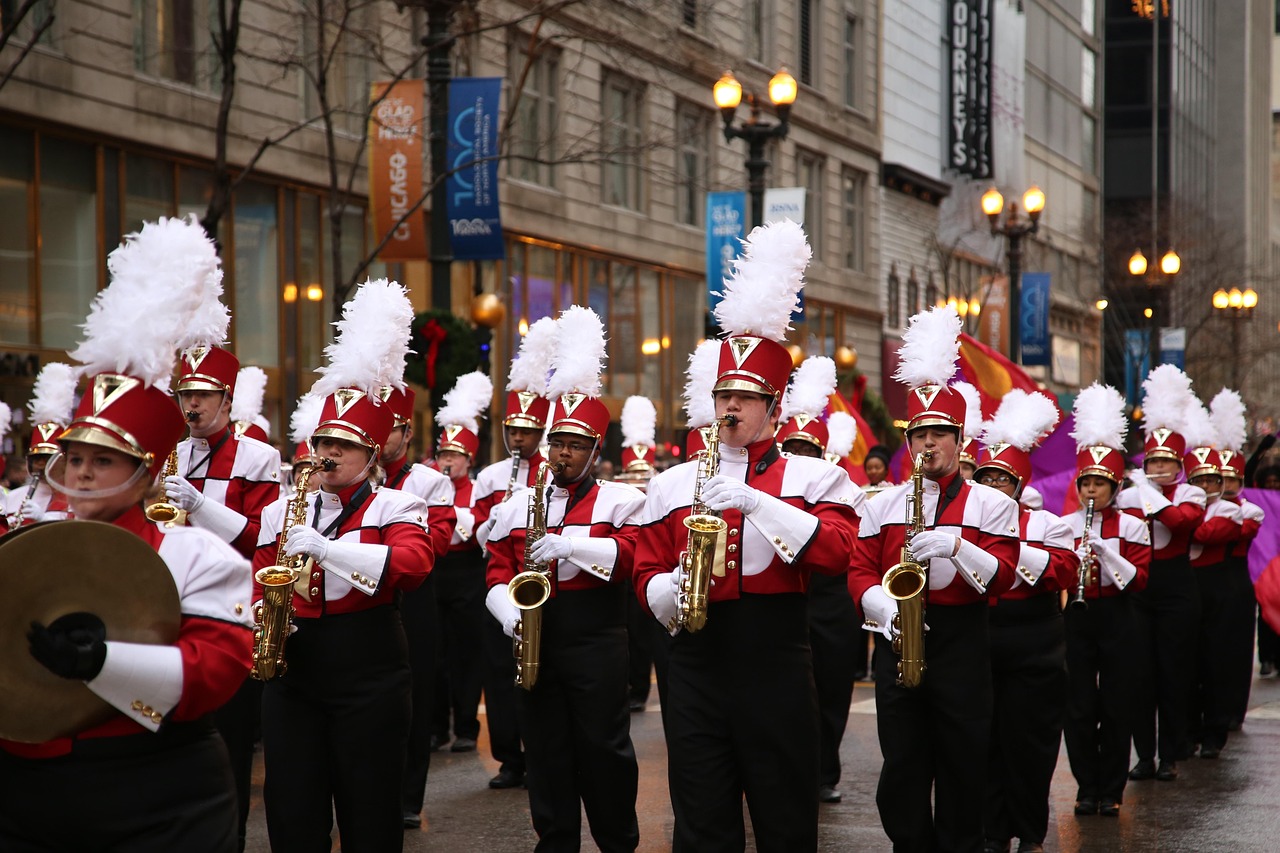
Event dates change yearly, but these recurring festivals and happenings shape the city’s calendar. For 2026–2027, expect:
- Chicago Blues Festival (June): Free performances in Millennium Park and other venues—an incredible value.
- Chicago Jazz Festival (Late August/September): Another free, high-quality music festival.
- Taste of Chicago (Summer): Food stalls from all over the city. Crowded but fun.
- Lollapalooza (Early August): Massive music festival in Grant Park—book accommodations early if your 3–5 days in Chicago overlap.
- Chicago Air & Water Show (August): Free aerial performances over the lake; beaches and parks fill up.
- Chicago Marathon (October): One of the world’s major marathons; the city turns into a giant cheering section.
- Holiday Lights & Christkindlmarket (Nov–Dec): German-style markets, skating rinks, and festive displays downtown and in some neighborhoods.
In 2026–2027, expect continued investment in the Chicago Riverwalk programming, expanded neighborhood arts festivals, and evolving food events that highlight local chefs and immigrant communities.
Day Trips from Chicago
If you’re staying 5 days in Chicago or more and want a change of pace, consider:
- Evanston & Northwestern University: North of the city, easy by the Purple Line. Stroll the lakefront campus and downtown Evanston cafés.
- Oak Park: Home to many Frank Lloyd Wright buildings and his studio; accessible by the Green Line or Metra.
- Indiana Dunes National Park: Lake Michigan beaches and dune hikes. Reachable by South Shore Line train from downtown.
- Milwaukee: A different city vibe just 90 minutes away by Amtrak—good for beer, the lakefront, and art museums.
Cultural Etiquette & Local Customs in Chicago
Chicago is generally straightforward and friendly, but a few local habits and norms are useful to know.
- Personal space: Midwesterners like a bit of space in lines and on trains. Don’t crowd if you can help it.
- Lines & transit: Form orderly lines, let people exit trains and buses before boarding.
- Sports loyalties: People care—deeply—about the Cubs vs. White Sox, Bears, Bulls, and Blackhawks. Friendly teasing is normal; serious trash talk is not.
- Weather talk: Complaining about the weather is a local bonding ritual. You’re welcome to join in.
- Tipping: 18–22% in restaurants and bars is standard; tip hotel staff, rideshare drivers, and guides as you would elsewhere in the U.S.
Practical Travel Advice for Chicago
Getting Around
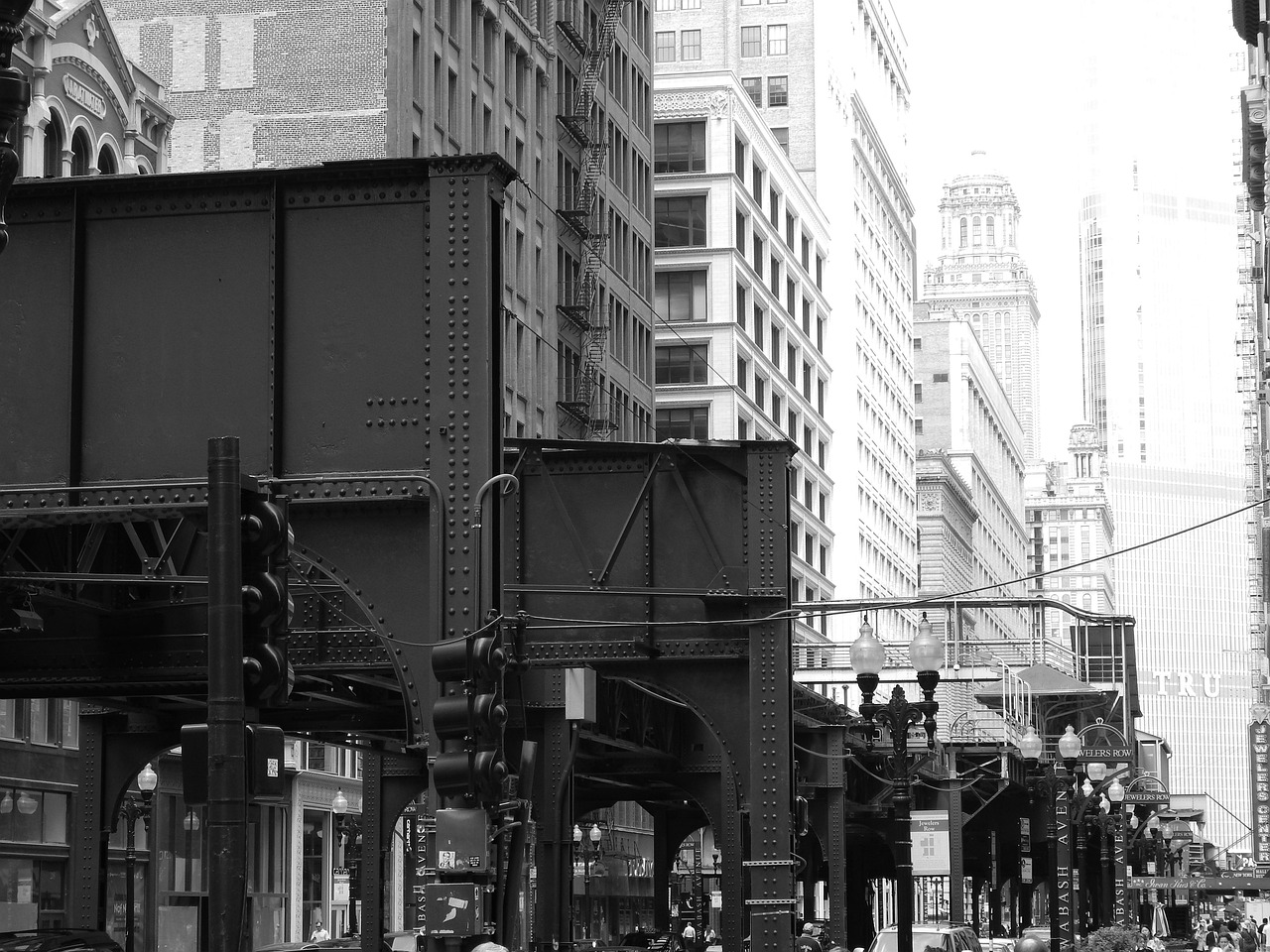
- Public Transit (CTA): The “L” trains and buses cover most places you’ll visit. Get a Ventra card or use contactless payment. For a 3–5 day itinerary for Chicago, a multiday pass can be cost-effective.
- Metra: Commuter trains connect downtown with suburbs and some nearby towns like Evanston and Oak Park.
- Rideshare & Taxis: Easy to find but can be pricey during peak times, especially around big events.
- Walking & Biking: Downtown is very walkable. Divvy bike-share stations are everywhere; just be mindful of traffic.
- Car Rental: Not necessary for a city-focused trip and can be a hassle (parking, traffic, cost). Consider only if you’re doing extensive day trips.
SIM Cards & Connectivity
For international visitors, buy a prepaid SIM at major carriers (AT&T, T-Mobile, Verizon) in the Loop or at the airport. eSIM options are increasingly common and convenient. Public Wi-Fi is available in many cafés, libraries, and some public spaces, but I always recommend having your own data for maps and transit apps.
Money-Saving Tips
- Use museum free days if your trip overlaps (check each museum’s website).
- Get a CityPASS or similar bundle if you plan to hit several paid attractions.
- Eat in neighborhoods instead of only downtown to stretch your budget.
- Use Ventra passes instead of paying per ride if you’ll be on transit multiple times per day.
Visa Requirements & Driving Licenses
Visa requirements depend on your nationality. Many visitors can use the Visa Waiver Program (ESTA) for short stays. Always check current U.S. entry rules well before your trip.
Foreign driver’s licenses are generally accepted for short visits, but an International Driving Permit can be helpful (and is required by some rental companies). In the city, though, you likely won’t need to drive at all.
Safety
Like any big city, Chicago has safer and less safe areas. Tourist zones and most neighborhoods in this guide are fine with normal street smarts: stay aware of your surroundings, avoid flashing valuables, and stick to well-lit streets at night. If a place feels off, trust that instinct and move on.
Best Time to Visit Chicago & Final Takeaways

Seasons & What They’re Best For
- Spring (April–May): Blooming parks, warming temperatures, fewer crowds. Great for a 3 day itinerary for Chicago focused on walking and museums.
- Summer (June–August): Peak season. Festivals, beach days, long evenings on patios, and lakefront fun. Ideal for 4–5 days in Chicago if you love being outdoors, but book early and expect higher prices.
- Fall (September–October): My personal favorite. Crisp air, changing leaves, manageable crowds, and lots of cultural events. Perfect for a balanced 3–5 day itinerary for Chicago.
- Winter (November–March): Cold and sometimes brutal, but magical around the holidays. Great for museum-heavy trips, theater, and a different kind of city mood. Dress warmly—layers, good boots, hat, scarf, gloves.
Key Takeaways
- For first-timers, 3 days in Chicago is enough to hit the essentials: Millennium Park, Art Institute, Museum Campus, an observatory, and an architecture cruise.
- With 4 days in Chicago, you can add Hyde Park or Pilsen and get a stronger sense of the city’s cultural depth.
- A full 5 day itinerary for Chicago lets you breathe: more neighborhoods, slower mornings, repeat visits to your favorite spots, and maybe a day trip.
- Don’t underestimate the power of the lakefront, Riverwalk, and simple neighborhood walks—they’re as important as the big-ticket attractions.
- Eat beyond deep-dish: Mexican in Pilsen, dim sum in Chinatown, brunch in Logan Square, and pastries in Andersonville.
Chicago rewards curiosity. Wander off Michigan Avenue, ride the L a few extra stops, follow the sound of live music, and you’ll find your own corners of the city to fall for—just like I did, and still do every time I step onto the Lakefront Trail at sunset.