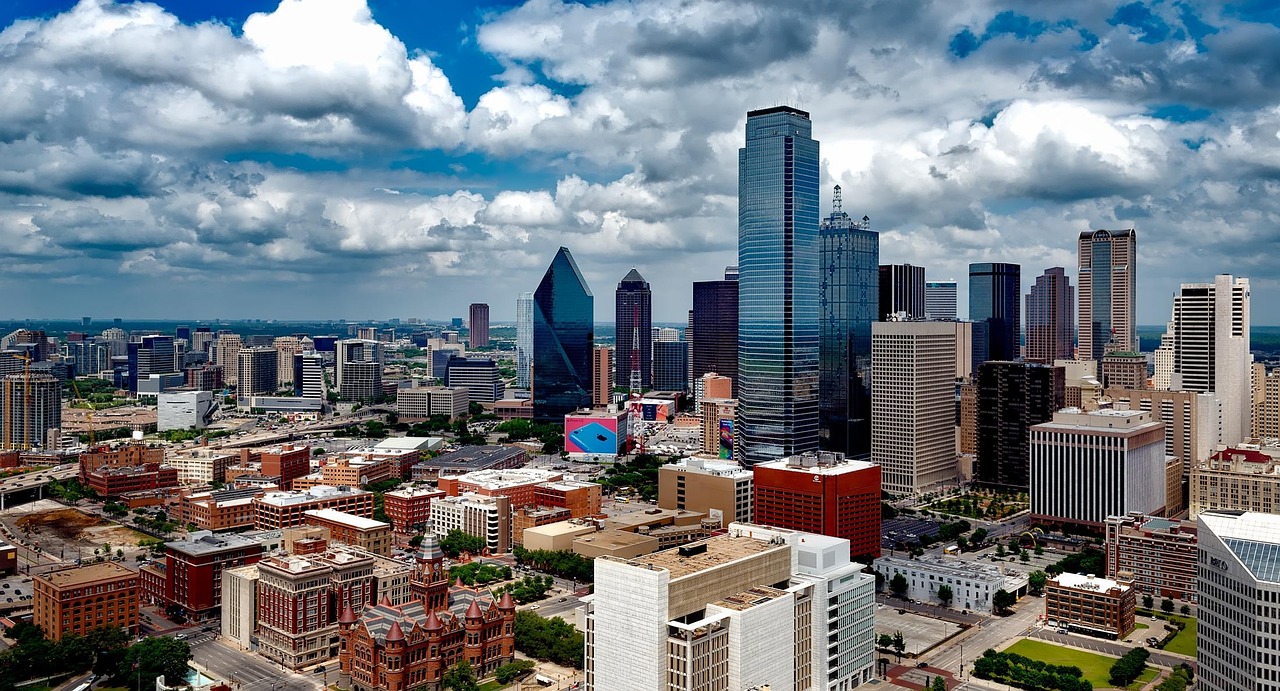
Why Visit Dallas in 2026?
Dallas is one of those cities that quietly sneaks up on you. You might come for the legendary Texas barbecue or to catch a Cowboys game, but by the time you leave, it’s the neighborhoods, the art, and the people that stick with you.
Over the years, I’ve visited Dallas in all seasons—sweltering summers, crisp football-season weekends, and mild spring breaks. Every trip, I find a new mural tucked behind a coffee shop, a taco stand with a line of locals around the block, or a rooftop bar with an even better view than the last. Dallas is big, yes—but it’s also surprisingly intimate when you start exploring it block by block.
In 2026, Dallas is buzzing. The Arts District keeps expanding, new food halls pop up in reimagined warehouses, and the city continues investing in green spaces that knit together its high-rise skyline and historic brick neighborhoods. Whether you have 3 days in Dallas, 4 days in Dallas, or you’re stretching it into 5 days in Dallas, this travel guide will help you build a smart, satisfying itinerary that balances famous attractions with genuine local experiences.
Dallas is a fantastic choice for:
- Families – interactive museums, expansive parks, aquariums, and kid-friendly food.
- Couples – skyline views, romantic dinners, spa hotels, and wine bars.
- Adventure seekers – rooftop pools, stadium experiences, vibrant nightlife, and nearby day trips.
- Cultural travelers – world-class museums, Black history sites, performing arts, and rich local customs in Dallas neighborhoods.
Dallas at a Glance
Dallas is the ninth-largest city in the United States, known for its shimmering glass skyscrapers, sprawling suburbs, and deeply rooted Texas identity. But beyond the stereotypes—cowboy hats, oil money, and the JFK story—there’s a surprisingly diverse city with strong Latino, Black, Asian, and international communities that shape everything from the food scene to music and festivals.
Downtown and Uptown are where you feel the vertical energy: sleek hotels, rooftop pools, and cocktail lounges. Just a few miles away, Bishop Arts District feels like a different city entirely—walkable streets lined with indie boutiques, murals, and cafes. Add in Deep Ellum’s live music and street art, the polished museums of the Arts District, and the leafy trails along the Trinity River, and you’ve got a city that rewards curiosity.
Dallas is also extremely drivable, but public transit, ride shares, and walkable pockets make it easy to explore even without a car if you plan smartly.
20 Must-See Dallas Attractions (with Local Stories & Tips)
These are the must-see attractions in Dallas that I recommend weaving into any 3 day itinerary for Dallas, 4 day itinerary for Dallas, or 5 day itinerary for Dallas. I’ve visited each of these at least once—many of them multiple times on different trips—and I’ll share what to expect, how to get there, and how to make each visit special.
1. Reunion Tower GeO-Deck
The glowing ball on the Dallas skyline you see in every photo? That’s Reunion Tower. The GeO-Deck observation level is where I always bring first-timers, especially if we only have 3 days in Dallas and want an instant overview of the city.
The elevator ride takes under a minute, shooting you up 470 feet. The first time I went, it was just before sunset on a breezy October evening. The city glowed gold, and the Margaret Hunt Hill Bridge curved across the Trinity like a brushed-silver ribbon. You can walk the full 360° indoor deck, with interactive screens that help you identify buildings and neighborhoods, plus an outdoor deck that makes the skyline feel close enough to touch.
Why it matters: Opened in 1978, Reunion Tower became an instant Dallas icon. The LED lights on its geodesic dome change patterns and colors for holidays, sports wins, and events.
Tips:
- Best time: About 45–60 minutes before sunset so you see the city in daylight, twilight, and at night.
- Tickets: Book online (often cheaper); look for combo tickets with other attractions.
- Getting there: It’s walkable from most Downtown hotels; otherwise, take the DART to Union Station, which is right next door.
- Family-friendly? Very. Kids love the interactive screens and the elevator ride.
- Photo tip: For skyline shots, bring a cloth to wipe the indoor windows; outdoor deck is best for reflection-free photos.
2. The Sixth Floor Museum at Dealey Plaza
Few places in Dallas are as emotionally charged as the Sixth Floor Museum. Housed in the former Texas School Book Depository, it tells the story of President John F. Kennedy’s assassination on November 22, 1963.
I remember my first visit vividly. It was a rainy winter afternoon, and the mood inside matched the weather: quiet, contemplative, heavy. You walk through a series of exhibits that cover the political era, the motorcade route, the moments of the assassination, and the investigations that followed. The corner window where Lee Harvey Oswald is said to have fired the shots has been reconstructed behind glass.
Why it matters: This is not a light attraction, but it’s historically important and extremely well-curated. It gives you context for why Dealey Plaza is such a pilgrimage site for visitors.
Tips:
- Timing: Expect 1.5–2 hours. I suggest going in the morning when your mind is fresh.
- Tickets: Reserve in advance, especially on weekends and holidays.
- Nearby: After the museum, walk around Dealey Plaza and the grassy knoll. There are usually unofficial guides sharing theories—interesting, but take them with a grain of salt.
- With kids: Older teens may appreciate the history; for younger kids, it may be too intense or abstract.
3. Dallas Arts District
The Dallas Arts District is one of my favorite areas in the city—partly because you can wander between several world-class museums on foot, and partly because the architecture is stunning. It’s also a great anchor for any 3 day itinerary for Dallas if you love art and design.
The district spans 68 acres and features the Dallas Museum of Art, the Nasher Sculpture Center, the Crow Museum of Asian Art, and performance venues like the Winspear Opera House and the Meyerson Symphony Center. I like to start at Klyde Warren Park (more on that next), then walk across to the DMA and Nasher for a full cultural day.
Don’t miss:
- Dallas Museum of Art (DMA): One of the largest art museums in the country, with a mix of American, European, African, and contemporary art. General admission is often free, which makes it a budget-friendly must.
- Nasher Sculpture Center: A serene indoor-outdoor museum dedicated to modern sculpture. The garden here is magic on a sunny day.
- Winspear Opera House: Even if you don’t see a show, walk by to admire the red glass exterior and open plaza.
Local tip: I love coming here on Thursday evenings when the district is a little more lively—museum late hours, performances, and nearby bars that fill up after work.
4. Klyde Warren Park
Klyde Warren Park is where Dallas proves it can do green spaces as well as it does glass towers. Built over a recessed freeway, this 5.2-acre park is essentially a giant urban living room connecting Uptown and the Arts District.
On my last spring visit, I spent an entire afternoon here: grabbing tacos from a food truck, sitting on the lawn listening to a live band, and watching kids run through the splash pad. There are game areas, a dog park, a children’s park, and daily programming that ranges from free yoga to outdoor movies.
Why it matters: It’s a symbol of Dallas’ new direction—prioritizing walkability, community spaces, and everyday culture.
Tips:
- Best time: Late afternoon into early evening, especially in spring and fall.
- Food: Check the schedule of food trucks online; weekends have the most variety.
- Budget: Completely free unless you’re buying food.
- Family-friendly: Extremely; this is one of the top places I recommend for families in Dallas.
5. Dallas Arboretum and Botanical Garden
When you need a break from city energy, the Dallas Arboretum on the shores of White Rock Lake is where you go. It’s 66 acres of manicured gardens, shady paths, fountains, and seasonal displays that take “over the top” as a compliment.
I’ve been here three times in different seasons, and each visit felt like a new garden. In spring, the Dallas Blooms festival explodes with tulips and color. In fall, the Pumpkin Village becomes an Instagram magnet with thousands of gourds. In summer, I like to arrive right when they open to beat the heat and then linger by the shaded benches overlooking the lake.
Why it matters: It’s consistently ranked as one of the top botanical gardens in the U.S. and is especially great for couples and families.
Tips:
- Timing: Go early in the day, especially May–September when temperatures soar.
- Tickets: Buy online; check for discount days.
- Bring: A hat, sunscreen, and water. There are cafes inside, but I like to pack a light picnic (check current rules).
- Getting there: A car or rideshare is easiest; it’s about 20–25 minutes from Downtown, depending on traffic.
6. Bishop Arts District
Bishop Arts District is where I go when I want Dallas to feel like a small town. Once a sleepy area, it’s now a lively, walkable neighborhood full of independent shops, galleries, and restaurants—but it still feels human-scale and creative.
On one of my favorite trips, I spent a rainy afternoon here, ducking into bookstores, sipping coffee at a cozy cafe, and ending the evening with a long, slow dinner at a farm-to-table restaurant. Street murals add color at every turn, and on weekend nights, the sidewalks buzz with people hopping between bars and dessert spots.
Highlights:
- Independent boutiques selling everything from Texas-made candles to vintage denim.
- Excellent brunch and dessert options (save room; you’ll need it).
- Frequent street festivals, art walks, and live music.
Local tip: Parking can be tricky on weekend evenings. I usually grab a rideshare or come earlier in the day, then stay through sunset.
7. Deep Ellum
If you’re looking for Dallas’ creative heartbeat, head to Deep Ellum. This historic neighborhood east of Downtown has been a hub for jazz and blues since the early 20th century and is now a canvas for bold murals, live music venues, and edgy eateries.
Every time I come back, there’s new street art splashed on the walls, new bars, and new food concepts tucked into old brick buildings. I’ve spent long evenings here listening to live bands, hopping between breweries, and photographing murals until my phone died.
Why it matters: Deep Ellum is central to Dallas’ cultural identity—gritty, creative, and always evolving.
Tips:
- When to go: Daytime for murals and coffee shops; evenings for nightlife and live music.
- Safety: Like many nightlife districts, it’s generally fine but stay aware late at night and stick to main streets.
- Photo tip: Start around Elm Street and Main Street and just wander; every alley has something.
8. Perot Museum of Nature and Science
This is my go-to recommendation for families and science lovers. The Perot Museum is as impressive on the outside as it is on the inside, with a cube-like building and an outdoor staircase that feels like a sci-fi set.
Inside, you’ll find dinosaur skeletons, interactive physics exhibits, gems and minerals, and hands-on displays that make it easy to spend a half-day. The last time I visited, I watched kids race virtual cheetahs and spent way too long in the earthquake simulation room.
Why it matters: It’s one of the best family attractions in Dallas and makes for a great half-day in any 4 day itinerary for Dallas if you’re traveling with kids.
Tips:
- Timing: Weekday mornings are quieter; weekends can be busy.
- Plan: 2–3 hours minimum, more with kids.
- Nearby: You’re close to Klyde Warren Park and the Arts District—perfect for a full day combo.
9. Dallas World Aquarium
Despite its name, the Dallas World Aquarium is part aquarium, part indoor rainforest. You start at the top of a multi-story exhibit and slowly spiral down through lush greenery, passing free-flying birds, sloths, and monkeys before reaching the aquatic exhibits below.
On a hot summer afternoon, this is one of my favorite indoor escapes. I remember the first time I stepped into the rainforest section—the humidity and bird calls made me completely forget I was downtown.
Tips:
- Best for: Families, animal lovers, and hot or rainy days.
- Timing: Try to arrive close to opening to avoid crowds.
- Plan: 2–3 hours.
10. AT&T Stadium (Dallas Cowboys Stadium – in Arlington)
Even if you’re not a huge American football fan, AT&T Stadium—home of the Dallas Cowboys—is impressive. Technically in Arlington (about 25–30 minutes from Dallas), it’s an easy half-day trip and a must for sports lovers.
I took a tour on a non-game day, and walking onto the field under that massive retractable roof is surreal. You visit the locker rooms, the cheerleaders’ facilities, the suites, and you get time to toss a football on the turf if you want.
Why it matters: It’s one of the largest and most technologically advanced stadiums in the world—a temple of Texas football culture.
Tips:
- Game vs. tour: Game days are high-energy but hectic; tours give you a deeper behind-the-scenes look.
- Getting there: Car or rideshare is easiest; public transport is limited.
- Combine with: Six Flags Over Texas or Globe Life Field if you want a full Arlington day.
11. George W. Bush Presidential Library and Museum
Located on the SMU campus, this presidential library offers a detailed look at the George W. Bush administration, including exhibits on 9/11, the Iraq War, education, and domestic policy.
I went in with only a passing knowledge of the era and left with a much more nuanced understanding—even if I didn’t agree with every policy. The 9/11 exhibit is particularly moving, with artifacts and video footage that are hard to forget.
Why it matters: It’s an important modern history site and a well-designed museum, even if you’re not American.
Tips:
- Budget: Not free, but worth the ticket if you’re interested in politics or history.
- Combine with: A walk through the SMU campus and nearby University Park for a change of scenery.
12. Dallas Zoo
The Dallas Zoo is the oldest and largest zoological park in Texas, and it’s one of the better big-city zoos I’ve visited. The “Giants of the Savanna” exhibit, where you can see elephants, giraffes, and other African animals in a shared habitat, is a highlight.
I visited on a cool November morning and loved how spread out and shaded the grounds are. It never felt overwhelmingly crowded, even on a weekend.
Tips:
- Best time: Early morning for active animals and cooler temperatures.
- Getting there: DART’s Red Line has a stop at Dallas Zoo—convenient if you don’t have a car.
13. Trinity Groves & Margaret Hunt Hill Bridge
On the western edge of downtown, Trinity Groves is a cluster of restaurants and bars at the base of the striking Margaret Hunt Hill Bridge. It’s one of my favorite spots for a relaxed evening—eat, drink, then walk the old Continental Avenue Bridge (now a pedestrian park) for skyline views.
One of my best Dallas sunsets was from here, watching the sky turn peach behind the skyscrapers while cyclists and families strolled by.
Why it matters: The area captures Dallas’ modern foodie culture with a side of architecture and skyline views.
14. Highland Park Village
Highland Park Village is an upscale open-air shopping center in one of Dallas’ wealthiest neighborhoods. Even if you’re not planning to buy luxury brands, it’s fun to wander, people-watch, and admire the Spanish-style architecture.
I like coming here for a coffee and a slow stroll. Around the holidays, the decorations are especially pretty.
15. Fair Park & the State Fair of Texas
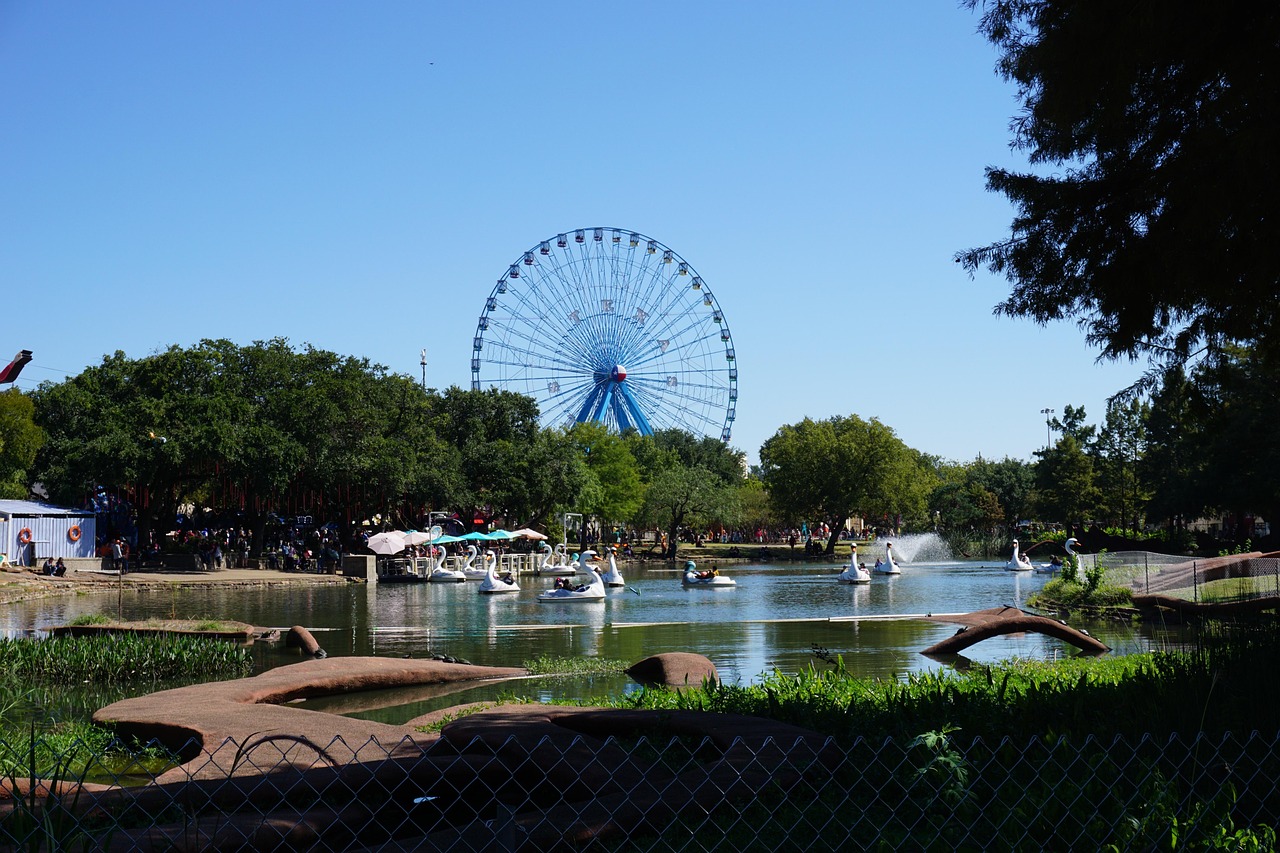
Fair Park is a National Historic Landmark known for its Art Deco architecture and as the home of the State Fair of Texas. When the fair is on (usually late September through mid-October), this place turns into a massive carnival of rides, fried foods, and football.
I’ve been twice during fair season, and it’s a sensory overload—Big Tex (the giant talking cowboy), neon lights, the smell of funnel cakes, and the crush of families. It’s not subtle, but it is uniquely Texan.
Tips:
- During the fair: Go early in the day to avoid peak crowds; try at least one ridiculous fried food.
- Off-season: Visit for museums (like the African American Museum of Dallas) and to admire the architecture.
16. Nasher Sculpture Center
The Nasher might technically sit within the Arts District, but it deserves its own mention. This indoor-outdoor museum focuses on modern and contemporary sculpture, with an airy gallery and a beautifully landscaped garden.
I love coming here on clear days and lingering in the garden, where sculptures peek out between trees and hedges. It’s peaceful and photogenic, and it rarely feels crowded.
17. Old Red Museum & Pioneer Plaza
For a taste of Dallas history and a dash of “wild west” aesthetics, pair the Old Red Museum (inside a restored 1890 red sandstone courthouse) with nearby Pioneer Plaza.
Pioneer Plaza features 49 bronze steers and 3 trail riders driving a cattle herd down a man-made slope with streams and trees. It’s a little theatrical, sure, but it’s a fun photo spot and nods to Dallas’ cattle drive history.
18. Clyde Warren Park to Uptown Stroll
One of my favorite simple pleasures in Dallas is walking from Klyde Warren Park into Uptown along McKinney Avenue. You’ll pass restaurants with patios, bars, and shops, and you can hop on the free M-Line Trolley for a charming ride.
On a mild evening, this stroll feels like the city at its best: people out walking dogs, couples on date nights, clusters of friends on patios.
19. White Rock Lake
White Rock Lake is where locals go to run, bike, kayak, and escape the city without really leaving it. There’s a 9.3-mile trail encircling the lake, scenic picnic spots, and plenty of space to breathe.
I once rented a bike from a nearby shop and circled the lake at sunset. The skyline shimmered in the distance, herons skimmed the surface, and it felt like a completely different side of Dallas.
20. Bishop Arts & Oak Cliff Murals
Beyond Bishop Arts’ main drag, the greater Oak Cliff area is packed with colorful murals that celebrate the neighborhood’s Latino heritage, activism, and creative spirit. If you have extra time (especially in a 5 day itinerary for Dallas), dedicate a morning to a DIY mural hunt.
I’ve done this twice now—grabbed a coffee, then slowly driven and walked around, stopping whenever a wall grabbed my attention. It’s a great way to see Dallas beyond the usual tourist lens.
3, 4, and 5 Day Itinerary for Dallas (With Personal Stories)
Whether you have 3 days in Dallas, 4 days in Dallas, or a full 5 days in Dallas, these itineraries are designed from my repeated visits—balancing big attractions, hidden gems, and downtime so you don’t burn out in the Texas heat.
Recommended 3 Day Itinerary for Dallas
This 3-day plan hits the essentials: skyline views, key museums, great food, and a taste of local neighborhoods.
Day 1: Downtown Icons & the JFK Story
On my most recent 3-day trip, I landed at Love Field mid-morning, dropped my bags downtown, and set out on foot. This is the day where you get your bearings and dive into Dallas’ most famous story.
Morning: Start at the Sixth Floor Museum. Arrive right when it opens to beat the tour groups. After the audio guide walkthrough, step outside to Dealey Plaza. Stand by the grassy knoll, look back at the brick building, and you’ll understand why this place has captured imaginations for decades.
Late Morning: Walk over to Pioneer Plaza and the Old Red Museum. Take photos with the bronze cattle drive sculptures and step into the old courthouse for a taste of Dallas history.
Lunch: Head towards the West End or Downtown for lunch—this is a good moment to try your first Texas barbecue plate or a Tex-Mex combo. I like ducking into a casual spot for brisket tacos; you’ll find no shortage nearby.
Afternoon: Take a break at your hotel or a downtown coffee shop, then walk or take a short rideshare to Reunion Tower. Aim to arrive about an hour before sunset for that magical transition from day to night. I still remember watching the city lights flicker on, slowly, like someone dimming the world and then turning on a glitter filter.
Evening: After the tower, stroll back into Downtown or the nearby Trinity Groves area for dinner. If you’re up for it, walk the pedestrianized Continental Avenue Bridge for night skyline views.
Day 2: Arts District, Klyde Warren Park & Uptown Vibes
Morning: Start in the Dallas Arts District. Visit the Dallas Museum of Art (free or low-cost general admission) and then walk over to the Nasher Sculpture Center. I like to give myself at least 3–4 hours between them, including a coffee break.
Lunch: Grab something from the food trucks at Klyde Warren Park or a nearby restaurant. Find a shady spot, watch the city go by, maybe join a free fitness class if one’s happening.
Afternoon: Walk into Uptown along McKinney Avenue. Browse shops, grab an iced coffee, and hop the free M-Line Trolley when your feet get tired. This is a nice, low-key way to soak up local life.
Evening: For dinner, choose a buzzing Uptown spot or head over to Deep Ellum. If you choose Deep Ellum, plan to stay for live music and mural-hunting. On one particularly fun evening, I bounced between a craft brewery, a taco joint, and a small music venue—all within a few walkable blocks.
Day 3: Nature & Neighborhood Character
Morning: Head to the Dallas Arboretum and Botanical Garden. Spend a few hours wandering the gardens and enjoying the lake views. If you’re a morning person, being there when the gates open is pure calm.
Lunch: Either eat at the Arboretum cafes or grab lunch near White Rock Lake. If you’re up for it, rent bikes or just walk a segment of the lakeside trail.
Afternoon & Evening: Make your way to Bishop Arts District. This is your last-day treat: boutique shopping, murals, coffee, dessert, and a relaxed dinner. I like to linger here until after dark, when the string lights come on and the whole neighborhood feels like a cozy urban village.
If you’re flying out late, this is also a great neighborhood to just sit in a cafe with your bags and soak up your final Dallas hours.
Suggested 4 Day Itinerary for Dallas
With 4 days in Dallas, you can slow down a bit and add in more culture or family attractions. Use the 3-day itinerary as your base and add:
Day 4 Option A: Family & Science Focus
Morning: Visit the Perot Museum of Nature and Science. Give yourself 3 hours to really enjoy the exhibits. I usually start at the dinosaur floor—it’s always a hit.
Lunch: Walk to Klyde Warren Park again for food trucks (kids love the open space and play areas).
Afternoon: Head to the Dallas World Aquarium. The rainforest-to-aquarium pathway makes it feel like an adventure. Alternatively, if you’ve already done the aquarium, consider the Dallas Zoo via DART.
Evening: Keep it simple with dinner near your hotel, or do one last stroll through Deep Ellum or Uptown for a final taste of Dallas nightlife.
Day 4 Option B: History, Campus Life & Highland Park
Morning: Visit the George W. Bush Presidential Library on the SMU campus. Plan for 2–3 hours.
Lunch: Eat on or near campus; there are several casual spots catering to students.
Afternoon: Explore Highland Park Village and nearby residential streets. Window-shop, grab an ice cream, and enjoy the manicured surroundings. It’s a glimpse into Dallas’ affluent side.
Evening: For a final night, head to Trinity Groves for dinner and skyline views from the bridge.
Ideal 5 Day Itinerary for Dallas
With 5 days in Dallas, you can add a full-blown day trip and dig into more local experiences. Build on the 4-day itineraries and add:
Day 5: Day Trip to Fort Worth or Arlington
You have two stellar options:
- Fort Worth: Visit the Stockyards (cattle drive shows, honky tonks), the Kimbell Art Museum, and Sundance Square. This makes for a great contrast to Dallas—more “cowboy” and historic.
- Arlington: Do an AT&T Stadium tour, visit Six Flags Over Texas if you love theme parks, or catch a game at Globe Life Field (Texas Rangers).
Personally, I lean toward Fort Worth for a first-timer; it rounds out a North Texas trip beautifully with its blend of Western heritage and high art.
Interesting Neighborhoods & Areas in Dallas
Dallas is a city of distinct districts. Here are the ones I return to over and over:
- Downtown: Skyscrapers, business hotels, Reunion Tower, Dealey Plaza, and Pioneer Plaza. Good base if you want central access and don’t mind a more corporate feel.
- Uptown: Trendy, walkable, filled with restaurants, bars, and condos. Great for nightlife and evening strolls.
- Deep Ellum: Artsy and edgy, with street art, music venues, and nightlife. Best for younger or night-owl travelers.
- Bishop Arts District (Oak Cliff): Indie, creative, diverse, and highly walkable. My personal favorite neighborhood for a “local” vibe.
- Design District: Showrooms, galleries, breweries, and growing food options. Great for design lovers and those looking to get off the typical tourist trail.
- Lakewood & White Rock: Leafy, laid-back areas around White Rock Lake—perfect for outdoor time.
- Highland Park & University Park: Affluent, manicured, and calm. Good for upscale shopping and quiet evenings.
Local Food in Dallas: What to Eat & Where
You can’t talk about Dallas without talking about food. These are the must-try categories when you’re in town:
- Texas Barbecue: Brisket, ribs, sausage, and all the sides. I always order a mix to share—brisket (moist), a rib, and some jalapeño sausage with pickles and white bread.
- Tex-Mex: Think sizzling fajitas, queso, enchiladas, and margaritas. Whether it’s a no-frills joint or a polished sit-down restaurant, Tex-Mex is comfort food at its finest.
- Breakfast Tacos: My go-to breakfast. Egg, potato, and cheese; chorizo and egg; or migas tacos with crunchy tortilla strips inside.
- Craft Tacos: Dallas has embraced modern taco culture—expect fillings like brisket, fried chicken, or grilled fish with creative salsas.
- Southern & Soul Food: Chicken-fried steak, biscuits, collard greens, and peach cobbler. Perfect after a long walking day.
- Global Eats: Thanks to Dallas’ diverse communities, you’ll find excellent Vietnamese, Korean, Indian, Ethiopian, and more across the metro area.
Money-saving tip: Lunchtime specials are common, and many BBQ spots are cheaper (and less crowded) earlier in the day. Food trucks at Klyde Warren Park are also a budget-friendly way to sample different flavors.
Nightlife, Entertainment & Cultural Experiences in Dallas
Dallas after dark can be as laid-back or as high-energy as you want:
- Deep Ellum: Live music, craft beer, dive bars, and colorful murals. Ideal for bar-hopping and catching bands.
- Uptown: Rooftop bars, cocktail lounges, and lively patios. Great for polished, social nights out.
- Bishop Arts: Wine bars, cozy cocktail spots, and dessert shops. More relaxed, romantic vibe.
- Arts District: Catch a performance at the Winspear Opera House, the Wyly Theatre, or Meyerson Symphony Center for a cultured evening.
- Sports: Depending on the season, you can see the Cowboys (NFL), Mavericks (NBA), Stars (NHL), or Rangers (MLB in nearby Arlington).
Local tip: Dallas dress codes trend a bit dressier than some other U.S. cities for nightspots—smart casual works almost everywhere.
Best Day Trips & Nearby Attractions from Dallas
If you’re here for 4 days in Dallas or more, consider these easy side adventures:
- Fort Worth: About 35–45 minutes by car or TRE train. Explore the Stockyards, world-class art museums, and a very walkable downtown.
- Arlington: 25–30 minutes by car. Home to AT&T Stadium, Globe Life Field, and Six Flags Over Texas.
- Grapevine: Quaint historic downtown, wineries, and seasonal events; close to DFW Airport.
- Plano & Legacy West: Modern shopping, dining, and mixed-use developments if you want a suburban contrast.
Transport tip: For day trips, renting a car for just that day is often cheaper and more flexible than relying on rideshares for long distances.
Cultural Etiquette & Local Customs in Dallas
Dallas blends Southern hospitality with big-city pace. A few notes:
- Politeness: “Yes, ma’am/sir” and “please/thank you” go a long way. Smiling at strangers, holding doors, and small talk with service staff are common.
- Tipping: 18–20% at sit-down restaurants is standard if service is good; $1–2 per drink at bars; 10–15% for taxis/ride shares (optional but appreciated).
- Dress: Casual is fine most places, but Dallasites often dress nicely for dinners, nightlife, and events. Smart casual will never feel out of place.
- Religion & Politics: Texas can be conservative in some circles, but Dallas is also diverse and cosmopolitan. It’s polite to avoid heated political/religious debates with strangers.
- Driving culture: Distances are long, and locals are used to driving. Stay in the right lane if you’re not going fast, and give yourself extra time during rush hour.
Practical Travel Advice for Dallas (2026)
How to Get Around Dallas
Without a car: You can manage a trip focused on central neighborhoods:
- DART (Dallas Area Rapid Transit): Light rail and buses connect the airport, Downtown, some suburbs, and major stops like the zoo.
- Ride shares: Uber, Lyft, and local options are widely available and often the easiest solution at night.
- Walkable pockets: Downtown, Uptown, Deep Ellum, Bishop Arts, and the Arts District are all pleasant to explore on foot.
- M-Line Trolley: Free historic streetcar connecting parts of Uptown and Downtown—fun and practical.
With a car: You’ll have maximum flexibility, especially for day trips and reaching places like the Arboretum, White Rock Lake, and Arlington. Most hotels have parking (sometimes paid). Traffic peaks during weekday rush hours (roughly 7–9 a.m. and 4–6:30 p.m.).
Saving Money in Dallas
- Visit free or low-cost attractions: Klyde Warren Park, many events at the Arts District, walking tours of Deep Ellum murals, and window-shopping in Bishop Arts.
- Eat big at lunch: Barbecue and sit-down meals are often cheaper at midday.
- Use passes and combo tickets: Check if attraction bundles are available during your dates.
- Stay slightly outside Downtown: Uptown, Oak Lawn, or some parts of North Dallas can offer better hotel values with easy transport into the center.
SIM Cards & Connectivity
In 2026, most travelers rely on eSIMs, but physical SIMs are still available.
- eSIM: Consider providers like Airalo, Holafly, or regional U.S. plans from major carriers (AT&T, T-Mobile, Verizon) that can be activated before arrival.
- Physical SIM: Available at major carrier stores in malls or shopping centers; some kiosks at DFW and Love Field may offer them.
- Wi-Fi: Widely available in hotels, cafes, and public venues. Klyde Warren Park and some public libraries also offer free Wi-Fi.
Visa Requirements & Driver’s Licenses
Visas: For international visitors, requirements vary by nationality. Many travelers from Europe, parts of Asia, and other allied countries use the U.S. ESTA (Visa Waiver Program) for short trips. Always check the official U.S. government site or your local embassy well before travel.
Driving: Short-term visitors can generally drive with their foreign driver’s license, especially if it’s in English or accompanied by an International Driving Permit (IDP). Check your rental car company’s specific requirements. Seat belts are mandatory; driving is on the right-hand side.
Best Time to Visit Dallas
Dallas weather can be dramatic. Here’s how it breaks down for travel planning:
- Spring (March–May): My favorite season. Mild temperatures, blooming trees, and events like Dallas Blooms at the Arboretum. Great for outdoor exploring.
- Summer (June–August): Hot, often very hot. Daytime highs frequently exceed 35°C (95°F). Plan indoor attractions in the afternoon and outdoor time early or late.
- Fall (September–November): Warm to mild. Great for patios, sports events, and the State Fair of Texas.
- Winter (December–February): Generally mild with occasional cold snaps. Holiday lights, fewer crowds, and lower hotel prices make this a surprisingly nice time to visit.
For 3–5 day itineraries: Aim for March–May or late September–early November for the most comfortable weather and best balance of outdoor and indoor activities.
What’s New & Major Events in Dallas 2026–2027
Dallas’ event calendar is packed every year, and 2026–2027 is no exception. While specific lineups change annually, here are recurring and expected highlights to watch for:
- State Fair of Texas (Fall 2026 & 2027): Held at Fair Park, this multi-week event is a Dallas institution—rides, fried food, concerts, and the iconic Big Tex.
- Dallas Arts Month (April): Citywide celebrations of visual arts, performance, and culture, with many free or low-cost events.
- Major Sports Seasons: Yearly NFL, NBA, NHL, and MLB seasons bring constant games and fan events to the region.
- Music & Food Festivals: Expect country, rock, and multi-genre festivals in venues across the metro area, plus BBQ and taco festivals that showcase local flavors.
Always check up-to-date listings closer to your travel dates—2026 is seeing ongoing development in the Arts District and along the Trinity River, so new venues and festivals continue to appear.
Summary: Key Takeaways for Planning Your Dallas Trip
Dallas is more than just a big Texas city—it’s a place where world-class museums sit beside taco trucks, where futuristic stadiums share the skyline with century-old courthouses, and where you can build an itinerary that’s as laid-back or as jam-packed as you like.
- For 3 days in Dallas: Focus on Downtown icons (Reunion Tower, Sixth Floor Museum), the Arts District, Klyde Warren Park, and one or two neighborhoods like Deep Ellum and Bishop Arts.
- For 4 days in Dallas: Add the Perot Museum and/or Dallas World Aquarium or Bush Library, plus extra time in Uptown or Highland Park.
- For 5 days in Dallas: Include a day trip to Fort Worth or Arlington and explore more hidden gems like White Rock Lake or Oak Cliff murals.
- Best seasons: Spring and fall for comfortable temperatures and outdoor activities; winter for budget travelers; summer if you don’t mind heat and want long evenings and pool time.
Plan your 3 day itinerary for Dallas, 4 day itinerary for Dallas, or 5 day itinerary for Dallas around what excites you most—art, food, sports, or simply soaking in the skyline. With a little planning and the tips in this travel guide, Dallas can easily become one of those cities you find yourself returning to again and again, just like I do.