Why Visit Daytona Beach in 2026?
I’ve been coming to Daytona Beach since I could barely see over the dashboard, first on family road trips from Orlando and later as a broke college student chasing cheap oceanfront motels and sunrise walks. By 2026, I’ve lost count of how many long weekends I’ve spent here, but I still feel a quiet rush every time I drive over the Halifax River and see that wide ribbon of sand open up in front of me.
Daytona Beach isn’t just “the NASCAR place” or a spring break cliché. It’s a strange and wonderful mix: nostalgic boardwalk, surprisingly peaceful nature preserves, kitschy surf shops, historic riverfront, and pockets of genuinely great food if you know where to look. The beach itself is the star – 23 miles of hard-packed sand where the tides, the sky, and the people-watching never quite repeat themselves.
In 2026–2027, Daytona is quietly upgrading: new boutique hotels along Atlantic Avenue, a revamped Riverfront Esplanade downtown, and a growing arts and foodie scene in the Beach Street district and Ormond Beach just to the north. But it’s still affordable compared to South Florida or even St. Augustine, and laid-back enough that flip-flops are basically formal wear.
Whether you have 3 days in Daytona Beach or a full 5 day itinerary for Daytona Beach, this travel guide for Daytona Beach will help you plan like a savvy semi-local: from must-see attractions and hidden gems to local food, etiquette, and very practical travel tips.
Table of Contents
- Why Visit Daytona Beach in 2026?
- Overview: What Makes Daytona Beach Special
- Suggested Itineraries (3–5 Days in Daytona Beach)
- Top 20 Attractions & Experiences (Deep Dive)
- Neighborhoods & Areas to Explore
- Local Food & Drink: Where (and What) to Eat
- Nightlife, Entertainment & Cultural Experiences
- What’s New & Upcoming Events 2026–2027
- Day Trips from Daytona Beach
- Cultural Etiquette & Local Customs
- Practical Travel Tips & Money-Saving Advice
- Summary & Best Time to Visit Daytona Beach
Overview: What Makes Daytona Beach Special
The three things that keep pulling me back are:
- The beach itself: Wide, driveable stretches of sand, gentle waves, and sunrises that genuinely feel like a reset button.
- The motorsports culture: Even if you’re not a race fan, the energy around events at Daytona International Speedway is contagious.
- The contrasts: You can spend a morning in a quiet coastal hammock forest, an afternoon at a minor league baseball game or exploring street art, and the evening on a bustling oceanfront pier.
Daytona is especially good for:
- Families: Safe, shallow shorelines, budget motels, and lots of simple, kid-friendly attractions.
- Couples: Romantic sunrises, riverfront dinners, and quieter stretches of beach just north or south of the main drag.
- Adventure-seekers: Surfing, parasailing, airboat rides, and the chance to drive on the beach (in designated sections).
- Road-trippers: Easy base for exploring St. Augustine, New Smyrna Beach, and inland springs.
Suggested Itineraries: 3–5 Days in Daytona Beach
I’ll lay out three overlapping itineraries. You can mix and match depending on whether you want a 3 day itinerary for Daytona Beach, a 4 day itinerary for Daytona Beach, or a 5 day itinerary for Daytona Beach. I’ll share them as I actually tend to spend my time here, with personal notes and pacing that feels realistic, not rushed.
3 Days in Daytona Beach: Classic Highlights
Day 1 – Oceanfront Icons & Boardwalk Vibes
On my most recent 3-day sprint, I rolled into town just after sunrise. If you can, time your arrival for early morning – the ocean feels more “yours” then.
Morning: Sunrise & Beach Walk
I like to start near the Main Street Pier and Daytona Beach Boardwalk. Park in one of the lots off Ocean Avenue (arrive before 9 am for cheaper rates and easier parking), kick off your shoes, and walk north with the pier behind you. On my last visit, pelicans were dive-bombing for breakfast just offshore, and a line of surfcasters were already set up like old-timers at a bar.
After a long walk, I usually grab coffee and a quick breakfast sandwich from a casual oceanfront spot – the kind where you can sit outside still sandy and half-asleep. Expect simple food, strong coffee, and a mix of locals and visitors.
Late Morning: Boardwalk & Oceanfront Park
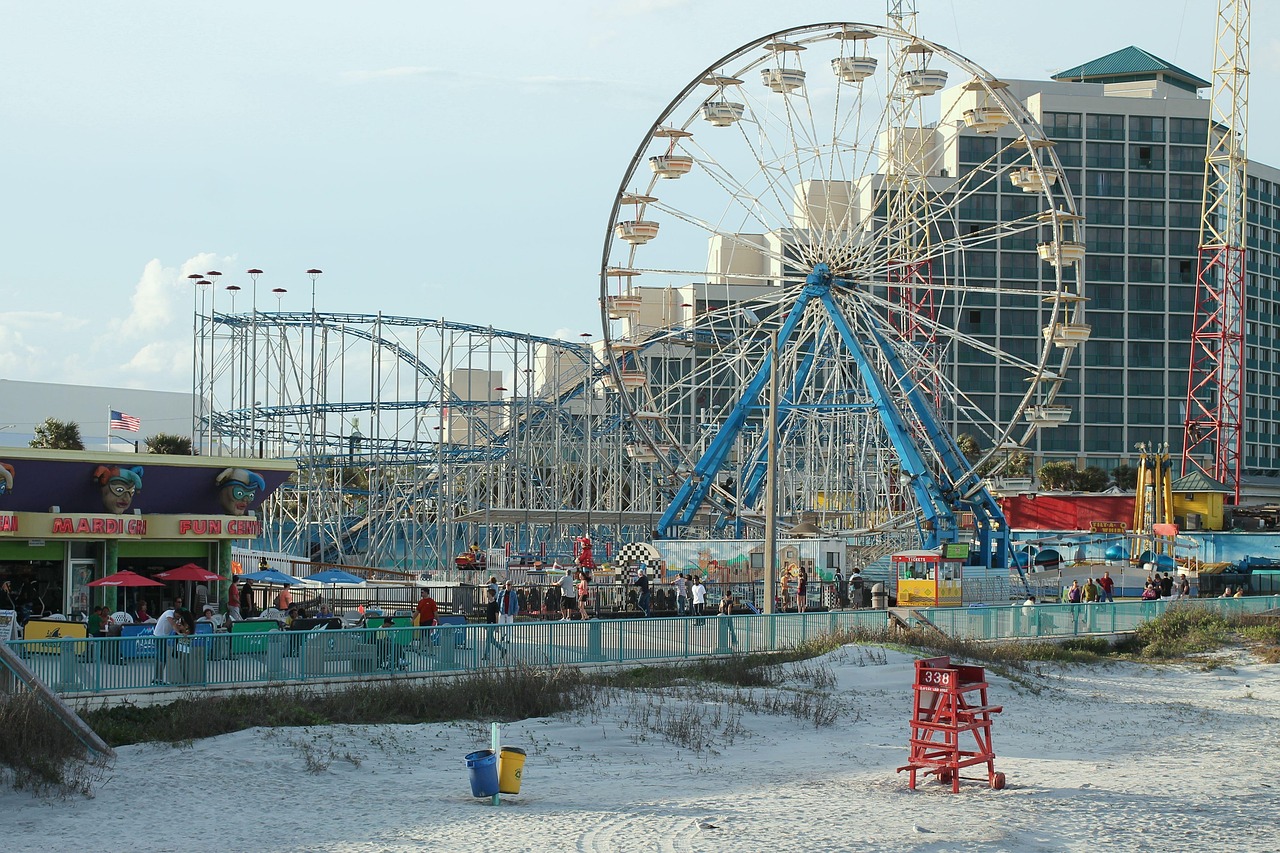
Stroll the Daytona Beach Boardwalk & Bandshell area. It’s touristy, yes, but it’s also part of the city’s DNA. The arcade games, taffy shops, and slightly faded facades feel like a postcard from another era.
When I’m with kids in the family, this is where we burn off their energy on rides and games. When I’m solo, I walk the beachfront park, people-watch, and take photos of the Bandshell’s Mediterranean Revival architecture framed by the Atlantic.
Lunch: Casual Oceanfront Eatery
Pick one of the casual places right along the water for fish tacos or a burger. I lean toward spots where you can sit on a deck with a cold drink, bare feet, and a view of the pier. Budget about $15–25 per person.
Afternoon: Beach Time & Optional Water Sports
This is your first real beach session. Rent a chair and umbrella from one of the stands (haggle a bit if you’re staying multiple days – I’ve knocked a few dollars off just by asking), or bring your own gear. The gentle shore break here is good for beginner body-surfing and boogie boarding.
If you’re feeling adventurous, consider:
- Parasailing: You’ll get epic views of the coastline. I book late afternoon slots when the sun isn’t brutal.
- Jet ski rental: Fun but pricey; go with reputable operators and pay attention to safety briefings.
Evening: Sunset Drinks & Boardwalk Lights
While Daytona’s true sunset happens over the river on the west side, the sky still puts on a good show from the oceanfront. I like to grab a drink at an open-air bar along A1A and watch the light change on the water, then wander back to the pier as the neon signs and Ferris wheel start to glow.
For dinner, try a casual seafood spot along A1A. Fried shrimp, hushpuppies, and coleslaw taste better after a salty day.
Day 2 – Speedway Thrills & Riverfront Charm
Morning: Daytona International Speedway
Even if you’re not a motorsports fan, the Daytona International Speedway is one of the must-see attractions in Daytona Beach. The scale alone is jaw-dropping. I’ve done the tour three times, and each time I learn something new.
Book a speedway tour in advance (especially on weekends or near big events). You’ll ride a tram around the track, see the steep banking up close, and usually stop by the Motorsports Hall of Fame. If you time it right, you might catch cars testing on the track – the noise and vibration are unforgettable.
Tip: Bring a light layer; parts of the tour are indoors with aggressive AC. And check the calendar – during events like the 2026 Rolex 24 At DAYTONA or the Daytona 500, access is more limited but the atmosphere is electric.
Lunch: One Daytona
Right across from the Speedway is One Daytona, a newer mixed-use complex with restaurants, shops, and a lakeside plaza.
I usually grab lunch at one of the casual sit-down spots here. Expect modern American menus, decent craft beer selections, and family-friendly options. It’s a nice contrast to the old-school vibe of the beachside strip.
Afternoon: Downtown & Riverfront Esplanade
Head over the bridge to the mainland and explore the Beach Street district and the rejuvenated Riverfront Esplanade. The riverfront park has become one of my favorite places to decompress: manicured paths, shade trees, and views of sailboats bobbing on the Halifax River.
Pop into a local coffee shop or bakery along Beach Street. There are a few independent spots where I’ve spent rainy afternoons writing and people-watching. You’ll find boutiques, record stores, and art galleries scattered along the strip.
Evening: Riverfront Dinner
For a romantic evening, book a table at a riverfront restaurant with outdoor seating. Watching the sky fade pink over the river, with bridge lights twinkling on the water, is one of the underrated romantic things to do in Daytona Beach.
Try fresh Florida fish (mahi, grouper, or snapper) grilled or blackened, paired with a local beer or a simple glass of wine. Prices are a bit higher than beach dives, but still reasonable compared to bigger Florida cities.
Day 3 – Nature, Ponce Inlet & Laid-Back Local Life
Morning: Ponce de Leon Inlet Lighthouse & Jetty
On my last 3-day trip, I saved my favorite spot for the final morning: Ponce de Leon Inlet Lighthouse & Museum in Ponce Inlet, about 20 minutes south of the main beach strip.
Climb the 203 steps to the top (bring water and take your time; it’s a workout on a humid day). The 360-degree view is the best in the area: ocean, inlet, river, and endless flat Florida stretching inland. If the air is clear, you can see miles of coastline. I like to just stand there and mentally bookmark the view as a screensaver for when I’m back home at my desk.
Afterward, wander the lighthouse grounds and small museums, which tell the story of shipwrecks, keepers’ lives, and the evolution of coastal navigation. It feels more intimate than many big-name historic sites.
Midday: Ponce Inlet Beach & Lunch
Ponce Inlet’s beaches are quieter and wilder than central Daytona. Head to the jetty area to watch surfers and boats navigating the inlet. I often bring a picnic or grab a casual fish sandwich at one of the local dockside restaurants. The vibe here is small-town coastal: salty air, fishing boats, and friendly locals in flip-flops.
Afternoon: Marine Science Center or Relaxed Beach Time
If you’re traveling with kids (or just love marine life), the Marine Science Center is worth an hour or two. It’s small, hands-on, and focused on local ecosystems: turtle rehabilitation, seabird rehab, and touch tanks. The staff here are passionate and happy to answer questions.
Alternatively, just claim a spot on the sand and soak in your last few hours: read, nap, or walk the shoreline. This is where I often feel the “I could just stay” tug strongest.
Evening: Casual Farewell
Head back toward Daytona Beach, maybe stop at a favorite spot from earlier in the trip for a final meal. If you’re not in a rush to leave, a slow walk along the evening beach, with city lights behind you and the sound of waves, is the perfect low-key goodbye to your 3 days in Daytona Beach.
4 Days in Daytona Beach: Add Nature & Local Neighborhoods
For 4 days in Daytona Beach, keep the first three days mostly as above, then add:
Day 4 – Ormond Beach, Tomoka State Park & Artful Evenings
Morning: Ormond Beach & Rockefeller Gardens
Drive 10–15 minutes north to Ormond Beach, Daytona’s quieter, more residential cousin. The sand is just as beautiful, but the crowds are thinner and the atmosphere more relaxed.
I usually park near one of the beachfront parks and take a long walk, noting the shift from high-rise hotels to smaller condos and houses. This is where locals come to run, walk dogs, and surf before work.
Then swing inland a bit to Rockefeller Gardens Park along the Halifax River. The park surrounds the historic Ormond Memorial Art Museum & Gardens, which has been refreshed in recent years. Stroll the gardens, peek at rotating art exhibits, and enjoy the river views.
Lunch: Ormond MainStreet
Head to the Ormond MainStreet area (Granada Boulevard) for lunch. This strip has become one of my favorite food pockets: independent cafés, bakeries, and bistros. I’ve had some of my best Daytona-area meals here – think creative sandwiches, fresh salads, and surprisingly good coffee.
Afternoon: Tomoka State Park
Drive a bit further north to Tomoka State Park, one of the best places to visit in Daytona Beach’s orbit if you love nature. This is where I go when I need a break from the asphalt and neon.
Rent a kayak or canoe and paddle the Tomoka River, a calm, winding waterway lined with oaks and palms draped in Spanish moss. I’ve seen dolphins, manatees, and all sorts of birds on slow, quiet paddles here. If you’re not into paddling, there are short hiking trails and scenic drives.
Bring bug spray, especially in warmer months, and a hat. In summer, I aim for mornings or late afternoons to avoid the harshest heat.
Evening: Ormond Beach Dinner & Drinks
Head back to Ormond for dinner. There are several local favorites here that feel worlds away from the chain-heavy stretches of Daytona. I like to sit outside when the weather cooperates, lingering over fresh seafood or a good steak and a local beer.
5 Days in Daytona Beach: Deep Dive & Day Trip
With 5 days in Daytona Beach, you can slow your pace and add a proper day trip. Keep the first four days, then add:
Day 5 – Springs or St. Augustine Day Trip
For a 5 day itinerary for Daytona Beach, I usually choose between two very different adventures:
Option A: Blue Spring State Park (Manatees & Springs)
About an hour inland lies Blue Spring State Park, a crystal-clear spring that becomes a winter refuge for manatees. In cooler months (roughly November–March), hundreds of them congregate here, and boardwalks give you front-row views.
In warmer months, swimming, tubing, and kayaking are the main draw. The water is a constant 72°F (22°C), which feels chilly at first but blissful once you’re in. I like to float slowly down the run, watching fish dart beneath me.
Option B: St. Augustine (History & Old-World Charm)
Roughly an hour north of Daytona Beach, St. Augustine is the oldest continuously inhabited European-established settlement in the continental US. Cobblestone streets, Spanish colonial architecture, and a massive stone fort (Castillo de San Marcos) make it feel centuries away from Daytona’s modern beach vibe.
Spend the day wandering the historic district, touring the fort, and sampling Cuban sandwiches or Spanish tapas. Return to Daytona in the evening to sleep by the ocean again.
Whichever you choose, this last day rounds out your travel guide for Daytona Beach experience with a deeper taste of what Central and Northeast Florida have to offer.
Top 20 Attractions & Experiences in Daytona Beach (Deep Dive)
Below are 20 of the must-see attractions in Daytona Beach and nearby, each with history, context, and on-the-ground tips based on repeat visits. Use this as a menu to build your own itinerary.
1. Daytona Beach & Main Street Pier
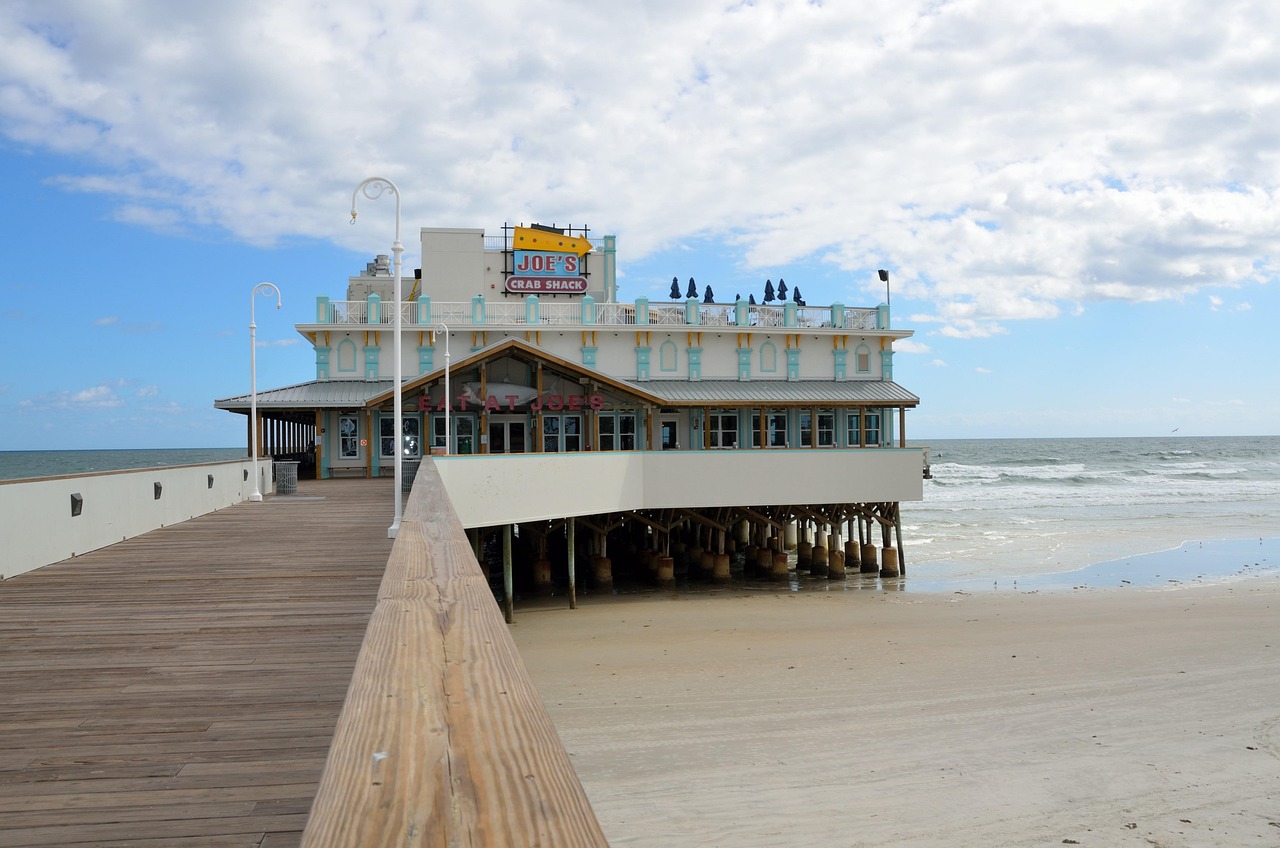
The Main Street Pier is Daytona Beach’s postcard shot: a long wooden pier stretching into the Atlantic, flanked by the wide, hard-packed sand that made this place famous for beach racing in the early 1900s. When I walk out on the pier just after sunrise, I always imagine the roar of old engines where now there’s just the hush of waves and the cry of gulls.
Historically, Daytona’s firm sand served as both racetrack and runway, drawing early speed enthusiasts and aviators. That heritage eventually morphed into the modern Daytona 500. Today, the pier is about fishing, strolling, and views rather than speed, but the sense of history lingers.
What I do here: I like to start or end each day with a quick walk on the pier. On foggy mornings, the end of the pier feels like it disappears into nothing; on clear evenings, you get a soft panorama of city lights and moonlight on the water. If you fish, you can buy bait and rent gear on-site.
Tips for visitors:
- Arrive early for easy parking and cooler temperatures.
- Check the tide charts if you plan to walk long distances on the beach – at high tide, the beach narrows.
- Watch for sudden afternoon thunderstorms in summer; they roll in fast off the mainland.
2. Daytona Beach Boardwalk & Bandshell
The Boardwalk & Bandshell area is where classic beach-town kitsch meets surprisingly beautiful architecture. The stone Bandshell, built in the 1930s, is an open-air amphitheater that hosts free summer concerts and special events, with the Atlantic as its backdrop.
Growing up, this was where my cousins and I raced from arcade to arcade clutching paper cups full of tokens. As an adult, I’ve come back for concerts and fireworks that turn the sky into a riot of color over the water.
History: The Bandshell is part of the old Oceanfront Park complex, a project of the Works Progress Administration. It’s on the National Register of Historic Places and represents a time when oceanfront entertainment centers were the height of glamour.
Tips:
- Check the 2026–2027 concert schedule in advance – many shows are free, but you can reserve paid VIP seats.
- Bring a light sweater; the ocean breeze can feel cool at night even in warm months.
- Family-friendly during the day; evenings can skew louder and more party-oriented in peak seasons.
3. Daytona International Speedway
The Daytona International Speedway is the heart of Daytona’s global identity. The first time I stood at the base of the 31-degree banking on the turns, I realized photos don’t do it justice. It’s like staring up a concrete wall designed for gods of speed.
History & significance: Opened in 1959, the Speedway replaced the beach-road course where early stock car races were held literally on the sand. It’s home to the legendary Daytona 500, the “Great American Race,” and major events like the Rolex 24 At DAYTONA.
What to do:
- Take a speedway tour – from basic tram tours to more in-depth VIP experiences with behind-the-scenes access.
- Visit the Motorsports Hall of Fame of America, which spans everything from stock cars to motorcycles to powerboats.
- If you’re here during race weeks in 2026–2027, soak up the carnival-like atmosphere around the track.
Personal tip: I like to book a morning tour, then head to One Daytona for lunch and people-watching. On race weeks, this whole area buzzes like a small city – even if you don’t have tickets, the energy is worth experiencing.
4. One Daytona
One Daytona is a relatively new addition to the scene: a polished entertainment district with shops, restaurants, a cinema, and hotels clustered around a central lake. It’s the opposite of the slightly faded beach strip – clean lines, modern facades, and curated landscaping.
For me, One Daytona is a great “reset” spot after the sensory overload of the Speedway. I’ve grabbed lazy lunches here, lingered over coffee, and even caught a movie on a rainy afternoon when the beach was a washout.
Tips:
- Great for families looking for an evening off the sand: bowling, movies, and lots of food options.
- Parking is generally easy and free.
- Check for events – car shows, live music, and seasonal happenings often fill the plaza.
5. Ponce de Leon Inlet Lighthouse & Museum
The Ponce de Leon Inlet Lighthouse is the tallest lighthouse in Florida and one of my absolute must-see attractions in the Daytona area. Completed in 1887, its bright red brick tower rises 175 feet above sea level, guarding the often-treacherous inlet where the Halifax and Indian Rivers meet the Atlantic.
Why I love it: There’s something meditative about climbing the spiral staircase, pausing at each landing to catch your breath and peek out the tiny windows. At the top, the iron balcony wraps you in 360-degree views – you see the geometry of the barrier island, the sweep of dunes, and the blue-green inlet waters all at once.
The grounds include restored keeper’s quarters, oil storage buildings, and small museums that detail life here before automation – imagine tending the light in hurricane-force winds with nothing but lamplight and grit.
Tips:
- Wear comfortable shoes; the 203 steps are no joke.
- Avoid midday in peak summer if you’re heat-sensitive – it gets warm inside.
- Combine your visit with nearby beaches and the Marine Science Center.
6. Marine Science Center (Ponce Inlet)
The Marine Science Center in Ponce Inlet is small but heartfelt. It’s primarily a rehabilitation center for injured sea turtles and seabirds, with public exhibits that help fund their work and educate visitors.
I still remember watching a rehabilitated turtle being released on the beach years ago – the crowd was silent as it made its slow way back to the surf, then erupted when a wave finally lifted it. That memory colors every visit I make to the center.
What to expect:
- Touch tanks with rays and small sea creatures.
- Viewing windows into turtle rehab pools.
- Bird enclosures housing pelicans, owls, and other rescues.
Tip: Perfect rainy-day or midday heat activity, especially with kids. Consider leaving a small donation beyond the ticket price; the work they do is important and tangible.
7. Ponce Inlet Beaches & Jetty
If central Daytona Beach is the lively main stage, Ponce Inlet’s beaches are the quieter backstage where locals go to breathe. The jetty area at the southern tip of the peninsula is my favorite spot to watch surfers carve the inlet’s waves and anglers cast into the channel.
On some mornings, the combination of sea breeze, salt, and the low rumble of waves against the rocks makes it hard to remember that busy A1A is just a few miles up the road.
Activities:
- Surfing (or just watching surfers).
- Fishing from the jetty (license rules apply – check current regs).
- Long walks along a less crowded stretch of sand.
Tip: Facilities are more limited than in central Daytona, so bring water, snacks, and sun protection. Be careful on the jetty rocks, especially when wet.
8. Tomoka State Park
Tomoka State Park is one of those places that doesn’t scream for attention but rewards anyone who makes the trip. Located near Ormond Beach, it protects a stretch of the Tomoka River and surrounding marshes and hammock forests.
History: This area was once home to the Timucua people, and the park includes a monument to Chief Tomokie (though the story is part myth, part history). The river and estuary are crucial habitats for manatees, fish, and migratory birds.
My favorite way to experience it: Rent a kayak or canoe at the small outfitter near the boat ramp. Paddle upstream into narrower channels where the world shrinks down to water, foliage, and birdsong. On one foggy winter morning, I paddled for an hour without seeing another human – just an osprey hunting and the occasional fish breaking the surface.
Tips:
- Bring bug spray, especially in warm, still weather.
- Check tide and wind conditions if you’re paddling; the river can feel sluggish against you on the way back.
- There’s a small campground if you want to mix beach days with a night under the trees.
9. Ormond Memorial Art Museum & Gardens
The Ormond Memorial Art Museum & Gardens is a serene pocket of culture and greenery in Ormond Beach. Originally opened in 1946 as a tribute to veterans, it has evolved into a small but thoughtfully curated art museum surrounded by lush gardens.
I like to wander the garden paths first, passing koi ponds, bamboo, and flowering plants, then step into the cool, quiet galleries. Exhibits feature regional artists and often surprise me with their quality and emotional punch.
Tip: Pair a visit here with a walk along the nearby riverfront promenade and lunch in the Granada Boulevard area. It’s a gentle, aesthetically satisfying half-day.
10. Riverfront Esplanade & Beach Street (Downtown)
The recently revamped Riverfront Esplanade has transformed Daytona’s downtown riverfront from a somewhat tired park into a beautifully landscaped oasis. Curving paths, native plantings, and shaded seating areas stretch along the Halifax River, with views of sailboats and the causeway bridges.
I often grab a coffee on Beach Street and bring it into the park, finding a bench where I can watch the play of light on the water. On one particularly breezy day, I sat for an hour just watching kids fly kites and dogs chase each other across the grass.
Beach Street itself has been steadily improving, with independent shops, record stores, and restaurants moving into historic storefronts. It’s where you’ll start to feel Daytona’s emerging arts-and-foodside rather than its party persona.
Tip: Check for farmers markets, art walks, and festivals along Beach Street and in the Esplanade – 2026–2027 is expected to see an uptick in community events here as redevelopment continues.
11. Jackie Robinson Ballpark
Jackie Robinson Ballpark sits on City Island in the Halifax River and is one of my favorite places for an inexpensive, nostalgic evening. The stadium dates back to 1914 and was the site of Jackie Robinson’s first integrated spring training game in 1946, making it a landmark of both sports and civil rights history.
Catching a minor league game here (home of the Daytona Tortugas) feels like a time warp in the best way: kids chasing foul balls, the smell of popcorn and hot dogs, and sunsets turning the sky orange behind the stands.
Tip: Look for themed nights and promotions – I’ve been to $1 beer nights and fireworks games that felt like a full night out for under $20 total.
12. Museum of Arts & Sciences (MOAS)
The Museum of Arts & Sciences (MOAS) is Daytona’s flagship cultural institution, tucked among live oaks on the mainland. It’s actually several museums in one: fine art galleries, decorative arts, a children’s museum, a planetarium, and the quirky Cici and Hyatt Brown Museum of Art featuring the world’s largest collection of Florida art.
I’ve ducked into MOAS on sweltering afternoons and gotten pleasantly lost among paintings of old Florida, mid-century Americana, and space exhibits. It’s a reminder that Daytona is more than just beach and engines.
Tip: Allow at least 2–3 hours. The Brown Museum is in a separate building on the same campus and is worth the extra time, especially if you’re fascinated by how art captures a place’s evolving identity.
13. Cici and Hyatt Brown Museum of Art
Though technically part of MOAS, the Cici and Hyatt Brown Museum of Art deserves its own mention. The collection focuses solely on Florida-themed art: stormy seascapes, palm-lined rivers, cattle drives, citrus groves, and early tourism scenes.
Walking through, you can almost watch Florida transform from wilderness to winter retreat to the modern tourism powerhouse it is today. On one visit, I spent nearly an hour in front of a single painting of a thunderstorm over a scrubby pine forest because it felt exactly like the summer storms I’d watched roll over Daytona’s horizon the week before.
Tip: If you’re an art or history buff, don’t miss this. Photography is usually allowed (no flash), and the building itself is striking, with warm wood and lots of natural light.
14. Tiger Bay State Forest & Wildlife Management Area
About 15–20 minutes inland lies Tiger Bay State Forest, a huge expanse of pine flatwoods and wetlands. It’s not flashy and doesn’t have the manicured feel of some parks, but if you want a real sense of Florida’s interior ecosystems, this is a good place to find it.
I’ve come here early in the morning to hike and birdwatch, the air still cool and the paths quiet except for the crunch of sand underfoot and distant bird calls. After days of salt and sun, the smell of pine and damp earth feels almost foreign – in a good way.
Tip: Roads can be sandy; check conditions and avoid venturing too deep in a low-clearance vehicle after heavy rains. Bring plenty of water, a hat, and insect repellent.
15. New Smyrna Beach (Nearby)
About 25–30 minutes south of Daytona, New Smyrna Beach (NSB) is its artsier, surfier cousin. I often spend a half or full day here when I’m based in Daytona, especially if I crave a slightly different vibe.
Why go:
- Excellent surfing – NSB is one of Florida’s surf capitals.
- Charming Flagler Avenue and Canal Street districts with galleries, boutiques, and cafés.
- A more village-like feel compared to Daytona’s spread-out beachfront.
Tip: Weekends and holidays can be busy; arrive early to find parking and snag a good beach spot. Keep an eye on flag warnings – NSB can have stronger currents than Daytona.
16. Blue Spring State Park (Day Trip)
Blue Spring State Park, about an hour from Daytona, is one of Central Florida’s most beautiful springs and a vital winter refuge for manatees. I’ve been here in both January, when the spring run is packed with these gentle giants, and July, when swimmers and tubers take their place – both are magical in different ways.
In winter (manatee season): Swimming is restricted, but boardwalks run along the spring run, offering crystal-clear views of manatees resting and slowly drifting. Rangers are often on hand to answer questions.
In warmer months: The spring becomes a swimming and tubing paradise. The water is shockingly clear, and drifting down the run feels like gliding through an aquarium.
Tip: The park reaches capacity early on busy days. Arrive close to opening time, especially on weekends or holidays.
17. Flagler Avenue (New Smyrna Beach)
Flagler Avenue is the beating heart of New Smyrna Beach. It runs from the causeway right down to the beach, lined with surf shops, ice cream parlors, street art, indie boutiques, and bars.
On one of my favorite afternoons, I bounced between a cozy bookstore, a surf shop, and a café with iced coffee and a slice of key lime pie, then walked down to watch surfers until sunset. If Daytona’s A1A strip is the big boulevard, Flagler is the walkable, human-scale alternative.
Tip: Check the calendar for Flagler Avenue festivals – there are frequent wine walks, art strolls, and holiday parades.
18. Sunglow Pier
South of the Main Street Pier is Sunglow Pier, a more low-key fishing pier with a casual restaurant. It has a slightly more local feel, and the surrounding stretch of beach is usually less crowded than central Daytona.
I’ve spent quiet mornings here sipping coffee while watching anglers patiently work the water. It’s also a great vantage point for dawn or dusk photography, with the pier’s structure framing the sky.
Tip: Check current conditions; Florida’s piers can be temporarily closed after strong storms for safety inspections and repairs.
19. Drive-On Beach Zones
One of the quintessential Daytona experiences is driving on the beach. Designated sections allow vehicles on the sand for a small daily fee. It’s a direct link to the city’s automotive history and a novelty if you’ve only known no-cars-allowed beaches.
Personally, I prefer to park off-beach and walk, but I’ve joined friends for “tailgate on the sand” days with chairs set up behind the car, music playing low, and a cooler of cold drinks. It can be wonderfully lazy.
Safety tips:
- Observe the 10 mph (16 km/h) speed limit strictly.
- Watch for pedestrians, especially kids darting between parked cars.
- Know the tide schedule; soft sand and rising tides can trap vehicles.
20. Daytona Flea & Farmers Market
If you like rummaging for deals, local produce, and quirky finds, the Daytona Flea & Farmers Market near I-95 is a fun detour. It’s huge, with rows of vendors selling everything from fresh fruit and vegetables to vintage tools, sunglasses, and beach gear.
I’ve scored cheap hats and beach chairs here when I under-packed, and once found a crate of old Florida postcards that turned into a travel-journal project.
Tip: Open primarily on weekends; go early for the best selection and to avoid midday heat. Bring cash, though more vendors accept cards these days.
Neighborhoods & Areas to Explore in Daytona Beach
Beachside (A1A Strip)
This is what most people picture: oceanfront hotels, motels, and condos lining Atlantic Avenue (A1A), with the beach just over the dunes. It’s convenient, busy, and a bit chaotic in high season.
Good for: First-time visitors, families who want easy beach access, nightlife seekers.
Downtown & Beach Street
On the mainland along the river, Beach Street and the Riverfront Esplanade form a walkable, increasingly stylish district. Historic buildings house cafés, galleries, and shops.
Good for: Café-hopping, light shopping, low-key evenings, and a break from the beach crowds.
Ormond Beach
Just north of Daytona, Ormond Beach feels more local and residential. The oceanfront is less developed, and the Granada Boulevard corridor boasts some of the best restaurants and bars in the area.
Good for: Travelers seeking quieter stays, foodies, and those who like a neighborhood feel.
Ponce Inlet
At the southern tip of the barrier island, Ponce Inlet is a small, laid-back community anchored by the lighthouse, marinas, and low-key eateries.
Good for: Couples, nature lovers, and anyone who prefers quiet nights and starry skies to late-night clubs.
Port Orange & Mainland Suburbs
Across the bridges south of Daytona, Port Orange and other mainland communities have suburban shopping centers, chain restaurants, and local parks. Not glamorous, but useful for practical errands, cheaper lodging, and everyday food.
Good for: Budget travelers, long stays, and those who don’t mind driving to the beach.
Local Food & Drink in Daytona Beach
What to Eat: Daytona Beach Staples
- Fresh Florida seafood: Mahi-mahi, grouper, shrimp, and oysters – grilled, blackened, or fried.
- Fish tacos: A beach-town classic, usually with cabbage slaw and spicy mayo.
- Gator bites: A touristy but fun try; tastes like a cross between chicken and fish.
- Key lime pie: Tart, creamy, ideally with a graham cracker crust.
- Southern comfort food: Fried chicken, biscuits, collard greens, and mac & cheese show up on many menus.
Where to Eat: Personal Favorites & Tips
I won’t list every restaurant in town, but here are patterns I gravitate toward:
- Beachfront grills on A1A: Perfect for casual lunches and sunset drinks. I look for open-air decks and daily fish specials.
- Ormond Beach (Granada Blvd): My go-to area for more inventive menus and better cocktail programs. I’ve had great tapas-style dinners and farm-to-table dishes here.
- Ponce Inlet dockside spots: Simple fish sandwiches, peel-and-eat shrimp, and cold beer with marina views.
- Downtown Beach Street cafés: Good for brunch, coffee, and lighter fare with a more local crowd.
Saving Money on Food
Daytona can be as cheap or as pricey as you make it.
- Look for happy hour deals on appetizers and drinks, especially on weekdays.
- Hit grocery stores on the mainland for picnic supplies – sandwiches, fruit, and snacks – and eat lunch on the beach.
- Breakfast at local diners instead of hotel restaurants can cut your costs in half.
Nightlife, Entertainment & Cultural Experiences
Oceanfront Bars & Live Music
Along A1A near the Boardwalk, you’ll find a string of beach bars with live music – mostly rock, country, and classic covers. Weekends can get loud and rowdy, especially in spring break season, but there are also plenty of laid-back spots where you can sit with a drink and listen to acoustic sets.
Downtown & Ormond Evenings
For a more relaxed night out, I gravitate toward Ormond Beach and Beach Street. Wine bars, craft beer spots, and cocktail lounges here attract a mixed crowd of locals and visitors who want conversation-level music rather than thumping bass.
Cultural Experiences
- Concerts at the Bandshell: Summer series with tribute bands, regional acts, and fireworks.
- Performing arts centers: Small theaters host plays, comedy nights, and local productions.
- Art walks & markets: Both Daytona and New Smyrna Beach run periodic art events where galleries stay open late.
What’s New & Upcoming Events 2026–2027
Major Annual Events (Dates Vary Annually)
- Daytona 500 (February 2026 & 2027): The city’s biggest event; book lodging months in advance and expect high prices and heavy traffic.
- Rolex 24 At DAYTONA (January): 24-hour endurance sports car race; a bucket-list event for motorsport fans.
- Bike Week (March) & Biketoberfest (October): Massive motorcycle rallies with concerts, vendors, and street parties.
- Spring Break (March–April): Crowds of students, louder nightlife, and higher rates along the beach.
2026–2027 Developments to Watch
- Ongoing enhancements along the Riverfront Esplanade with more public art and community events.
- New boutique hotels and renovated motels along A1A, offering more stylish mid-range options.
- Expanded event calendars in One Daytona and Beach Street, including food festivals and car shows.
Day Trips from Daytona Beach
St. Augustine
About an hour north via I-95, St. Augustine is perfect for history buffs and romantic wanderers. Explore the fort, Spanish colonial architecture, and charming streets, then return to Daytona for a beach sunset.
Blue Spring State Park
Covered above, but worth repeating as a top day trip for nature and manatee encounters in season.
Orlando Theme Parks
Roughly 1–1.5 hours inland, Orlando’s theme parks (Disney, Universal, etc.) can be done as a long day trip from a Daytona base, especially if you prefer to sleep by the ocean instead of in the middle of I-4 traffic.
Canaveral National Seashore & Kennedy Space Center
South along the coast, Canaveral National Seashore offers wild, undeveloped beaches, and farther down, the Kennedy Space Center lets you dive into space exploration history.
Cultural Etiquette & Local Customs
Beach Etiquette
- Respect flags and lifeguards: Red flags mean strong currents; don’t underestimate them.
- Leave no trace: Pack out trash; don’t bury cigarette butts – they wash back out.
- Noise levels: Music is fine, but keep volumes moderate, especially in family-heavy areas.
Driving & General Behavior
- Floridians are used to tourists; patience goes a long way in traffic and at busy restaurants.
- Tip 15–20% at sit-down restaurants; tip hotel housekeeping and bar staff too.
- Casual dress is the norm; beachwear is fine near the beach but cover up properly in restaurants and shops.
Alcohol & Public Spaces
- Open containers are generally not allowed on public beaches and streets; check local rules.
- During major events (Bike Week, races), enforcement can be both strict and uneven; don’t risk fines.
Practical Travel Tips & Money-Saving Advice
Getting Around Daytona Beach
Car: A rental car is the most convenient, especially if you plan day trips. Parking is plentiful but can be paid near the Boardwalk and popular beach accesses.
Public transport: VOTRAN buses connect major areas, but schedules can be sparse; fine for budget travelers with time, not ideal if you’re on a tight schedule.
Rideshare: Uber and Lyft operate widely; useful for evenings or airport transfers.
Biking & walking: Great along the beach and in compact areas like Beach Street, Flagler Avenue (NSB), and Ormond MainStreet.
SIM Cards & Connectivity
Most hotels and cafés offer Wi-Fi. For mobile data:
- Major US carriers (AT&T, Verizon, T-Mobile) have strong coverage.
- International visitors can buy prepaid SIMs or eSIMs at airports, big-box stores, or online before arrival.
Visa Requirements & Driving Licenses
Visas: Requirements vary by nationality. Many travelers use the Visa Waiver Program (ESTA) or obtain a B-2 tourist visa. Check the latest US government information before traveling.
Foreign driving licenses: In most cases, a valid foreign driver’s license is accepted for car rental, but some companies may ask for an International Driving Permit (IDP). Confirm with your rental agency in advance.
Best Seasons & Weather
- Winter (Dec–Feb): Mild, pleasant, less humid. Great for walking, sightseeing, and manatee viewing at springs. Can be cooler for swimming.
- Spring (Mar–May): Warm, increasingly humid. Spring break and Bike Week bring crowds and higher prices in March.
- Summer (Jun–Aug): Hot, humid, frequent afternoon storms. Ocean is warm and inviting; best for pure beach vacations, but be prepared for heat.
- Fall (Sep–Nov): Still warm, with peak hurricane season in early fall. Late October–November can be ideal: fewer crowds, comfortable temperatures.
Money-Saving Tips
- Consider staying in Ormond Beach or Port Orange for cheaper lodging, especially in high season, and drive to the beach.
- Visit major attractions on weekdays to avoid peak pricing and crowds.
- Look for combo tickets or discount days at museums and the speedway.
- Pack your own beach gear instead of renting daily if you’re staying several days.
Hidden Tips from Repeat Visits
- Chase the sunrise: At least once, set an early alarm. The beach at dawn feels like a different planet, with fishermen and joggers instead of umbrellas and coolers.
- Go inland for storms: Florida’s summer thunderstorms can be spectacular from a safe vantage point. I sometimes watch them roll in from a covered riverside spot.
- Use the causeway bridges: Walking or biking across a bridge at sunset gives you panoramic views of both river and ocean sides – great for photos.
- Talk to locals: Bartenders, baristas, and surf-shop staff are gold mines of up-to-date tips on hidden gems in Daytona Beach, from quiet beach accesses to hole-in-the-wall taco joints.
Summary & Final Recommendations
Daytona Beach in 2026 is more layered than its stereotypes suggest. Yes, it’s the home of the Daytona 500 and a famous spring break strip, but it’s also sunrise walks on nearly empty sand, quiet paddles through mangrove-lined rivers, minor-league baseball under the lights, and conversations over fresh seafood at a dockside table.
Whether you craft a 3 day itinerary for Daytona Beach focused on beach and boardwalk fun, stretch to a 4 day itinerary for Daytona Beach that adds nature and nearby towns, or indulge in a 5 day itinerary for Daytona Beach with springs and historic cities, you can shape the city to match your travel style.
Best times to visit:
- Late fall (Oct–Nov) and late winter (Feb–early Mar) hit the sweet spot of pleasant weather and manageable crowds (avoiding major event weeks).
- Summer is ideal if your priority is warm water and long beach days, and you don’t mind heat and afternoon storms.
Come for the things to do in Daytona Beach – the lighthouse climbs, the speedway tours, the boardwalk lights – but stay for the smaller moments: pelicans drafting over the surf, the smell of sunscreen and salt, and the way the ocean sound follows you back to your hotel balcony at night. Those are the memories that keep pulling me back, year after year.