Why Visit Detroit in 2026
Detroit is the kind of place that gets under your skin slowly. It doesn’t dazzle in the superficial way some cities do; it invites you in, hands you a slice of square pizza, turns up the Motown, and lets you discover its layers. Every time I’ve visited over the last decade, I’ve watched it shape‑shift: new murals on old warehouses, a café inside a former auto plant, tech startups down the street from century‑old Polish bakeries.
In 2026, Detroit is in a particularly exciting phase. The city has leaned fully into its identity as a maker’s town—of cars, of music, of design, of stories. It’s also more visitor‑friendly than ever: better riverfront access, growing bike lanes, a maturing food scene, and a packed calendar of festivals that celebrate everything from techno to street art to classic cars.
If you like cities with a bit of grit, a lot of heart, and no need to pretend they’re perfect, Detroit will win you over. Whether you have 3 days in Detroit or you’re planning a 5 day itinerary for Detroit, this travel guide will walk you through must‑see attractions, local food, hidden gems, and the subtle customs that make Detroit, Detroit.
Table of Contents
- Why Visit Detroit in 2026
- Detroit at a Glance
- 20 Must‑See Attractions in Detroit (with Local Stories)
- Neighborhoods & Districts to Explore
- 3–5 Day Itineraries for Detroit (With Personal Daily Stories)
- Local Food & Drink in Detroit
- Nightlife, Music & Cultural Experiences
- Day Trips from Detroit
- Cultural Etiquette & Local Customs
- Practical Travel Tips: Transport, SIMs, Money‑Saving & More
- Major Events in 2026–2027
- Best Time to Visit Detroit
- Final Summary & Key Takeaways
Detroit at a Glance
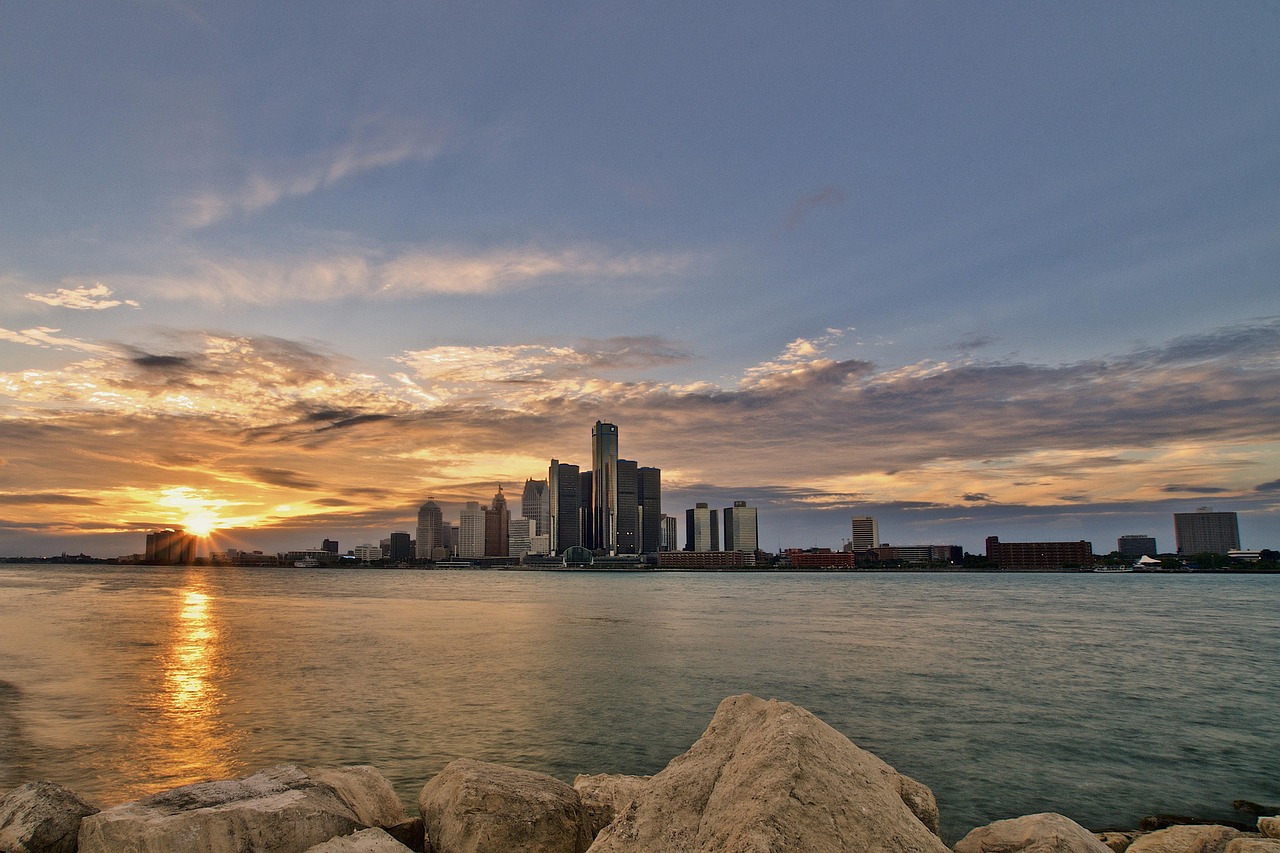
Detroit sits along the Detroit River, directly across from Windsor, Canada, with a skyline that glows gold at sunset. It’s known globally as the Motor City and the birthplace of Motown, but that’s only the beginning. Today it’s also a hub for design, street art, and experimental food. Vacant lots are turning into community gardens, and historic skyscrapers are being restored instead of torn down.
- Population: ~630,000 in the city, but over 4 million in the metropolitan area.
- Vibe: Blue‑collar roots, creative energy, surprising green spaces, and a proud, resilient community.
- Great for: Music lovers, architecture buffs, families, road‑trippers, food travelers, art and design nerds.
- Perfect trip length: A 3 day itinerary for Detroit covers the icons; 4–5 days in Detroit lets you dig into neighborhoods and hidden gems.
20 Must‑See Attractions in Detroit (With Personal Stories & Tips)
These are the places I keep coming back to. Some are world‑famous; others are spots where I’ve ended up chatting with locals over coffee or catching a sunset almost by accident. I’ll start with the biggest icons, then move gradually into deeper cuts and neighborhood gems.
1. Detroit Riverwalk
If you only had half a day in Detroit, I’d send you to the Detroit Riverwalk. It’s where the city exhales. The path runs for miles along the Detroit River, connecting parks, plazas, and small pocket gardens, with Canada’s skyline across the water.
On my first summer evening here, I walked from Hart Plaza to Milliken State Park, passing couples on scooters, kids chasing bubbles, and a busker playing a saxophone version of a Motown classic. The air smelled like popcorn and river water, and every bench seemed to come with a conversation starter.
History & Significance
The Riverwalk is part of a long‑term effort to reclaim Detroit’s waterfront for the public. Once lined with industrial sites and warehouses, the area has been transformed into one of the city’s most beloved communal spaces, and it regularly wins awards as one of America’s best riverfronts.
What to Do
- Walk or bike from Hart Plaza to Gabriel Richard Park, stopping at Milliken State Park & Harbor for its lighthouse and wetlands.
- Bring a coffee and watch the sunrise if you’re an early riser; the reflections on the water are worth the alarm.
- In summer, look for pop‑up food stands and free concerts, especially on weekends.
Tips
- Getting there: If you’re staying downtown, it’s walkable. The QLINE (Woodward streetcar) gets you close; hop off near Campus Martius and walk east.
- Best time: Golden hour into sunset; early mornings for joggers and photographers.
- Family‑friendly? Very. Wide paths, playgrounds, and lots of places to rest.
2. Guardian Building
Whenever I want to convince someone that Detroit’s architecture is world‑class, I bring them to the Guardian Building. From the outside, it’s an orange‑brick skyscraper that hints at something special. Step inside, and it’s like walking into an Art Deco cathedral designed by someone who really loved color.
History & Significance
Completed in 1929 and often called the “Cathedral of Finance,” the Guardian Building showcases bold Art Deco and Native American–inspired designs. It once housed a major bank and now hosts offices and a lobby open to the public, plus a few small shops.
My Experience
I still remember the first time I looked up in the lobby: geometric patterns in orange, turquoise, and gold covering the vaulted ceiling, and a gigantic mural map of Michigan. I grabbed a coffee from the café, found a corner bench, and just watched people’s faces as they walked in. Everybody looks up.
Tips
- Don’t rush: There’s a small gift shop with locally made art and souvenirs worth browsing.
- Photography: You can photograph the lobby freely; try a wide‑angle shot from the center.
- Combine with: A self‑guided downtown architecture walk—many notable buildings are within a 10‑minute radius.
3. Detroit Institute of Arts (DIA)
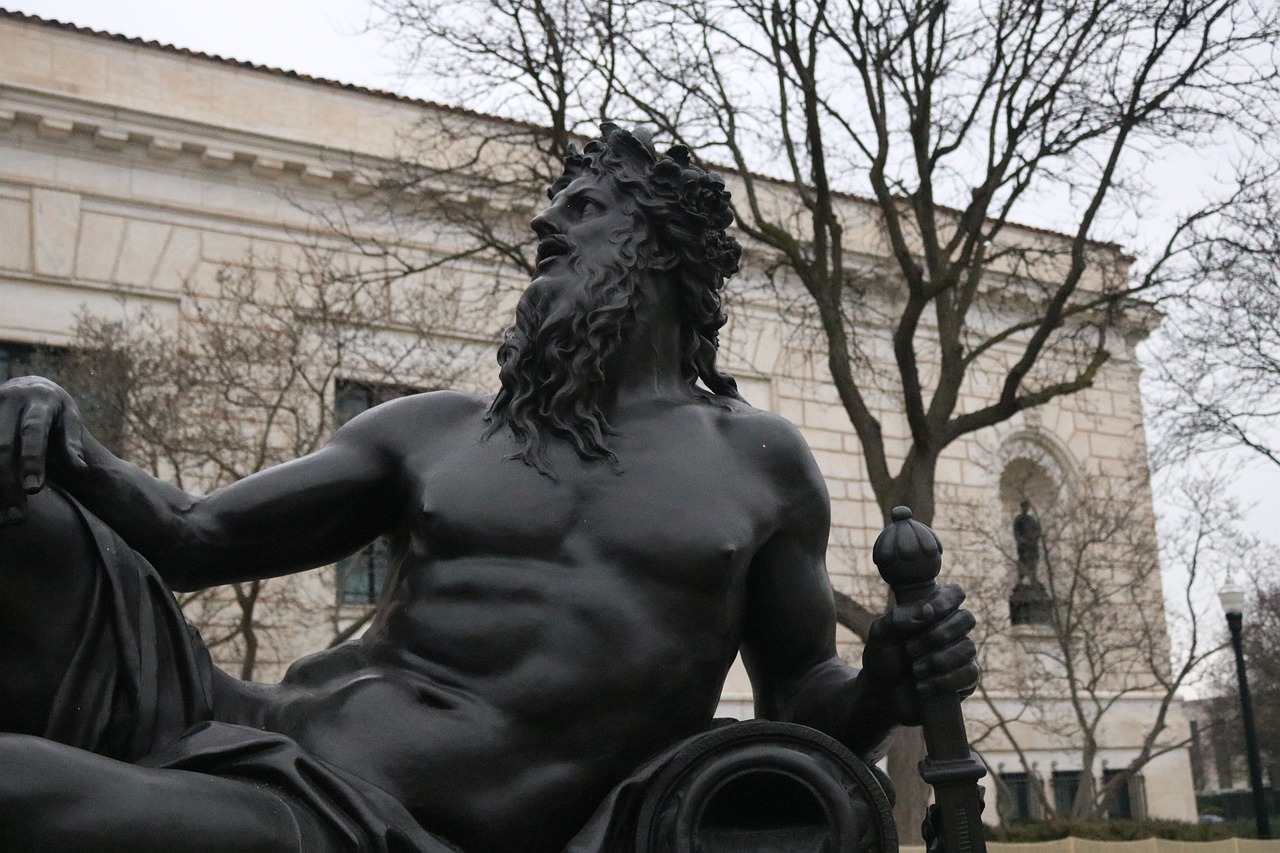
The DIA is Detroit’s cultural heart. I’ve spent entire rainy days here, wandering from room to room until my feet hurt and my brain felt deliciously full.
History & Significance
Opened in 1927, the DIA holds one of the largest and most significant art collections in the United States. It’s especially famous for the Detroit Industry Murals by Diego Rivera—a sweeping, controversial, and stunning tribute to Detroit’s auto industry and workers.
Highlights
- Detroit Industry Murals: I always start here. Stand in the middle of the courtyard and let your eyes trace the story of labor, machines, and human bodies.
- American Art & European Masters: From Van Gogh’s self‑portrait to contemporary works by Black and Indigenous artists, the collection is broad and thoughtfully curated.
- Family programs: The DIA runs frequent workshops and kid‑friendly activities—great if you’re traveling with children.
Practical Tips
- Location: In Midtown, walkable from the QLINE (Ferry Street or Warren stops).
- Time needed: Minimum 2–3 hours; art lovers can easily spend a full day.
- Food: The on‑site café has solid soups, salads, and sandwiches; I often plan a light lunch break here to recharge.
4. Motown Museum (Hitsville U.S.A.)
The first time I stood in Studio A at the Motown Museum, I got goosebumps. This is where Stevie Wonder, Marvin Gaye, The Supremes, and so many others recorded the songs that still spill out of car windows across Detroit.
History
Motown Records was founded by Berry Gordy in 1959. The modest blue‑and‑white house on West Grand Boulevard became known as Hitsville U.S.A., the label’s first headquarters and main recording studio. The museum preserves this house and its neighbor, offering guided tours that are part history lesson, part sing‑along.
My Visit
The tour guides are half the magic here. On one visit, our guide encouraged us to sing a few bars of “My Girl” together in Studio A. It was hilariously off‑key, but I walked out with a new sense of how human and scrappy the early Motown years were.
Tips
- Book ahead: Tours often sell out, especially weekends and summer. Book tickets online in advance.
- Allow time for the gift shop: It’s excellent for music lovers—vinyl, books, and Motown‑themed gifts.
- Getting there: A quick rideshare from Midtown or downtown; public buses run along W. Grand Blvd as well.
5. Belle Isle Park
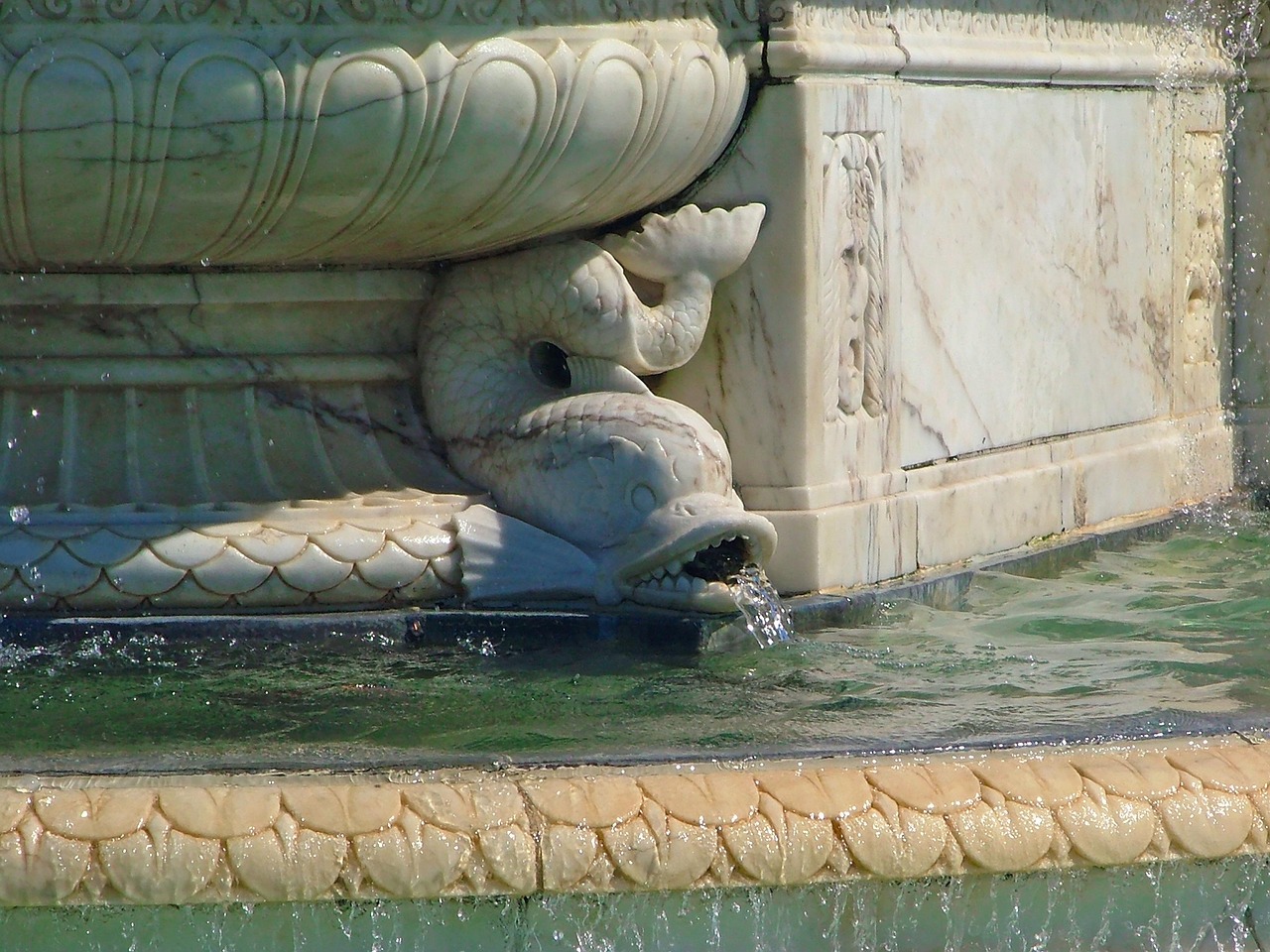
Belle Isle is where Detroit goes to breathe. This island park in the middle of the Detroit River has hosted my picnics, bike rides, lazy reading afternoons, and the occasional existential sunset walk.
What’s There
- Anna Scripps Whitcomb Conservatory: A beautiful glass‑domed greenhouse filled with ferns, orchids, and desert plants. On winter visits, stepping inside feels like a mini tropical vacation.
- Belle Isle Aquarium: One of the oldest aquariums in the U.S., with charmingly old‑school architecture and a mix of freshwater and saltwater species.
- Beaches & Views: There’s a small beach area and many spots where you can sit and look back at the Detroit skyline or across to Windsor.
Tips
- Getting there: Short drive via the MacArthur Bridge; biking is possible but less pleasant in winter.
- Time needed: 3–5 hours if you want to see the conservatory, aquarium, and enjoy a picnic.
- Family‑friendly: Very; bring snacks, a ball, or bikes.
6. Eastern Market

Eastern Market on a Saturday morning is Detroit at its most alive. My ritual: arrive hungry, wander the sheds, grab a coffee, eat something I didn’t plan on, and then get distracted by a mural or a busker and forget my shopping list entirely.
History & Vibe
Operating for over 125 years, Eastern Market is one of the oldest and largest year‑round markets in the U.S. You’ll find farmers, florists, food producers, and local artisans. The surrounding streets are covered in vibrant murals thanks to the annual Murals in the Market festival.
What to Eat & Do
- Street Food: Tacos, BBQ, pierogi, vegan baked goods—come hungry and with cash or card.
- Murals: After shopping, wander the side streets to hunt for massive wall art.
- Shops: Independent butchers, spice shops, and specialty grocers offer a taste of Detroit’s diverse communities.
Tips
- Best day: Saturday is peak; go early (before 10 a.m.) to avoid crowds.
- Parking: Free lots around the market but they fill fast. Arrive early or use rideshare.
- Budget‑friendly: Great place to assemble a picnic for Belle Isle or the Riverwalk.
7. The Henry Ford Museum of American Innovation & Greenfield Village
Technically in Dearborn, a short drive from Detroit, but absolutely essential. This is part car museum, part time machine, part “wow, that’s the actual Rosa Parks bus.”
What You’ll See
- Henry Ford Museum: Classic cars, presidential limousines, historic planes, and iconic artifacts of American innovation.
- Greenfield Village: An outdoor living‑history museum with historic buildings (some relocated from other states), costumed interpreters, and working farms.
My Favorite Moments
Sitting inside the carefully restored bus where Rosa Parks refused to give up her seat was one of the most powerful museum experiences I’ve had anywhere. Outside, I once spent a fall afternoon wandering Greenfield Village with apple cider in hand, listening to live folk music and watching a blacksmith demonstration.
Tips
- Plan a full day: Both the museum and village deserve time; families in particular can easily spend 6–8 hours.
- Tickets: You can buy combo tickets; check seasonal hours, as Greenfield Village has different opening times.
- Getting there: Best by car; about 20–30 minutes from downtown Detroit.
8. Ford Piquette Avenue Plant
The Piquette Plant is where the Model T was born, and walking through its wooden floors and sunlit windows feels like stepping back into Detroit’s explosive early industrial days.
History
Built in 1904, this was Ford’s first purpose‑built factory and the birthplace of the Model T, often called the car that put America on wheels. Today it’s a museum showcasing early Ford cars and the story of automotive innovation.
Why I Love It
It’s less polished than some museums, and that’s part of its charm. On one visit, a volunteer guide (a retired auto worker) told stories about his father’s time on the line; it turned a collection of cars into something deeply personal.
Tips
- Guided tours: Highly recommended; you’ll get far more context and great anecdotes.
- Combine with: Nearby Milwaukee Junction and North End neighborhoods for street art and coffee.
9. Campus Martius Park
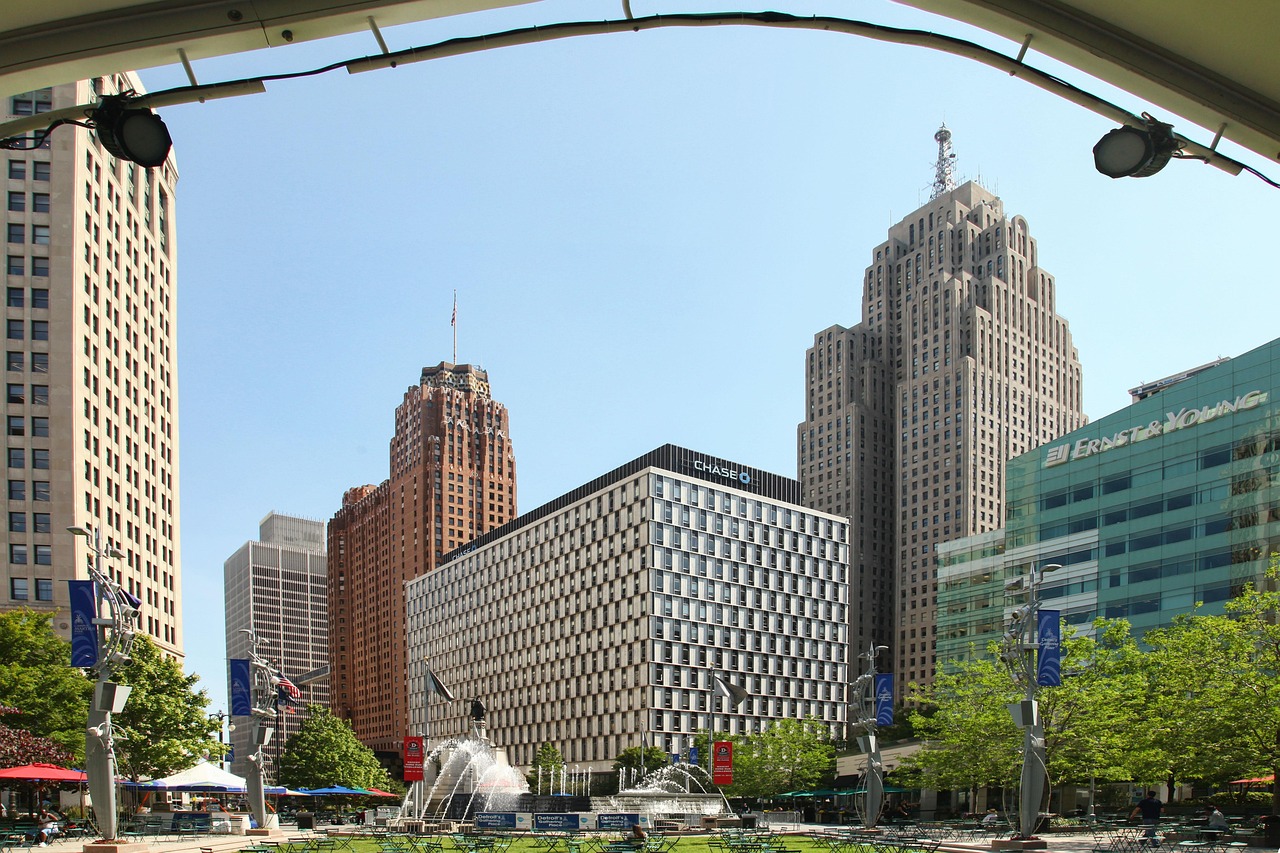
Campus Martius is Detroit’s living room. Every season, the park transforms. I’ve seen it as a beach with trucked‑in sand and palm trees in August, and as a sparkling ice rink surrounded by holiday lights in December.
What to Expect
The park is surrounded by office towers, shops, and restaurants, with movable chairs, a central fountain, and frequent events. Food trucks, live music, outdoor movie nights, and pop‑up bars keep it buzzing.
Tips
- Winter: Lace up skates at the ice rink and grab hot chocolate from nearby cafés.
- Summer: Check the schedule for concerts and festivals; it’s often the hub for big downtown happenings.
- Budget tip: Great place to sit with a to‑go coffee or coney dog and people‑watch for free.
10. Charles H. Wright Museum of African American History
This is one of Detroit’s most important museums and one of the largest African American history museums in the world. It’s powerful, sobering, and absolutely essential.
Exhibits
The core exhibition traces African and African American history from ancient African civilizations through the transatlantic slave trade, civil rights, and contemporary culture. Temporary exhibits highlight art, music, and social movements.
Personal Note
On my first visit, I spent nearly an hour in one section, moving slowly through the history of the Middle Passage and enslavement. I left emotionally heavy but deeply grateful for the museum’s honesty and care.
Tips
- Location: Midtown, near the DIA and Michigan Science Center—easy to combine in a single day.
- Time: 2–3 hours at least; more if you read extensively.
- Events: Check for lectures, film screenings, and special programs; the calendar is robust.
11. Michigan Central Station
For years, Michigan Central Station was the symbol of Detroit’s decline: an abandoned Beaux‑Arts train station looming over Corktown. Now, after a massive restoration led by Ford, it’s becoming a symbol of reinvention.
History & 2026 Update
Built in 1913, the station closed in the 1980s and sat vacant for decades. In the late 2010s, Ford purchased it to create a mobility innovation campus. By 2026, portions of the building and surrounding campus host public spaces, events, and exhibits.
My Visit
On a recent trip, I joined a guided tour of the restored grand hall. Seeing the once‑shattered windows replaced and the ornate details brought back to life was surreal. Locals around me were visibly emotional; this building means a lot to Detroiters.
Tips
- Tours: Check the official Michigan Central site for tour availability; they may be limited or ticketed.
- Combine with: Corktown’s bars, bakeries, and restaurants just a short walk away.
12. Corktown
Corktown is Detroit’s oldest neighborhood and one of my favorites for aimless wandering. Think historic brick row houses, cozy bars, and an easygoing, creative vibe.
What to Explore
- Food & Drink: You’ll find everything from craft cocktails to excellent burgers to inventive small plates.
- Architecture: Walk the side streets to see colorful historic homes, many lovingly restored.
- Parks: Roosevelt Park in front of Michigan Central Station is slowly evolving as the station reopens.
Personal Note
Some of my best Detroit nights have started with dinner in Corktown and ended with unexpected live music in a low‑key bar. It’s a great area for couples—romantic but not fussy.
13. Hart Plaza & Downtown Riverfront Parks
Hart Plaza is a concrete amphitheater‑like plaza right on the riverfront, framed by public art and skyscrapers. It’s not pretty in a traditional way, but it’s where Detroit throws some of its biggest parties.
Why Visit
- Festivals: Movement Electronic Music Festival, fireworks displays, cultural celebrations.
- Public Art: Keep an eye out for sculptures and monuments, including tributes to labor and civil rights.
- Views: Great vantage point over the river and towards Windsor.
14. Greektown
Greektown is small but lively—a neighborhood of Greek restaurants, bakeries, and a major casino. Neon lights, late‑night desserts, and boisterous dinners are the norm here.
What to Do
- Eat: Generous platters of grilled meats, saganaki (flaming cheese), and honey‑soaked pastries.
- Casino: Greektown Casino‑Hotel draws crowds for gaming and nightlife.
- Night Stroll: I like wandering here after a show or game, grabbing baklava and people‑watching.
15. Fox Theatre
The Fox Theatre is one of the most ornate venues I’ve ever stepped into—gilded, lavish, and just a bit over the top in the best way.
History
Opened in 1928 as a movie palace, the Fox was restored in the late 1980s and is now a National Historic Landmark and a major performance venue for concerts, comedy, and touring Broadway shows.
My Experience
I’ve seen everything from indie rock to classic soul revues here. No matter the show, I always arrive early just to stare at the ceiling and details of the lobby.
Tips
- Dress code: No strict rules, but many people dress up a bit for a night out here.
- Combine with: Dinner in nearby Foxtown or a pre‑show drink at a downtown bar.
16. Little Caesars Arena (The District Detroit)
If you’re into sports or big concerts, Little Caesars Arena (LCA) is where the action is. It’s home to the Detroit Red Wings (NHL) and Detroit Pistons (NBA), and also hosts major touring acts.
Why Go
- Atmosphere: Game nights are electric; Detroit fans are passionate but generally friendly.
- The District Detroit: The surrounding area is gradually filling in with bars, restaurants, and entertainment options.
17. Dequindre Cut Greenway
The Dequindre Cut is an urban greenway built along a former rail line, now reserved for pedestrians and cyclists. It’s one of my favorite ways to move between the riverfront and Eastern Market.
Vibe
Expect a mix of joggers, families, and cyclists, with graffiti and commissioned murals lining the retaining walls. It feels like a secret passage connecting two of the city’s best areas.
Tip
Rent a bike and ride the Cut from the Riverwalk up to Eastern Market, then reward yourself with food and coffee there.
18. Michigan Science Center
Traveling with kids (or curious adults)? The Michigan Science Center, right next to the DIA, is a hands‑on wonderland of exhibits on space, physics, health, and engineering.
My Take
On a family trip, we ended up spending twice as long here as planned because the kids would not leave the interactive exhibits alone—and honestly, the adults were having just as much fun.
19. Heidelberg Project
The Heidelberg Project is one of Detroit’s most famous and controversial outdoor art environments—an entire block transformed with found objects, painted houses, and political messages.
Why Visit
It’s raw, evolving, and unlike any traditional art museum. I’ve visited multiple times over the years and it’s never the same twice. It raises questions about community, art, abandonment, and joy.
Tip
This is a residential neighborhood; be respectful, keep noise down, and don’t block driveways. Daytime visits are best.
20. Midtown & Cass Corridor Street Life
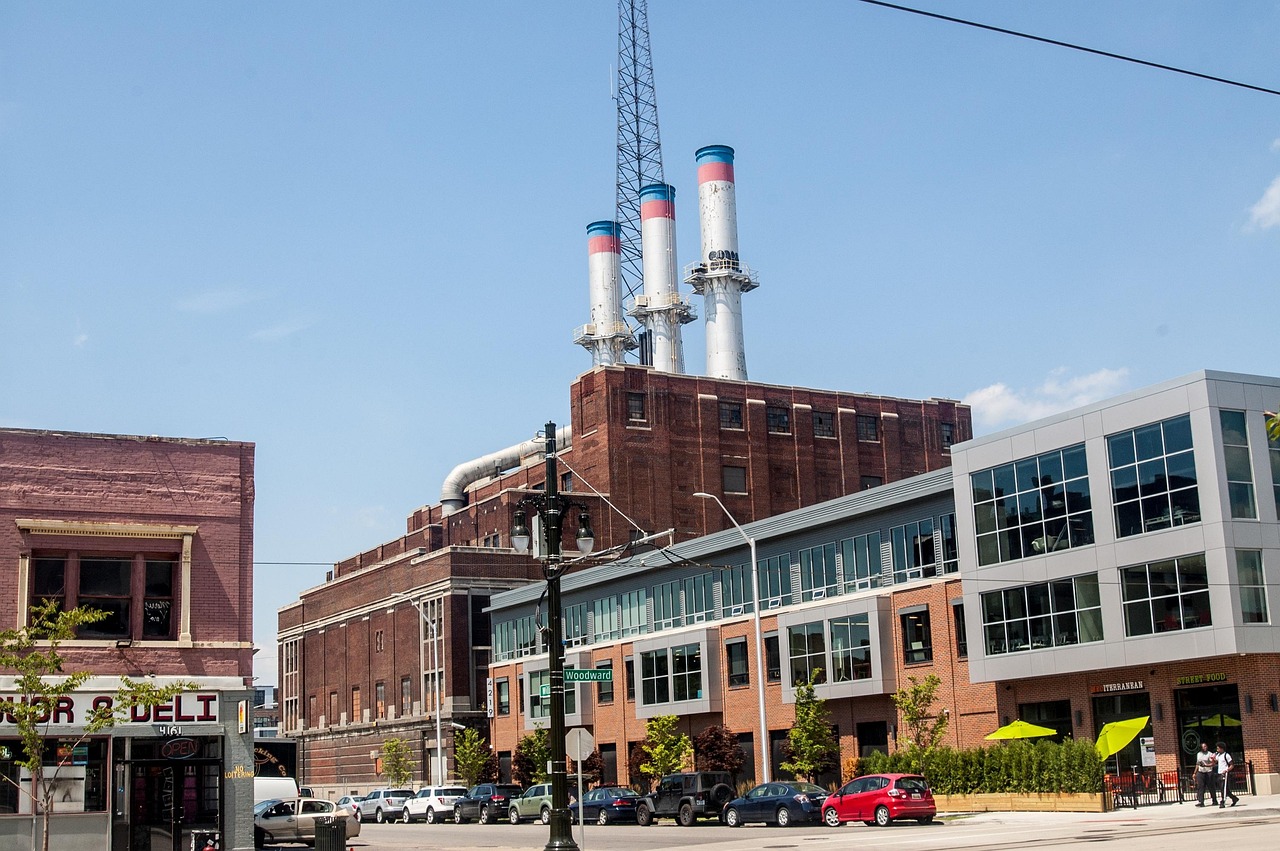
While not a single attraction, Midtown/Cass Corridor is where I spend a disproportionate amount of time in Detroit: coffee shops, bookshops, galleries, bars, and the gentle hum of Wayne State University students.
Why It Matters
This area ties together many major attractions—the DIA, Wright Museum, Science Center—with the everyday life of the city: local cafés, small boutiques, and murals. It’s one of the best places to feel Detroit’s contemporary pulse.
Neighborhoods & Districts to Explore
Detroit is huge, but as a visitor you’ll likely focus on a handful of key areas. Here’s how I think of them when planning a 3–5 day itinerary for Detroit.
Downtown
Skyscrapers, stadiums, theaters, and the riverfront. Great for first‑timers, business travelers, and anyone who likes to be in the middle of things. Walkable, with the QLINE and People Mover as transit options.
Midtown
Home to the DIA, Wayne State, and many museums. Feels younger and more bohemian, with lots of cafés and indie shops. My favorite base for a 4–5 day itinerary in Detroit.
Corktown
Oldest neighborhood, now a food and nightlife hotspot with historic homes. Great for evening strolls and dinners.
Eastern Market
Market district plus street art. Best on Saturdays but increasingly lively throughout the week.
Mexicantown (Southwest Detroit)
Mexican bakeries, taquerias, and colorful murals. Amazing for food lovers.
West Village & Islandview
Charming residential areas east of downtown with cool local cafés and proximity to the river.
Suggested 3–5 Day Itineraries for Detroit (With Personal Daily Stories)
Use these as building blocks. If you only have 3 days in Detroit, focus on Days 1–3. For a 4 day itinerary for Detroit, add Day 4. For a 5 day itinerary for Detroit, include all five days.
Day 1: Downtown Icons & the Riverfront
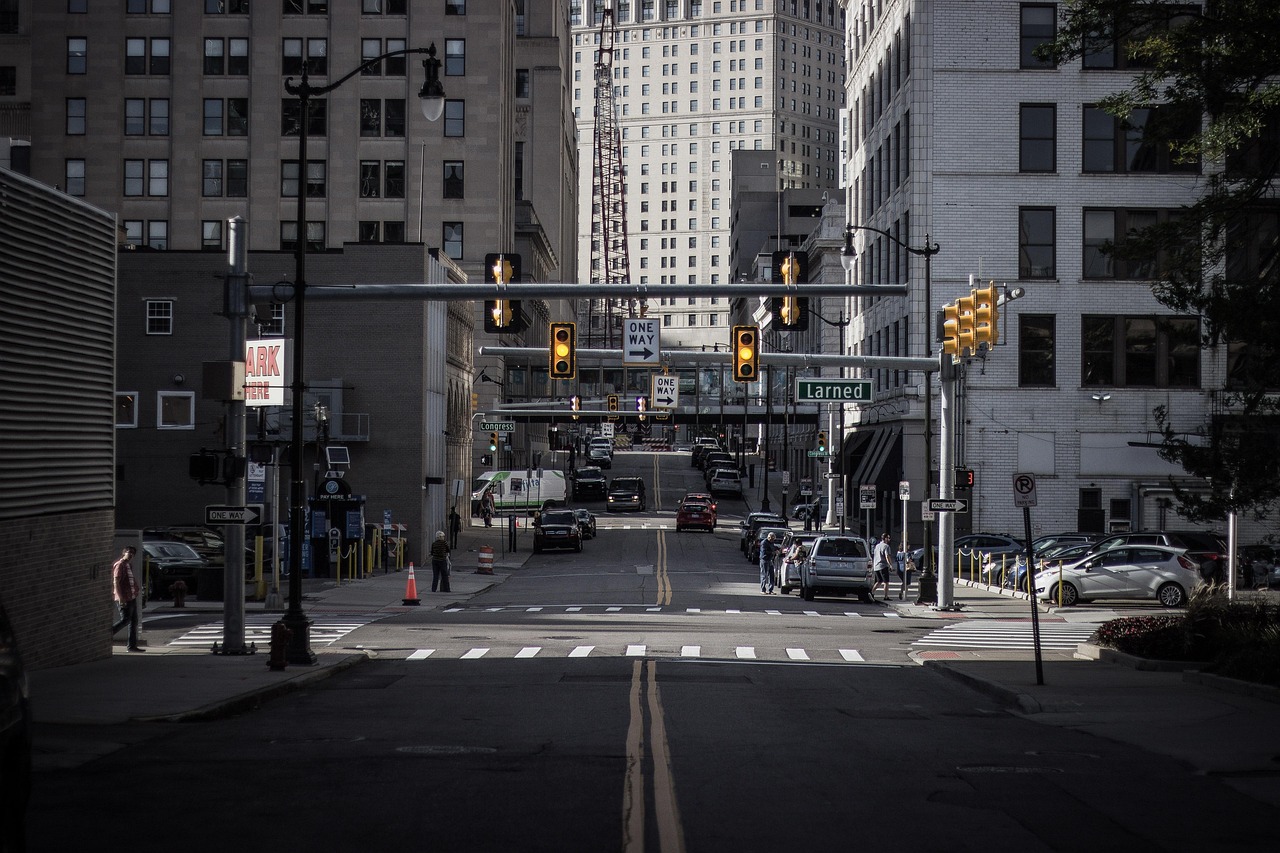
On my most recent 3‑day trip, I started where I always do: downtown. I checked into a hotel near Campus Martius, dropped my bag, and headed straight outside to feel the city’s rhythm.
Morning: Campus Martius & Guardian Building
I grabbed a latte from a nearby café and carried it into Campus Martius Park. Office workers filtered in, kids chased pigeons, and a light breeze carried the smell of breakfast sandwiches. After some people‑watching, I walked a few blocks to the Guardian Building, arriving just as the morning sun lit up the lobby’s colors.
I always take a slow lap around the lobby, pausing by the giant map mural. If you’re into architecture, consider joining a guided walking tour that includes the Guardian and other nearby skyscrapers.
Lunch: Local Flavors
For lunch, I usually keep it casual: a sandwich or salad from a downtown café, or if I’m in the mood for classic Detroit, a quick coney dog (more on that in the food section). Budget travelers can easily find a $10–$15 lunch downtown.
Afternoon: Detroit Riverwalk & Dequindre Cut
From downtown, I walked down to the Riverwalk and turned east. The path was alive—cyclists, families, and a few fishermen casting lines into the river. I stopped at Milliken State Park, climbed up near the lighthouse for photos, then continued towards the entrance of the Dequindre Cut.
On a rented bike, the Cut is perfect: a gentle, art‑lined ride up to Eastern Market if you have the energy. I’ve done the walk, too—it’s longer, but the murals keep things interesting.
Evening: Dinner & a Show
Back downtown, I showered and changed for a night out. I like to aim for an early dinner at a mid‑range restaurant—somewhere I can try local ingredients or a Detroit take on global cuisine—then catch a performance at the Fox Theatre or a game at Little Caesars Arena.
One of my favorite Detroit travel memories is emerging from a Fox Theatre show into the cool night air, walking hand‑in‑hand with a friend through neon‑lit streets, and ending up in Greektown for late‑night baklava and coffee.
Day 1 Tips
- Wear comfortable shoes; you’ll be walking a lot.
- Use the QLINE and People Mover if your feet need a break.
- Book tickets ahead if you want to see a concert, game, or show.
Day 2: Museums & Midtown Life
My second day in Detroit usually belongs to Midtown. It’s perfect for museum lovers, families, and anyone building a 3 or 4 day itinerary for Detroit.
Morning: DIA & Coffee
I started at a Midtown café for breakfast—Detroit does coffee very well—then walked over to the Detroit Institute of Arts just after opening to beat the biggest crowds. I always head first to the Rivera murals before wandering the rest of the collection according to mood: sometimes European masters, sometimes contemporary and African American art.
By late morning, my feet usually demand a break, so I grab a coffee in the museum café and sit by a window, flipping through photos and planning the rest of the day.
Afternoon: Charles H. Wright Museum & Science Center
From the DIA, it’s a short walk to the Wright Museum. I recommend doing this in the early afternoon when you can give it the mental and emotional energy it deserves. Take your time; read the panels; sit on benches when you need to.
If you’re traveling with kids, you can split the afternoon between the Wright Museum and the Michigan Science Center. On one trip with friends and their children, we swapped: the grown‑ups who wanted a quieter, reflective experience did the Wright, while the others took the kids to the Science Center’s interactive exhibits.
Late Afternoon: Midtown Wandering
By 4 or 5 p.m., Midtown’s cafés and small shops call to me. I’ll usually pop into a bookstore, maybe a gallery, and then find a bar or café patio for a pre‑dinner drink.
Evening: Casual Dinner & Live Music
Midtown has plenty of casual dinner options—from ramen to burgers to vegetarian spots. After dinner, I like to check listings for small‑venue shows: jazz, indie bands, or open‑mic nights. Detroit’s smaller music venues are where you really feel the city’s creative energy.
Day 2 Tips
- Group your museums by geography to minimize transit.
- Pack a light layer; museum A/C can be strong even in summer.
- Check student discounts if you’re traveling with teens or college students.
Day 3: Motown, Neighborhood Flavors & Belle Isle
For a classic 3 day itinerary for Detroit, I like to dedicate Day 3 to Motown, Southwest Detroit, and the river’s green spaces.
Morning: Motown Museum
I scheduled my Motown Museum tour for late morning and booked online a few days beforehand. The house looks modest from the outside, but inside it contains a universe. Our guide blended facts with stories and humor, and by the time we stood in Studio A, listening to a Motown track, the whole group was swaying.
Lunch: Mexicantown
After Motown, I headed to Mexicantown in Southwest Detroit. The streets are lined with taquerias, panaderías, and restaurants offering everything from quick tacos to leisurely family‑style meals. I’ve had some of the best tamales of my life here, followed by pan dulce (sweet bread) and a strong coffee.
Afternoon: Belle Isle
In the afternoon, I drove out to Belle Isle. The weather was perfect—blue sky, gentle breeze—so I wandered through the Conservatory, then walked along the water’s edge, watching boats and kayaks drift by. Families picnicked under trees, teenagers posed for photos with the skyline behind them, and an older couple sat on a bench holding hands. It felt like the whole city had decided to pause together.
Evening: Sunset & Cocktails
I lingered on Belle Isle until the sun dipped, then drove back to the city for a low‑key dinner and a cocktail at a bar with a good Detroit‑made spirits selection. If you’re a fan of craft cocktails, Detroit’s bartenders will not disappoint.
Day 3 Tips
- Book the Motown Museum early in your planning; build the day around your tour time.
- Bring a light jacket for Belle Isle; it can be breezy by the water.
- If you don’t have a car, consider a rideshare combo for Motown, Mexicantown, and Belle Isle.
Day 4: Cars, History & Eastern Market
If you’re working on a 4 day itinerary for Detroit, Day 4 is the perfect time to dive deeper into the city’s automotive roots and its market culture.
Morning & Afternoon: The Henry Ford & Greenfield Village
Dedicate most of the day to The Henry Ford in Dearborn. I drove out around opening time and started in the indoor museum, making a beeline for the civil rights–related exhibits (including the Rosa Parks bus) before exploring the cars and planes.
After lunch at one of the on‑site cafés, I spent the afternoon at Greenfield Village, riding in a Model T, watching traditional craft demonstrations, and chatting with costumed interpreters. Families around me were having the best kind of educational fun—kids actually enthusiastic about history.
Late Afternoon / Evening: Eastern Market
Back in Detroit, if it’s a Saturday or there’s an evening event, I’ll swing by Eastern Market. I’ll wander the murals at golden hour, then tuck into a local bar or restaurant for dinner—often something hearty and unfussy.
Day 4 Tips
- Check The Henry Ford’s website for special exhibits and seasonal events.
- Wear comfortable shoes; Greenfield Village involves a lot of walking.
- If you’re car‑free, look into rideshares; public transport to Dearborn is limited.
Day 5: Hidden Gems, Neighborhood Hopping & Farewell Views
With 5 days in Detroit, you have room to explore the city’s quirkier corners and slower rhythms.
Morning: Heidelberg Project
I like to start Day 5 with something thought‑provoking, so I head to the Heidelberg Project. I walk quietly along the block, taking in the installations—painted houses, polka‑dotted streets, found‑object sculptures. Every time, I notice something new and leave with more questions than answers, which is part of its power.
Midday: West Village & Islandview
From there, I drive over to West Village, where tree‑lined streets and historic homes create a different kind of calm. I’ll grab brunch or coffee at a local spot, then take a gentle walk around the neighborhood, maybe popping into a boutique or two.
Afternoon: Corktown & Michigan Central
In the afternoon, I circle back to Corktown. If there are tours available at Michigan Central Station, I’ll book one; if not, I’m content to admire the exterior, wander Roosevelt Park, and then dive into Corktown’s food scene.
On one visit, I ended up at a Corktown bar with a small patio and a killer Detroit‑made gin list. I chatted with the bartender about the neighborhood’s changes over the past decade while watching the light shift on the station’s facade.
Evening: Final Riverfront Walk
On my last evening in Detroit, I always return to the Riverwalk. I like to time it for sunset, maybe with an ice cream or coffee in hand, and mentally replay the trip: the murals, the music, the meals, the conversations.
Day 5 Tips
- Use this day flexibly; revisit any spot you loved earlier in the trip.
- Check for neighborhood events—flea markets, pop‑up art shows, small concerts.
- Keep transit times in mind; choose 2–3 neighborhoods to focus on rather than trying to see everything.
Local Food & Drink in Detroit
You could build an entire travel guide for Detroit around food alone. Here are some essentials.
Detroit‑Style Pizza
Square, thick, crispy‑edged, and cheesy, often with sauce ladled on top. I’ve shared Detroit‑style pizza with friends in Midtown and taken cold leftovers back to my hotel room more than once. Don’t underestimate how filling it is—one or two slices can be plenty.
Coney Dogs
A Detroit coney dog is a beef hot dog on a soft bun topped with beanless chili, mustard, and onions. Late‑night coney stops are a local ritual. It’s not health food, but it is soul food.
Middle Eastern & Mexican Food
Metro Detroit has huge Middle Eastern and Latin American communities, and it shows in the food. From shawarma and hummus to tacos and tamales, you’ll eat very well, especially in Dearborn and Southwest Detroit.
Cafés & Breweries
Coffee culture is strong—Midtown, Corktown, and West Village all have excellent independent cafés. Craft beer fans will find plenty of local breweries, and cocktail bars are embracing Detroit‑made spirits.
Money‑Saving Food Tips
- Lunch specials at local restaurants can be significantly cheaper than dinner.
- Grab picnic supplies at Eastern Market and eat in a park.
- Food trucks and diners offer tasty meals for under $15.
Nightlife, Music & Cultural Experiences
Detroit’s nightlife isn’t about velvet ropes; it’s about music, conversation, and neighborhood bars where you quickly feel like a regular.
Live Music
From legendary techno parties to small jazz clubs and rock venues, Detroit’s music scene is deep. Check listings for live shows in Midtown, Corktown, and downtown. I’ve stumbled into unforgettable sets just by following the sound of a bassline down the street.
Clubs & Festivals
The annual Movement Electronic Music Festival in Hart Plaza draws techno fans from around the world. Smaller clubs and warehouse events keep the scene going year‑round.
Theatre & Performing Arts
Beyond the Fox, the Detroit Opera House and other venues host opera, ballet, and touring productions. Timing your trip to catch a performance can add a romantic or cultured note to your itinerary.
Day Trips from Detroit
1. Ann Arbor
About 45 minutes west by car, Ann Arbor is a leafy college town with bookstores, cafés, and a walkable downtown. Great for a relaxed day of strolling and eating.
2. Windsor, Canada
Just across the river, reachable via tunnel or bridge (passport required). Great skyline views of Detroit from the Canadian side, plus casinos and waterfront parks.
3. Dearborn (Deeper Dive)
Beyond The Henry Ford, Dearborn’s Middle Eastern restaurants and bakeries alone make it worth a dedicated visit. Expect excellent shawarma, falafel, and pastries.
Cultural Etiquette & Local Customs in Detroit
Detroit is friendly and straightforward. A few things to keep in mind:
- Respect the city’s story: Many locals have strong feelings about how Detroit is portrayed. Avoid “ruin porn” photos of abandoned buildings and be sensitive when discussing the city’s challenges.
- Tipping: 18–20% in restaurants and bars is standard; $1–$2 per drink at bars, a few dollars for hotel housekeeping and taxis.
- Personal space & greetings: A simple “hi” or “how’s it going?” is normal; people are often willing to help with directions or recommendations.
- Driving etiquette: Drive defensively; pay attention to speed limits and be cautious of potholes in some areas.
- Photography: Always ask before photographing people, especially in residential or community spaces like the Heidelberg Project.
Practical Travel Tips for Detroit
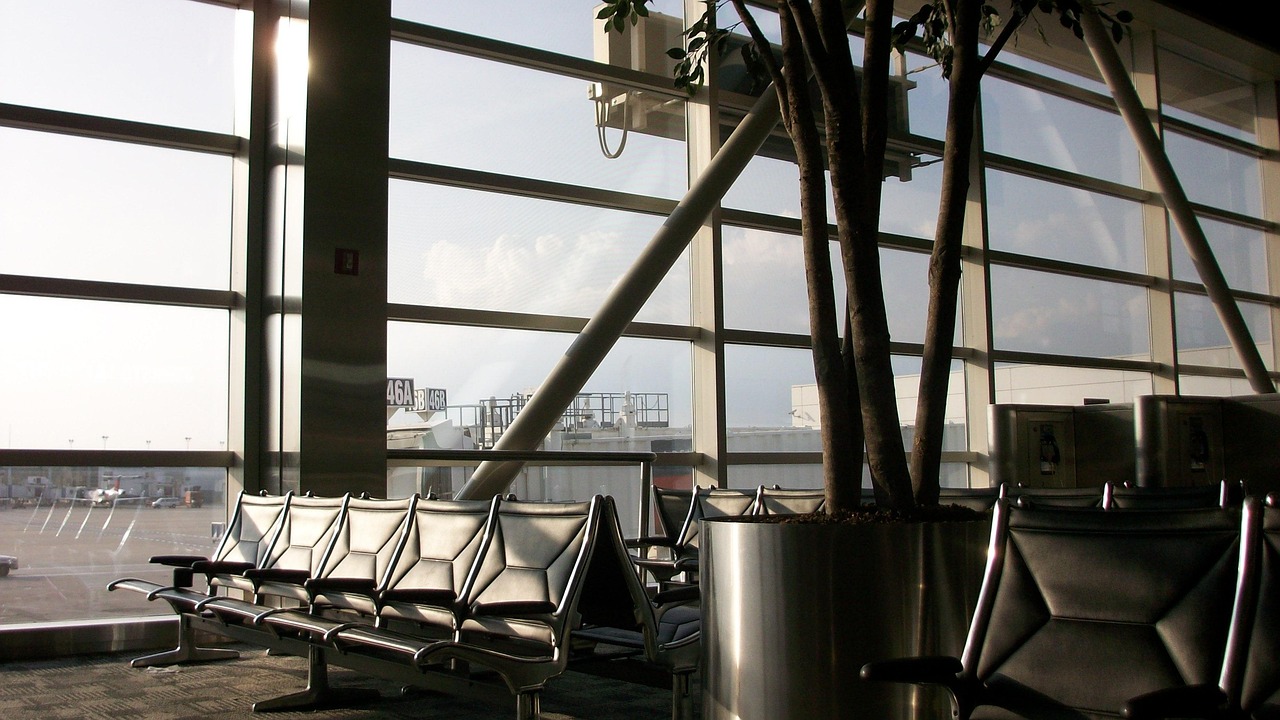
Getting Around
- Car: The easiest way to cover large distances and visit places like Dearborn and Belle Isle. Parking downtown is usually available but can cost $10–$25 near big events.
- Public Transit: The QLINE streetcar runs along Woodward Avenue from downtown to New Center. The People Mover circles downtown. Buses (DDOT and SMART) cover the wider area but can be slower.
- Rideshare: Uber and Lyft are widely used and great for short hops between neighborhoods.
- Biking & Scooters: Bike lanes are improving; the Dequindre Cut and Riverwalk are particularly bike‑friendly.
SIM Cards & Connectivity
Major U.S. carriers (AT&T, Verizon, T‑Mobile) have good coverage across Detroit. International visitors can:
- Buy an eSIM in advance from a global provider.
- Pick up a prepaid SIM at big box stores or carrier shops in suburban malls (easiest if you have a car).
Money‑Saving Tips
- Visit museums on free or discounted days—check each site’s calendar.
- Stay in Midtown or slightly outside downtown to find more affordable lodging.
- Use Eastern Market and supermarkets for picnic supplies instead of eating every meal out.
- Walk whenever possible; many key areas are more walkable than they appear on a map.
Visa & Entry Requirements (International Visitors)
Detroit follows standard U.S. entry rules:
- Visas: Many nationalities can enter under the Visa Waiver Program (ESTA). Others need a tourist visa. Always check the latest requirements with your local U.S. embassy or official website before travel.
- Crossing to Canada: If you plan to visit Windsor, you’ll need a valid passport and possibly a Canadian visa depending on your nationality.
Driving & Foreign Licenses
- Most visitors can drive with their foreign driver’s license for a limited period; an International Driving Permit (IDP) is recommended, especially if your license isn’t in English.
- Car rental companies will require a credit card, passport, and valid license.
Safety
- Stick to well‑traveled neighborhoods as a visitor—downtown, Midtown, Corktown, Eastern Market, Belle Isle, and West Village are generally fine, especially by day.
- At night, use common sense: avoid poorly lit, deserted streets; use rideshares; don’t leave valuables in your car.
- Ask locals or hotel staff about current conditions; they’ll give you up‑to‑date, nuanced advice.
Major Events & Festivals in 2026–2027
Exact lineups and dates shift each year, but here are recurring events worth planning around:
- Movement Electronic Music Festival (late May): Three days of world‑class techno and electronic music at Hart Plaza. Book lodging early.
- Detroit Jazz Festival (Labor Day weekend): One of the world’s largest free jazz festivals, spread across downtown stages.
- North American International Auto Show: Detroit’s famous auto show, with concept cars, test drives, and industry events (dates have shifted in recent years; check the official site for 2026–2027 details).
- Woodward Dream Cruise (August): Classic cars cruising along Woodward Avenue; a must for car enthusiasts.
- Thanksgiving Day Parade: A big, family‑friendly parade through downtown every November.
Best Time to Visit Detroit
Spring (April–May)
Blooming trees, warming temperatures, fewer crowds. Great for walking and museum‑hopping, though weather can be unpredictable.
Summer (June–August)
Festival season, outdoor concerts, and long evenings. Ideal for the Riverwalk, Belle Isle, and Eastern Market. It can be hot and humid, but lake breezes help.
Fall (September–October)
My favorite. Crisp air, fall colors, and a steady stream of events without peak summer crowds. Perfect for 3, 4, or 5 days in Detroit.
Winter (November–March)
Cold, often snowy, but magical downtown with holiday lights and the Campus Martius ice rink. Best if you’re happy focusing on indoor attractions and cozy nights.
Summary: Key Takeaways for Your Detroit Trip
Detroit rewards curiosity. It’s a city where a 3 day itinerary will introduce you to the big‑name attractions—the Riverwalk, DIA, Motown Museum, and Belle Isle—but a 4 or 5 day itinerary lets you sink into neighborhoods, find hidden gems, and catch the city’s rhythms.
- Must‑see attractions in Detroit: Detroit Riverwalk, Guardian Building, DIA, Motown Museum, Belle Isle, The Henry Ford, Eastern Market.
- Best neighborhoods to explore: Downtown, Midtown, Corktown, Eastern Market, Mexicantown, West Village.
- Don’t miss local food: Detroit‑style pizza, coney dogs, Mexican and Middle Eastern cuisine, local coffee and craft beer.
- Best seasons: Late spring through fall (May–October) for outdoor activities; winter for cozy, museum‑focused trips and holiday charm.
- Transport: A car is handy but not essential for a core city trip; combine walking, QLINE, People Mover, and rideshares.
Come with an open mind, good walking shoes, and an appetite—for food, for music, and for stories. Detroit won’t always be easy or polished, but it will be real, and that’s what makes it unforgettable.