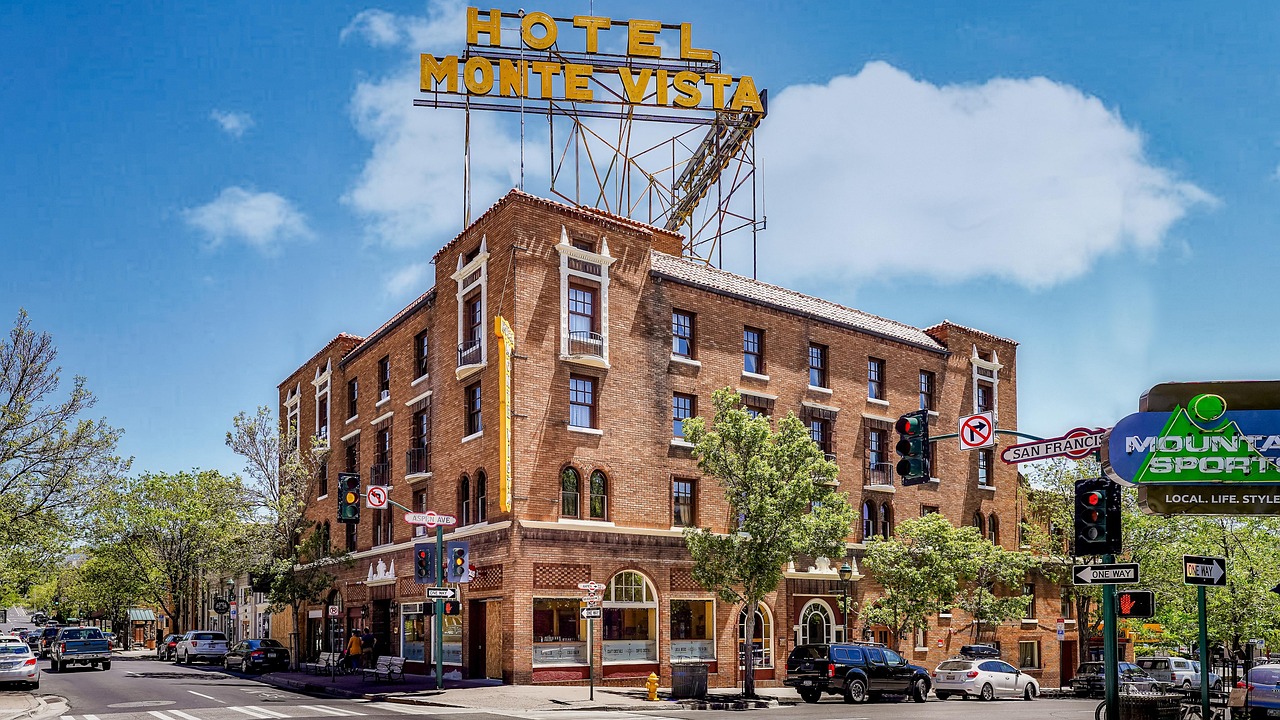
Why Visit Flagstaff? High-Altitude Pines, Dark Skies, and Desert Dreams
Flagstaff is one of those places that doesn’t make a lot of noise about itself, but once you’ve been, it quietly rearranges your idea of the American Southwest. Set at about 7,000 feet (2,130 m) on the southern edge of the Colorado Plateau, Flagstaff is simultaneously a mountain town, a university city, a Route 66 stop, and a launchpad for some of the most dramatic landscapes on Earth.
What makes Flagstaff special is the contrast: ponderosa pine forests and snowy peaks on one side, red-rock desert and ancient ruins on the other. In one day you can sip craft coffee downtown, hike among volcanic craters, watch the sunset over the Grand Canyon, and then be back in time to stargaze beneath some of the darkest skies in the United States.
I’ve been coming to Flagstaff almost every year for more than a decade—sometimes to escape Phoenix’s summer heat, sometimes as a base for Grand Canyon hikes, sometimes just to wander the alleys downtown and see what new mural has popped up. In 2026, Flagstaff is buzzing: new breweries, a quietly thriving food scene, and expanded programming around dark-sky tourism and Indigenous cultural experiences, all while still feeling laid-back and unpretentious.
If you’re planning 3 days in Flagstaff, a 4 day itinerary for Flagstaff, or even a full 5 day itinerary for Flagstaff, this guide breaks down everything you need to know—must-see attractions, local food, hidden trails, cultural etiquette, and the kind of practical travel advice for Flagstaff only repeat visits can give you.
Table of Contents
- Why Visit Flagstaff?
- Flagstaff at a Glance (2026–2027)
- 3–5 Day Itineraries for Flagstaff
- 20+ Must-See Attractions in Flagstaff (Deep Dive)
- Neighborhoods & Areas to Explore
- Local Food & Drink in Flagstaff
- Nightlife, Entertainment & Cultural Experiences
- Best Day Trips from Flagstaff
- Cultural Etiquette & Local Customs
- Practical Travel Tips for Flagstaff
- Summary & Best Time to Visit Flagstaff
Flagstaff at a Glance in 2026–2027
Flagstaff (often just “Flag” to locals) is a small city of around 80,000 residents, anchored by Northern Arizona University (NAU) and surrounded by millions of acres of public land. It’s an official International Dark Sky City, a hub for astronomers, outdoor enthusiasts, and road trippers exploring the American Southwest.
Elevation shapes everything here: summers are mild compared to Phoenix and Tucson, winters bring real snow, and the shoulder seasons (late April–June, September–October) are perfect for hikers and casual strollers alike.
Major Events & Festivals in 2026–2027
- Flagstaff Hullabaloo (June 2026 & 2027): A colorful community festival with live music, costume contests, local food trucks, and craft beer in Wheeler Park.
- Pickin’ in the Pines Bluegrass & Acoustic Music Festival (September 2026): A beloved 3-day music festival at Fort Tuthill County Park, with camping and workshops.
- Flagstaff Oktoberfest (October 2026): Beer, brats, polka, and cooler fall air—held at Wheeler Park or Fort Tuthill.
- Flagstaff Festival of Science (Late September–Early October 2026): Free talks, star parties, and hands-on science events around town.
- New Year’s Eve Pinecone Drop (December 31, 2026): Flagstaff’s quirky answer to Times Square—watch a giant lit pinecone drop downtown at midnight.
- First Friday ArtWalk (Monthly): On the first Friday of every month, downtown galleries and shops stay open late with art, music, and food.
3–5 Day Itineraries for Flagstaff: How Long Should You Stay?
Most visitors try to squeeze 3 days in Flagstaff around a Grand Canyon trip, but if you can, aim for 4 days in Flagstaff or even 5 days in Flagstaff. This lets you explore both the famous sights and the quieter, pine-scented corners locals love.
Below is a flexible 5-day structure. If you only have a 3 day itinerary for Flagstaff, focus on Days 1–3. For a 4 day itinerary for Flagstaff, add Day 4; for a 5 day itinerary for Flagstaff, enjoy the full sequence including Day 5.
Day 1 – Downtown Flagstaff, Route 66 Vibes & Lowell Observatory
I like to start every Flagstaff trip the same way: by dropping my bags, inhaling that cool high-altitude air, and wandering straight into downtown. Your first day is all about getting oriented—historic buildings, good coffee, small-town friendliness—and ending under the stars at one of the world’s most historic observatories.
Morning: Coffee, Murals & Route 66
Flagstaff wakes up comparatively slowly, but the coffee scene is serious. I usually start at a locally loved café near downtown—grabbing a pour-over and a breakfast burrito before strolling toward the old train depot.
As you walk, you’ll notice layers of history: brick façades from the railroad era, Route 66 neon, and contemporary murals splashed across alley walls. Take your time. This first walk is where Flagstaff begins to feel less like a waypoint and more like a place with its own heartbeat.
Late Morning: Historic Downtown & Heritage Square
Spend the late morning circling Heritage Square. Pop into bookstores, gear shops, and galleries. If you’re a history nerd like me, duck into the visitor center inside the old train station for maps and an overview of things to do in Flagstaff. Trains still rumble through; kids love counting the cars, adults love the photo ops with the tracks and the Route 66 signs.
Lunch: Local Food in Downtown Flagstaff
Downtown is packed with options showcasing local food in Flagstaff: wood-fired pizzas, Southwest-inspired plates, and plenty of vegetarian and vegan choices. I usually opt for something hearty but not heavy—there’s still a lot of day left. Expect lunch mains around $13–$20 in 2026.
Afternoon: Museum of Northern Arizona or NAU Campus Walk
For your first afternoon, pick one:
- Museum of Northern Arizona: Ideal if you want context on the Colorado Plateau’s geology, anthropology, and Indigenous cultures before you head out to the Grand Canyon or Wupatki. Plan 2–3 hours.
- NAU Campus Stroll: If the weather’s nice and you prefer an easy walk, wander through Northern Arizona University’s tree-filled campus south of downtown. The mix of redbrick academic buildings and pines feels more Pacific Northwest than desert.
Evening & Night: Lowell Observatory – Stars & Stories
In the late afternoon, head up Mars Hill to Lowell Observatory, one of Flagstaff’s true must-see attractions. I tend to arrive about an hour before sunset; the views back over the city are beautiful, and there’s time to explore the exhibits before it gets dark.
Lowell is where Pluto was discovered in 1930, and in the evening the campus comes alive with telescope programs, live talks, and guided tours. On clear nights, you can look at planets, star clusters, and nebulae through large public telescopes. Dress warmly—even in summer, the evenings can feel surprisingly cool at 7,000 feet.
Family-friendly? Absolutely. Romantic? Also yes. My favorite nights here are when the telescopes are pointed at Saturn; more than once I’ve heard someone whisper, “It looks fake,” when they see the rings for the first time.
Nightcap: Craft Beer or Dessert Downtown
Back downtown, toast your first night with a local pint or a hot chocolate. If you’re dealing with jet lag or altitude, call it early—your body will thank you before tomorrow’s adventures.
Day 2 – Grand Canyon National Park: Flagstaff’s Big Day Trip
Most people thinking about a 3 day itinerary for Flagstaff have one major item in mind: the Grand Canyon. Flagstaff is one of the best bases for a day trip to the South Rim. I’ve done this drive more times than I can count, and it never feels routine.
Early Start: Flagstaff to Grand Canyon South Rim
Leave Flagstaff by 7–8 a.m. The drive to the South Rim via Highway 180 and AZ-64 takes about 1.5 hours in good conditions. In winter (and sometimes early spring), check the forecast; snow and ice can slow things down.
If you’re self-driving, this is straightforward. If you don’t want the hassle of parking and planning, consider a guided day tour from Flagstaff; they’ll typically include pickup, park entry, and a narrated drive with time for short hikes or viewpoints.
Mid-Morning: Mather Point & Rim Trail
For first-timers, I always go straight to Mather Point. Yes, it’s busy. Yes, it’s worth it. That first glimpse over the rim is the moment everyone goes quiet. From there, walk segments of the Rim Trail—a mostly flat, paved path with countless lookouts. It’s easy to adapt to your energy level and perfect for families.
Lunch: Picnic with a View
Bring picnic supplies from Flagstaff (more choice, better prices) and find a quieter bench along the Rim Trail away from the biggest crowds. Eating a simple sandwich with that view in front of you still feels luxurious.
Afternoon: Short Hike Below the Rim or More Viewpoints
If you’re in decent shape and the weather is good, consider a short dip below the rim on the Bright Angel Trail—just remember that the climb back up takes twice as long as the descent. I set a strict time turnaround, not a distance goal, to avoid overdoing it.
For less strenuous options, use the shuttle buses to explore viewpoints like Yavapai Point, Hopi Point, and Mohave Point.
Sunset & Return to Flagstaff
If you can, stay for sunset. The canyon colors shift from gold to pink to deep purple in a way that photographs never fully capture. Afterward, drive back to Flagstaff in the dark, keeping an eye out for elk and deer near the road, especially in the first 30–40 minutes.
Back in Flag, I usually go for something simple and comforting for dinner—no one wants a long wait or complicated dining after a Grand Canyon day. Then it’s early to bed; the altitude and sensory overload catch up with you.
Day 3 – Ancient Civilizations & Lava Landscapes: Wupatki & Sunset Crater
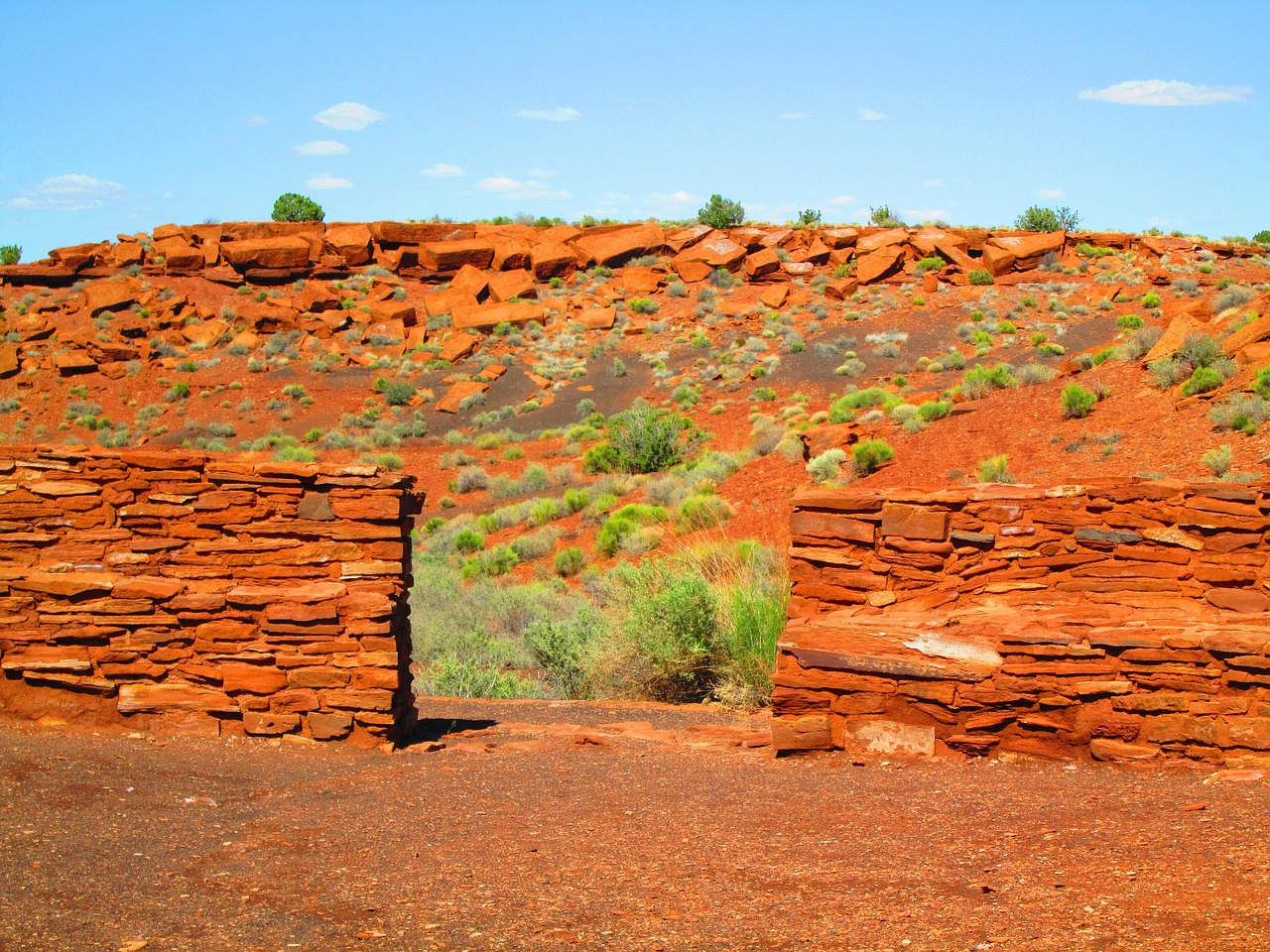
After the scale of the Grand Canyon, Day 3 zooms in on human stories and volcanic landscapes. This loop—Wupatki National Monument and Sunset Crater Volcano National Monument—is one of my favorite day trips from Flagstaff. It’s quieter, more contemplative, and deeply rooted in Indigenous history.
Morning: Sunset Crater Volcano National Monument
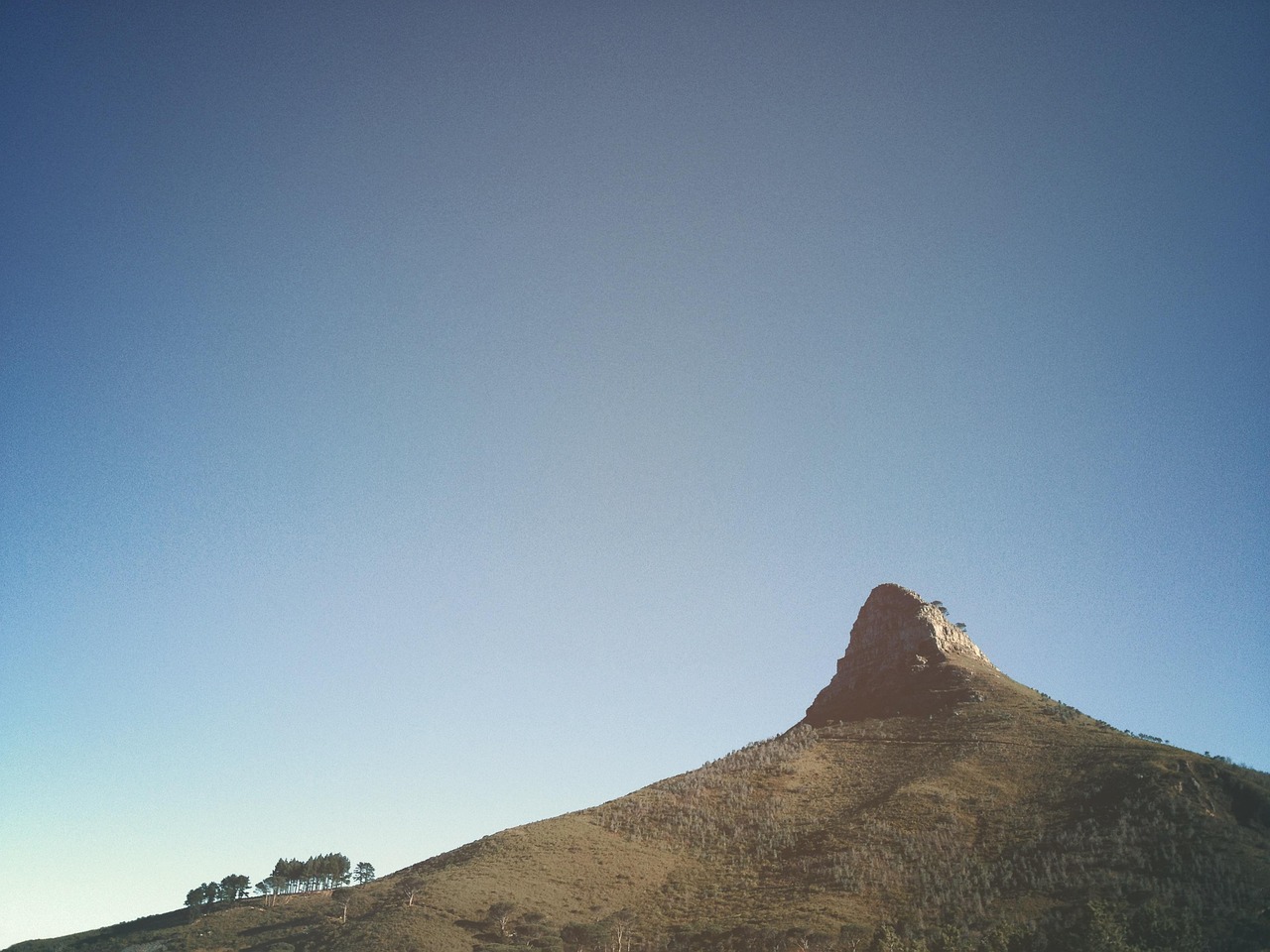
Drive about 30 minutes north of Flagstaff to reach Sunset Crater. The landscape flips from pine forest to black cinder fields and lava flows so abruptly that it always feels a bit otherworldly.
Walk the Lava Flow Trail, an easy loop that winds among jagged lava and views of cinder cones. The air smells of pine and sunbaked rock, and in spring and early summer, wildflowers poke through the black volcanic soil.
Late Morning & Afternoon: Wupatki National Monument
Continue the loop road to Wupatki National Monument, where ancient pueblos rise from red rock and grassland. The main Wupatki Pueblo is stunning: a multi-room structure perched above a small valley, with a reconstructed ball court and a mysterious blowhole that occasionally exhales cool air from underground.
Walk the short trails at Wupatki and Wukoki. The silence here is profound. It’s one of the best places near Flagstaff to get a sense of the deep time of human habitation on the Colorado Plateau.
Late Afternoon: Return via Scenic Highways
Drive back to Flagstaff via Highway 89. If you’re not too tired, stop at a viewpoint with a sweeping look over the San Francisco Peaks—Flagstaff’s physical and spiritual backdrop.
Evening: Casual Dinner & Night Stroll
For a relaxed third night, grab a casual dinner—burritos, pizza, or burgers—and then wander downtown. If it’s a First Friday ArtWalk night, you’ll find music on the corners and galleries open late. If not, just enjoy the cool evening air and the sound of trains rolling through.
Day 4 – Mountains, Lakes & Forest Trails
For a 4 day itinerary for Flagstaff, Day 4 is where you lean into Flagstaff’s mountain-town side. Depending on the season, this might be a hiking day, a fall-color day, a snow day, or a lake-and-picnic day.
Morning: Arizona Snowbowl or Inner Basin Trail
- Summer/Fall: Take the scenic drive up to Arizona Snowbowl. Ride the scenic gondola (weather permitting) for big views over the plateau, or hike one of the nearby trails. In late September/early October, the aspen groves burst into yellow and gold—some of the best fall foliage in Arizona.
- Winter: Snowbowl becomes a ski resort. If you ski or snowboard, you’ll love the unique experience of carving turns while gazing out over desert plains in the distance. If you don’t, there are sledding areas and snow-play spots lower down the mountain.
Afternoon: Lakes & Forests
After lunch (either at the mountain lodge or back in town), head to one of Flagstaff’s nearby lakes—Lake Mary, Upper Lake Mary, or Ashurst Lake. These are quiet, pine-fringed reservoirs where locals go to paddleboard, fish, or simply sit with a book.
On calm days, the reflections of the San Francisco Peaks on the water are mesmerizing. Pack snacks or a simple picnic; you’ll find plenty of tables and shoreline spots to spread out.
Evening: Brewery Hop & Live Music
By Day 4, you’ve earned a slow evening. Flagstaff’s microbrewery scene has grown steadily over the past decade, and many spots double as live-music venues. Rotate through a couple of breweries, tasting small pours and chatting with bartenders about their favorite hikes and hidden gems.
Day 5 – Hidden Gems, Cultural Experiences & Slow Flagstaff
If you have 5 days in Flagstaff, this is your day to go off the obvious list and live a little more like a local. Sleep in, sip your coffee slowly, and pick experiences that match your energy.
Morning: Hidden Trails or Urban Wandering
- Nature lovers: Hit a lesser-known trail like those in the Buffalo Park or Elden Lookout areas. Buffalo Park’s loop is easy, with wide-open views; Elden is steeper and more rewarding if you crave a workout.
- Urban explorers: Do a self-guided mural tour downtown and in the Southside neighborhood. Look for the train-themed art, Indigenous-inspired pieces, and big, colorful walls tucked into alleys.
Afternoon: Cultural Experiences & Shopping
Dedicate your afternoon to deeper cultural experiences: return to the Museum of Northern Arizona if you skipped it earlier, or time your visit with a cultural festival or science event if one’s happening. Then browse local shops for art, jewelry, and outdoor gear. Flagstaff’s indie shops are excellent for meaningful souvenirs.
Evening: Final Sunset & Dinner
For your last night, chase one final sunset. Options include a drive up Highway 180 for a roadside vista, a quiet bench on Mars Hill, or simply a west-facing spot downtown. Then linger over dinner at a restaurant you’ve been eyeing all week. Ask your server about their favorite hidden gems in Flagstaff; you’ll almost always learn something new, even after many visits.
20+ Must-See Attractions in Flagstaff (Deep Dive)
Here are detailed looks at more than twenty of the best places to visit in Flagstaff—from famous sights to lesser-known corners. Many of these appear in the itineraries above, but this section dives deeper into history, significance, and personal tips.
1. Lowell Observatory
Why it matters: Founded in 1894, Lowell Observatory is one of the oldest observatories in the U.S. and the birthplace of Pluto’s discovery. It’s also a cornerstone of Flagstaff’s identity as a dark-sky city.
My experience: I still remember my first clear winter night here: bundled in a ridiculous number of layers, hands wrapped around a Styrofoam cup of hot cocoa, waiting in line to look at Jupiter through a historic telescope. When it was my turn and I saw the bands on the planet and the tiny pinpricks of its moons, it felt like a door opening.
What to do: Join a guided tour of the historic Clark Refractor, catch a live science talk, and spend time at the public telescopes after dark. In 2026, Lowell continues to expand its visitor facilities, with more interactive exhibits and family-focused programming.
Tips: Book evening programs in advance during peak seasons. Even in summer, bring a jacket. If you’re sensitive to altitude, pace yourself on the gentle uphill walk between buildings.
2. Historic Downtown Flagstaff & Route 66
Why it matters: Downtown is Flagstaff’s living room—full of independent shops, cafés, bars, and historic hotels that trace back to the railroad and Route 66 heyday.
My experience: I’ve spent countless mornings here just people-watching from café windows: NAU students with towering backpacks, hikers heading to the Peaks, railroad workers, and retired couples on Route 66 road trips. It’s one of the most walkable and genuinely local-feeling downtowns in Arizona.
What to do: Stroll Heritage Square, visit the historic train depot, browse bookstores and gear shops, and follow your nose into bakeries and breweries. Check event calendars for live music and seasonal festivals.
Tips: Parking can be tight on weekends; use the city garages or arrive earlier in the day. Many shops stay open late on First Fridays.
3. Museum of Northern Arizona
Why it matters: This museum is a gateway to the Colorado Plateau’s geology, ecology, and Indigenous cultures—perfect context before heading to the Grand Canyon, Wupatki, or beyond.
My experience: On a snowy day when my hiking plans got sidelined, I spent nearly four hours here and still didn’t see everything. The pottery, basketry, and textiles displays, curated in close collaboration with tribal communities, are especially powerful.
What to do: Explore galleries dedicated to Hopi, Diné (Navajo), Zuni, and other cultures; study the geology exhibits; and check temporary exhibitions. The museum often hosts cultural festivals with artists, dancers, and food vendors.
Tips: Allow at least 2–3 hours. It’s an excellent rainy- or snowy-day option and very family-friendly. Combine with a drive up Highway 180 for views of the Peaks.
4. Arizona Snowbowl
Why it matters: Perched on the San Francisco Peaks, Snowbowl is Flagstaff’s alpine playground: skiing and snowboarding in winter, hiking and scenic gondola rides in summer.
My experience: I’ve skied powder days here with snow piled on pine branches, and I’ve ridden the summer gondola when the sky was so clear I could see the rim of the Grand Canyon on the horizon. Both feel surreal given Arizona’s desert reputation.
What to do: In winter, hit the slopes, take a lesson, or just enjoy the snow at the base area. In summer and fall, ride the gondola for big views, hike nearby trails, and savor cooler temperatures.
Tips: Altitude is real here—Snowbowl’s base is above 9,000 feet. Hydrate, go slow, and be mindful of sun exposure. In winter, carry chains or ensure your rental car is suitable for snow if storms are forecast.
5. Grand Canyon National Park (South Rim)
Why it matters: One of the natural wonders of the world and an essential day trip from Flagstaff.
My experience: Each visit feels different—sometimes windy and austere, sometimes soft and glowing at sunset. I’ve watched storms roll in from the North Rim and lightning crack over the chasms, safely from a distance; I’ve also spent quiet winter mornings when snow dusted the buttes and there were barely any crowds.
What to do: Walk the Rim Trail, visit key viewpoints, and if you’re prepared, hike short segments below the rim. Stay flexible; weather and your energy levels should dictate your exact plan.
Tips: Buy or bring a reusable water bottle and refill often. Avoid peak midday heat and crowds in summer by arriving early or staying for sunset. Book lodging and any guided tours months in advance for 2026–2027.
6. Wupatki National Monument
Why it matters: A complex of ancestral pueblos set in a high-desert landscape, telling stories of communities that thrived here centuries before Route 66 or railroads.
My experience: The first time I walked the Wupatki Pueblo trail in late afternoon light, the red walls seemed to glow. The silence, broken only by wind and the occasional raven, made the modern world feel very far away.
What to do: Visit the visitor center, walk the short trail around Wupatki Pueblo, then continue to smaller sites like Wukoki. Read the interpretive signs; they’re concise but rich with context.
Tips: Bring water and sun protection; shade is minimal. Combine with Sunset Crater as a single scenic loop from Flagstaff.
7. Sunset Crater Volcano National Monument
Why it matters: A dramatic volcanic landscape of cinder cones and lava flows just north of Flagstaff.
My experience: On an early summer morning, I had the Lava Flow Trail almost to myself, the crunch of cinders under my boots and the smell of warm pine needles in the air. It’s a place that makes you think about the planet as a living, shifting thing.
What to do: Walk the Lava Flow Trail and other short interpretive loops, enjoy the scenic drive, and take photos of the stark contrast between black lava and green pines.
Tips: Stay on marked trails; the landscape is fragile. Morning light is best for photos, and temperatures are more comfortable.
8. Walnut Canyon National Monument
Why it matters: A deep, forested canyon dotted with ancient cliff dwellings that you can see up close on a short but steep trail.
My experience: Hiking the Island Trail, I was struck by how cleverly the cliff dwellings are tucked under rock overhangs, sheltered from wind and sun. The mix of history and natural beauty is quietly powerful.
What to do: Start at the visitor center, then descend the Island Trail (with many stairs) to circle around the canyon “island” and visit multiple dwellings. For a gentler option, stick to the rim viewpoints.
Tips: The climb back up is real, especially at altitude. Take your time, drink water, and rest as needed. This is a great half-day trip from Flagstaff.
9. Flagstaff Train Station & Route 66 Corridor
Why it matters: The railroad shaped Flagstaff’s growth, and trains are still a constant presence downtown.
My experience: On my first trip, I stayed at a hotel right by the tracks and was startled by the nighttime rumble of freight trains. Now, I find the horns and clatter oddly comforting—part of downtown’s soundtrack.
What to do: Visit the historic depot (also the visitor center), watch trains pass, take photos with Route 66 signs, and imagine the town during its early-20th-century boom years.
Tips: If you’re a light sleeper, choose lodging a few blocks back from the tracks. For railfans, this corridor is heaven.
10. Buffalo Park
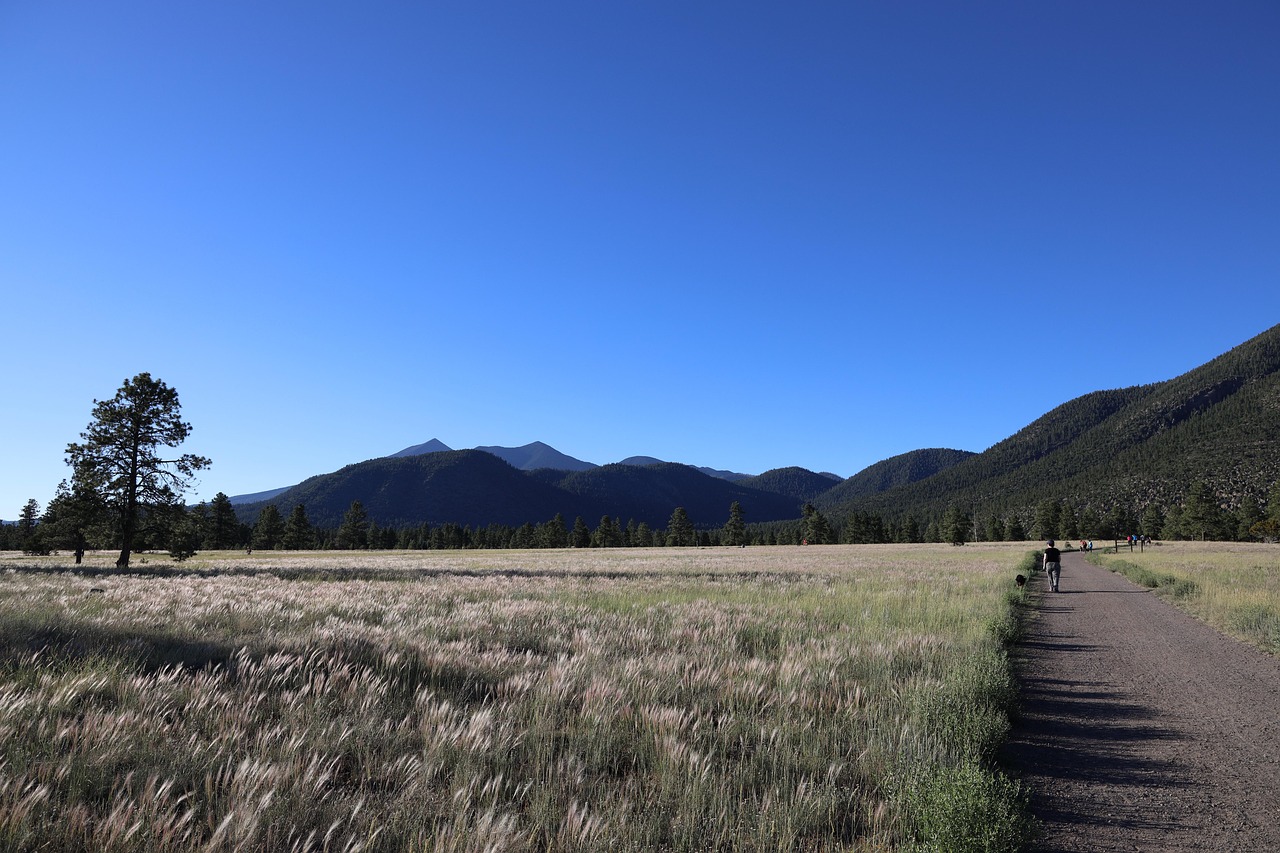
Why it matters: A local favorite for running, walking, and sunrise/sunset views, close to town but feeling surprisingly wild.
My experience: I’ve done early-morning runs here with frost still on the grass, the San Francisco Peaks lit up pink in the first light. The wide gravel trail makes it accessible to all levels.
What to do: Walk or run the main loop, watch for wildlife, and enjoy big-sky views. Families love the open space; photographers come for the Peaks backdrop.
Tips: There’s limited shade, so mornings and evenings are ideal in summer. It’s free, dog-friendly (on leash), and easy to combine with nearby neighborhoods.
11. Lake Mary & Ashurst Lake
Why it matters: These reservoirs are Flagstaff’s laid-back waterfronts—good for fishing, paddling, and quiet picnics.
My experience: On hot summer weekends, the lakes fill with kayaks and paddleboards, but it still never feels overrun. I’ve spent lazy afternoons just listening to the wind in the reeds and watching ospreys hunt.
What to do: Bring or rent kayaks and SUPs, fish from shore, or spread out a picnic. Some campsites are available seasonally.
Tips: Water levels fluctuate year to year. Check conditions in 2026 before planning extensive water activities. Bring bug spray for summer evenings.
12. Mount Elden & Elden Lookout Trail
Why it matters: A challenging but rewarding hike close to town, offering sweeping views over Flagstaff and the surrounding plateaus.
My experience: I’ve tackled Elden on crisp fall mornings when the air smells like pine and woodsmoke. The switchbacks are steady and steep, but the view from the top—city, peaks, and horizon in every direction—makes the effort worthwhile.
What to do: Hike the Elden Lookout Trail if you’re fit and acclimatized to altitude. For a gentler outing, choose lower-elevation trails in the same area.
Tips: Start early to avoid afternoon thunderstorms in summer and to enjoy cooler temperatures. Carry more water than you think you’ll need.
13. Flagstaff Public Art & Mural Scene
Why it matters: Public art has blossomed here, reflecting everything from Indigenous motifs to railroad history and outdoor culture.
My experience: I’ve spent whole afternoons wandering alleys downtown and in Southside, chasing glimpses of color. Murals change over the years, so each visit feels like a new scavenger hunt.
What to do: Take a self-guided mural tour on foot. Many pieces are within a few blocks of each other, making it an easy activity between meals or shops.
Tips: Go in good daylight for the best photos. Respect private property and businesses while you’re exploring back alleys.
14. Heritage Square & Wheeler Park
Why it matters: These two spaces host many of the city’s community events and festivals, from Hullabaloo to Oktoberfest.
My experience: One June Hullabaloo weekend, I watched a costumed bike parade swirl around Heritage Square, then walked over to Wheeler Park for live bands and food trucks. It felt like the whole town had turned out.
What to do: Check event schedules; if something is happening here during your visit, go. Otherwise, these are good places to sit, people-watch, and grab a snack from nearby vendors.
Tips: For major events in 2026–2027, book lodging early—festival weekends fill up fast.
15. Northern Arizona University (NAU) Campus
Why it matters: The university shapes Flagstaff’s youthful energy, arts scene, and research culture.
My experience: I like to wander the campus on quiet summer evenings—brick buildings, towering pines, and the occasional squirrel with zero fear of humans. In fall, the mix of students headed to class and gold-tinted trees is particularly photogenic.
What to do: Walk the main quadrangles, check for public lectures or performances, and enjoy a different side of Flagstaff life.
Tips: Pay attention to parking regulations on campus; visitor spots are designated and patrolled.
16. The Arboretum at Flagstaff
Why it matters: A serene garden and research center focused on high-elevation plants of the Colorado Plateau.
My experience: On a breezy spring afternoon, I wandered the trails here with barely anyone else around, learning the names of wildflowers I’d seen on hikes but never identified. It’s calming in a way that’s hard to find on busier trails.
What to do: Explore the gardens, walk the nature trails, and join guided tours if available. In summer, look for special events like concerts or star parties.
Tips: The Arboretum is seasonal (usually spring–fall), so check 2026 opening dates. It’s a bit of a drive on a dirt road, but manageable for most cars in dry conditions.
17. Flagstaff Extreme Adventure Course & Fort Tuthill County Park
Why it matters: A treetop ropes and zipline course under ponderosa pines—perfect for adventure seekers and families with older kids.
My experience: I tackled one of the intermediate courses on a cool summer morning. Balancing on wobbling logs and zipping between platforms at altitude is a workout, but the laughter and adrenaline made it one of my favorite Flagstaff days.
What to do: Book a half-day slot at Flagstaff Extreme, then relax with a picnic in Fort Tuthill. In winter, parts of the park transform into snow-play areas.
Tips: Reserve in advance in high season. Wear athletic clothing and closed-toe shoes. This can be tiring for people not used to exertion at altitude—pace yourself.
18. Riordan Mansion State Historic Park
Why it matters: A beautifully preserved 1904 Arts and Crafts-style mansion that tells the story of Flagstaff’s logging and railroad elite.
My experience: Touring the mansion on a rainy afternoon, I appreciated the cozy wood interiors and period furnishings. The guides are passionate storytellers; by the end, you feel like you know the Riordan family personally.
What to do: Join a guided tour (required to see the interior), then wander the grounds and interpretive displays outside.
Tips: Tours have set times and limited capacity; check schedules in advance, especially in 2026 peak months.
19. Flagstaff’s Craft Breweries
Why it matters: For a small city, Flagstaff punches above its weight in craft beer, with multiple independent breweries and taprooms.
My experience: I’ve whiled away more than one snowy evening sampling flights, chatting with brewers, and trading hiking suggestions with locals at the bar. It’s a social hub as much as a drinking scene.
What to do: Design your own brewery crawl, sticking to a walkable cluster if you don’t want to drive. Expect West Coast IPAs, lagers tailored to altitude, and creative seasonal brews.
Tips: Remember altitude amplifies alcohol’s effects. Alternate pints with water and food, and consider small pours (tasters) instead of full glasses.
20. Dark Skies Around Flagstaff
Why it matters: Flagstaff was the world’s first International Dark Sky City. Light pollution is carefully controlled, making stargazing remarkable—even from town.
My experience: On clear nights, I’ve stepped out of an ordinary downtown restaurant and looked up to see the Milky Way faintly visible. Drive just a short distance outside the city limits, and the stars become overwhelming.
What to do: Combine observatory visits with your own DIY stargazing from pullouts on Highway 180 or the Lake Mary Road area (drive safely, choose legal pullouts). Bring a red-light flashlight to preserve night vision.
Tips: New moon periods in 2026–2027 offer the darkest skies. Dress very warmly in fall and winter; nights can be frigid.
21+. Other Notable Spots
- Flagstaff Urban Trails System (FUTS): A network of paths weaving through town—great for low-key walks and runs.
- Thorpe Park: Local park with views, sports facilities, and playgrounds.
- Local climbing gyms and bike shops: For renting gear or meeting outdoor partners.
Neighborhoods & Areas to Explore in Flagstaff
Historic Downtown
Brick buildings, neon signs, lively sidewalks, and a constant hum from trains. This is where you’ll spend the most time if you’re following a classic travel guide for Flagstaff.
Southside
Just across the tracks, Southside has a slightly grittier, artsier vibe. More murals, some of the best coffee and brunch spots, and a mix of student housing and indie businesses.
NAU & Woodlands Village
South and southwest of downtown, this area is anchored by the campus and student apartments. Plenty of budget-friendly eats and chain stores mixed with local joints.
East Flagstaff
More spread out, with hotels, chain restaurants, and easy highway access. Not as charming for strolling, but convenient if you’re road-tripping or on a tighter budget.
Rural & Outskirts
Cabins, small communities, and scattered houses among the pines. If you’re renting a cabin or vacation home, you might find yourself out here, trading walkability for quiet and stars.
Local Food & Drink in Flagstaff
Flagstaff’s food scene punches above its size. Think: Southwest influences, creative comfort food, hearty breakfasts (this is a hiking town), and surprisingly good vegetarian/vegan options.
What to Try
- Breakfast burritos: A Flagstaff staple before any hike or ski day.
- Green chile everything: Burgers, stews, and scrambles often come with a New Mexico-style twist.
- Locally roasted coffee: Independent roasters supply much of town.
- Craft beer: Multiple breweries, as noted earlier.
- Southwestern & Mexican cuisine: From casual taco joints to sit-down spots.
Saving Money on Food
If you’re watching your budget, mix restaurant meals with supermarket runs. Grab sandwich supplies and snacks for day trips; park food (especially at the Grand Canyon) is pricier and less exciting.
Nightlife, Entertainment & Cultural Experiences
Flagstaff’s nightlife is lively without being overwhelming. Think cozy bars, live music, and late-night pizza rather than mega-clubs.
Nightlife
- Breweries & taprooms: Relaxed vibe, often with board games and patio seating.
- Live music venues: Small stages featuring local bands, bluegrass, and touring acts.
- College bars: Clustered closer to NAU, more energetic on weekends and game days.
Cultural Experiences
- First Friday ArtWalk: Monthly arts event downtown.
- Flagstaff Festival of Science: Talks, demonstrations, and observatory events in fall.
- Indigenous art markets & festivals: Held at the Museum of Northern Arizona and other venues.
Best Day Trips & Nearby Attractions from Flagstaff
Beyond the Grand Canyon, Flagstaff sits within a dense ring of incredible landscapes. A few standout options:
Oak Creek Canyon & Sedona
Drive the winding road down Oak Creek Canyon to reach Sedona’s red rocks in under an hour. Hike, shop, or simply admire the classic desert scenery before heading back to the cool pines of Flagstaff.
Meteor Crater
A huge, well-preserved meteorite impact site east of town—science-nerdy and surprisingly impressive in person.
Jerome & Verde Valley
Old mining town turned artist enclave perched on a hillside, plus wineries and small communities in the Verde Valley. A full-day loop with plenty of variety.
Cultural Etiquette & Local Customs in Flagstaff
Flagstaff is relaxed and friendly, but a few local norms are worth knowing.
Respect for Indigenous Cultures
Flagstaff sits near several tribal nations, including the Navajo Nation and Hopi lands. Many sites you’ll visit have deep cultural significance. Follow posted rules, avoid touching or climbing on ruins, and support Indigenous-owned businesses and artists when you can.
Outdoor Ethics
Locals take Leave No Trace seriously. Stay on marked trails, pack out your trash, keep noise down in natural areas, and be cautious with campfires—this region is prone to wildfires, and seasonal fire restrictions are common.
Tip Culture
Standard U.S. tipping applies: 18–22% at sit-down restaurants, $1–$2 per drink at bars, and a few dollars for tour guides or hotel housekeeping depending on service.
Practical Travel Tips for Flagstaff
Getting There
- By air: Flagstaff Pulliam Airport (FLG) has limited flights; many visitors fly into Phoenix Sky Harbor (PHX) and drive ~2.5 hours.
- By car: Flagstaff is on I-17 (from Phoenix) and I-40 (east-west). Classic Route 66 runs right through town.
- By train: Amtrak’s Southwest Chief line stops in Flagstaff daily.
Getting Around
Car rental is the most flexible option, especially for day trips. Within town, you can mix walking, ride-shares, and the local bus system (Mountain Line). The Flagstaff Urban Trails System (FUTS) ties many neighborhoods together for walkers and cyclists.
SIM Cards & Connectivity
Major U.S. carriers (Verizon, AT&T, T-Mobile) have coverage in town but can be spotty in remote areas and canyons. For short visits, eSIM plans or prepaid SIMs from national chains work fine. Download offline maps before heading to the Grand Canyon, Wupatki, or Sedona.
Visa & Driving Requirements for International Visitors
Flagstaff follows U.S. federal rules. Depending on your nationality, you might need a visa or may qualify for the Visa Waiver Program (ESTA). Always check official U.S. government sites before travel.
Most rental agencies accept foreign driver’s licenses in Roman script; an International Driving Permit is recommended if your license uses another alphabet. Drive defensively, watch for wildlife, and be prepared for snow or ice in winter.
Money-Saving Tips
- Visit in shoulder seasons (April–early June, September–October) for better lodging prices.
- Book Grand Canyon lodging or tours early; last-minute prices are high.
- Use supermarkets and farmer’s markets for breakfasts and picnic lunches.
- Consider a U.S. National Parks Pass if you’re visiting multiple parks and monuments.
Weather & When to Go
- Winter (Dec–Feb): Snow, skiing at Snowbowl, fewer crowds. Cold nights, possible storms.
- Spring (Mar–May): Variable—snow one day, t-shirt weather the next. Trails begin to dry out.
- Summer (Jun–Aug): Warm days, cool nights, monsoon storms in July–August. Peak hiking and camping season.
- Fall (Sep–Nov): Golden aspens, crisp air, often the best overall balance of weather and crowds.
Health & Safety
At 7,000 feet, altitude affects many visitors. Drink more water than usual, avoid overdoing it on alcohol, and take your first day a bit easier if you can. Sunscreen is essential year-round; UV intensity is high, especially on snow.
Summary & Final Recommendations: When to Visit Flagstaff
Flagstaff is more than a Grand Canyon gateway; it’s a high-altitude city with its own personality—pine forests, dark skies, student energy, and a deep connection to the surrounding Indigenous and natural landscapes.
For 3 days in Flagstaff, focus on downtown, Lowell Observatory, the Grand Canyon, and one archeological or volcanic site. For a 4 day itinerary for Flagstaff, add a mountains-and-lakes day. For a full 5 day itinerary for Flagstaff, slow down, explore hidden trails and murals, and sink into the local rhythm.
Best seasons to visit:
- Fall (September–October): Ideal blend of weather, color, and events—my personal top choice.
- Summer (June–August): Perfect for hikers escaping desert heat, with the caveat of afternoon monsoon storms.
- Winter (December–February): Magical if you love snow and quieter parks, but plan around storms.
- Spring (March–May): Shoulder season with changing conditions and fewer crowds.
Whether you’re chasing must-see attractions in Flagstaff, hunting for hidden gems in Flagstaff, or simply craving cool mountain air and star-filled skies, this city rewards you for staying a little longer, walking a little slower, and looking a little closer.