Why Visit Honolulu in 2026
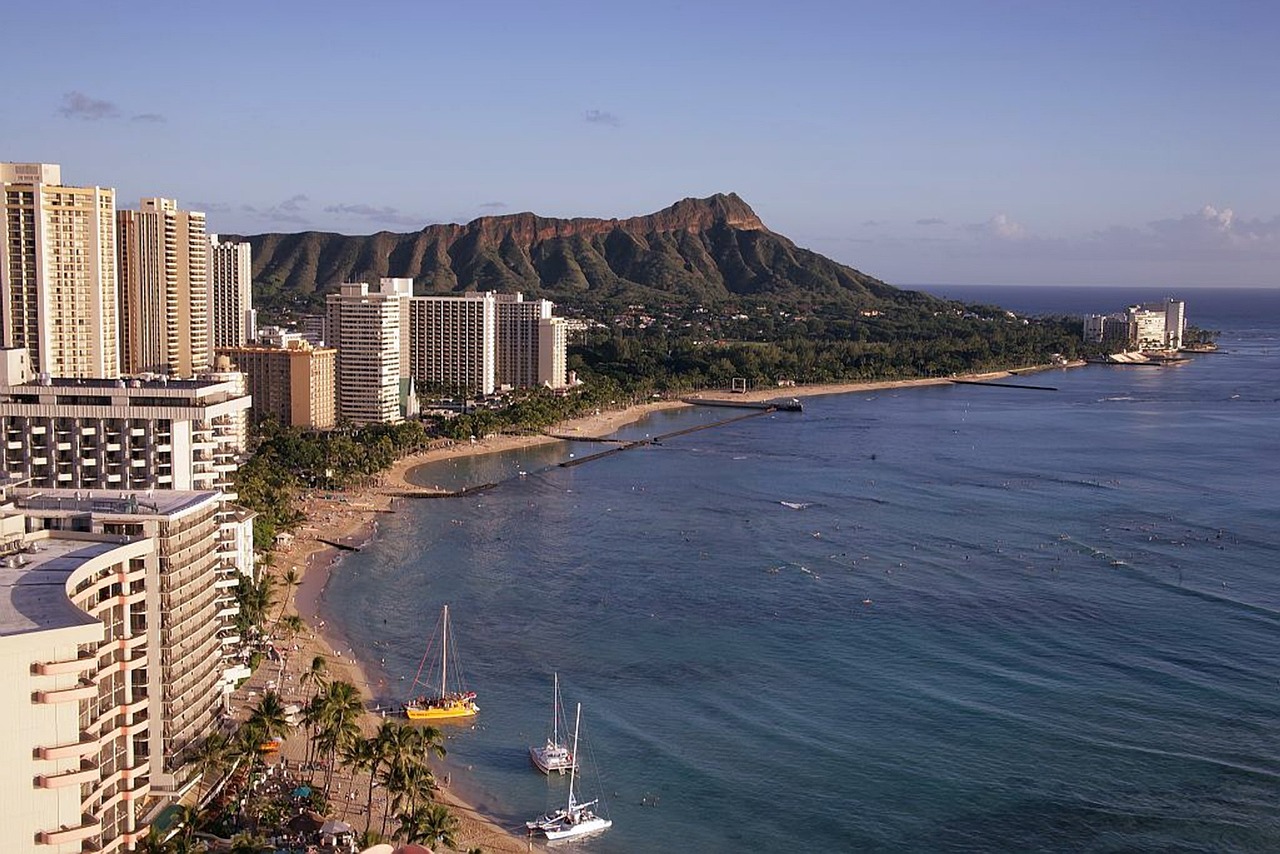
Honolulu isn’t just palm trees and mai tais on Waikīkī Beach. It’s the hum of city life against volcanic ridges, the smell of garlic shrimp and plumeria at sunset, and the mix of cultures that makes everyday life here feel like an ongoing festival. I’ve been coming to Honolulu regularly for more than a decade, and every trip still gives me that “first-time” rush when Diamond Head appears out the airplane window.
In 2026, Honolulu is especially exciting. New food spots keep popping up in Kakaʻako’s warehouse district, long-running mom-and-pop shops in Kapahulu and Moʻiliʻili are still going strong, and the city is steadily improving beach access, public spaces, and cultural programs. It’s a rare destination that offers both skyscrapers and sacred sites, surf breaks and symphonies, shave ice stands and Michelin-acclaimed chefs.
If you’re planning 3 days in Honolulu, a 4 day itinerary for Honolulu, or a full 5 days in Honolulu, this guide will walk you through it all—iconic sights, local food, neighborhood vibes, hidden gems, cultural etiquette, and very practical travel advice for Honolulu in 2026–2027.
Table of Contents
- Why Visit Honolulu
- Honolulu at a Glance (2026–2027)
- Suggested Itineraries (3–5 Days in Honolulu)
- Neighborhoods & Areas to Explore
- Top 20+ Must-See Attractions in Honolulu
- Local Food in Honolulu & Where to Eat
- Nightlife, Entertainment & Cultural Experiences
- Best Day Trips from Honolulu
- Local Customs & Cultural Etiquette
- Practical Travel Tips for Honolulu
- Summary & Best Time to Visit Honolulu
Honolulu at a Glance (2026–2027)
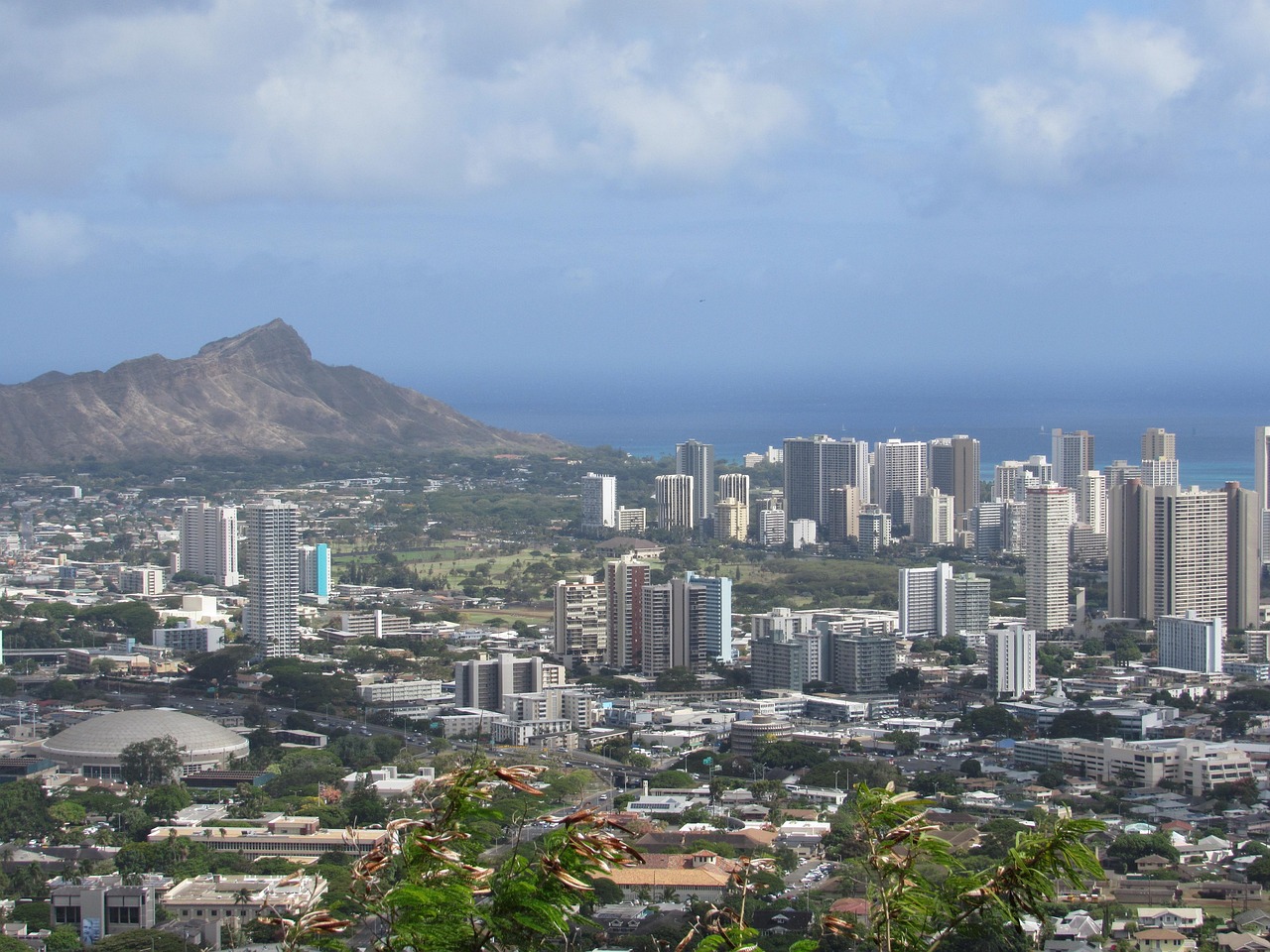
Honolulu is the capital of Hawaiʻi and the main gateway to the islands. It stretches far beyond Waikīkī—running from the surf-lined south shore up into lush valleys and out through neighborhoods that feel like small towns within a city.
- Island: Oʻahu
- Population (metro): ~1 million
- Vibe: Tropical city with beach-town soul and deep Polynesian roots
- Best for: First-time Hawaiʻi visitors, food lovers, families, couples, culture seekers, surfers
- Good to know: Everything is closer than it looks—most of your “best places to visit in Honolulu” are within 15–30 minutes of Waikīkī by car.
Major Events & Festivals in 2026–2027
Dates shift slightly year-to-year, so double-check in 2026, but these are the big ones to have on your radar:
- Honolulu Festival (March 2026 & 2027): A multi-day celebration of Pacific Rim cultures with parades, performances, and fireworks in Waikīkī and Ala Moana.
- Pan-Pacific Festival (June): Street performances, hula, and cultural events along Kalākaua Avenue—great for families.
- King Kamehameha Day (June 11): Floral parades and lei draping ceremonies at Kamehameha statues.
- Aloha Festivals (September): Royal court pageantry, block parties, and cultural events across Honolulu.
- Honolulu Marathon (December): One of the world’s largest marathons; book early if visiting then.
- New Year’s Eve Fireworks (Dec 31): Big fireworks off Waikīkī and local neighborhood firework shows.
Suggested Itineraries: 3–5 Days in Honolulu
Whether you’ve got 3 days in Honolulu or a full 5 day itinerary for Honolulu, you can mix these days to suit your style. I’ve structured them like a real trip I did recently—staying in Waikīkī, renting a car on a couple of days, and weaving in both “must-see attractions in Honolulu” and local spots.
3 Day Itinerary for Honolulu (First-Timers)
If it’s your first time and you want the classic highlights plus some local flavor, this is your foundation. For more depth, you can stretch this into 4 or 5 days by slowing things down.
- Day 1: Waikīkī, Diamond Head, and sunset cocktails
- Day 2: Pearl Harbor, Downtown Honolulu, and Chinatown
- Day 3: Hanauma Bay, Kakaʻako street art, and Ala Moana Beach Park
4 Day Itinerary for Honolulu
Adding a fourth day lets you slow the pace and add more cultural experiences.
- Day 1: Waikīkī & Diamond Head
- Day 2: Pearl Harbor & Historic Downtown
- Day 3: Hanauma Bay & South Shore drive
- Day 4: Bishop Museum, Kakaʻako, and a foodie night
5 Day Itinerary for Honolulu
Five days is my sweet spot. You can balance beaches, culture, and a mini-road trip without feeling rushed.
- Day 1: Settle into Waikīkī, beach time, and evening stroll
- Day 2: Diamond Head, Kapiʻolani Park, and Kapahulu food crawl
- Day 3: Pearl Harbor & Downtown / Chinatown
- Day 4: Hanauma Bay, Makapuʻu, and Waimānalo
- Day 5: Bishop Museum, Kakaʻako, and Ala Moana Beach Park
Below, I’ll unpack these days more narratively, weaving in my personal experiences, but first let’s look at where all this actually takes place—the neighborhoods.
Honolulu Neighborhoods & Areas to Explore
Honolulu is a patchwork of distinct areas. When locals give directions, they’ll often say “town side” (toward Honolulu) or “ʻewa side” (west), but for visitors it helps to think in neighborhoods:
Waikīkī
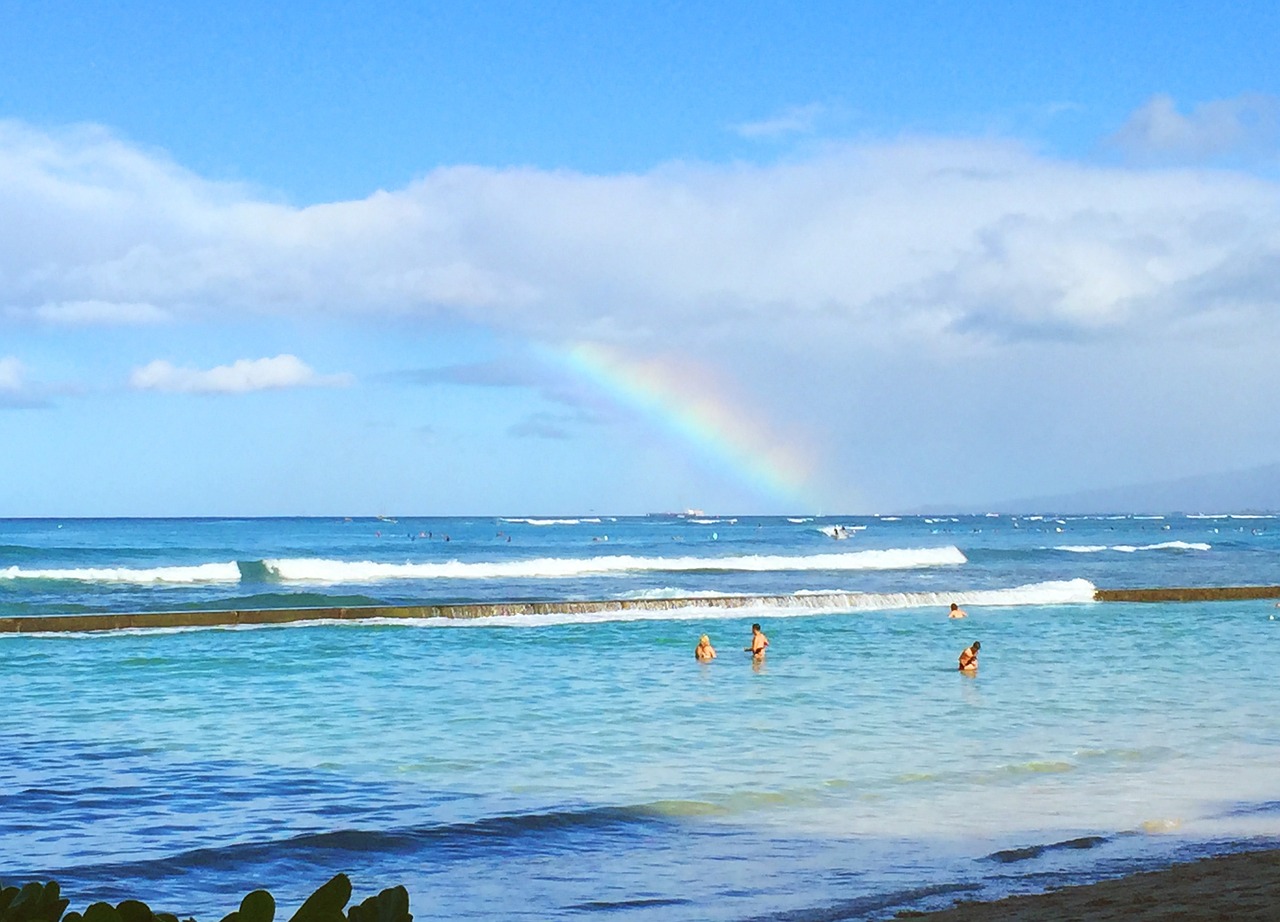
This is where most visitors stay—and where I usually base myself when I want to be in the middle of everything. Waikīkī is walkable, beach-front, and packed with restaurants and shops. Yes, it’s touristy, but the long curve of sand facing Diamond Head at sunset never gets old.
- Best for: First-timers, families, easy beach access, nightlife
- Highlights: Waikīkī Beach, Kalākaua Avenue, Duke Kahanamoku statue, surf lessons, sunset catamaran sails
Downtown & Chinatown
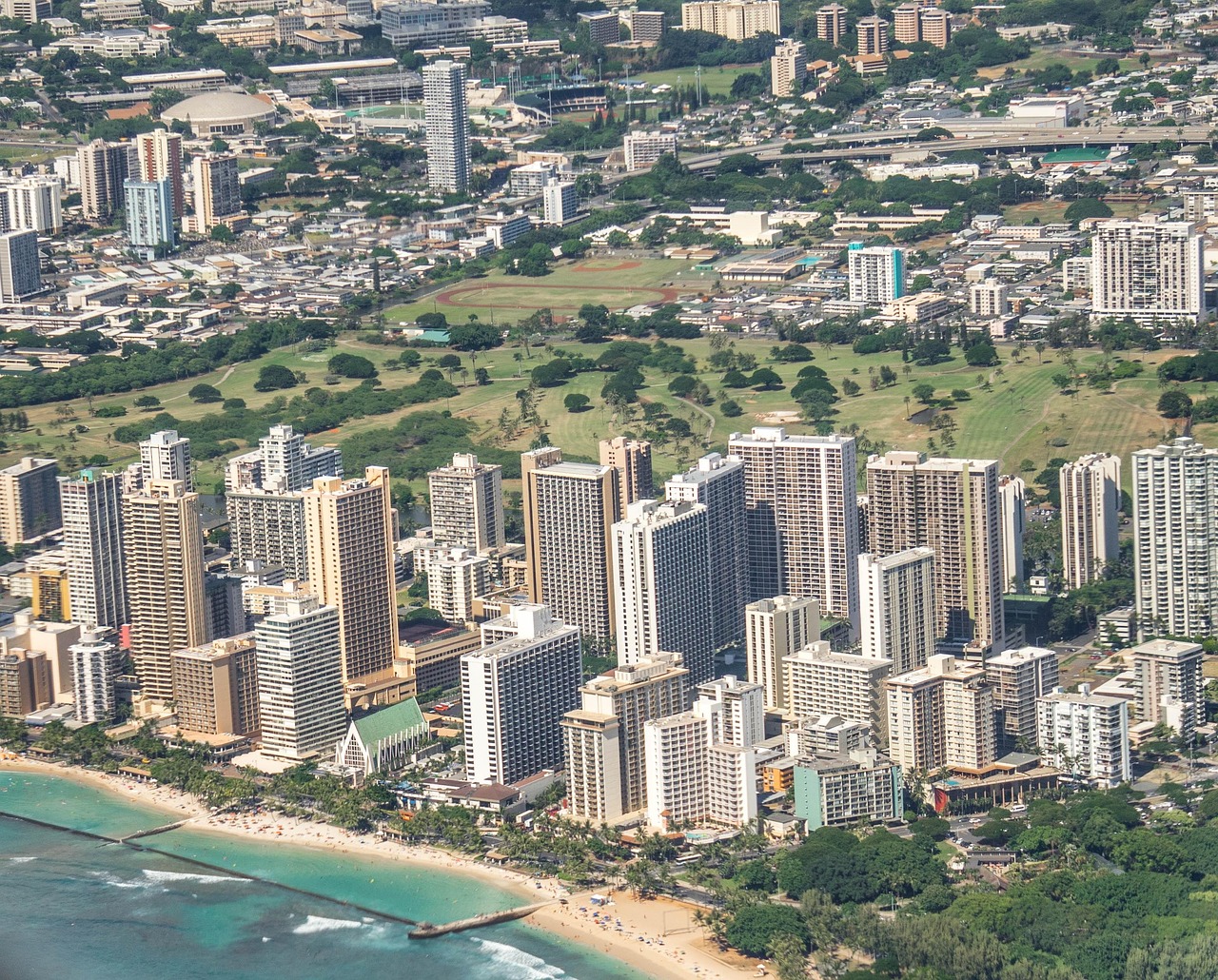
Downtown is the business and government hub, with high-rises, historic buildings, and the ʻIolani Palace. Just adjacent is Chinatown, one of my favorite spots for food, markets, art galleries, and an evolving nightlife scene.
- Best for: History buffs, foodies, nightlife, architecture lovers
- Highlights: ʻIolani Palace, King Kamehameha statue, Kuan Yin Temple, markets and eateries in Chinatown
Kakaʻako
Once a gritty industrial area, Kakaʻako is now a creative hub with bold street art, new condos, craft breweries, coffee shops, and a waterfront park. I love wandering here late afternoon, coffee in hand, photographing murals as the light turns golden.
- Best for: Street art, modern dining, breweries, young couples
- Highlights: SALT at Our Kakaʻako, mural-filled side streets, Kakaʻako Waterfront Park
Kapahulu & Kaimukī
Just inland from Waikīkī, these neighborhoods feel more “local.” Kapahulu Avenue is lined with plate lunch spots, poke shops, and malasada bakeries, while Kaimukī has a cozy, slightly hipster vibe with independent cafés and small restaurants. When I get tired of resort prices, I eat here.
- Best for: Local food in Honolulu, budget eats, casual evenings
- Highlights: Leonard’s Bakery, local saimin shops, neighborhood bars and cafés
Manoa & Mānoa Valley
A short drive from Waikīkī, Mānoa feels like another world—lush, green, and often draped in rainclouds. The University of Hawaiʻi is here, along with residential streets and hiking trails.
- Best for: Hiking, cooler temperatures, quieter local vibe
- Highlights: Mānoa Falls trailhead area, UH Mānoa campus
Ala Moana & Ward
West of Waikīkī, Ala Moana blends shopping, beach parks, and high-rise condos. It’s where locals and tourists intersect, especially at the huge Ala Moana Center and the beloved Ala Moana Beach Park.
- Best for: Shopping, sunset picnics, jogging, family beach time
- Highlights: Ala Moana Center, Ala Moana Beach Park, Magic Island
Top 20+ Must-See Attractions in Honolulu (With Local-Style Stories & Tips)
These are the core “things to do in Honolulu” that I return to again and again. I’ll weave in personal experiences, history, and practical tips so you can build them into your own 3, 4, or 5 day itinerary for Honolulu.
1. Waikīkī Beach
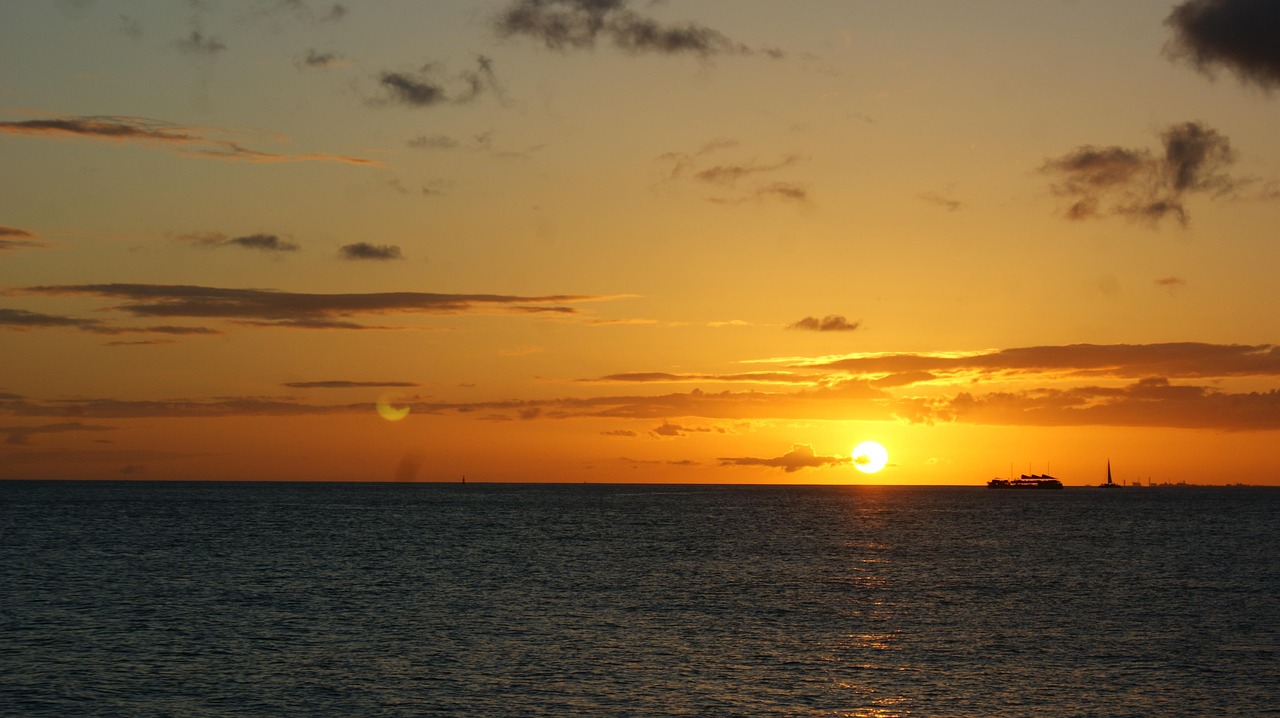
My first night in Honolulu is almost always the same: I drop my bags, slip into slippers (flip-flops), and walk straight to Waikīkī Beach. The sand is warm, the air smells faintly of plumeria and sunscreen, and Diamond Head stands like a quiet guardian at the far end of the bay.
Why it’s special: Waikīkī has been a royal retreat since the days of Hawaiian aliʻi (chiefs). In the early 1900s, it became the birthplace of modern surfing, thanks largely to Duke Kahanamoku, whose statue you’ll see along Kalākaua Avenue. Today, it’s still the heart of Honolulu’s beach life.
What I like to do here:
- Early morning swim: Before 8 a.m., the water is glassy, the crowds are thin, and you share the ocean mostly with locals doing laps and outrigger canoes gliding by.
- Beginner surf lesson: The waves at Canoes (in front of the Moana Surfrider) are gentle and long—perfect if it’s your first time on a board.
- Sunset from the wall: Sit on the concrete wall near Kūhiō Beach and watch the sky go from gold to pink to deep purple.
Family-friendly? Very. Shallow areas, lifeguards, and calm conditions most days—especially near the seawall sections.
Tips:
- Timing: Come early morning or late afternoon to avoid the harshest sun and crowds.
- Gear: Reef-safe sunscreen, hat, and a light cover-up; the sun here is intense even on cloudy days.
- Budget tip: Skip pricey beachfront cocktails every night. Grab a poke bowl or plate lunch from a side-street spot and eat on the beach instead.
2. Diamond Head (Lēʻahi) State Monument
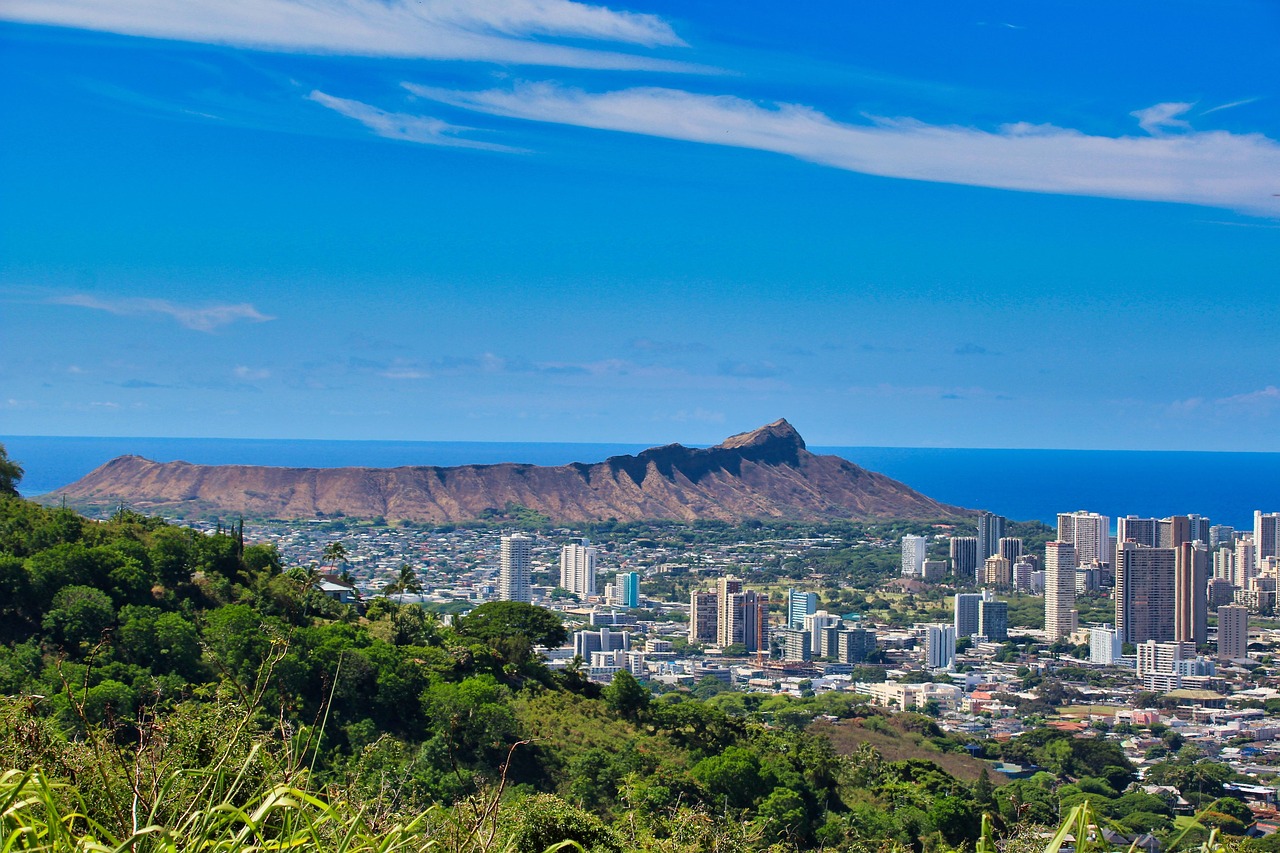
Diamond Head is the jagged volcanic crater that frames almost every classic photo of Honolulu. I’ve hiked it in the cool gray of dawn, under blazing midday sun, and once in a light drizzle that left a rainbow hanging over Waikīkī.
History & significance: Known as Lēʻahi in Hawaiian, this crater was formed about 300,000 years ago. It served as a strategic lookout and, in the early 1900s, a military defense site. You’ll still pass bunkers and old tunnels on your way up.
The hike: It’s short (about 1.3 miles / 2.1 km round-trip) but steep, with uneven steps and a few tight tunnels. Most reasonably fit people can do it in about 60–90 minutes total (up and down), but take your time—especially in the heat.
My routine: I like to book a morning entry slot, grab a quick breakfast (or spam musubi) first, then hit the trail by 7–8 a.m. That way, I’m at the summit as the city fully wakes up: surfers are dots in the water, planes glide in, and the skyscrapers of Waikīkī shine below.
Tips:
- Reservations: As of 2026, non-residents must book an advance reservation for hiking and parking. Do this several days ahead, especially in peak seasons.
- What to bring: Water (at least 1 liter per person), sun protection, and closed-toe shoes. The trail can be dusty and slippery.
- Family-friendly? Yes for older kids with decent stamina; not ideal for strollers.
3. Pearl Harbor National Memorial
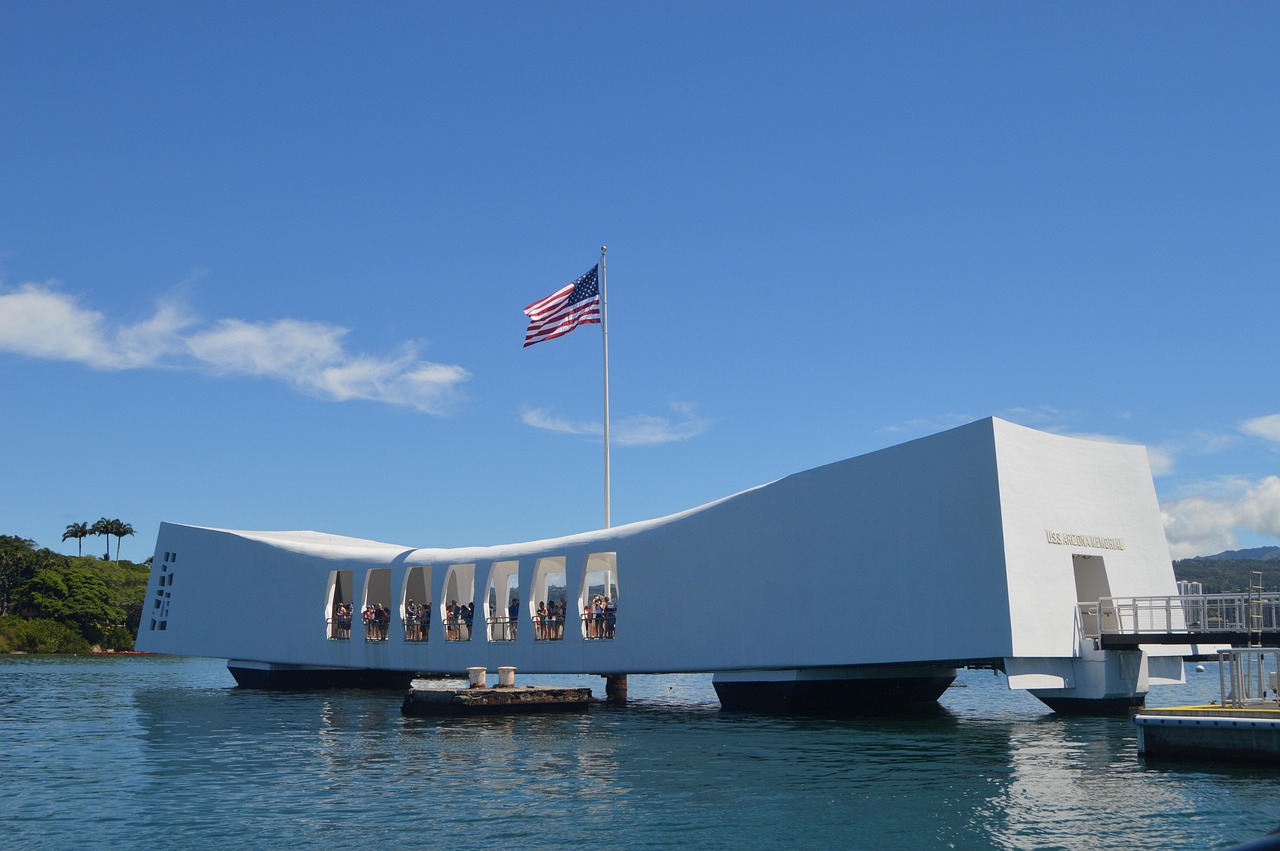
Every time I visit Pearl Harbor, I’m struck by how quiet it feels despite the crowds. The gentle slap of water against the memorial, the oil that still rises from the USS Arizona, and the rows of names etched into white marble—this is one of the most powerful cultural experiences in Honolulu.
Why it matters: On December 7, 1941, the attack on Pearl Harbor drew the United States into World War II. The memorial honors those who lost their lives and tells the broader story of that day and its aftermath.
What to see:
- USS Arizona Memorial: A short boat ride from the visitor center; free tickets are required with timed entry. Book ahead online.
- Exhibit galleries: Thoughtful, well-designed exhibits that contextualize the attack and the Pacific War.
- Optional paid sites: USS Missouri (battleship), USS Bowfin submarine, and the Pacific Fleet Submarine Museum.
How I like to do it: I arrive right when they open, take my time in the exhibits, then visit the USS Arizona Memorial for a quieter experience. Afterward, I’ll usually grab a simple lunch nearby and give myself a mental break before heading into downtown.
Tips:
- Dress respectfully: This is a memorial. Avoid beachwear; opt for modest, comfortable clothing.
- Security: No bags allowed inside the main area (you can check them for a small fee).
- Family-friendly? Yes, though younger kids may not grasp the history. Plan for breaks and snacks.
4. ʻIolani Palace
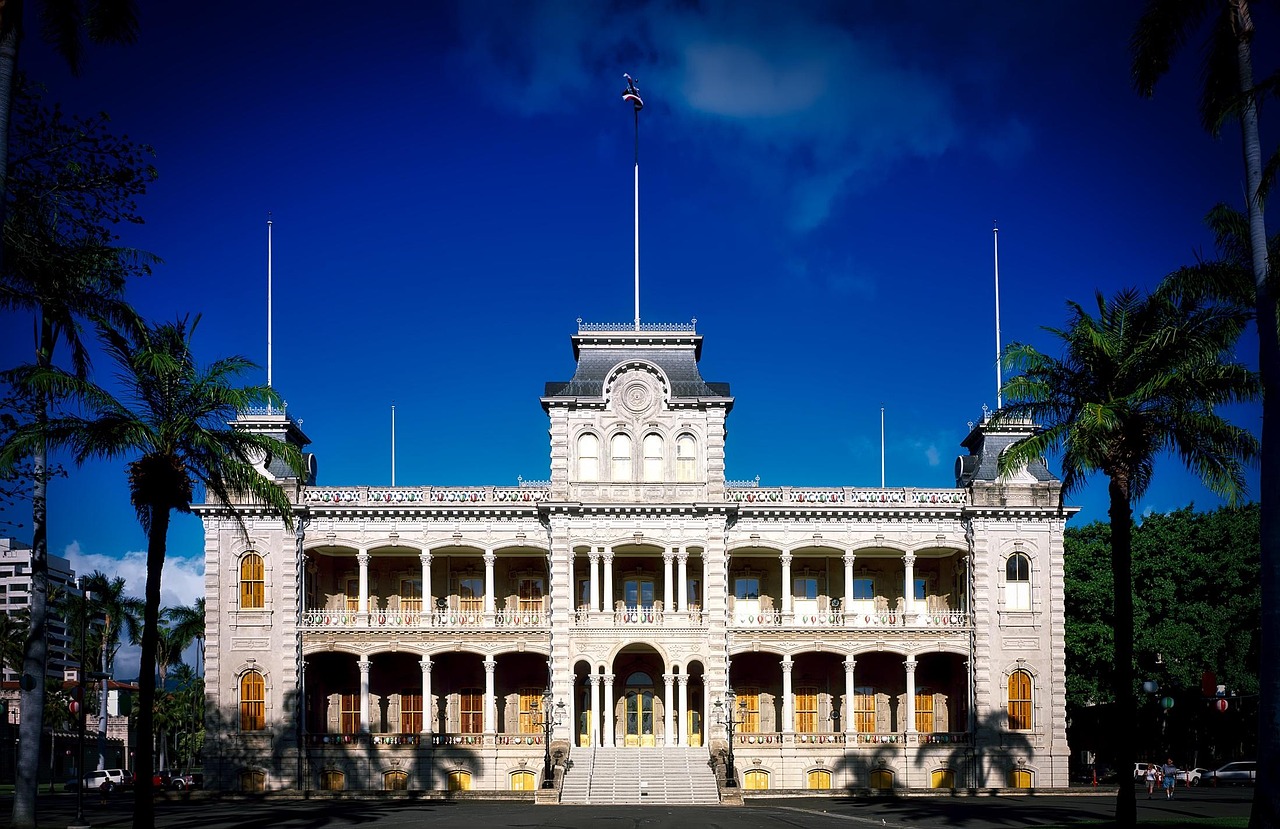
ʻIolani Palace is one of those places I recommend to anyone interested in “the real Hawaiʻi” beyond beaches. The first time I walked through its airy halls, listening to the audio guide, I realized how little I had understood of Hawaiian monarchy and the overthrow.
Why it’s unique: ʻIolani Palace is the only royal palace on U.S. soil and the former residence of the Hawaiian monarchs. It was completed in 1882 under King Kalākaua and later became the site of Queen Liliʻuokalani’s imprisonment after the 1893 overthrow.
What to expect:
- Interior tours: You’ll see the throne room, private quarters, and artifacts like jewelry and regalia.
- Grounds: Beautiful lawns, shady trees, and views of the surrounding historic district.
My tip: Do the audio or guided tour rather than just wandering. The context transforms the experience and deepens your understanding of local perspectives—important when thinking about cultural customs in Honolulu.
5. Honolulu Zoo
When I travel with friends who have kids, the Honolulu Zoo is always a hit. It’s an easy stroll from the east end of Waikīkī, shaded by giant trees, and small enough not to be overwhelming.
Highlights: African savanna exhibits, native Hawaiian birds, and big lawns where families can spread out. It’s not the biggest zoo you’ll ever see, but its setting—backed by Diamond Head and sea breezes—is special.
Tips:
- Come in the morning before it gets too hot.
- Combine with Kapiʻolani Park and a swim at nearby Queen’s Beach.
6. Hanauma Bay Nature Preserve
I still remember the first time I waded into Hanauma Bay: a parrotfish the size of my torso glided past, completely unbothered. This protected marine bay is one of the most famous snorkeling spots in the world—and one of the best places to visit in Honolulu for families and first-time snorkelers.
History & conservation: Once a favorite fishing and recreation spot for Hawaiian royalty, Hanauma Bay became a nature preserve with strict protections. Visitor numbers are limited, and everyone watches a short orientation video to learn about coral and marine life.
My routine: I book a morning time slot, bring my own mask and snorkel, and pack a light picnic. After swimming, I like to sit on the sand and just watch the changing colors of the water.
Tips (important in 2026):
- Reservations required: Non-residents must reserve entry online; slots often sell out days ahead in peak season.
- No touching the reef: Coral is living—don’t stand on it. Use a floatation vest if you’re not a strong swimmer.
- Reef-safe sunscreen only: This is enforced; better yet, wear a rash guard and use less sunscreen overall.
7. Ala Moana Beach Park & Magic Island
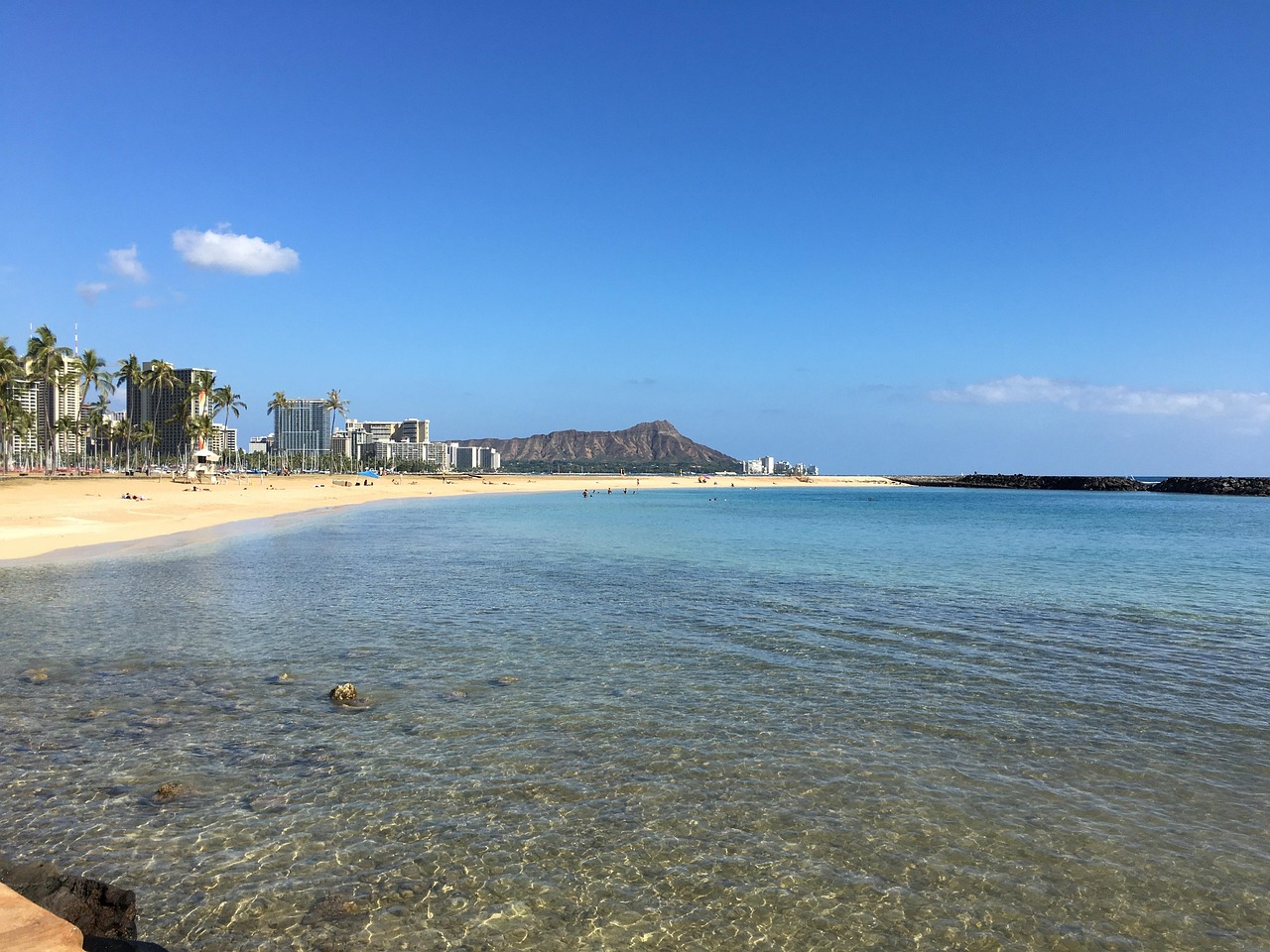
When locals say they’re going to the beach after work, there’s a good chance they mean Ala Moana. I love coming here late afternoon, when paddlers are out, runners circle the park, and the city skyline glows behind the palm trees.
Why I prefer it sometimes to Waikīkī: The beach is wide, the water is usually calm thanks to the offshore reef, and you’re more likely to be swimming next to local families than tour groups.
Magic Island: At the western end, this man-made peninsula offers grassy picnic spots, small coves for kids, and sweeping views back toward Waikīkī and Diamond Head—great for photos.
Tip: Pick up takeout from Ala Moana Center (there’s everything from local plate lunches to ramen and boba) and have a budget-friendly sunset picnic here.
8. Kakaʻako Street Art & SALT
Kakaʻako is where I go when I want to feel Honolulu’s modern, creative energy. Warehouses are blanketed with large-scale murals by local and international artists, and each year new pieces appear.
What to do:
- Wander the side streets between Ward Avenue and Cooke Street, camera in hand.
- Stop at SALT at Our Kakaʻako for coffee, craft beer, or dinner.
- Time your visit around sunset and then walk to the waterfront park.
Family-friendly? Yes—kids love the colorful murals, and there’s space for them to roam (with supervision; it’s still an urban area).
9. Bishop Museum
Bishop Museum is my go-to recommendation when visitors ask for “real Hawaiian culture” beyond luaus. On rainy days, I’ve happily spent hours here, lost in exhibits on voyaging, royal artifacts, and native ecosystems.
Why it’s important: Founded in 1889, Bishop Museum holds one of the largest collections of Polynesian cultural artifacts and natural history specimens in the world.
Highlights:
- Hawaiian Hall: Multi-level space with canoes, feather cloaks, and deep dives into Hawaiian cosmology.
- Science Adventure Center: Volcano exhibits and interactive displays—great for kids.
- Planetarium: Shows on Polynesian navigation and the night sky.
Tip: Allow at least 3–4 hours. Combine with a Kakaʻako or Chinatown dinner afterward.
10. Mānoa Falls Area (and Valley)
Driving into Mānoa Valley feels like stepping into a watercolor—mist clings to emerald ridges, and rain showers often come and go in minutes. The popular Mānoa Falls hike itself has seen various closures and improvements over the years, so in 2026 you’ll want to check current conditions, but even just visiting the valley is worth it.
What I do: I grab coffee at a local café, then head up toward the trailhead area to enjoy the cooler temperatures and lush scenery. On days when the trail is open and conditions are safe, I hike slowly—mud is part of the experience here.
Tips:
- Expect mud; wear shoes you don’t mind getting dirty.
- Bring bug repellent and a light rain jacket.
- Respect all closure signs and private property.
11. Koko Head Crater Stairs
If Diamond Head feels too easy and you want a challenge, Koko Head will test your legs and lungs. The “trail” is an old tramway—essentially a very steep staircase of railroad ties going straight up the crater.
My first time: I started too late in the morning, underestimated the heat, and had to stop more times than I care to admit. But the view from the top—Hanauma Bay, the eastern shoreline, and the blue Pacific stretching forever—made every step worth it.
Tips:
- Go at sunrise: It’s cooler, and watching the sun rise over the ocean is unforgettable.
- Bring plenty of water and wear good shoes.
- This is not ideal for small children or anyone with knee issues.
12. Kapiʻolani Park & Queen’s Beach
At the east end of Waikīkī, Kapiʻolani Park offers open lawns, big shade trees, and one of the best views of Diamond Head. I often retreat here when Kalākaua Avenue feels too busy; locals jog, practice yoga, or play pickup soccer as the sun goes down.
Nearby Queen’s Beach has a more relaxed vibe than central Waikīkī and a designated area for swimming and bodyboarding. It’s a lovely place for families and couples who want a slightly calmer scene.
13. Chinatown Arts District
Chinatown is where I go when I’m hungry and curious. In a few blocks, you can slurp noodles, shop for tropical fruit, visit a temple, and check out contemporary art galleries.
Highlights:
- Markets: Fresh produce, seafood, and lei stands.
- Food: Dim sum, Vietnamese pho, trendy bistros, and cocktail bars.
- Temples: Kuan Yin Temple and others open for quiet reflection.
Tips:
- Visit by day for markets and temples; evenings for dining and bars.
- As with any urban area, keep an eye on your belongings, especially at night.
14. Magic Island (ʻĀina Moana)
Magic Island is my favorite spot for a casual sunset walk. Locals fish from the rocks, kids ride bikes, and couples set up picnics with simple plates of poke and rice.
From here, you get that postcard-perfect view: Waikīkī’s skyline to the left, Diamond Head in the distance, and the sun sinking into the ocean straight ahead.
15. Honolulu Museum of Art
When the midday sun is too much or a passing shower rolls in, I love ducking into the Honolulu Museum of Art. The low-slung buildings and courtyards feel like an oasis in the city.
Collections: Strong in Asian and Pacific art, with rotating exhibitions that often highlight local artists and themes. There’s also a lovely café where you can linger.
16. Waikīkī Aquarium
Small but thoughtfully curated, the Waikīkī Aquarium is a nice stop if you’re in the Kapiʻolani Park area, especially with young kids. It showcases native Hawaiian marine life in a way that complements a trip to Hanauma Bay.
17. Royal Hawaiian Center & Kalākaua Avenue
Kalākaua Avenue is Waikīkī’s main strip—lined with hotels, shops, and street performers. The Royal Hawaiian Center sits at its heart, with open-air shopping, eateries, and free cultural activities like music and hula performances on certain days.
Even if you’re not a big shopper, strolling this avenue at night—lights in the palms, music drifting from hotel lanais—is a classic Honolulu experience.
18. Kūhiō Beach Hula Show
On certain evenings, as the sun sets, free hula shows take place at Kūhiō Beach. I always recommend guests catch at least one—it’s a gentle, authentic-feeling introduction to Hawaiian music and dance, with the ocean as a backdrop.
Check the schedule when you arrive; times and days vary, but it’s one of the most charming cultural experiences in Honolulu, especially for families and couples.
19. Kapahulu Avenue Food Strip
Whenever I’m staying in Waikīkī and don’t feel like paying resort prices, I walk up Kapahulu Avenue. This strip is lined with local-style eateries: saimin shops, plate lunch spots, shave ice stands, and bakeries.
What I like to do: Start at a saimin or poke shop for something savory, then walk further up to Leonard’s Bakery for a hot malasada (Portuguese donut). It makes a perfect low-key evening outing.
20. Leonard’s Bakery (Malasadas)
Leonard’s is an institution. The first time I bit into a hot, sugar-dusted malasada here, I understood why there’s almost always a line. They’re crisp on the outside, airy inside, and come in both plain and filled versions (custard, haupia, etc.).
Tips:
- Go at off-peak times (mid-morning or mid-afternoon) to avoid the longest lines.
- Eat them while they’re still warm.
More Things to Do & See in Honolulu
- King Kamehameha Statue
- Aloha Tower & Waterfront
- University of Hawaiʻi at Mānoa campus walks
- Neighborhood farmers’ markets (KCC Farmers’ Market is a standout)
Detailed Itinerary Stories: Living 3–5 Days in Honolulu
Rather than write 80,000 words of blow-by-blow detail, I’ll give you rich, story-style outlines for each day that you can adapt whether you’re doing 3, 4, or 5 days in Honolulu. Mix and match based on your energy, interests, and weather.
Day 1: Arriving, Waikīkī & Sunset Magic
I usually land around midday, a little dazed from the flight but instantly revived when the warm, floral-scented air hits me as I step out of the terminal. If you’re staying in Waikīkī, it’s about 25–40 minutes by car or shuttle from the airport, depending on traffic.
Afternoon: After checking in and a quick shower, I resist the urge to nap and head straight for the beach. For a first dip, I like the central stretch of Waikīkī near the Duke Kahanamoku statue—easy access and mellow vibes.
Once I’ve shaken off the jet lag in saltwater, I’ll wander Kalākaua Avenue, scouting out dinner spots and getting a feel for the promenade. If I’m hungry early, I might grab poke from a side-street spot and eat it on the sand; if I want a more festive start, I’ll book a beachfront table at a place with live music.
Sunset: Walk toward Kapiʻolani Park end of Waikīkī and watch the sky change colors with Diamond Head in silhouette. On some visits, I’ve splurged on a sunset catamaran sail—barefoot on deck, trade winds in my hair, city lights twinkling as we return. It’s touristy in the best way.
Evening: If jet lag is kind, I’ll grab a shave ice or soft-serve, listen to a street musician on Kalākaua, then stroll back along the beach path. It’s an easy, gentle first day—perfect for both families and couples easing into their 3 or 5 day itinerary for Honolulu.
Day 2: Diamond Head, Kapiʻolani Park & Kapahulu Eats
Morning: I like to start strong on the first full day with a sunrise or early morning hike up Diamond Head. With a reservation in hand, I’ll either walk (about 30–40 minutes uphill from eastern Waikīkī) or grab a short rideshare or bus to the trailhead. The climb wakes up your body and rewards you with panoramic views that help you mentally map out the city.
After coming down, I usually stop at a local café or grab a musubi from a convenience store—simple, cheap, and very local.
Midday: Back in Waikīkī, I’ll stroll through Kapiʻolani Park, maybe visit the Honolulu Zoo if I’m with kids, or just find a shady tree to sit under with a book. If I feel like culture, I’ll drop into the Waikīkī Aquarium for an hour or two.
Afternoon: This is where Kapahulu comes in. From Kapiʻolani Park, I’ll walk up Kapahulu Avenue to explore local food in Honolulu: saimin shops, plate lunch counters, and bakeries. It’s a good place to try loco moco, garlic chicken, or a mixed plate with rice and mac salad.
Evening: If it’s a night with a free Kūhiō Beach hula show, I time my walk back to catch it at sunset. Sitting on the grass, listening to live Hawaiian music as dancers move against the ocean backdrop, is one of those “this is why I’m here” moments.
Day 3: Pearl Harbor & Downtown / Chinatown
Morning at Pearl Harbor: I head out early, aiming to arrive around opening time. After security, I spend a solid hour in the visitor center exhibits before my timed USS Arizona Memorial slot. It’s sobering but essential history, and I always leave with a quieter demeanor than I arrived.
Midday in Downtown: From Pearl Harbor, I drive (or bus) into downtown Honolulu. I’ll pass by the King Kamehameha statue (yes, the one from TV shows) and take a guided or audio tour of ʻIolani Palace. The palace’s story of monarchy, overthrow, and resilience adds an important layer of understanding to any travel guide for Honolulu.
Lunch in Chinatown: A short walk away, Chinatown’s markets, noodle shops, and cafés beckon. I might dive into a bowl of pho, share dim sum, or try a trendy fusion spot in the arts district. It’s an easy place to refuel and people-watch.
Afternoon wandering: I’ll pop into temples, browse a gallery or two, and maybe grab a local coffee or bubble tea. If I’m doing a 3 day itinerary for Honolulu and pressed for time, I’ll head back to Waikīkī for an afternoon swim; if I have 5 days, I might linger and explore a bit more of the historic core.
Evening: Depending on energy, either a quiet dinner in Waikīkī or a return to Chinatown’s bars and speakeasies (more for couples and groups than families).
Day 4: Hanauma Bay, Coastal Views & Kakaʻako
This day works beautifully if you have 4 days in Honolulu or as part of a 5 day itinerary for Honolulu.
Morning at Hanauma Bay: With a reserved timeslot, I arrive early, watch the orientation video, and then spend a few hours snorkeling. I stick close to shore at first, then gradually explore further along the reef. The variety of fish and corals makes this one of the top must-see attractions in Honolulu for nature lovers.
Midday coastal drive: After rinsing off, I’ll continue east: stopping at lookouts like Halona Blowhole, Sandy Beach (for wave-watching, not beginner swimming), and Makapuʻu Lookout. This stretch is incredibly scenic—bring your camera.
Afternoon in Kakaʻako: Back in town, I head to Kakaʻako. I wander the murals, grab a late lunch or early dinner at SALT (lots of modern eateries and bars), and maybe finish with a craft beer or locally roasted coffee.
Sunset: If energy allows, a short walk to Kakaʻako Waterfront Park gives you another angle on the skyline and ocean.
Day 5: Bishop Museum, Ala Moana & Last Swim
Morning at Bishop Museum: I dedicate at least half a day here. I start in Hawaiian Hall, then explore the voyaging exhibitions and any temporary shows. It’s a great way to deepen your understanding after seeing places like ʻIolani Palace and hearing stories at Pearl Harbor.
Afternoon at Ala Moana: From Bishop, I swing by Ala Moana Center to pick up any last-minute gifts or snacks (li hing mui candies, local coffee, macadamia nuts), then walk across to Ala Moana Beach Park. An unhurried swim here, watching locals end their workday, is my favorite way to say goodbye to Honolulu.
Evening: For a final night, I might go low-key with takeout and a beach picnic or dress up a little for a nicer dinner in Waikīkī or Kakaʻako. Either way, I always try to catch one last sunset.
Local Food in Honolulu: What to Eat & Where
Honolulu is a food lover’s paradise, shaped by Native Hawaiian, Japanese, Chinese, Filipino, Korean, Portuguese, and American influences. If you only eat at hotel restaurants, you’re missing half the story.
Must-Try Local Dishes
- Poke: Raw fish cubes (usually ahi tuna) marinated in soy, sesame, or Hawaiian salt and limu. Try it over rice as a poke bowl.
- Plate lunch: A protein (teriyaki beef, chicken katsu, kalua pork), two scoops of rice, and mac salad.
- Loco moco: Rice topped with a hamburger patty, fried egg, and brown gravy.
- Saimin: Local noodle soup with a light broth, influenced by Japanese ramen and Chinese noodle soups.
- Spam musubi: Grilled Spam on rice, wrapped in nori—perfect beach snack.
- Malasadas: Portuguese-style donuts, often filled with custard or local flavors.
- Shave ice: Fluffy ice with flavored syrups, often over ice cream and azuki beans.
Where to Eat (Personal Favorites)
Budget-friendly & local-feeling:
- Small plate lunch counters in Kapahulu and Kaimukī
- Food courts and smaller eateries at Ala Moana Center
- Grab-and-go poke from neighborhood markets
Mid-range & date-night:
- Seafood and modern Hawaiian cuisine spots in Waikīkī and Kakaʻako
- Creative bistros in Chinatown and Kaimukī
Tips for saving money on food:
- Eat your big meal at lunch—many places have cheaper lunch menus.
- Share large plate lunches or combo plates.
- Stock up on snacks and drinks at grocery or convenience stores instead of hotel minibars.
Nightlife, Entertainment & Cultural Experiences in Honolulu
Honolulu’s nightlife is more low-key than Vegas but more vibrant than many beach towns. You’ll find everything from laid-back tiki bars to sleek cocktail lounges and live Hawaiian music on hotel lanais.
Nightlife Zones
- Waikīkī: Beachfront bars, hotel lounges, and a few late-night spots. Great for first-timers and couples.
- Chinatown: Trendy bars, speakeasies, and small clubs—more local and artsy, best for adults.
- Kakaʻako: Breweries and modern bars with a younger crowd.
Cultural Experiences
- Hula & music shows: Free shows at Kūhiō Beach and some shopping centers; paid shows at hotels and luaus.
- Honolulu Museum of Art & Bishop Museum events: Evening programs, films, and special exhibitions.
- Festivals: Check what’s on during the Honolulu Festival, Pan-Pacific Festival, or Aloha Festivals.
Day Trips & Nearby Attractions from Honolulu
One of the best things about basing yourself in Honolulu is how easy it is to explore the rest of Oʻahu on day trips.
Popular Day Trips
- North Shore: Famous surf breaks, Haleʻiwa town, shrimp trucks, and quieter beaches (best with a rental car).
- Windward Coast: Kailua and Lanikai beaches, lush mountains, and scenic viewpoints.
- Cultural sites: Various heiau (temple) sites and cultural centers around the island.
Tips: Start early to beat traffic, especially if you’re heading toward the North Shore. Bring snacks, water, and reef-safe sunscreen, and always respect local beach communities and posted signs.
Local Customs in Honolulu & Cultural Etiquette
Honolulu may be part of the U.S., but Hawaiʻi has its own cultural norms and values. Understanding them will make your trip smoother and more respectful.
Core Concepts
- Aloha: More than a greeting—it’s a way of being that emphasizes kindness, respect, and connection.
- Kuleana: Responsibility—especially to the land (ʻāina), the ocean, and the community.
- Mahalo: Thank you. You’ll see and hear it everywhere.
Practical Etiquette Tips
- Don’t touch or sit on heiau (sacred sites) or disturb cultural offerings.
- Ask before photographing people, especially at cultural performances or in temples.
- Follow all posted signs at beaches and hikes; they’re often for safety and environmental protection.
- Be patient with “island time”—service can be a bit slower, but the trade-off is a more relaxed atmosphere.
Practical Travel Advice for Honolulu (2026)
Getting Around
- Walking: Waikīkī, parts of Ala Moana, and Kakaʻako are very walkable.
- TheBus (public buses): Extensive routes, including to Pearl Harbor, Hanauma Bay area, and other neighborhoods. Budget-friendly but allow extra time.
- Rideshare & taxis: Widely available in urban areas; convenient for airport transfers and evenings.
- Car rental: Best for island day trips and flexible exploration. Reserve early for peak seasons.
SIM Cards & Connectivity
- Honolulu has strong coverage across major U.S. carriers.
- International visitors can buy U.S. SIM cards or eSIMs at the airport, major electronics stores, or online in advance.
- Most hotels and cafés offer free Wi-Fi.
Visa & Driving Requirements
- Visa: As part of the U.S., Hawaiʻi follows standard U.S. visa policy. Check if you qualify for the Visa Waiver Program (ESTA) or need a visa in advance.
- Driving: Foreign driver’s licenses are generally accepted for visitors; if your license isn’t in English, an International Driving Permit is recommended.
Money-Saving Tips
- Travel slightly off-peak (late April–early June, September–early December) for better hotel rates.
- Use public transport plus occasional rideshares instead of renting a car every day.
- Eat where locals eat: plate lunch spots, food courts, farmers’ markets.
- Take advantage of free activities: beaches, hikes, hula shows, and window-shopping.
Best Seasons for Different Activities
- Winter (Nov–Mar): Bigger waves on north and west shores (great for watching, not always for beginner swimming). Slightly cooler temperatures.
- Summer (Jun–Sep): Calmer waters on many south shore beaches, great for snorkeling and beginner surfing in Waikīkī.
- Shoulder seasons (Apr–May, Sep–early Dec): My favorite time—fewer crowds, good weather, and often better deals.
Summary: Key Takeaways for Your Honolulu Trip
Honolulu is more than just a beach destination. It’s a living, breathing city layered with royal history, wartime stories, street art, surf culture, and some of the most diverse food in the United States. Whether you have 3 days in Honolulu or a 5 day itinerary for Honolulu, you can blend:
- Iconic sights: Waikīkī Beach, Diamond Head, Pearl Harbor, ʻIolani Palace, Hanauma Bay.
- Local life: Kapahulu and Kaimukī food spots, Kakaʻako murals, Ala Moana Beach Park sunsets.
- Cultural experiences: Bishop Museum, Honolulu Museum of Art, hula shows, and historic downtown.
For most travelers, the best time to visit Honolulu is during the shoulder seasons (April–May and September–early December), when you’ll enjoy good weather with smaller crowds and often lower prices. But honestly, Honolulu is welcoming year-round—as long as you pack reef-safe sunscreen, respect local customs, and leave some room in your schedule for serendipity.
Plan your days around the ocean and the light—sunrise hikes, midday museum breaks, golden-hour swims—and you’ll start to understand why so many people fall hard for this city and keep coming back. I certainly do.