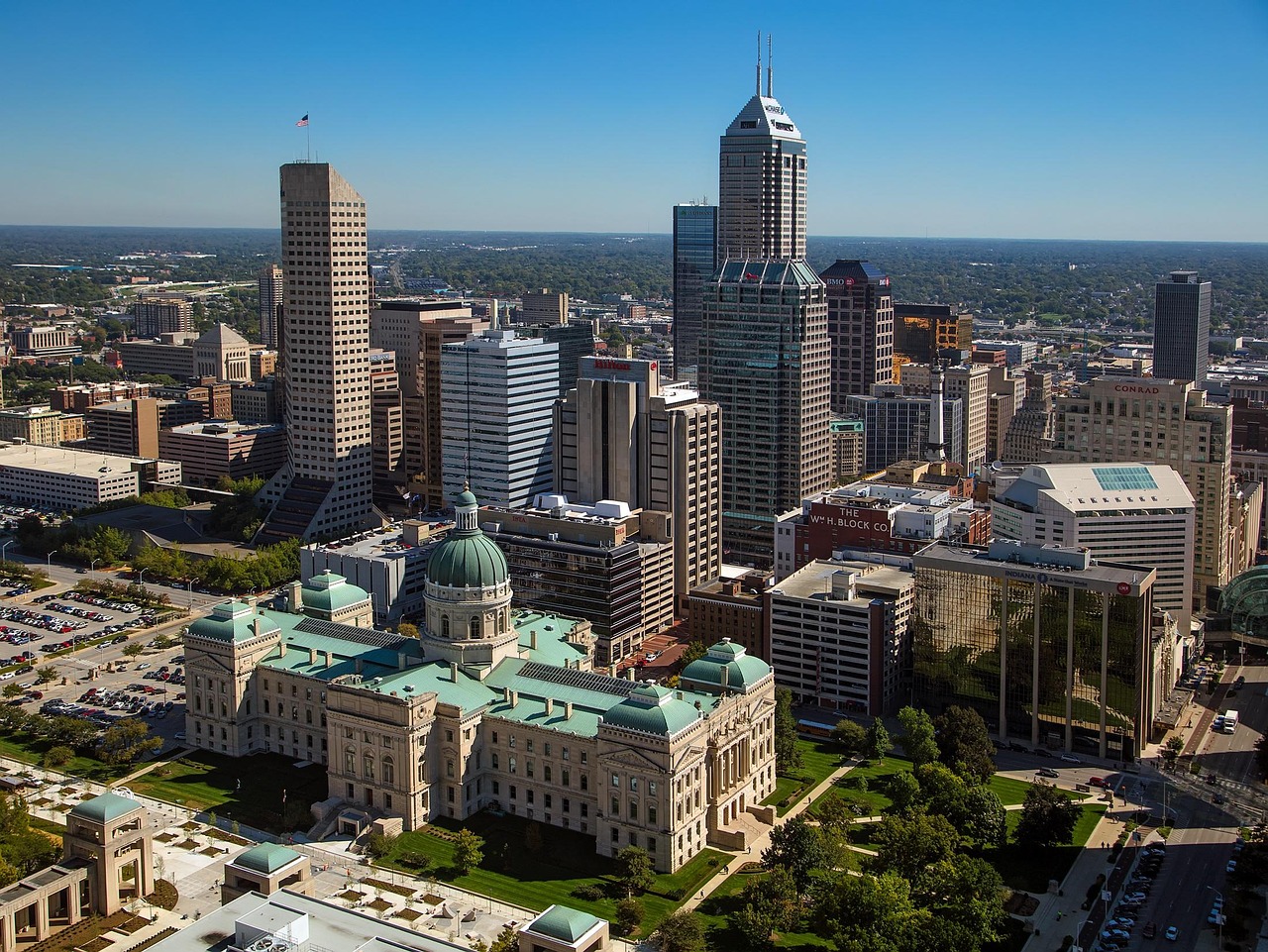
Why Visit Indianapolis in 2026?
If you’ve ever dismissed Indianapolis as “just a flyover city,” 2026 is the year to rethink that. Indy is one of those places that doesn’t shout for attention, but once you’re here, it quietly hooks you: walkable neighborhoods, a surprisingly vibrant food scene, miles of bikeable greenways, world-class sports, and a cultural life that feels refreshingly local and unpretentious.
What keeps drawing me back is the mix: one morning I’ll be on the Monon Trail with cyclists and dog walkers, and by afternoon I’m surrounded by Impressionist masterpieces at Newfields or watching kids lose their minds with joy at the world’s largest children’s museum. At night, I might end up at a speakeasy-style cocktail bar in a converted bank vault, or in a tiny jazz room that feels like a secret.
In 2026–2027, Indianapolis is buzzing with events tied to its ever-growing sports calendar, new restaurants in historic neighborhoods like Fletcher Place and Fountain Square, and continued development along the White River and downtown canal. It’s the kind of city that’s easy on your budget, easy to navigate, and easy to love—whether you’re planning 3 days in Indianapolis or stretching it into a 4 or 5 day itinerary.
Table of Contents
- Why Visit Indianapolis in 2026?
- Indianapolis at a Glance
- 20 Must-See Attractions in Indianapolis (With Local Stories & Tips)
- Suggested Itineraries: 3, 4, and 5 Days in Indianapolis
- Neighborhoods & Districts to Explore
- Local Food in Indianapolis: What & Where to Eat
- Nightlife, Entertainment & Cultural Experiences
- Day Trips & Nearby Getaways from Indianapolis
- Cultural Etiquette & Local Customs in Indianapolis
- Practical Travel Tips for Indianapolis (Money, SIM, Transport, Visas)
- When to Visit Indianapolis & Final Takeaways
Indianapolis at a Glance
Indianapolis (or “Indy,” as everyone calls it) is the capital of Indiana and the cultural and economic heart of the state. Downtown is compact and walkable, with the Soldiers & Sailors Monument at Monument Circle acting as the unofficial center of everything.
Beyond the core you’ll find eclectic neighborhoods—Fountain Square with its street art and live music, Broad Ripple with its college-town energy, and Irvington with tree-lined streets and historic homes. The city is famously sports-obsessed (hello, Indy 500 and Lucas Oil Stadium), but its museums, parks, and performing arts scene are what make it a great base for a 3 day itinerary for Indianapolis or a longer 4–5 day stay.
For 2026–2027, keep an eye on expanded White River redevelopment, upgrades at the Indianapolis Zoo, and a full calendar of festivals, from the IndyFringe Theatre Festival to the Indy Jazz Fest and the spectacular 500 Festival events around May.
20 Must-See Attractions in Indianapolis (Deep-Dive Stories & Tips)
Below are the best places to visit in Indianapolis, with personal-style notes on how to experience each spot—not just check it off a list.
1. Monument Circle & Soldiers & Sailors Monument
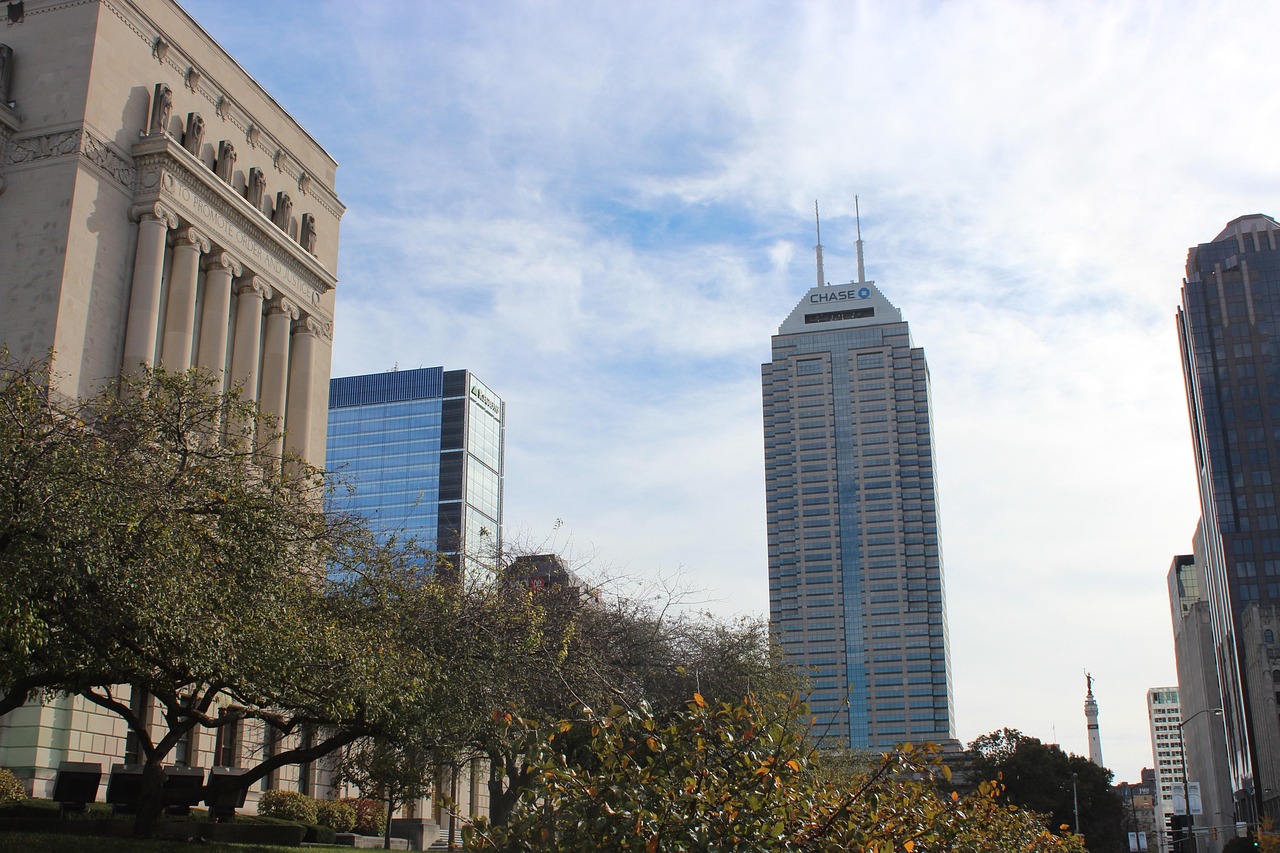
Every one of my trips to Indianapolis starts and ends at Monument Circle. The Soldiers & Sailors Monument rises 284 feet above the traffic, a stone-and-bronze tribute to Indiana’s veterans. The circle is more than just a roundabout; it’s the emotional center of the city.
I like to come early in the morning when the coffee shops around the circle are just opening. Grab a latte from a nearby café, sit on the steps, and watch the city wake up. In 2026, the monument’s observation deck is still one of the most underrated skyline viewpoints in the Midwest.
- History & significance: Dedicated in 1902, it predates the Lincoln Memorial and remains one of the largest monuments dedicated to veterans in the U.S.
- What to do: Climb (or take the tiny elevator) up to the observation deck for a 360° view of downtown. Visit the small museum in the base if it’s open during your visit.
- Best time to visit: Sunset for golden light on the limestone facades; December if you want to see the “Circle of Lights” when the monument becomes a giant Christmas tree.
- Local tip: If you’re planning 3 days in Indianapolis, use Monument Circle as your mental compass: most downtown highlights are within a 10–15 minute walk.
2. Indianapolis Canal Walk
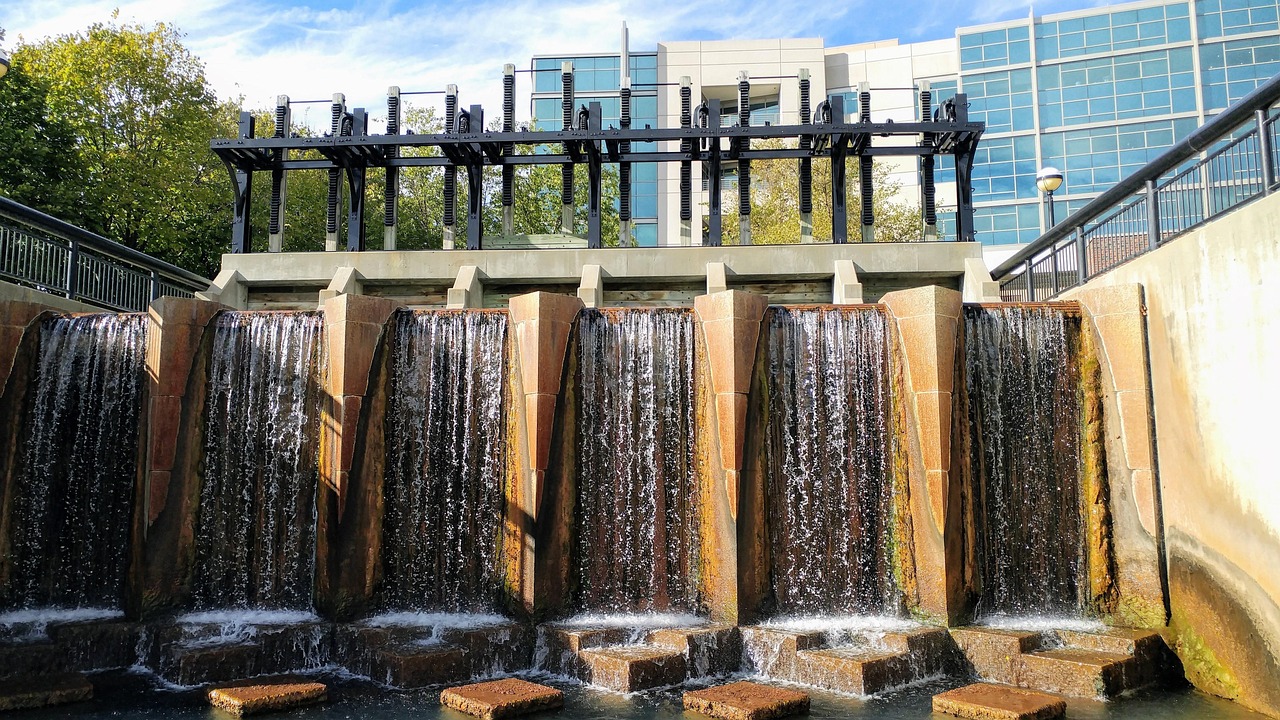
The first time I walked the Canal, I expected a short, touristy stroll; instead, I spent half a day wandering, sitting on benches, and watching paddle boats pass under the bridges. The 3-mile Canal Walk curves gently through downtown, lined with public art, memorials, cafes, and apartments that look out over the water.
On warm evenings I like to rent a pedal boat with friends, bring along takeout from one of the nearby restaurants, and slowly cruise while the city lights come on. It’s one of the most romantic things to do in Indianapolis if you time it around sunset.
- Highlights along the canal: 9/11 Memorial, USS Indianapolis Memorial, the Indiana State Museum, NCAA Hall of Champions, and the skyline views near the north end.
- Family-friendly: The flat paved path is stroller-friendly; kids love the gondola rides and pedal boats.
- Budget tip: Walking or biking the Canal Walk is free. Save money by skipping paid boat rentals and just enjoying the atmosphere.
3. The Children’s Museum of Indianapolis
Even if you don’t have kids, the Children’s Museum of Indianapolis is genuinely fun. I’ve gone twice with friends in their 30s and we were every bit as excited about the giant dinosaurs bursting through the building as the kids were.
This is the world’s largest children’s museum, and you feel that scale immediately: multi-story dinosaur skeletons, immersive science exhibits, a space exploration area, and rotating exhibits that in recent years have ranged from pop culture to powerful social history.
- What stood out to me: The Dinosphere—complete with realistic soundscapes and lighting—made me feel like I’d stepped onto a prehistoric movie set.
- For families: Plan at least 4–5 hours. There’s a great food court with kid-friendly options; bring snacks anyway.
- Getting there: A 10–15 minute drive from downtown; rideshares are easy. If you’re on a 4 day itinerary for Indianapolis, dedicate a full morning or afternoon here.
- Money-saving: Check their website for off-peak days and discount evenings, especially during the school year.
4. Indianapolis Motor Speedway & Museum
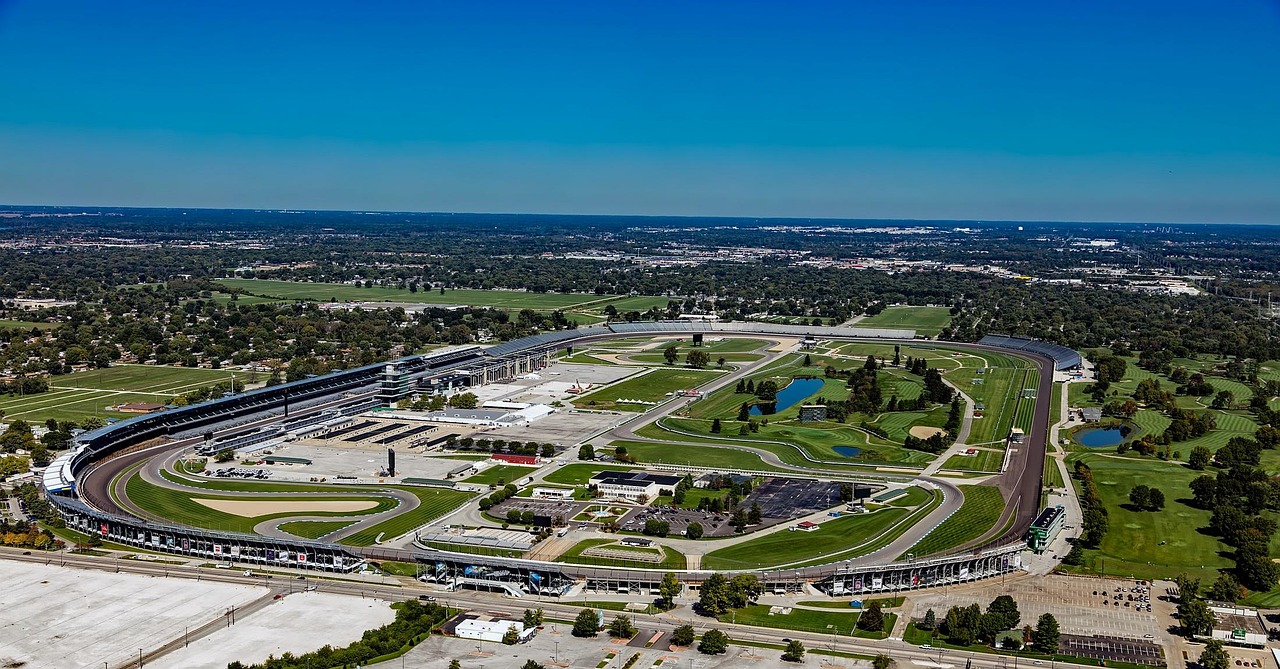
Standing on the Yard of Bricks at the Indianapolis Motor Speedway gave me goosebumps—even as someone who’s only a casual racing fan. The Speedway is more than a racetrack; it’s a century-old cathedral of speed, deeply woven into the city’s identity.
I visited twice: once on a quiet weekday when the museum was the main draw, and once in May during Indy 500 practice sessions, when the sound of engines reverberated in my chest. Both experiences felt completely different but equally special.
- History: Opened in 1909, home of the Indianapolis 500 and the Brickyard 400. The famous Yard of Bricks is a preserved strip of the original brick surface at the start-finish line.
- Museum highlights: Historic race cars, trophies, interactive exhibits, and track tours (including a bus ride around the 2.5-mile oval when available).
- 2026–2027 events: The 110th running of the Indy 500 (2026) and related 500 Festival events will make late May a huge party citywide.
- Practical tip: If you’re planning 3 days in Indianapolis, visit outside race weekend for smaller crowds—unless you specifically want the full, loud, packed Indy 500 experience.
5. Lucas Oil Stadium
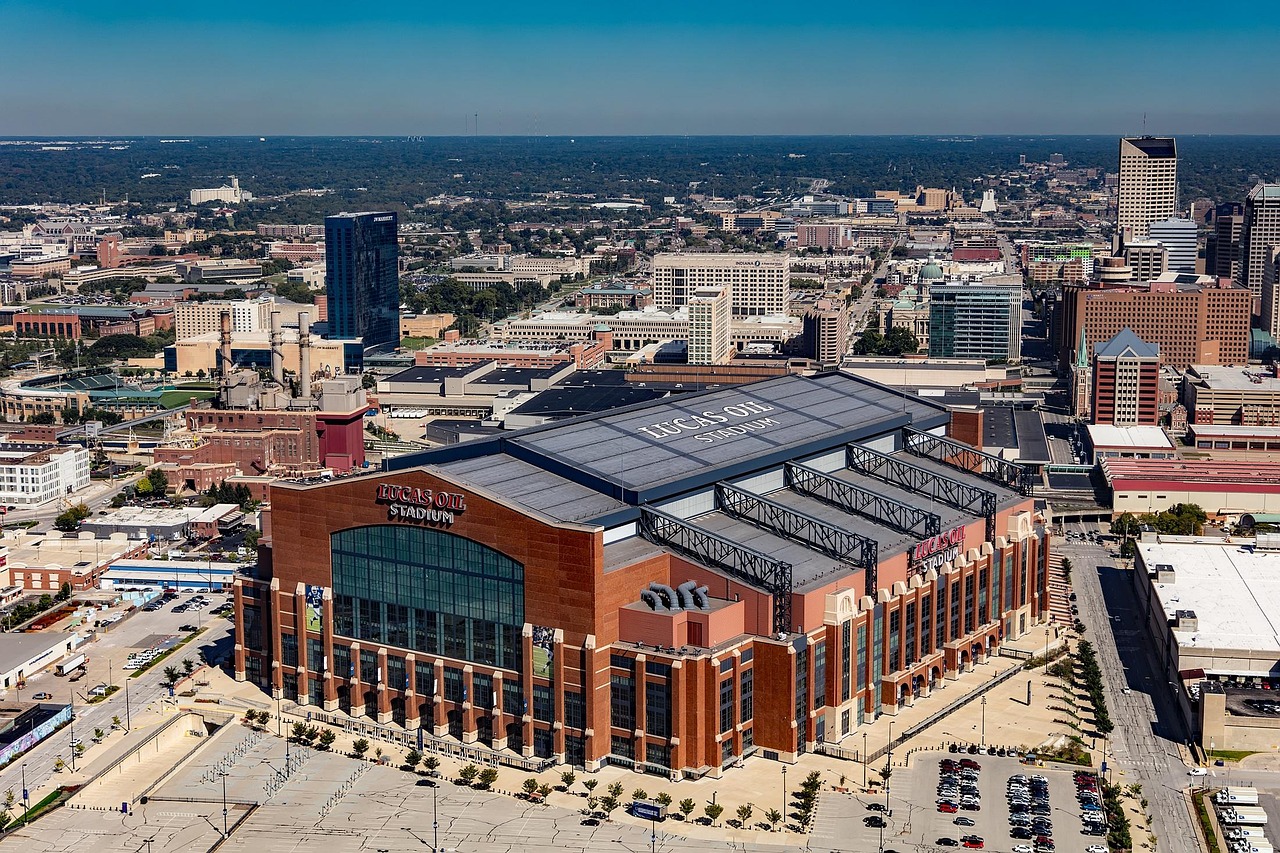
Even if you’re not here for a Colts game, Lucas Oil Stadium is worth seeing. The first time I walked into the stadium for a tour, I was struck by the sheer scale of the place—and the giant window that frames the downtown skyline.
I’ve been here for a football game and for a major convention. Both times, the energy inside felt electric, very “sports town USA.”
- What to do: If your timing lines up, catch an NFL game, college football matchup, or major concert. Otherwise, take a behind-the-scenes tour to see the field, locker rooms, and press areas.
- For sports fans: Combine a stadium tour with a walk to nearby sports bars and Monument Circle for a full “sports and skyline” afternoon.
- Money-saving tip: Upper-level tickets for regular-season games can be fairly affordable compared to other NFL cities.
6. Newfields: Indianapolis Museum of Art & Gardens
Newfields is my personal happy place in Indianapolis. It’s not just an art museum—it’s a sprawling campus of galleries, sculpture gardens, woodlands, and seasonal outdoor installations.
On my last visit, I spent the morning wandering through European and American galleries (their collection of Impressionist works is excellent) and the afternoon reading under a tree in the garden, with only the occasional squirrel for company. In fall, the foliage here is stunning; in winter, the light displays turn the grounds into a glowing wonderland.
- Highlights: The permanent collection, rotating contemporary exhibits, the Lilly House (a historic estate on the grounds), and the beer garden in warmer months.
- Romantic idea: Come late afternoon, stroll the gardens, then stay for an evening event or outdoor movie if it’s on the schedule.
- Tip: Wear comfortable shoes—the grounds are large, and you’ll want time both indoors and outdoors.
7. Indianapolis Zoo & White River Gardens

The Indianapolis Zoo sits in White River State Park, just a short walk from downtown. It’s compact but thoughtfully laid out, with a focus on conservation.
My favorite memory here was watching dolphins from an underwater viewing area while a summer thunderstorm rolled overhead—lightning in the distance, kids’ faces pressed to the glass, dolphins gliding silently past.
- Highlights: Dolphin Pavilion, orangutan center, walk-through butterfly garden in season, and the adjacent White River Gardens.
- Family-friendly: Easy to cover in half a day. Combine it with the Canal Walk or Indiana State Museum for a full family day.
- 2026–2027: Ongoing habitat upgrades and seasonal events like Christmas at the Zoo keep things fresh.
8. Indiana State Museum
Right on the canal, the Indiana State Museum is where I go when the weather turns or when I want a crash course in the state’s natural and cultural history. The building itself is airy and modern, with canal views through big glass walls.
Inside, you’ll find everything from mastodon fossils to stories of Indiana’s role in the Civil War and the Underground Railroad. It’s much more engaging than the name suggests, with interactive exhibits that keep kids (and adults) interested.
- Best for: Rainy or cold days, especially if you’re looking for educational things to do in Indianapolis that still feel fun.
- Combo idea: Pair a museum visit with a walk along the canal and lunch at one of the nearby cafes for an easy half-day itinerary.
9. Eiteljorg Museum of American Indians and Western Art
The Eiteljorg is one of the most distinctive museums in Indianapolis, focusing on Native American and Western art and culture. It’s a quiet space that encourages you to slow down and really look.
I’ve spent entire afternoons here on solo trips, especially drawn to contemporary Native artists whose work challenges stereotypes and tells stories that feel very present, not just historical.
- Highlights: Native American art and artifacts, Western paintings and sculptures, and powerful rotating exhibits on Indigenous experiences.
- Cultural insight: It’s an excellent place to deepen your understanding of the people who lived on this land long before Indianapolis existed.
- Tip: Check the schedule for talks, film screenings, and special events—they’re often excellent and not crowded.
10. Mass Ave Arts District
Massachusetts Avenue—“Mass Ave” to locals—is where I usually end up in the evening. It’s a long diagonal street that cuts across downtown, lined with theaters, independent shops, galleries, and some of my favorite restaurants and bars in the city.
On one of my trips, I stayed in a small boutique hotel just off Mass Ave and loved being able to walk out the door to grab coffee, browse a quirky bookstore, then catch a comedy show a few blocks away.
- Vibe: Creative, walkable, and lively without being overwhelming.
- Best for: Nightlife, dining, browsing boutiques, and catching performances at venues like the District Theatre and IndyFringe.
- Local tip: Mass Ave is perfect for your first evening if you’re doing a 3 day itinerary for Indianapolis—gives you a quick feel for the city’s creative side.
11. Fountain Square Cultural District
Fountain Square is where Indy’s indie heart beats loudest. Think old brick buildings painted with huge murals, a central square with a fountain, vintage duckpin bowling, and live music pouring out of corner bars.
I’ve come here for everything from a lazy brunch to a raucous night of bar-hopping and live shows. One evening I ended up at a rooftop bar, drink in hand, watching the downtown skyline glow in the distance—it felt like I’d discovered a secret viewpoint only locals knew about.
- Highlights: Duckpin bowling in a vintage alley, live music venues, art galleries, great taco joints and pizza spots.
- Romantic angle: Sunset drinks on a rooftop followed by a show or bowling is a perfect casual date night.
- Access: A short drive or bike ride from downtown via the Cultural Trail.
12. Indianapolis Cultural Trail
The Cultural Trail might be the smartest piece of infrastructure in Indianapolis. It’s an 8-mile network of bike and pedestrian paths that link downtown with key cultural districts like Fountain Square and Mass Ave.
On my last visit, I rented a bike one morning and spent hours cruising the trail, stopping whenever I saw something interesting—public art, a cozy coffee shop, a tiny pocket park. It’s the best way to get a feel for Indy’s neighborhoods quickly.
- What to do: Rent a bike or scooter (or just walk sections) and use the trail to connect major sights and districts.
- Family-friendly & budget-friendly: Free to use; great for burning kids’ energy between museums and meals.
- Tip: Plan at least one morning of your 4 or 5 day itinerary for Indianapolis around the trail—you’ll see far more than you would by car.
13. Lockerbie Square Historic District
Lockerbie Square is one of my favorite “slow wander” neighborhoods in Indianapolis. It’s a pocket of beautifully preserved 19th-century homes, cobblestone-like brick streets, and mature trees just a short walk from downtown.
On a warm evening, I like to grab an ice cream downtown and stroll into Lockerbie, imagining what life was like when these houses were first built. The pace here is calm, almost small-town, despite being in the middle of the city.
- Highlight: The James Whitcomb Riley Museum Home, dedicated to the famed “Hoosier Poet.”
- Best time: Late afternoon or early evening, especially in spring and fall when the trees are at their best.
- Local tip: Combine with Mass Ave—start on Mass Ave, then wander into Lockerbie Square for a contrast between buzzy and serene.
14. Broad Ripple Village
Broad Ripple feels like a mini college town nestled along the water on Indy’s north side. It’s artsy, slightly scruffy in places, and very lively on weekend nights.
I usually come here for brunch, a stroll along the canal, and a browse through vintage shops. On one trip, I rented a bike and followed the Monon Trail up through Broad Ripple, stopping for coffee and people-watching along the way.
- Vibe: Youthful, creative, with a strong bar and live music scene.
- Best for: Evening drinks, casual eats, and canal-side walks.
- Getting there: About 20 minutes by car from downtown; also accessible via the Red Line bus and Monon Trail.
15. Irvington Historic District
Irvington is one of those neighborhoods that doesn’t try to impress you—and that’s exactly why I love it. Tree-lined streets, old homes with big porches, and a small cluster of indie businesses make it feel like a self-contained village.
I’ve come here mostly in fall, when the leaves explode into color and the neighborhood’s Halloween events give it a slightly spooky, storybook feel.
- Highlights: Historic homes, local cafes and bookstores, seasonal festivals (especially around Halloween).
- Best for: Travelers who like quieter, residential neighborhoods and a slower pace.
16. Garfield Park & Conservatory
Garfield Park is Indy’s oldest city park, and the conservatory inside it is a little tropical escape. On a cold gray day, stepping into the warm humid air and lush greenery feels like teleporting to another climate.
I’ve come here to reset between packed days of sightseeing—just walking among the plants and then wandering the sunken gardens outside is wonderfully calming.
- Highlights: Conservatory, sunken gardens, walking paths, and seasonal events like concerts.
- Budget-friendly: Entry is inexpensive; the park grounds themselves are free.
17. White River State Park
White River State Park is the green lung of downtown—a big swath of grass, trees, and river views that connects the zoo, museums, and Canal Walk. It’s where I go when I need a break from buildings but don’t want to leave the city.
On sunny days you’ll see families picnicking, joggers on the paths, and photographers trying to capture that perfect skyline shot across the water.
- Best for: Picnics, short hikes, skyline photos, and connecting multiple attractions in one area.
- Tip: If you’re short on time, walk the bridge over the river for some of the best free views of downtown.
18. NCAA Hall of Champions
Right next to the Indiana State Museum, the NCAA Hall of Champions is a love letter to college sports. Even as someone who didn’t grow up in a big college sports culture, I found it surprisingly engaging, especially the interactive exhibits.
I watched kids try their hand at virtual sports challenges, while adults lingered over displays about legendary coaches and athletes.
- Best for: Sports fans, families, and anyone with a soft spot for March Madness.
- Combo: Visit along with the State Museum and a Canal Walk stroll for an easy, sports-and-history themed day.
19. Madam Walker Legacy Center
This beautifully restored theater and cultural center honors Madam C.J. Walker, one of the first self-made female millionaires in the United States and a pioneering African American entrepreneur.
Visiting here added depth to my understanding of Indianapolis beyond sports and downtown development—this is where you feel the city’s African American history and cultural resilience.
- What to do: Take a tour if available, check for performances, films, and talks, and appreciate the restored architecture.
- Cultural insight: A key stop if you’re interested in Black history and entrepreneurship in the Midwest.
20. Indiana War Memorial & Veterans Memorial Plaza
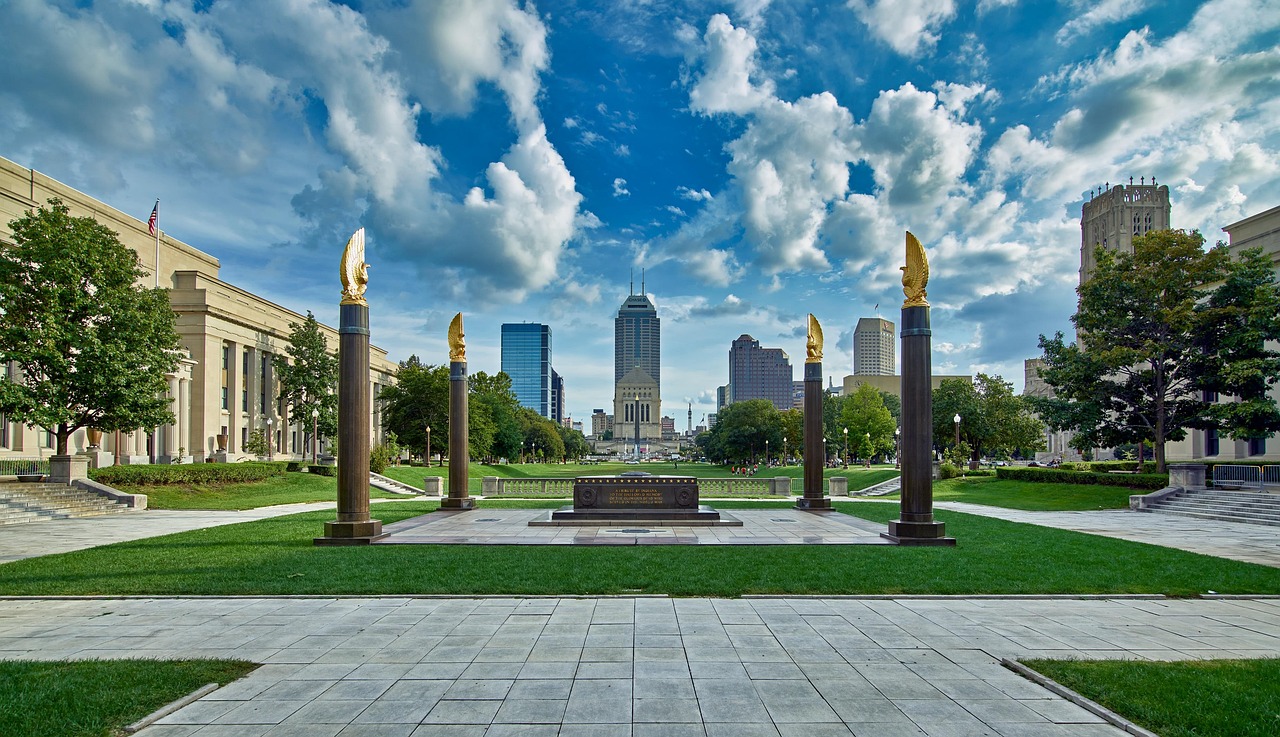
Just north of Monument Circle is one of the most impressive war memorial complexes I’ve seen in the U.S., and it’s often oddly quiet. The Indiana War Memorial is a towering structure surrounded by formal lawns, statues, and reflecting pools.
On my first visit, I wandered in without knowing much about it and ended up spending hours exploring the museum inside, which covers Indiana’s military history with surprising depth.
- Highlights: The Shrine Room with its soaring columns and stained glass, the museum galleries, and the views across the plaza toward downtown.
- Best time: Late afternoon when the light is soft and the plaza feels serene.
- Tip: Admission is often free or donation-based; it’s a powerful, reflective break from busier attractions.
3, 4, and 5 Day Itineraries for Indianapolis
Here’s how I’d structure 3 days in Indianapolis—and how I’d expand that into 4 or 5 days if you’re lucky enough to have more time. I’ll walk you through each day like we’re traveling together.
3 Day Itinerary for Indianapolis: City Highlights & Neighborhood Flavors
Day 1: Downtown Icons, Canal Walk & Mass Ave
I like to start a 3 day itinerary for Indianapolis right in the heart of downtown. Day 1 is all about orienting yourself, ticking off some must-see attractions, and easing into the city’s rhythm.
Morning: Begin at Monument Circle. Grab coffee from a nearby café and circle the monument, ducking into the base museum if it’s open. If you’re up for it, head to the observation deck for early-day skyline views.
From there, walk north along Meridian Street and over toward the Indiana War Memorial Plaza. The broad lawns and neoclassical buildings feel almost European. Wander the plaza, then step inside the memorial museum for a thoughtful hour or two.
Lunch: Head back toward downtown and grab lunch at a casual spot near Monument Circle or along Washington Street. I usually choose something simple—burgers, salads, or a quick sandwich—because the afternoon tends to be more active.
Afternoon: Walk west toward the Canal Walk. Start near the Indiana State Museum and decide how ambitious you’re feeling: a leisurely stroll, a bike rental, or a pedal boat. I like to head north along the canal, stopping to read plaques at the memorials and snapping photos from under the arched bridges.
If museums are your thing, pop into the Indiana State Museum or the Eiteljorg Museum as you go. If not, just enjoy the canal’s relaxed vibe.
Evening: As the sun dips, make your way northeast to Mass Ave. This is your evening playground: pick a spot for dinner (options range from upscale New American to casual pizza and tacos), browse shops, then catch a live show or comedy performance.
I like to end the night with a drink at a cozy cocktail bar, watching locals drift in and out and feeling like I’ve already slipped into the city’s social life.
Day 1 summary: You’ve seen the city core, walked the Canal, absorbed some history, and tasted Mass Ave’s nightlife—all strong foundations for the rest of your trip.
Day 2: Museums, Zoo & White River State Park
Day 2 in Indianapolis is perfect for families and culture lovers. We’ll base ourselves around White River State Park, where several big-name attractions cluster together.
Morning: Start at the Indianapolis Zoo. Arrive close to opening time to beat crowds at popular exhibits like the dolphins and orangutans. I usually do a rough loop: dolphins first, then big cats, then the botanical gardens.
If you’re with kids, let them set the pace—this is their day to lead. If you’re adults-only, linger at the exhibits that interest you most and skip the rest.
Lunch: Eat at the zoo or pack a picnic to enjoy in White River State Park. On warm days, there’s something wonderfully simple about sitting on the grass, shoes off, skyline in front of you.
Afternoon: Cross the pedestrian bridge toward the museums. Depending on your interests and energy, choose one:
- Indiana State Museum for a broad overview of natural and human history.
- Eiteljorg Museum for deeper engagement with Native American and Western art.
- NCAA Hall of Champions if you’re sports-obsessed.
On one visit, I spent a rainy afternoon at the Eiteljorg, then emerged to find the skies clearing over the park. I walked the riverside paths, taking photos of the skyline reflected in puddles—a little reminder that some of the best moments happen in between planned stops.
Evening: You can keep it low-key tonight. Stroll the Canal again at dusk if you’re nearby, or head back to your hotel to rest before an early start tomorrow. If you still have energy, grab dinner in the downtown core or explore another stretch of Mass Ave.
Day 3: Newfields, Neighborhood Wanders & Fountain Square
For the final day of a 3 day itinerary for Indianapolis, I like to balance high culture with neighborhood flavor.
Morning: Head to Newfields. Give yourself at least 3–4 hours here. Start in the main museum building—hit the areas you care about most first (for me, it’s the European galleries and contemporary exhibits), then wander through the others as time allows.
After a coffee break in the café, head outside to the gardens and grounds. The Lilly House offers a glimpse into early 20th-century upper-class life; the surrounding lawns and woods are perfect for aimless walking.
Lunch: You can eat on-site at Newfields or drive to a nearby café on the north side. I usually opt for something light and fresh because the afternoon is for exploring on foot again.
Afternoon: Depending on your interests, you have two good options:
- Option A – Broad Ripple: Drive or bus up to Broad Ripple Village. Stroll along the canal, pop into vintage shops, and soak up the laid-back, artsy vibe.
- Option B – Lockerbie Square & Mass Ave: Return downtown and explore Lockerbie Square’s historic streets before looping back to any Mass Ave spots you missed.
Evening: Finish your Indianapolis experience in Fountain Square. This is the night to go duckpin bowling, catch a live band, or just rooftop-hop while watching the skyline glow in the distance.
On my last night in Indy on a short trip, I sat at a Fountain Square rooftop bar, watching the downtown lights shimmer in the humid summer air and thinking, “This city is so much more than I expected.” That’s the feeling I hope you’ll leave with, too.
4 Day Itinerary for Indianapolis: Adding Depth & Local Life
If you have 4 days in Indianapolis, you can slow down a bit and add some deeper dives. I recommend using the 3 day itinerary above as your base, then layering on an extra day focused on the Children’s Museum and neighborhood exploration.
Day 4: Children’s Museum, Cultural Trail & Irvington
Morning: Dedicate the morning and early afternoon to the Children’s Museum of Indianapolis. Whether you have kids or are just a kid at heart, there’s enough here to keep you engaged for hours.
Arrive early to avoid crowds, especially on weekends and during school holidays. Start with the areas that interest you most—Dinosphere, space, science labs—then follow your curiosity. Don’t be afraid to join in on the interactive exhibits; adults are absolutely allowed to play here.
Lunch: Eat at the museum or grab something simple nearby. With kids in tow, staying on-site is usually easiest.
Afternoon: Head back toward downtown and pick up the Indianapolis Cultural Trail. Rent bikes or scooters and follow the trail through different districts, stopping whenever something catches your eye.
On one of my slower trips, I spent a full afternoon doing this, discovering tiny murals, hidden courtyards, and small local cafes I’d never have noticed from a car.
Evening: For a quieter, more residential feel, drive out to Irvington. Have dinner at a neighborhood spot, then take an after-dinner stroll under the trees. If you’re visiting in October, Irvington’s Halloween events—decorated houses, community gatherings—give the neighborhood an almost storybook vibe.
5 Day Itinerary for Indianapolis: Slow Travel & Day Trip Options
With 5 days in Indianapolis, you can fully relax into the city. Use the 4 day itinerary as your core, then add a flexible fifth day for either deeper neighborhood time or a day trip.
Day 5: Flex Day – Speedway, Garfield Park & Optional Day Trip
Morning: If you haven’t already, visit the Indianapolis Motor Speedway & Museum. Take a guided tour that includes a lap around the track if it’s available that day—it’s surreal to imagine cars screaming around the same oval at 200 mph.
Spend time in the museum, especially if you’re into engineering, design, or sports history. Even non-race fans usually come away impressed by the scale of the place.
Lunch: Grab something casual near Speedway or on your way back toward downtown.
Afternoon: For a relaxing final afternoon, head to Garfield Park & Conservatory. Wander the hot-house jungle inside, then stroll the sunken gardens outside, maybe with a book or journal in hand.
If you’d rather get out of the city entirely, use this afternoon (or the whole day) as a day trip opportunity—Brown County State Park, Bloomington, or even a quick run to nearby small towns.
Evening: Choose your favorite neighborhood from earlier in the trip and go back for a “greatest hits” farewell: maybe one last dinner on Mass Ave, sunset at Fountain Square, or a quiet walk downtown past Monument Circle lit up at night.
Neighborhoods & Districts to Explore in Indianapolis
Part of what makes a travel guide for Indianapolis genuinely useful is understanding how the city is laid out. Here are the key areas you’ll likely spend time in:
- Downtown: Compact, walkable, anchored by Monument Circle and the Canal Walk. Best for first-time visitors, short stays, and easy access to major attractions.
- Mass Ave Arts District: Urban, creative corridor with theaters, bars, and boutiques. Great for evenings, dining, and nightlife.
- Fountain Square: Eclectic, artsy, with vintage bowling, murals, and indie venues. Perfect for nightlife, local color, and rooftop skyline views.
- Broad Ripple Village: North-side, canal-adjacent, lively with bars, restaurants, and shops. Especially good for younger travelers and those who like a college-town vibe.
- Lockerbie Square: Historic, quiet, and beautiful; ideal for a peaceful walk among brick homes and tree-lined streets.
- Irvington: Residential and historic, with a strong community feel and notable fall/Halloween traditions.
- Near West / Speedway: Home to the Indianapolis Motor Speedway and a growing local dining scene.
Local Food in Indianapolis: What & Where to Eat
The food scene in Indianapolis has quietly leveled up over the past decade. You’ll find everything from inventive farm-to-table spots to classic Midwestern comfort food and international flavors.
Signature & Must-Try Foods
- Pork Tenderloin Sandwich: A Hoosier classic—flattened, breaded pork tenderloin that usually hangs comically over the edges of the bun.
- Indiana Sweet Corn (in season): If you’re here in late summer, order it whenever you see it.
- Local Craft Beer: Indianapolis has a strong craft beer scene; look for local names on tap lists.
- Farm-to-Table Plates: The surrounding farmland means fresh, seasonal produce features heavily on many menus.
Where I Like to Eat (By Vibe)
- Casual Downtown: Grab burgers, sandwiches, tacos, or pizza near Monument Circle or along the Canal for easy lunches between sights.
- Mass Ave: Great cluster of modern American, small-plate, and international options; ideal for dinner and drinks in one walkable strip.
- Fountain Square: Pizza, tacos, and creative comfort food; many spots double as music venues or bars.
- Broad Ripple: Brunch cafés, pub fare, and late-night eats along the canal and main drag.
Money-Saving Tips for Eating in Indy
- Eat bigger lunches and lighter dinners—lunch specials are often cheaper for similar portions.
- Check local brewery taprooms for affordable, hearty food and generous portions.
- Use grocery stores or markets for breakfasts and snacks if you’re on a tighter budget.
Nightlife, Entertainment & Cultural Experiences
Nightlife in Indianapolis is less about velvet ropes and more about live music, craft cocktails, and neighborhood bars where you can actually hear your friends talk.
Where to Go at Night
- Mass Ave: Bars, theaters, comedy clubs, and late-night eats all within walking distance.
- Fountain Square: Live music, duckpin bowling, and rooftop bars with skyline views.
- Broad Ripple: Livelier, younger scene with music venues and late-night bars.
- Downtown: Sports bars near Lucas Oil Stadium and the Fieldhouse on game nights; cocktail bars and hotel lounges otherwise.
Cultural Experiences
- Theatres & Performing Arts: Check out shows at the Indiana Repertory Theatre, small venues on Mass Ave, and the IndyFringe Theatre Festival (late summer).
- Music: Indy Jazz Fest (typically September) and numerous smaller jazz and blues venues year-round.
- Festivals (2026–2027): 500 Festival events in May, Indy Pride, Indiana State Fair (August), and holiday light festivals citywide.
Day Trips & Nearby Getaways from Indianapolis
If you’re spending 4 or 5 days in Indianapolis, consider one of these easy escapes:
- Brown County State Park: About 1.5 hours south; rolling hills, hiking, and especially stunning fall foliage. Ideal for a full-day nature break.
- Bloomington: College town home of Indiana University; great food, coffee, and artsy vibes about 1 hour away.
- Small-Town Circuits: Nearby towns around central Indiana offer antique shops, local diners, and historic main streets—perfect for slow travelers with a car.
Renting a car for a day is the simplest way to reach these spots. Most major rental agencies operate out of downtown and the airport.
Cultural Etiquette & Local Customs in Indianapolis
Indianapolis is friendly, low-key, and generally easy for visitors from anywhere. Still, a few local customs help you blend in:
- Midwestern Politeness: People tend to be polite and helpful. Hold doors, say “please” and “thank you,” and you’ll fit right in.
- Sports Talk: Sports are a safe conversation starter—Colts, Pacers, IU/Purdue basketball, and of course the Indy 500.
- Tipping: Standard U.S. tipping applies—around 18–20% at restaurants, $1–2 per drink at bars if ordering from the bartender, and a couple of dollars for hotel staff.
- Driving & Walking: Cars will usually yield at crosswalks downtown, but always check. Jaywalking is common but be mindful in busy streets.
- Dress Code: Generally casual. Even high-end restaurants rarely require more than smart-casual attire.
Practical Travel Tips for Indianapolis (2026–2027)
Getting Around
- On Foot: Downtown and nearby districts like Mass Ave are very walkable.
- Public Transit: IndyGo buses, including the Red Line BRT, connect key corridors. Useful but not as comprehensive as bigger cities—check routes in advance.
- Rideshares & Taxis: Uber and Lyft are widely available and often the easiest way to hop between neighborhoods.
- Bike & Scooters: Bike-share and e-scooters are common downtown and along the Cultural Trail and Canal Walk.
- Car Rental: Recommended if you plan day trips or are staying outside the core. Driving is straightforward, with generally light traffic compared to larger U.S. cities.
Money & Saving Tips
- Costs: Indianapolis is relatively affordable compared to coastal U.S. cities, especially for hotels and food.
- CityPass & Combo Tickets: Look out for combo museum/zoo deals and seasonal passes if you’re hitting multiple attractions.
- Free & Cheap: Canal Walk, Cultural Trail, war memorials, public parks, and many festivals offer free or low-cost entertainment.
SIM Cards & Connectivity
- For U.S. Visitors: Your usual plan will work; 5G coverage is good in the city.
- For International Visitors: Consider eSIMs from major U.S. carriers or travel eSIM providers before arrival. Physical prepaid SIMs are available at big-box stores and carrier shops near malls and the airport.
- Wi-Fi: Widely available at hotels, cafes, and many museums.
Visa & Entry Requirements (International Visitors)
- Indianapolis follows standard U.S. entry rules. Check if you qualify for the Visa Waiver Program (ESTA) or need a B-2 tourist visa.
- Ensure your passport has at least 6 months’ validity beyond your intended stay, as recommended.
Driving & Foreign Licenses
- Most visitors can drive with a valid foreign driver’s license for short stays; an International Driving Permit (IDP) is recommended, especially if your license is not in English.
- Seat belts are mandatory; child seats are required for younger children—check the latest Indiana regulations if traveling as a family.
Where to Stay
- Downtown: Best for first-time visitors, short stays, and those relying on walking or transit. You’ll pay more but save time and transport costs.
- Mass Ave / Lockerbie: Great blend of neighborhood feel and central location; boutique and mid-range options.
- Broad Ripple / North Side: Better if you want a more local, residential vibe and don’t mind driving or using transit.
When to Visit Indianapolis & Final Takeaways
Best Seasons for Different Activities
- Spring (April–May): Mild temperatures, blooming trees, and the build-up to the Indy 500. Great for outdoor walking, Canal and Cultural Trail explorations, and a balanced 3 or 4 day itinerary for Indianapolis.
- Summer (June–August): Hot and humid but lively with festivals, outdoor concerts, and long evenings. Ideal for families on school holidays and those who want maximum energy and events.
- Fall (September–October): My favorite time—comfortable weather, changing leaves, and fewer crowds. Perfect for Newfields gardens, neighborhood walks, and day trips to Brown County for foliage. A 5 day itinerary for Indianapolis shines in fall.
- Winter (November–March): Colder with potential snow, but museums, indoor attractions, and holiday lights make it cozy. Cheaper hotel rates and smaller crowds, especially Jan–Feb.
Upcoming Events & Changes (2026–2027)
- Indy 500 & 500 Festival (May 2026 & 2027): Citywide events, races, parades, and concerts—book well in advance.
- Ongoing Downtown & White River Development: Expect improved riverfront paths, new eateries, and public spaces, making future visits even more walkable and scenic.
- Annual Festivals: IndyFringe, Indy Jazz Fest, Pride, and the Indiana State Fair will continue to anchor the cultural calendar.
Key Takeaways
Indianapolis is a city that rewards curiosity. It’s affordable, easy to navigate, and rich in experiences that don’t feel over-commercialized. Whether you have 3 days in Indianapolis or stretch your trip to 4 or 5 days, you can craft an itinerary that blends:
- Iconic sights: Monument Circle, the Canal Walk, the Indianapolis Motor Speedway, Lucas Oil Stadium.
- Cultural depth: Newfields, the Children’s Museum, Eiteljorg, Indiana State Museum, Madam Walker Legacy Center.
- Neighborhood flavor: Mass Ave, Fountain Square, Broad Ripple, Lockerbie Square, Irvington.
- Nature & relaxation: White River State Park, Garfield Park, day trips to Brown County.
If you love cities that feel authentic rather than curated, that balance big-league sports with serious arts and warm Midwestern hospitality, Indianapolis in 2026–2027 is absolutely worth putting on your list.