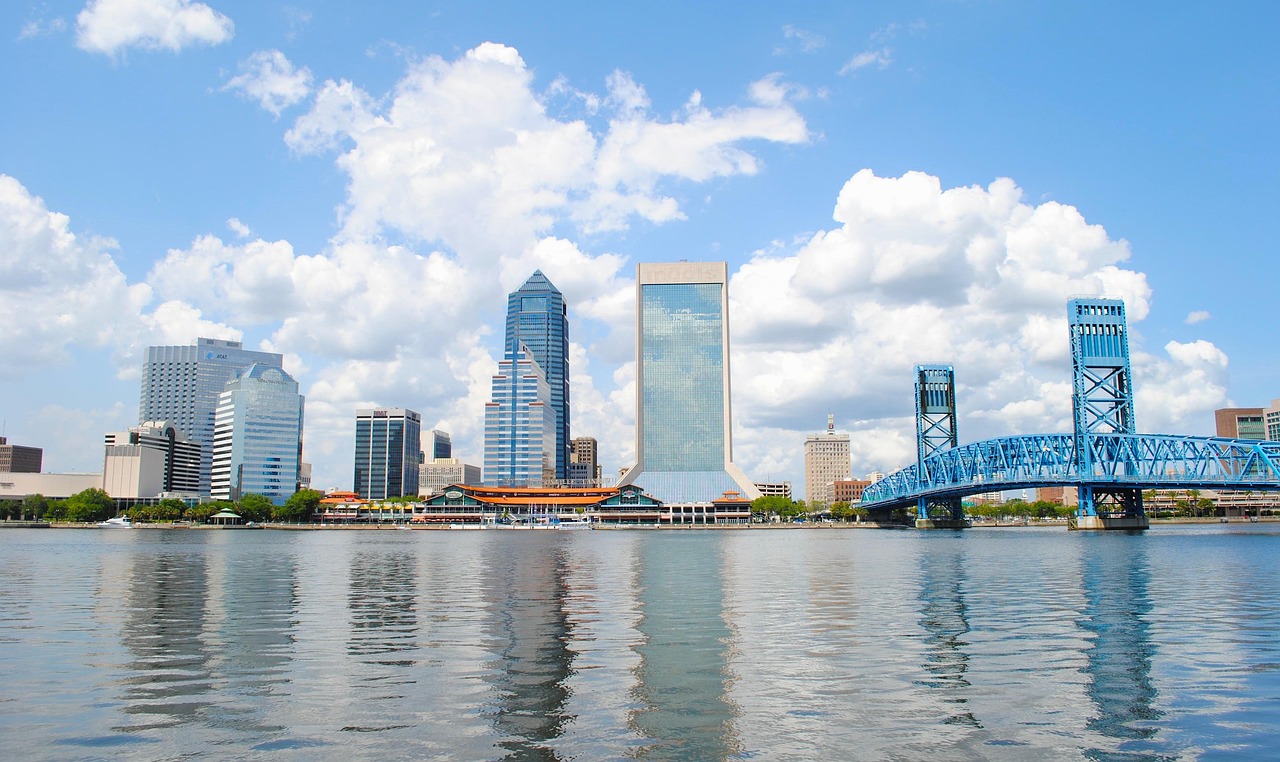
Why Visit Jacksonville, Florida?
Jacksonville—“Jax” to locals—is the kind of city that doesn’t shout for your attention. It quietly wins you over with long, uncrowded beaches, a broad, shimmering river, quirky neighborhoods, and a food scene that’s way better than its reputation suggests. I’ve been coming here since college and have lived in the area on and off for years. Every time I think I’ve “done” Jacksonville, I stumble onto a new mural alley, a new neighborhood coffee shop, or a riverfront corner I’ve somehow never noticed.
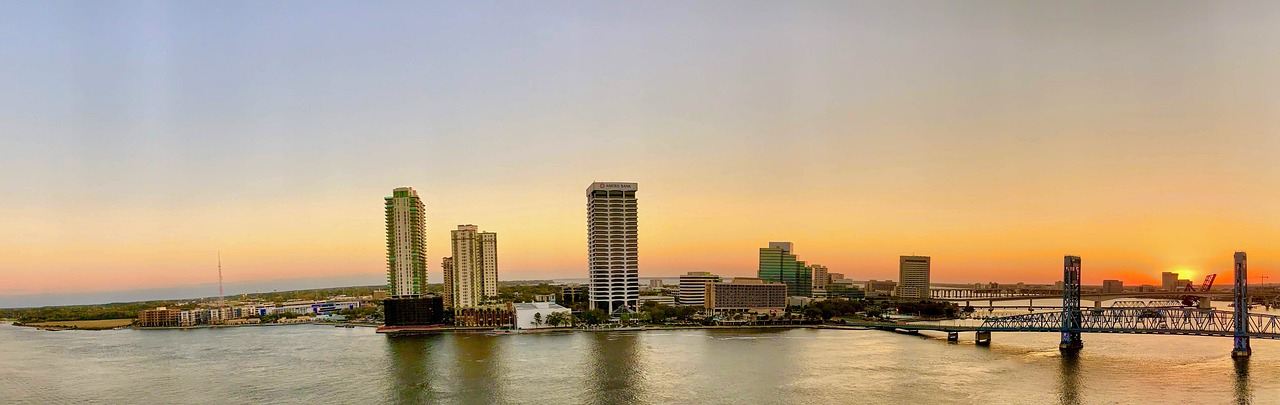
What makes Jacksonville special is its space. It’s one of the largest cities by land area in the continental U.S., which means room for miles of beaches, sprawling riverfront parks, and entire pockets of the city that feel like their own small towns. One day you’re surfing at Jacksonville Beach; the next you’re hiking through maritime forest on an island that feels hours from civilization, and that evening you’re sipping cocktails on a rooftop downtown watching the Main Street Bridge light up blue over the St. Johns River.
This 2026 travel guide to Jacksonville is written like I talk to visiting friends: a mix of must-see attractions, hidden gems, local food spots, and honest travel advice. Whether you have 3 days in Jacksonville or are planning a deeper 4–5 day itinerary for Jacksonville, you’ll find ideas to build your own perfect trip.
Table of Contents
- Why Visit Jacksonville, Florida?
- Neighborhoods & Areas to Explore
- 20 Must-See Attractions in Jacksonville
- Suggested Itineraries (3–5 Days in Jacksonville)
- Local Food & Drink in Jacksonville
- Nightlife, Entertainment & Cultural Experiences
- Best Day Trips from Jacksonville
- What’s New & Upcoming Events 2026–2027
- Cultural Etiquette & Local Customs
- Practical Travel Tips for Jacksonville
- Summary & Best Time to Visit Jacksonville
Jacksonville Neighborhoods & Areas to Explore
Because Jacksonville is so spread out, it helps to think in “zones.” When I plan a day out, I usually anchor it around one or two districts to avoid spending half my time in traffic.
- Downtown Jacksonville – Riverfront skyline, the Main Street Bridge, museums, the sports district, and a growing bar/restaurant scene. Great for first-time visitors and night views of the city.
- Riverside & Avondale – Historic homes, leafy streets, craft breweries, and some of the city’s best restaurants. Feels like a mini-city within the city, with a bohemian edge.
- San Marco – Mediterranean Revival architecture, boutique shops, and romantic restaurants clustered around a pretty square. Perfect for date night or a relaxed evening walk.
- Jacksonville Beaches (Jax Beach, Neptune, Atlantic) – Classic Atlantic beaches with walkable town centers, beach bars, and surf shops. This is where I go to reset after a long week.
- Arlington – Home to Jacksonville University, the tree-canopied Arlington Expressway, and access to the Timucuan Ecological & Historic Preserve.
- Northside – Gateway to the airport, the Jacksonville Zoo and Gardens, and nature preserves along the river and marshes.
- Southside & St. Johns Town Center – Shopping, corporate offices, and a growing dining scene. Not the most “romantic” part of Jax, but practical and convenient.
20 Must-See Attractions in Jacksonville (With Local Stories & Tips)
Below are twenty of the best places to visit in Jacksonville. I’ve included history, what to do, and the kind of small, local details I share with friends when they visit.
1. North & Southbank Riverwalks
The Riverwalk is where Jacksonville shows off. The St. Johns River is wide and slow, reflecting the blue Main Street Bridge and the glass towers of downtown. I like to start at the Southbank Riverwalk near Friendship Fountain just before sunset and wander east toward the Acosta Bridge.
Why it matters: The Riverwalk is the city’s front porch—a linear park that gives you skyline views, public art, and easy access to museums and restaurants.
What I usually do here: I’ll grab a coffee or iced tea at a Southbank café, stroll the river’s edge, and watch dolphins surface in the water (yes, they really do show up surprisingly often). On cooler evenings, it’s my go-to for a romantic walk.
Tips:
- Best time: Sunset into early evening for soft light on the skyline and cooler temperatures.
- Photography: Bring a tripod if you want long-exposure shots of the bridges lit up at night.
- Family-friendly: The path is wide and stroller-friendly; kids love the fountain and watching boats.
2. Friendship Fountain & St. Johns River Park
Friendship Fountain has been a Jacksonville icon since the 1960s. Locals of a certain age all have childhood memories of running around it. After its refurbishment, it’s now ringed by landscaped paths and seating that make it a perfect pause point on the Riverwalk.
My experience: On one of my first nights living in Jacksonville, I watched a surprise marriage proposal here—sunset over the river, the fountain lights changing color. It cemented the place in my mind as one of the city’s most romantic spots.
Tips: Come after dark to see the fountain’s light show. Combine with a walk over the Main Street Bridge (there’s a pedestrian walkway) for dramatic skyline views.
3. Cummer Museum of Art & Gardens
Set in Riverside along the St. Johns River, the Cummer Museum blends fine art with historic riverfront gardens. Inside, you’ll find European and American paintings, decorative arts, and rotating exhibits; outside, manicured gardens step down to the water.
Why it’s special: The gardens make this more than just an art stop—they’re a quiet, green refuge in the middle of the city.
Personal note: I like to time my visits for weekday mornings when it’s quiet. I’ll wander the galleries for an hour, then sit on a bench in the English Garden with a notebook. The river breeze, the sound of the fountains, and the filtered sunlight through the live oaks make it easy to lose track of time.
Tips:
- Combine with: A walk or bike ride through Riverside/Avondale and lunch on nearby King Street.
- Family-friendly: The Cummer Café and interactive kids’ area are good for families; check for children’s programs if traveling with kids.
- Budget: Watch for free or reduced-admission days (often Tuesdays or certain evenings).
4. Jacksonville Zoo and Gardens
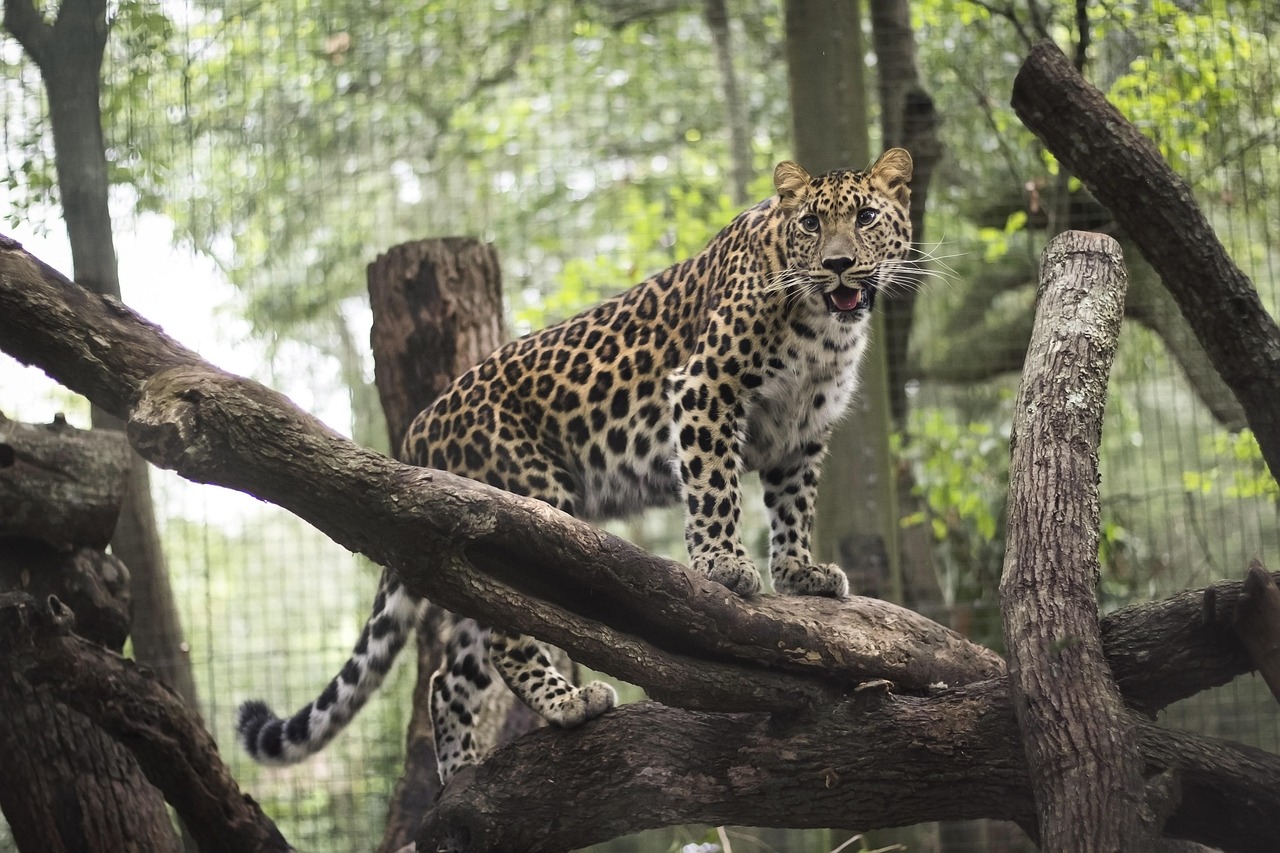
The Jacksonville Zoo and Gardens is one of the most consistently loved attractions in the city, even by locals. It combines well-designed animal habitats with lush botanical gardens and interactive experiences.
Highlights: The Range of the Jaguar exhibit (with underwater views of jaguars), the Land of the Tiger, and the giraffe feeding platform are always hits. I still get a kick out of having a giraffe’s giant head lean toward me for a snack.
My routine: I try to arrive right at opening, especially in summer, to avoid the midday heat. I follow a loop: big cats first (they’re more active in the morning), then the African savanna, then a slow wander through the gardens before lunch.
Tips:
- Great for: Families, animal lovers, and anyone who needs a break from urban sightseeing.
- Time needed: 3–5 hours to see the highlights without rushing.
- Budget: Look into combo tickets or memberships if you’re here longer; parking is usually extra, so factor that in.
5. Jacksonville Beach Pier & Oceanfront
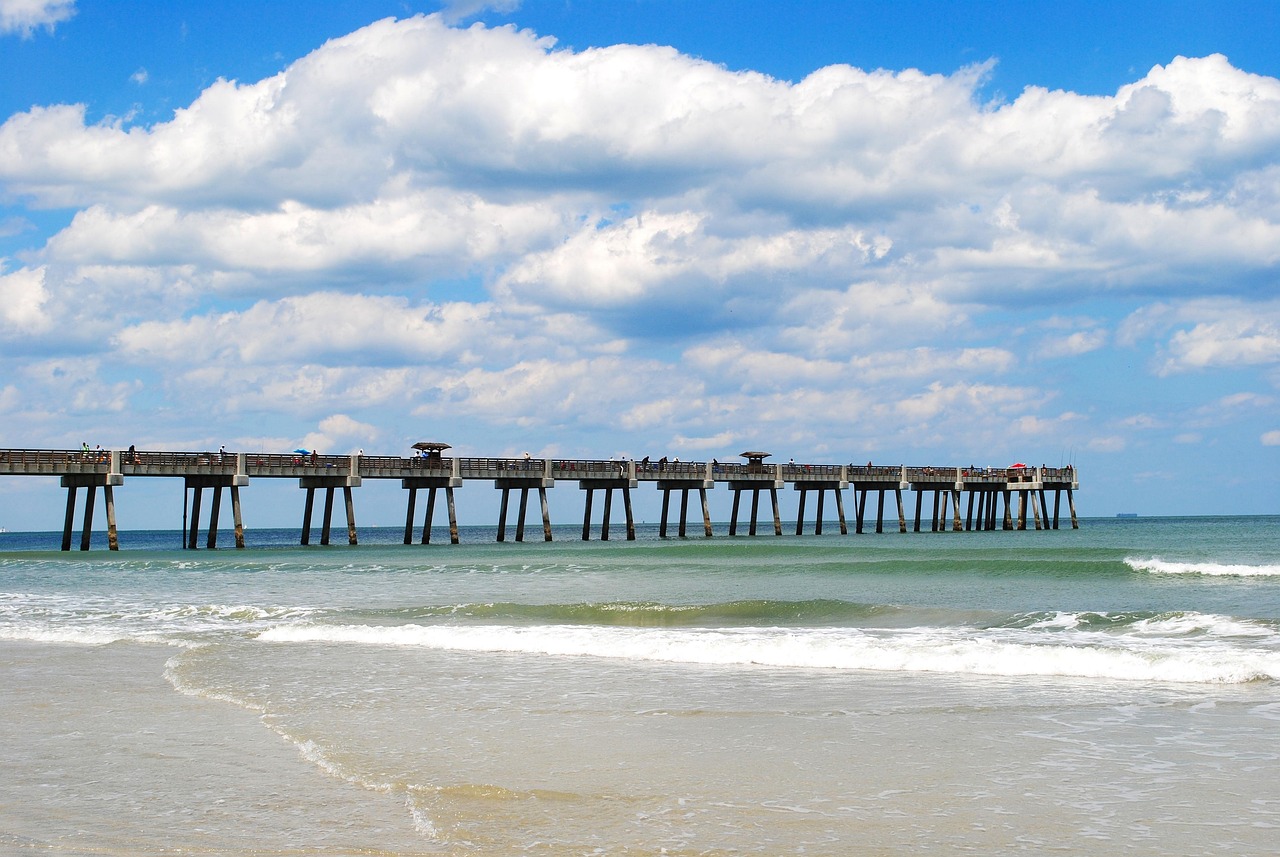
When people picture “beach towns,” they often think of crowded boardwalks and wall-to-wall condos. Jacksonville Beach does have its share of development, but it still manages to feel laid-back and local—especially if you know where to look.
What I love: Early mornings at the Jacksonville Beach Pier are my favorite: surfers in the water, anglers on the pier, and the sun rising out of the Atlantic. In spring and fall, you can have long stretches of sand almost to yourself on weekdays.
Things to do:
- Walk or bike along the oceanfront paths between Jax Beach, Neptune, and Atlantic Beach.
- Rent a board or take a surf lesson from a local surf shop.
- Grab tacos or poke bowls a few blocks from the sand.
Tips: Parking near the beach fills up on sunny weekends; arrive before 10 a.m. or stay at a beach hotel and walk. If you’ve only got 3 days in Jacksonville, prioritize at least one sunrise or sunset here.
6. Beaches Town Center (Atlantic & Neptune Beach)
At the border of Atlantic Beach and Neptune Beach, Beaches Town Center is a walkable hub of boutiques, bars, and restaurants, with the ocean just steps away.
Personal ritual: I’ll park once, wander through the shops, then claim a sidewalk table for a long brunch or sunset drink. On cooler evenings, the sea breeze and string lights make it feel almost Mediterranean.
Best for: Couples’ evenings, relaxed shopping, and people-watching. If you’re planning a 4 day itinerary for Jacksonville, make one evening here your “slow” night.
7. Little Talbot Island State Park
Little Talbot Island is my go-to when I want wild beach—no condos, no hotels, just dunes, sea oats, and miles of sand. It’s part of the Timucuan Ecological & Historic Preserve, and you feel that sense of protected space as soon as you drive in.
What to do:
- Walk the long, relatively empty beach (you can easily find a quiet spot even on busy days).
- Hike the Dune Ridge Trail, which loops through maritime forest and along the backside of the dunes.
- Look for shells and driftwood, especially near low tide.
My advice: Pack a picnic, plenty of water, and sun protection. Facilities are basic, and there’s little shade on the beach itself. If you’re an early riser, catch sunrise here—on a cool, misty morning it feels like another world.
8. Kingsley Plantation
Kingsley Plantation is one of the most important historic sites in the region, telling complex stories of slavery, plantation life, and the African diaspora in Florida. Located on Fort George Island, it’s part of the Timucuan Preserve.
Why it’s important: The preserved slave quarters, main house, and interpretive signs give context to a history that’s often glossed over. It’s sobering, but necessary, and the setting—moss-draped oaks and river views—adds an eerie contrast.
My experience: The first time I visited, I wandered between the tabby slave cabins in near silence. It’s not an easy place emotionally, but it’s one I think every visitor should see if they want a fuller understanding of North Florida.
Tips: There’s limited parking and facilities; check the National Park Service website for hours and any ranger-led tours. Combine with Little Talbot Island for a full day of history and nature.
9. Riverside & Avondale Historic District
The Riverside & Avondale district feels like a separate historic city grafted onto Jacksonville. You’ll find tree-canopied streets, early 20th-century homes, riverfront parks, and one of the city’s most beloved commercial strips.
What I love: Wandering. I’ll park my car once near Five Points or along St. Johns Avenue and just walk—coffee in hand, admiring the architecture and slipping into bookstores, vintage shops, and local bakeries.
Don’t miss:
- Five Points – Quirky shops, indie cinema, craft cocktails, and street murals.
- Memorial Park – A peaceful riverfront park with a World War I memorial, perfect for sunset.
- St. Johns Avenue – More polished, with upscale boutiques and classic neighborhood restaurants.
Tip: This is one of the best areas to stay if you want a neighborhood feel and easy access to both downtown and the beaches.
10. San Marco Square & Riverfront
San Marco is Jacksonville’s little slice of Europe: Mediterranean-style buildings, a central square with a fountain modeled after Venice’s Piazza San Marco (lions and all), and a theater marquee glowing at night.
My perfect San Marco evening: An early dinner at one of the neighborhood’s Italian or modern American restaurants, a stroll around the square, then a walk down to the river to watch the downtown skyline light up. On breezy nights, it’s one of the most romantic spots in the city.
Tip: Street parking can be tight on weekend evenings; arrive a bit earlier than your dinner reservation to avoid circling.
11. Downtown Jacksonville Architecture & Murals
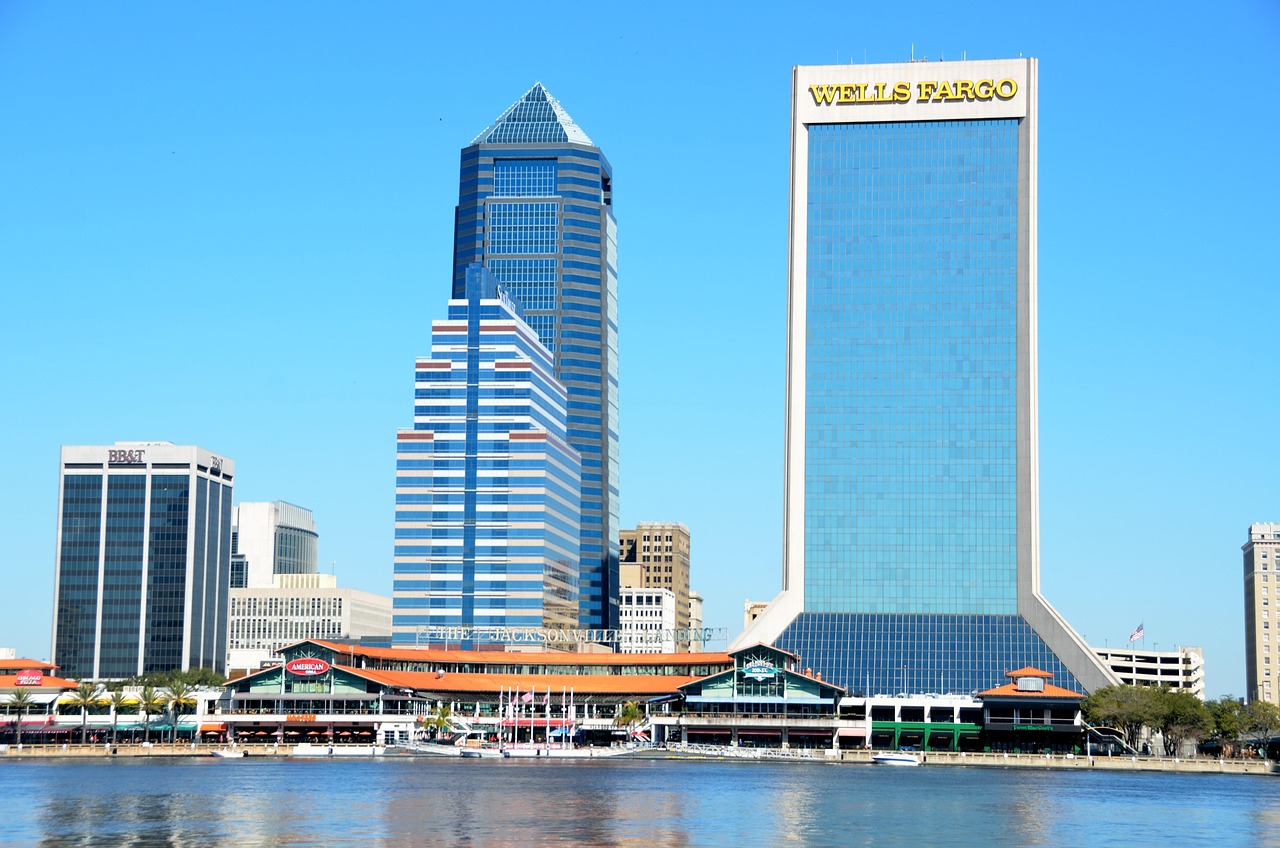
Downtown Jacksonville is a mix of glass towers, mid-century office blocks, and historic brick buildings. It’s not as polished as some bigger cities, but that’s part of its charm—especially if you’re into urban photography and street art.
What to see:
- The Main Street Bridge (officially the John T. Alsop Jr. Bridge) – the iconic blue bascule bridge that often appears in skyline shots.
- Historic buildings along Hogan and Bay Streets, including some early skyscrapers and restored facades.
- Large-scale murals and street art scattered through the urban core.
Tip: Weekends are quieter downtown; if you want more local energy, come on a weekday afternoon or during a special event.
12. MOCA Jacksonville
The Museum of Contemporary Art Jacksonville (MOCA) sits right on Hemming Park and offers rotating exhibitions of modern and contemporary art. For a city this size, it punches above its weight in terms of thought-provoking shows.
Why I go: On hot summer days, MOCA is my air-conditioned escape. I’ll spend an hour or two wandering the galleries, then grab a coffee nearby and watch life in the park below.
Tip: Check their calendar for talks, film screenings, and special events. If you’re building a 3 day itinerary for Jacksonville, pair MOCA with the Riverwalk and downtown architecture for a culture-heavy day.
13. EverBank Stadium & Sports District
Home to the Jacksonville Jaguars and major events like the Florida–Georgia football game, the stadium (currently branded EverBank Stadium) anchors the city’s sports district along the river.
My experience: I’ve sat through both sweltering early-season games and crisp, electric rivalry matchups here. If you’re in town during football season and even mildly interested in sports, catching a game is a fun window into local culture.
Tip: Game days are busy—arrive early, consider rideshare, and be prepared for intense sun in many seats. For big concerts or events, book accommodations well in advance.
14. Catty Shack Ranch Wildlife Sanctuary
Catty Shack Ranch is a non-profit sanctuary for rescued big cats—tigers, lions, cougars, and more. It’s small but impactful, with guided tours that explain each animal’s story.
My visit: I went for one of their evening feeding tours, and hearing lions roar at dusk is something you don’t forget. It’s both magical and sobering, given why many of the animals ended up there.
Tip: Book tickets ahead, especially for special events. This is a great add-on if you’re staying on the Northside or heading toward Amelia Island.
15. Jacksonville Arboretum & Botanical Gardens
The Jacksonville Arboretum is a peaceful network of trails through reclaimed land that was once a borrow pit and dump. Today, it’s a surprisingly lush retreat with ponds, boardwalks, and native plantings.
Why I love it: It’s close to the city yet feels worlds away. I’ll come here on a weekday morning for a quick nature fix—looping the Lake Loop trail and pausing on benches overlooking the water.
Tip: There’s a suggested donation for parking; bring small bills or donate online. Early mornings or late afternoons are best for shade and bird activity.
16. Fort Caroline National Memorial
Fort Caroline commemorates a short-lived 16th-century French settlement. The current fort is a reconstruction, but the bluffs over the river and the surrounding trails make this more than just a historical footnote.
My take: I usually pair Fort Caroline with a visit to the nearby nature trails. It’s less about the fort itself and more about imagining what the shoreline looked like centuries ago.
Tip: Check for ranger talks if you’re a history buff. Bring bug spray—this is marsh and forest country.
17. Big Talbot Island State Park (Boneyard Beach)
Big Talbot Island is famous for Boneyard Beach, where bleached, fallen trees litter the shore like driftwood sculptures. It’s one of the most photogenic spots near Jacksonville.
My experience: The first time I visited, I arrived just after sunrise. The low, golden light on the driftwood and calm water made it feel like walking through a natural art gallery.
Tip: Wear sturdy shoes with good grip—getting down to the beach involves some uneven paths. Check tide charts; mid to low tide is best for exploring.
18. Riverside Arts Market (RAM)
Every Saturday (typically March–December), the space under the Fuller Warren Bridge transforms into the Riverside Arts Market, with local artists, food vendors, farmers, and live music.
Why I go: For produce, handmade goods, and the atmosphere. It’s one of the best places to sample local food in Jacksonville in one go—food trucks, baked goods, coffee, and more.
Tip: Come hungry. Parking can be tight on sunny Saturdays, so arrive early or be ready to walk a bit. Combine with a stroll along the adjacent riverfront trail.
19. Museum of Science & History (MOSH)
MOSH is Jacksonville’s family-friendly science and local history museum, right on the Southbank Riverwalk. Exhibits cover everything from the St. Johns River ecosystem to space science.
My memories: I’ve brought visiting nieces and nephews here; they love the interactive exhibits and planetarium shows. It’s a lifesaver on rainy or very hot days.
Tip: Check showtimes for the planetarium and buy those tickets early if you’re visiting on a weekend or holiday.
20. James Weldon Johnson Park & Civic Core
Formerly known as Hemming Park, James Weldon Johnson Park is downtown’s central square, surrounded by civic buildings and MOCA. In recent years it’s become more activated with food trucks, live music, and community events.
Why stop here: It’s a great orientation point downtown and a chance to see locals going about their day. I’ll often eat a quick lunch from a food truck here and people-watch.
Tip: Check the park’s events calendar; there are frequent festivals, markets, and performances, especially in cooler months.
Suggested Itineraries: 3–5 Days in Jacksonville
Below are flexible itineraries based on trips I’ve taken with visiting friends and family. Use them as a framework and mix in your own interests.
3 Days in Jacksonville: Classic Highlights
Day 1: Downtown & Riverside
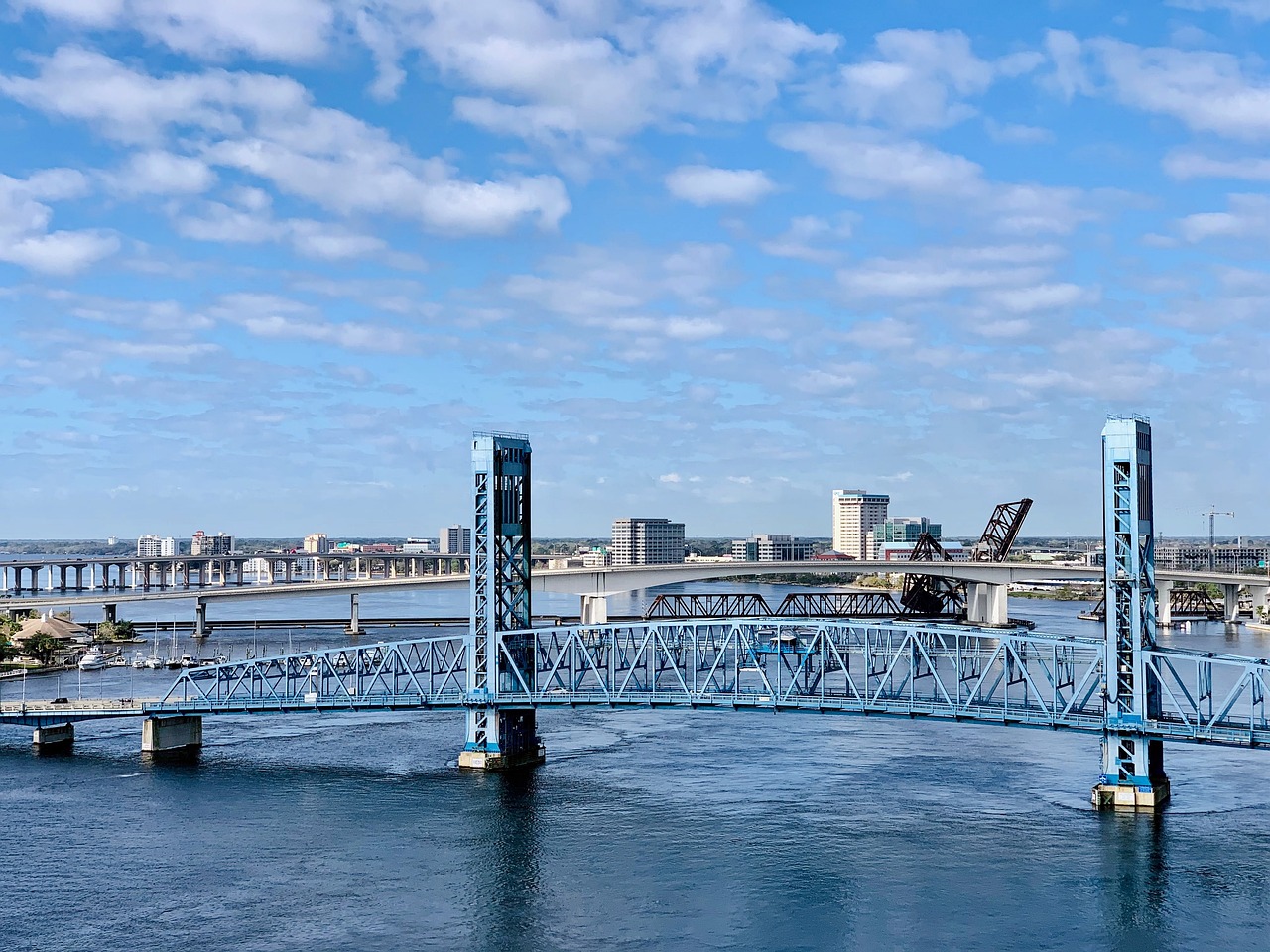
For a 3 day itinerary for Jacksonville, I always start with the river and downtown. It gives you immediate context for how the city is laid out.
Morning: Start on the Southbank Riverwalk at Friendship Fountain. Walk west toward the Acosta Bridge, taking in the skyline. Cross the river to the Northbank via the pedestrian path on the Main Street Bridge for sweeping views.
Late Morning: Head to MOCA Jacksonville and James Weldon Johnson Park. Explore the exhibits, then grab a light lunch from a nearby café or food truck and eat in the park.
Afternoon: Hop in a rideshare or drive to Cummer Museum of Art & Gardens in Riverside. Spend a couple of hours between the galleries and gardens.
Evening: Explore Riverside & Avondale: Five Points for a pre-dinner drink and people-watching, then dinner on King Street or St. Johns Avenue. If you’re up for it, catch a movie at the indie theater or a live music set at a local bar.
Day 2: Beaches & Island Nature
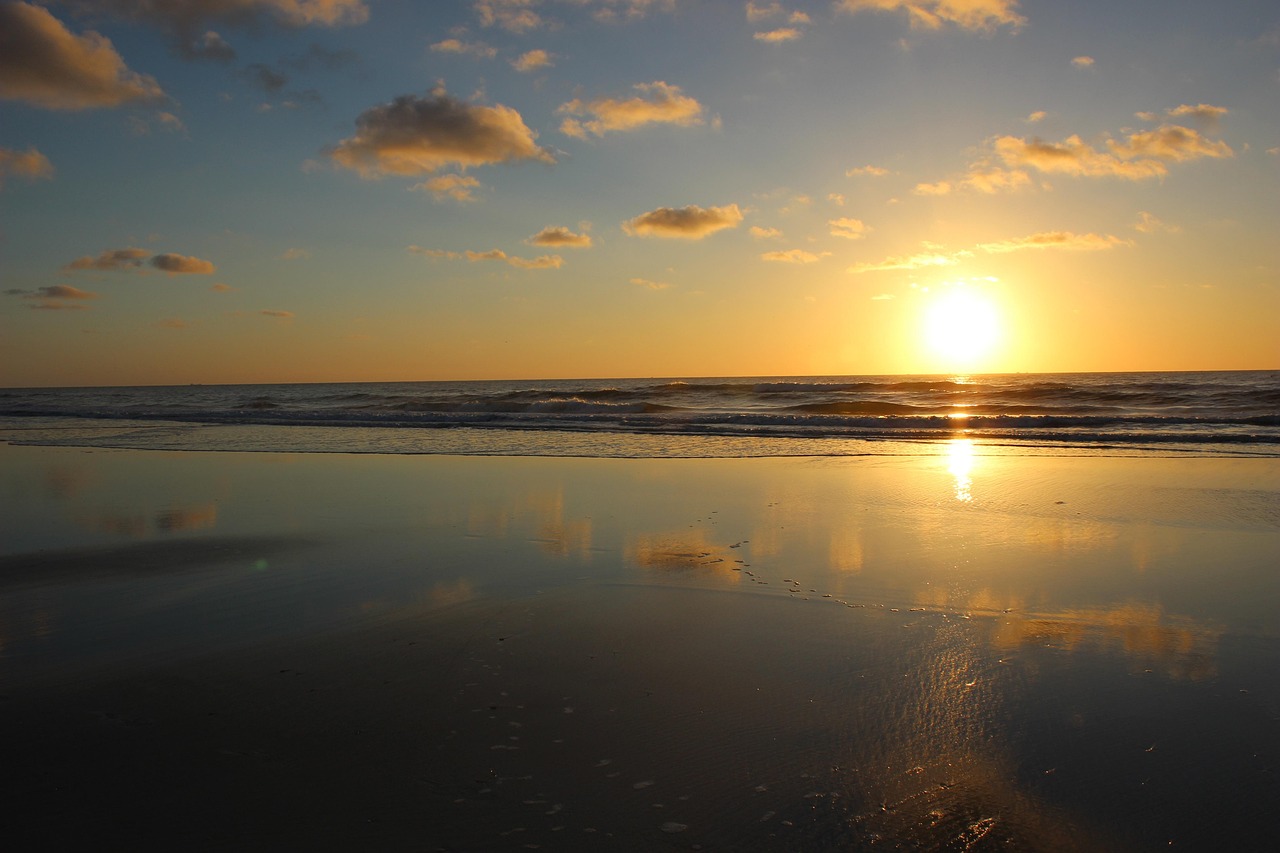
Early Morning: Drive to Jacksonville Beach Pier for sunrise. Walk the shore, watch surfers, and grab breakfast at a beach café.
Midday: Head north along the coast to Little Talbot Island State Park. Hike, lounge on the beach, or wander the Dune Ridge Trail.
Afternoon: If you have the energy, continue to Big Talbot Island for Boneyard Beach. Otherwise, slowly make your way back toward the Beaches Town Center.
Evening: Explore Beaches Town Center (Atlantic & Neptune Beach). Shop a little, then enjoy a long, seaside dinner. Stroll the sand after dark before heading back.
Day 3: History & Hidden Greenspaces
Morning: Drive to the Timucuan Ecological & Historic Preserve area. Visit Kingsley Plantation for a deep dive into local history.
Afternoon: Stop by Fort Caroline National Memorial and walk one of the nearby trails. If you’re more into city vibes, swap this for the Jacksonville Arboretum instead.
Evening: Finish in San Marco. Wander the square, then choose a restaurant for a memorable final-night dinner. Sit by the river afterward and soak in the skyline one last time.
4 Days in Jacksonville: Deeper Dive
If you have 4 days in Jacksonville, you can slow down and add more neighborhood time.
Day 4: Zoo, Northside & River Sunsets
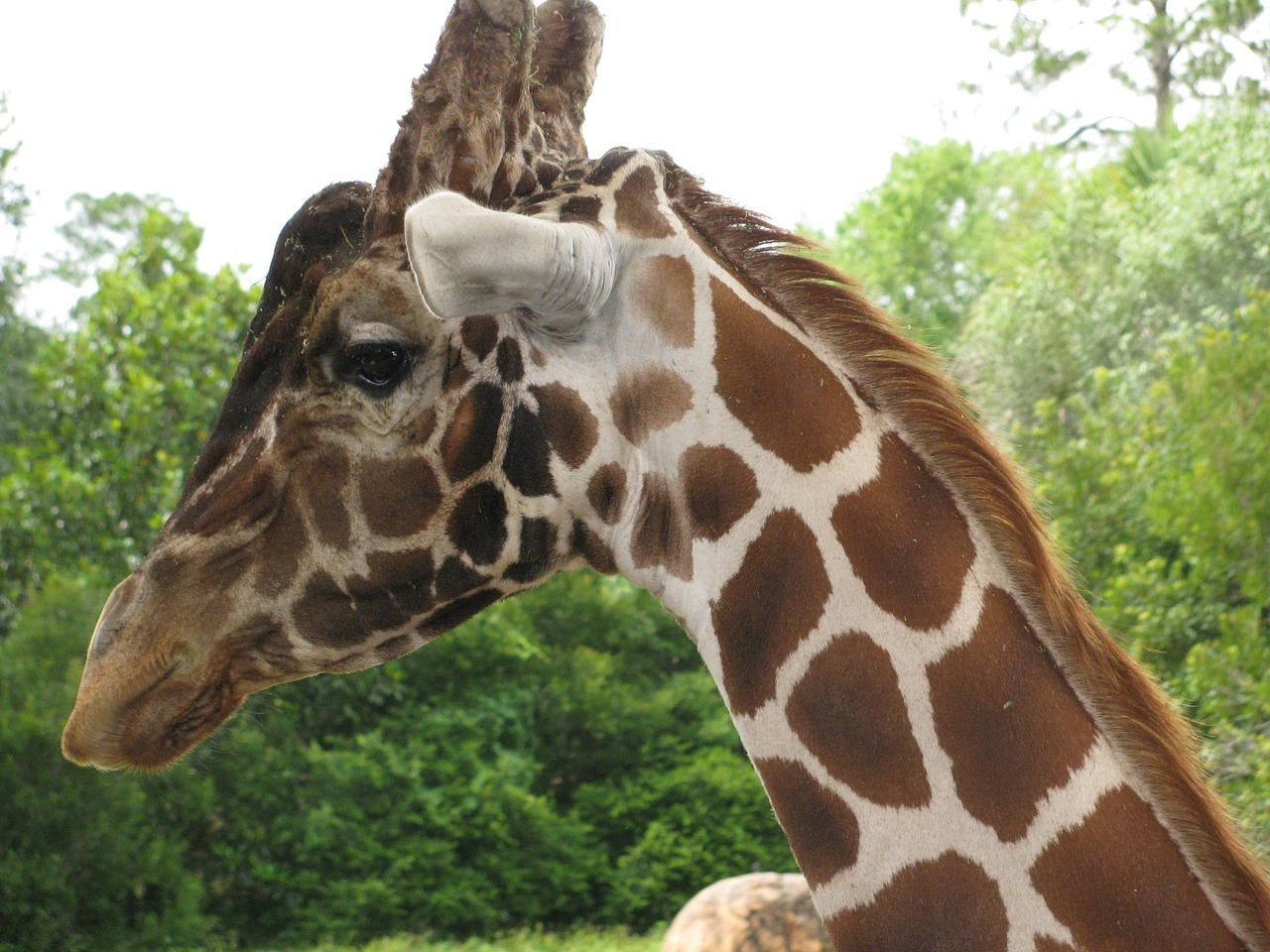
Morning: Spend the morning at the Jacksonville Zoo and Gardens. Focus on the big cats, giraffes, and the gardens.
Afternoon: Drive to Catty Shack Ranch if tour times align, or instead head to the Jacksonville Arboretum for an easy hike.
Evening: Return toward downtown for a riverfront dinner, or head back to Riverside for a relaxed final evening among the historic streets.
5 Days in Jacksonville: Slow Travel & Side Trips
A 5 day itinerary for Jacksonville lets you add in day trips and more local experiences.
Day 5: Day Trip to Amelia Island or St. Augustine
Option 1 – Amelia Island: About 45 minutes north. Explore Fernandina Beach’s historic downtown, walk the beaches, maybe paddle a kayak in the marsh. It’s a quieter, upscale-feeling coastal town that pairs beautifully with Jax.
Option 2 – St. Augustine: About an hour south. The “Nation’s Oldest City” is more touristy but full of Spanish colonial architecture, a pedestrian historic core, and the impressive Castillo de San Marcos.
Evening: Return to Jacksonville, grab a casual dinner near your hotel, and start thinking about your next visit—you won’t have seen it all.
Local Food & Drink in Jacksonville
Jacksonville’s food scene is quietly excellent—heavy on Southern comfort, fresh seafood, and creative twists from young chefs. The best meals I’ve had here weren’t in white-tablecloth restaurants but in bustling neighborhood spots near the river or the beach.
What to Eat
- Mayport shrimp – Sweet, local shrimp from nearby Mayport. Look for it on menus in shrimp & grits, tacos, or simple peel-and-eat plates.
- Fresh fish sandwiches – Blackened, grilled, or fried, often served at casual beachside places.
- Southern sides – Collard greens, mac and cheese, fried green tomatoes, cornbread.
- Craft beer – Jacksonville has a strong brewery scene, especially in Riverside and the Beaches.
Where I Like to Eat (By Area)
Riverside & Avondale: Great for brunch, craft beer, and date-night dinners. King Street and St. Johns Avenue are dense with options.
San Marco: Slightly more upscale; ideal for romantic dinners and wine bars.
Jacksonville Beach & Beaches Town Center: Casual seafood, tacos, and breakfast spots within walking distance of the sand.
Money-Saving Tips
- Look for happy hour specials at bars and beach restaurants—often early-evening deals on drinks and small plates.
- Eat big at lunch when prices are lower, then do a lighter dinner.
- Visit Riverside Arts Market (Saturdays) for affordable bites from food trucks and local vendors.
Nightlife, Entertainment & Cultural Experiences
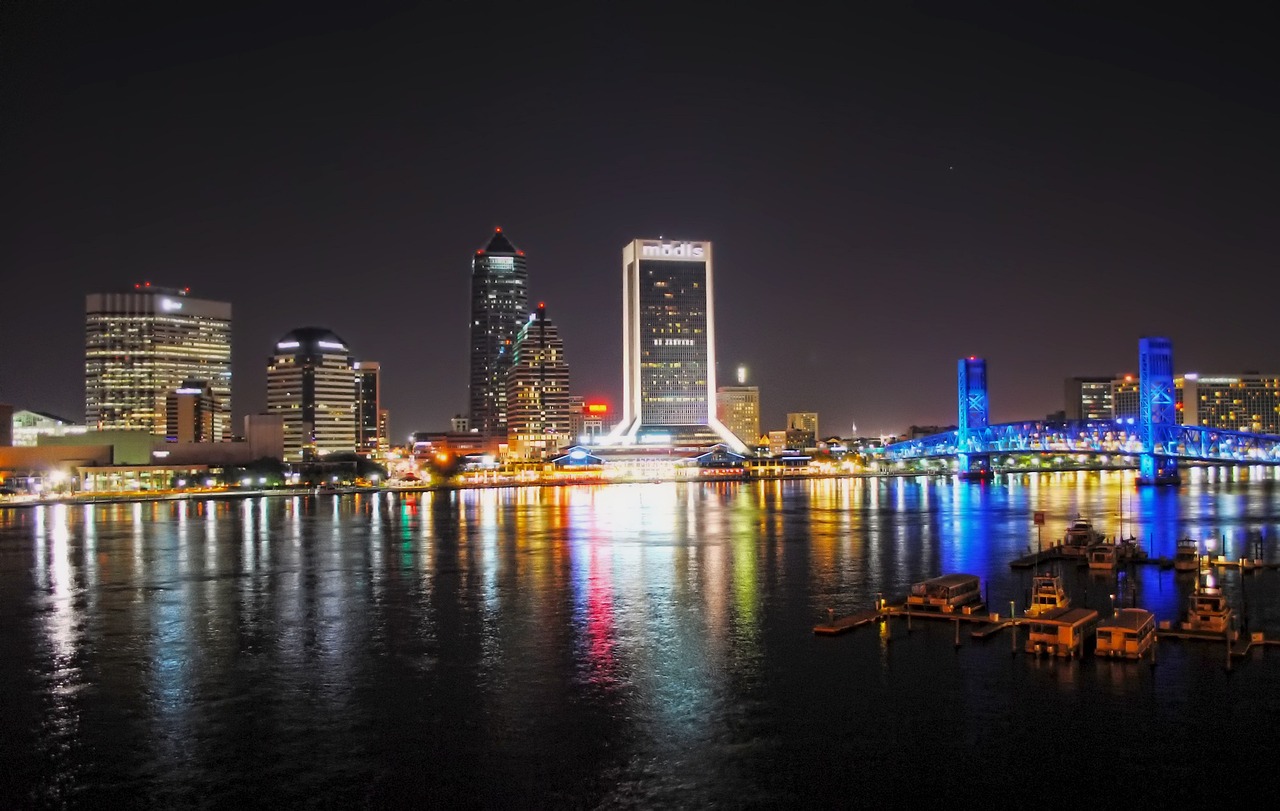
Jacksonville’s nightlife is spread out, so where you go depends on your mood.
Downtown & Southbank
Best for river-view bars, sports events, and concert nights. Check the schedule at EverBank Stadium and downtown theaters for shows.
Riverside & Five Points
Trendy bars, breweries, and small-music venues. This is where I usually end up for a lower-key night with friends.
Beaches
Beach bars with live music, tiki drinks, and a mix of locals and visitors. It can be lively on weekends but still feels more relaxed than bigger Florida party towns.
Cultural Experiences
- Cummer Museum and MOCA for art lovers.
- Local theaters for plays and performances (check listings when you visit).
- Festivals throughout the year: jazz, art, food, and more (see events section below).
Best Day Trips from Jacksonville
With a car, you can easily add side trips to your 4 day itinerary for Jacksonville or 5 day itinerary for Jacksonville.
Amelia Island
About 45 minutes north. Historic downtown Fernandina Beach, pretty beaches, and marshes for kayaking or boat tours. A bit more upscale and quiet than Jax Beach.
St. Augustine
Roughly an hour south. Spanish colonial architecture, cobblestone streets, and the waterfront Castillo de San Marcos. Very popular on weekends—go early or on weekdays if possible.
Cumberland Island (via St. Marys, GA)
Longer and more involved but unforgettable: wild horses, ruins, and pristine beaches. You’ll need to drive to St. Marys, Georgia, then take a ferry. Plan a full day.
What’s New in 2026 & Upcoming Events 2026–2027
Jacksonville’s calendar is packed with recurring annual events, plus new openings and revitalization projects.
Major Annual Events (Typical Timing)
- Jacksonville Jazz Festival (Late spring) – Free outdoor jazz performances downtown over several days.
- Florida–Georgia Football Game (Late October/early November) – The “World’s Largest Outdoor Cocktail Party” at EverBank Stadium, with huge tailgates.
- Riverside Arts Market (Most Saturdays, spring–fall) – Weekly market under the Fuller Warren Bridge.
- Holiday River Celebration (Late November/December) – Lighted boat parades and seasonal events along the river.
For 2026–2027, expect continued improvements to downtown riverfront parks and public spaces. Check local tourism sites closer to your visit for updated openings and festival dates.
Cultural Etiquette & Local Customs in Jacksonville
Jacksonville is relaxed and friendly, with a Southern influence but a coastal, slightly transient vibe thanks to the military bases and universities.
General Etiquette
- Greetings: A simple “Hi, how are you?” goes a long way. People are generally open and chatty.
- Tipping: Standard U.S. tipping applies—around 18–20% at restaurants, a dollar or two per drink at bars, and small tips for taxi or rideshare drivers if service is good.
- Dress: Casual almost everywhere. Beachwear is fine near the ocean but cover up (shirt, dress) away from the sand.
Beach & Nature Etiquette
- Pack out all trash; don’t leave anything on the beach or trails.
- Respect wildlife—keep distance from birds, turtles, and any nesting areas.
- Follow posted rules about fires, alcohol, and pets on beaches and in parks.
Driving Culture
Jacksonville is car-centric. Locals expect you to keep pace with the flow of traffic (often slightly above the speed limit), but aggressive driving is less common than in some larger cities. Use turn signals and give yourself extra time around rush hours.
Practical Travel Tips for Jacksonville
Getting Around
Car: Renting a car is the easiest way to explore widely, especially if you’re visiting beaches and the Timucuan Preserve. Parking is generally easy outside of special events and beach peak times.
Rideshare: Uber and Lyft are widely available, good for evenings out when you don’t want to drive.
Public Transit: The city bus system (JTA) exists but isn’t ideal for visitors on tight schedules; it’s fine for short hops if your hotel is near a main route.
Saving Money
- Travel in shoulder seasons (late spring or early fall) for better hotel rates and fewer crowds.
- Look for city passes or bundled museum tickets if available.
- Choose a hotel with free parking and breakfast if you have a car.
SIM Cards & Connectivity
Major U.S. carriers (AT&T, Verizon, T-Mobile) have strong coverage across Jacksonville. If you’re visiting from abroad, you can usually pick up an eSIM or prepaid SIM at the airport or big-box stores. Most hotels, cafés, and museums offer free Wi-Fi.
Visas & Driving for International Visitors
Visas: Jacksonville follows U.S. national visa rules. Many visitors from Europe, parts of Asia, and other regions use the Visa Waiver Program (ESTA), while others need to apply for a tourist visa. Check current U.S. State Department guidelines well before your trip.
Driving: Most visitors can drive with their foreign license for short stays; an International Driving Permit (IDP) is recommended if your license is not in English. Car rental companies will specify their requirements, so confirm when booking.
Weather & Best Seasons
- Winter (Dec–Feb): Mild, with cool nights. Great for city walks, museums, and outdoor events without the heat.
- Spring (Mar–May): One of the best times—pleasant temperatures, less humidity, and lots of festivals. Ideal for a 3 days in Jacksonville city-and-beach combo.
- Summer (Jun–Sep): Hot and humid, with frequent afternoon thunderstorms. Best for beach-focused trips; plan indoor museum time in the midday heat.
- Fall (Oct–Nov): Another excellent window—warm days, cooler nights, and big events like the Florida–Georgia game.
Hurricane season officially runs June–November; the peak is late summer. Storms don’t hit every year, but it’s wise to keep an eye on forecasts, especially for late-August through October trips.
Summary & Final Recommendations
Jacksonville rewards curiosity. It’s not a city of a single iconic sight; it’s a place where the must-see attractions in Jacksonville—the Riverwalk, beaches, museums, and historic districts—mix with the hidden gems in Jacksonville—quiet marsh trails, neighborhood cafés, untouristed riverfront parks.
If you only have 3 days in Jacksonville, focus on the river, Riverside, and the beaches. With 4 days in Jacksonville, add the zoo and some island nature. With 5 days in Jacksonville, weave in day trips to Amelia Island or St. Augustine and spend more unstructured time wandering neighborhoods like Riverside and San Marco.
For most travelers, the best time to visit Jacksonville is spring or fall, when you can comfortably combine beach days with city exploring. Whatever season you choose, slow down, follow the river and the ocean, and let the city’s quieter charms reveal themselves. That’s when Jacksonville really gets under your skin—in the best way.