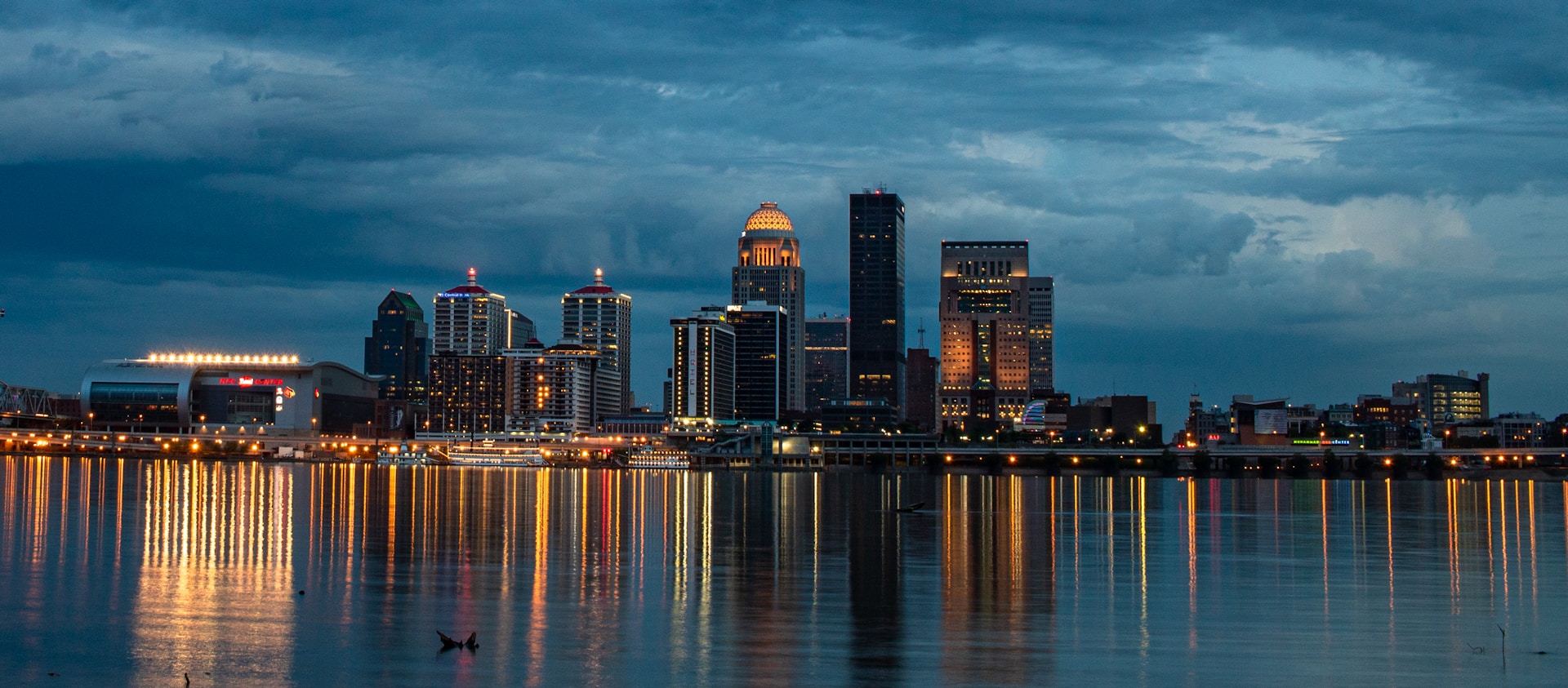
Why Visit Louisville, USA?
Louisville is one of those American cities that surprises people. Most travelers know it, vaguely, as “that Derby place” or maybe “where bourbon comes from,” but once you’re here you discover a river city with a walkable historic core, a serious food and cocktail scene, quirky neighborhoods, and a creative streak that shows up in everything from public art to neighborhood festivals.
What keeps pulling me back, year after year, is the mix: old redbrick warehouses turned into distilleries and lofts, leafy streets full of 19th‑century mansions, gritty railroad underpasses splashed with murals, and the kind of bars where the bartender remembers your name on day two.
Louisville is ideal if you’re planning 3–5 days in one U.S. city and want a balance of culture, food, nature, and nightlife without the stress or prices of the coasts. It’s big enough to keep you busy, small enough to feel approachable, and friendly enough that you’ll probably end up chatting with strangers at a bourbon bar.
- For families: Big, green parks, the Louisville Zoo, the Science Center, and plenty of kid‑friendly eats.
- For couples: Romantic bourbon tastings, riverfront sunsets, Victorian‑era neighborhoods, and intimate restaurants.
- For adventurers: Kayaking on the Ohio, walking the Big Four Bridge, urban cycling, and day trips into cave and horse country.
Table of Contents
- Why Visit Louisville
- 20 Must-See Attractions in Louisville
- Perfect 3–5 Day Itineraries
- Neighborhoods & Areas to Explore
- Best Local Food & Drink in Louisville
- Nightlife, Arts & Cultural Experiences
- What’s New: Events & Festivals 2026–2027
- Day Trips from Louisville
- Practical Travel Tips & Local Customs
- Summary & Best Time to Visit Louisville
20 Must-See Attractions in Louisville (with Local Stories & Tips)
This section is your deep dive into the best places to visit in Louisville. I’ll walk you through each major attraction as I’ve experienced it over the years—what it feels like, how to get there, where to eat nearby, and who it’s best for.
1. Churchill Downs & the Kentucky Derby Museum
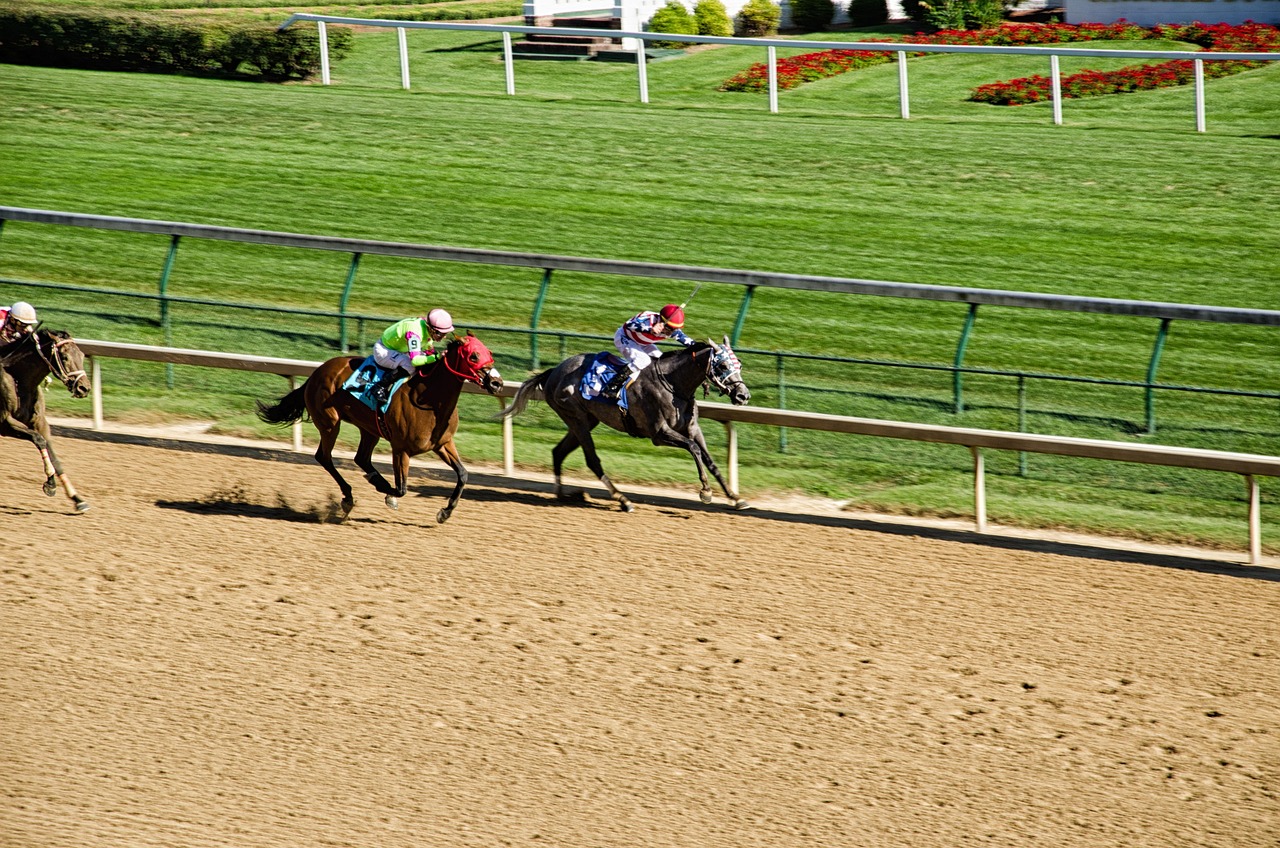
If Louisville has a beating heart, it’s probably Churchill Downs. I’ve visited in almost every possible mood: on a quiet Tuesday in April when the grandstands were nearly empty, and on a roaring Derby Week afternoon when the entire city seems to be dressed in seersucker and enormous hats.
Why it’s special: Opened in 1875, Churchill Downs is one of the world’s most iconic horse racing venues. Even if you’re not a racing fan, the architecture—the twin spires, the long rows of wooden seating, the paddock—is atmospheric in a way photos never fully capture.
The Kentucky Derby Museum (right on site) is where I always tell first‑timers to start. The immersive 360° film puts you in the middle of Derby Day, and the exhibits do a good job explaining the culture around the race: the breeding farms, the fashion, the betting, the controversies.
My routine here: I like to arrive in the morning for a Backstretch Breakfast Tour (book ahead). You stand along the rail as horses work out in the fog, then sit down for a hearty Southern breakfast. On non‑race days, I’ll swing through the museum, then take a walking tour under the grandstands and out to the track for photos.
Getting there: From downtown, it’s a 10–15 minute drive or rideshare. TARC buses run nearby, but if you have limited time, rideshare is easier.
- Family‑friendly? Yes, especially the museum. Kids love the interactive racing games.
- Romantic? Surprisingly, yes—sunset races and a mint julep in hand are pretty memorable.
- Adventurous? During Derby Week, the energy feels like a sporting festival.
Local tip: If you’re not here for the Derby itself, consider a Downs After Dark evening race card in summer—live music, food trucks, and a younger crowd. Dress up a little; locals do.
2. Louisville Slugger Museum & Factory
Even if you don’t care about baseball, it’s hard not to smile when you first see the giant bat leaning against the brick façade on Main Street. The Louisville Slugger Museum is one of those rare tourist attractions that really does appeal to everyone.
I’ve gone with sports superfans, European friends who had never watched a baseball game, and my niece who was mainly there for the souvenir mini bat. Every time, someone ends up wide‑eyed watching workers turn bats on the lathe in the factory.
What to expect: The tour takes you through the working bat factory—there’s a satisfying smell of wood and oil—then into galleries full of memorabilia, from Babe Ruth’s bat to modern players’ gear. You can hold game‑used bats (they’re heavier than you’d think) and step into a batting cage yourself.
Best for: Families, sports fans, and anyone who enjoys factory tours. It’s compact but rich in detail.
Nearby: This sits on historic West Main Street, lined with cast‑iron storefronts and other museums (Frazier History Museum, KMAC, etc.), so I usually bundle this with at least one other stop on “Museum Row.”
Local tip: Go early in the day, then grab coffee at one of the downtown cafés before strolling down to the riverfront.
3. Louisville Waterfront Park & Big Four Bridge
On my first trip to Louisville, I stayed downtown and stumbled into Waterfront Park by accident, following the sound of live music. Since then, I’ve walked the paths here at sunrise in January, picnicked under trees in May, and listened to everything from bluegrass to EDM at summer festivals.
Big Four Bridge is the star: a former railroad bridge turned pedestrian crossing that glows with color at night. Walking across into Indiana at sunset has become a personal ritual, especially when I need to clear my head.
What to do:
- Walk or cycle the riverfront paths.
- Cross the bridge to the Indiana side (cute little play area and ice cream stands when in season).
- Bring kids to the playgrounds and splash areas in warmer months.
- Check for festivals—forecasts can change, but summer 2026 already has multiple concerts planned here.
Local tip: If you’re planning 3 days in Louisville, make at least one evening here non‑negotiable. It balances out museum and bourbon days perfectly.
4. Historic Old Louisville
Old Louisville is where I bring people who think Kentucky is all rolling hills and horse farms. This dense urban neighborhood is home to the largest contiguous collection of Victorian mansions in the U.S., many built between 1880 and 1910.
I’ve spent entire afternoons here just wandering the tree‑lined streets, peeking at stained glass, and imagining the lives that played out in these houses when the city was a booming industrial center.
What to see:
- St. James Court & Central Park – the postcard view, especially in fall.
- Hidden alleys and walkways connecting the backs of houses.
- Gothic churches and ornate façades that feel more East Coast than Southern.
Best experiences: Join a guided walking tour (daytime for architecture, evening for ghost stories), then linger in Central Park if the weather’s nice. In summer, you might catch a free Shakespeare in the Park performance.
Local tip: This area is perfectly safe to walk during the day; at night, stick to the main, well‑lit streets. It’s a short rideshare from downtown or the Highlands.
5. Fourth Street Live!
Fourth Street Live! is Louisville’s flashy, neon‑lit entertainment corridor, and if you’re staying downtown you’ll probably wander through at least once. I tend to treat it as a starting point rather than the whole night—grab a drink, people‑watch, and then duck off to smaller bars nearby.
Why go: Easy, central, and full of live music, sports bars, and chain restaurants. If there’s a big game on or a concert weekend, the energy is high. It’s also an easy place for groups to split up and reconvene.
Local tip: Don’t assume this is all Louisville nightlife has to offer. Explore NuLu, the Highlands, and Germantown for more local flavor (more on those later).
6. Frazier History Museum
The Frazier is where I send history buffs and anyone curious about how Kentucky became, well, Kentucky. It’s also the official starting point of the Kentucky Bourbon Trail Welcome Center, which makes it a natural stop if you’re structuring a bourbon‑centric visit.
Highlights:
- Exhibits on frontier life, bourbon history, and the Lewis & Clark Expedition.
- Rotating displays on everything from Prohibition to women’s history.
- Well‑curated gift shop with local crafts and bourbon‑themed gifts.
Local tip: Combine this with the Louisville Slugger Museum and a walk along Main Street for a full “museum row” afternoon.
7. NuLu (East Market District)
NuLu is short for “New Louisville,” though it’s been around long enough now to feel established. Every time I come back, there’s a new café, gallery, or mural. If you only have 3 days in Louisville, make sure at least one meal and one evening are in this neighborhood.
What it feels like: Think converted warehouses, colorful storefronts, and a laid‑back, artsy vibe. It’s where you’ll find some of the city’s most creative chefs and bartenders, plus vintage shops and local boutiques.
Best for: Foodies, design lovers, and anyone who likes to browse between meals.
Local tip: Saturday afternoons get busy; I like to come late afternoon, grab coffee, browse shops, then roll straight into dinner and drinks.
8. Urban Bourbon Distilleries & Bars
Bourbon is woven into Louisville’s identity. You don’t need to be a whiskey geek to enjoy the urban distilleries clustered downtown and in nearby neighborhoods. Over several trips I’ve gradually worked my way through most of them, and each has its own personality.
Expect: Guided tours explaining the mash bill, fermentation, and aging process, plus tastings at the end. Most also have beautifully designed bars where even non‑drinkers can order mocktails and sodas.
Local tip: Don’t overschedule distillery tours in a single day; 2–3 is plenty. Alternate with food, walking, or museum time.
9. Muhammad Ali Center
Born in Louisville, Muhammad Ali looms large in the city’s story. The Ali Center is part museum, part memorial, and part inspiration hub. I went in expecting mainly boxing; I walked out thinking about civil rights, religion, and what it means to stand for something.
Why go: Interactive exhibits, powerful video installations, and personal artifacts trace Ali’s journey from Cassius Clay to global icon. The building itself is modern and light‑filled, with views of the Ohio River.
Local tip: Give yourself at least two hours; it’s more emotionally and intellectually dense than many museums.
10. Louisville Zoo
The Louisville Zoo has become my go‑to family recommendation. It’s big enough to fill a day, but not so sprawling that kids melt down halfway through.
Highlights from my visits: The Glacier Run exhibit (polar bears and sea lions), Gorilla Forest, and seasonal events like Boo at the Zoo. There’s plenty of shade, which matters in sticky Kentucky summers.
Local tip: Visit in the morning before the heat builds. Combine with nearby Joe Creason Park for a full day of outdoor fun.
11. Speed Art Museum
Attached to the University of Louisville campus, the Speed is where I go when the weather turns sour or I just need a quieter day. The collection ranges from European masters to contemporary installations, and the modern addition is a beautiful piece of architecture in its own right.
Local tip: Check the calendar for After Hours events—late‑night openings with music and drinks that draw a lively local crowd.
12. Cherokee Park
Designed by Frederick Law Olmsted (of Central Park fame), Cherokee Park is where Louisville escapes when the sun’s out. I’ve driven the scenic loop in fall when the leaves are on fire, and biked it in spring surrounded by flowering trees.
Do: Walk the trails, picnic in the meadows, or simply drive the loop with stops at overlook points. It’s a great counterbalance to bourbon and bar‑hopping days.
13. Whiskey Row & Historic Main Street
Whiskey Row is the historic stretch of Main Street where bourbon brands once clustered in the late 19th century. After years of restoration, it’s now a handsome row of brick and cast‑iron façades housing bars, restaurants, and a few distilleries.
I love walking this street at golden hour: the light hits the brick in a way that makes the whole row look like an old sepia photograph.
14. Louisville Mega Cavern
Underneath Louisville is an enormous former limestone mine that’s been turned into the Louisville Mega Cavern. I was skeptical the first time I went (“underground zip lines?”), but it’s a surprisingly fun, very Kentucky kind of experience.
Options: Zip‑line courses, an underground ropes course, tram tours explaining the cavern’s history, and seasonal holiday light drives.
Best for: Families with older kids, adventurous couples, and anyone looking for something totally different.
15. Conrad-Caldwell House Museum
In the heart of Old Louisville, the Conrad‑Caldwell House is a perfectly restored Richardsonian Romanesque mansion. Touring it feels like stepping into a Gilded Age novel.
Local tip: Try to catch a guided tour rather than just wandering; the docents have endless stories about the families who lived here.
16. Kentucky Science Center
When it rains, families flock to the Kentucky Science Center on Museum Row. I’ve taken my niece twice; both times she disappeared into hands‑on exhibits while the adults enjoyed the fact that everyone was learning and nobody was complaining.
Local tip: Combine this with a walk along the riverfront when the weather clears.
17. Great Lawn & Festivals at Waterfront Park
The Great Lawn hosts many of Louisville’s major festivals and concerts. Over the years I’ve stumbled into everything from beer festivals to food truck rallies here. In 2026–2027, expect more music and riverfront events as the city continues to invest in the park.
18. Frankfort Avenue (The Crescent Hill & Clifton Corridor)
Frankfort Avenue feels like a string of small towns stitched together: bookstores, cafés, antique shops, and local restaurants line this walkable corridor. When I want a slower, more neighborhood‑y day, I head here.
Local tip: Check for Frankfort Avenue Trolley Hops or special events—shops often stay open late with wine and snacks.
19. Germantown & Paristown
Low‑slung shotgun houses, cozy bars, and an emerging arts scene: Germantown and Paristown are where Louisville’s “locals only” vibe is strongest. I’ve spent more evenings than I can count slipping into neighborhood bars here for cheap drinks and conversation.
Best for: Travelers who like slightly off‑the‑tourist‑trail areas with character.
20. Falls of the Ohio State Park
Technically across the river in Indiana, but functionally part of the Louisville experience, the Falls of the Ohio offers exposed Devonian fossil beds and wide river views. I like to come here for a change of perspective, both literally and metaphorically—looking back at the Louisville skyline from across the water never gets old.
Local tip: Best visited in lower‑water seasons when more of the fossil beds are visible. Wear sturdy shoes.
3–5 Day Itineraries for Louisville (With Personal Daily Stories)
These itineraries are based on how I actually structure trips for friends and family. You can easily adapt them into a 3 day itinerary for Louisville, a 4 day itinerary, or a 5 day itinerary depending on your time. I’ll mark which days are essential if you’re short on time.
Day 1: Icons & First Sips (Perfect Start for Any 3–5 Day Itinerary)
I like to spend my first day in Louisville getting oriented downtown: walking, hitting a couple of the big‑ticket sights, and easing into the bourbon scene.
Morning: Waterfront Walk & Big Four Bridge
Check into your hotel (or drop bags) and head straight to Waterfront Park. On my last visit, I grabbed a coffee to‑go and walked along the river while the city was still stretching awake. The Ohio can look moody or bright depending on the weather, but it always sets the tone that Louisville is a river town at heart.
Walk up onto the Big Four Bridge and cross to the Indiana side. Pause halfway to take in the skyline and watch barges slide along the water. On one chilly February morning, I watched fog rising off the river and felt like I had the whole span to myself.
Late Morning–Afternoon: Museum Row (Slugger + Ali or Frazier)
From the river, walk up to West Main Street. Start at the Louisville Slugger Museum & Factory. Even if you’re jet‑lagged, the factory tour is energizing: the clatter of machinery, the smell of fresh wood, the guides cracking jokes.
Afterwards, depending on your interests:
- If you’re into sports and social history: Walk to the Muhammad Ali Center. Expect to spend 2 hours; it’s thought‑provoking and moving.
- If you’re more into general Kentucky history or bourbon: Head to the Frazier History Museum, especially for the Bourbon Trail Welcome Center.
Lunch options nearby include casual spots on Main Street or a quick bites café. I often duck into a simple sandwich shop or grab tacos, saving my appetite for a bigger dinner.
Late Afternoon: First Bourbon Experience
This is where your travel guide for Louisville turns properly Kentuckian. Book an afternoon tour at one of the urban bourbon distilleries within walking distance—several are clustered downtown. On one recent trip, I joined a mid‑afternoon tour and ended up in a long conversation with the guide about how Louisville’s bourbon revival has changed the city.
Tip: If you’re not a whiskey drinker, tell the staff. They usually have non‑alcoholic options and will still walk you through the sensory part of the tasting.
Evening: Dinner & Drinks in NuLu
As the sun sets, grab a short rideshare to NuLu. This is my favorite way to end Day 1: sit down to a leisurely dinner at one of the neighborhood’s creative restaurants, then hop to a bar or two. On my last trip, I lingered over a multi‑course meal that played with Southern ingredients in ways I’d never seen before.
After dinner, wander the side streets. Murals, small galleries, and soft light spilling from restaurant windows make NuLu feel both lively and intimate.
For a 3 day itinerary for Louisville: Day 1 is essential—icons + first taste of bourbon + NuLu.
Day 2: Horses & History (Churchill Downs + Old Louisville)
Morning: Churchill Downs & Kentucky Derby Museum
Set an alarm and head to Churchill Downs. If you can, book a Backstretch or Behind‑the‑Scenes tour. On one crisp April morning, I stood with a small group as horses trotted by, their breath visible in the air, while our guide explained racing rituals passed down for generations.
Spend time in the Kentucky Derby Museum afterwards. The immersive film still gives me goosebumps, even after multiple viewings. Don’t rush; this is where you connect Louisville’s global image to the actual people and horses.
Lunch: Casual Eats Near Churchill Downs
There are several simple, local spots within a short drive. I usually opt for something unfussy: a plate lunch, burgers, or hot chicken. If you’re traveling with kids, this is a good time to refuel before more walking.
Afternoon: Old Louisville Walking Tour
From Churchill Downs, head to Old Louisville. Book an architectural walking tour if possible. On one of my first visits, a guide pointed out details I’d never have noticed alone: carved stone faces, elaborate ironwork, even whispers of past scandals behind those respectable façades.
End in Central Park, designed by Olmsted. Sit on a bench, people‑watch, and imagine the neighborhood in its heyday.
Evening: Dinner & Drinks in the Highlands
From Old Louisville, it’s a short ride to the Highlands, centered on Bardstown Road. This strip is lined with bars, restaurants, and oddball shops. I like to start with a relaxed dinner—anything from inventive small plates to classic Southern comfort food—then wander from bar to bar.
I’ve had some of my best Louisville conversations here: a bartender explaining why bourbon and beer pair so well, a musician talking about life on the local circuit, a retiree reminiscing about the neighborhood in the 1970s.
For a 3 day itinerary: Day 2 is also essential—this is your “Derby + historic neighborhoods + nightlife” day.
Day 3: Art, Parks & Neighborhood Flavor
Morning: Speed Art Museum & University of Louisville
Start your day at the Speed Art Museum. I love wandering from room to room without a strict plan, letting whatever catches my eye dictate my route. The building’s airy design makes even a quick visit feel restful.
Stroll briefly through the University of Louisville campus next door, especially in spring when everything’s in bloom.
Midday–Afternoon: Cherokee Park & The Highlands
Grab lunch on your way to Cherokee Park—either a picnic from a deli or a sit‑down meal in the Highlands. Then drive or bike the park’s scenic loop. Over multiple visits I’ve seen deer, hawks, and plenty of dogs living their best lives here.
Walk one of the trails or find a quiet spot to read. This is the kind of simple, local experience many visitors skip, but it’s part of understanding daily life in Louisville.
Evening: Frankfort Avenue Stroll
Head to Frankfort Avenue for a relaxed evening. Browse a bookstore, pick up a locally made gift, and settle into dinner at a neighborhood favorite. On one trip, I ended up at a tiny restaurant where the chef came out to chat with every table; by dessert it felt like we were all old friends.
For a 3 day itinerary for Louisville: This can be your final day. If you’re rushing, shorten the park time and keep the Frankfort Avenue evening—it’s a gentle way to say goodbye to the city.
Day 4: Family Fun or Deep Dive Bourbon (For 4 Days in Louisville)
If you have 4 days in Louisville, you can tailor Day 4 to your interests:
Option A: Family‑Friendly – Zoo & Science Center
Spend the morning at the Louisville Zoo. I usually arrive at opening; the animals are more active and the midday heat hasn’t kicked in. Ride the train or carousel if you’re with younger kids.
After lunch, head back downtown to the Kentucky Science Center. Let the kids burn off energy in interactive exhibits while adults take a breather.
Finish with an early dinner downtown or in NuLu, then a last stroll along Waterfront Park.
Option B: Bourbon & Hidden Gems
Dedicate Day 4 to the Urban Bourbon Trail. Book one or two more distillery tours, then spend the late afternoon and evening drifting between bourbon bars, tasting flights, and talking with bartenders. I’ve learned more about Kentucky history from bartenders than from any guidebook.
In between, explore a lesser‑known neighborhood like Germantown or Paristown on foot. Pop into a coffee shop, admire shotgun houses, and get a feel for everyday Louisville.
Day 5: Across the River & Underground Adventures (For 5 Days in Louisville)
With 5 days in Louisville, you can both look back at the city from across the river and literally go beneath it.
Morning: Falls of the Ohio State Park
Drive or rideshare across to the Falls of the Ohio. Spend a couple of hours exploring the visitor center and walking the fossil beds (when water levels allow). The view back to Louisville gives you a different angle on a city you’ve now gotten to know from within.
Afternoon: Louisville Mega Cavern
Head to the Louisville Mega Cavern for an underground adventure. I’ve done the tram tour on a rainy day and the zip‑line course when I was feeling brave. Both give you a sense of the scale of this man‑made cavern and the ingenuity it took to repurpose it.
Book activities ahead, especially on weekends or during holidays.
Evening: Last‑Night Favorites
For your final night, return to whichever neighborhood you loved most—NuLu, the Highlands, or Frankfort Avenue—and revisit a favorite spot. I like to end with a last bourbon or dessert, mentally replaying the week’s highlights.
Louisville Neighborhoods & Districts Worth Exploring
Downtown & Waterfront
Best for: First‑timers, museum lovers, business travelers.
Downtown is compact and walkable, anchored by Waterfront Park, Museum Row, and Fourth Street Live!. Many visitors stay here for convenience; you can walk to multiple attractions and catch rideshares easily at night.
NuLu (East Market District)
Best for: Foodies, design lovers, creative travelers.
NuLu is full of restaurants, bars, galleries, and boutiques. It’s ideal if you want to be able to walk to dinner and drinks every night.
The Highlands (Bardstown Road)
Best for: Nightlife, independent shops, café culture.
Bardstown Road is lined with everything from vintage stores to tattoo parlors to late‑night pizza joints. It’s a little scruffier than NuLu, and that’s part of the charm.
Old Louisville
Best for: Architecture fans, quieter stays, romantic getaways.
Stay here if you love historic bed‑and‑breakfasts and don’t mind a short rideshare into nightlife districts.
Germantown & Paristown
Best for: Travelers who like local bars and emerging arts scenes.
Lower prices, lots of character, and an increasingly interesting restaurant/bar lineup.
Frankfort Avenue (Crescent Hill & Clifton)
Best for: Relaxed, neighborhood feel; couples and repeat visitors.
Walkable stretches with cafés, delis, and shops. Feels like a small town within the city.
Local Food in Louisville: What to Eat & Where
One of the biggest surprises for first‑time visitors is how serious Louisville is about food. You’ll find everything from elevated takes on Southern classics to international flavors and late‑night comfort food.
Signature Dishes & Drinks
- Hot Brown: An open‑faced turkey sandwich with bacon and Mornay sauce, invented at the Brown Hotel. Rich, decadent, and worth sharing if you don’t have a huge appetite.
- Bourbon (of course): Try it neat, on the rocks, or in classic cocktails like an Old Fashioned or Mint Julep.
- Fried chicken & hot chicken: Louisville’s versions are less famous than Nashville’s but every bit as satisfying.
- Benedictine: A cucumber‑and‑cream cheese spread, often served as a sandwich filling or dip.
- Derby Pie‑style desserts: Chocolate‑nut pies and similar sweets around Derby season.
Where to Eat (By Area)
Names and specific spots change, but here’s how I think about it:
- Downtown: Great for lunch between museums and distillery tours; mix of casual and upscale, plus hotel restaurants that punch above their weight.
- NuLu: My go‑to for creative dinners and stylish brunches; ideal for a “food first” night.
- Highlands: Good for casual, eclectic eats and late‑night bites; lots of vegetarian‑friendly options.
- Frankfort Avenue: Neighborhood bistros, bakeries, and delis great for slower, conversational meals.
Money‑saving tip: Aim for lunch specials at nicer restaurants and do more casual dinners on other nights. Portions tend to be generous, so sharing is common and totally acceptable.
Coffee, Breweries & Sweets
Louisville has a strong independent coffee scene, especially in NuLu, the Highlands, and Germantown. Breweries have also multiplied; tasting flights make good early‑evening activities before bourbon bars open for the night.
Bakeries and ice‑cream shops are scattered across neighborhoods; I almost always justify dessert as “field research.”
Nightlife, Entertainment & Cultural Experiences
Nightlife Zones
- Fourth Street Live!: High‑energy, tourist‑friendly, loud, and bright.
- NuLu: Cocktail bars and wine bars with a more polished vibe.
- Highlands: Dive bars, live‑music joints, and late‑night eateries.
- Germantown/Paristown: Neighborhood bars and smaller music venues.
Arts & Performing Culture
Louisville supports a surprisingly robust arts scene for its size:
- Theater & Ballet: Check schedules for main downtown venues.
- Music: From symphony concerts to indie bands in small clubs.
- Public Art: Murals and sculptures across NuLu, downtown, and the Highlands.
On one memorable trip, I stumbled into a free outdoor jazz concert at Waterfront Park, full of locals with blankets and picnic baskets. Keep your eyes peeled for seasonal events like this.
Cultural Etiquette & Local Customs
Louisville blends Midwestern politeness with Southern warmth. A few things I’ve noticed over repeated visits:
- Greetings: People often hold doors, say “sir/ma’am,” and chat in line. A smile and small talk go a long way.
- Bourbon etiquette: It’s fine to say you’re new to bourbon; bartenders like helping people discover what they like. Tipping is expected at bars (around $1–2 per drink or 20% of the tab).
- Dress: Casual most of the time, but people do dress up more during Derby season and nights out in NuLu or upscale spots.
- Derby Week: The city gets busy; reservations are essential, and locals may be extra focused on the races.
- Driving & walking: Drivers are generally courteous; always cross at crosswalks and obey signals.
Overall, if you’re polite, patient, and curious, you’ll find Louisvillians happy to help and share recommendations.
What’s New: Louisville Events & Festivals 2026–2027
While exact details can shift, here are key annual events and trends you can expect in 2026–2027:
- Kentucky Derby Festival (Spring 2026 & 2027): Two weeks of events leading up to the Derby, including Thunder Over Louisville (massive fireworks), marathons, parades, and concerts.
- Kentucky Derby (First Saturday in May): Even if you don’t attend the race, the whole city buzzes—book accommodation months in advance.
- Forecastle‑style Music & Riverfront Festivals: Louisville continues to host large and mid‑sized music events at Waterfront Park’s Great Lawn and Big Four Lawn.
- St. James Court Art Show (Fall): Huge open‑air art fair in Old Louisville—worth planning a trip around if you love art and craft markets.
- Bourbon‑focused Events: Expect expanded bourbon festivals, tasting events, and possibly new distillery openings as the industry keeps growing.
- Holiday Lights in Mega Cavern: The cavern’s drive‑through light show remains a popular winter draw.
In 2026, Louisville is also continuing streetscape improvements downtown and along NuLu/Market corridors, meaning better sidewalks, bike lanes, and outdoor seating—great news if you like to explore on foot.
Day Trips from Louisville
Kentucky Horse Country (Lexington Area)
About 1.5 hours east, the rolling hills and horse farms around Lexington make for a perfect day out. Guided farm tours let you see Thoroughbreds up close. I’ve done this as a full‑day loop: morning in horse country, afternoon in Lexington’s historic core, and back to Louisville for a nightcap.
Mammoth Cave National Park
Roughly 1.5–2 hours south, Mammoth Cave is the world’s longest cave system. Guided tours range from easy walks to more strenuous crawls. Book ahead, especially in peak season.
Bardstown & Bourbon Country
About 45–60 minutes south, Bardstown bills itself as the “Bourbon Capital of the World.” It’s a charming small town surrounded by distilleries. If you’re deeply into bourbon, spending a day here is practically mandatory.
Practical Travel Tips for Louisville
Getting Around Louisville
- On foot: Downtown, NuLu, and parts of the Highlands are walkable.
- Rideshare & taxis: The easiest way to hop between neighborhoods, especially at night.
- Public transit (TARC): Buses cover the city; useful if you’re on a tight budget but slower than rideshare.
- Car rental: Helpful if you’re planning day trips or staying outside central neighborhoods. Parking downtown is a mix of garages and meters; Old Louisville and the Highlands can have tight street parking at peak times.
How to Save Money in Louisville
- Avoid Derby Week if budget is a major concern—prices spike.
- Stay in Germantown/Paristown or near the airport for cheaper lodging, using rideshare to reach sights.
- Look for combination tickets or city passes that bundle museum entries.
- Eat big lunches and lighter dinners; take advantage of happy hour specials.
- Use parks and free festivals for low‑cost entertainment.
SIM Cards & Connectivity
For international visitors, U.S. prepaid options in 2026 typically include:
- Major carriers selling prepaid SIMs/eSIMs at airports, electronics stores, and carrier shops.
- eSIM plans you can purchase online before arrival, covering data and local calls/texts.
Downtown, NuLu, and major attractions usually offer decent free Wi‑Fi, but don’t rely on it exclusively if you’re navigating with maps.
Visa Requirements & Driving
Visas: Requirements depend on your nationality. Many visitors can enter the U.S. under the Visa Waiver Program with an approved ESTA; others will need a tourist visa. Always check current rules with your nearest U.S. embassy or official government website before booking.
Driving: Most international visitors can drive in Kentucky with a valid foreign driver’s license for a limited period; having an International Driving Permit (IDP) is recommended and sometimes required by rental agencies. Confirm with your rental company in advance.
Best Seasons & Weather
- Spring (March–May): Mild temperatures, blooming trees, and Derby season. Great for outdoor exploring; expect higher prices and crowds around early May.
- Summer (June–August): Hot and humid, with frequent festivals and outdoor concerts. Pack light clothing and expect afternoon thunderstorms.
- Fall (September–November): My favorite time: comfortable days, crisp evenings, and colorful foliage in Cherokee Park and Old Louisville.
- Winter (December–February): Cold but usually not extreme; good for lower prices, indoor museums, Mega Cavern lights, and cozy bourbon bars.
Summary: Key Takeaways & Best Time to Visit Louisville
If you’ve made it this far, you’re probably serious about planning a trip—good choice. Louisville rewards travelers who slow down, wander neighborhoods, and say yes to one more conversation at the bar.
- 3 days in Louisville: Focus on downtown/Museum Row, Churchill Downs, Old Louisville, NuLu, and one park (Waterfront or Cherokee). Use the Day 1–3 outline above.
- 4 days in Louisville: Add a dedicated family day (Zoo + Science Center) or a bourbon deep‑dive day.
- 5 days in Louisville: Include a day trip (Falls of the Ohio + Mega Cavern, or out to bourbon/horse country).
Best overall time to visit: Late April (excluding peak Derby if you’re budget‑sensitive) through May, and late September through October. Those shoulder seasons give you pleasant weather, outdoor festivals, and colorful neighborhoods without the heaviest summer heat.
Whether you come for the horses, the bourbon, the food, or just to see what a modern river city feels like in 2026, Louisville has a way of getting under your skin. I’ve left more than once thinking, “I’ll just come back for a long weekend,” and then stayed longer than planned. Don’t be surprised if you find yourself planning a return visit before you’ve even left.