Why Visit Memphis in 2026
Memphis is one of those cities that gets under your skin slowly and then never quite leaves. I’ve been coming here regularly for years—sometimes for a long weekend, sometimes for a week—and every visit feels both familiar and new. It’s a city where a random Tuesday night can turn into an unforgettable blues jam, where barbecue smoke hangs in the air, and where the Mississippi River glows orange at sunset behind the old steel bridges.
In 2026, Memphis is in a sweet spot: big enough to have world-class museums and live music every night, but still small and affordable enough that you can wander, strike up conversations, and actually feel like you’re in a community rather than a tourist machine. This travel guide is written from the perspective of someone who keeps finding excuses to come back—and who still finds new corners, new songs, and new flavors each time.
If you’re considering 3 days in Memphis, a 4 day itinerary for Memphis, or even a full 5 days in Memphis, this guide will walk you through must-see attractions, hidden gems, local food, cultural experiences, and practical travel advice so you can make the most of your time.
Table of Contents
- Why Visit Memphis in 2026
- Memphis at a Glance
- Suggested Itineraries (3–5 Days in Memphis)
- 20 Must-See Attractions in Memphis (Deep Dive)
- Neighborhoods & Districts to Explore
- Local Food in Memphis & Where to Eat
- Nightlife, Music & Cultural Experiences
- Major Events & Festivals 2026–2027
- Day Trips & Nearby Getaways
- Cultural Etiquette & Local Customs
- Practical Travel Tips for Memphis
- Summary & Best Time to Visit Memphis
Memphis at a Glance
Memphis sits on the eastern bank of the Mississippi River, right at the crossroads of Tennessee, Arkansas, and Mississippi. It’s the birthplace (or at least the launchpad) of blues, rock ‘n’ roll, and soul, and it has played a central role in American civil rights history.
- Population: ~630,000 in the city, over a million in the metro area.
- Vibe: Laid-back, musical, soulful, a little rough around the edges in the best way.
- Best for: Music lovers, foodies, history buffs, road-trippers, couples, and families who like a bit of edge with their culture.
- Ideal trip length: 3–5 days in Memphis for a first visit; you can easily stay a week without running out of things to do.
Suggested Itineraries: 3–5 Days in Memphis
Below are high-level outlines of my favorite ways to spend 3 days in Memphis, 4 days in Memphis, and 5 days in Memphis. Later in the guide, you’ll find deep dives into each attraction with more stories, tips, and history.
3 Day Itinerary for Memphis (First-Timer Highlights)
If you’ve only got 3 days in Memphis, focus on the city’s greatest hits: Beale Street, the National Civil Rights Museum, and the music landmarks that shaped 20th-century sound.
- Day 1: Beale Street, Downtown & Mississippi Riverfront
- Day 2: National Civil Rights Museum & South Main + Sun Studio
- Day 3: Graceland & Stax Museum of American Soul Music
4 Day Itinerary for Memphis (Deeper Dive)
A 4 day itinerary for Memphis lets you slow down a little and add in more neighborhoods, parks, and local spots.
- Day 1: Downtown, Beale Street & Riverfront
- Day 2: Civil Rights Museum, South Main, Sun Studio
- Day 3: Graceland, Stax Museum, Soulsville
- Day 4: Midtown, Overton Park, Cooper-Young & Crosstown Concourse
5 Day Itinerary for Memphis (Slow, Local & Offbeat)
With 5 days in Memphis, you can linger in coffee shops, discover hidden gems, and maybe even catch a local festival.
- Day 1: Classic Downtown & Beale Street
- Day 2: Civil Rights, South Main & Nightlife
- Day 3: Graceland & Stax + Live Music
- Day 4: Midtown, Overton Park & Cooper-Young
- Day 5: Crosstown Concourse, Bass Pro Pyramid & Hidden Riverfront Spots
In the sections below, I’ll walk you through these days in a more narrative, personal way, weaving in practical details and my experiences over multiple visits. Consider them flexible templates rather than strict checklists.
20 Must-See Attractions in Memphis (Deep Dive)
These are the core of this travel guide for Memphis. For each attraction, I’ll share a bit of history, why it matters, and what it’s actually like to visit—plus tips, food recommendations nearby, and how to fit it into your 3–5 day itinerary for Memphis.
1. Beale Street Historic District
Every time I land in Memphis, I somehow end up on Beale Street on my first night, even if I swear I’m going to “take it easy.” It’s touristy, yes, but also genuinely fun—especially once you duck into the clubs off the main drag.
Beale Street has been the heart of Memphis’ Black music scene since the early 1900s. This is where W.C. Handy wrote the blues, where B.B. King played, where blues, jazz, and early rock once spilled from nearly every doorway. Today, neon signs, live bands, and street performers keep that spirit alive.
What It’s Like to Visit
On a Saturday night, Beale is packed: live blues riffs drifting from open doors, motorcycles lined up at the curb, and people strolling with plastic cups of beer (yes, open-container is allowed within the Beale street entertainment zone). I like to start at one end and slowly work my way down, listening at each doorway before committing.
- Family-friendly? During the day and early evening, yes. After about 9–10 pm, it becomes more of an adult party scene.
- Romantic? A little chaotic, but duck into a quieter club like Rum Boogie Café or Blues City Café’s back room and you can absolutely have a date night.
- Adventurous? If you love nightlife and live music, very much so.
Personal Tips
- Go early on your first night. It’s an easy way to dive into the city vibe and fight off travel fatigue.
- Cover charges: Many clubs charge $5–$10 after a certain hour. Keep some small bills handy.
- Where I like to eat nearby: Blues City Café (for ribs and catfish), or snag a snack at one of the street vendors if you just need something quick.
- How to get there: If you’re staying downtown, it’s walkable. Otherwise, rideshare is your easiest option; parking garages nearby can be pricey and fill up on weekends.
For any 3 day itinerary for Memphis, I’d put Beale Street on Night 1. It sets the tone for everything else.
2. Graceland
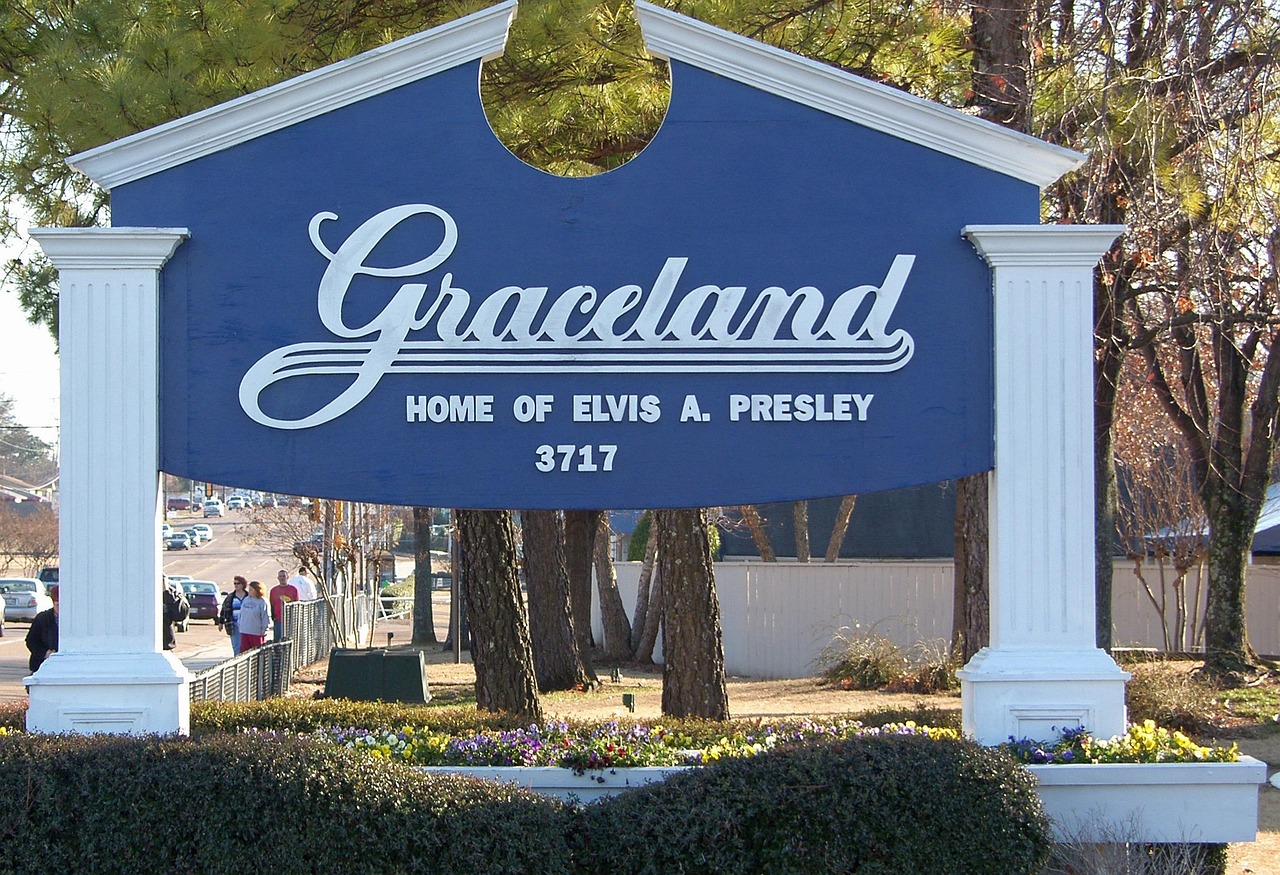
I’ll admit: I put off visiting Graceland on my first few trips to Memphis. I thought it would be kitschy and over-commercialized. And it is, in parts—but it’s also surprisingly moving, especially if you’ve grown up with Elvis songs in the background of your life like I did.
Graceland was Elvis Presley’s home from 1957 until his death in 1977. Today, it’s a sprawling complex with the mansion, Elvis’ grave site, several museums, car collections, costumes, and even his private jets on display.
What It’s Like to Visit
My first time, I went on a hot, humid June afternoon. The tour starts across the street, where you get an iPad and headphones for a self-guided tour. A shuttle bus takes you through the gates and up the driveway to the mansion itself. Inside, it’s a time capsule of 1970s taste: shag carpets, mirrored walls, the famous Jungle Room with green carpet on the ceiling.
Strangely, the moment that hit me hardest was the Meditation Garden, where Elvis is buried alongside his parents, grandmother, and grandson. Fans leave flowers, notes, and mementos. Even if you’re not a hardcore fan, it’s hard not to feel something.
Tips for Visiting Graceland
- Book tickets in advance, especially in summer or around Elvis Week (August), when it gets packed.
- Allow 3–4 hours if you want to see the mansion, museums, and cars without rushing.
- Morning visits are generally less crowded and cooler in summer.
- Food: There are several cafés on-site. I usually grab a quick bite there, but you can also eat back in the city afterward.
- Getting there: Graceland is about 15–20 minutes south of downtown by car. Rideshare or driving are the most practical; there’s ample parking for a fee.
Graceland is essential for any 4 or 5 day itinerary for Memphis, and still worth including even if you’ve only got 3 days in Memphis. Go for the mansion, stay for the unexpectedly human story.
3. National Civil Rights Museum at the Lorraine Motel
This is the one place in Memphis I tell everyone you absolutely cannot skip. The National Civil Rights Museum is built into the former Lorraine Motel, where Dr. Martin Luther King Jr. was assassinated on April 4, 1968. It is powerful, sobering, and incredibly well done.
On my first visit, I walked out emotionally drained and deeply grateful. I’ve been back twice since, and each time I notice details I missed before.
Inside the Museum
The museum traces the history of the American civil rights movement from slavery and Reconstruction through the 1960s and beyond. Exhibits are immersive: you can sit in a replica Montgomery bus, walk through a lunch counter sit-in, and see original artifacts, letters, and footage.
The tour ends at the Lorraine Motel rooms where Dr. King stayed. You look into the preserved Room 306 and then step out onto the balcony where he was shot. Across the street, an additional exhibit explores the investigation and broader context.
Tips for Visiting
- Set aside at least 3 hours. You don’t want to rush this experience.
- Go earlier in the day. I find it easier emotionally to visit in the morning and then have time to decompress afterward.
- Great for families with teens. For younger kids, some exhibits may be intense; use your judgment.
- Photography: Allowed in most areas but be respectful—this is a site of deep historical trauma.
- Nearby food: South Main has several good spots; I often walk to a nearby café afterward to process everything over a quiet lunch.
For any 3–5 day itinerary for Memphis, I’d dedicate a good chunk of one day to the National Civil Rights Museum and the South Main neighborhood around it.
4. Sun Studio
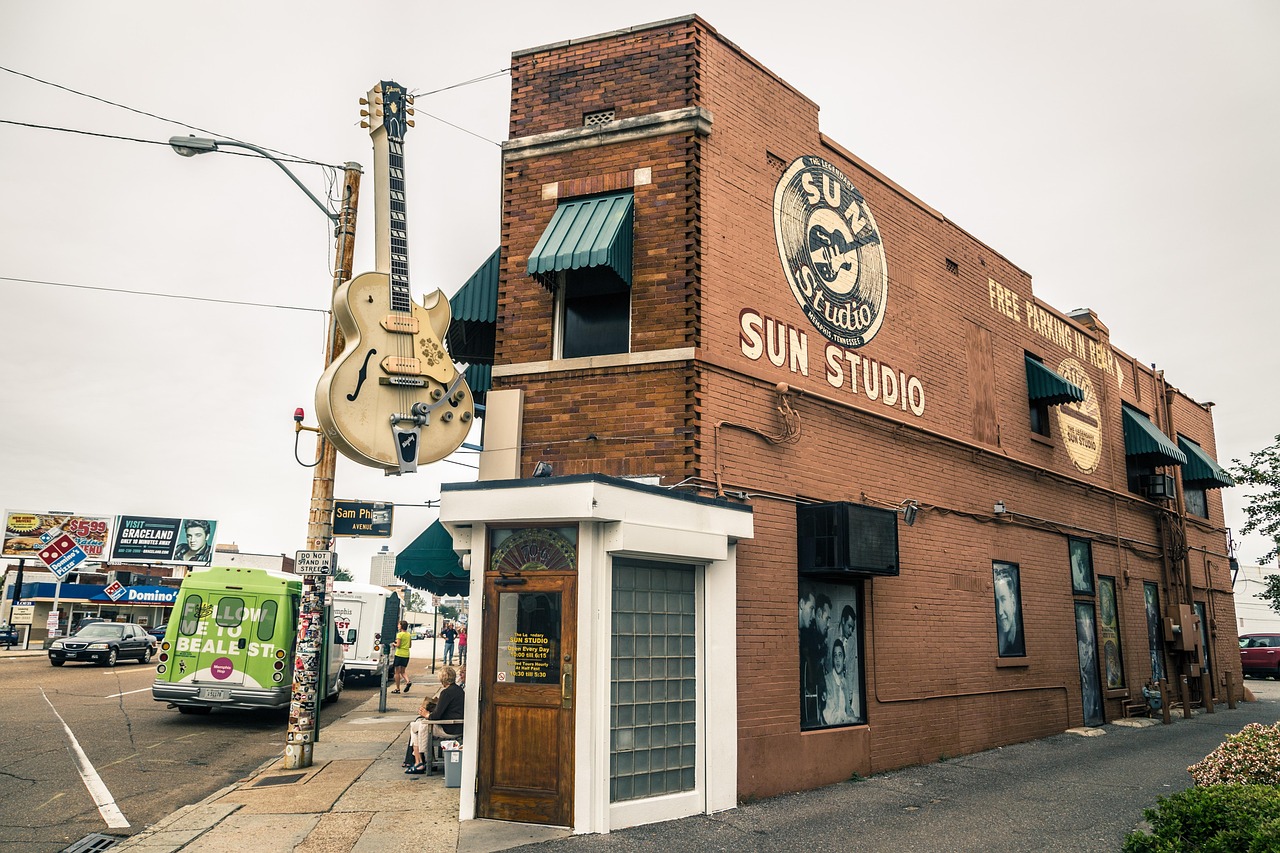
Sun Studio is often called the “Birthplace of Rock ‘n’ Roll,” and it feels like it. This is where a young Elvis Presley first recorded, and where legends like Johnny Cash, Jerry Lee Lewis, and B.B. King all cut tracks.
The building itself is small and unassuming from the outside, but stepping inside is like walking straight into music history. I’ve toured Sun Studio three times now, and the guides have always been passionate, funny, and full of stories.
The Tour
Tours run about 45 minutes. You start upstairs with old equipment and memorabilia, then head down to the actual recording room. You can stand on the original floor tiles, touch the piano, and even hold the microphone Elvis used (or at least one from the same era) for a cheesy but irresistible photo.
Tips
- Tickets: You usually buy on-site; in peak times, arrive 15–20 minutes before the hour to secure your spot.
- Combine with: A downtown morning or afternoon. Sun Studio offers a shuttle that connects with some downtown stops and Graceland; check current schedules in 2026.
- Family-friendly: Yes, especially for kids who like music or instruments.
- Best time: Late morning or late afternoon to dodge the biggest crowds.
5. Stax Museum of American Soul Music
If Sun Studio is the birthplace of rock, Stax is the church of soul. Located in the historic Soulsville neighborhood, the Stax Museum stands where the original Stax Records studio once produced Otis Redding, Isaac Hayes, Booker T. & the MG’s, and so many more.
The first time I walked in, a vintage gospel choir film was playing in the mini theater at the entrance, and the entire room was swaying. It set the tone perfectly.
Highlights
- Gospel roots: The museum smartly starts with the Black church and its music, showing how soul evolved.
- Recreated studio: You walk through a recreation of the Stax recording studio, learning how hits were made.
- Isaac Hayes’ gold-trimmed Cadillac: It’s as gloriously over-the-top as you’d expect.
Why I Love It
Stax feels more intimate than some music museums. The stories are personal, and the soundtrack is unbeatable. I usually leave with a new favorite deep-cut soul track stuck in my head.
Practical Info
- Location: A short drive from downtown; I wouldn’t walk it, but rideshare is easy.
- Time needed: Around 2 hours.
- Combine with: Graceland (same side of town) or an afternoon exploring Midtown afterward.
6. Overton Park & Memphis Zoo
When I need a break from music and museums, I head to Overton Park. It’s a big, green oasis in Midtown with walking trails, a golf course, the Memphis Zoo, and the Memphis Brooks Museum of Art (currently undergoing transformations and expansions through 2026–2027, so check latest details).
Overton Park
I like to start at the Old Forest Arboretum, a surprisingly wild patch of old-growth forest right in the city. The trails are easy and shaded—lovely for families or anyone needing a quiet walk. In spring, the park fills with dog walkers, picnickers, and local events.
Memphis Zoo

The Memphis Zoo, tucked inside the park, is one of the better urban zoos in the U.S. I’ve gone with friends’ kids a couple of times; it’s always a hit. It’s walkable, well-maintained, and has a strong education focus.
- Family-friendly? Absolutely—this is a top pick.
- Time needed: 2–3 hours for the zoo, plus as much time as you want in the park.
- Food: Snack options inside the zoo; for better meals, head to Overton Square or Cooper-Young afterward.
7. Bass Pro Shops at the Pyramid
The giant glass pyramid dominating Memphis’ skyline is one of the city’s stranger architectural features. Originally built as a sports arena, it’s now a massive Bass Pro Shops outdoor store, hotel, and entertainment complex. It sounds odd, but it’s worth a visit for the views alone.
I usually bring first-time visitors here around sunset. The interior feels like a forested lodge, with cypress trees, ponds, and even an alligator or two (safely contained, of course).
Observation Deck
The highlight is the glass-floored observation deck at the top. You ride one of the tallest free-standing elevators in America to reach it, and then step out to panoramic views over the Mississippi River, the bridges, and the Memphis skyline.
- Romantic? Yes—especially at sunset. I’ve seen more than one proposal up there.
- Family-friendly? Definitely. Kids love the elevator and the indoor “wilderness.”
- Time needed: 1–2 hours unless you’re an outdoor-gear fanatic.
8. Crosstown Concourse
Crosstown Concourse is one of my favorite examples of Memphis’ reinvention. A hulking former Sears distribution center has been transformed into a mixed-use vertical village: art galleries, cafés, restaurants, apartments, offices, and performance spaces all under one roof.
I like to come here on rainy days or lazy afternoons. You can wander the open atriums, pop into art exhibitions, grab a coffee, or catch a small concert. It’s also a great remote-work spot if you’re mixing work and travel.
- Good for: Coffee breaks, casual dinners, art browsing, and people-watching.
- Combine with: A day exploring Midtown or a visit to the nearby Crosstown Arts venues.
9. South Main Arts District
South Main is one of those neighborhoods I keep gravitating back to. Old brick warehouses and trolley tracks, murals, galleries, and some of my favorite coffee and brunch spots in the city.
It’s anchored by the National Civil Rights Museum, but it’s worth wandering in its own right. On my last trip, I spent a whole afternoon just drifting between shops, chatting with gallery owners, and sipping iced coffee while sketching the old storefronts.
- First Friday Art Walks: If your visit lines up, these evenings bring out locals, food trucks, and live music up and down the street.
- Family-friendly: Very much so during the day; at night, bars and restaurants add some buzz but it’s not wild.
- Food: Several excellent neighborhood restaurants and cafés line South Main—perfect after the Civil Rights Museum.
10. Overton Square Entertainment District
Overton Square is Midtown’s answer to Beale Street—less touristy, more neighborhood, and with a strong theater and dining scene. Colorful murals, string lights, patios, and a mix of locals and visitors give it an easygoing energy.
I like to pair an afternoon in Overton Park with dinner and drinks in Overton Square. On one visit, I caught a comedy show at one of the venues and ended up talking with the performers at the bar afterward. Memphis is that kind of city.
- Good for: Dinner, drinks, live theater, and low-key nightlife.
- Romantic? Yes—lots of cozy spots for date night.
- Family-friendly: Earlier in the evening; many restaurants welcome kids.
11. Mud Island River Park

Just across a pedestrian bridge from downtown, Mud Island River Park offers river views, a scale model of the Mississippi, and a breezy escape from the city streets.
One of my favorite Memphis mornings was walking the length of the river model barefoot on a hot day, letting the cool water run over my feet as tiny “tributaries” joined the flow. It’s simple, but oddly meditative.
- Family-friendly: Very. Kids love splashing around in the river model.
- Best time: Spring and fall; summer can be blazing, though the water helps.
- Combine with: A downtown walking day and sunset at the riverfront.
12. Tom Lee Park & Riverfront
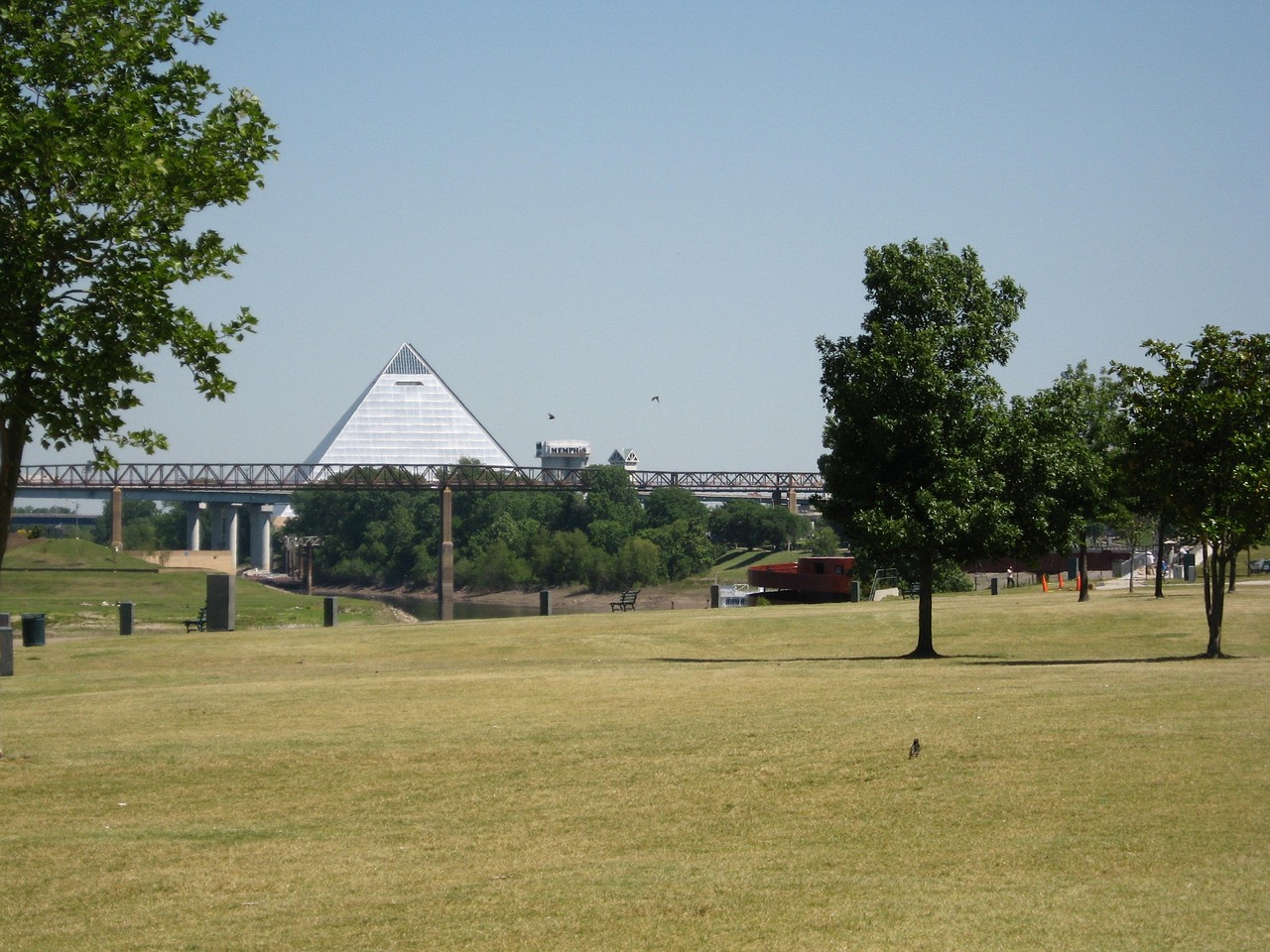
Recently redesigned and reopened, Tom Lee Park stretches along the riverfront just south of downtown. It’s become one of my favorite places in Memphis to catch a sunset. The park has walking and biking paths, lawns, play areas, and modern seating where you can watch barges slide along the Mississippi.
I like to grab a coffee or to-go drink downtown and wander down here in the late afternoon. If you’re in Memphis during a festival, there’s a good chance something is happening in Tom Lee Park.
13. Memphis Botanic Garden
In East Memphis, the Memphis Botanic Garden is a peaceful retreat of themed gardens, walking paths, and seasonal blooms. It’s especially lovely in spring when the Japanese garden and azaleas erupt in color.
I spent a quiet weekday morning here once after a particularly late night of live music, and it was exactly what I needed—just birds, flowers, and the soft crunch of gravel underfoot.
- Family-friendly: Yes, especially the children’s garden area.
- Romantic? Definitely—a great low-key date spot.
- Time needed: 1.5–2 hours.
14. Memphis Rock ‘n’ Soul Museum
Located just off Beale Street, the Rock ‘n’ Soul Museum tells the story of Memphis music from sharecroppers’ field songs to rock, soul, and beyond. It’s a great complement to Sun Studio and Stax if you’re building a full-on music-themed 3–5 day itinerary for Memphis.
The audio guide here is excellent—plan enough time to actually listen to the songs and stories. I once lost track of time and emerged two hours later with a head full of new playlists.
15. Slave Haven Underground Railroad Museum
Housed in a modest 19th-century home, Slave Haven explores Memphis’ role in the slave trade and the Underground Railroad. The tour includes original cellars and hiding places used by people escaping slavery.
It’s a heavy but vital complement to the National Civil Rights Museum, diving deeper into an earlier chapter of the struggle for freedom. Tours are typically guided, which makes the stories even more powerful.
16. Museum of Science & History (MoSH) at the Pink Palace
Locals still call it the Pink Palace, even though it’s now officially part of MoSH. This quirky pink marble mansion was once intended as the home of a Piggly Wiggly grocery magnate and now houses exhibits on Memphis history, science, and culture, plus a planetarium.
It’s a great, slightly offbeat stop if you’re traveling with kids or you’ve already hit the major music and civil rights sites.
17. Cooper-Young Historic District
Cooper-Young is funky, walkable, and full of life—my go-to Midtown neighborhood when I want a change from downtown’s tourist energy. Think vintage shops, murals, coffee houses, craft beer, and some of the city’s best local restaurants.
On my last trip, I rented a small apartment nearby for a week and quickly fell into a routine: morning coffee at a neighborhood café, afternoon explorations, and dinner somewhere new each night. It felt like living in Memphis rather than just visiting.
18. Gibson Guitar Factory (Note: Evolving Attractions)
Historically, Memphis hosted a Gibson Guitar factory and tour near downtown that was beloved by guitar geeks (myself included). Operations have shifted over the years, and by 2026 the specific factory tour experience may be different or relocated. Still, music-related workshops, luthier studios, and guitar shops around downtown and Midtown often scratch the same itch.
If you’re a musician, ask around at local music stores or venues; Memphis’ guitar scene is alive and well, even if the famous factory tour has changed form.
19. Orpheum Theatre
The Orpheum is a beautifully restored 1920s movie palace turned performing arts venue right on the edge of downtown. Gold leaf, chandeliers, plush red seats—it’s the kind of place where you feel underdressed even in your best jeans.
I’ve caught both a touring Broadway show and a classic film screening here, and both experiences felt special. If you can line up your visit with a performance, do it; it adds a touch of old-school glamour to any 3–5 day itinerary for Memphis.
20. The Peabody Hotel & The Famous Ducks

The Peabody is Memphis’ grand historic hotel, and even if you’re not staying there, you should at least pop in to see the lobby and the daily Duck March. Yes, ducks. Real ducks.
Every day, a small flock of ducks ride the elevator down from their rooftop home and march across the lobby’s red carpet into the fountain at 11 am, then march back up at 5 pm. It’s silly, charming, and draws a crowd. I still find myself grinning every time I watch it, even on my fourth viewing.
- Arrive 20–30 minutes early to get a good viewing spot, especially if you have kids.
- Have a drink at the lobby bar and soak up the atmosphere afterward.
- Romantic? The Peabody bar and rooftop (seasonal) absolutely are.
Memphis Neighborhoods & Districts to Explore
One of the best ways to experience Memphis is by treating it as a city of distinct neighborhoods, each with its own flavor. Here are the ones I return to again and again.
Downtown Memphis
Downtown is where most first-time visitors stay—and for good reason. You’ve got Beale Street, the riverfront, the Peabody, the Orpheum, and easy access to museums and sports arenas. It’s walkable, relatively compact, and full of hotels, from budget to boutique.
Midtown
Midtown includes Overton Park, Overton Square, Cooper-Young, and a web of leafy residential streets. The vibe is artsy, young, and local. If you prefer staying where Memphians actually live and play, Midtown is your spot.
Soulsville & South Memphis
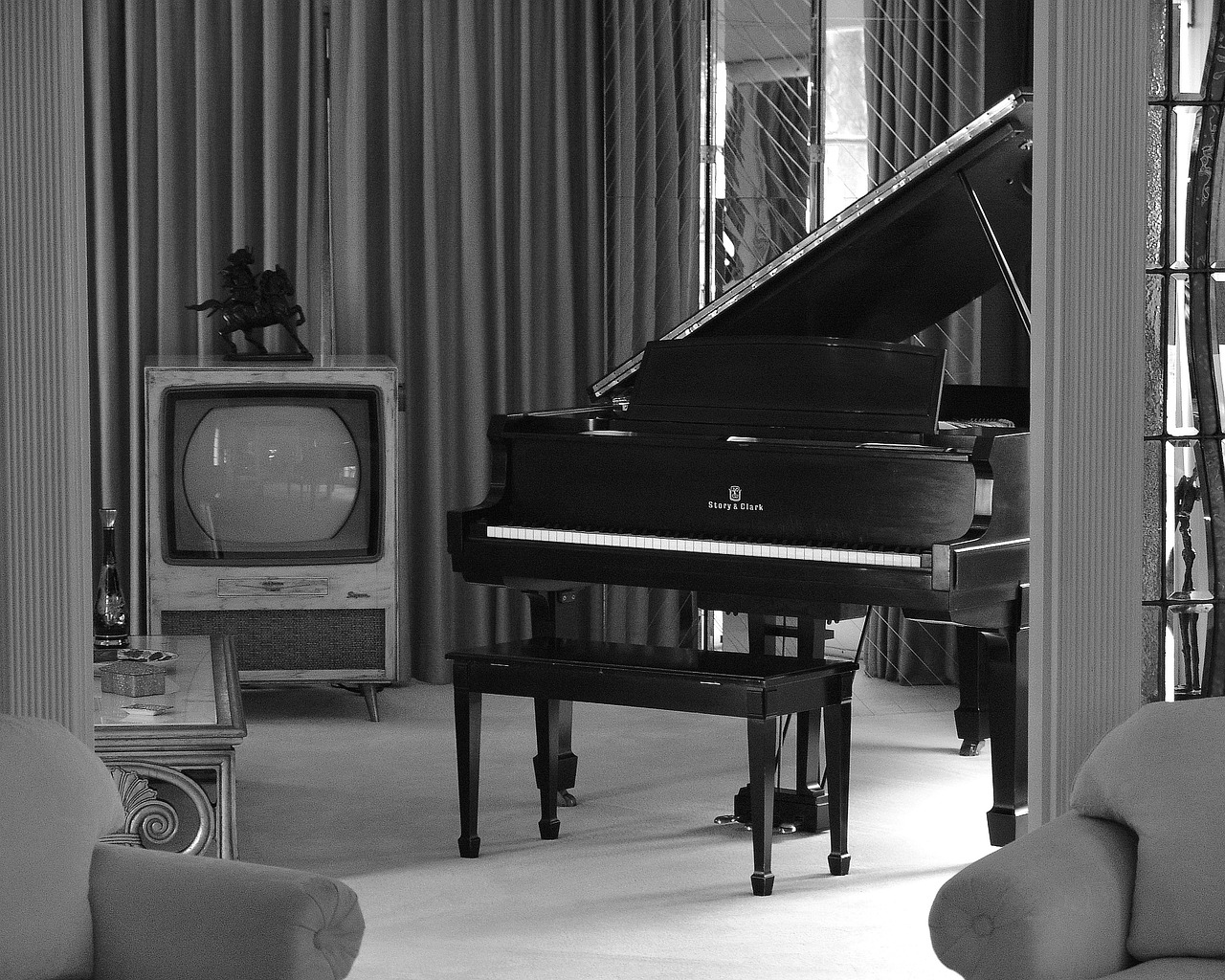
Anchored by the Stax Museum and Stax Music Academy, Soulsville is rich with musical history and community initiatives. It’s more residential and less touristy; I typically visit for the museum and then spend a bit of time exploring with respect and awareness that this is a living neighborhood.
South Bluffs & Harbortown
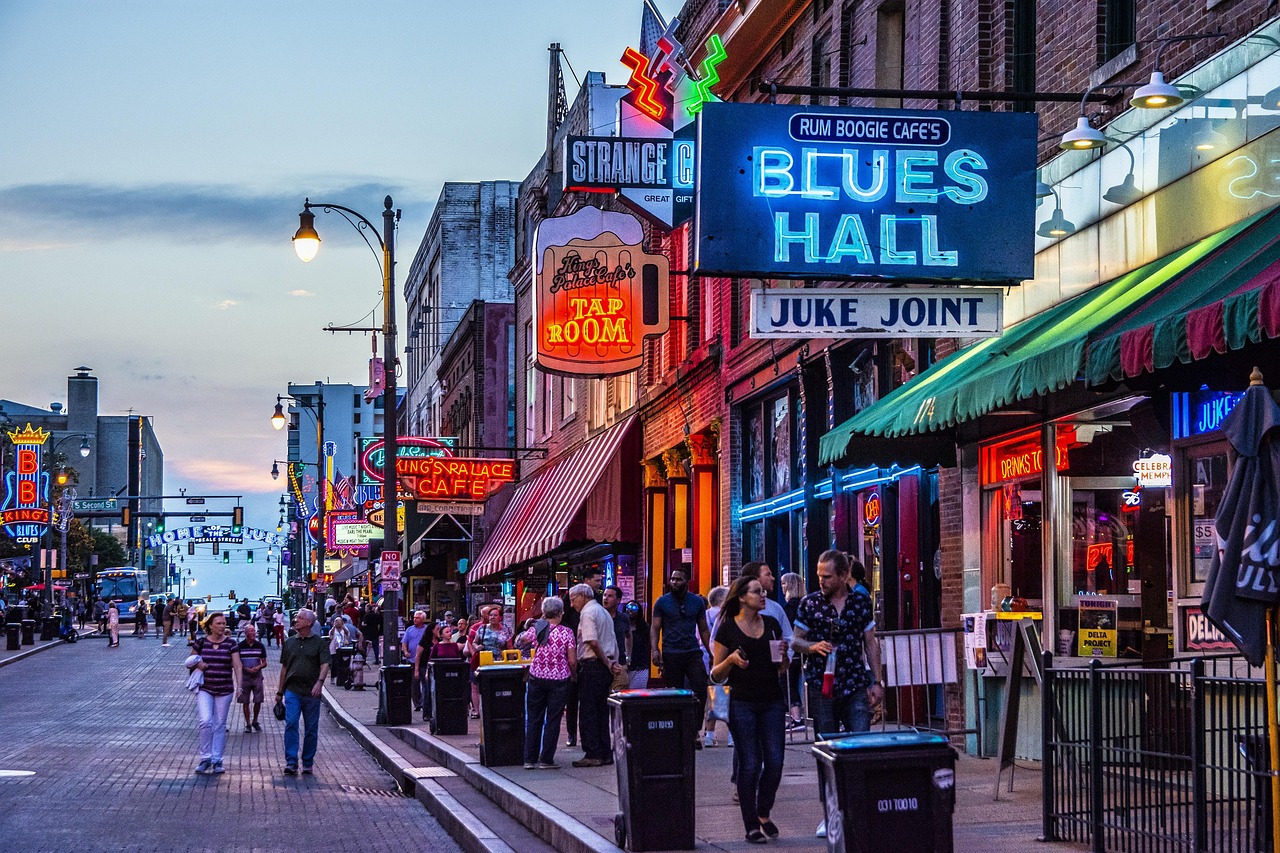
South of downtown, South Bluffs offers upscale apartments and river views, while Harbortown on Mud Island has a village feel with parks and riverfront walks. I like renting a bike or scooter and just cruising through here at golden hour.
Local Food in Memphis: What to Eat & Where
Memphis is a food city as much as a music city. You can build an entire 3–5 day itinerary for Memphis around eating alone (I’ve essentially done this on more than one trip). Here’s what you shouldn’t miss.
Memphis Barbecue
Memphis-style barbecue focuses on pork—ribs and pulled pork, especially—with both dry-rubbed and sauced options.
- Dry-rub ribs: Coated in a spice rub and smoked; you add sauce if you want. My personal weakness.
- Wet ribs: Smothered in sauce before and after cooking.
- Pulled pork sandwiches: Often topped with coleslaw; messy and perfect.
Some barbecue joints I’ve enjoyed over multiple visits:
- A historic downtown institution with a basement dining room and famously addictive dry-rub ribs.
- A cozy spot near Midtown popular with locals for consistently great pulled pork and sausage.
- A small, no-frills joint in a residential area where the pitmaster may chat with you while your order smokes.
Most places are casual and affordable, great for families and groups. Expect to spend $12–$25 per person for a hearty meal.
Other Local Specialties
- Fried catfish: Crisp, cornmeal-breaded, often served with hushpuppies.
- Hot wings: Memphis loves wings—sweet, spicy, smoked, or fried.
- Meat-and-three plates: A Southern classic: one meat, three sides (mac and cheese, greens, beans, etc.).
- Soul food: Fried chicken, yams, cornbread, and more.
Coffee, Brunch & Sweets
Memphis’ independent café scene has blossomed in the last decade, especially in Midtown, South Main, and Crosstown. I like to plant myself in a café mid-morning with a laptop or notebook and watch the city go by.
Brunch has also taken off: expect chicken and waffles, shrimp and grits, and strong coffee. Some places book up on weekends; reservations are wise if you’re on a tight schedule.
Nightlife, Music & Cultural Experiences
Nightlife in Memphis isn’t just about bars; it’s about music, theater, and community events. Here’s how I like to structure evenings in a 3–5 day itinerary for Memphis:
Live Music
- Beale Street: Classic blues, rock, cover bands, and tourists having the time of their lives.
- Midtown & Cooper-Young: Smaller venues and bars with local bands, jazz, and indie acts.
- South Main: Occasional live music in bars and during events like art walks.
I usually scan local listings online a day or two ahead to see who’s playing where; it’s easy to find something every night.
Theater & Performing Arts
- Orpheum Theatre: Touring Broadway shows, concerts, and classic film series.
- Local theaters in Overton Square: Comedy, drama, and experimental works.
Romantic Evenings
My favorite romantic combos:
- Sunset at Tom Lee Park or the Pyramid observation deck, then drinks at a rooftop bar downtown.
- Dinner in Midtown, followed by a show at the Orpheum or a jazz club.
Family-Friendly Nights
- Early evening stroll on Beale (before it gets rowdy) with gelato or ice cream.
- Duck March at the Peabody, followed by a casual downtown dinner.
- Minor league baseball game at AutoZone Park (seasonally), which is very kid-friendly.
Major Events & Festivals in Memphis (2026–2027)
Exact dates shift annually, but here are some recurring events and trends to watch for in 2026–2027. Always confirm closer to your travel dates.
- Beale Street Music Festival (Spring 2026 & 2027): Multi-day music festival, usually in late April or early May, featuring major acts and local talent. Often linked with larger citywide celebrations.
- Memphis in May International Festival: A month-long celebration with cultural spotlights, food events, and performances tied to a select honored country each year.
- Elvis Week (August 2026 & 2027): A pilgrimage for fans: concerts, vigils, and special events centered on Graceland.
- River Arts & Food Festivals: Tom Lee Park and the riverfront increasingly host culinary and arts festivals as part of the city’s revitalization push.
- Holiday at the Riverfront: Winter lights, seasonal riverfront events, and special shows at venues like the Orpheum and Peabody.
Day Trips & Nearby Getaways
If you have a car or don’t mind renting one, there are some easy day trips from Memphis.
- Mississippi Delta towns: Small music-rich communities south of Memphis offer blues heritage, juke joints, and quiet rural drives.
- Arkansas side of the river: Cross the bridge for scenic drives, river views, or a change of pace in small towns.
- State parks: Several parks within 1–2 hours’ drive offer hiking, lakes, and camping if you want a nature break.
Cultural Etiquette & Local Customs in Memphis
Memphis is warm and friendly, but like any city, it has its own rhythm.
- Greetings: A simple “Hi, how are you?” or “How y’all doing?” goes a long way. Don’t be surprised if strangers chat with you in line or on the street.
- Tipping: Standard U.S. tipping applies: 18–20% at restaurants, $1–$2 per drink at bars, a few dollars for hotel staff, and tips for tour guides.
- Music venues: Tip the band when a jar goes around, especially in smaller clubs. Requests often come with a few dollars folded in.
- Civil rights & slavery sites: Dress and act respectfully. These are places of mourning and reflection for many visitors.
- Photography: Always ask before photographing individuals, especially performers or in residential neighborhoods.
- Driving & walking: Memphis is car-centric; cross at lights and be aware that not all areas are pedestrian-optimized.
Practical Travel Tips for Memphis
Getting Around
- Car: The easiest way to get around, especially if you’re staying outside downtown or exploring multiple neighborhoods. Parking downtown is a mix of paid garages and street spots.
- Rideshare & taxis: Widely available and convenient for nightlife when you don’t want to drive.
- Walking: Downtown, South Main, and parts of Midtown (Overton Square, Cooper-Young) are walkable. Outside those hubs, distances and infrastructure can be less friendly to pedestrians.
- Bikes & scooters: Shared scooters and bikes pop up seasonally, especially downtown and around the riverfront.
How to Save Money
- Visit midweek: Hotel prices are often lower Sunday–Thursday.
- Look for combo tickets: Some attractions bundle admission or offer discounts online.
- Eat like a local: Neighborhood diners, barbecue joints, and food trucks can be cheaper and better than touristy spots.
- Free activities: Riverfront walks, parks, self-guided mural tours, and some live music events have no cover or only a small one.
SIM Cards & Connectivity
Memphis uses standard U.S. mobile networks. For international visitors:
- eSIMs: Many global eSIM providers offer affordable U.S. data plans that work well in Memphis.
- Physical SIMs: Available at major electronics stores and carrier shops in malls and shopping centers.
- Wi-Fi: Most hotels, cafés, and attractions provide free Wi-Fi.
Visa Requirements & Driving
- Visas: Follow standard U.S. entry rules. Many travelers use the ESTA (Visa Waiver Program) if eligible; others need a pre-arranged visa. Check the latest official guidelines before booking.
- Foreign driver’s licenses: Many rental agencies accept foreign licenses in English; an International Driving Permit can help if your license is in another script. Confirm with your rental company ahead of time.
Best Seasons for Memphis & What to Do
- Spring (March–May): My favorite time—mild weather, blooming parks, and major festivals. Ideal for walking tours, outdoor music, and parks.
- Summer (June–August): Hot and humid. Good for indoor museums by day and late-night music and river breezes by night.
- Fall (September–November): Another excellent season with pleasant temperatures and colorful foliage. Great for all activities.
- Winter (December–February): Cooler with some gray days but generally not severe. Attractions are less crowded, and you’ll find lower prices.
Hidden Tips from Repeat Visits
- Start days early. You’ll beat the heat and crowds at major sites like the Civil Rights Museum and Graceland.
- Build in downtime. Memphis nights can run late; plan quieter mornings in parks or cafés.
- Talk to locals. Ask bartenders, baristas, and musicians where they go—this is how I’ve found many of my favorite hidden gems in Memphis.
Summary & Final Recommendations
Memphis is a city of layers: joy and pain, music and silence, neon and old bricks. A well-planned 3 day itinerary for Memphis will give you the highlights—Beale Street, the National Civil Rights Museum, Graceland, and a taste of barbecue and live music. A 4 day itinerary for Memphis lets you add Midtown, Overton Park, and more neighborhood time. With a full 5 days in Memphis, you can start to feel like you’ve lived here, if only briefly.
For most travelers, the best times to visit are spring and fall, when the weather is kind and festivals are plentiful. Summer works too if you don’t mind the heat and plan indoor breaks, while winter offers quieter streets and good deals.
However long you stay, try to balance your days: one heavy on history, one on music, one on neighborhoods and the river. Eat well, listen deeply, and leave room for the unexpected conversations and late-night jams that make Memphis, Memphis.