Why Visit Milwaukee, USA?
Milwaukee is one of those cities people “mean to visit someday” and then kick themselves for not coming sooner. Sitting on the western shore of Lake Michigan, it blends lakefront beauty, serious beer heritage, a quietly excellent food scene, and neighborhoods that still feel local and lived-in. It’s less polished than Chicago but also less expensive, less crowded, and—if you ask me—far more approachable.
I’ve been coming to Milwaukee regularly since the late 2010s, usually for long weekends that turned into “maybe I’ll just stay a few more days.” I’ve watched the city evolve—warehouses turn into creative hubs, riverfront factories into condos and breweries, and sleepy corners blossom with bakeries, coffee roasters, and art spaces. Yet it’s still the kind of place where bartenders remember your name by the second night and strangers recommend their favorite Friday fish fry.
This 2026 travel guide is written as if I’m planning your trip personally: detailed day-by-day itineraries, realistic timing, a mix of must-see attractions and under-the-radar spots, and the kind of local etiquette and logistics advice that keeps you from wasting time or money.
Whether you’re planning 3 days in Milwaukee, stretching to 4 days in Milwaukee, or making it a full 5-day itinerary for Milwaukee, you’ll find options here that fit your travel style—family-friendly, romantic, outdoorsy, beer-obsessed, or culture-curious.
Table of Contents
- Why Visit Milwaukee
- Milwaukee at a Glance (2026–2027)
- Suggested Itineraries (3–5 Days in Milwaukee)
- 20 Must-See Attractions in Milwaukee (Deep Dive)
- Neighborhoods & Districts to Explore
- Local Food in Milwaukee & Where to Eat
- Nightlife, Entertainment & Cultural Experiences
- Day Trips & Nearby Getaways
- Cultural Etiquette & Local Customs
- Practical Travel Tips for Milwaukee
- Summary & Best Time to Visit Milwaukee
Milwaukee at a Glance (2026–2027)
Milwaukee in 2026 feels like a city finally getting the national recognition locals have been quietly expecting. The RiverWalk expansion has stitched more neighborhoods together, the streetcar (“The Hop”) has extended service hours and coverage, and new hotels and food halls have opened around downtown and the Third Ward.
Major Events in 2026–2027
- Summerfest (June–July, annually): The “World’s Largest Music Festival” continues to take over the lakefront with 9+ days of music. Book accommodation early.
- Wisconsin State Fair (August, annually): Nearby West Allis; think deep-fried everything, giant cream puffs, and farm animals.
- Milwaukee Film Festival (Spring 2026 & 2027): A growing reason for cinephiles to visit.
- Doors Open Milwaukee (September): Two days when normally closed buildings and rooftops open to the public.
- Holiday Lights Festival (Nov–Jan): Downtown and the parks glow with lights and displays.
On top of these, expect neighborhood street festivals, brewery anniversaries, and pop-up markets nearly every weekend from late spring through early fall.
Suggested Itineraries: 3–5 Days in Milwaukee
These itineraries are structured from my own visits. Consider them flexible templates; swap in and out based on your interests and energy level.
3 Day Itinerary for Milwaukee: First-Timer Essentials
If you only have 3 days in Milwaukee, this itinerary focuses on classic sights, the lakefront, and a taste of the city’s food and beer scene, without feeling rushed.
Day 1: Lakefront Icons & Downtown Strolls
I like to start Milwaukee trips by orienting myself along the lake. On my most recent visit, I landed early, dropped my bags downtown, and walked straight toward that huge white “wings” structure you’ve probably seen on Instagram.
Milwaukee Art Museum & Lakefront
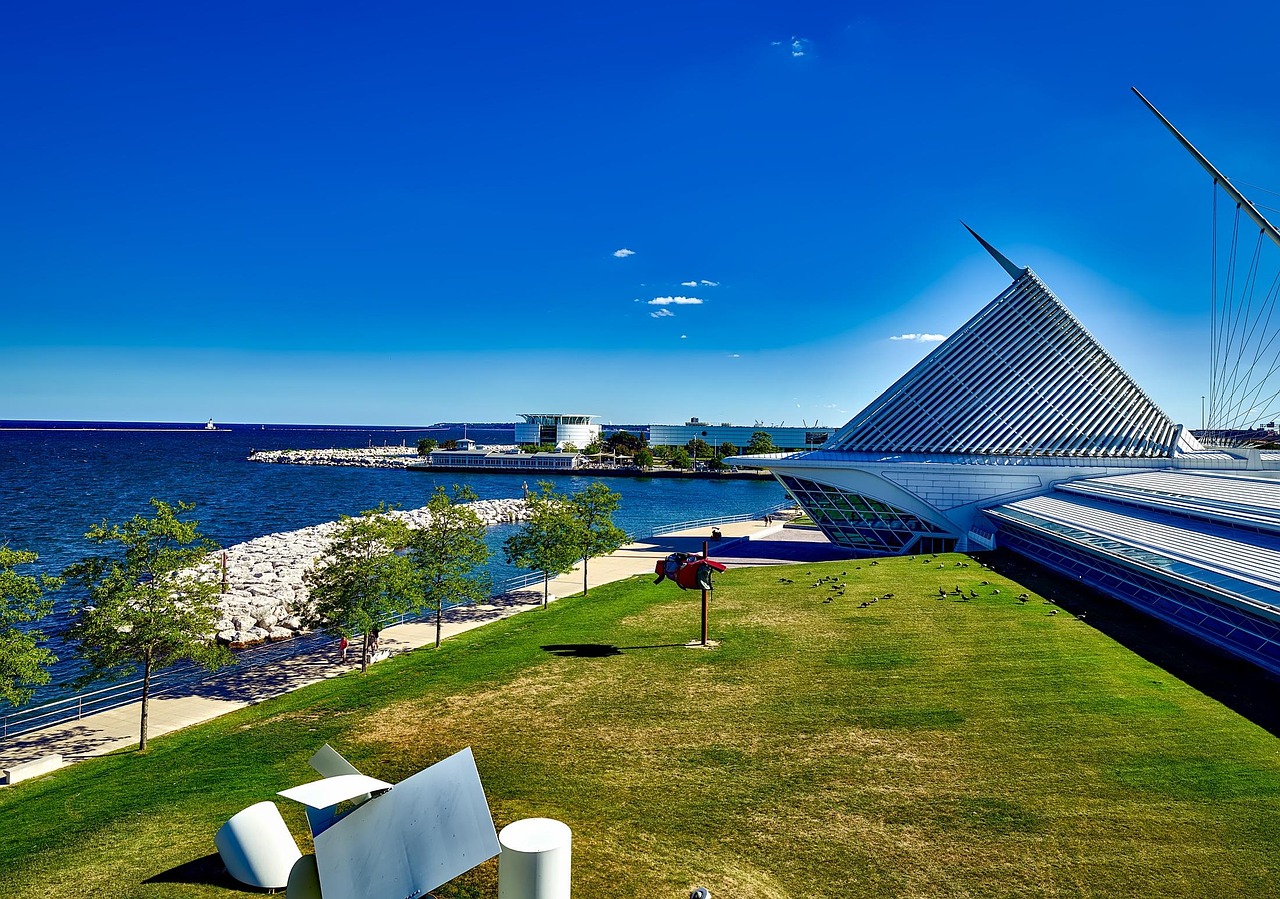
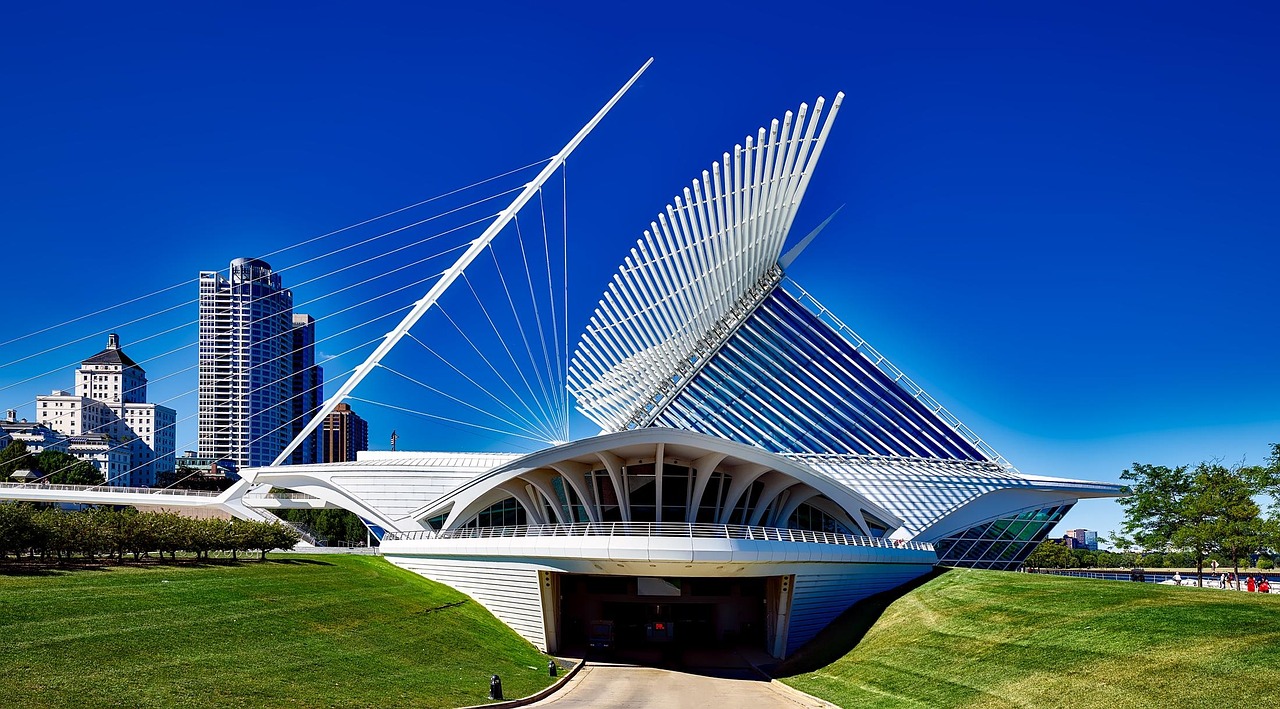
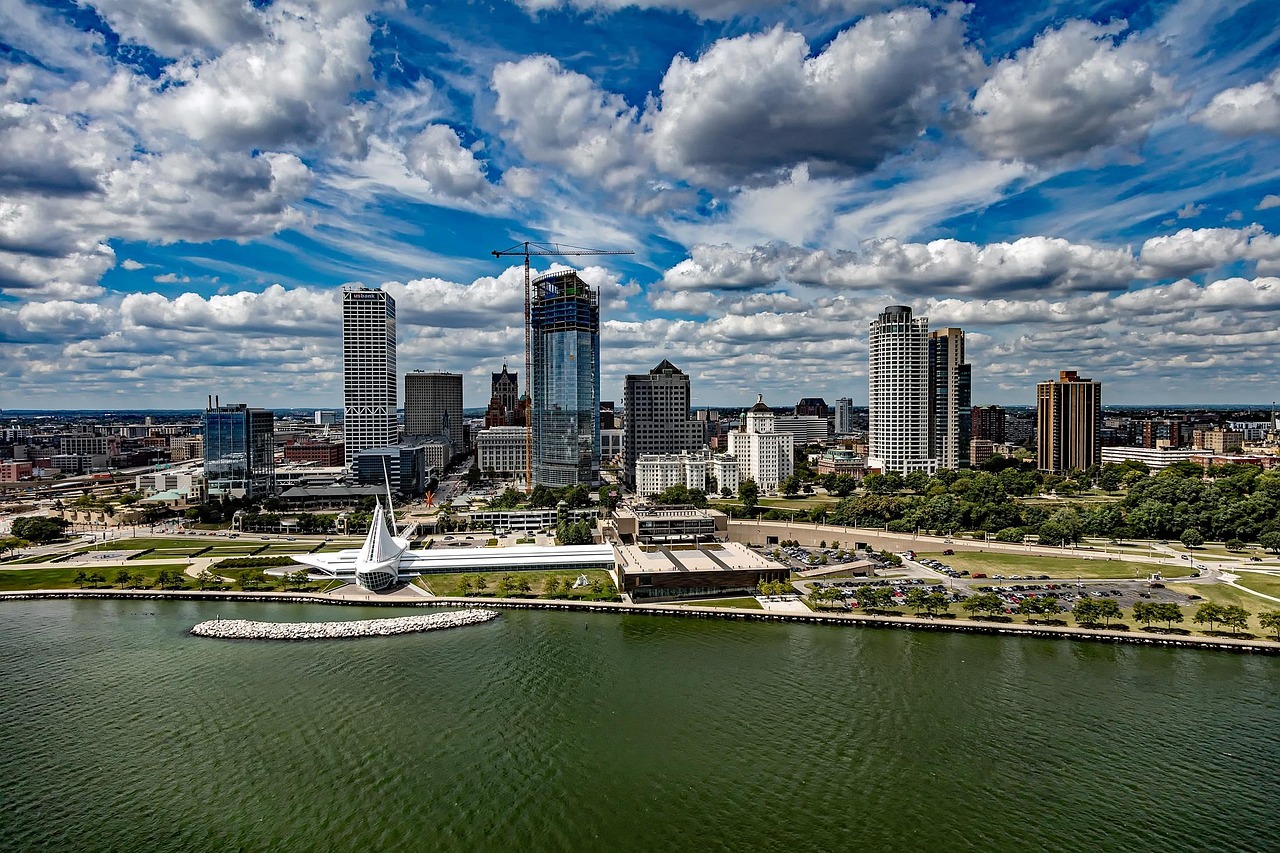
The Milwaukee Art Museum is one of the city’s defining silhouettes, thanks to the Santiago Calatrava–designed Quadracci Pavilion. Its moveable “wings” (the brise soleil) open and close several times a day (usually at 10 a.m., noon, and 5 p.m.—confirm current times in 2026 before you go). Standing on the bridge as they move is genuinely goosebump-inducing, even if you’re not usually an architecture nerd.
What I do here: I arrive right when it opens to avoid school groups and bus tours. I spend an hour or two browsing the permanent collection (the American and European galleries are particularly strong) and always swing through whatever rotating exhibit is on—past years have included photography retrospectives and modern design shows that felt refreshingly unpretentious.
View & vibe: Don’t rush out. Walk around the museum’s terrace for views of Lake Michigan and the skyline. On clear days, you’ll see joggers, cyclists, and people just sitting on the low walls watching sailboats drift by. It’s one of my favorite free “activities” in the city.
Practical tips:
- Getting there: From most downtown hotels, you can walk (10–20 minutes). The Hop streetcar gets you within a few blocks; then it’s a short downhill stroll.
- Tickets: Expect around $20 for adults in 2026, discounts for students/seniors. Free days or evenings pop up sometimes—check ahead if you’re budget-conscious.
- Family-friendly? Yes. There are usually kid-focused activities on weekends, and the big, bright spaces rarely feel stifling for children.
Discovery World & Lakeshore State Park
Just a short walk south along the water is Discovery World, a science and technology museum that sits right on the edge of Lake Michigan. If you’re traveling with kids, this is a slam dunk; if you’re an adult who likes hands-on exhibits and aquariums (guilty), it’s fun too.
I’ve spent rainy mornings here watching families get totally absorbed in the freshwater exhibits and interactive engineering displays. One of my favorite areas is the section on the Great Lakes ecosystem—surprisingly fascinating, with great visuals and fish tanks.
Right next door is Lakeshore State Park, a narrow peninsula of green space jutting out into the lake. A paved path loops around with panoramic skyline views on one side and open water on the other. I usually grab a coffee to go and do the loop at a leisurely pace—this is an easy way to see the city’s architecture framed against the lake.
Tips:
- Pair Discovery World with a picnic or stroll in Lakeshore State Park; they share parking and are walkable from each other.
- Bring a light jacket even in summer; the breeze off the lake can be chilly.
Milwaukee RiverWalk & Bronze Fonz
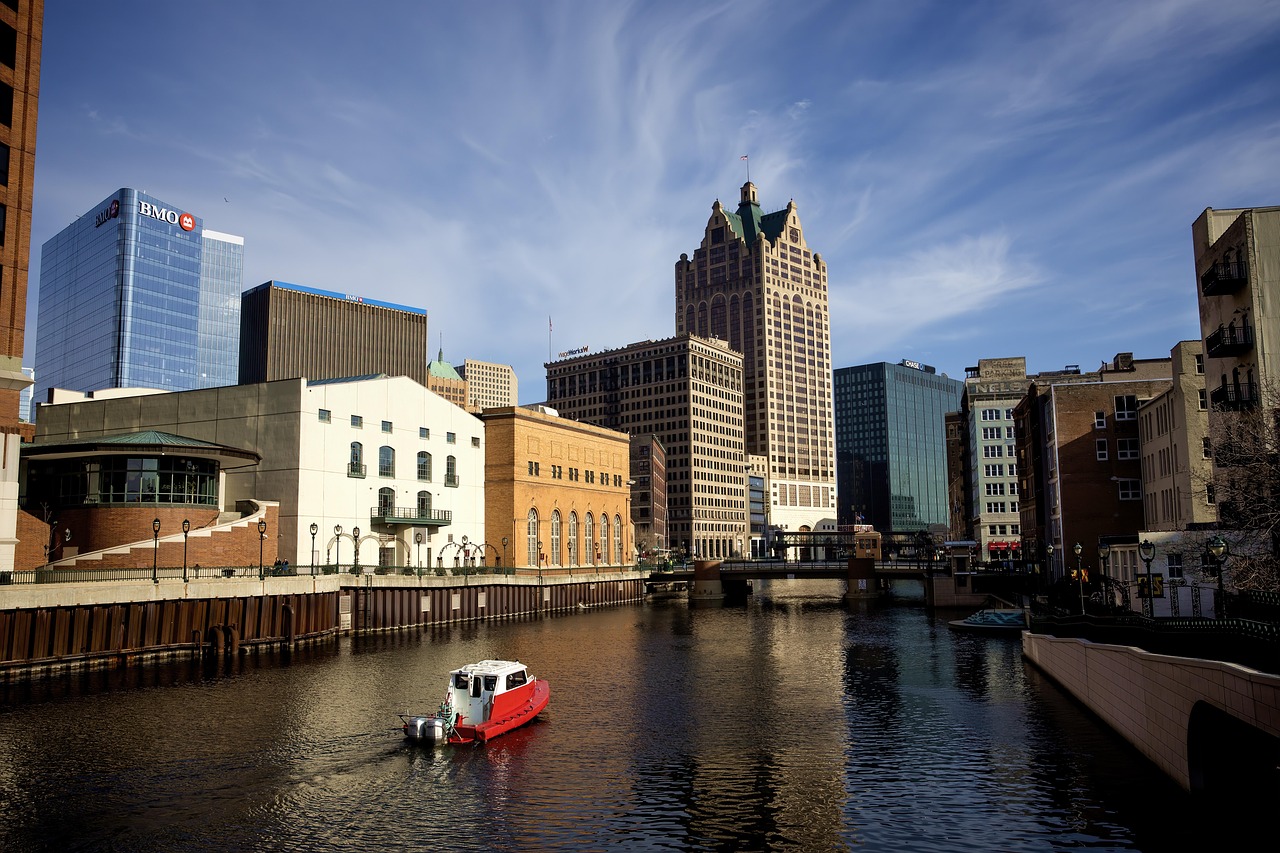
After the lakefront, I cut back into downtown and find the Milwaukee RiverWalk, a pedestrian path that hugs both sides of the Milwaukee River. This is where you start understanding how the city fits together: old warehouses turned into lofts and breweries, sleek new residential towers, and bridges everywhere.
Follow the RiverWalk north from downtown and you’ll eventually stumble on the Bronze Fonz, a statue of Fonzie from the TV show “Happy Days.” Is it kitschy? Absolutely. Do I still take visitors there? Every time. It’s quick, free, and makes for an amusing photo stop.
I like to wander without a strict plan, ducking into coffee shops, bars, and little pocket parks along the water. In summer, the riverside patios come alive; in winter, the river’s icy stillness has its own quiet charm.
Money-saving tip: Walking the RiverWalk is free and lets you “preview” restaurants and bars you might revisit later without committing to a reservation.
Old World Third Street (Now MLK Drive Corridor)
Just a block or two off the river is the historic Old World Third Street area (now officially part of Dr. Martin Luther King Jr. Drive). Cobblestone-like streets, brick buildings, and a strong nod to the city’s German heritage define this strip.
Here is where I usually get my first “classic Milwaukee” meal of a trip: sausages, schnitzel, or a Friday fish fry paired with a local lager. Several long-running restaurants in this area lean into the old-school beer hall atmosphere—dark wood, big steins, and friendly, no-nonsense service.
Evening plan: Have dinner here, then either:
- Catch a show or game at Fiserv Forum (home of the Milwaukee Bucks, plus concerts), or
- Return to the RiverWalk for a nightcap at one of the craft beer bars or cocktail lounges.
Day 2: Historic Third Ward, Markets & Breweries
Day 2 in a 3 day itinerary for Milwaukee is all about the Historic Third Ward, one of my favorite urban neighborhoods in the Midwest, plus an introduction to Milwaukee’s brewery culture.
Historic Third Ward & Milwaukee Public Market
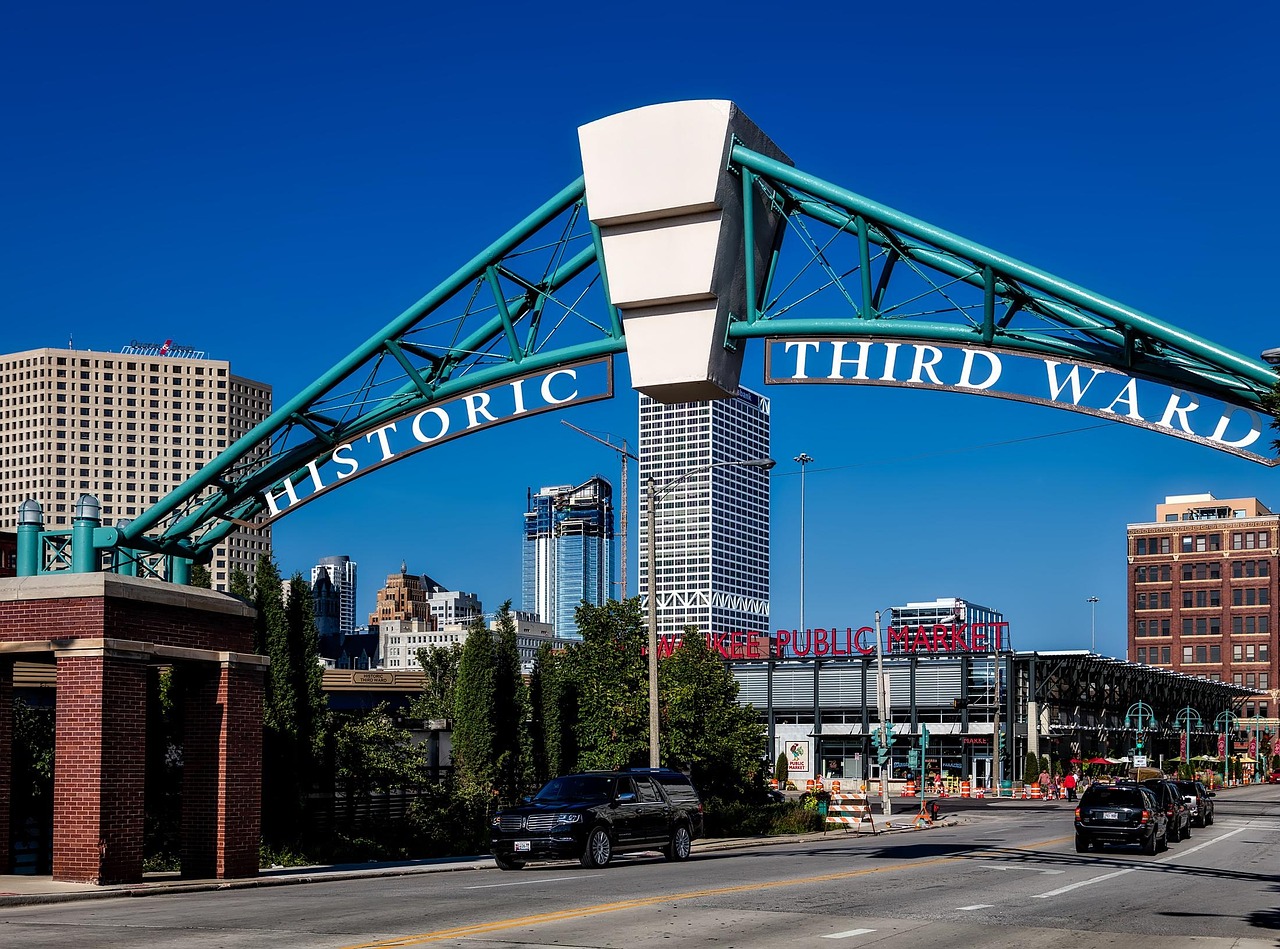
The Historic Third Ward is Milwaukee’s former warehouse district, once gritty and industrial, now one of the city’s most desirable neighborhoods. Think red-brick buildings, cobblestone-style streets, loft apartments, art galleries, independent boutiques, and a constant buzz of people heading to brunch or browsing shops.
I always start at the Milwaukee Public Market, a mid-sized indoor market that punches above its weight. It’s not massive, but every stall feels curated: seafood counters, bakeries, cheese shops, coffee, tacos, sushi, and more. The last time I was there, I had a breakfast burrito from one vendor, a pastry from another, and a local cold brew—all for less than a typical sit-down brunch.
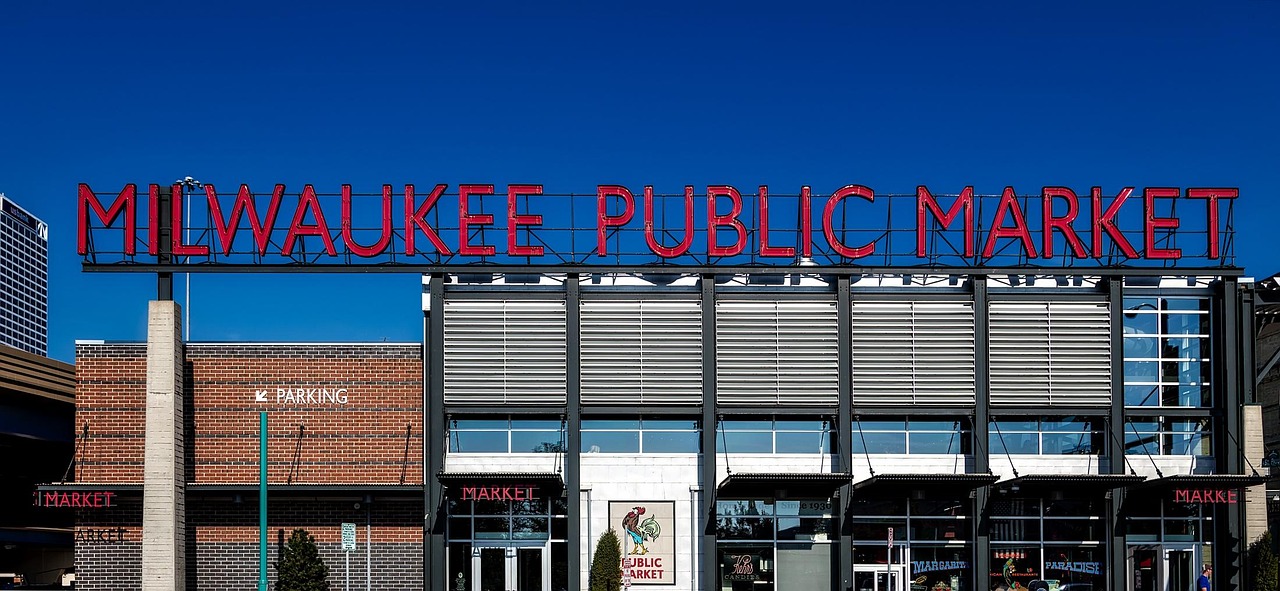
How I use the Public Market:
- Breakfast basecamp before exploring the Ward.
- Rainy-day lunch spot—everyone in your group can pick what they like.
- Place to stock up on Wisconsin cheese, local snacks, and coffee beans.
After eating, I wander the side streets, popping into galleries and shops. The Third Ward is also photogenic; you’ll get plenty of brick-and-bridge cityscape shots here.
Third Ward RiverWalk & Architecture
From the Public Market, I cut over to the RiverWalk again, this time following it as it curves around the Third Ward. This section is especially pretty: old warehouse buildings with huge windows, modern apartments cantilevered over the water, and an ever-expanding line of restaurants with patio seating mere feet from passing kayaks.
Architecture fans will appreciate how the old and new coexist. I like to slow down and look up—note the faded ghost signs on brick walls, restored cornices, and the way new glass-and-steel additions rest lightly atop old foundations.
Harley-Davidson Museum
Even if you’ve never ridden a motorcycle, the Harley-Davidson Museum is worth your time. Set on a 20-acre campus along a bend in the Menomonee River, the museum traces the entire history of Harley—from a shed in Milwaukee in 1903 to a global icon.
The exhibits are thoughtfully designed: rows of gleaming bikes from every decade, interactive displays about engineering and design, and stories of riders and clubs around the world. I’ve visited twice now; both times I ended up staying longer than planned because I got sucked into the details—especially the section on custom bikes and the Wall of Tanks, showcasing decades of painted gas tanks like pieces of art.
Good to know:
- Time needed: 2–3 hours, more if you’re a motorcycle fan.
- Food: The on-site restaurant is decent and very Harley-themed, with hearty American fare.
- Family-friendly: Yes; kids love the sheer visual spectacle of all the bikes.
Brewery Tours: From Macro to Micro
Milwaukee’s beer heritage is no gimmick; this is the city that helped define American beer. I like to dedicate the late afternoon and evening of Day 2 to brewery-hopping, choosing a mix of big-name history and small-batch creativity.
Options to consider:
- Lakefront Brewery: Famous for its lively tours—more comedy show than lecture—and delicious beer hall food (the cheese curds are mandatory).
- Miller Brewery (Miller Valley): A deep dive into macro-brewing history on the original campus of one of America’s big beer brands.
- Smaller craft spots: Places like Third Space, MobCraft, or Good City offer a more intimate look at modern craft brewing.
I usually pick Lakefront Brewery for first-timers because it hits the sweet spot: riverfront setting, funny guides, and a strong line-up of beers plus gluten-free options and great food. Tours often sell out on weekends; buy tickets in advance.
Safety note: Milwaukee is compact enough that you can often walk or take short rideshares between breweries. Don’t drive if you’re tasting; local police are strict about DUIs.
Day 3: Neighborhoods, Parks & Local Life
For the third day in your 3 day itinerary for Milwaukee, I recommend focusing on some of the city’s most character-rich neighborhoods and green spaces.
Brady Street & East Side
Brady Street is one of Milwaukee’s liveliest strips, lined with bars, cafes, vintage shops, and restaurants. It has a slightly bohemian feel, due in part to its proximity to the University of Wisconsin–Milwaukee and long history as an immigrant neighborhood.
I like to start the morning with coffee at one of the local roasters, then wander up and down the street, dipping into shops and people-watching. There’s almost always something happening: a sidewalk musician, a vintage sale, or just locals walking their dogs.
From Brady, it’s a short walk downhill to the lakefront and Veterans Park or north into leafy residential streets with gorgeous old houses.
Veterans Park, McKinley Marina & Oak Leaf Trail
On nice days, I spend hours walking or biking along the lakefront. Veterans Park offers big open lawns, a lagoon where you can rent paddleboats, and photo-perfect views of the skyline. The Oak Leaf Trail runs through here, a multi-use path that stretches for miles through Milwaukee County; even a short segment makes for a beautiful urban nature break.
Continue north and you’ll pass McKinley Marina and eventually reach Bradford Beach, one of the most surprisingly “real” urban beaches in the Midwest—sand, volleyball courts, and a buzzing scene on warm weekends.
Family tip: Kids can burn off energy here, and there’s plenty of room to run around without worrying about traffic.
Riverwest: Creative, Laid-Back Milwaukee
For your final evening, I suggest heading to Riverwest, a neighborhood just north of downtown across the river. It’s one of the city’s more offbeat and community-driven areas—less polished than the Third Ward, but full of character.
I come here when I want to feel like I’m actually living in Milwaukee instead of just visiting. You’ll find co-op groceries, artsy bars, live music venues, community gardens, and lots of murals. It’s a great place to grab a casual dinner (pizza, tacos, or pub food) and a drink without spending much.
Riverwest is also home to some under-the-radar breweries and taprooms, so if you didn’t get enough beer on Day 2, you can continue your education here.
4 Day Itinerary for Milwaukee: Add Culture & Local Depth
With 4 days in Milwaukee, you can keep the three-day plan above and add a day focused on museums, music, and neighborhood wandering. I’ll outline a suggested “Day 4” here; slot it anywhere based on weather and your interests.
Day 4: Museums, Music & Local Markets
Milwaukee Public Museum (New Campus Opening Phase, 2026)
The Milwaukee Public Museum has long been one of the city’s beloved institutions, known for its immersive exhibits like the Streets of Old Milwaukee and European Village. As of 2026, the museum is in the process of transitioning to a new, more modern campus downtown. Check which galleries are open when you visit—there may be temporary exhibits or transitional spaces, but it remains a solid choice for families and curious adults.
I have a soft spot for natural history museums, and this one has always had a quietly charming, slightly old-school feel. I recommend checking the museum’s website closer to your travel dates to see exactly what’s on view during the 2026–2027 transition period.
Tip: Pair your visit with a stroll through nearby downtown blocks; there are plenty of cafes and lunch spots a short walk away.
Bradley Symphony Center & Milwaukee Symphony Orchestra
For a dose of high culture, check the schedule at the Bradley Symphony Center, home to the Milwaukee Symphony Orchestra. The restored historic theater is a destination in itself—ornate detailing, warm lighting, and a sense of occasion the moment you step inside.
The last time I went, I caught a film-in-concert performance (live orchestra playing the score to a classic movie). The mix of locals dressed up for date night and families introducing kids to live orchestral music gave the place a lovely, communal feel.
Dress code: Milwaukee is relatively relaxed. Business casual or “nice jeans and a shirt” is perfectly fine for most performances, though you’ll see everything from dresses to sweaters.
Walker’s Point: Dining, Distilleries & LGBTQ+ Nightlife
Spend your late afternoon and evening in Walker’s Point, just south of downtown. This former industrial area has become one of Milwaukee’s most exciting food neighborhoods, with a strong Mexican and Latinx presence alongside trendy farm-to-table restaurants and craft cocktail bars.
By day, I wander old factory blocks now filled with design studios, cafes, roasteries, and small shops. By night, the area heats up, especially around its cluster of LGBTQ+ bars and clubs, making Walker’s Point one of the city’s most welcoming and inclusive nightlife districts.
There are also a couple of excellent distilleries offering tours and tastings—perfect if you want a break from beer.
Hidden gem tip: Look for small side-street taquerias and bakeries. Some of my best meals in Milwaukee have been unassuming tacos and pan dulce from family-run spots here.
5 Day Itinerary for Milwaukee: Full Immersion
If you have 5 days in Milwaukee, you can experience the city at a genuinely relaxed pace and even add a day trip. Here’s how I’d structure a 5 day itinerary for Milwaukee using the previous days as a base.
Day 5: Nature, Neighborhoods & Optional Day Trip
Mitchell Park Horticultural Conservatory (The Domes)
The Mitchell Park Domes are one of Milwaukee’s most distinctive sights: three beehive-shaped glass domes rising from a park on the city’s south side. Inside, each dome presents a different climate—tropical, desert, and a rotating seasonal display.
I like coming here in the dead of winter when it’s gray and frigid outside; stepping into the warm, humid tropical dome feels like teleporting to another country. In spring and summer, the floral dome’s displays are stunning, and you’ll see lots of locals taking family photos among the blooms.
Note: The Domes have gone through structural and funding discussions over the years; in 2026 they’re still in operation but occasionally undergo maintenance. Check ahead for any closures or special events.
Optional Day Trip: Cedarburg, Lake Geneva, or Chicago
With a fifth day, you can either deepen your Milwaukee experience or venture out.
- Cedarburg: A charming historic town about 30–40 minutes north. Stone mills, boutiques, wineries, and a very walkable main street. Great for couples and families.
- Lake Geneva: About an hour away. A classic lake resort town with boats, mansions, and a laid-back vacation vibe.
- Chicago: Around 1.5 hours by car or train. You won’t “do” Chicago in a day, but you can hit a museum or two and walk the lakefront for a big-city contrast.
I personally love Cedarburg for its low-stress charm. I’ll rent a car for the day, head up mid-morning, stroll the town, have lunch and maybe a wine tasting, then be back in Milwaukee by dinner.
20 Must-See Attractions in Milwaukee (Deep Dive)
Below are deeper dives into some of the best places to visit in Milwaukee, weaving in history, significance, and my own experiences. Many of these appear in the itineraries above; others are “choose-your-own-adventure” additions.
1. Milwaukee Art Museum
Beyond being a photo icon, the Milwaukee Art Museum is a genuinely excellent mid-sized museum. The collection includes works from Georgia O’Keeffe (a Wisconsin native), European masters, and rotating contemporary exhibitions that often highlight underrepresented artists.
The Quadracci Pavilion opened in 2001 and almost instantly became the city’s architectural calling card. Locals still pause on the bridge to watch the wings move; you’ll often see wedding parties taking photos there on weekends.
On my last visit, I spent a full half-day drifting between galleries, then sat in the bright café area with a coffee, watching lake fog roll in. If you’re into sketching or journaling, this is a perfect spot.
Best for: Art lovers, photographers, couples, solo travelers.
2. Historic Third Ward
The Third Ward was once a rough-and-tumble warehouse and shipping district. After a devastating fire in 1892, it was rebuilt with the sturdy brick buildings you see today. Over the last few decades, it’s transformed again into a hub of art, design, and dining.
I love how walkable it is. You can easily spend a full day here: breakfast at the Public Market, gallery-hopping, shopping in boutiques, grabbing a lakeside drink, and catching a show at the Broadway Theatre Center in the evening.
Local tip: Street parking can be tight on weekends; use a parking garage or walk from downtown if you’re able.
3. Milwaukee RiverWalk
The RiverWalk is one of the city’s best urban design projects—a continuous pedestrian path threading through downtown, the Third Ward, and beyond. It turns what could have been a neglected industrial riverfront into an active, inviting space.
I’ve walked it in all seasons. In summer, you get kayaks and tour boats; in fall, the trees along the banks blaze with color; in winter, the quiet and snow-covered railings make the city feel introspective.
Hidden gem: Look for public art along the path, including quirky sculptures and murals tucked between buildings.
4. Harley-Davidson Museum
Opened in 2008, the Harley-Davidson Museum sits on the same river that once carried parts and finished bikes in and out of the city. The building itself resembles a sleek, industrial warehouse—a nod to Harley’s roots.
Highlights for me include the earliest prototypes (invented in a small Milwaukee shed), military bikes used in World Wars, and wild custom builds that look like rolling sculptures. Even if you’re not a gearhead, the design and storytelling are impressive.
Outside, there are often special events: bike nights, rallies, or seasonal markets. Check the calendar if you’re visiting in summer.
5. Lakefront Brewery
Lakefront Brewery might be the single most fun brewery tour I’ve ever done. Founded by two brothers in the late 1980s, it grew from a small operation into a beloved local institution, all while keeping a big sense of humor.
The tour guides lean into jokes and audience participation, explaining brewing basics and Lakefront’s history in equal measure. There are usually multiple beer samples included, and the riverside beer hall’s food is way better than it needs to be—think excellent fried cheese curds, sausages, and fish fry.
I’ve brought friends, parents, and even non-beer drinkers here; everyone left happy.
6. Miller Brewery & Miller Valley
The Miller Brewery, now part of Molson Coors, is a massive complex west of downtown known as Miller Valley. Touring here is about understanding the scale and legacy of big American beer brands.
You’ll see production lines, bottling, and warehouses stacked with beer. The free samples at the end are a nice perk, but the real draw is feeling the weight of history—this is a company that’s been brewing here since the 1850s.
Tip: This is a bit more of a “bus tour” vibe than Lakefront; good if you’re interested in industrial history.
7. Mitchell Park Domes
The Domes feel like retro-futurism: mid-20th-century visions of botanical gardens, preserved into the 21st. They’ve been a local favorite for decades, a place where kids press their faces to glass cases of cacti and grandparents sit on benches soaking up warmth.
I particularly love visiting in late February or early March, when winter feels endless. An hour in the tropical dome—surrounded by palms, orchids, and the sound of water—does wonders for the spirit.
8. Milwaukee Public Market
The Public Market is a perfect microcosm of local food in Milwaukee: cheese, coffee, baked goods, seafood, and international cuisines. Opened in 2005, it has slowly become the unofficial living room of the Third Ward.
It’s my go-to for a casual, affordable meal, especially with a group. Everyone can order from different vendors, then regroup at communal tables upstairs.
9. Fiserv Forum & Deer District
Fiserv Forum opened in 2018 as the new home of the Milwaukee Bucks (NBA) and the Marquette Golden Eagles (college basketball). It quickly became the anchor of the Deer District, a pedestrian-friendly plaza lined with bars, restaurants, and big outdoor screens for watch parties.
On game days, the energy is electric—even if you don’t have tickets, you can soak it up from the plaza. I’ve watched playoff games here surrounded by cheering fans; it felt like a city-wide block party.
10. Brady Street
Brady Street has gone through many phases—Italian enclave, counterculture hub, student haunt—and now lands somewhere between all three. It’s one of the best places to feel “everyday Milwaukee” rather than curated tourist experiences.
I’ll often start or end nights here, hopping between cozy bars and late-night eateries. It’s lively but not overwhelming, with a good mix of ages and backgrounds.
11. Riverwest
Riverwest is artsy, affordable, and fiercely community-oriented. It’s home to cooperatives, DIY music spaces, and some of my favorite low-key bars and cafes.
I like coming here on Sunday mornings for coffee and a walk, or on weeknights to catch local bands without any of the downtown gloss.
12. Walker’s Point
Walker’s Point showcases how industrial spaces can be revitalized. Many buildings still bear the marks of their manufacturing past, now home to buzzy restaurants, distilleries, and creative offices.
I’ve had some of my best meals here in the last few years—tasting menus and tacos, cocktails and coffee. It’s also where I recommend friends stay out late if they want a mix of edgy and welcoming nightlife.
13. Bay View & Kinnickinnic Avenue
South of downtown, Bay View hugs the lake and feels like a small town within the city. Its main artery, Kinnickinnic Avenue (locals say “KK”), is lined with record stores, cafes, craft cocktail bars, and quirky shops.
On one trip, I stayed in a small guesthouse here and spent a whole day just exploring KK and walking down to the lakeside parks. It’s less touristy than downtown or the Third Ward, and you’ll mostly rub shoulders with locals.
14. Lakefront Parks: Veterans Park, Bradford Beach & Beyond
Milwaukee’s lakefront parks are its greatest free attraction. Between Veterans Park, McKinley Park, and Bradford Beach, you have miles of shoreline to walk, bike, or simply sit and watch the water.
On hot summer days, Bradford Beach genuinely feels like a coastal destination—music, beach bars, volleyball games, and crowds of sunbathers. The water is cold but swimmable for most people by late July and August.
15. Grohmann Museum (Art of Work)
The Grohmann Museum, part of the Milwaukee School of Engineering (MSOE), is a niche gem devoted to the art of work—industrial scenes, craftsmen, farmers, and laborers throughout history.
The rooftop sculpture garden, with bronze statues of workers, offers lovely views of downtown. It’s a peaceful, often overlooked stop that I recommend to anyone who likes smaller, focused museums.
16. Black Cat Alley
Black Cat Alley is an outdoor mural gallery on the East Side, tucked between buildings near the main bar and restaurant strip. Local and international artists have transformed a formerly unremarkable alley into a vivid corridor of street art.
Each time I visit, I notice new pieces or changes. It’s free, open 24/7, and especially fun to photograph. Combine it with coffee or drinks nearby and a walk through the East Side neighborhoods.
17. Pabst Mansion
The Pabst Mansion was built in the 1890s for Captain Frederick Pabst, the beer baron behind Pabst Brewing Company. This Flemish Renaissance Revival home showcases Gilded Age wealth—ornate woodwork, stained glass, and period furnishings.
I recommend taking the guided tour to fully appreciate the stories behind each room and restoration efforts. Around the holidays, the mansion is decorated with elaborate Christmas displays, making it extra magical.
18. Pabst Brewery District (The Brewery District)
Northwest of downtown, the former Pabst Brewery complex has been reborn as a mixed-use district called simply “The Brewery.” Historic brick brew houses now hold hotels, apartments, offices, and taprooms.
Walking these blocks, you’ll see Pabst logos embedded in architecture, old smokestacks, and restored signage. I like grabbing a drink at one of the taprooms and imagining the area in its industrial heyday.
19. Lakeshore State Park
Lakeshore State Park might be small, but its setting is spectacular: a strip of green and prairie landscaping between downtown and Lake Michigan, with the Art Museum and skyline as a backdrop.
I come here at sunset whenever I can. The light on the buildings and the water is gorgeous, and the path is flat and accessible for all ages and abilities.
20. American Family Field & The Brewers Game Day Experience
American Family Field (formerly Miller Park) is home to the Milwaukee Brewers MLB team. Even if you’re not a hardcore baseball fan, a game here is a cultural experience.
Tailgating is a big deal; fans arrive early to grill, drink, and socialize in the parking lots. The stadium’s retractable roof means games go on regardless of weather, and the Famous Racing Sausages—mascot races between costumed sausages—are a delightfully weird local tradition.
On my first game here, I sat next to a family who patiently explained every quirky ritual. By the end, I was cheering for the Polish sausage like my life depended on it.
Neighborhoods & Districts to Explore in Milwaukee
Milwaukee’s charm lies in its neighborhoods. Here’s how I think about them when planning a visit:
- Downtown: Business district, big hotels, Fiserv Forum, RiverWalk access. Convenient but can feel corporate.
- Historic Third Ward: Trendy, walkable, close to the lakefront and Public Market. Great for first-timers.
- East Side: Around Brady Street and the lakefront; youthful, eclectic, lots of bars and cafes.
- Riverwest: Artsy, community-driven, more residential but full of character.
- Bay View: South-side lakefront neighborhood with strong local identity, good for food and bars.
- Walker’s Point: Industrial-chic, excellent dining, LGBTQ+ nightlife, distilleries.
- Wauwatosa (“Tosa”): Leafy suburb with its own charming village area and restaurants, 15–20 minutes from downtown.
I usually suggest first-time visitors stay in or near the Third Ward, East Side, Bay View, or downtown, depending on whether you want nightlife, lakefront access, or convenience.
Local Food in Milwaukee & Where to Eat
Milwaukee’s food scene punches well above its weight, especially if you like comfort food, beer, and global flavors. Some local must-tries:
- Cheese curds: Fresh (squeaky) or fried. Nearly every bar and brewery serves them; I like sampling across the city.
- Friday fish fry: A Wisconsin institution—battered fish (often cod or perch), rye bread, coleslaw, and potato pancakes or fries. Churches, VFW halls, and restaurants all do their own versions.
- Bratwurst & sausages: Grilled, often served with sauerkraut and mustard.
- Frozen custard: Creamier cousin of ice cream; local stands are a summer essential.
- German and Polish fare: Schnitzel, pierogi, and hearty stews reflect the city’s immigrant roots.
- Mexican & Latinx food: Especially in Walker’s Point and south-side neighborhoods.
Money-saving tip: Lunch specials, happy hour menus, and food trucks near events can cut your food budget significantly while still letting you taste a lot.
Nightlife, Entertainment & Cultural Experiences in Milwaukee
For nightlife, think Brady Street, Third Ward, Walker’s Point, and Bay View. Milwaukee is a bar town, but there’s more than just beer:
- Craft breweries & taprooms: Perfect for low-key evenings.
- Cocktail bars: Especially in Walker’s Point and the Third Ward.
- Live music: Small venues across Riverwest, Bay View, and downtown host local and touring acts.
- LGBTQ+ nightlife: Concentrated in Walker’s Point, friendly and welcoming.
Culturally, don’t miss:
- Milwaukee Art Museum and Grohmann Museum for visual art.
- Bradley Symphony Center and smaller theaters for performing arts.
- Ethnic festivals (Polish Fest, Festa Italiana, German Fest, etc.) on the Summerfest grounds—these are some of the best cultural experiences in Milwaukee.
Day Trips & Nearby Getaways from Milwaukee
Cedarburg
Cedarburg’s historic stone mills, boutiques, and riverfront paths make it a gentle, family-friendly escape. Drive time: about 30–40 minutes north by car via I-43.
Lake Geneva
Resort town about an hour southwest. Great for boat tours, lakefront walks, and summer people-watching. Car is the easiest way to get there.
Chicago
You can take an Amtrak or Metra train or drive 1.5 hours south to Chicago for a day. It’s a big shift in scale, but fun if you want a quick hit of mega-city museums and architecture.
Cultural Etiquette & Local Customs in Milwaukee
Milwaukeeans are generally friendly, modest, and down-to-earth. A few local customs to be aware of:
- Sports loyalty: People care about their teams (Bucks, Brewers, Packers). Friendly teasing is normal, but don’t be obnoxious about rivalries.
- Tipping: Standard U.S. tipping applies: 18–20% at restaurants and bars, a dollar or two per drink at simpler bars, 10–15% for taxis or rideshares if you’re feeling generous.
- Queueing & politeness: Lines are respected; “please,” “thank you,” and holding doors open are standard.
- Drinking culture: Wisconsin has a strong drinking culture, but public intoxication is still frowned upon. Pace yourself, especially at breweries and festivals.
- Weather talk: Locals love to talk about the weather—how cold it was last winter, how early the snow came, or how beautiful the lake is today. It’s an easy conversation starter.
Practical Travel Tips for Milwaukee (2026)
Getting Around
- On foot: Downtown, Third Ward, and parts of the East Side are very walkable.
- The Hop (streetcar): Free as of 2026 on core routes; connects key downtown and Third Ward areas.
- Buses: Milwaukee County Transit System (MCTS) covers most areas you’ll want. Day passes are economical if you ride multiple times.
- Rideshare & taxis: Uber, Lyft, and local cabs are widely available.
- Car rental: Handy for day trips and exploring suburbs, but parking downtown can add up; factor in hotel parking fees.
SIM Cards & Connectivity
As in the rest of the U.S., there isn’t a robust market for tourist SIMs. Your options:
- Roaming: Check with your home carrier for U.S. roaming packages.
- Local SIM/eSIM: Major carriers (AT&T, Verizon, T-Mobile) sell prepaid plans; some eSIM providers offer short-term U.S. packages you can set up before arrival.
- Wi-Fi: Hotels, cafes, and many public spaces offer free Wi-Fi; decent enough for maps and messaging.
Visa Requirements & Driving
- Visas: Check current U.S. entry requirements for your nationality. Many visitors use the Visa Waiver Program (ESTA) but must apply in advance.
- Foreign driver’s licenses: Tourists can typically drive with a valid foreign license; an International Driving Permit (IDP) is recommended, especially if your license isn’t in English.
- Parking: Read signs carefully; some streets have alternate-side parking or permit restrictions.
Best Seasons to Visit & What They’re Good For
- Summer (June–August): Best for festivals, lakefront activities, and outdoor dining. Also the busiest and priciest.
- Fall (September–October): My personal favorite: crisp air, fall colors, fewer crowds, and still plenty of events.
- Winter (November–March): Cold and snowy, but magical if you like winter scenes, cozy bars, and lower prices. Great for indoor attractions like museums and breweries.
- Spring (April–May): Shoulder season; weather is unpredictable but improving, and crowds are still light.
Money-Saving Tips
- Stay slightly outside downtown: Neighborhoods like Bay View or the East Side can offer better-value lodging while still being close.
- Use the Public Market & food trucks: Cheaper than full-service restaurants for certain meals.
- Free activities: RiverWalk, lakefront parks, Black Cat Alley, and many festivals.
- City passes & museum free days: Check if any attraction bundles or free-entry days line up with your dates.
Summary: Key Takeaways & Best Time to Visit Milwaukee
Milwaukee is a city of lake views and brewery tours, brick warehouses and leafy parks, frozen custard stands and symphony halls. It rewards both planners and wanderers—those who want a detailed 3 day itinerary for Milwaukee and those who just want to discover hidden gems in Milwaukee by following their feet.
If you’re choosing when to visit:
- For festivals, patios, and beaches: Come in summer (June–August).
- For balanced weather and fewer crowds: Aim for September–early October.
- For low prices and cozy vibes: Consider winter and early spring, focusing on museums, breweries, and indoor culture.
Whether you spend 3, 4, or 5 days in Milwaukee, you’ll leave with a clearer picture of the Midwest than any flyover stereotype could convey—and, if you do it right, a serious craving for cheese curds and another long walk along the lakefront.