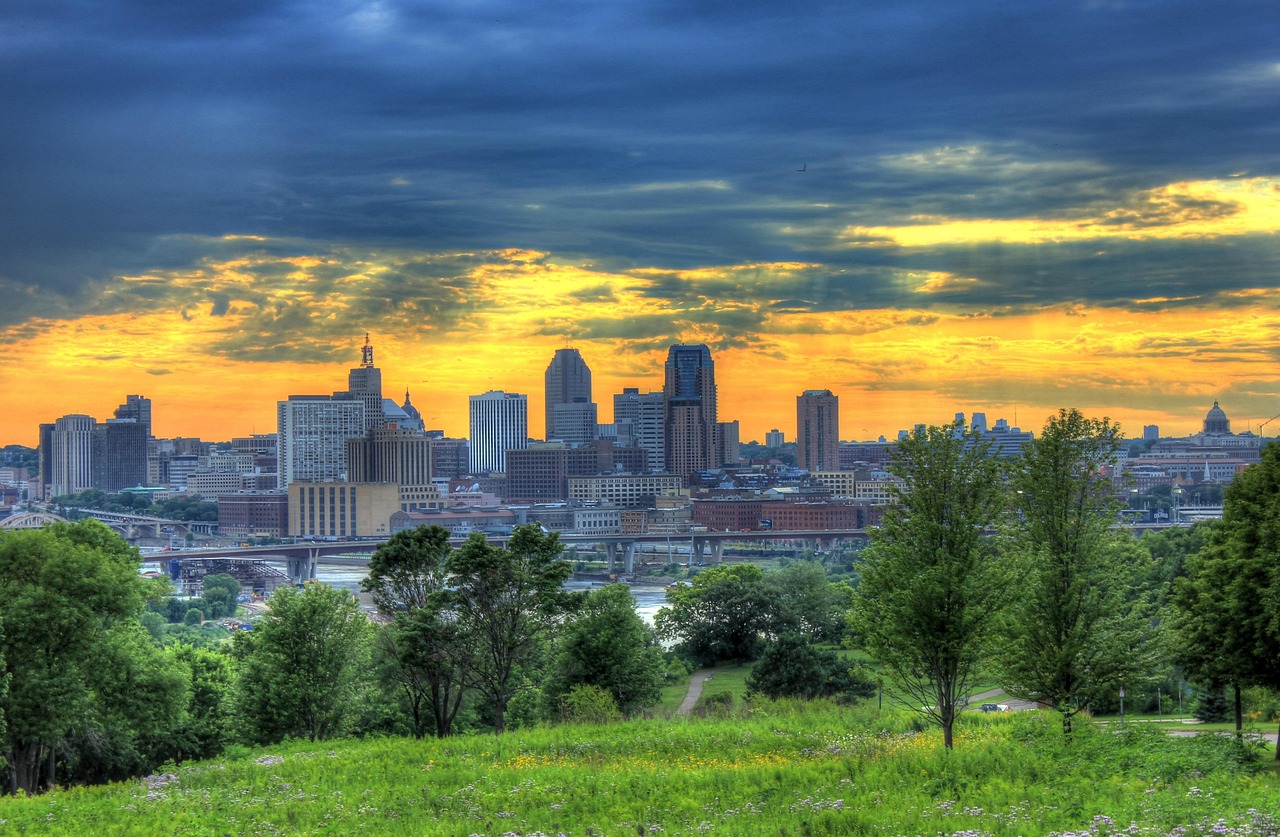
Why Visit Minneapolis in 2026
Minneapolis isn’t usually the first U.S. city people name when they plan a trip—and that’s exactly why I love sending travelers here. It’s a place that surprises you: lakes and waterfalls right in the city, a nationally respected arts scene, serious food culture, and a community that genuinely loves being outside, even when it’s below freezing.
I’ve visited Minneapolis in every season over the last decade—steamy July afternoons by Lake Bde Maka Ska, crisp October bike rides along the Mississippi, and even a New Year’s Eve where my eyelashes froze while walking across the Stone Arch Bridge. It’s one of those cities that feels different with every visit, but always welcoming.
In 2026–2027, Minneapolis is buzzing with new restaurant openings, upgraded riverfront trails, and major events like the 2026 NFL season at U.S. Bank Stadium, expanded programming at the Walker Art Center, and a renewed focus on public art and Indigenous history throughout the city.
Whether you have 3 days in Minneapolis for a quick city break or you’re planning a deeper 5 day itinerary for Minneapolis, this travel guide will walk you through must-see attractions, hidden gems, local customs, and practical travel advice to make your trip feel like you’re exploring with a friend who lives here.
Table of Contents
- Why Visit Minneapolis
- Minneapolis at a Glance
- Top 20+ Must-See Attractions in Minneapolis (with Personal Notes)
- Best Neighborhoods & Areas to Explore
- Suggested Itineraries: 3–5 Days in Minneapolis
- Local Food in Minneapolis & Where to Eat
- Nightlife, Entertainment & Cultural Experiences
- Best Day Trips from Minneapolis
- Cultural Etiquette & Local Customs
- Practical Travel Tips for Minneapolis
- When to Visit & Final Recommendations
Minneapolis at a Glance
Minneapolis is one half of the “Twin Cities,” paired with neighboring Saint Paul. While Saint Paul feels older and more traditional, Minneapolis is the shinier, more modern sibling: glass towers downtown, bold architecture, and a huge park and trail network that locals actually use every day.
- Population: ~430,000 (city), ~3.7 million (metro)
- Known for: Lakes, bike trails, Prince, craft beer, progressive politics, winter festivals, and the Mall of America (technically in nearby Bloomington).
- Best for: Outdoor lovers, art enthusiasts, families, foodies, and travelers who’ve already done Chicago/NYC and want something more low-key but still interesting.
- Good trip length: 3–5 days in Minneapolis is ideal for a first visit.
Top 20+ Must-See Attractions in Minneapolis (Deep Dive)
These are the best places to visit in Minneapolis—not just quick photo stops, but places where I’ve lost track of time, found favorite views, and discovered why locals love their city. I’ll start with the most iconic and work toward lesser-known gems.
1. Stone Arch Bridge & St. Anthony Falls
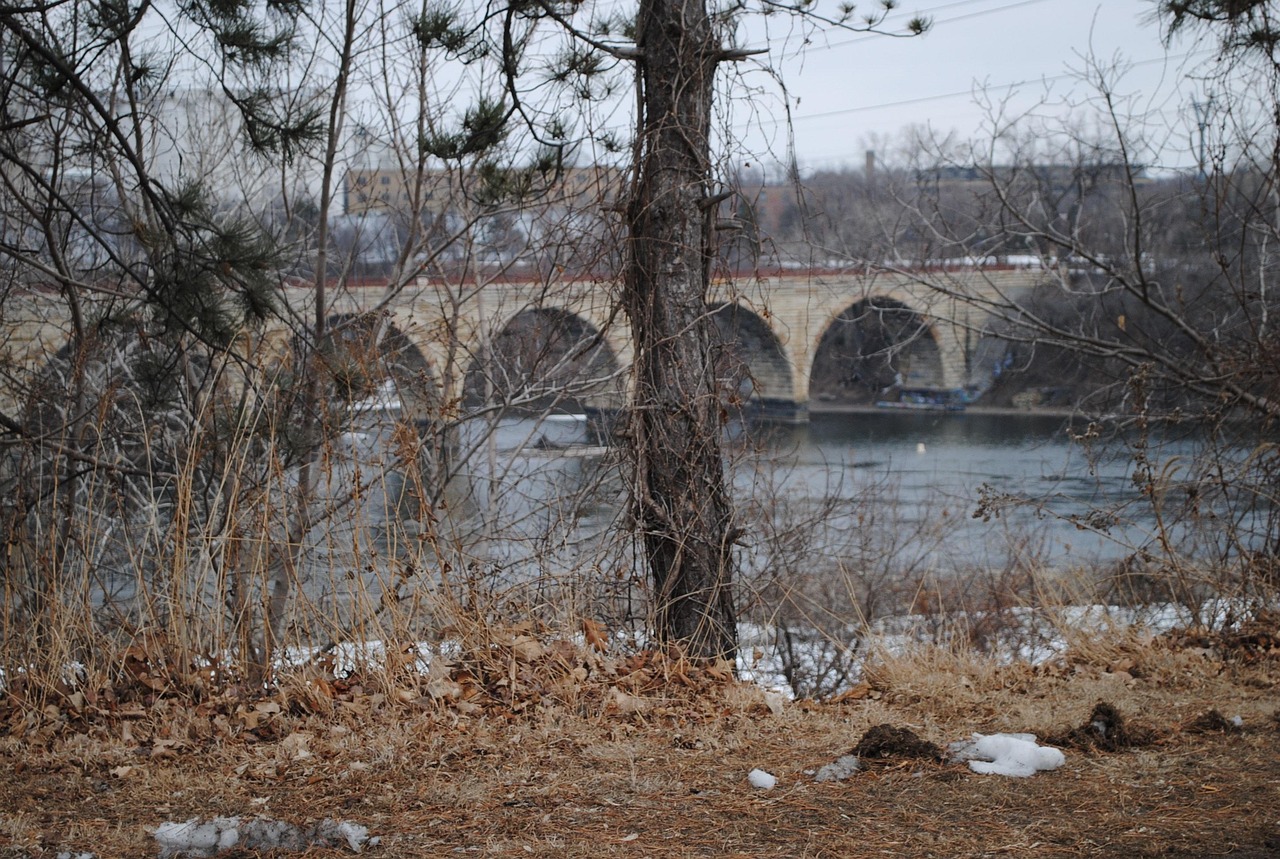
If I had to pick one spot that sells Minneapolis in a single glance, it’s the Stone Arch Bridge. The long, graceful former railroad bridge stretches over the Mississippi River with the Minneapolis skyline on one side and old mill buildings on the other, framed by the power of St. Anthony Falls.
I usually walk the bridge at least twice every trip—once in the golden late-afternoon light, and once at night when the city is lit up. In winter, bundled-up locals still cross it, and the river can be half-frozen, steaming in the cold air.
History & Significance
The Stone Arch Bridge was built in the 1880s by railroad tycoon James J. Hill. It’s the only arched stone bridge over the Mississippi and a reminder that Minneapolis grew rich as a flour-milling powerhouse, using the power of St. Anthony Falls. Today, it’s pedestrian and bike-only, part of the riverfront park system.
What to Do There
- Walk or bike across the bridge and pause midway to watch the falls and the lock and dam complex.
- Head down to Father Hennepin Bluff Park on the east side for a quieter view of the bridge itself.
- Stop by the Mill City Museum side to explore old mill ruins and riverside paths.
Food & Drink Nearby
On the downtown (west) side, I like grabbing a coffee and pastry at Mill City Farmers Market (summer Saturdays) or a bite at Spoon and Stable or Zen Box Izakaya a few blocks away. On the northeast side, cross into the St. Anthony Main area for riverfront patios and casual spots like Aster Café.
How to Get There
From downtown, it’s a 10–15 minute walk. If you’re staying farther out, take the light rail to U.S. Bank Stadium station and walk north, or use a bike-share and follow the riverfront trail.
Tips
- Best time: Sunset and blue hour for photos; early morning if you want it quiet.
- Family-friendly: Yes, the bridge is wide, flat, and stroller-friendly.
- Romantic: Very—sunset walks, skyline views, and nearby restaurants.
2. Walker Art Center & Minneapolis Sculpture Garden
Even if you know nothing about contemporary art, the Walker Art Center and its Sculpture Garden are worth half a day. My first trip here was in early spring, and I still remember how the bright red Spoonbridge and Cherry looked against a patchy field of melting snow.
Why It Matters
The Walker is one of the premier contemporary art museums in the U.S., known for thought-provoking exhibitions, film, and performance. Outside, the free Sculpture Garden is a playground of massive artworks with the downtown skyline as a backdrop.
What to See & Do
- Inside the Walker, wander through rotating exhibitions—expect everything from immersive installations to political and conceptual works.
- In the Sculpture Garden, don’t miss Spoonbridge and Cherry, the giant blue rooster, and other large-scale pieces scattered across the lawn.
- Walk across the pedestrian bridge over the freeway for a cool skyline framing.
Nearby Eats
On one chilly November afternoon, I warmed up at Esker's Grove (inside the Walker; check current restaurant partner) with a glass of wine and a small plate. A short walk away in the Loring Park neighborhood, you’ll find cozy spots like Cafe and Bar Lurcat (great for date nights) and casual cafes.
Family, Couples, Adventurous?
- Family: The Sculpture Garden is perfect for kids to run around, and it’s free.
- Romantic: Sunset here is lovely; pair it with dinner nearby.
- Adventurous: The art skews experimental; great if you like being challenged.
3. Chain of Lakes (Bde Maka Ska, Lake Harriet, Lake of the Isles)
When locals say “we’re going to the lake,” they usually mean one of these. The Chain of Lakes is a series of urban lakes in southwest Minneapolis, surrounded by trails, beaches, and beautiful homes. It’s where I go to remember that Minneapolis is as much nature as it is city.
Highlights
- Bde Maka Ska: The busiest lake, with beaches, a sailing school, and paddleboard rentals.
- Lake Harriet: Family favorite with a bandshell for live music, a vintage streetcar (seasonal), and a rose garden.
- Lake of the Isles: More peaceful, with curving shoreline and stately houses. Great for jogs and contemplative walks.
What I Usually Do
On summer visits, I rent a bike near Bde Maka Ska and ride the loop connecting all three lakes, stopping for ice cream at Milkjam Creamery or World Street Kitchen on Lyndale after. In winter, I’ve walked the snowy paths with a thermos of coffee, watching cross-country skiers glide by.
Food & Drink
Around Bde Maka Ska, seasonal lakefront cafes pop up; check what’s open in 2026. For something more substantial, head to nearby Uptown or Linden Hills (near Lake Harriet) for bakeries, coffee, and restaurants.
Good For
- Families: Beaches, playgrounds, and open space.
- Romantic: Evening walks, sunset paddleboard sessions.
- Adventurous: Rent a kayak or paddleboard; in winter, try lake skating when conditions allow.
4. Minnehaha Falls & Regional Park
The first time I saw Minnehaha Falls, it was mid-June, and the water thundered over a lush green ravine. On another visit in January, the falls were a frozen column of ice, with adventurous photographers picking their way along the snowy paths.
Why It’s Special
This 53-foot waterfall sits inside the city, easily reachable by light rail or bike. The surrounding Minnehaha Regional Park has hiking trails that follow the creek down to the Mississippi River, plus picnic areas and historic sites.
What to Do
- View the falls from the main overlook, then take the staircase down into the gorge for closer views.
- Follow the trail along Minnehaha Creek to the Mississippi; it feels surprisingly wild for being in the city.
- Check out the John H. Stevens House and other historic buildings (seasonal hours).
Local Eats: Sea Salt Eatery
In warm months, Sea Salt Eatery is a must. I still dream about the fish tacos and the relaxed beer-garden vibe under the trees. Lines can be long on sunny weekends; arrive early or be patient.
Getting There
Take the METRO Blue Line light rail to Minnehaha Park station and walk a few minutes. It’s one of the easiest green escapes from downtown.
5. Mill City Museum & Historic Riverfront
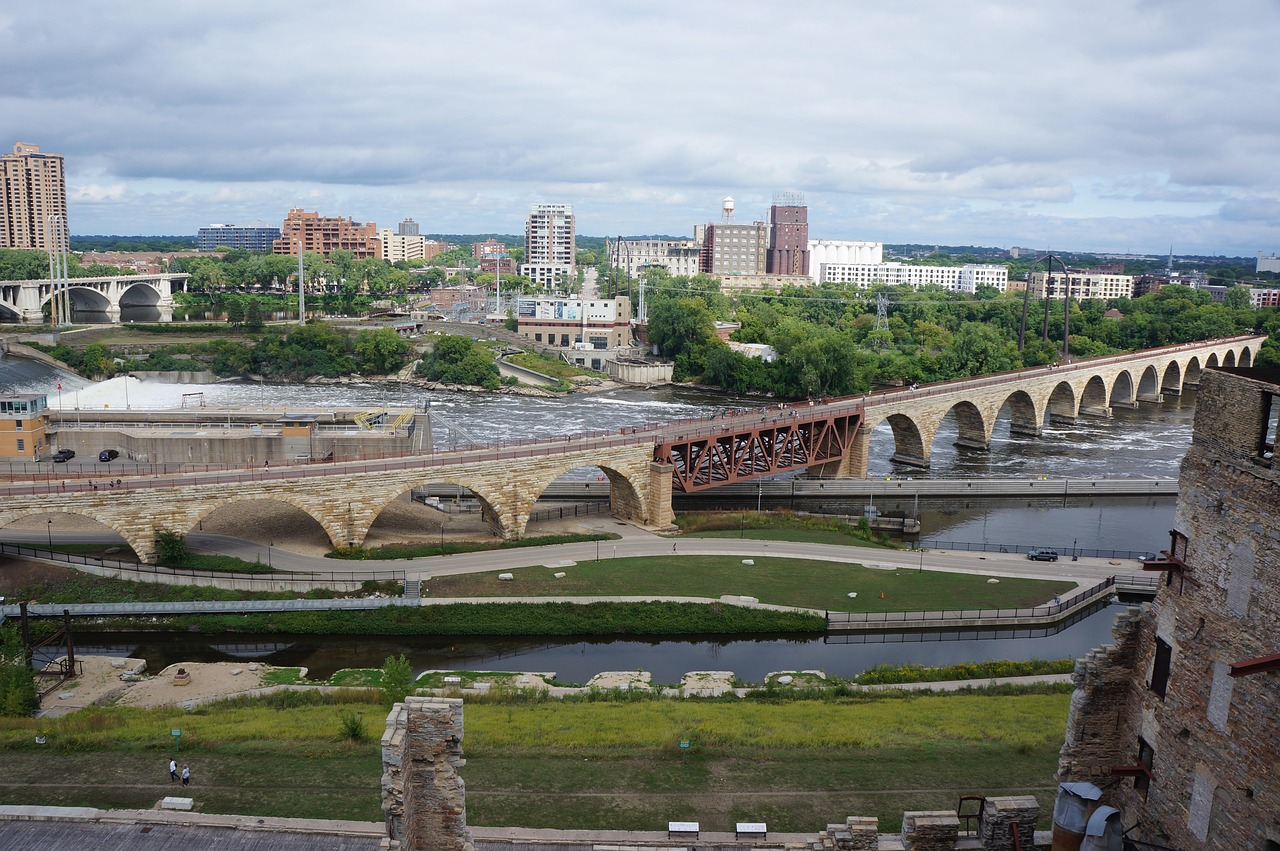
Minneapolis was once the flour-milling capital of the world, and the Mill City Museum is where that history comes alive. The museum is built into the ruins of an old flour mill that partially exploded in the 19th century, leaving a dramatic shell of stone walls facing the river.
Why Visit
I’m usually not a big “industry museum” person, but this one won me over. The Flour Tower multimedia elevator tour is unexpectedly fun, and the rooftop observation deck has one of my favorite views of the Stone Arch Bridge and St. Anthony Falls.
Don’t Miss
- The story of how Minneapolis became the “Mill City.”
- Hands-on exhibits about flour production and baking.
- The rooftop overlook—sunny but windy; bring a light jacket even in shoulder seasons.
Market Days
On summer Saturdays, the adjacent plaza hosts the Mill City Farmers Market. I once spent an entire morning grazing from stall to stall: local cheese, fresh berries, Hmong egg rolls, and iced coffee sipped by the river.
6. Guthrie Theater
The deep-blue, boxy Guthrie Theater building is as much an attraction as the performances inside. I’ve seen everything here from Shakespeare to contemporary dramas, and the production quality rivals theaters in New York and London.
Architecture & Views
Designed by French architect Jean Nouvel, the Guthrie’s standout feature is the “Endless Bridge”—a cantilevered lobby that juts toward the river with floor-to-ceiling glass. It’s free to enter the public spaces, and the views of the Stone Arch Bridge and riverfront are stunning.
What to Do
- Catch a show; check the 2026–2027 lineup for classics, new works, and touring productions.
- Ride the elevator up to the Endless Bridge for photos, even if you’re not seeing a play.
- Explore the building’s other overlooks and peek into rehearsal or backstage areas on guided tours (if offered during your visit).
Romantic Factor
This is one of my favorite romantic Minneapolis evenings: early dinner nearby, a Guthrie performance, then a slow walk across the river afterward.
7. U.S. Bank Stadium
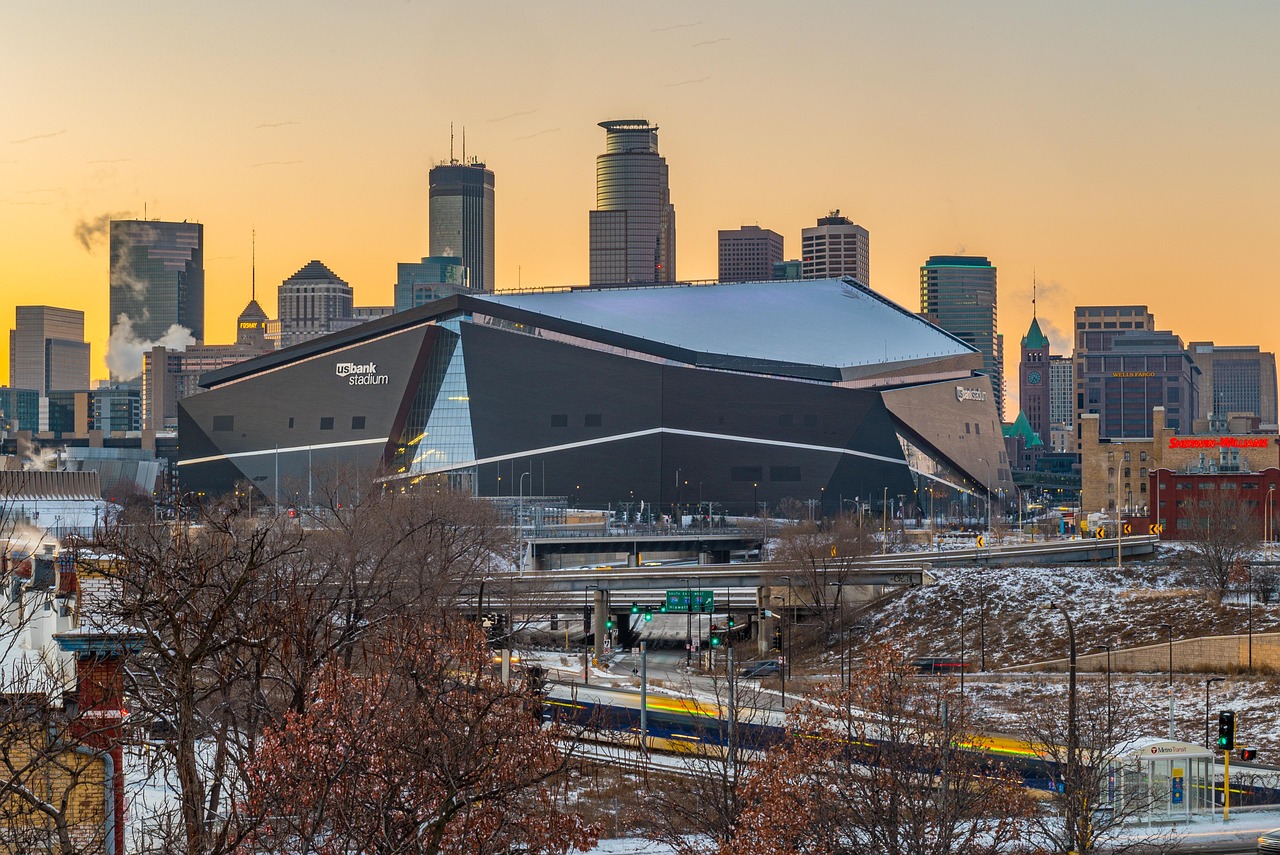
Even if you’re not a football fan, the angular glass-and-steel U.S. Bank Stadium is hard to ignore. It looks like a giant Viking ship or a stealth aircraft parked at the edge of downtown.
Why Go
This is home to the Minnesota Vikings and host to major concerts and events. I toured the stadium once on a non-game day and was surprised by how much I enjoyed seeing the engineering up close—the translucent roof floods the field with natural light.
Events in 2026–2027
- 2026 NFL Season: Vikings home games (Aug–Jan).
- Large-scale concerts & conventions—check the stadium’s events calendar as new tours are announced.
Tips
- For big events, use light rail—parking is expensive and traffic is intense.
- Allow time to explore the surrounding Downtown East Commons park and nearby bars.
8. Nicollet Mall & Downtown Core
Nicollet Mall is a pedestrian-and-transit street running through downtown, lined with shops, offices, and restaurants. While it’s more of a business district than a classic tourist promenade, it’s where I usually end up for quick lunches, people-watching, and access to the skyway system on cold days.
What to See
- The “Mary Tyler Moore” statue (a nod to the 1970s TV show set here).
- Public art and seasonal events (markets, live music).
- Skyways—enclosed walkways connecting buildings above street level, super handy in winter.
Best For
Quick shopping, getting your bearings, grabbing coffee, and accessing light rail stations that connect to the airport and Mall of America.
9. Northeast Minneapolis Arts District
Cross the river northeast from downtown and you’ll hit a neighborhood that feels a little scrappier, more industrial, and very creative. The Northeast Minneapolis Arts District is where I go when I want breweries, galleries, and less-polished local flavor.
What to Do
- Browse artist studios (especially during Art-A-Whirl, a huge open-studio event each May).
- Hop between breweries like Indeed Brewing, Bauhaus Brew Labs, and Dangerous Man Brewing.
- Check out murals and street art on side streets.
Food
I’m a fan of Young Joni for wood-fired pizza and inventive dishes (reservations help), and the hidden back bar is a cozy spot for cocktails. Casual Eastern European spots and dive bars still dot the area, giving it a lived-in feel.
10. Uptown & Lyndale/Lake Area
Uptown used to be the beating heart of Minneapolis nightlife; it’s changing, but the area around Lake Street & Hennepin/Lyndale remains an energetic mix of restaurants, bars, and indie shops. It’s a great base if you want both city life and easy access to the lakes.
Why Go
- Quick walk or bike to Bde Maka Ska and the Chain of Lakes.
- Plenty of food options—from global street food to vegan cafes.
- Busy but not overwhelmingly touristy.
I’ve stayed in this area a few times and loved being able to roll out of bed and be at the lake trail within minutes.
11. Dinkytown & University of Minnesota Campus
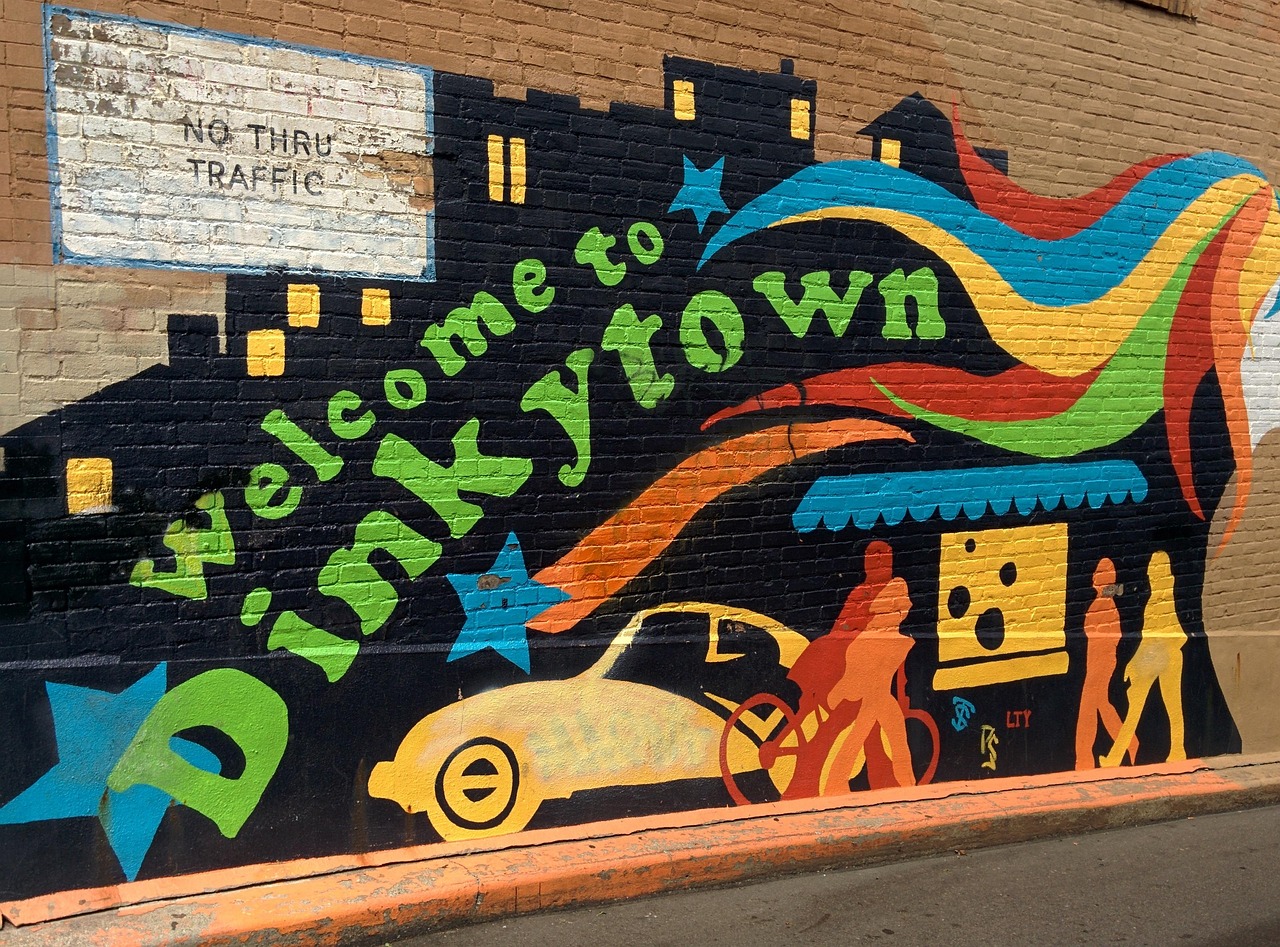
Dinkytown is the student hub near the University of Minnesota. It’s a mix of cheap eats, bars, and campus energy. I like coming here for a change of pace and to walk the leafy campus paths.
What to Do
- Stroll through campus and along the East and West Bank river trails.
- Grab a casual meal—burgers, pho, pizza, and bubble tea are everywhere.
- Catch a Gophers game or campus performance if the timing works.
12. Hennepin Theatre District
Downtown’s Hennepin Theatre District is where you’ll find beautifully restored historic theaters hosting Broadway tours, concerts, and comedy shows.
Highlights
- Orpheum Theatre – Grand interior; I saw a touring production of “Hamilton” here and the acoustics were fantastic.
- State Theatre – Hosts concerts and classic films.
- Pantages Theatre – Intimate venue for smaller shows.
Pair a show with dinner along Hennepin or nearby Warehouse District spots for a classic night out.
13. Weisman Art Museum
Perched above the Mississippi on the U of M campus, the Weisman Art Museum is as famous for its Frank Gehry–designed stainless steel exterior as for its collection.
Why I Like It
It’s smaller and more relaxed than the Walker or the Minneapolis Institute of Art, and admission is often free or very affordable. I’ve ducked in on blustery days to warm up and stare at the river through huge windows framed in silver curves.
14. Minneapolis Institute of Art (Mia)
The Minneapolis Institute of Art (locals say “Mia”) is a world-class museum that somehow still feels under-the-radar to many visitors. With collections spanning 5,000 years—from ancient Asian art to European masters and contemporary works—it’s easy to spend half a day here.
What Stands Out
- Beautiful period rooms you can walk through.
- Strong Indigenous and Asian collections.
- Free general admission (special exhibits may cost extra).
On one stormy April visit, I watched snow and rain mix outside while moving from gallery to gallery; it felt like I had the place almost to myself.
15. Midtown Greenway
The Midtown Greenway is an old rail corridor turned into a sunken bike and pedestrian highway cutting across south Minneapolis. It’s one of the reasons biking is such a joy here.
Why It’s Cool
Separated from car traffic, with bridges overhead and art installations along the way, it connects neighborhoods, lakes, and commercial strips. I’ve used it to zip from Uptown to the river in no time at all.
16. Como Park Zoo & Conservatory (Nearby Saint Paul)
Technically in Saint Paul, but easy to reach, Como Park Zoo & Conservatory is a free (donation-based) family favorite. The glass conservatory feels like a tropical escape on cold days, and the zoo is compact and walkable.
17. Mall of America (Bloomington)
Love malls or hate them, the Mall of America is an experience: over 500 stores, an indoor theme park, aquarium, mini-golf, and a dizzying array of dining. I treat it as a weather-proof day, especially in deep winter.
Tips
- Use the light rail from downtown or the airport—no need to deal with parking.
- Perfect for families, teens, and anyone needing a retail fix.
18. Boom Island Park & Riverfront North
Boom Island Park offers one of the best skyline views, especially at sunset. I like biking up from the Stone Arch area and watching the light change over downtown from the grassy riverbanks.
19. Loring Park
Loring Park is a leafy urban park near downtown, with walking paths, a small pond, and frequent festivals. In winter, holiday lights make it feel magical; in summer, it’s picnic central.
20. Paisley Park (Prince’s Home & Studio, Chanhassen)
For music lovers, a pilgrimage to Paisley Park, Prince’s former home and studio turned museum, is non-negotiable. About 20–30 minutes southwest of Minneapolis, it offers guided tours through studios, exhibits, and performance spaces.
Walking into the purple-tinged spaces, seeing his instruments and stage outfits, I understood just how deeply he shaped Minneapolis’ identity.
Neighborhoods & Areas to Explore
Minneapolis is a city of distinct neighborhoods, each with its own vibe. Here’s how I think about them when planning a 3–5 day itinerary for Minneapolis.
Downtown & North Loop
Skyscrapers, stadiums, theaters, and the trendiest restaurants and bars. North Loop (the Warehouse District) is full of brick warehouses turned into lofts and eateries—great for dinner and drinks.
Uptown & Chain of Lakes
Younger, lively, and close to the lakes. Good for those who want nightlife plus easy access to nature.
Northeast
Creative and slightly gritty in the best way: breweries, galleries, and old factories repurposed as studios.
South Minneapolis
Residential, diverse, with strong community feel. Home to the Midtown Global Market, Minnehaha Falls, and plenty of local eateries.
University / Dinkytown / Stadium Village
Student-centric, energetic, affordable food, and campus culture.
Suggested Itineraries: 3–5 Days in Minneapolis
Below are flexible sample plans. You can compress them into a 3 day itinerary for Minneapolis or stretch into 4–5 days in Minneapolis by slowing down and adding side trips. (I’ll keep these relatively compact here so they’re easy to scan.)
3 Day Itinerary for Minneapolis
Day 1: Downtown, Stone Arch Bridge & Riverfront
- Morning: Arrive, check into downtown or North Loop hotel. Walk Nicollet Mall, get oriented.
- Afternoon: Mill City Museum, Stone Arch Bridge, St. Anthony Main.
- Evening: Dinner in North Loop and drinks at a rooftop or cocktail bar.
Day 2: Art & Lakes
- Morning: Minneapolis Institute of Art or Walker Art Center & Sculpture Garden.
- Afternoon: Head to the Chain of Lakes—walk or bike Bde Maka Ska & Lake of the Isles.
- Evening: Dinner in Uptown, sunset at the lake.
Day 3: Minnehaha Falls & Neighborhood Flavor
- Morning: Minnehaha Falls, hike down the gorge, lunch at Sea Salt (seasonal).
- Afternoon: Midtown Global Market or Northeast breweries and galleries.
- Evening: Show in the Hennepin Theatre District or Guthrie Theater.
4 Day Itinerary for Minneapolis
Add a day trip or slower neighborhood exploration to the 3-day plan.
Day 4 Options
- Paisley Park & Lake Minnetonka: For Prince fans and lake views.
- Mall of America: Especially with kids or if you want weather-proof fun.
- Saint Paul: Como Park Zoo & Conservatory and historic Summit Avenue.
5 Day Itinerary for Minneapolis
With 5 days in Minneapolis, combine the 3–4 day ideas plus:
- Extra time on the lakes (rent a paddleboard, try a sunset sail).
- More neighborhoods: Cedar-Riverside for East African food, additional breweries in Northeast, or deeper dives into South Minneapolis coffee and food scenes.
- A second arts day: Weisman Art Museum, smaller galleries, or more time at the Walker/Mia.
Local Food in Minneapolis & Where to Eat
Food in Minneapolis is a blend of Scandinavian roots, strong immigrant communities, and modern Midwestern creativity. Here are some dishes and experiences to look for.
Classic Minnesota Bites
- Jucy (Juicy) Lucy: A cheese-stuffed burger, molten in the middle. Try it at places like Matt’s Bar or 5-8 Club.
- Walleye: Freshwater fish, often fried or grilled in local restaurants.
- Wild rice soup: A creamy, hearty bowl perfect in cold weather.
- Lefse & Scandinavian pastries: Look for Scandinavian bakeries and cafes still honoring the region’s Nordic roots.
Global Flavors
Thanks to large Somali, Hmong, Mexican, and East African communities, you can eat around the world without leaving the city.
- Midtown Global Market: My go-to for a casual, budget-friendly “world tour” of flavors.
- Cedar-Riverside: East African spots serving sambusas, stews, and spiced tea.
- Frogtown & Saint Paul: Hmong and Vietnamese restaurants a short drive away.
Coffee, Breweries & Nightcaps
Minneapolis takes its coffee and craft beer seriously. You’ll find third-wave coffee shops in most neighborhoods and a cluster of breweries in Northeast and North Loop. Many are family-friendly in the daytime and early evening.
Saving Money on Food
- Look for happy hours (often generous here) in North Loop and Uptown.
- Use lunch specials at nicer restaurants instead of dinner.
- Stock up at co-ops or grocery stores if you have a kitchen—then picnic by a lake.
Nightlife, Entertainment & Cultural Experiences in Minneapolis
Live Music & The Prince Legacy
Music is woven into Minneapolis’ DNA. Beyond Paisley Park, look for live music in venues like:
- First Avenue & 7th St Entry: Legendary club downtown where Prince performed; great for indie, rock, and more.
- Dakota Jazz Club: Intimate jazz venue with dinner service.
- Cedar Cultural Center: Focus on global and folk music.
Theater & Performing Arts
The Guthrie and Hennepin Theatre District anchor a robust performing arts scene. Even smaller theaters and improv clubs offer excellent value and talent.
Nightlife Vibes by Neighborhood
- North Loop: Upscale cocktail bars, wine bars, and stylish crowds.
- Uptown: Younger, more casual bars and late-night food.
- Northeast: Breweries, taprooms, and quirky bars with board games and patios.
Best Day Trips from Minneapolis
Paisley Park & Lake Minnetonka
Combine a morning tour of Paisley Park with an afternoon exploring Lake Minnetonka towns like Excelsior. Stroll main streets, grab ice cream, or take a lake cruise in summer.
Stillwater
About 30–40 minutes east, Stillwater is a charming river town with antique shops, riverfront walks, and scenic views along the St. Croix River.
Taylors Falls & Interstate State Park
For more adventurous travelers, head about an hour northeast to hike among glacial potholes and rocky bluffs overlooking the St. Croix.
Cultural Etiquette & Local Customs in Minneapolis
Minneapolis is friendly, progressive, and fairly informal, but there are a few local nuances worth knowing.
The “Minnesota Nice” Thing
People are generally polite and helpful, sometimes to the point of being indirect. Don’t be surprised if someone apologizes when you bump into them. Small talk is common, but politics can be sensitive; feel it out before diving in.
Outdoor Culture
Locals deeply value their parks, trails, and lakes. It’s normal to see people out walking, running, and biking in almost any weather. Respect shared spaces: keep dogs leashed where required, pack out trash, and yield appropriately on multi-use trails.
Diversity & Inclusion
Minneapolis is home to diverse communities, including large Somali and Hmong populations and strong Indigenous communities. Be respectful of cultural centers, dress codes in religious spaces, and photography rules at events or gatherings.
Tipping
Standard U.S. tipping applies: 18–22% in restaurants, $1–2 per drink at bars (or 20% on tabs), and a few dollars for hotel housekeeping per day.
Practical Travel Tips for Minneapolis (2026–2027)
Getting Around
- Light Rail: The METRO Blue and Green lines connect downtown, the airport, Mall of America, and Saint Paul. Useful and affordable.
- Buses: Extensive network; check route planners online.
- Biking: Bike-share systems and well-maintained trails make cycling a joy in warmer months.
- Car Rental: Helpful for day trips, Paisley Park, or if your lodging isn’t near transit. Street parking is manageable outside the core; downtown garages can be pricey.
- Rideshares: Uber/Lyft are widely available.
How to Save Money
- Use the light rail from the airport instead of taxis.
- Take advantage of free museums (Mia, Weisman) and low-cost public events.
- Eat at food halls and ethnic neighborhoods for great value.
- Visit in shoulder seasons (late April–May, September–October) for lower lodging prices.
SIM Cards & Connectivity
Major U.S. carriers (Verizon, AT&T, T-Mobile) are well-covered. For short stays:
- Buy an eSIM from providers like Airalo or local carriers.
- Pick up a prepaid SIM at the airport or big-box stores near the Mall of America.
- Most cafes and hotels offer free Wi-Fi.
Visa Requirements & Driving
Visa rules vary by nationality. Many travelers from Europe, parts of Asia, and Oceania can enter under the U.S. Visa Waiver Program with an approved ESTA. Others need a tourist visa—check well before your trip.
Most foreign driver’s licenses are accepted for short visits; an International Driving Permit can help if your license isn’t in English. Road rules follow standard U.S. norms: drive on the right, obey speed limits, watch for pedestrians at crosswalks.
Weather & Seasons
- Winter (Dec–Feb): Very cold, snow likely. Great for winter festivals, ice skating, and cozy bars. Be prepared with proper gear (boots, hats, gloves, layers).
- Spring (Mar–May): Unpredictable—snow, rain, and sunny days. Parks start greening, and crowds are lighter.
- Summer (Jun–Aug): Warm to hot, with long daylight. Ideal for lakes, patios, and outdoor festivals—but also the busiest season.
- Fall (Sep–Nov): Crisp air, fall colors along the river and lakes. My favorite time: fewer crowds, still plenty of outdoor options.
Major Events in 2026–2027
- Summer 2026 & 2027: Citywide festivals, art fairs, and music events at the lakes and riverfront.
- Art-A-Whirl (May annually): Huge open-studio weekend in Northeast Minneapolis.
- Minnesota State Fair (late Aug–early Sep, Saint Paul): Short light-rail ride plus bus; worth the trip if your dates line up.
- Holiday Markets & Winter Festivals: Downtown and Loring Park celebrations, ice sculptures, and more.
When to Visit Minneapolis & Final Takeaways
If you’re planning 3 days in Minneapolis, prioritize:
- Stone Arch Bridge & riverfront.
- One major art museum (Mia or Walker) plus Sculpture Garden.
- Chain of Lakes and Minnehaha Falls.
With 4–5 days in Minneapolis, layer in:
- Northeast breweries and arts scene.
- Guthrie Theater or Hennepin Theatre District show.
- Paisley Park, Mall of America, or a Saint Paul day trip.
Best Seasons
- Best overall: Late May–June and September–early October for comfortable weather and active outdoor life.
- Best for lakes & patios: July–August (warmest, but can be humid).
- Best for winter magic: December–February (come prepared for real cold).
What keeps me coming back to Minneapolis is the balance: you can have a morning at a world-class museum, an afternoon paddling on a lake, and an evening at a theater or live music venue, all without feeling rushed. It’s big enough to be interesting, small enough to feel manageable, and full of locals who genuinely love where they live.
Plan your travel guide for Minneapolis using these things to do in Minneapolis, seek out some hidden gems in Minneapolis, respect local customs in Minneapolis, and you’ll leave already thinking about your next visit.