Why Visit New Orleans in 2026
New Orleans is one of those rare cities that doesn’t just welcome you in; it pulls up a chair for you at the table, hands you a bowl of gumbo, and makes you part of the story. I’ve been visiting New Orleans for over a decade, and every single trip leaves me with a new favorite corner, a new musician to obsess over, and yet another café au lait stain on my shirt.
What makes New Orleans special is the way it braids together history, music, food, and everyday neighborhood life. It’s a city where 300-year-old Creole townhouses cast shadows over cutting-edge cocktail bars; where second line parades interrupt grocery runs; where strangers will call you “baby” and “darlin’” while giving you the most detailed public transit advice you’ve ever heard.
In 2026, New Orleans is buzzing. Post-restoration projects in the French Quarter and Tremé are shining, the streetcar network is more reliable than it’s been in years, and the festival calendar for 2026–2027 is absolutely packed (I’ll list key dates later). Whether you have 3 days in New Orleans or a full 5 day itinerary for New Orleans, you can craft a trip that’s family-friendly, wildly romantic, deeply cultural, or full-on adventurous—often all in the same afternoon.
This travel guide for New Orleans is written like I’d plan a trip for a close friend: practical, honest, with plenty of local-style tips, hidden gems, and must-see attractions in New Orleans. I’ll walk you through detailed 3, 4, and 5 day itineraries; dive into the neighborhoods; share the best local food in New Orleans; and end with real-world travel advice for New Orleans—sim cards, seasons, safety, etiquette, and money-saving tricks.
Table of Contents
- Why Visit New Orleans in 2026
- Suggested Itineraries (3, 4 & 5 Days in New Orleans)
- 20 Must-See Attractions in New Orleans (With Personal Stories)
- Neighborhoods & Districts to Explore
- Best Local Food & Drinks in New Orleans
- Nightlife, Entertainment & Cultural Experiences
- Day Trips & Nearby Getaways
- Cultural Etiquette & Local Customs
- Practical Travel Advice for New Orleans (2026–2027)
- Major Events in 2026–2027
- Summary & Best Time to Visit New Orleans
Suggested Itineraries: 3, 4 & 5 Days in New Orleans
Below are flexible itineraries that you can compress into 3 days in New Orleans or stretch into a 5 day itinerary for New Orleans. I’ll frame it as a 5-day plan with personal anecdotes, and you can pick and choose based on how long you’re staying.
Day 1 – French Quarter, Jackson Square & Mississippi River Magic
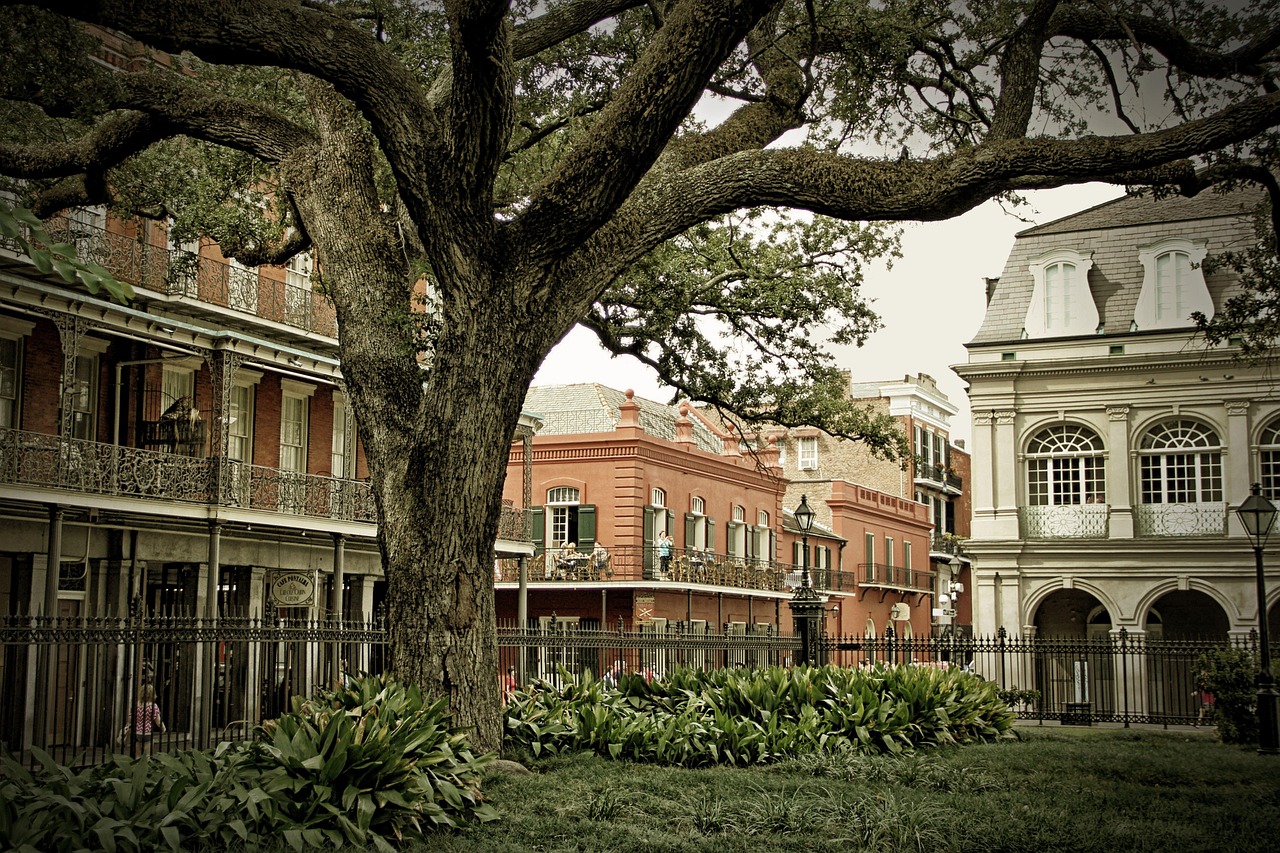
Every time I land in New Orleans, I start the same way: a slow wander through the French Quarter that ends with sore feet, powdered sugar on my clothes, and the sound of a trumpet echoing long after sunset.
Morning: Beignets & a First Look at the French Quarter
On my last trip (spring 2026), I dropped my bags in my Marigny guesthouse and walked straight up to the French Quarter as the city was still rubbing sleep from its eyes.
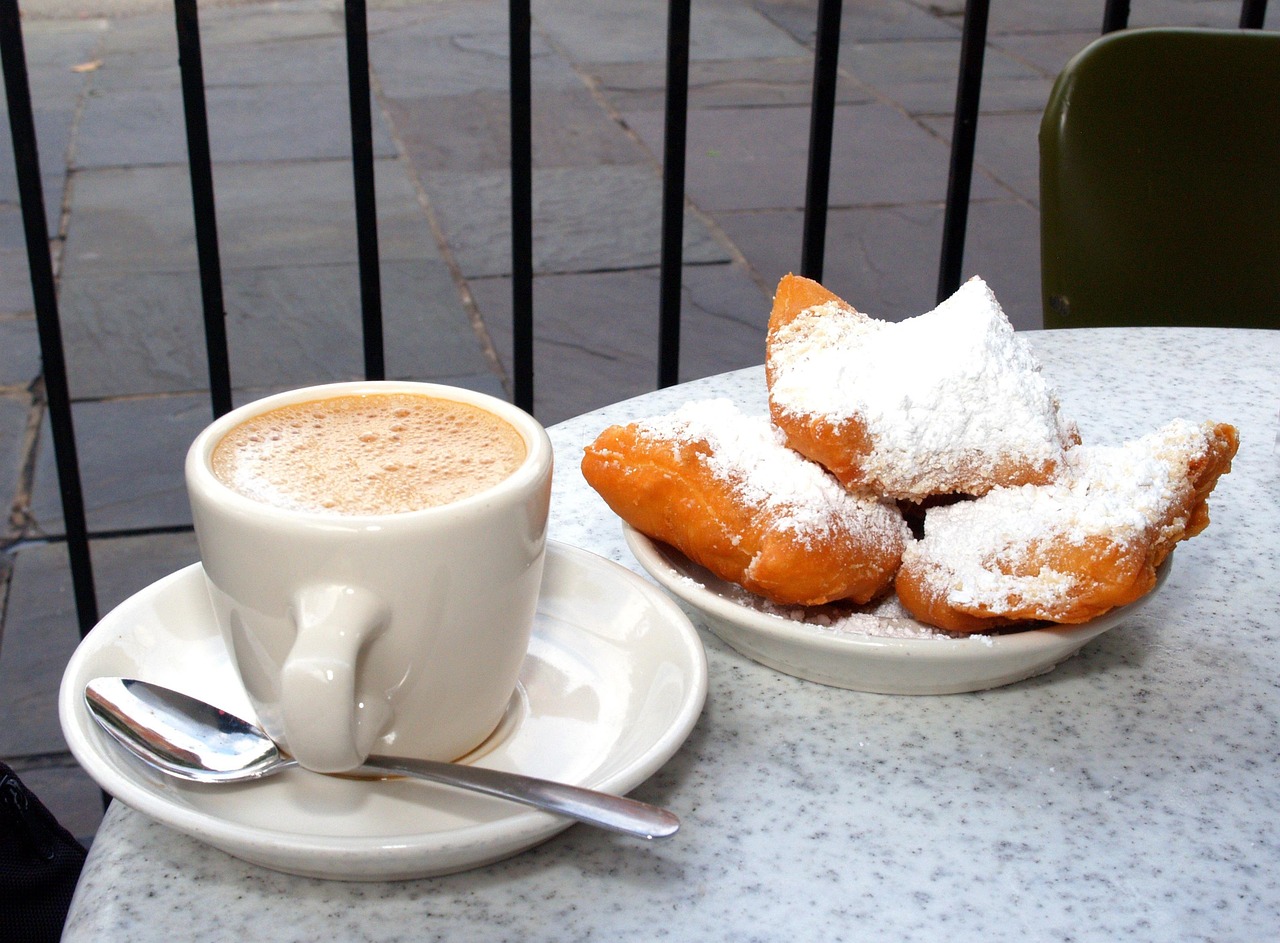
- Breakfast at Café du Monde (Decatur Street) – Yes, it’s touristy. Yes, it’s worth it. The earlier you go (before 9 a.m.), the more it feels like a local ritual. Order beignets and a café au lait, grab a table facing Jackson Square, and let the powdered sugar storm begin.
- Stroll Jackson Square – Cross the street to Jackson Square right after breakfast. The artists are setting up, the tarot readers are arranging their decks, and the St. Louis Cathedral glows in the morning light.
Tip: Bring cash for Café du Monde, and don’t wear black unless you want to look like a powdered donut in every photo.
Late Morning: Jackson Square & St. Louis Cathedral
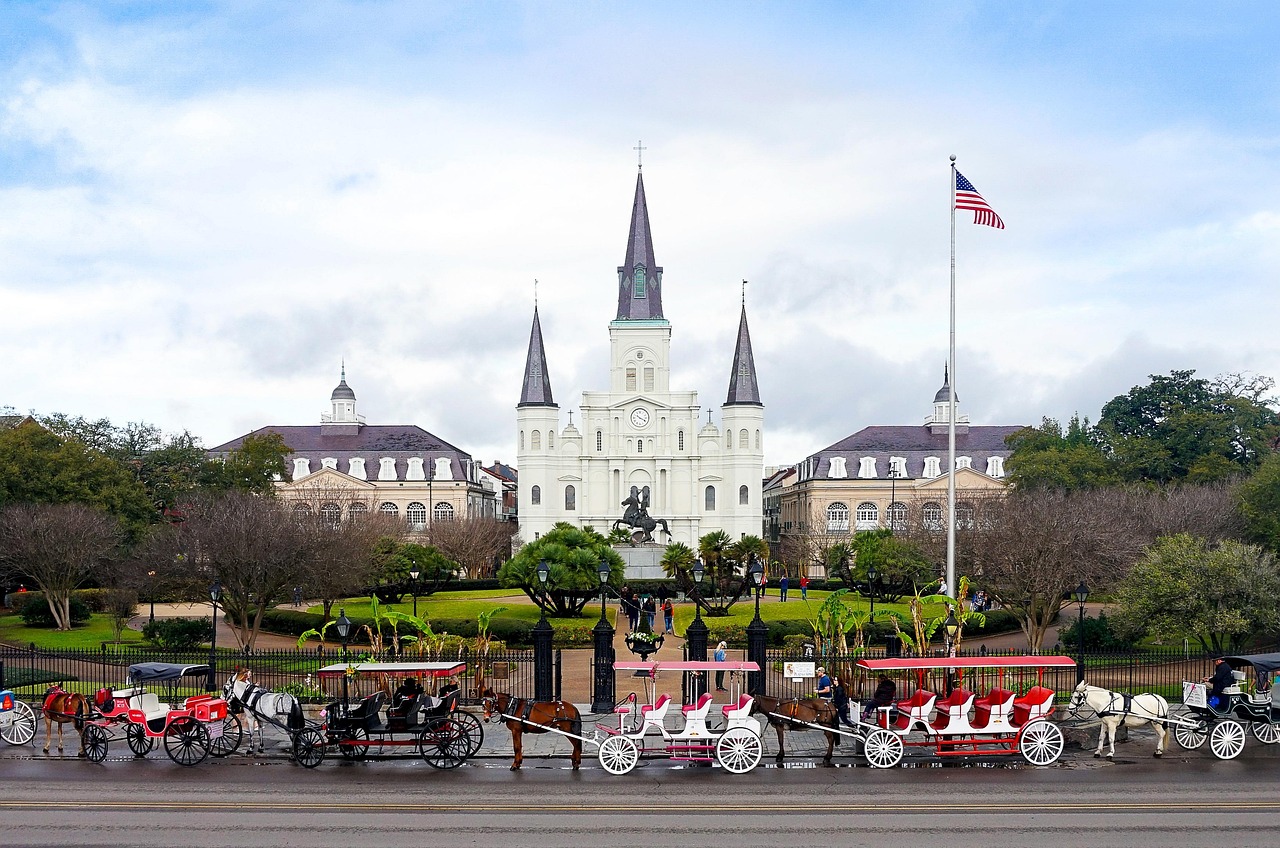
Jackson Square is the heart of the city. I like to walk the perimeter, peek at the paintings hanging on the iron fence, and then slip into the St. Louis Cathedral for a few quiet minutes.
- St. Louis Cathedral – The oldest continuously active Roman Catholic cathedral in the United States. Step inside, look up at the painted ceiling, and listen to how the city hushes itself within those walls.
- Cultural side stop: The Cabildo and Presbytère museums flank the cathedral and are perfect if you want a quick dive into Louisiana history and Mardi Gras culture.
Lunch: Classic Po’boys & Gumbo
For lunch, I usually walk a few blocks away from the thickest crowds:
- Napoleon House – Historic, atmospheric, and more locals than selfie sticks. Their muffuletta and Pimm’s Cup are icons. The building itself feels like a storybook—peeling paint, creaky floors, and all.
- Johnny’s Po-Boys – A little more casual, and great if you want a shrimp or roast beef po’boy you can devour in ten minutes before heading back out.
Afternoon: Royal Street, Balcony-Hopping & Hidden Courtyards
After lunch, I always shift from Bourbon Street to Royal Street. Royal is where the Quarter’s elegance really shows: art galleries, antique shops, street musicians playing jazz standards under wrought-iron balconies.
- Royal Street promenading: Walk from Canal Street down Royal, duck into courtyards whenever a gate is open (if it’s clearly public). Some of my favorite quiet moments have been in tiny, leafy courtyards behind art galleries.
- Shopping & people-watching: Even if you’re not a shopper, Royal Street is perfect for people-watching and admiring the architecture.
Late Afternoon: Mississippi Riverfront & Steamboat Natchez
By late afternoon, when the sun softens, I head to the riverfront. The breeze off the Mississippi is a blessing on warm days.
- Woldenberg Park: Walk the paved path along the river, look at the sculptures, and watch the ferries and cargo ships drift by.
- Steamboat Natchez or Creole Queen cruise: A two-hour cruise (with or without dinner) is a relaxing way to get your bearings. I prefer the early evening jazz cruise for live music and golden-hour views of the skyline.
Tip: Book your river cruise online ahead of time for 2026 high-season dates (especially around major events). Sit on the upper deck for the best breeze and photos.
Evening: Bourbon Street vs. Frenchmen Street
On my first-ever visit, I spent most of my first night on Bourbon Street and woke up feeling like I’d survived a hurricane of plastic beads. These days, I’ll walk Bourbon once—just to see it—and then pivot to live-music-centric Frenchmen Street in the Faubourg Marigny.
- Bourbon Street: Neon, daiquiris, bachelor/bachelorette parties. Worth walking a few blocks to say you did it, but keep an eye on your belongings and your drink.
- Frenchmen Street: My go-to recommendation. Lined with jazz clubs like The Spotted Cat and d.b.a., plus a rotating art market. This is where I fell in love with New Orleans brass bands.
Family-friendly tweak: End at the riverfront or Jackson Square at dusk instead of going too deep into the bar scene.
Day 2 – Garden District, Magazine Street & Streetcar Stories
Day 2 is about New Orleans’ leafy side: historic mansions, century-old oaks, and neighborhood cafés that feel like living rooms. Whenever I need a quieter day, this is the one I repeat.
Morning: St. Charles Streetcar & Garden District Walk
I like to start from Canal Street and catch the St. Charles Avenue streetcar. Grab exact change or use a transit app pass and snag a window seat on the right side heading uptown.
- St. Charles Avenue: Watch as the city shifts from the French Quarter’s dense architecture to grand mansions and oak-lined boulevards. It’s one of my favorite “rides as attraction” experiences in the U.S.
- Garden District walking tour: Get off around Washington Avenue and wander the Garden District. You can join a guided tour or DIY with a map. Highlights include Lafayette Cemetery No. 1’s exterior (often closed for restoration but still atmospheric from the gates) and mansions owned by writers and celebrities.
Tip: In 2026, some cemeteries still have restricted access—check current rules and consider a licensed tour for entry where required.
Lunch: Magazine Street Cafés & Boutiques
From the Garden District, I usually drift down to Magazine Street, one of the best places to visit in New Orleans for local shops and laid-back food.
- Casual eats: I’ve had great lunches at neighborhood spots like po’boy shops, taco joints, and small bistros dotted along Magazine. It’s easy to find vegetarian, vegan, and gluten-free options here too.
- Shopping: Browse vintage stores, local designers, homewares, and bookstores. Magazine Street is fantastic for unique souvenirs that aren’t plastic beads or T-shirts.
Afternoon: Audubon Park or Audubon Zoo (Family-Friendly)
If you keep heading uptown, you’ll eventually hit Audubon Park, one of my favorite green spaces in the city.
- Audubon Park: Perfect for a quiet walk under massive live oaks. I love grabbing an iced coffee and doing the 1.8-mile walking loop, watching joggers, students, and families go about their day.
- Audubon Zoo: If you’re traveling with kids, the zoo is a solid half-day. There’s a Louisiana Swamp exhibit that’s surprisingly fun and educational.
Evening: Romantic Dinner & a Streetcar Ride Back
For a romantic twist, I often time dinner around sunset and then ride the streetcar back toward downtown as the lamps flicker on along St. Charles Avenue.
- Uptown/Garden District dinner: Choose a neighborhood bistro or Creole restaurant. The vibe is more local and relaxed than the French Quarter.
- Nightcap back in the Quarter or CBD: If you still have energy, have a quiet drink at a hotel bar or speakeasy-style spot in the Central Business District.
Day 3 – Tremé, City Park & New Orleans’ Cultural Soul
By Day 3, I’m ready to trade tourist checklists for deeper cultural experiences. Tremé and City Park always give me that “now I really get this city” feeling.
Morning: Tremé & Louis Armstrong Park
Start your day in Tremé, one of the oldest African American neighborhoods in the United States and the birthplace of much of the city’s music and culture.
- Louis Armstrong Park & Congo Square: I like to enter quietly, walk to the Congo Square area, and take a few minutes to read about its history as a gathering place for enslaved Africans. It’s one of the most powerful places in the city.
- Local cafés: Grab breakfast at a Tremé café—coffee and a pastry or a hearty breakfast plate. You’ll hear more local chatter here than in the Quarter.
Late Morning: Backstreet Cultural Museum or Tremé Walking Tour
The Backstreet Cultural Museum is a small, community-rooted museum dedicated to Mardi Gras Indians, second lines, and social aid & pleasure clubs. My first visit there changed the way I understood New Orleans forever.
Tip: Check opening hours in advance; they can shift. Bring cash for donations and be respectful with photos—ask if you’re unsure.
Afternoon: City Park & New Orleans Museum of Art
Head up to City Park, which I think is one of the most underrated must-see attractions in New Orleans.
- New Orleans Museum of Art (NOMA): A beautifully curated museum with strong collections and frequent special exhibitions. It’s small enough not to overwhelm but rich enough to leave an impression.
- Besthoff Sculpture Garden: Free to enter and sprawling under moss-draped trees. I’ve spent whole afternoons here wandering among sculptures and quiet lagoons.
Family-friendly: There’s a small amusement area (Carousel Gardens) and Storyland, a storybook-themed playground that younger kids adore.
Evening: Mid-City Dining & Live Music
Mid-City is full of restaurants where you’re more likely to sit next to off-duty musicians and hospitality workers than other tourists. It’s one of my favorite areas to eat in.
- Dinner: Look for neighborhood spots serving classic New Orleans dishes—jambalaya, étouffée, red beans and rice—as well as newer, creative Southern fare.
- Nightlife: Depending on the night, you may find live music at neighborhood bars that feel like living rooms with a stage.
Day 4 – Swamp Adventures, Plantation History & River Road
If you have 4 days in New Orleans, use Day 4 to see the landscapes and history beyond the city. Every time I’ve taken friends on a swamp tour or River Road excursion, they come back saying, “I had no idea it looked like this out here.”
Morning: Swamp Tour (Adventurous & Family-Friendly)
Book a swamp tour through a reputable operator that offers hotel pickup. Airboat tours are louder and more adrenaline-filled; covered flatboats are calmer and better for photography and families.
- What you’ll see: Cypress trees, Spanish moss, birds, and (usually) alligators. Some operators offer eco-focused tours that talk about wetland loss and conservation—my personal preference.
- Tips: Bring sunscreen, a hat, and a light rain jacket. Don’t feed or try to touch wildlife, no matter how tame it may seem.
Afternoon: River Road Plantations (Heavy but Important History)
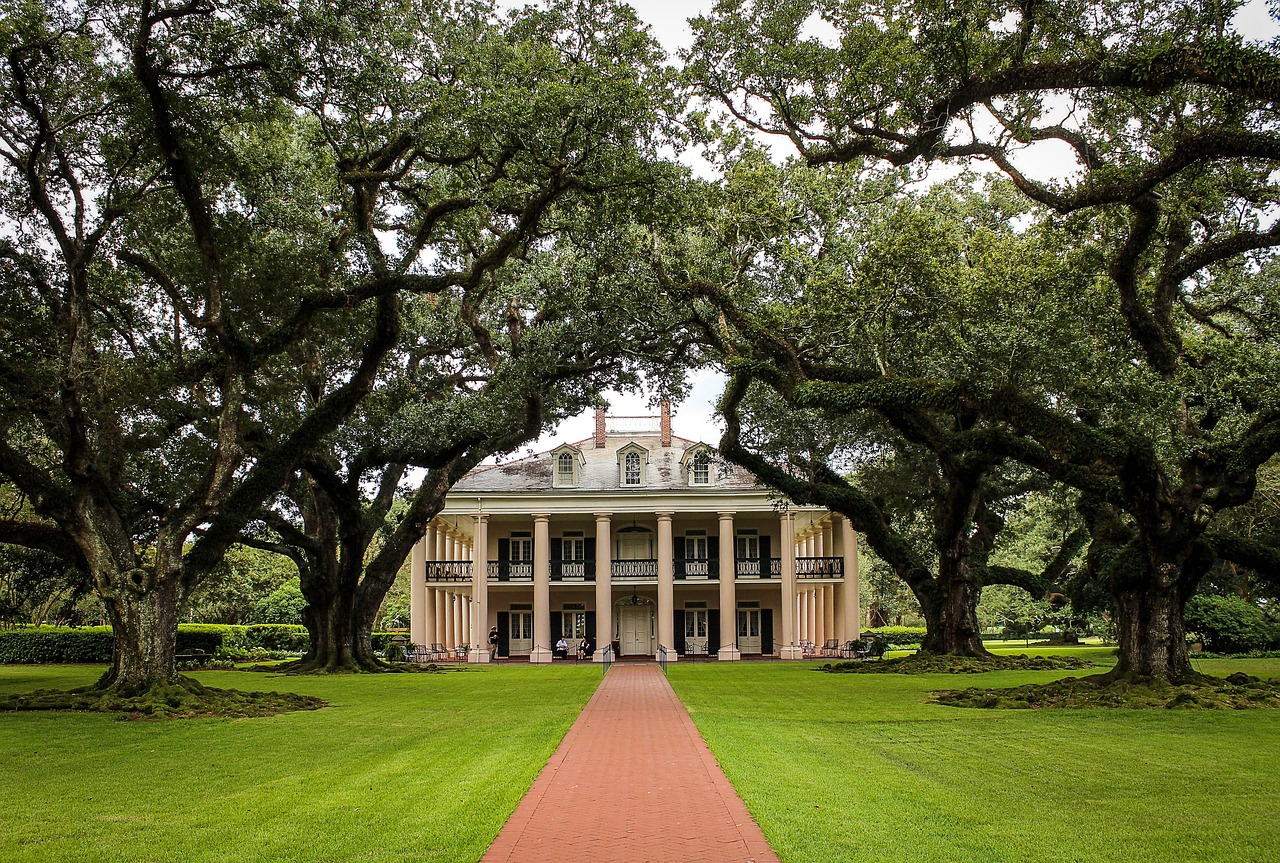
In the afternoon, many visitors combine the swamp with a visit to a historic plantation along River Road. I recommend choosing sites that center the stories of enslaved people.
- Oak Alley Plantation: Famous for its double row of live oaks leading up to the big house. Beautiful but also deeply tied to slavery. The better tours now address this more honestly than in the past.
- Whitney Plantation: Focused explicitly on the history of slavery. It’s one of the most powerful, sobering sites I’ve visited in the region.
Tip: This can be an emotionally heavy day. Plan a quiet, reflective evening back in the city—perhaps a simple dinner and a walk along the riverfront rather than a big party night.
Day 5 – Hidden Gems, Markets & “Choose Your Own Adventure” Day
If you’re crafting a 5 day itinerary for New Orleans, Day 5 is your wildcard. I like to use this day to revisit favorites, dig into hidden gems, or chase whatever part of the city grabbed me most on earlier days.
Morning: Bywater & Crescent Park
The Bywater is colorful, artsy, and slower-paced than the Quarter. I often come here on my last day just to stroll, sip coffee, and admire the shotgun houses and murals.
- Crescent Park: A narrow riverside park with one of my favorite skyline views of New Orleans. Climb the “Rusty Rainbow” bridge for photos.
- Brunch cafés: The Bywater is packed with brunch spots and coffee shops that feel like you’ve wandered into a friend’s kitchen.
Afternoon: Markets, Last-Minute Shopping & Museums
- French Market: From produce and hot sauces to crafts and pralines, this is where I stock up on edible souvenirs.
- Pick a museum you missed: The National WWII Museum, Ogden Museum of Southern Art, Contemporary Arts Center, or smaller specialty museums downtown.
Evening: One Last Jazz Night
On my final night, I always end with live music—again. Whether it’s a repeat visit to Frenchmen Street, a show at Preservation Hall, or a brass band in a tiny bar, this is how I close the loop on the trip.
For a romantic finale, book a late dinner, then take a slow walk through the Quarter after midnight. The crowds thin out, the streets glisten, and the city feels like it’s telling you a secret.
20 Must-See Attractions in New Orleans (With Personal Stories)
Below are twenty of the best places to visit in New Orleans, each with history, significance, and some of my own experiences and tips. Many are woven into the itineraries above; here you get a deeper dive.
1. The French Quarter
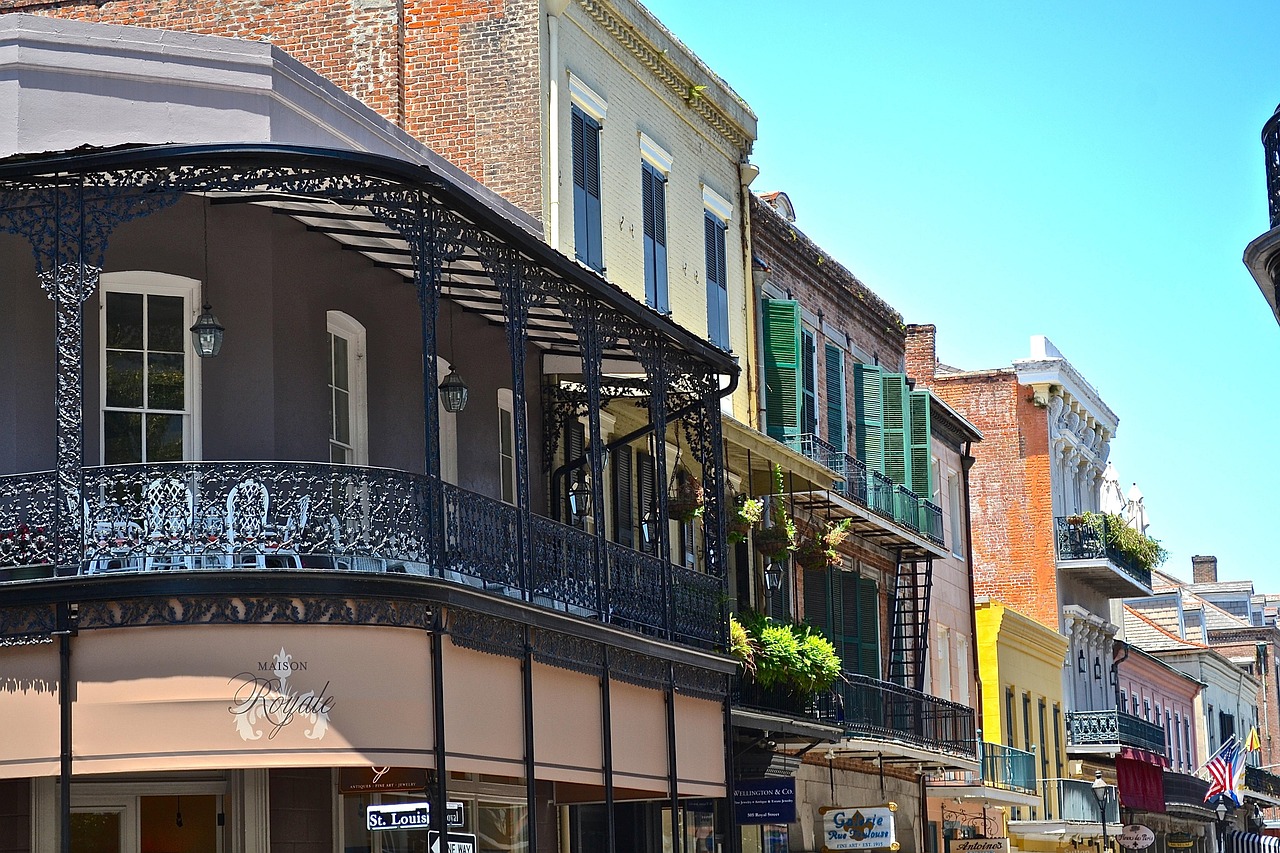
The French Quarter (Vieux Carré) is the oldest neighborhood in the city, founded in 1718. It survived fires, floods, and waves of newcomers and still manages to balance its role as both living neighborhood and global icon.
I love the Quarter early in the morning, when delivery trucks outnumber tourists, and you can hear your own footsteps on the cobblestones. Late at night, it feels like a movie set, with gas lamps flickering and music leaking from doorways.
- History: Built under French and later Spanish rule, the Quarter’s architecture is mostly Spanish colonial due to rebuilding after fires in the late 1700s.
- What to do: Wander without a strict plan. Look up at the wrought-iron balconies, peek into courtyards, and follow your ears to street musicians.
- Tip: Stay a block or two away from Bourbon Street if you want a quieter base but still want to be in the Quarter.
2. Jackson Square
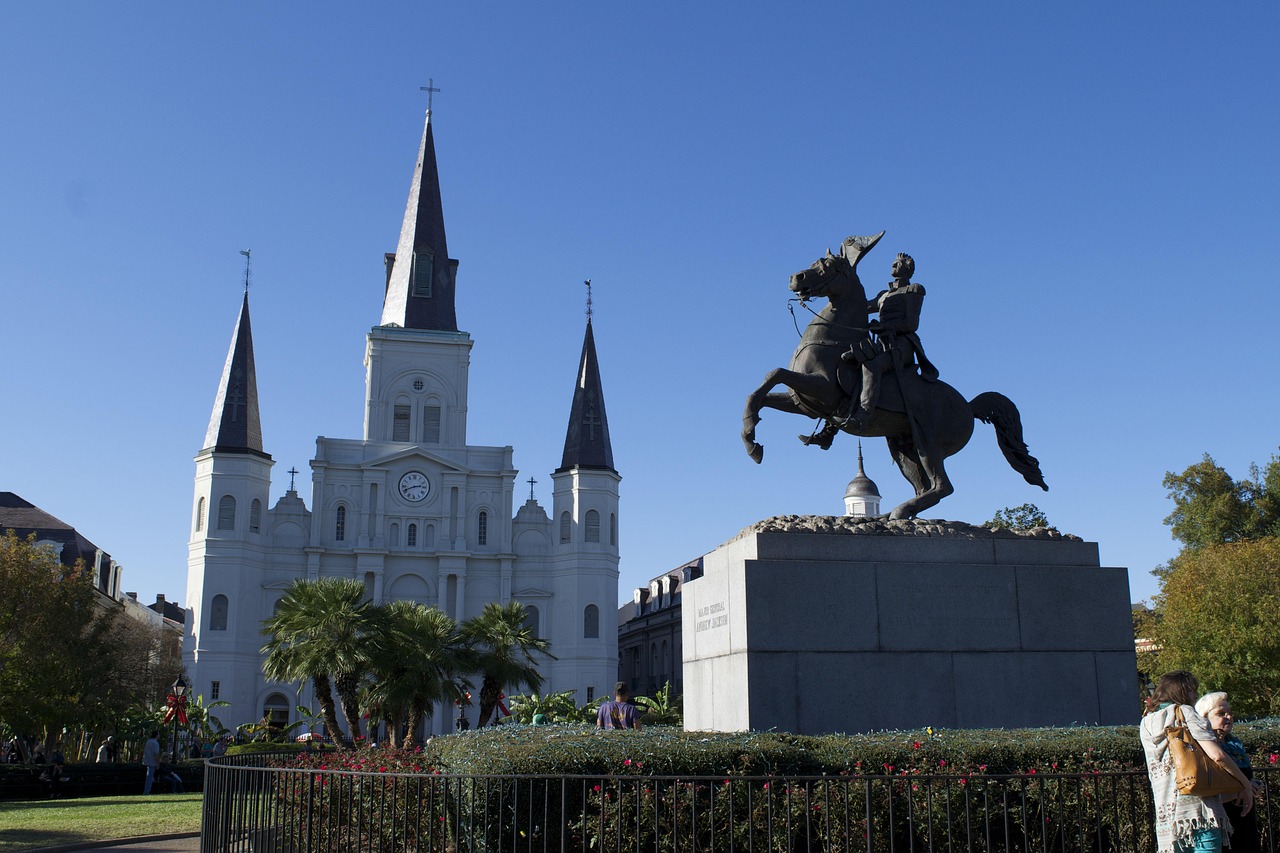
Jackson Square has been the ceremonial heart of New Orleans for centuries, from colonial parades to modern-day second lines. Its postcard triangle of greenery framed by the St. Louis Cathedral is one of the most photographed spots in the South.
On one trip, I spent an entire Sunday morning sitting on a bench here, listening to a brass band on one side and a solo saxophonist on the other, while painters set up their canvases along the iron fence. It felt like watching the city paint itself in real time.
- Don’t miss: The artists’ colony on the square’s perimeter, tarot readers along Chartres Street, and the view from the riverfront levee behind Café du Monde.
- Best time: Early morning for quiet reflection; late afternoon for peak energy.
3. St. Louis Cathedral
The St. Louis Cathedral is the oldest cathedral in continuous use in the United States, with the current structure dating mainly from the 1850s, though a church has stood here since the 1720s.
I’ve stepped inside in all kinds of moods—giddy, exhausted, sunburned—and every time the quiet cool air and painted ceiling calm me down. If you attend Mass or a concert here, you’ll experience just how deeply faith and music intertwine in New Orleans culture.
4. Bourbon Street
Bourbon Street is wild, messy, and utterly itself. It’s been the city’s party artery since at least the early 1900s, though the current neon-and-daiquiri version really took off in the late 20th century.
I treat Bourbon like a novelty: one slow walk, maybe one drink on a balcony watching the madness swirl below, and then I’m out. If you go in with realistic expectations—loud music, drunk crowds, novelty drinks—it can be fun in small doses.
- Tip: Keep valuables zipped up, don’t overdo the sugary drinks, and avoid walking alone very late if you’re heavily intoxicated.
- Family note: Fine to walk in early evening for the lights and energy; avoid late-night with kids.
5. Frenchmen Street
Frenchmen Street is where locals sent me when I asked, “Where do you go for music?” It’s a short stretch in the Faubourg Marigny packed with live music clubs, from traditional jazz to funk and brass.
One of my favorite New Orleans memories is standing shoulder-to-shoulder at The Spotted Cat, watching a trumpet player solo so hard the whole room shouted like it was a sporting event. Moments like that happen here every night.
- What to do: Hop between clubs, tip the bands generously, and step into the nightly art market for handmade jewelry and prints.
- Tip: No cover at some clubs but there’s often a drink minimum and a tip jar. Bring small bills.
6. Garden District
The Garden District grew as an American enclave in the 19th century, outside the older Creole French Quarter. Today it’s a showcase of Southern mansions, lush gardens, and quiet, shady streets.
On my last visit, I spent an afternoon tracing a self-guided walking tour, pausing to admire a bright blue shotgun house sandwiched between two Greek Revival mansions, then stopping in a café for an iced coffee and people-watching.
7. Magazine Street
Magazine Street stretches for miles through the Lower Garden District and Uptown, lined with small businesses, restaurants, and bars. It’s the anti-mall: unique, walkable, and full of surprises.
Whenever I’m in town for more than a weekend, I carve out half a day just to wander Magazine. I’ve found everything from handmade ceramics to vintage jazz records here.
8. City Park
City Park is over 1,300 acres—bigger than many urban parks people rave about—and yet visitors often skip it. Don’t. It’s one of the most beautiful green spaces in the South.
I rented a bike here once and spent hours gliding under oak trees that have seen more than 600 years of history. Between the lagoons, sculpture garden, and casual cafés, it’s easy to fill a day.
9. New Orleans Museum of Art (NOMA) & Besthoff Sculpture Garden
NOMA is the city’s premier art museum, with collections ranging from European masters to contemporary works, plus strong African and American South representations.
The adjacent Besthoff Sculpture Garden is free and feels like a dream walk—sculptures set among live oaks, bridges, and ponds. I’ve taken non-art-people here and they’ve all loved it.
10. Audubon Park & Audubon Zoo
Audubon Park wraps around part of Tulane and Loyola Universities, offering a peaceful escape from the city. The Audubon Zoo within the larger Audubon system is a hit with families.
I like to combine a walk through the park with an iced coffee and some quiet time on a bench, watching joggers, students, and families go by.
11. The National WWII Museum
The National WWII Museum is consistently ranked among the top museums in the United States. It began as the D-Day Museum, founded by historian Stephen Ambrose, and has expanded into a multi-building complex.
I’ve spent entire days here without seeing it all. It’s immersive, emotional, and detailed, with personal stories and artifacts that stick with you long after you leave.
Tip: Book timed entry in advance on busy weekends and allow at least half a day.
12. Preservation Hall
Preservation Hall is a tiny, no-frills jazz venue in the French Quarter dedicated to preserving traditional New Orleans jazz. No bar, no frills—just pure music.
The first time I squeezed into that wooden room, sitting on a bench with my knees practically touching the bass player’s, I understood why people line up in the rain for this experience.
- Tip: Buy advance “Big Shot” tickets if you can; otherwise, line up early for general admission. Shows are short (about 45 minutes), making this easy to fit into a 3 day itinerary for New Orleans.
13. Louis Armstrong Park & Congo Square
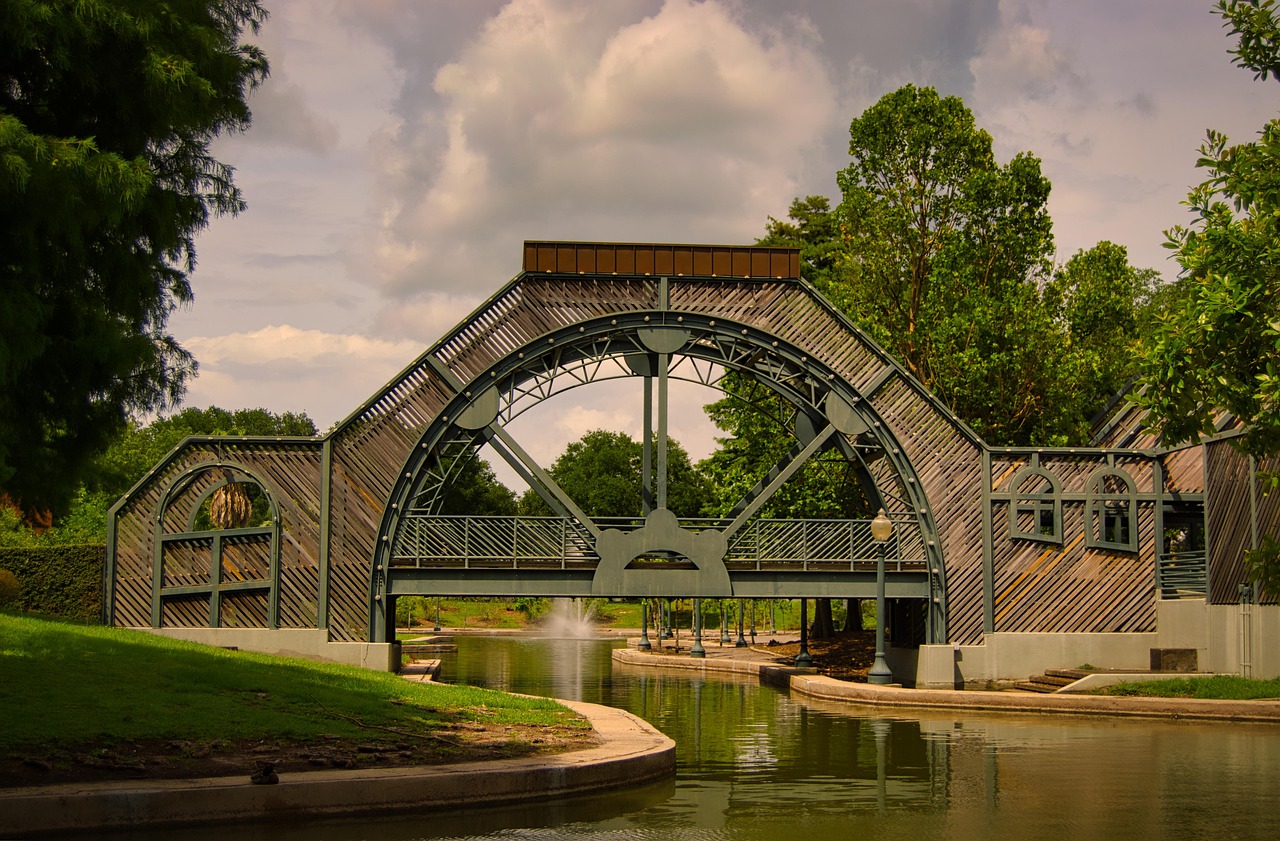
Louis Armstrong Park honors the great jazz musician and the broader musical and cultural history of the Tremé. Within it lies Congo Square, where enslaved Africans were once allowed to gather on Sundays.
This is one of the most important cultural experiences in New Orleans. Standing in Congo Square, reading the plaques, and listening (if you’re lucky) to a drum circle is a grounding, humbling moment.
14. St. Charles Avenue Streetcar
The St. Charles streetcar has been rattling along its route since the 1830s, making it one of the oldest continuously operating streetcar lines in the world. Riding it is a must-do, not just a way to get from A to B.
I like to ride it all the way from Canal Street to Carrollton and back, just watching the city change out the window.
Tip: Bring exact change or a day pass; seats near the window on the right side offer great views heading uptown.
15. Lafayette Cemetery No. 1 (Exterior Views & Cemetery Culture)
New Orleans’ above-ground cemeteries—sometimes called “Cities of the Dead”—exist because of the city’s high water table and history. Lafayette Cemetery No. 1, in the Garden District, is among the most famous.
As of 2026, access rules and restoration work can change, so you may only be able to see it from the outside or with a licensed tour. Even a perimeter walk offers a powerful glimpse into the city’s relationship with life, death, and memory.
16. French Market
The French Market has roots going back to the 18th century, when it began as a Native American trading post. Today it’s part farmers’ market, part food court, part souvenir bazaar.
I like to grab a snack (gator sausage, pralines, hot sauces to sample) and people-watch. It’s touristy but still fun, especially if you’re hunting for edible gifts.
17. Bayou Sauvage National Wildlife Refuge
Bayou Sauvage, just outside the city, is one of the largest urban wildlife refuges in the United States. It’s a quieter alternative to commercial swamp tours if you have your own car.
Walking the boardwalk trails here, hearing only bird calls and wind in the reeds, it’s hard to believe you’re so close to New Orleans.
18. Bywater & Crescent Park
The Bywater is a colorful, bohemian neighborhood Downriver from the French Quarter. Crescent Park runs along the river here, offering some of the best skyline views.
Climbing the arched “Rusty Rainbow” bridge to the park has become one of my favorite low-key rituals. Sunrise and sunset are magical.
19. Tremé Neighborhood & Backstreet Cultural Museum
Tremé is one of the oldest Black neighborhoods in the U.S. and the heart of much of New Orleans’ culture—jazz, second lines, Mardi Gras Indians.
Walking its streets with a local guide, hearing about the social aid & pleasure clubs and seeing where brass bands rehearse, gave me a deeper respect for the community’s resilience and creativity. The Backstreet Cultural Museum is essential if you want to understand the city beyond the tourist gloss.
20. Swamp & Bayou Tours Around New Orleans
The wetlands around New Orleans are as much a part of its identity as the French Quarter balconies. Swamp tours let you see cypress forests, wildlife, and the delicate ecosystem that helps protect the city.
On one trip, my guide pointed to bare ghost trees killed by saltwater intrusion and explained, in plain language, what climate change and coastal erosion mean for New Orleans’ future. It turned a fun boat ride into a powerful lesson.
Neighborhoods & Districts to Explore
French Quarter
Vibe: Historic, lively, touristy but still very real if you look beyond Bourbon Street.
Best for: First-timers, nightlife, architecture, classic “3 days in New Orleans” experiences.
Faubourg Marigny & Bywater
Vibe: Artsy, colorful, more local than the Quarter, with great music and food.
Best for: Nightlife (Frenchmen Street), brunch, street art, romantic walks.
Garden District & Uptown
Vibe: Leafy, residential, upscale but relaxed.
Best for: Architecture walks, Magazine Street shopping, Audubon Park and Zoo, family-friendly stays.
Tremé
Vibe: Deeply historic, musical, community-centered.
Best for: Cultural experiences, understanding local customs in New Orleans, Sunday second lines (when happening), small museums.
Central Business District (CBD) / Warehouse District
Vibe: Modern, walkable, mix of offices, hotels, and art spaces.
Best for: Convenient base for a 3 day itinerary for New Orleans, proximity to WWII Museum, Ogden, Contemporary Arts Center, smoother car access.
Mid-City
Vibe: Local, laid-back, where many service-industry folks live and hang out.
Best for: Casual dining, City Park access, riding the Canal Streetcar, more affordable stays.
Best Local Food & Drinks in New Orleans
Food is the heartbeat of New Orleans. You could build an entire 5 day itinerary for New Orleans around meals and never repeat a dish. Here are the essentials and how to enjoy them without breaking the bank.
Must-Try Dishes
- Gumbo: A rich stew (often with seafood, chicken & sausage, or duck) thickened with roux and served over rice. I always order gumbo on my first night—it’s like a welcome hug.
- Jambalaya: Rice cooked with sausage, chicken, and sometimes seafood. Spicy, comforting, and great for budget travelers since one bowl can be a full meal.
- Red Beans & Rice: Traditionally Monday laundry-day food. Often vegetarian-friendly if you ask; deeply smoky if cooked with sausage or ham.
- Po’boys: Overstuffed sandwiches on French bread. My go-to is fried shrimp or roast beef “dressed” (lettuce, tomato, pickles, mayo).
- Muffuletta: Italian sandwich with salami, ham, cheese, and olive salad on round sesame bread. Half is usually plenty for one person.
- Beignets: Fried dough squares drowning in powdered sugar. Best when hot.
- Pralines: Sugary pecan candies—great souvenirs.
Iconic Drinks
- Sazerac: Often called America’s first cocktail. Rye whiskey, bitters, sugar, absinthe rinse. Strong and spirit-forward.
- Hurricane: Rum-based, fruity, famously served at Pat O’Brien’s. Treat it like two drinks in one—pace yourself.
- Café au lait with chicory: New Orleans coffee tradition, especially at Café du Monde.
Saving Money on Food
- Eat big at lunch—many restaurants offer cheaper lunch specials with the same dishes you’d pay more for at dinner.
- Explore Mid-City, Magazine Street, and neighborhood joints away from the Quarter for better prices and more local vibes.
- Split large portions like muffulettas and po’boys; they’re often huge.
Nightlife, Entertainment & Cultural Experiences
New Orleans nightlife isn’t just about drinking; it’s about music, performance, and community.
Live Music
- Frenchmen Street: Jazz, funk, brass—walk and listen before choosing a club.
- Preservation Hall: Traditional jazz in an intimate setting.
- Neighborhood bars: In Tremé, Mid-City, and Uptown, you’ll find spontaneous jam sessions and brass bands.
Family-Friendly Evenings
- Riverfront walks, street performances around Jackson Square, and early shows on Frenchmen (before 9 p.m.) can all be kid-friendly.
- Sporting events and minor-league baseball (when in season) also make for fun local nights out.
Romantic Nights
- Dinner in the French Quarter or Garden District, followed by a moonlit walk along the riverfront or a late jazz set.
- Book a balcony table or rooftop bar in the CBD for skyline views.
Day Trips & Nearby Attractions
Beyond the city limits, you can explore wetlands, small towns, and historic sites.
Swamp & Bayou Tours
Accessible via hotel pickup or self-drive to launch points within 30–60 minutes. Choose between fast airboats or slower eco-tours.
Plantation & River Road Tours
Combine multiple sites in one day (e.g., Whitney and Oak Alley). Many tour operators run from downtown New Orleans.
Small Coastal Towns
If you have a car, consider a drive down to coastal Louisiana for seafood shacks and birdwatching.
Cultural Etiquette & Local Customs in New Orleans
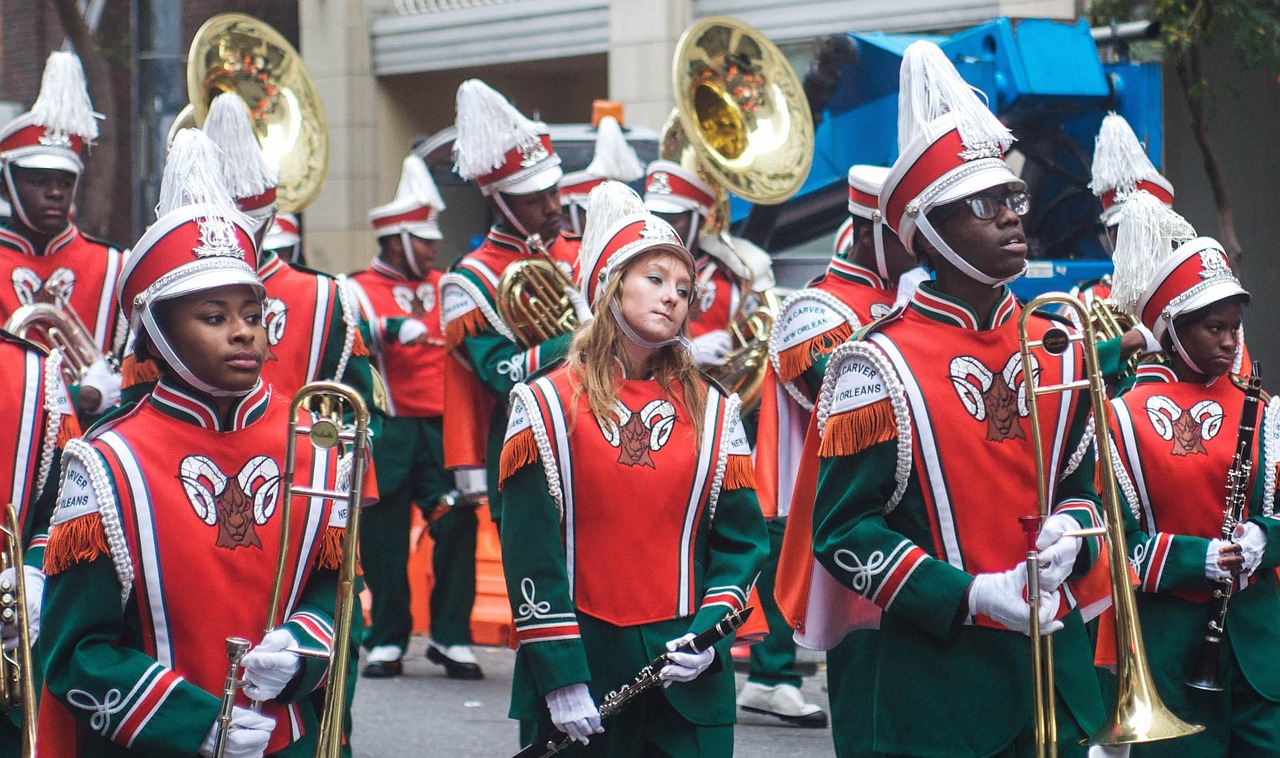
Understanding local customs in New Orleans helps you be a respectful visitor and often leads to warmer interactions.
General Etiquette
- Greetings: People are friendly. A “Good morning” or “How y’all doing?” goes a long way.
- Personal space: Bars and parades get crowded; be patient and courteous.
- Photography: Ask before photographing street performers, Mardi Gras Indians, or people at second lines. Tip performers.
Music & Parades
- At second lines and parades, don’t block the band or funeral processions; stand to the side.
- Tip musicians generously; this is how many make their living.
Alcohol & Open Containers
- You can carry drinks in plastic “go-cups” but not glass on the street.
- Drink responsibly; public drunkenness can still get you in trouble.
Practical Travel Advice for New Orleans (2026–2027)
When to Visit & Weather
- Best overall: Late February–April and late October–November (mild weather, festivals).
- Hurricane season: June–November, with peak risk in August–September. Travel insurance is wise.
- Summer: Hot, humid, but often cheaper. Plan indoor afternoons (museums, siestas).
Getting Around
- On foot: Ideal for French Quarter, CBD, Marigny.
- Streetcars: St. Charles, Canal, and Riverfront lines are scenic and affordable.
- Buses & rideshares: Fill in the gaps, especially for Mid-City and later nights.
- Car rental: Not necessary for a short city stay; useful for day trips and bayou exploration.
Sim Cards & Connectivity
- Major U.S. carriers (AT&T, Verizon, T-Mobile) have good coverage in the city.
- International visitors can buy prepaid SIMs at airports, big-box stores, or phone shops; eSIM options are increasingly common in 2026.
Money & Saving Tips
- Credit/debit cards widely accepted; carry some cash for tips, street performers, small bars.
- Look for lunch specials, happy hours, and neighborhood joints away from the French Quarter to save.
- Multi-day transit passes (where available) can be cheaper than single rides if you’ll use streetcars often.
Visa Requirements & Driving
- Visas: Depends on nationality. Many visitors use the U.S. Visa Waiver Program (ESTA); others need a visitor visa. Check official U.S. government sites before booking.
- Foreign driver’s licenses: Commonly accepted for car rentals if in English or accompanied by an International Driving Permit. Confirm with your rental company in advance.
Safety
- Like any city, some areas are safer than others. Stay in well-lit, populated zones at night and use rideshares if you feel uncomfortable walking.
- Keep belongings close in crowded areas; avoid flashing expensive jewelry or large amounts of cash.
Major Events in 2026–2027
Exact dates can shift year to year; always confirm closer to your trip, but here’s what to expect around 2026–2027.
- Mardi Gras (2026 & 2027): Season runs from Twelfth Night (January 6) to Fat Tuesday (date varies by year). Expect parades, balls, and huge crowds. Book accommodations 6–12 months in advance.
- New Orleans Jazz & Heritage Festival: Late April–early May. Massive music and food festival at the Fair Grounds.
- French Quarter Festival: Spring, featuring local musicians on multiple stages throughout the Quarter.
- Essence Festival: Usually around early July, celebrating Black music and culture.
- Voodoo Music + Arts Experience (if running): Late October near Halloween.
- Holiday Season: December brings Reveillon dinners, light displays, and New Year’s Eve fireworks over the Mississippi.
Summary & Final Recommendations
New Orleans is a city that rewards both planning and spontaneity. A 3 day itinerary for New Orleans will cover the headliners—French Quarter, Garden District, a live music night, and a major museum or two. With 4 days in New Orleans, you can add City Park, Tremé, or a swamp tour. A full 5 days in New Orleans lets you slow down, revisit favorites, and dive into hidden gems, neighborhood cafés, and quieter parks.
For most travelers, the best time to visit New Orleans is in spring (February–April) and fall (October–November), when the weather is gentle and the festival calendar is packed. Summer offers lower prices but higher heat; winter is cool and often pleasantly uncrowded outside of New Year’s and Mardi Gras.
However long you stay, lean into the city’s rhythm: wander slowly, listen closely, eat generously, tip musicians and service workers well, and treat New Orleans not just as a backdrop for your vacation, but as a living, breathing community you’re borrowing for a little while. If you do, you’ll leave already plotting your return.