Why Visit Phoenix in 2026?
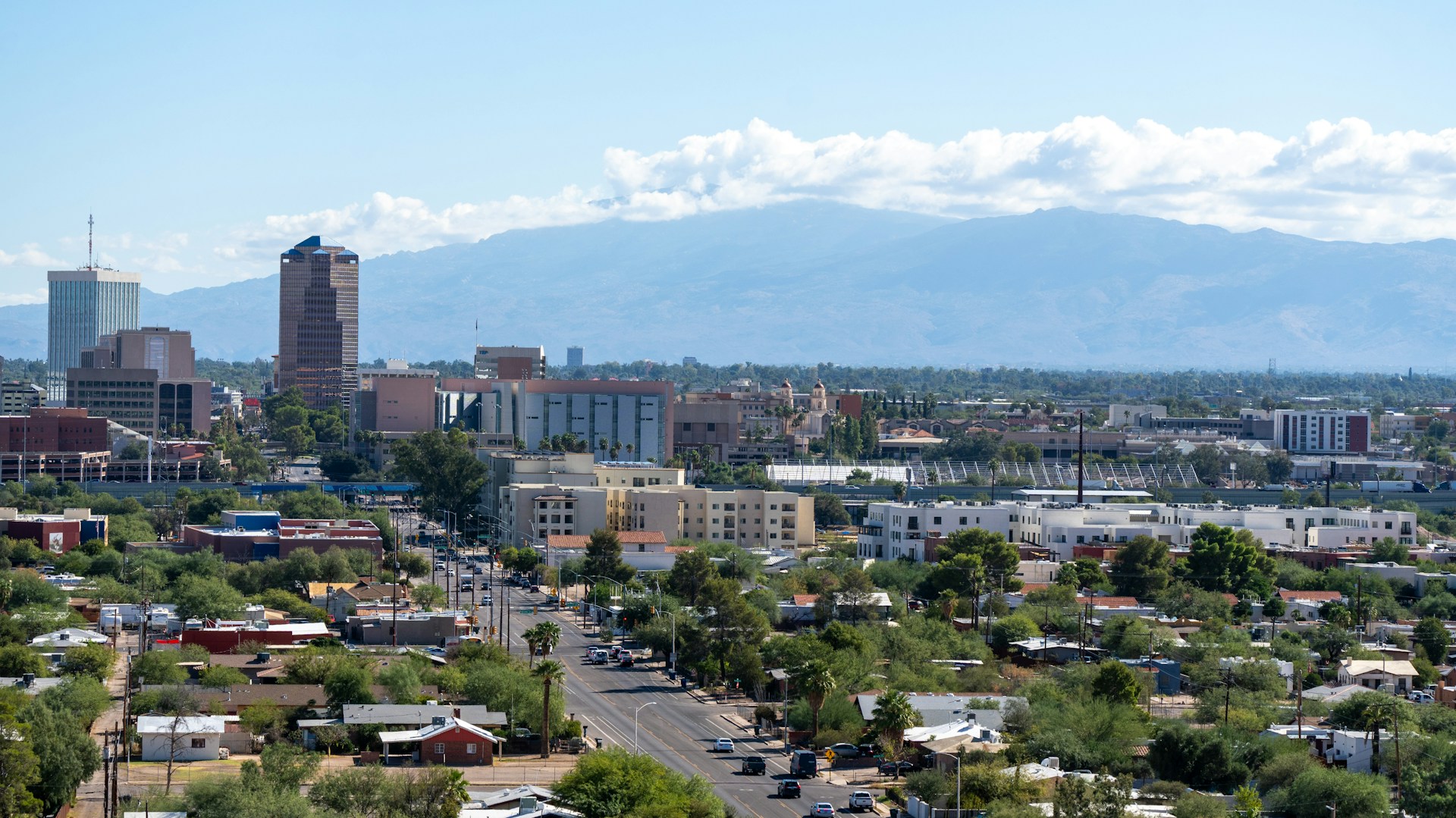
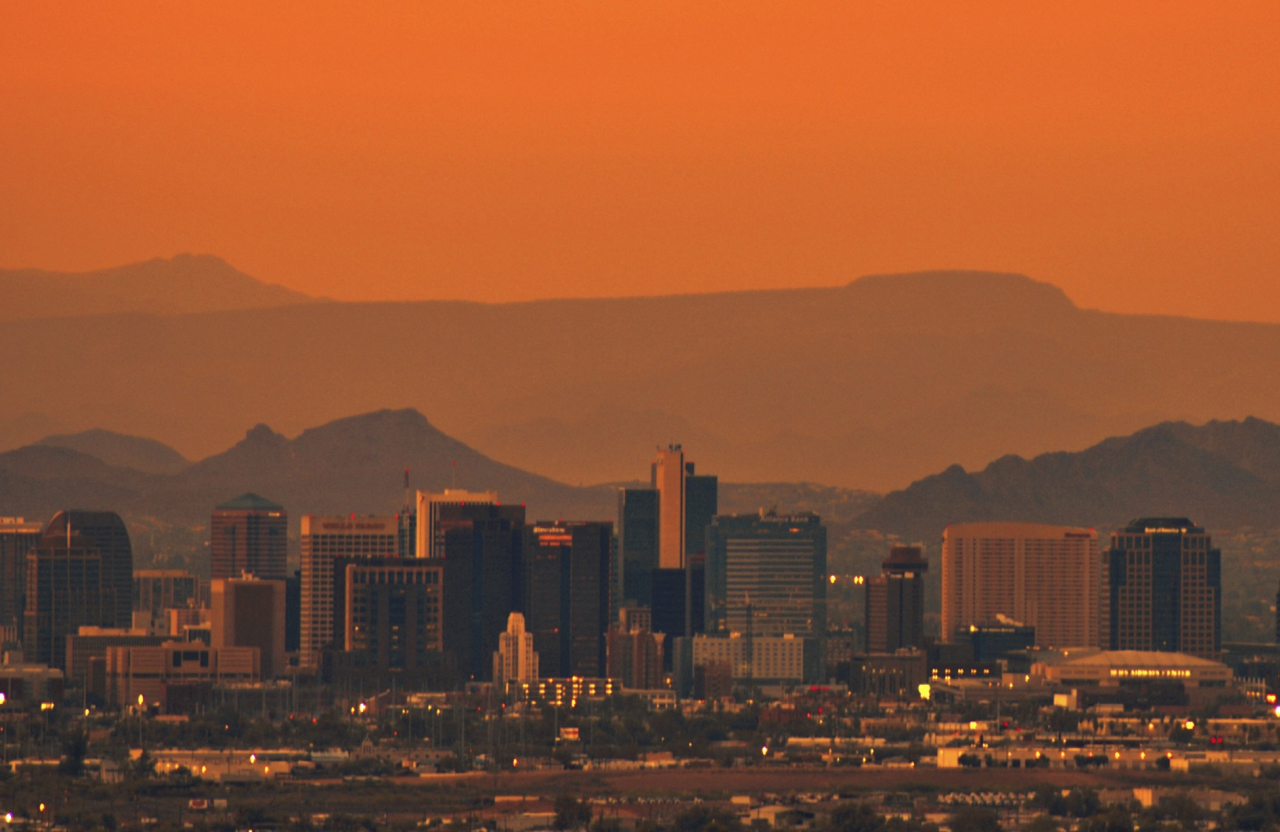
Living in Phoenix for years has taught me that the Valley of the Sun is one of those places people underestimate until they actually land here, feel the warm desert air, see the mountains glowing pink at sunset, and taste their first proper Sonoran hot dog. Phoenix is more than heat and golf courses; it’s a fast-growing desert city with a surprisingly rich arts scene, layered Native and Mexican heritage, world-class hiking right in town, and some of the best sunsets you’ll ever see.
In 2026, Phoenix feels like it’s hitting its stride: new light rail extensions, revamped downtown blocks, an exploding food scene in Roosevelt Row and Midtown, and a calendar packed with festivals, sports, and cultural events. Whether you have 3 days in Phoenix or you’re planning a full 5 day itinerary for Phoenix, you can easily blend outdoor adventure with museums, great dining, and lazy pool time.
What makes Phoenix special to me is how quickly you can shift gears: one morning I’ll be sipping a cortado in a downtown coffee shop, and 20 minutes later I’m on a rocky trail watching coyotes in the distance. When friends ask me for a travel guide for Phoenix, I always say: come for the sunshine, but stay for the mountains, the food, and the feeling that you’re in a big city that still remembers it’s in the wilderness.
Table of Contents
- Why Visit Phoenix
- Phoenix at a Glance (2026–2027)
- 20 Must-See Attractions in Phoenix
- Suggested Itineraries (3–5 Days in Phoenix)
- Best Neighborhoods & Districts to Explore
- Local Food in Phoenix: What & Where to Eat
- Nightlife, Entertainment & Cultural Experiences
- Day Trips & Nearby Adventures
- Cultural Etiquette & Local Customs
- Practical Travel Tips for Phoenix
- Summary: When & Why to Visit Phoenix
Phoenix at a Glance (2026–2027)
Phoenix is the fifth-largest city in the United States, sprawled across the Salt River Valley and ringed by low mountain ranges. It’s dry, sunny (more than 300 days a year), and hotter than most first-time visitors can imagine from May to September. But fall, winter, and spring are close to perfect—this is when I recommend you plan your 3 days in Phoenix or more.
Major Events & What’s New in 2026–2027
- Phoenix Lights Festival (Spring 2026 & 2027): Large EDM and arts festival, usually held in the metro area with big-name DJs and immersive art installations.
- Arizona State Fair (Fall 2026 & 2027): Held at the fairgrounds in Phoenix with concerts, rides, and every fried food you can imagine.
- Spring Training (Cactus League, Feb–March 2026 & 2027): MLB teams like the San Francisco Giants, Chicago Cubs, and local D-backs training around the Valley. Phoenix is an ideal base for catching games.
- First Fridays Art Walk (Monthly): Roosevelt Row’s monthly open-gallery night, which has grown into one of the largest art walks in the U.S.
- Light Rail & Downtown Upgrades: Ongoing expansion of the Valley Metro light rail and new bike lanes have made it easier than ever to explore without a car in central Phoenix.
20 Must-See Attractions in Phoenix (With Local Insights)
Below are the must-see attractions in Phoenix that I return to over and over, plus a few hidden gems in Phoenix. For each, I’ll share what I love, when to go, how to get there, and any quirks to know.
1. Camelback Mountain
If you’ve seen a photo of Phoenix’s skyline ringed by rugged peaks, Camelback Mountain is usually the star. Shaped (loosely) like a kneeling camel, it rises abruptly from the city’s east side and offers some of the best views in the Valley.
I still remember my first sunrise hike here: starting in the dark on the Echo Canyon Trail, headlamp bouncing off granite, and then turning around near the top to see the whole city slowly light up. It’s crowded, yes, but Camelback is iconic for a reason.
Why Go
- Best for: Active travelers, couples, adventurous families with older kids.
- Highlights: Panoramic sunrise/sunset views, intense but short workout, classic “I did Phoenix” photo.
Trails & Difficulty
- Echo Canyon Trail: Steep, rocky, with railings and some scrambling. About 2.5 miles roundtrip but strenuous.
- Cholla Trail: Slightly longer, still difficult, a bit less crowded; the upper section has exposed scrambling.
Local tip: Start before sunrise in cooler months and by 5–6 am in shoulder seasons. From May to September, extreme heat makes mid-day hikes dangerous—trails can close during heat waves. Always carry more water than you think you need.
How to Get There
Camelback is in east Phoenix, near Scottsdale. Rideshares are easy from downtown or Old Town Scottsdale (15–25 minutes depending on traffic). Parking at trailheads fills up early—plan to arrive well before sunrise on weekends.
Food Nearby
After hiking, I like to refuel at nearby spots in Arcadia:
- La Grande Orange (LGO): Great breakfast burritos, coffee, and baked goods.
- OHSO Brewery: Casual brunch/lunch with a dog-friendly patio and local beers.
2. Papago Park & Hole-in-the-Rock
When friends visit with kids, Papago Park is my go-to. It feels otherworldly: rounded red sandstone buttes, desert plants, and a surprisingly peaceful vibe given how close it is to the airport and downtown.
The star here is Hole-in-the-Rock, a natural sandstone opening you can walk up to. One evening I brought takeout tacos, climbed up about 30 minutes before sunset, and watched planes glide in and out of Sky Harbor with the skyline glowing in the distance.
Why Go
- Best for: Families, casual walkers, photography lovers, romantic sunset.
- Highlights: Easy scenic walk, great city views, close to other big attractions like the zoo and Desert Botanical Garden.
How to Visit
The walk to Hole-in-the-Rock is short and family-friendly, though a bit uneven near the top. There are several easy trails throughout Papago Park itself. Go at sunrise or sunset to avoid harsh midday light and heat.
Local tip: Combine Papago Park with the Phoenix Zoo or Desert Botanical Garden—they’re all within the same general area. You can easily spend a full day here.
3. Desert Botanical Garden
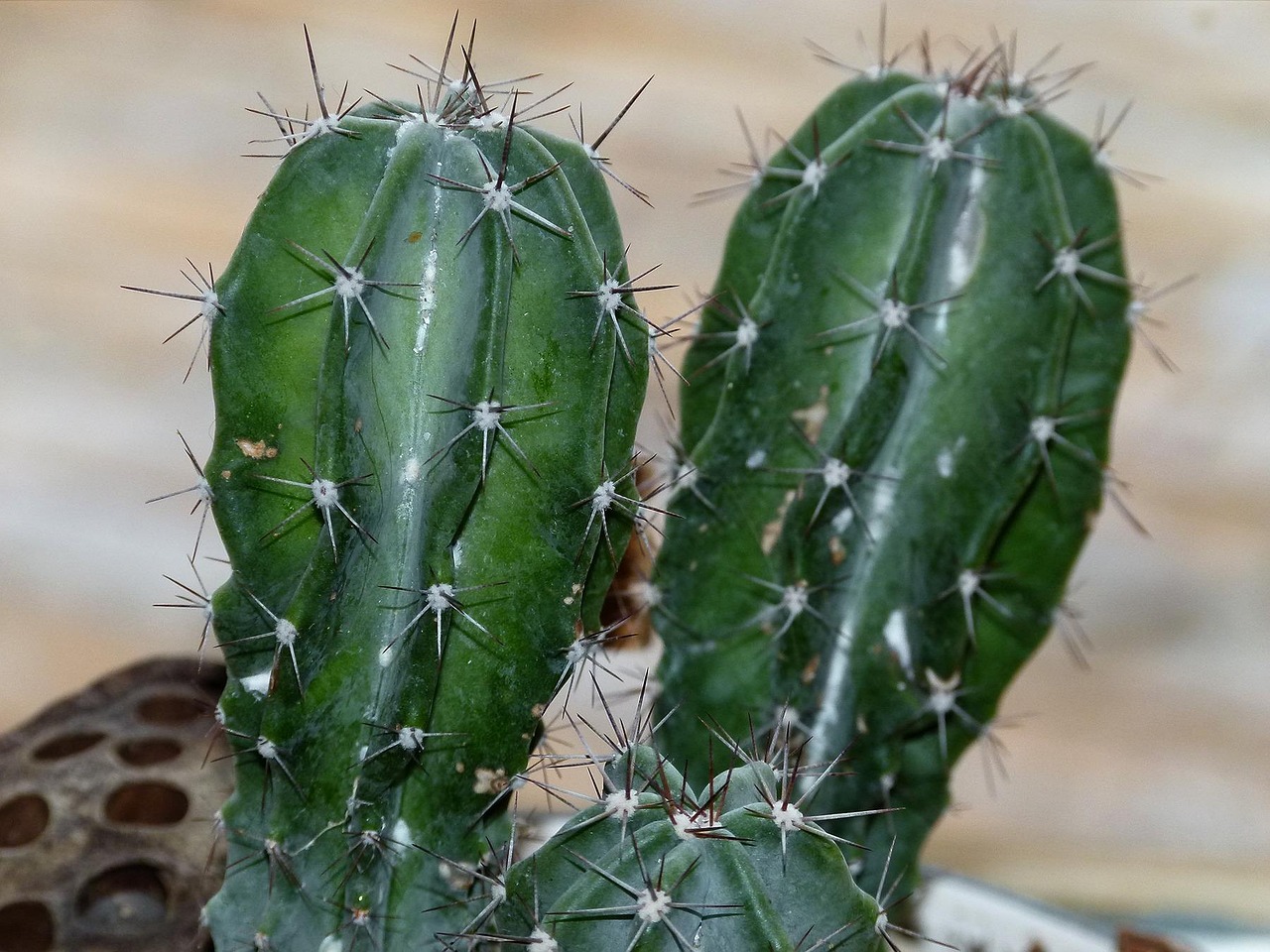
This is where I send anyone who thinks the desert is “just sand and a few cacti.” The Desert Botanical Garden is a beautifully curated, walkable introduction to Sonoran Desert flora, with twisting trails lined with saguaros, cholla, and desert wildflowers. I still remember the first time I walked their wildflower loop in March—bright orange poppies against blue sky and the smell of creosote after a light rain.
Why Go
- Best for: First-time desert visitors, families, couples, photography, plant lovers.
- Highlights: Seasonal butterfly pavilion, art installations, night events with lights and music.
Visiting Tips
- Plan 2–3 hours to walk the main loops.
- Wear a hat and sunscreen—even in winter, the sun can be strong.
- Check their events calendar: 2026–2027 will feature rotating art exhibits, “Flashlight Nights” in summer, and holiday light shows.
Local tip: I love going in the late afternoon and staying until sunset. The golden light on the cacti is stunning, and it’s cooler. The on-site restaurant and café are solid options if you want to linger.
4. Phoenix Art Museum
On hot afternoons or during the rare rainy day, the Phoenix Art Museum is where I go to reset. It’s the largest art museum in the Southwest, with a surprisingly diverse collection—from Latin American art to contemporary installations.
One of my favorite memories here is stumbling into a fashion exhibit that traced the evolution of desert-inspired design; I’d just come from a hike, and suddenly I was seeing those same colors and textures reflected in couture pieces.
Why Go
- Best for: Culture lovers, couples, solo travelers, anyone escaping the midday sun.
- Highlights: Contemporary art wing, rotating special exhibitions, family-friendly programs.
Local tip: Check their schedule for free or pay-what-you-wish evenings (often Wednesday or Friday nights). Combine with dinner in Midtown or Roosevelt Row for a relaxed urban night out.
5. Heard Museum
The Heard Museum is one of the most important places in Phoenix if you want to understand the region’s Native American cultures. It’s not just a museum; it feels like a living dialogue between past and present.
The first time I visited, I spent almost an entire afternoon in the exhibits on boarding schools, reading personal stories and looking at photographs. It’s moving and at times heavy, but essential for context on the land you’re exploring.
Why Go
- Best for: Cultural travelers, families with teens, anyone interested in history and Indigenous art.
- Highlights: Native art collections, outdoor sculpture gardens, festivals and markets featuring Native artists.
Local tip: Time your visit around one of their festivals in 2026–2027 (like the Heard Museum Guild Indian Fair & Market) to meet artists and see performances. Their café serves Native-inspired dishes and is worth a stop.
6. South Mountain Park & Dobbins Lookout
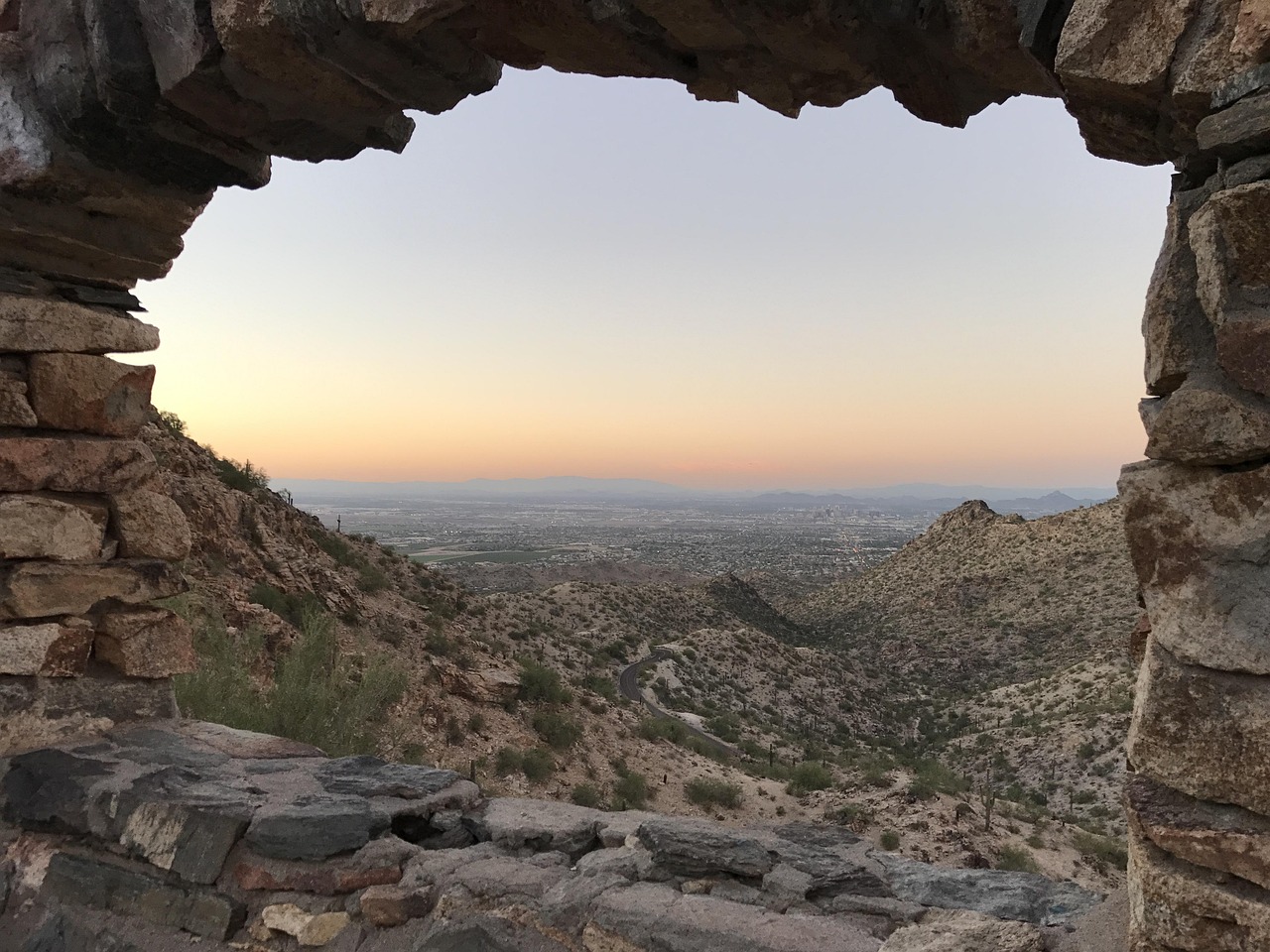
South Mountain Park is one of the largest municipal parks in the U.S., and it still amazes me that such a huge stretch of desert is technically “in” Phoenix. It’s my favorite place for a sunset drive when I don’t feel like a big hike.
I’ve lost count of the evenings I’ve driven up to Dobbins Lookout with a thermos of coffee, watched the city lights flicker on, and listened to the quiet wind. It’s also fantastic for mountain biking and trail running.
Why Go
- Best for: Hikers, cyclists, sunset watchers, families (drive-up viewpoints).
- Highlights: Miles of trails, wide-open desert views, stargazing on clear nights.
Local tip: The Summit Road to Dobbins Lookout can close for special events or for non-motorized days—check the city’s website before you go. Bring a light jacket; it can be windy and cooler at the top, especially in winter.
7. Old Town Scottsdale
Technically its own city, Scottsdale blends right into Phoenix and is part of most visitors’ itineraries. Old Town Scottsdale is a walkable district packed with galleries, restaurants, bars, and boutiques. It’s touristy in spots, but still a fun place to wander.
On one memorable evening, I did a gallery walk, grabbed tacos from a tiny spot tucked off Main Street, and ended the night with live music at a local bar. It’s also an easy base if you prefer resort-style stays.
Why Go
- Best for: Nightlife, shopping, galleries, first-time visitors.
- Highlights: Western-themed shops, Scottsdale Museum of Contemporary Art (SMoCA), public art installations.
Local tip: Old Town can be a party zone on weekends, especially around Scottsdale Road. If you want a quieter vibe, explore during the day or on weeknights, and wander the side streets away from the main drag.
8. Roosevelt Row Arts District (RoRo)
Roosevelt Row is where Phoenix’s creative side shows itself most clearly. It’s a walkable stretch of murals, galleries, indie shops, and some of the city’s best coffee and food. I love coming here on quiet weekday mornings to write in a café, then again for First Fridays when the streets fill with art vendors and food trucks.
Why Go
- Best for: Street art lovers, foodies, nightlife, solo travelers.
- Highlights: Colorful murals, First Fridays, craft beer bars, excellent tacos and vegan spots.
Local tip: If your 3 day itinerary for Phoenix includes a Friday, align it with First Friday. It can get crowded but it’s the liveliest regular event in central Phoenix.
9. Downtown Phoenix (Cityscape & Historic Core)
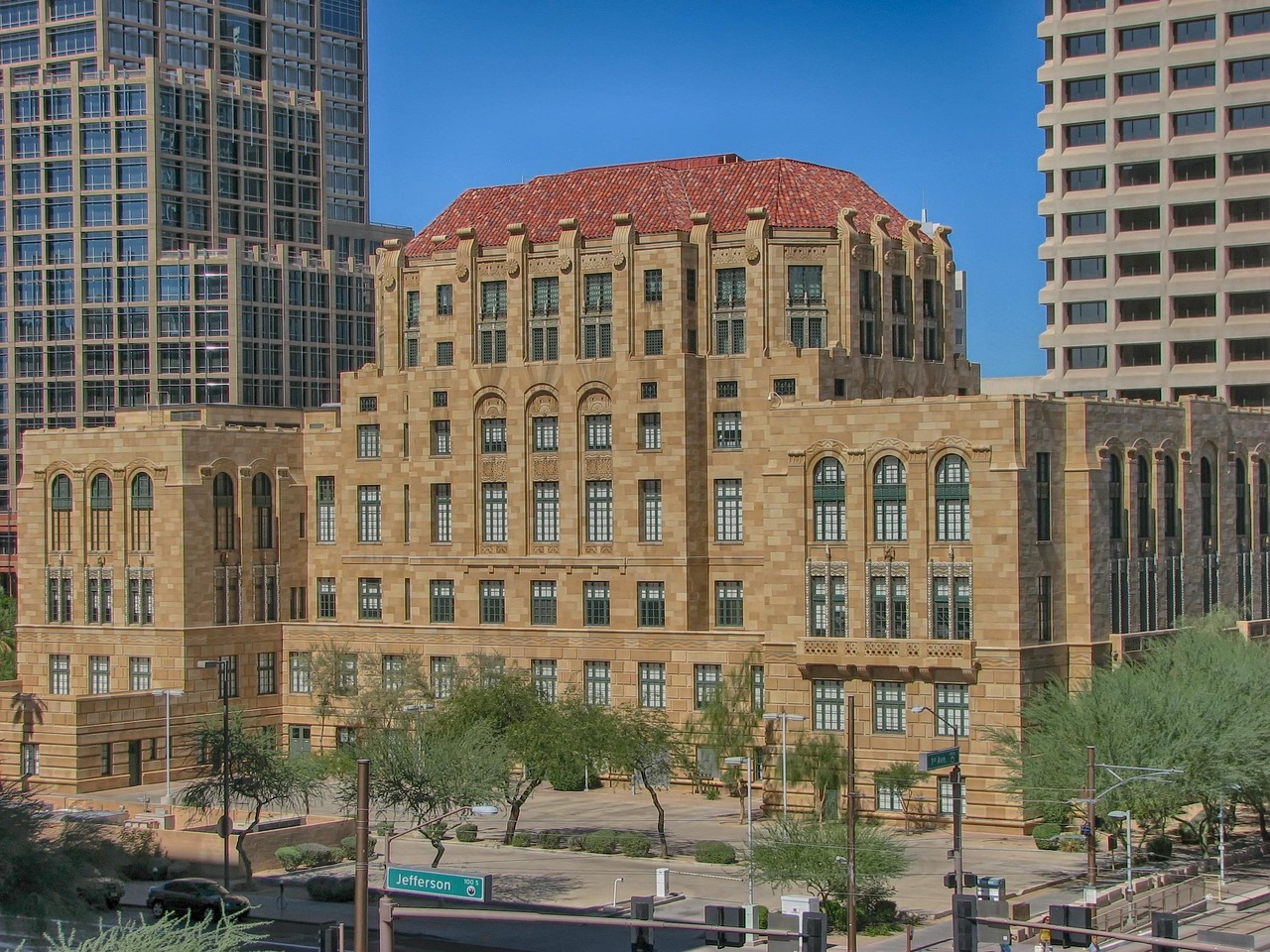
Downtown Phoenix used to be a 9-to-5 zone, but over the last decade it’s grown into a proper urban center with stadiums, theaters, bars, and high-rise apartments. I love the contrast of modern glass towers with older brick buildings and leafy side streets.
A typical downtown evening for me might be: happy hour at a rooftop bar, a Diamondbacks game at Chase Field, then a late-night slice of pizza.
Why Go
- Best for: Sports fans, concertgoers, urban explorers.
- Highlights: Chase Field, Footprint Center, CityScape complex, heritage buildings on Central and 1st Ave.
Local tip: Use the light rail to reach downtown easily from the airport, Tempe, or north-central Phoenix. On game nights, arrive early to avoid crowded trains.
10. Phoenix Zoo
Set in Papago Park, the Phoenix Zoo is one of the largest privately owned, nonprofit zoos in the U.S. It’s very family-friendly, with shaded paths and interactive exhibits. I went recently with friends and their kids, and we spent half the day between the giraffe deck and the children’s area.
Why Go
- Best for: Families, animal lovers.
- Highlights: African Savanna exhibit, giraffe feeding, holiday ZooLights (a 2026–2027 seasonal must-do for locals).
Local tip: Go early in the morning when animals are more active and temperatures are cooler, especially outside winter.
11. Heritage Square & Science Center
Heritage Square is a small but charming pocket of Victorian-era homes in downtown Phoenix. I often bring visitors here to give them a sense of the city’s earlier days, then we pop into the nearby Arizona Science Center if kids are in tow.
One of my favorite lunches downtown was at a restaurant housed in one of these restored homes—eating on the porch with a light breeze and the faint sound of kids playing at the Science Center.
Why Go
- Best for: History buffs, families (Science Center), couples.
- Highlights: Rosson House Museum, shaded lawns, interactive science exhibits.
Local tip: Combine Heritage Square with a downtown walking tour or museum visit. It’s compact, so you don’t need more than a couple of hours unless you dive deep into the Science Center.
12. Musical Instrument Museum (MIM)
Locals rave about MIM for a reason. Even if you don’t consider yourself a “museum person,” the Musical Instrument Museum is immersive and fun. You get wireless headsets that sync with exhibits, so as you walk past instruments from, say, West Africa or Eastern Europe, you hear them being played.
I took my parents here once—my mom lingered in the classical section while my dad bee-lined to the rock and jazz displays. We all met up in the “Experience Gallery” to try out instruments ourselves, laughing at our total lack of rhythm.
Why Go
- Best for: All ages, music lovers, rainy/hot days.
- Highlights: Global music exhibits, Artist Gallery (famous musicians’ instruments), live concerts in an intimate theater.
Local tip: It’s a bit north of central Phoenix, so it’s easiest with a car or rideshare. Plan at least 3–4 hours; it’s larger than it looks.
13. Tempe Town Lake & Mill Avenue
Just east of Phoenix, Tempe is a lively college town anchored by Arizona State University. Tempe Town Lake is an artificial lake that becomes a social hub, especially in winter and spring. I like to rent a kayak around sunset and then wander up Mill Avenue for dinner and drinks.
Why Go
- Best for: Active travelers, students/younger crowd, nightlife.
- Highlights: Kayaking or paddle-boarding, lakeside paths, bar-hopping on Mill Ave.
Local tip: Tempe’s events calendar is packed: from music festivals to New Year’s Eve celebrations at the lake. In 2026–2027, expect frequent concerts and seasonal festivals here.
14. Phoenix Mountains Preserve (Piestewa Peak & North Mountain)
If Camelback is Phoenix’s celebrity hike, Piestewa Peak is its steady local favorite. It’s part of the Phoenix Mountains Preserve, which also includes North Mountain and Dreamy Draw trails.
I go here more often than Camelback; it’s still steep and rewarding but feels a bit more low-key. On winter mornings, you’ll see a mix of serious runners and families inching their way up, all rewarded with sweeping views.
Why Go
- Best for: Hikers of various levels, locals-in-the-making.
- Highlights: Summit trail at Piestewa, easier loops in Dreamy Draw, convenient central location.
Local tip: As with all Phoenix hikes, beat the heat—early morning is best. Many locals hike here before work year-round.
15. Tovrea Castle at Carraro Heights
Driving along the 202 freeway, you might spot what looks like a wedding cake perched on a hill. That’s Tovrea Castle, one of Phoenix’s quirkiest landmarks. For years I only saw it from the highway; finally, I managed to snag a tour reservation and was glad I did.
The story behind the castle is a mix of ambition, failed dreams, and local lore. The grounds are landscaped with cacti, and the views over the city are lovely.
Why Go
- Best for: History/architecture lovers, repeat visitors, local oddities fans.
- Highlights: Guided tours, desert gardens, unusual architecture.
Local tip: Tours often sell out months in advance—if you’re building a 4 day itinerary for Phoenix and this interests you, book as early as possible.
16. Historic Coronado Neighborhood
Coronado is one of my favorite neighborhoods to simply wander. It’s full of colorful bungalows, murals, and little local eateries that feel far from the more polished tourist zones.
On a recent Saturday, I walked under the shade of old trees, grabbed coffee from a corner café, and browsed a tiny vintage shop. It’s the kind of place that makes Phoenix feel like a collection of small towns rather than one big city.
Why Go
- Best for: Off-the-beaten-path exploring, coffee lovers, architecture fans.
- Highlights: Historic homes, murals, local cafés and taco spots.
Local tip: Coronado hosts home tours and neighborhood events periodically—check the neighborhood association’s calendar for 2026–2027 dates if you like local festivals.
17. Phoenix Public Market & Local Farmers Markets
For a taste of everyday Phoenix life, hit a local farmers market. The Phoenix Public Market (and similar markets around the Valley) showcases local produce, baked goods, and food trucks. I love starting a weekend morning with iced coffee, browsing handmade crafts, and grabbing a breakfast burrito from a vendor.
Why Go
- Best for: Foodies, families, budget-conscious travelers.
- Highlights: Fresh local produce, artisan goods, easy people-watching.
Local tip: Markets can be seasonal due to heat—most are more active October–April. For 2026–2027, expect special holiday markets around November and December.
18. Scottsdale Museum of Contemporary Art (SMoCA)
SMoCA is a sleek, compact museum in Old Town Scottsdale that punches above its weight with thoughtful contemporary and modern art exhibitions. I once ducked in here to escape a summer monsoon storm and ended up staying for hours.
Why Go
- Best for: Modern art fans, design lovers.
- Highlights: Rotating exhibitions, James Turrell skyspace (especially at sunset), architecture.
Local tip: Plan your visit around the Turrell skyspace lighting if possible—check times in advance, as they vary seasonally.
19. Japanese Friendship Garden (Ro Ho En)
Tucked just north of downtown, the Japanese Friendship Garden is one of the city’s most peaceful spots. With its koi pond, stone lanterns, and manicured trees, it feels a world away from the desert outside its walls.
I like to come here on weekday afternoons when it’s quiet, sit on a bench overlooking the pond, and just listen to the water. It’s a great place to decompress mid-trip.
Why Go
- Best for: Couples, solo travelers, anyone needing a calm break.
- Highlights: Tea ceremonies and cultural events, seasonal festivals, photogenic bridges and pond.
Local tip: Check for special events in 2026–2027—lantern festivals and tea ceremonies often require advance tickets.
20. Mesa Arts Center & Downtown Mesa
East of Phoenix, Mesa has a revitalized downtown anchored by the Mesa Arts Center, a striking modern complex of theaters and galleries. I once saw a small jazz show here and was impressed by the acoustics and the intimate feel.
Downtown Mesa’s main street is lined with murals, antique shops, and cafés—a slower-paced alternative to Scottsdale or downtown Phoenix.
Why Go
- Best for: Performing arts fans, repeat visitors, families.
- Highlights: Live performances, public art, small-town main street vibe.
Local tip: Combine a show at Mesa Arts Center with an early dinner along Main Street and a stroll to see the murals and light-rail-adjacent art installations.
Suggested Itineraries: 3–5 Days in Phoenix
Here’s how I’d structure 3, 4, or 5 days in Phoenix, blending the best places to visit in Phoenix with local food, hidden gems, and downtime. Distances can be deceiving due to sprawl, so I’ve grouped days by area to minimize driving.
3 Day Itinerary for Phoenix
If you only have 3 days in Phoenix, focus on the essentials: one day downtown and Roosevelt Row, one day for desert nature, and one day for Scottsdale/Tempe.
Day 1: Downtown, Roosevelt Row & Heritage
- Morning: Arrive and check into a downtown or Midtown hotel (I often recommend staying near a light rail stop). Start with coffee at a local café, then head to the Heard Museum to ground yourself in the region’s Native cultures.
- Lunch: Grab lunch at a Midtown spot or near the museum—there are several good taco and burger joints within a short drive or rail hop.
- Afternoon: Walk or ride the light rail to the Phoenix Art Museum. If museums aren’t your thing, take a downtown walking loop instead: CityScape, Heritage Square, and some of the historic buildings around Central Ave.
- Evening: Head to Roosevelt Row for murals, dinner, and drinks. If it’s First Friday, expect a lively street festival; otherwise, it’s still a fun, walkable area with plenty of options.
Personal note: I love capping this day with a drink on a rooftop or patio bar downtown, watching the city lights and feeling that subtle desert breeze that kicks in after sunset.
Day 2: Desert Botanical Garden, Papago Park & Phoenix Zoo
- Morning: Start at the Desert Botanical Garden while it’s still cool. Spend a couple of hours wandering the trails and learning about cacti and desert ecosystems.
- Lunch: Eat at the garden café or grab something nearby in south Scottsdale or Tempe.
- Afternoon: Choose between the Phoenix Zoo (great for families) or a relaxed walk in Papago Park, including a quick hike up to Hole-in-the-Rock.
- Evening: If you have energy, head to Tempe Town Lake for a sunset paddle, then dinner on Mill Avenue.
Day 3: Camelback Mountain & Old Town Scottsdale
- Early Morning: Tackle Camelback Mountain or Piestewa Peak for sunrise. This is your big hike day; bring water and start early.
- Late Morning: Brunch in Arcadia or Scottsdale (LGO and other local brunch spots are excellent).
- Afternoon: Explore Old Town Scottsdale: galleries, SMoCA, and public art installations.
- Evening: Enjoy a leisurely dinner in Old Town, then choose between a laid-back wine bar or a livelier club/bar depending on your style.
Personal note: This day always makes me feel like I’ve hit the big Phoenix highlights: mountain, art, food, and desert light all in one loop.
4 Day Itinerary for Phoenix
With 4 days in Phoenix, add a day focused on the north side and some quieter local neighborhoods.
Day 4: Musical Instrument Museum & North Phoenix Nature
- Morning: Drive or rideshare to the Musical Instrument Museum (MIM). Plan several hours; it’s bigger than you expect and very engaging.
- Lunch: Eat at MIM’s café or nearby—there are plenty of casual spots in the north Phoenix area.
- Afternoon: Choose a low-key hike in the Phoenix Mountains Preserve or another nearby desert park. Alternatively, head back to your hotel for pool time—this is still vacation.
- Evening: For a more local vibe, have dinner in one of the central neighborhoods like Coronado or Uptown. I like ending the night with ice cream or a nightcap at a neighborhood bar.
By now, your 4 day itinerary for Phoenix should feel well-balanced: culture, nature, neighborhoods, and some genuine downtime.
5 Day Itinerary for Phoenix
With 5 days in Phoenix, you can include a proper day trip and dig deeper into local culture.
Day 5: Day Trip or Deep Dive
Choose your own adventure:
- Option A – Sedona Day Trip: About 2 hours’ drive north. Red rock views, easy hikes, vortex sites, and galleries. Leave early, hike in the morning, lunch in town, a scenic drive, then back to Phoenix.
- Option B – Superstition Mountains & Lost Dutchman State Park: Closer (about 45–60 minutes east). Rugged desert, legends of lost gold, beautiful hiking. Great for those who want more desert and fewer crowds than Sedona.
- Option C – Stay Local: Spend more time in neighborhoods like Coronado, Downtown Mesa, or Japanese Friendship Garden, and cap the trip with a concert or game in downtown Phoenix.
Personal note: When I have visitors for 5 days, we usually pick Option B. It’s less driving than Sedona, still feels wild, and we’re back in time for a relaxed dinner in town.
Neighborhoods & Districts Worth Exploring
Phoenix is sprawling, but each area has its own character. Here are the ones I recommend building into your itinerary for Phoenix:
- Downtown Phoenix: Sports, big events, skyscrapers, CityScape, and heritage pockets like Heritage Square.
- Roosevelt Row (RoRo): Street art, galleries, indie shops, and some of the best local food in Phoenix.
- Midtown/Uptown: Central corridor along Central Ave with mid-century buildings, good restaurants, and easy light rail access.
- Arcadia: Leafier, affluent area between Phoenix and Scottsdale with great brunch spots, local boutiques, and views of Camelback.
- Old Town Scottsdale: Tourist-friendly but genuinely fun; galleries, bars, restaurants, and public art.
- Tempe (Mill Ave/ASU): Younger vibe, nightlife, Tempe Town Lake, and lots of budget eats.
- Coronado & Garfield: Historic neighborhoods with small homes, murals, and local cafés—great for slower strolling.
- Downtown Mesa: Revitalized main street with arts center, murals, and light rail access.
Local Food in Phoenix: What & Where to Eat
The food scene here has exploded. Phoenix blends Sonoran Mexican, Native American influences, and modern Southwestern flavors. When friends visit, I insist they try:
- Sonoran hot dog: A bacon-wrapped dog topped with beans, onions, tomatoes, and sauces in a soft bolillo-style bun. Look for small taquerias and food trucks; they’re often better than fancy spots.
- Carne asada tacos & burritos: Simple, grilled, and best from local Mexican joints scattered around town.
- Navajo or fry bread tacos: Fry bread topped with beans, meat, cheese, and veggies—a hearty, regionally rooted dish.
- Chiles & Southwestern dishes: Hatch chile burgers in season, green chile stews, and enchiladas.
- Local craft beer: Phoenix and the surrounding cities have a strong brewery scene. Expect lots of IPAs, lagers, and seasonal brews.
- Desert-inspired cocktails: Drinks infused with prickly pear, citrus, and local herbs are common in better bars and hotel lounges.
Money-saving tip: Lunch specials and happy hours are big here. Many mid-range restaurants are much cheaper at lunch than dinner, and happy hours around 3–6 pm can be excellent value for drinks and small plates.
Nightlife, Entertainment & Cultural Experiences in Phoenix
Nights in Phoenix can be as low-key or rowdy as you want. Here’s how I usually break it down:
- Downtown & Roosevelt Row: Craft cocktail bars, breweries, music venues, and occasional street festivals. Great for bar-hopping on foot.
- Old Town Scottsdale: Higher-energy clubs, lounges, and bachelorette-party central. If you want to dance and stay out late, this is your spot.
- Tempe (Mill Ave): College-town vibe, sports bars, and live music—more casual than Scottsdale, younger than downtown.
- Cultural nights: Check schedules for the Heard Museum, Phoenix Art Museum, Mesa Arts Center, and local theaters for evening performances, talks, and concerts.
Local tip: Outdoor concerts and festivals are common October–April, when evenings are cool and pleasant. In summer, nightlife shifts indoors to air-conditioned venues and resort bars.
Day Trips & Nearby Attractions from Phoenix
If you’re building a 4 or 5 day itinerary for Phoenix, consider these day trips:
- Sedona: About 2 hours north. Red rock hikes, vortex sites, and stunning vistas. Go early and return after sunset.
- Superstition Mountains & Lost Dutchman State Park: 45–60 minutes east. Hikes ranging from easy to challenging, great desert scenery.
- Jerome & Cottonwood: Old mining town on a hillside and nearby wine country—about 2.5 hours away, best as a long day or overnight.
- Saguaro-filled desert preserves closer to town: Numerous regional parks in the greater metro area (like Usery Mountain Regional Park) offer “big desert” feel with less driving.
Local tip: Renting a car for day trips is easiest. If you don’t want to drive, look for small-group tours departing from Phoenix/Scottsdale—especially for Sedona.
Cultural Etiquette & Local Customs in Phoenix
Phoenix is laid-back and diverse, but a few local norms are worth knowing:
- Respect for the desert: Stay on trails, don’t touch wildlife (especially cacti and snakes), and pack out all trash. Locals take desert preservation seriously.
- Water & heat awareness: People here are used to extreme heat. You’ll notice frequent reminders to hydrate; heed them. It’s normal to carry a reusable bottle everywhere.
- Outdoor etiquette: Greet fellow hikers, yield uphill, keep noise reasonable, and avoid playing loud music on trails.
- Indigenous lands & culture: Many sites around Arizona are on or near tribal lands. When visiting reservations or cultural sites, follow posted guidelines, be conservative with photography, and support Native-owned businesses when you can.
- Tipping: Standard U.S. tipping applies: 18–20% at restaurants, $1–2 per drink at bars, and a few dollars for housekeeping or guides.
- Dress code: Casual almost everywhere. Even nicer restaurants rarely require formal wear, but bring one smart-casual outfit for upscale spots.
Practical Travel Tips for Phoenix (2026–2027)
When to Visit & Weather
Best seasons for most activities: Late October through April.
- Winter (Dec–Feb): Cool, sunny, perfect for hiking and exploring. Great time for a 3 day itinerary for Phoenix.
- Spring (Mar–Apr): Wildflowers, baseball Spring Training, ideal temps. Popular and slightly pricier.
- Fall (Oct–Nov): Warming back down from summer; pleasant, with festivals and events ramping up.
- Summer (May–Sep): Very hot (often 105–115°F / 40–46°C). Best if you plan mostly pool time, early-morning outings, and use hotel deals.
How to Get Around
- Car rental: Most flexible for exploring and day trips. Roads are wide and easy to navigate.
- Public transit: The light rail is useful between the airport, downtown, Tempe, and some parts of Mesa and north-central Phoenix.
- Rideshares & taxis: Widely available, especially in central areas and Scottsdale.
- Biking & walking: Great in certain neighborhoods (Roosevelt Row, Old Town Scottsdale, Tempe) but less ideal in the mid-day heat or farther-flung suburbs.
SIM Cards & Connectivity
Major U.S. carriers (AT&T, Verizon, T-Mobile) have strong coverage in Phoenix. For short visits:
- Consider an eSIM or prepaid SIM from a major carrier or travel SIM company.
- Free Wi-Fi is common in hotels, many cafés, and larger public venues.
Money-Saving Tips
- Visit in shoulder seasons: Late fall or early spring can be cheaper than peak winter, especially outside big events.
- Use happy hours: Many restaurants and bars have generous food and drink deals in late afternoon.
- Free & low-cost activities: Hiking, parks, murals, and some museum free days can keep costs down.
- Stay slightly outside hotspots: Lodging in Midtown, Uptown, or Tempe can be cheaper than prime Scottsdale resorts, but still convenient.
Visa & Driving Requirements
Visa: Phoenix follows standard U.S. entry rules. Many visitors need a visa or ESTA (for eligible countries). Check the current U.S. government requirements before booking.
Driving: Foreign driver’s licenses are generally accepted for tourists, especially if in English or accompanied by an International Driving Permit. Check with your rental company in advance.
Hidden Local Tips
- Start early: Plan hikes and outdoor time at sunrise; relax indoors midday; go out again after dark.
- Hydration & sun: Always carry water, sunscreen, a hat, and sunglasses. Even short walks can feel intense under full sun.
- Monsoon season: Late summer brings dramatic storms. They’re beautiful, but be cautious of flash flooding on roads and trails.
- Book early for big events: Spring Training, major concerts, and festivals can push up prices and book out hotels—plan ahead for 2026–2027 dates.
Summary: Key Takeaways & Best Seasons to Visit Phoenix
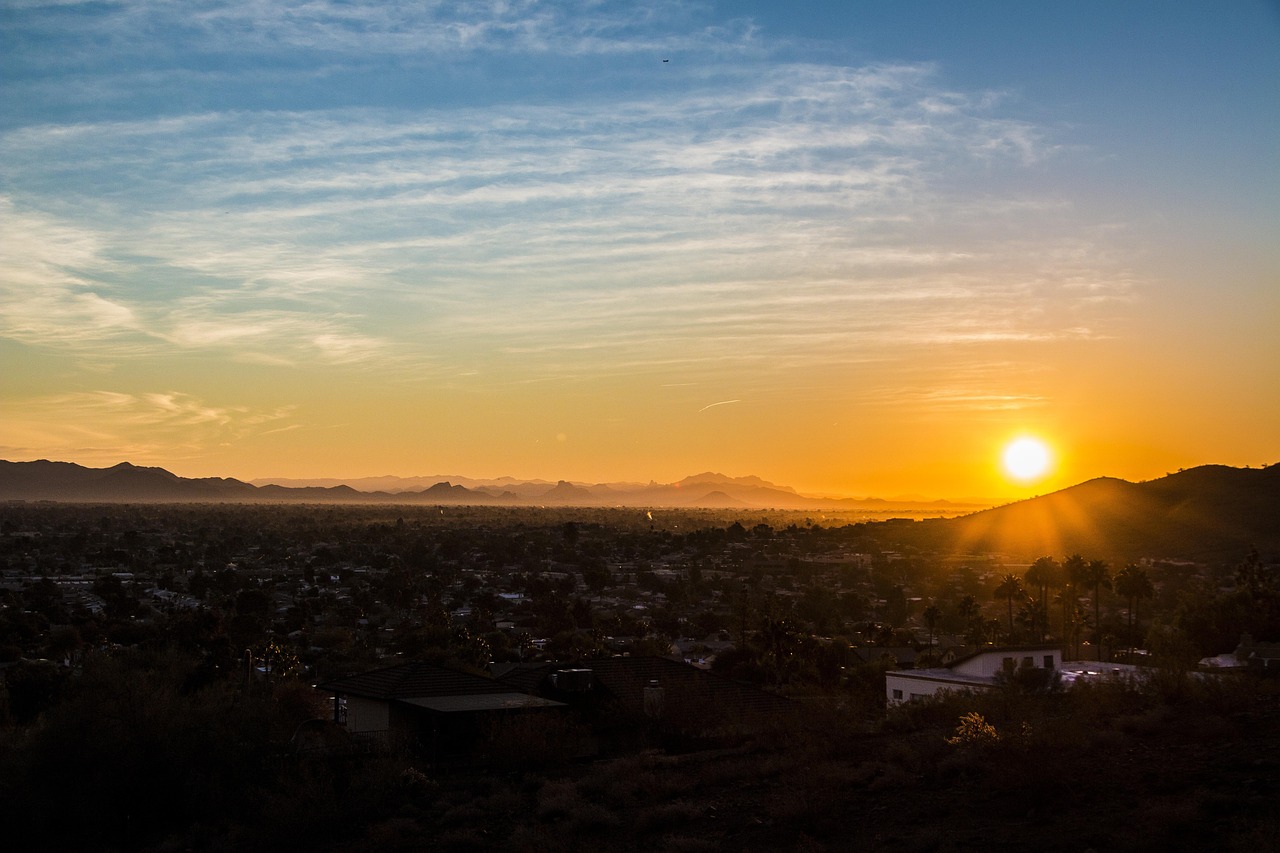
Phoenix in 2026 is a city where you can wake up on a mountain trail, spend the afternoon in a museum or poolside with a cold drink, and end the day over tacos and craft cocktails under a neon-lit sky. Whether you plan 3 days in Phoenix or a full 5 day itinerary for Phoenix, you can tailor your trip to your pace: family-friendly days at the zoo and botanical garden, romantic evenings in Old Town Scottsdale, or adventurous hikes in the desert preserves.
For most travelers, the best time to visit is October through April, when the weather is mild and outdoor activities shine. Summer can still work if you embrace early-morning hikes, long siestas, and resort pools.
What I love most about Phoenix is how it grows on you. The more you explore—from must-see attractions like Camelback Mountain and the Heard Museum to hidden gems in Phoenix like Coronado’s side streets and quiet Japanese gardens—the more you notice: the scent of creosote after rain, the way the mountains catch the last light, the way people here talk about “the desert” with real affection.
Build your own rhythm, stay hydrated, start early, and leave room in your schedule to simply sit and watch the desert sky change colors. That, more than any checklist, is the real Phoenix experience.