Why Visit Pittsburgh in 2026?
I’ve lived in and around Pittsburgh for over a decade, and I still catch my breath when I come around the bend on I-376 and the skyline suddenly explodes into view. Three rivers, yellow bridges everywhere you look, steel-era warehouses reborn as galleries and breweries, and hills that make the sunsets feel theatrical. Pittsburgh is one of those cities you think you know—“steel town,” “football-obsessed,” “kind of gritty”—until you actually come and realize how wildly wrong those clichés are.
Pittsburgh in 2026 is a city in full bloom: a serious food scene with everything from inventive tasting menus to pierogi from church ladies, world-class museums, a thriving tech and education hub, and neighborhoods that each feel like their own village. It’s compact enough that you can see a lot in 3–5 days, but layered enough that you’ll want to come back.
Whether you’re planning 3 days in Pittsburgh or building a 5 day itinerary for Pittsburgh, this travel guide is written like I’m walking you around town myself—sharing shortcuts, favorite coffee stops, and the tiny viewpoints I don’t usually tell everyone about.
Table of Contents
- Why Visit Pittsburgh in 2026?
- Suggested Itineraries (3–5 Days in Pittsburgh)
- 20 Must-See Attractions in Pittsburgh (Local Stories & Tips)
- Neighborhoods & Districts to Explore
- Local Food in Pittsburgh: What & Where to Eat
- Nightlife, Entertainment & Cultural Experiences
- What’s New: Events & Festivals in 2026–2027
- Day Trips & Nearby Getaways
- Cultural Etiquette & Local Customs
- Practical Travel Tips for Pittsburgh
- Summary & Best Time to Visit Pittsburgh
Suggested Itineraries: 3–5 Days in Pittsburgh
I’ve broken down detailed options for 3 days in Pittsburgh, 4 days in Pittsburgh, and a full 5 day itinerary for Pittsburgh. You can mix and match, but I’ll describe them here as if you’re following along with me in real time, the way I guide visiting friends.
3 Day Itinerary for Pittsburgh (First-Time Highlights)
If you only have 3 days, this itinerary focuses on the best places to visit in Pittsburgh: the classic views, museums, and a taste of local food.
Day 1: Downtown, the Point & Mount Washington
I love starting people at the literal point where it all began: Point State Park, where the Allegheny and Monongahela rivers meet to form the Ohio. The fountain here is the city’s compass—whenever I feel “lost” in Pittsburgh, I mentally put myself back at the Point.
- Morning: Walk through Downtown and Market Square, grab coffee at Nicholas Coffee or La Prima Espresso Bar, then stroll to Point State Park. If you’re here in late spring or early fall, the park is full of locals on lunch breaks; in winter, it’s moody and quiet, especially beautiful after snow.
- Lunch: Walk over to the Strip District (20–25 minutes on foot or a quick bus/ride-share) and eat at Primanti Bros. or Smallman Street Deli.
- Afternoon: Explore the Strip District’s markets and specialty shops, then head back toward Station Square.
- Sunset & Evening: Ride the Duquesne Incline to Mount Washington, savor the skyline views, and have dinner at Monterey Bay Fish Grotto or Altius for a romantic night, or Bigham Tavern for a more laid-back vibe.
Day 2: Oakland Museums & Schenley Park
Day 2 is dedicated to Oakland—the academic and cultural heart of the city, and one of my personal favorite areas to wander aimlessly in.
- Morning: Visit the Carnegie Museum of Art & Natural History. I’ve spent entire rainy days here, ducking back and forth between dinosaurs and Impressionist paintings.
- Lunch: Eat in Oakland—The Porch at Schenley, Piada, or a quick falafel from Omar’s.
- Afternoon: Stroll through the Cathedral of Learning and its Nationality Rooms, then wander into Schenley Park for a walk or bike ride.
- Evening: Dinner in Oakland, Bloomfield, or Shadyside (I’ll recommend specific spots below), maybe followed by a show at the Carnegie Music Hall or a game night at a local bar.
Day 3: North Shore, Andy Warhol & Lawrenceville
Day 3 mixes sports, art, and one of Pittsburgh’s trendiest neighborhoods.
- Morning: Walk the North Shore Riverfront Trail; if it’s football or baseball season, tour Acrisure Stadium or PNC Park.
- Late Morning: Dive into pop art at the Andy Warhol Museum.
- Lunch: Try Federal Galley (a modern food hall) or Burgatory.
- Afternoon & Evening: Explore Lawrenceville: boutiques, coffee at Espresso a Mano, dinner at Piccolo Forno, Morcilla, or Pusadee’s Garden, and cocktails at a neighborhood bar. It’s a perfect last urban evening.
4 Day Itinerary for Pittsburgh (Add Neighborhoods & Gardens)
With 4 days in Pittsburgh, add more time in the neighborhoods and green spaces.
- Days 1–3: Follow the 3 day itinerary above.
- Day 4: Discover Phipps Conservatory, more of Schenley Park, and the independent shops and cafes of Shadyside and Bloomfield. If you’re traveling with kids, this is also a great day to add the Pittsburgh Zoo & PPG Aquarium.
5 Day Itinerary for Pittsburgh (My Ideal Stay)
Whenever friends visit for the first time, I push them toward a 5 day itinerary for Pittsburgh. It gives you space to breathe and to see more than just the obvious sights. Here’s how I like to shape those five days, with a more narrative, on-the-ground feel.
Day 1: First Impressions & the Rivers
On your first day in Pittsburgh, I always like to keep things light and outdoorsy, especially if you’ve just arrived from a long flight.
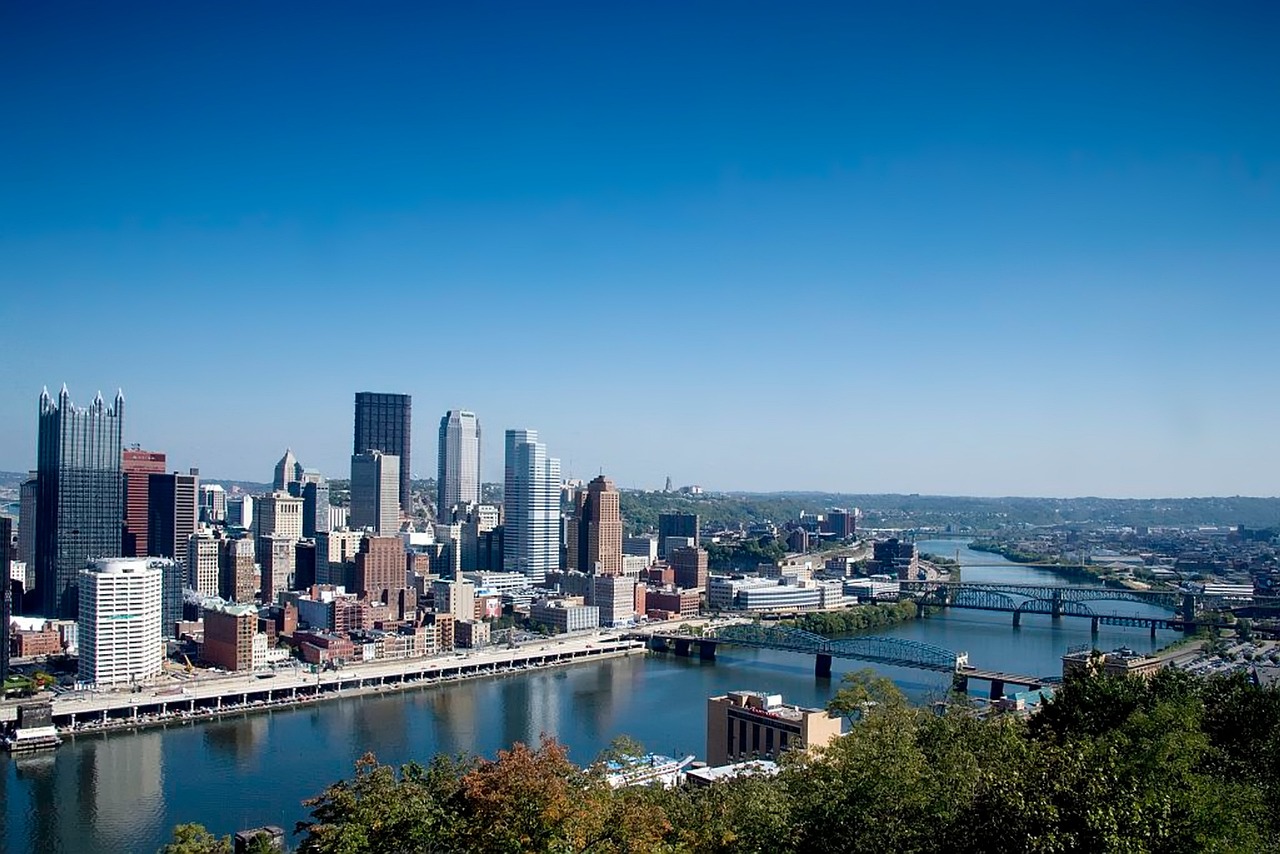
Morning: Check into your hotel or Airbnb—Downtown, the Strip District, or Lawrenceville make good bases. Drop your bags and head straight for the water. I usually start guests with a walk along the North Shore Riverfront Trail. You’ll see the skyline from across the river and understand how central the three rivers are to the city’s identity.
When I brought my brother’s family in 2025, we rented electric scooters for the kids and walked from the Mr. Rogers Memorial (yes, he was from here) to the yellow bridges near PNC Park. It’s flat, scenic, and full of photo ops.
Lunch: Grab something casual on the North Shore—Burgatory for burgers, Southern Tier for pub food and craft beer, or Federal Galley for a variety of local food concepts. If the weather’s good, sit outside.
Afternoon: Walk or bike across one of the “Three Sisters” bridges (they’re all pedestrian-friendly) into Downtown. Wander through Market Square, then head over to Point State Park. You’ll probably see people taking engagement photos with the fountain in the background; I’ve even stumbled on a few wedding shoots here.
In summer, I like to lie in the grass and watch boats drift by. In fall, the trees along the river flare up in orange and red. It’s also very family friendly—lots of open space and an easy walk to restrooms and cafes.
Evening: As golden hour approaches, make your way to Station Square and ride the Duquesne Incline up to Mount Washington. I still get a little thrill when the funicular car creaks up the track and the city slowly fans out below you.
For dinner, I often book a table at Monterey Bay Fish Grotto or Altius for out-of-towners—it’s pricey, but the combination of food and views feels like a celebration. If you’re watching your budget, grab dinner at Bigham Tavern or DiFiore’s on the hill and then simply walk the Grandview Avenue overlook for free.
Day 2: Oakland’s Culture & A Green Escape
Morning at the Museums: Take a bus or rideshare to Oakland, home to the University of Pittsburgh and Carnegie Mellon University. I recommend starting at the Carnegie Museum of Art & Natural History. On my last visit in early 2026, I spent almost two hours just in the dinosaur halls—enough time to watch several kids go from excited to nap-ready.
Art lovers can get lost in the modern and contemporary galleries; history buffs will appreciate the geology and cultural exhibits. If you’re traveling with kids, this is one of the most engaging indoor things to do in Pittsburgh.
Lunch: Cross the street to The Porch at Schenley for a sit-down meal with park views, or grab something quick at one of the food trucks that often park along Schenley Drive in good weather.
Afternoon: Cathedral & Phipps
Walk over to the Cathedral of Learning, the University of Pittsburgh’s iconic 42-story Gothic skyscraper. The first time I walked into the Cathedral Commons Room, I honestly thought I’d stumbled into a movie set—high vaulted ceilings, stone arches, students hunched over textbooks like extras from a wizarding film.
Don’t miss the Nationality Rooms, each designed to reflect the culture and history of a different country. I like to take my time here; they’re intricate and full of details. Make sure to check opening times in advance, especially on weekends or holidays.
From there, it’s a pleasant walk to Phipps Conservatory and Botanical Gardens. One December evening, I visited during their holiday lights show and felt like I’d walked into a glass-walled fairytale—orchids, palm rooms, and entire rooms glowing with intricate light displays. In spring and summer, the outdoor gardens are gorgeous; in winter, the indoor conservatory is a warm refuge.
Evening in Oakland or Shadyside: Dinner options are excellent nearby. In Oakland, you can keep it casual with noodle bowls or pizza. Or hop over to Shadyside for more upscale or cozy neighborhood options. Walnut Street and Ellsworth Avenue are walkable strips filled with restaurants and bars—perfect for a relaxed evening out.
Day 3: The Strip District & Lawrenceville
This day is about markets, independent shops, and some of the best local food in Pittsburgh.
Morning in the Strip District: Aim to arrive in the Strip District by 9–10 a.m. The earlier you go, the more “local” it feels, especially on weekends. I like to start at La Prima Espresso or De Fer Coffee & Tea for caffeine, then wander Penn Avenue.
The Strip used to be dominated by warehouses and food wholesalers; now it’s a blend of old-school Italian grocers, ethnic markets, and new boutiques. I always stop at:
- Penn Mac for cheese and Italian specialties.
- Sunseri Brothers for deli items and olives.
- Yinzers in the Burgh for Pittsburgh-themed everything (great for souvenirs).
- Lot of specialty shops for hot sauces, international food, and quirky gifts.
Lunch: Get a legendary sandwich at Primanti Bros. (fries and slaw stuffed inside), or try tacos, pierogi, or shawarma from various vendors. If you’re on a budget, it’s easy to assemble a picnic-style lunch from the markets.
Afternoon in Lawrenceville: After lunch, head to Lawrenceville, one of the city’s hippest neighborhoods. I usually start at Espresso a Mano for another coffee and then stroll along Butler Street. You’ll find vintage shops, boutiques, galleries, and some of the best restaurants in town.
On one lazy Saturday in 2025, I spent hours here just dipping into shops, grabbing a beer at a local brewery, and sitting at the 40th Street Bridge overlook watching the river traffic. It’s also a great spot for romantic walks and low-key date nights.
Evening: Dinner at Pusadee’s Garden (Thai with a beautiful courtyard), Piccolo Forno (Italian), or Morcilla (Spanish). These places can book up, so reserve ahead if you’re planning your 3 day or 4 day itinerary for Pittsburgh around food spots.
Day 4: North Side Art & Family Fun
Morning: Andy Warhol Museum
Cross the river to the North Shore/North Side and start at the Andy Warhol Museum. Warhol grew up just outside Pittsburgh, and this museum holds the largest collection of his work. Even if you’re not a “museum person,” the interactive elements, films, and photo booths make it fun.
On my last visit, a group of teenagers who’d clearly been dragged there by their parents ended up staying an extra hour making screen prints and selfies. It’s that kind of place.
Midday: Mexican War Streets & Randyland
Walk or rideshare into the Mexican War Streets, a historic neighborhood of narrow streets and beautiful row houses. This is one of my favorite places to wander with a camera.
Don’t miss Randyland, one of those hidden gems in Pittsburgh that’s not really “hidden” anymore but still feels special. It’s a technicolor outdoor art environment created by Randy Gilson, full of found objects, murals, and joy. I’ve brought everyone from kids to my 70-something aunt here; they all loved it.
Afternoon: Children’s Museum or National Aviary
If you’re traveling with kids, choose between:
- Children’s Museum of Pittsburgh – one of the best interactive children’s museums I’ve seen, packed with hands-on exhibits.
- National Aviary – a wonderful place for all ages, featuring free-flight bird rooms, penguins, and occasionally special encounters (book ahead).
If you’re adults only and into offbeat art, check if City of Asylum or nearby galleries have events or readings that evening.
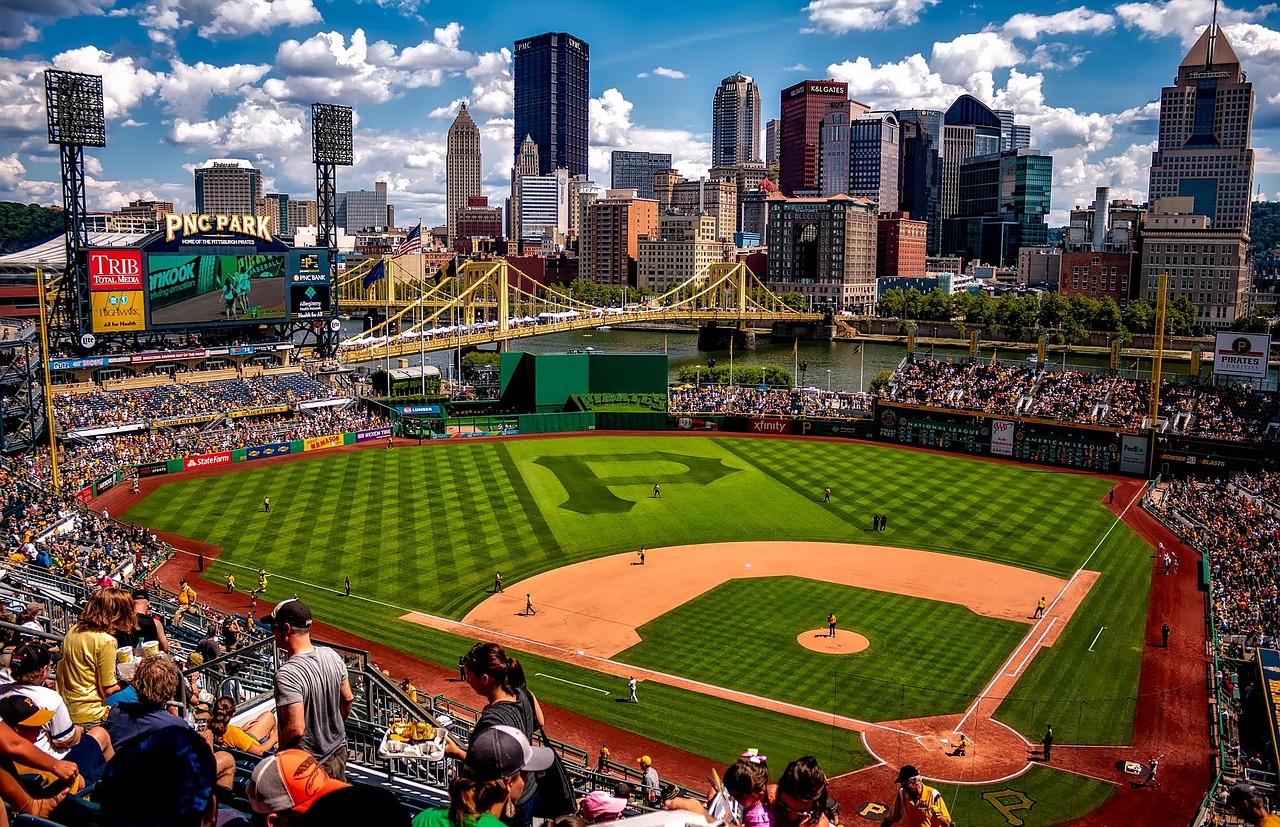
Evening: Head back to the North Shore for dinner and, if the schedule lines up, a game at PNC Park (baseball) or Acrisure Stadium (football). Even non-sports fans tend to enjoy at least one game here because the stadium views over the river and skyline are stunning.
Day 5: Choose Your Own Adventure – Zoo, Frick, or Day Trip
On your last day, you can tailor your schedule based on your interests:
- Family-Friendly: Spend the day at the Pittsburgh Zoo & PPG Aquarium and then relax in Highland Park.
- Art & History: Visit The Frick Pittsburgh (historic mansion, car and carriage collection, and a small but lovely art museum) and then explore Regent Square and Frick Park.
- Architecture & Greenspace: Wander through Shadyside and Squirrel Hill, then end with a sunset walk in Frick Park or another spin up to Mount Washington.
- Day Trip: Leave the city entirely for Fallingwater or Ohiopyle State Park (see the Day Trips section below).
20 Must-See Attractions in Pittsburgh (with Local Stories & Tips)
Here are 20 of the best places to visit in Pittsburgh, each with context, history, and on-the-ground tips. I’ve visited all of these multiple times over the years, sometimes as a guide for friends, sometimes solo on quiet weekday afternoons.
1. Point State Park
Why Go: This triangular park at the confluence of three rivers is Pittsburgh’s front porch. It’s where history, skyline, and water views meet.
History: The site once held Fort Pitt and Fort Duquesne, crucial in the French and Indian War. Today, you’ll see remnants of the fort and a small museum, plus the massive fountain that marks the “Point.”
My Experience: I like to come here early in the morning with a coffee and watch the city wake up. One foggy October morning, the tops of downtown buildings vanished into mist, and the bridges appeared and disappeared like something out of a fantasy novel.
Tips:
- Best time: Sunrise or sunset for soft light and fewer crowds.
- Combine with: Walks along the riverfront, Downtown, and the Fort Pitt Museum.
- Family-friendly: Plenty of space for kids to run; keep an eye on them near the water’s edge.
2. Duquesne Incline & Mount Washington
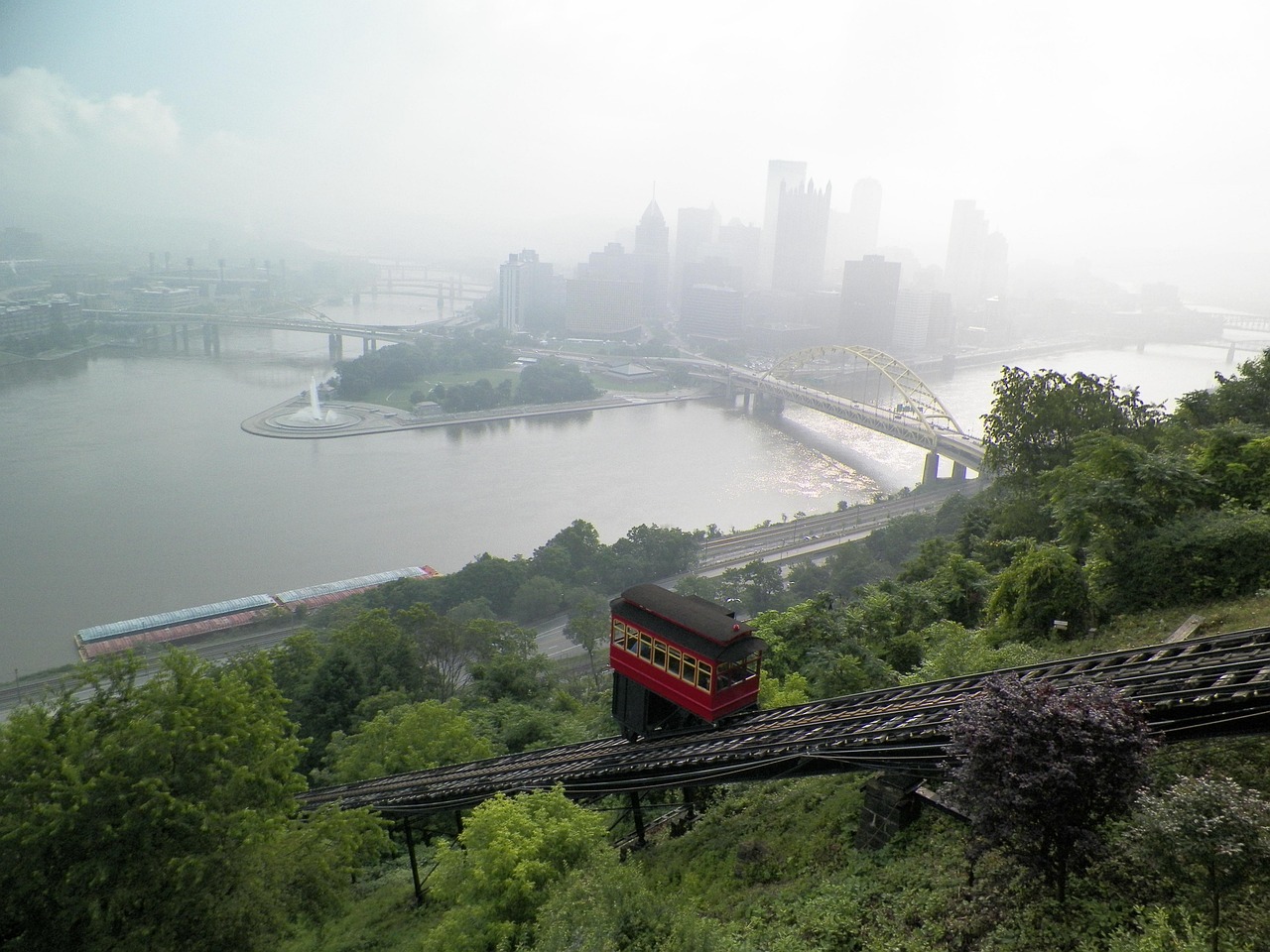
Why Go: This is the postcard view. If you’ve seen a photo of Pittsburgh’s skyline, it was probably taken from here.
History: Built in the late 19th century, the Duquesne Incline once ferried workers from the mills along the river up to their homes on Mount Washington. It’s one of the few remaining historic inclines in the country.
My Experience: On a perfect June evening, I brought visiting friends up just before sunset. We watched the sky fade from blue to pink to deep indigo as the city lights flickered on. They turned to me and said, “Okay, we get why you stayed here.”
Tips:
- Bring cash: The incline still uses a more old-school payment system; check current fares before you go.
- Romantic: Time your visit around dinner reservations at a view restaurant.
- Photography: Walk the length of Grandview Avenue for slightly different perspectives.
3. The Strip District
Why Go: Food, culture, and energy. It’s one of the best neighborhoods for people-watching and sampling local food in Pittsburgh.
History: Once a gritty warehouse and wholesale food district, the Strip has transformed into a lively mix of markets, restaurants, and tech offices while retaining its industrial bones.
My Experience: My perfect Strip morning: espresso at La Prima, fresh bread from Mancini’s, a stop at Penn Mac for cheese, and then a late-morning pierogi snack. On Saturday mornings, the sidewalks can be packed, but that’s part of the fun.
Tips:
- Arrive early on weekends—parking fills quickly.
- Good for budget travelers: Sample food from markets instead of sitting down for every meal.
- Souvenirs: This is prime territory for Steelers/Penguins gear and “Yinz” merch.
4. The Andy Warhol Museum
Why Go: The largest museum in North America dedicated to a single artist, and an essential stop for pop art fans.
History: Opened in 1994 in a converted warehouse, the museum houses thousands of works by Warhol, who was born Andrew Warhola in Pittsburgh’s Oakland neighborhood.
My Experience: I’ve visited at least five times, and each visit reveals new layers. The film screenings in the basement and the interactive “Silver Clouds” room are favorites. Once, on a quiet weekday, I had an entire floor nearly to myself and could really linger with the works.
Tips:
- Set aside at least 2–3 hours.
- Check for special exhibits and late hours—they often host events and performances.
- Combine with: North Shore strolls and sports stadium tours.
5. Carnegie Museum of Art & Carnegie Museum of Natural History
Why Go: Two major museums under one roof—dinosaurs, gemstones, ancient cultures, and centuries of art.
History: Funded by Andrew Carnegie and opened in the late 19th century, these institutions helped solidify Pittsburgh’s place as a cultural hub.
My Experience: I’ve ridden out many rainy days here. One time, I sat for half an hour in front of a single painting in the art galleries, then immediately went to the dinosaur halls and felt wonderfully small in the best way.
Tips:
- Buy a combined ticket; it’s worth it.
- Family-friendly: The dinosaur exhibits and Discovery Basecamp are huge hits with kids.
- Food: There’s a basic café inside; for a better meal, eat elsewhere in Oakland.
6. Phipps Conservatory and Botanical Gardens
Why Go: A Victorian glasshouse filled with plants and rotating art installations—a year-round oasis.
History: Gifted to the city by Henry Phipps in 1893, Phipps has evolved into a leader in sustainability and horticultural display.
My Experience: In the dead of winter, when everything outside is gray and slushy, stepping into Phipps feels like teleporting to the tropics. During the 2024 spring flower show, I walked through rooms scented with hyacinths and tulips while snow fell outside.
Tips:
- Book timed tickets in advance during peak seasons and holiday light shows.
- Photography: You’ll want your camera—lots of glass and greenery.
- Romantic: The outdoor gardens and water features are perfect for slow strolls.
7. Cathedral of Learning & Nationality Rooms
Why Go: It’s not every day you can wander around a 42-story Gothic skyscraper dedicated to education.
History: Completed in 1937, the Cathedral of Learning is the centerpiece of the University of Pittsburgh campus. The Nationality Rooms, begun in the 1930s, were designed in collaboration with local ethnic communities to honor their heritages.
My Experience: I still remember studying here for a few weeks during a short course and feeling genuinely inspired just by the space. The Nationality Rooms are like stepping into mini time capsules of different cultures.
Tips:
- Check opening hours and possible closures for classes or events.
- Take the self-guided audio tour of the Nationality Rooms if available.
- Look up from the Commons Room—it’s worth craning your neck.
8. PNC Park & Acrisure Stadium (North Shore)
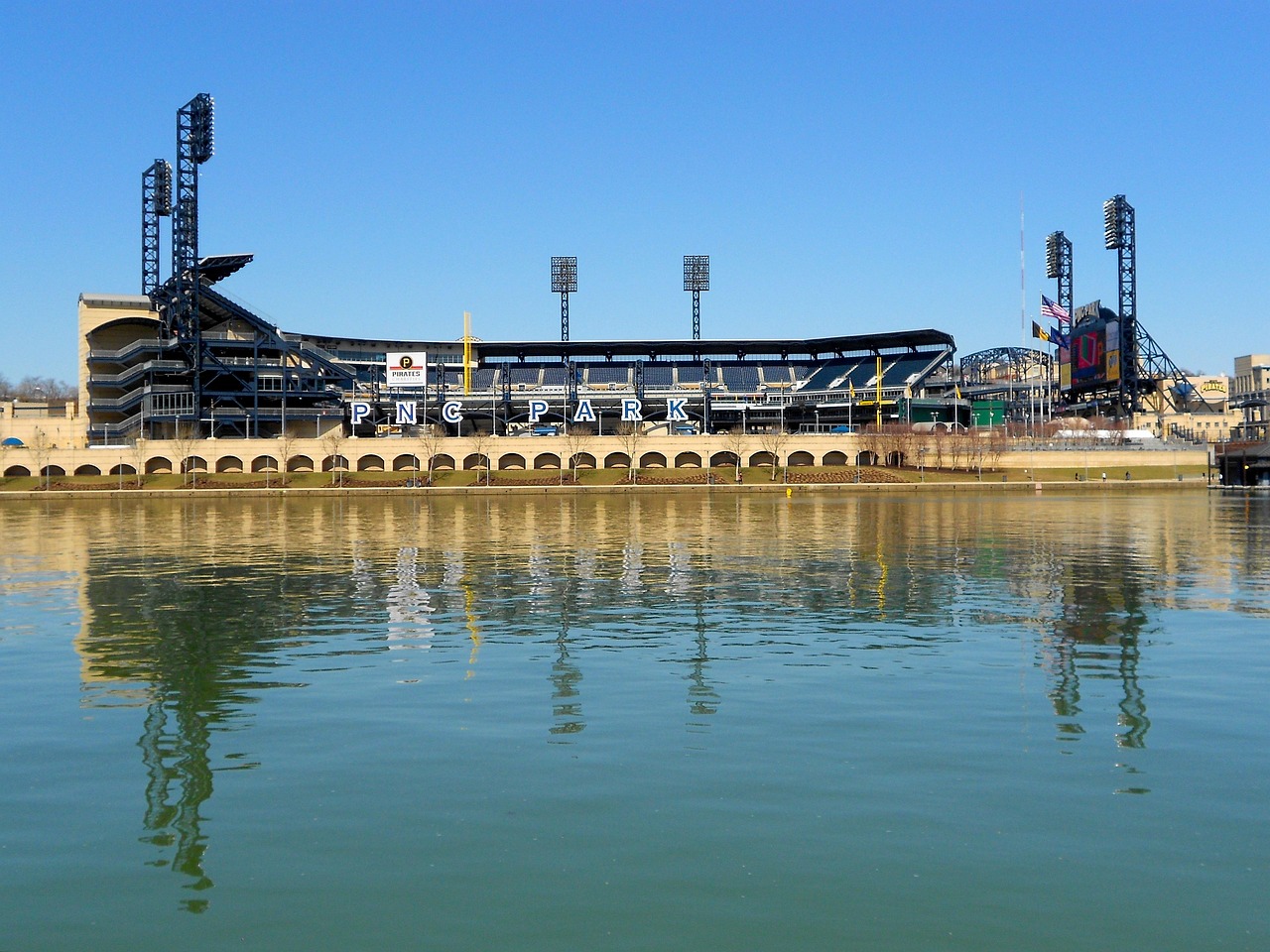
Why Go: Even if you’re not a die-hard sports fan, these stadiums offer some of the best views and atmosphere in the city.
History: PNC Park opened in 2001 and is often touted as one of baseball’s most beautiful parks. Acrisure Stadium (formerly Heinz Field) opened in 2001 as well and is home to the Steelers and Pitt Panthers.
My Experience: I’ve seen fireworks explode over the river after a Pirates game and listened to a whole stadium collectively hold its breath in the last seconds of a Steelers match. The energy is contagious.
Tips:
- For views, choose upper-deck seats along the third-base line at PNC Park.
- Check schedules well ahead for your 3 day or 4 day itinerary—games can affect hotel prices.
- Walk the riverfront before or after games to avoid some crowds.
9. Mount Washington Overlooks
Why Go: Multiple vantage points for sweeping views of the downtown skyline and rivers.
My Experience: On a humid July evening, we grabbed ice cream from a small shop near Shiloh Street and walked to the overlook, watching barges push up the river and lightning flicker in distant clouds. It’s my go-to “wow” moment for first-time visitors.
Tips:
- Visit at night to see the city lit up.
- Try different overlooks along Grandview Avenue; each offers a slightly new angle.
- Combine with Duquesne or Monongahela Incline rides.
10. Schenley Park
Why Go: A big, hilly park with trails, a golf course, a seasonal ice rink, and city skyline peeks through the trees.
History: Donated to the city in 1889 by Mary Schenley, the park has long been a respite for students and residents.
My Experience: I’ve jogged here at dawn while deer watched from the woods and picnicked on the grass after long museum days. In fall, the leaves explode into color; in winter, the ice rink near PPG Place (Downtown) gets most of the press, but Schenley’s rink has its own charm.
Tips:
- Wear good walking shoes; some trails are steep.
- Great for families and picnics; bring a blanket in warmer months.
- Combine with Phipps Conservatory and the Carnegie Museums.
11. Lawrenceville
Why Go: Trendy yet still a bit rough-edged, full of independent shops, bars, and some of the city’s most talked-about restaurants.
History: Once a blue-collar neighborhood anchored by mills and factories, Lawrenceville has reinvented itself as a creative and culinary hotspot while retaining its rowhouse charm.
My Experience: I’ve spent entire afternoons here doing a “shop, snack, repeat” routine: boutique, bakery, bar, bookstore. It’s one of my favorite places for a casual date night or to show visitors what modern Pittsburgh feels like.
Tips:
- Parking can be tight on weekends; consider ride-shares.
- Make dining reservations for popular spots.
- Explore side streets for quieter local bars and cafes.
12. Shadyside
Why Go: Leafy streets, Victorian houses, and two main commercial strips—Walnut Street and Ellsworth Avenue—full of shops and eateries.
My Experience: Shadyside is my go-to when I want a gentle, pretty walk with lots of coffee options. Around the winter holidays, lights twinkle in the trees, and shop windows look particularly inviting.
Tips:
- Good neighborhood for boutique hotels or B&Bs.
- Combine with nearby Mellon Park and Bakery Square.
- Safe and walkable, great for evening strolls.
13. Squirrel Hill
Why Go: A vibrant, diverse residential area with excellent restaurants and bakeries, particularly Jewish and Asian cuisine.
My Experience: I come here when I’m craving good noodles or bagels. Forbes and Murray Avenues are the main thoroughfares. On weekend mornings, the sidewalks are busy with families and students, and the line for good bagels can snake out the door.
Tips:
- Combine with a walk in nearby Frick Park.
- Great area for casual, budget-friendly meals.
- Expect limited parking at peak times; buses run frequently.
14. The Frick Pittsburgh
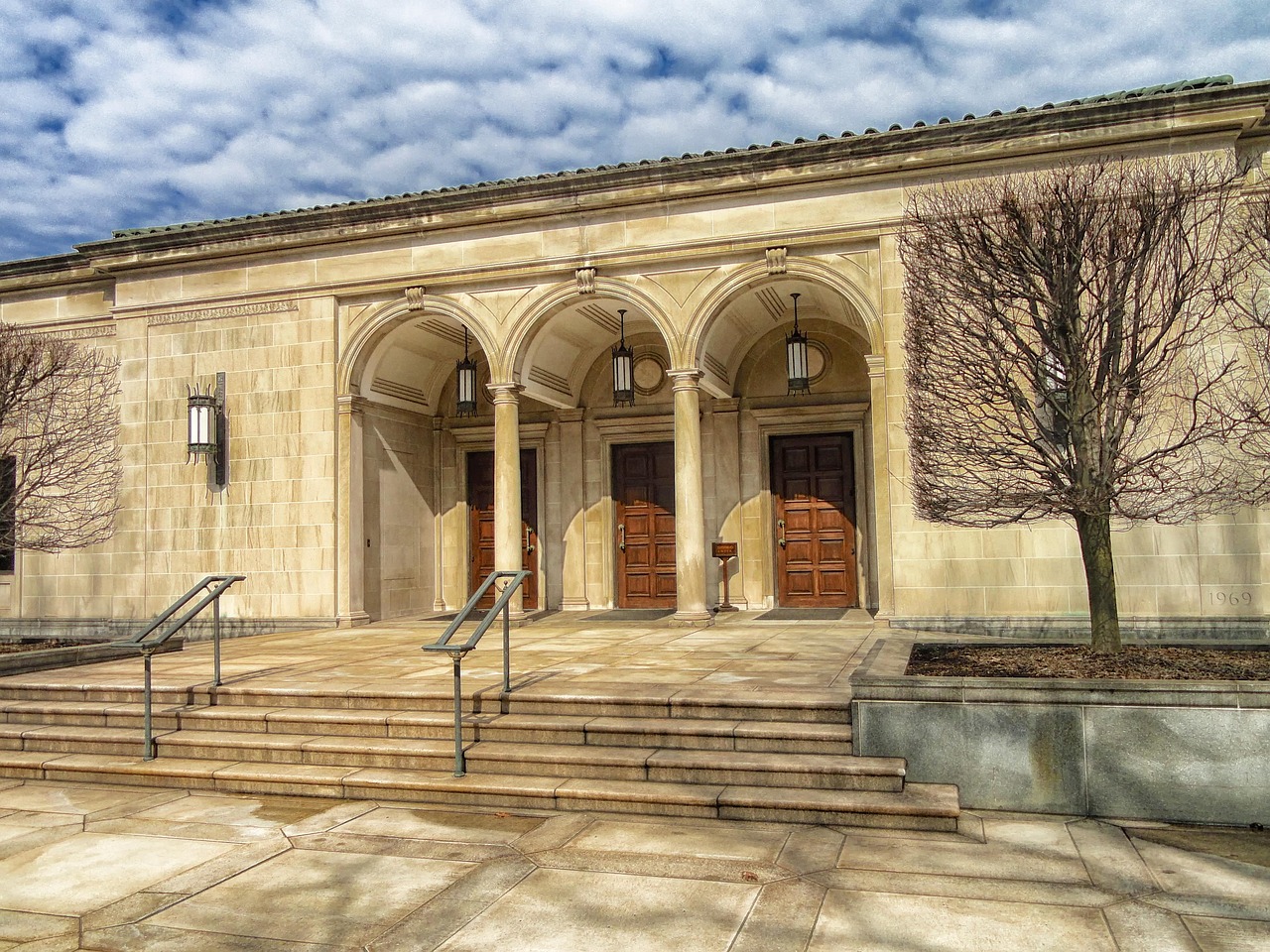
Why Go: A peaceful estate with a historic house museum, art collections, car and carriage museum, and gardens.
History: Once the home of industrialist Henry Clay Frick, the site now hosts a cultural complex that’s free to enter (some exhibits and tours have fees).
My Experience: I once spent a rainy April afternoon here, transitioning from delicate paintings to vintage automobiles to a quiet walk in the grounds. It felt like time travel in slow motion.
Tips:
- Check tour times for the Frick family mansion (Clayton).
- Lovely for a more refined, low-key day.
- Combine with Regent Square and Frick Park.
15. Pittsburgh Zoo & PPG Aquarium
Why Go: Classic family-friendly attraction with zoo and aquarium in one ticketed experience.
My Experience: I’ve tagged along with friends’ kids a few times and ended up having as much fun as they did. The aquarium section is especially nice on hot summer days.
Tips:
- Expect hills; wear comfortable shoes.
- Arrive early in summer to avoid crowds and heat.
- Combine with a calm stroll in nearby Highland Park.
16. Highland Park
Why Go: A beautiful park centered around a reservoir with walking paths, gardens, and playgrounds.
My Experience: I’ve walked laps around the reservoir at sunset when the water mirrors the sky and the city noise feels far away. It’s also a nice spot for a quiet jog.
Tips:
- Pair with a visit to the zoo.
- Great for dog-walking and low-key picnics.
- Not as “touristy,” so it’s a good place to feel like a local.
17. Mexican War Streets & Randyland
Why Go: Historic rowhouses meet one of the most colorful, quirky art spaces in the city.
History: The Mexican War Streets neighborhood was laid out in the mid-1800s and named after battles of the Mexican-American War. Randyland is a more recent creation, a labor of love by local artist Randy Gilson.
My Experience: Visiting Randyland feels a bit like stepping into someone’s joyful imagination. I’ve sat in the courtyard chatting with other visitors from all over the world, all of us grinning.
Tips:
- Check Randyland’s current opening hours; it’s generally free but donations are welcome.
- Walk the surrounding streets to appreciate the historic architecture.
- Photography heaven—bright colors everywhere.
18. Mattress Factory Museum
Why Go: An experimental contemporary art museum featuring immersive installations, many of them room-sized.
My Experience: The first time I went, I stepped into a James Turrell light room and completely lost track of time. It’s the kind of place where you might love one piece, be baffled by the next, and that’s the point.
Tips:
- Check which annex buildings are open; some installations are in nearby houses.
- Plan 1.5–3 hours depending on your interest in contemporary art.
- Combine with Mexican War Streets and Randyland.
19. Frick Park
Why Go: The largest park in Pittsburgh, with wooded ravines, trails, and off-leash dog areas.
My Experience: On crisp autumn mornings, I love hiking here with a thermos of coffee. Once, I followed a winding path that felt entirely forested and then emerged to see the city skyline peeking over the hills.
Tips:
- Good for hiking, trail running, and bird-watching.
- Combine with the Frick Art Museum and Squirrel Hill or Regent Square.
- Wear proper shoes; trails can be muddy after rain.
20. Downtown, Market Square & PPG Place
Why Go: The core of the city, mixing historic architecture with modern glass towers, plus a central square that hosts events and markets.
My Experience: In winter, the ice rink at PPG Place turns Downtown into a mini winter village with a towering Christmas tree. In summer, you might find outdoor concerts, festivals, or simply office workers enjoying lunch in Market Square.
Tips:
- Walkable and easy to explore in half a day.
- Good base for hotels if you want central access to everything.
- Look up and around—there’s interesting architecture on almost every block.
Neighborhoods & Districts to Explore
Pittsburgh is really a patchwork of villages separated by hills, rivers, and bridges. If you only remember one thing from this travel guide for Pittsburgh, let it be this: choose a few neighborhoods and really wander them. That’s where the city’s charm lives.
- Downtown: Business district, theaters, PPG Place, Market Square, Point State Park. Great for first-time stays and transit access.
- Strip District: Markets, food, converted warehouses, tech offices. Best in the mornings and early afternoons.
- Lawrenceville: Hip, artsy, full of restaurants and bars. Great for evenings and nightlife.
- Bloomfield: Historically Italian, now a mix with lots of great, affordable restaurants and bars.
- Shadyside: Upscale yet relaxed, with boutique-lined streets and pretty homes.
- Squirrel Hill: Diverse, residential, with excellent food and proximity to parks.
- Oakland: Universities, museums, and big green spaces.
- North Shore/North Side: Stadiums, museums, creative districts, historic residential pockets like the Mexican War Streets.
- South Side: East Carson Street’s bar strip, plus the South Side Slopes with steep stairs and hillside views.
Local Food in Pittsburgh: What & Where to Eat
Pittsburgh’s food scene is a mix of old-school comfort and inventive new-wave cooking. When building your 3 day or 5 day itinerary for Pittsburgh, make room for meals—they’re part of the cultural experience.
Iconic Pittsburgh Bites
- Primanti Bros. Sandwiches: Meat, cheese, coleslaw, and fries stuffed between thick slices of Italian bread. Best tried in the Strip District or original locations.
- Pierogi: Eastern European dumplings, often filled with potato and cheese. Try them at S&D Polish Deli, Church festivals, or Pierogies Plus (on the West End).
- Haluski & Kielbasa: Cabbage and noodles, plus Polish sausage—look for them at neighborhood diners and Polish/Slovak spots.
- Pittsburgh Salads: Yes, the ones with fries on top. Very Pittsburgh.
Favorite Spots by Area (Personal Picks)
Strip District: Primanti Bros., De Fer Coffee & Tea, Pamela’s Diner (for crepe-style pancakes), Smallman Street Deli.
Lawrenceville: Pusadee’s Garden, Piccolo Forno, Morcilla, The Vandal, Espresso a Mano (coffee).
Shadyside: Casbah, Noodlehead (cash-only, no reservations, but worth the line), Mercurio’s (pizza & gelato).
Squirrel Hill: Everyday Noodles, Chengdu Gourmet, Nu Jewish Bistro, excellent bakeries and ice cream shops.
Bloomfield: Tessaro’s (legendary burgers), Station, authentic Italian and newer spots.
Downtown: täkō (Mexican/Asian fusion), Butcher and the Rye (check current status), various lunch spots around Market Square.
Saving Money on Food
- Eat big lunches and lighter dinners—lunch specials are often cheaper.
- Use the Strip District markets to assemble picnics.
- Look for happy hour menus in Lawrenceville and Downtown.
Nightlife, Entertainment & Cultural Experiences
Pittsburgh isn’t a city of all-night clubs, but it has a strong bar, brewery, and live performance scene.
Nightlife Areas
- Lawrenceville: Cocktail bars, craft beer, and wine bars. Great for 20s–40s crowds, relaxed but lively.
- South Side: East Carson Street is a long bar strip; louder and more college-heavy.
- Shadyside: More chill bars and pubs, good for conversation.
- Downtown & Cultural District: Pre- and post-theater drinks, some clubs and lounges.
Cultural Experiences in Pittsburgh
- Pittsburgh Symphony Orchestra at Heinz Hall – world-class performances.
- Ballet and Opera: Pittsburgh Ballet Theatre and Pittsburgh Opera.
- Local Theater: City Theatre, Pittsburgh Public Theater, and smaller companies.
- Music Venues: Mr. Smalls, Stage AE, and smaller clubs showcase everything from indie to jazz.
What’s New: Major Events & Festivals in 2026–2027
As of 2026, here are some recurring and upcoming events likely to shape your trip planning:
- Three Rivers Arts Festival (June 2026 & 2027): Free outdoor music, art vendors, and installations along the rivers and Downtown.
- Pittsburgh Vintage Grand Prix (July 2026 & 2027): Classic car races and shows in Schenley Park and surrounding neighborhoods.
- Picklesburgh (Summer 2026 & 2027): A quirky festival devoted to all things pickled, usually held on one of the downtown bridges.
- Light Up Night (November 2026 & 2027): Kicks off the holiday season with fireworks, music, and tree lightings Downtown.
- Steelers, Penguins, and Pirates Seasons: Sports will always influence hotel prices and crowds—check game schedules around your intended dates.
Day Trips & Nearby Getaways
If you’re planning 4 or 5 days in Pittsburgh, consider devoting one to the surrounding region.
Fallingwater & Kentuck Knob
Fallingwater, Frank Lloyd Wright’s masterpiece, is about 1.5 hours from Pittsburgh. The first time I went, I was struck by how integrated the house feels with the landscape—the water literally runs under your feet.
Nearby Kentuck Knob is another Wright design, quieter but equally intriguing. You can visit both in one day if you book tours ahead and start early.
Getting There: A car rental is easiest; some tours depart from Pittsburgh, but they may be seasonal and limited.
Ohiopyle State Park
About 1.5 hours southeast, Ohiopyle offers waterfalls, hiking, and whitewater rafting. On a hot summer day in 2025, I cooled off by wading in the shallows near the main falls after a long hike along the Youghiogheny River.
Laurel Highlands & Seven Springs
For winter sports, head to Seven Springs Mountain Resort or Hidden Valley. In fall, the Laurel Highlands region is spectacular with foliage, small towns, and scenic drives.
Cultural Etiquette & Local Customs in Pittsburgh
Pittsburgh is generally laid-back and friendly, but a few local quirks and norms are useful to know.
- Sports Loyalty: People care deeply about the Steelers, Penguins, and to a lesser extent the Pirates. Good-natured conversation is welcome; trash-talking the home teams is not.
- “Yinz” & Local Slang: You may hear “yinz” (you all) and other Pittsburghese words. You’re not expected to use them, but people will smile if you do so playfully.
- Tipping: Standard U.S. tipping applies: 18–22% at restaurants and bars, a dollar or two per drink at bars, and small tips for hotel staff.
- Queuing & Politeness: Lines are generally respected. Hold doors, say “please” and “thank you”—basic politeness goes a long way.
- Driving Courtesy: The “Pittsburgh left” (where a left-turning car goes first when the light turns green) still happens. Be cautious at intersections and drive defensively.
Practical Travel Advice for Pittsburgh
How to Get Around
- On Foot: Downtown, the Strip District, Lawrenceville, Shadyside, and Oakland are fairly walkable, though hills can be steep.
- Public Transport: Pittsburgh Regional Transit runs buses and light rail (“T”). The T is free within Downtown and the North Shore. Buses reach most tourist areas, though schedules can thin late at night.
- Ride-Shares & Taxis: Uber and Lyft are widely available and often the easiest way to bridge neighborhoods.
- Car Rental: Helpful for day trips and exploring outlying areas, but parking can be expensive Downtown and during events.
- Biking & Scooters: Bike lanes are improving; e-scooters and bike rentals can be a fun way to move along the riverfront trails.
Saving Money
- Use museum passes or combo tickets when available.
- Stay slightly outside Downtown (e.g., Strip District, Lawrenceville) for better accommodation value.
- Ride the T in the free fare zone between Downtown and North Shore.
- Eat at markets and diners rather than high-end restaurants for some meals.
SIM Cards & Connectivity
- Major U.S. carriers (AT&T, Verizon, T-Mobile) have good coverage in the city.
- International visitors can buy prepaid SIMs at big-box stores or carrier shops in malls and some supermarkets.
- Free Wi-Fi is common in cafes, hotels, and some public spaces.
Visa Requirements & Driving
- Visas: Check U.S. embassy guidance for your nationality. Many travelers use the ESTA visa waiver program, but rules can change—confirm before booking.
- Driving Licenses: Most foreign driver’s licenses are accepted for short-term visits; an International Driving Permit (IDP) is recommended and sometimes required by car rental agencies.
- Parking: Pay attention to street signs, especially in residential permit zones and near event venues.
Best Seasons & Weather
- Spring (April–May): Mild temps, blooming parks, occasional rain. Great for walking tours, Phipps, and outdoor patios.
- Summer (June–August): Warm to hot, sometimes humid. Ideal for riverfront walks, baseball games, festivals, and day trips to Ohiopyle.
- Fall (September–October): My favorite—crisp air, fall foliage, and comfortable temperatures. Excellent for 3 or 4 day itineraries heavy on outdoor activities.
- Winter (November–March): Cold, potential snow and ice. Best for museum-hopping, holiday events, ice skating, and cozy restaurants. Pack layers and waterproof footwear.
Summary: Key Takeaways & Final Recommendations
If you’ve read this far, you already know that Pittsburgh is more than its steel-town stereotype. It’s a city of distinct neighborhoods, river views, and quietly world-class museums. With 3 days in Pittsburgh, you can hit the icons: Point State Park, Mount Washington, the Strip District, Oakland museums, and the North Shore. With 4 days in Pittsburgh, add gardens, more neighborhoods, and maybe the zoo. With a full 5 day itinerary for Pittsburgh, you can slow down, explore Lawrenceville, Squirrel Hill, and Shadyside, and even slip away for a day trip to Fallingwater or Ohiopyle.
Best time to visit Pittsburgh: Late spring (May–June) and early fall (September–October) offer the best balance of weather and events. Summer is great for festivals and baseball, while winter has its own charm with holiday lights, museums, and cozy bars.
Plan your days around neighborhoods, not just attractions, leave room for wandering, and don’t forget to look up—at the bridges, the Cathedral of Learning, the glass towers of PPG Place, and the hills rising to meet the sky. That’s where Pittsburgh’s magic lives.