Why Visit Providence in 2026
Providence is the kind of city that sneaks up on you. It doesn’t shout like New York or dazzle like Miami; it charms you slowly with cobblestone streets, rivers that glow with fire, quirky art scenes, and food so good you’ll question why you didn’t come sooner. I’ve been coming to Providence since my college days, and every visit still feels like discovering a new layer to a city that’s proudly weird, fiercely creative, and wonderfully livable.
In 2026, Providence feels especially vibrant. The Downcity arts scene continues to grow, the riverfront is busier than ever, new restaurants are popping up in Olneyville and Federal Hill, and the city is doubling down on festivals and cultural events. Yet it remains compact, walkable, and decidedly human—perfect for a 3‑day, 4‑day, or 5‑day itinerary where you actually get to know a place instead of just ticking boxes.
Whether you’re here for history, food, family time, romance, or just to see what a small American city with an outsized personality looks like, Providence delivers. You’ll stroll 18th‑century streets in College Hill in the morning, eat hand‑rolled pasta on Federal Hill for lunch, kayak the river at sunset, and finish the night with live music in an old mill or a world‑class theater performance.
Providence at a Glance
Providence is the capital of Rhode Island, perched on the Providence River where three rivers meet. With around 190,000 people in the city proper, it feels intimate but not sleepy. It’s a college town (Brown University, RISD, Johnson & Wales), a historic port city, and a modern arts and foodie hub all at once.
- Ideal trip length: 3–5 days in Providence is perfect to hit the must‑see attractions and some hidden gems.
- Best for: Food lovers, history buffs, art and design fans, couples, families with teens, and anyone who likes walkable, creative cities.
- Vibe: Artsy, intellectual, friendly, slightly quirky, with a strong Italian and Portuguese influence in the food and culture.
- Getting around: Walkable core, easy biking, RIPTA buses, and plenty of rideshares. You don’t need a car if you’re staying central, but it helps for day trips.
20 Must-See Attractions in Providence (With Personal Notes & Tips)
These are the places I find myself returning to on every visit. I’ve mixed iconic sights with lesser-known favorites. Each one gets its own mini‑guide with history, how to experience it, and personal anecdotes.
1. WaterFire Providence
If there’s one image that defines modern Providence, it’s the braziers of WaterFire flickering down the river while music drifts over the crowd. WaterFire is a public art installation that has become a full‑blown city ritual, usually running on select evenings from late spring through fall. Picture dozens of bonfires floating on the river, gondolas gliding past, the smell of woodsmoke, and the hum of thousands of people walking the riverside.
I still remember my first full WaterFire back in the late 2010s: I showed up too late, got stuck in traffic, and ended up parking way uphill in College Hill. But the walk down was magical—following the crowd, catching glimpses of the river glowing between buildings, hearing snatches of opera over loudspeakers. Now, when I go, I arrive a couple of hours early, grab an early dinner, and claim a favorite spot on one of the riverwalk staircases.
Why it matters
WaterFire began in the 1990s as an art project by Barnaby Evans and helped spark the city’s riverfront revival. It’s now one of the must‑see attractions in Providence and a major reason to plan 3–5 days in Providence between May and October.
How to experience WaterFire
- When: Typically Saturday evenings, late May–October (check the 2026 schedule on the official WaterFire site before you book).
- Where to stand: My favorite spots are along Memorial Boulevard between College Street and Washington Street, or on the little bridges near RISD.
- Family-friendly? Very. There are food trucks, live performers, and plenty of space, though it can be crowded with little kids.
- Romantic? Absolutely—especially if you book a gondola ride.
Local tips
- Arrive 1–2 hours before lighting to find parking and eat.
- Bring a light jacket, even in summer; the river breeze can be cool.
- If you’re driving, park a bit farther away (e.g., in the Jewelry District) and walk in to avoid the worst traffic.
2. College Hill & Benefit Street
College Hill is the elegant, historic heart of Providence, perched above downtown and laced with steep streets, brick sidewalks, and impeccably preserved 18th‑ and 19th‑century homes. Benefit Street, often called the “Mile of History,” feels like walking through a period film set—but with actual students rushing to class and locals walking dogs.
On my last visit in 2025, I spent a full morning wandering Benefit Street with a takeaway coffee from a small café on Wickenden. I ducked into tiny side streets, paused to read the historical plaques, and eventually ended up on the lawn in front of Brown’s University Hall, watching procrastinating undergrads toss Frisbees. It’s one of those areas where you don’t need a strict plan; you just let yourself wander.
Why it matters
College Hill showcases Providence’s early colonial and Federal architecture and is home to Brown University and the Rhode Island School of Design (RISD). If you’re planning a 3 day itinerary for Providence, carve out at least half a day here; on a 4 or 5 day itinerary, you can slow down and explore deeper.
Highlights on College Hill
- Benefit Street: Lined with historic homes, churches, and institutions like the John Brown House and the Athenaeum.
- Brown University Green: A classic New England campus quad, perfect for a picnic or a quiet sit.
- RISD buildings: Scattered studios and galleries give the area an artsy undercurrent.
Local tips
- Wear good walking shoes; the hills and brick sidewalks are no joke.
- Early morning or golden hour is best for photos—especially of the pastel and brick facades along Benefit Street.
- Combine with a stop at the RISD Museum and the Providence Athenaeum (more on both below).
3. RISD Museum
The RISD Museum is where Providence’s creative reputation becomes very real. Tied to the Rhode Island School of Design, it’s compact but surprisingly deep, with everything from ancient sculptures to contemporary installations. I love museums, but what keeps me coming back here is the way it mixes the global and the local and how manageable it is in an afternoon.
On a rainy afternoon in 2024, I ducked in mostly to kill time and ended up spending three hours, lingering over the decorative arts and textiles. I still think about a particular installation of student work that made me feel like I was peeking into the future of design.
Why it matters
For a city this size, the RISD Museum punches way above its weight. It’s essential for art and design lovers and a great cultural experience in Providence that balances out all the eating and walking.
What to see
- American art & decorative arts: For context on New England’s artistic traditions.
- Contemporary galleries: Rotating exhibits often showcasing bold, experimental work.
- Student perspectives: Occasional shows or pieces by RISD students that give insight into the school’s creative energy.
Local tips
- Check for free or reduced admission days—a good way to save money in Providence.
- Pair it with a walk through College Hill or a coffee on nearby Thayer Street.
- Allow 2–3 hours; it’s not the Met, but you’ll want time to linger.
4. Providence Athenaeum
The Providence Athenaeum might be my favorite interior in the city. It’s an independent, member‑supported library founded in 1836, with soaring stacks, wooden ladders, and that bookish hush that makes you instinctively whisper. Edgar Allan Poe and H.P. Lovecraft both spent time here, and you can feel the literary ghosts in the best possible way.
I stumbled in on a cold day a few years ago, mostly to warm up, and ended up finding a chair in the back to just sit and read for an hour. It felt like stepping into a parallel universe where time moved more slowly.
Why it matters
Beyond being beautiful, the Athenaeum is a living piece of Providence’s intellectual and cultural life. It’s a must‑see attraction in Providence for book lovers and a calm break from the busier downtown.
Local tips
- Some areas are members‑only; be respectful of signage.
- Check for public events—author talks, readings, and small exhibitions.
- Photography is usually allowed but keep it discreet and quiet.
5. Federal Hill (Little Italy)
If you’re coming to Providence for the food—and you should—Federal Hill is non‑negotiable. This historic Italian neighborhood west of downtown centers on Atwells Avenue, a strip of restaurants, bakeries, and markets where the smell of garlic and espresso hangs in the air.
I’ve lost count of how many meals I’ve had here. One of my most memorable: a chilly October evening under the twinkling lights near DePasquale Plaza, sharing a massive bowl of linguine alle vongole with a friend and people‑watching as families, couples, and friend groups drifted by. We finished with cannoli and espresso from a nearby bakery and walked back downtown along the Broadway corridor, completely content.
Why it matters
Federal Hill is central to the city’s immigrant history and its current reputation for local food in Providence. It’s a perfect dinner destination on any 3 day or 4 day itinerary for Providence.
What to eat
- Pasta & seafood: Look for house‑made pasta, stuffed squid, and classic red‑sauce dishes.
- Arancini & antipasti: Ideal for sharing if you’re sampling multiple spots.
- Italian pastries: Cannoli, sfogliatelle, and ricotta pies are everywhere.
Local tips
- Make reservations on Friday and Saturday nights, especially in summer and during WaterFire weekends.
- Walk down side streets off Atwells for less touristy spots and lower prices.
- Portions are generous—splitting dishes is an easy way to save money.
6. Roger Williams Park & Zoo
Roger Williams Park is Providence’s grand urban green space—a sprawling park of lakes, woods, gardens, and cultural institutions. The Roger Williams Park Zoo, one of the oldest zoos in the U.S., sits within it and is consistently a family favorite.
I’ve visited the park in every season: picnicking by the water in late spring, biking through the foliage in October, and driving through festive holiday light displays in December. It’s the easiest place in the city to forget you’re in a city.
Why it matters
For families planning 3–5 days in Providence, this is essential: it combines outdoor space, animals, and culture. For adults, it’s a peaceful counterpoint to downtown’s urban energy.
Highlights
- Roger Williams Park Zoo: Well‑maintained exhibits, a good variety of animals, and seasonal events like Boo at the Zoo and holiday lights.
- Botanical Center: Glasshouse conservatories with tropical and desert plants—a great rainy-day option.
- Lakes & walking trails: Ideal for a low‑key afternoon or a romantic stroll.
Local tips
- Arrive earlier in the day for the zoo; animals are more active and crowds lighter.
- Rent a paddleboat in warm months for a fun, family‑friendly activity.
- Bring a picnic to save money; there are plenty of scenic spots.
7. Brown University Campus
Brown’s campus is woven into College Hill but worth calling out on its own. Its red‑brick buildings, shady quads, and student energy give Providence a youthful, intellectual buzz.
I like to cut through campus on my way from Benefit Street to Thayer Street, detouring past the Van Wickle Gates and up to the main Green. On sunny days, there’s always someone playing music, studying under a tree, or protesting something—this is Brown, after all.
Why it matters
Brown is a big part of Providence’s identity and economy. Walking the campus is a cultural experience in Providence that shows how the city’s past and present intersect.
Local tips
- Visit during the academic year (Sept–May) for full campus energy.
- Respect that it’s an active campus: avoid entering classrooms or offices.
- Check for public lectures or performances—often free and open to visitors.
8. Providence Independence Trail
Inspired by Boston’s Freedom Trail, the Providence Independence Trail is a marked route (often green or gold lines/markers on the sidewalk) that ties together dozens of historic sites across downtown and College Hill. It’s an efficient way to see a lot and understand the city’s role in early American history.
On a previous visit, I traced part of the trail starting near the State House and working my way downtown, using it as a loose guide rather than a strict route. I learned more about Rhode Island’s quirky history of religious freedom and rebelliousness than I expected.
Why it matters
This trail turns “things to do in Providence” into a narrative rather than a list. It’s especially good if you only have 3 days in Providence and want a structured way to explore.
Local tips
- Pick up a map from the visitor center or download one online before walking.
- Comfortable shoes are a must; you’ll be on your feet for a few hours.
- Pause for coffee, snacks, and side detours—this is a framework, not a race.
9. Rhode Island State House
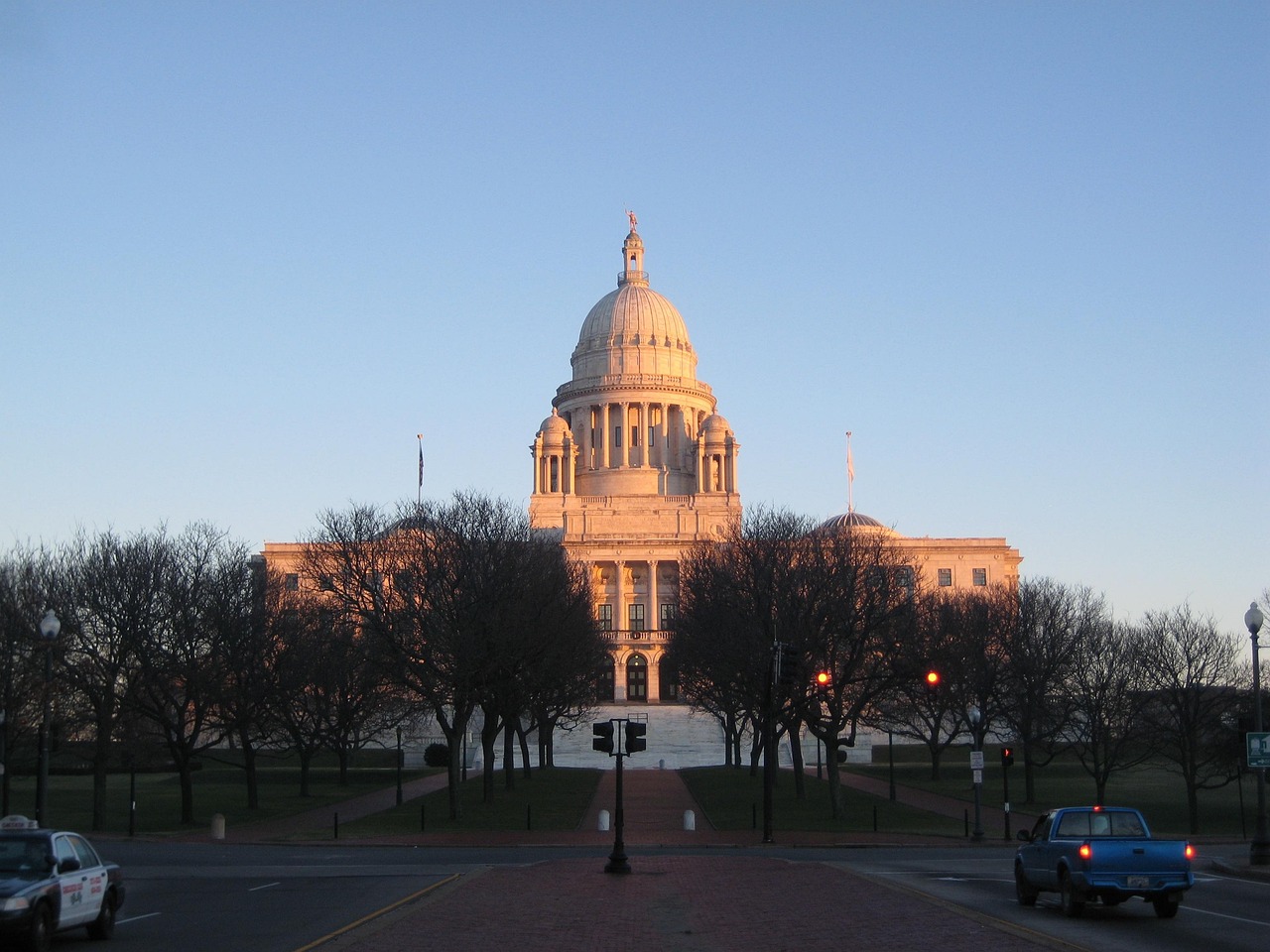
The Rhode Island State House crowns the northern edge of downtown, a gleaming white marble building with one of the world’s largest self‑supported marble domes. Whether you’re into civics or just domes, it’s a striking piece of architecture.
On my last trip, I timed a visit for late afternoon to catch the golden light on the marble. I walked the grounds, peered into the rotunda, and then headed down the hill into downtown just as the city lights were coming on.
Why it matters
The State House is both a working government building and an architectural landmark—one of the key must‑see attractions in Providence, especially for architecture buffs.
Local tips
- Check if guided tours are available in 2026; they’re a great way to learn about local politics and history.
- Walk around the back for views over the city and the rail yard.
- Combine with a visit to nearby Smith Hill or a walk toward the mall area if you need errands.
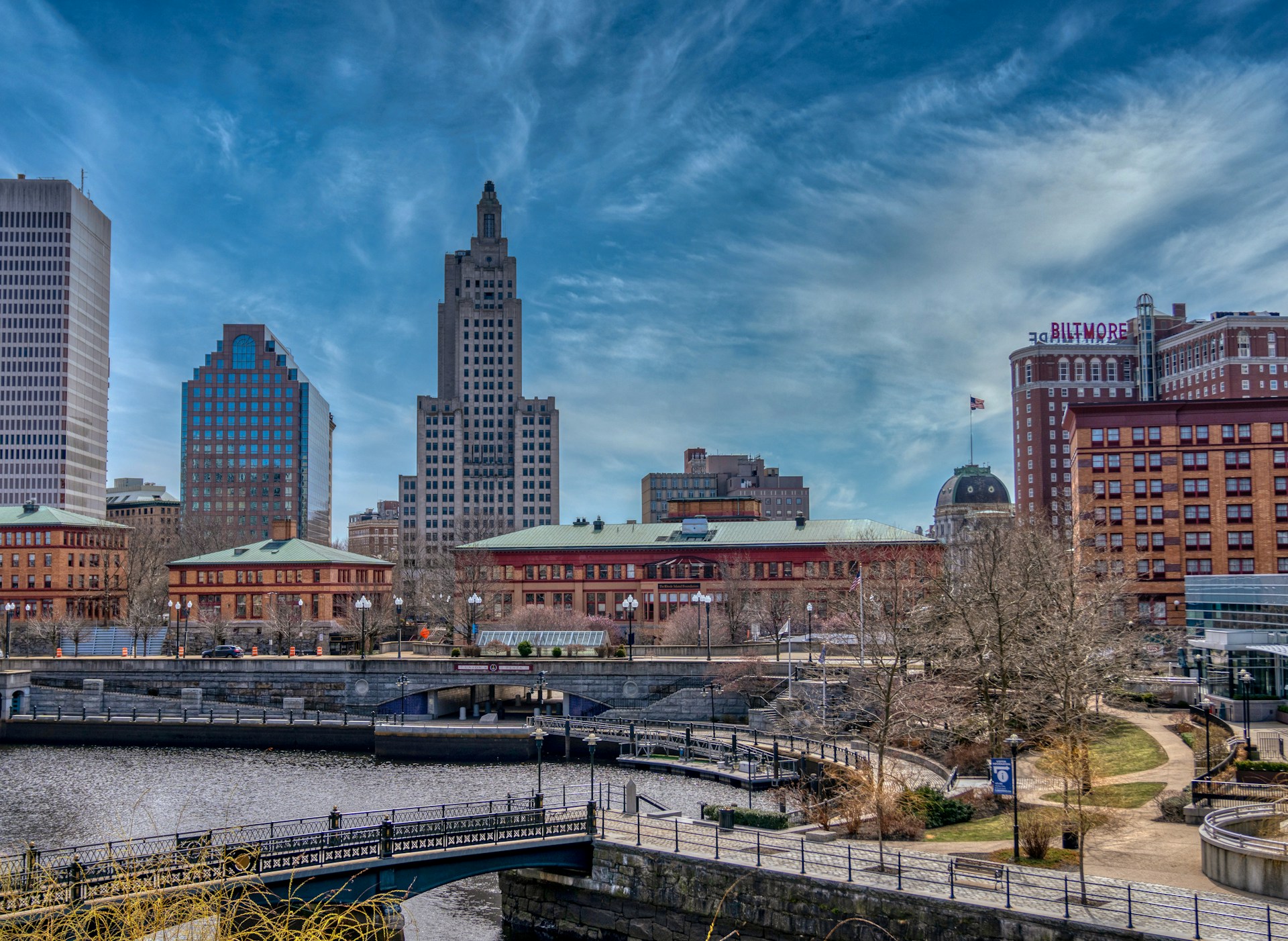
10. Downtown Providence Architecture & Riverwalk
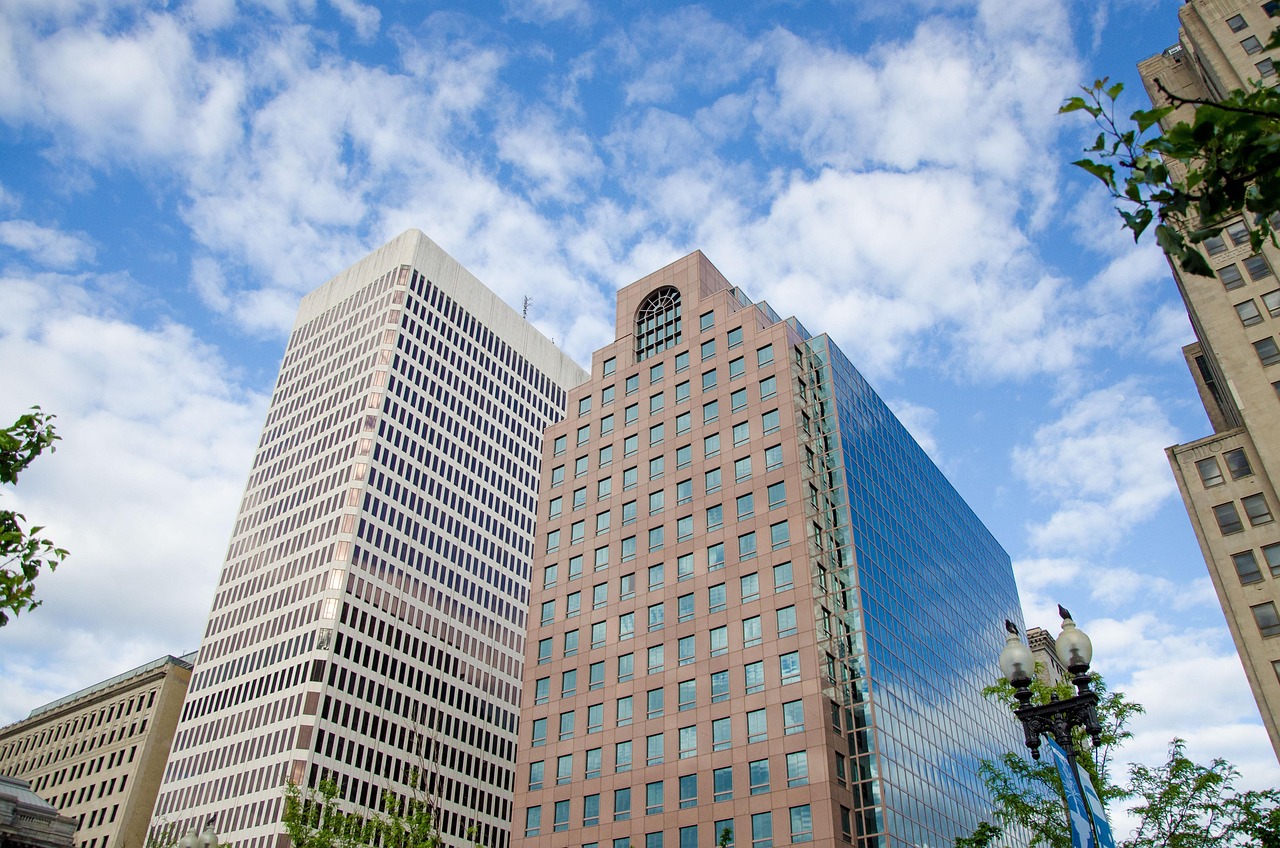
Downtown Providence is compact but dense with architectural variety: early 20th‑century skyscrapers, ornate bank buildings, renovated mills, and sleek newer structures. The riverwalk stitches it together, giving you a pedestrian‑friendly way to soak it all in.
I love starting a morning with coffee to go and a slow loop along the river, crossing the pedestrian bridges and detouring onto side streets whenever a building catches my eye. On one trip, I joined an architecture walking tour and learned to spot details I’d always missed—carvings, cornices, Art Deco flourishes.
Why it matters
This is Providence’s face to the world and a huge reason it photographs so well. If you’re into urban design, you’ll quickly see why many people describe it as a “mini‑Boston with more soul.”
Local tips
- Early morning or late afternoon gives the best light for photos of the skyline and facades.
- Look for public art installations along the river and in small plazas.
- Stop at a riverside bench and just watch city life roll by.
11. Prospect Terrace Park
Prospect Terrace is a small park with a big view. Perched on College Hill, it looks out over downtown Providence, with a statue of Roger Williams watching over the city. At sunset, the skyline glows and the river winds silver through the buildings.
I’ve brought friends here on their first visit to Providence, and the reaction is always the same: “Whoa, I didn’t realize it looked like this.” It’s one of the best free things to do in Providence and a perfect capstone after a day exploring College Hill.
Local tips
- Pack a simple picnic or takeaway desserts and eat on the grass.
- Be mindful of the steep walk up from downtown; if mobility is an issue, use a rideshare.
- Golden hour and twilight are ideal for photos of the skyline.
12. Wickenden Street & Fox Point
Fox Point, hugging the river to the southeast of College Hill, has a cozy, neighborhood feel: colorful houses, independent shops, cafes, and a bit of maritime grit. Wickenden Street is its main artery, lined with coffee shops, small galleries, and restaurants.
On my most recent visit, I spent a slow afternoon here: browsing a used bookstore, lingering over a latte, and poking into a little gallery that turned out to be showcasing RISD student work. It’s less polished than some other neighborhoods, and that’s part of the charm.
Why it matters
For hidden gems in Providence, Fox Point is where you find real everyday city life, away from the more obviously touristy areas.
Local tips
- Come hungry; there are great casual spots for brunch, tacos, and more.
- Combine with a walk along the riverfront or the nearby pedestrian bridge.
- Great area to look for more affordable short‑term rentals if you want to stay slightly outside downtown.
13. Thayer Street & the East Side
Thayer Street is Brown University’s commercial strip—a classic college‑town street full of cheap eats, bubble tea, bookstores, and late‑night snack spots. It’s not fancy, but it’s lively, especially during the school year.
I often end up here when I’m craving something quick and casual. One winter evening, I grabbed steaming falafel and ate it while walking back down the hill, hands freezing but heart happy.
Why it matters
For cultural experiences in Providence, the East Side shows you student life up close and adds an international flavor to the city’s food scene.
Local tips
- Expect crowds around lunch and dinner on school days.
- Good spot if you’re traveling with teens or young adults—they’ll feel at home.
- Prices are generally student‑friendly, making this an easy place to save money on meals.
14. RISD Campus & Galleries
Beyond the museum, RISD’s presence is felt in scattered studios, galleries, and buildings that give Providence an ever‑present creative hum. Walking around, you’ll see student projects in windows, pop‑up shows, and people hauling oversized canvases down the street.
One of my favorite finds was a small student‑run gallery tucked down a side street, with an exhibition that completely reimagined everyday objects. I left both inspired and slightly intimidated by the talent in this city.
Local tips
- Check RISD’s website for public exhibitions and end‑of‑semester shows in 2026; they’re often free.
- Be respectful—many buildings are for students only, but galleries are usually well‑marked.
- Support student artists if you can; buying a piece is a unique souvenir.
15. Armory District & West End
Southwest of downtown, the Armory District centers on the hulking Cranston Street Armory, surrounded by streets of colorful Victorian houses. The West End around it is a diverse, lived‑in neighborhood with growing food and bar scenes.
I wandered through on a self‑guided architecture walk one sunny afternoon, admiring porches and paint colors and chatting briefly with a resident who was out gardening. It felt residential in a way downtown never does, and I left with a better sense of Providence as a place people build lives, not just a weekend stop.
Local tips
- Daytime is best for casual exploration; stick to main streets if you’re unfamiliar with the area at night.
- Check for markets or events at the Armory—occasional fairs and community gatherings take place there.
- Good area to see Providence’s famed triple‑deckers and Victorian architecture.
16. Jewelry District & Pedestrian Bridge
Once the center of America’s costume jewelry industry, the Jewelry District has reinvented itself as a cluster of labs, offices, restaurants, and lofts, just south of downtown. The star for visitors is the pedestrian bridge that links it to the East Side, offering postcard‑worthy views of the river and skyline.
I love crossing the bridge around sunset, when the water catches the light and joggers, families, and couples all share the space. It’s one of the best places to appreciate Providence’s scale—you can see so much of the city at once.
Local tips
- Great spot for skyline photos and quick breaks on the built‑in seating.
- Combine with dinner in the Jewelry District or a drink at one of the newer bars.
- Safe and busy in the evenings, especially on nice days.
17. Olneyville & Woonasquatucket River Greenway
Olneyville is a working‑class, historically industrial neighborhood in west Providence that’s increasingly on foodies’ maps. It’s also the gateway to the Woonasquatucket River Greenway, a multi‑use path that threads through parks and former mill areas.
I biked the greenway on a borrowed bicycle one summer afternoon, stopping for coffee in Olneyville and wandering a bit through the side streets. It’s not a polished tourist zone, but it’s very real—and the greenway itself is a quiet retreat.
Local tips
- Rent a bike downtown and follow mapped routes to the greenway.
- Stick to the path if you’re unfamiliar with the neighborhood.
- Olneyville is famous for a certain late‑night local specialty—more on that in the food section.
18. India Point Park
At the eastern edge of the city, where the Seekonk River widens, India Point Park offers open lawns, walking paths, and water views. It’s a favorite for dog walkers, joggers, and families, with a breezy, slightly industrial backdrop of bridges and docks.
I like to end a Fox Point or East Side day here, sitting on a bench with a snack and watching boats and cyclists go by. It’s not dramatic, but it’s restorative.
Local tips
- Bring layers; the wind off the water can be strong.
- Check for summer events—occasional concerts, community festivals, or yoga sessions.
- Great picnic spot if you’ve picked up takeout nearby.
19. Providence Performing Arts Center (PPAC)
PPAC is a restored 1928 movie palace turned performing arts powerhouse, hosting touring Broadway shows, concerts, and special events. Inside, it’s all gilded plaster, sweeping staircases, and velvet seats—a time capsule of theatrical opulence.
Seeing a show here is a full evening out. I once caught a touring Broadway musical on a Wednesday night, sandwiched between dinner downtown and a nightcap nearby, and it felt like a much bigger city’s night out—but with an easier walk home.
Local tips
- Book big shows well ahead, especially on weekends.
- Matinees are often easier to get and can be more family‑friendly.
- Arrive early to admire the interior and take some discreet photos.
20. Avenue of the Arts & Local Galleries
Along Washington Street and surrounding blocks, you’ll find a cluster of theaters, galleries, and venues often referred to as the Avenue of the Arts. This is where Providence’s creative side takes the stage—literally and figuratively.
I once spent an entire evening hopping from a small gallery opening to a local theater performance, then ending up listening to live jazz in a tucked‑away bar. None of it was particularly expensive, and all of it felt wonderfully local.
Local tips
- Check arts calendars for 2026–2027; Providence Arts & Tourism often has consolidated listings.
- Many galleries have free opening receptions—great for budget travelers and meeting locals.
- Don’t be shy about chatting with artists or staff; people are usually delighted to share recommendations.
Suggested Itineraries: 3–5 Days in Providence (With Personal Stories)
Here are flexible, story‑driven itineraries based on how I actually structure my own visits. You can compress them for a 3 day itinerary for Providence or stretch them into a 4 or 5 day itinerary for Providence by adding more slow time, galleries, and food stops.
3 Days in Providence: Essential Highlights Itinerary
If you only have 3 days in Providence, focus on downtown, College Hill, the riverfront, and Federal Hill, with one half‑day in Roger Williams Park. This is how I’d do it if I were bringing a friend for their first visit in 2026.
Day 1: Downtown, Riverwalk & WaterFire (if Scheduled)
Morning: Start with a downtown coffee shop near Kennedy Plaza, then follow the riverwalk loop. Duck into side streets to admire the architecture. Visit the Rhode Island State House mid‑morning, then walk back downhill, catching views along the way.
Lunch: Grab a casual lunch downtown—sandwiches, poke, or a hearty salad. I like places that offer big portions so I can save half for later if I’m on a budget.
Afternoon: Visit the RISD Museum and, time permitting, the Providence Athenaeum. Wander Benefit Street slowly, reading historic plaques and ducking into any open churches or galleries. Finish at Prospect Terrace Park for that skyline view.
Dinner: Head to Federal Hill for your first big Providence meal. Pick a restaurant that catches your eye or one with a lively terrace. Order shared plates so you can try more dishes—local seafood, house‑made pasta, or wood‑fired pizza.
Evening: If it’s a WaterFire night, walk back along the river and join the crowds. If not, grab a gelato and stroll the riverwalk anyway; the city lights reflected on the water are still worth it.
Day 2: College Hill & East Side
Morning: Start on College Hill with coffee and a simple breakfast. Wander Brown’s campus, then meander down Benefit Street. Pop into the John Brown House Museum if you’re curious about early American history.
Lunch: Head to Thayer Street for lunch—a casual international spot is perfect. I often go for falafel, noodles, or a burrito and eat outside if the weather cooperates.
Afternoon: Walk down to Fox Point and Wickenden Street. Browse shops, maybe grab another coffee, then continue to India Point Park for a relaxed riverside break.
Dinner: Eat on the East Side or back downtown, depending on your mood. If you’re feeling low‑key, order takeout and eat it in your accommodation—it’s your vacation; rest is allowed.
Evening: Check what’s on at PPAC or a smaller theater. Alternatively, find a local bar with live music or a quiet wine bar on the East Side.
Day 3: Roger Williams Park & Neighborhood Wanderings
Morning: Take a bus, rideshare, or drive to Roger Williams Park. Spend the morning at the zoo and then walk or bike around the park and Botanical Center.
Lunch: Have a picnic in the park (pack something from a market beforehand) or eat at a nearby casual spot.
Afternoon: Head back toward the city and explore a new neighborhood: the Armory District, West End, or Jewelry District. Walk the pedestrian bridge for more skyline photos.
Dinner: For your final night, either return to your favorite spot or try somewhere completely new—maybe a modern New American restaurant in the Jewelry District or a cozy bistro in the West End.
Evening: Cap the trip with a slow riverwalk, a dessert stop, or a nightcap. This is when I mentally plan my next visit.
4 Days in Providence: Deeper Dive Itinerary
With 4 days in Providence, you can slow down and add more local experiences—art galleries, neighborhood food, and maybe a short excursion.
Days 1–3: Follow the 3 day itinerary for Providence above, but at a gentler pace: linger longer in museums, add coffee breaks, and spend more time in parks.
Day 4: Hidden Gems & Local Lifestyles
Morning: Explore Olneyville and the Woonasquatucket River Greenway by bike or on foot. Get a sense of the city’s industrial past and current regeneration.
Lunch: Try a hyper‑local specialty in Olneyville (see food section for details) or head back toward downtown for something lighter.
Afternoon: Dive deeper into the Avenue of the Arts and smaller galleries, or visit any museums you missed. Consider a tour—architecture, food, or history—to get a guided perspective.
Dinner: Choose a new neighborhood—maybe the West End or a lesser‑known strip on the East Side—for a more off‑the‑beaten‑path meal.
Evening: Find a local bar, brewery, or coffeehouse with live music or open mic. This is where Providence’s soul really shows itself.
5 Days in Providence: Full Immersion Itinerary
A 5 day itinerary for Providence lets you fully relax into the city and even add a mini day trip without feeling rushed.
Days 1–4: Follow the 4 day itinerary for Providence, stretching your time where you feel most drawn—maybe more afternoons in parks, extra gallery visits, or repeat meals in your favorite haunts.
Day 5: Day Trip & Last Looks
Option 1 – Coastal Day Trip: Take the train or drive to Newport for mansions and ocean views (see day trips section). Return to Providence in the evening for a farewell dinner.
Option 2 – Local Deep Dive: Spend more time in neighborhoods like the Armory District or West End, join a workshop (cooking class, art session), or simply re‑visit your favorite spots with no agenda.
Evening: End at Prospect Terrace or the pedestrian bridge one last time, taking in the skyline and promising yourself you’ll be back.
Neighborhoods & Districts: Where to Explore in Providence
Providence’s charm lies in its distinct neighborhoods. Here’s how I think of them when planning a trip:
- Downtown: Business core, riverwalk, PPAC, WaterFire, major hotels. Great base for first‑timers.
- College Hill: Historic, academic, beautiful architecture. Ideal for slow walks and views.
- East Side (Thayer Street & Fox Point): Student energy, international food, indie shops, and waterfront parks.
- Federal Hill: Italian heritage, restaurants, and nightlife.
- Jewelry District: Former industrial area turned innovation hub; modern restaurants, pedestrian bridge.
- Armory District & West End: Residential, diverse, Victorian houses, growing food scene.
- Olneyville: Gritty but evolving, famous for local eats, access to the Woonasquatucket River Greenway.
Best Local Food & Drink in Providence
Providence’s food scene is far bigger than its population suggests. Thanks to Johnson & Wales University (a major culinary school) and waves of immigrants, you’ll find everything from classic Italian to high‑concept tasting menus and late‑night comfort food.
What to Eat: Local Staples & Specialties
- Italian on Federal Hill: Fresh pasta, calamari, veal dishes, and oversized portions.
- Stuffies & clam cakes: Baked stuffed clams and fried doughy clam fritters, often at seafood spots or casual take‑outs.
- Rhode Island–style calamari: Typically fried with hot peppers and sometimes olives—crisp, tangy, addictive.
- Coffee milk: Rhode Island’s official state drink; think chocolate milk but with coffee syrup. Try it at diners or breakfast joints.
- Doughboys: Fried dough sprinkled with sugar or cinnamon, especially at seasonal stands and some casual eateries.
- Hot wieners: A local institution involving small hot dogs with a specific sauce and toppings—ask a local where they go.
Where to Eat: Personal Patterns Rather Than a List
Instead of rattling off a long list of restaurants (which can change quickly), here’s how I structure my eating days in Providence:
- Breakfast: A local café downtown or on the East Side—coffee milk, a breakfast sandwich, or a pastry. I often grab something light so I can indulge later.
- Lunch: Casual, often on Thayer Street or Wickenden: falafel, tacos, noodles, or a salad bowl. It’s easy to keep this affordable.
- Dinner: I alternate between:
- A Federal Hill Italian feast
- A New American spot in the Jewelry District
- A cozy East Side or West End bistro
- Snacks & desserts: Gelato, cannoli, or pastries on Federal Hill; ice cream stands in summer; or a late‑night snack near Thayer Street.
Saving Money on Food
- Look for lunch specials—many nicer spots have more affordable midday menus.
- Share large mains on Federal Hill; portions are big enough for two.
- Use markets and grocery stores for picnic supplies in parks; it’s cheaper and often more relaxing.
- Take advantage of student‑oriented eateries on Thayer Street for budget‑friendly meals.
Nightlife, Entertainment & Cultural Experiences in Providence
Providence’s nightlife is varied but not overwhelming—you won’t have to choose between 200 venues, but you’ll find something most nights.
- Theaters: PPAC and smaller theaters like Trinity Rep offer plays, musicals, and more.
- Live music: Bars and small venues downtown and on the West End often host local bands or jazz nights.
- Bars & breweries: Craft beer spots, cocktail lounges, and casual neighborhood bars are scattered across Federal Hill, downtown, and the West End.
- Low‑key evenings: Riverwalk strolls, gelato on Federal Hill, or a quiet drink in a hotel bar.
My own evenings often look like: early dinner, a show or live music set, then a last walk along the river. On WaterFire nights, everything revolves around the flames; the whole downtown becomes an open‑air party.
What’s New & Upcoming: Providence Events 2026–2027
Exact dates shift each year, but here are recurring events and trends you can likely expect in 2026–2027 (always confirm closer to your travel dates):
- WaterFire Season (2026): Late May through October, select evenings. Expect a mix of full and partial lightings.
- PVDFest: Providence’s signature arts and culture festival, usually in summer, with performances, public art, and street life.
- Federal Hill Summer Festivals: Food‑centric street festivals with outdoor dining and live music.
- Fall Foliage Season: Late September to late October; the city and surrounding areas glow with color.
- Holiday Lights & Zoo Events: Roger Williams Park Zoo and downtown often have winter light installations and family events.
In 2026–2027, Providence is also continuing to refine its riverfront spaces and bike infrastructure, making it even easier to explore without a car.
Day Trips from Providence
Once you’ve made the most of 3–5 days in Providence itself, consider a nearby adventure:
- Newport, RI: About 40–45 minutes by car or reachable by bus/train combos. Mansions, ocean drives, cliff walks, and sailing.
- Bristol & Warren: Charming waterfront towns east of Providence with bike paths, seafood, and historic streets.
- Boston, MA: Around 1 hour by train; an easy big‑city day trip if you’re craving museums and bustle.
- Rhode Island beaches: South County beaches are 45–60 minutes away by car for summer waves and sand.
Tip: For day trips, consider renting a car just for the day to save on multi‑day rental costs and parking hassles.
Cultural Etiquette & Local Customs in Providence
Providence is laid‑back and friendly, but a few local norms will help you fit in smoothly.
- Tipping: Standard U.S. tipping applies: 18–20% in restaurants, $1–2 per drink at bars, 10–15% for taxis.
- Reservations: For popular restaurants, especially on Federal Hill and during WaterFire, reservations are expected.
- Queuing: Lines are respected—no cutting, even in casual settings.
- Noise: Residential neighborhoods like the East Side and West End quiet down at night; keep voices and music low when walking home late.
- Inclusivity: Providence has a strong LGBTQ+ community and generally progressive vibe; respect pronouns and personal spaces as you would in any major U.S. city.
- Photographing locals: Ask permission before taking close‑up photos of people, performers, or private property.
Practical Travel Advice for Providence (2026 Edition)
Getting Around
- On foot: Downtown, College Hill, and much of the East Side are walkable, though hilly.
- Public transport: RIPTA buses cover the city and region. Day passes are good value if you’ll ride multiple times.
- Rideshares & taxis: Widely available; handy at night or for steep hill climbs.
- Biking: Increasingly bike‑friendly with riverfront paths and greenways; look for bike rentals in 2026 near downtown.
- Car rental: Useful for day trips; downtown parking can be tight and costly, so avoid a car if you’re staying central and mostly in the city.
SIM Cards & Connectivity
- eSIMs: In 2026, eSIMs from international providers are often the easiest for visitors; set one up before arrival.
- Prepaid SIMs: Available at major U.S. carrier stores or big box electronics retailers in the metro area.
- Wi‑Fi: Most hotels, cafes, and some public spaces offer free Wi‑Fi, making it easy to get by with a modest data plan.
Money & Costs
- Currency: U.S. dollar (USD). Cards are widely accepted, including contactless payments.
- Daily budget (per person, excluding accommodation):
- Budget: $40–60 (cheap eats, public transport, free attractions)
- Mid‑range: $70–120 (mix of casual and sit‑down dining, some paid attractions)
- Comfortable: $130+ (nice dinners, shows, occasional taxis)
Visa & Entry Requirements (for International Visitors)
Providence follows U.S. federal immigration rules:
- Visa Waiver Program (VWP): Citizens of eligible countries can enter for up to 90 days for tourism with ESTA authorization obtained in advance.
- Tourist visas (B‑2): Required for travelers from non‑VWP countries; apply through a U.S. embassy or consulate.
- Passport validity: Ideally valid for at least 6 months beyond your stay (check specific rules for your nationality).
Always verify the latest requirements with official government sources before traveling—rules can change by 2026–2027.
Driving & Foreign Licenses
- Foreign licenses: Many foreign driver’s licenses are accepted for short‑term visitors, but it’s wise to carry an International Driving Permit (IDP) alongside your home license.
- Driving style: Typical U.S. city driving: respect speed limits, watch for pedestrians, and note one‑way streets downtown.
- Parking: Check signs carefully; meters and residential permits are common. Use garages on busy nights or during events.
Best Seasons for Different Activities
- Spring (April–June): Mild temperatures, blooming parks, fewer crowds. Great for walking tours, College Hill, and early WaterFire events.
- Summer (July–August): Warm to hot, with festivals, WaterFire, outdoor dining, and nearby beaches. Ideal for families and nightlife.
- Fall (September–October): My favorite time: crisp air, fall foliage, fewer tourists, and still plenty happening. Perfect for 3–5 day itineraries with lots of walking and photography.
- Winter (November–March): Quieter, colder, occasional snow. Lower prices and cozier vibes in restaurants and bars. Indoor attractions like museums and theaters shine.
Hidden Tips from Repeat Visits
- Use WaterFire dates to anchor your trip if visiting between May and October; then build 3–5 days in Providence around that evening.
- Stay in or near downtown or the East Side if you won’t have a car; you’ll minimize transit time and maximize walking.
- Build in at least one slow morning with no agenda. Sit in a café, watch the city wake up, and see what conversations or ideas find you.
- Talk to locals—baristas, bartenders, gallery staff. I’ve discovered some of my favorite hidden gems in Providence this way.
Summary & Final Recommendations: When to Visit & How Long to Stay
Providence is a small city with a big personality—historic but not stuffy, artistic but not pretentious, foodie but still affordable if you’re smart about it. It’s one of the most rewarding U.S. cities for a 3 day or 4 day escape, and with 5 days you can truly settle into its rhythms.
- Best time to visit: Late spring (May–June) and fall (September–October) balance comfortable weather, events, and manageable crowds. Summer is great for festivals and beaches; winter is cozy and budget‑friendly.
- Ideal trip length: 3 days in Providence for core highlights; 4 days for deeper neighborhood exploration; 5 days for full immersion and day trips.
- Must‑see attractions in Providence: WaterFire (in season), College Hill & Benefit Street, RISD Museum, Providence Athenaeum, Federal Hill, Roger Williams Park & Zoo, and the riverwalk/downtown architecture.
- Essential cultural experiences: A meal on Federal Hill, a sunset at Prospect Terrace, an afternoon in the RISD Museum, a walk across the pedestrian bridge, and at least one live performance or gallery visit.
Return trips to Providence always remind me why I keep coming back: it’s manageable but layered, calm but creative, familiar yet full of surprises. Plan your own 3, 4, or 5 day itinerary for Providence with space to wander, eat well, and talk to people—and you’ll leave with your own set of stories and favorite corners of the city.