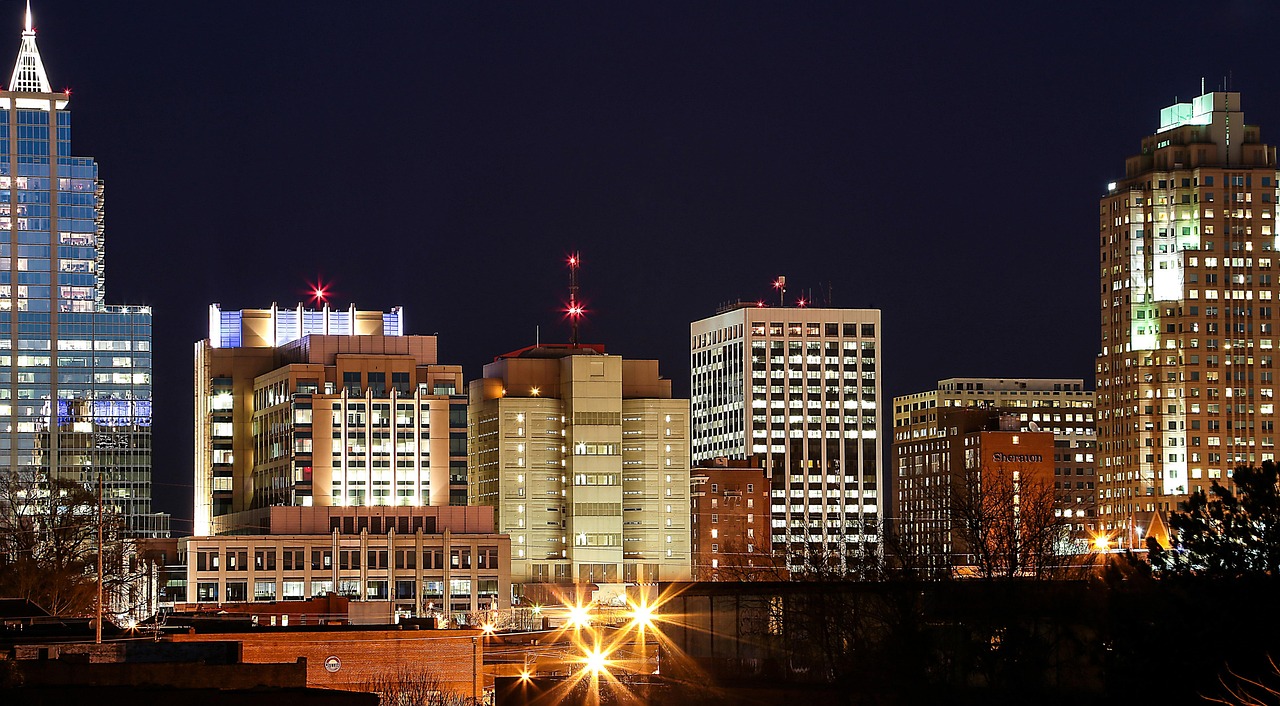
Why Visit Raleigh, USA?
I’ve lived in and around Raleigh for years and still catch myself saying, “Wow, this city’s really got it good.” Raleigh isn’t a flashy, tourist-trap destination; it’s a place that quietly wins you over with walkable streets, leafy neighborhoods, insanely good (and affordable) food, and a creative energy fueled by three major universities nearby.
Raleigh is often called the “Smithsonian of the South” for its cluster of free, world-class museums. It’s also a city where you can kayak a lake in the morning, geek out over dinosaurs and contemporary art in the afternoon, and finish the night with live bluegrass and a craft beer brewed a few miles away. For families, couples, solo travelers, and food-obsessed wanderers, Raleigh is a surprisingly perfect base for 3, 4, or 5 days in North Carolina.
This travel guide for Raleigh is written as if I’m planning your trip the way I’d plan it for a close friend. I’ll walk you through my favorite must-see attractions, hidden gems, local food spots, and detailed 3–5 day itineraries, with personal tips from countless Saturday mornings at the farmers’ market and late nights on Glenwood South.
Table of Contents
- Why Visit Raleigh
- Raleigh Overview in 2026
- Suggested Itineraries (3, 4, and 5 Days in Raleigh)
- 20 Must-See Attractions in Raleigh (With Personal Notes)
- Neighborhoods & Districts to Explore
- Best Local Food & Drink in Raleigh
- Nightlife, Entertainment & Cultural Experiences
- Day Trips from Raleigh
- Local Customs & Cultural Etiquette
- Practical Travel Tips for Raleigh
- Best Time to Visit Raleigh & Final Takeaways
Raleigh in 2026: What’s New & What to Expect
Raleigh sits at the heart of North Carolina’s Research Triangle (with Durham and Chapel Hill), and over the last decade it’s grown into one of the most livable cities in the U.S. without losing its Southern warmth.
By 2026, downtown Raleigh has fully embraced outdoor dining, expanded bike lanes, and a more pedestrian-friendly Fayetteville Street. A few new boutique hotels, refreshed museum exhibits, and expanded greenways make 3–5 days in Raleigh even easier to fill.
Key Events & Festivals in 2026–2027
- Dreamville Festival (Spring 2026 & 2027) – J. Cole’s hip-hop and R&B festival at Dorothea Dix Park, usually early April. Book lodging early; the city sells out.
- Hopscotch Music Festival (September 2026 & 2027) – Multi-venue indie and experimental music festival across downtown.
- IBMA World of Bluegrass (Late September 2026 & 2027) – Huge bluegrass gathering with street performances, concerts, and pick-up jams.
- North Carolina State Fair (October 2026 & 2027) – Deep-fried everything, carnival rides, and a serious dose of local culture.
- Artsplosure – The Raleigh Arts Festival (May) – Art installations, markets, and performances downtown.
- Raleigh Christmas Parade & holiday events (November–December) – One of the largest holiday parades in the region.
If you’re planning 3 or 4 days in Raleigh around one of these, build at least one “flex day” into your itinerary for festival time and crowds.
Suggested Itineraries: 3, 4, and 5 Days in Raleigh
These itineraries are built from how I usually show visiting friends around: a mix of iconic sights, local food, and quieter corners that most tourists miss. Each day blends museums, parks, architecture, and neighborhoods, with options for families, couples, and solo travelers.
3 Days in Raleigh – Classic Introduction
If you’ve got just 3 days in Raleigh, this itinerary focuses on the city’s must-see attractions, downtown neighborhoods, and local food. Think of it as the “Raleigh greatest hits” tour.
Day 1: Downtown Museums, Fayetteville Street & Skyline Views
I usually start friends at Fayetteville Street, Raleigh’s main ceremonial avenue, because it quickly orients you: the State Capitol on one end, performing arts venues and office towers around you, and the Glenwood South nightlife district within walking distance.
Morning: State Capitol & Historic Core
- North Carolina State Capitol – Pop in for 30–45 minutes. The Greek Revival architecture and preserved 1840s interiors give you a sense of Raleigh’s political history. Security is light, and it’s free.
- Walk the surrounding Capitol Square to see statues and memorials; I like circling here in the early morning when the light hits the stone buildings.
Late Morning to Afternoon: Museums Row
From the Capitol, it’s an easy walk to three of Raleigh’s most important (and free) museums.
- North Carolina Museum of History – I usually bring first-time visitors here before the science museum. Exhibits cover everything from Native history to sports legends. Give yourself 1–1.5 hours.
- North Carolina Museum of Natural Sciences – Across the street and a must-see attraction in Raleigh, especially for families. Dinosaurs, whale skeleton, and the iconic Acrocanthosaurus draw kids in; adults geek out over the research labs and nature exhibits. Plan 2 hours minimum.
Lunch: Local food in downtown Raleigh
Grab lunch nearby at a casual spot:
- Beasley’s Chicken + Honey – Fried chicken and waffles with a Southern twist. My go-to is the chicken sandwich and a seasonal side.
- Centro – For Mexican-inspired dishes with fresh ingredients and excellent margaritas if you’re not museum-hopping with kids.
Afternoon: Stroll to Moore Square & City Market
After lunch, walk a few blocks east into the historic City Market area. Cobblestone streets, brick buildings, and independent shops make this one of my favorite places for a slow wander. Stop for coffee or ice cream, peek into galleries, and then cut over to Moore Square, a revitalized park often hosting food trucks and events.
Evening: Glenwood South or Warehouse District
- Glenwood South – If you want a livelier scene: bars, patios, and late-night eats. Good for younger crowds or anyone craving nightlife.
- Warehouse District – If you prefer something more design-forward: renovated warehouses, art spaces, and some of the city’s best restaurants and breweries.
For dinner, I often suggest the Warehouse District for first-timers. Finish with a rooftop drink overlooking the skyline if you can snag a spot.
Day 2: Art, Parks & North Carolina Museum of Art
Day 2 is about culture and green space. It’s perfect for couples, solo travelers, and families who like mixing art and outdoor time.
Morning: North Carolina Museum of Art (NCMA)
Located a short drive from downtown, NCMA is one of my favorite places in Raleigh. I like arriving right when it opens; there’s a calm, almost meditative feel walking through the galleries before they get busy.
- Start in the West Building – classical and European works, ancient artifacts, and rotating exhibits.
- Continue to the East Building – contemporary art, installations, and a more experimental vibe.
- Grab coffee at the museum café; their pastries are reliably good.
Allow 2–3 hours total, depending on how deep you go. Note that special exhibitions may carry a small fee, but the core collection remains free.
Midday: Ann and Jim Goodnight Museum Park
Right outside NCMA, the Museum Park is a huge outdoor sculpture park connected by walking and biking trails. On sunny days, I’ll often loop around the park and sit on the grass near a sculpture for a bit, just people-watching. Families will appreciate the wide paths for strollers and kids on scooters.
Lunch: Near NC State or Back Downtown
- Head toward the NC State University area on Hillsborough Street for casual student-friendly eats.
- Or drive back downtown to the Warehouse District for more options (and to set up your afternoon there).
Afternoon: Warehouse District & CAM Raleigh
The Warehouse District has transformed into one of Raleigh’s coolest neighborhoods: think brick warehouses converted into lofts, galleries, and coffee shops.
- CAM Raleigh (Contemporary Art Museum) – A rotating slate of contemporary exhibits. I’ve seen everything here from immersive installations to cutting-edge student work.
- Local coffee & dessert – Pop into a café for a pick-me-up; this is my go-to remote working area on weekdays.
Evening: Dinner & Drinks
Stay in the Warehouse District or head to Five Points for a more residential, local vibe. Couples will enjoy lingering over dinner and a cocktail; families might choose somewhere with kid-friendly menus and outdoor seating.
Day 3: Oakwood, Dorothea Dix Park & Local Neighborhoods
For your third day, slow down and lean into Raleigh’s neighborhoods. This is where the city really feels like home.
Morning: Historic Oakwood & Oakwood Cemetery
I usually start in Historic Oakwood, a neighborhood of beautifully restored Victorian and early 20th-century homes, just northeast of downtown. Walking these quiet streets is like stepping into a living architectural catalog: wraparound porches, decorative trim, and blooming gardens in spring.
- Take an unhurried walk, admiring the houses and front gardens.
- Continue up to Historic Oakwood Cemetery, one of the most peaceful places in the city, with views back toward downtown.
Lunch: Person Street Corridor
Wander down toward the Person Street area for lunch. It’s a compact stretch with coffee, breweries, and independent shops—very much “local Raleigh.”
Afternoon: Dorothea Dix Park
In the afternoon, head over to Dorothea Dix Park, Raleigh’s huge central park on a hill just south of downtown. This is where Dreamville Festival happens, and where locals go for sunsets.
- Pack a blanket and snacks for a picnic with skyline views.
- Walk the open fields and shaded groves; kids can run freely here.
- If you’re visiting in late summer, the sunflower field (if planted that year) is spectacular.
Evening: Last-Night Dinner & Drinks
For your final evening in this 3-day itinerary for Raleigh, choose either:
- Glenwood South for a more energetic send-off.
- Seaboard Station/Person Street for a quieter, local feel.
Make it a point to try something quintessentially local: North Carolina barbecue, shrimp and grits, or a dessert featuring local sweet potatoes or pecans.
4 Days in Raleigh – Deeper Dive into Neighborhoods & Nature
With 4 days in Raleigh, you can keep the 3-day itinerary above and add a whole extra day focused on lakes, greenways, and less-touristed corners. This is also where I sneak in a short day trip for friends who love the outdoors.
Day 4: Lakes, Greenways & NC State Campus
Morning: Lake Johnson or Lake Wheeler
If you want a gentle, nature-filled morning:
- Lake Johnson – My personal favorite. There’s a lovely 3-mile loop around the lake (some paved, some natural surface) and kayak/canoe rentals in warmer months. I like starting around 8–9 a.m. when the water is calm and the trails are quiet.
- Lake Wheeler – Slightly larger, more open feel; good for picnics and casual walks. You’ll see more fishermen and families here.
Lunch: Near NC State
After a morning at the lake, head to the NC State University area. Student-friendly restaurants keep prices low, and there’s a youthful energy.
Afternoon: NC State Campus & Pullen Park
- Stroll through NC State’s campus, especially the central brickyard and iconic buildings.
- Walk or drive to Pullen Park, one of the oldest amusement parks in the U.S. Families will love the carousel, kiddie boats, and playgrounds; couples can rent a pedal boat or just enjoy the shady paths.
Evening: Brewery Hopping
Raleigh’s craft beer scene has exploded, and a 4-day itinerary for Raleigh gives you time to enjoy it without rushing. Pick a cluster of breweries (like those near downtown or in the Five Points area) and make a relaxed evening of it. Many are family-friendly until later in the night and have food trucks parked outside.
5 Days in Raleigh – Add Day Trips & Hidden Gems
With 5 days in Raleigh, you can follow the 4-day plan and add a full extra day devoted to a nearby day trip or hyper-local experiences. I’ll outline one of my favorite ways to use that fifth day.
Day 5 Option A: Day Trip to Durham & Eno River
Morning: Drive to Durham (about 30–40 minutes). Explore its compact downtown, American Tobacco Campus, and Duke University’s Gothic architecture. Grab coffee and brunch, then head to Eno River State Park for hiking.
Afternoon: Eno River State Park
- Choose a moderate trail along the river; I like ones that include hanging out by the water for a bit.
- Pack water and snacks; facilities are basic.
Evening: Return to Raleigh for a relaxed dinner somewhere close to your accommodation.
Day 5 Option B: Hyper-Local Raleigh Day
If you’d rather stay in the city, use your fifth day to do what locals do:
- Morning: Start at the State Farmers Market for breakfast and a wander through the produce sheds.
- Midday: Explore a neighborhood you’ve missed (like Five Points, North Hills, or Lafayette Village).
- Afternoon: Rent a bike and ride a section of the Neuse River Greenway.
- Evening: Treat yourself to a “final-night” splurge dinner at one of Raleigh’s fine-dining or chef-driven spots.
20 Must-See Attractions in Raleigh (With Personal Notes & Tips)
Below are some of the best places to visit in Raleigh, grouped loosely from the most iconic to more under-the-radar spots. I’ll share how they feel on the ground, what to look for, and how to fold them into your own 3–5 day itinerary.
1. North Carolina Museum of Natural Sciences
If you only have time for one museum in Raleigh, this is it. I’ve lost count of how many times I’ve brought friends’ kids here and watched their jaws drop at the giant dinosaurs and whale skeletons.
What It Is: The largest natural history museum in the Southeast, spread across multiple floors and a connected Nature Research Center. Exhibits range from prehistoric fossils to live animal displays and interactive labs.
Why It’s Special: It’s free, hands-on, and genuinely engaging for all ages. Adults can dive into environmental science, geology, and astronomy exhibits while kids race between tanks and dioramas.
My Usual Routine: I like to start on the upper floors and work my way down, ending in the Nature Research Center where you can peer into glass-walled labs. When I’m with kids, we always plan a snack break halfway through, either at the café or with snacks from my bag in the plaza outside.
Time Needed: 2–3 hours.
Tips: Go right at opening on weekends to avoid school and family crowds. The museum is an easy walk from other downtown spots, so combine it with the Museum of History and a Fayetteville Street stroll.
2. North Carolina Museum of History
Directly across from the natural sciences museum, this history museum is where I send anyone who wants context for the city and state they’re visiting.
Highlights: A full-size replica of the Wright Flyer, exhibits on civil rights, sports, military history, and an excellent collection of artifacts from everyday life in North Carolina over the centuries.
Personal Note: I still remember the first time I wandered in on a hot summer day just to escape the heat and ended up staying nearly three hours. The storytelling is surprisingly vivid, and the temporary exhibits often tackle contemporary topics.
Time Needed: 1–2 hours.
Tip: Look for docent-led tours if you’re there on a weekend; they add color to the exhibits, especially for kids and teens who might not be natural history buffs.
3. North Carolina Museum of Art & Museum Park
This is where I go when I need a reset. NCMA combines serious art collections with light-filled galleries and a sprawling outdoor sculpture park that feels like Raleigh’s back yard.
Inside: European masters, African art, ancient artifacts, and bold contemporary pieces. The layout is easy to navigate, and even non-art lovers find something to connect with.
Outside: Trails, fields, and large-scale sculptures. I’ve spent entire afternoons here walking, picnicking, and watching sunset over the fields.
Best For: Couples (romantic strolls), solo travelers (quiet contemplation), and families (kids can run in the park after the galleries).
Tips: Bring water and comfortable shoes for the park. Check the museum’s schedule for outdoor concerts or film nights in warmer months.
4. North Carolina State Capitol
Smaller and less grand than some state capitols, Raleigh’s Capitol building charms rather than overwhelms.
What to Do: Walk through the historic chambers, admire the rotunda, and wander the grounds. There are interpretive signs, and sometimes staff are around to answer questions.
When I Go: I like stopping here in the early morning before museums open, when the grounds are quiet and downtown is just waking up.
5. Historic Oakwood
Oakwood is where you fall in love with Raleigh’s residential charm. A walk here feels like you’ve wandered into a storybook.
What to See: Rows of Victorian and early 20th-century homes, many lovingly restored. Look for intricate woodwork, wraparound porches, and colorful paint schemes.
Personal Tip: I love Oakwood on weekend mornings, coffee in hand, just wandering. Around the holidays, the neighborhood hosts home tours with festive decorations.
6. Historic Oakwood Cemetery
Peaceful and slightly haunting, Oakwood Cemetery offers beautiful stonework, old trees, and views of the skyline. It’s a quiet counterbalance to downtown’s energy.
Tip: Be respectful; this is an active cemetery. I usually wander the main avenues rather than close to individual graves unless I’m joining a guided historical tour.
7. Dorothea Dix Park
Dix Park is Raleigh’s future “Central Park,” and you can already feel that potential every time you walk its hills.
Why Go: Wide open fields, skyline views, and tons of space for picnics, frisbee, or just lying on a blanket with a book. During festivals like Dreamville, it transforms into a massive concert venue.
Best Time: Late afternoon into sunset, especially in spring and fall when the air is crisp and the light is golden.
8. Pullen Park
One of the oldest amusement parks in the U.S., Pullen Park is the definition of family-friendly. It’s also nostalgic even if you’re kid-free.
What to Do: Ride the historic carousel, rent pedal boats, let kids loose on the playgrounds, and stroll the shaded paths. There’s a café for simple snacks and ice cream.
Local Insight: On nice weekends, it gets busy. Weekday mornings are much calmer, especially if you’re traveling with toddlers or want photos without crowds.
9. Historic City Market & Moore Square
City Market is where cobblestone streets, string lights, and brick buildings create that “I could live here” feeling.
Must-Do: Wander the alleys, pop into boutiques and galleries, and grab a meal or drink at one of the restaurants. Then cross over to Moore Square to sit under the trees or catch an event.
Good For: Couples (romantic evenings), solo travelers (people-watching), and families (easy walking, space for kids).
10. Warehouse District & CAM Raleigh
The Warehouse District is where Raleigh looks and feels like a modern creative city. Exposed-brick warehouses now house galleries, tech offices, coffee shops, and breweries.
CAM Raleigh: A non-collecting contemporary art museum with rotating, often edgy exhibits. I’ve walked in not knowing what to expect and walked out thinking about the show for days.
Tip: Combine a CAM visit with a long coffee stop and late-afternoon drinks nearby; this area is photogenic and laid-back.
11. Glenwood South
Love it or roll your eyes at it, Glenwood South is Raleigh’s most obvious nightlife strip. It’s loud, colorful, and packed on weekend nights.
What to Expect: Bars, patios, clubs, late-night food, and a generally younger crowd. If you want a quiet cocktail bar, this is not the right neighborhood after 9 p.m., but it can be fun for a big night out.
Tip: If you’re driving, be mindful of parking and ride-share surge pricing around closing time.
12. Fayetteville Street & Downtown Core
This is Raleigh’s main ceremonial street and event spine. During festivals, it turns into a pedestrian-only party; on regular days, it’s a pleasant urban stroll.
What I Like To Do: Start at the Capitol, walk down Fayetteville Street toward the Performing Arts Center, stop for coffee or a snack, then loop back via side streets to discover murals and small shops.
13. State Farmers Market
If you want to see how locals actually eat, the State Farmers Market is essential.
What You’ll Find: Seasonal produce, baked goods, plants, North Carolina specialties (honey, jams, pickles), and a couple of no-frills restaurants serving hearty Southern breakfasts and lunches.
My Routine: I go early on weekends, grab breakfast (biscuits and country ham or pancakes), then wander the sheds picking up fruit and snacks. It’s an easy half-day outing, especially if you’re driving.
14. Lake Johnson Park
Lake Johnson is my “I need to clear my head” spot. Close to the city but surrounded by trees, it offers a simple, beautiful loop trail and calm water.
Activities: Walking/jogging the loop, renting kayaks or paddleboards in season, sitting on the fishing pier watching the sun set.
Tip: The path can be hilly in sections; wear proper shoes. If you’re visiting in summer, go early or late to avoid heat and humidity.
15. Lake Wheeler Park
Lake Wheeler has a more open, big-lake feel compared to Johnson. You’ll see rowers, fishermen, and families grilling and picnicking.
Good For: Casual outdoor time without strenuous hiking. It feels like a city backyard on summer weekends.
16. Neuse River Greenway
The Neuse River Greenway is part of Raleigh’s extensive trail network and a dream for cyclists and runners.
What To Do: Rent a bike (or use your own) and ride a stretch of the paved trail along the river. It’s peaceful, scenic, and a nice contrast to downtown’s urban feel.
Tip: Bring water; access to amenities can be spaced out along the trail.
17. North Carolina State University Campus
NC State’s campus adds youth and energy to Raleigh. Even if you’re not visiting a student, it’s worth a wander.
Highlights: The brickyard, the Bell Tower, and the mix of historic and modern buildings. During the school year, you’ll feel the buzz of campus life.
Tip: Combine a campus stroll with Pullen Park for an easy, walkable half-day.
18. Nash Square & Government District
Smaller than Moore Square but just as lovely, Nash Square is a shady downtown park framed by government buildings and offices.
Why Go: It’s a quiet place to sit with a coffee between museum visits, and home to some memorials and public art.
19. North Hills Midtown
North Hills is Raleigh’s modern “midtown” development: outdoor shopping, restaurants, apartments, and a central green that hosts concerts and events.
Good For: Evening strolling, shopping, and convenient dining if you’re staying in North Raleigh or want a less downtown-centric night out.
20. Lafayette Village
Lafayette Village is a quirky, European-style shopping and dining complex in North Raleigh, with faux-French architecture, a small “village square,” and fountains.
Why I Like It: It’s admittedly a bit kitschy, but on a warm evening, sitting outside at a café with live music playing, it’s easy to forget you’re in a shopping center. It’s a local favorite for relaxed dinners and family strolls.
Raleigh Neighborhoods & Districts to Explore
Downtown Core & Fayetteville Street
This is business-meets-government Raleigh: the Capitol, museums, and office towers. It’s compact and walkable, and you’ll spend a lot of your first 3 days in Raleigh here.
Warehouse District
Former industrial heart, now creative hub. Think art galleries, design studios, and some of Raleigh’s best coffee and dining. Great for afternoon wandering and evening dinners.
Glenwood South
Nightlife central: bars, restaurants, and music venues. Lively, sometimes rowdy, and best for those who want to stay out late.
Historic Oakwood & Person Street Corridor
Leafy, historic, and residential, with a small but excellent strip of local shops and dining on Person Street. Feels like “real Raleigh” rather than a tourist zone.
Five Points
Intersection of several older neighborhoods, with indie theaters, bottle shops, and a laid-back vibe. Good for low-key evenings and family-friendly restaurants.
North Hills / Midtown
Suburban-urban hybrid with outdoor shopping, high-rise apartments, and a central park space. Convenient if your hotel is here or you’re meeting local friends.
NC State & Hillsborough Street
Student-heavy, budget-friendly, and lively during the school year. Great for cheap eats, casual cafés, and people-watching.
Best Local Food & Drink in Raleigh
One of the biggest surprises for first-time visitors is just how good—and affordable—local food in Raleigh can be. The city leans heavily into seasonal ingredients, Southern traditions, and craft beverages.
What to Eat in Raleigh
- Eastern North Carolina Barbecue: Whole-hog, chopped pork with a vinegar-based sauce. Look for local BBQ joints rather than chains.
- Biscuits & Country Ham: Breakfast staples; simple but soul-satisfying.
- Shrimp & Grits: A coastal-Southern classic that Raleigh chefs put their own spin on.
- Fried Chicken: Often with honey, hot sauce, or both.
- Seasonal Produce: Sweet potatoes, collards, peaches (summer), and berries.
Where I Actually Eat
I won’t list every “best-of” restaurant, but here’s how I usually structure meals with visiting friends:
- Breakfast: State Farmers Market restaurant for big Southern plates, or a downtown café for lighter fare.
- Lunch: Casual spots near museums or in the Warehouse District—sandwiches, tacos, or salads.
- Dinner: One “splurge” night at a chef-driven restaurant, one barbecue night, and one low-key night at a brewery with food trucks.
Raleigh’s Craft Beer & Cocktail Scene
Raleigh is part of a serious craft beer corridor. Many breweries have large patios, rotating food trucks, and live music. It’s normal to see families with kids and dogs in tow during earlier hours.
Cocktail bars downtown and in the Warehouse District skew creative but not pretentious. Bartenders are usually happy to talk you through local spirits and house infusions.
Saving Money on Food
- Hit lunch specials instead of dinners at pricier spots.
- Eat at the State Farmers Market or campus-area restaurants near NC State for hearty, affordable meals.
- Use happy hour deals in downtown and Glenwood South if you’re drinking.
Nightlife, Entertainment & Cultural Experiences in Raleigh
Nightlife Zones
- Glenwood South: Clubs, bars, loud music, and people spilling onto sidewalks.
- Warehouse District: More mellow; cocktail bars, breweries, and restaurants.
- Downtown Core: Mix of bars, hotel lounges, and live music venues.
Live Music & Performing Arts
Raleigh’s live music scene leans into bluegrass, indie, and Americana but covers almost everything. Check local listings during your stay; shows pop up all over town.
The city also hosts touring Broadway productions, symphony performances, and dance shows at its performing arts centers. If you’re planning a romantic 3-day itinerary for Raleigh, consider building one evening around a show.
Cultural Experiences & Festivals
Events like IBMA World of Bluegrass, Dreamville, and Hopscotch bring massive cultural energy downtown. Even if you don’t attend the ticketed shows, the surrounding free events and street performances are worth experiencing.
Day Trips from Raleigh
If you’re building a 4 or 5 day itinerary for Raleigh, a day trip can add variety—especially if you love hiking, small towns, or different city vibes.
Durham
Just 30–40 minutes away, Durham feels grittier and artsier than Raleigh, with a revitalized tobacco district, strong food scene, and Duke University’s Gothic campus.
Chapel Hill & Carrboro
College-town charm, leafy streets, and a very walkable downtown. Great for café-hopping and bookstores.
Eno River State Park
Excellent hiking near Durham, with riverside trails and swimming holes. Wear sturdy shoes and bring snacks and water.
Jordan Lake
Big reservoir south of town with beaches, campgrounds, and boat rentals. Ideal for summer picnics and swims.
Coastal & Mountain Overnights
While not realistic as day trips, Raleigh is a good launchpad for overnight adventures to the Outer Banks or the Blue Ridge Mountains if you’re extending your trip beyond 5 days.
Local Customs & Cultural Etiquette in Raleigh
Southern Hospitality (But Not a Theme Park)
People in Raleigh are generally friendly. Expect door-holds, “how y’all doing?” from strangers, and small talk in lines. A simple smile and “good, thanks” goes a long way.
Tipping
- Restaurants: 18–20% for good service.
- Bars: $1–2 per drink or 18–20% of the tab.
- Taxis/Ride-shares: 10–20% depending on service.
Dress Code
Raleigh is casual. Even in nicer restaurants, smart-casual attire is fine. Only a few venues have stricter dress codes, mostly in nightlife spots.
Social Norms
- Queue politely; don’t cut lines.
- Use “excuse me” rather than pushing past people.
- In bars and breweries, it’s normal to share tables or sit at communal benches.
Practical Travel Tips for Raleigh
Getting Around
Car: The easiest way to move between neighborhoods, parks, and day trips. Parking downtown can be metered but is generally manageable.
Public Transport: GoRaleigh buses cover much of the city; useful for budget travelers but slower than driving.
Ride-Sharing: Uber and Lyft are widely used, especially at night when you don’t want to deal with parking or sobriety checks.
Walking & Biking: Downtown, Warehouse District, Glenwood South, and Oakwood are walkable. Greenways are great for biking; bring or rent a bike for the Neuse River Greenway or Museum Park trails.
SIM Cards & Connectivity
Major U.S. carriers (AT&T, Verizon, T-Mobile) have excellent coverage. International visitors can pick up prepaid SIM cards at big-box stores or mobile shops. Many cafés, hotels, and museums offer free Wi-Fi.
Visa & Entry Requirements
For international visitors, the usual U.S. visa and ESTA rules apply. Check the latest requirements from official government sources before traveling.
Driving & Foreign Licenses
Short-term visitors can generally drive with a valid foreign driver’s license; an International Driving Permit is recommended but not always required. Drive on the right, obey speed limits (strictly enforced in some zones), and never drink and drive—police checks are common around nightlife districts.
Money-Saving Strategies
- Take advantage of free museums (Natural Sciences, History, NCMA core galleries).
- Use the State Farmers Market and campus areas for budget-friendly hearty meals.
- Stay slightly outside downtown (e.g., North Hills or near NC State) for lower hotel rates and free parking.
Where to Stay
- Downtown: Best if you want to walk to the main attractions; more expensive, limited free parking.
- Warehouse District / Glenwood South: Great for nightlife and dining; noise can be higher.
- North Hills / Midtown: Good compromise between price, comfort, and access (especially with a car).
- Near NC State: Often affordable, with easy access to downtown by bus or car.
Best Time to Visit Raleigh & Final Takeaways
Season by Season
- Spring (March–May): Arguably the best time to visit Raleigh. Mild temperatures, blooming trees, and major events like Dreamville and Artsplosure. Ideal for 3–5 day itineraries packed with outdoor time.
- Summer (June–August): Hot and humid, but long days and lots of festivals. Plan outdoor activities early or late, and lean on museums midday.
- Fall (September–November): Another excellent season, with crisp weather, foliage, Hopscotch, IBMA, and the State Fair. My personal favorite time for visitors.
- Winter (December–February): Mild compared to many places, with occasional cold snaps. Fewer crowds, lower prices, and cozy restaurant evenings. Great for a culture-focused 3-day itinerary for Raleigh.
Key Takeaways
- Raleigh shines when you mix downtown museums, neighborhood walks, and parks/lakes into your plan.
- A 3 day itinerary for Raleigh covers the essentials; 4 or 5 days let you explore lakes, greenways, and day trips.
- Local food in Raleigh is a highlight—don’t leave without trying barbecue, biscuits, and at least one chef-driven restaurant.
- Most major museums are free, which keeps costs down and makes Raleigh a surprisingly budget-friendly U.S. city.
- Spring and fall are the best overall seasons, but with the right planning, Raleigh works year-round.
Whether you’re spending 3 days in Raleigh as a quick city break or building a 5 day itinerary for Raleigh and the Triangle, this city rewards slowing down, eating well, and following your curiosity down leafy side streets and greenway trails. If you plan your days the way locals actually live them—coffee, a museum, a walk in the park, and a relaxed dinner—you’ll leave already plotting your return.