Why Visit Saint Louis, USA?
Saint Louis is one of those cities people underestimate until they actually set foot here. On paper, it’s “the Gateway to the West,” home of the Gateway Arch, blues music, toasted ravioli, and a legendary baseball team. In reality, it’s a surprisingly layered city: riverfront history, grand brick architecture, cutting-edge food, indie neighborhoods, leafy parks, and some of the best free museums in the United States.
I’ve been coming to Saint Louis regularly for over a decade – first for a weekend baseball game, then for work trips, and eventually because I just fell for the place. I’ve sweltered through July afternoons in Forest Park, watched the Mississippi glow pink at sunset from the Arch grounds, and eaten more barbecue than I’m willing to admit on the Hill and in Soulard. The city is big enough to stay interesting for days, but compact and affordable enough that you don’t feel rushed or broke while exploring.
What makes Saint Louis special in 2026 is the balance: world-class cultural institutions that are free, neighborhoods with strong identities (Italian, Bosnian, Black, artsy, student-heavy), and a deep musical and baseball culture that seeps into daily life. It’s family-friendly, yet romantic in spots; it can be as chill or as adventurous as you want. And unlike some coastal cities, Saint Louis still feels lived-in and local, not over-curated for tourists.
If you’re planning 3–5 days in Saint Louis, this travel guide will walk you through detailed itineraries, neighborhood explorations, must-see attractions, local food, hidden gems, cultural etiquette, and practical travel tips – all from the perspective of someone who has actually walked these streets many times.
Table of Contents
- Why Visit Saint Louis
- Suggested 3–5 Day Itineraries
- 20+ Must-See Attractions in Saint Louis (In-Depth)
- Best Neighborhoods and Districts to Explore
- Local Food & Drink in Saint Louis
- Nightlife, Entertainment & Cultural Experiences
- Best Day Trips from Saint Louis
- Major Events & Festivals 2026–2027
- Cultural Etiquette & Local Customs
- Practical Travel Tips & Money-Saving Advice
- Summary & Best Time to Visit
Suggested 3–5 Day Itineraries in Saint Louis
These itineraries are based on trips I’ve actually taken, then refined after tagging along with visiting friends. You can compress them into a 3 day itinerary for Saint Louis, or stretch to a relaxed 5 days in Saint Louis.
3 Days in Saint Louis: Classic Highlights
If you only have three days, focus on the icons and a couple of neighborhoods. This is the core 3 day itinerary for Saint Louis I usually give first-time visitors.
Day 1: Gateway Arch, Old Courthouse & Downtown
I like to start right at the symbol of the city: the Gateway Arch. On my first visit, I booked the 9:00 a.m. tram and it was absolutely worth the early wake-up – cooler temps, softer light over the Mississippi, and shorter lines.
- Morning – Gateway Arch National Park
Arrive by 8:30 a.m. to stroll the landscaped grounds. The Arch reflects the sky like a giant steel mirror – every time I go, I end up taking the same “hands-up-under-the-arch” photo anyway. - Tram to the top – Book online ahead, especially in summer and on weekends. The pod is small (claustrophobic for some), but the view over the river and the city’s grid of brick buildings is unforgettable.
- Museum at the Gateway Arch – Free, with excellent exhibits on westward expansion and the city’s complicated history. I recommend at least an hour.
After the Arch, walk to the Old Courthouse (restoration schedules vary in 2026, check ahead). This is where the Dred Scott case was heard – a powerful place to reflect on U.S. history.
Lunch Downtown: Grab a sandwich or salad at a local spot along Washington Avenue or a quick slice near Citygarden.
Afternoon – Citygarden & Downtown Walk
- Stroll through Citygarden Sculpture Park – a whimsical park filled with modern art, fountains, and city views. In summer, kids splash in the fountains while office workers eat lunch on the grass.
- Pop into Ballpark Village near Busch Stadium – even if you’re not a baseball fan, the energy here on game days is contagious.
Evening – Busch Stadium or Riverfront
- If the Cardinals are in town, catch an evening game at Busch Stadium. I’ve sat everywhere from cheap upper-deck bleachers to lower-level baselines; honestly, there’s not a bad seat in the house. Buy tickets ahead for weekend series.
- If there’s no game, walk the riverfront and consider a short Mississippi River cruise at sunset.
Day 2: Forest Park, Museums & The Hill
Forest Park is where Saint Louis really shows off. It’s bigger than Central Park in New York and holds some of the city’s best free attractions.
Morning – Saint Louis Art Museum & Grand Basin
- Start at the Saint Louis Art Museum (SLAM), perched on a hill overlooking the Grand Basin. The building alone is impressive; inside, the collection spans everything from ancient Egypt to contemporary installations. I usually spend 2–3 hours here.
Walk down the hill to the Grand Basin, where you’ll see paddleboats, joggers, and wedding shoots. It’s a great photo spot, especially in spring and fall.
Lunch: Grab something at a museum café or pack a picnic to eat in the park. On cooler days, I like to grab sandwiches and sit by the water.
Afternoon – Saint Louis Zoo or Missouri History Museum
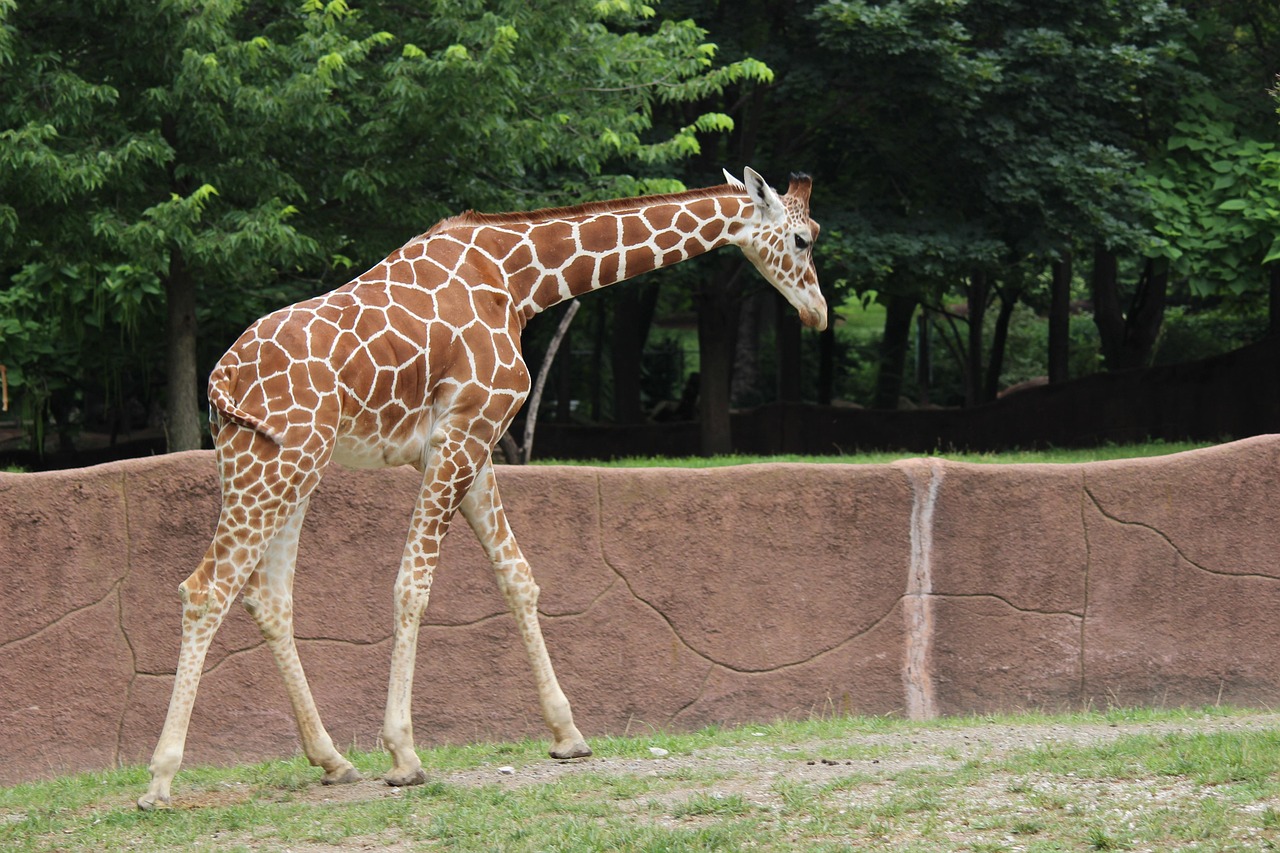
- The Saint Louis Zoo is one of the best free zoos in the world. It’s big; pick a couple of areas (big cats, primates, River’s Edge) instead of trying to see everything.
- Alternatively, the Missouri History Museum offers thoughtful exhibits on the city’s role in American history, aviation, and civil rights. I’ve taken visiting friends here when we wanted more context after seeing the Arch.
Evening – Dinner on The Hill
From Forest Park, it’s a short drive to The Hill, Saint Louis’s historic Italian neighborhood. Red, white, and green fire hydrants, family-run restaurants, and grocery stores with shelves of olive oil and dried pasta – it’s as close to old-school Italian-American as you’ll find.
- Try toasted ravioli (a local must), pasta, and a bottle of red at a classic Italian spot. Reservations are wise on weekends.
Day 3: City Museum, Soulard & Local Breweries
Morning – City Museum
The City Museum is not really a museum; it’s an industrial playground made from reclaimed materials. On my first visit, I spent hours climbing through tunnels, crawling through airplane fuselages, and sliding down multi-story slides – and I was very much an adult. It’s fantastic for kids but just as weirdly fun for grown-ups.
- Wear comfortable clothes and closed-toe shoes.
- Lockers are available; use them so you can crawl and climb hands-free.
- Go right at opening to avoid crowds, especially on weekends.
Lunch – Downtown or Soulard
After City Museum, grab lunch nearby or head toward Soulard, one of the oldest neighborhoods in the city.
Afternoon – Soulard & Anheuser-Busch Brewery
- Walk Soulard’s brick streets, admire historic homes, and pop into small bars or coffee shops.
- Tour the Anheuser-Busch Brewery for a look at the historic brewery complex and (for adults) free samples at the end. The Clydesdales are the stars for families.
Evening – Live Music & Drinks
End your 3 days in Saint Louis with local beer and live music. Depending on your mood:
- Soulard – Lively bars with blues and cover bands.
- South Grand or The Grove – Trendier spots, cocktail bars, LGBTQ+ friendly venues, late-night food.
4-Day Itinerary for Saint Louis: Neighborhoods & Hidden Gems
With 4 days in Saint Louis, you can slow down and add more neighborhoods and local experiences.
Day 4 Option A: Central West End & Cathedral Basilica
Morning – Cathedral Basilica of Saint Louis
This is one of my favorite indoor spaces in the entire Midwest. The Cathedral Basilica of Saint Louis holds one of the largest mosaic collections in the world. I remember the first time I walked in: the interior shimmered with gold and jewel-toned tiles, and everyone – even kids – went quiet.
- Dress respectfully (it’s an active church).
- Self-guided tours are easy; guided tours offer deeper history.
Lunch & Afternoon – Central West End
Walk over to the Central West End (CWE), one of the city’s most walkable, European-feeling neighborhoods. Think sidewalk cafés, bookstores, boutiques, and tree-lined side streets.
- Have lunch at a sidewalk café or a brunch spot; CWE does brunch very well.
- Browse indie bookstores (I’ve lost hours in them on rainy days).
- Wander residential streets to admire old mansions and classic Saint Louis architecture.
Evening – Drinks & Dinner in CWE
I like to linger here into the evening: aperitifs at a wine bar, then dinner at a cozy bistro. It’s a great area for a romantic night out.
Day 4 Option B: Delmar Loop & University City
If you’re more into music, street life, and quirky shops, spend your fourth day exploring The Delmar Loop and University City.
- Walk the St. Louis Walk of Fame – sidewalk stars honoring famous locals (Chuck Berry, Maya Angelou, and more).
- Visit record stores, vintage shops, and international eateries.
- Check if there’s a show at The Pageant – one of the best mid-sized music venues in the country. I’ve seen some surprisingly big names here in an intimate setting.
5-Day Itinerary for Saint Louis: Deep Dive
With 5 days in Saint Louis, you can add day trips, more museums, and even more local flavor. Here’s how I’d structure a relaxed 5 day itinerary for Saint Louis:
Day 5: Offbeat Museums, Cherokee Street & Tower Grove
Morning – National Blues Museum or Contemporary Art Museum
The National Blues Museum downtown is a must if you love music. Interactive exhibits and listening stations trace the roots of blues and its influence on modern genres. I came out with a new Spotify playlist every time.
Alternatively, check out the Contemporary Art Museum St. Louis (CAM) and nearby Pulitzer Arts Foundation in Midtown for cutting-edge art in striking modern buildings.
Afternoon – Cherokee Street
Cherokee Street is a blend of Mexican restaurants, antique shops, art studios, and bold murals. It’s one of my favorite places to wander without a fixed plan.
- Grab tacos or tamales for a casual lunch.
- Hunt for vintage finds in antique stores.
- Photograph murals and street art – they change over time, so there’s always something new.
Evening – Tower Grove Park & South Grand
End your Saint Louis trip in Tower Grove Park and along South Grand, where the city’s diversity really shows in its food.
- Stroll Tower Grove’s Victorian pavilions and grand trees.
- Dinner on South Grand: Vietnamese, Thai, Middle Eastern, Ethiopian, and more – all within a few blocks.
- Finish with dessert or a late coffee at a local café.
20+ Must-See Attractions in Saint Louis (In-Depth)
Below are detailed sub-guides to more than 20 of the best places to visit in Saint Louis, including history, what to do, and practical tips, based on multiple visits.
1. Gateway Arch National Park
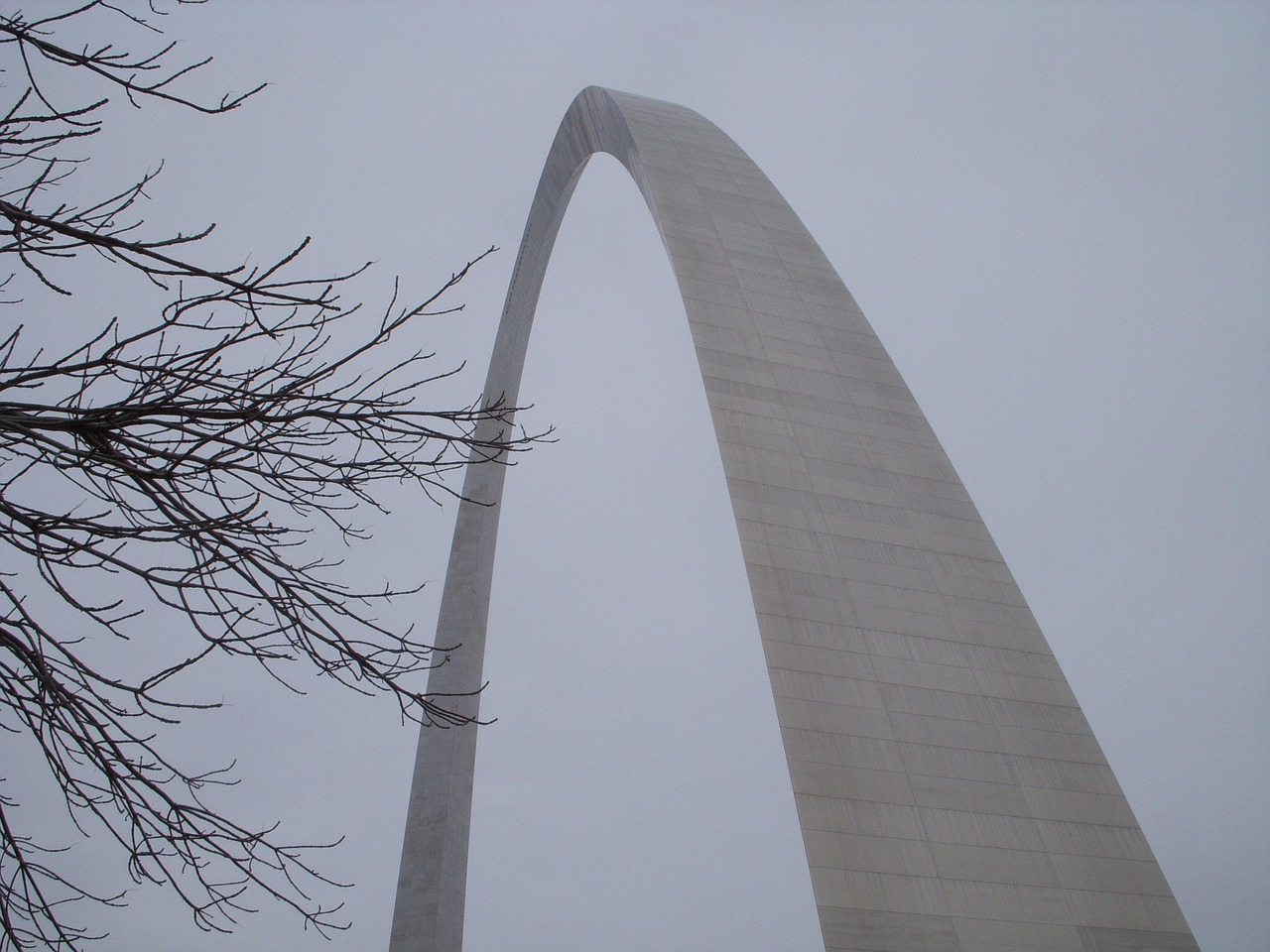
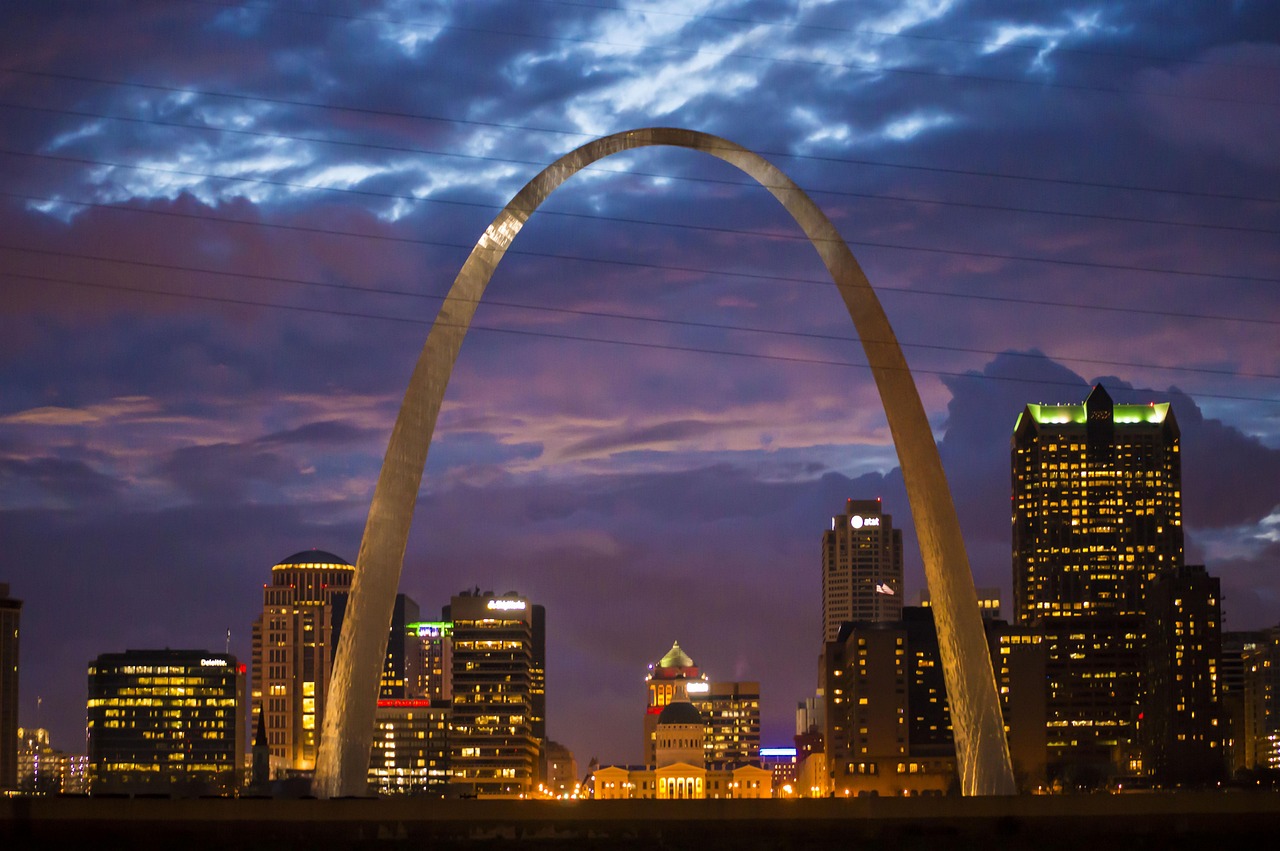
The Gateway Arch is the tallest man-made monument in the United States (630 feet / 192 meters). Designed by Eero Saarinen and completed in 1965, it commemorates the westward expansion of the United States. But what you feel standing under it isn’t just history; it’s scale. Even after several trips, I still crane my neck and say “wow” every time.
What to Do:
- Ride the tram to the top for panoramic views of downtown, the Mississippi, and Illinois.
- Explore the Museum at the Gateway Arch (free) to understand Saint Louis’s role as a gateway to the West.
- Walk the landscaped Arch grounds and riverfront paths.
- Combine with an evening riverboat cruise if you love city lights.
Personal Tip: I prefer morning visits, especially in summer – the stainless steel glows softly, and crowds are lighter. In winter, a clear day means crisp, far-reaching views.
Getting There: If you’re staying downtown, you can easily walk. Otherwise, take a rideshare and get dropped near the visitor center entrance.
2. Forest Park
Forest Park is the green heart of Saint Louis and one of the largest urban parks in the U.S. It hosted the 1904 World’s Fair, and its legacy remains in the grand buildings and formal landscaping. Over the years, I’ve picnicked by the lakes, biked its trails, and even attended outdoor theater here.
Highlights Inside Forest Park:
- Saint Louis Art Museum
- Saint Louis Zoo
- Missouri History Museum
- The Muny (outdoor musical theater)
- The Jewel Box – an Art Deco greenhouse with changing floral displays.
Best Experiences: Rent bikes or scooters, pack a picnic, and treat the park as both attraction and transit between museums. Summer evenings at The Muny (some free seats available) are a local tradition.
3. Saint Louis Zoo
The Saint Louis Zoo repeatedly ranks among the top zoos in the country – and general admission is free. Families could happily spend a whole day here; I usually budget a half day and focus on favorites.
Don’t Miss:
- Penguin & Puffin Coast – delightfully chilly in summer.
- River’s Edge – elephants, hippos, and a beautiful naturalistic layout.
- Big Cat Country – lions, tigers, and cheetahs.
- Seasonal attractions like the Conservation Carousel (small fee) for kids.
Local Tip: Parking in the main lots can be pricey and fill early on weekends. If you’re comfortable walking a bit, street parking on the park’s perimeter can save money. Arrive early for easier parking and cooler temperatures.
4. Saint Louis Art Museum (SLAM)
Housed in a stately building atop Art Hill, the Saint Louis Art Museum is one of my must-visit spots. The collection is broad but thoughtfully curated – you can see a bit of everything without feeling overwhelmed.
Highlights:
- Classical European paintings and sculpture.
- A strong African and ancient art collection.
- Rotating special exhibitions (some ticketed).
On nice days, I’ll grab a coffee from the café, then sit on the steps facing the Grand Basin and watch paddleboats drift by.
5. Missouri History Museum
The Missouri History Museum is where the city’s story comes into focus: Native American history, the Louisiana Purchase, the 1904 World’s Fair, aviation, and civil rights. I especially appreciate the exhibits that tackle tough topics like segregation and urban renewal honestly.
Good For: History buffs, context seekers, and families (interactive exhibits keep kids engaged). Admission is typically free, making it easy to drop in even for an hour.
6. City Museum
The City Museum defies description. Part art sculpture, part playground, part architectural salvage project, it’s built inside a former shoe warehouse. The creator, Bob Cassilly, turned scrap metal, old planes, and industrial odds and ends into a massive climbable universe.
What It’s Like: Indoor caves, multi-story slides, a rooftop Ferris wheel (seasonal), a school bus perched on the roof, tunnels everywhere. The first time I visited, I ended up crawling through a tunnel that suddenly opened onto a platform above an atrium – my inner child was thrilled, my adult knees less so.
Tips:
- Go early to avoid crowds.
- Wear comfortable clothes you don’t mind scuffing.
- Keep smaller kids close; it’s easy to get separated.
7. Old Courthouse
The Old Courthouse is a Greek Revival building best known as the site of the Dred Scott case, which intensified the national debate over slavery before the Civil War. Standing in the restored courtroom, it’s hard not to think about how the legal arguments here shaped millions of lives.
Note: Renovations and access may change through 2026; always check current status on the National Park Service website.
8. Busch Stadium & Cardinals Baseball
Baseball in Saint Louis borders on religion. Even if you’re not a sports fan, attending a Cardinals game at Busch Stadium is a cultural experience: red-clad fans of all ages, skyline views with the Arch in the background, and a ballpark that feels classic yet modern.
Best Seats on a Budget: Upper deck behind home plate still offers great views and is usually cheaper than lower infield. Midweek games are more affordable than weekends.
9. Anheuser-Busch Brewery & Clydesdales
The Anheuser-Busch Brewery in the Soulard area is a massive complex blending historic brick architecture with modern brewing. Tours walk you through the brewing process and the company’s history, often ending with samples (for those 21+). The stables housing the iconic Clydesdales are always a hit with families.
10. The Hill (Italian Neighborhood)
The Hill is where Saint Louis’s Italian heritage is most visible: family-owned restaurants, bakeries, delis, and clubs. I’ve had some of my favorite meals in the city here – big portions, red-sauce comfort food, and warm service.
Must-Try Foods:
- Toasted ravioli (breaded, fried ravioli dipped in marinara).
- House-made Italian sausage and meatballs.
- Italian cookies and cannoli from local bakeries.
11. Cathedral Basilica of Saint Louis
The Cathedral Basilica is extraordinary: more than 41 million mosaic tiles in over 7,000 colors, depicting biblical scenes and saints. Construction began in 1907 and the mosaics took decades to complete.
Experience: I usually sit quietly for a few minutes just to let my eyes adjust to the detail, then slowly walk the nave and chapels. Even non-religious visitors find it stunning.
12. The Delmar Loop
The Delmar Loop is a student-friendly, artsy strip with restaurants, venues, and shops. It’s anchored by Washington University on one end and extends into University City.
Highlights:
- St. Louis Walk of Fame plaques.
- Live music at The Pageant and smaller venues.
- Eclectic dining: burgers, pizza, Middle Eastern, and more.
13. Central West End (CWE)
The Central West End is elegant and walkable, with a European vibe: historic apartment buildings, boutique hotels, sidewalk cafés, and tree-lined sidewalks. It’s particularly lovely in the evening, when string lights and patios fill with people.
Good For: Romantic dinners, café-hopping, boutique shopping, and people-watching.
14. Soulard Historic District
Soulard is one of the city’s oldest neighborhoods, known for its brick row houses, blues bars, and the Soulard Farmers Market (one of the oldest public markets in the Midwest).
What to Do:
- Browse farm stands and food stalls at the market (open multiple days per week).
- Explore side streets to admire 19th-century architecture.
- Listen to live blues in a neighborhood bar on weekend nights.
15. Tower Grove Park & South Grand
Tower Grove Park is a Victorian-era park with ornate pavilions and a diverse mix of visitors. Adjacent South Grand is lined with restaurants representing cuisines from around the world.
My Routine: Afternoon walk or picnic in Tower Grove, then dinner on South Grand. I’ve had excellent pho, shawarma, Thai curries, and vegan dishes here – all within a few blocks.
16. Cherokee Street
Cherokee Street is what I recommend to friends who ask for “something more local.” It’s a mix of Mexican bakeries and taquerias, antique shops, record stores, and art spaces.
Highlights:
- Mexican food ranging from street-style tacos to sit-down meals.
- Antique Row: several blocks of vintage and antique shops.
- Colorful murals and street art – perfect for photography.
17. National Blues Museum
The National Blues Museum tells the story of the blues from its roots to its modern influence. Interactive displays let you mix tracks and trace how different genres evolved. I’ve spent entire afternoons here, headphones on, lost in the music.
18. Missouri Botanical Garden
The Missouri Botanical Garden (also called Shaw’s Garden) is one of the oldest botanical institutions in the U.S. It’s gorgeous in any season, but absolutely magical in spring and fall.
Highlights:
- Japanese Garden – expansive, serene, with koi ponds and stone lanterns.
- Climatron – a geodesic dome greenhouse housing tropical plants.
- Seasonal events and light displays.
On a quiet weekday morning, wandering the paths here feels like stepping into another world.
19. Grant’s Farm
Grant’s Farm is a family-friendly attraction on land once farmed by Ulysses S. Grant. Now run by the Busch family, it combines a small zoo, historical home, and the chance to see more Clydesdales.
Good For: Families with younger kids. Expect tram rides, feeding goats, and casual food options.
20. Citygarden Sculpture Park
Citygarden is a two-block urban oasis filled with modern sculptures, fountains, and native plants. It’s fun, approachable art – kids climb on some of the sculptures, office workers eat lunch here, and photographers love the contrast of art and skyline.
More Notable Spots
- The Muny (outdoor theater, Forest Park) – summer musicals under the stars.
- Contemporary Art Museum St. Louis (CAM) & Pulitzer Arts Foundation – modern art in striking spaces.
- World Chess Hall of Fame (in CWE) – fun even for casual chess fans; don’t miss the giant outdoor pieces.
- The Grove – nightlife district with colorful murals and LGBTQ+ friendly bars.
Interesting Neighborhoods & Districts in Saint Louis
Saint Louis is a city of neighborhoods, each with its own character. Here’s how I think of the main ones as a frequent visitor.
- Downtown: Business core, Gateway Arch, Busch Stadium, Citygarden, National Blues Museum. Best for first-time sightseeing and short stays.
- Central West End: Upscale, walkable, near Forest Park and medical campuses. Great for dining, café culture, and boutique hotels.
- The Hill: Italian heritage, red-sauce restaurants, bakeries, and bocce clubs.
- Soulard: Historic brick homes, farmers market, blues bars, Mardi Gras festivities.
- Delmar Loop / University City: Youthful, artsy, live music, and eclectic food.
- Tower Grove & South Grand: Diverse, global eateries, leafy park, progressive vibe.
- Cherokee Street: Latinx community, antique shops, murals, and growing arts scene.
- The Grove: Nightlife hub with clubs, breweries, and bold street art.
Local Food & Drink in Saint Louis
Saint Louis’s food scene combines comforting Midwestern portions with immigrant influences and new-school creativity. If you’re here for only a few days, plan your meals as carefully as your sightseeing.
Signature Saint Louis Foods to Try
- Toasted Ravioli: Breaded and fried ravioli, usually meat-filled, served with marinara. Try it on The Hill or at many Italian-American spots around town.
- Saint Louis-Style Pizza: Thin, cracker-like crust cut into squares, topped with Provel cheese (a processed blend with a distinct smoky flavor). It’s divisive – you either love it or don’t – but you should try it once.
- Gooey Butter Cake: Dense, sweet, buttery cake that pairs dangerously well with coffee. Look for it in local bakeries and cafés.
- Pork Steaks & BBQ: Local grilling tradition: marinated, grilled, and sometimes finished in a sweet sauce. You’ll find strong opinions on who makes the best.
- Fried Ravioli Variations & Italian Sandwiches: Particularly on The Hill and in Italian delis.
Where to Eat (Types of Spots)
- Italian on The Hill: Family-style dinners, red wine, and laughter bouncing off the walls.
- Global Eats on South Grand: Vietnamese pho, Syrian falafel, Ethiopian injera, Thai curries – all on the same strip.
- Brunch in CWE & Midtown: Creative takes on classics, good coffee, and outdoor seating in warm months.
- BBQ Joints: Scattered across the city; ask locals where they go for ribs and pork steaks.
- Bakeries & Cafés: For gooey butter cake, Italian cookies, and strong espresso.
Drinks & Breweries
Beyond Anheuser-Busch, there’s a thriving craft beer scene: microbreweries in The Grove, Midtown, and beyond. Cocktail bars in CWE and downtown do inventive things with local spirits. If you don’t drink, you’ll still find plenty of excellent coffee shops and mocktail menus.
Money-Saving Food Tips
- Lunch Specials: Many sit-down spots are significantly cheaper at lunch than dinner.
- Markets & Food Halls: Soulard Farmers Market and other markets are great for assembling a picnic.
- Happy Hours: Downtown, CWE, and The Grove have good weekday happy hour deals on drinks and small plates.
Nightlife, Entertainment & Cultural Experiences
Saint Louis nights are what you make them: low-key jazz, rowdy sports bars, theater, or clubbing.
Live Music
- Blues & Jazz: Soulard and downtown have classic blues clubs; smaller venues often host jazz combos.
- Rock & Indie: The Pageant on Delmar, plus smaller bars and venues across the city.
Theater & Performing Arts
- The Muny in Forest Park for summer musicals (some free seats).
- Fox Theatre in Midtown – a lavish historic theater hosting Broadway tours, concerts, and special events.
Nightlife Districts
- The Grove: Colorful, LGBTQ+ friendly, with dance clubs, breweries, and late-night energy.
- Soulard: More laid-back pubs, blues bars, and beer gardens.
- CWE & Downtown: Stylish cocktail bars, wine bars, and hotel lounges.
Day Trips & Nearby Attractions
Once you’ve covered the main things to do in Saint Louis, consider a day trip.
- Katy Trail State Park: Rails-to-trails path along the Missouri River, great for cycling. Rent bikes and ride a scenic stretch, then reward yourself with a winery or café stop.
- Historic Saint Charles, MO: Cobblestone Main Street, riverfront views, and 19th-century buildings. About 30–40 minutes by car from downtown.
- Meramec Caverns: Famous cave system and roadside attraction, around 1.5 hours away. Good for hot summer days.
- Shaw Nature Reserve: Prairies, woodlands, and trails about 45 minutes from the city – perfect for a quiet nature escape.
Major Events & Festivals in 2026–2027
Exact lineups and dates change every year, but these are the recurring events I watch for when planning trips. Always confirm details closer to your travel dates.
- Saint Louis Mardi Gras (Soulard) – Late winter (February/March): One of the largest Mardi Gras celebrations outside New Orleans, with parades, parties, and family-friendly events earlier in the season.
- Saint Louis Cardinals MLB Season – April to September 2026/2027: Regular-season baseball games at Busch Stadium, plus potential playoffs in October.
- Fair Saint Louis & Fourth of July Celebrations – Early July: Fireworks, concerts, and events downtown and near the Arch.
- Saint Louis Art Fair (Clayton) – Early September: Juried fine arts fair with live music and food vendors.
- LouFest-style Music & Food Festivals – Watch for evolving festival lineups; 2026–2027 is expected to see continued growth in music and food events in Forest Park and downtown.
- Winter Holiday Lights – November–December: Light displays at the Saint Louis Zoo, Missouri Botanical Garden, and downtown areas.
Cultural Etiquette & Local Customs
Saint Louis is generally friendly, informal, and Midwestern in temperament. A few local habits and expectations can help you fit right in.
- Greetings: A simple “Hi, how are you?” or “How’s it going?” is common, even with strangers in shops and cafés.
- Politeness & Space: People tend to hold doors, say “excuse me,” and give each other space in lines. Follow suit.
- Sports Allegiances: Baseball (Cardinals) is huge; hockey (Blues) has a devoted following. Joking about rival teams is normal, but keep it lighthearted.
- Tipping: Standard U.S. tipping applies – roughly 18–20% at restaurants, $1–2 per drink at bars, 10–15% for taxis/rideshares.
- Dress Code: Casual almost everywhere. Business-casual or smart casual is plenty for nicer restaurants and theaters.
- Diversity & Respect: Neighborhoods like South Grand and Cherokee Street are quite diverse; be respectful when photographing people and private properties. Ask permission if in doubt.
Practical Travel Tips for Saint Louis (2026)
Getting Around
- By Car: Driving is common and often convenient. Parking downtown can be paid street or garage; neighborhoods usually have free street parking but watch signs.
- Public Transit: The MetroLink light rail connects the airport, downtown, and some suburbs. Buses supplement coverage but may be less intuitive for short-term visitors.
- Rideshares & Taxis: Widely available and often the easiest option at night or between non-adjacent neighborhoods.
- Biking & Scooters: In good weather, bike share and scooters can be fun for short hops, especially around downtown, Forest Park, and CWE.
SIM Cards & Connectivity
- Most international visitors either use roaming or buy a U.S. prepaid SIM/eSIM from major carriers (AT&T, T-Mobile, Verizon) at the airport, malls, or online.
- Free Wi-Fi is common in hotels, cafés, and many museums.
Money & Budget Tips
- Free Attractions: Take advantage of the Saint Louis Zoo, Art Museum, History Museum, and many parks – all free or low-cost.
- City Passes: Watch for bundled attraction passes or museum memberships if you plan to visit several ticketed sites.
- Eating Smart: Mix sit-down dinners with cheap but tasty lunches and market food to balance your budget.
Visa Requirements & Driving
- Visas: As of 2026, visitors from many countries can enter the U.S. under the Visa Waiver Program (ESTA) for up to 90 days, while others require a tourist visa. Check current U.S. State Department guidelines before travel.
- Foreign Driver’s Licenses: Many visitors can legally drive with their home-country license for short stays; an International Driving Permit (IDP) is recommended and sometimes required by rental agencies. Verify requirements with your rental company.
Best Seasons for Different Activities
- Spring (March–May): Mild temperatures, blooming trees, ideal for parks and walking tours. Occasional rain.
- Summer (June–August): Hot and humid, but packed with festivals, baseball games, and outdoor concerts. Plan midday indoor breaks.
- Fall (September–November): Probably the best overall season: pleasant weather, colorful foliage, and plenty of events.
- Winter (December–February): Cold, with occasional snow, but quieter and cheaper. Great for museums and holiday light displays.
Hidden Tips Only Frequent Visitors Mention
- Plan “free days” around Forest Park: You can easily spend a whole day or two hopping between free museums and the zoo with almost no ticket costs.
- Book Arch tickets early: Particularly for weekends and holidays; same-day tickets often sell out in peak season.
- Check event calendars: Cardinals games, concerts, or conventions can affect downtown hotel prices and traffic.
- Layer your clothing: Weather can swing quickly, especially in spring and fall. A light jacket and umbrella are useful even on seemingly clear days.
Summary & Final Recommendations
Saint Louis is a city where you can see world-class attractions, eat incredibly well, and still have money left in your wallet. Whether you’re following a packed 3 day itinerary for Saint Louis or spreading things across 4–5 days in Saint Louis, you’ll find a comfortable rhythm between big-ticket sights and neighborhood wandering.
Top Takeaways:
- Don’t skip the Gateway Arch and Forest Park – they anchor any good travel guide for Saint Louis.
- Use free museums and parks to balance your budget.
- Eat like a local: toasted ravioli on The Hill, global eats on South Grand, gooey butter cake with coffee.
- Explore at least two neighborhoods beyond downtown (CWE, Soulard, Delmar Loop, Tower Grove, or Cherokee Street).
- For weather, spring and fall are the sweet spots, with summer best for festivals and baseball, and winter for quieter, cheaper cultural trips.
However you design your trip, Saint Louis rewards those who look beyond the Arch – into its neighborhoods, its history, its food, and its music. That’s where the city really opens up.