Why Visit Salt Lake City?
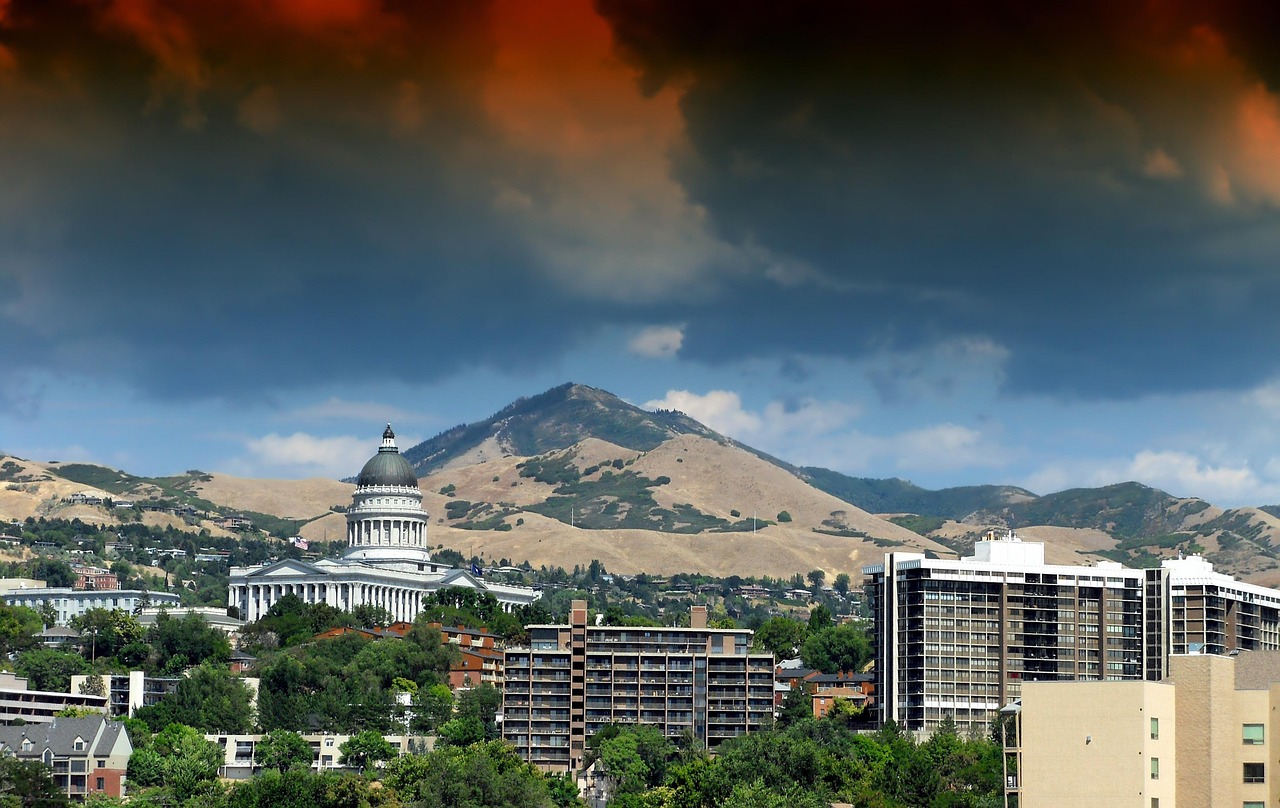
Salt Lake City (SLC) is one of those places that quietly gets under your skin. On paper, it’s the capital of Utah, a gateway to world-class ski resorts, and the headquarters of the Church of Jesus Christ of Latter-day Saints. In reality, it’s a city of contrasts: glassy skyscrapers against 11,000-foot peaks, family-friendly museums next to buzzy cocktail bars, a deep religious history and a fast-growing creative scene.
I’ve been coming to Salt Lake City on and off for more than a decade—first for ski trips, then for national parks road trips, and eventually just to hang out. Over those visits, I’ve watched it shift from “sleepy stopover” to a genuinely fun destination in its own right, with great food, thoughtful museums, and a surprisingly walkable downtown framed by mountains that catch pink alpenglow most evenings.
Whether you’ve got 3 days in Salt Lake City on a stopover or you’re planning a deeper 4 or 5 day itinerary for Salt Lake City, this travel guide for Salt Lake City blends practical info with personal stories to help you figure out what’s worth your time, money, and curiosity.
You’ll find:
- Detailed, story-style breakdowns of at least 20 must-see attractions in Salt Lake City, from Temple Square to the Great Salt Lake.
- Sample 3, 4, and 5 day itineraries with a mix of iconic highlights and genuine hidden gems in Salt Lake City.
- Neighborhood guides, local food in Salt Lake City (and how to eat well on a budget), nightlife, and cultural etiquette.
- Honest travel tips for Salt Lake City: when to go, how to get around, SIM cards, safety, and money-saving tricks.
If you like mountains, good coffee, craft beer, and walkable city breaks with easy access to outdoor adventures, Salt Lake City should be very high on your list.
Table of Contents
- Why Visit Salt Lake City?
- Quick Overview & Key Facts
- Suggested 3–5 Day Itineraries
- 20+ Must-See Attractions in Salt Lake City (Deep Dive)
- Best Neighborhoods & Districts to Explore
- Local Food & Drink in Salt Lake City
- Nightlife, Entertainment & Cultural Experiences
- Best Day Trips from Salt Lake City
- Cultural Etiquette & Local Customs
- Practical Travel Tips & Money-Saving Advice
- Seasons & When to Visit Salt Lake City
- What’s New: Events & Trends 2026–2027
- Final Summary & Key Takeaways
Quick Overview & Key Facts
Before we jump into your personalized 3–5 day itinerary for Salt Lake City, here’s a fast snapshot.
- Country: United States
- State: Utah
- Population (metro): ~1.3 million
- Altitude: ~4,300 ft (1,310 m) above sea level (you’ll feel it on your first hike!)
- Airport: Salt Lake City International Airport (SLC), modernized and expanded, major Delta hub
- Best for: City breaks + ski trips, families, outdoorsy couples, national park road trippers
- Good to know: Strong religious heritage, but also a thriving progressive, artsy, and LGBTQ+ friendly community
Suggested Itineraries: 3, 4 & 5 Days in Salt Lake City
These sample itineraries are based on how I actually spend my time in SLC, balancing famous sights, coffee breaks, and time to simply look at the mountains and breathe.
3 Days in Salt Lake City: Classic Highlights
If you only have 3 days in Salt Lake City, focus on the essentials: downtown, Temple Square, the Great Salt Lake, the foothills, and a taste of local food.
- Day 1: Downtown, Temple Square, Capitol Hill & City Creek
- Day 2: Great Salt Lake & Antelope Island + Sunset Dinner
- Day 3: Foothill hikes (Ensign Peak or Bonneville Shoreline), Natural History Museum, Sugar House
4 Days in Salt Lake City: Culture + Nature
With 4 days in Salt Lake City, you can add a canyon day or a ski/boarding day, depending on the season.
- Day 1: Downtown, Temple Square, Capitol & Marmalade
- Day 2: Antelope Island & Great Salt Lake
- Day 3: Big Cottonwood or Little Cottonwood Canyon (hiking or skiing)
- Day 4: Museum Day (Utah Museum of Fine Arts, Natural History Museum) + Sugar House & 9th & 9th
5 Days in Salt Lake City: Deep Dive, Hidden Gems & Day Trips
With 5 days in Salt Lake City, you can slow down. Mix in a day trip to Park City or Ogden, hit more neighborhoods, and linger at coffee shops like a local.
- Day 1: Downtown & Temple Square
- Day 2: Great Salt Lake & Antelope Island
- Day 3: Canyons (skiing/hiking) + Cottonwood Heights
- Day 4: Museums & East Bench Neighborhoods
- Day 5: Day trip to Park City or Ogden + Evening in Sugar House
Below, I’ll walk you through a 5-day itinerary for Salt Lake City as a narrative, day by day, with specific things to do, where to eat, and personal tips. Think of it as a flexible “choose your own adventure” plan.
My Personal 5-Day Itinerary Story (Adaptable to 3 or 4 Days)
Day 1 – First Impressions: Downtown, Temple Square & Capitol Hill
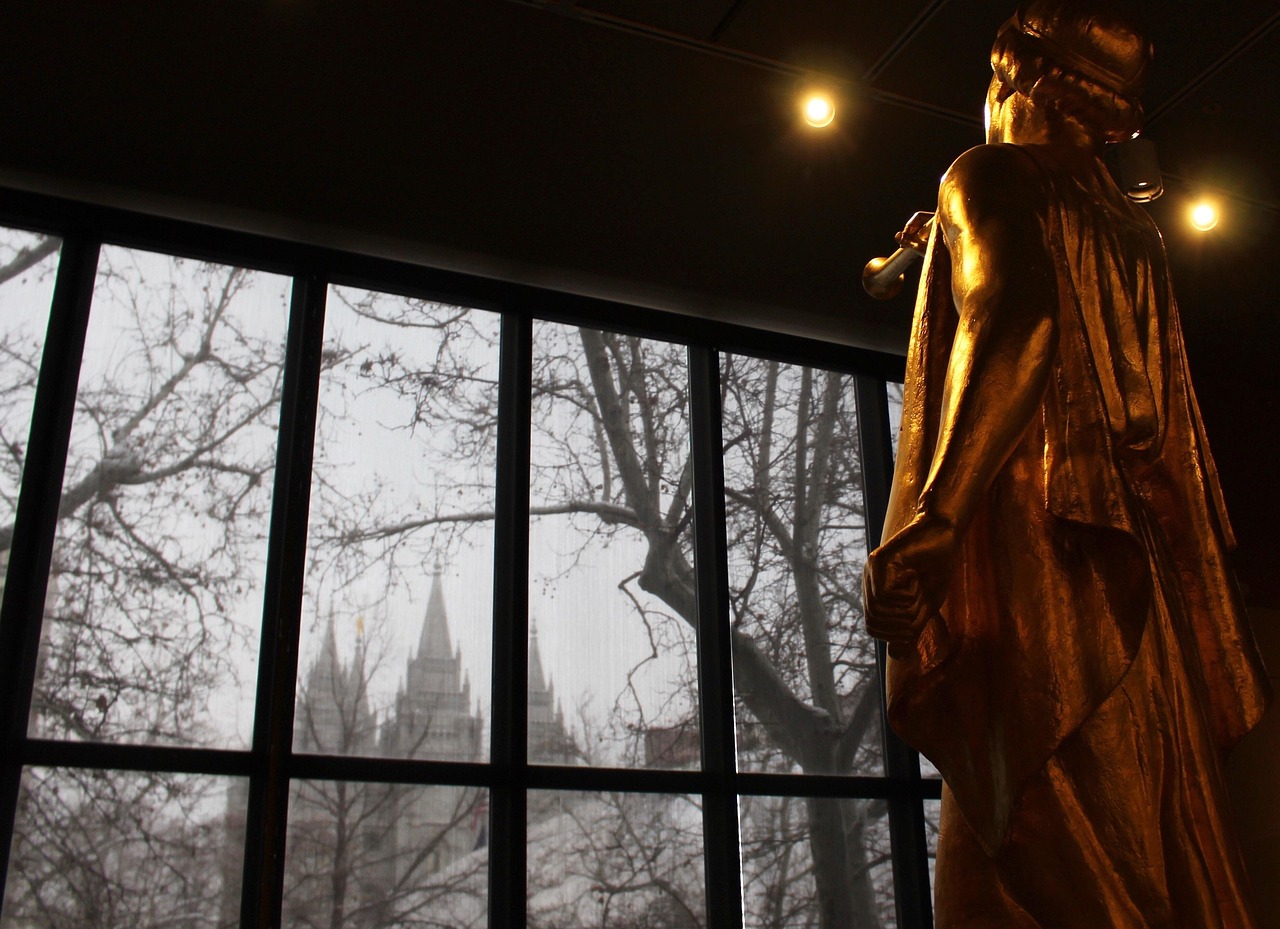
Most of my trips to SLC start the same way: an early flight, that first hit of crisp, high-desert air when you step outside the terminal, and the moment the Wasatch mountains fill the windshield as you head toward downtown.
I usually drop my bag at a downtown hotel (I’ve stayed near City Creek and on Main Street) and immediately head out on foot. The grid system makes it easy: streets are numbered from Temple Square, so you’ll constantly know where you are relative to the city’s historic heart.
Morning: Temple Square & the Heart of the City
Even if you’re not religious, Temple Square is one of the best places to visit in Salt Lake City. It’s architecturally striking, historically important, and a quiet oasis right in the city center.
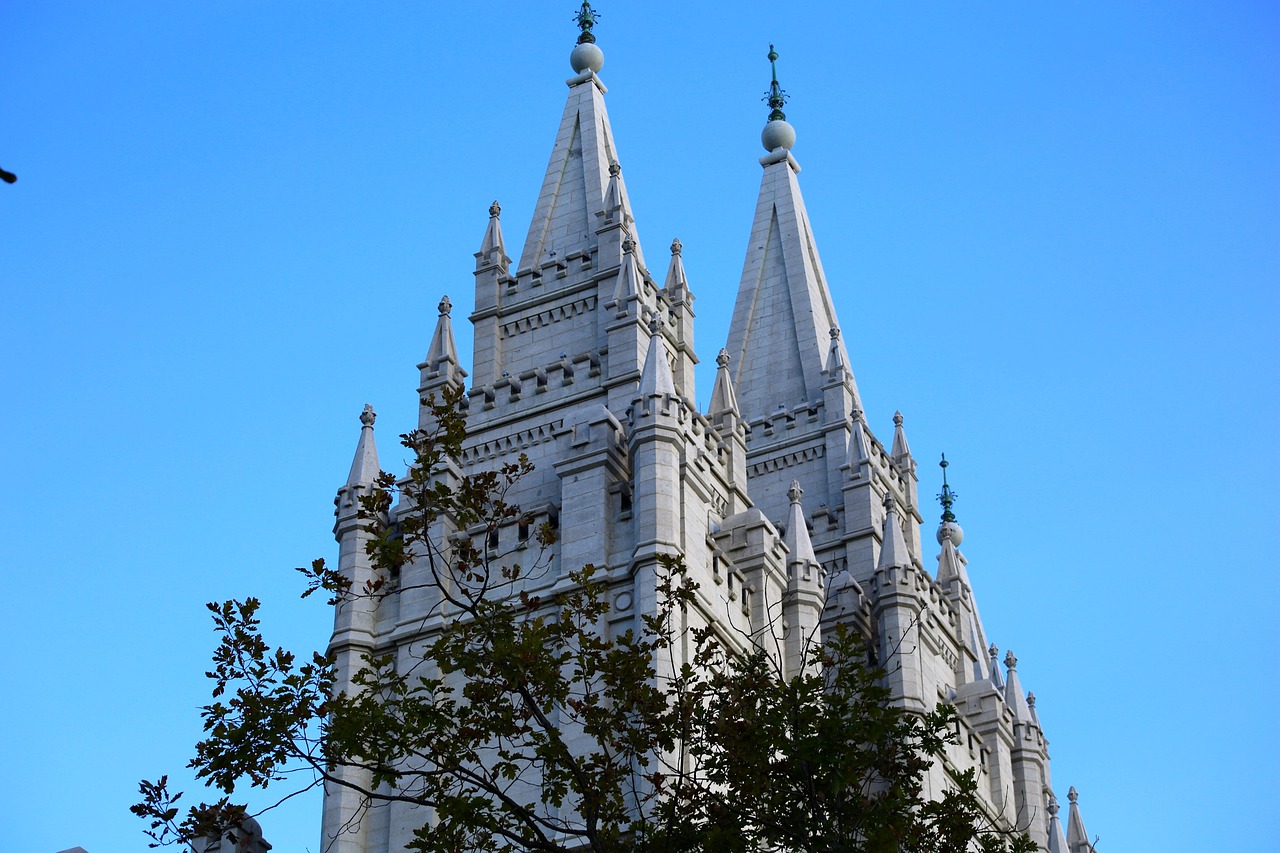
The first time I visited, in late autumn, the leaves in the square were golden and the granite spires of the Salt Lake Temple glowed in the afternoon sun. I joined a free 30-minute tour led by two young missionaries—gentle, respectful, and happy to field questions. Tours are optional, but they’re a good way to understand the layout and history.
What to do:
- Walk the grounds and admire the Salt Lake Temple (still under long-term renovation in 2026, but the exterior is visible and fascinating to see mid-restoration).
- Visit the Conference Center and head to the rooftop gardens for a unique view toward the Capitol and the mountains.
- Step into the Tabernacle, famous for its acoustics. If you’re around on a Sunday morning or certain evenings, see if there’s a Tabernacle Choir rehearsal or performance.
Tips: Dress is casual and respectful; photography on the grounds is fine (avoid intruding on weddings). If you’re short on time on your 3 day itinerary for Salt Lake City, you can cover Temple Square in 1–2 hours.
Lunch: City Creek & Main Street
For lunch, I usually head across the street to City Creek Center, a surprisingly pretty open-air mall with a stream running through it. Chain options abound, but if you want something fast and local-ish, grab a salad or grain bowl and sit outside to people-watch.
If you prefer something more independent, take Main Street a couple of blocks south. On one winter visit, I ducked into a tiny noodle spot to thaw out and ended up chatting for half an hour with the owner about how much the city has changed since the 2002 Olympics—a recurring theme you’ll hear from long-timers.
Afternoon: Utah State Capitol & Marmalade Neighborhood
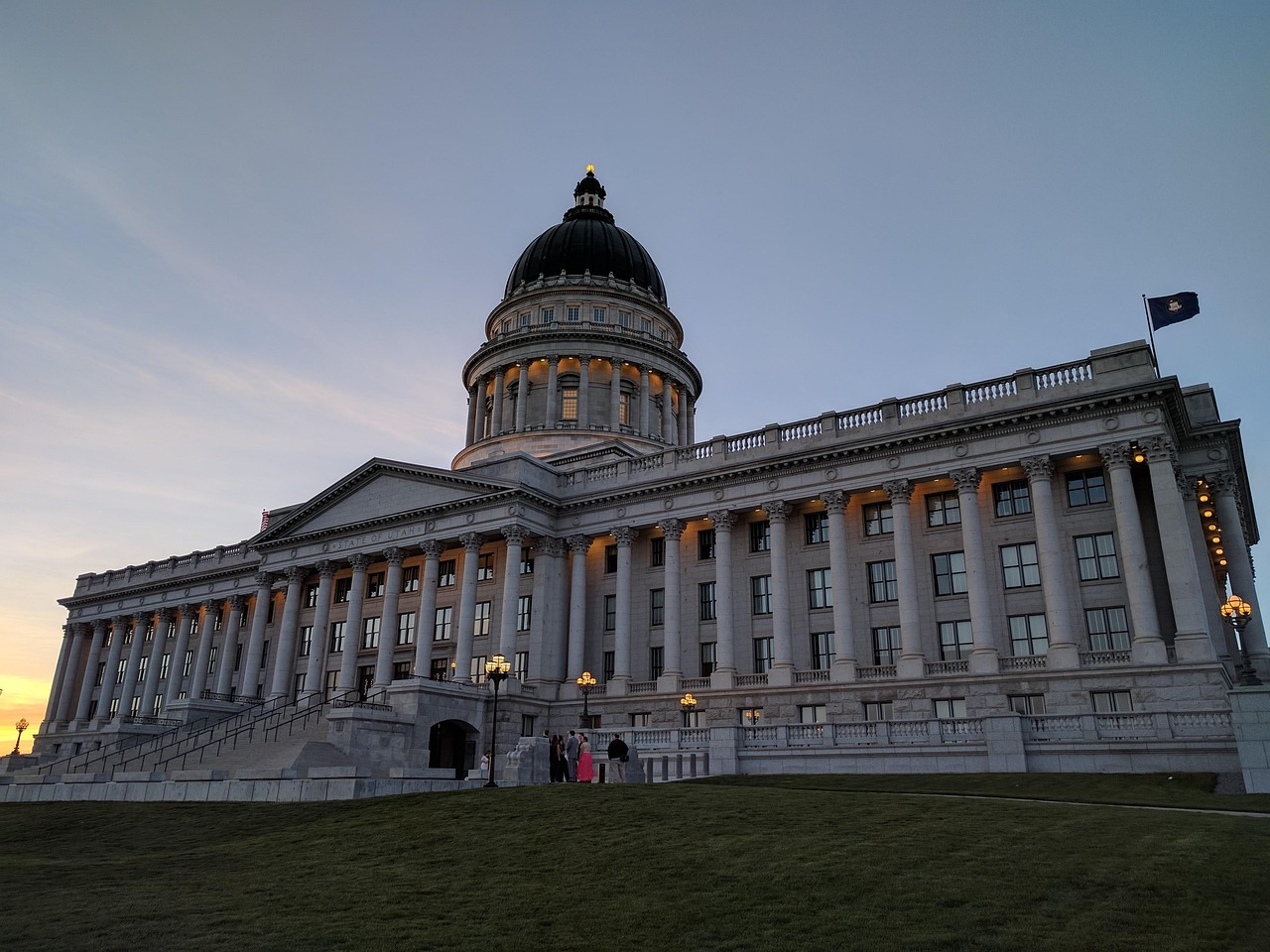
From Temple Square, it’s a gentle 15–20 minute uphill walk to the Utah State Capitol. I like doing this on the first day because it helps reset my internal map of the city: downtown below, mountains to the east, valley stretching west.
The Capitol is one of my favorite architecture-focused things to do in Salt Lake City. The building sits on a hill framed by terraced lawns and cherry trees (gorgeous in spring). Inside, you’ll find grand marble staircases, murals of Utah history, and views out over the city through tall windows.
What I usually do:
- Walk the perimeter path around the Capitol for changing vistas of the skyline and mountains.
- Pop inside for a self-guided tour; it’s free, and security is quick.
- Wander down into the Marmalade District on the northwest flank—one of the city’s older residential areas with colorful cottages and a growing café scene.
On my last spring trip, I grabbed a coffee in Marmalade and sat outside watching dog walkers and families. It’s a simple thing, but it’s where SLC starts to feel like a lived-in city instead of just a sightseeing stop.
Evening: Dinner & Easy Nightlife
Back downtown, you’ll have plenty of options. For a first-night dinner, I like to keep it simple and central—maybe a farm-to-table spot near Main Street or a casual burger place. Afterward, wander along Broadway (300 South) and peek into bars and galleries.
For a 3 day itinerary: End early and rest—tomorrow is a big day at the Great Salt Lake. For a 5 day itinerary: You can linger over drinks; SLC’s cocktail scene is more interesting than its reputation suggests.
Day 2 – The Great Salt Lake & Antelope Island
No travel guide for Salt Lake City is complete without talking about the Great Salt Lake itself. It’s beautiful, eerie, environmentally fragile, and unlike any other place in the U.S.
I’ve visited the lake in blazing July heat and in crisp October air. Each time, it’s felt like stepping onto another planet.
Morning: Drive to Antelope Island State Park
Antelope Island State Park is my favorite way to experience the lake, and it’s absolutely worth dedicating a day of your 4 or 5 day itinerary for Salt Lake City to it.
- Driving time: ~45 minutes to 1 hour from downtown SLC
- Getting there: You really need a car. Car rentals from the airport are straightforward; international drivers with a valid license are fine (more details later).
The approach is dramatic: you cross a long causeway over shimmering water (or exposed lakebed, depending on water levels), with the island’s hills rising ahead of you.
Midday: Hiking, Wildlife & Lake Views
On my most recent visit, I arrived mid-morning, stopped at the visitor center to check for trail and wildlife updates, then headed straight for the Buffalo Point Trail—a short, steep-ish climb to a spectacular viewpoint.
- Buffalo Point Trail: ~1 mile round trip, great for families, huge payoff views.
- Frary Peak: A longer, more strenuous hike for serious hikers; avoid in mid-summer heat.
From the top of Buffalo Point, the lake sparkles around you and the city is a tiny smudge to the east. It’s one of those “I really am in Utah” moments.
Wildlife: You’ll likely see bison (keep your distance), pronghorn, and countless birds. I once had to stop my car while a small group of bison nonchalantly crossed the road—surreal and unforgettable.
Afternoon: Floating & Salty Stories
Depending on water levels and park advisories in 2026, you may be able to access a beach area to float in the Great Salt Lake. The water feels oily, and you bob like a cork. It’s not exactly refreshing on a hot day, but it’s an experience.
Tips:
- Bring sandals or water shoes; the shoreline can be muddy and crusted with sharp salt.
- Expect a strong smell when water is low—brine shrimp and mineral-rich mud.
- Rinse off afterward if possible; the salt dries sticky.
Evening: Sunset Views & Dinner Back in the City
If you can stay through sunset, do it. The lake mirrors the sky, and on clear evenings the whole basin glows pink and orange. Just keep an eye on gate closing times.
On the drive back, I like to stop in the suburbs for a casual dinner—most recently, a family-run Mexican place where the portions were generous and the staff asked about my hike. It’s a nice contrast after the otherworldly quiet of the island.
3 day itinerary note: Antelope Island is a full-day commitment, but totally worth it. If you’re squeezed for time, consider a shorter visit to Great Salt Lake State Park instead (closer to the city but less dramatic).
Day 3 – Canyons & Mountain Air: Big or Little Cottonwood
One of the reasons I keep returning to SLC is how easily you can go from a morning espresso downtown to an alpine trail or ski run in under an hour. The Wasatch Front is your playground.
Winter: Skiing & Snowboarding
If you’re here between roughly December and April, your things to do in Salt Lake City list should absolutely include a ski day in Big or Little Cottonwood Canyon.
- Little Cottonwood: Home to Alta (ski-only, classic vibe) and Snowbird (steep, big-mountain terrain). Best for advanced skiers and riders, though Snowbird has beginner terrain.
- Big Cottonwood: Brighton (laid-back, boarder-friendly, great for families) and Solitude (less crowded, beautiful glades).
My favorite winter day: catching an early UTA ski bus from a park-and-ride lot, watching the canyon walls rise around us, and then spending a bluebird day at Brighton before a bowl of chili in the lodge. It’s one of the best ski value propositions in North America when you factor in how close it is to a major airport.
Summer/Fall: Hiking, Picnics & Alpine Lakes
In non-ski seasons, the canyons turn into hiking and picnic paradises. Big Cottonwood is my go-to in summer.
- Donut Falls: Easy-moderate family hike, shaded, with a quirky waterfall pouring through a hole in the rock.
- Lake Mary / Lake Martha / Lake Catherine: A chain of alpine lakes above Brighton—moderate hike with huge rewards.
- Silver Lake Loop: Very easy, mostly flat boardwalk loop near Brighton, great with kids or if you’re adjusting to altitude.
One July afternoon, I took the Silver Lake loop with a friend and her two young kids. We spotted moose across the marsh and then let the kids throw rocks in the water while we snacked. It felt worlds away from the city, yet we were back at our Airbnb in time to walk to dinner.
Evening: Cottonwood Heights & Local Eats
Instead of rushing straight back downtown, I often stop in Cottonwood Heights or Holladay for dinner—suburban areas at the mouth of the canyons with a surprising number of good eateries and breweries. You’ll be surrounded by locals still in their hiking or ski gear, trading trail stories over burgers and beers.
Day 4 – Museums, University District & Sugar House
By day four of a 5 day itinerary for Salt Lake City, I like to dial back the driving and focus on the city’s cultural side.
Morning: Natural History Museum of Utah
Perched on the foothills above the University of Utah, the Natural History Museum of Utah is one of the city’s stand-out attractions. The building itself is an architectural gem—terraced, earth-toned, and seemingly emerging from the hillside.
Inside, you’ll find brilliant exhibits on Utah’s dinosaur finds, native cultures, and the changing Great Salt Lake. I’ve spent entire mornings here, especially on hot summer days or cold winter ones.
Family tip: This is one of the top family-friendly things to do in Salt Lake City. Kids can dig for fossils, handle interactive exhibits, and stare at the massive dinosaur skeletons.
Midday: Utah Museum of Fine Arts
A short drive (or bus ride) away on campus, the Utah Museum of Fine Arts (UMFA) complements the Natural History Museum nicely. It’s compact but thoughtfully curated, with everything from European painting to contemporary Western art.
On one rainy spring day, I wandered from gallery to gallery and then grabbed a coffee in the small café, looking out at students hurrying by with umbrellas. It’s a peaceful break in your Salt Lake City travel guide itinerary and rarely feels crowded.
Afternoon & Evening: Sugar House
From the University, head south to Sugar House, one of my favorite neighborhoods and a must in any list of hidden gems in Salt Lake City—though locals would say it’s not so hidden anymore.
Once a gritty district, it’s now a mix of indie shops, cafés, bars, and a big green space around Sugar House Park. I love spending late afternoons here: browsing bookstores, grabbing an ice cream, and then walking laps around the park’s pond while the sun sets behind the skyline.
Evening: Sugar House is also one of the best spots for casual nightlife—local breweries, relaxed cocktail bars, and plenty of restaurants. It’s a great place to end a 4-day trip, or to settle in if you’re staying all 5 days.
Day 5 – Day Trip to Park City or Ogden & Farewell Evening
On the final day of a 5 days in Salt Lake City trip, I almost always leave the city for a bit, then return for a mellow last evening.
Option 1: Park City
Park City is about 35–45 minutes from SLC up I-80, and it’s an easy, scenic drive. The historic Main Street is lined with colorful buildings, galleries, and restaurants. In winter, it’s ski central; in summer, it’s all about hiking, mountain biking, and outdoor concerts.
I love coming up here for brunch and a stroll. One October, I sipped coffee on a balcony overlooking Main Street as the first snow dusted the peaks—magical.
Option 2: Ogden
To the north, Ogden is a smaller city with a quirky, independent streak. Historic 25th Street is full of murals, bars, and restaurants. There’s also the Union Station complex with railroad and firearms museums.
Ogden feels a bit rougher around the edges than Park City, but that’s exactly what I like about it—it’s real, creative, and less polished.
Evening: Farewell Dinner Back in SLC
Back in Salt Lake City, I like to end my trip in either Sugar House or 9th & 9th—two neighborhoods that capture the modern, lived-in, everyday side of SLC. A good meal, a walk under big shade trees, and one last look at the mountains, and I’m already planning my next visit.
20+ Must-See Attractions in Salt Lake City (Deep Dive)
Below are deeper dives into some of the best places to visit in Salt Lake City. Each mini-guide blends history, significance, and my own experiences and tips.
1. Temple Square
Why go: Spiritual and historical heart of the city, beautiful gardens, iconic architecture.
History: Temple Square dates back to the mid-1800s, when Mormon pioneers settled the Salt Lake Valley. The granite Salt Lake Temple took 40 years to build and became the symbolic center of the faith.
My experience: I’ve visited Temple Square in every season. In spring, flower beds explode with color. In summer, it’s a peaceful refuge from downtown heat. In December, holiday lights wrap every tree—it’s crowded but enchanting.
Tips: Dress modestly but casually; be respectful when photographing. Ask about free organ recitals or choir rehearsals. For a 3-day trip, 1–2 hours is enough; on longer stays, you might return at night for the lights and quieter atmosphere.
2. Utah State Capitol
Why go: Neoclassical architecture, sweeping city views, cherry blossoms in spring.
History: Completed in 1916, the Capitol houses Utah’s government and showcases murals and artwork depicting key moments in state history.
My experience: I once spent a whole afternoon here waiting out a summer thunderstorm, wandering hallways, reading plaques, and staring up into the dome. It’s surprisingly quiet and calm.
Tips: Free tours are available on weekdays. Walk around the exterior terraces for 360-degree vistas; this is one of my favorite spots for skyline photos.
3. Great Salt Lake & Antelope Island
Why go: Unique inland sea, otherworldly landscapes, free-roaming bison.
History & significance: Remnant of ancient Lake Bonneville, the Great Salt Lake is vital for regional ecosystems and a barometer of climate stress. In recent years, water levels have dropped, raising environmental concerns; conservation efforts are ongoing through 2026–2027.
My experience: The first time I saw the lake, I honestly didn’t “get” it. It looked like a hazy strip of water in the distance. It wasn’t until I walked the shore at Antelope Island at sunset, with birds wheeling and the water turning molten gold, that it clicked: this is a place to feel, not just to see.
Tips: Bring sunscreen, water, and bug spray (especially in late spring and early summer). Check current conditions; certain areas may be closed or recommended against swimming.
4. Natural History Museum of Utah
Why go: Top-tier museum with dinosaurs, interactive exhibits, and Great Salt Lake science.
My experience: I’ve taken both kids and adults here, and everyone ends up wandering off to explore their favorite sections—some glued to dinosaur skeletons, others tracing fault lines and geologic maps.
Tips: Time your visit for late morning on weekdays to avoid field trips. Combine with the UMFA and a short foothill walk for a full cultural day.
5. Utah Museum of Fine Arts (UMFA)
Why go: Compact but rich art collection, calm atmosphere.
Tips: Check for rotating exhibitions and free days (often tied to university events). Great rainy- or hot-day activity.
6. Red Butte Garden
Why go: Botanical gardens with mountain views and outdoor concerts.
My experience: One June evening, I sprawled on the grass here for a summer concert, watching the sun set behind the city as a local band played. It’s romantic and family-friendly at the same time.
7. Sugar House Park
Why go: Big green space, walking paths, sledding in winter.
My experience: I’ve jogged here at sunrise and picnicked at sunset. It’s a local favorite and a good place to feel the rhythm of everyday SLC life.
8. City Creek Center
Why go: High-end open-air mall with a retractable roof and a literal creek running through it.
Tips: Useful for ATMs, SIM card shops, or mainstream dining if you’re traveling with picky eaters.
9. Liberty Park & Tracy Aviary
Why go: Classic city park with a pond, playgrounds, and an aviary.
Family angle: Tracy Aviary inside the park is excellent for kids—colorful birds, feeding sessions, and educational programs.
10. Hogle Zoo
Why go: Family-friendly zoo at the mouth of Emigration Canyon.
Tip: Combine with a drive up Emigration Canyon afterward for views and a meal.
11. 9th & 9th Neighborhood
Why go: Walkable, artsy neighborhood with indie shops and cafés.
My experience: On a lazy Sunday, I wandered 9th & 9th with a latte, ducking into bookstores and boutiques. It’s one of the best areas to feel SLC’s creative, progressive side.
12. Gilgal Sculpture Garden
Why go: True hidden gem—bizarre, religiously themed sculptures tucked into a tiny park.
My experience: I stumbled on Gilgal years ago after hearing locals call it “the weird garden.” It’s small but fascinating; think sphinxes, scripture-engraved stones, and idiosyncratic art.
13. Ensign Peak
Why go: Short, steep hike with panoramic city views—perfect for sunrise or sunset.
My experience: On my first Ensign Peak hike, I underestimated the altitude and puffed my way up, but the view at the top—Capitol below, lake in the distance, city lights blinking on—was worth it.
14. Bonneville Shoreline Trail
Why go: Miles of foothill trails with varied difficulty, beloved by locals for running, biking, and hiking.
15. Clark Planetarium & The Gateway
Why go: Space exhibits and IMAX shows, plus a revitalized outdoor mall area.
Family tip: Great weather-proof activity; combine with dinner or ice cream at The Gateway.
16. Pioneer Memorial Museum
Why go: Deep dive into pioneer life, packed with artifacts.
My experience: It’s a bit old-school in presentation, but that’s part of the charm. I came away with a much clearer sense of how tough early life in this valley was.
17. Church History Museum
Why go: Well-designed exhibits on the history of the Church of Jesus Christ of Latter-day Saints and its role in settling the area.
18. Emigration Canyon & This Is the Place Heritage Park
Why go: Historical gateway canyon and a living history park.
Family angle: This Is the Place Heritage Park has costumed interpreters, pioneer buildings, and kid-friendly activities. It’s a nice mix of history and fun.
19. Eccles Theater & Performing Arts
Why go: Catch Broadway tours, concerts, and performances in a sleek, modern venue.
Tip: Check schedules ahead; this is a great date-night option if you’re looking for romantic things to do in Salt Lake City.
20. Local Breweries & Distilleries
Why go: To understand modern SLC, you have to taste its craft beer and spirits scene, which has grown rapidly despite Utah’s quirky alcohol laws.
My experience: I’ve hopped between breweries with locals who love talking hops and malt, and I’ve sat solo at bars chatting with bartenders about how downtown has changed. It’s social, relaxed, and a good way to meet people.
Neighborhoods & Districts Worth Exploring
Salt Lake City’s character really comes out when you wander beyond downtown. Here are the main areas I recommend adding to your 3–5 day itinerary for Salt Lake City.
Downtown
Home to Temple Square, City Creek, The Gateway, and many hotels. It’s your obvious base for a first-time visit and easily walkable.
Sugar House
Trendy, mixed-use, and lively. Great for cafés, bars, and evening strolls. If you want a more local-feeling base, consider staying here in an Airbnb or boutique hotel.
9th & 9th
Bohemian, artsy, LGBTQ+ friendly, and perfect for slow mornings with coffee and pastries.
The Avenues
Historic neighborhood climbing the hill north of downtown. Narrow, tree-lined streets, Victorian homes, and great views. If you like architecture, wander here in late afternoon light.
Marmalade District
Quieter residential area with growing foodie options. Good for peaceful stays within walking distance of downtown and the Capitol.
University District & Foothills
Dominated by the University of Utah, museums, and trailheads. Young energy, easy public transit, and quick access to foothill hikes.
Local Food & Drink in Salt Lake City
SLC’s food scene has grown enormously in the past decade. You’ll find everything from classic diner fare to inventive New American, excellent Mexican, and Middle Eastern spots, plus a serious coffee and bakery scene.
What to Eat: Local-ish Specialties
- Fry sauce: Utah’s beloved mix of ketchup and mayo (with variations). Try it with fries at a local burger joint.
- Funeral potatoes: A cheesy, creamy potato casserole—comfort food often seen at potlucks and some restaurants.
- Green Jell-O: A lighthearted stereotype; you’ll see it referenced in jokes and sometimes on menus.
- Craft beer & spirits: Despite old stereotypes, SLC has great breweries and distilleries.
Where to Eat: Types of Spots
(I won’t list specific business names that change constantly, but here’s how I approach eating my way through the city.)
- Breakfast & coffee: Look to Sugar House, 9th & 9th, and downtown for third-wave coffee, hearty breakfasts, and good pastries. I often start days with a local-roaster latte and a breakfast burrito.
- Casual lunches: Tacos, pho, Mediterranean bowls, and noodle shops are scattered across the city. Near downtown, you can easily find grab-and-go spots between sights.
- Dinners: For special nights, I head to downtown or the Avenues for farm-to-table and New American, or to Sugar House for more relaxed gastropub vibes.
- Dessert: Artisanal ice cream and bakeries are everywhere; late-night ice cream runs in Sugar House are a mini-tradition on my trips.
Money-Saving Food Tips
- Lunch specials: Many mid-range restaurants have cheaper lunch menus; eat your big meal at midday.
- Grocery stores: Stock up on snacks and breakfast items at supermarkets or local co-ops to cut costs.
- Food trucks & markets: Summer markets and food truck gatherings are excellent budget-friendly, local-food options.
Nightlife, Entertainment & Cultural Experiences
SLC isn’t Vegas, but it has a solid, evolving nightlife and cultural scene with something for most tastes.
Bars, Breweries & Distilleries
Utah’s alcohol laws can be quirky (lower beer ABV in some contexts, ID checks, etc.), but the city has embraced craft beverages.
- Breweries: Scattered across downtown, the Granary District, and Sugar House. Great for relaxed evenings, often with good food.
- Cocktail bars: You’ll find speakeasy-style spots and rooftop bars downtown. On one trip, I sipped a mountain-herb gin cocktail while watching a summer thunderstorm roll in—a perfect SLC moment.
Performing Arts & Music
- Eccles Theater: Broadway tours and big performances.
- Smaller venues: Host local bands, open mics, and indie acts—check listings closer to your trip.
- Tabernacle Choir: Attending a rehearsal or performance is a unique cultural experience, even if you’re not religious.
Family-Friendly Evenings
- Evening walks in Liberty Park or Sugar House Park.
- IMAX or shows at Clark Planetarium.
- Summer outdoor concert series at parks and Red Butte Garden.
Best Day Trips from Salt Lake City
If you have 4 or 5 days, consider these add-ons.
Park City
Distance: ~35–45 minutes by car.
Why go: Skiing in winter, hiking/biking in summer, charming Main Street year-round.
Ogden
Distance: ~40 minutes by car or FrontRunner commuter train.
Why go: Historic 25th Street, museums, and a different take on northern Utah city life.
Bonneville Salt Flats
Distance: ~1.5 hours west along I-80.
Why go: Surreal white salt plains stretching to the horizon; iconic photo ops.
Tip: Check conditions; they can be muddy or flooded at certain times of year.
Cultural Etiquette & Local Customs
SLC is shaped by its Mormon heritage and its increasingly diverse, secular, and international population. A few etiquette notes will help you navigate respectfully.
Religion & Conversation
- Be respectful: Around Temple Square and church buildings, dress and behave modestly.
- Open but polite: Missionaries may offer information; a simple “No thank you” if you’re not interested is fine.
- Avoid assumptions: Not everyone in Utah is Mormon; don’t assume someone’s beliefs.
Alcohol & Social Life
- ID checks: Bring a physical passport or driver’s license; bars are strict.
- Public behavior: Utah is conservative in some ways; rowdy street behavior is frowned upon.
Outdoor Etiquette
- Leave No Trace: Pack out your trash, stay on trails, respect wildlife.
- Water & fire safety: Obey fire bans and respect trail closures; wildfire risk is real.
Practical Travel Tips & Money-Saving Advice
Getting Around
- From the airport: TRAX light rail connects the airport to downtown in ~20 minutes and is budget-friendly.
- To suburbs & canyons: UTA buses and TRAX cover much of the valley, but for canyons, Antelope Island, and day trips, a car rental is highly recommended.
Car Rental & Driving
- International licenses: Most visitors can drive with their home license; if it’s not in English, bring an International Driving Permit.
- Winter: Snow and ice are common; rent a car with good tires and drive cautiously in canyons.
- Parking: Downtown has garages and street meters; neighborhoods may have time limits—always check signs.
SIM Cards & Connectivity
- eSIMs: Easiest option for many international visitors; purchase online before arrival.
- Physical SIMs: Available at major carrier stores and big-box retailers around the city and near the airport.
- Wi-Fi: Widespread in hotels, cafés, and public spaces like City Creek.
Visa Requirements
Salt Lake City follows United States entry rules. Check U.S. State Department or your local U.S. embassy website for up-to-date visa or ESTA requirements if you’re from a Visa Waiver Program country.
Budget & Money-Saving
- Passes: Look for city or museum passes that bundle attractions for a discount.
- Transit: Multi-day UTA passes can save money if you plan to use TRAX and buses frequently.
- Lodging: Weekends can be cheaper outside ski season; during big conventions or peak ski days, book early.
Safety
SLC is generally safe, especially in tourist and residential neighborhoods. As in any city, keep an eye on your belongings, especially around transit hubs and at night, and avoid poorly lit areas you’re unfamiliar with.
Seasons & When to Visit Salt Lake City
One of the biggest factors in planning your 3, 4, or 5 day itinerary for Salt Lake City is the season, because it dramatically changes what you’ll do.
Winter (December–March)
- Best for: Skiing, snowboarding, cozy city breaks.
- Pros: “The Greatest Snow on Earth” in nearby resorts, festive lights, cheaper downtown hotel rates (outside holidays).
- Cons: Cold, air quality inversions on some days, early sunsets.
Spring (April–May)
- Best for: Mild city exploring, lower crowds, cherry blossoms at the Capitol.
- Pros: Wildflowers in foothills, transitional snow in high mountains for late-season skiing.
- Cons: Variable weather; some trails muddy.
Summer (June–August)
- Best for: Hiking, festivals, outdoor concerts, day trips.
- Pros: Long days, lively nightlife, canyon trails snow-free.
- Cons: Hot in the valley (often 90–100°F), higher wildfire risk.
Fall (September–November)
- Best for: Balanced city + nature trips, fall foliage in canyons.
- Pros: Cooler temps, stable weather, beautiful colors, fewer crowds.
- Cons: Some high-altitude trails may get early snow by late October/November.
What’s New: Events & Trends in 2026–2027
SLC continues to evolve, and 2026–2027 will bring more development, festivals, and conversations about sustainability.
- Great Salt Lake conservation efforts: Expect ongoing public art, educational events, and policy discussions focusing on lake restoration and water conservation.
- Festival scene: Look for annual summer music festivals, outdoor concert series at Red Butte Garden and local parks, and seasonal markets downtown and in Sugar House.
- Infrastructure: Continued improvements to light rail, bike lanes, and the airport experience, making it easier to build a car-light itinerary if you’re staying mostly in the city.
- Sports & events: NBA games, college sports, and potential large conventions will periodically fill downtown—book early if your dates coincide.
Summary: Key Takeaways & Final Recommendations
Salt Lake City is no longer just a gateway to ski resorts or national parks; it’s a destination that easily fills 3, 4, or 5 days with a blend of urban and outdoor experiences.
- For 3 days in Salt Lake City: Focus on downtown, Temple Square, Capitol Hill, and at least one deep nature experience (Great Salt Lake or a canyon hike).
- For 4 days in Salt Lake City: Add museum time, a neighborhood like Sugar House or 9th & 9th, and more foothill trails.
- For 5 days in Salt Lake City: Layer in a full canyon day (skiing or hiking) and a day trip to Park City or Ogden for a richer sense of the region.
Best overall seasons: Late spring (May–early June) and early fall (September–early October) give you mild weather, beautiful scenery, and flexible activity options. Winter is unbeatable if you’re here to ski, and summer shines for hikers and festival lovers who can handle the heat.
If you come with an open mind, a curiosity about both the mountains and the culture, and a willingness to explore beyond Temple Square, Salt Lake City will surprise you—in all the best ways.