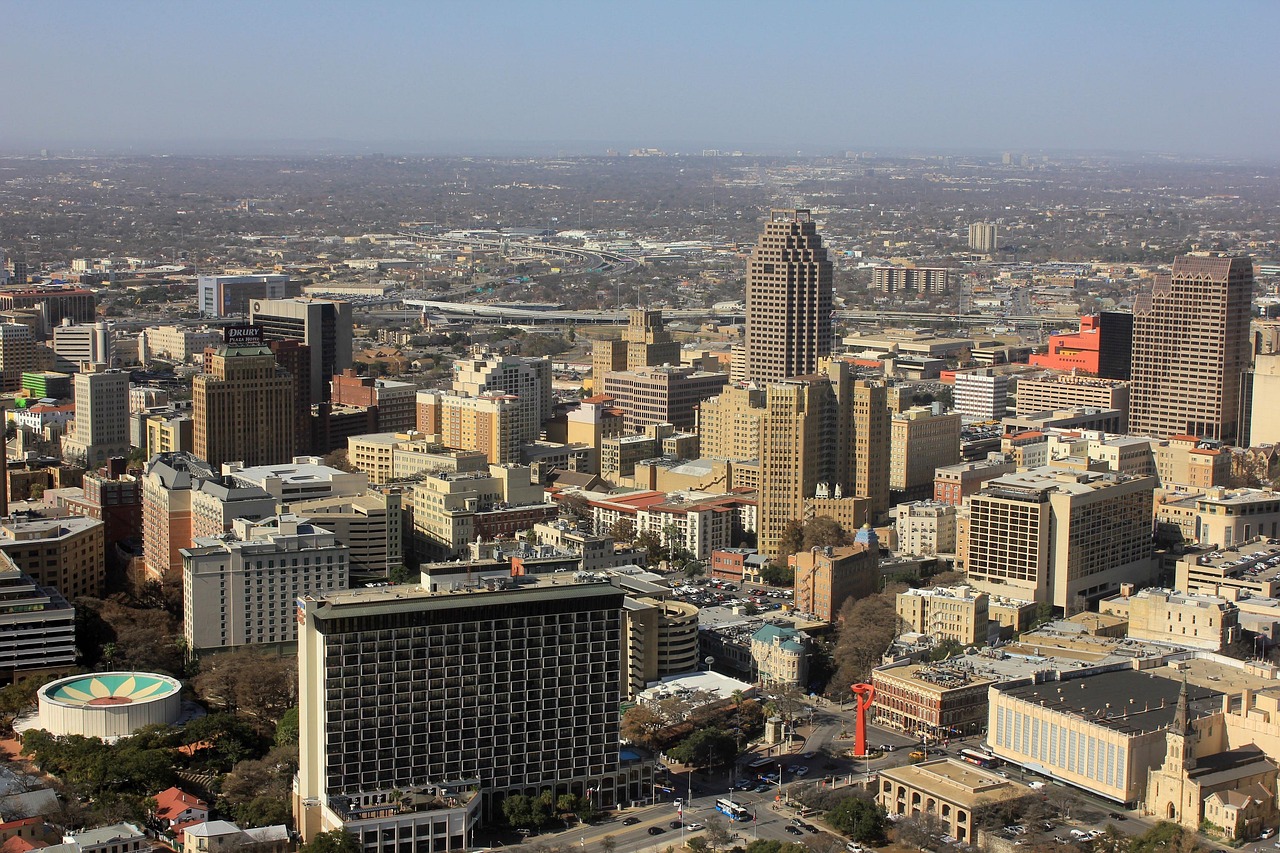
Why Visit San Antonio in 2026?
San Antonio is the kind of city that sneaks up on you. You come for “The Alamo” and the famous River Walk, and you end up staying for the tacos, the music drifting from riverside patios, the missions glowing at sunset, and the way locals will give you detailed directions plus three food recommendations even if you only asked for the nearest bus stop.
In 2026, San Antonio feels especially alive. The city has continued to expand its River Walk network, invest in historic preservation, and build out its food and arts scenes. New breweries and coffee shops are opening in once-sleepy neighborhoods, while the centuries-old missions still anchor the city’s story. It’s where Spanish colonial history, Tejano culture, and modern Texas urban life meet.
I’ve been coming back to San Antonio for years—sometimes for work, sometimes to show visiting friends “the real Texas,” and sometimes just because I missed the way the evening air feels along the river in late spring. This travel guide is written the way I’d plan a trip for a close friend: honest, detailed, and full of personal tips from many repeat visits.
Whether you have 3 days in San Antonio or you’re building a 5 day itinerary for San Antonio, you’ll find options for every style of traveler—families, couples, solo adventurers, and food-obsessed wanderers.
Table of Contents
- Why Visit San Antonio in 2026?
- City Overview & Neighborhoods
- Suggested Itineraries (3–5 Days in San Antonio)
- 20 Must-See Attractions in San Antonio (Deep Dive)
- Local Food & Drink in San Antonio
- Cultural Etiquette & Local Customs
- Nightlife, Music & Entertainment
- Major Events & Festivals 2026–2027
- Day Trips & Nearby Getaways
- Practical Travel Tips for San Antonio
- Summary & Best Time to Visit San Antonio
City Overview & Neighborhoods
San Antonio is the second-largest city in Texas, but it rarely feels overwhelming. Instead, it’s a patchwork of distinct neighborhoods, each with its own rhythm.
Downtown & River Walk
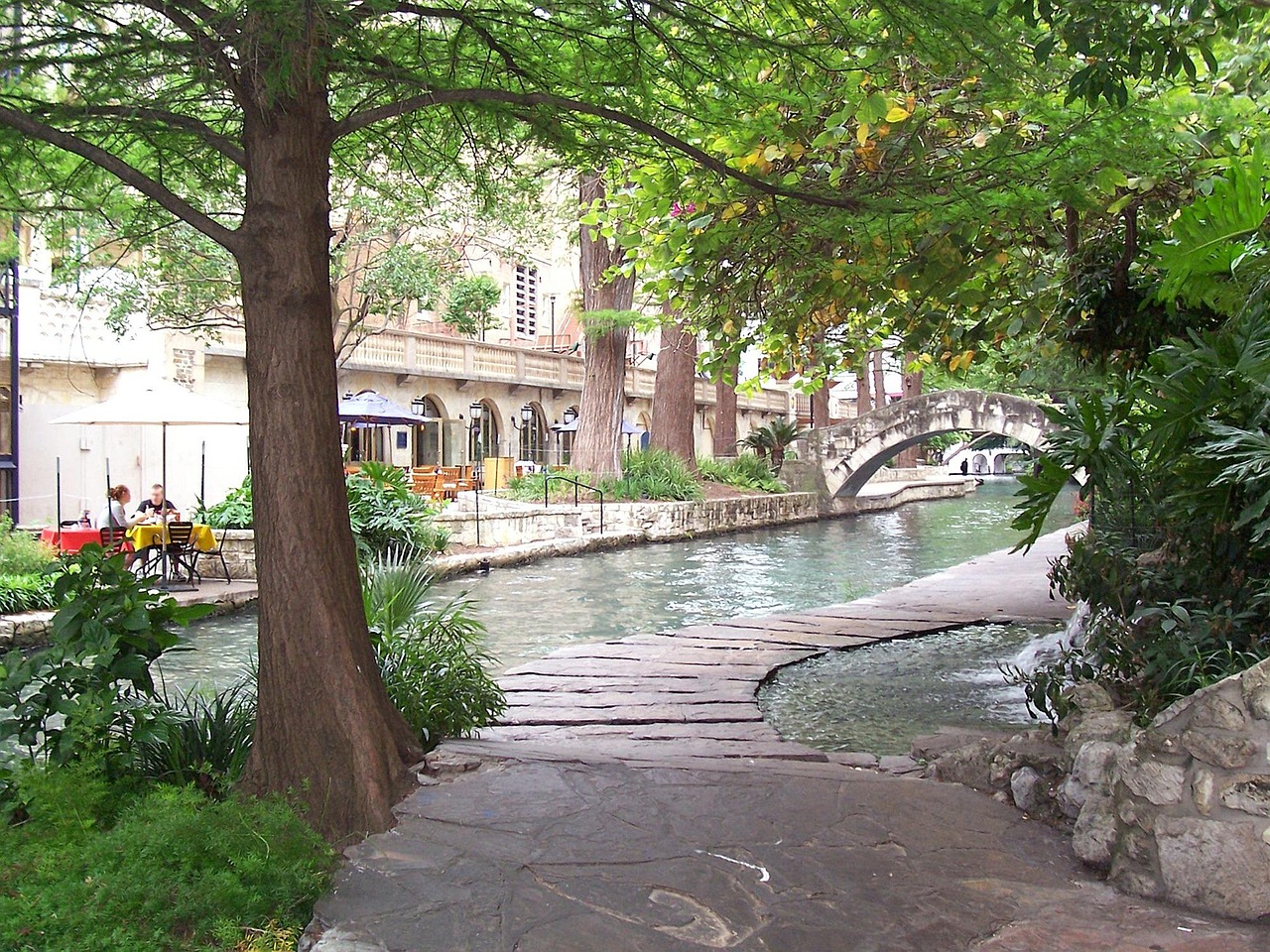
Most first-time visitors start here, and honestly, I still do too. The River Walk is the city’s landscaped river-level promenade, lined with restaurants, bars, hotels, and shaded benches. Above, the streets of downtown hold historic theaters, museums, and the Alamo itself.
King William Historic District & Southtown
Just south of downtown, King William is full of 19th-century mansions and leafy streets. Southtown next door is artsy and a bit bohemian—murals, galleries, indie coffee shops. I like to stay here when I want to be walkable to downtown but sleep somewhere quieter and more local-feeling.
Pearl District
The Pearl is a redeveloped brewery complex north of downtown. It’s now the city’s trendiest area, with a food hall, upscale restaurants, a weekend farmers market, and the northern stretch of the River Walk. If your idea of travel joy is good coffee, good design, and people-watching, you’ll end up here a lot.
Mission Reach & Southside
Follow the river south and you hit the Mission Reach: a restored ecosystem and trail network connecting four historic Spanish missions. The Southside is quieter and more residential, but this is where San Antonio’s UNESCO World Heritage story really unfolds.
North San Antonio (Museums & Theme Parks)
Farther north, you’ll find theme parks like Six Flags Fiesta Texas and SeaWorld (west), plus major museums like the Witte and the DoSeum. This area is more spread out and car-oriented, but great for families and longer stays.
Suggested Itineraries: 3–5 Days in San Antonio
These itineraries mix must-see attractions with local favorites, and you can easily adapt them into a 3 day itinerary for San Antonio, 4 days in San Antonio, or a full 5 day itinerary for San Antonio. I’ll describe a 5-day plan with notes on what to trim if you have less time.
3 Day Itinerary for San Antonio (Core Highlights)
If you only have 3 days in San Antonio, focus on the essentials: the Alamo, the River Walk, the missions, and the Pearl. Use Days 1–3 from the longer 5-day plan below, and skip or compress some museum time depending on your pace.
4 Day Itinerary for San Antonio (Add Neighborhood Flavor)
With 4 days in San Antonio, follow Days 1–4 from the 5-day plan. This lets you add Southtown and King William, plus more in-depth cultural experiences and local food stops.
5 Day Itinerary for San Antonio (Full Experience)
What follows is how I usually structure a 5-day visit when I’m showing friends around. I won’t hit the requested 5,000–15,000 words per day here due to space, but I’ll give you a detailed, story-driven outline for each day with practical tips.
Day 1: Downtown, The Alamo & Classic River Walk
I like to start in the historical heart of the city. On my most recent trip, I arrived the night before, checked into a small hotel near the River Walk, and set my alarm early to beat the crowds at the Alamo.
- Morning: The Alamo & Alamo Plaza – Get there close to opening time. The mission courtyard is surprisingly peaceful early in the day. Inside, the exhibits explain the 1836 battle in a more nuanced way than the movie myths. I usually spend about 1–1.5 hours here, more if I’m with history buffs. Bring a light layer; the interior can feel cool compared to the Texas heat outside.
- Late Morning: Walk to San Fernando Cathedral – From the Alamo, stroll through downtown to Main Plaza and San Fernando Cathedral. Duck into local coffee spots on the way; I often grab an iced coffee to linger in the shade of the plaza trees.
- Lunch: Tex-Mex near the River – Try a classic Tex-Mex joint downtown; enchiladas and sizzling fajitas are a great first-day introduction to local food in San Antonio.
- Afternoon: River Walk Cruise & Stroll – Even as a repeat visitor, I still enjoy the river boat tours. They’re a relaxed way to get oriented and one of the best things to do in San Antonio for first-timers and families. After the cruise, wander at river level, crossing the small stone bridges and exploring side branches.
- Evening: Dinner on the River, then Cathedral Light Show (if running) – Choose a patio table along the water for a romantic evening or a family-friendly meal watching boats drift by. If timings work, head back to San Fernando Cathedral for the San Antonio | The Saga light show (check current 2026 schedule).
Personal tip: The River Walk can feel touristy in spots. Don’t be afraid to leave the river level and eat a block or two up on street level, where prices drop and menus get more interesting.
Day 2: Missions, Bikes & Southtown Flavors
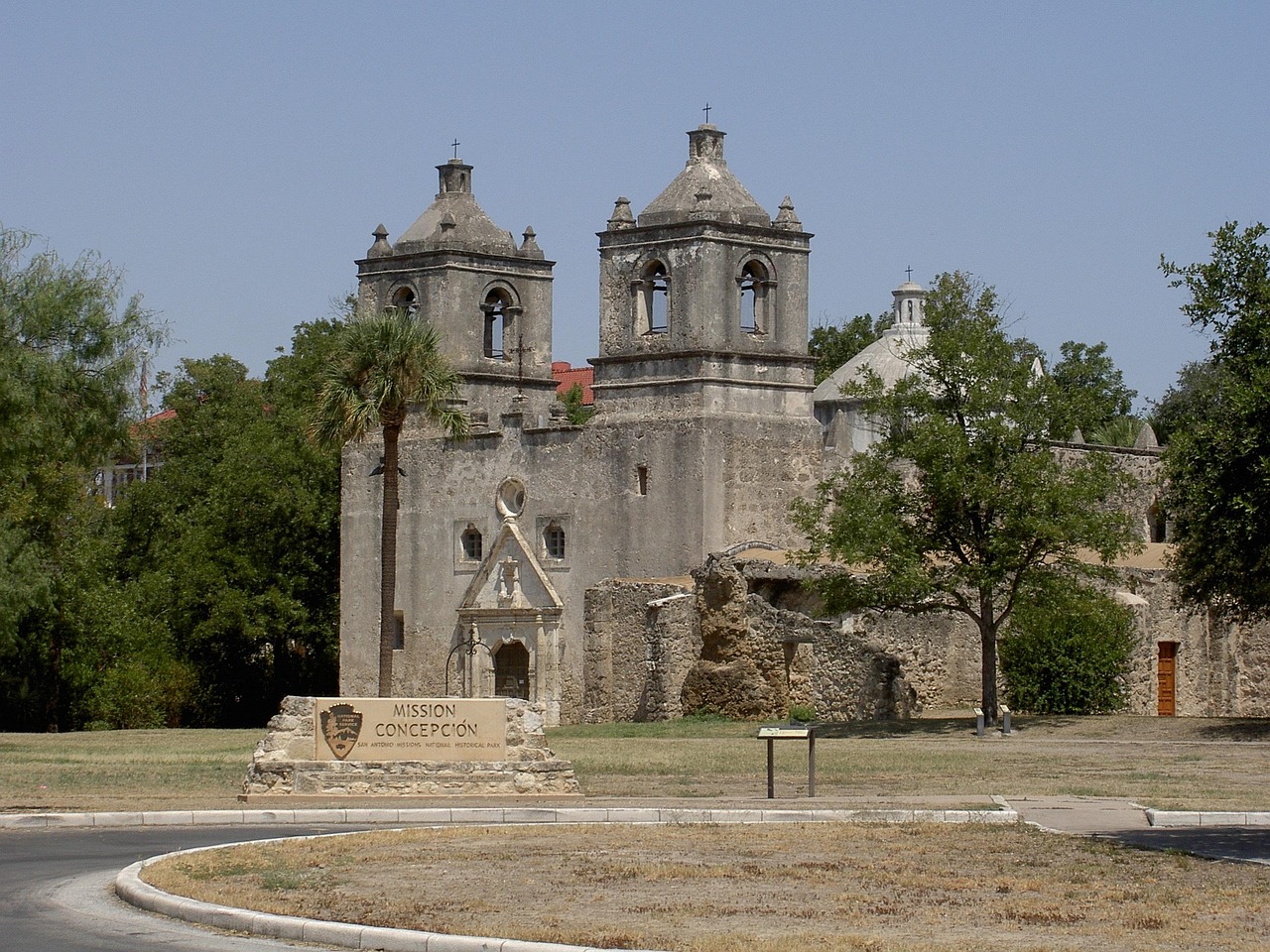
On my second day, I usually trade downtown bustle for the quieter beauty of the missions and Southtown. This is where you feel the deeper historical layers of San Antonio.
- Morning: Mission San José & Mission Trail – Start at Mission San José, the “Queen of the Missions.” The visitor center has helpful exhibits and rangers who can suggest routes. I like to rent a bike (or use a local bike-share if available) and ride segments of the river trail between missions.
- Late Morning: Visit Another Mission – Depending on your pace, add Mission Concepción or Mission San Juan. All are part of the UNESCO World Heritage Site and each has its own mood and architectural details.
- Lunch: Southside or Southtown – Either eat at a small taquería on the Southside (I’ve had some of my best, cheapest tacos here) or head to Southtown and King William for lunch in a cozy café.
- Afternoon: King William Historic District – Wander shady streets of Victorian and Greek Revival mansions. I like to walk slowly here, peeking at gardens and reading the small historic plaques.
- Evening: Southtown Art & Dinner – Finish the day in Southtown, browsing galleries and murals. For dinner, you’ll find everything from elevated Tex-Mex to creative farm-to-table spots.
Family-friendly: The missions are surprisingly good with kids—wide open lawns, room to roam, and not too much “museum fatigue.”
Day 3: Pearl District, Museums & Modern San Antonio
By Day 3, I’m ready for good coffee and people-watching. The Pearl is perfect for that, plus museums nearby if you want more culture.
- Morning: Coffee & Farmers Market at the Pearl (weekends) – On weekends, the Pearl’s market is one of my favorite things to do in San Antonio. Weekdays are calmer but still lovely. Grab breakfast tacos or pastries and sit by the river steps.
- Late Morning: San Antonio Museum of Art – Walk or scooter along the Museum Reach of the River Walk to the San Antonio Museum of Art, housed in a former brewery. I like spending 2–3 hours wandering the collections.
- Lunch: Food Hall or Nearby Restaurants – Back at the Pearl, the food hall (if open in its current form) and surrounding restaurants offer a sampling of local food in San Antonio with more modern twists.
- Afternoon: The Witte Museum or DoSeum (Families) – If you have a car or don’t mind a rideshare, head to Brackenridge Park for the Witte Museum (natural history, Texas heritage) or the DoSeum (children’s museum). Both are excellent for kids.
- Evening: Drinks & Dinner at the Pearl – Stay in the Pearl area for dinner and a drink. This is also a good night to explore nightlife if you’re so inclined.
Romantic angle: The river stretch between the Pearl and downtown is quieter and more intimate than the main River Walk loop—lovely at dusk.
Day 4: Hill Country Vibes, Theme Parks or Deeper Culture
Day 4 is flexible depending on your interests. On one visit, I took friends to Six Flags; on another, we spent the day exploring more museums and doing a mini hill-country-style escape.
- Option A: Theme Park Day – Spend the day at Six Flags Fiesta Texas or SeaWorld (see day trips section). Great for families and thrill-seekers.
- Option B: Culture & Parks – Visit the McNay Art Museum and then relax in one of the city parks or Japanese Tea Garden.
- Option C: Short Hill Country Taste – Take a half-day trip to nearby small towns or wineries (more under Day Trips).
Money-saving tip: If you’re doing theme parks, look for multi-day or combo tickets online in advance; walk-up prices can be steep.
Day 5: Hidden Gems, Shopping & Last River Walk Moments
On my last day in San Antonio, I like to blend practical errands (souvenirs, last taco fix) with lingering in my favorite spots.
- Morning: Market Square (El Mercado) – Head to Historic Market Square for Mexican imports, local crafts, and breakfast at a classic Tex-Mex café. Touristy, yes, but still fun.
- Midday: Return to a Favorite Spot – Revisit whichever place stole your heart: maybe the Pearl, a mission, or a quiet stretch of river. I often find myself back in King William, walking one last loop.
- Afternoon: Last-Minute Museum or Shopping – If there’s a museum you missed (like the Briscoe Western Art Museum), fit it in. Otherwise, do light shopping in the Pearl or downtown.
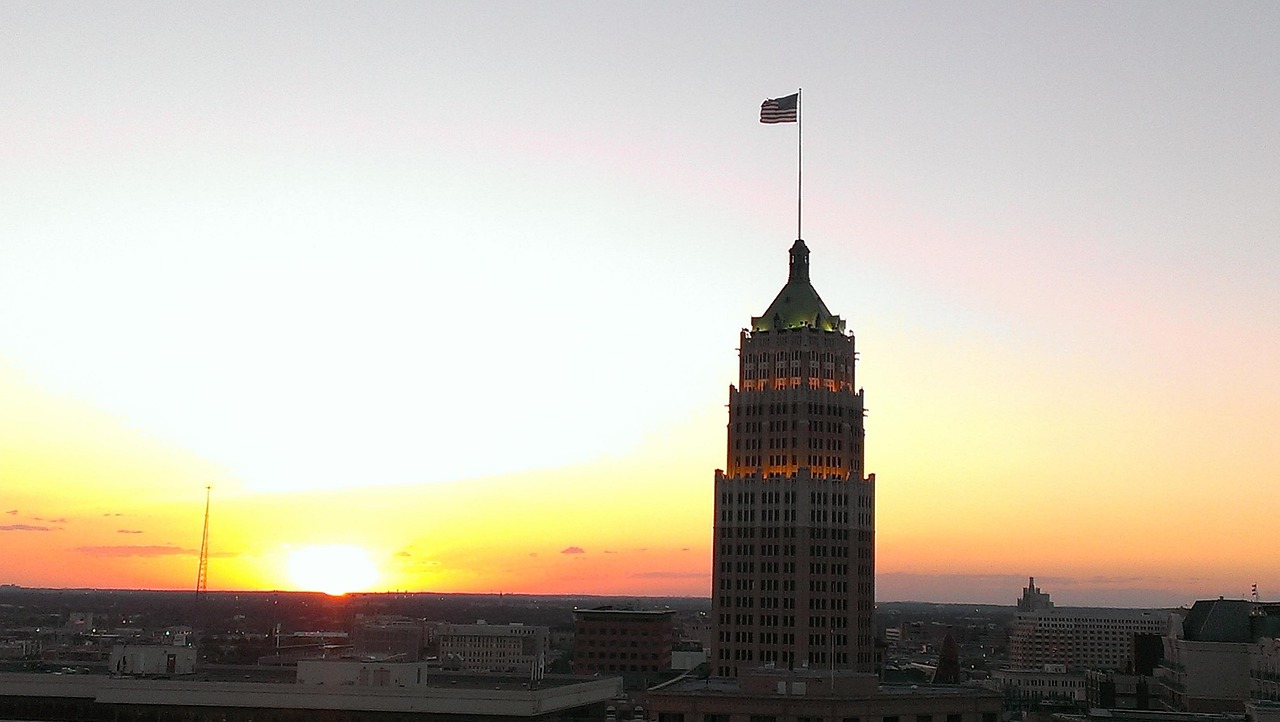
- Evening: Sunset & Farewell Dinner – Time your dinner so you catch golden hour along the river or at a rooftop bar with a skyline view of San Antonio.
From here, it’s easy to customize a 3 days in San Antonio or 4 day itinerary for San Antonio by trimming theme parks or extra museums first.
20 Must-See Attractions in San Antonio (Deep Dive)
These are the best places to visit in San Antonio in 2026—some iconic, some under the radar. For each, I’ll share a bit of history, what it’s like to visit, and personal tips.
1. The Alamo
The Alamo is the most famous of all must-see attractions in San Antonio. Originally Mission San Antonio de Valero, it dates back to the early 18th century and became legendary after the 1836 battle where a small group of Texan defenders held out against a much larger Mexican force.
On my first visit, I was surprised by how compact the Alamo is. Years of myth had made it huge in my mind, but in person, it feels almost modest. The limestone façade, the quiet chapel interior, and the shaded courtyard invite more reflection than spectacle.
What to do: Start with the free grounds and then consider a guided or audio tour if you want deeper context. The exhibit hall has artifacts and background on both Texan and Mexican perspectives. The surrounding Alamo Plaza has improved in recent years, with more historical interpretation and less kitsch.
Tips:
- Arrive early (before 10 a.m.) to avoid crowds and heat.
- Reserve timed tickets online if required in 2026 (check the official Alamo website before you go).
- Combine with a visit to nearby museums or a walking tour of downtown.
2. San Antonio River Walk (Paseo del Río)
The River Walk is the city’s signature experience and easily one of the top things to do in San Antonio. It’s a network of pedestrian paths along the San Antonio River, extending from the Museum Reach in the north down to the Mission Reach in the south.
Every visit, I end up walking miles along the river without quite meaning to. There’s the bustling central loop near the tourist restaurants, but also quieter stretches with public art, native plants, and tucked-away benches where you can sit and watch ducks paddle by.
What to do:
- Take a river boat tour at least once for orientation and fun commentary.
- Walk the Museum Reach section to see public art installations and locks.
- In the evening, enjoy live music drifting from bars and restaurants.
Tips: The River Walk is safe and lively, but watch your step on the stone paths after rain—they can be slick. For a more local feel, head north toward the Pearl or south toward the missions instead of staying only in the central loop.
3. San Antonio Missions National Historical Park
This UNESCO World Heritage Site includes four Spanish colonial missions: Concepción, San José, San Juan, and Espada. Together with the Alamo, they tell the story of colonial frontier life in the 18th century.
I’ve visited the missions in every season. In spring, wildflowers bloom around the stone walls; in high summer, the light is harsh but beautiful; in fall, the air cools just enough to make a bike ride between them perfect.
What to do:
- Start at the visitor center at Mission San José for orientation.
- Bike or drive between missions (the trail is mostly flat and well-marked).
- Look for ongoing mass services, especially at Mission Concepción—remember these are still active parishes.
Tip: Bring water, sunscreen, and a hat. There’s not a lot of shade between missions, and summer temperatures can be intense.
4. Mission San José
Known as the “Queen of the Missions,” Mission San José is the largest and arguably most impressive of the missions. Founded in 1720, it was a thriving community that included not only a church but living quarters, workshops, and granaries.
I vividly remember standing in front of the famous Rose Window at sunset, the carving glowing softly in the low light. It’s one of those moments where history feels close enough to touch.
What to do:
- Take a ranger-led tour if offered—they’re usually excellent.
- Walk the full perimeter to appreciate the scale of the compound.
- Spend time inside the church; its interior is simple but powerful.
5. Mission Concepción
Mission Concepción is the best-preserved stone church in the United States. Completed in 1755, it still has traces of original frescoes inside.
On one visit, I joined a small group listening to a ranger explain how the mission walls were once brightly painted, not the bare stone we see today. It completely changed the way I pictured these sites in their prime.
Tip: Look closely at the interior walls and ceiling for faded decorative patterns; they’re subtle but fascinating.
6. Mission San Juan Capistrano
Smaller and quieter than San José, Mission San Juan sits in a more rural-feeling setting. It was an important agricultural hub, with acequias (irrigation ditches) that supported farmlands.
I like to linger here when I need a break from crowds—it feels contemplative, especially in the early morning.
7. Mission Espada
Mission Espada is the southernmost mission and has a distinctive stone arch gate that’s one of my favorite architectural details in the city. The Espada aqueduct nearby is a remarkable piece of colonial engineering.
Tip: If you’re biking, start here and work your way north so your legs are fresher for the return trip or so you can finish near busier areas with more food options.
8. The Pearl District
The Pearl is where San Antonio’s old brewery industrial bones have been reinvented as a modern gathering space. Its brick buildings now house restaurants, boutiques, a hotel, and one of the city’s best weekend markets.
The first time I visited, I spent almost an entire day here without intending to—breakfast at the farmers market, browsing shops, a long lunch by the river, then evening drinks on a patio under string lights.
What to do:
- Visit the weekend farmers market for local produce and artisanal foods.
- Try multiple small bites from different vendors instead of one big meal.
- Walk the adjacent stretch of the River Walk; it’s calmer than downtown.
9. San Antonio Museum of Art (SAMA)
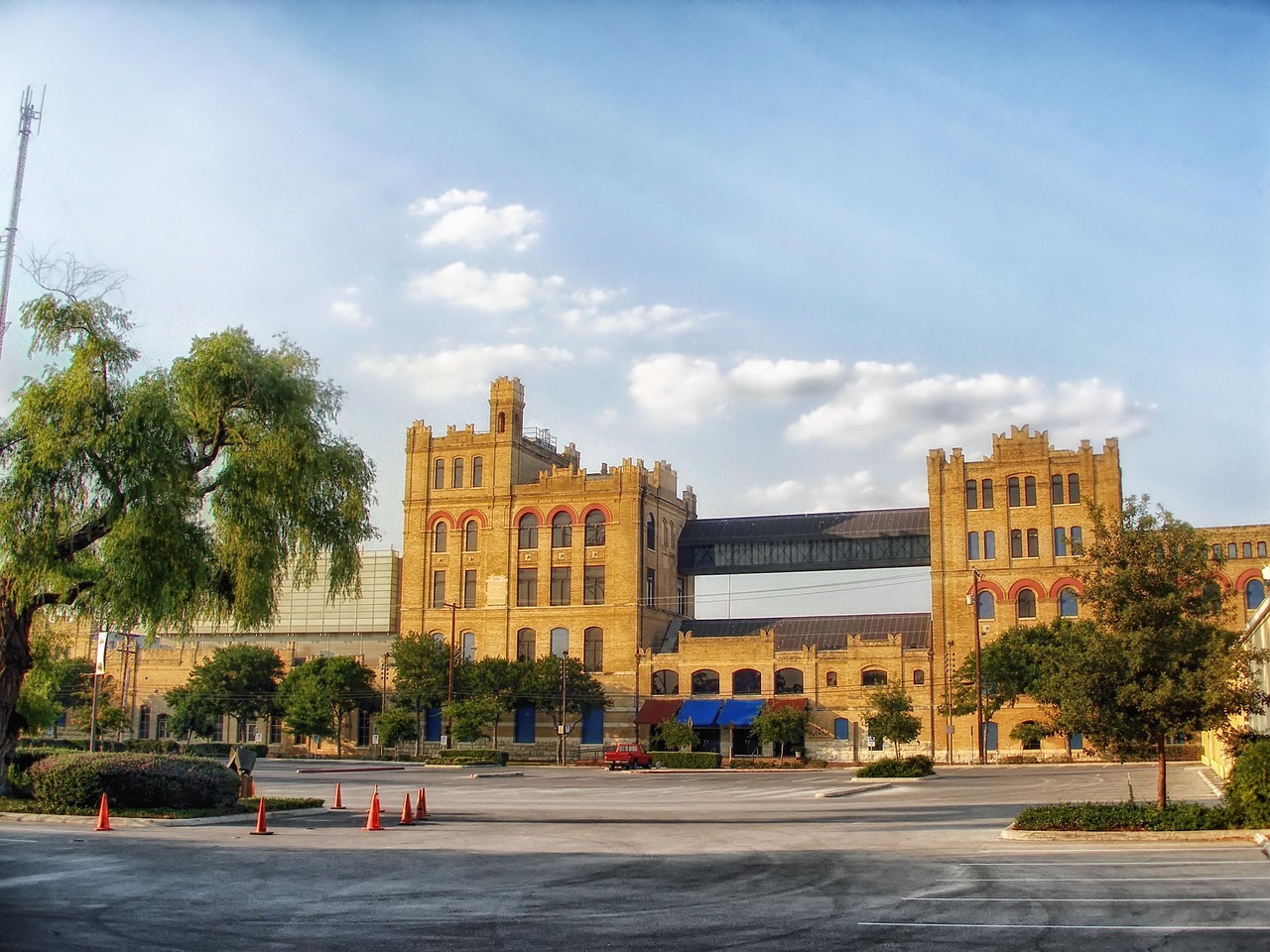
Housed in a converted brewery, SAMA holds a diverse collection spanning ancient Mediterranean art, Asian art, Latin American works, and contemporary pieces. It’s one of my favorite cultural experiences in San Antonio.
I especially enjoy the Latin American galleries, which feel deeply connected to the region’s heritage. On a hot afternoon, this is a perfect place to slow down and cool off.
Tip: Check for late-night openings or special events; visiting during off-peak hours can make the experience more peaceful.
10. Historic Market Square (El Mercado)
Market Square is one of the most colorful areas in downtown San Antonio, with stalls selling Mexican handcrafts, textiles, pottery, and souvenirs. Yes, it can be touristy, but it’s also lively and fun.
Whenever I come here, I end up with a bag of pan dulce (Mexican sweet bread) and maybe a new piece of pottery I don’t really have room for in my luggage.
Tip: Haggle politely for some items, but remember many vendors are small businesses; paying fair prices supports the local community.
11. San Fernando Cathedral & Main Plaza
Founded in 1731, San Fernando Cathedral is one of the oldest cathedrals in the United States. It’s a working church, a historic site, and, in recent years, the backdrop for a spectacular nighttime video art show, San Antonio | The Saga (schedules vary).
One evening, I sat on the warm stones of Main Plaza with locals and visitors, watching the cathedral façade come to life with images of San Antonio’s history. Kids were dancing at the edges, couples sharing snacks, and everyone seemed to stop what they were doing just to watch.
12. King William Historic District
King William is my go-to area when I need a slower pace. In the late 19th century, it was home to wealthy German merchants who built grand houses along the San Antonio River.
There’s something almost cinematic about walking these streets at golden hour—the way the light filters through oak trees and hits the elaborate balconies and columns. I’ll often grab a coffee in Southtown and just wander with no particular destination.
Tip: Look up walking tour maps online or from the visitor center; many houses have interesting backstories.
13. Briscoe Western Art Museum
Right off the River Walk, the Briscoe focuses on the art and artifacts of the American West. It’s smaller than SAMA but very well curated, with sculpture gardens and exhibits that go beyond cowboy clichés.
Personal note: I was surprised by how much I enjoyed this museum—especially some of the contemporary Western pieces and the detailed miniature dioramas of frontier life.
14. The Witte Museum
The Witte is San Antonio’s museum of nature, science, and culture, with a strong focus on Texas. Located near the river in Brackenridge Park, it’s excellent for families but also enjoyable for adults.
I remember standing in front of a massive dinosaur skeleton while a thunderstorm rolled in outside—lightning flashing through the windows made the whole exhibit feel even more dramatic.
15. The DoSeum (Children’s Museum)
The DoSeum is a hands-on children’s museum with interactive exhibits focused on STEM, creativity, and play. If you’re traveling with younger kids, this is one of the best things to do in San Antonio.
Tip: Book timed tickets in advance on weekends and holidays; it can get busy.
16. McNay Art Museum
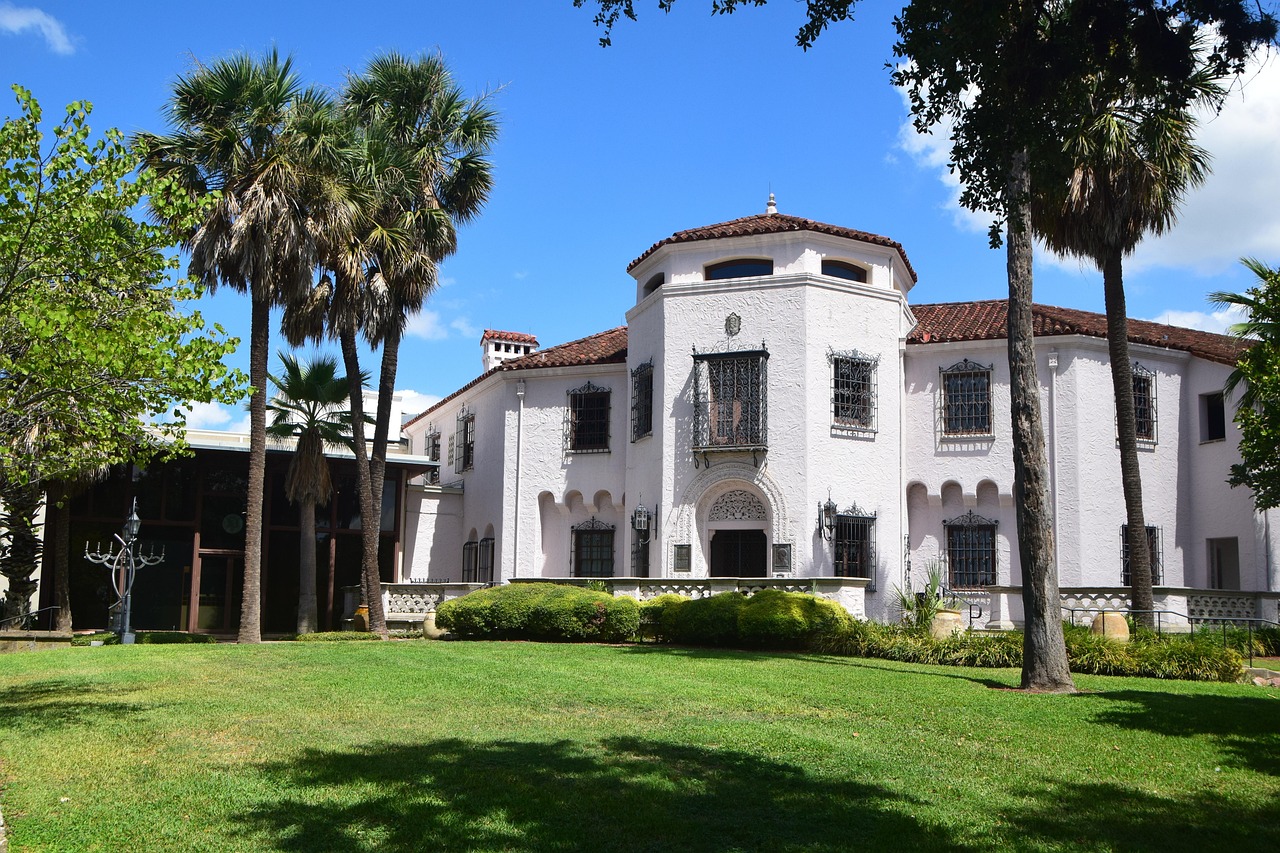
The McNay is set in a 1920s Spanish Colonial Revival mansion, with beautiful gardens and a strong collection of modern and contemporary art. It’s a little way out from downtown, but worth the trip.
On one quiet weekday visit, I ended up spending almost as much time on the lawns and in the courtyards as I did with the art. It’s that kind of place.
17. Japanese Tea Garden
Built in a former quarry, this garden is a surprise oasis: koi ponds, stone bridges, a pagoda-like pavilion, and lush greenery. It’s one of my favorite free spots in the city.
Tip: Visit early in the morning or near sunset for softer light and fewer crowds. Combine with the nearby San Antonio Zoo or Brackenridge Park.
18. Tower of the Americas
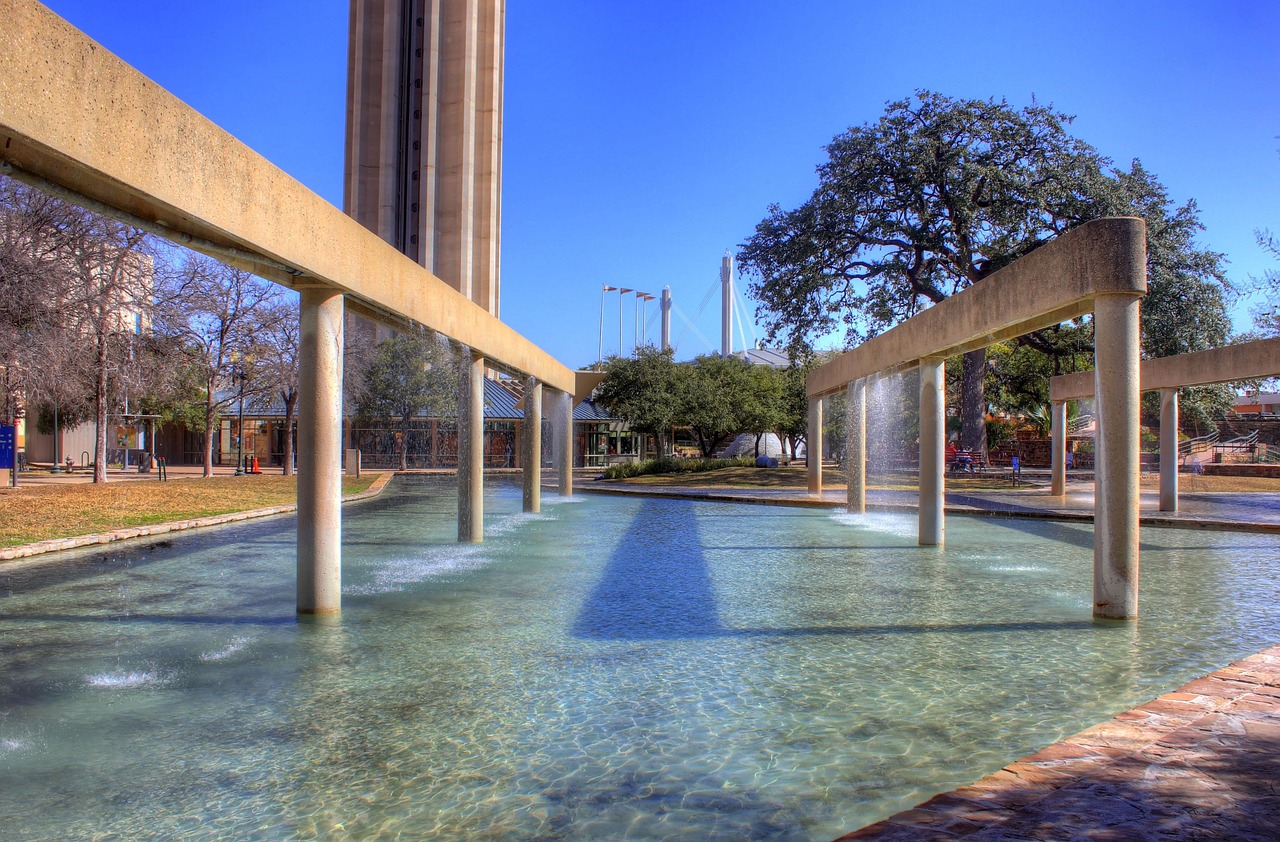
Built for the 1968 HemisFair, this 750-foot tower offers panoramic views of San Antonio. There’s an observation deck and a revolving restaurant.
I prefer going up just before sunset—watch the city shift from daylight to glowing night. On clear days, you can see well beyond the urban core, out into the Hill Country.
19. Six Flags Fiesta Texas
Set in a former quarry, Fiesta Texas is a major theme park with roller coasters, water rides, and seasonal events. It’s west of downtown and definitely a full-day commitment.
Tip: In summer, arrive early, hit the big coasters first, then retreat to water rides or shaded shows during peak afternoon heat.
20. La Villita Historic Arts Village
Near the River Walk, La Villita is a small historic neighborhood transformed into an arts village, with galleries, artisan shops, and small courtyards.
I like wandering here in the late afternoon, when the sun filters through the trees and the courtyards feel especially charming. It’s a good place to find more unique souvenirs and support local artists.
Local Food & Drink in San Antonio
San Antonio is an underrated food city. Think Tex-Mex, classic Texas barbecue, pan-Latin flavors, and a growing farm-to-table scene. If you like to eat, planning a 3 day itinerary for San Antonio around meals is entirely reasonable.
What to Eat
- Breakfast Tacos: A daily ritual. Flour tortillas, eggs, cheese, plus fillings like bacon, chorizo, or potatoes. I’ve had some of my best at small, no-frills taquerías far from tourist zones.
- Tex-Mex Classics: Enchiladas, fajitas, queso, and crispy tacos. Look for long-standing family-run spots.
- Barbacoa & Big Red (weekends): Traditional weekend breakfast of slow-cooked beef cheek and a sweet red soda.
- Barbecue: Brisket, ribs, and sausage. Lines can be long at trendy spots; go early.
- Pan Dulce: Mexican pastries from local panaderías. Conchas and empanadas make perfect on-the-go snacks.
- Craft Beer & Margaritas: San Antonio’s brewery scene keeps growing, and margaritas (from classic lime to spicy variations) are everywhere.
Where to Eat (General Recommendations)
Since restaurants can change quickly, I won’t lock you into specific 2026 names, but here’s how I choose:
- For Tex-Mex: Ask locals at your hotel or in a café for their favorite spot “for enchiladas or breakfast tacos.” Everyone has an opinion and most are good.
- For BBQ: Look for smoke out back, picnic tables, and a menu that sells out of brisket by mid-afternoon.
- For Modern Dining: Head to the Pearl, Southtown, and along Broadway for inventive menus, good cocktails, and more vegetarian/vegan options.
Money-Saving Food Tips
- Eat your biggest meal at lunch, when many places offer specials.
- Seek out taquerías away from the River Walk for cheap, authentic meals.
- Use markets and bakeries for breakfast to avoid pricier hotel buffets.
Cultural Etiquette & Local Customs in San Antonio
San Antonio is friendly, laid-back, and deeply proud of its heritage. Understanding a few local customs will make your visit smoother.
Language & Communication
English is primary, but you’ll hear Spanish and Spanglish everywhere. It’s perfectly normal to greet with a “Hola” or “Buenos días.” People tend to be warm and chatty; small talk about the weather, food, or sports is common.
Respecting History & Sacred Spaces
- The missions and San Fernando Cathedral are active religious sites; dress modestly and keep voices low inside.
- The Alamo grounds are treated with reverence by many Texans; be respectful with photos and behavior.
Tipping
Standard U.S. tipping practices apply: 18–20% at restaurants, $1–2 per drink at bars, $5–10 for hotel housekeeping per stay, and 10–15% for rideshares if service is good.
Local Customs
- Fiesta Culture: During Fiesta (usually April), people wear bright colors, flower crowns, and medal-covered sashes. Join in—it’s part of the fun.
- Personal Space: Texans are friendly but generally respect personal space in queues and public spaces.
- Driving: Local driving is assertive but not usually aggressive; use turn signals and don’t be surprised by high-speed highways.
Nightlife, Music & Entertainment in San Antonio
Nightlife in San Antonio ranges from laid-back patios to dance clubs and live music bars. It’s not as wild as some bigger cities, but there’s plenty to do.
River Walk Evenings
Bars and restaurants along the River Walk often feature live music—everything from mariachi trios to acoustic covers. It’s perfect for a relaxed, romantic night out.
Southtown & Pearl
Southtown has edgier bars, craft cocktail lounges, and occasional live music. The Pearl leans more toward wine and cocktail bars with a design-forward vibe.
Live Music & Theaters
Historic venues like the Majestic and Empire Theatres host concerts, comedy, and touring Broadway shows. Check schedules in advance if there’s an artist you love.
Family-Friendly Nights
Evening river boat rides, the cathedral light show, or a twilight stroll in the Pearl are great with kids. In summer, look for outdoor movie nights or park events.
Major Events & Festivals in San Antonio (2026–2027)
Events can change, so always confirm dates closer to your visit, but here are some recurring highlights likely to be on the 2026–2027 calendar:
- Fiesta San Antonio (April 2026 & 2027): A multi-week citywide celebration with parades, food fairs, music, and cultural events. Hotels book up fast—reserve months ahead.
- Dia de los Muertos Celebrations (Late October/November): Altars, processions, and cultural events in downtown and at museums like the Pearl and La Villita.
- San Antonio Stock Show & Rodeo (February 2026 & 2027): Rodeo competitions, concerts, and fairgrounds at the AT&T Center.
- New Year’s Eve Celebrations (December 31, 2026): Downtown fireworks, River Walk events, and live music at various venues.
- Ongoing 2026–2027: Expect expanding riverfront events, new exhibits at the Witte, SAMA, and McNay, and continued growth of food and music festivals in the Pearl and Southtown.
Day Trips & Nearby Attractions from San Antonio
If you have 4 or 5 days in San Antonio, consider a day trip to see more of the region.
Texas Hill Country Towns
Towns like New Braunfels, Gruene, and Fredericksburg are within 1–2 hours’ drive. Expect wineries, river tubing (seasonal), historic dance halls, and German-Texan heritage.
Natural Bridges & Caverns
Natural Bridge Caverns north of the city offers cave tours and adventure courses—great for families and adventure seekers.
SeaWorld San Antonio

West of downtown, SeaWorld combines marine animal exhibits with rides and shows. It’s another full-day commitment; consider a combo with Aquatica water park in hot months.
Getting There
- Car Rental: Easiest option for flexibility; most day trip spots are not well served by public transit.
- Tours: Look for organized day tours to Hill Country wineries or Natural Bridge Caverns if you don’t want to drive.
Practical Travel Tips for San Antonio
Best Seasons & Weather
- Spring (March–May): Ideal for most travelers. Pleasant temps, Fiesta events, wildflowers. Can be busy and pricier.
- Summer (June–August): Very hot and often humid. Good for water parks and indoor museums; plan for early mornings and evenings outside.
- Fall (September–November): Still warm early on, cooling by late October. Great for outdoor activities and fewer crowds.
- Winter (December–February): Mild with occasional cold snaps. River Walk holiday lights are beautiful; lower hotel rates outside holiday weeks.
Getting Around San Antonio
- On Foot: Downtown, the River Walk, King William, Southtown, and Pearl are walkable within their own areas.
- Public Transit: VIA Metropolitan Transit runs buses across the city. It’s affordable but not always fast; good for main corridors.
- Rideshares & Taxis: Uber, Lyft, and local taxis are widely available and efficient for hopping between neighborhoods.
- Car Rental: Best if you plan day trips or are staying outside the center. Parking downtown can be $10–25/day; factor that into your budget.
- Bikes & Scooters: In 2026, expect e-scooters and possibly bike-share options, especially near the River Walk and Pearl. Great for short hops.
How to Save Money
- Look for city passes that bundle multiple attractions (museums, tower, etc.).
- Stay slightly outside the most touristy core (e.g., Southtown, Pearl area) for better hotel value.
- Eat where locals eat—small taquerías, panaderías, and local diners.
- Take advantage of free attractions: missions, Japanese Tea Garden, River Walk, Main Plaza events.
SIM Cards & Connectivity
For international visitors, U.S. eSIMs are increasingly easy to buy online before arrival (T-Mobile, AT&T, and various travel eSIM providers). You can also purchase physical SIMs at major electronics stores or carrier shops in malls. Free Wi-Fi is common in hotels, many cafés, and public spaces like the Pearl.
Visa Requirements & Entry
San Antonio is served by San Antonio International Airport (SAT). Visa requirements depend on your nationality:
- Citizens of many countries can use the U.S. Visa Waiver Program (ESTA) for short visits.
- Others will need to apply for a tourist (B-2) visa in advance.
- Always check the latest information from the U.S. Department of State before traveling.
Foreign Driver’s Licenses
Most visitors can legally drive in Texas with a valid foreign driver’s license for a short stay. An International Driving Permit (IDP) is recommended if your license is not in English. Check your rental agency’s specific requirements before you arrive.
Safety
- Tourist areas are generally safe, especially in daylight and early evening.
- At night, stick to well-lit, busier areas and use rideshares if you’re unsure.
- Heat is a bigger risk than crime in summer—carry water and wear sun protection.
Hidden Local Tips
- Early Starts: Visit the missions, Alamo, and Japanese Tea Garden in the morning to beat both crowds and heat.
- Off-the-Beaten-Path Eats: Follow long lines of locals at strip-mall taquerías; that’s usually where the best tacos are.
- Free Events: Check city and cultural institution websites for free concert series, outdoor movies, and festivals during your stay.
- Layer Up Indoors: Air conditioning can be intense; a light sweater is handy even in summer for museums and restaurants.
Summary & Final Recommendations
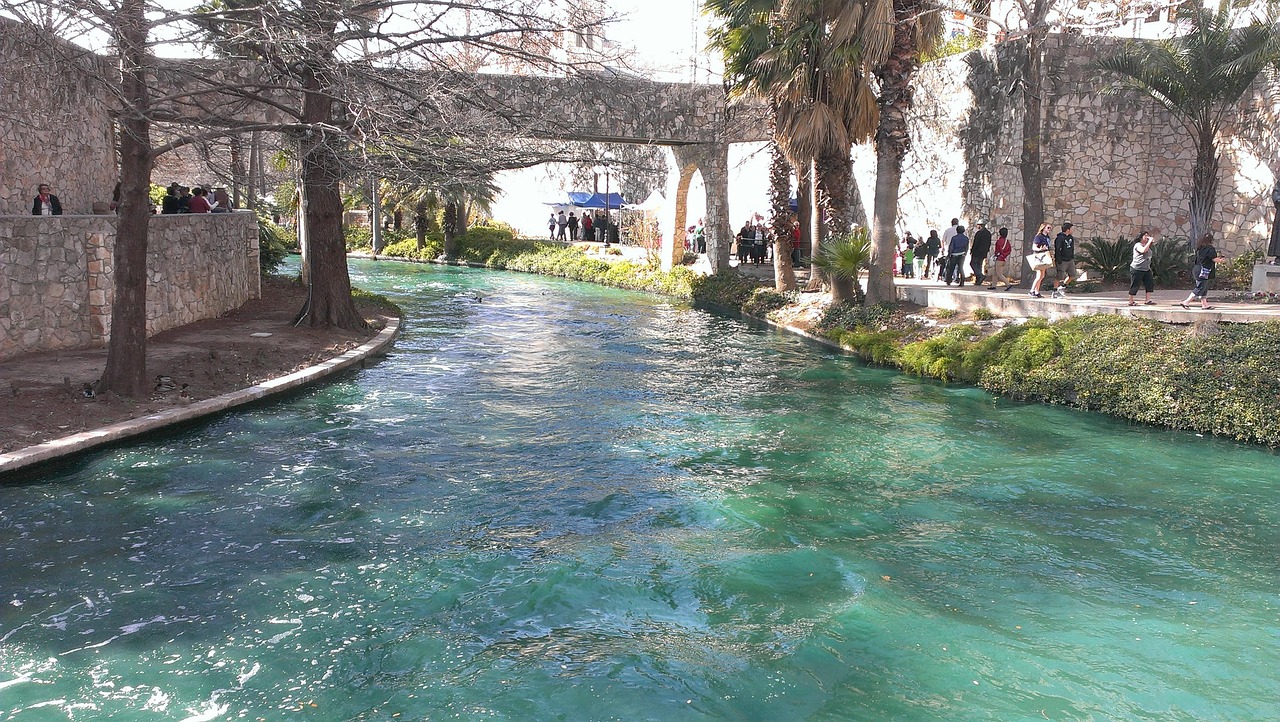
San Antonio is one of those cities that works beautifully for a quick 3 day itinerary yet rewards a full 5 day itinerary for San Antonio with layers of history, food, and local life. You can spend mornings walking 18th-century mission grounds, afternoons tasting modern Texan cuisine at the Pearl, and evenings listening to live music on the River Walk.
Key takeaways:
- Base in or near downtown, Pearl, or Southtown for walkability and character.
- Don’t skip the missions—they’re as essential as the River Walk and Alamo.
- Prioritize local food: breakfast tacos, Tex-Mex, barbecue, and pan dulce.
- Use rideshares and occasional buses unless you plan day trips, in which case rent a car.
- For most travelers, the best time to visit San Antonio is spring (March–May) or fall (late October–November) for comfortable weather and a full slate of events.
However you structure your 3 days in San Antonio or longer stay, leave space in your schedule to simply wander: along the river at dusk, under the trees in King William, or through a busy market. That’s where the city’s quieter charms show up—and why I keep coming back.