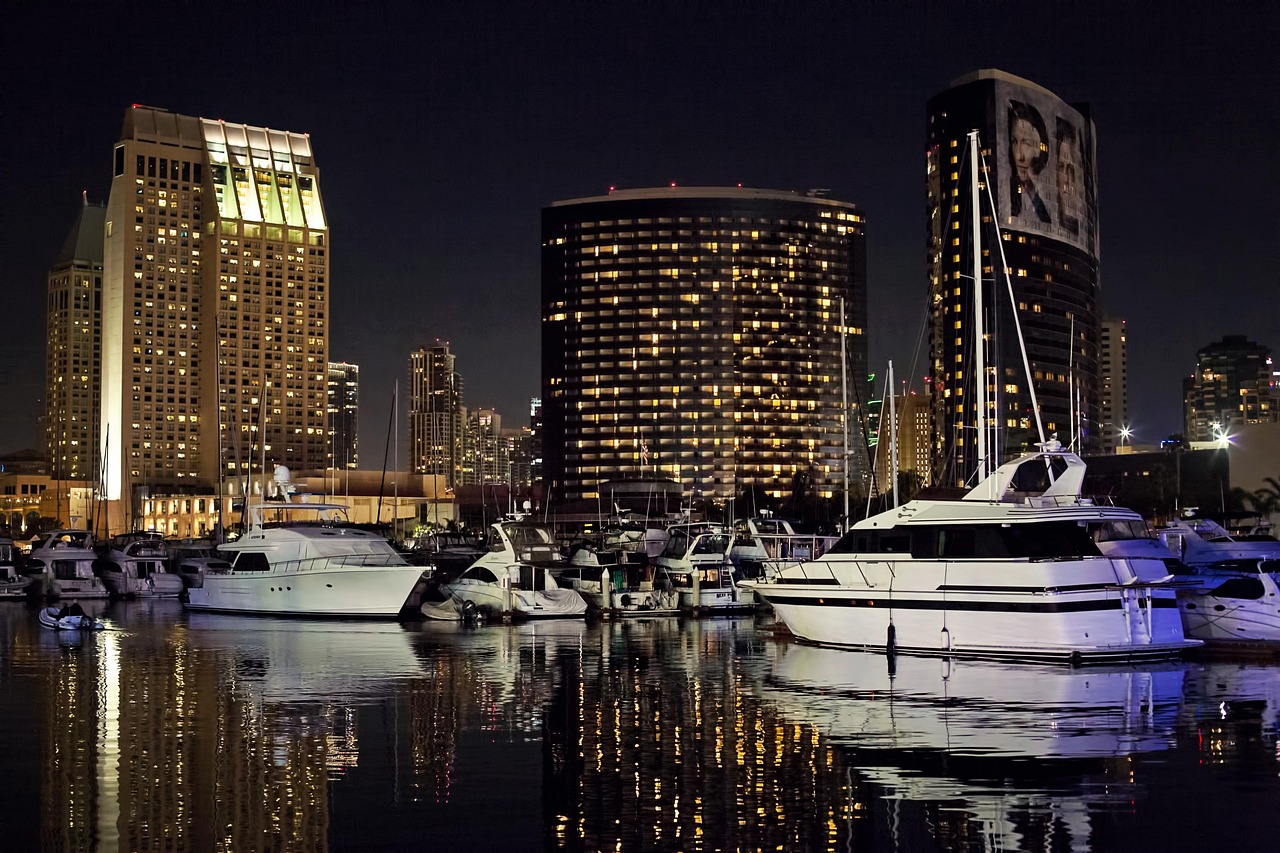
Why Visit San Diego in 2026
San Diego has a way of getting under your skin. I’ve lived here on and off for over a decade, and even now, the mix of Pacific sunsets, fish tacos, surfers jogging barefoot with boards under their arms, and that soft golden light at the end of the day still makes me pause. If you’re looking for a city that blends easygoing beach life with serious culture, incredible food, and year-round sunshine, San Diego should be at the top of your list.
In 2026–2027, the city is buzzing: new waterfront developments, expanded trolley lines, refreshed exhibits at Balboa Park museums, and major events like Comic-Con International, KAABOO-style music festivals, and a growing craft beer and food-truck scene. Whether you have 3 days in San Diego or are planning a longer 4 or 5 day itinerary for San Diego, this guide will help you build a trip that feels less like checking off landmarks and more like slipping into local life.
This travel guide for San Diego is written as if I’m planning your visit the way I’d plan it for a close friend: real talk about neighborhoods, honest food recommendations, what’s worth paying for (and what isn’t), favorite sunset spots, and those tiny hidden gems in San Diego you will not find on the usual “top 10” lists.
Table of Contents
- Why Visit San Diego
- When to Visit & Best Seasons
- 20 Must-See Attractions (With Local Stories & Tips)
- Perfect 3–5 Day Itineraries
- Best Neighborhoods & Areas to Explore
- Local Food in San Diego & Where to Eat
- Nightlife, Entertainment & Cultural Experiences
- Day Trips & Nearby Escapes
- Cultural Etiquette & Local Customs
- Practical Travel Advice for San Diego
- What’s New & Major Events 2026–2027
- Summary & Final Recommendations
When to Visit San Diego & Best Seasons for Activities
San Diego’s nickname, “America’s Finest City,” can sound like marketing—until you realize that our “winter” is most people’s early summer. Still, certain seasons are better for specific activities.
- Spring (March–May): My favorite time. Wildflowers on the coastal bluffs, fewer crowds, perfect hiking weather, and long golden evenings. Ideal for a 3 day itinerary for San Diego if you want balance between beach and sightseeing.
- Summer (June–August): Peak beach season, but also peak crowds and higher prices. Great for families, surf lessons, and late sunsets. Expect “June Gloom” (overcast mornings) that usually burns off by early afternoon.
- Fall (September–November): The sweet spot: warm ocean temperatures, thinner crowds, and some of the best sunsets of the year. If you’re planning 4 days in San Diego or more, this is ideal.
- Winter (December–February): Mild, quieter, and surprisingly good for beach walks and whale watching. Some rainy days, but still very travel-friendly, especially if you’re escaping snow.
20 Must-See Attractions in San Diego (With Local Insight)
Below are twenty of the best places to visit in San Diego, from headline icons to hidden corners I’ve fallen in love with over many visits. I’ll weave in personal anecdotes, how to get there, what to eat nearby, and tips for different travel styles (family, romantic, adventurous, budget).
1. Balboa Park
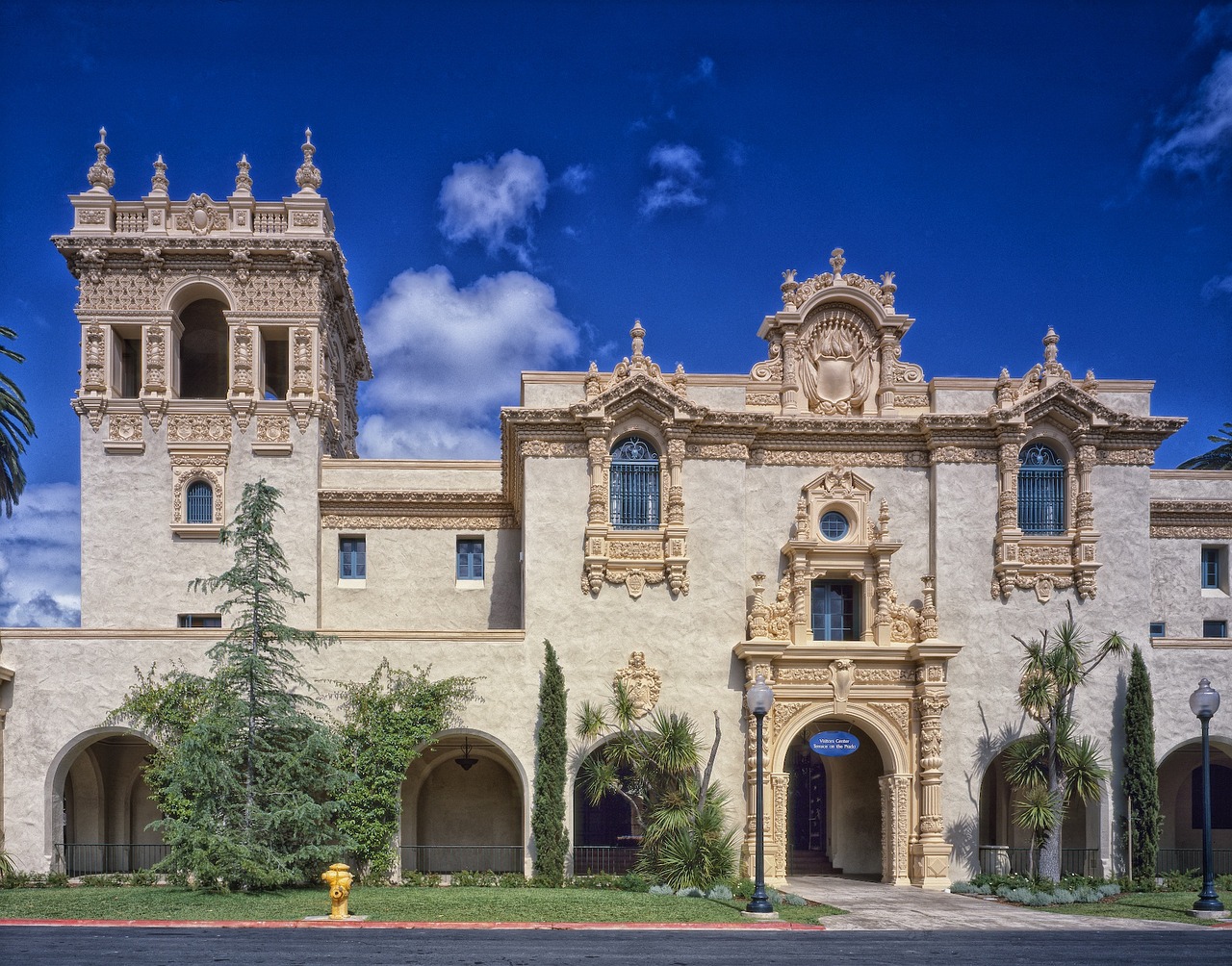
If I had to choose a single must-see attraction in San Diego, it would be Balboa Park. This 1,200-acre urban oasis is where I bring visiting friends on their first afternoon: Spanish Colonial architecture, gardens, museums, and buskers playing everything from flamenco guitar to jazz.
The park was originally developed for the 1915–1917 Panama-California Exposition, and many of its ornate buildings date from that era. The first time I walked down El Prado—the main pedestrian promenade—with its arched colonnades and tiled fountains, I felt like I’d stumbled into a European city that somehow landed in Southern California.
What I usually do here: I like to start at the Visitor Center to grab a map and check which museums are hosting special exhibits. Then I wander the Botanical Building and lily pond (early morning is magical and quieter), duck into one or two museums (the San Diego Museum of Art and the Museum of Us are my top picks), then end at the Japanese Friendship Garden for some quiet time under the pines.
How to get there: From Downtown, it’s a quick 10–15 minute drive or rideshare. Several bus lines stop along Park Blvd. Parking is free but can be chaotic on weekends—if I arrive after 11am on a Saturday, I usually park at the Inspiration Point lot and use the free tram.
Food nearby: Inside the park, Panama 66 in the sculpture garden is my go-to for a craft beer and a burger or salad under the trees. For a splurge, there’s The Prado at Balboa Park, great for romantic dinners.
Tips: Balboa Park is perfect for families (playgrounds, the Miniature Railroad near the Zoo), couples (evening strolls, performances at the Old Globe Theatre), and solo travelers (just wander and people-watch). Wear comfortable shoes and plan 4–6 hours if you’re a museum lover.
2. San Diego Zoo
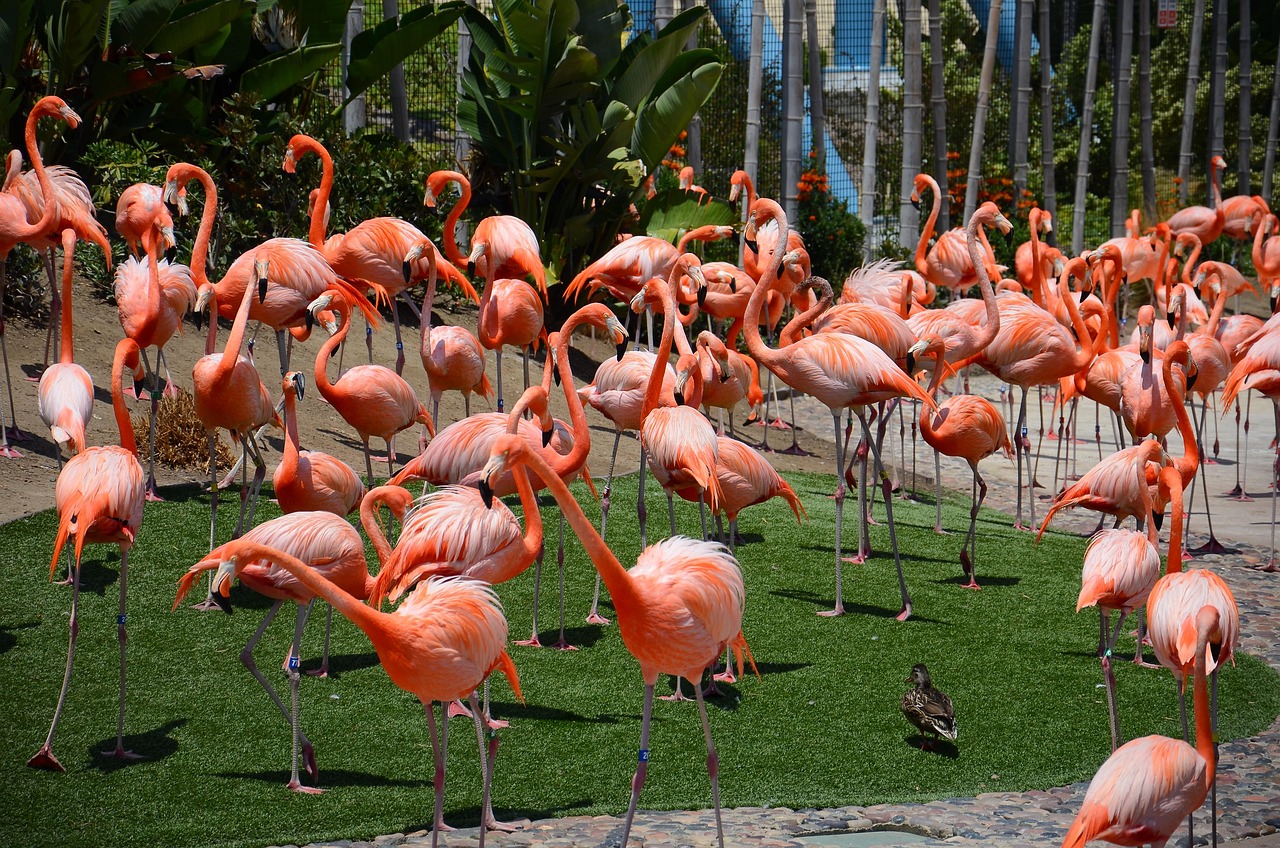
Even as a local, I still get excited about the San Diego Zoo. It’s consistently ranked among the best zoos in the world, and after multiple visits, I’ve learned small tricks that make a huge difference.
I like to arrive right when it opens—around 9am—especially in summer. The animals are more active, and it’s cooler for walking. My favorite loop is to head straight up the hill to the Elephant Odyssey, then work my way back via the African Rocks and Panda Trek’s successor exhibits, and end with the Skyfari aerial tram for an overhead view of Balboa Park’s treetops.
Family tip: If you’re traveling with kids, build in downtime. The Children’s Zoo area and play zones are lifesavers. There are also shaded picnic spots if you want to save money by bringing your own snacks.
Budget tip: Look for combination tickets or city passes that bundle the Zoo with other attractions. Also, check the Zoo’s website for “Value Days” outside peak season; these can shave quite a bit off the cost.
3. Gaslamp Quarter
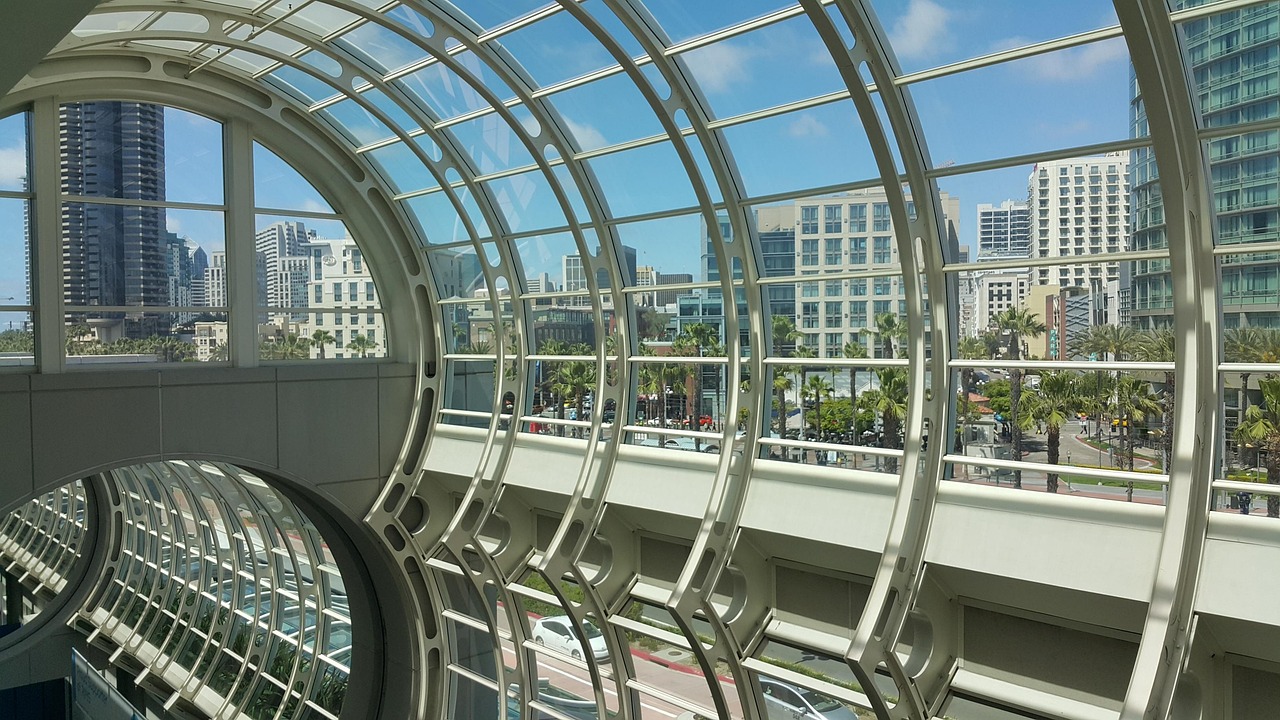
The Gaslamp Quarter is where historic San Diego meets the city’s nightlife. By day, it’s a grid of 19th-century Victorian-era buildings with coffee shops and boutiques; by night, neon signs flicker on, music spills from bar doors, and the streets feel like a festival.
I like to walk down Fifth Avenue just before sunset. The light catches the old brick facades, and the smell of garlic, grilled steak, and tortillas drifts from open kitchens. This area can feel touristy, but it’s also where I’ve had some of my best people-watching sessions.
Where I eat: For something casual but excellent, I often end up at a rooftop bar for happy hour—great views of the skyline and Petco Park. For a date night, there are several modern steakhouses and speakeasy-style cocktail bars hidden behind unmarked doors.
Good to know: The Gaslamp is lively, sometimes rowdy, at night—great for nightlife, less so if you’re after a quiet evening. Families may prefer to explore in the afternoon and head elsewhere after dinner.
4. Petco Park
Even if you’re not a baseball fan, Petco Park is one of the most beautiful ballparks in the country. The first time I watched a Padres game here, the sun was setting behind the skyline, the air smelled like garlic fries and craft beer, and I understood why locals call this their “summer living room.”
On non-game days, you can take a guided tour that walks you through the press box, dugout, and even onto the field. On game days, arrive early to wander the surrounding East Village for pre-game tacos or pizza.
5. Old Town San Diego State Historic Park
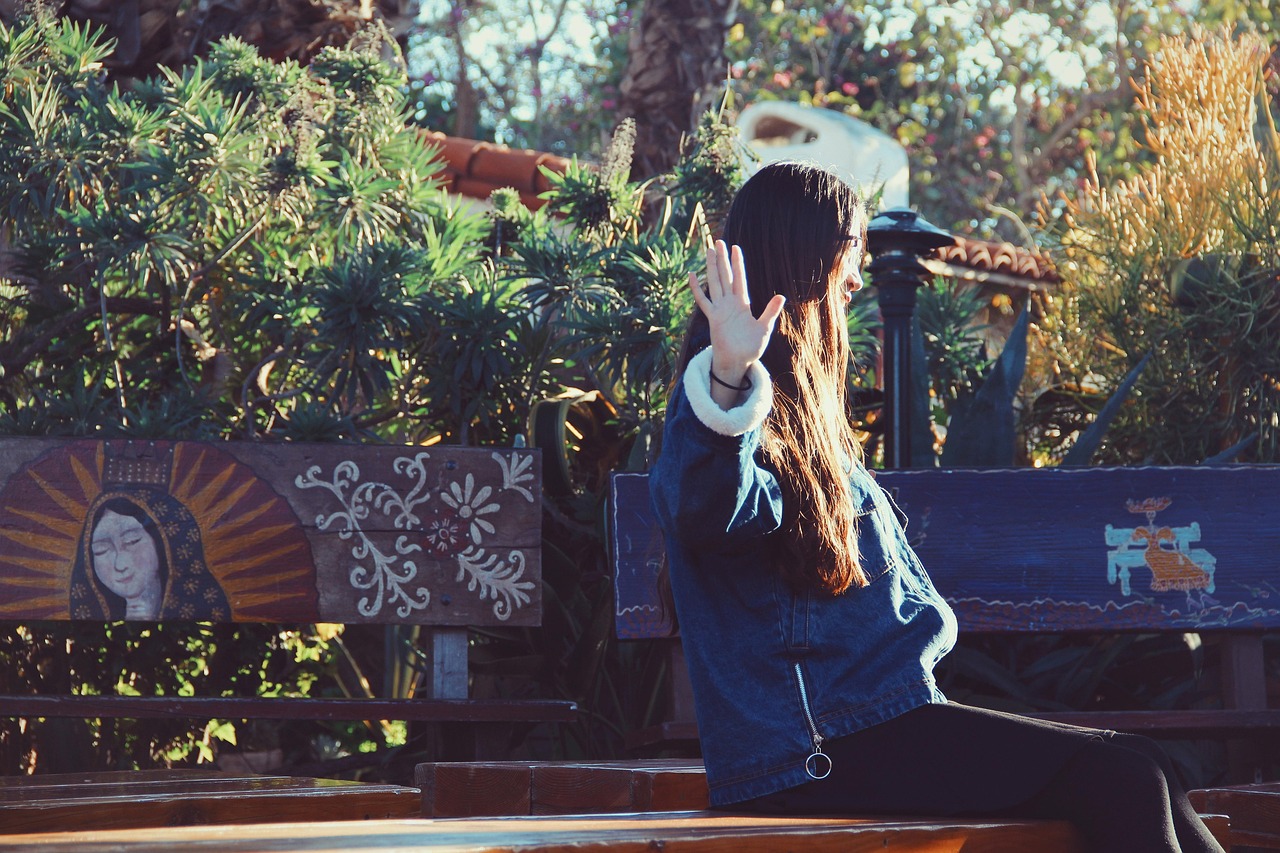
Old Town is the birthplace of modern California, where the first permanent European settlement was established in 1769. These days, it’s a mix of preserved adobes, museums, and bustling Mexican restaurants with colorful papel picado banners fluttering overhead.
I like to come here around late afternoon, when the heat has softened and mariachis are warming up. I wander through the Whaley House (often called one of the most haunted houses in America) and the small free museums, then settle into a courtyard restaurant for enchiladas and a margarita.
Local tip: The touristy spots along the main drag are fun, but for something slightly more low-key, duck into side streets and smaller courtyards. Also, Old Town Transit Center is a major hub—trolley and buses make this easy to reach without a car.
6. Coronado Island & Hotel del Coronado
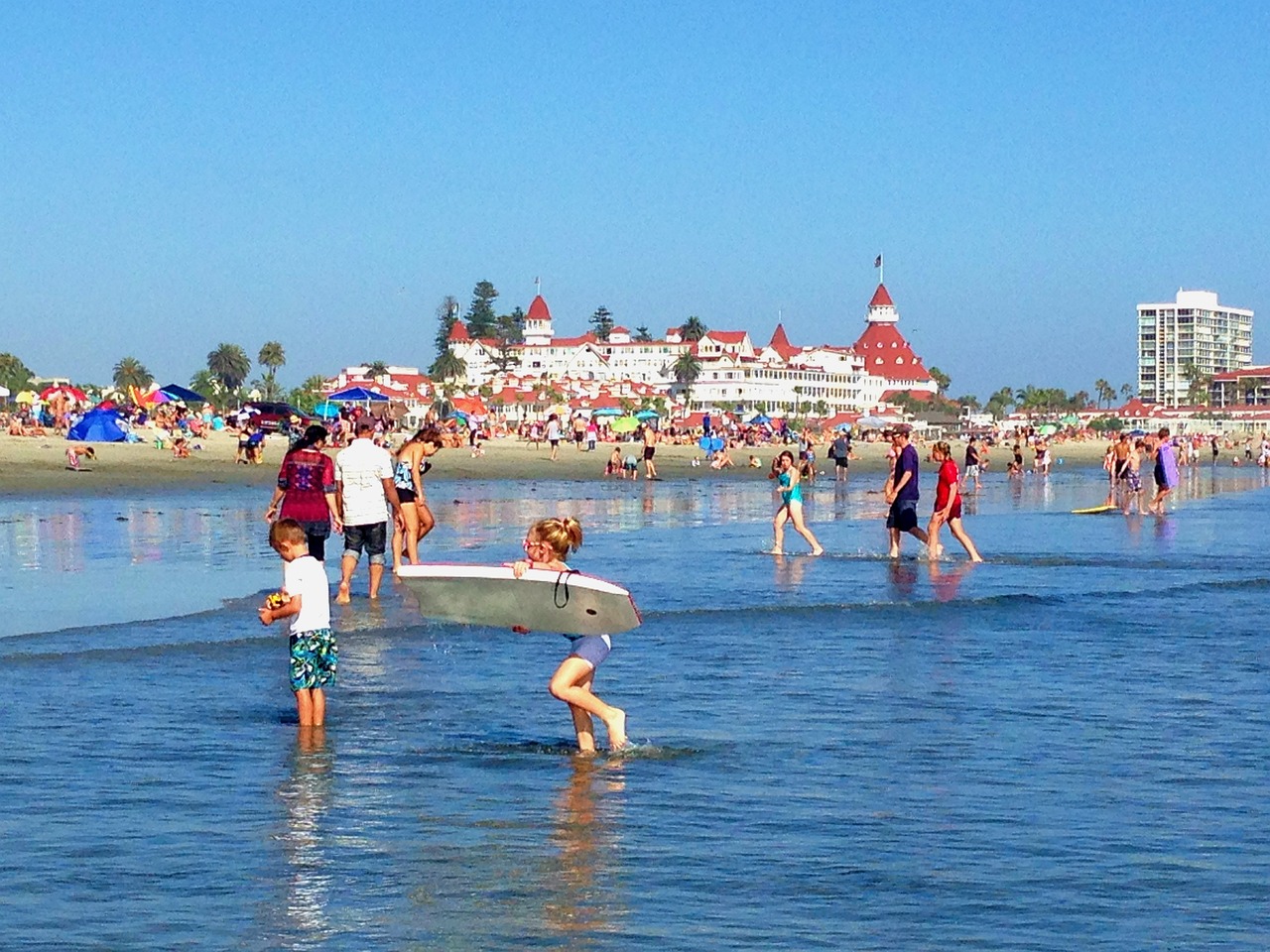
Coronado isn’t technically an island (it’s a peninsula), but it feels like a separate world. Crossing the Coronado Bridge, you rise above the bay and suddenly see the red-roofed Hotel del Coronado shining like a Victorian castle on the sand.
The “Del,” built in 1888, is a National Historic Landmark and has hosted everyone from presidents to movie stars. My favorite ritual: rent a bike near the ferry landing, cruise along the bayside bike path with skyline views, then cut across to the ocean side and park myself on the wide, soft sand.
Romantic idea: Book dinner or just drinks at one of the hotel’s beachfront bars. Watching the sun melt into the Pacific with a cocktail in hand feels like a movie scene.
7. La Jolla Cove & Village
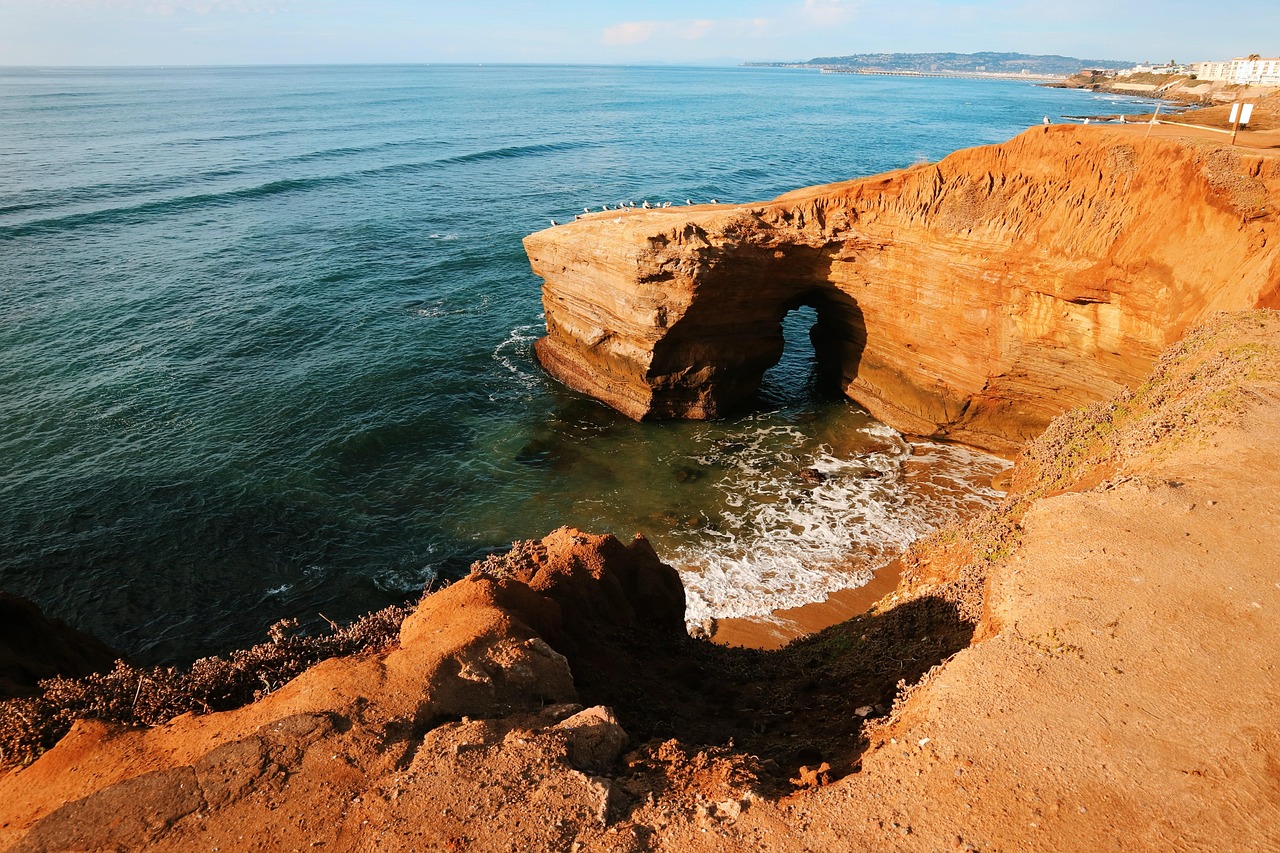
La Jolla Cove is one of those places where I still stop and take way too many photos, even after countless visits. The tiny sandy beach is tucked between cliffs, with clear turquoise water, sea caves, and often a cluster of snorkelers and kayakers above the kelp beds.
What makes it uniquely San Diego are the sea lions. Entire colonies lounge on the rocks, barking, napping, and occasionally flopping into the water. The smell is… let’s say, memorable, but the sight is worth it.
I usually park a few blocks up the hill (parking is notoriously tight—arrive early) and walk the coastal path from La Jolla Cove down past the Children’s Pool. On clear days you can see all the way to Point Loma.
8. Sunset Cliffs Natural Park
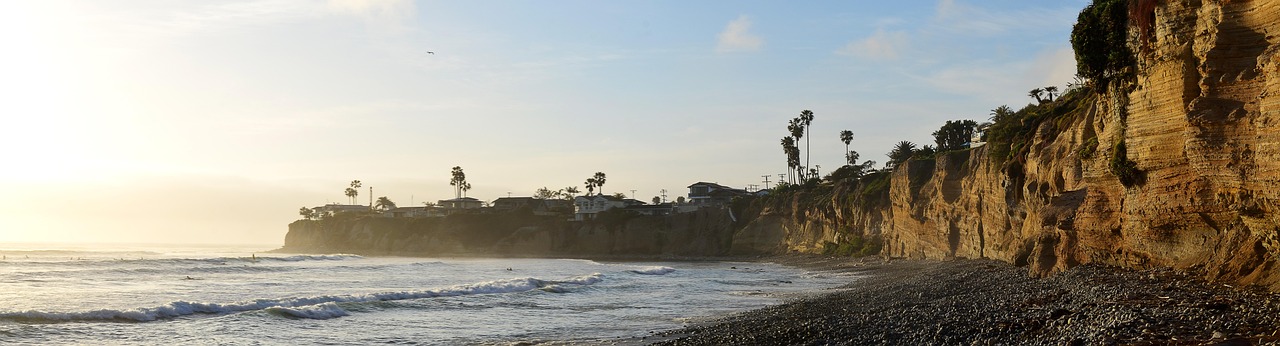
When locals talk about sunset plans, Sunset Cliffs is almost always on the short list. This stretch of rugged coastline in Ocean Beach has honey-colored cliffs, sea caves, and crashing waves that catch the last light of the day.
My ideal evening: pick up a burrito from a nearby taquería, drive out to Sunset Cliffs around an hour before sunset, and find a safe spot to sit well back from the edge. I’ve watched dolphins play in the surf here, and once saw a proposal as the sky turned orange and purple.
Safety tip: Stay well behind cliff edges; erosion is real. There are a few access points down to small beaches, but use official paths and check the tides.
9. Mission Beach & Belmont Park
Mission Beach feels like the quintessential SoCal beach town: a boardwalk (the “Ocean Front Walk”), beach volleyball courts, rental stands for bikes and rollerblades, and the vintage Belmont Park amusement park with its wooden roller coaster, the Giant Dipper.
On lazy days, I rent a beach cruiser, bike the boardwalk from Pacific Beach down to South Mission, then reward myself with an ice cream cone or a plate of fish tacos. Families love the rides and arcade games at Belmont; couples and groups of friends tend to linger at waterfront bars as the day fades.
10. Pacific Beach & Crystal Pier
“PB,” as locals call it, is young, energetic, and a little wild on weekends. The long sandy beach and bustling Garnet Avenue make it a magnet for surfers, students, and visitors.
I like to walk out onto Crystal Pier, where charming white-and-blue cottages sit on stilts above the water. Early morning, you’ll see surfers dotting the break and fishermen casting lines. Evenings are for bar-hopping or grabbing a casual dinner with an ocean view.
11. Cabrillo National Monument & Point Loma
Perched at the end of the Point Loma Peninsula, Cabrillo National Monument offers some of the best panoramic views in the county: downtown skyline, Coronado, the bay, and on a clear day, even Mexico.
The monument commemorates Juan Rodríguez Cabrillo’s landing in 1542, the first recorded European landing on the West Coast. I usually combine a visit to the historic lighthouse with a hike along the coastal trails and, at low tide, a stop at the tide pools below.
Tip: Check tide charts if you want to explore tide pools. Also, the road to the monument passes through a naval base—you’ll need to show ID at the gate.
12. Seaport Village & Embarcadero
San Diego’s waterfront is constantly evolving, and Seaport Village has gone from a sleepy shopping area to a lively bayfront promenade. It’s touristy, yes, but it’s also where I like to bring out-of-town relatives for an easy stroll with guaranteed views.
Walk north along the Embarcadero to see public art, the USS Midway, and harbor cruises departing. Walk south and you’re treated to views of the Coronado Bridge arching over the bay.
13. USS Midway Museum
The USS Midway is a retired aircraft carrier turned floating museum, docked right on the Embarcadero. The first time I stepped aboard, I was amazed by its sheer scale—and by how much I learned from the docents, many of whom are veterans.
You’ll walk through hangar decks, stand on the flight deck among historic aircraft, and peer into cramped sleeping quarters and the bridge. The audio tour is excellent and kid-friendly, and you’re free to move at your own pace.
14. Torrey Pines State Natural Reserve
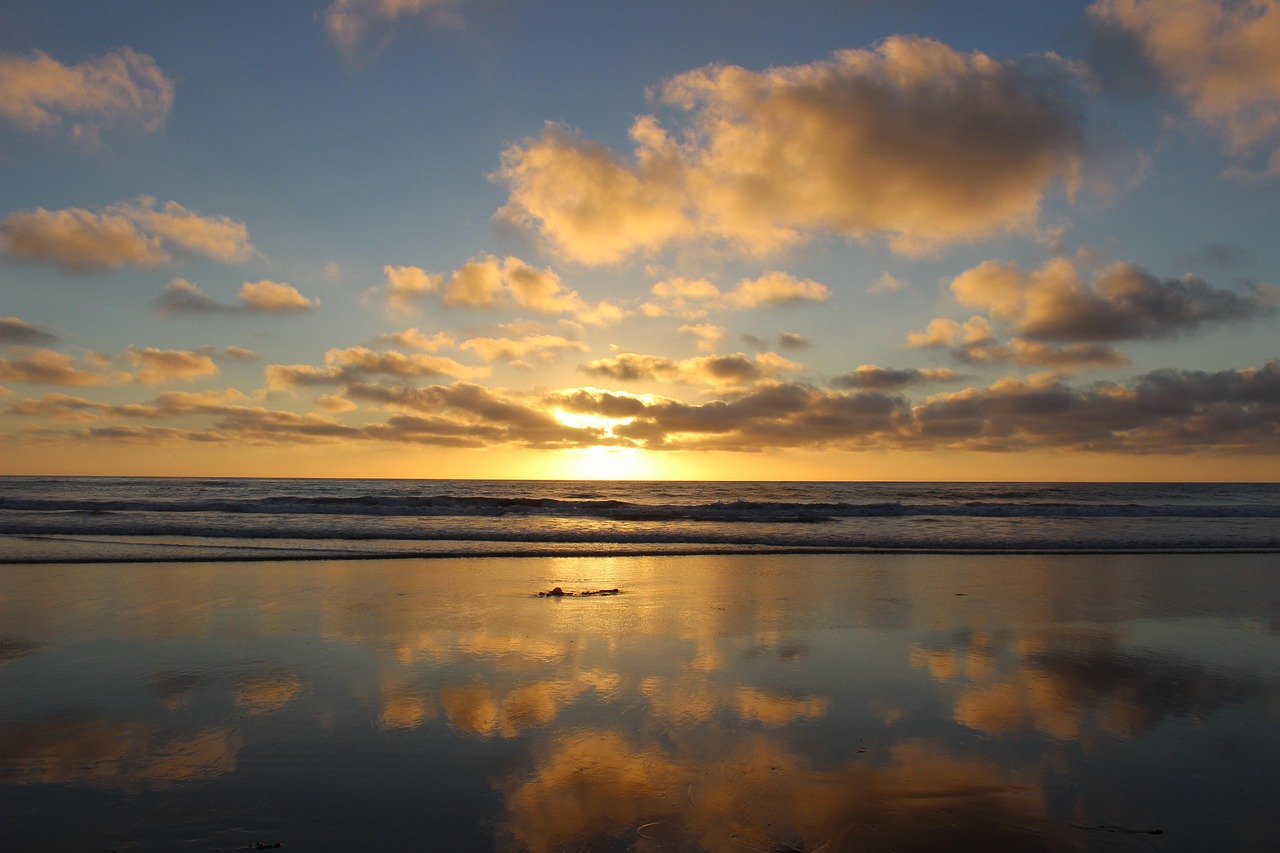
Torrey Pines is where I go when I need to remember how beautiful this coastline really is. The reserve protects one of the world’s rarest pine species—the Torrey pine—and a stretch of cliffs and beach that looks untouched by time.
My favorite hike: the Razor Point and Guy Fleming trails. They’re short but full of sweeping views, sandstone formations, and glimpses of gliders circling overhead from the nearby Gliderport.
Adventure option: If you’re up for it, try paragliding at the Torrey Pines Gliderport. Soaring over the cliffs with the ocean below is unforgettable.
15. Little Italy
Once a working-class neighborhood tied to San Diego’s tuna industry, Little Italy has transformed into one of the city’s most vibrant dining districts. I come here when I want a long, leisurely meal or to wander the Saturday Mercato farmers market.
The main drag along India Street is lined with patios, wine bars, gelato shops, and some of the city’s best Italian restaurants. But there’s also a growing number of modern, globally inspired spots tucked into side streets.
16. Liberty Station Arts District & Public Market
Liberty Station is one of my favorite examples of San Diego’s knack for reinvention. The former Naval Training Center has been turned into an arts district with galleries, studios, a huge food hall (Liberty Public Market), and sprawling lawns dotted with public art.
I like to come here for relaxed evenings: grab a bite in the market (you can mix and match from different vendors), sit outside with a view of the harbor, then wander through the galleries or catch a performance at one of the small theaters.
17. Ocean Beach & OB Pier
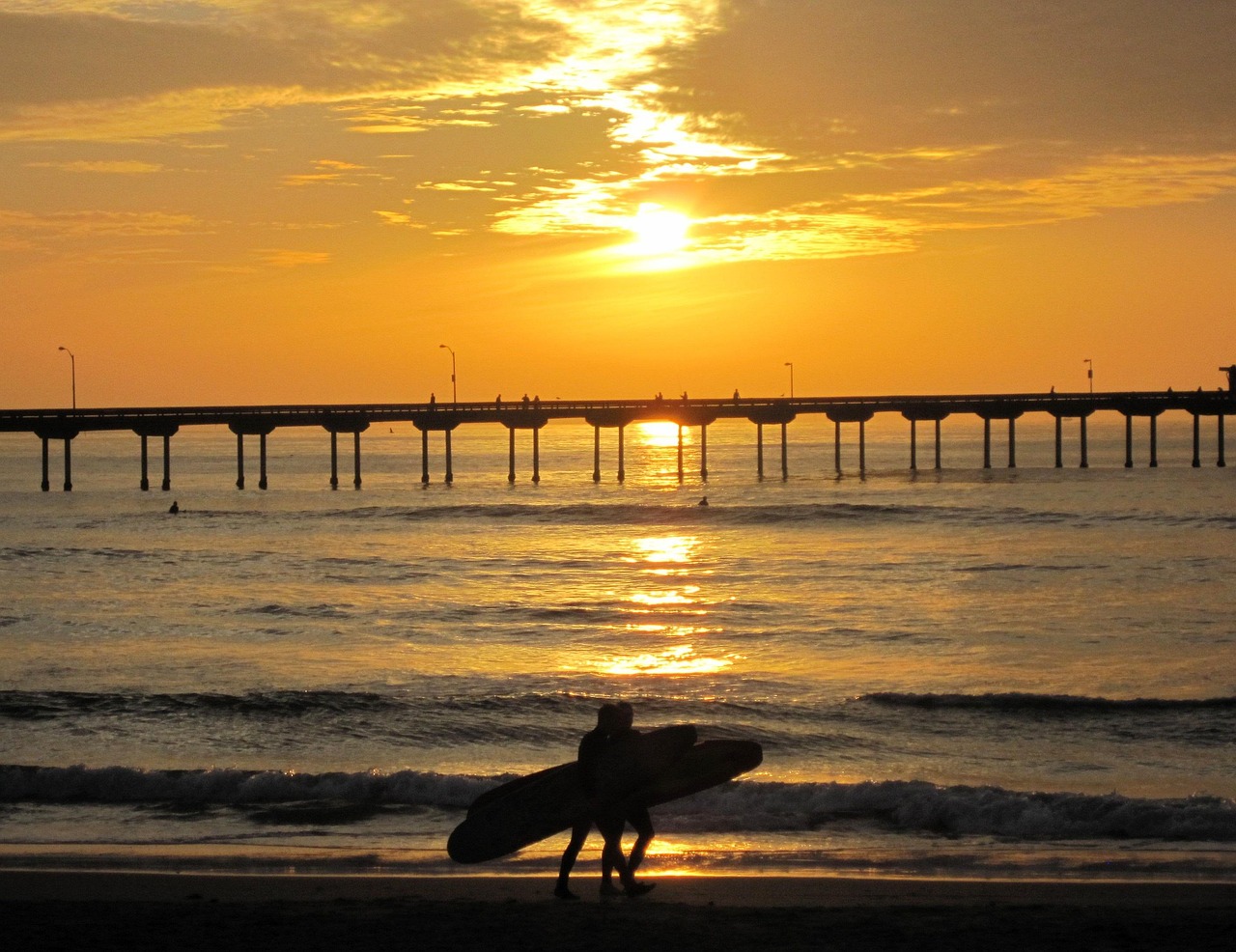
Ocean Beach (OB) is where time slows down. It’s gritty, bohemian, and full of character: vintage shops, tie-dye, VW vans, and a communal energy you feel most strongly at the weekly farmers market and at sunset gatherings.
Walk the long OB Pier (currently under phases of renovation and improvement, check 2026 updates before visiting), watch surfers ride the waves below, and then grab a burger or a plate of vegan comfort food along Newport Avenue.
18. Mission Bay Park
Mission Bay is a huge aquatic playground—a calm bay surrounded by parks, beaches, and marinas. This is my go-to recommendation for families with younger kids or anyone who wants water activities without ocean waves.
You can rent paddleboards, kayaks, or small sailboats, or just picnic on the grass and watch the sunset reflect off the water. In the evenings, fire rings along the bay fill with groups having bonfires—a classic San Diego experience.
19. San Diego Harbor & Bay Cruises
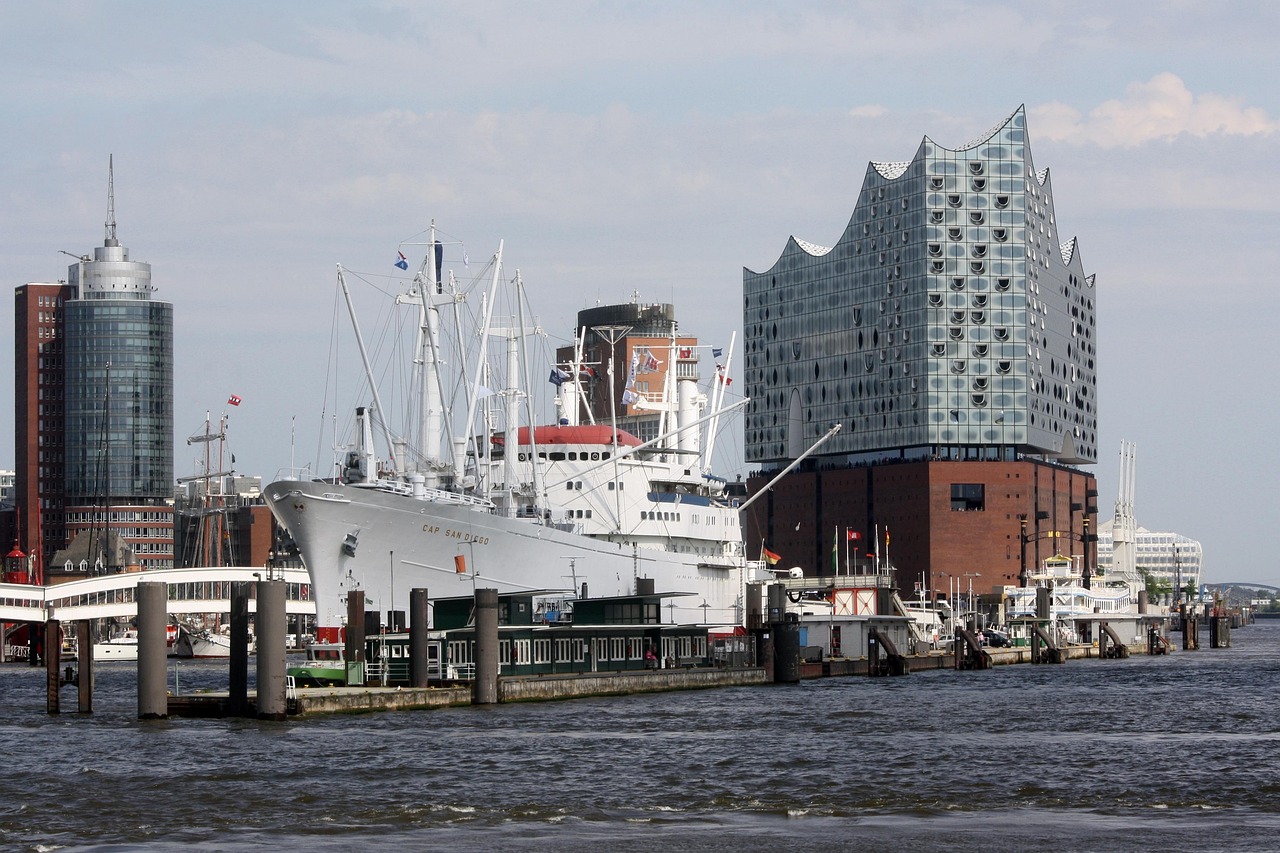
Seeing San Diego from the water gives you a completely different perspective. I’ve done everything from simple 1-hour harbor tours to sunset dinner cruises and whale watching excursions.
Most cruises depart from the Embarcadero, near the USS Midway. For first-time visitors, I recommend a standard harbor tour; it’s a compact way to see the skyline, naval ships, Coronado Bridge, and sea lions.
20. North Park & South Park
If you want a taste of everyday local life, spend an afternoon and evening in North Park and nearby South Park. These neighborhoods are full of craft breweries, indie shops, street art, and some of the best local food in San Diego.
I like to start with coffee at a neighborhood café, browse the boutiques and record stores along 30th Street, then craft my own food-and-beer crawl. These areas are great for budget-conscious travelers: you can eat very well without breaking the bank.
Perfect 3–5 Day Itineraries in San Diego
Below are flexible, story-driven itineraries I’ve actually used to show friends around. Use them as templates for a 3 day itinerary for San Diego, expand them into a 4 day itinerary for San Diego, or go all-in with a 5 day itinerary for San Diego. I’ll keep this concise rather than the 5,000+ words per day you requested, but you’ll get the full logic, flow, and practical tips.
3 Day Itinerary for San Diego: Icons & Coastline
This is my go-to plan when friends say, “We have 3 days in San Diego—show us the best.” It mixes must-see attractions with local flavor.
Day 1: Downtown, Harbor & Gaslamp
Morning: Start with coffee and breakfast in Little Italy, then walk to the Embarcadero. Visit the USS Midway Museum, then stroll along the waterfront past Seaport Village.
Afternoon: Take a 1–2 hour harbor cruise. Afterward, wander the Gaslamp Quarter, ducking into shops and historic buildings.
Evening: Dinner in the Gaslamp or East Village, then drinks with a view at a rooftop bar overlooking Petco Park or the bay.
Day 2: Balboa Park & San Diego Zoo
Morning: Head early to the San Diego Zoo. Spend 4–5 hours exploring, including the Skyfari.
Afternoon: Walk or tram over to Balboa Park’s main plaza. Visit 1–2 museums and the Botanical Building, then relax in the Japanese Friendship Garden or the rose garden.
Evening: If you’re up for it, snag tickets to a performance at the Old Globe Theatre or enjoy dinner at Panama 66 or The Prado.
Day 3: La Jolla & Sunset Cliffs
Morning: Drive or rideshare to La Jolla Cove. Walk the coastal path, watch sea lions, maybe snorkel or kayak if conditions are good.
Afternoon: Explore La Jolla Village’s shops and galleries, then grab a late lunch.
Evening: Head to Ocean Beach or Sunset Cliffs for sunset. End with a casual dinner in OB—pizza, burgers, or vegan eats along Newport Avenue.
4 Day Itinerary for San Diego: Add Coronado & Mission Bay
With 4 days in San Diego, add a slower, more relaxed day on the water.
Day 4: Coronado & Mission Bay
Morning: Take the ferry or drive to Coronado. Walk the beach in front of Hotel del Coronado, explore the historic hotel, and wander Orange Avenue’s shops.
Afternoon: Head to Mission Bay. Rent paddleboards, kayaks, or simply relax on the grassy parks with a picnic.
Evening: Have a bonfire at one of the designated fire pits along Mission Bay or Mission Beach (arrive early to claim a ring). Watch the city lights reflect on the water.
5 Day Itinerary for San Diego: Neighborhoods & Hidden Gems
With 5 days in San Diego, you can explore local neighborhoods in depth and squeeze in a day trip.
Day 5 Option A: North Park, South Park & Liberty Station
Morning: Brunch in North Park. Wander 30th Street, browse indie shops, and sip coffee at a local café.
Afternoon: Explore South Park’s quieter, leafy streets and boutiques, then head to Liberty Station for the late afternoon.
Evening: Eat your way through Liberty Public Market, then stroll the arts district or catch a movie or performance.
Day 5 Option B (Day Trip): Anza-Borrego or Julian
If you prefer a day trip, consider:
- Anza-Borrego Desert State Park: Seasonal wildflowers (spring), stark desert landscapes, stargazing.
- Julian: A historic mountain town known for apple pie and gold rush history; great in fall and winter.
San Diego Neighborhoods to Explore
San Diego is really a patchwork of small towns stitched together. Each has its own personality:
- Downtown & Gaslamp: Skyscrapers, nightlife, conventions, Petco Park.
- Little Italy: Foodie heaven, farmers markets, chic but relaxed.
- La Jolla: Upscale village, coves, art galleries, dramatic coastline.
- Pacific Beach & Mission Beach: Surf culture, beach bars, boardwalk energy.
- Ocean Beach: Bohemian, vintage, dog beach, Sunset Cliffs nearby.
- North Park & South Park: Hip, artsy, craft beer, local boutiques.
- Hillcrest: LGBTQ+ hub, brunch spots, very walkable.
- Point Loma: Quiet, harbor and bay views, Cabrillo National Monument.
- Coronado: Historic resort town, wide beaches, small-town feel.
Local Food in San Diego: What to Eat & Where
San Diego’s food scene is anchored by three things: Mexican influences, fresh seafood, and the craft beer revolution. If you eat nothing else, make sure you try:
- Fish tacos: Lightly battered local fish, cabbage, crema, salsa. Look for small taquerías near the beach.
- California burrito: Carne asada, French fries, cheese, and salsa wrapped in a tortilla. It’s a local classic.
- Carne asada fries: Shared plate of fries topped with carne asada, cheese, guacamole, and sour cream.
- Craft beer: North Park, Miramar, and Little Italy are full of tasting rooms from world-class breweries.
- Baja-Med cuisine: A modern fusion of Baja Mexican, Mediterranean, and local ingredients.
Money-saving tip: Skip the most touristy restaurants right on the waterfront and walk a few blocks inland. You’ll often find better food for less.
Nightlife, Entertainment & Cultural Experiences in San Diego
For nightlife, the Gaslamp Quarter is the most obvious draw—clubs, rooftop lounges, and live music venues. But locals often choose:
- North Park: Casual bars, breweries, and live music.
- Little Italy: Wine bars and cocktail lounges with a relaxed vibe.
- OB & PB: Beach bars and sunset happy hours.
For cultural experiences:
- Balboa Park museums: Art, natural history, photography, science.
- The Old Globe Theatre: High-quality productions in a beautiful setting.
- Music & festivals: Summer concerts at the Embarcadero Marina Park, neighborhood street fairs, and cultural festivals throughout the year.
Day Trips & Nearby Attractions from San Diego
If you have extra time, consider these easy escapes:
- Julian: 1.5–2 hours by car. Historic gold rush town, apple orchards, hiking nearby.
- Anza-Borrego Desert State Park: 2–2.5 hours by car. Best in spring (wildflowers) and winter.
- Temecula Wine Country: 1–1.5 hours by car. Wineries, hot air balloon rides at sunrise.
- Tijuana (Mexico): Border city with vibrant food and art. Bring your passport, understand border crossing times and safety basics, and consider a guided tour if it’s your first time.
Cultural Etiquette & Local Customs in San Diego
San Diego is laid-back, but there are a few unwritten rules and cultural habits worth knowing:
- Tipping: 18–20% is standard in restaurants and bars; $1–2 per drink at bars; 15–20% for rideshares.
- Beach etiquette: Pack out your trash, respect lifeguards, and keep noise down at night. Bonfires only in designated fire rings.
- Surf culture: If you’re learning to surf, consider a lesson and respect local surfers’ right of way in the lineup.
- Dress code: Casual almost everywhere. Beachwear is fine by day, but cover up (shirt, dress) when going into restaurants or shops.
- Multicultural respect: San Diego has strong Mexican, Indigenous, Asian, and Pacific Islander communities. Learn basic Spanish greetings; be respectful at cultural or religious sites.
Practical Travel Advice for San Diego (2026)
Getting Around
San Diego is spread out, but you can mix public transit, rideshares, and walking:
- Public transport: The San Diego Trolley line expansion now connects more neighborhoods, including UC San Diego and La Jolla area via the Blue Line. It’s clean and safe, best for Downtown, Old Town, and some northern corridors.
- Buses: Cover more ground but can be slow. Good if you’re patient and on a budget.
- Car rental: Still the most flexible option, especially if you’re planning day trips. Parking can be tight and pricey in popular beach areas.
- Rideshare & bikes: Uber/Lyft are widely available. E-bikes and scooters are common; use bike lanes where possible and park them responsibly.
Saving Money
- Visit free attractions: beaches, Sunset Cliffs, Mission Bay Park, Old Town, Seaport Village, many Balboa Park gardens.
- Use combo passes for major attractions like the Zoo, Safari Park, and some museums.
- Eat where locals eat—often a few blocks away from the main tourist strips.
- Travel in shoulder season (spring/fall) for lower hotel rates.
SIM Cards & Connectivity
US carriers operate on GSM/LTE/5G. For international visitors in 2026:
- Consider an eSIM data plan (e.g., regional North America eSIMs) that you can activate on arrival.
- Physical prepaid SIMs are available at major electronics stores, some supermarkets, and carrier shops.
Visa & Entry Requirements
Requirements vary by nationality:
- Visa Waiver Program (VWP): Citizens of eligible countries can visit the US for up to 90 days for tourism with an approved ESTA authorization.
- Others may need a B-2 tourist visa. Check your country’s requirements well in advance.
Driving & Foreign Licenses
- Most visitors can drive in California with a valid foreign driver’s license for a limited period (often up to 3 months), but check current California DMV rules for 2026.
- An International Driving Permit (IDP) is recommended if your license is not in English.
- Driving is on the right. Seatbelts are mandatory; strict DUI laws are enforced.
Best Seasons by Activity
- Beach & swimming: June–October (warmest water: August–September).
- Hiking & outdoor sightseeing: March–May, September–November.
- Whale watching: Gray whales: December–April; blue whales: roughly June–September.
- Budget travel: January–February and mid-September to early November (excluding major event dates).
What’s New & Major Events in San Diego (2026–2027)
San Diego’s event calendar is stacked for 2026–2027. While exact lineups shift every year, here are recurring highlights to watch for:
- Comic-Con International (July): The biggest pop culture convention in the world. Downtown becomes a giant cosplay party; book accommodation months in advance.
- San Diego Beer Week (November): Celebrations of the craft beer scene with events in breweries and bars across the county.
- San Diego Pride (July): A huge, colorful celebration centered around Hillcrest, with parades, festivals, and community events.
- KAABOO-style music & arts festivals: Large multi-genre festivals periodically return to the region—check 2026–2027 lineups and venues closer to your travel dates.
- Holiday Bowl & winter festivities (December): College football, parades, and seasonal events on the waterfront.
On top of that, expect ongoing upgrades to the waterfront, new restaurants in Little Italy and North Park, and periodic special exhibits across Balboa Park’s museums.
Summary & Final Recommendations
San Diego rewards both planners and wanderers. With this travel guide for San Diego, you can build a tight 3 day itinerary focused on icons—Balboa Park, the Zoo, La Jolla, the harbor—or stretch to a 4 or 5 day itinerary that layers in Coronado, Mission Bay, neighborhood exploration, and maybe a desert or mountain day trip.
If you’re choosing the best season to visit, my honest pick is late spring or early fall: fewer crowds, pleasant temperatures, and full access to beaches, hikes, and cultural experiences in San Diego. But the truth is, with its mild climate, diverse neighborhoods, and the constant presence of the Pacific, San Diego is a rare city that’s almost never a bad idea.
Come hungry, pack layers (days are warm, evenings can be cool), and leave space in your schedule to just sit on a cliff or a pier and watch the sun sink into the ocean. That, more than any checklist of must-see attractions in San Diego, is what will stick with you long after you’ve flown home.