Why Visit Santa Barbara in 2026
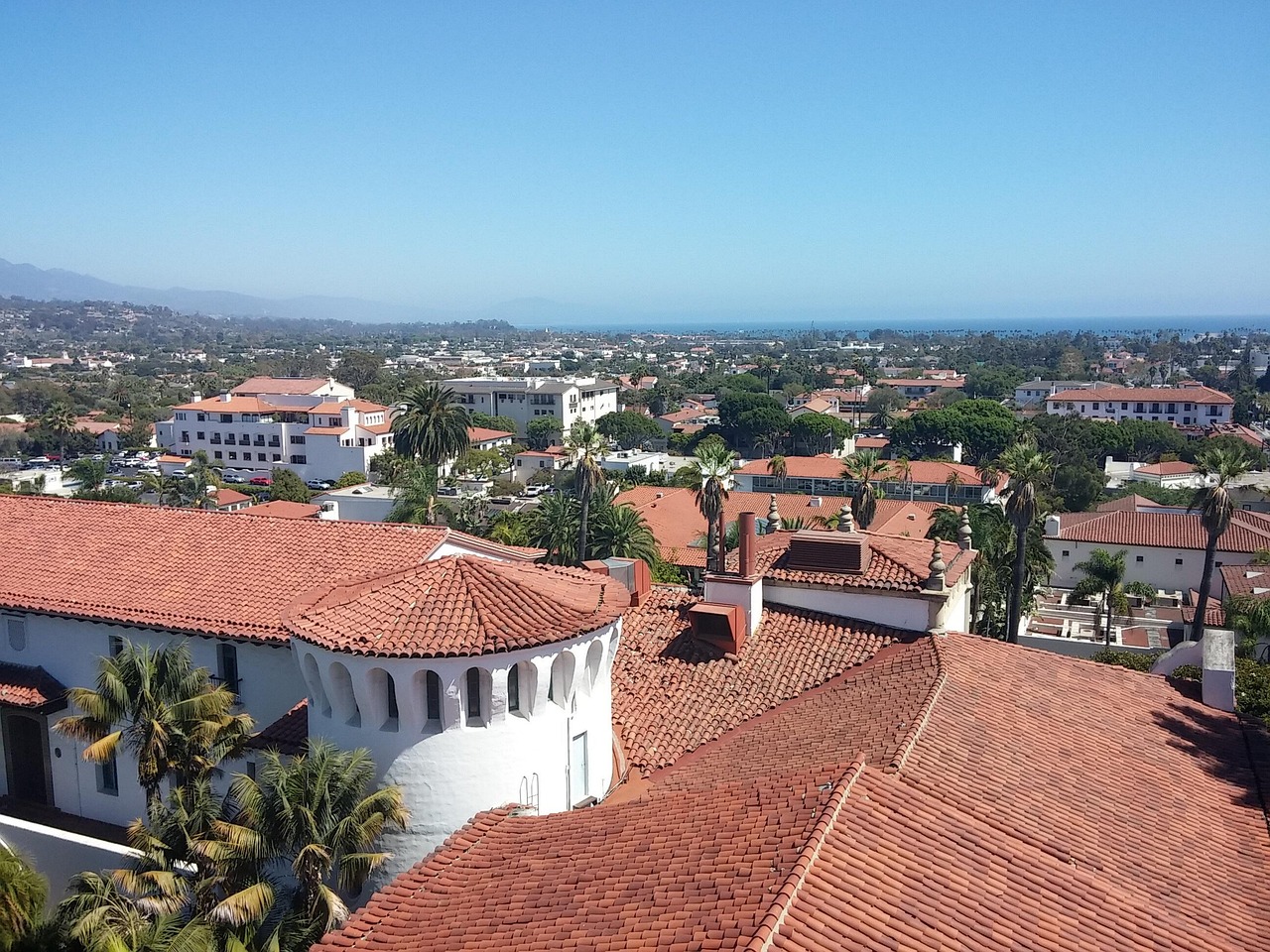
Santa Barbara is the California coast you see in movies, but with a gentler rhythm and a distinctly Spanish heartbeat. Whitewashed adobe buildings with red-tile roofs, palm-lined beaches, vineyards stretching into the hills, and sunsets that turn the Santa Ynez Mountains pink — it’s all here in a compact, walkable city that feels more like a Mediterranean town than an American beach destination.
I’ve been slipping up to Santa Barbara from Los Angeles for over a decade — quick weekend escapes, longer writing retreats, and the occasional “I’ll just stay one more day” that turns into three. Every time, I find a new backstreet wine bar, a locals-only coffee shop, or a hiking trail that steals the show. It’s one of those places that’s easy to “do” in 3 days, but also endlessly deep if you give it 4 or 5 days (and you absolutely should).
In 2026, Santa Barbara is buzzing more than ever: expanded bike lanes, a flourishing farm-to-table scene, new tasting rooms in the Funk Zone, and a full calendar of festivals that somehow never feel overwhelming. This guide is written with 2026–2027 in mind, with up-to-date info on events, practical travel tips, and a deeply detailed 3–5 day itinerary that blends must-see attractions with hidden local corners.
Whether you’re planning 3 days in Santa Barbara, a 4 day itinerary for Santa Barbara, or stretching it to 5 days in Santa Barbara, this travel guide will help you experience the city like someone who’s been coming here for years — because I have.
Table of Contents
- Why Visit Santa Barbara
- Santa Barbara at a Glance
- Neighborhoods & Areas to Explore
- Suggested 3–5 Day Itineraries
- Top 20+ Must-See Attractions in Santa Barbara
- Local Food & Drink in Santa Barbara
- Nightlife, Entertainment & Cultural Experiences
- Best Day Trips from Santa Barbara
- Cultural Etiquette & Local Customs
- Practical Travel Tips & Money-Saving Advice
- Major Events & Festivals 2026–2027
- Best Time to Visit Santa Barbara
- Final Summary & Key Takeaways
Santa Barbara at a Glance
Santa Barbara sits on California’s Central Coast, about 90 minutes north of Los Angeles (on a good traffic day) and four hours south of San Francisco. The city stretches along a gentle curve of coastline backed by the Santa Ynez Mountains, a geographic quirk that gives it a rare south-facing beach and those spectacular sunsets.
The city is sometimes called the “American Riviera” — not just for the climate, but for the red-tile roofs, bougainvillea-draped balconies, and prolific wine culture. It’s sophisticated without being snobby, and while it can absolutely be a luxury destination, you can also experience it on a more modest budget with the right strategies (I’ll share plenty).
Santa Barbara is perfect for:
- Romantic getaways – beach walks, wine tastings, and candlelit dinners
- Family trips – gentle beaches, a great zoo, kid-friendly museums, and easy walks
- Adventure seekers – surfing, kayaking, hiking, cycling, and Channel Islands day trips
- Cultural travelers – missions, museums, Spanish Colonial Revival architecture, and local festivals
Santa Barbara Neighborhoods & Districts
Downtown & State Street
Downtown is the heart of Santa Barbara life: State Street runs from the waterfront up into the hills, lined with shops, galleries, theaters, and restaurants. In the last few years, parts of State Street have turned into a pedestrian-friendly promenade — a huge win for walkers and cyclists. I love wandering here in the late afternoon when the light hits the white stucco buildings and everything feels golden.
The Funk Zone
Once a cluster of warehouses near the tracks, the Funk Zone is now Santa Barbara’s creative and culinary playground. Think wine tasting rooms, craft breweries, murals, surfboard shapers, and boutique eateries. It’s casual, colorful, and one of the best places to feel the city’s youthful side.
Waterfront & East/West Beach
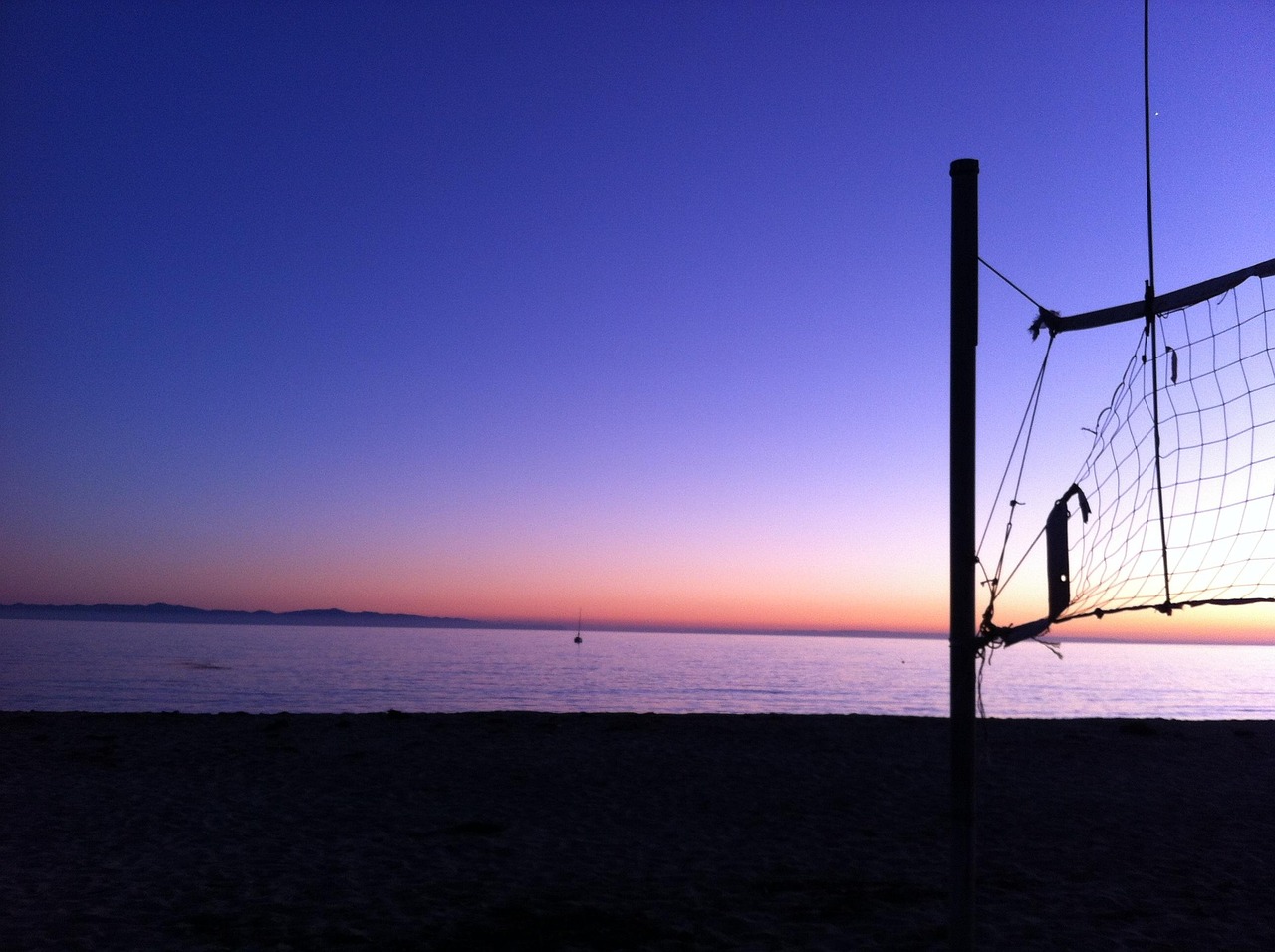
The waterfront area stretches along Cabrillo Boulevard and includes Stearns Wharf, the bike path, and broad sandy beaches. Families gravitate to East Beach, while West Beach is closer to the harbor. Morning walks here are my ritual: locals jogging, volleyball games starting up, and the mountains glowing behind the palm trees.
Upper State & San Roque
Upper State Street and the San Roque neighborhood are more residential, with local shopping plazas, quieter hotels, and some under-the-radar places to eat. If you want to save money on accommodation while still being close to everything, this area is a smart pick.
The Mesa
The Mesa is a bluff-top neighborhood west of downtown with sweeping ocean views and a laid-back, beachy feel. You’ll find family homes, local cafes, and access to some stunning coastal walks and beaches like Leadbetter Beach and Shoreline Park.
Montecito
Technically its own community just east of Santa Barbara, Montecito is synonymous with luxury: grand estates hidden behind hedges, high-end boutiques, and upscale restaurants. But it’s not all gated driveways — there are public beaches, beautiful gardens, and some surprisingly casual spots if you know where to look.
Goleta & UCSB Area
Goleta, to the west, has a more local, university-town vibe thanks to UCSB. Here you’ll find coastal bluffs, bike paths, cheaper eats, and fewer tourists. It’s a great area if you’re on a budget, traveling with college-age kids, or just want a quieter base.
Suggested 3–5 Day Itineraries in Santa Barbara
These itineraries are designed so that you can comfortably experience 3 days in Santa Barbara, or expand into a rich 4 day itinerary for Santa Barbara or even a 5 day itinerary for Santa Barbara. Each day is written like a personal story, but you can mix and match depending on your interests.
Day 1: Classic Santa Barbara Icons (Perfect Start for Any Itinerary)
I like to start every visit with the greatest hits — the places that define Santa Barbara’s look and feel. On my last trip in early spring 2026, I checked into a small inn near State Street, dropped my bag, and walked straight toward the courthouse tower. It never gets old.
Morning: Santa Barbara County Courthouse & Downtown Stroll
The Santa Barbara County Courthouse is, without exaggeration, one of the most beautiful public buildings in the United States. Completed in 1929 in the Spanish Colonial Revival style, it’s all hand-painted ceilings, wrought-iron lanterns, ornate tilework, and lush gardens.
On that trip, I arrived just before 9 a.m. to beat the crowds. I wandered the Sunken Gardens first — if you stand by the central lawn and look up, the tower and arcades frame the sky perfectly. Then I stepped inside to see the Mural Room, where floor-to-ceiling paintings tell the story of California’s history in vivid color.
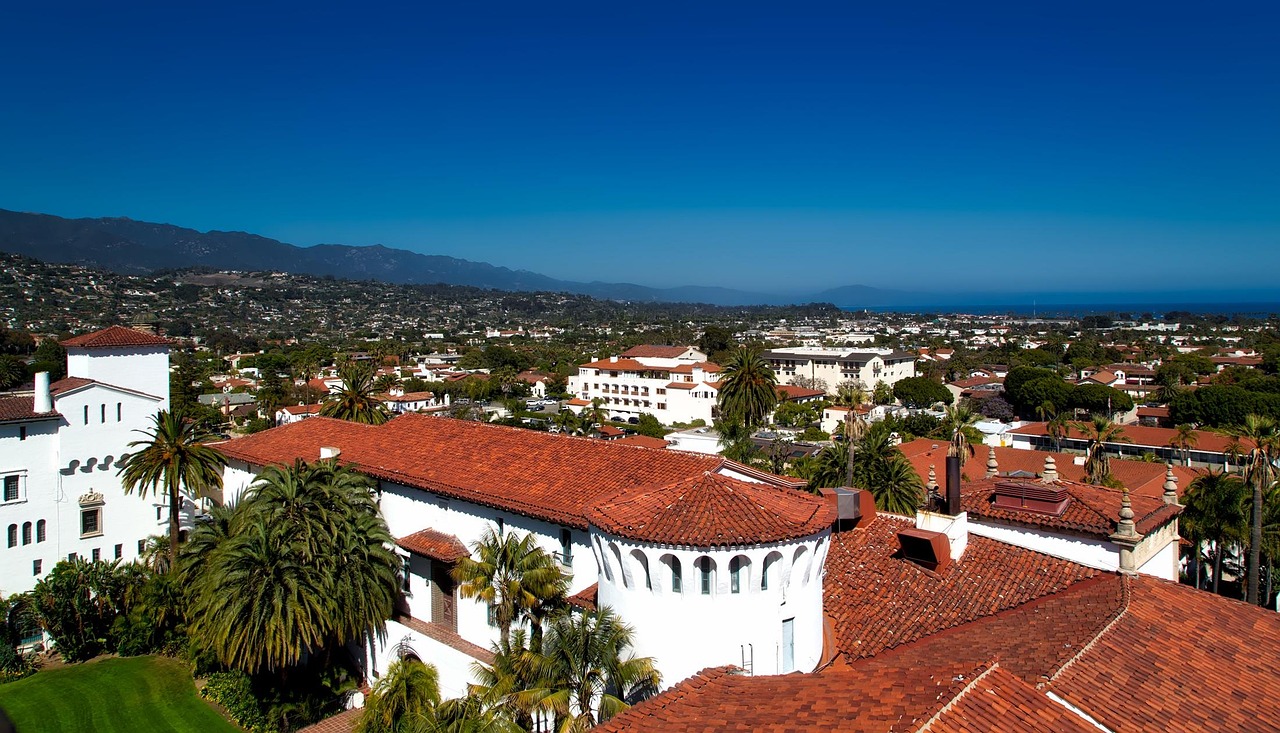
Don’t miss climbing (or taking the elevator) up the tower. From the top, you get a 360-degree view: red-tile roofs, the glittering Pacific, and the Santa Ynez Mountains rising steeply behind town. It’s the best quick orientation you can get.
- Time: 1.5–2 hours
- Cost: Free (donations encouraged)
- Tip: Go early for soft morning light and fewer people; late afternoon is also lovely for photos.
From the courthouse, I usually meander down State Street. In 2026, the pedestrianized promenade is thriving: outdoor patios, local boutiques, and street musicians. I like grabbing a coffee at a local spot like Handlebar Coffee Roasters and just people-watching for a bit.
Midday: Santa Barbara Mission & Mission Rose Garden
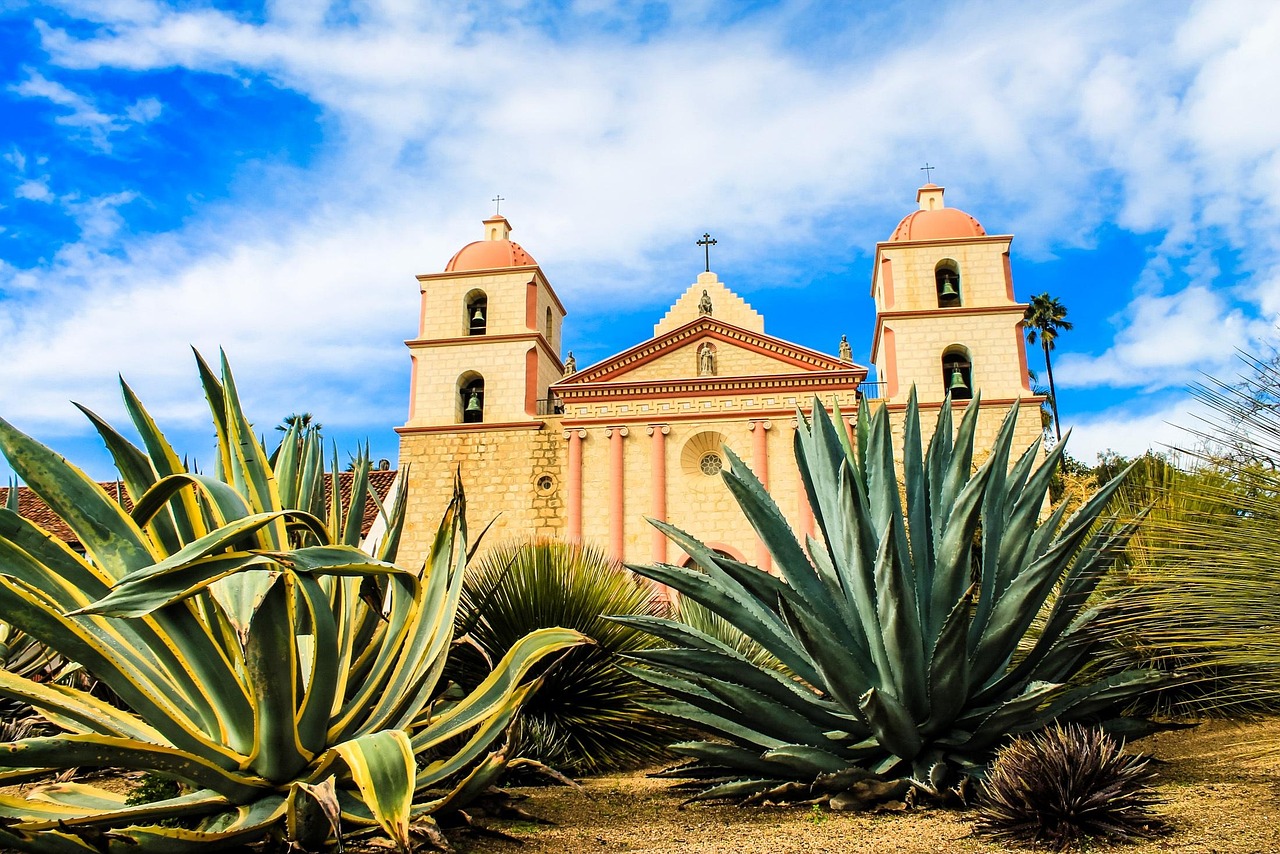
By late morning, I recommend heading up to the Old Mission Santa Barbara, often called the “Queen of the Missions.” Founded in 1786, it’s one of California’s most iconic missions and still an active parish today. Every time I go, I find a new detail in the church interior or the cloistered gardens.
On my last visit, I joined a self-guided tour, starting in the church with its soft pink facade and twin bell towers. Inside, the cool stone walls and flickering candles provide a welcome break from the midday sun. The small museum gives context on the Spanish colonial era and the Chumash people, whose history is deeply intertwined with the mission (and whose story is increasingly being told more honestly in the exhibits).
Outside, the Mission Rose Garden is one of my favorite picnic spots in the city. Locals sprawl on the grass with blankets, kids roll down the small hill, and the mission rises like a film backdrop behind it all. I usually pack a simple picnic — cheese, bread, and fruit from a downtown market — and linger here for an hour.
- Time: 2–3 hours including the rose garden
- Family-friendly: Very; kids have space to run around.
- Romantic: Yes, especially for a picnic with mission views.
Afternoon: Waterfront Walk & Stearns Wharf
In the afternoon, I like to shift from history to the sea. From downtown, it’s an easy walk down State Street to the waterfront. You’ll pass through the lower section of State Street and eventually reach Stearns Wharf, the oldest working wharf in California.
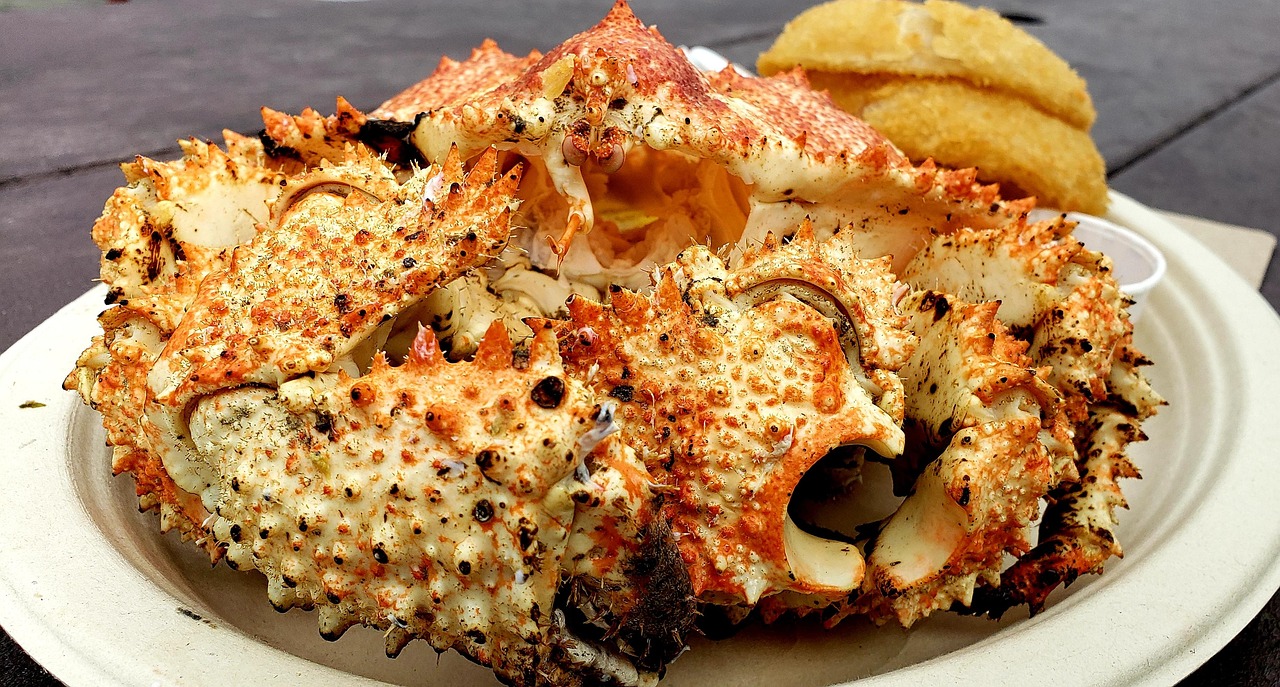
Stearns Wharf can feel a bit touristy — souvenir shops, ice cream stands, casual seafood — but the views are unbeatable. On clear days, you can see the Channel Islands faintly on the horizon. I often grab a cup of clam chowder or a simple fish taco at one of the wharf eateries and sit outside watching the sailboats.
Afterward, I recommend a stroll along the beachfront bike path. If you’re feeling energetic, rent a cruiser bike or a surrey (the four-wheeled pedal contraptions families love) and ride from East Beach over toward the harbor and West Beach.
Sunset: Shoreline Park or Butterfly Beach
For your first Santa Barbara sunset, you have two classic options:
- Shoreline Park (Mesa): Bluffs with sweeping views of the coastline, islands, and mountains. I park in the small lot and walk the path as the light changes. On my last trip, the sky turned a deep coral while surfers caught the last waves below.
- Butterfly Beach (Montecito): A wide, west-facing beach perfect for watching the sun slip directly into the ocean. The mood here is quietly romantic — couples, dog walkers, and locals with picnic blankets and a bottle of Santa Barbara wine.
Evening: Dinner & Nightcap Downtown
Back in town, I usually choose dinner based on my energy level. For a relaxed first night, I love a cozy wine bar with small plates or a casual taco spot with outdoor seating. After dinner, walk a bit along State Street — the soft evening light on the white buildings and the sound of live music drifting out of bars is exactly the Santa Barbara mood you came for.
Day 2: Funk Zone, Waterfront Adventures & Arts
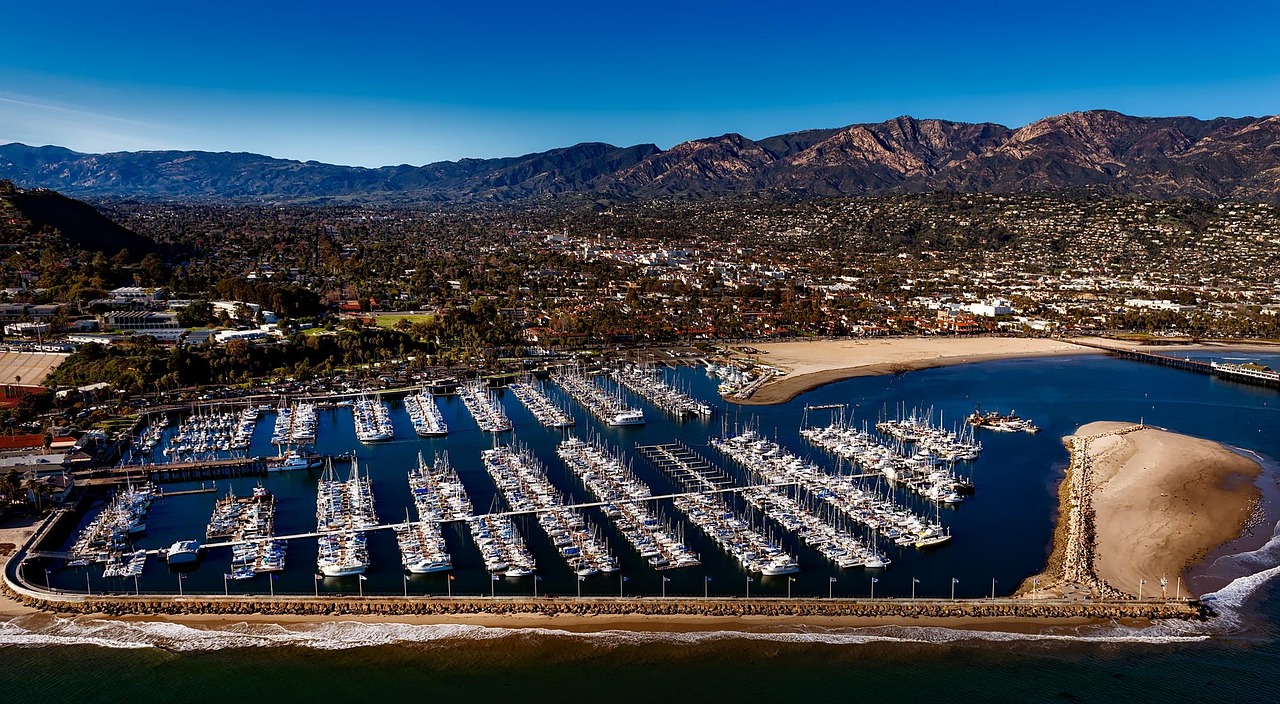
Day 2 leans into Santa Barbara’s creative side and its connection to the ocean. On one visit in late summer, I spent the whole day oscillating between the Funk Zone’s tasting rooms and the harbor’s salty air — it turned out to be one of my favorite days in the city.
Morning: Harbor Walk & Sailing or Kayaking
Start at the Santa Barbara Harbor, where fishing boats, sailboats, and kayaks all share the same protected waters. There’s a long breakwater you can walk out on for classic photos back toward the city and mountains.
If you’re up for it, book a morning adventure:
- Kayaking: Paddle near the harbor and along the coastline. I did a guided kayak tour once where we watched sea lions lounging on buoys and paddled under the wharf — calm, easy, and suitable even for beginners.
- Sailing: Several companies offer 2–3 hour sails. My sunset sail a couple of years ago remains one of my top Santa Barbara memories — dolphins surfed the bow, the light turned everything gold, and the town looked like a postcard from the water.
Late Morning: Santa Barbara Maritime Museum
Right at the harbor, the Santa Barbara Maritime Museum dives into the region’s seafaring history: Chumash plank canoes, early explorers, commercial fishing, and surfing culture. It’s compact but well curated, and kids love the interactive exhibits.
Lunch: Harbor or Funk Zone
For lunch, I often grab a casual bite at the harbor — fresh fish and chips or a bowl of chowder — and eat at an outdoor table with harbor views. Then I wander slowly toward the Funk Zone, taking Cabrillo Boulevard along the water and cutting up one of the side streets.
Afternoon: The Funk Zone – Wine, Art & Street Life
The Funk Zone is Santa Barbara’s answer to a hip arts district, but it still feels low-key and coastal. Old warehouses have been turned into tasting rooms, microbreweries, art studios, and cafes. Murals and street art are everywhere; I always discover new ones as I wander.
On my last visit, I created my own tasting “crawl,” starting with a local urban winery, then a small-batch brewery, then a kombucha taproom (to rehydrate!). Most tasting rooms are casual, and staff are happy to chat about local vineyards and vintages.
- Family-friendly: Surprisingly, yes, during the day; many places welcome kids and have outdoor seating.
- Budget tip: Split tasting flights with a partner to save money and keep your palate fresh.
Late Afternoon: Museum of Contemporary Art & State Street Promenade
If you’re an art lover, pop into the Museum of Contemporary Art Santa Barbara downtown. Exhibits change frequently and often feature emerging California artists. I like to pair this with a slow walk along the State Street Promenade, ducking into bookstores and design shops.
Evening: Funk Zone Dinner & Waterfront Walk
For dinner, the Funk Zone is packed with options: tapas, wood-fired pizza, seafood, and inventive California cuisine. I like to reserve a table with a patio so I can feel the evening air while I eat. After dinner, take a final stroll along Cabrillo Boulevard or out onto Stearns Wharf to see the city lights reflected in the water.
Day 3: Mountains, Gardens & Hidden Corners
By Day 3, you’ll have a feel for the city. Today is about climbing a little higher, exploring some quieter neighborhoods, and discovering places many quick visitors miss. On a spring trip, I spent this day hiking in the morning, wandering gardens in the afternoon, and ending with a neighborhood taco joint — a perfect Santa Barbara trifecta.
Morning: Hike in the Foothills (Inspiration Point or Rattlesnake Canyon)
Santa Barbara’s mountains rise so steeply from the coast that you can be on a panoramic trail just 15–20 minutes after leaving downtown. Two of my favorite moderate hikes:
- Inspiration Point: A 3.5–4 mile round-trip hike with a big payoff: a wide-open view over the entire city, coastline, and islands. I like starting early (around 7–8 a.m.) to beat the sun. Bring water and a hat; there’s little shade.
- Rattlesnake Canyon: Despite the name, this is a lush, creekside trail with more shade and greenery. It feels surprisingly wild for being so close to town. Perfect if you want a quieter, cooler hike.
Late Morning: Santa Barbara Botanic Garden
After hiking, I love heading to the Santa Barbara Botanic Garden, which focuses on California native plants. Trails wind through redwood groves, meadows, and chaparral, with constant glimpses of the mountains beyond. The historic Mission Dam and aqueduct ruin is a quiet, evocative spot along the creek.
On one peaceful weekday visit, I sat alone on a bench under an oak for nearly an hour, listening to birds and watching the fog burn off the hills. It’s a wonderful reset in the middle of a busy trip.
Lunch: The Mission Canyon / Upper State Area
From the Botanic Garden, drive or rideshare back toward Upper State Street or Mission Canyon for lunch. This area has more local, low-key spots — smaller cafes, taquerias, and delis. It’s a good place to eat on a budget while still eating well.
Afternoon: Casa del Herrero or Lotusland (Advance Reservations Recommended)
In the afternoon, step into another world at one of Santa Barbara’s most unique estates:
- Lotusland (Montecito): An extraordinary 37-acre garden created by the eccentric opera singer Madame Ganna Walska. Think cactus gardens, cycads, water features, and an otherworldly sense of design. On my first visit, I kept saying, “How does this exist here?” over and over. Advance reservations are mandatory and limited.
- Casa del Herrero (Montecito): A meticulously preserved 1920s Spanish Colonial Revival estate. Tours (advance reservations recommended) take you through lavish interiors and perfectly manicured gardens — it’s like stepping into the golden age of Santa Barbara architecture.
Evening: The Mesa or San Roque for Local Dinner
Wrap up Day 3 with dinner in a local neighborhood. The Mesa has casual seafood joints and cafes with ocean views; San Roque has family-run restaurants where you’re more likely to be sitting next to locals than tourists. This is your chance to see everyday Santa Barbara life beyond the main tourist corridors.
Day 4: Wine Country & Countryside (Perfect for a 4 Day Itinerary)
If you have 4 days in Santa Barbara, dedicate one to the Santa Ynez Valley — the inland wine region that many people know from the film “Sideways.” I’ve done this as both a self-drive and a small-group tour; both are fantastic, but if you plan to taste generously, let someone else drive.
Morning: Drive Over the Mountains to Santa Ynez Valley
The drive over Highway 154 (San Marcos Pass) is half the fun. As you climb out of Santa Barbara, stop at the Vista Point for one last sweeping view of the city and coast below. Then you wind through oak-dotted hills and eventually drop into the golden agricultural valleys.
Late Morning & Afternoon: Wine Tasting & Small Towns
The Santa Ynez Valley is dotted with small towns: Los Olivos, Solvang, Santa Ynez, Ballard, and Buellton. I like to focus on two or three rather than rushing.
- Los Olivos: A one-street charmer packed with tasting rooms and galleries. I usually start here, tasting at one or two places and grabbing a light lunch from a cafe or market.
- Solvang: A Danish-themed town with windmills, bakeries, and gabled storefronts. It can be kitschy, but I secretly love walking around, grabbing a Danish pastry, and stepping into the Elverhøj Museum to learn about local history.
- Santa Ynez: A bit more low-key, with Western-style storefronts and a couple of excellent restaurants.
For vineyards, you can either stick to in-town tasting rooms or drive a bit out among the vines. There are dozens of options; ask your first tasting room for up-to-date recs based on what you like.
Family-Friendly & Non-Drinkers
Even if wine isn’t your thing, the valley is worth a visit: farm stands, horse ranches, lavender fields in season, and wide-open scenery. I’ve had lovely days here just picnicking, walking through small towns, and taking photos.
Evening: Return to Santa Barbara
Head back to Santa Barbara in the late afternoon. If you’re not too tired, grab a simple dinner near your hotel and maybe a quiet drink at a neighborhood bar. After a full day of vineyard air and sunshine, I usually sleep like a rock.
Day 5: Hidden Gems, Neighborhood Wandering & Relaxation
A 5 day itinerary for Santa Barbara lets you slow down and see the city’s quieter side. On my longest stays, Day 5 is always my favorite: no rush, just gentle exploring.
Morning: Bike Ride or Beach Time in Goleta
Rent a bike and ride the coastal paths near UCSB and Goleta Beach, or simply head to Goleta Beach Park for a mellow, less crowded beach morning. The UCSB campus has some spectacular bluff-top views and is crisscrossed by bike lanes.
Late Morning: Santa Barbara Zoo (Family-Friendly Favorite)
For families, the Santa Barbara Zoo is a must. It’s small enough not to be overwhelming, beautifully landscaped, and has views of both mountains and ocean. I’ve gone with friends’ kids a few times, and every time I’m impressed by how thoughtful the exhibits are.
Afternoon: Neighborhood Strolls & Hidden Architecture
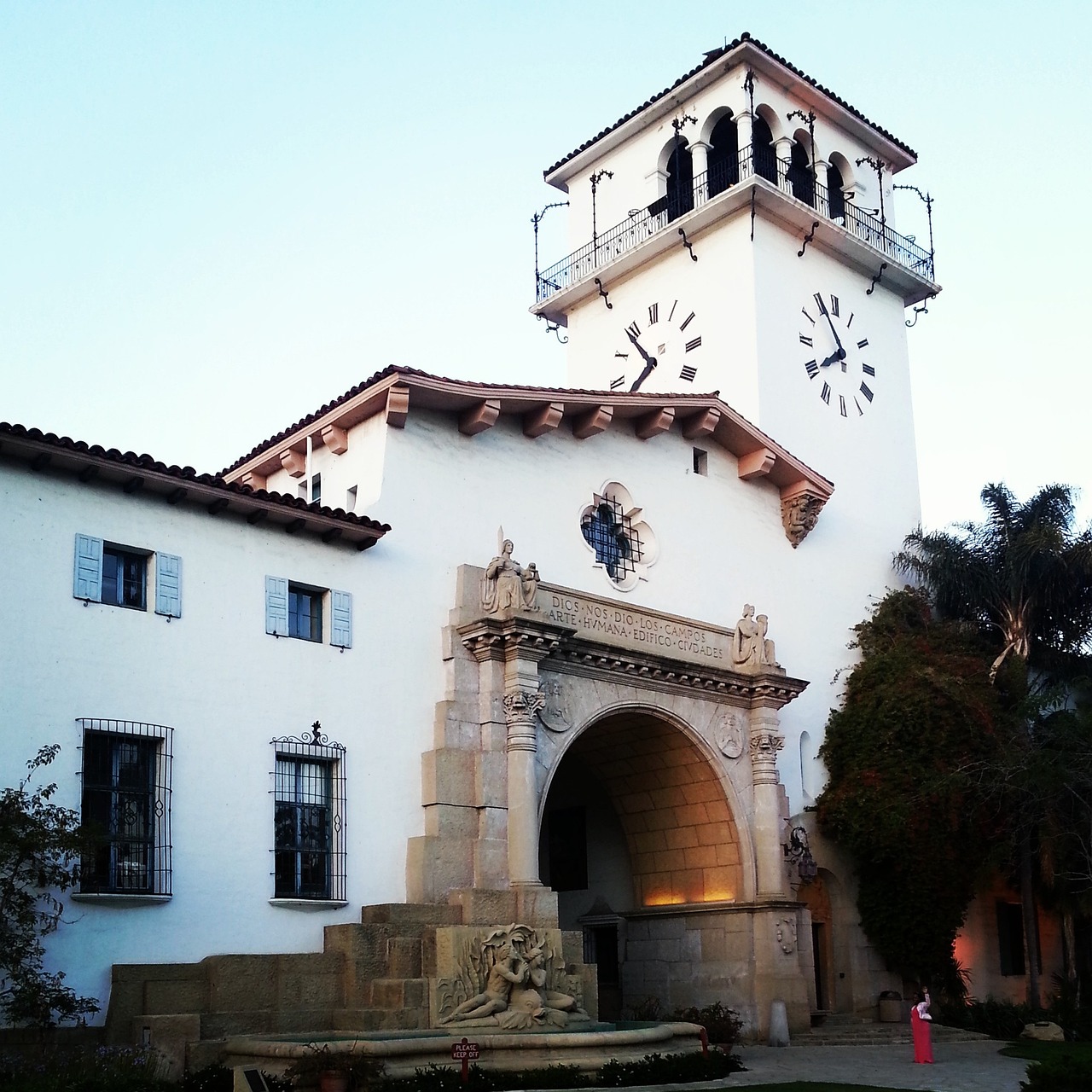
Spend your afternoon exploring some of Santa Barbara’s quieter residential streets near downtown. Look for hidden paseos (pedestrian alleys), courtyards, and architectural details — wrought-iron balconies, colorful tiles, and carved wooden doors. This is where the city’s Spanish Colonial Revival style really shines.
If you’re an architecture lover, duck into the El Presidio de Santa Bárbara State Historic Park area, where remnants of the original Spanish fortress and early adobes still stand amid modern buildings.
Evening: One Last Sunset & Farewell Dinner
For your final evening, choose your favorite sunset spot from earlier in the trip or try something new: Leadbetter Beach, East Beach, or a different vantage point along Shoreline Park. Then linger over a final dinner — maybe splurge on that oceanfront restaurant you’ve been eyeing, or stick to a beloved taco stand that’s stolen your heart. Either way, savor it.
Top 20+ Must-See Attractions & Experiences in Santa Barbara
Below are deeper dives into more than 20 of the best places to visit in Santa Barbara — mixing iconic landmarks, hidden gems, family-friendly spots, romantic corners, and adventurous outings. I’ll fold in history, significance, and the little details that make each one special.
1. Santa Barbara County Courthouse
The County Courthouse is the architectural soul of Santa Barbara. After the 1925 earthquake devastated much of the city, leaders decided to rebuild in the Spanish Colonial Revival style — and the courthouse, completed in 1929, became the crown jewel of that vision.
Walking through its archways feels like entering another era. The Mural Room’s painted walls depict early California history, and the wrought-iron chandeliers and carved beams are works of art in themselves. I’ve attended a civil wedding here — couples can marry in the Sunken Gardens — and it’s hard to imagine a more photogenic setting.
Climbing the clock tower (there’s an elevator most of the way) reveals the city’s classic view: terracotta roofs rolling toward the sea, with mountains forming a protective semicircle behind. I always use this vantage point to point out landmarks to first-time visitors: “There’s the mission, that’s the harbor, the Funk Zone is over there…”
Travel tip: Free one-hour docent tours are sometimes available; check the 2026 schedule on the official site. They’re worth timing your visit around if you like history and architecture.
2. Old Mission Santa Barbara
Founded in 1786, the Old Mission is one of California’s most photographed buildings. Its pink-hued facade, twin bell towers, and long arched colonnade are instantly recognizable. But what keeps me coming back is the layered history and the serene cloistered garden inside.
The mission originally served as both a religious and agricultural center for Spanish colonists and the Chumash people — a relationship that was complex and often painful. In recent years, the mission’s museum has expanded its interpretation to include more Chumash voices, which I appreciate as a traveler trying to understand the full story of this place.
Inside the church, I always pause near the front to look up at the painted ceiling and the carved wooden altarpiece. Outside, the cemetery is surprisingly peaceful; weathered gravestones sit under old trees, and there’s a tangible sense of time.
Romantic angle: The Mission Rose Garden across the street is a prime spot for proposals and anniversary picnics. Bring a blanket, a bottle of local wine (if permitted), and a simple spread of cheeses and fruit.
3. Stearns Wharf
Stearns Wharf, built in 1872, once served as the main shipping connection between Santa Barbara and the outside world. Today, it’s a wooden pier lined with souvenir shops, casual seafood restaurants, and a small sea center.
I like to walk out to the end and look back: the city looks like a stage set, with the mountains as the backdrop. The wooden planks underfoot creak softly, pelicans perch on railings, and the smell of fried fish mingles with salt air. Sunset from the wharf is particularly dramatic when clouds catch the last light over the mountains.
Family tip: The small sea center on the wharf has touch tanks and kid-friendly exhibits about local marine life. It’s an easy add-on if you’re already here with children.
4. The Funk Zone
The Funk Zone’s transformation from industrial backwater to creative hotspot is one of Santa Barbara’s best recent stories. Old warehouses and marine supply shops now house wine tasting rooms, microbreweries, galleries, and design studios. But unlike some over-polished arts districts, the Funk Zone has kept a bit of grit: rail lines, corrugated metal, and bold murals.
I’ve spent entire afternoons here tasting wine, nibbling on cheese boards, and talking with local artists about their work. A favorite memory: stumbling upon an open-studio event where a surfboard shaper was glassing a board while a DJ played mellow house music outside. It felt spontaneous and very Santa Barbara.
Travel tip: Many tasting rooms participate in local wine “walk” passes; in 2026, check for updated deals that allow you to pre-purchase a card with tastings at multiple venues at a discount.
5. East Beach, West Beach & Cabrillo Waterfront
East Beach and West Beach form the sandy arc in front of downtown, divided more in vibe than geography.
East Beach is known for its volleyball courts, family-friendly atmosphere, and wide, soft sand. Weekend tournaments and pickup games are common; I’ve spent many mornings here watching skilled locals dive for impossible saves as the sun climbs.
West Beach sits between Stearns Wharf and the harbor. It’s slightly busier with harbor traffic and kayak launches but perfect for strolls and sunbathing. The adjacent bike path runs the entire length of the waterfront, making it easy to explore on two wheels.
Cabrillo Boulevard, the road that parallels the beach, is lined with palm trees that create that quintessential Santa Barbara postcard view. On Sunday mornings, an arts and crafts show stretches along the waterfront, with local artists selling photography, jewelry, ceramics, and paintings. I love browsing here for unique, locally made souvenirs.
6. Shoreline Park & Leadbetter Beach
On the Mesa, Shoreline Park is a narrow strip of green along a bluff with some of the best views in town. A paved path runs its length, with benches and small overlooks. From here, you can look down on surfers at Leadbetter Beach, watch sailboats come and go from the harbor, and—on clear days—spot the Channel Islands offshore.
Leadbetter Beach below is a favorite for beginner surfers, paddleboarders, and picnicking families. I’ve had countless low-key afternoons here reading a book under an umbrella while friends took surf lessons in the gentle waves.
Safety tip: There are stairways down to the beach from Shoreline Park, but check tides if you plan to walk much along the sand, as high tide can push right up to the bluffs in places.
7. Santa Barbara Botanic Garden
The Santa Barbara Botanic Garden is unique in that it focuses exclusively on California native plants. Instead of exotic tropicals, you’ll find manzanitas, oaks, sages, wildflowers, and redwoods, all arranged in naturalistic settings that mirror the state’s diverse ecosystems.
My favorite corner is near the old stone bridge over Mission Creek, part of a historic mission-era water system. The creek burbles quietly after winter rains, and the combination of stonework, running water, and surrounding greenery feels like a secret sanctuary.
Seasonal note: In late winter and spring, wildflowers and fresh greenery make the garden particularly vibrant. In summer and fall, the chaparral and dryland plants show off their resilience and subtle colors.
8. Santa Barbara Zoo
The Santa Barbara Zoo has a reputation as one of the most beautiful small zoos in the country — and I’d agree. Set on 30 acres near the ocean, it combines well-designed animal habitats with lush landscaping and surprising viewpoints.
On my last visit with friends’ kids, the highlight was feeding the giraffes: standing eye-level with those long lashes and gentle faces is unforgettable. You can also ride a small train that loops around the property, giving glimpses of both animals and the distant ocean.
Family tip: The zoo is compact enough to manage with small children without meltdowns. Go in the morning when animals are more active and temperatures are cooler.
9. El Presidio de Santa Bárbara State Historic Park
El Presidio marks the original 1782 Spanish military outpost around which Santa Barbara grew. Today, several adobe buildings have been reconstructed or restored on the site, including the chapel and officers’ quarters.
Walking through the Presidio area feels like stepping back into an 18th-century frontier town, especially when you duck into the whitewashed rooms with simple wooden furniture and thick adobe walls. Outside the park boundaries, the surrounding neighborhood retains several historic adobes that are still private residences or businesses.
History lovers: Pair a visit here with the mission to get a fuller picture of Santa Barbara’s Spanish and Mexican eras.
10. Santa Barbara Museum of Art
The Santa Barbara Museum of Art sits right off State Street and punches above its weight for a city this size. Collections range from European painting and sculpture to Asian art and contemporary works. They’ve been expanding and renovating in recent years, and by 2026 the galleries feel modern, bright, and thoughtfully arranged.
One rainy day, I spent nearly three hours here, lingering longer than expected in the photography section and a small but powerful exhibit on California landscapes. It’s an ideal cultural stop when you need a break from the sun or the beach.
11. Santa Barbara Maritime Museum
Located in the harbor’s old Naval Reserve Building, the Maritime Museum tells stories of local fishermen, surfers, the Chumash, and the region’s role in maritime trade and offshore oil. Displays include a restored lighthouse lens, small boats, and interactive exhibits.
I particularly enjoyed the section on surfing history, with vintage boards and photos from the early days of surf culture along this stretch of coast. It’s a reminder that Santa Barbara’s calm, elegant surface hides a long, sometimes tumultuous relationship with the sea.
12. Lotusland
Lotusland is one of those places that feels almost mythic until you go. Created by Madame Ganna Walska, a Polish opera singer and socialite, the estate is a series of theatrical garden “rooms”: a cactus garden, a blue garden, a fern garden, a theater garden, and ponds filled with giant lotus plants (which bloom spectacularly in summer).
Because visitor numbers are strictly limited to protect the gardens and the neighbors’ tranquility, tours must be reserved in advance. I visited on a sunny spring morning and was struck by how quiet it felt — just our small group and the sound of birds and water.
Photography note: Professional shoots require permission, but personal photography is allowed; you’ll want your camera or phone fully charged.
13. Casa del Herrero
Casa del Herrero (House of the Blacksmith) is a 1925 Spanish Colonial Revival masterpiece designed by George Washington Smith, one of the architects who defined Santa Barbara’s look after the 1925 earthquake. The estate is preserved almost exactly as it was in the early 20th century, down to the tools in the workshop and the patterns on the tiles.
Tours, which must be booked in advance, feel intimate — you’re walking through someone’s home, not a museum built to be a museum. The gardens, with their formal layouts, fountains, and shaded pergolas, are a highlight. It’s an essential stop for architecture lovers.
14. Channel Islands Excursions (From Nearby Ports)
While not directly in Santa Barbara, the Channel Islands National Park looms on the horizon and calls to adventurers. Most day trips leave from Ventura or Oxnard, about 30–45 minutes south by car. From there, you can take a boat to islands like Santa Cruz or Anacapa for hiking, kayaking, and snorkeling in what’s often called the “Galápagos of North America” due to its unique species.
On a previous trip, I did a sea cave kayaking excursion at Santa Cruz Island: paddling into echoing caverns, watching bright orange Garibaldi fish below, and eating a simple sandwich lunch on a quiet beach with no buildings in sight. If you’re adding a true adventure day to your Santa Barbara trip, this is it.
15. Santa Ynez Valley Wineries & Towns
As described in the Day 4 itinerary, the Santa Ynez Valley is where Santa Barbara’s wine story unfolds among rolling hills and horse ranches. With dozens of wineries and tasting rooms, there’s a style for everyone: elegant estates, rustic barns, sleek modern spaces.
One of my favorite afternoons was spent at a small family-run winery where the owner’s dog greeted us, and the winemaker himself poured tastes and chatted about weather patterns and soil types. It felt deeply personal, not just another pour-and-go experience.
16. Butterfly Beach (Montecito)
Butterfly Beach is where Montecito meets the sea — a long, west-facing stretch of sand perfect for late-afternoon walks and sunsets. There are no big parking lots or snack bars here; you park along the road and follow small paths down to the sand, which keeps things relatively peaceful.
I’ve shared many quiet evenings here: couples walking hand-in-hand, dogs chasing sticks into the waves, locals perched on low walls above the beach with glasses of wine (discreetly). On clear winter days, the sunsets can be startlingly intense, with the Channel Islands silhouetted dark against a flaming sky.
17. Shoreline Park & Mesa Neighborhood
Beyond the park itself, the Mesa neighborhood is a great place to feel Santa Barbara’s laid-back residential side. Side streets reveal mid-century homes, small apartment buildings, and occasional ocean glimpses. Local cafes and markets serve the community; I like ducking into one for a simple sandwich and then heading back to the park’s benches.
18. Goleta Bluffs & UCSB Campus
Goleta’s coastal bluffs are crisscrossed by trails and bike paths that feel wonderfully removed from city life. Near UCSB, you can walk along clifftops, watch surfers, and explore tidepools at low tide. The university campus itself has scenic lagoons and art installations; I’ve spent quiet Sunday mornings wandering here among students out for runs.
19. State Street Promenade & Downtown Paseos
The reimagined State Street Promenade has turned much of downtown into a pedestrian-first zone, with outdoor dining spilling into former traffic lanes. It’s lively without being overwhelming, and in the evenings there’s often live music and a relaxed, festive feel.
Look for the narrow paseos — pedestrian alleys that cut between buildings and open into courtyards with fountains, benches, and small shops. I have a favorite hidden courtyard where I like to sit with gelato and watch the play of light on white walls and red tiles.
20. Old Spanish Days Fiesta (Annual Festival)
Old Spanish Days Fiesta, usually held in early August, is Santa Barbara’s most famous festival — a week-long celebration of the city’s Spanish, Mexican, and early Californian heritage. Parades, equestrian shows, flamenco performances, mercados (street markets), and historic reenactments fill the calendar.
I attended Fiesta a few years ago and was blown away by the energy: horsemen in traditional attire, children dancing in brightly colored dresses, food booths selling tamales and churros, and music on nearly every corner downtown. It’s busy — and hotel prices spike — but if you love festivals, it’s an unforgettable time to visit.
2026 note: Expect Old Spanish Days to run in early August 2026; exact dates are usually confirmed months in advance. Book accommodation early.
More Notable Spots & Hidden Gems
- Hidden paseos and courtyards: Tucked between State Street buildings, these are perfect for quiet breaks.
- Local beaches beyond downtown: Arroyo Burro (Hendry’s Beach) is a beloved dog-friendly spot with a casual beachfront restaurant.
- Neighborhood taco joints: Step off State Street into side streets and upper State for authentic, affordable tacos and burritos.
- Farmers’ Markets: Weekly markets feature local produce, flowers, and food. The Tuesday afternoon market on State Street is particularly lively.
Local Food & Drink in Santa Barbara
One of the joys of spending 3, 4, or 5 days in Santa Barbara is working your way through its food scene. The city is surrounded by farms, ranches, and the ocean, so “local” and “seasonal” aren’t buzzwords — they’re just how things are done.
What to Eat: Local Specialties
- Fresh seafood: Halibut, sea bass, local uni (sea urchin), and spot prawns when in season. Harbor restaurants and some downtown spots highlight what’s just come off the boats.
- Tacos & Mexican food: From classic taquerias to upscale modern Mexican, the influence of California’s Mexican heritage is everywhere.
- Santa Maria–style barbecue (nearby): A regional specialty from just up the coast — tri-tip grilled over red oak, often served with salsa, beans, and salad. Some Santa Barbara restaurants feature it.
- Farm-to-table small plates: Many places build menus around what’s available that week at the farmers’ markets.
- Wine & cheese boards: Local cheese producers pair beautifully with Santa Barbara County wines.
Where to Eat: Styles & Neighborhoods
Downtown & State Street: Wide range from casual burger and taco spots to white-tablecloth dining. Great for people-watching patios.
Funk Zone: Trendy wine bars, tapas, wood-fired pizza, and inventive Californian cuisine — many with indoor-outdoor spaces.
Harbor & Waterfront: Seafood with views; ambiance sometimes trumps culinary creativity, but the setting makes up for it.
Upper State & San Roque: More local-oriented, often better value, with gems like family-run Mexican, Thai, and Italian places.
Budget-Saving Food Tips
- Eat your largest meal at lunch when many places offer cheaper specials.
- Shop at markets and delis for picnic supplies; then eat with a million-dollar view at the beach or Mission Rose Garden.
- Skip pricey hotel breakfasts; instead, find a local bakery or coffee shop for a pastry and coffee.
- Take advantage of happy hours in the Funk Zone and downtown for discounted drinks and small plates.
Nightlife, Entertainment & Cultural Experiences
Santa Barbara’s nightlife is more “glass of wine on a patio” than “clubbing till dawn,” but that’s part of its charm.
Evening & Nightlife Options
- Wine bars & tasting rooms: The Funk Zone and downtown have many cozy spots for a nightcap.
- Craft breweries: Sample local brews in casual taprooms, many with food trucks and outdoor seating.
- Cocktail lounges: A handful of speakeasy-style bars and hotel lounges offer more refined drinks.
- Live music: Small venues and bars host local bands; check listings in 2026 for updated schedules.
- Performing arts: The Granada Theatre and Lobero Theatre host concerts, plays, and dance performances throughout the year.
- Outdoor events: In warmer months, look for outdoor movie nights or concerts in parks and plazas.
Cultural Experiences
- Old Spanish Days Fiesta: As mentioned, a vibrant summer festival of dance, music, and food.
- First Thursdays art walks: Monthly events where galleries and museums open late with free admission and receptions.
- Local history tours: Walking tours focusing on architecture, early California history, or ghost stories (check 2026 offerings).
Best Day Trips & Nearby Attractions
If you have 4 or 5 days in Santa Barbara, consider these nearby adventures.
Santa Ynez Valley (Wine Country)
As covered earlier, an easy 30–45 minute drive over the mountains. Best with a car or guided tour.
Channel Islands National Park (From Ventura)
Drive about 30–45 minutes south to Ventura Harbor, then take a boat to the islands. Plan a full day; seas can be choppy, so consider motion sickness precautions.
Carpinteria
A small, laid-back beach town just 10–15 minutes southeast. Gentle waves, tidepools, and a mellow main street. Ideal for families or anyone wanting a slower pace.
Ojai
About an hour inland, Ojai is a valley town known for its spiritual retreats, art galleries, and the “pink moment” when the sunset reflects off the mountains. Great for hiking, spa days, and wandering boutiques.
Cultural Etiquette & Local Customs
Santa Barbara is relaxed and friendly, but a few local norms will help you fit right in.
General Behavior
- Casual dress: Even in nicer restaurants, “California casual” rules — neat but not formal. Beachwear is fine at the beach, but cover up when heading into town.
- Politeness: People tend to be friendly; a quick “hello” or smile when passing on trails or in neighborhoods is common.
- Environmental respect: Locals care about the coast and hills. Pack out trash, stay on trails, and respect wildlife.
Beach & Outdoor Etiquette
- Keep music at a reasonable volume; not everyone wants to share your playlist.
- Fires and barbecues are only allowed in designated areas; always check current fire regulations.
- If you bring a dog, confirm whether the beach or park is dog-friendly and follow leash laws.
Tipping & Service
- Restaurants: 18–20% of the pre-tax bill is standard if service is good.
- Cafes & bars: $1–2 per drink, or 15–20% of the total.
- Tours: For guides, 10–20% depending on the experience.
Practical Travel Tips & Money-Saving Advice
Getting To & Around Santa Barbara
By air: Santa Barbara Airport (SBA) has direct flights from several major U.S. cities. It’s small, pleasant, and just 15–20 minutes from downtown.
By train: Amtrak’s Pacific Surfliner stops right by the waterfront, making for a scenic and convenient arrival from Los Angeles or San Luis Obispo.
By car: US-101 connects Santa Barbara with Los Angeles (south) and the Central Coast (north). Traffic into and out of LA can be heavy; build in extra time.
Getting Around Town
- On foot: Downtown, the waterfront, and Funk Zone are very walkable.
- By bike: Bike paths are extensive along the waterfront and in Goleta; many hotels offer rentals.
- Public transport: Local buses cover the city and nearby areas. In 2026, check the MTD (Metropolitan Transit District) website for current routes and fares.
- Rideshares & taxis: Uber, Lyft, and local taxis are readily available.
- Car rental: Useful if you plan day trips to wine country or the Channel Islands departure points.
SIM Cards & Connectivity
For international visitors, major U.S. carriers (AT&T, Verizon, T-Mobile) have good coverage in Santa Barbara. Options in 2026:
- eSIMs: Many travelers now use eSIM data packages bought online before arrival.
- Physical SIMs: Available at carrier stores and some electronics shops in town or at larger airports.
Visa Requirements & Driving
Visa requirements depend on your nationality. Many visitors from Europe, parts of Asia, and other regions can enter the U.S. under the Visa Waiver Program with ESTA authorization; others need to apply for a tourist visa in advance. Always check up-to-date rules with the U.S. State Department or your country’s U.S. embassy before traveling.
Driving licenses: Most foreign driver’s licenses are accepted for car rental in California, but some companies prefer or require an International Driving Permit alongside your home license. Confirm with your rental agency in advance.
Money-Saving Tips
- Visit in shoulder seasons (spring and fall) for lower prices and fewer crowds.
- Stay slightly away from the waterfront — downtown, Upper State, and Goleta often have more affordable accommodation.
- Use the train or bus instead of renting a car if you’re mostly staying in town.
- Picnic often; Santa Barbara’s public spaces are gorgeous and free.
Major Events & Festivals in 2026–2027
Dates may shift slightly year to year; always confirm closer to your trip. In 2026–2027, expect:
- Santa Barbara International Film Festival (SBIFF): Typically late January or early February. Red carpets, Q&As, and screenings throughout downtown.
- Old Spanish Days Fiesta: Early August 2026 and 2027. Citywide celebration with parades, mercados, and performances.
- Summer Solstice Parade: Late June. Colorful, artistic parade on State Street celebrating the longest day of the year.
- California Wine Festivals & Harvest Events: Various dates in late summer and fall, highlighting regional wines.
- Holiday Boat Parade of Lights: Early December, when boats in the harbor deck themselves in lights and decorations.
Best Time to Visit Santa Barbara
Santa Barbara’s Mediterranean climate means there’s really no bad time to visit, but each season has its personality.
Spring (March–May)
Mild temperatures, green hills, and blooming flowers make spring one of my favorite times. Great for hiking, garden visits, and avoiding summer crowds.
Summer (June–August)
Warm, sunny, and lively. Fog (“June gloom”) can hang along the coast in early summer mornings but usually burns off. Beaches are busiest; accommodation is most expensive. Ideal for families and festival lovers.
Fall (September–November)
Often the best weather: warm days, clear skies, and fewer crowds after Labor Day. Great for a 3 day itinerary for Santa Barbara focused on wine tasting and outdoor adventures.
Winter (December–February)
Cooler and sometimes rainy, but still mild compared to much of the world. Clear days offer crisp mountain views. Quiet, romantic, and good for lower hotel rates outside of major events.
Summary & Final Recommendations
Santa Barbara is a place that reveals itself slowly: first through its beauty — white stucco walls, red tiles, palm trees, and sunsets — and then through its textures: the taste of local wine, the sound of waves and Spanish guitar, the feel of warm stone on a mission courtyard bench.
For 3 days in Santa Barbara, focus on downtown, the mission, the waterfront, and the Funk Zone. For a 4 day itinerary for Santa Barbara, add the Santa Ynez Valley or a day trip to nearby towns. With 5 days in Santa Barbara, you can layer in hikes, gardens, hidden neighborhoods, and time simply to be — reading on the beach, lingering in courtyards, and watching light change on the mountains.
Come in spring or fall if you can; pack layers, walking shoes, and a sense of curiosity. Use this travel guide for Santa Barbara as a framework, then let yourself wander: down a quiet paseo, into a small gallery, up a side street that looks interesting. That’s where the city really comes alive.