Why Visit Savannah in 2026
Savannah is one of those rare cities that still moves at the pace of a summer breeze. Live oaks drip with Spanish moss over 22 historic squares, cobblestones meet the river, church spires and wrought-iron balconies pierce the skyline, and strangers still say “hey y’all” and mean it.
I’ve been coming to Savannah since I was a kid, and I’ve lived here on and off for years. In that time, I’ve watched visitors fall in love with the same things that keep pulling me back: sunrise over the marshes, the smell of jasmine on Jones Street at night, the way the city glows gold before a storm rolls in off the coast.
If you’re planning 3 days in Savannah, 4 days in Savannah, or even 5 days in Savannah, this comprehensive travel guide for Savannah will walk you through the must-see attractions in Savannah, hidden gems in Savannah, and the best local food in Savannah, plus detailed 3 day itinerary for Savannah, 4 day itinerary for Savannah, and 5 day itinerary for Savannah options based on my own trips.
In 2026–2027, Savannah is especially exciting: new art spaces are opening around Starland, the food scene keeps getting bolder, and the city continues to balance its deep history with a creative, sometimes quirky edge. Whether you’re planning a romantic weekend, a family vacation, or an adventure with friends, Savannah finds a way to feel personal.
Table of Contents
- Why Visit Savannah
- Savannah at a Glance
- Suggested Itineraries (3–5 Days in Savannah)
- 20+ Must-See Attractions in Savannah (Deep Dive)
- Neighborhoods & Districts to Explore
- Best Local Food & Drinks in Savannah
- Nightlife, Entertainment & Cultural Experiences
- Day Trips & Nearby Getaways
- Cultural Etiquette & Local Customs
- Practical Travel Tips for Savannah
- What’s New & Upcoming Events 2026–2027
- Best Time to Visit Savannah
- Summary & Final Recommendations
Savannah at a Glance
Founded in 1733, Savannah is Georgia’s oldest city and one of the most atmospheric in the United States. It’s compact, walkable, endlessly photogenic, and full of contrasts: stately squares beside funky murals, quiet cemeteries a few blocks from rooftop bars, and historic mansions next to student-filled coffee shops.
- Location: Coastal Georgia, about 3.5 hours from Atlanta, 2 hours from Charleston.
- Vibe: Romantic, laid-back, artistic, slightly haunted around the edges.
- Perfect for: Couples, history lovers, foodies, families, photographers, and people who like to wander without a strict agenda.
- Ideal trip length: 3–5 days in Savannah (longer if you add the islands).
Suggested Itineraries: 3–5 Days in Savannah
The following are flexible; think of them as storylines rather than strict schedules. I’ve done each of these variations with friends and visiting family, tweaking for weather and energy levels.
3 Day Itinerary for Savannah: First-Timer Highlights
If you have just 3 days in Savannah, focus on the historic core, the riverfront, a taste of local food, and at least one foray to the water (Tybee Island or a river cruise). Here’s how I usually structure a classic “Savannah sampler” for first-timers.
Day 1: Squares, Streets & Stories in the Historic District
Your first day is for getting lost (the good kind) among Savannah’s oak-shaded squares and cobbled lanes.
Morning: Forsyth Park & Coffee on the Edge of the Historic District
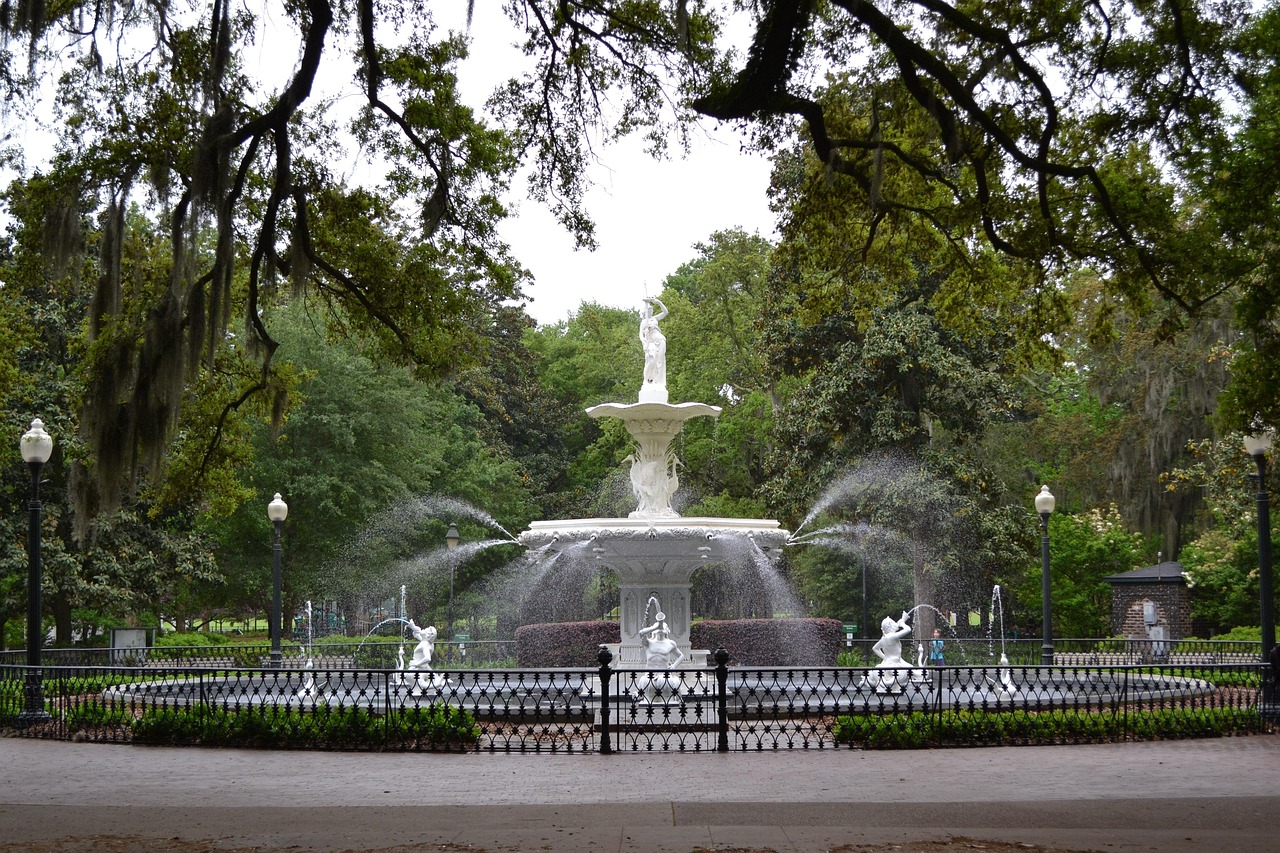
I like to start visitors at Forsyth Park, the beating green heart of Savannah. The walk up Bull Street from the park through the squares is like reading the city’s story from the bottom up.
- What to do: Stroll past the iconic white fountain (built in 1858), watch locals walking dogs, and if it’s Saturday, wander the Forsyth Farmers’ Market.
- My tip: Grab coffee and a pastry from a nearby spot (like a local café along Bull or near the park) and enjoy a slow start on one of the park benches.
- Family-friendly? Very. Kids can run on the lawns, and there’s a playground on the south end.
Midday: The Squares & Jones Street
From Forsyth, walk north up Bull Street through Monterey, Madison, Chippewa, and Johnson Squares. I still find new details every time I do this walk—the way the light hits the bricks, the tiny plaques you miss if you rush.
- Don’t miss:
- Monterey Square and the Mercer–Williams House exterior.
- Madison Square, with its war monuments and surrounding historic inns.
- Jones Street, often called the “prettiest street in America,” all gas lamps and brick sidewalks.
- My tip: Take your time, and don’t be shy about stepping into open courtyards of inns or galleries—Savannah rewards curiosity.
Afternoon: Cathedral & A Mansion Tour
One of my favorite “wow” moments to share with people is turning the corner and seeing the twin spires of the Cathedral Basilica of St. John the Baptist appear at the end of the street.
- Cathedral visit: Step inside to see the stained glass and painted ceilings. It’s free, but a small donation is appreciated.
- Then choose a house museum:
- Owens–Thomas House & Slave Quarters for a deeper, more complex look at Savannah’s past.
- Juliette Gordon Low Birthplace if you have Girl Scouts in the family.
- My tip: Book house tour tickets online in advance for busy weekends.
Evening: River Street & Sunset on the Savannah River
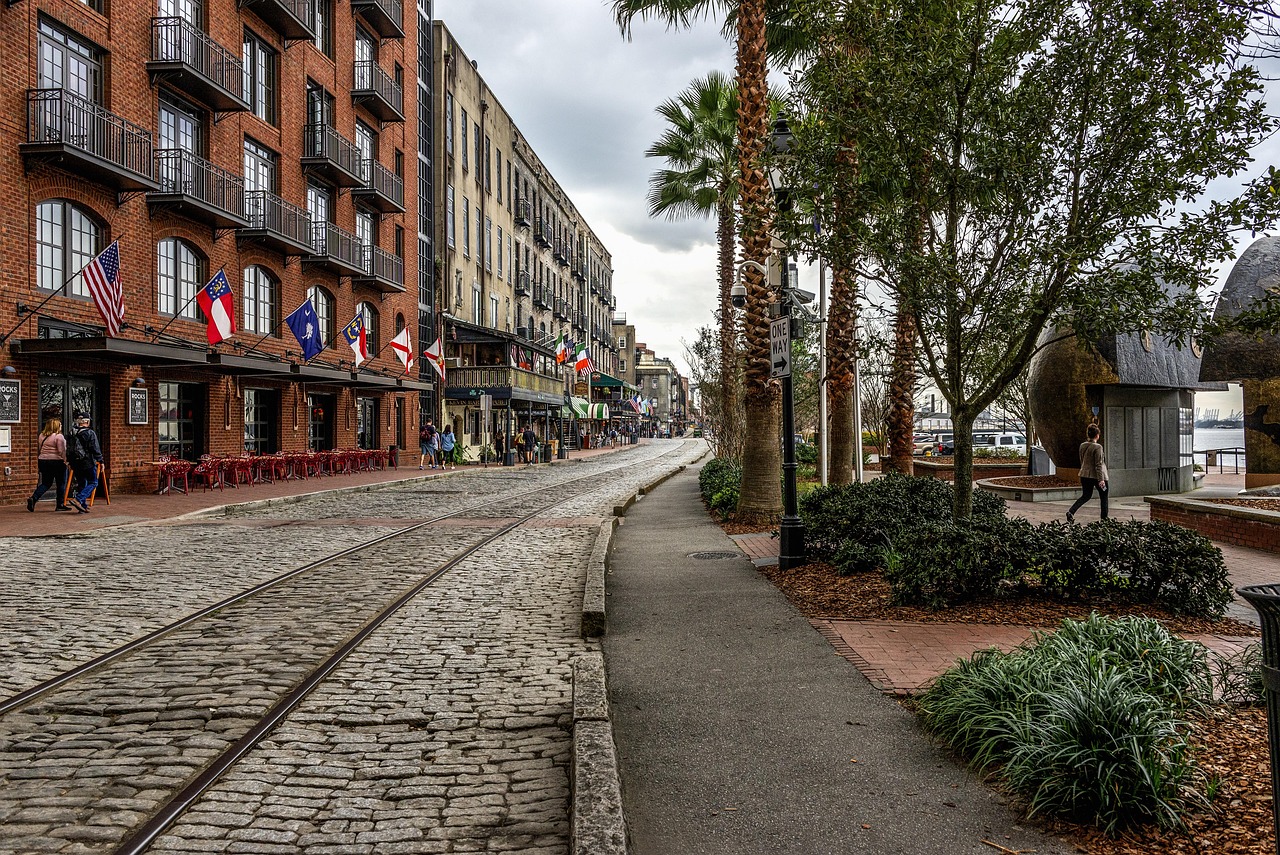
Walk down the steep historic steps (or use the ramps/elevators if mobility is a concern) to River Street. Yes, it’s touristy, but it’s also beautiful at sunset when the sky goes pink over the water.
- What to do: Browse local shops, watch container ships pass (they’re impressively huge), and grab a drink at a riverside bar.
- My dinner suggestion: Pick a restaurant with river views or head slightly off the main drag into the Historic District for a quieter meal.
- Romantic? Very—especially an after-dinner stroll with the river breeze.
Day 2: History, Art & Ghosts
Day 2 pairs Savannah’s layered history with its creative side and a touch of the supernatural after dark.
Morning: Savannah History & Trolley Overview
When friends visit for the first time, I often put them on a hop-on, hop-off trolley for a morning. It’s a relaxed way to get the lay of the land and hear the stories behind what you’re seeing.
- Why it’s worth it: Guides share local legends, architectural details, and historical context you probably wouldn’t get wandering solo.
- My tip: Do this early in your visit—you’ll know which spots to return to later.
Afternoon: SCAD, City Market & Art Galleries
Savannah College of Art and Design (SCAD) has quietly turned the city into an open-air campus, with restored buildings, galleries, and students everywhere.
- What to do:
- Visit a SCAD art museum or gallery space.
- Wander City Market—yes, it’s touristy, but local artists have studios upstairs where you can watch them work.
- My tip: If you’re into contemporary art, check what temporary exhibitions are on; SCAD brings in impressive shows.
Evening: Ghost Tour & Nighttime Squares
Savannah leans into its haunted reputation, and I’m not immune. I’ve done more than one ghost tour, and even when I’m skeptical, walking through the dimly lit squares while hearing old stories is part of the Savannah experience.
- Options: Walking ghost tours, haunted trolley tours, and even pub crawls with spooky stops.
- Family-friendly? Many early evening walking tours are more atmospheric than terrifying—check age recommendations.
- My tip: Book a small-group walking tour that focuses on history and folklore rather than jump scares.
Day 3: Tybee Island or Bonaventure & More Neighborhood Wandering
Your last day in a 3 day itinerary for Savannah should include either the ocean or one of the city’s most evocative green spaces.
Option A: Tybee Island Day Trip
About 25 minutes from downtown, Tybee Island is Savannah’s beachy, flip-flop side.
- What to do:
- Swim, walk the pier, and wander the sand dunes.
- Visit Tybee Island Light Station & Museum for views from the top.
- My tip: Go early to dodge midday parking stress in high season.
- Romantic? A sunset beach walk absolutely is.
Option B: Bonaventure Cemetery & Thunderbolt
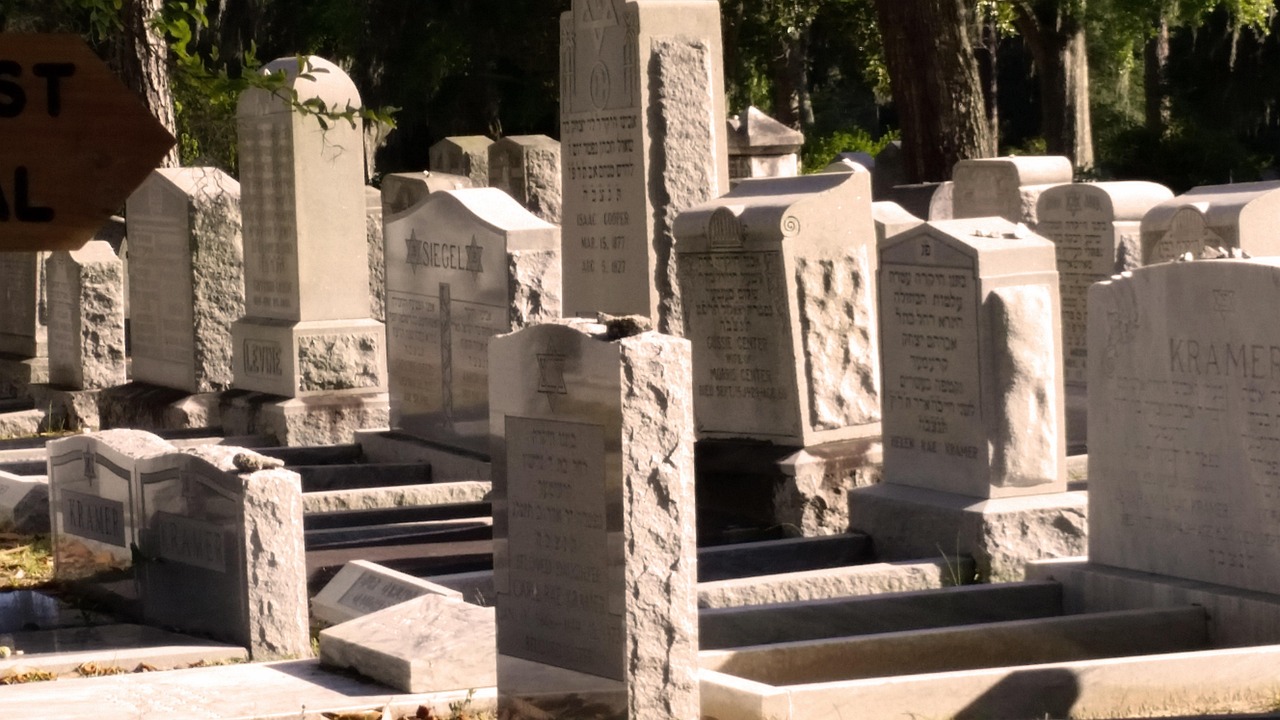
If you’d rather stay closer, spend a few hours at Bonaventure Cemetery, a short drive from downtown. It’s hauntingly beautiful—moss, river views, and elaborate Victorian monuments.
- What to do: Take a guided walking tour or wander quietly with a map.
- Pair with: A seafood lunch in nearby Thunderbolt along the river.
- My tip: Go in the cooler hours—early morning or late afternoon.
Finish your last evening back in the Historic District or in the Starland District for dinner and drinks in a more local-feeling neighborhood.
4 Day Itinerary for Savannah: Slow Travel & Neighborhoods
With 4 days in Savannah, you can keep the 3-day plan and add a full day of deeper neighborhood exploration and more food adventures.
Day 4: Starland District, Victorian District & Local Life
This is the day I usually save for myself when friends leave town—the day I wander Starland, peek into shops, and have long coffees.
- Morning:
- Stroll the Victorian District south of Forsyth Park; admire colorful homes and porches.
- Stop at a neighborhood café for breakfast; this area feels more residential and less curated.
- Afternoon in Starland:
- Check out murals, vintage shops, and local design stores.
- Visit a craft brewery or an artsy market if one is happening.
- Evening: Have dinner at a Starland restaurant and drinks at a low-key bar or a rooftop back downtown.
- My tip: If you’re into photography, this is your best day for street art and modern Savannah vibes.
5 Day Itinerary for Savannah: Deeper Cuts & Day Trips
If you’re lucky enough to have 5 days in Savannah, you can slow your pace even more and add another day trip or niche interest.
Day 5: Choose Your Adventure
- Option 1: Fort Pulaski & Cockspur Island – For history buffs and nature lovers.
- Option 2: More Tybee time – If the ocean is your happy place.
- Option 3: Museum deep dive – Hit multiple museums you skipped: Telfair, Jepson, SCAD Museum, etc.
- Option 4: Food pilgrimage – Plan your day entirely around eating: biscuits, seafood, lowcountry boils, and desserts.
By day five, you’re moving at Savannah speed, lingering in squares, revisiting favorite corners, and perhaps already plotting your next trip.
20+ Must-See Attractions in Savannah (With Personal Notes)
Below are detailed snapshots of more than twenty of the best places to visit in Savannah, mixing history, significance, and my own practical tips. Use this as your menu when building your 3 day itinerary for Savannah, 4 day itinerary for Savannah, or 5 day itinerary for Savannah.
1. Forsyth Park
The first place I ever set foot in Savannah was Forsyth Park, just after sunrise on a humid May morning. The fountain was shooting water into peach-colored light, runners were circling the perimeter, and a man was quietly practicing trumpet under an oak. I knew instantly I’d be back.
Established in the 1840s, Forsyth Park’s 30 acres anchor the south end of the Historic District. The famous fountain, inspired by Parisian designs, was added in 1858 and has become Savannah’s unofficial mascot.
- Why go:
- Classic photo ops with the fountain.
- Locals walking dogs, kids playing, weekend events.
- Farmers’ market (usually Saturdays).
- Best time: Early morning for soft light and cooler temps; late afternoon for golden hour.
- My tip: Pick up coffee and a pastry, then do a slow loop of the park before heading north into the squares.
- Family note: Playground at the south end, plus lots of open space for kids.
2. River Street & the Savannah Riverfront
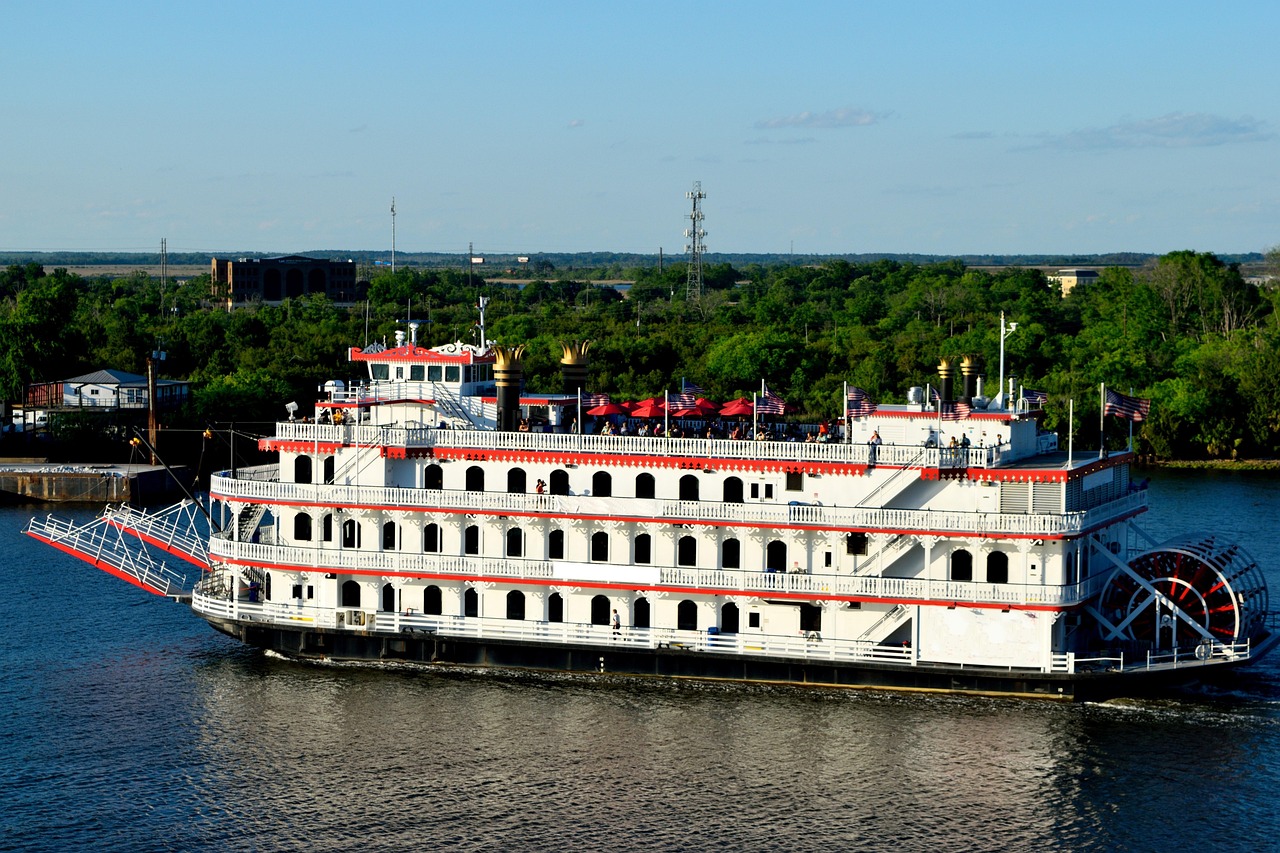
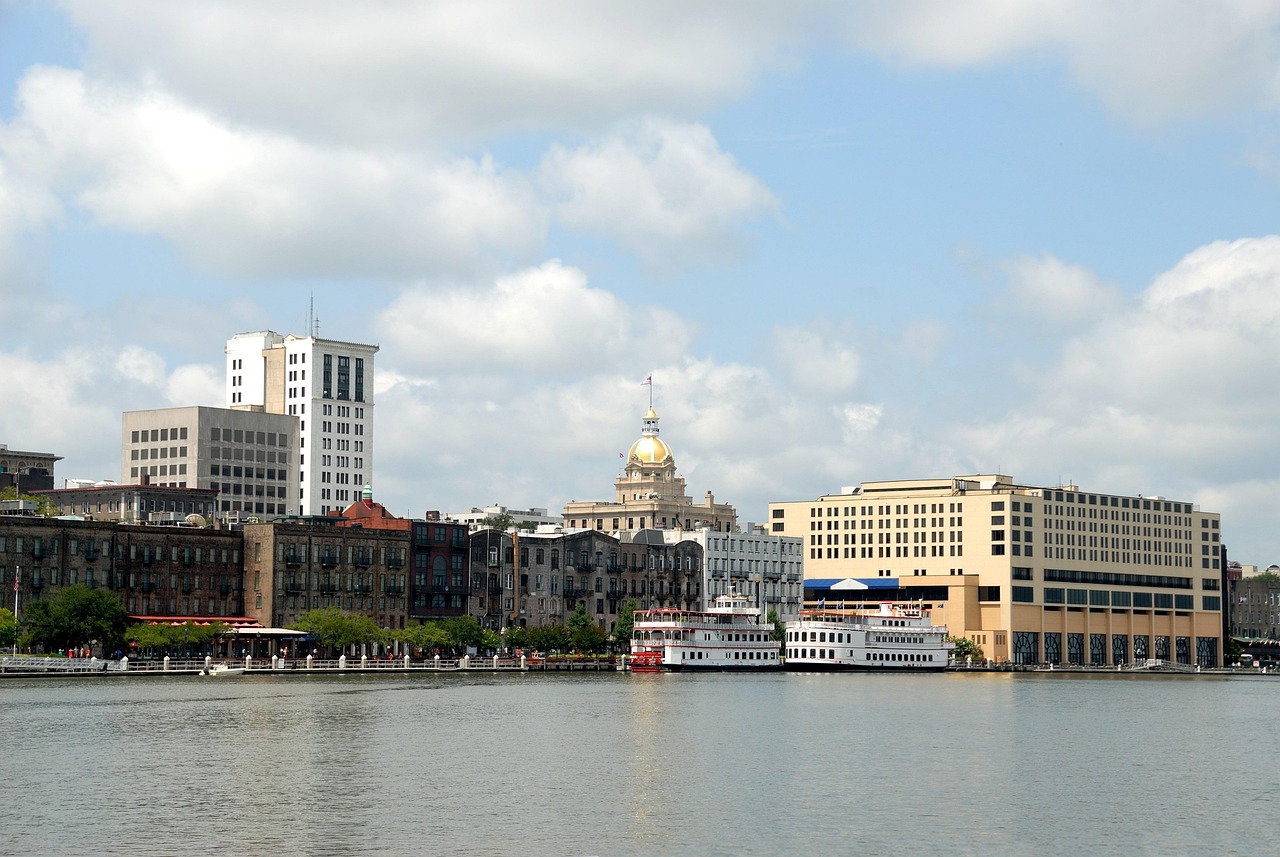
River Street is where old Savannah meets the working river. Cobblestone streets, 19th-century cotton warehouses converted into shops and restaurants, and huge container ships sliding silently by—it’s a reminder that Savannah is still a port city at heart.
I like to come down here a little before sunset, especially when friends are in town. We’ll grab a drink-to-go (Savannah’s open-container laws in the Historic District allow it) and find a spot along the river wall to watch the water change color.
- Highlights:
- Riverboat cruises (daytime or dinner cruises).
- Local candy shops with pralines and saltwater taffy.
- Street performers on busy weekends.
- Accessibility tip: The historic stone steps are steep; use the elevators or ramps if you have mobility issues or small kids.
- Money-saving tip: Browse the shops but eat slightly off River Street for better value and more local feel.
3. Cathedral Basilica of St. John the Baptist
The Cathedral Basilica of St. John the Baptist is one of those interiors that makes everyone go quiet, no matter their beliefs. The vaulting, stained glass, and painted details are stunning, and the way the light filters in changes hour by hour.
The current structure dates to the late 19th century after a fire; it was painstakingly restored, and you can feel the care in every detail. I like to duck in for a few minutes of calm in the middle of a busy walking day.
- Hours & etiquette: Open most days outside of service times; dress modestly and keep voices low.
- Photo tip: If you want shots of the interior, come right when it opens before tours arrive.
4. Chippewa Square
Chippewa Square is famous as the place where the bench scenes from “Forrest Gump” were filmed (the bench was a movie prop, now in a museum), but locals love it for its central location and live oaks.
I often pause here on my way between meetings or while guiding friends; it’s surrounded by theaters, coffee spots, and historic buildings.
- Why go:
- Classic square shaded by moss-draped oaks.
- Good people-watching and street performers nearby.
- My tip: Don’t just snap a “Forrest Gump” photo and leave; sit for ten minutes and watch the city swirl around you.
5. Bonaventure Cemetery
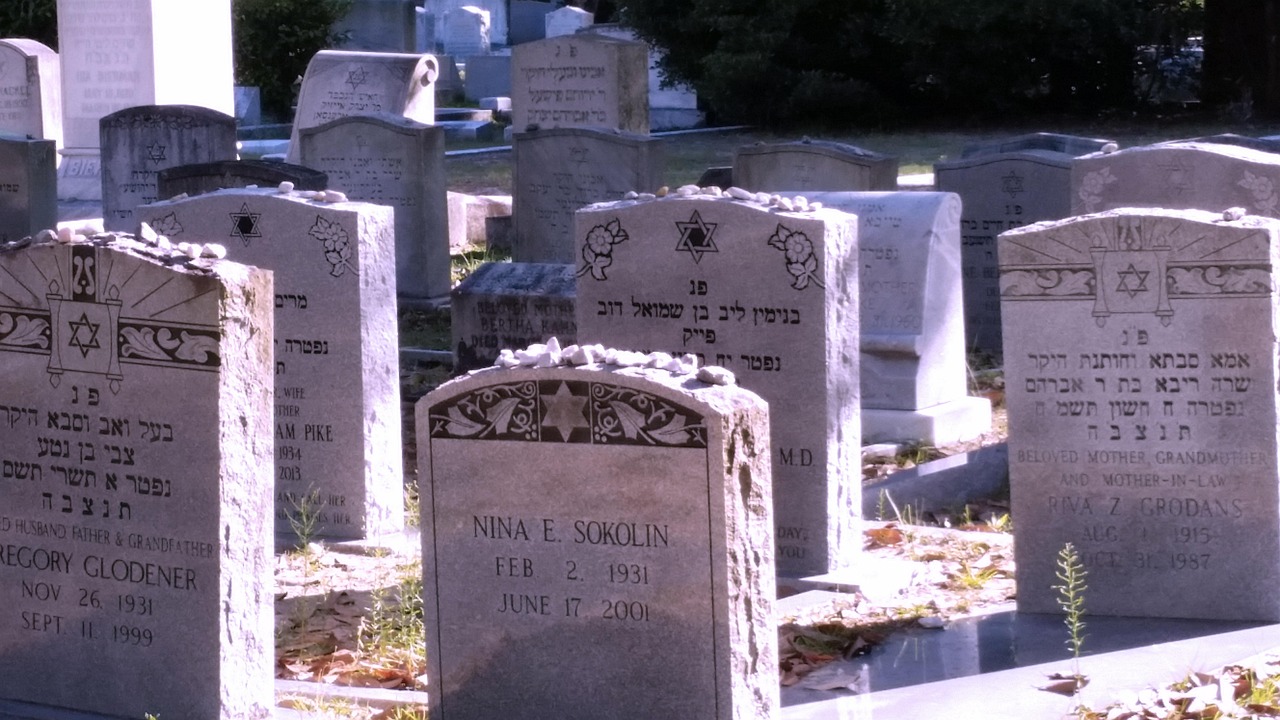
Bonaventure Cemetery is one of the most atmospheric places I’ve ever been. The combination of river views, moss-draped oaks, and sculpted memorials is both peaceful and eerie in the best way.
Popularized by the book “Midnight in the Garden of Good and Evil,” Bonaventure has become something of a pilgrimage spot. I recommend going with a guided tour at least once; the stories behind the monuments give the place depth and context.
- Location: About 10–15 minutes’ drive from downtown.
- Best time: Morning or late afternoon for cooler air and softer light.
- My tip: Wear comfortable shoes—the cemetery is larger than you expect, and you’ll want to wander.
6. Tybee Island & Lighthouse
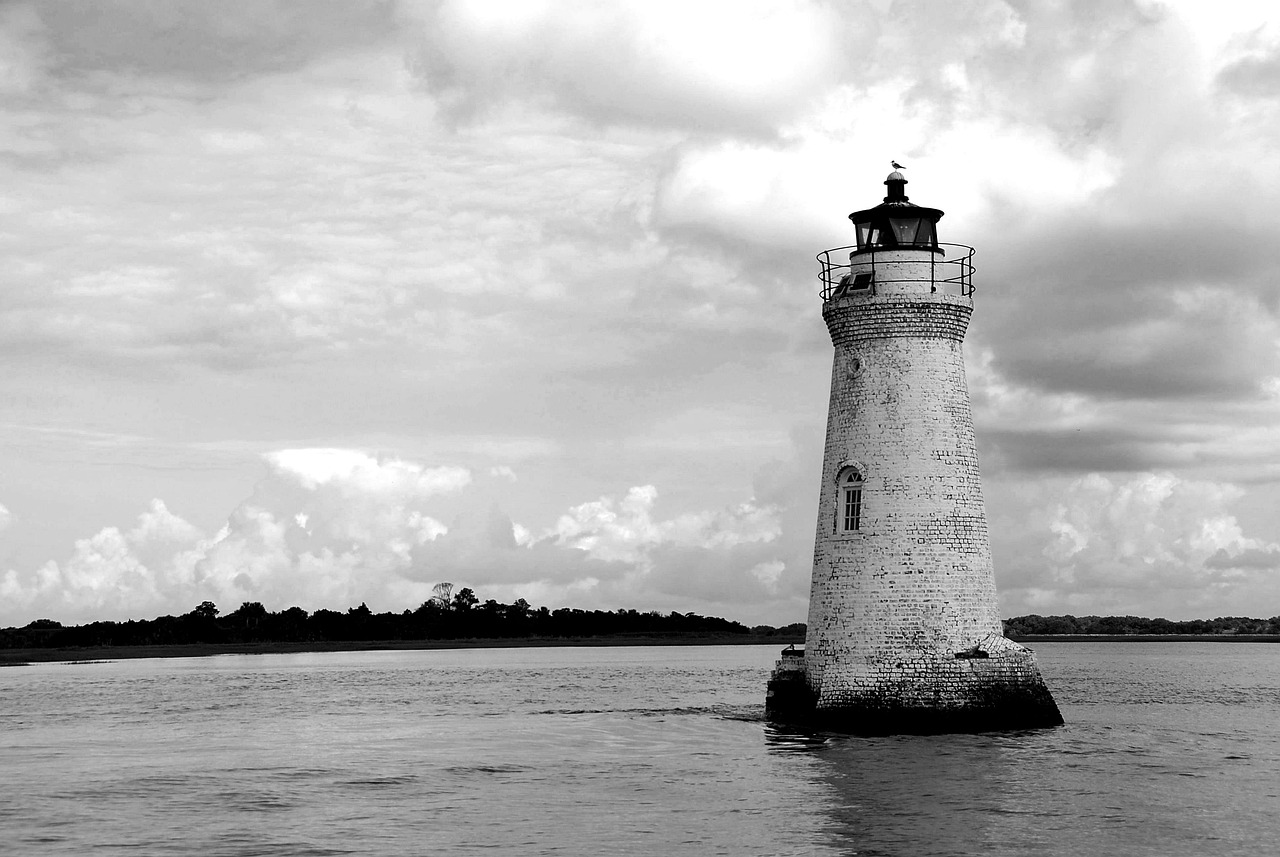
When city heat gets intense, locals head to Tybee Island. It’s casual, old-school beach town rather than polished resort, which is exactly why I love it.
On my last trip, I climbed the Tybee Island Light Station for sweeping views of the coast and then walked the North Beach dunes as pelicans skimmed the waves. It’s a reminder that Savannah’s story is tied to the ocean and the shipping lanes just offshore.
- Getting there: About 25–30 minutes by car from downtown Savannah; limited public transit, so rideshare or rental car is easiest.
- Family tip: The shallow shoreline and gentle waves are great for kids, but bring shade and sunscreen.
- Budget tip: Pack a cooler with snacks and drinks; beach town prices add up quickly.
7. Owens–Thomas House & Slave Quarters
The Owens–Thomas House & Slave Quarters is one of the most important historic sites in Savannah, and one I recommend to anyone interested in an honest look at the city’s past.
The guided tour takes you through a Regency-style mansion as well as the preserved slave quarters, focusing on the lives of the enslaved people who lived and worked there. It’s thoughtful, sometimes difficult, and essential for understanding Savannah beyond pretty architecture.
- Tickets: Combined with other Telfair Museums; book ahead in high season.
- My tip: Give yourself time after the tour to process and reflect—maybe with a quiet walk through nearby Oglethorpe Square.
8. Telfair Museums (Telfair Academy & Jepson Center)
Between the Telfair Academy (historic mansion-turned-museum) and the modern Jepson Center, the Telfair Museums showcase Savannah’s blend of old and new.
I like to pair them in one afternoon: start with the academy for 19th-century art and period rooms, then cross over to the Jepson for contemporary works and rotating exhibitions.
- Why go:
- Air-conditioned cultural break in the heat.
- Good for art lovers and rainy days.
- Family tip: The Jepson often has interactive or kid-friendly elements—check current exhibits.
9. City Market
City Market can feel like tourist central, but it’s also a lively place to dip into Savannah’s lighter side. I’ve had more than one relaxed afternoon here with visiting cousins—grabbing ice cream, listening to live music, and wandering the upstairs artist studios.
- What to do:
- Visit local artist studios and galleries on upper floors.
- Catch street music or scheduled performances.
- Grab casual food and drinks.
- My tip: Go in late afternoon or early evening when the heat eases and live music tends to start.
10. The Historic Savannah Theatre
Opened in 1818, the Savannah Theatre is one of the oldest continuously operating theaters in the U.S. Its glowing marquee is a familiar sight on Chippewa Square, and catching a show here is a fun way to spend a night.
I’ve seen both musical revues and seasonal shows; they’re high-energy, light-hearted, and a good break from walking and eating your way through town.
- Best for: Families, couples, and groups looking for evening entertainment beyond bars.
- My tip: Book tickets online ahead of weekends or holidays.
11. Juliette Gordon Low Birthplace
If you’ve ever camped in a Girl Scout uniform, this is a pilgrimage. The Juliette Gordon Low Birthplace is a lovingly restored home where the founder of the Girl Scouts of the USA was born and raised.
I visited with a friend who’s a lifelong Scout leader, and watching her see the house she’d talked about for years was surprisingly moving. The tour mixes family history, early Girl Scout stories, and period furnishings.
- Who will love it: Scouts, history buffs, families.
- My tip: Check for special programs for Scouts and kids; they often sell out.
12. Wormsloe Historic Site
If you’ve seen a photo of a miles-long avenue of oak trees arching over a dirt road, you’ve probably seen Wormsloe Historic Site. It’s a short drive from downtown and one of the most iconic images of coastal Georgia.
Every time I drive that oak tunnel, I roll the windows down, slow to a crawl, and let the moss brush the edge of the car. Beyond the driveway, you’ll find colonial-era tabby ruins, trails, and marsh views.
- Getting there: About 20–25 minutes by car; combine with a trip to Isle of Hope or Sandfly for food.
- Photo tip: Come early or late in the day; midday light is harsh and can be crowded.
13. Fort Pulaski National Monument
Fort Pulaski sits between Savannah and Tybee Island, a brick fort with a moat that played a key role in Civil War history. The Union’s rifled cannons breached the walls from what was then an impossible distance, changing military engineering forever.
I’ve walked the ramparts here on a windy winter afternoon, watching herons stalk through the marsh. It’s peaceful now, but the exhibits and guided talks bring its war-time significance to life.
- Best for: History lovers, families, photographers (great views and symmetry).
- My tip: Pair with a Tybee day—stop here in the morning, then reward yourself with the beach in the afternoon.
14. SCAD Museum of Art & SCAD Presence
The SCAD Museum of Art is housed in a beautifully restored 19th-century railroad depot, with a sleek glass-and-brick design inside. SCAD (Savannah College of Art and Design) is responsible for much of the city’s creative buzz.
I love dropping in here between other sights; the rotating contemporary art exhibitions often surprise me, and the building itself is a study in adaptive reuse.
- Why go: Contemporary art, architecture, and a glimpse into SCAD’s influence on Savannah.
- My tip: Check current exhibitions online before you go; some can be immersive or interactive.
15. Lafayette Square & The Andrew Low House
Lafayette Square, with its central fountain, is one of my favorite quiet corners. It’s framed by the Cathedral, the Andrew Low House, and other handsome townhouses.
I’ve spent many afternoons here waiting for friends, reading on a bench, or just watching the light flicker through the moss. The Andrew Low House next door offers another look into 19th-century Savannah life with guided tours.
- Best for: A slower pace, architecture lovers, and photographers.
- My tip: Visit mid-morning when the light is soft and the square is quieter.
16. Plant Riverside District
On the western end of River Street, the Plant Riverside District is one of Savannah’s newest redeveloped areas—an old power plant turned into a complex of hotels, restaurants, bars, galleries, and performance spaces.
I was skeptical at first (would it feel too polished?), but a sunset drink on a rooftop bar overlooking the river won me over. At night, the smokestacks glow, and live music spills out onto the cobblestones.
- Why go: Modern riverfront vibes, rooftop views, nightlife.
- My tip: Come around golden hour for river views, then stay for dinner and live music.
17. Starland District
The Starland District is where I go when I want to remember that Savannah is more than its historic squares. Once a neglected area, it’s now a creative hub of murals, indie shops, and small food spots.
On a recent afternoon, I wandered from a vintage clothing store to a plant shop to a tiny café with students sketching in notebooks. It feels young and evolving, with just enough grit to keep it authentic.
- Best for: Street art, local businesses, and a break from the most touristed zones.
- My tip: Check for evening markets or events; the district comes alive when there’s a festival or art walk.
18. Victorian District
South of Forsyth Park, the Victorian District is a quieter, more residential area full of colorful late-19th-century homes. I like to wander these streets when I need a mental reset—fewer crowds, more porches, and plenty of architectural details.
- Why go:
- See where locals actually live.
- Admire gingerbread trim, turrets, and wraparound verandas.
- My tip: Combine with a Forsyth Park visit; walk south instead of back toward the river.
19. Colonial Park Cemetery
Colonial Park Cemetery is woven into the city grid near Oglethorpe Square, a green space filled with weathered tombstones and centuries of stories. It’s smaller and more central than Bonaventure, and I often wander through when crossing town.
- Why go:
- Learn about early Savannah history from grave markers.
- Enjoy a quiet break in the heart of downtown.
- Ghost tour note: Many evening tours stop outside its gates to share some of Savannah’s darker stories.
20. Jones Street
Even after countless walks, Jones Street still feels like a movie set. Brick sidewalks, gas lamps, ivy-covered steps, and perfectly proportioned homes line this east-west street that many call the prettiest in America.
One rainy afternoon, I walked the length of Jones under an umbrella, listening to the rain patter on the leaves and the occasional carriage clop by. It was like time had slowed to half-speed.
- Best for: Photos, romantic strolls, and soaking up “this is why I came to Savannah” vibes.
- My tip: Walk the full stretch, east to west, and detour up and down the cross streets; every block has its own character.
21. Savannah’s Rooftop Bars & Views
For skyline views (Savannah’s version—church spires, cupolas, and bridges rather than skyscrapers), I love heading to a rooftop bar near the river or around the Historic District.
- Why go:
- Sunset over the river or cityscape.
- See the Talmadge Memorial Bridge lit up at night.
- My tip: Time your drink for golden hour; the city glows beautifully in that light.
22. Eastern Riverfront & Historic Factors Walk
Just east of the busier River Street, the Factors Walk area is one of my favorite little architectural rabbit holes. Multi-level brick buildings, iron bridges connecting Bay Street to River Street, and shaded courtyards give you a sense of Savannah’s mercantile past.
- Why go:
- Explore tucked-away arches and alleys.
- Photograph interesting brickwork and iron details.
- My tip: Wear good shoes—the cobblestones are no joke.
Neighborhoods & Districts to Explore
Historic Landmark District
This is the postcard version of Savannah: squares, mansions, churches, inns, and cobblestones. Most first-time visitors spend the majority of their 3 days in Savannah here—and rightly so.
- Best for: Walking tours, architecture, museums, and classic “things to do in Savannah.”
- Don’t miss: Bull Street squares, Forsyth Park, River Street, Colonial Park Cemetery.
Victorian District
Just south of the Historic District, this area is quieter and more residential, with colorful late-19th-century homes and a lived-in feel.
- Best for: Slow wandering, photography, seeing daily life.
Starland District
Starland is Savannah’s creative playground: murals, small galleries, vintage shops, indie cafés, and a sprinkling of breweries.
- Best for: Street art, casual dining, local shopping, and more alternative cultural experiences in Savannah.
Riverfront & Plant Riverside
From old cotton warehouses to glitzy new developments, the riverfront is a blend of history and nightlife.
- Best for: Bars, river views, live music, and people-watching.
Isle of Hope & Sandfly
Residential and peaceful, Isle of Hope has lovely marsh views and historic homes along Bluff Drive; Sandfly nearby offers local food spots.
- Best for: Off-the-beaten-path drives, scenic walks, and a quieter side of Savannah.
Best Local Food & Drinks in Savannah
Food is a huge part of why I love coming home to Savannah. From shrimp and grits to flaky biscuits and craft cocktails, the city takes its Lowcountry flavors seriously.
What to Eat: Local Specialties
- Shrimp & Grits: Creamy, cheesy grits topped with fresh local shrimp—every chef has their own spin.
- Lowcountry Boil (Frogmore Stew): A big pot of shrimp, sausage, corn, and potatoes boiled with spices—great for casual seaside meals.
- She-crab Soup: Rich, creamy crab soup with a hint of sherry.
- Biscuits & Fried Chicken: Southern staples; look for flaky biscuits and well-seasoned chicken.
- Pralines: Sweet, nutty candies you’ll smell before you see.
- Pecan Pie: Sticky, nutty, and best with a bit of whipped cream.
Where to Eat: Styles & Experiences
- Classic Southern: Look for long-running local spots that do fried chicken, collard greens, mac and cheese, and cornbread.
- Seafood Shacks: Especially out toward Tybee or Thunderbolt—ideal for peel-and-eat shrimp and fried platters.
- Farm-to-Table: A growing number of restaurants highlight regional produce and seafood with modern twists.
- Cafés & Brunch: SCAD’s presence means plenty of coffee shops with good pastries and brunch menus.
Drinks & Nightlife
- Cocktails: Savannah’s bartenders are serious about craft cocktails—look for spots specializing in house infusions and seasonal menus.
- Beer: Local breweries are scattered around town; Starland often has interesting small-batch brews.
- To-go cups: In much of the Historic District, you can legally walk with an alcoholic drink in a plastic cup—just one at a time, and be respectful.
Money-Saving Food Tips
- Have at least one big lunch at a higher-end spot; lunch menus are often cheaper than dinner.
- Take advantage of weekday specials and happy hours on appetizers and drinks.
- Grab picnic supplies from a local market and eat in a square or in Forsyth Park.
Nightlife, Entertainment & Cultural Experiences
Nightlife
Savannah’s nightlife is more about bars, live music, and conversations than giant clubs.
- Rooftop Bars: For views of the river or Historic District skyline.
- Live Music: Look for venues hosting jazz, blues, or acoustic sets—especially around the riverfront and City Market.
- Ghost Tours: A uniquely Savannah nighttime activity, blending history and local lore.
- Pub Crawls: Popular but can be rowdy; if that’s not your scene, opt for a quieter wine bar.
Cultural Experiences
- Theater & Performances: Historic Savannah Theatre shows, smaller venues, and occasional festival performances.
- Art Walks & Markets: Starland art nights, local maker markets, and SCAD events—check local listings.
- Historical Reenactments & Talks: Occasionally at forts, squares, or museums.
Day Trips & Nearby Getaways
Tybee Island
The go-to day trip for beach time. Swim, sunbathe, climb the lighthouse, and eat seafood.
Fort Pulaski & Cockspur Island
Combine history, marsh scenery, and easy walking trails around the fort.
Ossabaw Island (Guided Trips)
For the adventurous: limited-access barrier island with wild feel, often accessed via guided eco-tours. Book well in advance.
Bluff Drive, Isle of Hope
A scenic residential area along the water; drive slowly, admire the houses, and walk the shoreline.
Cultural Etiquette & Local Customs in Savannah
Part of enjoying cultural experiences in Savannah is tuning into the city’s rhythm and unwritten rules.
- Slow Down: Savannah moves at a relaxed pace. Don’t rush service staff; “we’ll get to you, sugar” is a promise, not a brush-off.
- Greetings: A simple “hey” or “hey y’all” goes a long way. People hold doors, say thank you, and chat in line.
- Dress: Casual but neat works almost everywhere; smart-casual for nicer dinners.
- Squares & Cemeteries: Treat them with respect—no loud music, littering, or climbing on monuments.
- To-Go Drinks: Use a plastic cup, stay within the legal zone, and don’t carry more than one drink at a time.
- Tipping: 18–20% in restaurants and bars is standard in the U.S.
Practical Travel Tips for Savannah
Getting Around
- On Foot: The Historic District is compact; walking is the best way to soak it in.
- Free Downtown Shuttle: Savannah often runs a free DOT shuttle in the core—check current routes and hours.
- Rideshare & Taxis: Widely available for evenings or trips to Starland, Wormsloe, or the islands.
- Car Rental: Useful if you’re staying outside downtown or planning multiple day trips; parking downtown can be tight but manageable in garages and metered spots.
Saving Money
- Visit outside peak weekends (major festivals, holidays) for better hotel rates.
- Consider lodging slightly outside the Historic District and use rideshare or a short drive in.
- Take advantage of free attractions: squares, parks, cemeteries, riverfront.
- Use combo tickets for museums (Telfair bundle, for example).
SIM Cards & Connectivity
- US Visitors: Your existing plan likely works; downtown has good coverage.
- International visitors:
- Buy a U.S. prepaid SIM from major carriers (often at airports, big-box stores, or phone shops).
- Or use an eSIM if your phone supports it for easy activation on arrival.
- Wi‑Fi is common in hotels, cafés, and many restaurants.
Visa & Driving Requirements for International Visitors
- Visas: Check current U.S. entry rules for your nationality (visa or ESTA/visa waiver). Apply well before your trip.
- Driving: Many foreign drivers’ licenses are accepted for short visits; consider carrying an International Driving Permit plus your home license if you plan to rent a car.
- Road tips: Drive on the right, obey speed limits, watch for pedestrians in the Historic District.
What’s New & Upcoming Events 2026–2027
Savannah’s calendar is full of festivals and events; if you can, time your trip to hit one—just book early.
- February–March: Savannah Book and Literary events, smaller art festivals, and early spring blooms.
- March: St. Patrick’s Day celebrations—one of the largest in the U.S. The city gets packed; it’s festive but crowded.
- Spring & Fall: Home & garden tours, food and wine events, and art festivals. 2026–2027 are expected to continue expanding cultural programming, especially around Starland and the riverfront.
- Year-Round: SCAD events, gallery openings, and rotating museum exhibitions.
For 2026–2027, keep an eye on new gallery spaces in the Starland District, expanded programming at the Plant Riverside District, and evolving food festivals celebrating Lowcountry cuisine.
Best Time to Visit Savannah
- Spring (March–May): Azaleas, perfect walking weather, and many festivals. Crowded and pricier, especially around St. Patrick’s Day.
- Early Summer (June): Warm and humid but not yet at full steam; good for beach days.
- High Summer (July–August): Very hot and humid; fewer crowds, better deals, but plan indoor breaks and beach escapes.
- Fall (September–November): My favorite—still warm, fewer crowds than spring, lovely light, and comfortable evenings.
- Winter (December–February): Mild by northern standards, quieter, with holiday decorations making the squares feel extra cozy.
For a balanced experience, I usually recommend late March–April or October–early November for 3–5 days in Savannah.
Summary & Final Recommendations
Savannah rewards wanderers. The best moments of any travel guide for Savannah come to life when you turn an unexpected corner: a hidden courtyard, a porch jazz session, a sudden view of the river at dusk.
For a first visit, plan at least 3 days in Savannah to see the highlights: Forsyth Park, the squares, River Street, a house museum, and either Bonaventure or Tybee. If you can stretch to 4 days in Savannah, add Starland and more food adventures. With 5 days in Savannah, you can slow to local pace, explore the islands and forts, and revisit your favorite streets at different times of day.
Mix the must-see attractions in Savannah with hidden gems in Savannah, taste as much local food in Savannah as you can manage, and lean into the city’s gentle, slightly haunted charm. Walk under the moss, listen to the cicadas, and let Savannah work its slow magic on you.