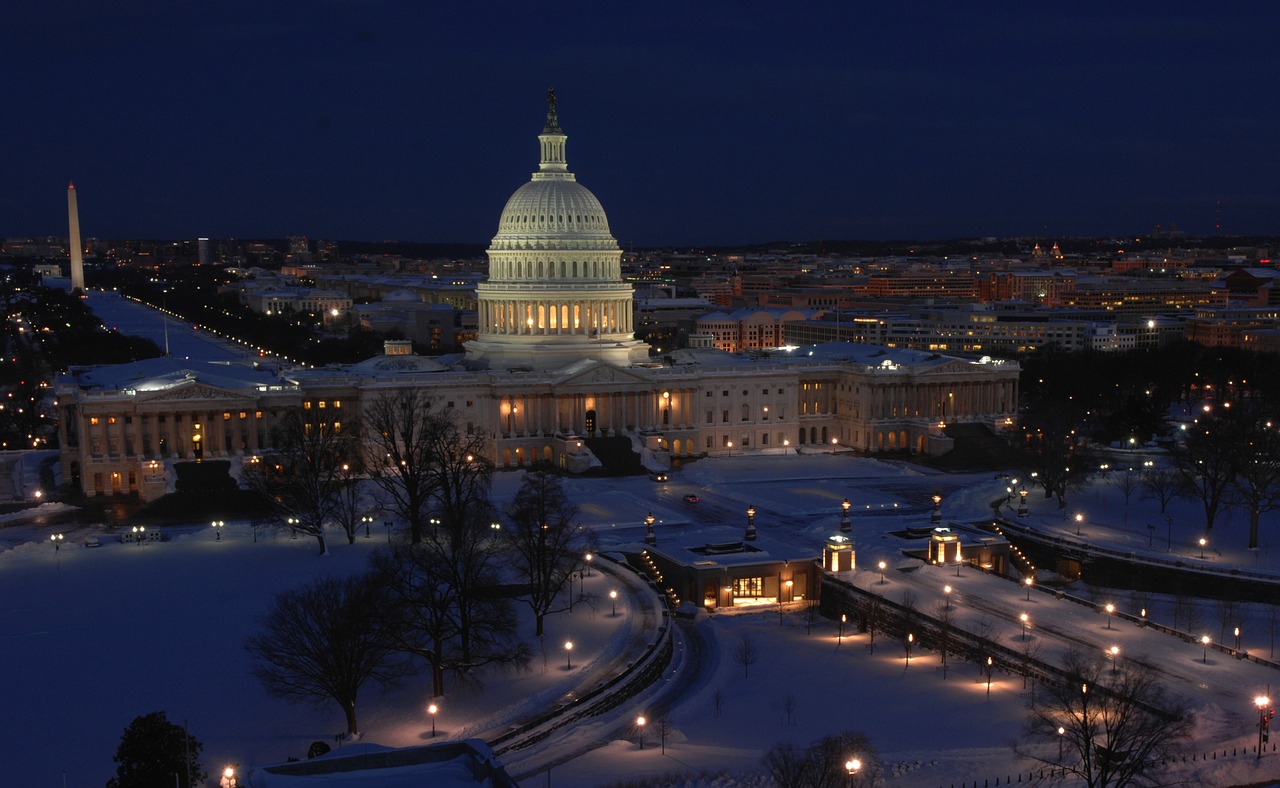
Why Visit Washington, USA?
When people say “Washington” in the context of travel, they’re almost always talking about Washington, D.C. – the capital city of the United States. I’ve lived here long enough to see it shift from a buttoned-up political town to a city with inventive food, thriving neighborhoods, and a surprisingly playful side. Yet every time I bike past the Lincoln Memorial at night, I’m reminded how powerful and beautiful this place really is.
Washington is where American history, global politics, and everyday neighborhood life collide. One moment you’re standing in front of the Declaration of Independence, the next you’re sipping Ethiopian coffee in Adams Morgan or listening to jazz in a dim-lit Shaw bar. For travelers, it’s one of the best-value cities in the U.S. because so many world-class museums and attractions are completely free.
Whether you have 3 days in Washington or you’re planning a 4 or 5 day itinerary for Washington, this travel guide will help you craft a trip that goes beyond checking off monuments. I’ll walk you through the must-see attractions, the local food scene, hidden gems in Washington that most visitors miss, and practical travel tips for Washington that I’ve learned the hard way (you only need to get soaked in a summer thunderstorm once to never forget an umbrella again).
Table of Contents
- Why Visit Washington, USA?
- Suggested 3–5 Day Itineraries
- Top 20 Must-See Attractions (With Local Stories)
- Best Neighborhoods & Districts to Explore
- Local Food in Washington & Where to Eat
- Nightlife, Entertainment & Cultural Experiences
- Best Day Trips from Washington
- What’s New: Events & Changes in 2026–2027
- Cultural Etiquette & Local Customs in Washington
- Practical Travel Tips for Washington
- Summary & Best Time to Visit Washington
Suggested 3–5 Day Itineraries for Washington
3 Days in Washington: Essential First-Timer Itinerary
If it’s your first time and you only have 3 days in Washington, don’t worry—you can still see the city’s greatest hits without rushing so much that your feet mutiny. This 3 day itinerary for Washington focuses on the National Mall, key museums, and a few local experiences.
Day 1: The Monumental Core & National Mall
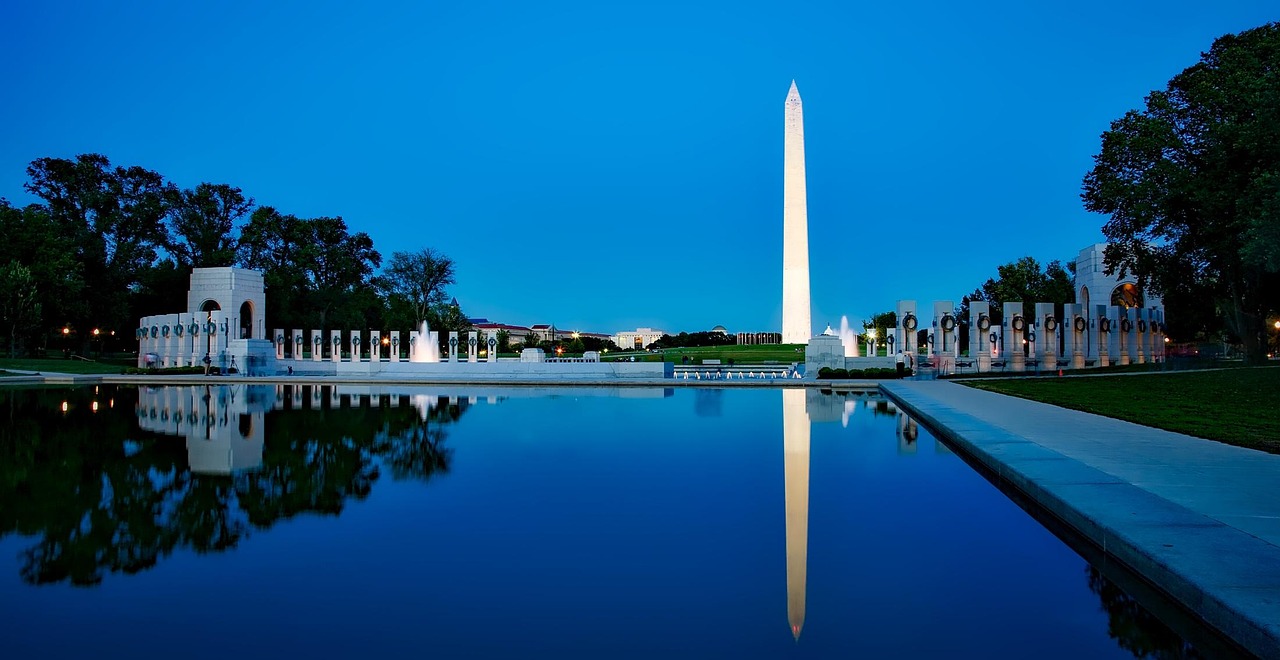
I still remember my very first morning living here: I woke up early, walked out to the National Mall just as the sun was rising, and watched the Washington Monument glow pink and gold. It’s still my favorite way to start a visitor’s trip.
- Morning: Start at the U.S. Capitol (even if you don’t go inside, the exterior is stunning), then walk west along the Mall toward the Washington Monument. Reserve a timed entry ticket online for the Washington Monument if you want to ride to the top for panoramic views of the city. Aim for a morning slot before haze and crowds.
- Midday: Wander the Smithsonian museums on either side of the Mall. For a first visit, I recommend pairing the National Museum of American History (the flag that inspired the Star-Spangled Banner always gets me) with the National Museum of Natural History (the dinosaur hall is a slam dunk for families).
- Lunch: Grab something quick at a museum café or bring your own picnic. I often pack sandwiches and find a shady spot under the trees on the Mall—cheap, scenic, and flexible.
- Afternoon: Continue west to the World War II Memorial, then walk along the Reflecting Pool to the Lincoln Memorial. Don’t miss the Vietnam Veterans Memorial and the Korean War Veterans Memorial nearby.
- Evening: If your legs can handle it, stick around until dusk to see the monuments light up. Nighttime at the Lincoln Memorial is one of my favorite romantic things to do in Washington—quiet, reflective, and surprisingly intimate.
Family-friendly? Yes, but bring snacks, water, and a stroller for younger kids. Distances are deceptive.
Pro tip: Wear broken-in walking shoes. The Mall is longer than it looks on a map, and you’ll rack up steps without realizing it.
Day 2: Museums & the Tidal Basin
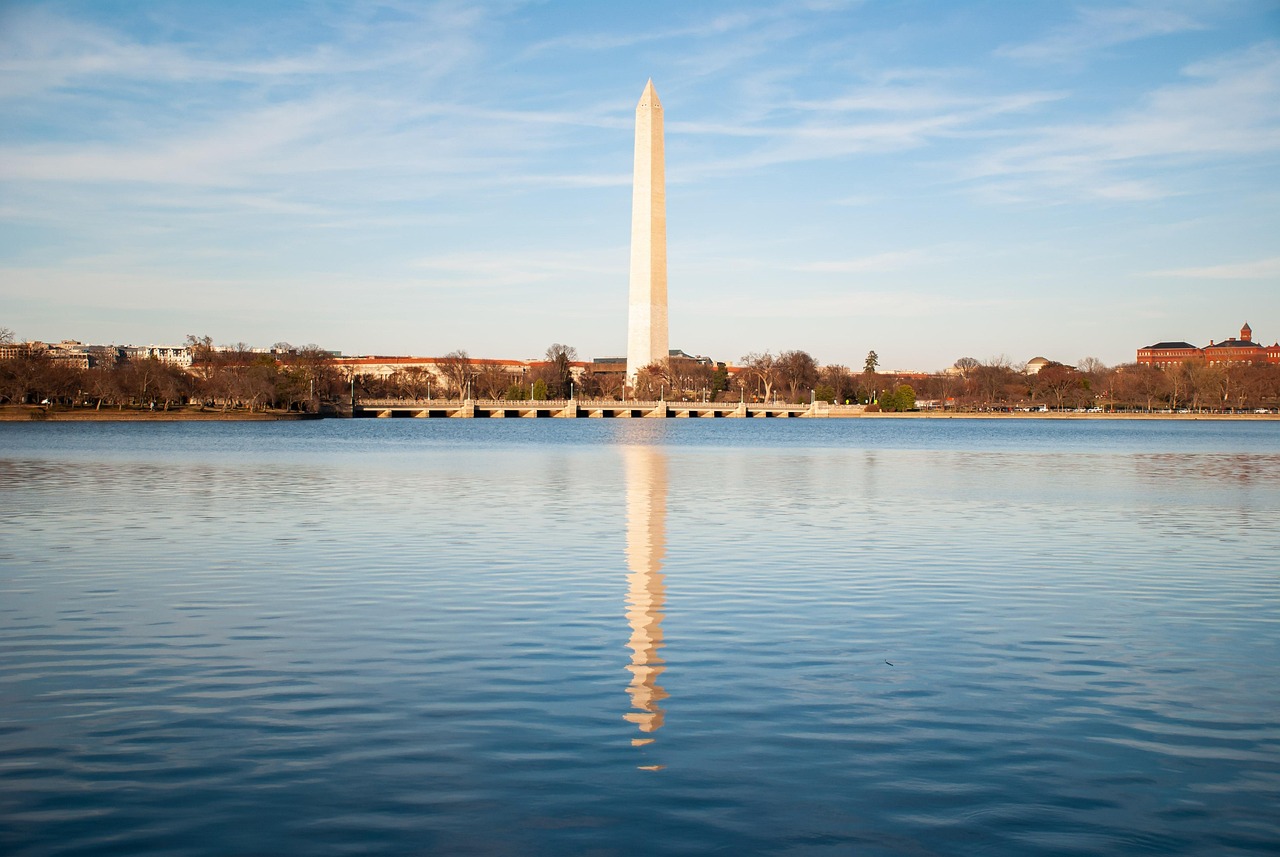
On your second day, you’ll dig deeper into the Smithsonian system and loop around the Tidal Basin, one of the city’s most scenic walks.
- Morning: Visit the National Air and Space Museum (currently in phases of renovation through 2026, but key galleries are open). I still get a little kid thrill standing under the Apollo 11 command module. This is easily one of the top things to do in Washington for families.
- Late Morning / Early Afternoon: Head to the National Museum of African American History and Culture. Timed-entry passes are still recommended in 2026—book in advance. Allow at least 3–4 hours; the lower historical galleries are intense and emotionally powerful, and the upper floors celebrate culture, music, and sports.
- Lunch: Eat at the African American Museum’s Sweet Home Café. It’s one of my favorite museum eateries in the city, serving regional American dishes with soul food influences.
- Afternoon: Walk down to the Tidal Basin and loop clockwise: Jefferson Memorial, FDR Memorial, and Martin Luther King Jr. Memorial. This circuit is particularly magical in spring during cherry blossom season but beautiful year-round.
- Evening: For dinner, cross into the Waterfront / Wharf area (more on that later) for fresh seafood and a lively harbor atmosphere.
Day 3: Georgetown & Neighborhood Life
On your last of 3 days in Washington, trade marble for cobblestones and historic rowhouses in Georgetown, then sample at least one more neighborhood to get a sense of local life.
- Morning: Start at the Georgetown Waterfront Park. I love grabbing coffee and walking along the river before the crowds arrive. If you’re feeling active, rent a kayak or paddleboard (seasonal) and see the monuments from the Potomac.
- Late Morning: Wander up into the heart of Georgetown along M Street and Wisconsin Avenue. Pop into boutiques, peek down side streets lined with colorful houses, and detour to the famous “Exorcist Steps” if you’re a movie buff.
- Lunch: Georgetown has everything from college-budget tacos to upscale bistros. I tend to go for casual spots with outdoor seating so I can people-watch.
- Afternoon: Choose a neighborhood that matches your vibe:
- Capitol Hill: Stroll Eastern Market, explore pretty rowhouse streets, and duck into indie bookstores.
- Shaw: Learn about Black history, grab coffee at a local roastery, and check out street art.
- Adams Morgan / U Street: More bohemian, with vintage shops, murals, and global food.
- Evening: Wrap up your 3 day itinerary for Washington with a rooftop bar view—there are several in downtown and along the Wharf. I like ending trips this way: drink in hand, city spread out below, mentally recapping your favorite moments.
4 Days in Washington: Add Neighborhoods & Culture
With 4 days in Washington, you can balance the big-ticket must-see attractions in Washington with more local experiences. Use the 3 day itinerary for Washington above, then add:
Day 4: Capitol Hill, Union Market & H Street
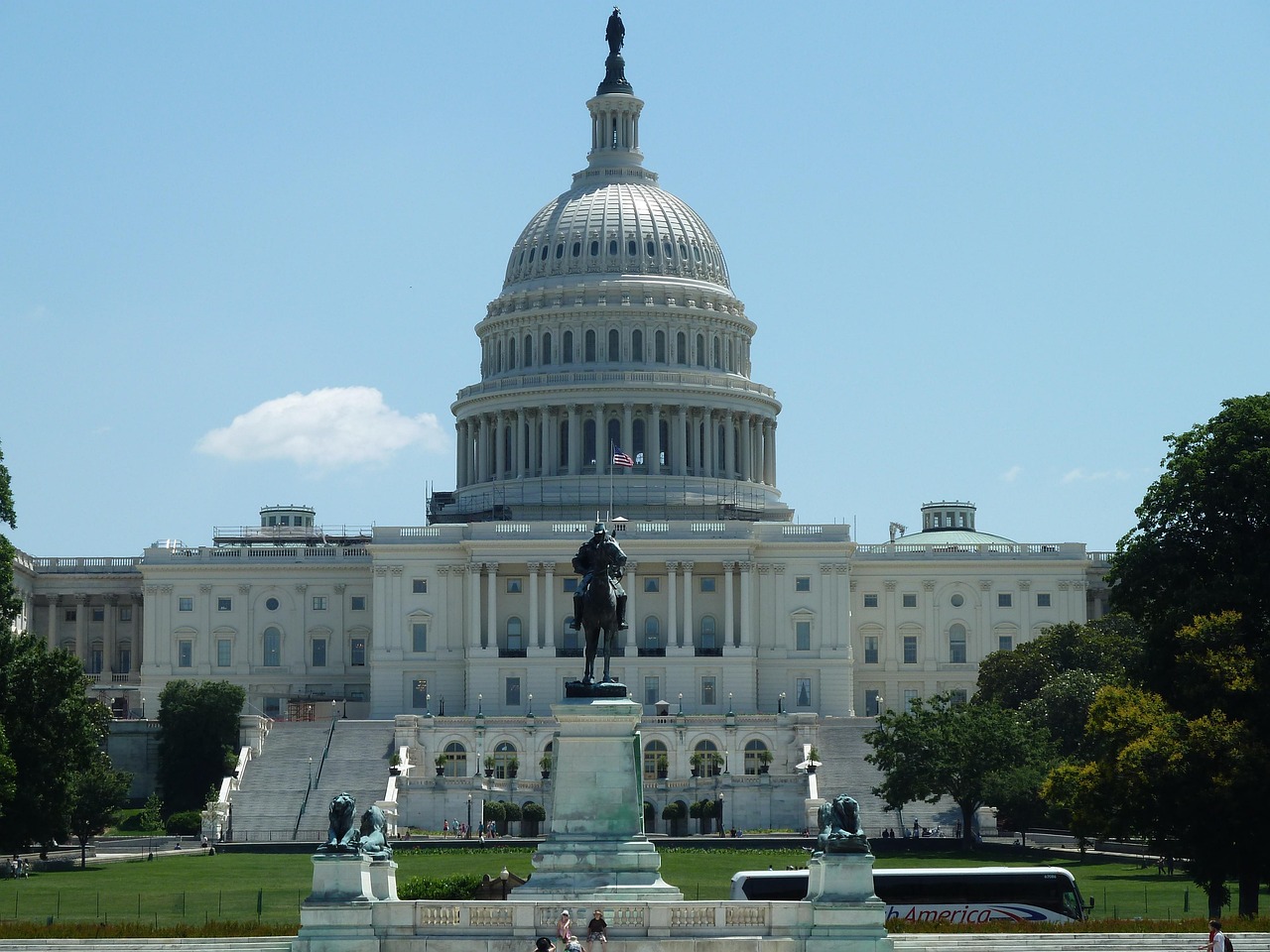
- Morning: Take a guided tour of the U.S. Capitol (book through your representative or the Capitol Visitor Center). I’ve gone multiple times over the years, and each guide brings a different angle—art, politics, architecture.
- Late Morning: Walk to the Library of Congress. The Great Hall is one of the most beautiful interiors in the city. Don’t rush it; look up at the mosaics and stained glass.
- Lunch: Head to Union Market—a hip food hall with dozens of vendors. When I’m showing friends around, this is usually where we go because everyone can pick their own cuisine.
- Afternoon: Explore the evolving H Street NE corridor: street art, indie shops, and a more local side of town that most tourists never see.
- Evening: Catch a show at the historic Atlas Performing Arts Center or head back toward U Street for live jazz.
5 Days in Washington: Deep Dive & Easy Day Trip
With 5 days in Washington, you have time to breathe, revisit your favorite spots, and add a day trip.
Day 5 Option A: Day Trip to Mount Vernon
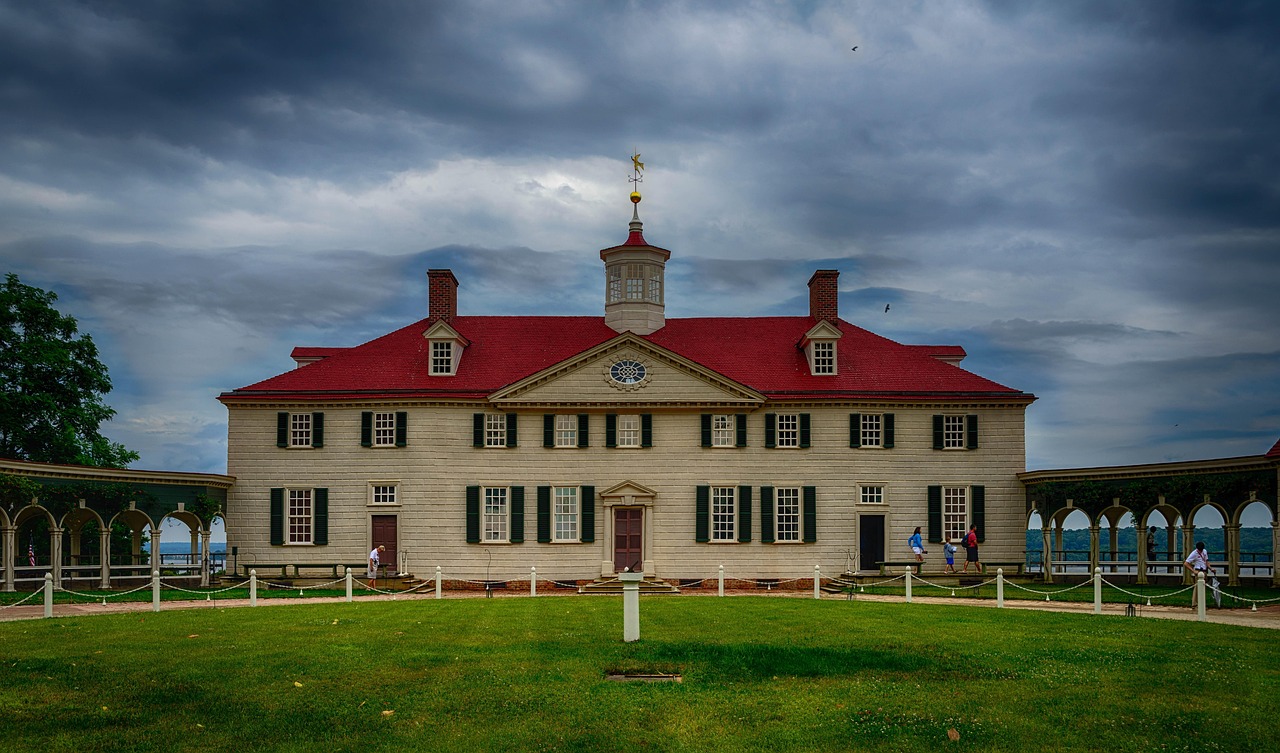
George Washington’s Mount Vernon is an easy and rewarding day trip from Washington, especially for families and history lovers.
- Morning: Take a rideshare or tour bus to Mount Vernon (about 30–45 minutes). I like to arrive right when it opens to enjoy the grounds before they get busy.
- Midday: Tour the mansion, walk the gardens, and spend time down by the river. The view over the Potomac hasn’t changed much since Washington’s day—it’s a rare chance to really feel the past.
- Lunch: Eat at the on-site inn or pack a picnic.
- Afternoon: Explore the museum and education center before heading back to the city.
- Evening: Low-key dinner near your hotel—by this point in a 5 day itinerary for Washington, you’ll likely be happily tired.
Day 5 Option B: More Museums & Neighborhood Wandering
If you’d rather stay in town, use your fifth day to hit any museums you missed (like the National Gallery of Art or Hirshhorn) and dive deeper into a neighborhood that intrigued you.
Top 20 Must-See Attractions in Washington (With Local Stories & Tips)
Below are twenty of the best places to visit in Washington. I’ve included history, why they matter, how I like to experience them, and practical tips. Use this as your core travel guide for Washington when planning what to see.
1. The National Mall
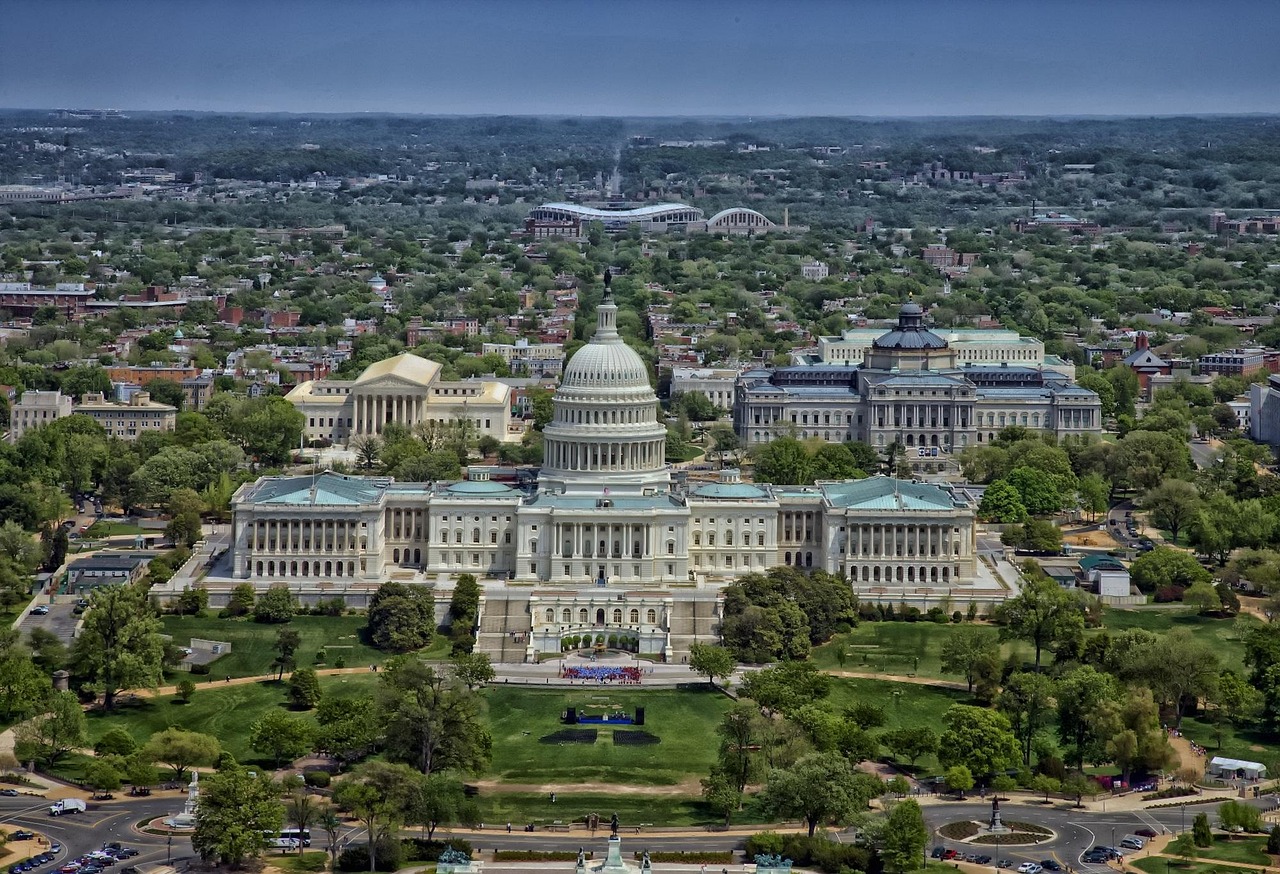
The National Mall is Washington’s front lawn—a grand, green axis stretching from the U.S. Capitol to the Lincoln Memorial. It’s where protests, marches, festivals, and quiet Sunday picnics all coexist.
History-wise, this is where Martin Luther King Jr. delivered his “I Have a Dream” speech, where presidential inaugurations unfold, and where the country gathers in moments of celebration and grief. As a local, I’ve attended everything from Smithsonian Folklife Festivals to impromptu candlelight vigils here.
My favorite time: Early morning in late spring or fall. The light is soft, the joggers are out, and the city feels like it’s just waking up.
- Best for: First-time visitors, families, history buffs, photographers.
- Cost: Free (museums and monuments are mostly free too).
- Tip: Don’t try to “do” the entire Mall in one rushed afternoon. Split it into east (Capitol side) and west (Lincoln/Reflecting Pool) days if you can.
2. Washington Monument
The Washington Monument is the marble obelisk that dominates the skyline. Construction started in 1848, paused due to funding and the Civil War, and finally finished in 1884, which is why the stone changes color partway up.
I’ve gone up several times over the years, and the view never gets old. You can see the Capitol, White House, Lincoln Memorial, Tidal Basin, and, on a clear day, even National Cathedral.
- Tickets: Free but timed-entry. Reserve online, especially in spring/summer.
- Best time: Morning for clearer views and fewer crowds.
- Family tip: Kids love the elevator ride and spotting monuments from above. Turn it into a scavenger hunt: who can spot the Jefferson Memorial first?
3. Lincoln Memorial & Reflecting Pool
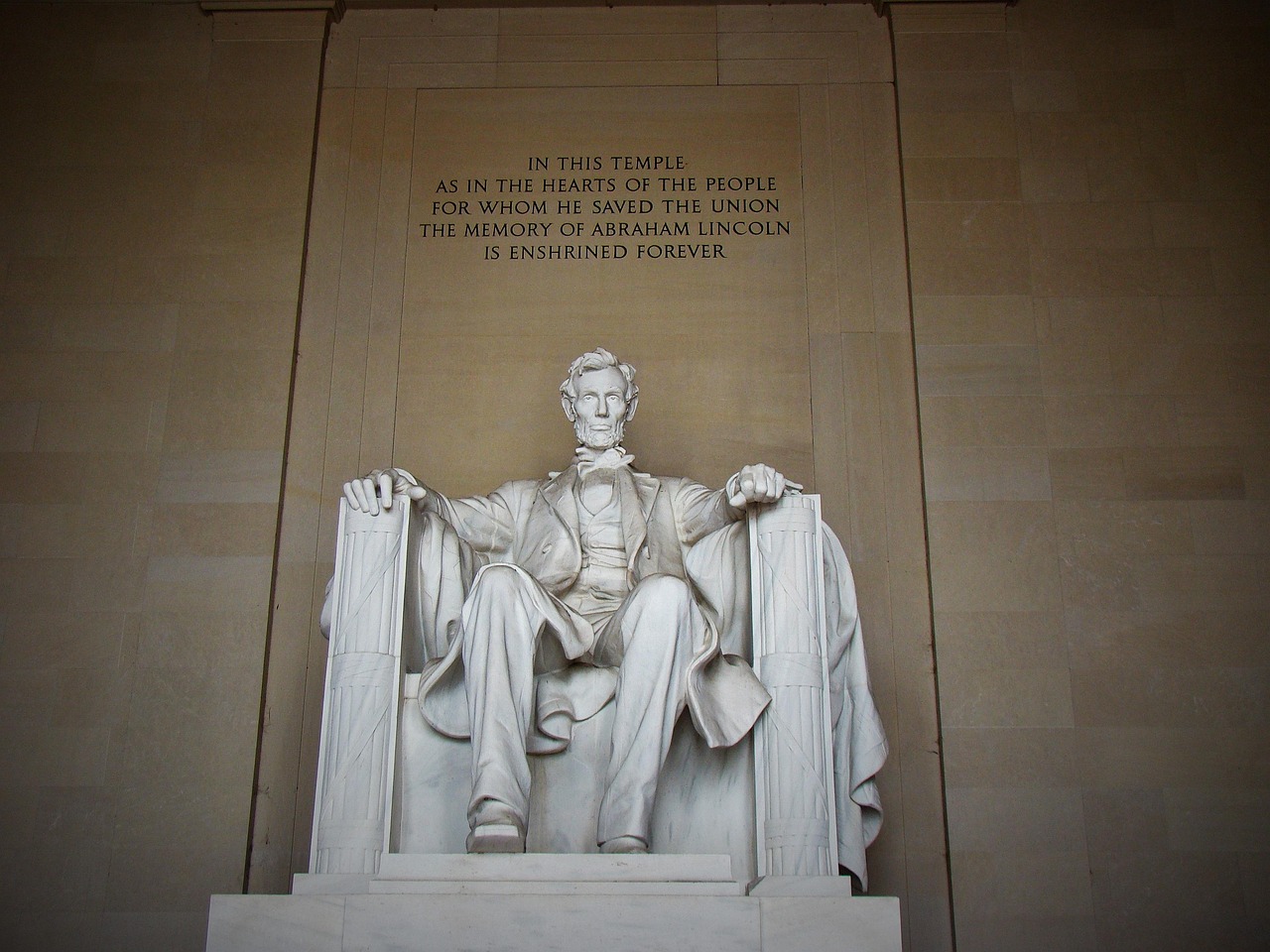
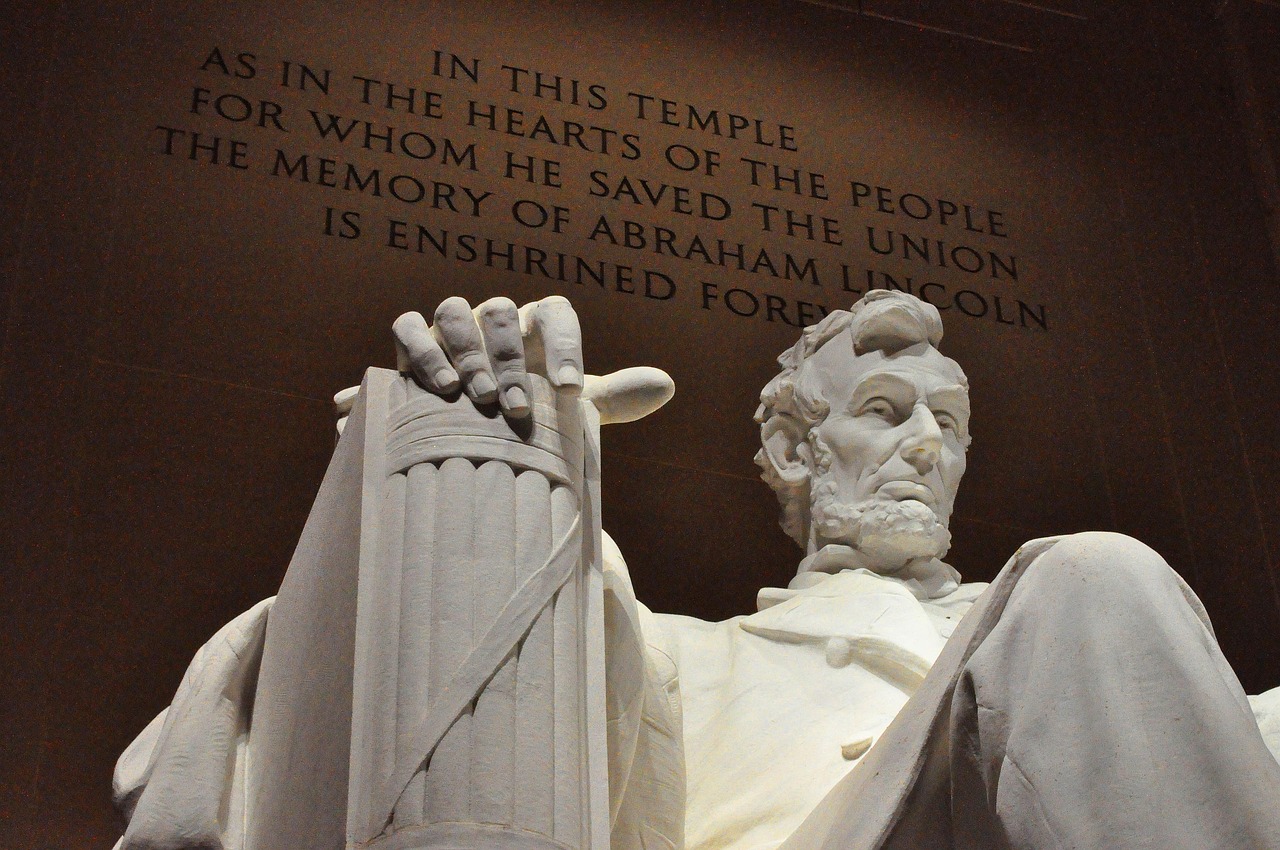
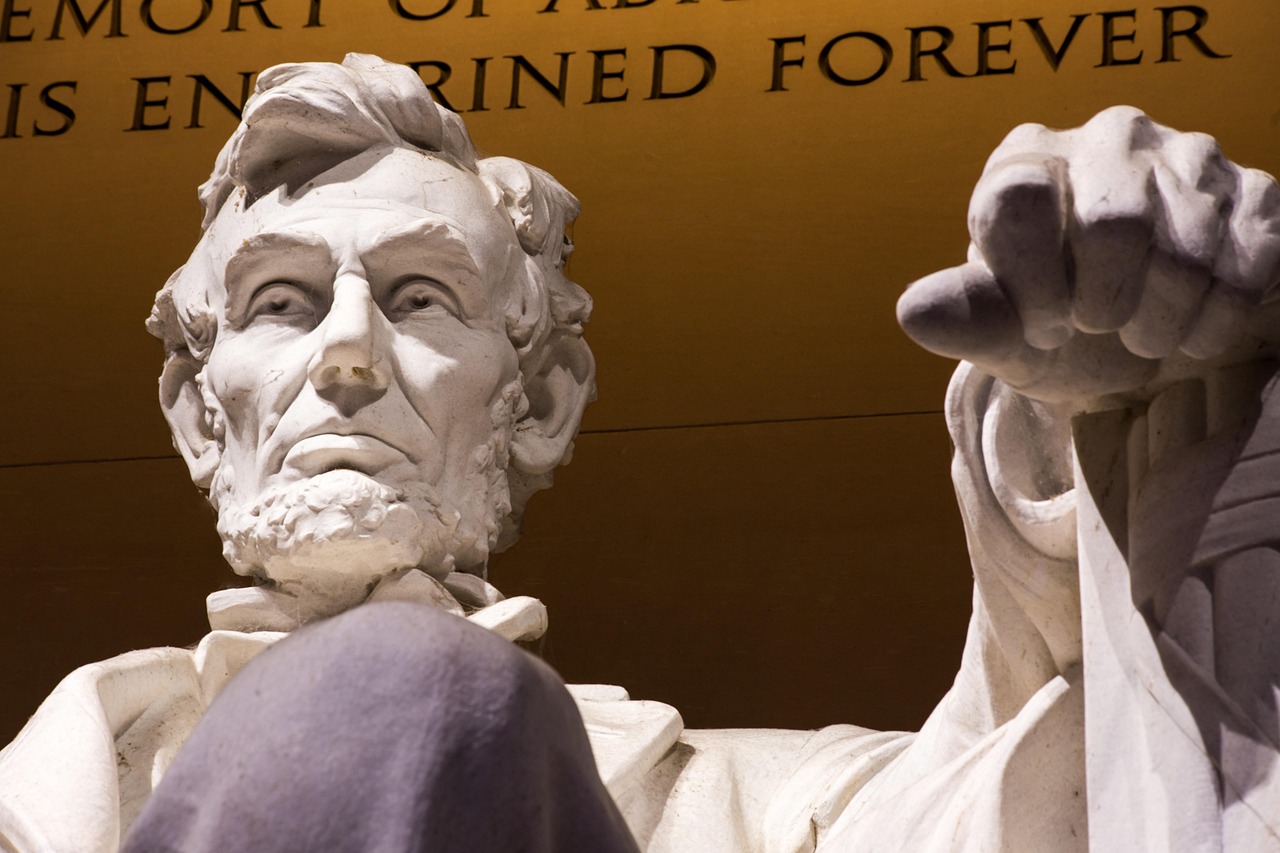
The Lincoln Memorial is one of those places that hits differently in person. The seated statue of Abraham Lincoln, the Gettysburg Address inscribed on the wall, the view over the Reflecting Pool—it’s all iconic, but in a way that still feels human.
I often bring visiting friends here twice: once in broad daylight, and once late at night. At night, with fewer people and the memorial glowing softly, it feels like the city has exhaled.
- Don’t miss: The spot where MLK stood for his 1963 speech, marked on the steps.
- Accessibility: Elevators available, but ask a ranger for directions—they’re not obvious.
- Romantic tip: Late-night visit followed by a slow walk around the Reflecting Pool is one of my favorite date ideas.
4. U.S. Capitol
The U.S. Capitol is more than a postcard image; it’s a working building where major decisions are made—sometimes messily, sometimes magnificently.
On my first official tour, I remember standing under the Rotunda, looking up at the fresco “The Apotheosis of Washington,” and feeling that weird blend of awe and skepticism that defines modern democracy. Over the years, I’ve learned to appreciate the Capitol not just as a symbol but as a layered piece of history.
- Tours: Free, but you should reserve in advance. Check current security rules (they shift occasionally).
- Nearby: The Capitol Visitor Center has exhibits that help contextualize what you’re seeing.
- Family tip: Pre-teach kids a bit about how a bill becomes law; it makes the visit much more engaging.
5. The White House & Lafayette Square
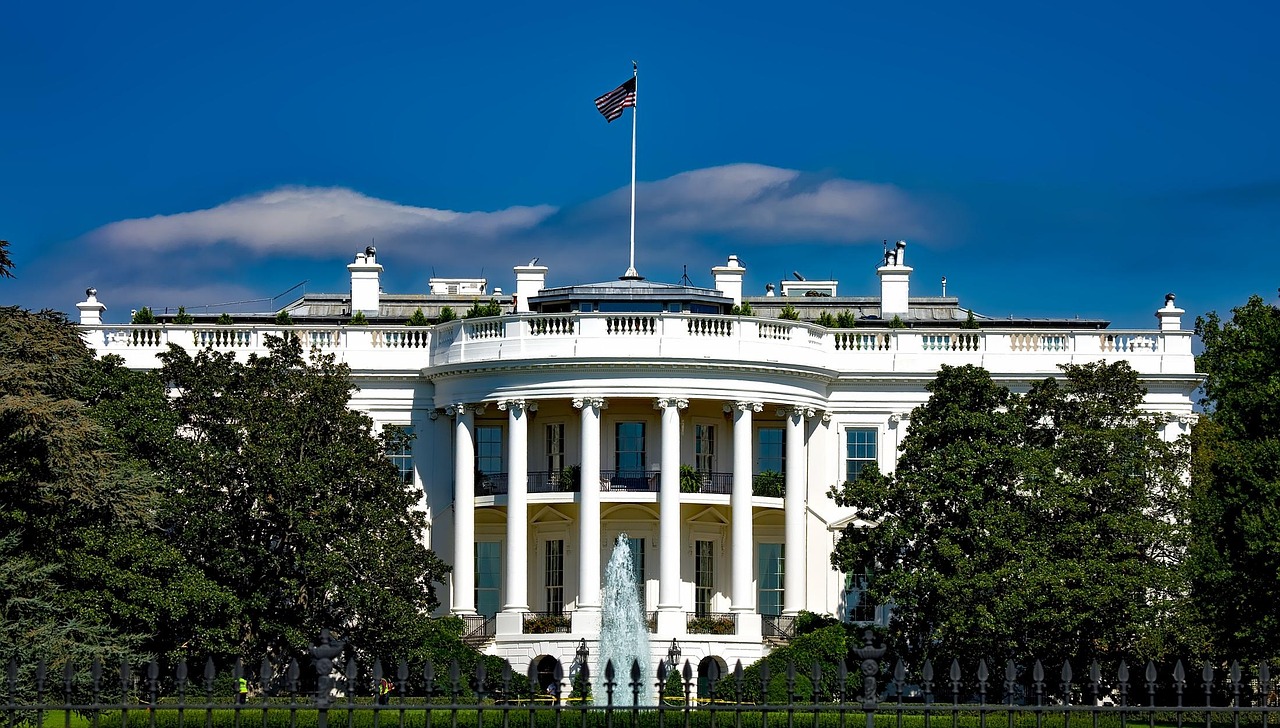
The White House is both a residence and a symbol, and seeing it in person is strangely intimate. You can’t just wander in—public tours require advance requests through your embassy (for foreigners) or a U.S. member of Congress—but even seeing it from outside is worth the detour.
I like approaching via Lafayette Square. This park has been a stage for protests, celebrations, and quiet lunches. On sunny days, you’ll see everything from school groups to political activists here.
- Photos: Best vantage is from Pennsylvania Avenue on the north side.
- Security: Expect barriers and visible police; don’t bring anything suspicious-looking in your bag.
- Tip: Combine with a stroll down Pennsylvania Avenue toward the Treasury and National Theatre for a nice architectural walk.
6. National Museum of African American History and Culture
The National Museum of African American History and Culture (NMAAHC) is, in my opinion, one of the most important museums in the country. Its bronze-colored lattice façade stands out on the Mall, and what’s inside is even more striking.
I’ve visited multiple times and still haven’t seen everything. The lower levels trace the history of slavery, segregation, and civil rights; it’s intense and often emotional. The upper floors focus on culture—music, sports, fashion—and are pure joy.
- Tickets: Free timed-entry passes; book online in advance for peak seasons.
- Time needed: 3–4 hours minimum. Don’t rush it.
- Tip: Follow heavy historical galleries with time in the culture sections; it helps balance the emotional weight.
7. National Air and Space Museum
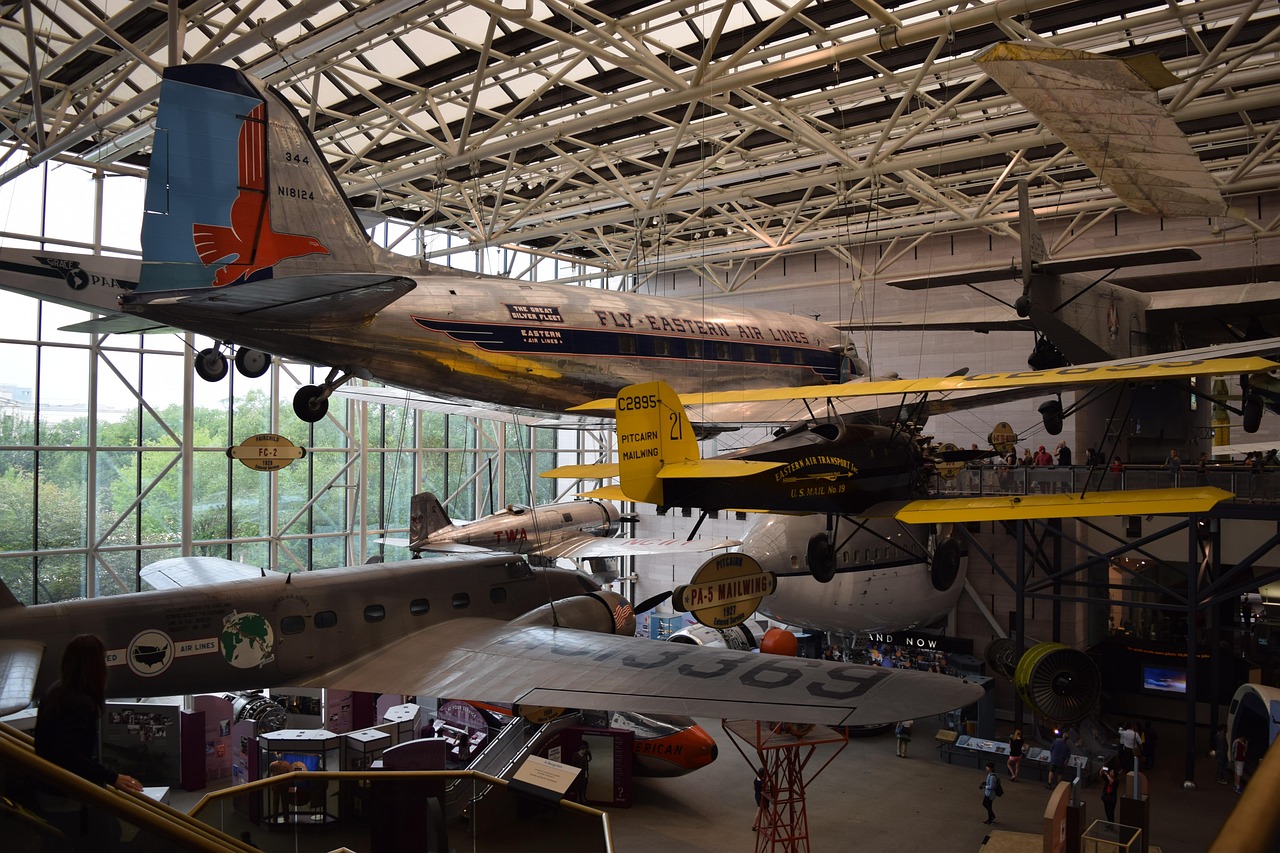
The National Air and Space Museum is where you come face to face with the machines that expanded humanity’s horizons—Wright Brothers, Apollo, and beyond. Even after its multi-year renovation (phased into 2026), it remains a top family-friendly attraction.
On a recent visit, I watched a group of kids press their noses against the glass to stare at the Apollo 11 command module. The docent started explaining its heat shield scars, and suddenly the whole group went silent—one of those moments where space travel stops being abstract.
- Best for: Families, science buffs, dreamers.
- Tip: Check which galleries are open during your visit; the renovation schedule has been rolling.
- Bonus: If you have extra time, the Udvar-Hazy Center out by Dulles Airport has a space shuttle and huge hangars of aircraft.
8. National Museum of Natural History
The Natural History Museum is the classic dinosaur-and-gems museum, but on a Smithsonian scale. The updated dinosaur halls are dynamic, with fossils posed in lifelike action scenes.
I still love the geology and gems section: the Hope Diamond draws huge crowds, but linger in the quieter rooms where you can see meteorites and fluorescent minerals.
- Family tip: Use the visitor map to pick 2–3 must-see sections; otherwise kids (and adults) get overwhelmed.
- Cost: Free, like other Smithsonian museums.
- Best time: Weekday mornings outside of school holiday periods.
9. National Museum of American History
The American History Museum tells the story of the United States through objects, from the original Star-Spangled Banner to Dorothy’s ruby slippers from “The Wizard of Oz.”
My favorite gallery changes with my mood. Sometimes it’s the transportation exhibits, tracing how trains, cars, and planes reshaped the country. Other times it’s the artifacts from everyday life—lunch boxes, kitchen gadgets, pop culture ephemera.
- Don’t miss: The actual Star-Spangled Banner flag (no photos allowed) and the presidential history section.
- Family tip: The hands-on “Wonderplace” and “Spark!Lab” areas are great for kids (check hours).
10. National Gallery of Art & Sculpture Garden
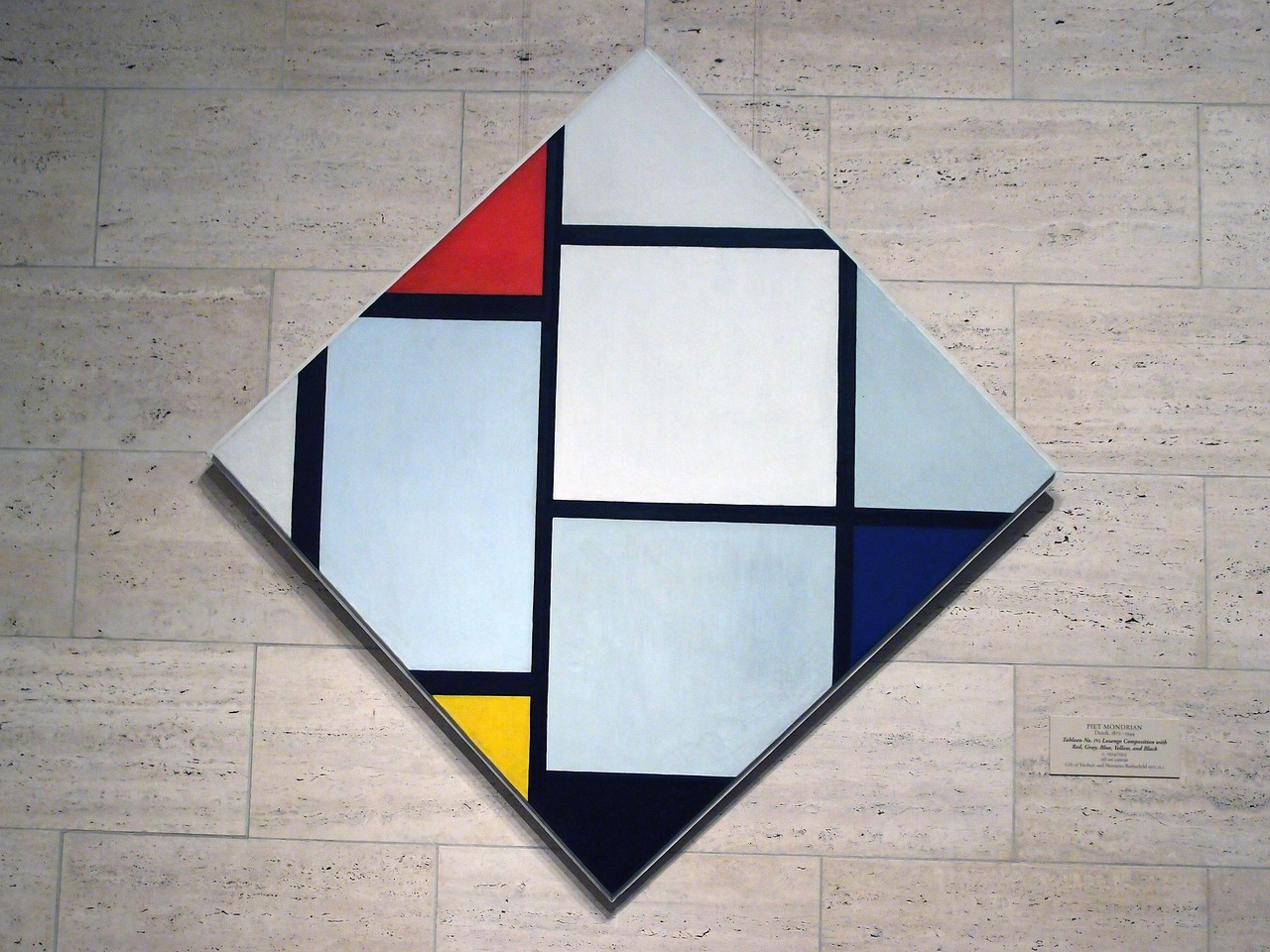
The National Gallery of Art is technically not a Smithsonian, but it’s still free and world-class. The West Building houses European and early American art; the East Building is all modern lines and modern art.
I like to start in the peaceful rotunda of the West Building, then follow whatever catches my eye: Vermeer, Monet, Rothko. When my brain gets full, I head outside to the Sculpture Garden.
- Seasonal bonus: In winter, the central fountain becomes an ice rink; in summer, it’s a leafy oasis.
- Tip: The café in the Sculpture Garden is a nice break spot.
- Romantic: Strolling arm-in-arm through the galleries is a low-key, cultured date.
11. Tidal Basin, Jefferson, FDR & MLK Memorials
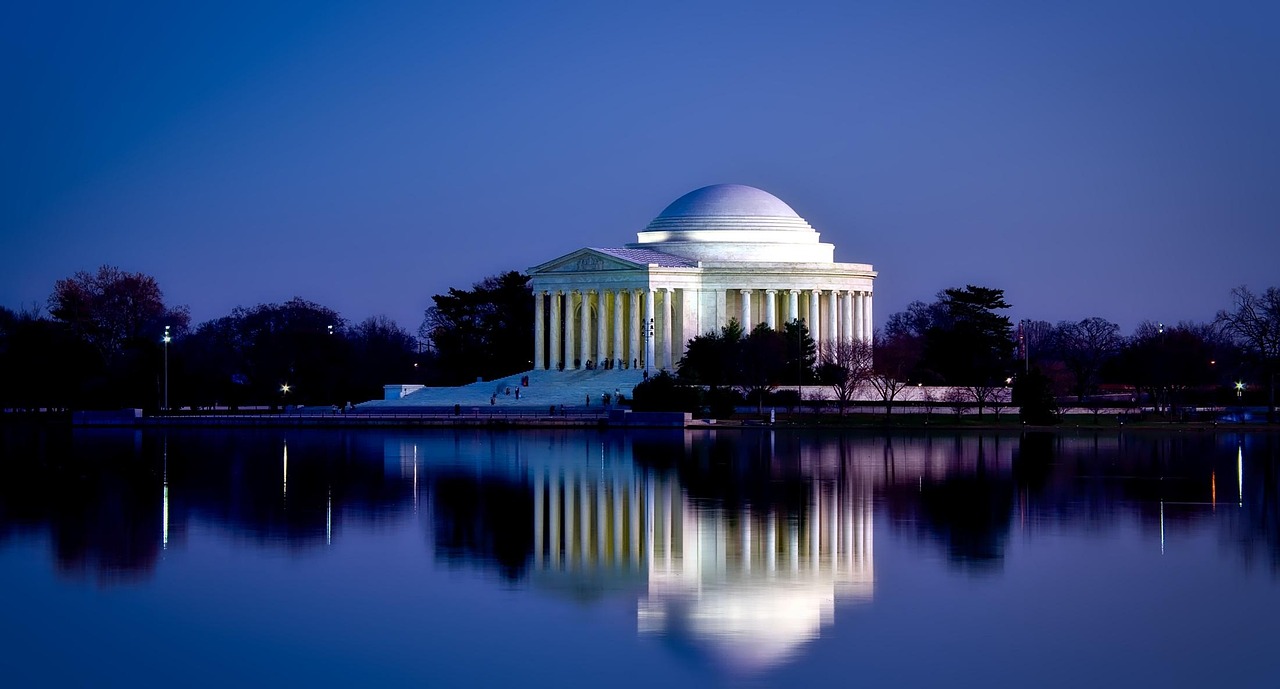
The Tidal Basin loop connects several major memorials in a scenic 2–3 mile walk.
- Jefferson Memorial: A classical domed structure with sweeping views. I like sitting on the steps here at sunset.
- FDR Memorial: A series of outdoor “rooms” with waterfalls and sculptures. It’s more immersive than most memorials and has lots of benches—good for thoughtful wanders.
- Martin Luther King Jr. Memorial: MLK emerging from stone, surrounded by inscriptions of his quotes. Every time I visit, I see people reading in silence, nodding, sometimes crying.
Cherry Blossoms: In late March or early April (it shifts each year), the Tidal Basin becomes the epicenter of the National Cherry Blossom Festival. It’s gorgeous but very crowded—go at sunrise if you can.
12. Arlington National Cemetery
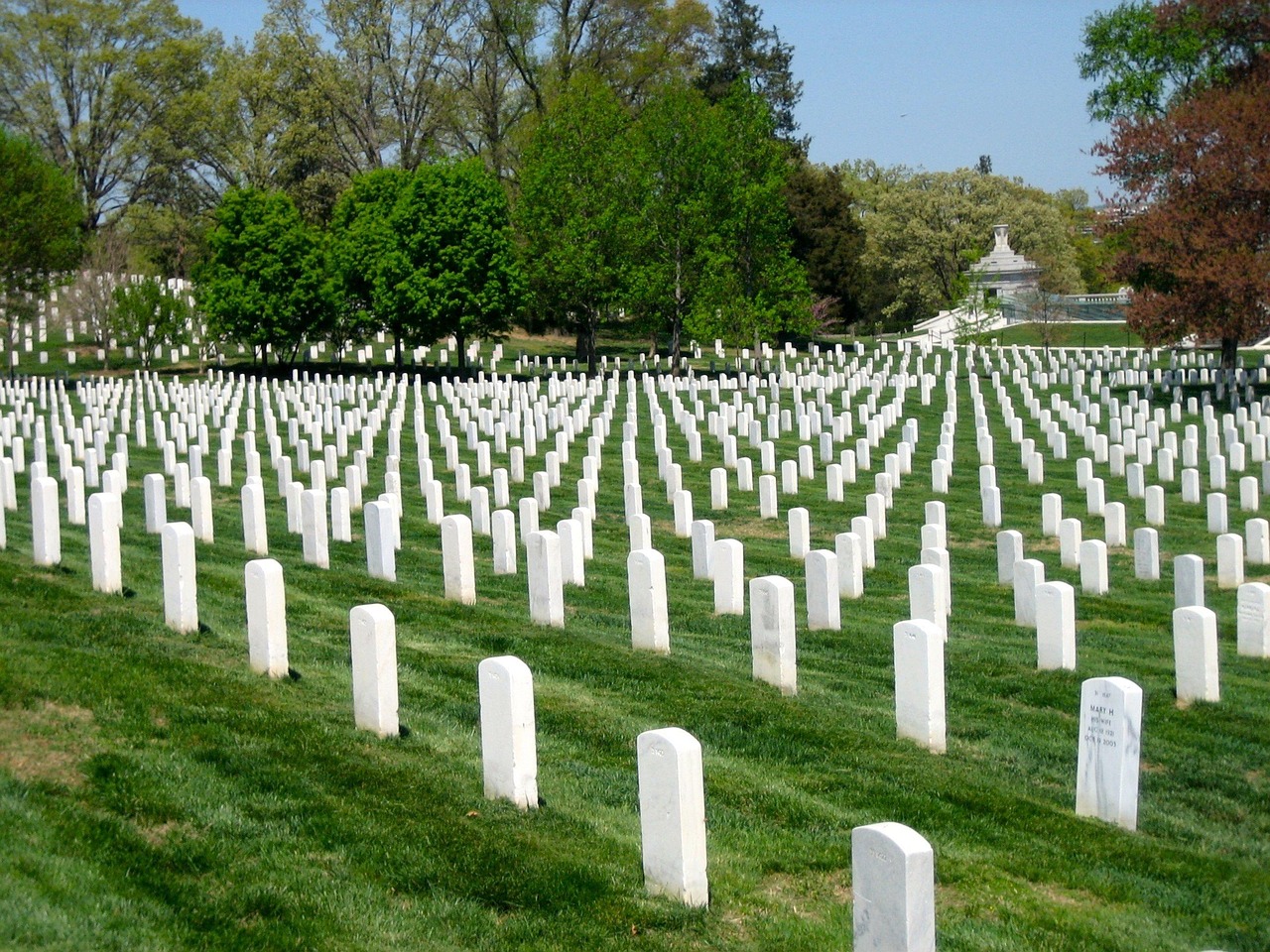
Across the Potomac in Virginia, Arlington National Cemetery is one of the most solemn places you can visit near Washington. White headstones stretch in perfect rows across rolling hills.
I usually follow a loop that includes the Tomb of the Unknown Soldier (and its Changing of the Guard), the Kennedy gravesite with its eternal flame, and the Arlington House overlook.
- Best for: Those interested in military history, reflection, and quiet.
- Tip: Wear comfortable shoes; the hills are steeper than they look.
13. Georgetown
Georgetown is one of the oldest neighborhoods in Washington, predating the capital itself. Today it’s a mix of university town, upscale shopping district, and historic residential enclave.
I like starting at the waterfront, walking the C&O Canal towpath, then zigzagging up the hill to explore brick and clapboard houses that look lifted from a storybook.
- Highlights: Waterfront Park, C&O Canal, Georgetown University campus, boutique-lined M Street.
- Food: From cupcakes to farm-to-table restaurants; great date-night neighborhood.
- Hidden gem: Quiet side streets like O Street and P Street are perfect for photography.
14. Smithsonian National Zoo
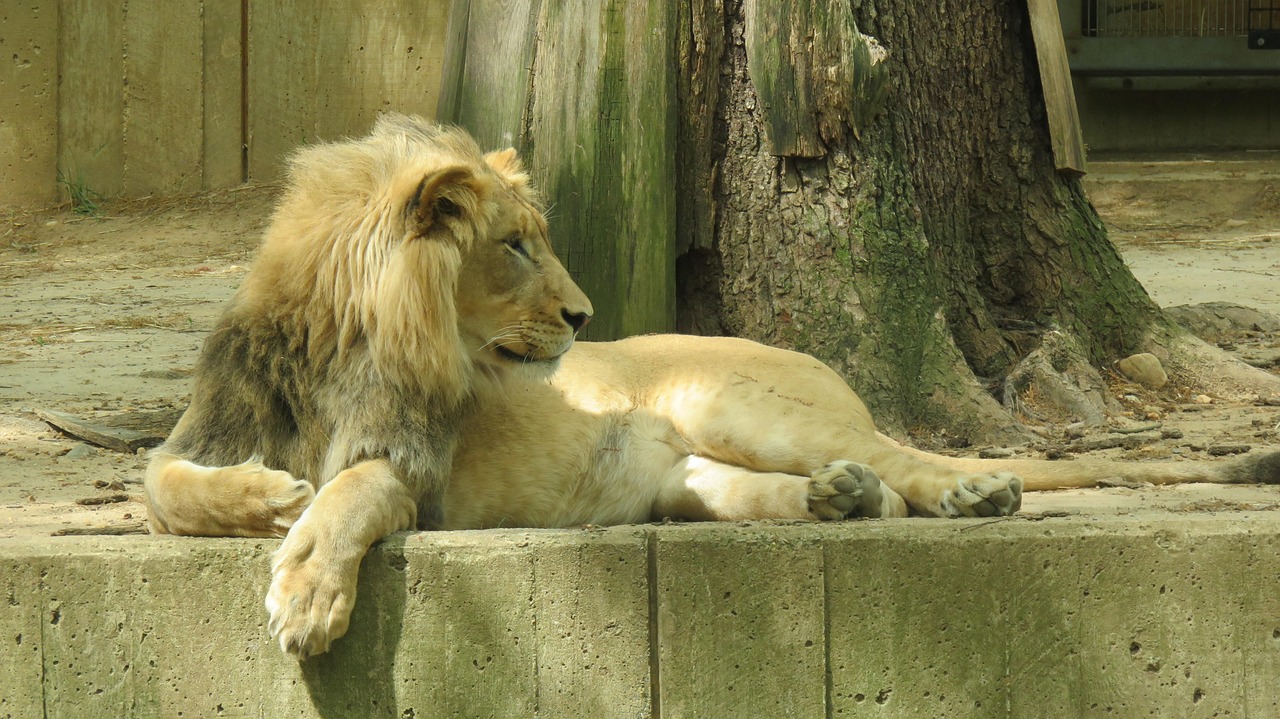
The National Zoo, in the leafy Woodley Park/Cleveland Park area, is one of the few major zoos in the world with free admission. It’s part of the Smithsonian, with a strong focus on conservation.
For years, the giant pandas were the stars; in 2024 they left, but the zoo continues to evolve its exhibits. I love the big cat habitats and the Amazonia exhibit, which feels like stepping into a rainforest.
- Family tip: The zoo is built on a hill; start at the top and work your way down, then take Metro or a bus back rather than hiking uphill.
- Food: On-site options are okay but pricey; I often pack snacks.
15. Library of Congress
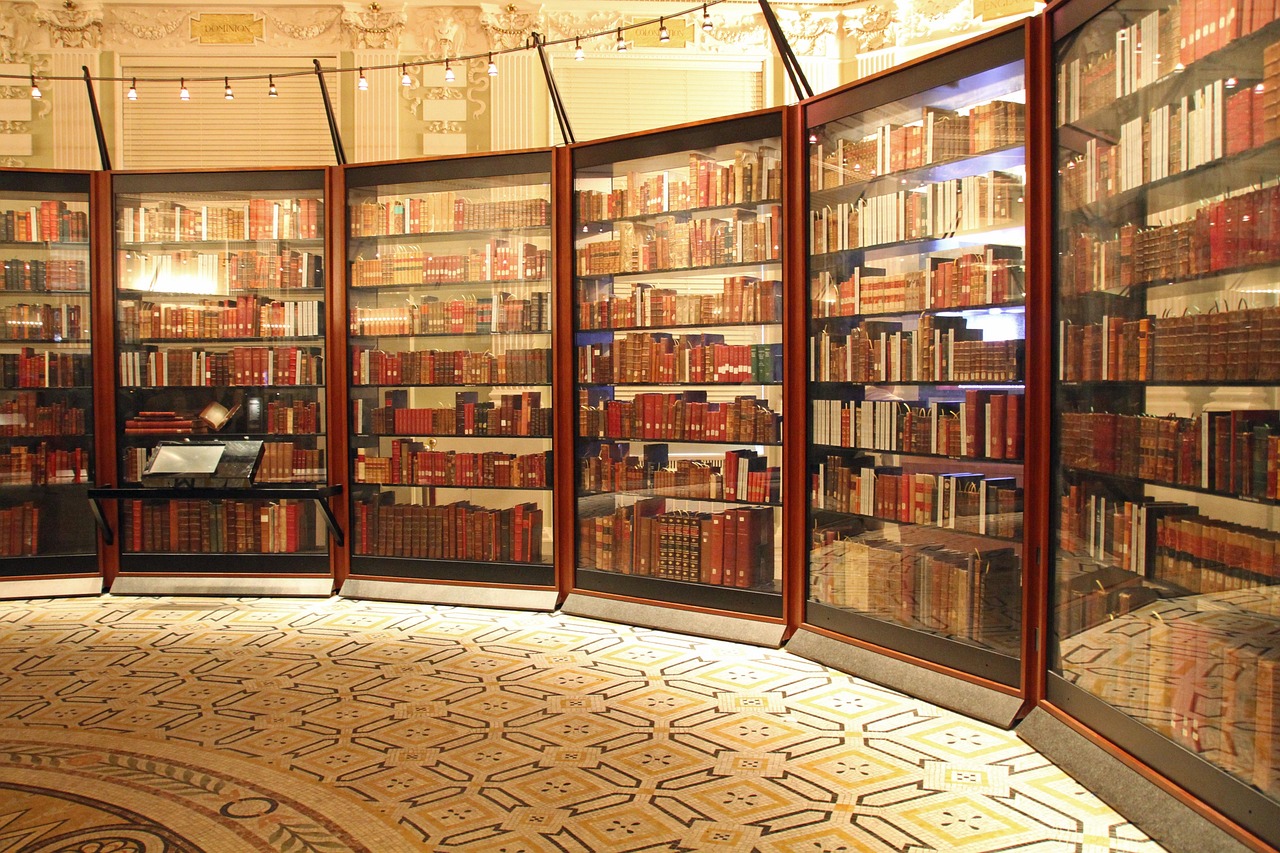
The Library of Congress is one of the most beautiful interiors in Washington, all marble, mosaics, and gilded details. The Thomas Jefferson Building in particular feels like a European palace dedicated to knowledge.
On my first visit, I joined a free docent tour and learned about the symbolism in the artwork—every figure, every mosaic tile seems to represent something. Now I love bringing bookish friends here and watching their jaws drop when they see the Main Reading Room.
- Tip: Take the guided tour if you can; it adds a lot.
- Photography: Allowed in most areas, but be respectful and quiet.
16. Union Market
Union Market is a modern food hall in Northeast D.C. that has become a hub for creative eats. On weekends, it’s buzzing with locals and in-the-know visitors.
When I bring out-of-town friends, I tell everyone to do a lap before committing—you’ll find ramen, oysters, tacos, Ethiopian, vegan bowls, creative ice cream, and more. Then we regroup at a big table and share bites of everything.
- Best for: Foodies, groups with mixed tastes, casual lunches or early dinners.
- Nearby: Pop upstairs to rooftop bars (seasonal) or explore the surrounding warehouses-turned-shops.
17. The Wharf & Southwest Waterfront
The Wharf is one of Washington’s newest neighborhoods, a redeveloped stretch of the Southwest waterfront with restaurants, music venues, hotels, and public piers.
On warm evenings, I love walking along the piers with gelato in hand, listening to live music wafting from The Anthem or Union Stage. It’s lively without feeling overwhelming.
- Food: Great seafood, rooftop bars, and some higher-end dining.
- Family-friendly: Yes—there are swings, fire pits, and often free public events.
- Romantic: Sunset drinks, then a concert, makes for a perfect date night.
18. U Street Corridor & Shaw
U Street and nearby Shaw are historically Black neighborhoods that were once known as “Black Broadway” for their jazz clubs and theaters. Today, they’re a vibrant mix of history, nightlife, and food.
I still try to catch live music at the historic Howard Theatre or small jazz spots along the corridor. Murals tell stories of Duke Ellington, go-go music, and local heroes.
- Must-try food: A late-night half-smoke sausage at Ben’s Chili Bowl, a D.C. institution.
- Best for: Nightlife, cultural experiences, street photography.
19. Adams Morgan
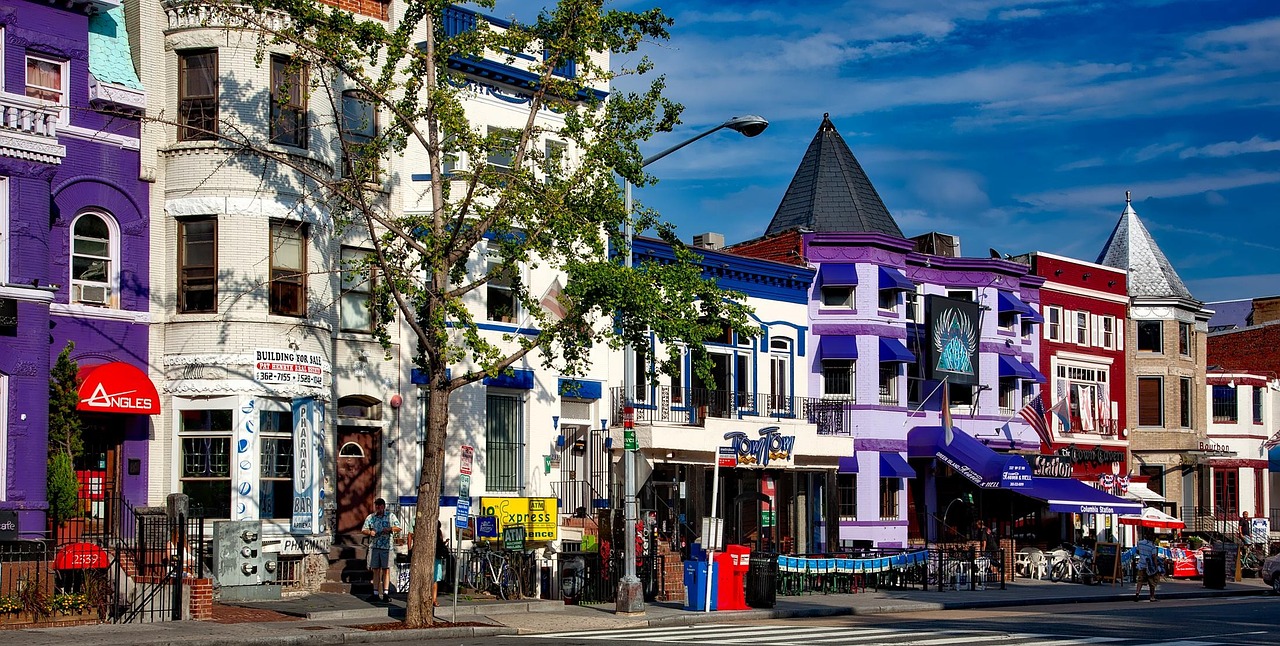
Adams Morgan is a colorful, bohemian neighborhood known for its global restaurants, bars, vintage shops, and murals. It’s a little rough around the edges in the best possible way.
Saturday mornings here are very different from Saturday nights. In the daytime, you’ll see families, brunchers, and dog walkers. At night, the bar scene wakes up, especially on weekends.
- Best for: Casual dining, nightlife, people-watching.
- Hidden gem: Quiet residential side streets with quirky rowhouses.
20. Eastern Market & Capitol Hill
Eastern Market is a beloved public market on Capitol Hill that has anchored the neighborhood for generations. On weekends, vendors spill outside selling art, crafts, and produce.
I love coming here on Sunday mornings: grab coffee, wander the stalls, maybe pick up fresh flowers or a snack, then stroll nearby residential streets lined with painted rowhouses.
- Best for: Brunch, local crafts, neighborhood vibes.
- Family-friendly: Absolutely; kids love the bustle and occasional street performers.
Interesting Neighborhoods & Districts in Washington
One of the best parts of any travel guide for Washington is understanding its neighborhoods. D.C. is compact but diverse; each area has its own personality.
Downtown & Penn Quarter
Business-dense during the day, lively at night with restaurants, theaters, and the Capital One Arena. Good base for visitors who want to be walking distance from major attractions.
Capitol Hill
Leafy streets, rowhouses, political staffers walking briskly. Eastern Market anchors the local feel; the Capitol grounds give it grandeur.
Georgetown
Historic, upscale, and charming. Great for shopping, riverside walks, and romantic dinners.
Dupont Circle
Elegant embassies, bookstores, cafés, and a busy traffic circle that doubles as a public hangout. Good central location with nightlife that’s a bit more grown-up than Adams Morgan.
Shaw & U Street
Historically Black neighborhoods with rich cultural heritage, now filled with hip restaurants, music venues, and creative spaces.
Adams Morgan
Laid-back, colorful, and a bit quirky. International dining and late-night bars mix with family-friendly side streets.
H Street NE
An evolving corridor with indie bars, the Atlas Performing Arts Center, and a slightly gritty, creative edge. Feels more “local” than touristy.
Southwest Waterfront & The Wharf
New, polished, and built for strolling. Hotels, concert venues, and waterfront promenades draw both locals and visitors.
Local Food in Washington & Where to Eat
Washington’s food scene has exploded in the last decade. You won’t find a single stereotypical “D.C. dish,” but you will find a few local specialties and a truly international spread.
Must-Try Local Specialties
- Half-Smoke: A smoky, spicy sausage, often served with chili. Get it at Ben’s Chili Bowl on U Street.
- Mumbo Sauce: A tangy, slightly sweet sauce beloved in D.C. carryouts, usually with fried chicken or wings.
- Chesapeake Seafood: Crab cakes, oysters, and Old Bay-seasoned everything, thanks to proximity to the Chesapeake Bay.
International Flavors
Washington is home to large Ethiopian, Salvadoran, Vietnamese, and West African communities, among others. Explore:
- Little Ethiopia (U Street / 9th Street): Share injera platters and fragrant stews.
- Columbia Heights / Mount Pleasant: Great for Latin American food—pupusas, tacos, and more.
- Suburban trips (if you have a car): Nearby Virginia and Maryland suburbs have incredible Korean, Chinese, Indian, and Afghan restaurants.
Budget-Friendly Eating
Washington can be expensive, but there are ways to save money on food:
- Use food trucks around the Mall and downtown at lunchtime.
- Visit Union Market or small ethnic eateries off the main tourist streets.
- Look for happy hour specials—D.C. does them very well.
- Pick up picnic supplies at grocery stores and enjoy meals in parks.
Nightlife, Entertainment & Cultural Experiences in Washington
Beyond monuments, Washington has a surprisingly rich arts and nightlife scene.
Live Music & Performing Arts
- Kennedy Center: High culture with a view; check their calendar for symphony, ballet, theater, and the free daily Millennium Stage performances.
- 9:30 Club & The Anthem: Legendary music venues for touring bands.
- Jazz Clubs: U Street and Shaw still carry the jazz legacy. Grab a drink and settle into a late set.
Bars & Nightlife Areas
- U Street & Adams Morgan: Livelier, younger crowd; lots of bars and late-night food.
- Dupont Circle & 14th Street: Stylish cocktail bars and wine spots.
- The Wharf: Waterfront drinks, often with live music.
Cultural Experiences
- Free museum evenings: Some museums host special late openings and events.
- Embassy events: In certain seasons, embassy open houses and cultural festivals offer a “world tour” in one city.
Best Day Trips from Washington
If you have 4 or 5 days in Washington, consider a day trip.
- Mount Vernon: George Washington’s estate, as described earlier. Easy half or full day.
- Old Town Alexandria: Cobblestone streets, boutiques, and a charming waterfront just across the river in Virginia.
- Great Falls Park: Dramatic river rapids and short hikes; a nice dose of nature.
- Annapolis: Maryland’s capital with colonial architecture and a nautical vibe.
What’s New in 2026–2027: Events & Changes
Looking ahead, here are some notable events and trends likely to shape travel to Washington in 2026–2027 (always confirm closer to your dates, as schedules can change):
- Smithsonian Renovations: The National Air and Space Museum and other institutions continue phased updates, unveiling new galleries into 2026.
- Election Season 2026: Midterm elections mean more political energy, demonstrations, and occasional street closures in central areas—interesting for political junkies, something to plan around for others.
- Cherry Blossom Festival (March–April 2026 & 2027): Expect new art installations and expanded cultural programming as the city leans harder into this signature event.
- Waterfront Development: Ongoing expansion at The Wharf and Navy Yard continues to add restaurants, green spaces, and cultural venues.
Cultural Etiquette & Local Customs in Washington
Washington is both a Southern-adjacent city and a global capital, so etiquette is a blend of politeness and big-city pragmatism.
- Punctuality: People tend to be on time, especially for work-related or tour appointments.
- Dress: Casual is fine in most places, but you’ll see a lot of business attire near downtown. For nicer restaurants and performances, smart casual is safest.
- Conversation: Politics is everywhere, but not everyone wants to talk about it. Read the room before diving into big debates.
- Tipping: Standard U.S. tipping applies—about 18–20% in restaurants, $1–2 per drink at bars, and a few dollars for hotel staff.
- Lines & Metro etiquette: Stand on the right side of escalators, walk on the left. On trains, let people off before you board.
Practical Travel Tips for Washington
Getting Around
- Metro: Efficient for most tourist areas. Buy a reloadable SmarTrip card or use contactless payment. Avoid rush hour if you can—trains get crowded.
- Buses: Fill in gaps the Metro doesn’t cover (like Georgetown). Google Maps and local apps are reliable.
- Walking: Central Washington is very walkable, but distances on the Mall can be deceptive.
- Bikes & Scooters: Capital Bikeshare stations are everywhere; scooters are common but use them carefully and follow local rules.
- Car Rental: Not necessary for most city visits. Parking is expensive and traffic can be frustrating. Rent a car only if you’re doing out-of-town day trips.
Saving Money
- Take advantage of free museums and monuments.
- Stay slightly outside the core (like Arlington or Silver Spring) and use Metro to commute in.
- Use happy hour deals for dinners, especially in business-district neighborhoods.
- Carry a reusable water bottle—there are fountains in many museums and parks.
SIM Cards & Connectivity
- eSIM: Many international travelers find it easiest to buy an eSIM data plan online before arrival.
- Physical SIM: Available at major carrier stores and some electronics shops; airport kiosks are often pricier.
- Free Wi-Fi is common in museums, cafés, and hotels.
Visa Requirements & Driving
- Visas: Check U.S. State Department or your local embassy website. Many travelers use the Visa Waiver Program (ESTA) but must apply in advance.
- Foreign Driver’s License: In many cases, a valid foreign license is accepted for short-term visits, but an International Driving Permit is recommended if you plan to rent a car. Check with your rental company before booking.
Best Seasons & Weather
- Spring (March–May): Cherry blossoms, mild temperatures, occasional rain. Very popular—book early.
- Summer (June–August): Hot, humid, with afternoon thunderstorms. Longer daylight, lots of festivals, but bring sunscreen and water.
- Fall (September–November): My personal favorite: crisp air, fall colors, fewer crowds.
- Winter (December–February): Cold, with occasional snow. Fewer tourists and lower hotel rates; great for museum-heavy trips.
Summary & Final Recommendations
Washington is a city of symbols and stories, but it’s also a place of neighborhoods, coffee shops, playgrounds, and river walks. Whether you spend 3 days in Washington racing between monuments, or stretch to a 4 or 5 day itinerary for Washington that includes day trips and hidden gems, you’ll leave with a deeper sense of how this country sees itself—and how it’s still changing.
For first-timers, focus on the National Mall, Smithsonian museums, and Georgetown. Add Union Market, U Street, and The Wharf for food and nightlife. If you’re a repeat visitor, dig into specific interests: art at the National Gallery, politics at the Capitol and Library of Congress, or nature at Great Falls and Rock Creek Park.
In 2026, with continued museum upgrades and evolving waterfront districts, Washington is more appealing than ever. Pick your season (spring and fall are best for balanced weather and activities), build a flexible itinerary, and leave room for serendipity—an unplanned jazz set, a quiet moment at a memorial at dusk, or a perfect bowl of noodles on a side street.
However you structure your trip, this travel guide for Washington should give you the tools, travel tips for Washington, and local insights you need to make it your own.