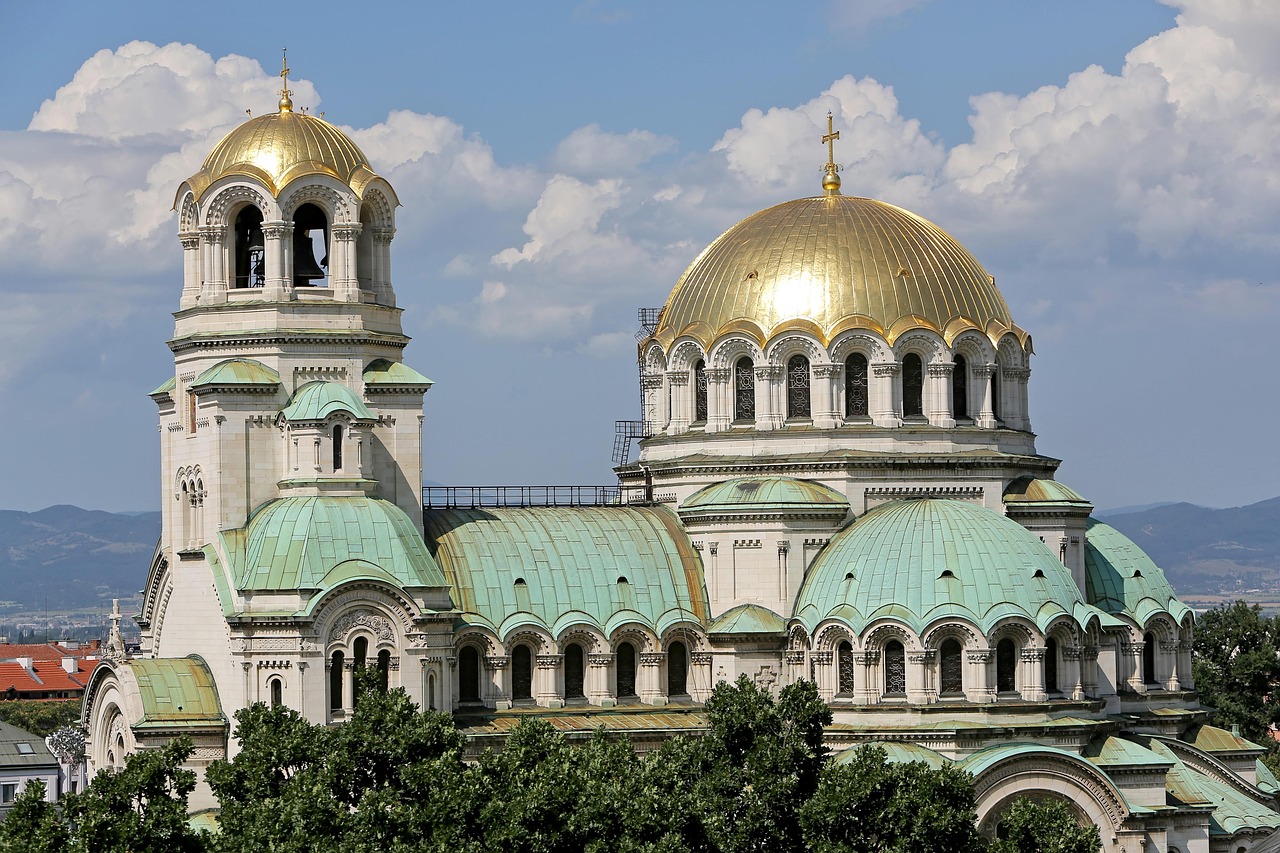
Why Visit Sofia in 2026?
I’ve lost count of how many times I’ve walked down Vitosha Boulevard with Vitosha Mountain glowing pink at sunset, a banitsa in one hand and a takeaway ayryan in the other. Sofia has that kind of easy-going charm: part ancient city, part scruffy Balkan capital, part up-and-coming creative hub. It’s a city where you step from Roman ruins into a Soviet-era underpass, then emerge beside golden-domed Orthodox churches and hipster coffee shops.
Sofia is one of Europe’s most underrated capitals, and 2026 is a particularly exciting year to visit. Major restoration projects around the Largo and Serdica ruins are finishing up, new bike lanes and pedestrian zones are making the center more walkable, and a growing wave of independent cafés, natural wine bars, and contemporary galleries are popping up in the old neighborhoods.
What makes Sofia special?
- Layered history: Thracian, Roman, Ottoman, and Socialist-era architecture sit side by side. You can literally walk over glass floors and see the Roman city of Serdica beneath your feet.
- Mountain-in-the-city vibe: Ten minutes in a cab or 30 minutes on public transport and you’re hiking in Vitosha Mountain with a panoramic view of the city.
- Affordable Europe: Compared to Western Europe, Sofia’s prices for accommodation, food, and nightlife are still very gentle—perfect if you’re planning 3–5 days in Sofia on a reasonable budget.
- Cafe culture and nightlife: From leafy garden bars to speakeasy-style cocktail places and lively student clubs, evenings in Sofia are never boring.
- Authentic local food: Shopska salad, kebapche, banitsa, tarator, and hearty slow-cooked meats—Bulgarian cuisine is comfort food heaven, and Sofia is the best place to start exploring it.
Whether you’re planning 3 days in Sofia as a quick city break, a 4 day itinerary for Sofia that includes a day trip, or a full 5 days in Sofia to really sink into the local rhythm, this 2026 travel guide will walk you through the must-see attractions, hidden gems, local customs, food, and practical travel advice you actually need.
Table of Contents
- Why Visit Sofia in 2026?
- Sofia at a Glance
- Top 20+ Must-See Attractions in Sofia (With Personal Notes)
- 3–5 Day Itineraries for Sofia (With Personal Stories)
- Best Neighborhoods and Areas to Explore
- Local Food in Sofia: What to Eat and Where
- Nightlife, Entertainment & Cultural Experiences
- Day Trips from Sofia
- Cultural Etiquette & Local Customs
- Practical Travel Tips for Sofia (Money, SIM, Transport, Visas)
- What’s New & Upcoming Events 2026–2027
- Best Time to Visit Sofia & Final Takeaways
Sofia at a Glance
Sofia is Bulgaria’s capital and largest city, nestled at the foot of Vitosha Mountain in the western part of the country. With around 1.3 million residents, it’s big enough to feel cosmopolitan but compact enough that you can cross the central core on foot in 20–30 minutes.
Quick orientation:
- City center (Centrum): Where most visitors spend their time—Vitosha Boulevard, the Largo, Serdica ruins, and the main churches.
- Doctor’s Garden / Oborishte: Leafy streets, embassies, and some of the best cafés and wine bars.
- Lozenets: Residential, quietly upscale, easy access to Vitosha.
- Studentski Grad: The student district—cheap food and late-night clubs.
- Boyana & Dragalevtsi: At the base of Vitosha—starting points for mountain hikes and monastery visits.
Most of the things to do in Sofia are concentrated in the center, making it ideal for a 3 day itinerary for Sofia without ever needing a car. For day trips and mountain adventures, public transport works, but a rental car or organized tour can save time.
Top 20+ Must-See Attractions in Sofia (With Personal Notes)
Below are the essential must-see attractions in Sofia, each with history, what to expect, and my own tips. I’m grouping them roughly from the most iconic to more local, lesser-known places. Every one of these can be woven into a 3, 4, or 5 day itinerary for Sofia, and I’ll show you how later.
1. Alexander Nevsky Cathedral
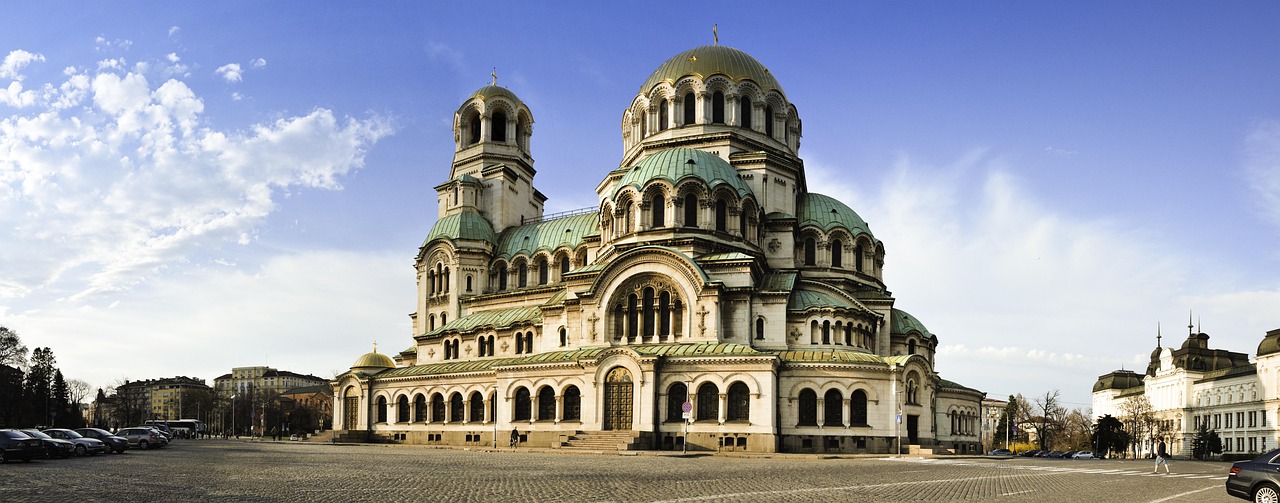
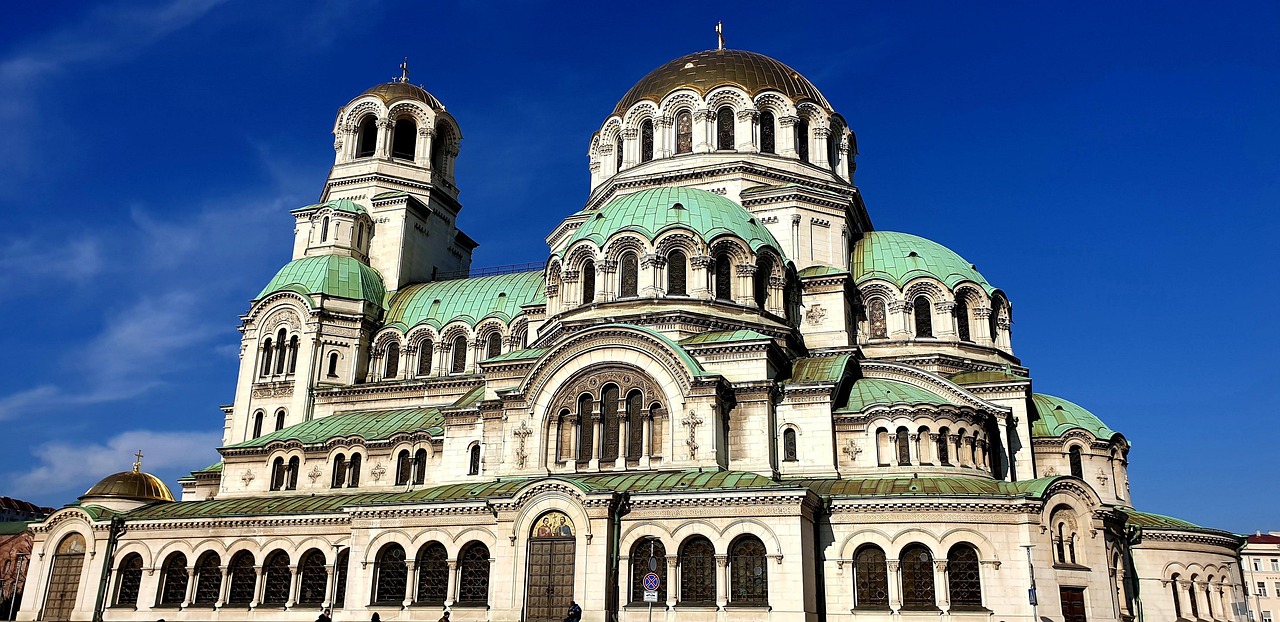
It’s impossible to talk about Sofia without starting here. The golden domes of Alexander Nevsky Cathedral are the city’s postcard image, and they still make my heart skip a beat when they appear at the end of the street.
Built in the early 20th century to honor the Russian soldiers who died in the Russo-Turkish War (which led to Bulgaria’s liberation from Ottoman rule), the cathedral is one of the largest Eastern Orthodox churches in the Balkans. The interior is dim and atmospheric, its walls covered with dark icons, marble, and smoky chandeliers.
My experience: I like to come just after opening, around 8:00–9:00 a.m. on a weekday, before the tour groups arrive. The smell of incense lingers, and you often hear quiet chanting. On winter mornings in January, when the air is crisp and your breath fogs up, the gold domes against the blue sky are particularly magical.
Tips for visitors:
- Dress code: Shoulders and knees covered out of respect; it’s a working church.
- Photos: Photography inside may require a small fee; signs are usually posted—always ask if unsure.
- Timing: Sunset is perfect for photos of the exterior; the domes catch the light beautifully.
- Nearby: Combine with a walk to St. Sofia Church and the Monument to the Unknown Soldier right behind it.
2. Vitosha Boulevard (Vitoshka)
Vitosha Boulevard, or simply “Vitoshka,” is Sofia’s main pedestrian street, lined with shops, cafés, restaurants, and buskers. Some locals dismiss it as touristy, but I still love strolling down here at golden hour when the mountain glows at the far end.
My ritual: When I’m planning 3–4 days in Sofia for visiting friends, I always bring them here on the first afternoon. We grab a gelato, walk slowly from the Palace of Justice down to the National Palace of Culture (NDK), and watch the street life. It’s the quickest way to feel Sofia’s pulse.
Tips:
- Food: The side streets off Vitoshka have better (and cheaper) food than the main drag. Head a block or two away for more local joints.
- Budget tip: Coffee on Vitoshka is pricier; if you’re saving money, drink your espresso in a side-street café.
- Family-friendly: The pedestrian zone is perfect for kids to run around, and there are plenty of ice cream stops.
3. Ancient Serdica Archaeological Complex
Right in the city center, next to the Serdika metro station, lies one of the most fascinating things to do in Sofia: walking among the exposed ruins of the ancient Roman city of Serdica. Glass walkways run above stone streets, house foundations, and early Christian churches.
What I love: You’re literally in the middle of modern Sofia—buses roaring past, people rushing to work—yet below your feet are 1,800-year-old stones. On a hot summer day, I often duck down here for the cool air and the eerie sensation of being between past and present.
Tips:
- Free entry: The open-air parts are free; some sections are integrated into the metro station.
- Combine with: The Largo, Banya Bashi Mosque, and the nearby Synagogue make a powerful “religions and empires” walking loop.
- Best time: Late afternoon light slanting across the stones is perfect for photos.
4. St. Sofia Church
St. Sofia Church is older and quieter than Alexander Nevsky, and in some ways more moving. Dating back to the 6th century, it gave the city its name. The brick basilica is simple from the outside, but the crypt below houses ancient tombs and mosaics.
My experience: On a rainy day last spring, I ducked in here and almost had the place to myself. The sound of footsteps on the stone, the smell of damp old bricks—it felt like stepping out of time. The underground crypt museum is small but very atmospheric.
Tips:
- Tickets: Modest fee for the crypt; the main church is generally free.
- Climb the tower: Occasionally open for views—if it is, don’t hesitate.
- Combine with: Alexander Nevsky, the Monument to the Unknown Soldier, and the small park behind it for a reflective, history-heavy hour.
5. Boyana Church (UNESCO World Heritage)
On Sofia’s southern edge, in the leafy Boyana neighborhood at the foot of Vitosha, sits Boyana Church, famous for its 13th-century frescoes and UNESCO status. It’s small, but the art inside is stunning—expressive faces, vivid colors, and a sense of life that feels centuries ahead of its time.
My routine: I usually visit Boyana Church as part of a half-day trip that also includes Boyana Waterfall or the National History Museum. The last time I went, it was a crisp autumn day; the garden around the church was carpeted with yellow leaves, and the smell of woodsmoke drifted from nearby houses.
Practical tips:
- Timed entry: Groups are let inside for about 10 minutes at a time to protect the frescoes; you may need to wait a bit.
- How to get there: Bus from the city (with a short walk) or a taxi/Bolt; or join a Boyana + Rila Monastery day trip.
- Best for: History lovers, couples, and anyone on a 4–5 day itinerary for Sofia with time to go beyond the center.
6. National Palace of Culture (NDK) & Park
NDK is a huge, unmistakable socialist-era building surrounded by fountains and a wide park, marking the southern end of Vitosha Boulevard. It hosts concerts, conferences, film festivals, and exhibitions throughout the year.
Why I go: In summer evenings, the park around NDK fills with skaters, kids on scooters, older couples on benches, and street performers. I often grab a takeaway beer from a kiosk and sit on the steps, people-watching as the fountains light up.
Tips:
- Events: Check the NDK program online—international artists, Balkan music, and film festivals are common.
- Sunset view: Walk up the gentle hill behind NDK for a nice view back over the skyline.
- Family-friendly: Open space, playgrounds, and plenty of room for kids to play.
7. Banya Bashi Mosque & Central Mineral Baths Area
Banya Bashi Mosque is Sofia’s only functioning mosque, built in the 16th century during the Ottoman period. Its elegant minaret rises above the central market area, right next to the former Central Mineral Baths building (now the Sofia History Museum).
What I do here: I usually fill my water bottle from the hot mineral fountains outside (yes, the water is naturally warm and a bit sulfurous), then wander around to admire the pastel façade of the old baths and the mosque’s architecture.
Tips:
- Respectful dress: Shoulders and knees covered to enter the mosque; shoes off inside.
- Museum: Sofia History Museum (in the baths building) is worth an hour for context on the city.
- Nearby: Central Hall Market and the Synagogue are just around the corner—great for a mini cultural circuit.
8. Sofia Synagogue & Central Market Hall
The Sofia Synagogue is one of the largest in Europe, with a richly decorated interior and a monumental chandelier. Just across from it, the Central Market Hall (Halite) has been going through renovations, but when open it’s a classic spot for local snacks and people-watching.
My experience: On one of my first visits, I joined a walking tour that ended here. Listening to the guide tell stories of Sofia’s Jewish community while standing outside the Synagogue at dusk was one of those moments when history suddenly feels very close.
9. Vitosha Mountain
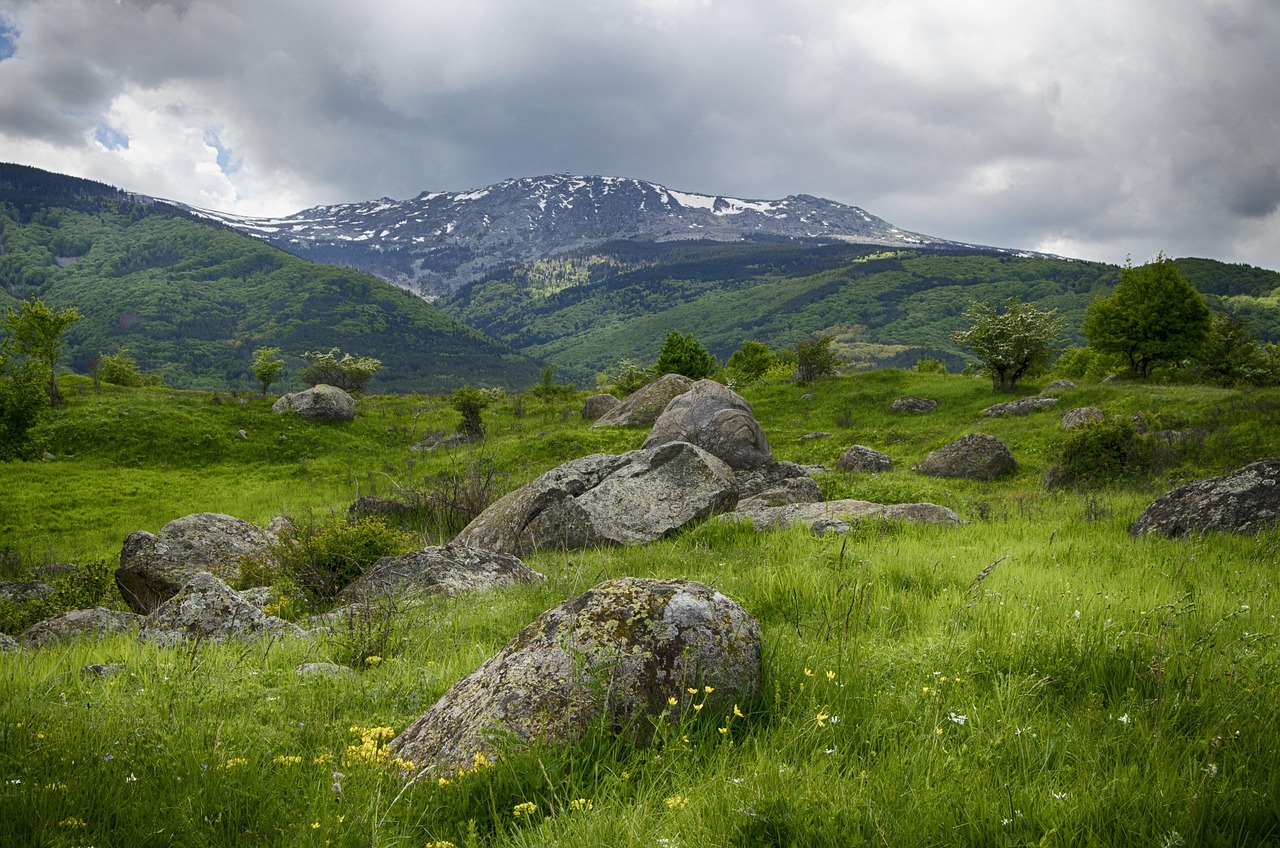
Few capitals can brag about a mountain this close. Vitosha Mountain is Sofia’s outdoor playground: hiking in summer, skiing and snowboarding in winter, and fantastic city views year-round.
My favorite days: When I have 4 or 5 days in Sofia, I always dedicate at least one to Vitosha. I’ll take a bus or taxi up to Dragalevtsi or Simeonovo, hike to a hut like Aleko or Momina Skala, eat bean soup and thick slices of bread, then sit outside with a beer looking down at the city. In winter, I’ve rented skis up there and spent the day on the gentle slopes.
Tips:
- Access: Buses run from the city, or you can use a taxi/Bolt to the trailheads (agree on price or use the app).
- Gear: Sturdy shoes at minimum; weather can change quickly—bring a layer even in summer.
- Best for: Adventurous travelers, families with older kids, and anyone needing a break from city streets.
10. Boyana Waterfall
From the Boyana neighborhood, a trail climbs up through forest to Boyana Waterfall. It’s not massive, but in spring and early summer it’s powerful and refreshing, and the walk itself is the reward.
My story: The first time I hiked here, I misjudged the time and ended up descending in the dusk, fireflies flickering around us. We made it back to Boyana tired and muddy, but the next morning’s soreness felt like a badge of honor. Since then, I always bring water, a snack, and start earlier in the day.
11. Sveta Nedelya Church & The Largo
Sveta Nedelya sits at the heart of Sofia’s main square, surrounded by imposing socialist-era government buildings known as the Largo. The contrast between the church’s dome and the stern lines of the Party House and Council of Ministers is striking.
What I like: I often pass through here on my way to meet friends. Street musicians play by the metro entrance, kids chase pigeons, and the golden hour light reflects off the buildings. In 2026, the area’s pedestrianization and restoration works make it more pleasant than ever to stroll.
12. Russian Church (St. Nicholas the Miracle-Maker)
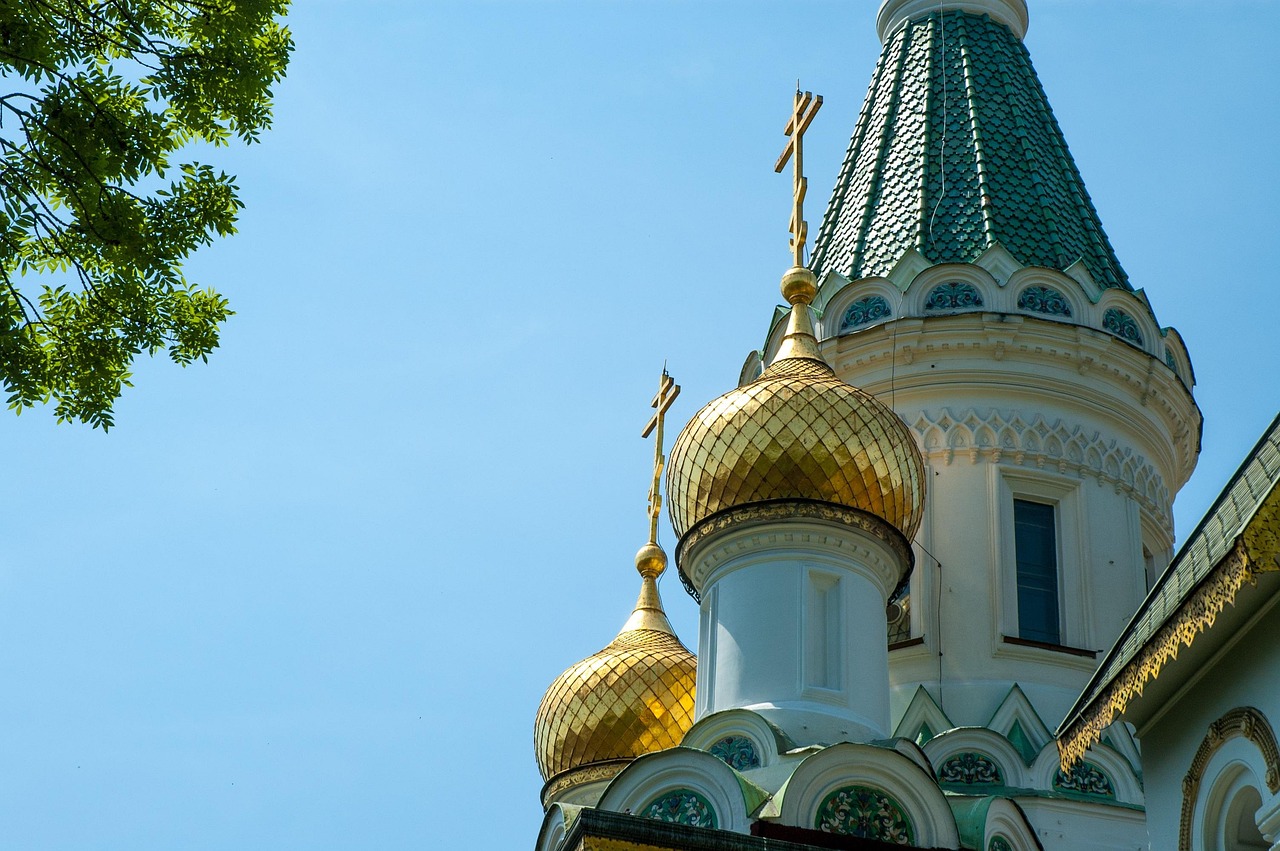
The Russian Church is one of Sofia’s prettiest buildings, with green and gold onion domes and a fairytale vibe. Inside, it’s small and often crowded with worshippers lighting candles and leaving notes.
My tip: Pop in as you walk between Alexander Nevsky and the Largo. Even five minutes inside gives you a feel for the spiritual side of the city. In winter, when snow dusts the domes, it’s especially photogenic.
13. Ivan Vazov National Theatre & City Garden
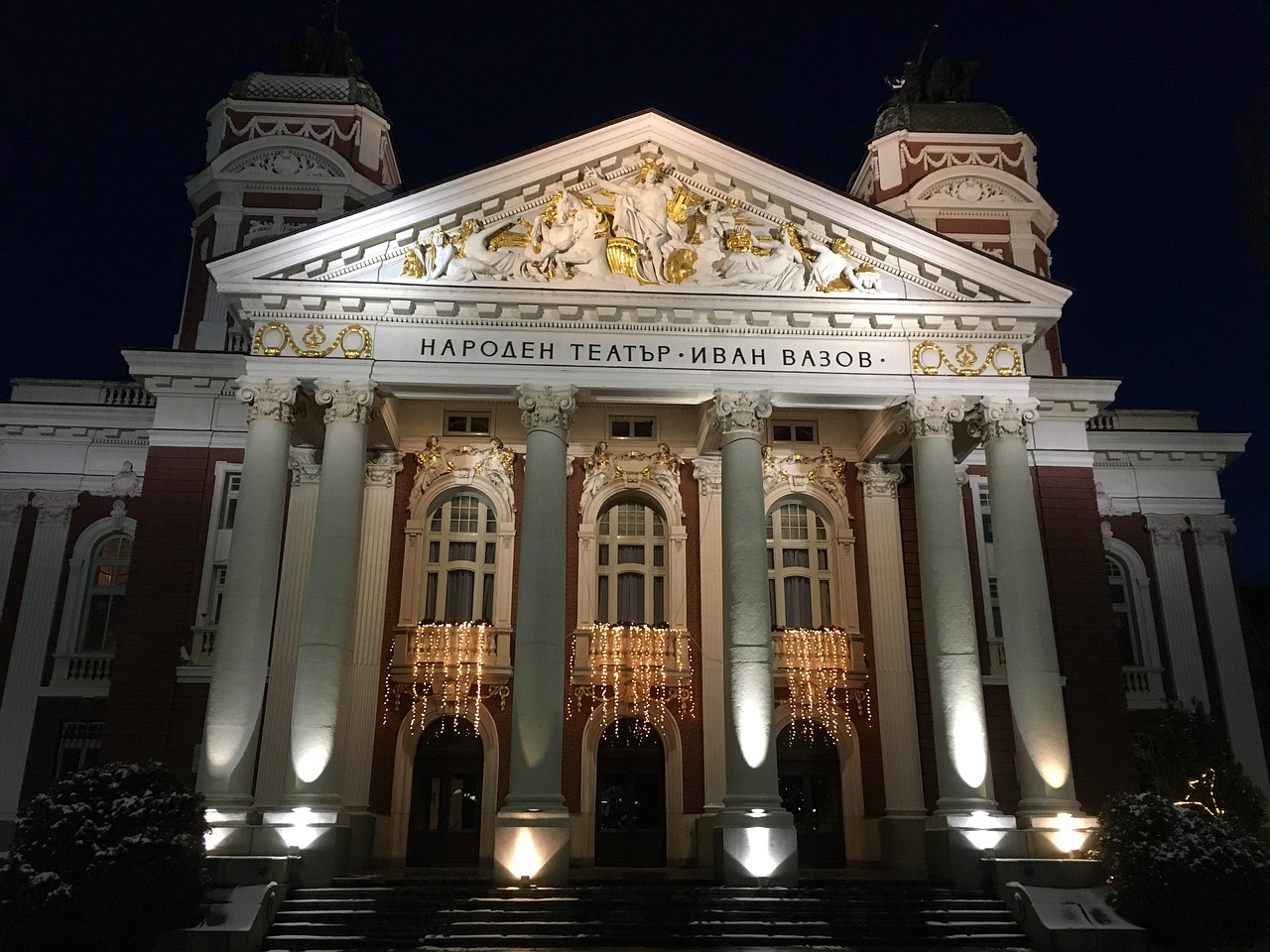
The Ivan Vazov National Theatre is arguably Sofia’s most elegant building, with a neoclassical façade facing a small park (the City Garden). Fountains, outdoor chess players, and café terraces make this one of my favorite spots to linger.
My routine: On a sunny day, I’ll get a coffee from a nearby kiosk and watch the chess games in the park. At night, the theatre lights up, and if I have time, I love catching a play or ballet performance—even if my Bulgarian is still a work in progress. The atmosphere alone is worth it.
14. National Gallery & Square 500
Sofia’s National Gallery is split across several buildings, but the Square 500 complex, near Alexander Nevsky, is the largest and most modern. It holds Bulgarian and international art, from medieval icons to contemporary pieces.
Why go: When the summer heat gets intense or winter winds bite, I duck into museums like this to reset. The galleries are rarely overcrowded, and you can trace Bulgaria’s story through its art.
16. The Red Flat (Everyday Life in Communist Bulgaria)
The Red Flat is one of my favorite “hidden gems in Sofia.” It’s an apartment museum that recreates a typical middle-class Bulgarian home from the 1980s, filled with original furniture, appliances, and knick-knacks. An audio guide walks you through daily life under socialism.
Why I recommend it: It’s intimate and personal. You’re not just looking at history behind glass—you’re standing in a kitchen, hearing stories about queues for bananas and TV shows everyone watched. It’s a must if you want deeper cultural experiences in Sofia.
17. Sofia’s Street Art & Courtyards
From colorful murals on underpasses to hidden graffiti in old courtyards, Sofia’s street art scene has been quietly growing. You’ll find pieces around the center, in the underpass at the National Palace of Culture, and in some residential neighborhoods.
My advice: Join a street-art-focused walking tour or simply wander the streets around Graf Ignatiev and Shipka. Some of my best photos of Sofia’s “creative side” come from unplanned detours down alleyways.
18. Lion’s Bridge (Lavov Most) & Central District
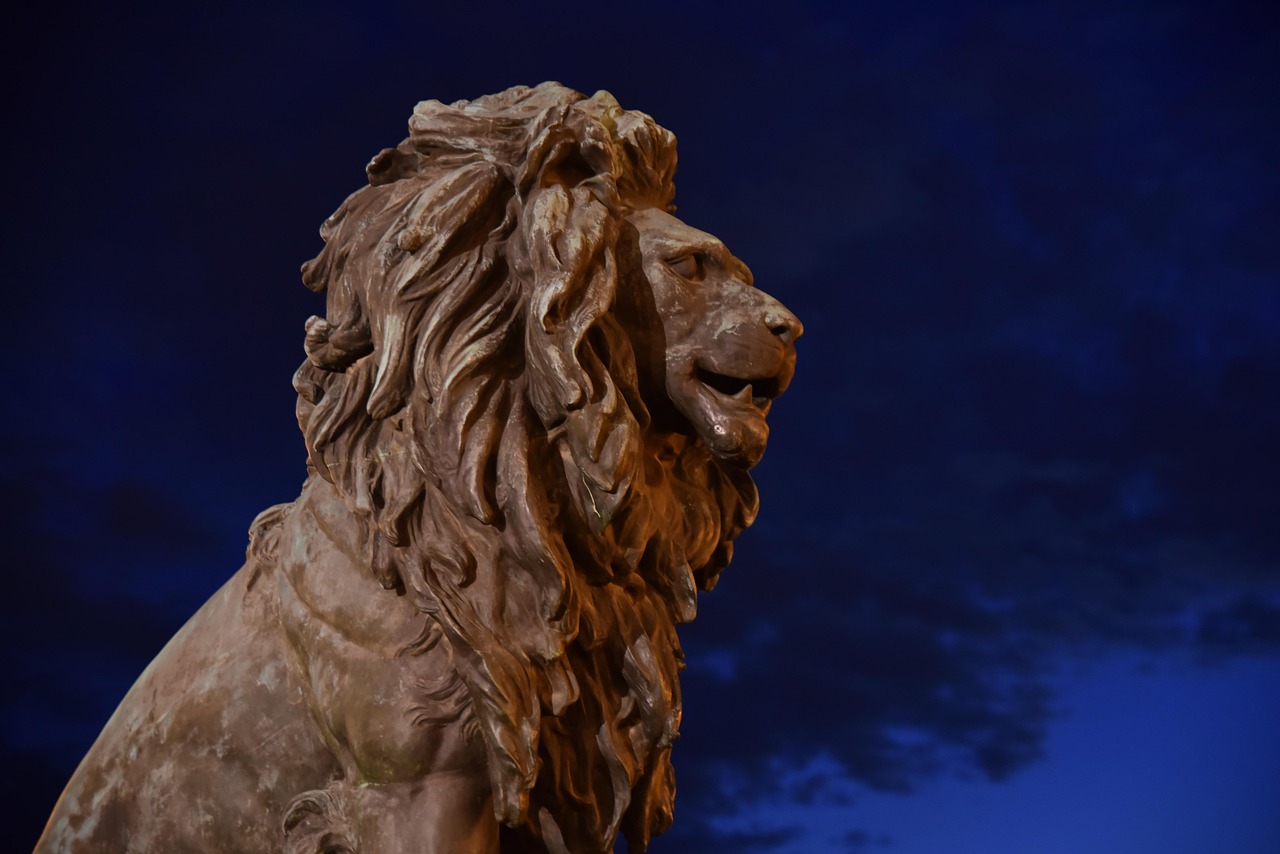
Lion’s Bridge is a 19th-century bridge guarded by four lion statues, marking the northern edge of central Sofia. The area used to feel a bit rough around the edges, but recent renovations have improved the public space.
Why go: I often end up here when exploring the more local parts of the center. It’s not a “must” for a short 3 day itinerary for Sofia, but for longer stays it’s an interesting glimpse of everyday life just beyond the tourist core.
19. Sofia Zoo
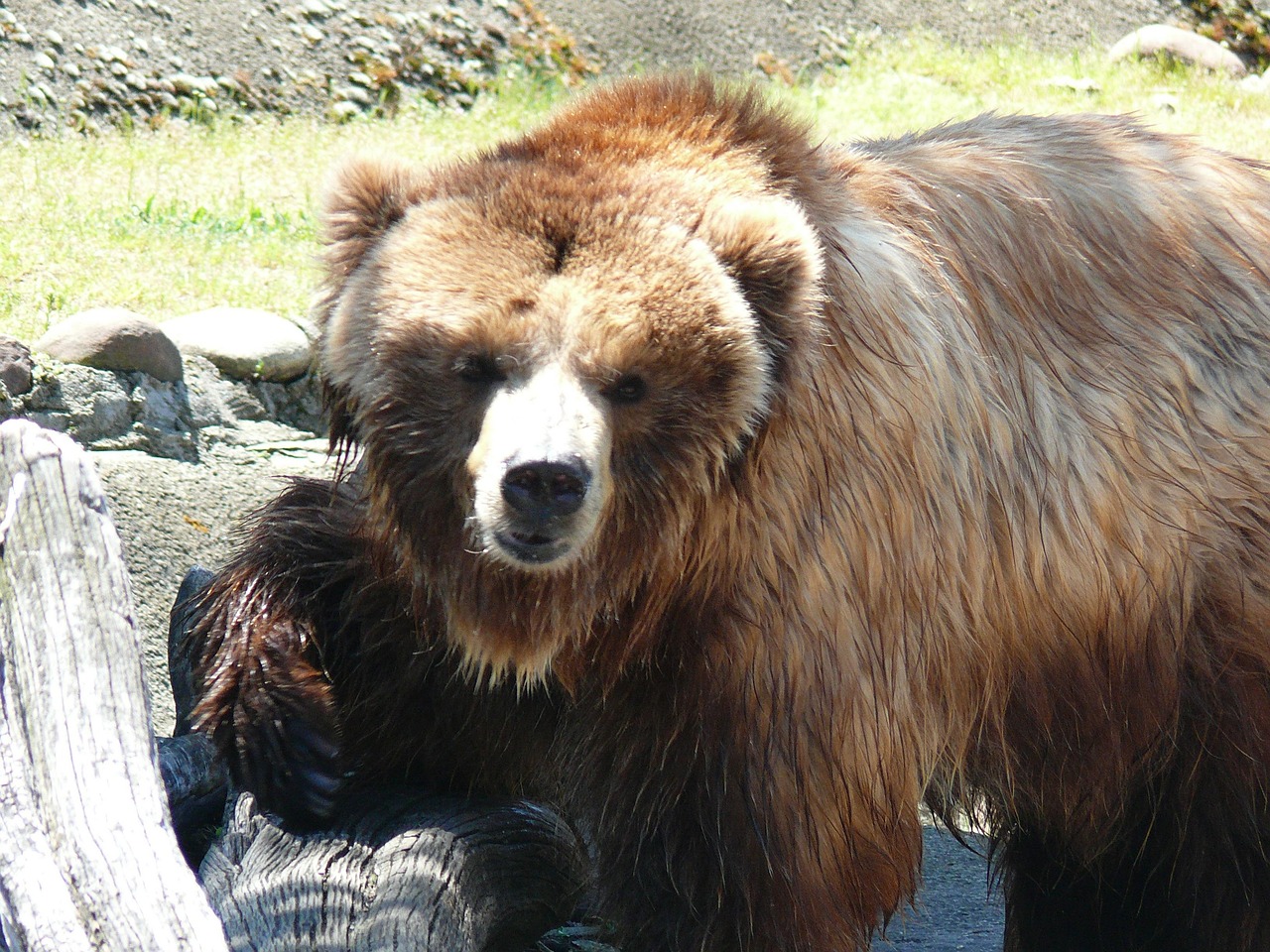
Sofia Zoo is one of the oldest in the Balkans. It’s a popular family outing spot, especially on weekends. Conditions have been improving over the years, but if you’re sensitive about animal welfare, you may want to read current reviews before going.
Family tip: If you’re traveling with kids and have 4 or 5 days in Sofia, a half-day at the zoo combined with a picnic in nearby parks can be a relaxed break from churches and museums.
20. Borisova Garden & Lake Ariana
Borisova Garden is Sofia’s oldest and most beloved park, stretching east from the city center. Long avenues of trees, sports fields, statues, and quiet corners make it perfect for running, strolling, or simply napping on the grass.
My habit: When I stay in Sofia longer, I often start my day with a run through Borisova. In winter, Lake Ariana sometimes freezes and you’ll see people skating; in summer, pedal boats dot the water, and beer stands do brisk business.
21+. Other Notable Spots
- Dragalevtsi Monastery: Small, peaceful, on the slopes of Vitosha.
- National History Museum: Housed in a former communist leader’s residence, with rich collections.
- Slaveykov Square: Historically known for its book market; still a nice square with cafés.
- Women’s Market (Zhenski Pazar): Lively, slightly chaotic produce and goods market—authentic but keep an eye on your belongings.
3–5 Day Itineraries for Sofia (With Personal Stories)
Here’s how I recommend structuring 3 days in Sofia, plus how to extend that into a 4 day itinerary for Sofia or a 5 day itinerary for Sofia. I’ll describe each day as I’d actually spend it with visiting friends, mixing iconic sights with hidden gems, food stops, and practical timing.
Day 1 – Sofia’s Historic Heart & Golden Domes
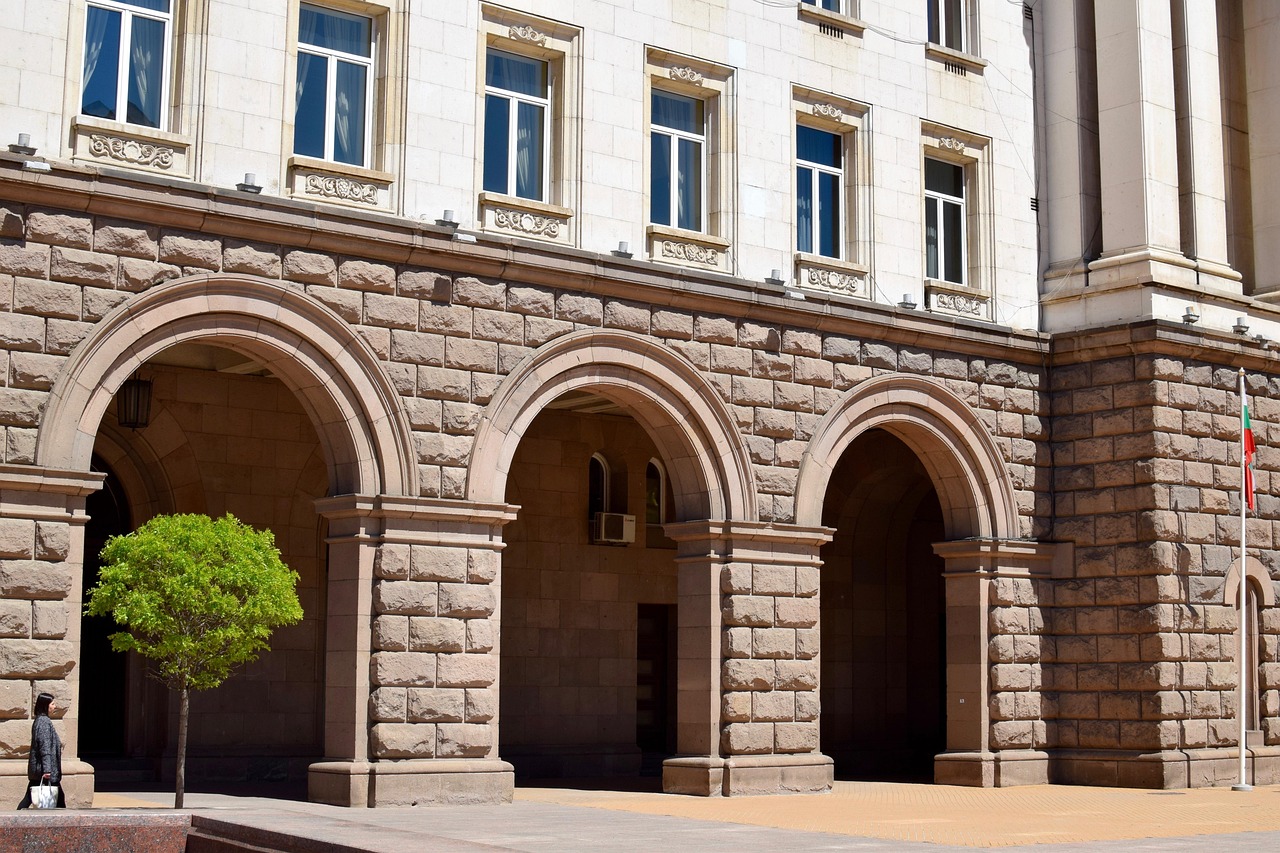
Perfect for: First-timers, short trips, and anyone wanting to see Sofia’s must-see attractions in one day.
I like to start Day 1 slow and central. Whether I’m hosting friends or revisiting favorite spots myself, this is the route I follow almost every time.
Morning: Serdica, The Largo & Layers of History
I usually begin at Serdika metro station. When you emerge, you’re already surrounded by the glass-covered Serdica ruins. I walk the elevated pathways, pausing to imagine Roman citizens doing exactly the same nearly two millennia ago (well, minus the smartphones).
From here, I head towards the Largo, passing:
- Presidency & Guards: If you time it right (generally on the hour), you can see the changing of the guard—short but photogenic.
- St. George Rotunda: Tucked in a courtyard behind the Presidency, this small red-brick church from the 4th century is one of the oldest buildings in Sofia. I still get a thrill every time I duck through the modern corridors into this hidden oasis.
By mid-morning, I like to grab a quick coffee from a nearby café—Bulgarians take coffee seriously, and even hole-in-the-wall places usually pull a good espresso.
Late Morning: Religious Triangle – Mosque, Synagogue, Churches
From the Largo, it’s a short walk to the Banya Bashi Mosque, the Sofia Synagogue, and several churches—this small radius gives you a compact yet powerful “religious triangle.” I often stand in the square and point out to friends: “Mosque here, Synagogue there, Orthodox and Catholic churches over there—that’s Sofia in a nutshell.”
If the weather’s chilly, I warm my hands on the mineral water spouts outside the old baths building. Locals come here with big plastic bottles; visitors just cup their hands or fill their flasks.
Lunch: Market or Traditional Tavern
For lunch on Day 1, I tend to choose between:
- Traditional mehana (tavern): Somewhere walkable from the center, with wooden interiors, live folk music at night, and big portions of grilled meats and salads.
- Quick bite: Banitsa (cheese pastry) from a bakery plus ayran (yogurt drink), eaten on a bench if I want to save time and money.
Money-saving tip: Local bakeries are your best friend. A big slice of banitsa and a drink can cost less than a single café pastry in Western Europe.
Afternoon: Alexander Nevsky, St. Sofia & the Russian Church
After lunch, I head towards Alexander Nevsky Cathedral, typically approaching from the small park behind St. Sofia Church. The first sight of the golden domes never gets old. I’ll circle the cathedral, step inside for a few minutes of cool quiet, then walk over to St. Sofia to visit the crypt if time allows.
From there, it’s a short walk to the Russian Church. I usually spend only 10–15 minutes inside, but I always make sure to step in; the atmosphere is intimate and deeply spiritual.
Late Afternoon: City Garden & National Theatre
By late afternoon, I like to wander down to the City Garden and the Ivan Vazov National Theatre. If the weather’s good, I grab an ice cream or coffee and sit on a bench, watching the fountains and the chess players. If friends are with me, this is when we usually have The Big Chat about Bulgarian history, because the setting makes it feel less like a lecture and more like a conversation.
Evening: Vitosha Boulevard & Dinner
As the sky starts turning purple behind Vitosha Mountain, I drift towards Vitosha Boulevard. Lights come on, buskers tune their guitars, and the city feels festive. This is a great time to snap the classic “Vitoshka with Vitosha” photo.
For dinner, I tend to avoid the most obvious tourist traps right on the boulevard and instead slip into a side street for a more local restaurant. I’ll order:
- Shopska salad (tomatoes, cucumbers, sirene cheese)
- Kebapche (grilled minced meat)
- A cold shumensko or Kamenitza beer, or a small rakia if I’m not too tired
By the time we finish, Day 1 has given us a solid grounding in Sofia’s history, religion, and layout—perfect for building the next days on.
Day 2 – Parks, Museums & Everyday Sofia
Perfect for: Travelers staying at least 3 days in Sofia who want to see beyond the postcard icons.
Morning: Borisova Garden & Lake Ariana
I like to start Day 2 with fresh air. I’ll grab a banitsa and coffee to go and head into Borisova Garden. Joggers pass by, dogs tug at their leashes, and the city’s noise fades into a soft hum. In spring, the park turns lush green; in autumn, it’s a riot of gold and red.
If I’m with kids, we’ll rent a pedal boat on Lake Ariana in summer or check if there’s a seasonal ice rink in winter. If I’m alone, I’ll just walk and let my thoughts wander.
Late Morning: National Stadium & Socialist Monuments
Continuing through the park, I pass the national stadium and a scattering of old monuments. Some are dedicated to Soviet soldiers, others to Bulgarian cultural figures. I like to stop and read the plaques; it helps decode the collective memory of the place.
Lunch: Casual Local Spot
By lunchtime, I head back towards the center or to the Doctor’s Garden / Oborishte area, which has a cluster of nice cafés and bistros. It’s a great area to try something lighter—maybe a modern twist on Bulgarian cuisine or just a good soup and salad combo.
Afternoon: Museums – National Gallery, Square 500 or Sofia History Museum
For the afternoon, I pick a museum depending on my mood and who I’m with:
- Art lovers: Square 500 for Bulgarian and international art.
- History buffs: Sofia History Museum in the former Central Mineral Baths.
- Communism-curious: Museum of Socialist Art (a short taxi/metro trip away).
Slowly wandering through exhibits for 1–2 hours is my way of letting the city’s stories sink in. I’ve done this enough times that certain objects—the ornate costumes, the black-and-white photos of old Sofia—feel like old acquaintances.
Late Afternoon: Coffee Culture & Street Art
After museums, I usually crave caffeine and fresh air. I’ll meander through the streets around Graf Ignatiev, hunting for new street art and cozy cafés. Sofia’s independent coffee scene has grown in recent years, and you can get excellent specialty brews for a fraction of big-city prices.
Evening: Wine Bar & Contemporary Bulgarian Cuisine
For dinner on Day 2, I like to switch from heavy tavern food to something a bit more contemporary and refined, often in the Doctor’s Garden area. I’ll order:
- A glass of Bulgarian Melnik or Mavrud wine.
- A dish that plays with local ingredients—maybe lamb with herbs, or trout from a Bulgarian river.
If we still have energy, we might continue the evening at a nearby wine bar, tasting Bulgarian natural wines and talking with bartenders who always seem happy to share their recommendations.
Day 3 – Boyana, Vitosha & Panoramic Sofia
Perfect for: A classic “city + nature” day, ideal if you’re planning 3 days in Sofia and want mountain views as well as city life.
Morning: Boyana Church
I start with a taxi or bus ride to the Boyana neighborhood. The morning light filtering through the trees makes the grounds of Boyana Church especially peaceful. After a short wait for your timed entry, you step inside and are greeted by those incredible medieval frescoes—saints and donors looking down at you with very human expressions.
Late Morning to Afternoon: Hike to Boyana Waterfall
From the church, a marked trail heads up to Boyana Waterfall. The hike takes 1.5–2 hours each way depending on your pace, with some steeper sections. I always bring:
- At least 1–1.5 liters of water
- A snack (banitsa, nuts, or a sandwich)
- A light jacket, even in summer
When you reach the waterfall, the mist on your face feels like a reward. I usually sit on a rock, eat my snack, and look through the trees towards the city below. On one visit in late May, the snowmelt made the falls thunderously loud; in late summer, it’s gentler but still refreshing.
Alternative: Vitosha Huts & Chairlifts
If hiking isn’t your thing, or you’re traveling with kids, you can head to Aleko Hut or other points accessible by road or lift. There, you can enjoy gentler walks, meadows, and hearty food in mountain huts: thick bean soup, grilled meats, and homemade pickles.
Evening: Return to Sofia & Relaxed Dinner
After a day in the mountains, I’m usually pleasantly exhausted. Back in the city, I’ll choose a relaxed dinner spot near where I’m staying—nothing too fancy, just big portions and cold drinks. If it’s summer, I might meet friends at an outdoor “beer garden” style place; in winter, I’m more likely to pick a cozy mehana with a fireplace.
If you only have 3 days in Sofia, this wraps up a very satisfying city break. If you have more time, here’s how I stretch it.
Day 4 – Hidden Gems, Local Markets & The Red Flat
Perfect for: Travelers on a 4 day itinerary for Sofia who want to dig into local life and lesser-known spots.
Morning: Women’s Market (Zhenski Pazar)
On Day 4, I like to start at the Women’s Market. It’s noisy, chaotic, and completely authentic. Stalls overflow with seasonal produce—cherries and apricots in early summer, peppers and tomatoes later in the season, mountains of cabbages in autumn.
My tip: Keep valuables secure, and don’t flash expensive gear. But do talk to vendors, taste fruits, and soak up the atmosphere. It’s not polished, and that’s precisely the point.
Late Morning: Lion’s Bridge & Off-Center Streets
From the market, I drift towards Lion’s Bridge, crossing side streets where you can find old-fashioned bakeries, local cafés, and secondhand shops. This is the Sofia where people actually live and work, far from curated Instagram shots.
Lunch: Kebab or Soup
This is a good day to grab something quick and local: maybe a döner kebab from a small shop or a bowl of shkembe chorba (tripe soup) if you’re brave and want to try a Bulgarian classic. I’ve introduced this soup to skeptical friends; some fall in love with it, others never order it again—but everyone remembers it.
Afternoon: The Red Flat
In the afternoon, I book a slot at The Red Flat. The audio-guided tour takes around an hour and immerses you in 1980s Bulgaria. You can open drawers, peek into closets, and listen to stories about ration cards, cherished foreign jeans, and family rituals around the TV.
Afterwards, I often walk slowly back through the center, mulling over how recent that era actually is, and how much the city has changed since then.
Evening: Cultural Performance or Jazz Bar
For the evening, I check what’s on:
- National Theatre: Plays and performances (Bulgarian language, but still worth it).
- NDK: Concerts, film festivals, or cultural events.
- Jazz or live music bar: Sofia has a few intimate spots where local bands play late into the night.
This day feels like peeling back another layer of the city—one focused on everyday lives and recent history.
Day 5 – Day Trip from Sofia: Rila Monastery or Plovdiv
Perfect for: Those on a 5 day itinerary for Sofia who want to see more of Bulgaria while keeping Sofia as a base.
Option 1: Rila Monastery
Rila Monastery is Bulgaria’s most famous monastery, nestled in the mountains about 2 hours from Sofia. Its striped black-and-white arcades, colorful frescoes, and mountain backdrop are breathtaking.
I’ve visited several times, sometimes on organized tours, sometimes by car. Each time, I find a quiet corner under the arches, listen to the wind, and feel a deep sense of peace. It’s a full-day trip including travel, but absolutely worth it.
Option 2: Plovdiv
Plovdiv, Bulgaria’s second city and former European Capital of Culture, is another fantastic day-trip choice. Its Old Town with wooden houses, Roman theatre, and Kapana creative district make it a perfect complement to Sofia.
Buses run frequently, or you can join a combined Sofia–Plovdiv tour. If I have friends in town for 5 days, I often suggest one full-day excursion here to give them a richer sense of the country.
Evening: Farewell Walk & Last Meal in Sofia
Back in Sofia for your last night, I recommend a relaxed stroll along Vitosha Boulevard or through the City Garden, then one final Bulgarian feast. Order your favorite dishes from the week, raise a glass of rakia or wine, and promise yourself you’ll be back.
Neighborhoods & Areas to Explore in Sofia
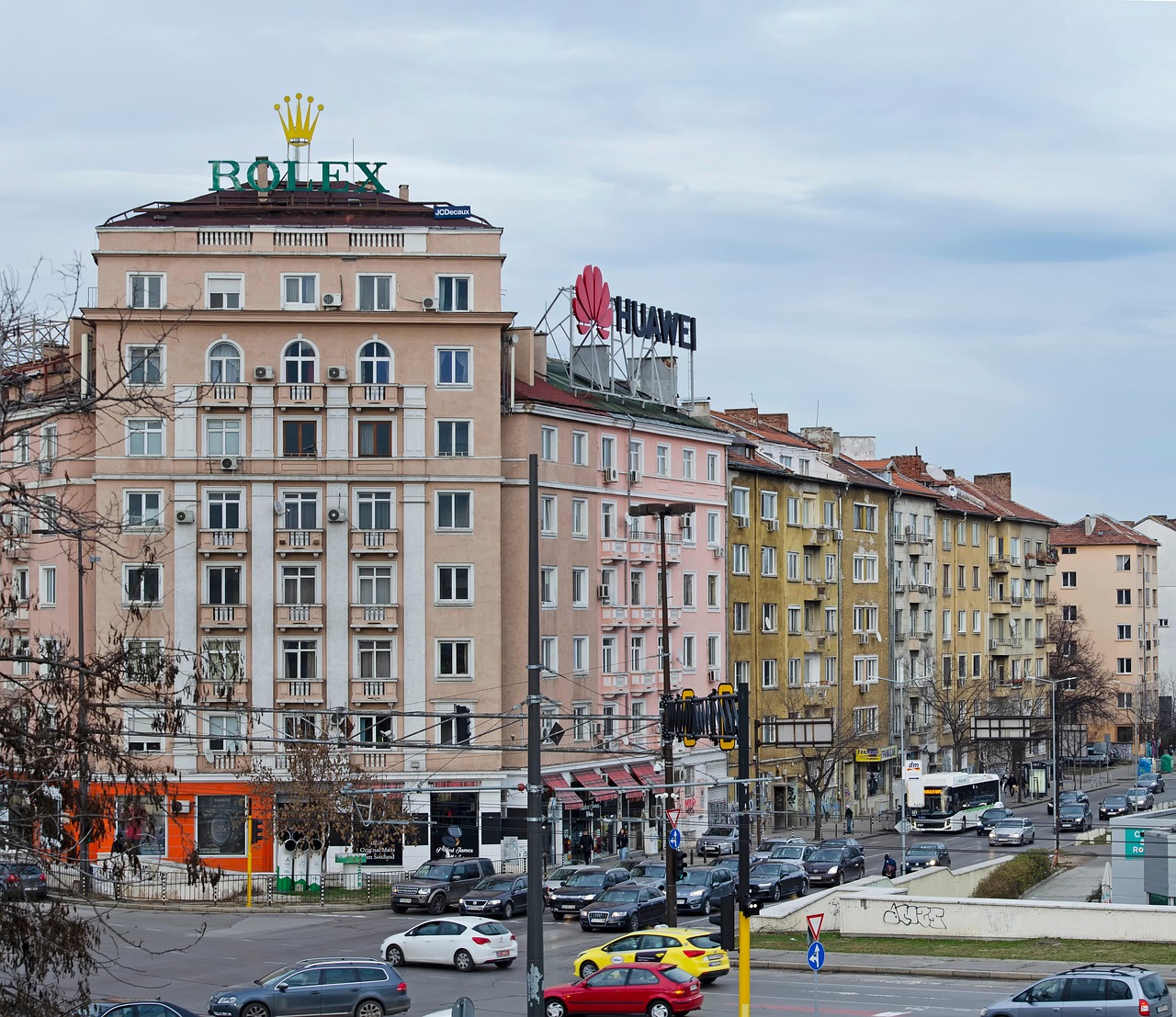
Understanding Sofia’s neighborhoods helps you plan where to stay and what to prioritize in your own travel guide for Sofia experience.
Centrum (City Center)
Best for: First-time visitors, short stays, easy access to all main sights.
This is where you’ll find most of the must-see attractions in Sofia: Alexander Nevsky, the Largo, Serdica ruins, Vitosha Boulevard. Streets are lively, and you can walk almost everywhere.
Doctor’s Garden / Oborishte
Best for: Cafés, wine bars, and a slightly quieter, elegant vibe.
Tree-lined streets, embassies, and some of the best food and drink spots in town. I love wandering here on late afternoons, peeking at old townhouses and stopping for a glass of wine.
Lozenets
Best for: Residential calm, easy access to Vitosha, more local feel.
Lozenets feels like where the city exhales. It’s hilly, green, and full of apartment blocks and small shops. Great if you’re staying longer or want a quieter base that’s still not far from the center.
Studentski Grad (Student City)
Best for: Nightlife on a budget, student energy.
Packed with dorms, cheap eateries, bars, and clubs. It’s not particularly pretty, but if you’re into lively nights and low prices, this is your playground.
Boyana & Dragalevtsi
Best for: Access to Vitosha, more upscale residential vibe.
These neighborhoods climb the base of the mountain. They’re quiet, leafy, and feel almost like separate villages. Great if your focus is hiking and nature.
Local Food in Sofia – What to Eat & Where
Bulgarian cuisine is hearty, seasonal, and perfect for sharing. Here’s what I always recommend to visitors.
Must-Try Bulgarian Dishes
- Shopska Salad: Tomatoes, cucumbers, onions, peppers, grated white cheese. Simple and perfect.
- Banitsa: Flaky pastry filled with cheese (sometimes spinach or pumpkin). My go-to breakfast.
- Kebapche & Kufte: Grilled minced meat, usually served with fries and salad.
- Tarator: Cold yogurt, cucumber, garlic, and dill soup—refreshing in summer.
- Moussaka (Bulgarian style): Potatoes and minced meat baked with yogurt and egg topping.
- Beans in a pot (Bob chorba): Thick bean soup, especially good in winter.
Drinks
- Rakia: Fruit brandy; sip slowly, usually with salad.
- Bulgarian wine: Mavrud, Melnik, Rubin and other local varieties are excellent value.
- Ayran: Salted yogurt drink, great with banitsa or grilled meats.
Where to Eat on a Budget
For saving money, I rely on:
- Bakeries (banicharnitsi): Grab pastries for breakfast or a cheap snack.
- Fast-casual lunch spots: Many offer menus of the day with soup, main, and salad at excellent prices.
- Street food: Döner, pizzas by the slice, and grilled corn in summer.
Mid-Range & Special Meals
For more atmospheric dinners, Sofia has plenty of mehanas and contemporary restaurants. Look for places with outdoor gardens in summer and fireplaces in winter. I tend to pick spots where I hear mostly Bulgarian being spoken; that’s usually a good sign.
Nightlife, Entertainment & Cultural Experiences in Sofia
Sofia’s nightlife ranges from quiet wine bars to student clubs that go until sunrise.
Bars & Pubs
In the center, you’ll find:
- Cozy bars: Perfect for craft beer or cocktails and conversation.
- Garden bars: Open-air courtyards in summer, often hidden behind plain doors.
Clubs
Most big clubs are in Studentski Grad or slightly outside the core. Music ranges from Balkan pop to electronic. If you’re not into big crowds, smaller live music venues in the center might suit you better.
Cultural Experiences
- National Theatre: Plays and performances—book ahead for weekend shows.
- NDK: Concerts, film festivals, exhibitions.
- Galleries: Small contemporary galleries around the center and Doctor’s Garden area.
Romantic Ideas
- Sunset walk on Vitosha Boulevard, then dinner by candlelight in a cozy mehana.
- Evening stroll in Borisova Garden followed by wine in a quiet bar.
Family-Friendly Evenings
- Early dinner near NDK and letting kids play around the fountains.
- Ice cream walk through the City Garden and Vitoshka.
Day Trips & Nearby Attractions from Sofia
If you’re staying 4 or 5 days in Sofia, adding a day trip can round out your experience of Bulgaria.
Rila Monastery
Travel time: Around 2 hours each way by car or tour bus. Most tours last all day. Dress modestly (shoulders and knees covered) and bring a light jacket in cooler months; it’s higher in the mountains, so temperatures can be significantly lower than in Sofia.
Plovdiv
Travel time: Around 2–2.5 hours by bus or car. Easy to do independently. Wander the Old Town, visit the Roman theatre, and linger in the Kapana district’s cafés and galleries.
Seven Rila Lakes (Summer)
A bit more demanding physically, but stunning. Usually combined with a cable car ride and moderate hiking—best done on a tour if you don’t have your own car.
Koprivshtitsa
A preserved 19th-century town with colorful Revival-era houses and a strong sense of Bulgarian history. It’s a quieter alternative to the more visited Plovdiv.
Cultural Etiquette & Local Customs in Sofia
Understanding local customs in Sofia will make your trip smoother and more enjoyable.
Greetings & Politeness
- People often say “Zdravey” (informal) or “Zdraveyte” (formal/plural) as a greeting.
- In shops, a simple “Dobŭr den” (good day) is appreciated.
- Handshakes are common in more formal contexts.
Yes/No Head Gestures
One big thing: Bulgarians traditionally nod their head for “no” and shake for “yes,” the opposite of much of the world. In practice, especially in Sofia, many people mix gestures, but be aware of the potential confusion. Rely on words—“da” for yes, “ne” for no.
In Churches & Mosques
- Dress modestly: shoulders and knees covered.
- Speak quietly, avoid flash photography.
- Follow locals’ lead on lighting candles and crossing yourself if you participate.
At Restaurants
- Tipping 10% is customary if service is good.
- It’s not rude to linger at the table; meals are social.
- Staff might not bring the bill until you ask.
Social Norms
Bulgarians can seem reserved at first but warm up quickly. If you show genuine interest in the language, food, or history, you’ll often be rewarded with long conversations and insider tips.
Practical Travel Tips for Sofia in 2026
Money & Costs
- Currency: Bulgarian lev (BGN). 1 EUR ≈ 1.95 BGN (fixed rate).
- Cards vs. cash: Cards widely accepted, but keep some cash for markets and small shops.
- Budget: Sofia is affordable. Street food and casual meals are especially good value.
SIM Cards & Connectivity
For easy data and calls, buy a prepaid SIM from major providers at the airport or in the city. Bring your passport for registration. Packages with several gigabytes of data for a week or more are inexpensive.
Public Transport
- Metro: Clean, modern, and great for airport–center and major routes.
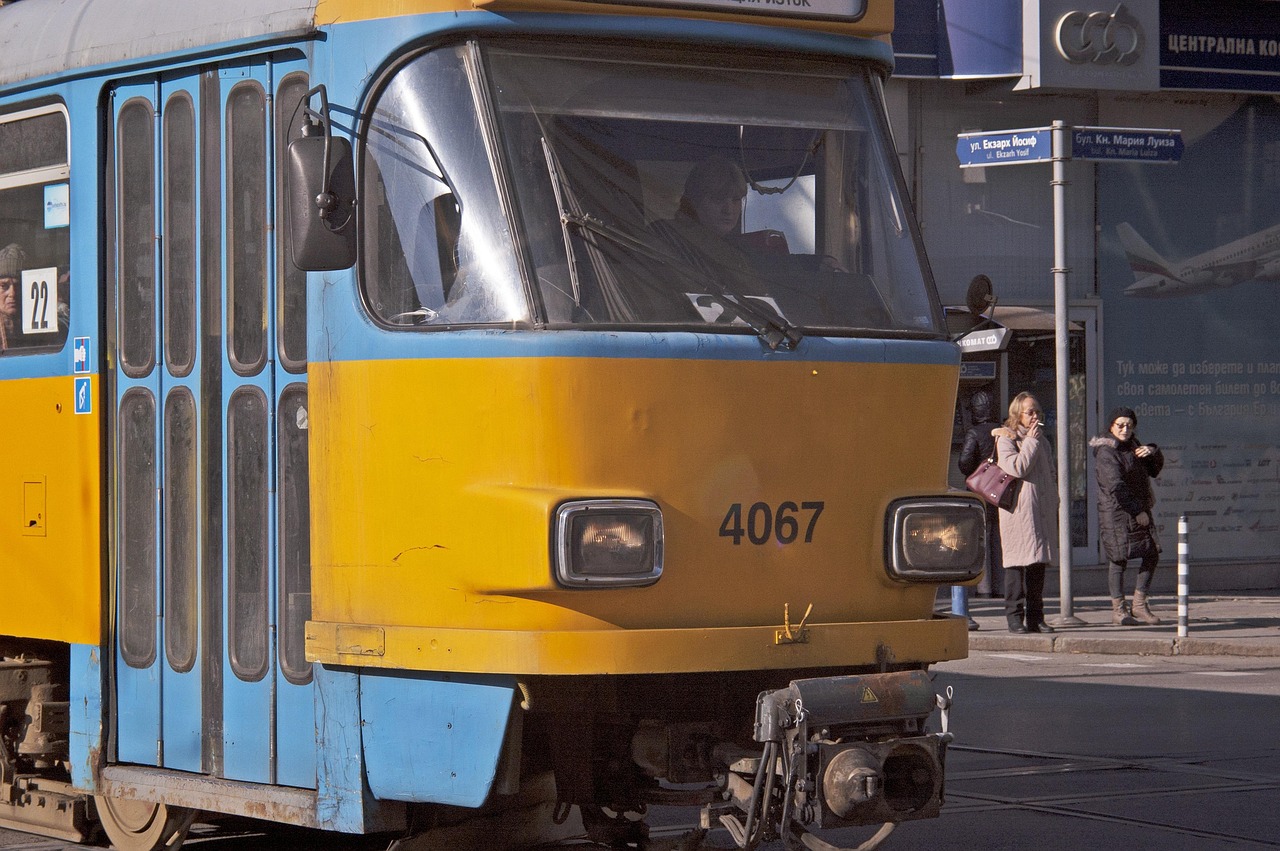
- Trams & buses: Useful for reaching parks and outer districts; tickets are cheap.
- Tickets: You can buy from machines or kiosks; day passes are available.
Taxis & Ride-Hailing
Official taxis are relatively inexpensive. Use reputable companies or ride-hailing apps to avoid scams. Always check that the meter is running.
Car Rental & Driving
A car isn’t necessary for Sofia itself but can be useful for day trips. A valid foreign driver’s license is generally accepted for tourists; check current rules for your nationality before arrival. Roads around Sofia are decent, but parking in the center can be challenging.
Visa Requirements
As of 2026, Bulgaria is applying EU and Schengen-aligned visa policies for many travelers. EU/EEA and certain other nationals can enter visa-free for short stays; others may need a visa. Always check the latest information from official Bulgarian or EU sources before travel.
Safety
Sofia is generally safe. Standard city precautions apply: watch your belongings in crowded areas and avoid poorly lit alleys late at night. I’ve walked around the center after dark many times without issues.
Best Seasons for Different Activities
- Spring (April–June): Mild weather, blooming parks—great for city walks and light hiking.
- Summer (July–August): Hot but dry; perfect for late evenings, outdoor bars, and day trips to the mountains.
- Autumn (September–October): My favorite—golden leaves, comfortable temperatures, fewer crowds.
- Winter (November–March): Cold, with possible snow—great for Vitosha skiing and cozy taverns.
How to Save Money in Sofia
- Use public transport or walk instead of taxis when you can.
- Eat breakfast and some lunches from bakeries and markets.
- Choose free or low-cost attractions (parks, churches, ruins) alongside paid museums.
- Stay slightly outside the absolute center if you’re on a tight budget.
What’s New in Sofia 2026–2027 – Events & Changes
As of 2026, Sofia continues to evolve as a cultural and tech hub. While exact dates change year to year, here are typical events and trends to watch for in 2026–2027:
- Sofia Film Festival (Spring): International and regional films with screenings at NDK and other cinemas.
- Jazz and Music Festivals (Summer): Open-air concerts in parks and at NDK.
- Cultural Nights: Museum nights and gallery events where entry is free or discounted.
- Christmas Markets (December): Festive stalls around NDK and in central squares, with mulled wine and local crafts.
Infrastructure improvements—like expanded bike lanes, renovated squares, and upgraded museum exhibits—are expected to make exploring Sofia even more enjoyable in 2026 and beyond.
Best Time to Visit Sofia & Final Takeaways
If you’re planning between 3 days in Sofia and a full 5 day itinerary for Sofia, timing can shape your experience.
Best Seasons Overall
- Late April–June: Ideal for first-time visitors—mild, green, and lively.
- September–mid October: Excellent weather, fewer crowds, beautiful autumn colors.
Winter Visits
Visit from December to February if you’re interested in Christmas markets, snow, and skiing on Vitosha. Pack warm clothing and sturdy shoes.
Summer Visits
July and August can be hot, but evenings are long and the city has a relaxed, holiday feel. This is a great time for day trips to the mountains and lazy nights in garden bars.
Key Takeaways for Your Sofia Trip
- For 3 days in Sofia: Focus on the historic center, Alexander Nevsky, Serdica ruins, Vitosha Boulevard, Borisova Garden, and one half-day to Boyana or Vitosha.
- For 4 days in Sofia: Add hidden gems like The Red Flat, Women’s Market, and more in-depth museum time.
- For 5 days in Sofia: Include a full day trip to Rila Monastery or Plovdiv for a broader picture of Bulgaria.
- Food & drink: Dive into banitsa, Shopska salad, grilled meats, rakia, and Bulgarian wine—these are central to the city’s charm.
- Culture & customs: Respect churches and mosques, learn a few Bulgarian words, and be prepared for the yes/no head-shake confusion.
- Budget: Sofia remains one of Europe’s more affordable capitals; with smart choices, you can live very well here without breaking the bank.
Every time I leave Sofia, I miss the particular shade of evening light on Vitosha, the smell of fresh banitsa, and the mix of ancient stones and modern street life. Whether you’re here for a quick city break or a longer deep dive, Sofia has a way of getting under your skin and quietly asking you to come back.