Why Visit Newcastle in 2026?
Newcastle upon Tyne – or simply “Newcastle” to everyone in the North East – is one of those cities that gets under your skin. I’ve lived here on and off for years, and even after countless wanderings along the Quayside, late-night Metro rides back from the coast, and rainy afternoons spent in cosy pubs, I still find new corners to fall in love with.
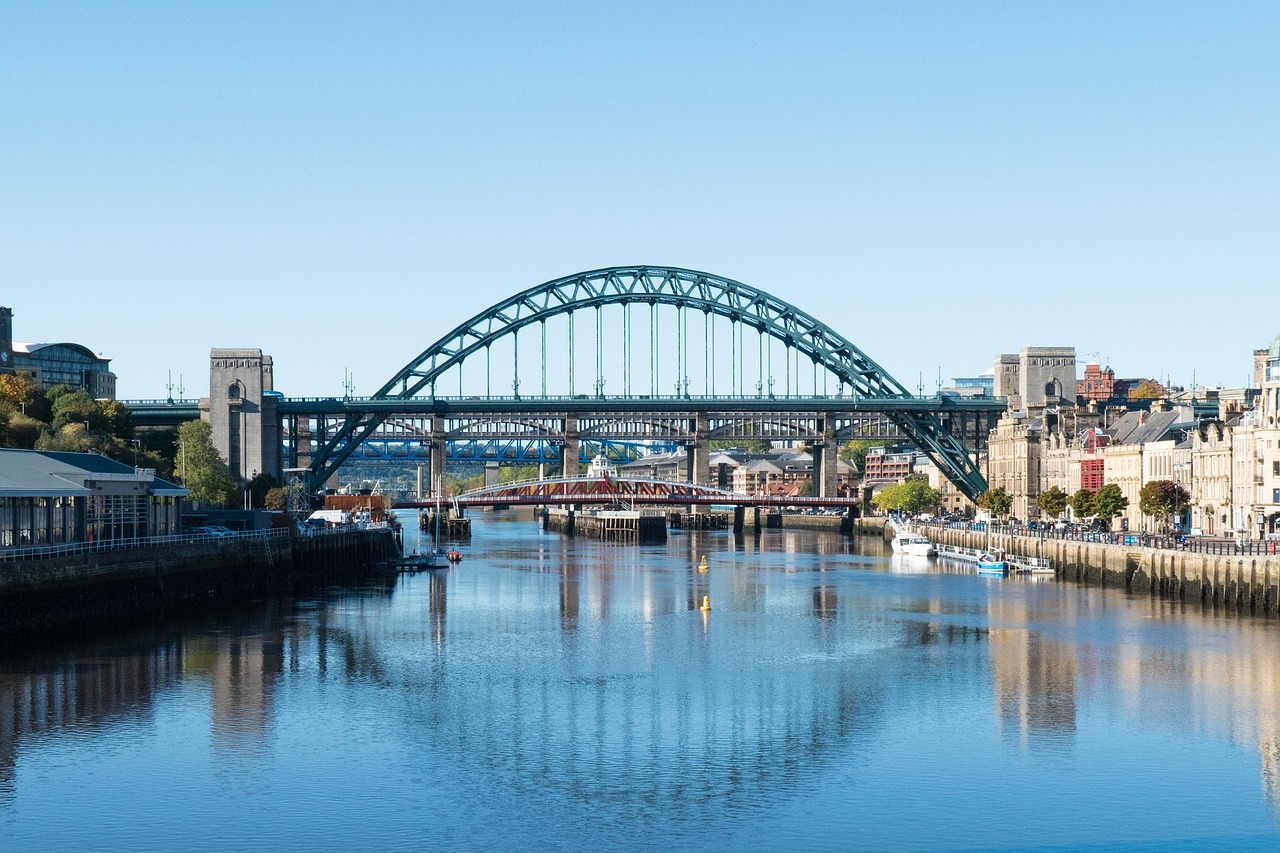
In 2026, the city is buzzing. New independent restaurants open almost every month, the Quayside’s cultural scene is thriving, and regeneration projects around Ouseburn, Byker and Gateshead keep adding fresh layers to a city already rich with Roman, medieval and industrial history. It’s compact enough to walk, yet dense with things to do – ideal if you’re planning 3 days in Newcastle or stretching to a 4 day itinerary for Newcastle or even a full 5 days in Newcastle.
Newcastle is special because it feels like a big village: people chat at bus stops, bartenders remember your order, and strangers will point you in the right direction before you even ask. At the same time, you’re never far from world-class art, cutting-edge music, and some of the best nightlife in the UK. Add in a dramatic riverside, seven iconic bridges, a castle in the middle of town, and beaches just a short Metro ride away, and you have a city that fits families, couples, solo travelers and adventurous groups alike.
I’ve written this travel guide as someone who knows the city deeply – the obvious must-see attractions in Newcastle, but also the back alleys, cheap eats, riverside walks and hidden gems in Newcastle that most short-term visitors miss. Whether you’re after a 3 day itinerary for Newcastle, a leisurely 4 day itinerary for Newcastle, or a packed 5 day itinerary for Newcastle, you’ll find practical travel advice for Newcastle, local customs, cultural experiences, and honest, specific recommendations.
Quick Overview & First Impressions
Newcastle sits on the north bank of the River Tyne, facing Gateshead on the south side. Seven bridges stitch the banks together, each with its own personality, from the elegant Tyne Bridge to the futuristic Gateshead Millennium Bridge. The city centre is a blend of Georgian streets (Grey Street really is as beautiful as everyone says), Victorian railway arches, modern shopping districts, and rough-around-the-edges indie neighbourhoods.
It’s a walking city: you can cross from the grand Grey Street to the Quayside in ten minutes (down some famously steep stairs), nip to the Castle, and then be in Ouseburn, the city’s creative hub, in under half an hour. The Metro – our light rail system – makes day trips to the coast stupidly easy, so you can combine urban exploring with sandy beaches in one short stay.
Newcastle is also unapologetically friendly. As a visitor, you might be surprised how often locals strike up conversations. On more than one occasion, I’ve watched visitors on the Metro end up with a full list of bar recommendations before they’ve reached Monument station.
Suggested Itineraries: 3–5 Days in Newcastle
These itineraries are based on how I usually show friends around when they visit. They balance the best places to visit in Newcastle with hidden gems, local food, and enough downtime so you don’t burn out.
3 Day Itinerary for Newcastle: First-Timer Essentials
Day 1 – Bridges, Castle & Classic City Centre
When friends arrive for a short stay, I always start with the city’s spine: from Grey Street down to the Quayside, looping past the Castle and back through Grainger Town. It gives you a feel for the history and the layout, and hits some of the must-see attractions in Newcastle straight away.
Morning: Grey Street, Grainger Town & Monument
Start at Grey’s Monument, the column that marks the heart of Newcastle. I like grabbing a takeaway flat white from a nearby café (Laneway & Co or Pink Lane Coffee) and standing on the steps for a minute to watch the city wake up. You’re surrounded by the Neoclassical architecture of Grainger Town, one of Europe’s most intact Georgian cityscapes.
Walk down Grey Street, often called one of the most beautiful streets in Britain. The curved terraces, ornate stonework and views towards the river really are stunning, especially in the low morning light. Pop your head into the Theatre Royal foyer if it’s open – even a quick peek gives you a sense of its old-world elegance.
Tip: If you’re in Newcastle on a Sunday, the area around Grainger Market and Grey Street feels sleepier early, so enjoy the calm before the afternoon shoppers arrive.
Late Morning: Newcastle Castle & Castle Keep
From Grey Street, weave down towards Newcastle Castle. The walk takes you under the railway arches and up a brief hill – you’ll get your first glimpse of the Tyne Bridges as you approach.
The Castle is actually two main structures: the Castle Keep and the Black Gate. Inside, information boards and displays explain how this Norman fortress gave the city its name. I’ve been up here countless times, but I still climb to the roof whenever I can; the 360° view is one of the best in the city, with the Tyne Bridge on one side and the Cathedral spire on the other.
- Family-friendly: Kids love the narrow staircases, arrow slits and slightly spooky medieval rooms.
- Romantic: Sunset from the roof is lovely – bring a light jacket; it can be windy.
- Practical: There are quite a few steps; wear decent shoes.
Afternoon: Quayside Walk & Bridges
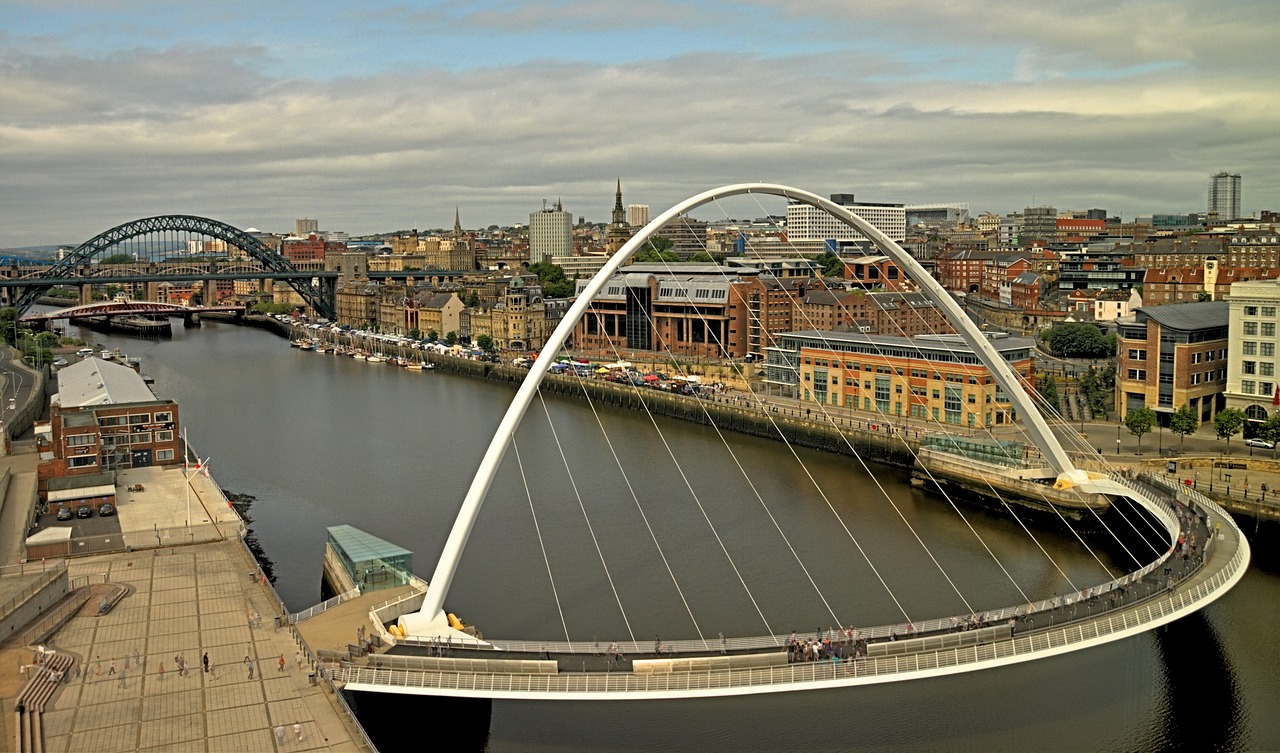
Head down the steep Side or Dean Street to the Quayside. The first time I brought my parents here, they just stopped and stared at the line of bridges. Even if you’ve seen photos, the way they layer together in real life is impressive.
- Walk east along the river, under the Tyne Bridge, to the Gateshead Millennium Bridge – the white arch that tilts to let ships pass.
- Cross to the Gateshead side for a classic photo back towards the Newcastle skyline.
- Continue to BALTIC Centre for Contemporary Art and pop up to the viewing deck.
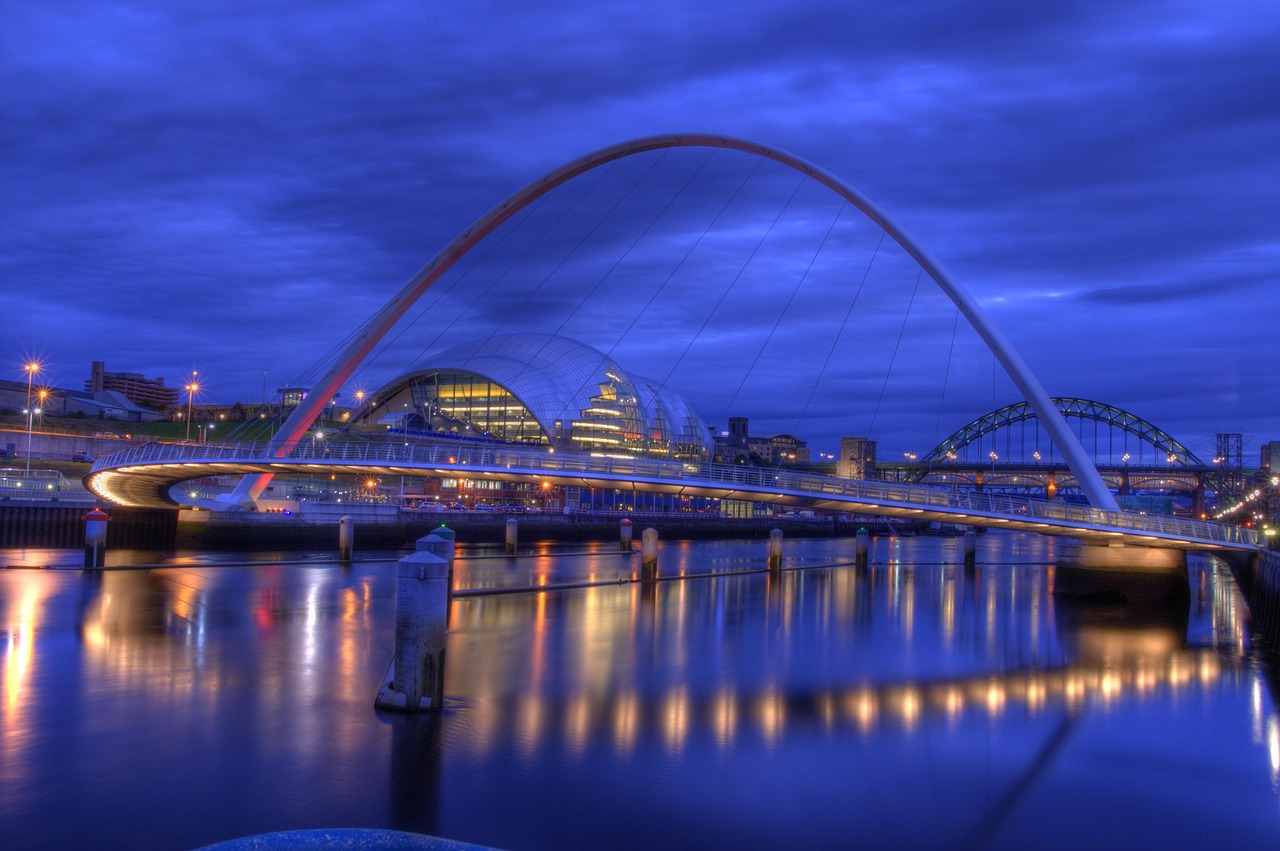
BALTIC’s rooftop platform is free and gives you another angle on the bridges and the city. Exhibitions change regularly; I’ve stumbled into everything from immersive light installations to thought-provoking photography shows. It’s very kid-friendly, with interactive bits in some exhibits, and good for a quick cultural fix even if you’re not a hardcore art fan.
Evening: Quayside Dinner & Drinks
For dinner, the Quayside has everything from relaxed pizza spots to smarter restaurants overlooking the river. I often end up at a mid-range place where you can sit by the window and watch the bridges light up after dark.
Tip: On Sunday mornings, the Quayside Market runs along the river with street food, local crafts and buskers. If your 3 days in Newcastle include a Sunday, absolutely plan to be here then.
Day 2 – Culture, Ouseburn & Nightlife
Morning: Great North Museum: Hancock & University Quarter
After a fairly full first day, I like a museum morning. Walk or take the Metro to Haymarket and head for the Great North Museum: Hancock. It’s free, family-friendly and surprisingly varied: natural history, ancient Egypt, Roman artefacts from nearby Hadrian’s Wall, and more.
On a rainy day, I’ve happily spent three hours here, especially in the sections about local history. If you’re traveling with kids, the dinosaur skeletons and interactive displays are a hit.
Afternoon: Ouseburn Valley – Newcastle’s Creative Heart
From the museum, either stroll (about 25–30 minutes, mostly downhill) or bus to Ouseburn Valley, my favourite area in Newcastle. Once industrial, it’s now a mix of artist studios, music venues, craft pubs and small galleries tucked under old railway arches.
- Seven Stories – The National Centre for Children’s Books: A wonderful, interactive space if you have children or just love stories.
- Ouseburn Farm: A small urban farm where you can meet goats, pigs and chickens – free entry, donations welcome.
- Victoria Tunnel tours: Guided tours through a preserved 19th-century wagonway turned WWII air-raid shelter. Book in advance.
I still remember my first Victoria Tunnel tour: walking through the dimly lit tunnel, hearing stories of wartime families sheltering there, was unexpectedly moving. It’s cool (literally and figuratively), so bring a light layer even in summer.
Evening: Craft Beer & Live Music
Ouseburn is where I usually end up on a Friday or Saturday night. Pubs like those along the valley spill out onto the pavements in summer, and you can hop between venues to catch live bands, DJs or just soak up the atmosphere.
Nightlife tip: Ouseburn is lively but more laid-back and “local” than the stag-and-hen-heavy areas around the Bigg Market. For couples or small groups wanting a more authentic night, it’s ideal.
Day 3 – Coast, Cathedral & Hidden Corners
Morning: Metro to the Coast – Tynemouth or Whitley Bay
One of the best things about a 3 day itinerary for Newcastle is that you can squeeze in a seaside escape. Grab a Metro Day Ticket and ride the yellow line to Tynemouth (about 30–35 minutes from Monument).
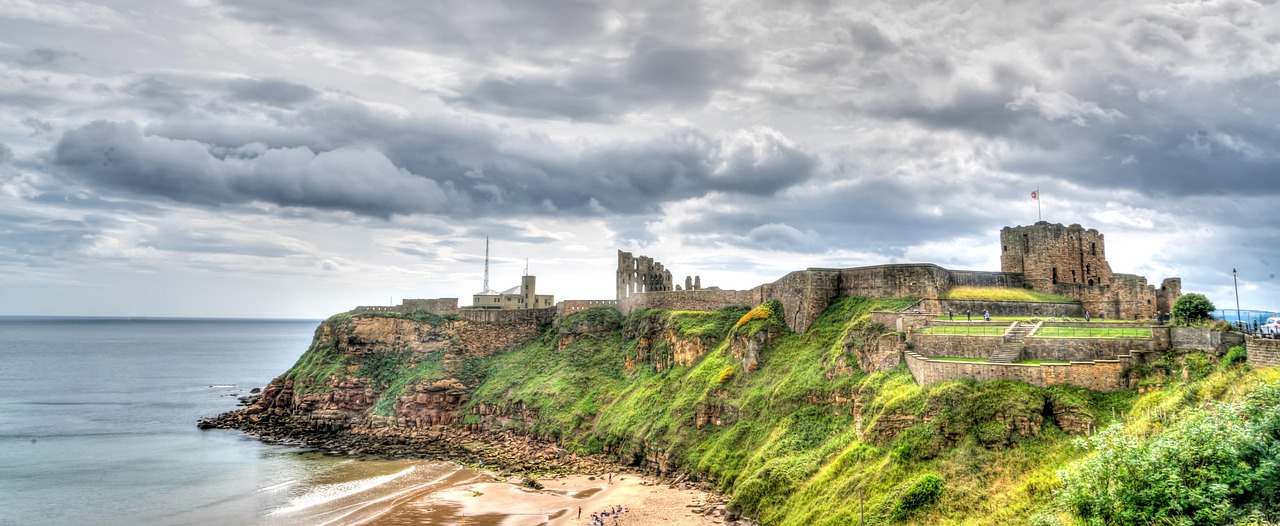
- Tynemouth Priory & Castle: Atmospheric ruins on a headland with spectacular sea views.
- Longsands Beach: A wide, sandy beach popular with surfers and walkers.
- Park View / Front Street: Independent shops, cafés and pubs.
On sunny days, I’ll walk barefoot along Longsands, grab fish and chips, and sit on the steps watching the surfers. In winter, it’s all moody skies and crashing waves – equally gorgeous, just bring a good coat.
Afternoon: Newcastle Cathedral & Side Streets
Back in the city, visit Newcastle Cathedral (Cathedral Church of St Nicholas). It’s often overlooked, which is a shame: the lantern tower is beautiful, and inside feels peaceful despite being minutes from the busy centre. I like finding the little carvings and memorials that reveal centuries of local stories.
After the cathedral, wander the lanes off Side and Dean Street. There are tucked-away bars in old railway arches, independent shops, and quiet corners that feel a world away from the chain stores around Eldon Square.
Evening: Final Night – Gallowgate or Quayside Revisit
For your last night, you can either return to the Quayside for a final bridge-lit stroll or head up towards Gallowgate and St James’ Park for a more local pub scene. If there’s a home match on, the whole area buzzes; if not, you’ll still find plenty of cosy spots for a farewell drink.
4 Day Itinerary for Newcastle: Going Deeper
With 4 days in Newcastle, you can take things slower and add more cultural experiences and neighbourhood wandering.
Day 4 – Museums, Gateshead & Architecture
Morning: Discovery Museum
Start at the Discovery Museum, a short walk from Central Station. It covers the story of Newcastle’s industrial past – shipbuilding, engineering, science and innovation. I love the huge turbine hall and the working models; they really bring to life how important the city was during the industrial revolution.
Afternoon: Gateshead Quays & Sage Gateshead
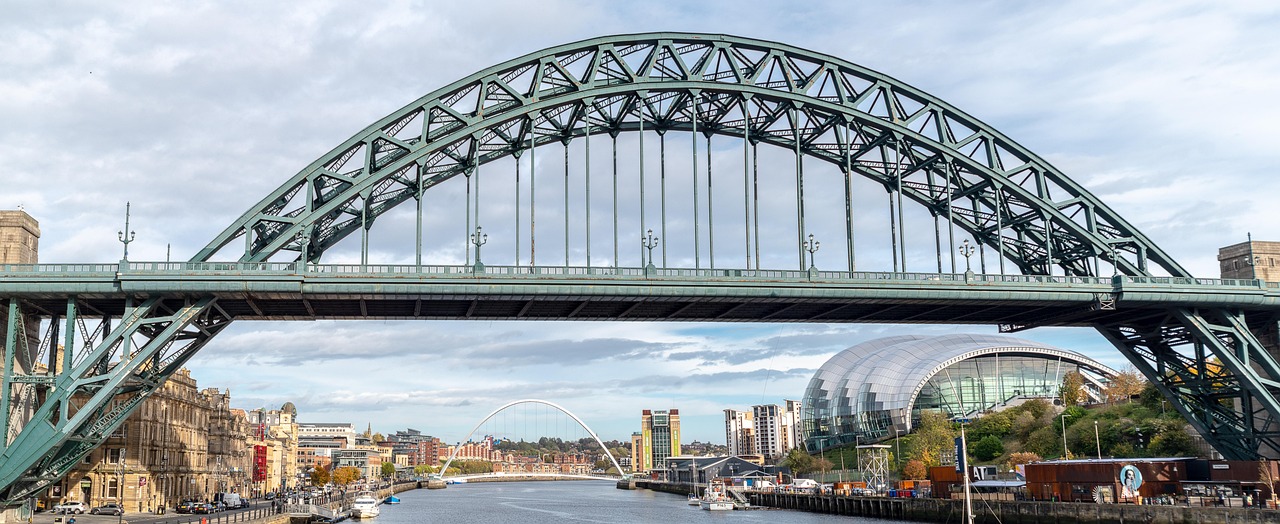
Head back to the river and cross to Sage Gateshead (to be renamed as the new arena complex develops, but locals still tend to say “the Sage”). The gleaming, curved glass concert hall is worth a visit even if you’re not catching a performance. Wander inside, have a coffee overlooking the river, and browse their events board – you may find a last-minute concert or workshop.
Architecture lovers: The juxtaposition of the modern Sage building with the historic Tyne Bridge is one of the most photogenic views on the river.
Evening: Chinatown & Stowell Street
Finish your 4 day itinerary for Newcastle with dinner in Chinatown on Stowell Street. The ornate Chinese arch marks the entrance, and there are several good-value restaurants serving everything from dim sum to hotpot. On Chinese New Year, this area erupts in colour and firecrackers; even on a typical night, it’s a lively, satisfying place to end a city break.
5 Day Itinerary for Newcastle: City, Coast & Countryside
If you’re lucky enough to have a full 5 days in Newcastle, you can add a proper day trip into Northumberland or along Hadrian’s Wall, while still enjoying a relaxed pace in the city.
Day 5 – Hadrian’s Wall or Durham Day Trip
Option 1: Hadrian’s Wall (Roman History & Big Landscapes)
From Newcastle, frequent trains and buses get you to sections of Hadrian’s Wall, the Roman frontier that once marked the edge of the empire. My favourite nearby spots are:
- Housesteads Roman Fort: Dramatic hilltop ruins with sweeping views.
- Chesters Roman Fort: A bit gentler, with a lovely riverside setting.
Pack layers – the weather up on the Wall changes quickly – and sturdy shoes. The combination of history and wild scenery is unforgettable.
Option 2: Durham (Cathedral & Riverside)
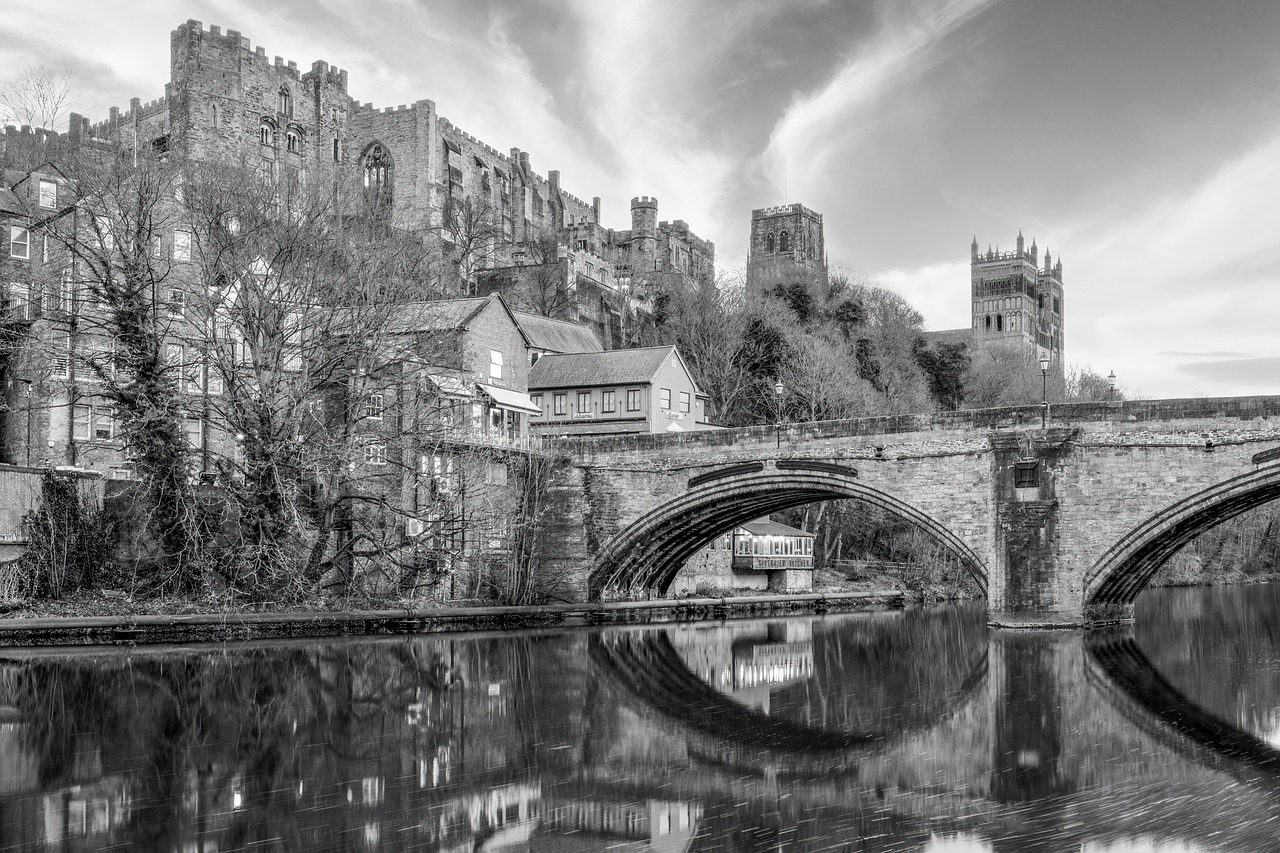
Alternatively, hop on the train (under 15 minutes) to Durham. Its UNESCO-listed cathedral and castle perch above a looping river, and the cobbled streets feel older and quieter than Newcastle’s bustle. I often take visitors for a half-day here, wandering the riverside path, touring the cathedral, then grabbing tea in a student café before zipping back to Newcastle for the evening.
20 Must-See Attractions in Newcastle: In-Depth Guide
Below are twenty of the best places to visit in Newcastle and nearby, each with history, practical tips, and a bit of my own experience woven in. You certainly don’t need to see all twenty in one trip, but this section will help you build your own perfect itinerary.
1. Newcastle Castle
Why go: To stand in the fortress that gave Newcastle its name and enjoy one of the city’s best viewpoints.
History: Built on the site of an earlier Roman fort, the Norman castle was established in the late 11th century. The Keep and the Black Gate are the main surviving elements. For centuries, this was a key defensive site, guarding the crossing of the Tyne.
My experience: I’ve climbed the Keep in every season: shivering in winter wind, sweating on an unseasonably hot May day, and once in thick autumn fog when the bridges below were barely visible. Each time, the city feels different from up there – more compact, somehow more understandable.
- Allow: 1–2 hours.
- Good for: History buffs, families, photographers.
- Tip: Combine with a wander through the nearby railway arches for atmospheric photos.
2. Newcastle Quayside & Bridges
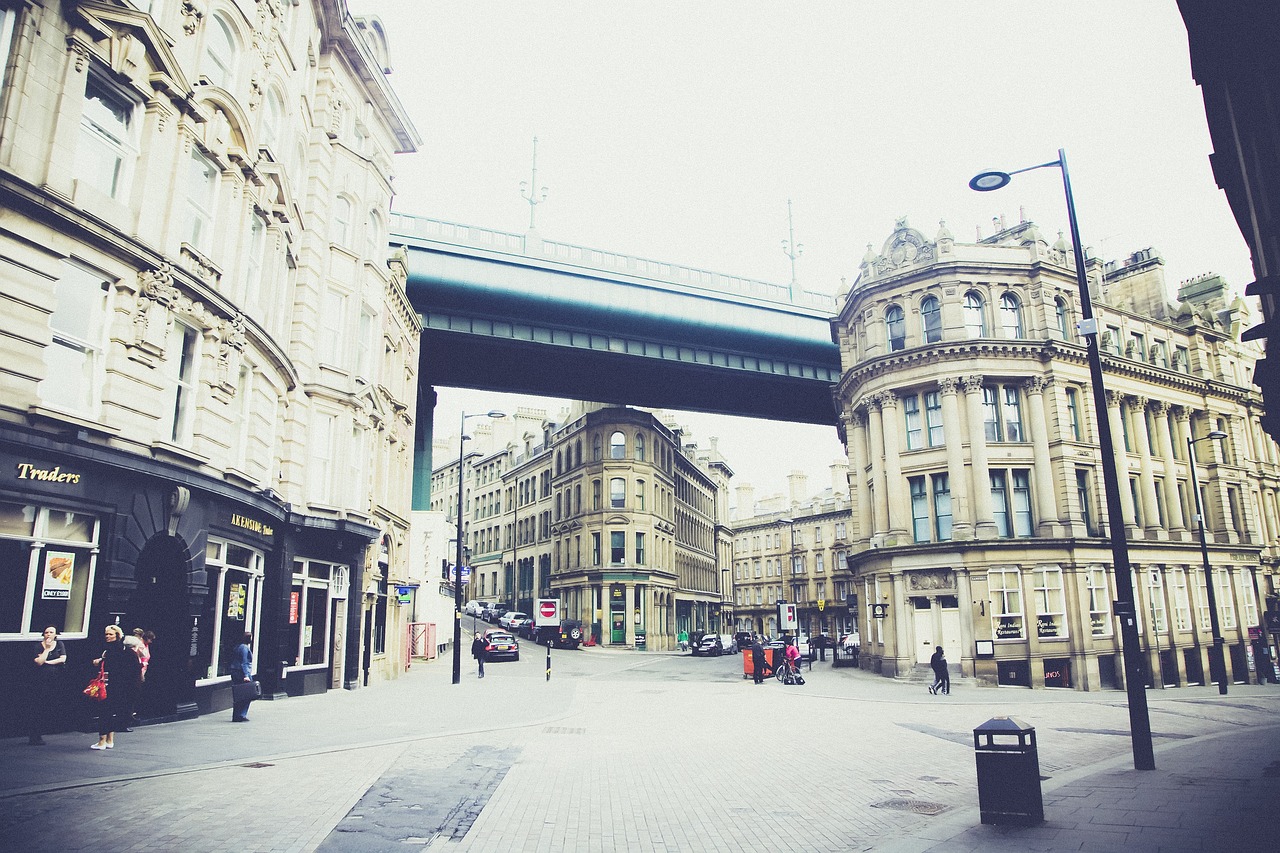
Why go: The Quayside is Newcastle’s postcard: seven bridges, converted warehouses, bars and restaurants, and constant river activity.
History: This was once the gritty working heart of the port, lined with warehouses and noisy cranes. Regeneration in the late 20th and early 21st centuries shifted it towards leisure and culture, keeping the industrial bones but softening the edges.
My experience: I walk this stretch almost weekly. Early mornings are my favourite time – the river mirrors the bridges, dog walkers outnumber tourists, and cafés open slowly. On Sunday market days, it transforms completely, with street food stalls, buskers and crowds.
- Don’t miss: Watching the Gateshead Millennium Bridge tilt (check local times), sunset from the Newcastle side looking west, and the Tyne Bridge lit up at night.
- Family-friendly: Flat, pram-friendly, with plenty of benches and food options.
3. BALTIC Centre for Contemporary Art
Why go: For cutting-edge exhibitions in a converted flour mill, and a superb free viewing deck.
History: BALTIC opened in 2002 in a 1950s grain warehouse, part of the wider Quayside regeneration. It has since hosted international artists and major exhibitions, cementing NewcastleGateshead’s cultural reputation.
My experience: I once stumbled into a performance piece here that involved audience participation and a room full of fog; it’s that sort of place. Sometimes I love the exhibitions, sometimes I leave scratching my head – but I always recommend going, because it’s free and the river views alone are worth it.
Tip: The lift can get busy; if you’re able, use the stairs down at least once and peek into each floor as you go.
4. Sage Gateshead (Concert Hall)
Why go: For world-class acoustics, a diverse music programme, and dramatic architecture.
My experience: I’ve seen everything here from orchestral concerts to folk gigs and experimental electronic sets. Sitting in the upper tiers, looking out through the glass at the river during an interval, is one of those “how lucky am I to live here?” moments.
Good to know: Even if you don’t have a ticket, you can walk inside to the public foyers, grab a drink, and enjoy the view. Check the website for free foyer performances, which are fairly common.
5. Great North Museum: Hancock
Why go: Free, comprehensive overview of natural history and regional archaeology – a perfect rainy-day stop.
My experience: This was one of the first places I explored when I moved to Newcastle. I still remember lingering in the Roman section, tracing the map of Hadrian’s Wall and realising how close this world-famous site sits to the modern city.
Tip: There’s a small café inside, but for better coffee head back towards campus and look for independent spots around Haymarket.
6. Discovery Museum
Why go: To understand how Newcastle helped power the industrial age – ships, turbines, and engineering feats.
Highlight: The full-size steamship model dominating the main hall; kids love it, and adults tend to stand there, quietly impressed.
7. Ouseburn Valley
Why go: For creative studios, live music, street art, indie pubs and an authentic local vibe.
My experience: I’ve spent countless afternoons hopping between small galleries, stopping at the urban farm, then ending with live music and good beer. Ouseburn feels like a village tucked inside the city – creative but unpretentious.
Don’t miss: Street art under the railway arches, the riverside paths, and the contrast between old brick warehouses and new creative spaces.
8. Victoria Tunnel
Why go: To walk through a preserved 19th-century wagonway turned WWII shelter and hear vivid local stories.
My experience: The guides are what make this special – many are locals with family who sheltered here in wartime. Standing in the cool, dim tunnel hearing about air raids overhead is haunting in the best possible way.
Practical: Tours must be booked in advance; wear closed shoes and bring a light layer.
9. St James’ Park (Newcastle United FC)
Why go: Football here isn’t just sport; it’s a civic religion. Even if you’re not a fan, the atmosphere is unforgettable.
My experience: I’ve been both as a neutral spectator and as an adopted Newcastle supporter with friends, and the roar when the team scores is physically overwhelming. On matchdays, the city centre shifts – streets fill with black-and-white shirts and the pubs around Gallowgate swell.
Tip: Stadium tours are available on non-match days and offer great city views from the stands.
10. Grainger Town & Grey Street
Why go: For elegant Georgian architecture, theatre, cafés and the photogenic backbone of the city.
Highlight: Standing at the top of Grey Street by Monument and looking down – especially at golden hour, when the stone glows.
11. Grainger Market
Why go: A historic covered market with butchers, greengrocers, vintage stalls, cheap eats and local characters.
My experience: I do a lot of my grocery shopping here – fruit and veg, cheese, and the occasional ridiculously large slice of cake. It’s also where I send budget-conscious visitors who want to taste local food in Newcastle without paying tourist prices.
12. Newcastle Cathedral (St Nicholas)
Why go: A quiet, historic sanctuary just off the busy shopping streets, with a distinctive lantern tower.
13. Newcastle University & Civic Centre Area
Why go: For leafy campus walks, redbrick buildings, and a feel for the city’s large student population.
14. Jesmond Dene
Why go: A wooded valley park with waterfalls and trails that feel wild despite being in the city.
My experience: On hot summer days, Jesmond Dene is where I escape. The air feels cooler under the trees, and the sound of the Ouseburn stream drowns out city noise. There’s a small petting zoo area that’s great for kids.
15. Laing Art Gallery
Why go: For a curated collection of British art, changing exhibitions, and a calm, cultured break from shopping streets.
16. The Biscuit Factory
Why go: The UK’s largest independent commercial art gallery, in a converted Victorian warehouse.
My experience: I rarely leave without wanting to buy something – ceramics, prints, jewellery. Even if you’re not in the market, it’s inspiring to browse, and the building itself is lovely.
17. Chinatown & Stowell Street
Why go: For East Asian groceries, Chinese restaurants, and the impressive decorative arch.
18. Angel of the North

Why go: Antony Gormley’s 20-metre-tall steel sculpture has become a symbol of the North East.
My experience: The first time I visited, it was blowing a gale, and the Angel really did feel like it might just lift off. Up close, the scale and simplicity are striking, and you can see how locals have adopted it with pride.
19. Tynemouth & Longsands Beach
Why go: A charming seaside town with a ruined priory, surf beach, and independent shops and cafés.
20. Whitley Bay & St Mary’s Lighthouse
Why go: Another classic North East seaside choice with a long promenade and a tidal island lighthouse you can walk to at low tide.
Neighbourhoods & Areas to Explore
City Centre & Grainger Town
The heart of Newcastle: Grey Street, Monument, Grainger Market, and the main shopping areas. Perfect for first-time orientation and architecture lovers.
Quayside
Riverside walks, bridges, nightlife, Sunday market. Ideal for couples, photographers and anyone wanting iconic city views.
Ouseburn
Creative, slightly scruffy in the best way, full of studios, small venues and independent pubs. Great for live music and craft beer.
Jesmond
Leafy, studenty, and relatively upscale, with lots of cafés, bars and restaurants along Osborne Road. Good area to stay if you want somewhere a bit quieter than the centre but still lively.
Heaton & Sandyford
Residential, local, full of small eateries and vintage shops. Less polished, more “real life Newcastle”.
Gateshead
Across the river: Sage, BALTIC, the Angel of the North, and residential areas on the hills with big views back to the city.
Local Food in Newcastle & Where to Eat
What to Try
- Stottie cake: A dense, round North East bread, perfect for hearty sandwiches.
- Panackelty / Panacalty: Traditional casserole of meat and root vegetables, comforting on cold days.
- Pease pudding: Savoury spread made from split peas, often in sandwiches with ham.
- Local ales: Sample North East beers in traditional pubs.
- Fish and chips: Best enjoyed at the coast in Tynemouth or Whitley Bay.
Budget-Friendly Eats
I regularly send visitors to:
- Grainger Market: For cheap, hearty lunches – pizza slices, sandwiches, global street food.
- Small independent cafés in Ouseburn and Heaton for good coffee and brunch without central prices.
Mid-Range & Date Night
For couples or friends wanting a special meal without blowing the budget, look for places on or just off Grey Street, in Jesmond, or overlooking the river on the Quayside. Book ahead on Friday and Saturday nights.
Pubs, Bars & Craft Beer
Newcastle’s pub culture is a key part of its charm. Around the Bigg Market you’ll find louder, stag-and-hen nightlife; in Ouseburn and Jesmond the vibe is more relaxed and local. Ask bartenders for recommendations of local ales – they’ll usually be happy to chat.
Nightlife, Entertainment & Cultural Experiences
Newcastle’s reputation for nightlife is legendary, but it’s not all high heels and freezing queues (though you’ll see plenty of that on a Saturday night). You can tailor your evenings to your style:
For Live Music & Gigs
- Small venues in Ouseburn for indie bands, jazz, and experimental nights.
- Larger venues and arenas for big touring acts – check listings in advance.
Theatre & Comedy
Theatre Royal on Grey Street hosts touring West End shows, ballet and drama. Smaller theatres and comedy clubs around the centre round out the scene.
Family-Friendly Evenings
Evening walks along the Quayside, early dinners, and occasional special events (light festivals, markets) are great with children. The city feels generally safe and walkable up to fairly late.
What’s New: Events & Festivals 2026–2027
Newcastle’s annual events calendar keeps evolving. In 2026–2027, look out for:
- Newcastle International Film Festival (Spring 2026): Screenings, talks and workshops across city venues.
- NewcastleGateshead Winter Festival (Nov 2026 – Jan 2027): Christmas markets, ice rinks and light installations along the Quayside and city centre.
- Great North Run (September each year): The world’s largest half marathon. Even if you’re not running, the city’s energy that weekend is electric.
- Newcastle Pride / Northern Pride (Summer 2026): One of the biggest LGBTQ+ events in the North, with parades, music and community events.
- Chinese New Year in Chinatown (Jan/Feb 2027): Dragon dances, fireworks and food stalls around Stowell Street.
Check local tourism and venue websites closer to your visit for exact dates and new additions; the city’s cultural scene is dynamic, with pop-up festivals and one-off events appearing regularly.
Day Trips & Nearby Attractions
Hadrian’s Wall Country
As described in the itineraries, sections like Housesteads and Chesters are easily reached by train/bus or organised tours. Perfect for history lovers and hikers.
Durham
A short train ride brings you to cobbled streets, a riverside loop, and one of the most impressive cathedrals in Britain.
Northumberland Coast
If you have a car, consider a day trip to Bamburgh Castle or Alnwick (famous for its castle and gardens). The coast up here is wild and beautiful.
Cultural Etiquette & Local Customs
Newcastle is relaxed and welcoming, but a few local habits are worth knowing.
General Behaviour
- Queuing: British queuing etiquette is strong. Always join the end of the line and avoid pushing in.
- Politeness: “Please”, “thank you” and “sorry” are used frequently. A smile and a quick “cheers” go a long way.
- Conversation: Locals are chatty. Don’t be surprised if someone comments on the weather or asks where you’re from.
Pubs & Tipping
- You usually order and pay at the bar, then take your drinks to your table.
- Tipping in pubs is not expected; in restaurants, 10–12.5% is appreciated for good service.
- Last orders are often around 11pm–midnight, though some bars and clubs stay open later.
Dress & Nightlife
Newcastle has a reputation for underdressing in cold weather on nights out. Don’t feel you need to copy this – wear what’s comfortable. Some clubs have dress codes (no sportswear, etc.), but most bars are casual.
Practical Travel Tips for Newcastle
Getting Around
- On foot: The city centre, Quayside and Ouseburn are very walkable, though steep steps connect the Quayside with the central “top” of town.
- Metro: Two lines connecting the airport, city and coast. Get a day ticket if you’re making multiple journeys (especially to Tynemouth/Whitley Bay).
- Buses: Serve suburbs and some surrounding towns. Contactless payment generally accepted.
- Trains: Newcastle Central is a major hub for national and regional routes.
Car Rental & Driving
For a trip focused on Newcastle plus Tynemouth, you don’t need a car. If you’re exploring Northumberland or Hadrian’s Wall in depth, a car offers flexibility.
- Drive on the left; seatbelts required for all.
- Foreign driving licences are generally accepted for short visits; check UK government guidance for your specific country.
- Parking in the city centre can be expensive; use park-and-ride or accommodation parking where possible.
SIM Cards & Connectivity
UK prepaid SIMs are easy to buy from supermarkets, phone shops and even some convenience stores. Main providers include EE, O2, Vodafone and Three. Airport kiosks often sell tourist packages with generous data; city-centre options are usually cheaper.
Money-Saving Tips
- Free attractions: Many of Newcastle’s museums and galleries (Great North Museum, Discovery, Laing, BALTIC) are free.
- Transport passes: Use day passes on Metro and buses if you’re making more than two trips.
- Lunch deals: Many restaurants offer cheaper set lunch menus compared to dinner.
- Self-catering: Grainger Market is excellent for affordable fresh produce.
Where to Stay
- City Centre: Best for first-time visitors who want to walk everywhere and be close to nightlife.
- Quayside: River views and easy access to bridges and cultural venues.
- Jesmond: Slightly quieter, studenty vibe, good for longer stays and those who prefer leafy streets.
Visa Requirements
Newcastle is in England, United Kingdom. Visa requirements depend on your nationality and length/purpose of stay. Check official UK government sources or your local embassy well before travelling. Many visitors from Europe, North America, parts of Asia-Pacific and elsewhere can enter visa-free for short stays, but rules do change.
Safety
Newcastle feels generally safe. Normal big-city precautions apply: watch your belongings in crowded areas, be cautious late at night around heavily intoxicated crowds, and use licensed taxis or ride-hailing apps if you’re unsure about walking back.
Best Seasons & Weather
- Spring (March–May): Increasingly mild, blossom in parks, fewer crowds. Great for city walks and early coastal trips.
- Summer (June–August): Long days, outdoor events, busy Quayside and beaches. Best for a 4 or 5 day itinerary for Newcastle that includes the coast.
- Autumn (Sept–Nov): Colourful Jesmond Dene, cooler but often clear days. Good for cultural experiences in Newcastle and cosy pub evenings.
- Winter (Dec–Feb): Short days, Christmas markets and winter festivals. Weather can be cold and damp, but city attractions stay lively.
Summary: Key Takeaways & Final Recommendations
Newcastle is one of those cities that surprises people. They arrive expecting cheap nights out and maybe a football match; they leave talking about elegant Georgian streets, riverside walks, the friendliness of strangers, and how easy it was to pop to the beach or a Roman wall.
For a 3 day itinerary for Newcastle, focus on the city centre, Quayside, Ouseburn and a quick coastal visit. With 4 days in Newcastle, layer in museums, Jesmond Dene and Gateshead’s cultural venues. A 5 day itinerary for Newcastle lets you add a full-day trip to Hadrian’s Wall or Durham without rushing.
In terms of timing, late spring to early autumn (May–September) offers the best balance of weather and long days, particularly if you want to enjoy the coast and outdoor events. Winter brings cosy pubs, festive lights and fewer crowds – ideal if you’re more drawn to museums, galleries and nightlife.
Whatever season you choose, lean into the city’s strengths: walk as much as possible, talk to locals, eat well in independent spots, and don’t be afraid to wander off the main streets. That’s where the real Newcastle – the hidden gems, the unexpected views, the stories – tends to reveal itself.