Why Visit Dover, UK?
If you know Dover only as “that place with the ferries,” you’re in for a surprise. Dover is where England quite literally meets the rest of the world: white cliffs plunging into the Channel, medieval castles guarding the coast, and busy harbor life humming alongside quiet, old-town streets. I’ve been coming back to Dover for years—sometimes as a quick stop before a ferry, sometimes for long weekends—and every visit reminds me that it’s not just a gateway; it’s a destination in its own right.
Dover blends dramatic coastal scenery with layers of history: Iron Age hillforts, Roman lighthouses, medieval tunnels, wartime bunkers, and a working port that still feels like the front line between Britain and Europe. It’s compact enough to explore on foot, but rich enough that you can easily fill 3–5 days (or more) with memorable experiences. Whether you’re planning 3 days in Dover, a 4 day itinerary for Dover, or a full 5 days in Dover, this in-depth travel guide for Dover will help you plan like a local.
From sunrise walks along the White Cliffs of Dover to cozy pub dinners, from hidden coves to WWII tunnels, from family-friendly days out to romantic cliff-top sunsets, Dover has a way of slowing you down and making you appreciate the details: sea light on chalk, the sound of gulls over the harbour, and the quiet dignity of centuries of history.
Table of Contents
- Why Visit Dover
- Dover at a Glance (2026 Update)
- Suggested 3–5 Day Itineraries
- Neighbourhoods & Areas to Explore
- 20+ Must-See Attractions in Dover
- Local Food in Dover & Where to Eat
- Nightlife, Entertainment & Cultural Experiences
- Best Day Trips from Dover
- Cultural Etiquette & Local Customs
- Practical Travel Advice for Dover (2026–2027)
- Best Time to Visit Dover
- Summary & Final Recommendations
Dover at a Glance (2026 Update)
Dover sits on the southeast coast of England in Kent, about 75–90 minutes by high-speed train from London St Pancras. It’s a working-class port town with a proud maritime and military heritage, framed by the iconic White Cliffs and crowned by Dover Castle high on the hill.
What’s New in 2026–2027
- Dover Waterfront Revamp (Phase 2) – The seafront promenade has been expanded with more seating, improved cycle paths, and art installations celebrating Dover’s seafaring history.
- White Cliffs Conservation Trails – New waymarked routes with upgraded signage and viewpoints make cliff walks safer and more accessible.
- Events 2026–2027
- Dover Regatta 2026 & 2027 (August) – Sailing races, live music, food stalls along the seafront.
- White Cliffs Festival of Light 2026 (October) – Evening light projections on the cliffs and harbour buildings (launched 2025, expanding in 2026).
- Dover Castle Medieval Weekend 2027 (May) – Jousting demo, reenactments, and living history camps.
Recommended Itineraries: 3, 4 & 5 Days in Dover
Below are flexible itineraries you can mix and match depending on how many days you have. I’ve structured them as if I’m taking you around personally, based on multiple trips in different seasons.
4 Day Itinerary for Dover – My Classic Plan
This is my favourite way to experience Dover if you can spare four days: enough time for the must-see attractions, a cliff walk or two, and some slower local moments.
Day 1 – Castle, Cliffs & Harbour First Impressions
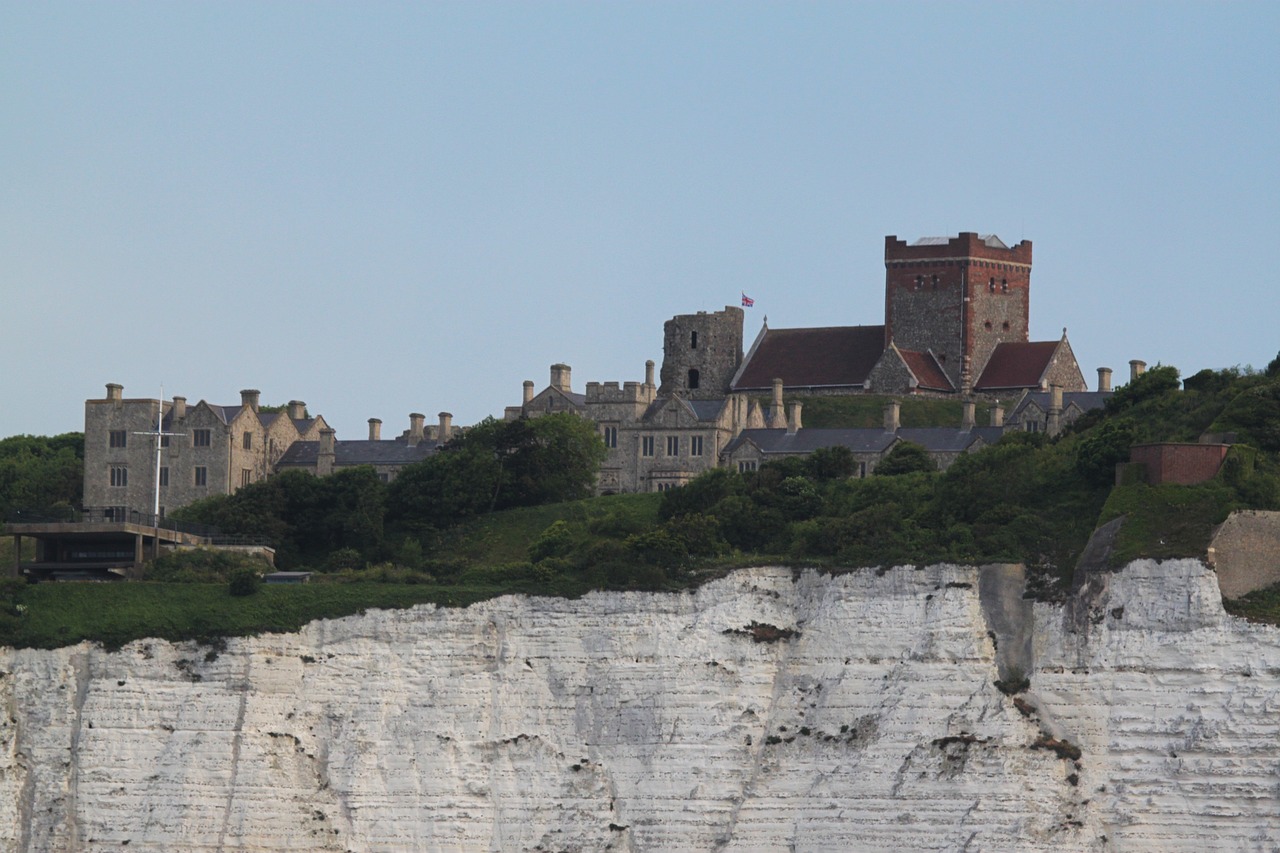
I usually arrive mid-morning by train at Dover Priory, drop my bag at my guesthouse near the seafront, and head straight uphill to Dover Castle. It’s a steep but rewarding 20–25 minute walk, or a short taxi ride if you’ve got luggage or kids in tow.
Morning: Dover Castle – Allow at least 3–4 hours; I’ve easily spent full days here. Start with the Great Tower, where English Heritage has recreated Henry II’s court with colourful furnishings and costumed guides. The rooftop gives you a sweeping view across the Channel; on clear days you can make out the French coast as a faint grey line.
Don’t miss the Roman lighthouse (Pharos) and the Saxon church of St Mary in Castro, quietly tucked inside the castle site. I like to sit here for 10 minutes between the more intense exhibits; there’s something grounding about these older, less flashy layers of history.
Tip: Book tickets online in advance, especially in summer weekends and school holidays, and arrive near opening time to beat coach groups. Wear layers—the wind can be bracing even in July.
Lunch: Grab a simple lunch at the castle café (the pasties and soups are surprisingly decent) or bring a picnic; there are grassy spots with spectacular views.
Afternoon: Secret Wartime Tunnels – Join one of the guided tours into the Secret Wartime Tunnels. Every time I go I notice a new detail—scribbled notes on walls, maps with faded pencil lines, the hum of recorded voices recreating the Dunkirk evacuation command centre. It’s one of the most powerful cultural experiences in Dover, especially if you’re interested in WWII history.
Late Afternoon: Seafront Stroll – Walk down to the seafront via Castle Hill Road, pausing at viewpoints that reveal the castle dramatically perched above town.
Stroll along the Esplanade and the newly improved waterfront. Watch ferries glide in and out, and see local kids fishing off the pier. If you’re jet-lagged, this is a gentle way to reset.
Dinner: For an easy first night, I like a classic pub meal near the harbour—fish and chips, a Kentish ale, and a table by the window. Ask what local catch is on; Dover sole, when available, is a treat.
Day 2 – White Cliffs, South Foreland & St Margaret’s Bay
Day 2 is all about sea air and those iconic chalk cliffs. This is one of the great things to do in Dover and a highlight of any 3 day itinerary for Dover or longer trip.
Morning: White Cliffs of Dover National Trust Site – Start from the National Trust Visitor Centre (a short taxi from town or a 25–30 minute uphill walk). I like to arrive around 9–10am before the midday crowds. From the car park, several trails fan out along the cliff edge and inland.
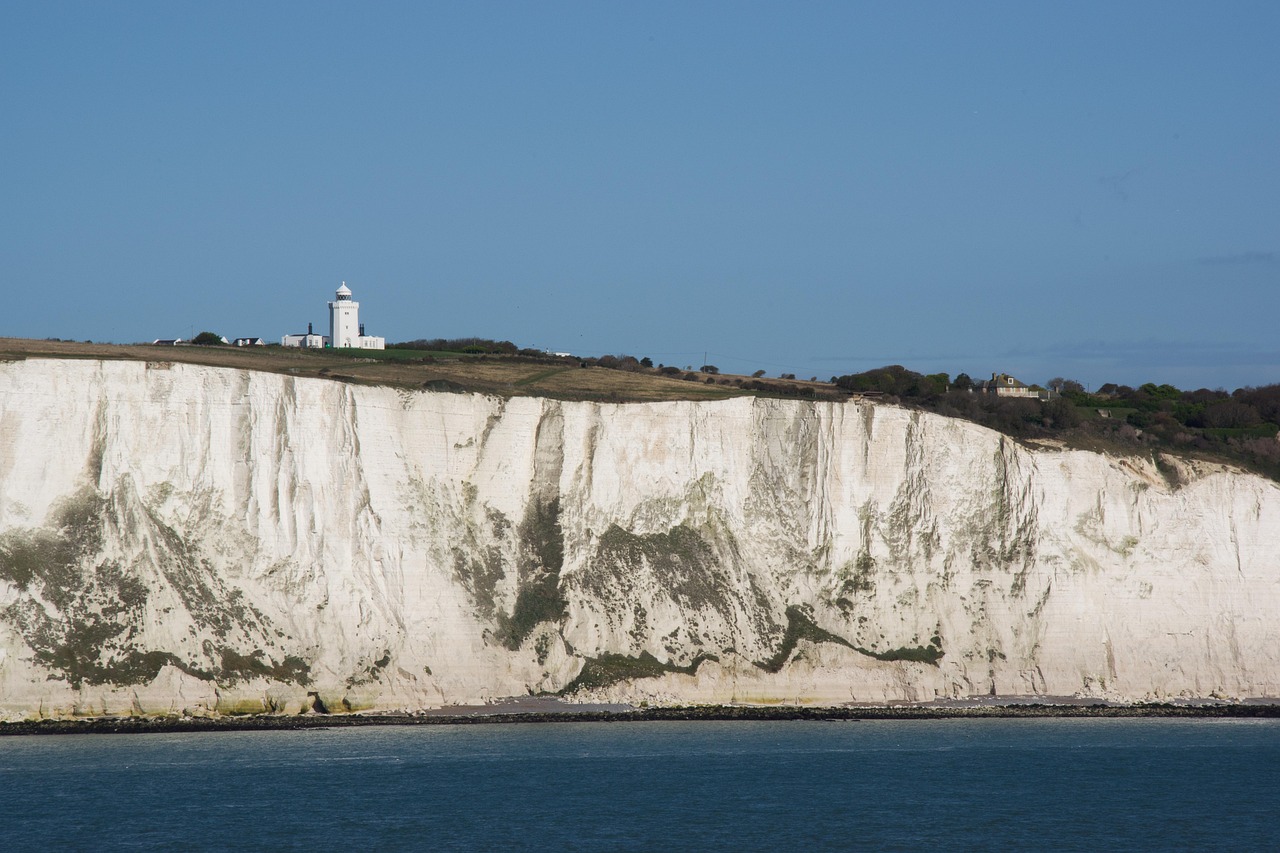
Walk towards South Foreland Lighthouse (around 3.5 km one way). The path undulates gently along the cliff tops, with jaw-dropping views of chalk walls dropping into inky-blue sea, ferries leaving white wakes, and wildflowers in spring and early summer.
Safety tip: The cliffs are actively eroding. Stay well behind the edge, especially after rain. You’ll still get outstanding views.
Midday: South Foreland Lighthouse – When you reach the lighthouse, treat yourself to tea and cakes in the National Trust tea room (their scones have restored my energy on many a windy hike). You can climb the lighthouse on a guided tour; the views across the Channel are unbeatable, and the guides are full of stories about Victorian engineering and Marconi’s radio experiments.
Afternoon: St Margaret’s Bay – From the lighthouse, either loop back or continue down to St Margaret’s Bay, a shingle cove nestled under the cliffs. On my last spring visit, I spent an hour here just watching hardy swimmers and dogs charging into the waves. There are a couple of cafés and a pub; perfect for a late lunch or an early drink.
Return: You can hike back the way you came (my preference on long summer days) or catch a local bus/taxi from St Margaret’s back to Dover.
Dinner: Head into Dover town and try one of the small family-run restaurants—Indian, Turkish, or classic British. This is where you begin to discover the local food in Dover beyond the obvious fish and chips.
Day 3 – Town, Museums & Kearsney Abbey Gardens
After two big days on hills and cliffs, I plan a slightly gentler third day exploring Dover’s town centre and green spaces.
Morning: Dover Museum & Bronze Age Boat – Start at the Dover Museum in the town centre. The star is the Bronze Age Boat, one of the oldest known seagoing vessels in the world. Every time I stand in front of it, I feel the weight of time: people have been crossing this strait for thousands of years.
Exhibits on Roman Dover, medieval trade, and wartime life round out the story. It’s family-friendly, with interactive displays and a manageable size that won’t overwhelm kids.
Late Morning: Town Centre & Charlton Green – Wander through the pedestrianised shopping streets, then veer off into side streets with terraced houses and small local shops. Pop into a bakery for a sausage roll or a slice of Victoria sponge.
Afternoon: Kearsney Abbey & Russell Gardens – Catch a short bus ride (or drive) to Kearsney Abbey and Russell Gardens, a local favourite and one of my personal hidden gems in Dover for a lazy afternoon.
This park features a mirror-like lake, weeping willows, walking paths, and a modern tearoom. I’ve spent many afternoons here with a book and a takeaway coffee. Kids love feeding ducks; couples linger on benches; locals walk their dogs.
Dinner: Back in town, try a harbour-view restaurant or a small bistro tucked into the older streets towards the western docks.
Day 4 – Hidden Forts, Western Heights & Free Time
On your final day, explore some of Dover’s lesser-known but fascinating defensive sites and leave room for anything you missed.
Morning: Western Heights & Grand Shaft – The Western Heights fortifications loom above the western side of town. They’re more rugged and overgrown than Dover Castle, and exploring them feels like discovering a secret.
Walk up from town (a good 20–30 minutes uphill) or drive to one of the small car parks. Trails weave through grassy ramparts and ruined barracks. On certain open days, volunteers open the Grand Shaft, a remarkable triple-helix staircase dropping down towards the harbour. Descending it is a bit eerie and very memorable.
Afternoon: Free Time & Shopping – Use the afternoon to revisit a favourite spot, squeeze in an extra walk on the cliffs, or shop for local goodies—Kentish wines, local cheeses, fudge, and sea-themed souvenirs.
Evening: Farewell Seafront Walk – On my last night in Dover, I always take one final stroll along the promenade, watching the harbour lights and listening to the soft boom of waves on shingle. It’s a quiet, reflective way to say goodbye.
3 Day Itinerary for Dover – Short but Packed
If you only have 3 days in Dover, you can still see all the must-see attractions in Dover with a bit of planning.
- Day 1: Dover Castle (including Secret Wartime Tunnels) + seafront.
- Day 2: White Cliffs walk to South Foreland Lighthouse + St Margaret’s Bay.
- Day 3: Dover Museum, town centre, quick visit to Western Heights or Kearsney Abbey depending on your interests.
Compressing like this makes it ideal for a long weekend or as part of a broader Kent itinerary.
5 Day Itinerary for Dover – Slow & In-Depth
If you’re lucky enough to have 5 days in Dover, you can settle in like a local and explore more hidden gems in Dover and nearby.
- Days 1–3: Follow the 3 day itinerary above.
- Day 4: Western Heights, Grand Shaft, Kearsney Abbey.
- Day 5: Day trip to Canterbury, Deal, or Sandwich (see Day Trips), then a final evening by the harbour.
Dover’s Neighbourhoods & Areas to Explore
1. Dover Town Centre
The compact town centre is where you’ll likely spend a lot of your time: Dover Museum, shops, cafes, and easy access to the seafront. It’s not polished like some tourist towns; expect a working port atmosphere, practical shops, and a mix of old and new architecture. I enjoy wandering small side streets to find independent cafes and charity shops (thrift stores) with surprisingly good finds.
2. Seafront & Marina
The seafront has seen real improvement in recent years, with a wider promenade, better lighting, and some modern apartment blocks overlooking the water. This is where you’ll find leisurely strolls, ice creams, and sunset views. The marina area is particularly atmospheric in the golden hour, with masts silhouetted against the sky.
3. Eastern Docks & White Cliffs Approach
To the east of the town centre, roads and paths lead towards the White Cliffs Visitor Centre. Industrial in parts (this is a working port, after all), but as you climb, the views open up and the sense of space is exhilarating. It’s also where you see the contrast between modern traffic and timeless cliffs.
4. Western Heights
High above the western side of town, this area is criss-crossed with trails past old Napoleonic fortifications and viewpoints overlooking the harbour. It’s quieter than the White Cliffs, frequented by dog walkers and history buffs. I like coming up here late afternoon for hazy views and a sense of stepping out of the present.
5. Kearsney & River
Just outside central Dover, the villages of Kearsney and River are green and suburban, edging onto the landscaped Kearsney Abbey and Russell Gardens. This is where you’ll get a taste of everyday local life—kids at the playground, dog walkers, teens on bikes, and older residents sitting on benches swapping stories.
6. St Margaret’s-at-Cliffe & St Margaret’s Bay
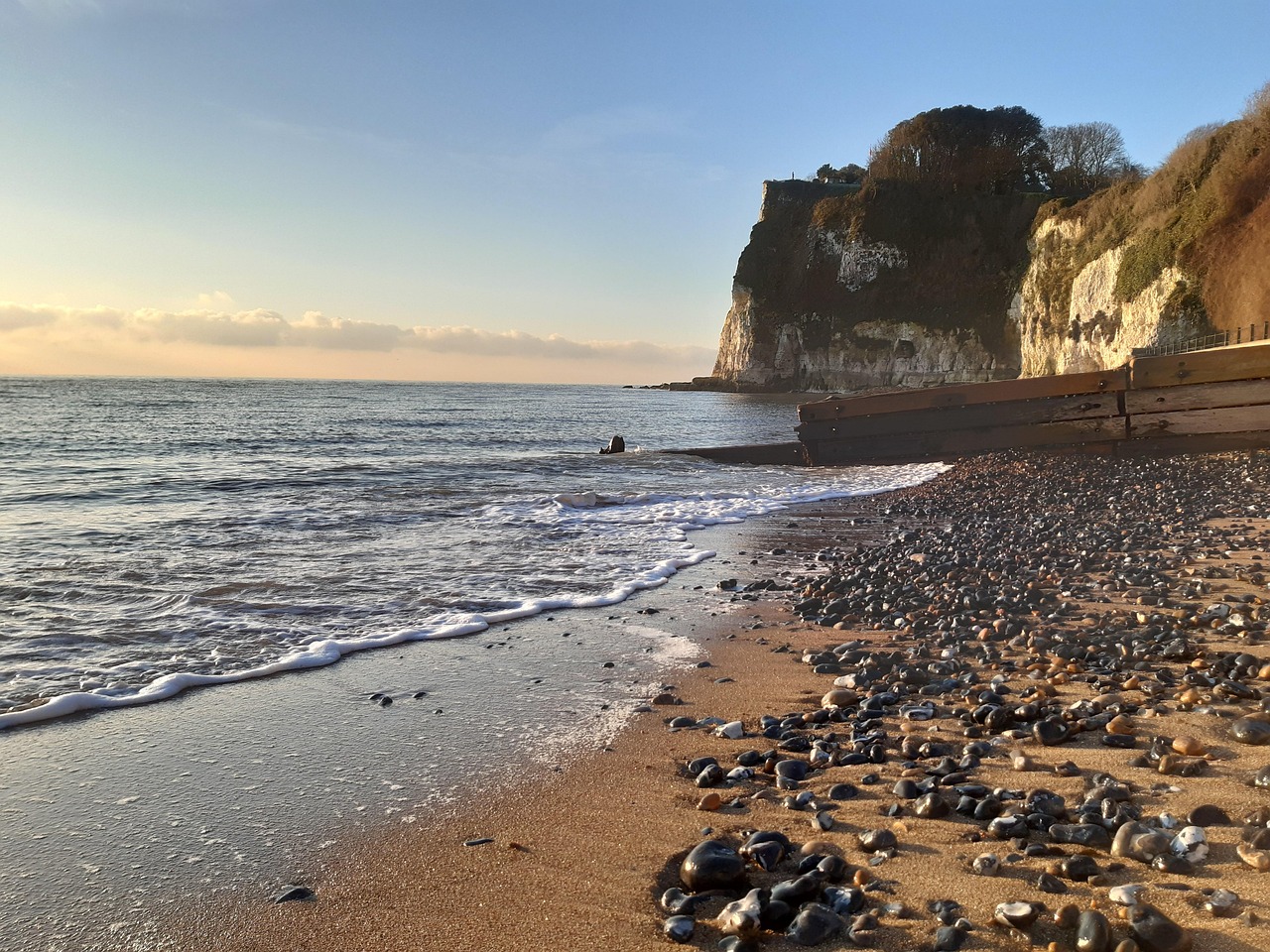
Technically separate from Dover but closely linked, St Margaret’s is a pretty village on the cliff tops east of town, with a steep road down to the bay. It feels like a hidden holiday enclave—white-painted houses, a shingle beach, chalk cliffs at your back. It’s ideal for a romantic walk, an adventurous swim, or a family afternoon by the sea.
20+ Must-See Attractions in Dover (With Local-Style Insights)
Below are the best places to visit in Dover, from iconic landmarks to lesser-known spots. Each subsection includes history, significance, and personal tips.
1. Dover Castle
Why go: If you see only one thing in Dover, make it this. Known as the “Key to England,” Dover Castle has guarded the Channel for over 900 years.
History & Significance: First fortified in the Iron Age, then by the Romans, the site was developed into a huge stone castle by Henry II in the 12th century. Over the centuries it’s been adapted for changing warfare: medieval sieges, Napoleonic fears, WWII command centre. You can feel those layers as you move through it.
My experience: On my first visit years ago, I underestimated how long I’d want to stay and had to rush the last parts. Since then, I always set aside a full day. My favourite moment is always climbing up to the roof of the Great Tower on a windy day and watching ferries trail white lines across the Channel.
Highlights: Great Tower, medieval tunnels, Roman lighthouse, Saxon church, wartime tunnels, and sweeping views.
Tips for visitors: Arrive early, buy tickets online, and wear good shoes; there are lots of steps and uneven surfaces. Families should pick up the kids’ activity trails at the entrance for added fun.
2. White Cliffs of Dover (National Trust)
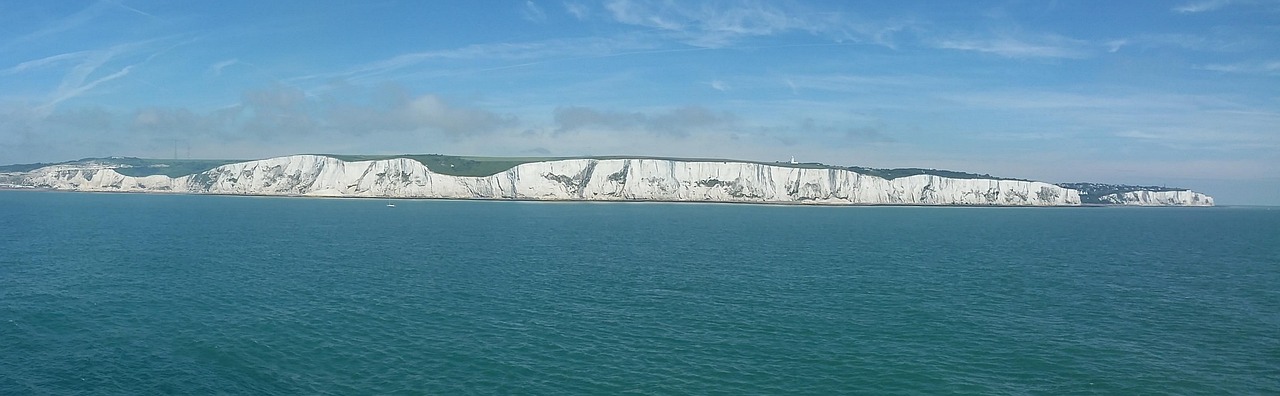
Why go: The White Cliffs of Dover are more than a postcard; they’re a symbol of Britain, immigration, defense, and homecoming. Seeing them up close is an emotional experience for many visitors (and locals).
History & Significance: Composed of chalk formed millions of years ago, the cliffs have long been the first or last sight of England for sailors, migrants, and soldiers. They’ve inspired songs, poems, and wartime propaganda—all projecting the cliffs as steadfast guardians of the realm.
My experience: I’ve walked the cliff paths in all kinds of weather: sun, fog, even a bit of sleet. My favourite is a clear, breezy spring day when wildflowers speckle the path and larks are singing overhead. I always pack layers and a thermos of tea; there’s nothing quite like sipping something hot while staring at the endless horizon.
Tips: Start at the National Trust Visitor Centre, use marked trails, and keep children well away from the edge. Early morning and late afternoon light are magical for photos.
3. Secret Wartime Tunnels (Dover Castle Complex)
Why go: One of the most powerful cultural experiences in Dover, especially for history enthusiasts.
History: The tunnels were carved into the cliffs during the Napoleonic era and extensively used during WWII as a command centre, including for Operation Dynamo (the Dunkirk evacuation). Later they were adapted for Cold War purposes.
My experience: The first time I walked through, the combination of underground chill, recorded radio chatter, and wartime maps gave me goosebumps. It’s immersive but not sensationalist; you come away with a real sense of the pressure people worked under.
Tips: Tours can book up on busy days; check timings when you arrive at the castle. Bring a light jacket—the tunnels are cool year-round.
4. Roman Lighthouse (Pharos) & St Mary in Castro
Why go: To stand next to one of the best-preserved Roman lighthouses in the world and a Saxon church built beside it.
History: The Pharos once guided Roman ships into the harbour at Dubris (Roman Dover). The adjoining church of St Mary in Castro dates from the 10th–11th century and has been restored; it’s still used for services.
My experience: Tucked away within the castle grounds, this pair of buildings feels like a quiet time capsule. I like slipping inside the church for a few minutes of stillness between the busier parts of the castle.
5. Dover Museum & Bronze Age Boat Gallery
Why go: Compact but rich, this museum is essential for understanding Dover’s deep maritime roots.
Highlight: The Bronze Age Boat, discovered during roadworks in 1992, dates from around 1550 BC and is one of the oldest known sea-going vessels. The gallery explaining how it was built, used, and preserved is fascinating.
My experience: I love how this exhibit reframes Dover as a crossing point long before ferries—people have been making this journey for millennia.
6. South Foreland Lighthouse
Why go: Classic white lighthouse perched on chalk cliffs, with big skies and windswept views.
History: Built in the mid-19th century, it was the first lighthouse powered by electric light and associated with Guglielmo Marconi’s early radio experiments. Now managed by the National Trust.
My experience: I’ve visited on stormy days when the wind almost knocked me sideways and on calm days when the Channel looked like glass. The climb up the internal staircase feels like ascending into a bright, airy capsule above the world.
7. St Margaret’s Bay
Why go: A shingle beach tucked under the cliffs, with a mix of locals and in-the-know visitors.
History & Vibe: The bay has long been a favourite with holidaymakers and writers. Houses along the bay once hosted famous figures, and you still feel a somewhat bohemian, tucked-away charm here.
My experience: I’ve spent lazy afternoons here with my feet in the water, watching Channel swimmers training. It’s romantic at sunset, family-friendly earlier in the day, and adventurous if you like cold-water swims.
8. Western Heights & Drop Redoubt
Why go: A sprawling complex of Napoleonic-era fortifications with excellent views and a slightly wild feel.
History: Built in the late 18th and 19th centuries to repel possible French invasion, the Western Heights include the Drop Redoubt, Citadel, and Grand Shaft. Some parts are accessible on open days with volunteer-led tours.
My experience: Exploring the Drop Redoubt during a volunteer open day felt like stepping into a secret world. Bring a torch (flashlight) for some of the darker corners if permitted, and be prepared for uneven ground.
9. Grand Shaft
Why go: A triple-helix staircase spiralling down through the cliffs—one of Dover’s most unusual architectural features.
History: Built in the early 1800s to allow troops to move quickly between the barracks and the town/harbour below. It’s an engineering curiosity and a bit of a hidden gem in Dover’s defensive network.
My experience: Descending the intertwined staircases is mildly dizzying but fascinating. On a quiet day you can hear your footsteps echoing off the brick walls.
10. Kearsney Abbey & Russell Gardens
Why go: A peaceful parkland with a lake, landscaped gardens, and a modern café—perfect for families and anyone needing downtime.
History: Once part of a country estate, the grounds have been opened and developed as public parks. Recent restoration projects have enhanced water features and historical design elements.
My experience: I like to come here on longer stays to recharge. I’ve watched toddlers chase bubbles near the café, teens practising photography, and pensioners feeding ducks—all the rhythms of everyday English park life.
11. Dover Seafront & Promenade
Why go: For relaxed walks, sea views, and people-watching.
Highlights: Wide promenade, pebble beach, harbour views, and seasonal events like the Dover Regatta. On summer evenings, it’s lively with families, joggers, and teens with skateboards.
My experience: I’ve walked this promenade in pouring rain with my hood up and on balmy evenings with ice cream in hand. Both have their charm, but if you get a clear sunset, don’t miss it.
12. Dover Transport Museum
Why go: Great for families and anyone with a soft spot for vintage vehicles.
What’s inside: Old buses, cars, motorbikes, shop fronts, and transport memorabilia. Kids can get close to the exhibits, and volunteers often share stories about the vehicles’ origins.
My experience: I spent a rainy afternoon here once and was surprised how much I enjoyed it—especially the recreated old shopfronts that evoke mid-20th century Dover streets.
13. Samphire Hoe Country Park
Why go: A modern landscape created from Channel Tunnel excavations, sandwiched between sea and cliffs.
History: Built from millions of tons of chalk marl excavated during the construction of the Channel Tunnel, Samphire Hoe opened in the late 1990s as a nature park. It’s a fascinating example of rewilded industrial land.
My experience: Walking the circular paths here feels otherworldly: sheer cliffs on one side, waves on the other. Spring and early summer bring wildflowers and birdlife; in winter it’s starkly beautiful and often windswept.
14. Roman Painted House
Why go: To see vivid Roman wall paintings preserved in situ—an under-the-radar gem.
History: Discovered in 1970 during construction work, this Roman building (likely part of a mansio, or official lodging house) preserves colourful painted plaster and hypocaust (underfloor heating) remains.
My experience: It’s a small site but atmospheric; I enjoyed chatting with volunteers who clearly love sharing its story. Combine with the nearby town centre for an easy couple of hours.
15. St James’ Church Ruins
Why go: Quiet, evocative ruins of a medieval church heavily damaged in WWII.
History: St James’ dates back to the 12th century and once served as the church of the Cinque Ports Court. Severe bomb damage during the war led to its partial demolition, leaving atmospheric ruins as a memorial.
My experience: I stumbled on this by accident on a wander through town. Standing among the broken walls, with modern traffic nearby, really brought home how much Dover endured during the war.
16. St Mary the Virgin Church
Why go: Dover’s main parish church, still very much alive with local worship and community events.
History: With roots in the 12th century and later rebuilds, St Mary’s has witnessed centuries of harbour life and war. Inside you’ll find memorials to local seafarers and wartime losses.
My experience: I’ve slipped into the church on market days to sit quietly for a few minutes. It’s a good place to feel Dover’s living community, not just its past.
17. Pencester Gardens
Why go: A central green space used for fairs, markets, and casual relaxing.
Vibe: On sunny weekends you’ll see kids at the playground, locals eating lunch on benches, and sometimes small events or funfairs. Not a “destination” in itself, but a nice everyday slice of Dover.
My experience: I often cut through here on my way between attractions and end up lingering on the grass with a takeaway coffee.
18. Dover Beach
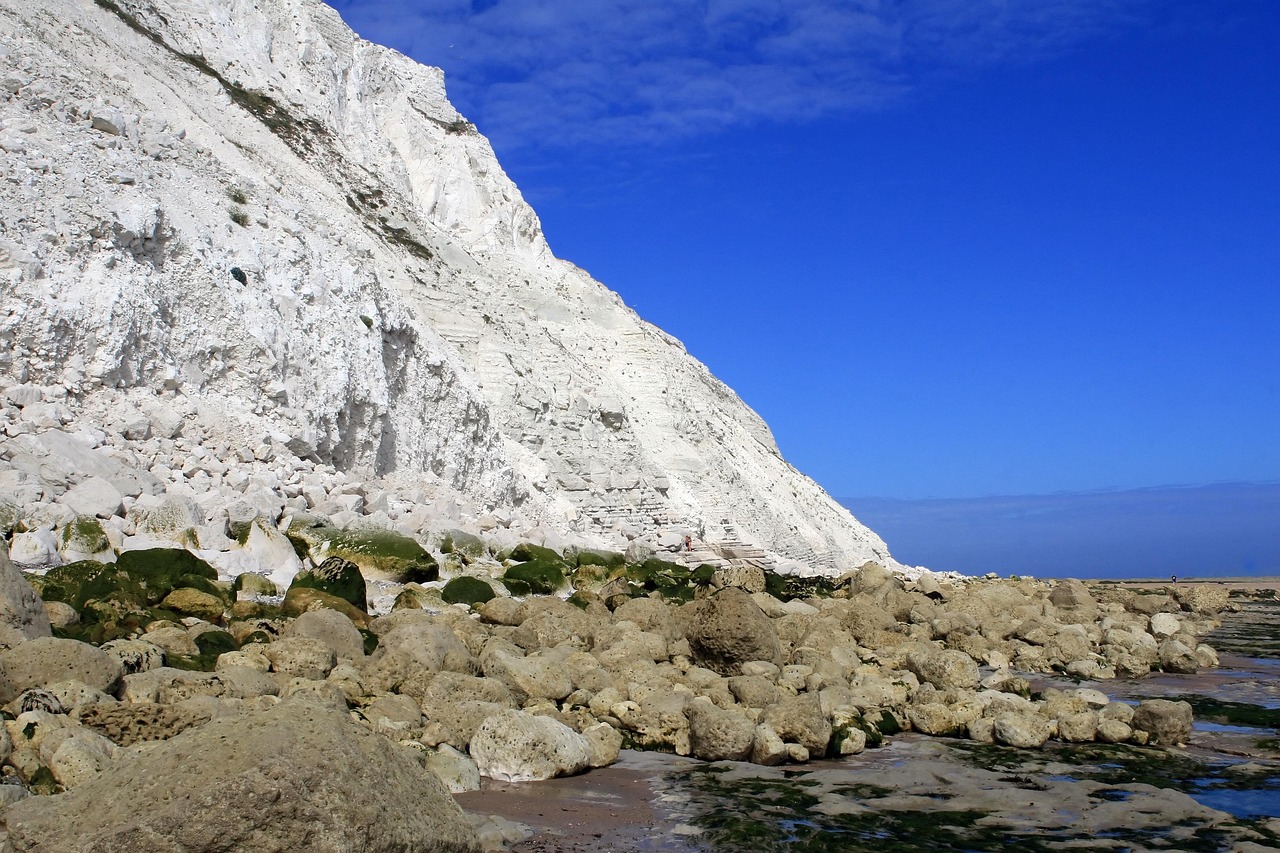
Why go: Pebble beach right next to the harbour, with views of ferries and the castle.
My experience: It’s not a sandy sunbathing beach, but I love sitting on the pebbles listening to the unique clatter of stones as waves pull back. Children seem endlessly entertained by stone-skimming and shell-hunting.
19. Dover Harbour & Boat Trips
Why go: To see the cliffs and harbour defences from the water.
What to expect: Seasonal boat trips run from the marina or seafront, taking you around the harbour and, weather permitting, along the base of the cliffs. Commentary covers history, shipping, and nature.
My experience: Seeing the white cliffs from below really drives home their height. On a calm evening cruise, the light can be spectacular for photos.
20. Old Town Streets & Local Pubs
Why go: Dover’s charm isn’t just in big sights; it’s in the everyday corners—narrow streets, corner pubs, and small shops.
My experience: Some of my favourite Dover memories are of rainy evenings in a low-ceilinged pub nursing a pint of local ale, chatting with regulars about ferry traffic, fishing, or football. Ask the bartender which ale is from Kent; they’re usually happy to recommend.
Local Food in Dover & Where to Eat
Dover’s dining scene is modest but improving, with a mix of traditional British, international options, and a few standout spots. As a port town, seafood is a natural choice, but you’ll also find good curries, Turkish grills, and cosy cafes.
What to Try
- Fresh Fish & Chips – Look for places that fry to order and serve chunky chips and mushy peas.
- Dover Sole – When in season and available, it’s a classic local fish, usually served simply grilled with butter and lemon.
- Kentish Ale & Cider – Local breweries and cider makers produce excellent drinks; try them in pubs or buy bottles to take home.
- Pub Classics – Steak and ale pie, Sunday roasts, and ploughman’s lunches give you a taste of British comfort food.
- Asian & Mediterranean – For variety, Dover has some solid Indian, Turkish, and Italian eateries.
Saving Money on Food
For budget travellers, supermarkets and bakeries are your allies. I often pick up picnic supplies—bread, cheese, fruit, crisps—and eat on the cliffs or in a park. Many pubs offer lunch deals or early-bird menus. Tap water is safe and free in restaurants if you ask politely.
Nightlife, Entertainment & Cultural Experiences in Dover
Dover isn’t a wild nightlife destination, but there’s enough to keep evenings enjoyable.
Pubs & Bars
Traditional pubs are the heart of Dover’s nightlife. Expect friendly locals, televised sports, quiz nights, and occasional live music. As a visitor, you’re welcome—order at the bar, pay as you go, and don’t be shy about starting conversations.
Live Music & Events
Keep an eye out for small live gigs in pubs and occasional events on the seafront or in Pencester Gardens, especially in summer. The Dover Regatta weekend often features evening performances.
Romantic Evenings
For couples, I recommend a sunset walk along the promenade, followed by a harbour-view dinner and perhaps a nightcap in a quiet pub. The seafront is especially atmospheric when the harbour lights come on.
Best Day Trips from Dover
One of the perks of basing yourself in Dover for 4–5 days is how easily you can explore nearby Kent towns.
Canterbury
Travel: Around 30 minutes by train from Dover Priory.
Why go: UNESCO-listed cathedral city with medieval streets, great for cultural experiences and shopping. Ideal for couples and families.
Deal
Travel: 20–25 minutes by train.
Why go: Charming seafront town with a Tudor artillery castle, pebble beach, and independent shops.
Sandwich
Travel: Around 30 minutes by train (sometimes with a change).
Why go: One of the best-preserved medieval towns in England, with timber-framed buildings, riverside walks, and good pubs.
Cultural Etiquette & Local Customs in Dover
Dover shares broader British customs, with a few port-town nuances.
- Queuing: Lines are taken seriously—at bus stops, shops, attractions. Join the back, don’t cut in.
- Politeness: “Please,” “thank you,” and “sorry” go a long way. Staff appreciate friendliness and patience.
- Pubs: Order and pay at the bar unless told otherwise. Tipping is not mandatory but rounding up or leaving 5–10% for table service is appreciated.
- Cliff Safety: Locals are very aware of erosion risks. Respect fences and warning signs; going beyond them is frowned upon and dangerous.
- Noise: Residential streets quieten down by late evening; keep noise levels reasonable when walking home at night.
Practical Travel Advice for Dover (2026–2027)
Getting To & Around Dover
By Train: From London St Pancras, high-speed trains reach Dover Priory in about 75–90 minutes. From London Victoria or Charing Cross, slower trains run via Kent towns.
By Car: About 2 hours from London via the M20 or A2. Parking is available near the seafront and at major attractions, but check local signs.
Local Transport: Dover is walkable, but buses serve Kearsney, St Margaret’s, and nearby areas. Taxis are handy for steeper trips (castle, cliffs) or evenings.
Public Transport vs Car Rental
For a short 3–4 day stay focused on Dover itself, you don’t need a car—trains, buses, and walking are enough. If you plan multiple day trips into the countryside, a rental car can be convenient, but narrow lanes and parking limits in small villages require confident driving.
Foreign Driving Licences
Most visitors can drive in the UK with their home country licence for short stays (up to 12 months), as long as it’s in English or accompanied by an International Driving Permit where required. Always check current UK government guidance before travel.
SIM Cards & Connectivity
In 2026, eSIMs and physical SIMs are widely available. You can pick up tourist-friendly prepaid SIMs at major UK airports, some supermarkets, and phone shops in larger towns (Canterbury has more options than Dover itself). Big networks include EE, O2, Vodafone, and Three. Coverage in Dover is generally good, though cliff-top and tunnel areas can be spotty.
Money & Costs
The currency is the British Pound (GBP). Cards (contactless) are widely accepted—even at small cafés and pubs. Dover is generally cheaper than London, but big attractions like Dover Castle can add up. Look for combination tickets and family discounts, and use free sights (cliff walks, seafront, parks) to balance your budget.
Visas & Entry Requirements
Rules change, so always confirm with official UK government sources before travel. As of mid-2020s norms:
- EU/EEA & many other nationals: Often visa-free for short tourism stays, but subject to passport validity rules and any new electronic travel authorisation schemes.
- Others: May need a visa in advance. Applications usually require proof of accommodation, funds, and return travel.
Safety
Dover is generally safe for visitors. Use common sense: keep valuables secure, be aware at night around the station and quieter streets, and follow cliff safety guidance. In an emergency, dial 999 for police, fire, or ambulance.
How to Save Money in Dover
- Walk or use buses instead of taxis where possible.
- Pack picnics for cliff days instead of eating only at cafés.
- Check for English Heritage membership if visiting several sites across England.
- Focus on free attractions: White Cliffs trails, seafront, Western Heights, parks, church visits.
Best Time to Visit Dover
Each season offers a different feel, and your ideal time depends on what you want to do.
- Spring (March–May): My personal favourite. Wildflowers on the cliffs, longer days, and fewer crowds. Great for hiking and photography.
- Summer (June–August): Warmest weather, longest days, and busiest period. Ideal for beach time, boat trips, and family holidays. Book accommodation well ahead.
- Autumn (September–November): Milder crowds, moody seas, and still good for walking early in the season. The new Festival of Light in October adds evening interest.
- Winter (December–February): Quiet, atmospheric, and sometimes stormy. Some attractions may have shorter hours, but seafront walks and cosy pub evenings are wonderful if you don’t mind the cold.
Summary & Final Recommendations
Dover rewards those who give it time. Whether you’re planning 3 days in Dover, a 4 day itinerary for Dover, or a deeper 5 day itinerary for Dover, you’ll find more than just a transit hub: white cliffs, layered history, working harbour life, and everyday English town rhythms.
Build your trip around the big hitters—Dover Castle, the White Cliffs of Dover, and the harbour and seafront—then weave in hidden gems like Western Heights, Kearsney Abbey, and the Roman Painted House. Eat simply but well on fresh fish, pub classics, and local international spots. Take time to sit—on a bench above the cliffs, on pebbles by the sea, or in a quiet church—and let Dover’s character sink in.
For most travellers, late spring to early autumn (May–September) is the sweet spot, especially for cliff walks and boat trips, but with the right clothing and expectations, Dover is rewarding year-round.
Above all, treat Dover not as a brief stop on the way to somewhere else, but as a place in its own right. When you give it 3–5 days and follow a thoughtful travel guide for Dover, you’ll come away with a much richer sense of this small but storied corner of England.