Why Visit Bristol in 2026?
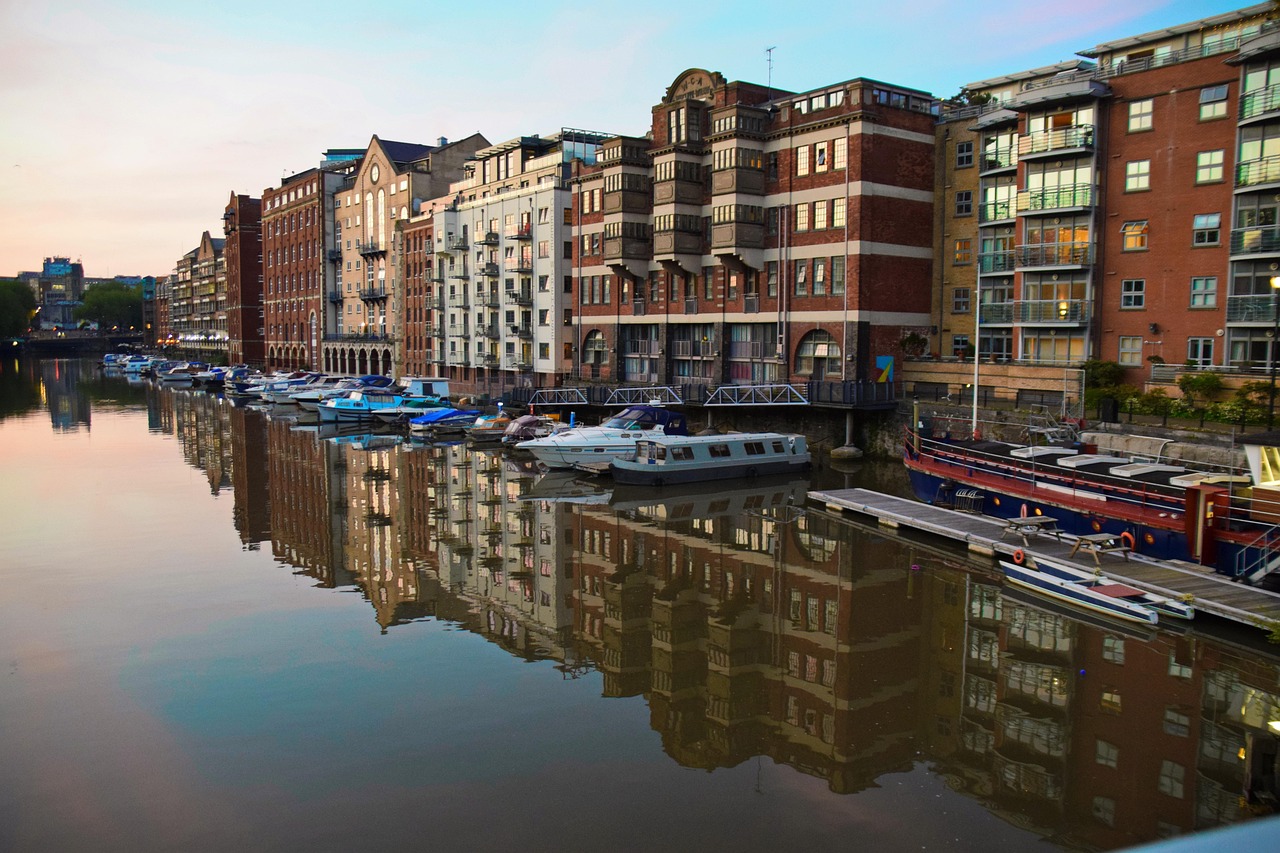
Bristol is one of those cities that doesn’t just sit there to be photographed – it moves. It has tides that creep up the harbour walls, cranes that loom above converted warehouses, hot air balloons that float over pastel terraces, and a music scene that spills out of basement venues into cobbled streets.
I’ve been visiting Bristol regularly for over a decade, and every time I arrive at Temple Meads station and walk out towards the harbour, I get the same feeling: this is a place that knows who it is – independent, creative, slightly scruffy in the best possible way, and endlessly fun. If you’re planning 3 days in Bristol, 4 days in Bristol, or even a full 5 day itinerary for Bristol, you’ll never run out of things to do.
In 2026, Bristol is buzzing more than ever. The city is doubling down on its status as the UK’s unofficial capital of street art, its green initiatives have gone up yet another notch, and its festivals calendar is packed for 2026–2027. Whether you’re here for the must-see attractions in Bristol like the Clifton Suspension Bridge and SS Great Britain, or you’re chasing hidden gems in Bristol down unexpected alleyways, this city will keep surprising you.
What makes Bristol special?
- Water everywhere: The floating harbour, colourful narrowboats, riverside pubs, and ferries make it feel like a small maritime capital.
- Street art & creativity: Banksy’s hometown, with walls that change as often as the weather.
- Neighbourhoods with personality: From genteel Clifton to fierce, independent Stokes Croft and multicultural Easton.
- Food & drink: Craft beer, cider, and some of the best local food in the UK outside London – but with much better prices.
- Easy to explore: Compact enough to walk, but with a solid public transport network and plentiful e-scooters and bikes.
This travel guide for Bristol is written like I’d plan your trip if you were a friend coming to visit: a mix of iconic spots, small surprises, local food, and very practical travel tips for Bristol. We’ll cover detailed 3 day, 4 day, and 5 day itineraries for Bristol, dive into over 20 major attractions and experiences, and end with down-to-earth travel advice for Bristol – from SIM cards to seasons, etiquette to nightlife.
Table of Contents
- Why Visit Bristol in 2026?
- Bristol at a Glance
- Neighbourhoods & Districts to Explore
- Top 20+ Must-See Attractions & Experiences
- Suggested 3–5 Day Itineraries
- Local Food & Drink in Bristol
- Nightlife, Entertainment & Cultural Experiences
- Major Events & Festivals 2026–2027
- Day Trips from Bristol
- Cultural Etiquette & Local Customs
- Practical Travel Tips for Bristol
- Summary & Best Time to Visit Bristol
Bristol at a Glance
Bristol sits in the southwest of England, about 1 hour 45 minutes by train from London Paddington, and 40 minutes from Bath. It’s a historic port city that reinvented itself after its docks closed, turning warehouses into galleries, restaurants, and flats, and reclaiming the harbour for leisure instead of trade.
Population-wise, it’s big enough (about half a million in the wider area) to have a proper city buzz, but it still feels personal. You’ll see the same faces along the harbourside if you stay a few days. It’s also one of the UK’s greenest, most progressive cities, with a focus on sustainability and independent businesses.
From a travel perspective, Bristol is excellent for:
- Short breaks: Perfect for a packed 3 day itinerary for Bristol that covers highlights.
- Slow city stays: A relaxed 4 or 5 days in Bristol lets you dip into neighbourhoods and day trips.
- Families: Plenty of science museums, boats, parks, and hands-on attractions.
- Couples: Romantic views from Clifton and quiet riverside walks.
- Solo travellers: Friendly, walkable, and easy to navigate.
Bristol’s Neighbourhoods & Districts
Harbourside & City Centre
This is usually where I start each trip. The former docks now form a U-shaped “floating harbour” lined with converted warehouses, museums, bars, and restaurants. It’s perfect for first-time visitors and short stays – you’re walking distance from most of the best places to visit in Bristol.
Expect cobbled quays, ferries puttering past, and people perched along the water’s edge with coffees or pints when the sun appears (which is more often than stereotypes suggest).
Clifton & Clifton Village
Leafy streets, elegant Georgian terraces, independent boutiques, and the city’s most famous icon: the Clifton Suspension Bridge. Clifton is where I go when I want to slow down and feel slightly posher than I am. It’s ideal for couples and anyone who loves architecture and viewpoints.
Stokes Croft & Gloucester Road
This is the creative, rebellious heart of Bristol – murals, protest posters, vegan cafes, vinyl stores, and late-night bars. If you’re into street art and nightlife, you’ll spend a lot of time here. It’s also home to some of the most interesting local food in Bristol, from Caribbean to Middle Eastern.
Southville & North Street
Just south of the river, this area has gone from quiet residential to one of the city’s coolest strips, with craft beer pubs, brunch spots, and an annual street art festival (Upfest). I love strolling North Street in late afternoon, ducking into little galleries and cafes.
Easton & Old Market
Easton is multicultural, vibrant, and a solid bet for cheap eats – especially Caribbean and Somali food. Old Market has a mix of historic buildings and LGBTQ+ friendly venues, plus some excellent bakeries and bars. It’s less polished than Clifton, more real-life Bristol.
Redcliffe & Temple Meads
Close to the main train station, this area is practical for arrivals and departures. Redcliffe has atmospheric streets around St Mary Redcliffe Church and some good riverside walking routes.
Top 20+ Must-See Attractions & Experiences in Bristol
Below are over twenty of the best places to visit in Bristol. I’ve grouped them loosely by theme, but you can mix and match depending on your interests. For each, I’ve included history, my own experiences, and tips to help you make the most of your visit.
1. Clifton Suspension Bridge
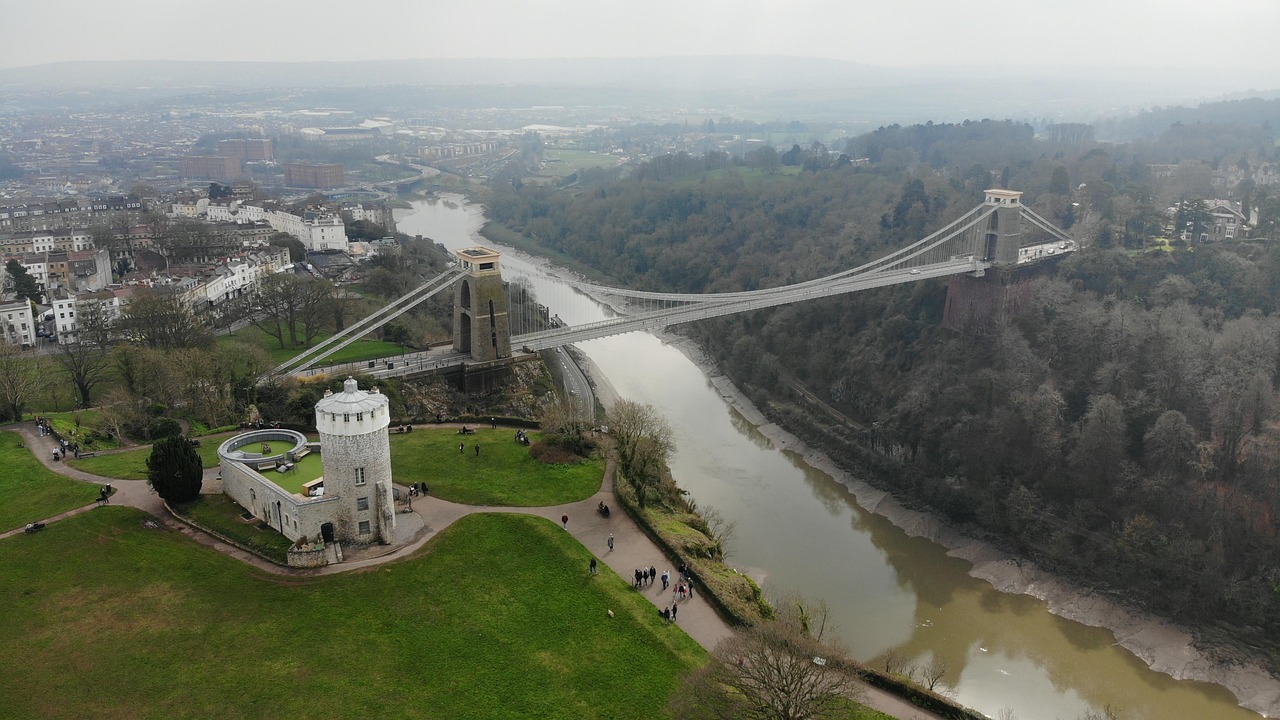
If Bristol had a crown, this would be the jewel. Designed by Isambard Kingdom Brunel (though finished after his death), the Clifton Suspension Bridge opened in 1864 and still feels audacious today – a wrought-iron span leaping across the Avon Gorge, 75 metres above the river.
I like to arrive about an hour before sunset. I usually walk from Clifton Village, grabbing a takeaway coffee or ice cream, then wander to the Clifton Observatory side first. The moment you step onto the bridge, you feel the height – the river a thin ribbon below, the city stretching away on one side, the green of Leigh Woods on the other.
What to do there:
- Walk across from Clifton to Leigh Woods and back – it’s free for pedestrians.
- Visit the Clifton Suspension Bridge Visitor Centre (Leigh Woods side) for a quick history fix.
- Pop up to the Clifton Observatory for panoramic views and (if you’re not claustrophobic) explore the Giant’s Cave cut into the cliff.
- Picnic on the grassy slopes of Clifton Downs with a bridge view.
Family-friendly? Yes – kids love the height and the story of Brunel. Just keep a close eye near the edges.
Romantic? Very. Evening walks and night-time illuminations are a Bristol classic.
Getting there: From the city centre, it’s about 25–30 minutes on foot uphill, or a short bus ride (frequent services to Clifton Village). I usually walk up via Park Street for the full experience.
Local tip: Come early on weekend mornings for quiet photos, or late at night when the lights are on and the crowds are gone. Check for occasional free guided tours run by the bridge trust.
2. Brunel’s SS Great Britain
This is hands-down one of the best museums in the UK, and easily one of the must-see attractions in Bristol. The SS Great Britain was the world’s first great ocean liner, launched in 1843. Today she sits in the dock where she was built, lovingly restored.
I’ve visited three times now – once with young cousins, once solo, and once with friends – and it’s hit every time. The experience starts outside, where you “walk on water” on a thin glass surface over the “sea” around the ship’s hull. Inside, you climb up and down ladders, wander through first-class dining halls, cramped steerage bunks, and engine rooms that smell of oil and iron.
Highlights:
- The ‘Being Brunel’ exhibition – an immersive peek into Brunel’s mind, complete with VR-style experiences.
- The recreated smells and sounds below deck (yes, including ship toilets… kids think this is hilarious).
- Views back to the city centre along the harbour from the dockside.
Family-friendly? Absolutely. Tons of interactive exhibits and dressing-up corners.
Allow: 2–3 hours minimum; I’ve easily spent half a day here.
Getting there: A pleasant 10–15 minute harbourside walk from the city centre, or hop on a harbour ferry.
Local tip: Buy tickets online in advance to skip queues and get the best price; your ticket usually lets you return free for a year, which is handy if you’re staying longer.
3. M Shed: Bristol’s Story
M Shed is Bristol telling its own story – warts and all. Housed in a former transit shed on the harbourside, it covers everything from the city’s maritime and industrial past to its role in the transatlantic slave trade, music scene, and activism.
I usually pop in whenever I’m nearby because it’s free and easy to dip into. The exhibitions are a good way to understand the context behind the city’s wealth, its contested statues, and its proud tradition of protest.
What I love:
- Old double-decker buses, bikes, and industrial objects that kids can get close to.
- Rotating temporary exhibitions on topics like street art, LGBTQ+ history, and migration.
- The views over the harbour from the upper floors.
Family-friendly? Yes; lots of interactive elements and space to roam.
Cost: Free entry; donations appreciated. Some special exhibitions are ticketed.
4. Bristol Cathedral
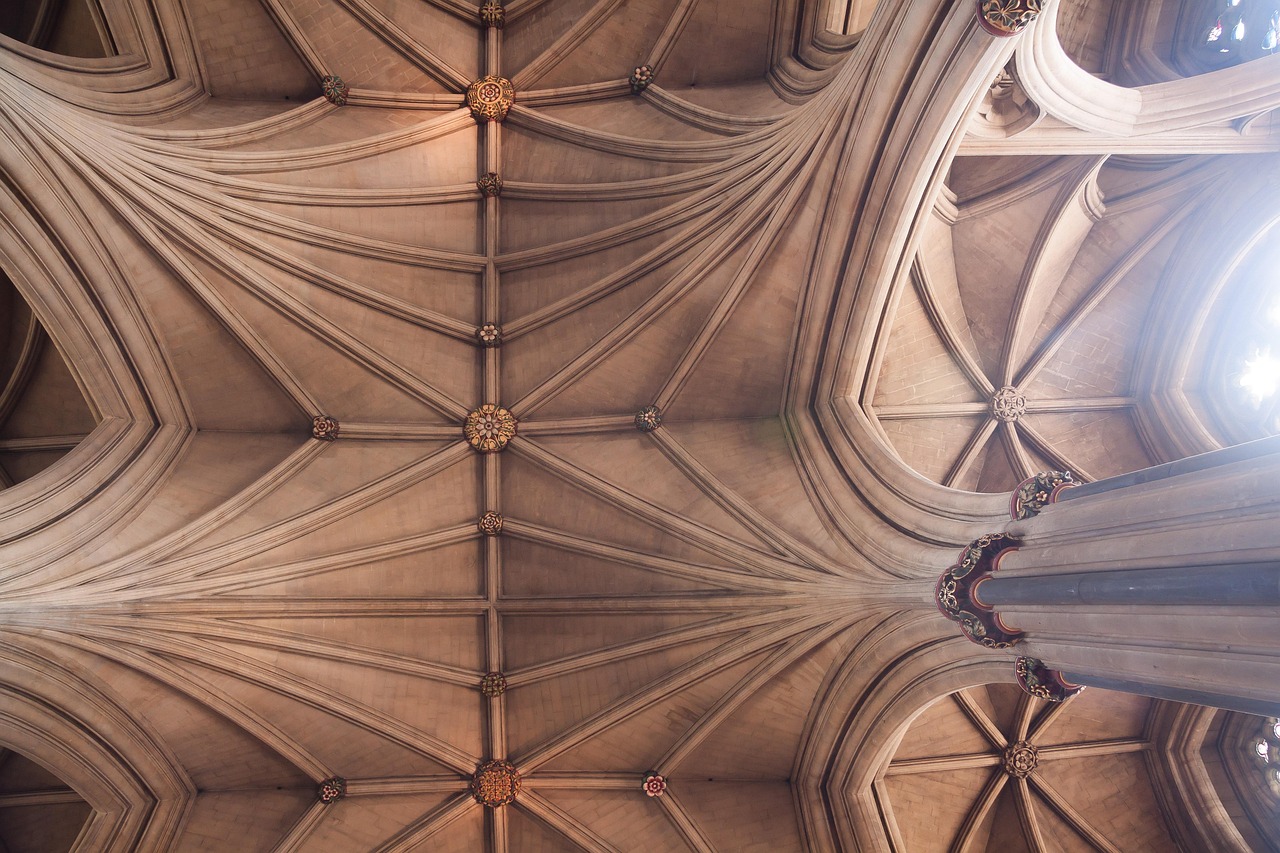
When the city centre feels a bit hectic, I retreat here. Bristol Cathedral, on College Green near Park Street, is a beautiful blend of medieval and Victorian Gothic architecture. Step inside and you’re suddenly in cool, vaulted calm.
I like to wander slowly up the nave, craning my neck at the unique “hall church” design where the nave and aisles are almost the same height. If you catch a choir rehearsal, sit for a moment – the acoustics are spine-tingling.
Good for: Architecture fans, quiet reflection, and a breather between shops and bars.
Cost: Free; donations welcome.
5. St Nicholas Market
“St Nicks” is where I inevitably end up when hunger hits in the city centre. Under a glass-roofed arcade and spilling into surrounding lanes, you’ll find an eclectic jumble of food stalls, vintage shops, book sellers, and random curiosities.
The food hall is the star: I’ve had everything from Caribbean goat curry to Turkish gözleme and vegan Buddha bowls here. It’s a fantastic introduction to local food in Bristol because many of the traders are local one-offs, not chains.
My routine: Grab lunch from a stall that smells irresistible, find a perch at one of the high tables, then wander the covered market and Corn Street afterwards to walk it off.
Budget tip: This is one of the most affordable places to eat well in central Bristol – perfect for saving money without sacrificing flavour.
6. Bristol Museum & Art Gallery
Perched at the top of Park Street, this free museum is a glorious mash-up: dinosaurs and Egyptian mummies downstairs, fine art and ceramics upstairs. The building itself is a stunner – high ceilings, grand staircases, and ornate details.
I love ducking in here on rainy afternoons (of which, yes, there are a few) and wandering from the natural history exhibits to the local history collections. There’s usually a thoughtful temporary exhibition, often with a Bristol or social justice angle.
Family-friendly? Very. The dinosaurs and taxidermy displays are a guaranteed hit with kids.
Cost: Free entry; some temporary exhibitions ticketed.
7. Clifton Village & Observatory
Clifton Village is all leafy squares, Georgian townhouses, and independent boutiques. I often spend half a day here, just meandering. Start with a coffee in one of the village cafes, browse little bookshops and delis, then wander out towards the Downs and the Observatory.
The Clifton Observatory sits on the edge of the gorge, with a small museum, rooftop terrace, and access to the Camera Obscura – a Victorian optical device that projects a live moving image of the outside world onto a table in a darkened room. It’s quirky and oddly mesmerising.
From here, you get one of Bristol’s most iconic views: bridge, gorge, and city beyond.
8. Bristol Zoo Project (Formerly Bristol Zoo Gardens)
The historic Bristol Zoo Gardens in Clifton has transitioned into the Bristol Zoo Project just north of the city, focusing on larger enclosures and conservation. If you’re visiting in 2026 with kids, this is a brilliant day out.
What I like about the new setup is the space: animals have more room, and the whole place feels more like a wildlife reserve than a traditional zoo. Expect lemurs, bears, cheetahs, and a strong educational slant on species protection.
Getting there: It’s outside the city centre; buses run from Bristol, or you can drive (parking available). Check current routes before you go.
9. Stokes Croft & Street Art Trails
You can’t talk about things to do in Bristol without talking about street art. Stokes Croft is the epicentre: murals climb entire building sides, and even the doorways and electrical boxes are canvases.
I like to start at the bottom of Cheltenham Road, near the famous Banksy piece “The Mild Mild West”, and then simply wander north. Every few months, something changes – a new piece appears, another gets painted over, which is part of the fun.
Options:
- Join a guided street art tour – you’ll get context on artists and politics behind the pieces.
- DIY wander: snap photos, stop for coffee, and discover your own favourites.
Local tip: Many murals are political or provocative. Photograph respectfully, and don’t climb or tag over existing work.
10. The Floating Harbour & Harbourside Walk
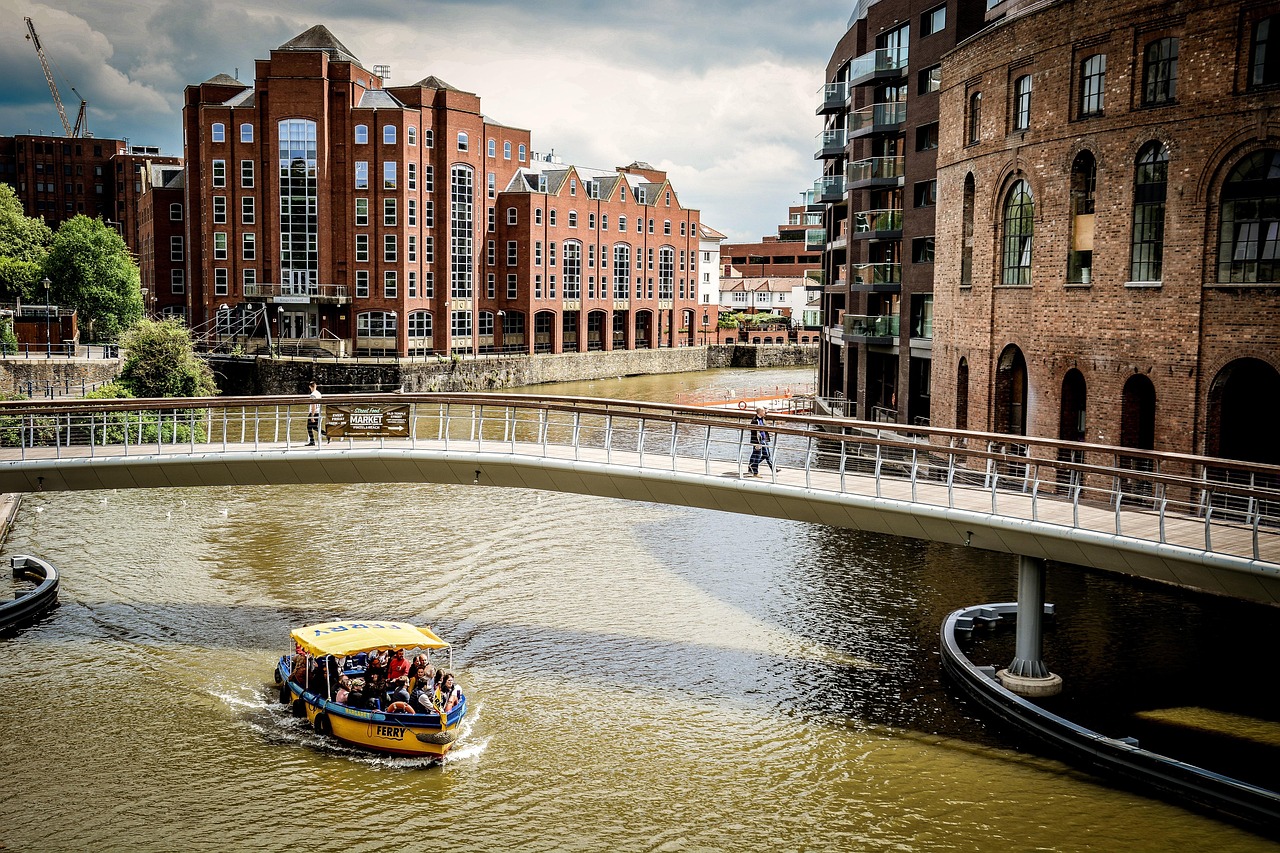
Bristol’s harbour is the city’s living room. On any dry day, you’ll find people strolling, jogging, drinking, eating, and just watching boats go by. My absolute favourite thing to do in Bristol – more than any single attraction – is simply to walk the harbourside loop.
Start near Millennium Square, walk past the Arnolfini and M Shed, cross over the quirky swinging bridges, continue to the SS Great Britain, and loop back using a ferry. I’ve done this in every season: crisp winter mornings with mist on the water, golden late-summer evenings when the terraces overflow with people.
Family-friendly? Perfect. Plenty of open space, boats, and ice cream stops.
Romantic? Yes – especially at dusk, with the city lights reflecting on the water.
11. Watershed & Arnolfini: Film & Contemporary Art
On rainy evenings, I often end up at Watershed, an independent cinema and cultural centre right on the harbourside. It screens arthouse films, documentaries, and festival picks, with a great bar and terrace overlooking the water.
Nearby, the Arnolfini hosts contemporary art exhibitions and performances in a big converted warehouse. Exhibitions are free and often challenging in a good way.
Local tip: Check Watershed’s programme in advance – there’s almost always a Q&A, festival screening, or special event during any given 3 days in Bristol.
12. We The Curious (Science Centre)
We The Curious is Bristol’s hands-on science centre, with interactive exhibits on everything from the human body to space. It’s especially popular with families, but I’ve happily gone as an adult and played with all the experiments – no shame.
In 2026, the centre is running new climate and sustainability exhibits, aligning with Bristol’s green ambitions. There’s also a planetarium with regular shows.
Family-friendly? Hugely. Plan at least half a day if you come with kids.
Location: Millennium Square on the harbourside, easy to combine with M Shed or a harbour walk.
13. Ashton Court Estate
Whenever I need green space, I head to Ashton Court. Just across the suspension bridge (or a short drive/bus from the centre), this huge estate has rolling parkland, woods, deer, and mountain bike trails.
In August, the skies above Ashton Court fill with colour during the Bristol International Balloon Fiesta. I once dragged myself out of bed at 5am for the mass ascent – watching dozens of balloons rise over the misty gorge is something I’ll never forget.
Good for: Picnics, walks, cycling, running, and catching your breath from city life.
14. Bristol International Balloon Fiesta
Speaking of balloons: if you’re planning 3 or 4 days in Bristol in August, try to time it for the Balloon Fiesta. It’s one of Europe’s largest balloon events, with early morning and evening mass ascents, plus a famous “Night Glow” where balloons light up in time with music.
I’ve watched the balloons from Ashton Court itself (busy, but magical) and from viewpoints around the city like Brandon Hill. Even if you don’t go to the main event site, just being in Bristol while random balloons float overhead is surreal in the best way.
15. Brandon Hill & Cabot Tower
Brandon Hill is a steep but rewarding little park just off Park Street. At its summit stands Cabot Tower, built in 1897 to commemorate John Cabot’s voyage from Bristol to North America.
I almost always climb it when I’m in town. The spiral staircase is narrow and a bit of a squeeze, but the views from the top are worth it: the harbourside, the university’s Wills Memorial Building, and the colourful houses of Hotwells spilling down the hill.
Cost: Free to enter; opening hours vary with season.
16. Spike Island & Creative Spaces
Spike Island is an arts centre and studio complex in a former tea warehouse near the Cumberland Basin. It’s home to rotating contemporary art exhibitions, open studios, and creative businesses.
I like to drop in when there’s an exhibition that catches my eye, then walk along the more industrial stretch of the harbour nearby for a different side of Bristol.
17. The Old City & Corn Street
The Old City is where medieval Bristol peeks through. Around Corn Street, you’ll find old banks turned into bars, the historic Exchange building, and cobbled side streets.
On Wednesdays, Fridays, and Saturdays, the area hosts lively street food and local produce markets. I’ve had excellent falafel, paella, and brownies here between sightseeing stops.
18. St Mary Redcliffe Church
Queen Elizabeth I reportedly called St Mary Redcliffe “the fairest, goodliest, and most famous parish church in England.” Step inside and you’ll see why – it’s a spectacular example of Gothic architecture, with soaring vaults and intricate stonework.
It’s a bit away from the main tourist drag, near Redcliffe Way, which makes it feel more like a local treasure. I once ducked in during a sudden downpour and ended up staying for nearly an hour, just wandering the aisles and chapels.
19. Aerospace Bristol & Concorde
A short trip north of the city, Aerospace Bristol is heaven for aviation geeks and families. Its star attraction is a real Concorde, built and flown from Filton, just outside Bristol.
Walking underneath and then inside the Concorde is a wow moment – the cabin is surprisingly small, but the engineering story is huge. The rest of the museum covers Bristol’s long aviation history, from early planes to modern spacecraft components.
Getting there: Bus or car from the city centre (allow 30–40 minutes). Combine with shopping or dinner at nearby retail parks if you need practical errands.
20. Easton, Stapleton Road & Multicultural Food
If you want to experience everyday Bristol life and some truly excellent food, head out to Easton and around Stapleton Road. It’s not a polished tourist area, but that’s the point.
I’ve had some of my best (and cheapest) meals here – Somali stews, Caribbean jerk chicken, and fresh North African bread. Street art still pops up on unexpected corners, and the area’s diversity is one of its strengths.
Local tip: Come in daylight if you’re unfamiliar with the area and stick to main streets until you get your bearings, like you would in any big city.
21. Southville, North Street & Upfest Murals
South of the river, North Street in Southville is another street art hotspot and one of my favourite areas for an afternoon wander. Independent shops, craft beer bars, and cafes line the street, with colourful murals between them.
The annual Upfest street art festival transforms the whole area, with artists painting live on walls and boards. Even outside festival time, many of the murals remain, so you can do a self-guided trail.
22. Bristol’s Music & Nightlife Venues
Bristol’s music scene birthed trip-hop and continues to punch above its weight. Venues like Thekla (a club on a moored boat), Motion (a legendary club complex), and smaller spots like Exchange and Fiddlers host everything from drum & bass nights to indie gigs.
On more than one trip, I’ve ended up dancing on Thekla until the small hours, then walking back along the harbour with my ears still buzzing.
Suggested 3–5 Day Itineraries for Bristol
Below are flexible outlines for a 3 day itinerary for Bristol, plus how I’d stretch that to 4 days in Bristol and a fully expanded 5 day itinerary for Bristol. Mix and match depending on your pace and interests.
3 Day Itinerary for Bristol
If you only have 3 days in Bristol, focus on the harbour, Clifton, and street art – that way you’ll cover the city’s core personality: maritime, elegant, and creatively rebellious.
Day 1: Harbourside, SS Great Britain & Old City
I like to start my Bristol trips with the harbour – it orients you immediately.
Morning:
- Arrive at Bristol Temple Meads and walk or bus to the harbourside.
- Grab breakfast or coffee around Millennium Square.
- Stroll the harbourside towards SS Great Britain, stopping to peek into M Shed if you’re curious (it’s easy to shorten or lengthen this stop).
Midday:
- Tour SS Great Britain thoroughly (2–3 hours).
- Enjoy lunch at one of the nearby waterside spots, or back near Millennium Square for more choice.
Afternoon:
- Take a harbour ferry ride for a different perspective on the city – they run like water buses.
- Head into the Old City and explore Corn Street, St Nicholas Market, and the surrounding lanes.
Evening:
- Dinner in the Old City or Harbourside – plenty of options from casual to upscale.
- If you have energy, catch a film at Watershed or a drink overlooking the water.
Day 2: Clifton, Suspension Bridge & Brandon Hill
Morning:
- Walk up Park Street from the centre, stopping at Bristol Museum & Art Gallery en route.
- Continue into Clifton Village for brunch at one of the cafes.
Midday & Afternoon:
- Wander Clifton Village’s shops and squares.
- Walk out to the Clifton Suspension Bridge, cross it, and visit the visitor centre.
- Optional: Visit the Clifton Observatory and Giant’s Cave.
- Stroll along the Downs for sweeping views of the Avon Gorge.
Late Afternoon & Evening:
- Head back down via Brandon Hill and climb Cabot Tower.
- Dinner in Clifton Village for a quieter, romantic vibe, or back in the city centre for more buzz.
Day 3: Street Art, Stokes Croft & We The Curious
Morning:
- Join a street art walking tour around Stokes Croft and Gloucester Road, or do your own wander.
- Coffee and brunch in one of the area’s many cafes.
Afternoon:
- Return to the harbourside and visit We The Curious if you’re into science and interactive exhibits.
- Alternatively, explore more of the Old City or pop into St Mary Redcliffe.
Evening:
- Finish with a night out – maybe live music on Thekla, a relaxed pub in the Old City, or a show at Bristol Old Vic.
4 Day Itinerary for Bristol
With 4 days in Bristol, you can add more neighbourhood exploring and either a big green escape or a visit to Aerospace Bristol.
Day 4 Option A: Ashton Court & South of the River
- Morning: Bus or walk (via the bridge) to Ashton Court Estate. Wander the grounds, look for deer, and enjoy city views.
- Afternoon: Cross back over and explore Southville and North Street, hunting for Upfest murals and stopping in cafes and bars.
- Evening: Dinner on North Street or back in the centre; consider a relaxed riverside pub.
Day 4 Option B: Aerospace Bristol & Concorde
- Morning: Head out to Aerospace Bristol (bus or car). Explore the main exhibits and step inside Concorde.
- Afternoon: Return to the city. Use remaining time to see anything you missed: extra museum time, shopping, or just more harbourside strolling.
- Evening: Treat yourself to a special final dinner at a top restaurant – perhaps a harbourside spot or a creative modern British place in the centre.
5 Day Itinerary for Bristol
A 5 day itinerary for Bristol lets you slow down, dig into local life, and squeeze in a day trip or deeper neighbourhood explorations.
Day 5: Easton, Markets & Local Life (or a Day Trip)
Option 1: More Bristol Neighbourhoods
- Morning: Head to Easton and Stapleton Road for multicultural food and street life. Explore local bakeries and cafes.
- Afternoon: Browse independent shops around Gloucester Road or Old Market, and revisit any favourite spots from earlier days.
- Evening: Choose one last cultural experience: theatre, a gig, or a slow sunset walk along the harbour.
Option 2: Day Trip to Bath or Cheddar Gorge
- Bath: 12 minutes by train; famous for Roman Baths, Georgian architecture, and Jane Austen connections.
- Cheddar Gorge: Bus or car; dramatic limestone gorge and caves plus cheese shops in the village.
We’ll cover day trips in more detail later, but if you have 5 days in Bristol, I highly recommend using one day to explore the surrounding region.
Local Food & Drink in Bristol
Bristol’s food scene is one of the reasons I keep coming back. It’s unpretentious but inventive, with a strong focus on local produce, vegetarian/vegan options, and independent businesses.
What to Eat: Local Specialities & Classics
- West Country cider: Technically more regional than strictly Bristolian, but cider is a way of life here. Try dry farmhouse ciders in traditional pubs.
- Pie & mash: Comfort food done well – look for local pubs and small pie shops.
- Fish & chips: Eating these on a bench by the harbour hits different.
- Caribbean food: Thanks to Bristol’s Caribbean community, jerk chicken, patties, and curried goat are easy to find and very good.
- Vegan & veggie options: Bristol is consistently ranked one of the UK’s best cities for plant-based eating.
Where to Eat: Personal Favourites
(Specific venue names can change, but here’s the kind of places I seek out.)
- St Nicholas Market: Ideal for lunch – diverse, affordable, and lively.
- Harbourside restaurants: Great for views; expect modern British, seafood, and global fusion.
- Clifton Village cafes: Cosy brunch spots and patisseries for slower mornings.
- Gloucester Road & Stokes Croft: International food, vegan cafes, and late-night bites.
Drinks: Pubs, Breweries & Cafes
Bristol’s pub and bar scene is diverse, from old timber-beamed pubs to sleek craft beer bars. Most places will have local ales and ciders; ask what’s brewed nearby.
There’s also no shortage of third-wave coffee shops – ideal stops during your city explorations.
Saving Money on Food
- Eat your main meal at lunch – many places offer cheaper set menus.
- Use markets, bakeries, and supermarkets for picnic supplies (especially for Ashton Court or the Downs).
- Skip chain restaurants; independents often have better value and character.
Nightlife, Entertainment & Cultural Experiences in Bristol
Bristol at night can be as chilled or as wild as you want it.
Live Music & Clubs
- Harbourside & Old City: Pubs with live bands, cocktail bars, and the boat-club Thekla.
- Stokes Croft: More alternative venues and DJ nights, from dub to techno.
- Motion: For serious clubbing, check out their event calendar in advance.
Theatre & Performance
- Bristol Old Vic: One of the oldest continuously working theatres in the English-speaking world, with a modern bar and regular programme of plays.
- Tobacco Factory Theatres: On the south side, with innovative productions and a strong local following.
Romantic Evenings
- Sunset walk across the Clifton Suspension Bridge.
- Dinner in Clifton Village followed by drinks in a cosy bar.
- Night-time harbour walk with reflections of the city lights on the water.
Major Events & Festivals in 2026–2027
Bristol’s events calendar is packed. Dates shift slightly each year, so always double-check closer to 2026–2027, but here are some key highlights:
- Bristol International Balloon Fiesta (August 2026 & 2027): Mass balloon ascents and night glows over Ashton Court.
- Harbour Festival (July): Free music, dance, and maritime displays all around the harbour.
- Upfest (typically summer, some years biennial): Europe’s largest street art festival on North Street and beyond.
- Love Saves The Day (late spring/early summer): A big multi-stage music festival, often featuring electronic and dance acts.
- Encounters Film Festival (autumn): Celebrating short films and animation.
In 2026, expect ongoing emphasis on sustainability and community-led events, with more neighbourhood festivals and pop-ups showcasing local food in Bristol and grassroots music.
Day Trips & Nearby Attractions
If you’re staying 4 or 5 days in Bristol, using one day for a side trip is a great idea.
Bath
Just 12 minutes by train, Bath is famous for its honey-coloured Georgian terraces and Roman Baths. Walk the Royal Crescent, visit the Baths or Thermae Spa, and wander the compact centre.
Cheddar Gorge
A dramatic limestone gorge about an hour away by bus or car. Hike the clifftop trails, explore caves, and sample real Cheddar cheese in the village.
Weston-super-Mare & the Coast
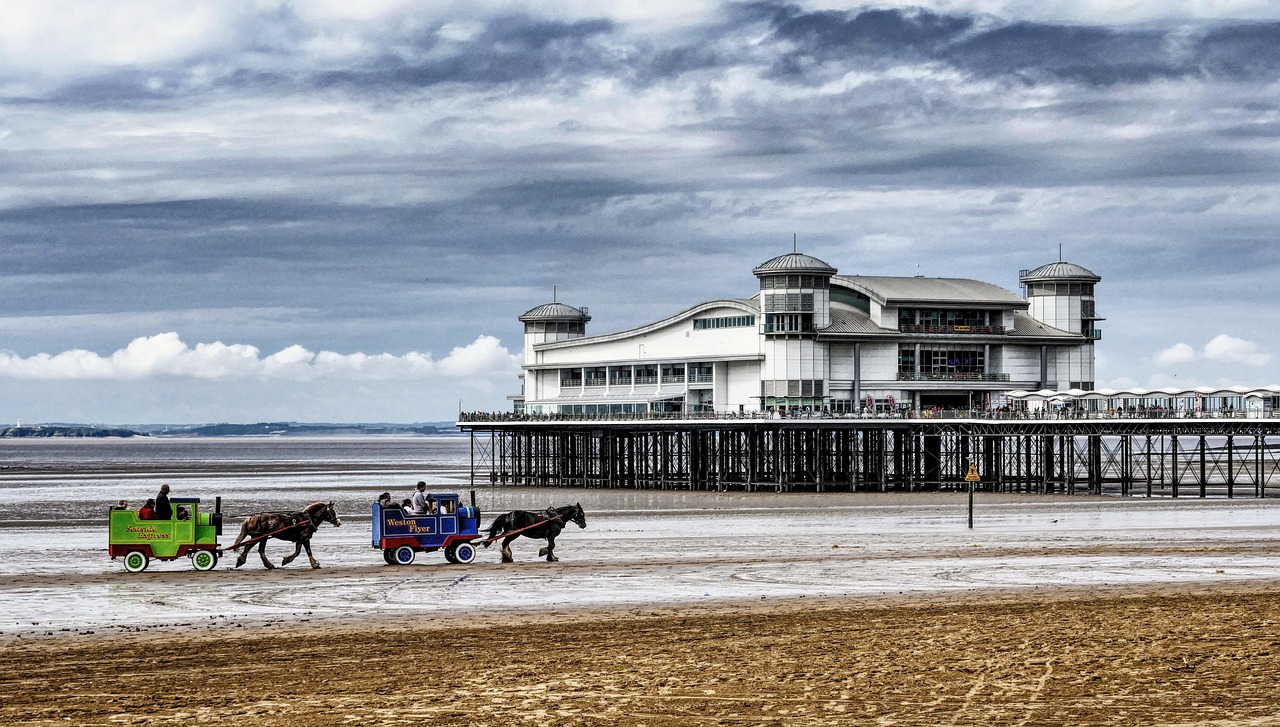
A traditional seaside town with a pier and long beach – not the most glamorous, but a fun slice of British seaside life on a sunny day.
Cultural Etiquette & Local Customs in Bristol
Bristol is relaxed and progressive, but a few local norms and UK customs are worth knowing.
- Queueing: Britons queue. Whether at bus stops or bars, respect the line (even if it’s an informal cluster).
- “Please” and “thank you”: Politeness is valued. You’ll hear “cheers” used to mean thanks, hello, or goodbye.
- Pub etiquette: Usually you order and pay at the bar. Tipping isn’t mandatory but rounding up or leaving small change is appreciated.
- Street art: Appreciate but don’t touch or climb on murals; never tag over existing work.
- Environmental awareness: Bristol takes its green credentials seriously – use bins, recycle where possible, and consider walking or public transport over taxis.
- Diversity & inclusion: Bristol is proudly multicultural and LGBTQ+ friendly. Respect personal space and pronouns; casual slurs are not acceptable.
Practical Travel Tips for Bristol
Getting To & Around Bristol
By train: Most visitors arrive at Bristol Temple Meads. London Paddington is about 1h45 away; Cardiff, Bath, and other regional cities are well-connected.
By air: Bristol Airport has flights across Europe. A frequent airport bus connects to the city centre and Temple Meads.
Public Transport
- Buses: First Bus runs most services. Contactless payment is widely accepted; tap on as you board.
- Ferries: Harbour ferries are both transport and sightseeing – try to include at least one ride.
- E-scooters & bikes: Rental scooters and bikes are common; use cycle lanes where possible.
- Walking: Central Bristol is compact but hilly in places (Park Street is a leg workout).
Car Rental & Driving
You don’t need a car for central Bristol and may find parking expensive and limited. Hire a car only for exploring the countryside or doing multiple day trips.
- Foreign driver’s licences: Most visitors can drive with their national licence for short stays; check UK rules if your licence is non-Roman alphabet or you’re staying long term.
- Driving: Left-hand side, roundabouts are common, and city centre traffic can be slow in rush hour.
SIM Cards & Connectivity
For 2026, UK eSIM and SIM options are straightforward:
- Buy a local SIM or eSIM from providers like EE, O2, Vodafone, or Three at the airport or in the city.
- Plenty of cafes and public spaces offer free Wi-Fi, including around Millennium Square and major museums.
Money & Budget Tips
- Currency: Pound sterling (GBP). Cards and contactless are widely accepted; cash is still useful for small vendors and markets.
- Save on attractions: Use free museums (M Shed, Bristol Museum & Art Gallery, Arnolfini) and public spaces (Ashton Court, Brandon Hill) to balance out paid attractions like SS Great Britain.
- Food savings: Markets and lunch deals instead of nightly restaurant dinners.
Accommodation: Where to Stay
For a first visit, I usually recommend:
- Harbourside / City Centre: Best for first-timers and short stays; walkable to almost everything.
- Clifton: Quieter, more romantic, and pretty, but hillier and a bit further from nightlife.
- Stokes Croft / Gloucester Road: For nightlife and street art, but can be noisy.
Budget-wise, you’ll find everything from hostels to boutique hotels and serviced apartments. Book early for summer weekends and during major events.
Visas & Entry Requirements
Visa rules change, so always check the latest UK government guidance before you travel. In general:
- EU, US, and many other passport holders can visit the UK visa-free for short stays, but rules are evolving.
- Ensure your passport is valid for the duration of your stay (plus any buffer required by your home country on return).
Best Seasons to Visit & Weather
Bristol’s weather is milder than much of the UK thanks to its southwest location, but it’s still Britain – pack layers and befriend your raincoat.
- Spring (March–May): Blossom, longer days, and fewer crowds. Great for walking and city breaks.
- Summer (June–August): Festival season, harbour life in full swing, and the Balloon Fiesta. Also the busiest and priciest.
- Autumn (September–November): My favourite – golden light, colourful parks, and still-active events but calmer than high summer.
- Winter (December–February): Quieter, with Christmas markets and cosy pubs. Short days and more rain, but lower prices.
Hidden Tips from a Repeat Visitor
- Start early: Hit popular spots like the Suspension Bridge or SS Great Britain near opening time to beat crowds.
- Use hills to your advantage: Plan routes that go downhill later in the day when you’re tired – Clifton to the centre, for example.
- Mix busy and calm: Alternate intense museum or city days with green space (Ashton Court, the Downs) so you don’t burn out.
- Check tide times: The Avon Gorge and harbour can look dramatically different at high and low tide – photographers, plan accordingly.
- Talk to locals: Bristolians are generally friendly and happy to recommend a favourite pub or cafe if you ask.
Summary & Final Recommendations
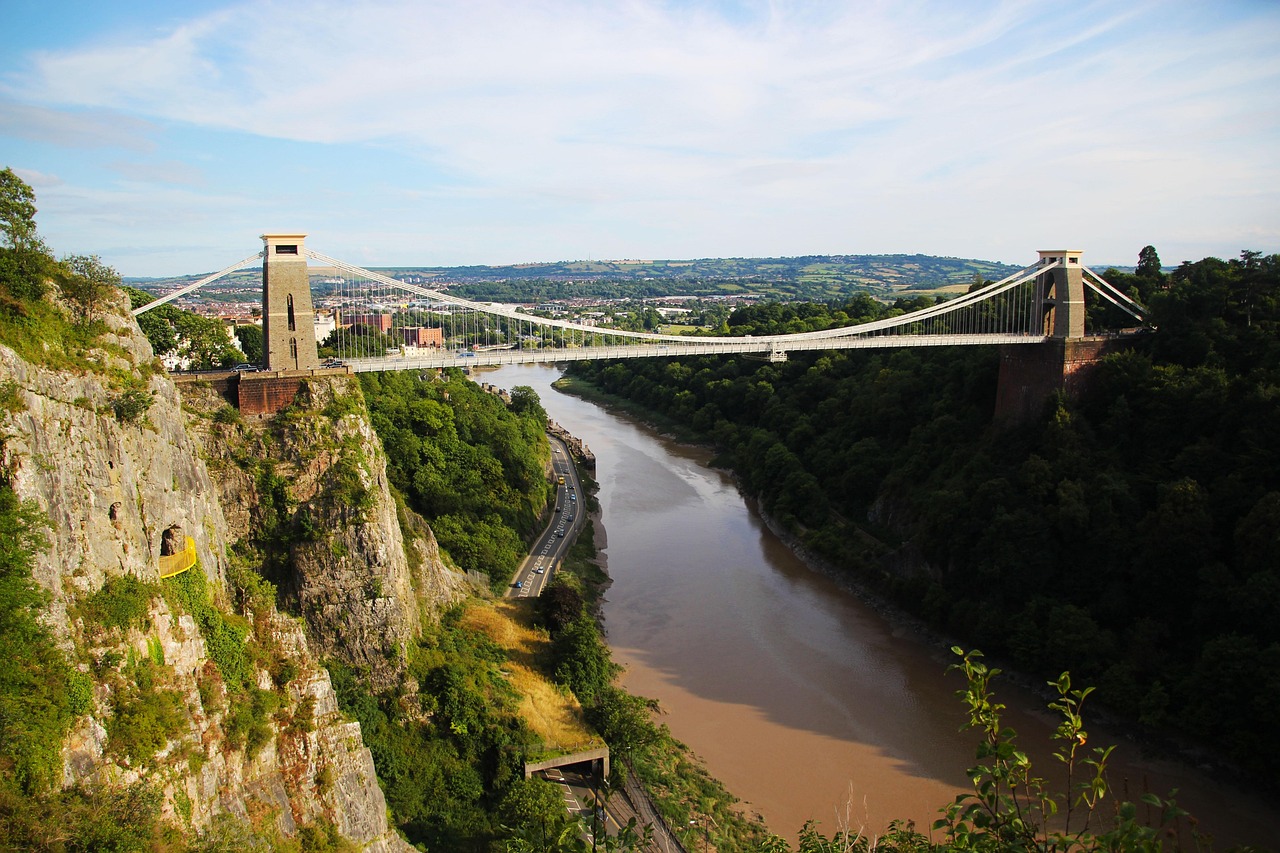
Bristol is a city that reveals itself in layers: the obvious postcard shots of the Clifton Suspension Bridge and harbourside; the deeper histories in places like SS Great Britain and M Shed; then the more subtle, everyday magic of neighbourhood cafes, street art alleys, and riverside walks.
If you’re planning a 3 day itinerary for Bristol, focus on the harbour, Clifton, and street art. For 4 days in Bristol, add Ashton Court or Aerospace Bristol. With a full 5 days in Bristol, slow down, explore Easton and Southville, and consider a day trip to Bath or Cheddar Gorge.
For most travellers, the best time to visit Bristol is late spring to early autumn (May–September), with August particularly special if you can catch the Balloon Fiesta – though autumn’s softer light and fewer crowds are hard to beat.
However long you stay, build in time simply to wander – along the floating harbour, through Clifton’s terraces, up Brandon Hill, and down the mural-lined streets of Stokes Croft. That’s where Bristol’s real character lives, and why, even after many visits, I keep finding new reasons to come back.