Why Visit Belfast in 2026?
Belfast is one of those cities that gets under your skin quietly. It doesn’t shout like London or preen like Paris; it sidles up with a dry joke, a strong cup of tea, and a story that’s half heartbreak and half hope. Every time I go back, I end up staying longer than planned – lingering in a café on the Cathedral Quarter cobbles, losing track of time along the River Lagan, or chatting far too late in a pub where someone inevitably ends up singing.
In 2026, Belfast is more vibrant than ever: a city that’s shed much of its tension but kept its edge, where street art covers old security walls, high-tech startups share space with century-old pubs, and the Titanic story is told just a short walk away from glass-fronted restaurants and bustling markets.
This travel guide for Belfast 2026 is written as if I’m walking beside you – sharing the must-see attractions in Belfast, my favorite coffee spots, the hidden gems in Belfast I almost want to keep secret, and detailed 3 day, 4 day, and 5 day itineraries for Belfast built from trips I’ve actually taken (and re-taken) through the city.
Whether you’ve got 3 days in Belfast for a city break, are planning a 4 day itinerary for Belfast with day trips, or stretching to a 5 day itinerary for Belfast to really dig into local life, this guide will help you craft a trip that feels personal, not pre-packaged.
What Makes Belfast Special?
- Living history: Nowhere else have I felt history so present in the streets – from the Troubles-era murals to the shipyards where Titanic was born.
- A compact, walkable city: The best places to visit in Belfast are mostly within a short walk or quick bus ride.
- Warm, witty locals: People will actually talk to you here – on buses, in pubs, at markets. It’s part of the experience.
- Food and drink renaissance: From hearty local food in Belfast to inventive tasting menus, the city has leapt forward in flavor.
- Gateway to wild landscapes: In under an hour you can stand on the Antrim Coast, at the Giant’s Causeway, or in the Mourne Mountains.
Below you’ll find a huge, in-depth guide – including detailed write-ups of over 20 attractions, neighborhood breakdowns, cultural etiquette, travel tips for Belfast, and practical travel advice for Belfast (SIM cards, money-saving tips, public transport, and more).
Table of Contents
- Why Visit Belfast in 2026?
- Belfast at a Glance
- Top 20+ Must-See Attractions in Belfast
- Suggested Itineraries (3, 4 & 5 Days in Belfast)
- Best Neighborhoods & Areas to Explore
- Local Food & Drink in Belfast
- Nightlife, Entertainment & Cultural Experiences
- Best Day Trips from Belfast
- Cultural Etiquette & Local Customs
- Practical Travel Tips for Belfast (2026–2027)
- Summary & Best Time to Visit Belfast
Belfast at a Glance (2026)
Belfast is the capital of Northern Ireland, part of the UK, and sits on the River Lagan where it opens into Belfast Lough. It’s a city of about 350,000 people, but it feels smaller – in a good way. You can cross the center on foot in 20–30 minutes, and each neighborhood has its own distinct personality.
In 2026, the city is buzzing with regeneration projects: upgraded cycle paths along the Lagan, new public art in the Cathedral Quarter, and expanding flight connections through Belfast City Airport and Belfast International. There’s a renewed emphasis on sustainable tourism, so you’ll see more walking tours, green hotel initiatives, and car-free events.
Major Events in 2026–2027
Exact details shift every year, but here are recurring and planned highlights you can expect around 2026–2027:
- Belfast International Arts Festival (Oct–Nov 2026 & 2027): Theatre, music, dance, and visual arts across the city. Book accommodation early if your 3 day itinerary for Belfast overlaps.
- Belfast Maritime Festival (usually June): Celebrating the city’s shipbuilding heritage with tall ships, food stalls, and family activities at the Maritime Mile.
- EastSide Arts Festival (Aug): Community-led arts, walks, and performances centered in East Belfast (C.S. Lewis country).
- St Patrick’s Day Festival (March 17): Parades, music, and a lively pub scene. A fun – and busy – time to visit.
- Titanic Commemorative Events (annually mid-April): Talks, special tours, and exhibitions around the Titanic Quarter.
Top 20+ Must-See Attractions in Belfast (With Local-Style Insights)
These are the places I return to again and again – some iconic, some quietly magical. I’ll weave them into the itineraries later, but here’s a deep dive into each one first.
1. Titanic Belfast & the Titanic Quarter
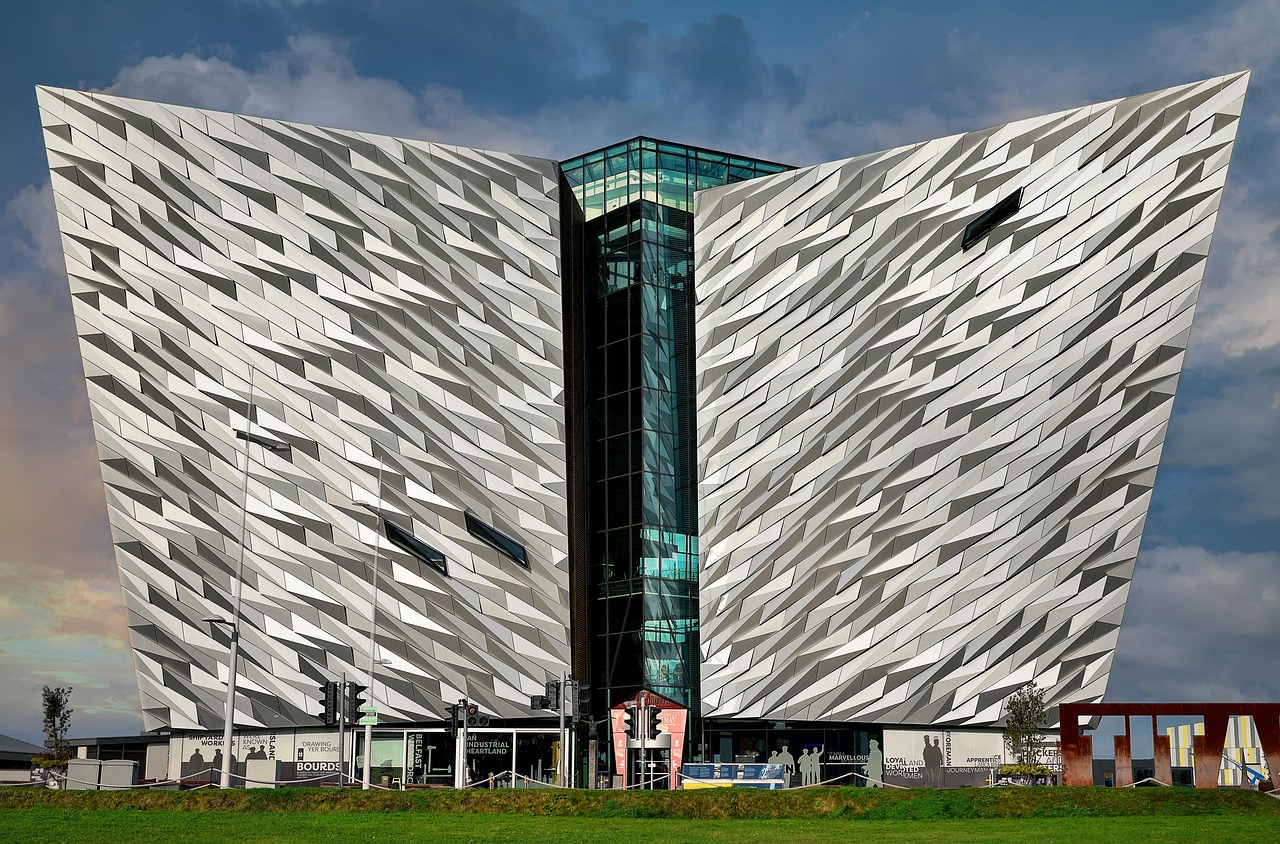
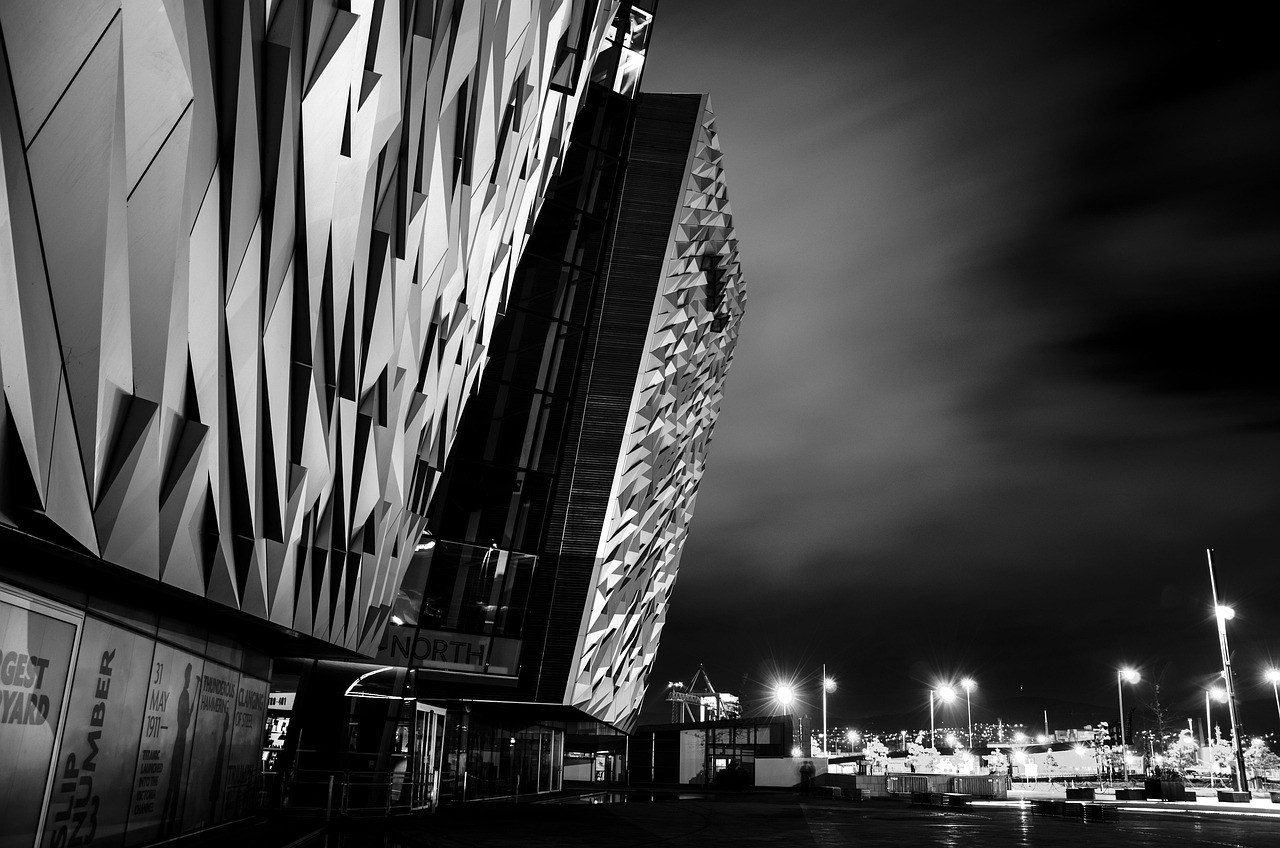
I still remember my first time walking up to Titanic Belfast. The building itself is a statement – all sharp, silvery angles rising as high as the original ship’s hulls, shimmering above the old Harland & Wolff shipyards. I’d seen photos, but in person it feels like a ship made of light and steel.
Inside, the museum doesn’t just retell the sinking; it pulls you into the world that built the ship: the noise of the yards, the heat of the rivets, the pride of a city at its industrial peak. There’s even a gentle ride through a recreated shipyard that always makes me grin like a kid, even on my fifth visit.
History & Significance
Belfast was once one of the world’s great shipbuilding capitals, and Harland & Wolff was its beating heart. The Titanic was launched here in 1911, and though the tragedy happened in the North Atlantic, the ship’s story is woven into Belfast’s identity. The museum opened in 2012 as part of a major regeneration of the docks, now called the Titanic Quarter.
What to Expect & How to Visit
- Allow: 3–4 hours if you like to read and linger; 2 hours minimum.
- Highlights: The shipyard ride, the full-scale cabin recreations, and the viewing gallery overlooking the Titanic Slipways.
- Family-friendly: Very. Lots of interactive displays; kids tend to love the ride section and the large-scale models.
- Romantic: Surprisingly yes, especially if you wander the slipways at sunset afterwards – it’s quiet and atmospheric.
Personal Tips
- Go early: I always book the first time slot (around 10 am). It’s much less crowded, and the galleries feel more immersive.
- Combo tickets: Consider combining with the SS Nomadic, the last remaining White Star Line ship, moored just outside.
- Food nearby: I usually grab a coffee at The Dock Café (volunteer-run, pay-what-you-feel; a very Belfast concept) or head to Harbour & Co in nearby St Anne’s Square afterward.
- Getting there: From the city center, it’s about a 20-minute walk along the River Lagan (lovely on a clear day), or take the Glider G2 bus from City Hall.
2. Belfast City Hall & Donegall Square
Belfast City Hall is my anchor point in the city – a grand Edwardian Baroque building in the middle of a surprisingly green square. On my first winter trip, I remember stepping off the bus in front of it as snow flurries drifted around the lit-up façade and Christmas Market stalls. It felt like walking onto a film set.
Why It Matters
Completed in 1906, City Hall symbolized Belfast’s status as an industrial powerhouse. Today, it’s a civic building, a free museum, and a peaceful patch of lawn where office workers eat lunch, teenagers skateboard, and visitors quietly people-watch.
What to Do There
- Take the free tour: When I finally joined one (after years of just admiring from outside), I kicked myself for waiting. You’ll see the Council Chamber, the marble-clad Grand Staircase, and get a crash course in city history.
- Visit the exhibition: The ground-floor galleries are surprisingly good: interactive displays on Belfast’s growth, conflict, and culture.
- Stroll the grounds: Look for the Titanic Memorial Garden and various statues. I like sitting on the grass with a takeaway coffee, watching the city swirl around.
Practical Tips
- Cost: Free, including tours (check current times at the reception desk).
- Photography: Allowed in most areas; the stained glass and domes make for gorgeous shots.
- Nearby: From here, you’re a few minutes’ walk from the shopping district, Linen Quarter cafés, and the start of the Cathedral Quarter.
3. Cathedral Quarter & St Anne’s Cathedral
If City Hall is Belfast’s formal face, the Cathedral Quarter is its creative soul. This is where I always end up, whether I’m meeting friends for a drink, hunting down new street art, or just wandering cobbled lanes for the pleasure of it.
St Anne’s Cathedral
The district is named for St Anne’s Cathedral, a striking Romanesque-style church with a modern steel spire – the “Spire of Hope” – piercing the sky. Inside, the mosaics and stained glass are intricate, but what I love most is the sense of calm in the middle of the city’s buzz.
What Makes the Cathedral Quarter Special
- Street art: Almost every visit I spot a mural I’ve never seen before. Commercial Court and Talbot Street are favorites.
- Pub culture: Iconic spots like The Duke of York and The Dirty Onion are packed on weekend nights, with trad music spilling onto the streets.
- Independent venues: Little galleries, co-working spaces, and performance venues (like The MAC) make this area feel perpetually in motion.
My Go-To Ritual Here
On a typical arrival day, I drop my bags, then head straight to the Cathedral Quarter: coffee at Established or Curated Kitchen, a slow loop around Hill Street and Commercial Court with my camera, then a pint and live music once the sun dips.
Tips
- Best time: Late afternoon into evening for atmosphere without the peak-party crowds. Weeknights are lively but not hectic.
- Family note: Daytime is fine with kids (they’ll enjoy the murals); evenings are more adult-oriented, especially around the pubs.
4. Crumlin Road Gaol
The first time I visited Crumlin Road Gaol, I walked out in silence. It’s one of the most powerful sites in Belfast – a 19th-century prison that operated until 1996, now turned into a visitor attraction that doesn’t flinch from the city’s darker chapters.
What You’ll See
The standard guided tour (which I recommend over self-guided) takes you through the tunnel that once linked the jail to the courthouse, into the Victorian wings with their creaking metal walkways, and through the execution chamber. It’s sobering, but important context for understanding Belfast’s past.
Why It Matters
Over its lifetime, the gaol held murderers, suffragettes, and political prisoners from both sides of the conflict. Standing in those cells, hearing stories of escapes and protests, you realize just how recent much of this history is.
Practical Tips
- Allow: 1.5–2 hours.
- Book ahead: Tours can sell out on weekends and during peak seasons.
- Getting there: It’s about a 20–25 minute walk from the center, or a short taxi/bus ride up the Crumlin Road.
- With kids: Older teens will likely find it fascinating; younger children may find it too intense.
5. Political Murals & Black Taxi Tours
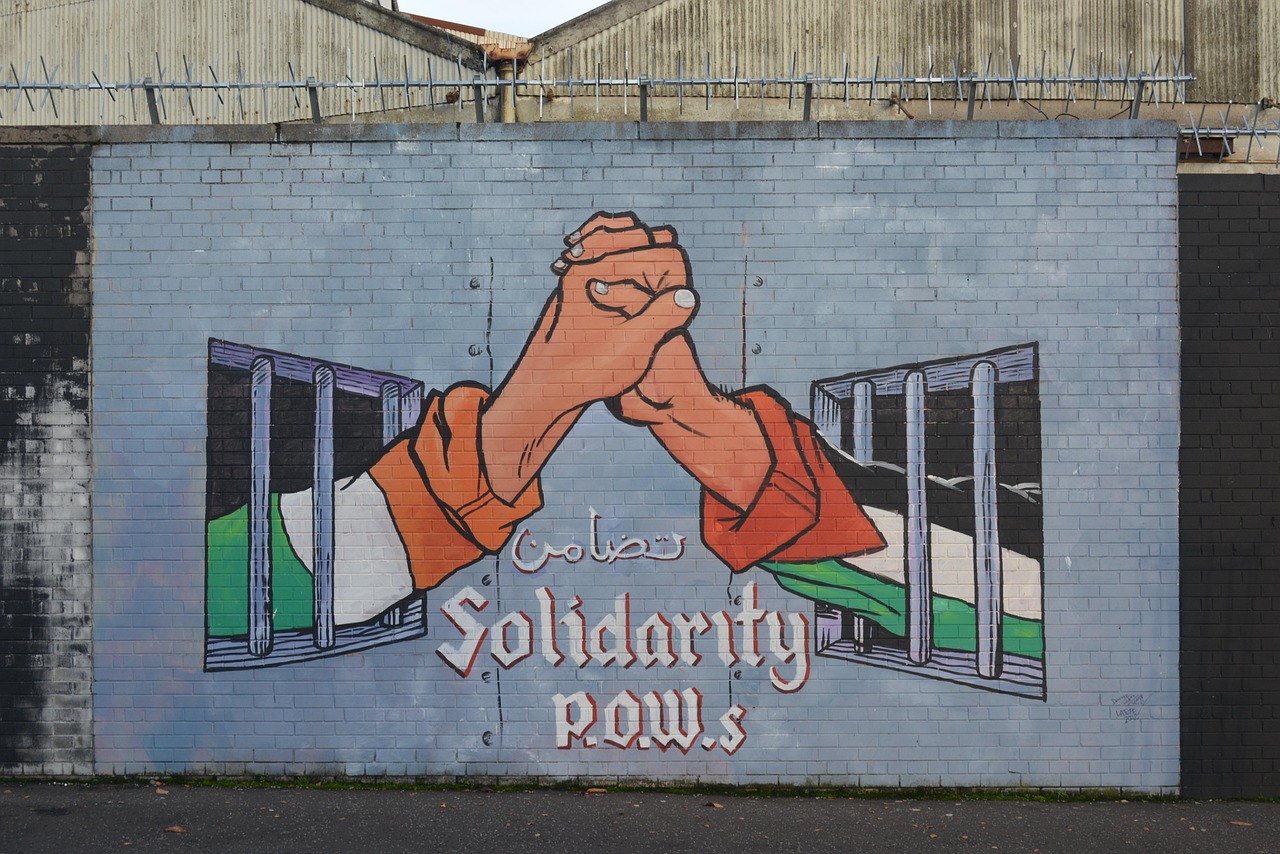
However long you’re in the city – even if it’s just 3 days in Belfast – I strongly recommend doing a black taxi tour of the political murals. The first time I did one, my driver had lived through the Troubles and peppered his commentary with personal stories that were far more nuanced than any guidebook.
What It Involves
- A local driver picks you up (usually from your hotel) in a black cab.
- You visit key sites on both sides of the peace lines – typically the Falls Road (nationalist) and Shankill Road (unionist).
- You’ll see murals, peace walls, memorials, and often sign the peace wall yourself.
Why It’s Important
Belfast’s recent past is complicated, and it’s easy to miss if you just drift between pretty streets and bars. This tour grounds you in the reality of what the city has been through, and how far it’s come.
Tips
- Ask questions: The value of these tours is in the conversation. Every driver I’ve had has been open to respectful, honest questions.
- Timing: I like doing this on day one or two of any trip – it frames the rest of your visit.
- Book with a reputable company: Look for operators with long-standing reputations and balanced reviews.
6. Botanic Gardens & Palm House
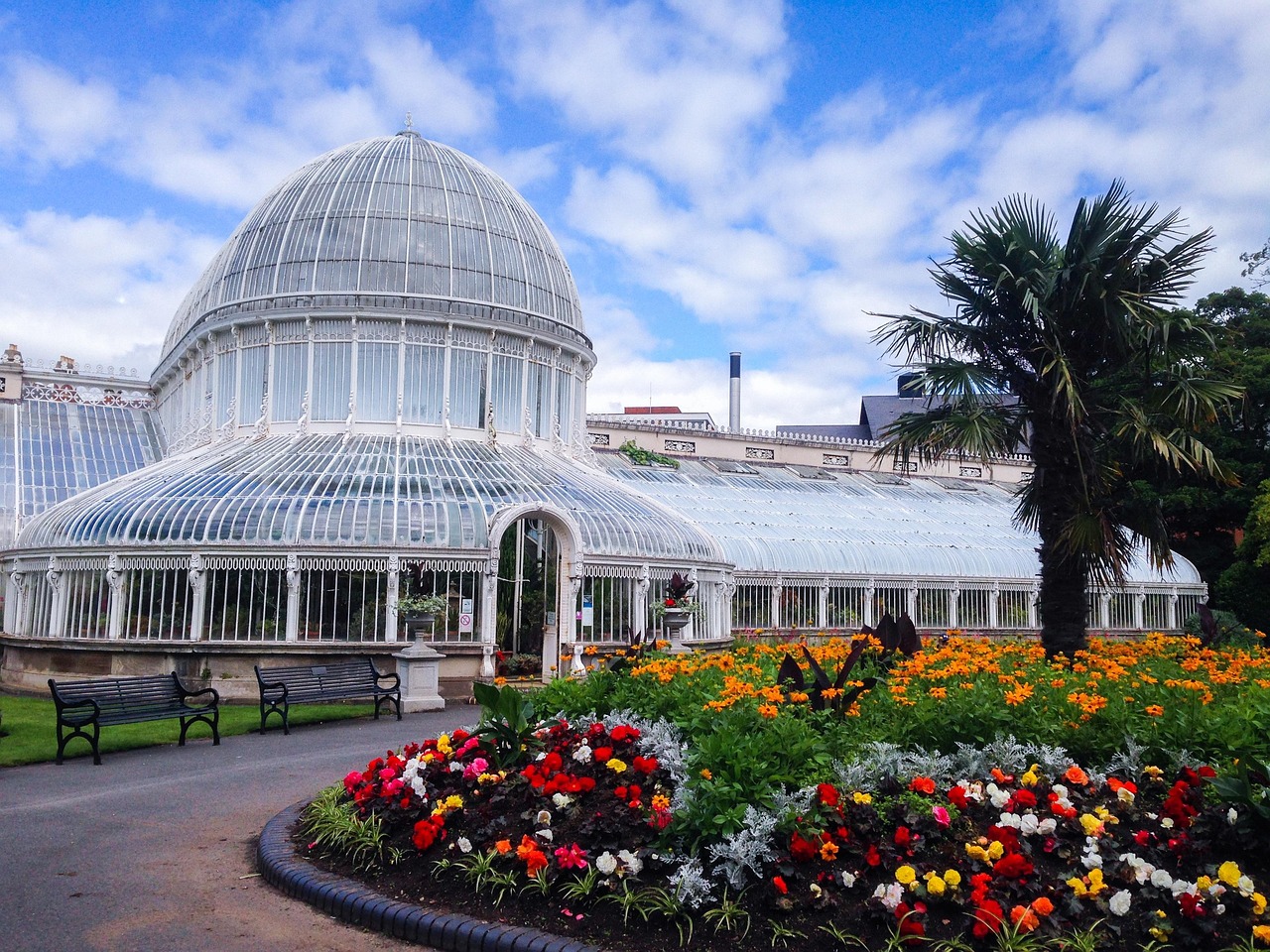
Whenever I stay in the Queen’s Quarter, the Botanic Gardens become my backyard. I’ve walked here in every season: cherry blossoms in spring, picnics in summer, crunchy leaves in autumn, and frosted lawns in winter.
Highlights
- Palm House: A gorgeous Victorian glasshouse filled with tropical plants. I love ducking in on rainy days – the air feels instantly warmer and the curved glass is beautifully photogenic.
- Tropical Ravine: A restored 1880s ravine filled with ferns and exotic plants, with a raised walkway. It always feels a bit like stepping into a Victorian explorer’s notebook.
- Open lawns: Perfect for picnics, frisbee, or just lying on the grass with a book.
Why Visit
The gardens are free, central, and a delightful contrast to the city’s industrial heritage. They’re also right beside the Ulster Museum and Queen’s University, making this a great cluster to explore in half a day.
Tips
- Bring snacks: I usually pick up pastries or sandwiches on Botanic Avenue and picnic in the gardens.
- Photography: Early morning or golden hour in the Palm House can be magical if the light cooperates.
7. Ulster Museum
The Ulster Museum is one of those rare places where you can see dinosaur skeletons, Irish art, Spanish Armada gold, and a timeline of the Troubles under one roof – and it’s all free. On rainy Belfast days (of which there are a few), I’ve happily lost entire afternoons here.
What’s Inside
- Natural history: Fossils, taxidermy, and a looming dinosaur skeleton that kids adore.
- History of Ireland & the North: Clear, thoughtful exhibits on everything from early settlements to the peace process.
- Art collections: Irish and international works, plus rotating contemporary exhibitions.
Tips
- Allow: 2–3 hours if you’re thorough; 1 hour for a skim.
- Café: Handy for a coffee break between sections.
- Combine: Pair with Botanic Gardens and Queen’s University for a full, varied day.
8. Queen’s University Belfast & Queen’s Quarter
There’s something about university districts – the mix of student energy, bookshops, cheap eats, and academic architecture. Queen’s University Belfast is one of my favorite places to just wander, imagining what it would be like to study here.
What to See
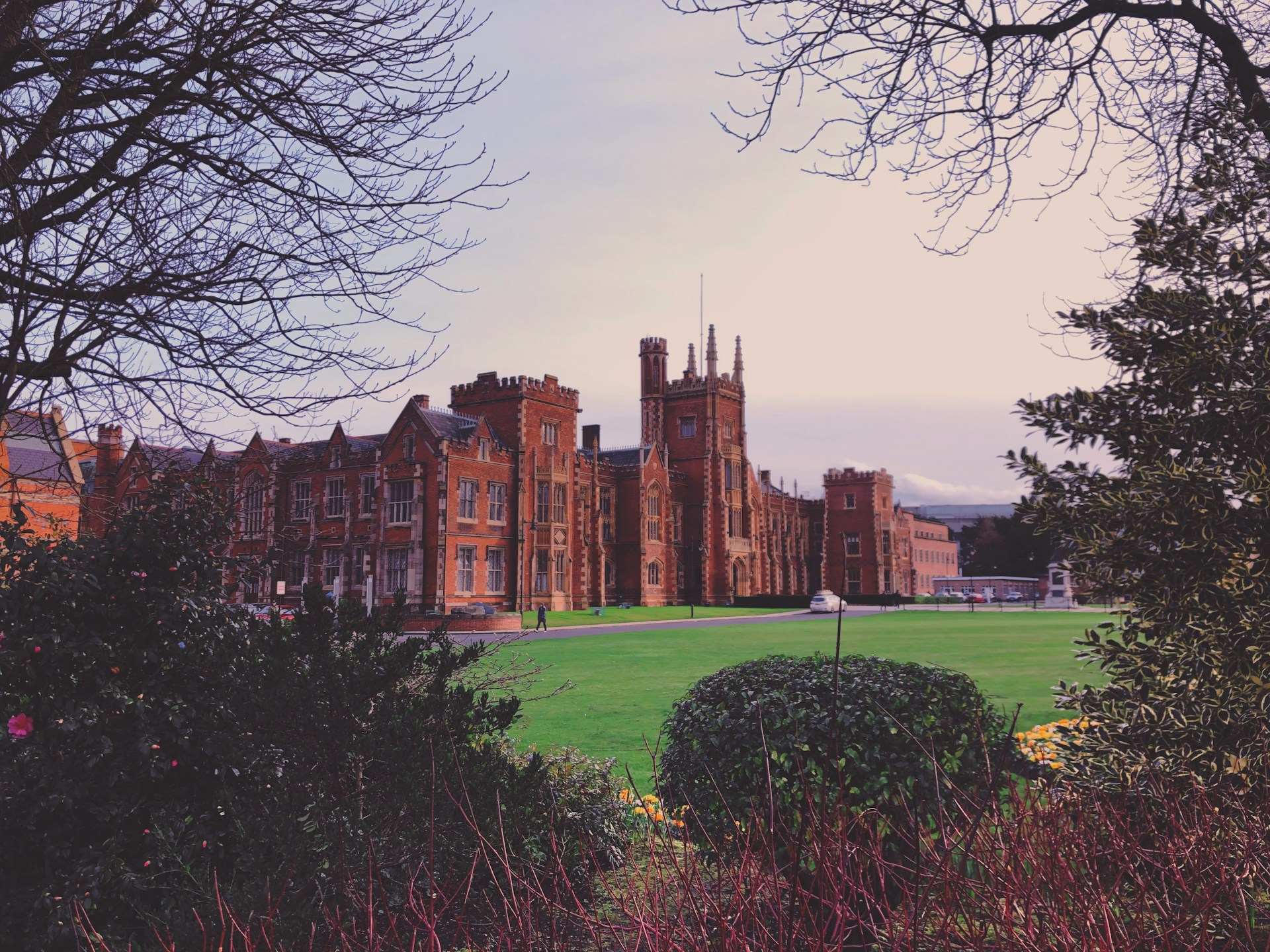
- Lanyon Building: The red-brick, neo-Gothic main building is the star. I’ve photographed it in sun, rain, and fog; it looks good in all three.
- Campus walk: Wander the quads, peek into the Great Hall if open, and follow paths south toward the Botanic Gardens.
- Queen’s Quarter streets: Check out Botanic Avenue and University Road for cafés, record shops, and cozy bars.
Tips
- Best time: Weekdays during term have the most buzz; weekends are quieter but peaceful.
- Food nearby: Botanic Avenue is full of budget-friendly eats – perfect if you’re trying to save money in Belfast.
9. River Lagan Walkway & Lagan Weir
When I need to clear my head in Belfast, I walk the River Lagan. The riverside path gives you space and sky – and a different angle on the city’s architecture, from industrial remnants to sleek new apartments.
Highlights
- Lagan Weir & footbridge: A modern bridge with changing colored lights at night, linking the city center to the Titanic Quarter.
- ‘Big Fish’ sculpture: Officially the Salmon of Knowledge, this mosaic fish is one of Belfast’s most-photographed pieces of public art.
- Public art & wildlife: Look out for birdlife along the water, and scattered sculptures.
Tips
- Time: A relaxed out-and-back from City Hall to Titanic Quarter and back is an easy 1.5–2 hours with photo stops.
- Bike hire: Belfast Bikes has stations nearby if you prefer to cycle.
10. St George’s Market
St George’s Market is my favorite Saturday morning ritual in Belfast. I go for breakfast, stay for the live music, and leave with at least one thing I hadn’t planned to buy – a jar of local honey, handmade jewelry, or a stack of traybakes.
What It’s Like
Housed in a red-brick Victorian building, the market is a jumble of food stalls, craft vendors, vintage clothes, and coffee stands. The atmosphere is easygoing and social; I’ve ended up in long chats with stallholders about everything from traditional recipes to weather patterns.
When to Go
- Friday: Variety market – food, antiques, bits of everything.
- Saturday: Food & craft market – my personal favorite day.
- Sunday: Craft and antiques with more emphasis on art and music.
Tips
- Go hungry: There are excellent breakfast rolls, crepes, and coffee stands.
- Cash: Many vendors take cards now, but I still bring some cash just in case.
- Timing: Late morning has the best buzz; earlier is quieter if you dislike crowds.
11. Cave Hill Country Park & Belfast Castle
If you only do one hike in Belfast, make it Cave Hill. The first time I climbed it, the city unfolded beneath me like a map – shipyard cranes, church spires, the curve of the lough, and (on a clear day) even the coast of Scotland faintly on the horizon.
Belfast Castle
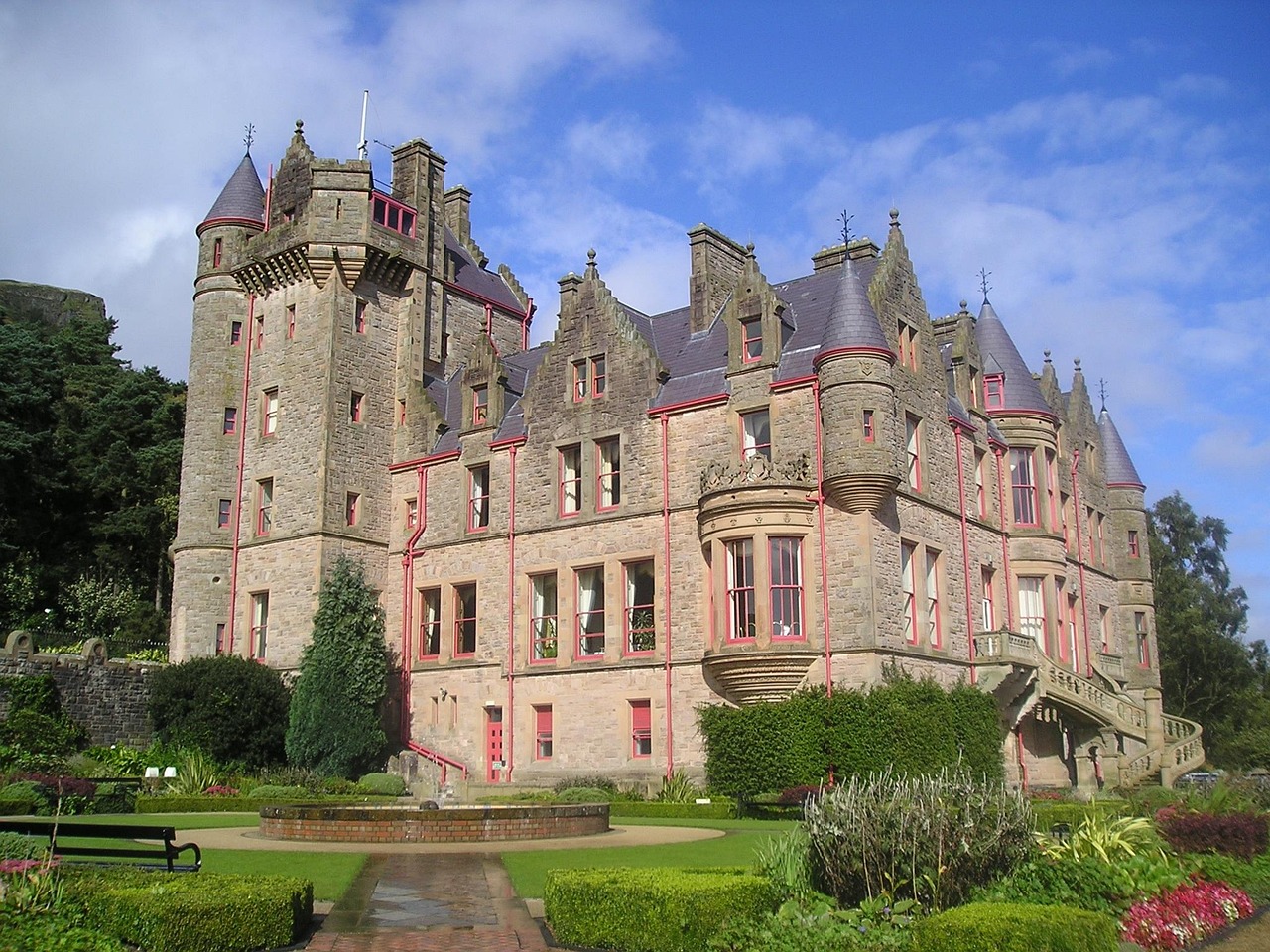
At the foot of the hill sits Belfast Castle, a 19th-century Scottish baronial-style mansion with manicured gardens and a cat-themed motif (see how many cat statues and mosaics you can spot). I like to grab a coffee from the café and sit on the terrace before or after the hike.
The Hike
- Route: From the castle car park, follow signed trails up to McArt’s Fort, the main viewpoint.
- Difficulty: Moderate; the path is clear but can be steep and muddy in places.
- Time: 2–3 hours round trip, with plenty of photo stops.
Tips
- Footwear: Wear proper shoes – I’ve seen too many people slipping around in fashion trainers.
- Weather: The top can be windy; bring a layer, even in summer.
- Getting there: Bus or taxi from the center; allow 20–30 minutes each way.
12. Stormont Estate (Parliament Buildings)
The long, straight avenue leading up to Stormont Parliament Buildings is one of Belfast’s most iconic vistas – a white neo-classical building at the top of a green slope, flanked by trees. I like coming here in the late afternoon, when dog walkers and joggers fill the paths.
Why Visit
- Architecture: The building is impressive up close, with detailed stonework and sweeping steps.
- Grounds: The estate is effectively a park, with trails, memorials, and woodland.
- Political context: This is the seat of the Northern Ireland Assembly; its on-again, off-again status over the years reflects the region’s political complexity.
Tips
- Access: You can usually wander the grounds freely; guided tours of the interior may be available depending on the Assembly’s schedule.
- Family-friendly: Great open space for kids to run around.
- Getting there: East of the city by bus or car; about 15–20 minutes from the center.
13. C.S. Lewis Square & East Belfast
As a lifelong bookworm, I have a soft spot for C.S. Lewis Square. Lewis, who wrote The Chronicles of Narnia, was born in East Belfast, and this public square pays whimsical tribute with sculptures of Aslan, the White Witch, Mr. Tumnus, and others.
What to Do
- Walk the square: It’s compact but charming, especially if you’ve read the books.
- Visit the EastSide Visitor Centre: Handy for local info, exhibits, and a café.
- Explore East Belfast: Wander nearby streets to get a feel for a less touristy side of the city.
Tips
- Family-friendly: Kids love the sculptures; it’s easy to combine with a short walk along the Comber Greenway cycling/walking path.
- Best time: Daytime; evenings are quiet.
14. Peace Walls & Falls/Shankill Roads
Even outside a black taxi tour, visiting the peace walls and the Falls Road/Shankill Road areas is deeply affecting. On one trip, I walked part of the route on my own after doing a guided tour the previous day; seeing the towering walls in the quiet of the afternoon was a very different experience.
What You’ll See
- Peace walls: Tall barriers built to separate communities during the Troubles; many are now covered in murals and messages of peace.
- Murals: Political, historical, and increasingly, more hopeful or cultural themes.
- Memorial gardens: Commemorating those killed during the conflict.
Tips
- Go with a guide first: Context is crucial here; once you understand the stories, solo wandering becomes more meaningful.
- Respect: These are still living communities; be discreet with photography and avoid intrusive behavior.
15. Titanic’s Dock & Pump-House
While Titanic Belfast tells the story, the Titanic Dock & Pump-House lets you feel the scale. Standing at the bottom of the cavernous dry dock where the ship was fitted out, with the stone walls towering above, gave me chills in a way the museum displays never quite did.
What It Is
The dry dock and pump-house are original structures from the shipyard era. You can explore the pump machinery, learn how the dock operated, and walk along the floor of the dock itself.
Tips
- Combine: Visit alongside Titanic Belfast as part of a half- or full-day in the Titanic Quarter.
- Footwear: Surfaces can be uneven and sometimes damp.
16. The MAC (Metropolitan Arts Centre)
Hidden just behind St Anne’s Cathedral, The MAC is one of my favorite rainy-day refuges. It’s a contemporary arts center with galleries, performance spaces, and a café where I’ve spent many hours writing and people-watching.
Why Go
- Exhibitions: Free contemporary art shows that change regularly.
- Performances: Theatre, comedy, live music, and kids’ shows; check the schedule ahead of time.
- Café: Relaxed and laptop-friendly, with big windows onto St Anne’s Square.
Tip
Even if you’re not “into” contemporary art, it’s worth popping in for 20 minutes between Cathedral Quarter wanderings. I’ve stumbled into some excellent small exhibitions by accident this way.
17. Linen Quarter Architecture & Grand Central Hotel View
The Linen Quarter, just south of City Hall, is where Belfast’s Victorian wealth shows in stone. Many of the old linen warehouse buildings have been repurposed into offices, hotels, and trendy bars, but if you look up, the old flourishes – carved figures, ornate cornices – are still there.
Highlights
- Architecture walk: Stroll around Bedford Street, Ormeau Avenue, and nearby lanes.
- Views: For a modern “skyline” view, head to the bar at the Grand Central Hotel – one of the best spots to appreciate Belfast’s mix of old and new.
- Food & drink: Lots of mid-range restaurants and stylish bars popular with locals after work.
18. Falls Road & Gaeltacht Quarter
The Falls Road and the surrounding Gaeltacht Quarter (Irish-speaking cultural area) are full of history, politics, and culture. I’ve come here on political tours, but also just to attend Irish music sessions and browse independent bookshops.
What to Explore
- Murals & memorials: Often covered on black taxi tours.
- An Chultúrlann: An Irish language cultural center with a café, gallery, and events; a great place to experience a different dimension of Belfast life.
- Bookshops: Look for local and political titles you won’t easily find elsewhere.
19. Shankill Road
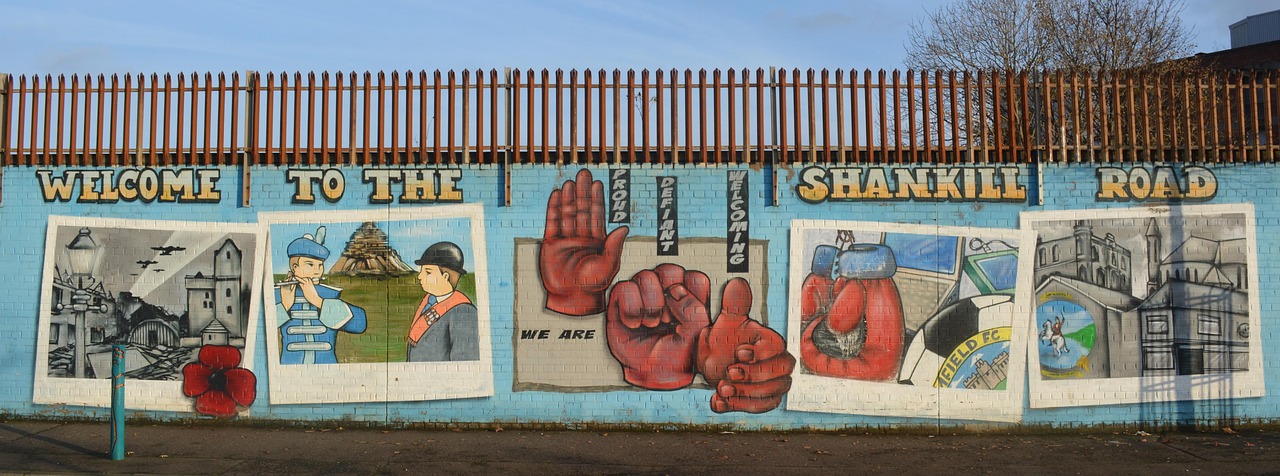
Balancing a visit to the Shankill Road with time on the Falls Road is important if you want a fuller picture of Belfast. This predominantly unionist/loyalist area has its own murals, memorials, and community stories.
Tips
- Guided visit: Again, I recommend seeing this area with a guide initially.
- Respect: Treat it as a living neighborhood, not just a photo stop.
20. Maritime Mile & SSE Arena Area
The Maritime Mile connects many of the Titanic Quarter highlights along the waterfront: Titanic Belfast, SS Nomadic, the slipways, and public art. In the evenings, especially when there’s something on at the SSE Arena, the area buzzes with people heading to gigs, hockey games, and events.
Why Go
- Scenic walk: Great views of the harbor, cranes, and city skyline.
- Events: Check what’s on at the SSE Arena during your stay; I’ve caught some surprisingly big acts here.
- Family-friendly: Wide paths, space to run, and occasional pop-up events.
21. Ormeau Park & Ormeau Road
When I want a more “local” park than the Botanic Gardens, I head to Ormeau Park. It’s Belfast’s oldest municipal park and a favorite with joggers, dog walkers, and families. Combine it with a stroll along the increasingly foodie Ormeau Road and you’ve got a gentle half day.
Tips
- Food: Ormeau Road has some fantastic independent cafés and bakeries.
- Atmosphere: Very laid-back and residential; a good window into everyday Belfast life.
3, 4 & 5 Day Itineraries for Belfast (With Personal Stories)
Below are flexible itineraries you can adapt whether you have 3 days in Belfast, 4 days in Belfast, or 5 days in Belfast. I’ll structure a 5-day trip – you can simply trim the last days for shorter visits.
Day 1: First Taste of the City – City Hall, Cathedral Quarter & Murals
When I land in Belfast (usually via Belfast City Airport), I try not to over-schedule my first day. Instead, I aim to get my bearings, ease into the city’s rhythm, and tick off a few big sights without rushing.
Morning: Arrival & City Hall
Drop your bags at your accommodation in or near the city center – for first-timers, I recommend staying between the Linen Quarter and Cathedral Quarter so you can walk almost everywhere.
- Walk to Belfast City Hall: Use this as your orientation point. If timing works, join a free tour and then wander the exhibition inside.
- Coffee stop: I often head to a nearby café (like Town Square or Established if I’m drifting toward the Cathedral Quarter) to plan the rest of the day.
Late Morning to Early Afternoon: Black Taxi Tour
For me, the best time to do a black taxi tour is early on day one:
- Pickup: Your driver usually meets you at your hotel.
- Route: Falls Road, Shankill Road, peace walls, key murals, memorials.
- Duration: 1.5–2 hours.
Each time I’ve done this, the conversation has been different. One driver shared childhood memories of checkpoints and army patrols; another talked about his involvement in cross-community projects. Hearing these stories reshapes how you see the rest of the city – the quiet side streets, the flags, the murals you’d otherwise walk past without understanding.
Lunch: St George’s Market (If Open) or Cathedral Quarter
If it’s a Friday, Saturday, or Sunday, walk to St George’s Market for lunch. Grab something hearty – an Ulster fry wrap, seafood chowder, or a big sandwich – and listen to whoever’s playing live music that day.
On other days, I’ll often eat in the Cathedral Quarter – simple pizza, a deli sandwich, or something light so I’m not in a food coma for the afternoon.
Afternoon: Cathedral Quarter Wander
With the heaviest history portion of the day done, I like to lighten things up with a slow wander:
- Start at St Anne’s Cathedral; pop inside for a look at the mosaics and the Spire of Hope.
- Loop around Hill Street, Commercial Court, and Talbot Street, spotting murals and taking photos of lantern-strung alleys.
- Duck into The MAC for a quick look at whatever’s on in the galleries.
I tend to move slowly here; there’s always a new detail – a plaque I hadn’t noticed, a new mural, a pub sign that makes me smile.
Evening: Pub Culture & Live Music
For your first Belfast night, embrace the pub scene:
- Dinner: Grab something casual in the Cathedral Quarter – many pubs serve solid, unfussy food.
- Drinks: Try a Guinness, a local beer, or an Irish whiskey. Pubs like The Duke of York, The Harp Bar, or The Dirty Onion are popular but atmospheric.
- Music: Look for live trad sessions; they’re not staged “shows” but real sessions where musicians join in and out.
One of my favorite Belfast memories is standing in a packed pub, squeezed between strangers, as an impromptu singalong broke out when someone started “The Fields of Athenry.” No one cared that I didn’t know all the words; it was about being there, in that warm, noisy moment.
Day 2: Titanic Quarter & Maritime Belfast
Day two is for Belfast’s maritime side – the Titanic story, the transformed docks, and a different slice of architecture.
Morning: Walk the River Lagan to Titanic Belfast
Start at the city center and head toward the river:
- Walk to the Lagan Weir footbridge and cross over, pausing to photograph the skyline and Big Fish sculpture.
- Continue along the waterfront, following signs to the Titanic Quarter.
This walk is one of my favorites on a clear morning – the light on the water, joggers and cyclists passing by, and the cranes of Harland & Wolff looming in the distance like yellow metal dinosaurs.
Late Morning to Afternoon: Titanic Belfast & Dock
- Titanic Belfast: Spend 2–3 hours fully exploring the galleries, shipyard ride, and viewing points.
- Break: Coffee or lunch at the Titanic café, or walk over to the nearby SS Nomadic for a quick visit.
- Titanic Dock & Pump-House: If you’re up for more, head here to stand in the actual dry dock; it adds a visceral sense of scale.
On my most recent visit, I timed things so I emerged from the museum mid-afternoon, then walked the slipways – the flat, open spaces where Titanic and her sister ships once rested – with the low sun turning the paving stones golden. It was oddly peaceful, knowing the history beneath my feet.
Alternative/Family Options
If you’re traveling with kids and they’ve hit their museum limit, consider cutting the dock and instead walking more of the Maritime Mile, stopping at open spaces along the water where they can run.
Evening: SSE Arena Area & Back to Town
- Check for events: See if there’s a concert, comedy show, or hockey game at the SSE Arena.
- Dinner: Either eat in the Titanic Quarter/near the arena or head back to the city center. On tired legs, I often opt for something near City Hall or in the Linen Quarter.
If the weather’s kind, I like walking back along the river after dark; the lit-up buildings and reflections in the water give Belfast a quietly cinematic feel.
Day 3: Queen’s Quarter, Botanic Gardens & South Belfast
By day three of a 3 day itinerary for Belfast, you’ve done the big postcard sights. Now it’s time to sink into a different pace in the Queen’s Quarter, with museums, gardens, and studenty streets.
Morning: Ulster Museum
Head to the Ulster Museum soon after it opens. On my favorite visit, I spent the first hour in natural history (dinosaurs, fossils, taxidermy), then drifted into the Troubles exhibits and, finally, the art galleries. It felt like a mental journey through time and mood.
- Allow: 2–3 hours.
- With kids: Start with the dinosaurs and hands-on sections before you lose their attention.
Late Morning to Lunch: Botanic Gardens Picnic
After the museum, step straight into the Botanic Gardens next door:
- Visit the Palm House and Tropical Ravine.
- Find a spot on the grass or a bench.
- Eat a picnic from nearby cafés or bakeries on Botanic Avenue.
One sunny April day, I sat here under a tree bursting with blossom, listening to two students behind me debate philosophy in between complaining about an exam. It was perfect people-watching.
Afternoon: Queen’s University & Botanic Avenue
Wander the Queen’s University campus, then head down Botanic Avenue:
- Campus: Photograph the Lanyon Building, wander pathways, and pop into any open halls.
- Botanic Avenue: Browse bookshops, grab a coffee, or try budget-friendly restaurants (great if you’re stretching your funds).
Optional: Ormeau Park & Ormeau Road
If you have the energy, walk over to Ormeau Park and then up Ormeau Road for a slice of south Belfast life: laid-back bars, independent food spots, and a more local crowd.
Evening: Relaxed Dinner & Quiet Drinks
For your final night if you’re on a 3 day itinerary for Belfast, keep things low key:
- Dinner in the Queen’s Quarter or back near City Hall.
- A last drink in a pub you’ve walked past but haven’t tried yet – Belfast rewards curiosity.
If you’re continuing for 4 days in Belfast or more, think of this evening as a reset before venturing further afield.
Day 4: Hills & Politics – Cave Hill and Crumlin Road Gaol
For a 4 day itinerary for Belfast, I like to add a mix of nature and deeper historical context. Cave Hill and Crumlin Road Gaol are a great pair.
Morning: Cave Hill & Belfast Castle
Start early and head to Belfast Castle by bus or taxi. Spend a bit of time exploring the castle grounds and gardens, then tackle the Cave Hill trail.
- Route: Follow signs from the castle up through woodland to the open hillside.
- Viewpoint: At McArt’s Fort, the city spreads out below like a living map.
On one windy October morning, I stood at the top with my jacket hood flapping, watching sunbeams slice through clouds over the lough. I could pick out landmarks I’d visited earlier in the trip – Titanic Belfast, City Hall, the cranes – and it gave me a real sense of how compact and interconnected the city is.
Afternoon: Crumlin Road Gaol
After descending and grabbing a quick bite (either at the castle café or back in the city), head to Crumlin Road Gaol for an afternoon tour.
- Contrast: The fresh air and wide views of the morning make the confined spaces and heavy stories here even more striking.
- Reflection: Give yourself some quiet time after the tour – a walk back to the center or a coffee stop – to process.
Evening: Linen Quarter Dinner & Rooftop Views
Round off the day with dinner in the Linen Quarter, then head up to a rooftop or high-floor bar (like the Grand Central) for night views over Belfast. It’s a lovely way to literally look back over where you’ve been.
Day 5: East Belfast, Stormont & Free Time
If you’re lucky enough to have 5 days in Belfast, use the final day to explore the east of the city and leave space for anything you’ve missed or want to revisit.
Morning: C.S. Lewis Square & EastSide
Head to C.S. Lewis Square and the EastSide Visitor Centre:
- Wander around the Narnia sculptures.
- Grab a coffee and learn more about East Belfast’s history and famous residents.
- Optionally, walk a short stretch of the Comber Greenway – a traffic-free path popular with cyclists and walkers.
Afternoon: Stormont Estate
After lunch (either in East Belfast or back in the center), take a bus to Stormont Estate:
- Walk the avenue up to Parliament Buildings.
- Explore paths around the grounds; they’re especially pretty in spring and autumn.
- If available, join a guided tour inside for insight into Northern Irish politics.
Late Afternoon: Last-Minute Shopping or Repeats
Back in the city, use your final hours to:
- Shop for local products (linen, art prints, food items).
- Return to a neighborhood you loved for one last wander.
- Visit anything you skipped earlier (for example, a museum, The MAC, or an extra mural walk).
Evening: Farewell to Belfast
For a last night, I like to pick a quieter pub – somewhere I can actually hear my own thoughts – and raise a glass to the city. Belfast rewards repeat visits; I always leave with a mental list of things to see “next time.”
Belfast Neighborhoods & Areas to Explore
Understanding the city’s districts will help you plan your accommodation and daily wanderings.
City Centre & Donegall Square
Heart of the city, anchored by City Hall. Good for shopping, major bus routes, and being walking-distance to everywhere.
Cathedral Quarter
Cobbled streets, street art, independent bars, and creative spaces. Best for nightlife, dining, and atmosphere.
Linen Quarter
South of City Hall, full of historic warehouse buildings now used as offices, hotels, and restaurants. Great for business travelers and those who like stylish but central bases.
Queen’s Quarter (South Belfast)
Home to Queen’s University, Botanic Gardens, and student life. Ideal if you like a slightly bohemian, youthful vibe and lots of cafés.
East Belfast
Less touristy; known for C.S. Lewis Square, the Comber Greenway, and residential districts. Good for a more local feel.
West Belfast
Includes the Falls Road and Shankill Road – rich in political history and culture. Best explored with context and respect.
North Belfast
Home to Cave Hill and Belfast Castle; more residential but with some of the best views in the city.
Local Food & Drink in Belfast
Belfast’s food scene has been quietly flourishing. From hearty classics to modern twists, there’s plenty to try.
Local Dishes to Try
- Ulster Fry: A cooked breakfast with bacon, sausage, eggs, soda bread, potato bread, and more. I recommend sharing one unless you plan to nap afterward.
- Irish stew: Lamb or beef with potatoes and root veg; perfect on chilly days.
- Seafood: Mussels, chowder, and fresh fish, especially in coastal spots or at St George’s Market.
- Traybakes: No-bake treats like fifteens, caramel squares, and rocky road.
Where to Eat (Personal Favorites)
- Cafés: Botanic Avenue and the Cathedral Quarter are full of good ones; I often rotate between a few for coffee and cake while writing.
- Pubs with food: Many city pubs serve solid versions of local classics – look for daily specials.
- Markets: St George’s Market is ideal for sampling a range of things at once on a budget.
Saving Money on Food
- Have your main meal at lunch; many places do better-value lunch menus.
- Use supermarkets for picnic supplies – then eat in parks or along the river.
- Look for early-bird dinner deals before 7 pm.
Nightlife, Entertainment & Cultural Experiences
Belfast’s nightlife runs from traditional to trendy.
Pubs & Bars
- Traditional pubs: Expect live music, warm interiors, and friendly (if sometimes teasing) banter.
- Cocktail bars: The Cathedral Quarter and Linen Quarter have increasingly slick spots for cocktails and craft beer.
Music & Performance
- Live music: Many pubs have regular sessions; check chalkboards or venue websites.
- Theatre & comedy: The MAC, Lyric Theatre, and smaller venues host a good range of shows.
Cultural Experiences
- Walking tours: Street art tours, political tours, and historical walks deepen your understanding of the city.
- Festivals: If your visit overlaps with the Belfast International Arts Festival or EastSide Arts Festival, build events into your itinerary.
Best Day Trips from Belfast
Once you’ve covered the main things to do in Belfast, consider venturing beyond the city. For a 4 day itinerary for Belfast or longer, at least one day trip is worthwhile.
Giant’s Causeway & Antrim Coast
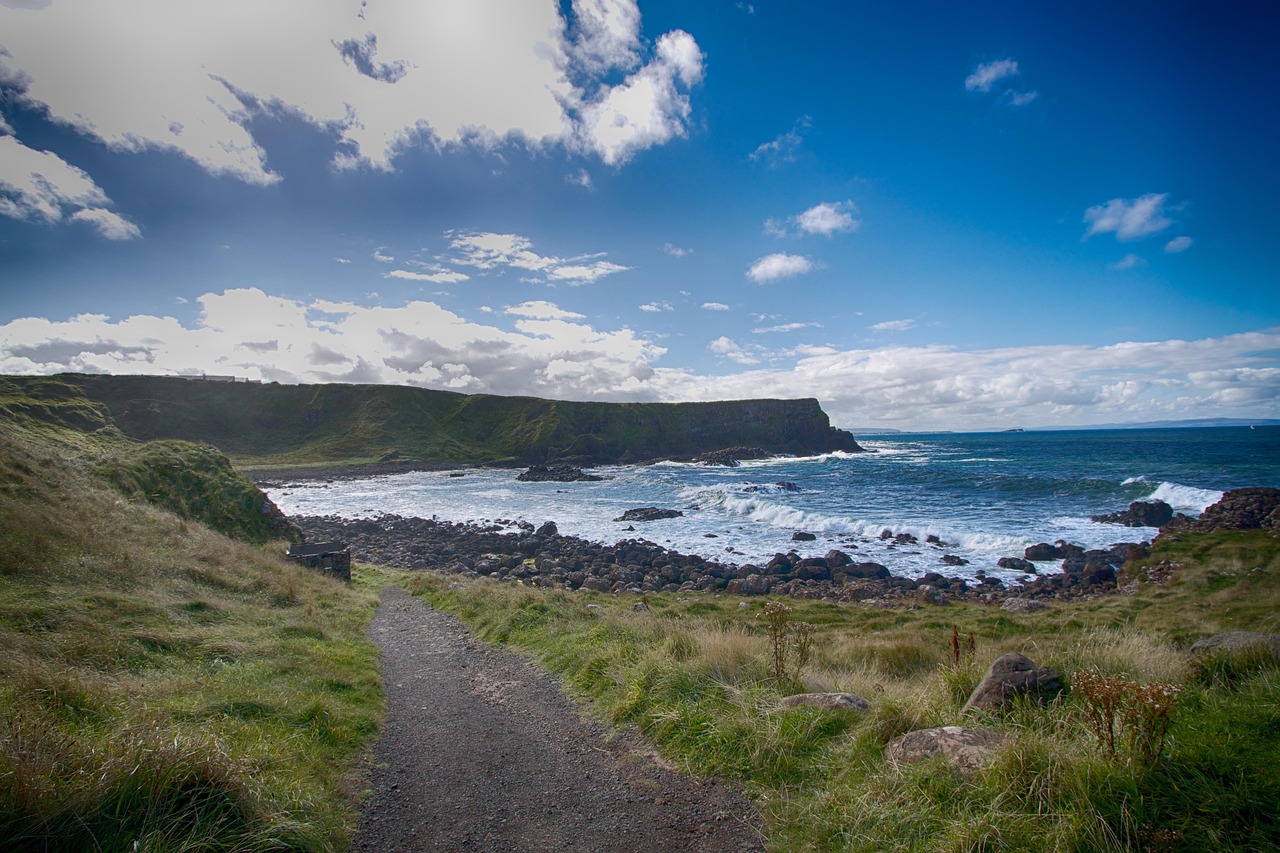
The most famous day trip: dramatic coastal scenery, the hexagonal basalt columns of the Giant’s Causeway, and optional stops at places like Carrick-a-Rede rope bridge and Dunluce Castle.
- How to go: Join a bus tour from Belfast or rent a car for flexibility.
- Time: Full day (9–10 hours).
Mourne Mountains
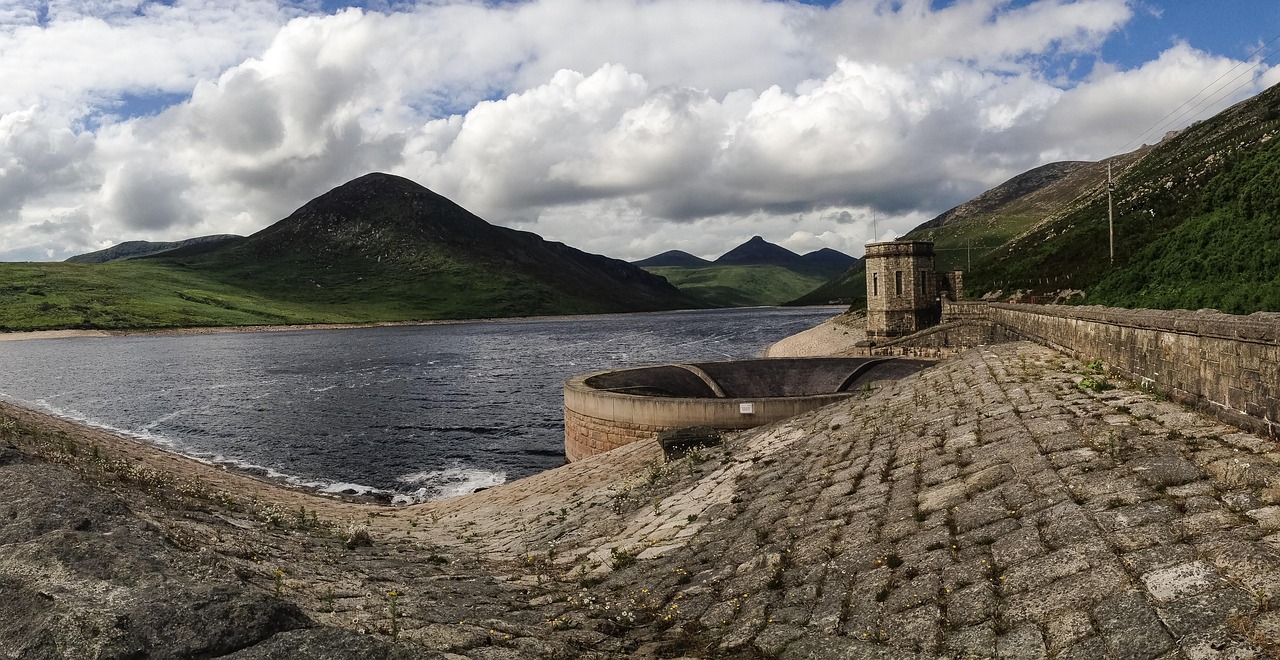
For serious hiking, the Mourne Mountains offer granite peaks, reservoirs, and rugged trails. Best accessed by car; plan your route and check weather conditions.
Bangor & North Down Coast
Shorter and more relaxed: take a train to Bangor for marina views, coastal walks, and seafood. Ideal for families or a low-key romantic day.
Cultural Etiquette & Local Customs in Belfast
Belfast is friendly and informal, but there are a few things it helps to know.
Conversation & Sensitivities
- Politics & religion: These can still be sensitive topics. It’s fine to ask respectful questions on tours, but don’t launch into debates in pubs with strangers.
- Humour: Locals often use self-deprecation and gentle teasing; don’t take it personally.
- Names: “Northern Ireland”, “the North”, and “the North of Ireland” can carry political nuance. If in doubt, mirror the language the person you’re speaking with uses.
Pub Etiquette
- Ordering: Go to the bar to order; there’s rarely table service.
- Rounds: In a group, people often buy rounds; if someone buys you a drink, it’s polite to reciprocate later.
- Tipping: Not mandatory in pubs, but rounding up or leaving small change is appreciated.
General Courtesy
- Queues: Brits and Northern Irish are serious about lining up; don’t cut in.
- Thank-yous: You’ll hear and be expected to use “thanks” a lot – on buses, in shops, everywhere.
Practical Travel Tips for Belfast (2026–2027)
Getting Around
- On foot: The city center is very walkable; many must-see attractions in Belfast are within 15–20 minutes of each other.
- Public transport: Buses and the Glider service run across the city. Contactless payments and day tickets make things easy.
- Belfast Bikes: Public bike hire with docking stations; great for the Lagan towpath and central journeys.
- Car rental: Not needed within the city, but useful for day trips to the Causeway Coast or Mourne Mountains.
SIM Cards & Connectivity
- Local SIMs: Available from major providers in the city center; bring your passport for registration if required.
- Roaming: EU/UK roaming rules continue to shift; check with your provider before travel.
- Wi-Fi: Widely available in hotels, cafés, and public spaces.
Money & Costs
- Currency: Pound sterling (GBP).
- Cards: Contactless payments are common everywhere; carry a bit of cash for markets and small vendors.
- Budget tips: Use lunch deals, self-cater some meals, and make the most of free attractions like City Hall, Ulster Museum, Botanic Gardens, and street art.
Visas & Entry
- UK entry rules: Belfast is in the UK; visa requirements match the rest of the UK. Check official UK government sites well before travel.
- Common Travel Area: If you’re coming from elsewhere in Ireland, there are generally no routine border checks, but you should still carry ID.
Driving & Licenses
- Side of road: Left.
- Licenses: Many foreign licenses are accepted for short visits; some nationalities may need an International Driving Permit. Confirm with your rental company.
- City driving: Manageable, but parking can be pricey; you don’t need a car to enjoy the city itself.
Safety
- Belfast is generally safe, with usual big-city precautions: watch your belongings, avoid very intoxicated crowds late at night, and stick to well-lit areas.
- In politically sensitive areas, be respectful and avoid provocative behavior.
Best Seasons & Weather
- Spring (Mar–May): Blossoms in Botanic Gardens, lengthening days, changeable weather but fewer crowds.
- Summer (Jun–Aug): Best for outdoor activities, festivals, and day trips; busiest and priciest period.
- Autumn (Sep–Nov): Lovely colors on Cave Hill and Stormont, cooler temperatures, good balance of events and crowds.
- Winter (Dec–Feb): Short days, chilly and damp, but City Hall’s Christmas Market and cosy pubs make it atmospheric.
Summary: Key Takeaways for Your Belfast Trip
Belfast is a city of layers: industrial might and natural beauty, conflict and creativity, old shipyards and new tech, traditional music and bold street art. Whether you follow a 3 day itinerary for Belfast, stretch to a 4 day itinerary for Belfast, or settle in for a full 5 days in Belfast, you’ll find enough things to do in Belfast to keep you engaged – and enough warmth to make you want to return.
- Base yourself in or near the city center for easy walking access.
- Mix big-name attractions (Titanic Belfast, City Hall, Crumlin Road Gaol) with quieter neighborhoods and parks.
- Take at least one political or historical tour to understand the city’s past.
- Leave room in your schedule for unplanned cafés, pub sessions, and riverside walks.
- For first-timers, late spring to early autumn offers the best balance of weather and events.
Belfast may not have the skyscraper skyline of other cities, but its cranes, spires, bridges, and red-brick warehouses have their own, subtler grandeur. Give it a few days, walk its streets, listen to its stories – and it will quietly, steadily, win you over.