Why Visit Catania in 2026?
If you love cities with a little grit, a lot of soul, and views that make you stop mid-sentence, Catania should be at the top of your list. Sitting on the eastern coast of Sicily under the watchful eye of Mount Etna, Catania is a place where volcanic stone turns into baroque palaces, where fishmongers shout prices at dawn, and where evenings stretch late over plates of pasta alla Norma and glasses of Etna wine.
I’ve been coming back to Catania for over a decade now, and each visit feels both familiar and new. The city has a unique rhythm: chaotic markets in the morning, languid afternoons in shady piazzas, golden-hour walks along Via Etnea, and late-night gelato on the promenade. It’s a city that doesn’t put on a show for tourists—it just invites you to live alongside it for a while.
In 2026, Catania is especially exciting: more pedestrian-friendly streets, growing wine and food scenes centered on Etna’s volcanic slopes, and a calendar full of festivals and cultural events. Whether you have 3 days in Catania or you’re planning 4 or 5 days in Catania for a deeper dive, this travel guide will walk you through must-see attractions, hidden gems, local food, neighborhoods, and practical travel advice.
Table of Contents
- Why Visit Catania
- Top 20 Attractions & Experiences in Catania
- Suggested Itineraries (3–5 Days in Catania)
- Neighborhoods & Areas to Explore
- Local Food & Drink in Catania
- Nightlife, Entertainment & Cultural Experiences
- Best Day Trips from Catania
- Events & Festivals in 2026–2027
- Cultural Etiquette & Local Customs
- Practical Travel Tips for Catania
- Summary & Best Time to Visit Catania
Top 20 Must-See Attractions & Experiences in Catania
This section is your deep-dive into the best places to visit in Catania, with personal notes, history, and practical tips. These are the core stops I always recommend for any 3 day itinerary for Catania or longer stays.
1. Piazza del Duomo & The Elephant Fountain (Liotru)
Piazza del Duomo is the heart of Catania and the place I instinctively walk to on my first evening back in town. The square is framed by lava-stone baroque palaces, the Cathedral of Sant’Agata, and the iconic Elephant Fountain—“Liotru”—which locals treat almost like an old friend.
Built largely in the early 18th century after the devastating 1693 earthquake, the piazza is a testament to Catania’s resilience. The elephant, carved from black lava stone and carrying an Egyptian-style obelisk, has become the symbol of the city. Nobody agrees exactly why an elephant—there are legends involving wizards, ancient Carthaginians, and more—but everyone agrees that Liotru is lucky.
My experience: I like to come here just before sunset. One evening in October, I grabbed a pistachio gelato from a nearby gelateria and sat on the steps near the fountain—within minutes, I was surrounded by the natural Catanese theater of kids playing football, couples leaning against the balustrades, and nonni chatting with espresso cups in hand.
Tips for visitors:
- Timing: Visit early morning for photos and a quieter feel, then again at night when the square glows.
- Family-friendly: Kids love the elephant and open space, but watch out for pigeons and traffic at the edges.
- Getting there: Almost every bus line that passes through the center stops within a 5–10 minute walk; just follow signs for “Duomo.”
2. Catania Cathedral (Cattedrale di Sant’Agata)
The Cathedral of Sant’Agata dominates Piazza del Duomo, and its façade is one of the finest examples of Sicilian Baroque. Dedicated to the city’s patron saint, it was rebuilt multiple times due to earthquakes and eruptions of Mount Etna.
Inside, you’ll find the tomb of the famous composer Vincenzo Bellini and several chapels dedicated to Sant’Agata. During the annual Festa di Sant’Agata in February, the cathedral becomes the emotional epicenter of the celebration.
My experience: I still remember one summer morning in 2022 when I slipped into the cathedral to escape the heat. A choir was rehearsing, voices echoing off the stone, and the smell of incense was faint but comforting. I sat in the semi-darkness for half an hour, just listening—it felt like stepping out of time.
Practical tips:
- Dress: Shoulders and knees covered; bring a light scarf if you’re visiting in summer.
- Cost: Entry to the main area is usually free; some side chapels or areas may ask for a small donation.
- Romantic angle: Step outside onto the piazza at dusk with the bells ringing—it’s an unexpectedly romantic moment, especially if you walk along Via Etnea afterward.
3. La Pescheria – Catania’s Wild Fish Market
If you want to feel Catania under your skin, go to La Pescheria. Just behind Piazza del Duomo, this historic fish market is a riot of noise, color, and smell. Fishermen shout out prices, knives flash as they clean swordfish, and octopus tentacles dangle over ice.
Dating back centuries, La Pescheria is more than a food market; it’s a stage. The calls, jokes, and banter between vendors and regulars are as important as the catch of the day.
My experience: The first time I came here (far too late, around 11:00), many stalls were already closing. Since then, I always go early—by 8:00 or 9:00. One morning I followed a local friend who insisted I try raw sea urchin (ricci di mare) right at the stall. We ate it with a squeeze of lemon and a piece of bread as shoppers pushed past us. Messy, briny, unforgettable.
Tips:
- Go early: 7:30–9:30 is best to see the market in full swing.
- What to eat: Try a quick plate of fried fish (frittura mista) from one of the small spots around the market.
- Photos: Always ask before taking close-up pictures of people. Most are fine, some will joke with you, a few prefer not.
- Family-friendly: Kids are usually fascinated, but warning: there’s real blood, guts, and fish heads.
4. Via Etnea – Catania’s Grand Boulevard
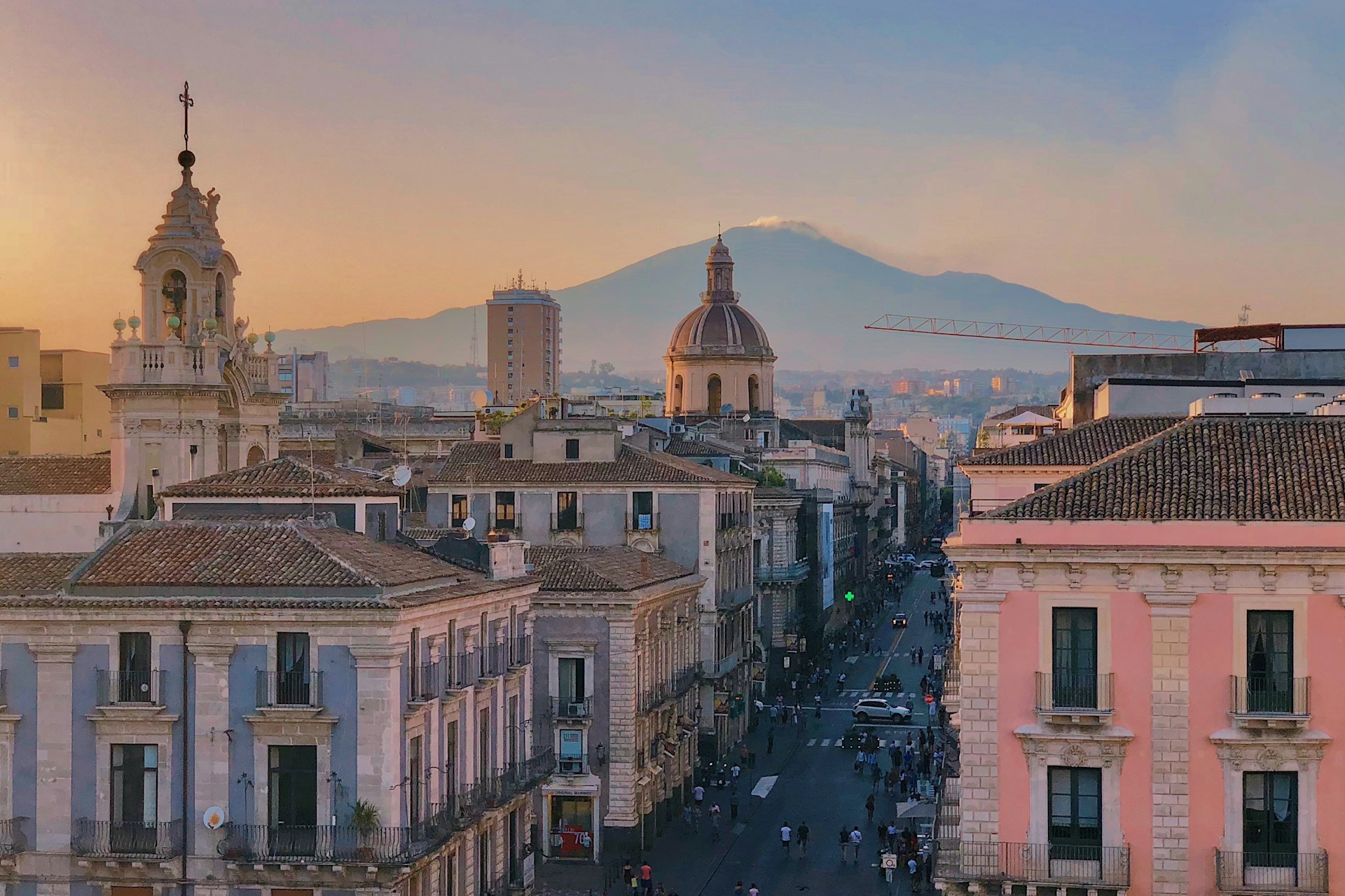
Via Etnea is the spine of Catania: a long, straight avenue lined with shops, cafés, and churches, with Mount Etna looming at the far end when the sky is clear. It’s where Catanesi go for their evening passeggiata (stroll), and where I inevitably end up at least twice a day when I’m in town.
Built using lava stone after the 1693 earthquake, the buildings here have that distinctive dark, dramatic look. The street runs from Piazza del Duomo up to Tondo Gioeni, passing important squares like Piazza Università and Villa Bellini.
My experience: My favorite time on Via Etnea is late afternoon in spring, when the light softens and Etna is snow-capped. One day I spent hours just walking this street, ducking into churches, grabbing an espresso at Caffè del Duomo, then sitting on a bench in Villa Bellini watching students practice guitar.
Tips:
- Shopping: For local ceramics and food products, look down side streets as well as the main drag.
- Budget tip: Coffee at the bar (al banco) is much cheaper than sitting at a table; this is true across Catania.
- Accessibility: Mostly flat and wide, good for wheelchairs and strollers, though cobblestones can be uneven.
5. Teatro Massimo Bellini
Named after Catania’s beloved composer Vincenzo Bellini, this 19th-century opera house is one of the city’s most elegant buildings. Its ornate façade and plush interior make it a romantic stop even if you’re not an opera fan.
My experience: A few years ago, I splurged on a ticket to see a Bellini opera here. I ended up in the top tier, almost in the rafters, but the vantage point was magic: red velvet seats, golden balconies, and Catanesi dressed to the nines. At intermission, people spilled out to the foyer, greeting friends and gossiping as much as discussing the music.
Tips:
- Tours: Guided tours of the theater are often available during the day—check at the ticket office.
- Dress code: No strict code, but locals dress smartly for evening performances.
- Romantic idea: Combine a show with a late dinner nearby—many restaurants keep serving past 10 pm.
6. Roman Theatre & Odeon
Tucked behind unassuming streets, the Roman Theatre and Odeon are among Catania’s most surprising archaeological sites. Built between the 2nd and 3rd centuries AD, they once hosted performances, debates, and civic events.
Today, the ruins sit in a bowl-like depression, partly hidden by later buildings. The interplay of old and “less old” stones is striking—Catania layered on Catania.
My experience: I remember the first time I found it: I followed a small sign and suddenly the street opened onto a panorama of stairs and arches. I ended up spending an hour here, sitting on stone steps that had seen centuries of spectators, imagining Roman crowds complaining about ticket prices just like we do now.
Tips:
- Tickets: Modest entry fee; often combined with other sites on a joint ticket.
- Photography: Great views from the upper levels; morning light is softer.
- Family-friendly: Good for kids who like ruins and exploring steps—just watch footing.
7. Castello Ursino
Castello Ursino is a squat, lava-stone medieval castle that once stood on the seashore. After centuries of eruptions and earthquakes, the coastline shifted, and now the castle sits inland, surrounded by streets and cafés.
Built in the 13th century under Frederick II, it later became a royal residence and fortress. Today it hosts the Civic Museum, with collections ranging from classical sculptures to medieval artifacts.
My experience: On a windy day, I like to walk around the castle’s exterior first, feeling the rough texture of the lava blocks. Inside, the thick walls keep things cool, making it a summer refuge. One rainy November afternoon, I found myself almost alone in the museum, the echo of my footsteps mixing with distant thunder—a very atmospheric way to experience history.
Tips:
- Time needed: 1–2 hours for a relaxed visit.
- Nearby food: The streets around are filled with casual trattorie and bars, good for a simple lunch.
- Accessibility: Parts of the castle have stairs; check locally if elevator access is available during your visit.
8. Monastero dei Benedettini (Benedictine Monastery)
This former Benedictine monastery, now part of the University of Catania, is one of the largest in Europe and a masterpiece of late Baroque architecture. It’s also one of my favorite buildings in the city.
Behind the severe façade lie peaceful cloisters, grand staircases, and corridors that blend monastic simplicity with rich decoration. The monastery’s history is marked by natural disasters and rebuilding—like much of Catania.
My experience: I joined a student-led tour once, and it completely changed how I saw the place. The guide pointed out how lava flows literally redirected parts of the complex, and how the monks adapted the landscape. We ended in a cloister where the only sound was running water and distant traffic—Catania’s chaos muted but still present.
Tips:
- Guided tours: Highly recommended; check times in advance, as they can be limited.
- Photography: Great for architectural shots, especially the cloisters and staircases.
- Quiet escape: If you need a break from the city rush, this is a calm corner.
9. Villa Bellini (Giardino Bellini)
Villa Bellini is Catania’s main public garden, a terraced park just off Via Etnea. With its fountains, shady paths, and city views from the upper terrace, it’s a favorite escape for locals.
My experience: When I stay in Catania for more than a few days, Villa Bellini becomes my morning ritual. I grab a coffee to go and climb up to the viewpoint to see Etna’s mood of the day—clear and majestic, or hidden behind clouds. One Sunday, I stumbled on a small band playing on the central stage, surrounded by families and couples eating granita.
Tips:
- Family-friendly: Playgrounds, wide paths, and plenty of benches.
- Sunset: Lovely light over the city from the top terrace.
- Budget tip: Ideal spot for a picnic with goodies from a nearby bakery or supermarket.
10. Via dei Crociferi – Baroque Street of Churches
This short street is one of the most beautiful in Catania, lined with richly decorated churches and religious buildings. It’s often used as a filming location for its cinematic look.
My experience: I like walking here early in the morning when it’s quiet and the façades are still in soft light. One morning, a priest was sweeping the steps of one of the churches; we exchanged a buongiorno and a few words about where I was from. Moments like that, simple and unplanned, are part of why I love Catania.
Tips:
- Combine with: The Roman Theatre and Monastero dei Benedettini are a short walk away.
- Photography: Best with a wide-angle lens if you have one; the street is narrow.
- Cultural note: If you step into any church, speak softly and dress respectfully.
11. Fontana dell’Amenano & Underground River
On the edge of Piazza del Duomo, the Amenano Fountain marks where the underground river of the same name resurfaces for a brief moment. The small, elegant fountain is often overshadowed by the Elephant Fountain, but it’s worth a look.
My experience: I often use this fountain as my mental gateway into La Pescheria. Stand with your back to the Duomo, listen to the sound of water, then descend the steps behind the fountain into the roaring market—it feels like changing worlds.
Tip: In summer, stand near the spray for a tiny moment of relief from the heat.
12. Aci Castello – Lava Cliff Castle by the Sea
A short ride north along the coast from Catania, Aci Castello is a small town dominated by a dramatic Norman castle perched on a black lava outcrop in the sea. It’s one of my favorite easy escapes from the city.
My experience: On one spring day, I took the bus from Catania and spent the afternoon wandering the castle, then swimming from the lava platforms below. Locals spread towels on the rocks, teens jumped into the water from dizzying heights, and older men played cards in the shade. I grabbed an arancino from a bar and ate it with my feet dangling above the sea.
Tips:
- Getting there: AMT/AST buses from Catania (around 20–30 minutes depending on traffic).
- Activities: Castle visit, swimming from the rocks, aperitivo with sea views.
- Family-friendly: Great views and castle exploring; swimming from rocks may be tricky for very small kids.
13. Aci Trezza & The Cyclops Islands
Just beyond Aci Castello, Aci Trezza is a fishing village overlooking the Isole Ciclopi (Cyclops Islands), jagged lava stacks rising from the sea. Legend says Polyphemus hurled these rocks at Odysseus.
My experience: I rented a kayak one calm morning and paddled around the islands, the black rocks glowing in the sun, small fish flickering beneath the surface. That evening, I sat at a waterfront trattoria, eating pasta with clams as the islands turned silhouettes.
Tips:
- Activities: Boat trips, kayaking, snorkeling, long seafood lunches.
- Romantic: Dinner at sunset with views of the islands is one of the most romantic experiences near Catania.
- Budget tip: If you skip the full restaurant, grab a takeaway panino di mare from a simpler spot and eat on a bench by the water.
14. Mount Etna – The Sleeping (Sometimes Waking) Giant
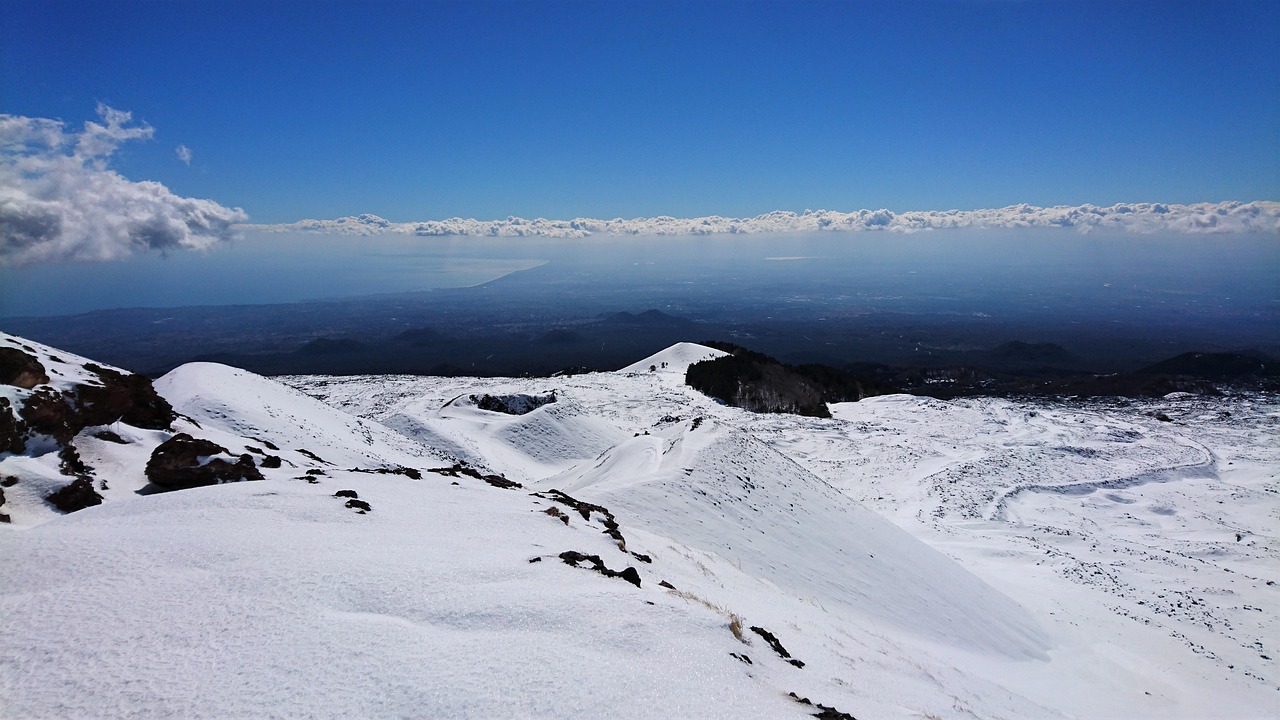
Mount Etna is more than a backdrop; it’s the force that shapes Catania’s landscape, soil, and even personality. Europe’s highest and one of its most active volcanoes, Etna offers lunar landscapes, craters, forests, vineyards, and some of the best views in Sicily.
My experience: I’ve been up Etna in different seasons: in January with snow crunching underfoot and plumes of steam drifting from vents; in September with warm sun and dusty trails. Once, a minor eruption had painted the slopes with fresh black ash—locals shrugged, checked their phones for updates, and went back to their coffee. That balance of respect and familiarity is very Catanese.
Tips (safety and logistics):
- Tours: For first-timers, especially if you want to go high up (above Rifugio Sapienza), book a guided tour.
- Self-drive: You can drive to Rifugio Sapienza, then take cable car + 4x4 buses higher (weather/eruption conditions permitting).
- Clothing: Even in summer, bring a jacket—temperatures drop fast with altitude, and it can be windy.
- Family/adventure: Good for older kids and teens who can handle walking on uneven terrain; more adventurous hikes are available for fit travelers.
15. Etna Wine Country
The slopes of Etna have become one of Italy’s most exciting wine regions, known for elegant reds and minerally whites grown in volcanic soil. Many wineries are within an hour’s drive of Catania.
My experience: One of my most memorable days around Catania was spent at a small family-run winery near Linguaglossa. We walked between old bush-trained vines, black lava stones warming in the sun, and then tasted wines paired with local cheeses and olives. The owner’s father joined us at the table, telling stories of eruptions past.
Tips:
- Book ahead: Most wineries require reservations for tastings and tours.
- Transport: Either rent a car (with a designated driver) or join an organized Etna wine tour from Catania.
- Romantic: A long, lazy lunch with wine on Etna’s slopes is an ideal romantic day trip.
16. Lungomare di Catania & Piazza Europa
Catania’s Lungomare is a seaside promenade stretching between Piazza Europa and Ognina. Here, black lava rocks meet deep-blue water, joggers pass by, and families gather in the evenings.
My experience: On hot summer nights, I love joining the local ritual of strolling along the Lungomare with a gelato in hand. Street musicians, kids on scooters, couples sitting on the rocks—this is everyday Catania life. One August night, a spontaneous group of friends set up speakers and danced under a streetlight; strangers joined in.
Tips:
- Swimming: There are organized lidos (with entry fees) and free rock access points; bring water shoes if you have sensitive feet.
- Sunset: Walk from Piazza Europa toward Ognina for lovely coastal views as the sun sets behind the city.
- Family-friendly: Wide sidewalks and play areas, but keep an eye near rocks and water.
17. La Playa – Catania’s Sandy Beach
South of the city center, La Playa is a long stretch of golden sand lined with beach clubs, simple eateries, and some free sections. In summer, it’s where half of Catania seems to go.
My experience: I’m more of a rocky-coast person, but on days when I just want to lie in the sun or swim without worrying about sharp stones, La Playa is perfect. Once, on a June weekday, the beach was blissfully quiet in the morning; by afternoon, music and chatter filled the air as more people arrived.
Tips:
- Getting there: Local buses run from the center; taxis and ride-shares are another option.
- Facilities: Lidos offer umbrellas, sunbeds, showers, and sometimes pools (for a fee); free sections are more basic.
- Family-friendly: Gentle entry into the water makes it ideal for kids.
18. San Berillo District – Street Art & Revitalization
San Berillo, once known mainly as a rough, marginalized neighborhood, has been slowly transforming with street art, creative spaces, and small bars. It’s still raw around the edges, but that’s part of its story.
My experience: I joined a local friend for a walk through San Berillo one evening. She pointed out murals I would have missed and told me about the community projects trying to give the area new life. We ended at a tiny bar filled with mismatched furniture and local artists, the air thick with conversation.
Tips:
- Go with awareness: It’s generally fine, but go with company, especially at night, and be respectful—this is a lived-in neighborhood, not a theme park.
- Photography: Ask before photographing people or private property.
- Hidden gem: Some of Catania’s most interesting little bars and cafés are tucked here; ask locals for current favorites.
19. Via Plebiscito – The Grilled Meat Street
Via Plebiscito is a long street west of the center, famous for open-air grills and casual spots serving meat-heavy dishes late into the night. It’s smoky, noisy, and very local.
My experience: One chilly February night, after a long day exploring, a local friend insisted we “go to Plebiscito.” We ended up at a no-frills joint with plastic chairs, ordering mixed grilled meats and local wine in plastic cups. It was messy, loud, and absolutely delicious.
Tips:
- What to try: Salsiccia (sausage), stigghiole (grilled intestines for the adventurous), and simple grilled pork or beef.
- Budget-friendly: Big portions for reasonable prices.
- Not for: Strict vegetarians—this street is unapologetically carnivorous.
20. Catania Street Food & Nighttime Atmosphere
Beyond specific streets, Catania’s overall street food scene is an “attraction” in itself: arancini, cartocciata, cipollina, horse meat sandwiches, and late-night cannoli.
My experience: I love joining a street food tour on my first or second night—it orients you both geographically and gastronomically. In 2024, I joined a small group led by a young chef who took us from La Pescheria’s fried fish stalls to a tiny bakery down an alley, then to a bar near San Berillo for craft Sicilian beer and a final cannolo.
Tips:
- Good for: Solo travelers (instant company), curious eaters, and those short on time wanting to sample many things quickly.
- Allergies/diet: Let the guide know in advance; Sicilian food can be flexible, but traditional dishes often involve gluten, dairy, and pork.
Suggested Itineraries: 3–5 Days in Catania
Whether you’re planning 3 days in Catania or stretching to 4 or 5 days in Catania, these itineraries combine must-see attractions, hidden gems, and local experiences. I’ve written them as if I’m walking you through my own days in the city. Adjust the pace based on your interests and the season.
3 Day Itinerary for Catania – Essential Highlights
This is the core plan I suggest to friends who ask for a 3 day itinerary for Catania. You’ll hit the classic sights, taste the local food, and feel the city’s distinct character.
Day 1: Baroque Heart & Market Energy
Start your first of 3 days in Catania right in the center. I like to wake early, especially in summer, to beat the heat and the crowds.
Morning: Begin in Piazza del Duomo. Step into the Cattedrale di Sant’Agata, then walk to the Pescheria fish market via the Amenano Fountain. Wander the stalls, taste a few olives or a piece of cheese if offered, and consider an early snack of fried fish.
After the market, stroll up Via Etnea. Pop into a bar (café) for your first proper Sicilian breakfast: brioche con granita (almond granita with a soft brioche bun) or a simple cornetto with espresso.
Midday: Visit the Roman Theatre & Odeon and walk along Via dei Crociferi to admire the churches. If it’s very hot, duck into one of the churches or a small museum to cool down.
Lunch: Choose a trattoria near Piazza del Duomo or Castello Ursino for your first plate of pasta alla Norma (eggplant, tomato, ricotta salata—Catania’s signature dish).
Afternoon: Tour Castello Ursino and its museum. Then wander the surrounding streets—this area has a slightly rough, very authentic charm.
Evening: Walk back toward the center for an aperitivo—spritz or local Etna wine with snacks—then head to Via Plebiscito if you’re in the mood for grilled meats, or choose a more central restaurant if you prefer pasta and seafood.
Day 2: Etna Adventure & Wine
On day two of your 3 day itinerary for Catania, focus on Etna and its wine country. This day can be as adventurous or as relaxed as you like.
Morning: Join a guided Mount Etna tour that leaves from Catania (most pick up around 8:00–9:00). You’ll usually visit craters, walk on lava fields, and learn about the volcano’s history.
Lunch: Many tours include a stop at a winery or rural trattoria. If you’re traveling independently, head to an Etna winery for a tasting and light lunch.
Afternoon: Depending on your tour, you might visit charming towns like Zafferana Etnea or Linguaglossa. If self-driving, you can linger longer at viewpoints and small villages.
Evening: Back in Catania, keep dinner light—maybe just arancini and salad—especially if you’ve been eating and drinking generously all day. A post-dinner walk along Via Etnea or in Villa Bellini is the perfect way to end the day.
Day 3: Coastline & Everyday Catania
On your last of 3 days in Catania, explore the coastline and soak up local life.
Morning: Take a bus or taxi up to Aci Castello, explore the castle, then continue to Aci Trezza for a walk along the waterfront or a boat trip around the Cyclops Islands.
Lunch: Enjoy a leisurely seafood lunch in Aci Trezza—grilled fish, pasta with clams, or swordfish involtini.
Afternoon: Return to Catania and head to the Lungomare or La Playa for a swim and some sun. Alternatively, if you prefer culture, visit the Monastero dei Benedettini you may have skipped on day 1.
Evening: For your final night, treat yourself to a slightly nicer restaurant with a good wine list (I’ll list some in the food section). Finish with cannoli or gelato and one last passeggiata.
4 Day Itinerary for Catania – Adding Depth
With 4 days in Catania, you can slow down, revisit favorite spots at different times of day, and add more neighborhoods and hidden gems.
Day 4: Neighborhoods, Street Art & Nightlife
Morning: Spend time exploring neighborhood markets beyond La Pescheria, like a smaller local market (ask your host which is closest). This is where you see everyday life: grandmothers arguing about the price of tomatoes, kids helping carry bags.
Then wander into San Berillo for street art, stopping at a café for a mid-morning coffee.
Lunch: Choose a simple trattoria where the menu is hand-written and changes daily. Look for dishes like pasta con le sarde (pasta with sardines) or pasta al nero di seppia (squid ink pasta).
Afternoon: Visit Teatro Massimo Bellini on a guided tour if available, then relax in a café or in Villa Bellini. If it’s hot, consider a siesta like locals do.
Evening: Experience Catania’s nightlife. Start with aperitivo in the center, then move to a wine bar or craft beer bar—several are tucked in and around San Berillo. If you enjoy live music, ask around for current venues; the scene changes, but there’s usually something happening on weekends.
5 Day Itinerary for Catania – Slow & Immersive
With 5 days in Catania, you can treat the city as a base, with time for day trips and for just “being” rather than always “doing.”
Day 5: Flexible Day – Day Trip or Deep Dive
Here are two options for your fifth day:
- Option A – Day trip to Taormina or Siracusa: Both are easily reachable by train or bus. Taormina offers cinematic views and ancient theaters; Siracusa offers Greek history and the charming island of Ortigia.
- Option B – Deep dive into Catania: Revisit favorite spots at different times of day (a second morning at La Pescheria, another sunset at the Lungomare), join a cooking class to learn Sicilian dishes, or take a focused street food tour if you haven’t already.
In the evening, I like to end a 5 day itinerary for Catania with something simple: aperitivo with friends (old or newly met), one last perfect arancino, and a slow walk back through the city’s lava-stone streets.
Neighborhoods & Areas to Explore in Catania
Centro Storico (Historic Center)
This is where most visitors stay and spend their time: Piazza del Duomo, Via Etnea, Via dei Crociferi, and surrounding streets. It’s walkable, dense with churches, palaces, bars, and shops, and has the most “wow” factor for architecture.
Stay here if: You want to step out your door and be in the middle of everything, don’t mind some noise, and prefer to walk rather than use transport.
Borgo & Ognina
North of the center along the coast, Ognina has a small fishing harbor and a more residential feel. It’s quieter than the historic center and closer to the sea.
Stay here if: You like early-morning harbor walks, want easier access to the Lungomare, and don’t mind a short bus or taxi ride into the center.
La Playa Area
Near the sandy beach and some larger hotels, this area feels more like a seaside resort zone. It’s convenient if your priority is beach time, but less atmospheric than the historic center.
Stay here if: You’re traveling with kids who want lots of beach time, or you prefer resort-style stays.
San Berillo & Surroundings
As mentioned earlier, San Berillo is a district in transition. Around its fringes are some very cool bars, cafés, and guesthouses.
Stay here if: You like edgy, artsy neighborhoods and understand that “up-and-coming” also means some roughness.
Local Food & Drink in Catania
Must-Try Local Foods in Catania
- Arancini: Fried rice balls stuffed with ragù, mozzarella, or pistachio. In Catania they’re often cone-shaped.
- Pasta alla Norma: The classic Catanese pasta with tomato, fried eggplant, basil, and ricotta salata.
- Cipollina: Flaky pastry filled with onions, ham, and cheese; a typical snack.
- Cartocciata: Soft dough parcels filled with various ingredients like tomato, cheese, sausage.
- Granita: Slushy, intensely flavored ice (almond, pistachio, coffee, lemon) often eaten for breakfast with brioche.
- Cannoli: Fried pastry tubes filled with sweet ricotta cream.
- Pani ca’ meusa / Horse meat: Offal and horse meat are part of traditional Catanese cuisine, especially on Via Plebiscito.
Where to Eat & Drink – Personal Favorites
I won’t list exact restaurant names that might change by 2026, but here’s where I tend to look:
- Near La Pescheria: For ultra-fresh seafood and casual trattorie.
- Around Via Etnea & Piazza Università: Cafés and gelaterie perfect for people-watching.
- Side streets off Via Plebiscito: For grilled meats and very local vibes.
- San Berillo area: For modern bistros, wine bars, and creative spaces.
Money-saving tip: Eating your main meal at lunch (pranzo) in a simple trattoria and a lighter dinner of street food or bakery snacks can save a lot over a few days.
What to Drink
- Etna Rosso & Etna Bianco: Local volcanic wines, often elegant and food-friendly.
- Amaro dell’Etna: Herbal liqueur, good as a digestivo after a big meal.
- Sicilian craft beers: Increasingly common in bars and pubs.
- Caffè: Espresso is the norm; cappuccino is typically a morning drink only.
Nightlife, Entertainment & Cultural Experiences in Catania
Evening Passeggiata & Piazzas
Every evening, especially on weekends, Catania comes alive. Locals stroll Via Etnea, gather in piazzas, and fill bars and gelaterie.
Bars, Pubs & Clubs
You’ll find:
- Wine bars with strong Etna selections.
- Casual pubs with live music or DJ sets.
- Summer beach clubs at La Playa.
Tip: Nightlife tends to start late; don’t expect a full crowd before 10–11 pm.
Cultural Experiences
- Opera or concerts at Teatro Massimo Bellini.
- Local festivals in honor of saints, especially Festa di Sant’Agata in February.
- Street performances and small art events around San Berillo and the historic center.
Best Day Trips from Catania
Taormina
Taormina is about an hour from Catania and famous for its Greek theater with spectacular views over the bay and Etna. It’s more polished and touristy than Catania, but undeniably beautiful.
Getting there: Regular trains and buses from Catania; expect a short uphill walk or bus from the station to the town.
Siracusa & Ortigia
Siracusa, about 1–1.5 hours away, offers a blend of Greek ruins (Neapolis Archaeological Park) and the charming island of Ortigia, with narrow streets and sea views.
Getting there: Frequent trains from Catania; Ortigia is walkable from Siracusa station.
Etna North Side & Mountain Towns
Beyond the standard Etna tours, you can explore north-side towns like Linguaglossa, Randazzo, and Castiglione di Sicilia for medieval streets and country trattorie.
Getting there: Easiest with a rental car; some tours and buses exist but are less frequent.
Events & Festivals in Catania (2026–2027)
Event dates can shift slightly each year—always confirm closer to your trip—but here are key happenings planned for 2026–2027:
- Festa di Sant’Agata (February 3–5, 2026 & 2027): One of the largest religious festivals in the world. Huge processions, fireworks, and crowds fill the city. Intense, moving, and very crowded; book accommodation early.
- Etna Comics (early June 2026 & 2027): A major comics, gaming, and pop culture convention at the Catania exhibition center; great if you’re into geek culture.
- Summer music festivals (June–August): Open-air concerts at Castello Ursino, Villa Bellini, and other venues, featuring Italian and international artists.
- Wine & food events on Etna: Seasonal tastings and harvest celebrations in autumn (September–October) across Etna’s wine villages.
Cultural Etiquette & Local Customs in Catania
Understanding local customs in Catania makes your visit smoother and more respectful.
- Greetings: A simple “Buongiorno” (morning/day) or “Buonasera” (evening) goes a long way when entering shops or cafés.
- Dress: Casual but neat in general; modest clothing in churches (covered shoulders and knees).
- Timing: Lunch usually 1–3 pm, dinner often not before 8 pm. Some shops close mid-afternoon (especially in summer).
- Coffee etiquette: Locals drink coffee quickly at the bar; lingering is more common at tables (and costs more).
- Tipping: Not obligatory, but rounding up or leaving a small amount (5–10%) for good service is appreciated.
- Noise: Catania is lively and sometimes loud; in return, people are generally tolerant of kids and family chaos.
Practical Travel Tips for Catania
Getting Around Catania
- On foot: The historic center is compact and walkable; expect cobblestones.
- Public transport: Buses and a short metro line operate in and around the city. Tickets must be validated when boarding.
- Car rental: Useful for Etna and day trips, but driving and parking in the center can be stressful; consider parking a bit outside central zones.
- Taxis/ride-shares: Handy late at night or for airport transfers; agree on price or ensure the meter is on.
How to Save Money in Catania
- Eat where locals eat: small trattorie, bakeries, and street food spots rather than touristy piazza restaurants.
- Order coffee at the bar, not at a table.
- Use public buses for short trips (La Playa, Aci Castello) instead of taxis when time allows.
- Consider apartment rentals to cook occasionally with ingredients from local markets.
SIM Cards & Connectivity (2026)
- EU visitors: Most EU phone plans still include roaming in Italy—check with your provider.
- Non-EU visitors: Get an Italian SIM from providers like TIM, Vodafone, or Iliad at the airport or in town; bring your passport.
- eSIM options are increasingly common in 2026; you can arrange service before arrival.
Visa & Entry Requirements
- Schengen Zone: Italy is part of Schengen. EU/EEA/Swiss citizens can enter with an ID card or passport.
- Other nationalities: Many travelers can enter visa-free for short stays; check official Italian or EU resources for up-to-date rules, especially with the rollout of ETIAS for some visitors.
Driving & Foreign Licenses
- EU licenses are valid in Italy.
- Non-EU visitors often need an International Driving Permit (IDP) along with their home license; check before travel.
- Driving style in Catania can be assertive; if you’re nervous, consider relying on tours and public transport instead.
Best Seasons & Weather
- Spring (March–May): Mild temperatures, wildflowers on Etna, great for sightseeing and hiking.
- Summer (June–August): Hot, especially in July–August; best for beach and nightlife, but plan midday breaks.
- Autumn (September–November): Warm seas, harvest season on Etna, fewer crowds—my personal favorite for 4 or 5 days in Catania.
- Winter (December–February): Cooler, with snow on Etna and fewer tourists; Festa di Sant’Agata in February is a huge draw.
Summary & Final Recommendations
Catania isn’t a polished postcard city—it’s better. It’s layered, volcanic, baroque, and alive at all hours. Whether you plan 3 days in Catania for a quick hit of markets, Etna, and street food, or stretch to 4 or 5 days in Catania to really settle into its rhythm, you’ll leave with strong memories: the smell of grilling meat on Via Plebiscito, your first view of Etna glowing at sunset, the taste of granita on a hot morning.
Key takeaways:
- Must-see attractions: Piazza del Duomo, Cattedrale di Sant’Agata, La Pescheria, Via Etnea, Castello Ursino, Monastero dei Benedettini, and at least a half-day on Mount Etna.
- Don’t miss: Street food (especially arancini and pasta alla Norma), a walk along the Lungomare, and a side trip to Aci Castello or Aci Trezza.
- Best time to visit: Late spring and early autumn for comfortable weather and a good balance of activity and calm.
Come with an open mind, good walking shoes, and an appetite. Catania will take care of the rest.