Why Visit Turin? What Makes This City Special
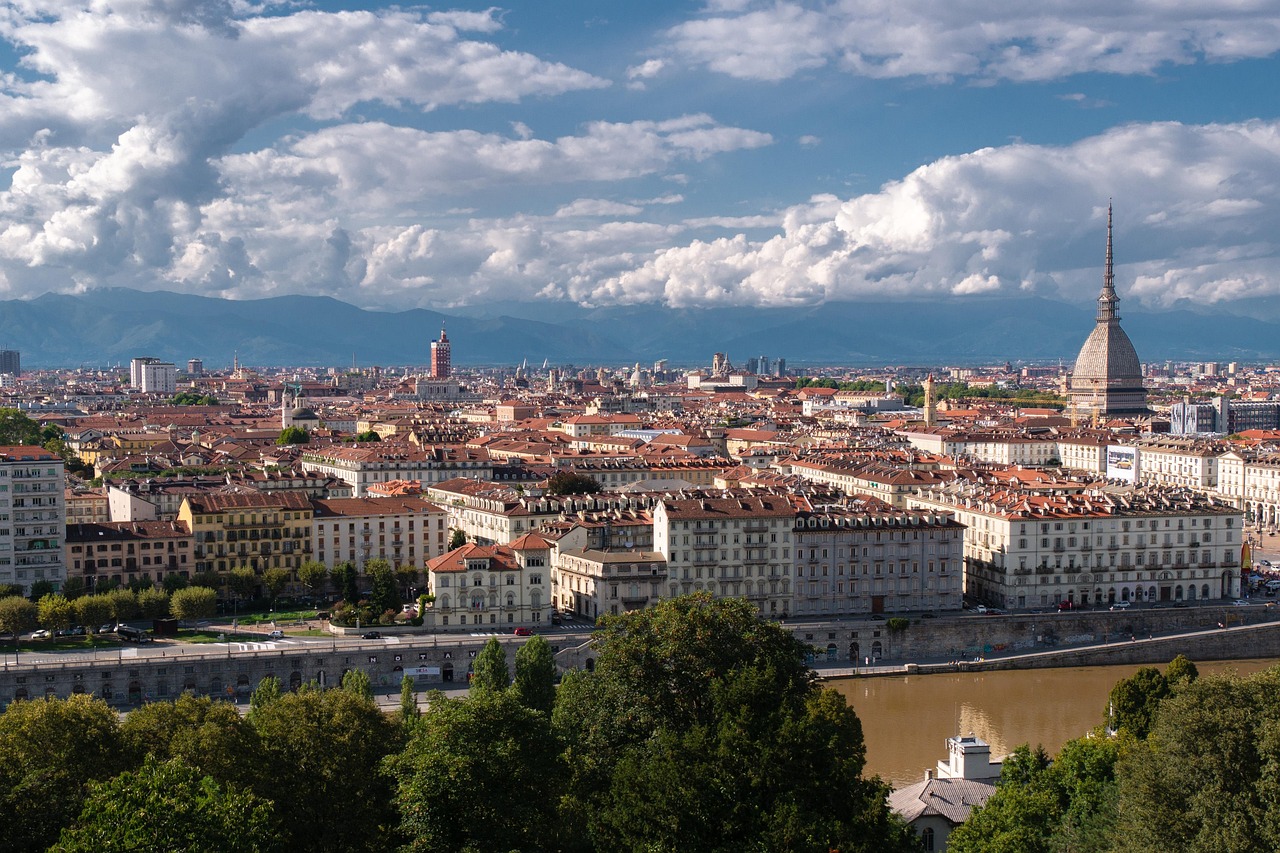
Turin (Torino) is the city most travelers skip on their first trip to Italy—and deeply regret skipping on their second. It’s elegant but unshowy, aristocratic yet creative, framed by the Alps and laced with baroque arcades, grand cafés, and leafy boulevards. If Rome is drama and Naples is chaos, Turin is quiet confidence.
I’ve lived between Turin and the nearby valleys on and off for years, and I keep coming back for the same reasons: the café culture, the chocolate and wine, the cinema and design history, and that feeling of walking under kilometers of arcades while the Alps glow pink at sunset. It’s a city that rewards those who linger.
This comprehensive travel guide for Turin (2026) is written as if I’m walking the streets with you: I’ll give you detailed 3, 4, and 5-day itineraries, highlight 20+ must-see attractions with personal anecdotes, suggest hidden gems in Turin, share local food spots, and offer the kind of travel advice and cultural customs you only learn from living here.
Whether you have 3 days in Turin or you’re planning a 5 day itinerary for Turin, you’ll find the best way to combine iconic sights like the Mole Antonelliana with low-key evenings in San Salvario wine bars and lazy afternoons in riverfront parks.
Table of Contents
- Why Visit Turin
- Practical Overview of Turin in 2026
- Top 20+ Must-See Attractions in Turin
- Best Neighborhoods & Areas to Explore
- Suggested Itineraries: 3, 4 & 5 Days in Turin
- Local Food & Drink in Turin
- Nightlife & Cultural Experiences
- Best Day Trips from Turin
- Local Customs & Cultural Etiquette
- Practical Travel Tips for Turin (Money, SIM, Transport, Safety)
- When to Visit Turin & Final Takeaways
Turin in 2026: What’s New & What to Expect
Turin has been quietly reinventing itself over the last two decades—from Fiat factory town to a hub of design, cinema, and gastronomy. In 2026–2027, a few things to keep on your radar:
- Turin Film & TV Scene: The city’s film studios and the legendary National Cinema Museum continue to draw festivals and premieres. Expect special cinema-related events almost monthly.
- Major Events 2026–2027:
- Torino Jazz Festival (late April–early May 2026 & 2027) – free and ticketed concerts across the city.
- Salone del Libro (Turin International Book Fair, May 2026 & 2027) – Italy’s biggest literary event, held at Lingotto.
- Terra Madre Salone del Gusto (expected autumn 2026) – Slow Food’s flagship event; food lovers should plan around this.
- Artissima (November 2026 & 2027) – Italy’s most important contemporary art fair.
- Lucid invernali & Christmas Markets (Dec 2026 & 2027) – festive lights and markets in Piazza Castello and along Via Roma.
- Transport Improvements: Ongoing upgrades to the metro and suburban rail lines mean easier trips to Lingotto, Venaria, and the outskirts.
Turin is incredibly walkable, with a compact historic center. You can cover most things to do in Turin on foot, using the metro or trams for the occasional hop.
Top 20+ Must-See Attractions in Turin (With Local Insight)
These are the places I take visiting friends first, blending big-ticket sights with the corners where Turin really lives. For each, I’ll tell you what it is, why it matters, and how to make your visit special.
1. Mole Antonelliana & National Cinema Museum
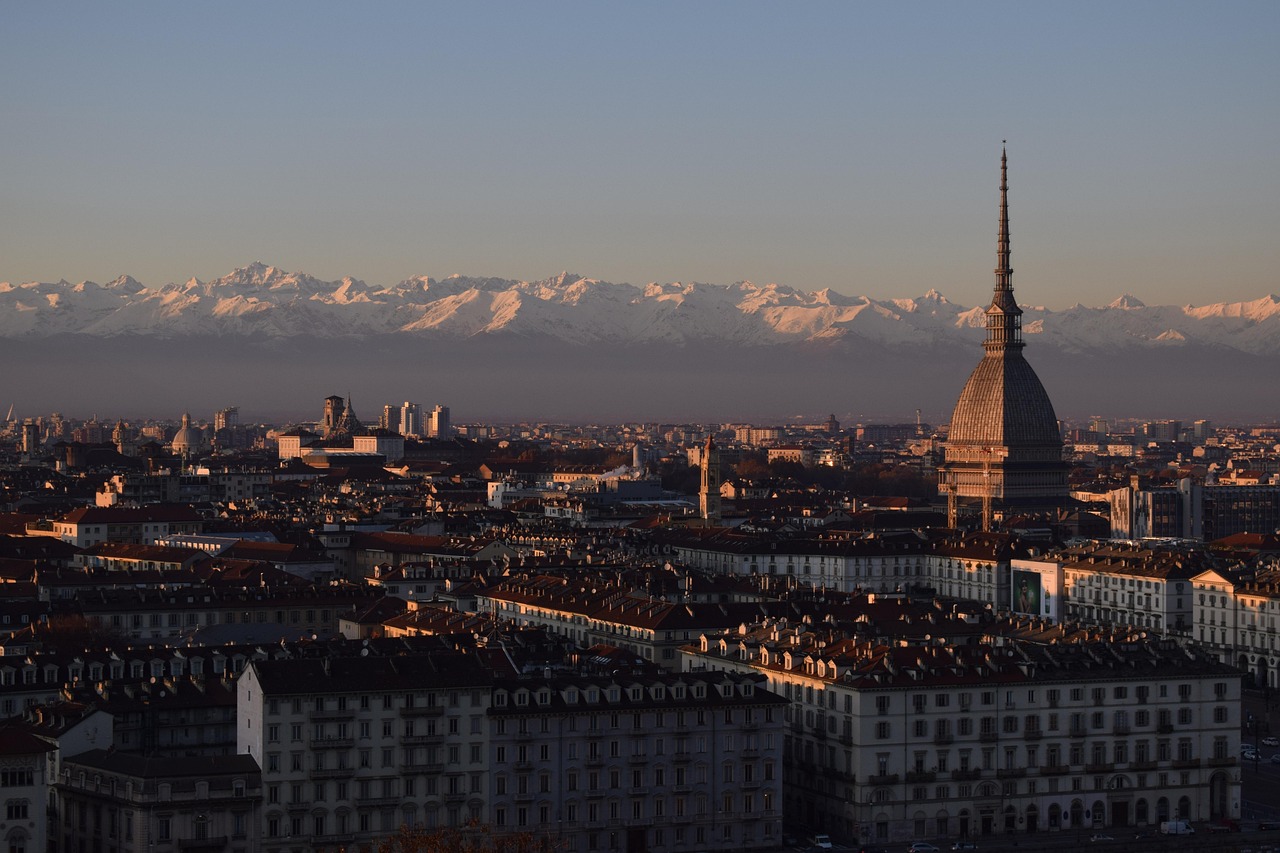
If you’ve seen one photo of Turin, it’s probably the delicate spire of the Mole Antonelliana cutting into the sky with the Alps in the background. Originally conceived as a synagogue in the 19th century, it’s now home to the National Cinema Museum, one of the most imaginative museums I’ve ever visited.
Every time I go, I lose track of hours. You start in the base, wandering through immersive rooms that trace the history of moving images—from shadow play to early cameras to Italian cinema classics. In the central hall, you can lie back on red loungers and watch clips projected onto the dome overhead; I usually end up staying “just ten more minutes” until my coffee craving drags me out.
The real showstopper, though, is the panoramic lift. It shoots straight up through the museum’s central void to a viewing platform high in the spire. On a clear day you can see the snow-capped Alps wrapping around the city, the grid of streets, and all the way to the Lingotto in the south.
- Best time to visit: Early morning, or around sunset for golden light on the Alps. Avoid late mornings on weekends—queues for the lift can be long.
- Tickets: Separate ticket for museum+lift is worth it for first-timers.
- Food tip: After your visit, wander down Via Po for a bicerin (Turin’s coffee-chocolate-cream drink) in one of the historic cafés.
2. Museo Egizio (Egyptian Museum)
Turin’s Egyptian Museum is often called the second most important collection of Egyptian antiquities in the world, after Cairo. As someone who usually burns out in big museums, I was surprised how absorbed I became here—the layout is modern, the lighting atmospheric, and the narrative clear.
On my last visit, I went with a friend’s 8- and 11-year-olds; they were utterly obsessed with the mummies and sarcophagi, while I lingered over papyri and jewelry. The restored galleries on daily life in ancient Egypt make this much more than just an “old stuff in glass cases” museum.
- Plan at least: 2–3 hours; more if you’re an archaeology buff.
- Family-friendly: Very; there are kid-oriented audio guides and interactive displays.
- Tip: Book tickets online for timed entry, especially in peak season and on rainy days.
3. Piazza Castello & Royal Palace Complex
Piazza Castello is Turin’s living room: a vast square framed by arcades, palaces, and churches, with trams rattling past and locals cutting across diagonally with that purposeful sabauda stride. This is where I like to start every first-time visit, just to soak up the city’s scale and elegance.
On one side is the Palazzo Reale (Royal Palace), the former residence of the House of Savoy. Inside, it’s gilded and grand but not overwhelming; you can wander the state apartments, armor collections, and manicured gardens that feel like a secret refuge from the city.
Across the square looms the turreted Palazzo Madama, a layered building that started as a Roman gate and grew into a baroque palace. Its staircase alone is worth the entry; the rooftop terrace gives you a different angle on the square and the Mole.
- Romantic idea: Visit the Royal Gardens late afternoon, then watch the square light up at dusk from under the arcades with a glass of wine.
- Budget tip: Check for combined tickets to the Royal Museums; it can save money if you’re doing multiple sites.
4. Via Po & Piazza Vittorio Veneto
Walking down Via Po from Piazza Castello is one of the classic Turin experiences: kilometers of arcades, antique bookshops, cafés, and students from the nearby university spilling into the street. This is where I duck in and out of second-hand bookstores on rainy days, or stroll in the shade on hot summer afternoons.
At the river end, the street opens up into Piazza Vittorio Veneto, one of Europe’s largest porticoed squares. On warm evenings, it fills with young locals drinking spritz or wine, turning the whole square into an outdoor living room.
Look across the river and you’ll see the Chiesa della Gran Madre di Dio perched on the opposite bank, with the hills rising behind it. It’s one of my favorite twilight views in the city.
- Best for: Evening aperitivo, people-watching, romantic walks along the Po.
- Hidden gem: Many of the arcaded courtyards hide quiet bars or galleries—peek through open doors.
5. Parco del Valentino & Medieval Village
When I need a break from palaces and museums, I head to Parco del Valentino, Turin’s riverfront park. Locals jog, cycle, picnic, and walk dogs along the Po, with views of rowers slicing through the water and the hills beyond.
Inside the park you’ll find the quirky Borgo Medievale: a reconstructed medieval village and castle built in the 19th century for an exhibition. It sounds kitschy, but walking its cobbled lanes and peeking into artisan workshops is surprisingly charming, especially with kids.
- Family-friendly: Excellent; lots of space for kids to run, playgrounds, and gelato kiosks.
- Picnic tip: Pick up focaccia and cheese from a local bakery/market and eat by the river.
- Romantic: Sunset stroll along the river, then dinner in San Salvario nearby.
6. Basilica di Superga
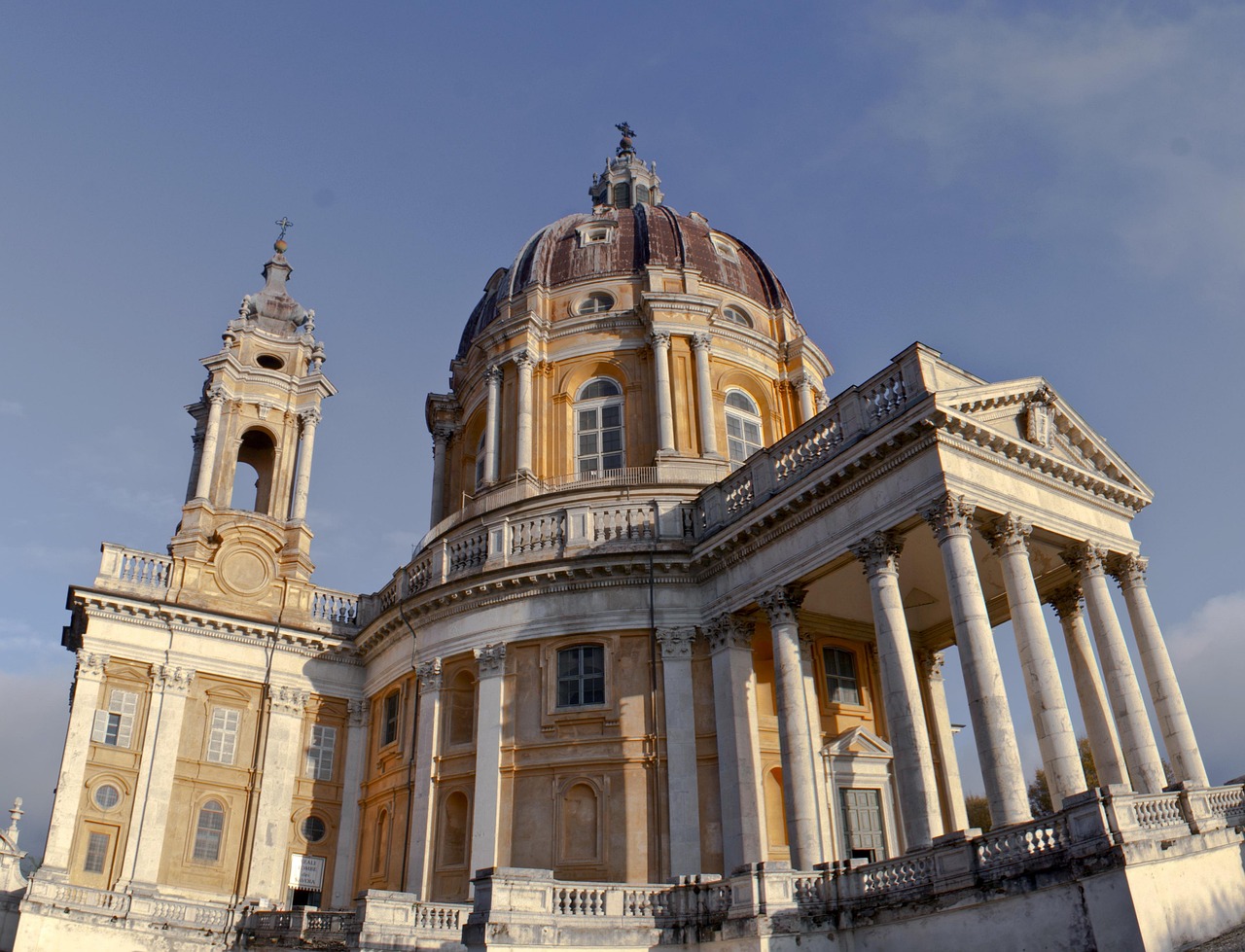
Perched on a hill east of the city, the Basilica di Superga offers the most breathtaking panorama of Turin and the Alps. The first time I took the historic rack railway up, we emerged above the mist to a sea of peaks—utterly worth the trip.
The basilica itself, designed by Juvarra, is a masterpiece of baroque architecture, and the royal tombs of the Savoy family are beneath. It’s also a site of deep emotion for football fans: a memorial outside commemorates the 1949 Superga air disaster that killed the legendary Grande Torino team.
- Best season: Clear winter days or crisp autumn mornings for the sharpest mountain views.
- Getting there: Take tram or bus to Sassi, then the rack railway up (check operating times; it sometimes closes for maintenance).
- Tip: Bring a light jacket—even in summer, it can be breezy at the top.
7. Reggia di Venaria Reale
About 10 km northwest of the center, the Reggia di Venaria Reale is Turin’s answer to Versailles: a sprawling baroque royal residence with grand halls, manicured gardens, and a long canal. I visited one crisp November day when a low fog hugged the lawns; stepping into the Galleria Grande, with its endless white and gray marble perspective, felt like stepping into a dream.
You can spend hours wandering the palace interiors, then strolling through the gardens, which host art installations and events throughout the year. The small village of Venaria itself has been nicely restored, with cafés and gelaterie lining the main street.
- Plan: Half-day or full-day, especially if you want to enjoy the gardens.
- Family-friendly: Yes; kids can run in the gardens and enjoy outdoor exhibits.
- Money-saving tip: Look for combined tickets with other Savoy residences if you’re doing a royal theme.
8. Lingotto & the Fiat Rooftop Track
The former Fiat Lingotto factory is a symbol of Turin’s industrial past. Today it’s a multi-use complex with a shopping center, hotels, and the Pinacoteca Giovanni e Marella Agnelli, an art gallery containing works by Picasso, Canaletto, and Matisse.
But the star is the rooftop test track, immortalized in the original Italian Job film. Standing up there, with the glass bubble of the Bolla conference center and the curve of the track around you, it’s easy to imagine the roar of engines and the smell of oil that once defined this place.
- Best for: Design and architecture lovers, film buffs, and anyone curious about Turin’s industrial side.
- Nearby: Eataly Lingotto’s original flagship (see food section) is only a short walk away.
9. National Automobile Museum (MAUTO)
Even if you’re not a car person, the National Automobile Museum is surprisingly fun. Turin is the birthplace of Fiat, and this museum tells the story of the automobile with style: early prototypes, racing legends, futuristic concepts, all in dramatic lighting and thoughtful displays.
I visited with my father, who loves classic cars, and we both ended up nerding out over the evolution of design. There’s plenty of interactive stuff for kids as well, making this a great rainy-day option.
- Plan: 2–3 hours.
- Family-friendly: Very; large spaces and interactive sections.
10. Turin Cathedral & the Shroud Chapel
The Duomo di Torino (Cathedral of Saint John the Baptist) itself is relatively understated compared to Italian heavyweights, but its fame comes from housing the Shroud of Turin, believed by some to be the burial cloth of Christ.
The shroud is rarely displayed (don’t expect to see it in 2026 unless a special ostension is announced), but the Guarini-designed Shroud Chapel, recently reopened after fire damage, is worth a visit for its dramatic baroque architecture alone.
- Cost: Cathedral entry is free; check for any small fees for specific chapels or museums.
- Tip: Combine with a walk through the nearby Roman Quarter and Porta Palatina.
11. Porta Palazzo Market
Porta Palazzo isn’t just a market; it’s a full-blown sensory assault and one of my favorite things to do in Turin. It’s said to be one of the largest open-air markets in Europe, with stalls selling everything from mountains of local vegetables and cheeses to cheap clothes and household goods.
I like to go early, when the vendors are still setting up and old men cluster around tiny bars for their first coffee or grappa. You’ll hear a dozen languages here—Turin’s immigrant communities are very present—and see the city’s full diversity in one square.
- Best time: Morning; by early afternoon things wind down.
- Money-saving tip: This is the place to buy picnic supplies or fruit on a budget.
- Safety: Crowded, so keep an eye on your belongings; pickpocketing can happen.
12. Quadrilatero Romano
Behind Porta Palazzo lies the Quadrilatero Romano, a grid of narrow streets on the footprint of the Roman city. By day, it’s full of small boutiques, delicatessens, and wine shops. By night, it becomes one of Turin’s buzziest areas, with aperitivo bars and restaurants spilling tables into the lanes.
This is where I like to bring friends for a long aperitivo: we pick a bar with a good buffet, order a Negroni or local wine, and then wander from place to place for a second round. It’s lively without being wild—perfect for couples and groups of friends.
- Best for: Evening drinks, casual dinners, and atmosphere.
- Hidden gem: Look for small enoteche (wine bars) with Piedmont-focused lists by the glass.
13. San Salvario District
South of the center, near Porta Nuova station, San Salvario is Turin’s bohemian, multicultural quarter. Once slightly rough, it’s now a blend of hip boutiques, ethnic eateries, craft beer bars, and old-school trattorie.
On weekend nights the streets around Via Baretti and Via Sant’Anselmo are packed with people bar-hopping. I come here both for excellent cheap eats—Eritrean, pizza by the slice, vegan spots—and for late-night wine bars with mismatched furniture and playlists that wander from Italian indie to 70s soul.
- Best for: Nightlife, diverse food, and meeting locals.
- Safety: Generally fine; as in any nightlife area, keep your usual city smarts.
14. The Murazzi & Po Riverfront
The Murazzi are the old riverfront warehouses and arches along the Po, just below Piazza Vittorio. For years they were famous for clubs and late-night chaos; after a long period of closure and renewal, a more curated set of bars and cultural spaces has returned.
In summer, I love walking or cycling along the river here, watching rowers, then dropping into one of the bars for a drink with the water lapping nearby. It’s one of the most atmospheric places in Turin on a warm evening.
15. Monte dei Cappuccini Viewpoint
For that postcard view—Mole Antonelliana in the foreground, Alps glowing pink behind—head up to Monte dei Cappuccini, the hill just across the river from Piazza Vittorio.
It’s a short but steep walk up from the Gran Madre church. I’ve gone up here in every season: misty winter mornings, blazing summer sunsets, and during the first snow of the year. Bring a camera and, if you can, a small bottle of local wine to toast the view.
- Best time: Sunset, especially on clear days when the mountains pop.
- Romantic: Extremely; this is one of Turin’s classic date spots.
16. GAM – Galleria Civica d’Arte Moderna e Contemporanea
The GAM is Turin’s main modern and contemporary art museum, with a solid permanent collection (Modigliani, De Chirico, Italian Futurists) and interesting rotating exhibitions.
On rainy days I like to lose a few hours here, then decamp to a nearby café to digest what I’ve seen. The museum is rarely crowded, which gives you the luxury of really sitting with the works.
17. National Museum of the Italian Risorgimento
Italy’s unification is a complex story, and the Risorgimento Museum, housed in Palazzo Carignano, tells it in well-curated detail. Turin was the first capital of unified Italy, and you can visit the very parliamentary chamber where some of the country’s foundational debates took place.
I recommend this especially if you’re interested in history or wondering why Turin’s streets are full of names like Cavour, Garibaldi, and Vittorio Emanuele II.
18. Basilica di Maria Ausiliatrice & Don Bosco Sites
In the Valdocco neighborhood stands the Basilica of Mary Help of Christians, heart of the Salesian movement founded by Don Bosco. Even if you’re not religious, the story of Don Bosco’s work with poor and at-risk youth in 19th-century Turin is moving, and the basilica’s interior is richly decorated.
It’s a quieter, more local-feeling area; when I visited on a weekday morning, the basilica was filled with soft murmurs and the smell of wax and incense, far from the tourist centers.
19. Palazzo Carignano & Piazza Carignano
Palazzo Carignano is one of Turin’s most beautiful baroque palaces, with its undulating brick façade. Even if you don’t go inside (it houses part of the Risorgimento Museum), take time to sit in Piazza Carignano, one of my favorite small squares in the city.
In the evenings, the square has a calm elegance: couples sit at outdoor tables, kids ride scooters, and there’s often a street musician playing under the arcade. It’s Italy at its most cinematic.
20. Castello del Valentino (Valentino Castle)
Inside Parco del Valentino, the Castello del Valentino was once a Savoy summer residence and is now part of the Polytechnic University. You can’t freely roam every hall, but even seeing it from outside—overlooking the river, framed by trees—adds a fairy-tale note to your park walk.
Sometimes, I’ll sit on a bench opposite the castle with a takeaway coffee and just watch life unfold: students hurrying by, couples with dogs, older men debating football.
Neighborhoods & Areas to Explore in Turin
To really feel Turin, you need to move beyond the big monuments. Here are the areas where I spend most of my time.
Centro Storico (Historic Center)
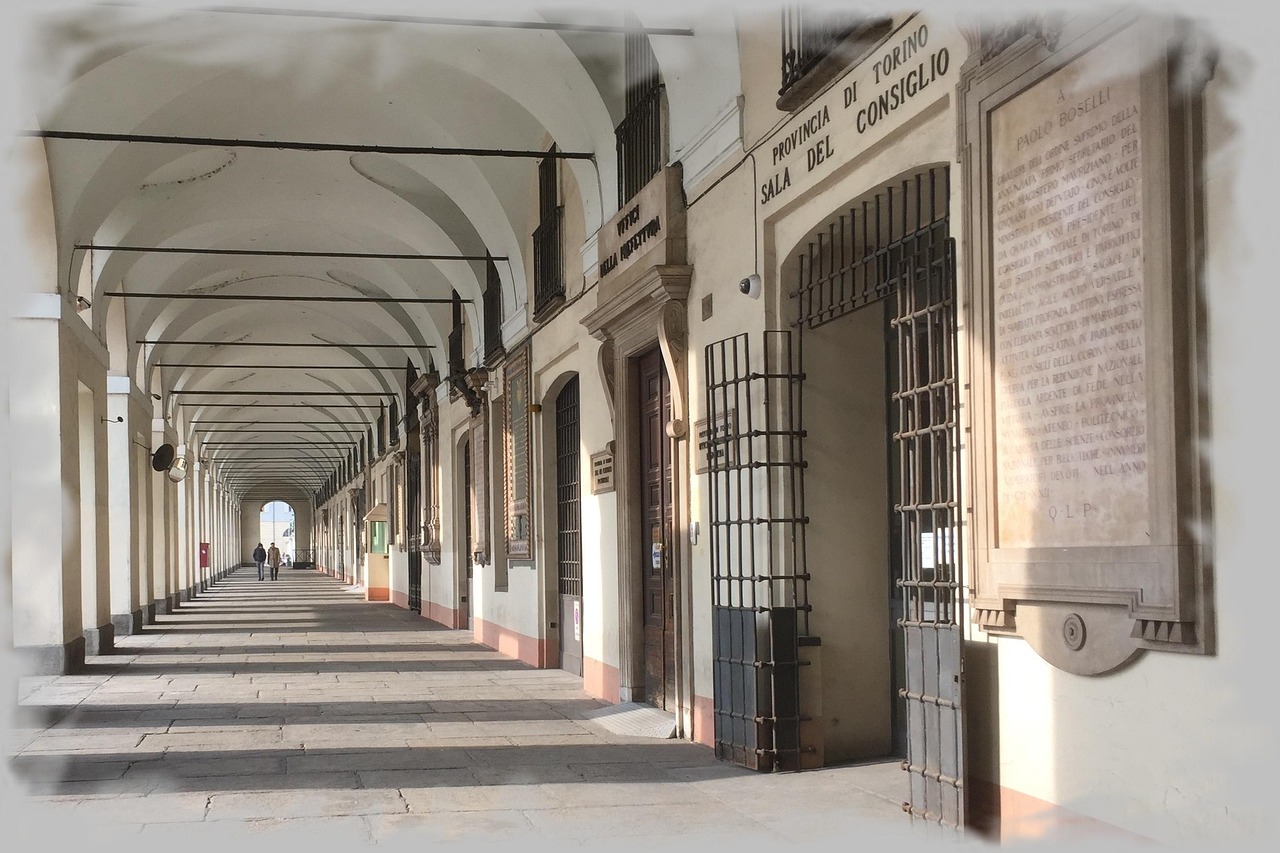
This is the grid around Piazza Castello, Via Roma, Via Garibaldi, and Via Po. It’s where you’ll likely spend much of your 3 day itinerary for Turin.
- Character: Elegant, ordered, full of arcades, churches, and high-street shopping.
- Highlights: Royal Palace, Egyptian Museum, Mole Antonelliana, historic cafés.
- Good for: First-time visitors, short stays, and late-night walks under the portici (arcades).
Quadrilatero Romano & Porta Palazzo
Atmospheric lanes, little piazzas, and that huge market. By day it’s about food and small shops; by night, aperitivo and dinner.
San Salvario
This is where I send friends who want a lively base for 4 days in Turin or more and don’t mind a bit of noise at night. Near the park, the vibe is greener and quieter; near Via Baretti, it’s all about nightlife.
Vanchiglia
East of Via Po and north of the river, Vanchiglia is a creative, slightly scruffy neighborhood full of studios, small bars, and experimental restaurants. It has that “up-and-coming” feel that reminds me of Berlin a decade ago, but with better coffee.
Crocetta
Southwest of the center, Crocetta is more residential and upscale, with tree-lined streets and beautiful early 20th-century buildings. If you’re staying longer and want a quieter base, this is a good option.
La Collina (The Hills)
Across the Po, the hills are scattered with villas, small churches, and viewpoints. It feels like countryside, but you’re minutes from the center. Great for walks, cycling, and escaping summer heat.
Perfect Itineraries: 3, 4 & 5 Days in Turin
Here’s how I’d structure your time depending on how long you have. Think of these as flexible blueprints: swap museums based on your interests, but keep the general flow.
3 Days in Turin: Essential Highlights
If you only have 3 days in Turin, focus on the core: the historic center, key museums, and a taste of the river and hills.
Day 1 – Royal Turin & Café Culture
Start your first morning in Piazza Castello, as I always do with first-time visitors. Grab a coffee under the arcades—if you want a classic, head to a historic café nearby—and watch the city wake up.
Then dive into the Royal Palace and its museums. Spend a couple of hours exploring the state rooms, the armory (always a hit with kids), and the gardens. Don’t rush; one of Turin’s pleasures is its unhurried pace.
By late morning, walk over to the Duomo and Shroud Chapel, then wander through the remains of the Roman walls at Porta Palatina and into the Quadrilatero for lunch. I like to choose a simple trattoria or a place offering a lunch menu of the day—always good value.
After lunch, stroll down Via Garibaldi (pedestrian shopping street) towards Piazza San Carlo, often called “Turin’s drawing room” for its twin churches and harmonious architecture. This is where you should sit at a café, order a bicerin or espresso, and indulge in people-watching.
In the late afternoon, visit the Egyptian Museum (book ahead). If you’re tired, focus on the highlights; the audio guide helps structure your visit. For dinner, stay near the center or head to the Quadrilatero for aperitivo and a relaxed meal.
Day 2 – Mole Antonelliana, Po River & Monte dei Cappuccini
On your second day, dedicate the morning to the Mole Antonelliana and National Cinema Museum. Arrive at opening time if you can, head straight for the lift before lines grow, then enjoy the museum at your own pace.
For lunch, walk down Via Po and either grab a quick panino under the arcades or sit down at a trattoria. Afterwards, continue to Piazza Vittorio Veneto and the Gran Madre across the river.
Now climb up to Monte dei Cappuccini for that jaw-dropping view. I like to time it so I’m there about an hour before sunset: enough time to wander around, maybe peek into the little church, and then watch the light change.
Descend as twilight falls and choose a riverside bar along the Murazzi or head back to Piazza Vittorio for aperitivo. For dinner, you could explore Vanchiglia’s smaller, more creative spots.
Day 3 – Parks, San Salvario & Optional Venaria
If you want to stay in the city, start with a leisurely morning in Parco del Valentino: walk the riverfront, visit the Borgo Medievale, and maybe rent bikes if you’re feeling active.
Have lunch at one of the casual spots near the park, then spend the afternoon either at the GAM (for art lovers) or taking the metro down to Lingotto for the Fiat factory and the Pinacoteca. Foodies might prefer to combine this with a visit to Eataly Lingotto (see food section) for a late lunch or early dinner.
In the evening, explore San Salvario. Start with aperitivo on Via Sant’Anselmo or Via Baretti—many bars do generous buffets with your drink—then pick a restaurant based on your mood: pizza, Piedmontese, vegan, or Ethiopian, all within a few blocks.
If instead you’re eager for a royal day trip, use most of Day 3 to visit the Reggia di Venaria Reale, returning in time for a final dinner in the center.
4 Days in Turin: Deeper Dive
With 4 days in Turin, follow the 3-day itinerary and add:
Day 4 – Venaria Reale & Local Evening
Take the morning bus/train to Venaria. Spend several hours exploring the palace and gardens. If you’re visiting in spring or autumn, the light on the gardens is magical; in summer, seek out shady paths.
Have lunch in the village of Venaria, then head back to Turin by late afternoon. Use the evening for something more local and low-key: a wine bar in Quadrilatero, a film at an original-language cinema, or a concert if the Turin Jazz Festival or other events are on during your stay.
5 Days in Turin: Slow & Local
A 5 day itinerary for Turin lets you really slow down and add a day trip or two.
Day 5 – Hills or Wine Country
Option one: spend the day exploring the hills (Collina). Take a bus up to Superga in the morning, walk some of the trails, then maybe descend partway on foot and catch a bus back. In the afternoon, wander through lesser-known hilltop churches or enjoy a long lunch at a countryside trattoria.
Option two (especially for wine lovers): take a day trip to the Langhe, home of Barolo and Barbaresco. It’s easiest by organized tour or rental car (more on that later). Visit a winery, wander hilltop villages, and return pleasantly tired and full.
With five days, you also have time to revisit a favorite spot—many visitors find themselves drawn back to Via Po, Piazza Vittorio, or Parco del Valentino for one last walk.
Local Food & Drink in Turin: What to Eat & Where
Turin is one of Italy’s great food cities, especially if you love rich flavors and chocolate. Here’s what you shouldn’t miss.
Must-Try Local Dishes
- Bicerin: Turin’s signature drink—layers of espresso, hot chocolate, and cream. Best enjoyed mid-morning in a historic café.
- Gianduiotto & Gianduja: Chocolate made with hazelnuts from the Langhe; you’ll find both solid chocolates and spreads.
- Aperitivo Torinese: A serious affair—order a drink, get a spread of snacks or even a buffet. Great way to save on dinner.
- Vitello tonnato: Slices of veal in tuna-caper sauce; sounds odd, tastes divine.
- Agnolotti del plin: Tiny, pinched pasta filled with meat; often served in butter and sage or roasted meat juices.
- Bagna càuda: Warm anchovy-garlic dip for raw and cooked vegetables, typical in colder months.
- Carne cruda all’albese: Finely chopped raw beef, dressed simply—Piedmont’s answer to tartare.
Where I Actually Eat (Non-Touristy Suggestions)
Names change, chefs move, but here are the types of places I gravitate to:
- Historic Cafés (center): Around Piazza San Carlo and Via Po for bicerin, pastries, and people-watching. Expect slightly higher prices but a lot of atmosphere.
- Quadrilatero & Vanchiglia: Great for small trattorie with daily menus, wine bars with good aperitivo spreads, and creative modern bistros.
- San Salvario: My go-to for budget-friendly dinners—pizza, ethnic food, vegetarian spots, and lively bars.
- Porta Palazzo area: Low-cost, authentic spots with strong immigrant influence (North African, Chinese, Middle Eastern).
Eataly Lingotto
The original Eataly near Lingotto is part high-end supermarket, part food court, part temple to Italian gastronomy. It’s not the cheapest, but it’s a fantastic place to learn about regional products, taste cheeses and cured meats, and sit down for a casual meal.
I like to go on weekday afternoons when it’s quieter, wander the aisles, and buy a few things to take home (vacuum-packed cheese travels well).
Saving Money on Food in Turin
- Use aperitivo: Many bars offer substantial spreads; one drink + buffet can almost be dinner.
- Look for “menu del giorno” at lunch: Fixed-price daily menus offer great value.
- Markets: Buy fruit, bread, cheese, and cured meats for picnics from Porta Palazzo or smaller neighborhood markets.
- Coffee at the counter: As elsewhere in Italy, it’s cheaper to drink standing at the bar than seated at a table.
Nightlife, Entertainment & Cultural Experiences in Turin
Turin’s nightlife is more understated than Rome’s or Milan’s, but it’s rich and diverse.
Aperitivo Culture
This is sacred. From around 6:30–9 pm, bars fill up with people unwinding over drinks and snacks. It’s social, relatively affordable, and the perfect way to sample different foods.
Where to Go Out
- Quadrilatero: Wine bars and cocktail spots; good for relaxed evenings.
- San Salvario: The densest cluster of bars; from craft beer to speakeasy-style cocktails.
- Piazza Vittorio & Murazzi: More studenty, especially in summer, with lots of outdoor seating.
Cultural Experiences
- Cinema: Check the National Cinema Museum and local cinemas for original-language screenings.
- Music: Jazz clubs and seasonal festivals (especially the Torino Jazz Festival in spring).
- Theater & Opera: Teatro Regio offers opera and classical music; book ahead for major productions.
- Art Fairs: If you’re here in November, Artissima and its satellite fairs turn the city into a contemporary art playground.
Best Day Trips from Turin
1. Langhe Wine Region (Barolo & Barbaresco)
Rolling hills covered with vineyards, medieval villages, and some of the world’s best red wines. This is where I go when city life feels too heavy; a glass of Barolo with a view of the hills fixes most things.
- Getting there: Easiest by car or organized tour; trains reach Alba, then local buses/taxis.
- Best season: Autumn (Sept–Oct) for harvest and truffle season; spring for green hills.
2. Sacra di San Michele
A dramatic abbey perched on a rocky spur in the Susa Valley, said to have inspired Umberto Eco’s The Name of the Rose. The climb up the Stairway of the Dead and the views over the valley are unforgettable.
3. Lake Orta & Lake Maggiore
For a lakeside escape, Lake Orta is smaller and more intimate than Como, with the island of San Giulio and charming Orta San Giulio village. Lake Maggiore is bigger, with the Borromean Islands and grand villas.
Local Customs & Cultural Etiquette in Turin
Turinese people are generally polite, a bit reserved at first, and appreciative when visitors make an effort.
Greetings & Manners
- Greetings: A simple “Buongiorno” (morning/early afternoon) or “Buonasera” (late afternoon/evening) when entering shops, cafés, or elevators goes a long way.
- Formal vs informal: Use “Lei” (formal you) with older people and in shops unless invited to use “tu”.
- Queuing: Lines exist but can be loose; keep an eye on your turn and politely ask “Chi è l’ultimo?” (Who’s last?) if in doubt.
Café & Restaurant Etiquette
- Coffee: Locals drink cappuccino only in the morning; later, it’s espresso or macchiato. You won’t be refused an afternoon cappuccino, but you’ll mark yourself as a visitor.
- Bill: It’s not brought automatically; ask for it: “Il conto, per favore.”
- Tipping: Not obligatory; rounding up or leaving a few euros for good service is appreciated.
Dress & Behavior
- Dress: Turin is stylish but not flashy. Smart-casual works almost everywhere.
- Churches: Cover shoulders and avoid very short shorts; be quiet and respectful.
- Noise: Locals value peace in residential areas at night; keep voices down when leaving bars late.
Practical Travel Tips for Turin (2026)
Getting Around
- Walking: Best way to experience the center; arcades protect you from sun and rain.
- Public Transport: Efficient network of trams, buses, and one metro line.
- Buy tickets at newsstands, tobacco shops (tabacchi), or machines.
- Validate your ticket when you board trams/buses.
- Day passes are good value if you’re moving around a lot.
- Bike & Scooter Sharing: Various services operate in 2026; check apps for availability.
- Taxis & Ride-Hailing: Taxis are regulated and reliable; ride-hailing options vary by year, so check locally.
Car Rental & Driving
- Do you need a car? Not in the city; parking and ZTL (limited traffic zones) can be tricky. Rent only for day trips (Langhe, lakes, mountains).
- Foreign licenses: EU licenses are accepted. Non-EU travelers often need an International Driving Permit (IDP) plus their home license—check your country’s rules before coming.
- Autostrade: Highways are tolled; keep cash or card handy.
Money & Costs
- Currency: Euro (€).
- Cards: Widely accepted, but small bars/shops may prefer cash.
- Budgeting: Turin is cheaper than Milan or Rome; you can eat well on a moderate budget, especially using lunch menus and aperitivo.
SIM Cards & Connectivity
- Where to buy: Official stores for TIM, Vodafone, WindTre in the center and at major stations.
- eSIM: In 2026, many travelers use eSIMs bought online before arrival; a good option if your phone supports it.
- ID: You’ll need your passport to register a SIM in Italy.
Safety
- Overall: Turin is generally safe, including at night in central areas.
- Common sense: Watch for pickpockets in crowded places like Porta Palazzo, on trams, and during festivals.
- Nightlife areas: San Salvario and Murazzi can be rowdy late at night; stay aware, stick to lit streets, and avoid obvious drunken confrontations.
Visa & Entry Requirements
- Schengen Area: Italy is part of Schengen. Many nationalities can visit visa-free for short stays (up to 90 days in a 180-day period), but always check the latest rules for your passport.
- ETIAS (expected in late 2020s): A pre-travel authorization system for some non-EU visitors is planned; verify closer to your travel date.
- Documents: Carry a copy of your passport; Italian law requires ID, though you won’t usually be asked.
Hidden Money-Saving Tips
- City cards: Check if a current Torino+Piemonte Card is available in 2026; it often includes free/discounted museum entry and public transport.
- Lunchtime splurges, simple dinners: Eat your big meal at lunch when prices can be lower, then do aperitivo or pizza in the evening.
- Free viewpoints: Monte dei Cappuccini and many hill spots are free and rival paid viewpoints.
When to Visit Turin & Final Takeaways
Best Seasons for Different Travelers
- Spring (April–June): My favorite time. Mild temperatures, blooming parks, outdoor café season begins. Great for walking-heavy itineraries and day trips.
- Autumn (September–November): Magical light, wine harvest in the Langhe, truffle season, and cultural events like Artissima. Ideal for food and wine lovers.
- Summer (July–August): Warm to hot; some locals leave in August and a few businesses close, but the city is quieter, and evenings on the river are lovely. Better if you like a slower, sleepy vibe.
- Winter (December–February): Crisp air, Christmas markets, and Alpine views on clear days. Great if you want to combine Turin with skiing in the nearby Alps.
Key Takeaways from This Travel Guide for Turin
- 3 days in Turin are enough to see the highlights—Mole Antonelliana, Egyptian Museum, Royal Palace, Po riverfront—but you’ll want more.
- 4–5 days in Turin let you add Venaria, hill viewpoints, and perhaps a wine-region or mountain day trip, creating a richer 4 or 5 day itinerary for Turin.
- The best things to do in Turin blend grand architecture with everyday pleasures: historic cafés, arcaded walks, riverfront parks, and neighborhood aperitivi.
- Don’t skip the local food in Turin: bicerin, gianduja, agnolotti, and aperitivo are as essential as any museum.
- Remember local customs and etiquette: greet people, dress respectfully in churches, and enjoy the city at its unhurried, sabauda pace.
Turin rewards those who look closely: the reflection of the Mole in a puddle after rain, the way the Alps appear suddenly between buildings, the quiet clink of cups in a café that hasn’t changed in a century. However long you stay—3, 4, or 5 days—give yourself time to simply wander. That’s when the city really opens up.