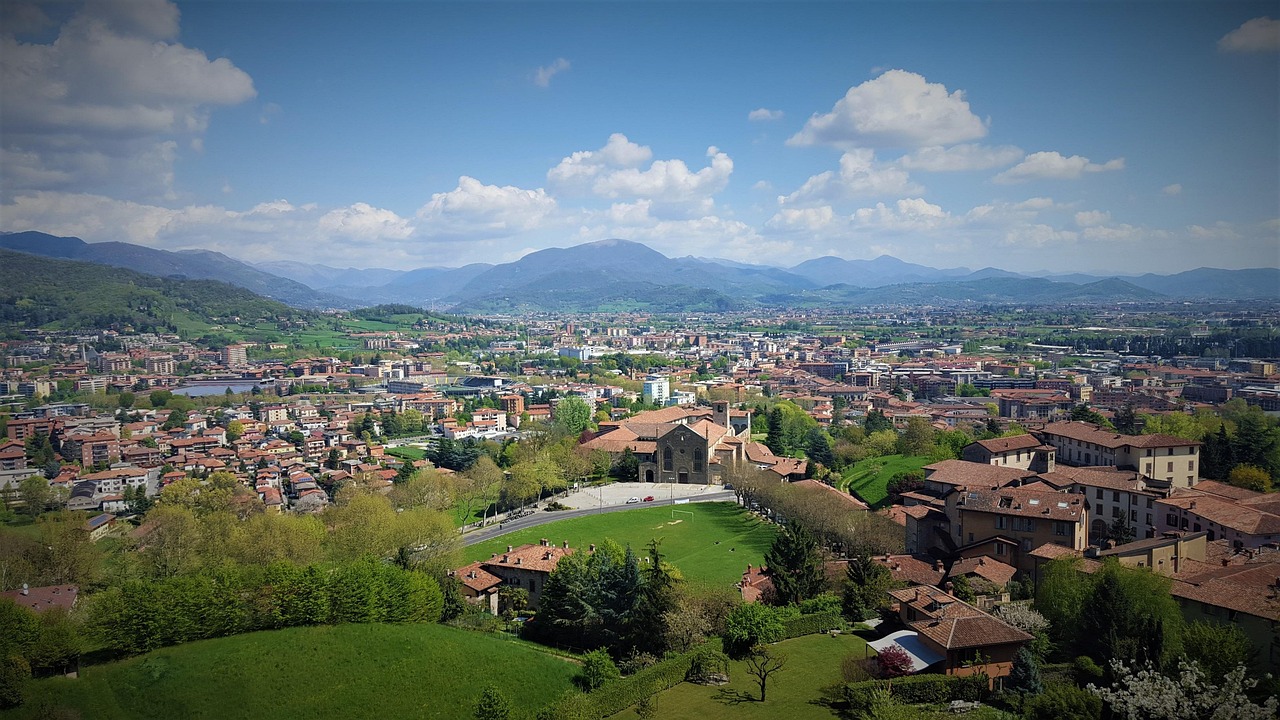
Why Visit Bergamo in 2026
If you’ve ever stared at photos of Italy and wondered where you could find medieval stone walls, Alpine views, Renaissance churches, and bowls of steaming casoncelli alla Bergamasca all in one compact, walkable city – that’s Bergamo.
I’ve been coming here regularly since my early twenties, long before low‑cost flights started dropping weekenders at Orio al Serio airport. Every time I return, I still feel that little rush when the funicular glides up from the modern lower town (Città Bassa) and the upper town (Città Alta) suddenly opens up: towers, terracotta roofs, and the Alps framing everything in the distance.
Bergamo is special because it’s both quietly local and deeply historic. You get Venetian walls that are UNESCO‑listed, cobbled lanes where nonne gossip outside bakeries, and a food scene that leans hearty, honest, and surprisingly creative. It’s compact enough for “3 days in Bergamo” or a “4 day itinerary for Bergamo” but rich enough that even “5 days in Bergamo” never feel like too much.
In 2026–2027, Bergamo is still riding the wave from being Italian Capital of Culture (shared with Brescia in 2023). New exhibitions, polished museums, and better signage in English make it easier than ever to dive into local history and culture, without the crush you’ll find in cities like Venice or Florence.
Whether you’re planning a 3 day itinerary for Bergamo, stretching to 4 or 5 days in Bergamo, or just stopping between Milan and the lakes, this travel guide for Bergamo is designed to feel like walking the streets with a local friend – someone who knows which bar actually makes the best aperitivo, which alley gives you the perfect sunset over the Città Alta, and how to save money without missing any must‑see attractions in Bergamo.
Table of Contents
- Why Visit Bergamo in 2026
- Quick Overview of Bergamo
- Suggested Itineraries (3–5 Days in Bergamo)
- Neighborhoods & Areas of Bergamo
- 20+ Must‑See Attractions in Bergamo
- Local Food in Bergamo & Where to Eat
- Nightlife, Entertainment & Cultural Experiences
- Events & Festivals in 2026–2027
- Best Day Trips from Bergamo
- Cultural Etiquette & Local Customs
- Practical Travel Tips for Bergamo
- Summary & Best Time to Visit Bergamo
Quick Overview of Bergamo
Bergamo sits in Lombardy, about 50 km northeast of Milan, where the Po Valley begins to wrinkle up into foothills and, eventually, the Alps. The city is split into two main parts:
- Città Alta (Upper Town) – The historic hilltop center enclosed by 16th‑century Venetian walls. Cobblestones, towers, churches, and some of the best views in Northern Italy.
- Città Bassa (Lower Town) – The modern heart of Bergamo, with wide boulevards, shops, Art Nouveau architecture, and everyday local life.
Because it’s small and well connected, Bergamo is ideal for 3–5 day itineraries. You can mix history with outdoor experiences, sample local food in Bergamo (polenta, cheeses, cured meats), and still have time for day trips to Lake Iseo, Lake Como, or the Val Brembana mountains.
Suggested Itineraries: 3–5 Days in Bergamo
Below is a flexible plan that works whether you’re doing 3 days in Bergamo, 4 days in Bergamo, or a full 5 day itinerary for Bergamo. If you only have 3 days, focus on Days 1–3. With 4 days in Bergamo, add Day 4. With 5 days in Bergamo, enjoy all five.
Day 1 – First Taste of Città Alta & the Venetian Walls
My first day back in Bergamo almost always begins the same way: a cappuccino in Città Bassa, a ride on the funicular up the hill, and that first step into Piazza Mercato delle Scarpe, where the past suddenly feels very, very present.
Morning: Funicular to the Upper Town & Piazza Vecchia
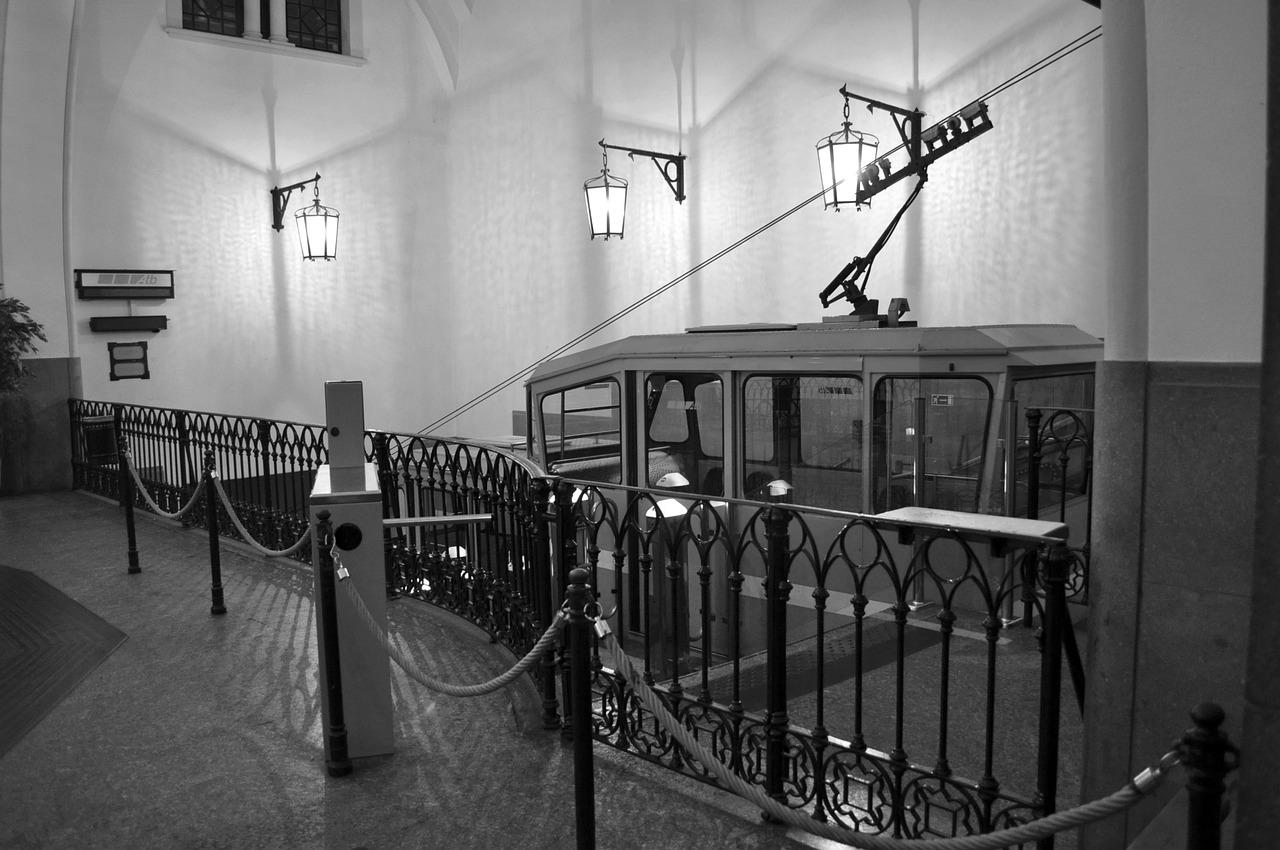
Start at the Funicolare Città Alta station on Viale Vittorio Emanuele II. The ride is short but, I promise, it never gets old. I like to stand by the window to watch the roofs fall away and the towers of Città Alta appear.
Once you step out at the top, follow the signs for Piazza Vecchia, the medieval heart of Bergamo. It’s about a 5–7 minute stroll along Via Gombito, which is lined with shops and bakeries.
Piazza Vecchia & Palazzo della Ragione
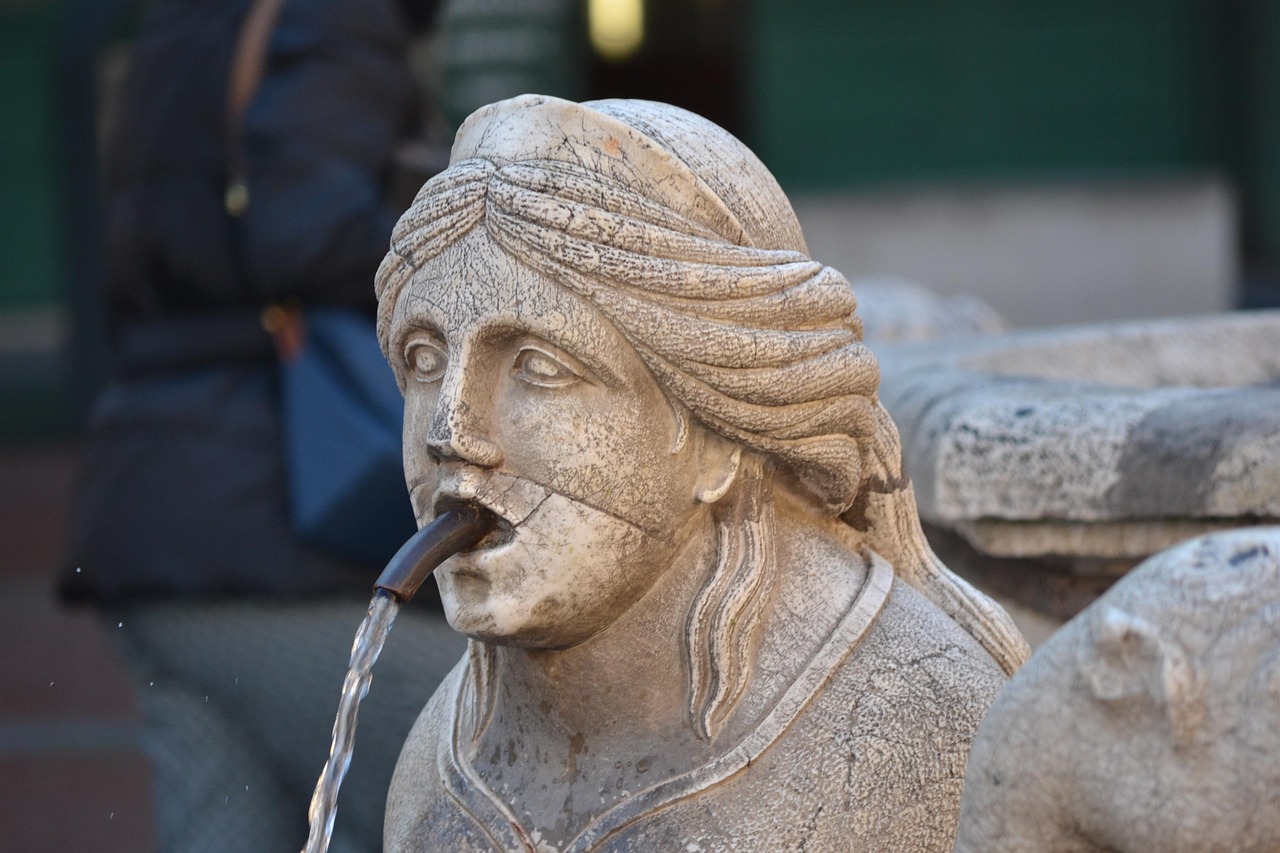
Piazza Vecchia is one of those squares that looks like it was designed for postcards. Stone arcades, a central fountain gifted by the Venetians, the Palazzo della Ragione with its arches, and the slender Torre Civica (Campanone) rising above.
I like to grab a mid‑morning espresso at one of the cafes under the arcades (yes, they’re touristy, but the view is worth the small markup) and just watch the rhythm of the square: locals cutting across on their daily errands, kids darting around the fountain, tour groups stopping for quick photos.
Torre Civica (Campanone)
If you only climb one tower in Bergamo, make it the Campanone. The elevator saves your legs, though there are still a few steps at the top. On clear days you can see not just the entire Città Alta, but also the plains stretching toward Milan and the Alps behind you.
Every evening at 10 p.m., the tower still tolls 100 chimes, recalling the old curfew when the city gates would close. If you’re staying in Città Alta, you’ll hear it echoing through the stone streets – it’s one of those small cultural experiences in Bergamo that makes you feel the city’s layered history.
Personal tip: I like going up around late morning when the light is gentle and the crowds aren’t at their peak. In winter, bring a windproof layer – it can be surprisingly chilly at the top.
Piazza Duomo, Basilica di Santa Maria Maggiore & Cappella Colleoni
Behind Palazzo della Ragione, slip into Piazza Duomo. Here you’ll find three of Bergamo’s most important religious sites side by side:
- Basilica di Santa Maria Maggiore – The Romanesque exterior is handsome but restrained; the interior is a jaw‑dropping explosion of Baroque stucco, gilding, and frescoes. I still remember the first time I stepped inside – the contrast from the simple wood doors to the ornate interior literally made me stop mid‑step.
- Cappella Colleoni – A Renaissance jewel box, built as the personal mausoleum of Bartolomeo Colleoni, one of the city’s most powerful (and controversial) condottieri. The façade is a pink‑and‑white marble patchwork that looks even better in late afternoon light.
- Duomo di Bergamo (Cattedrale di Sant’Alessandro) – Often quieter than the basilica, with a calmer, neoclassical interior perfect for a few quiet minutes.
Dress & etiquette: Shoulders and knees covered, hats off inside, and keep voices low. Photography is allowed in some areas, but without flash; always check signs.
Lunch: Casoncelli & Polenta in Città Alta
By now you’ve earned lunch. For classic local food in Bergamo, seek out restaurants that serve:
- Casoncelli alla Bergamasca – Half‑moon pasta stuffed with meat, breadcrumbs, and herbs, usually served with butter, sage, and crispy pancetta.
- Polenta Taragna – Polenta made with a mix of corn and buckwheat flour, enriched with local cheese and butter.
I’ve had consistently good, reasonably priced lunches at small trattorie on the quieter side streets branching off Via Gombito and Via Colleoni. Avoid menus with endless tourist “specials” in ten languages; look for 10–15 dishes maximum and plenty of locals.
Afternoon: Rocca di Bergamo & Passeggiata Along the Venetian Walls
Walk up to the Rocca di Bergamo, a 14th‑century fortress that now hosts a small museum and, more importantly, one of my favorite viewpoints in the city. The grassy ramparts are perfect for a short rest. On warm days, families spread blankets and kids race along the paths.
From there, head toward the Venetian Walls (Mura Venete), the massive 16th‑century fortifications that ring Città Alta and have earned UNESCO World Heritage status.
Walk the stretch from Porta San Giacomo to Porta Sant’Agostino. This is, hands down, one of the best things to do in Bergamo, especially in the late afternoon. Locals use it for their daily passeggiata, dogs trot happily, and the views over Città Bassa and the hills shift with every bend.
Romantic tip: If you’re traveling as a couple, linger near Porta San Giacomo at sunset. The sky behind the skyline turns soft pink and orange, and the lights of the lower town begin to twinkle.
Evening: Aperitivo & Gelato
Back in Città Alta, choose a bar with outdoor tables on a side street. Order a Spritz or a glass of local Valcalepio DOC wine. Aperitivo here is generous – small plates of olives, chips, focaccia, and sometimes warm bites.
For dessert, Bergamo has a fondness for stracciatella gelato, which was invented in nearby Cremona and became beloved here. Look for artisanal gelaterie that keep flavors seasonal and simple. My personal ritual: one scoop of stracciatella and one of nocciola (hazelnut) while strolling Via Colleoni under the soft streetlights.
Day 2 – Art, Gardens & Local Neighborhoods
On your second day, you’ll weave between the upper and lower towns, exploring Bergamo’s art collections, green spaces, and some less obvious corners.
Morning: Accademia Carrara & Gamec
Start in Città Bassa at the Accademia Carrara, Bergamo’s fine arts academy and museum. Even if you’re not a hardcore art lover, the collection is accessible and beautifully arranged, with works by Botticelli, Raphael, Bellini, and local masters.
I like to go early when it’s quiet. The rooms are softly lit, and you can take your time without feeling rushed. There are benches in most galleries – I often sit and pick one painting to really look at for five minutes instead of rushing past everything.
Across the street is GAMeC (Galleria d’Arte Moderna e Contemporanea), Bergamo’s modern and contemporary art space. Exhibitions change regularly, and in 2026, there are several shows planned that connect Bergamo’s industrial past with contemporary art. It’s a good counterpoint to the Renaissance splendor of the previous day.
Late Morning: Stroll Through Borgo Santa Caterina
From the museums, wander into Borgo Santa Caterina, one of my favorite neighborhoods in Bergamo. It’s technically part of Città Bassa, but it feels like a self‑contained village with narrow streets, small family‑run shops, and a strong sense of community.
Pop into bakeries and alimentari (small grocery shops) to pick up snacks or picnic supplies. Look for local cheeses like Branzi or Formai de Mut, and cured meats like salame bergamasco.
Lunch: Casual Trattoria in Borgo Santa Caterina
Here you can eat well without tourist prices. I like small trattorie that offer a menu del giorno at lunch – usually a couple of pasta options and a couple of mains, with water and coffee included for a fixed price. It’s one of the best ways to save money in Bergamo while eating like a local.
Afternoon: Orto Botanico & San Vigilio
Take the bus or walk back toward the funicular and head up again to Città Alta. From there, climb or ride the second funicular to San Vigilio, the hill above the upper town.
On the way, stop at the Orto Botanico di Bergamo “Lorenzo Rota”, the city’s botanical garden tucked into terraces overlooking Città Bassa. It’s free or very low‑cost (depending on current policy) and often nearly empty. I love coming here in spring when everything is blooming; the paths wind among labeled plants, and the views through the trees are postcard‑perfect.
Castello di San Vigilio
At the top funicular station, walk a few minutes to Castello di San Vigilio, the ruins of the old hilltop castle. The grassy slopes are ideal for families; kids love scrambling up and down, and there’s space to spread a blanket. From the towers, you get sweeping views over the valleys to the north – on particularly clear days, you can make out snow on distant peaks even in early summer.
Personal tip: Bring a simple picnic – bread, cheese, fruit, and a small bottle of local wine (or just water) – and enjoy a slow afternoon. Remember to pack out all your trash; locals are proud of their green spaces.
Evening: Back to Città Bassa for Dinner & a Passeggiata
Ride the funicular back down and explore Città Bassa in the evening. The main boulevard, Viale Papa Giovanni XXIII, and the pedestrian streets around Porta Nuova come alive with locals strolling, shopping, and meeting friends for aperitivo.
For dinner, consider a pizzeria that does Neapolitan‑style pizza with local ingredients – Bergamo takes pizza seriously, and you’ll eat better here than many touristy spots in bigger cities. Afterward, join the passeggiata with an ice cream or simply a slow walk under the street lamps.
Day 3 – Markets, Everyday Life & Nightlife in Bergamo
Your third day in Bergamo is about slipping under the tourist layer and tasting more of the city’s everyday rhythms, plus a bit of nightlife if you’re up for it.
Morning: Mercato delle Scarpe & Local Markets
Depending on the day of the week, you’ll find different markets scattered around Città Bassa: fresh produce, clothing, household goods. Ask your host or hotel which market is on and where – they change by weekday. Exploring these is one of my favorite hidden gems in Bergamo: they’re mostly for locals, and prices reflect that.
Pick up fresh fruit, nuts, and maybe some baked goods for snacks. This is also where you can see how people really live here – older couples comparing tomatoes, teenagers eyeing cheap fashion, nonne bargaining for cheese.
Midday: Exploring Porta Nuova & Sentierone
The Sentierone, Bergamo’s broad central promenade, is lined with plane trees, cafes, and some grand 19th‑century facades. At lunchtime, office workers spill out for quick meals and coffees. I like to sit here with an espresso and people‑watch – it’s the modern counterweight to Piazza Vecchia.
Afternoon: Museums or Relaxed Cafe Hopping
If you’re still feeling energetic, consider a smaller museum such as:
- Museo Donizettiano – Dedicated to Gaetano Donizetti, Bergamo’s most famous composer. Opera fans will appreciate manuscripts and memorabilia; even if you’re not an opera person, it offers an intimate glimpse into 19th‑century Bergamo.
- Museo Archeologico – Small but interesting, with finds from Roman and pre‑Roman times in the region.
Alternatively, lean into the Italian art of doing very little. Choose a couple of cafes between Città Alta and Città Bassa and simply wander, stop, sip, repeat. This is where solo travelers often tell me they finally exhale and feel truly on vacation.
Evening: Nightlife & Live Music
Bergamo’s nightlife is more low‑key than Milan’s, but there’s a solid mix of bars, wine bars, and a few clubs. The main areas:
- Città Alta – Cosy wine bars and a couple of laid‑back pubs. Great for a romantic evening or a quiet drink with friends.
- Città Bassa (around Via XX Settembre & Sentierone) – Trendier cocktail bars, craft beer spots, and places with DJs or live music on weekends.
- Borgo Santa Caterina – More local, with bars spilling onto the street on warm nights.
Check listings for events at Teatro Donizetti (opera, classical music, theatre) or smaller venues that host jazz and indie bands. Even if you don’t speak Italian, a night at the theatre here can be an unforgettable cultural experience in Bergamo.
Day 4 – Hidden Gems & Hilltop Sanctuaries (For 4 Days in Bergamo)
If you’re enjoying a 4 day itinerary for Bergamo, use Day 4 to chase some of the city’s quieter corners, religious sanctuaries, and out‑of‑the‑way viewpoints.
Morning: Walk to the Monastero di Astino
One of my favorite half‑day excursions is the Monastero di Astino, a restored monastery nestled in a green valley just outside Bergamo. You can reach it by bus plus a short walk, or on foot from Città Alta if you’re comfortable with hills and have decent shoes.
The path from the city takes you through countryside that feels surprisingly rural considering how close you are to town. Vineyards, small farmhouses, and the gentle ring of church bells in the distance – it’s a complete shift of pace.
The monastery itself often hosts exhibitions and food events. In summer, there are outdoor tables where you can enjoy simple, high‑quality meals with a view of the valley.
Afternoon: Colle dei Cappuccini & Lesser‑Known Viewpoints
Back in town, head to Colle dei Cappuccini, a quiet hill with a Capuchin monastery and one of the most peaceful viewpoints over Città Alta. Few tourists make it up here, so it’s ideal if you’re craving a contemplative moment.
I’ve come here alone on foggy autumn mornings when the city below is wrapped in mist and the towers emerge like islands. In spring, the air is scented with greenery, and birdsong is louder than any traffic noise.
Evening: Slow Dinner & Night Walk on the Walls
For your final evening (if you’re leaving after 4 days in Bergamo), treat yourself to a slightly more special dinner: maybe a restaurant specializing in seasonal local produce and a good wine list. Reserve ahead if you’re visiting on a weekend or during events.
After dinner, take one last slow lap along a stretch of the Venetian Walls. At night, the city glows softly, and you’ll understand why so many people fall quietly, deeply in love with Bergamo.
Day 5 – Day Trips: Lakes & Mountains (For 5 Days in Bergamo)
If you have 5 days in Bergamo, use Day 5 to explore beyond the city. One of the joys of basing yourself here is how easily you can reach lakes, mountains, and small towns by train or bus.
Option 1: Lake Iseo & Monte Isola
Lake Iseo is often overshadowed by Como and Garda, but that’s exactly why I love it: fewer crowds, lower prices, and a more relaxed feel. From Bergamo, take a train to Sarnico or Paratico, or a bus to Lovere on the northern shore.
From there, catch a ferry to Monte Isola, the lake’s inhabited island. Cars are mostly banned, so you explore on foot or by bike. Walk up to the sanctuary at the top for panoramic views – on clear days, it’s one of the most rewarding short hikes near Bergamo.
Option 2: San Pellegrino Terme & Val Brembana
Yes, this is where the famous mineral water comes from. But San Pellegrino Terme is also a gorgeous Art Nouveau spa town along the Brembo River, with ornate buildings and a recently restored thermal spa complex.
Take a bus from Bergamo’s main bus station; the ride winds up the valley and offers glimpses of mountain peaks. Spend the day alternating between hot pools, saunas, and cold plunges, then stroll the riverside promenade with a gelato. Families with older kids and couples on a romantic getaway alike tend to love this day trip.
Option 3: Brescia or Milan
If you’re more in the mood for another city, fast trains link Bergamo with Brescia and Milan. Brescia has Roman ruins and a compact historic center, while Milan offers world‑class shopping, museums, and the Duomo.
For your 5 day itinerary for Bergamo, I usually recommend choosing either a lake/mountain day or a city day, depending on your interests and the weather.
Neighborhoods & Areas of Bergamo to Explore
Bergamo is not huge, but each area has its own character. Knowing where you’re wandering helps you find hidden gems in Bergamo that many visitors miss.
Città Alta
Medieval and Renaissance heart of the city, enclosed by walls. Narrow lanes, stone houses, towers, and major attractions like Piazza Vecchia, the basilica, and the Rocca. Best for history, views, and romantic evenings.
Città Bassa
The modern lower town, stretching from the train station to the foothills. Boulevards, shops, offices, and most everyday services. This is where many locals actually live and work, so it’s perfect for a slice of real life in Bergamo.
Borgo Santa Caterina
Formerly a separate village, now an atmospheric neighborhood just east of the center. Great mix of small bars, restaurants, artisan shops, and local churches. In the evenings, you’ll see groups of friends gathering outside bars, especially in nice weather.
Redona & Surrounding Residential Areas
More residential, less touristic. If you’re staying in an apartment here, you’ll see kids walking to school, people biking to work, and nonne sitting on benches chatting – a quiet, authentic side of Bergamo.
San Vigilio & Hillside Areas
The higher you go, the more green and secluded it becomes. Villas tucked behind stone walls, olive trees, and walking paths crisscrossing the hills. Ideal for walking, trail running, and escaping summer heat.
20+ Must‑See Attractions in Bergamo (With Local‑Style Insights)
Below are more detailed looks at some of the best places to visit in Bergamo. I’ll weave in personal anecdotes and tips so you can decide which attractions fit your own 3, 4, or 5 day itinerary for Bergamo.
1. Piazza Vecchia
Why it matters: Piazza Vecchia is Bergamo’s living room. Since the Middle Ages, it has hosted markets, political gatherings, and everyday life. Today it’s both a tourist highlight and a genuine social hub.
What to notice: The symmetry of the Palazzo Nuovo (now the civic library), the stone lions guarding the fountain, and the play of light and shadow under the loggias. Look up at the painted ceilings under the arcades – they’re easy to miss if you only stare straight ahead.
When I go: My favorite times are early morning, when deliveries are being made and cafes are just opening, and around 11 p.m., after most day‑trippers have left. Once, in late October, I sat alone at the fountain with a takeaway cup of hot chocolate, listening to the Campanone chime 100 times at 10 p.m. The sound reverberated off the stone walls; it felt like being inside a giant instrument.
Practical tip: Prices at cafes on the square are higher than in side streets. If you’re on a budget, linger for one drink here to “buy” the view, then have additional coffees or snacks in less central spots.
2. Basilica di Santa Maria Maggiore
History & significance: Construction began in 1137 as a vow to the Virgin Mary after a plague, and over the centuries the interior gathered layer upon layer of decoration. This basilica is a powerful statement of Bergamo’s faith, wealth, and artistic ambition.
Inside experience: The first time I entered, I had to remind myself to breathe. Every inch seems carved, painted, or gilded: Baroque stucco crowds the walls, tapestries hang between columns, and the ceiling glimmers with gold. Yet, if you sit quietly, your eyes adjust and you start to see the structure beneath the abundance.
What to look for: The wooden choir by Lorenzo Lotto, the tomb of composer Donizetti, and the intricate inlaid wooden panels depicting biblical scenes – they’re masterpieces of craftsmanship.
Visiting tips: It can be cooler inside than you expect in summer and surprisingly chilly in winter, so bring a light layer. Donations are appreciated. Weekends and major religious holidays can be very busy; if you prefer quiet, come on weekday mornings.
3. Cappella Colleoni
History & drama: Built in the late 15th century for Bartolomeo Colleoni, a powerful mercenary captain, this chapel is both an artistic gem and a monument to personal ego. Colleoni had part of the existing church demolished to build it, ignoring protests – a reminder that Renaissance power was anything but gentle.
Architecture: The façade is a patchwork of pink, white, and dark marble, with geometric patterns, statues, and reliefs. In the right light, it seems to glow. I like standing off to the side and watching tour groups react as they emerge from the basilica and see it for the first time.
Inside: You’ll find Colleoni’s tomb, richly decorated frescoes, and a sense of compressed grandeur – it’s a small space packed with detail. Remember that this is still a sacred place; keep voices low and dress modestly.
4. Venetian Walls (Mura Venete)
Why they matter: Built in the 16th century under Venetian rule, the walls were meant to protect Bergamo from advancing armies. They were never attacked, which is partly why they’re so well preserved. In 2017 they were inscribed as part of a UNESCO World Heritage site.
Experience today: Locals use the walls like a public park. Joggers, families, couples, and dog walkers all share the path. I’ve walked the full circuit dozens of times at different hours and seasons – morning mist, bright midday sun, autumn leaves, snowy evenings – and it never feels the same twice.
Family‑friendly & accessible: Sections near the main gates are stroller‑friendly and mostly flat. Benches along the way make it easy to rest. If you or someone in your group has mobility issues, start at Porta San Giacomo, which is closer to parking and the funicular.
5. Rocca di Bergamo
History: The Rocca is a 14th‑century fortress that controlled access to the upper city. Over time, it served as a barracks, prison, and symbol of whoever held power here.
Why I love it: The park surrounding the Rocca is a small oasis of green inside Città Alta. The city noise fades, and you hear mostly birds and the occasional distant bell. I like coming here with a book and sitting on the grass near the walls, glancing up now and then at the rooftops below.
Visiting tips: There’s a small museum inside with military memorabilia and local history exhibits. Even if you skip the museum, the views from the ramparts are worth the short climb.
6. Castello di San Vigilio
Why go: For some of the best panoramic views in the area and a sense of escape from the city without going far at all.
My ritual: I usually ride the funicular up and then walk down through residential lanes, peeking through gates at gardens and olive groves. On my last spring visit, wisteria cascaded over walls in thick purple clusters – the scent was faint but sweet in the cool air.
Adventure angle: From here, numerous hiking trails head into the hills. If you’re fit and have half a day, you can turn this into a proper hike, circling back to the city from above.
7. Accademia Carrara
Highlights: Works by Botticelli, Raphael, Titian, Lotto, and many Lombard painters. The museum is large enough to be impressive but small enough not to overwhelm you.
How I visit: I pick a theme for each visit – portraits one time, landscapes another – and ignore everything else. It makes the experience more focused and less exhausting. The staff are usually happy to point you to their favorite piece if you ask.
8. GAMeC (Galleria d’Arte Moderna e Contemporanea)
Why it’s interesting: After so much historical art and architecture, GAMeC is a refreshing jolt of the contemporary. Exhibitions in 2026 continue the momentum from Bergamo’s Capital of Culture year, with international collaborations and site‑specific installations.
Tip: Check their website before you go; some installations are more family‑friendly than others, and some are particularly engaging for kids (interactive, colorful, etc.).
9. Orto Botanico di Bergamo “Lorenzo Rota”
What to expect: Terraced gardens with labeled plants from different regions, small greenhouses, and plenty of quiet corners. The paths are narrow and sometimes steep, so wear comfortable shoes.
Personal note: One of my favorite afternoons in Bergamo was spent here after a rainstorm. The air was fresh, droplets still clung to leaves, and the city below looked washed clean. I sat on a bench under a tree, listening to water trickling somewhere in the garden and distant church bells echoing off the hills.
10. Monastero di Astino
History: A 12th‑century monastery, long abandoned and then restored over the last decade. The surrounding valley has been cultivated for centuries and is now a protected agricultural landscape.
Today: You’ll find cultural events, food festivals, and often exhibitions inside the monastery buildings. The surrounding fields are planted with vegetables, vines, and grains – a living example of sustainable agriculture.
Tip: Check the event calendar – evenings with open‑air concerts or local food tastings here are magical, especially in late spring and early autumn.
11. Borgo Santa Caterina District
Why go: For a more local slice of life. Bars here are less polished than in Città Bassa, but that’s part of the charm. On Friday and Saturday nights, the main street hums with conversation and clinking glasses.
Hidden gem: There are a couple of tiny wine bars down side alleys that specialize in natural and local wines. I once spent an entire rainy evening in one, chatting with the owner about small producers in Valcalepio while nibbling on cheese and salami – a perfect, unplanned cultural experience in Bergamo.
12. Teatro Donizetti
What it is: The city’s main theatre, named after Gaetano Donizetti. A gorgeous 19th‑century opera house with plush red seating, gilded balconies, and a painted ceiling.
Why visit: Even if you’re not an opera fan, attending a concert or performance here is a memorable cultural experience. In 2026, the Donizetti Opera Festival in November continues to draw international talent and audiences.
Pro tip: Tickets for rehearsals or less in‑demand performances can be surprisingly affordable. Dress smart‑casual at minimum; locals still like to make an occasion of an evening at the theatre.
13. Museo Donizettiano
For music lovers: Manuscripts, letters, portraits, and instruments connected to Donizetti. There’s a poignant sense of intimacy – you’re not just seeing “great art” but glimpses of a real, working composer’s life.
14. Museum of Natural Sciences (Museo di Scienze Naturali)
Family‑friendly: Kids love the dinosaur skeletons, stuffed animals, and interactive displays. It’s not huge, but it’s engaging and well suited for a rainy morning in Bergamo.
15. Archaeological Museum (Museo Archeologico)
What you’ll see: Artifacts from prehistoric times through the Roman period and early Middle Ages, all found in the region. It gives context to the land beneath your feet, especially if you’re curious about who lived here before the Venetians and the Lombards.
16. Porta San Giacomo
Iconic gate: A grand white marble gate in the Venetian Walls, dating from the 16th century. It’s one of the city’s most photographed spots – for good reason. The view down the long straight road into Città Bassa is classic Bergamo.
Romantic angle: At dusk, the sky often turns lavender behind the gate, and the lights of the lower city come on one by one. I’ve watched proposals here (not mine, but I cheered silently from a distance).
17. Porta Sant’Agostino
Gateway to the east: Another monumental gate in the walls, a bit quieter than Porta San Giacomo. It’s close to the University and often used by students.
18. Sentierone & Porta Nuova
Modern heart of Bergamo: This tree‑lined promenade and the twin propylaea of Porta Nuova form the symbolic entrance to Città Bassa. Shops, cafes, and cultural institutions cluster here, making it ideal for an afternoon of urban wandering.
19. Parco Suardi
Why visit: A central park in Città Bassa, popular with families and joggers. There’s a playground, shady benches, and in good weather, often kids playing football on the grass.
20. Colle dei Cappuccini
Quiet hill: A monastery, a church, and a viewpoint with fewer tourists. I come here when I want to see Città Alta from a slightly different angle and enjoy some solitude.
More Interesting Spots
- Biblioteca Civica Angelo Mai – Historic library on Piazza Vecchia with beautiful reading rooms.
- Small churches like San Michele al Pozzo Bianco – Frescoes and quiet beauty away from the main routes.
- Street art in some Città Bassa neighborhoods – A modern layer on Bergamo’s old fabric.
Local Food in Bergamo & Where to Eat
Bergamo’s cuisine is hearty, mountain‑influenced, and wonderfully comforting. Portions are generous, prices are often better than in larger cities, and the focus is on solid ingredients rather than flashy presentation.
Must‑Try Dishes
- Casoncelli alla Bergamasca – Stuffed pasta in butter and sage, sometimes with crispy pancetta. Rich but addictive.
- Polenta Taragna – Polenta made with corn and buckwheat, enriched with local cheese and butter. Perfect in colder months.
- Polenta e Osei (dolce) – A sweet cake made to look like a nest of polenta with little birds; very traditional, very sweet.
- Formaggi delle valli – Cheeses from the nearby valleys: Branzi, Taleggio, Formai de Mut.
- Salumi – Local salami, pancetta, and cured meats, often served as antipasti.
Where to Eat (Types of Places)
Rather than naming specific venues (which can change frequently), here’s how I choose where to eat in Bergamo:
- Trattoria in side streets of Città Alta – For classic dishes at moderate prices. Look for Italian menus only or mostly Italian patrons.
- Osteria in Borgo Santa Caterina – For a more local vibe and often slightly lower prices.
- Pizzerie in Città Bassa – For excellent pizza, often with wood‑fired ovens. Great budget option.
- Agriturismo on the hills or near Astino – For farm‑to‑table meals, especially at lunch on weekends. Reservations recommended.
Saving Money on Food
- Pranzo di lavoro / menu del giorno – Fixed‑price lunch menus in many restaurants are great value.
- Aperitivo – A drink with generous snacks can sometimes substitute for a light dinner if you’re not very hungry.
- Supermarkets & bakeries – Perfect for picnic ingredients: bread, cheese, salami, fruit.
Drinks to Try
- Valcalepio DOC wine – Local red and white wines from the hills between Bergamo and Lake Iseo.
- Craft beers – Lombardy has a growing craft beer scene; some bars in Città Bassa focus on microbreweries.
- Spritz variations – Campari or Aperol Spritz are ubiquitous, but you may also find Hugo (elderflower) and other twists.
Nightlife, Entertainment & Cultural Experiences in Bergamo
Nightlife Areas
- Città Alta – Wine bars, cosy pubs, and places perfect for a quiet conversation. Great for couples and small groups.
- Città Bassa (Porta Nuova & Sentierone) – Cocktail bars, some spots with DJs, and more of a city buzz.
- Borgo Santa Caterina – Younger, local crowd; bars spill onto the sidewalks on warm nights.
Cultural Experiences
- Teatro Donizetti performances – Opera, ballet, concerts, and theatre.
- Smaller theatres and venues – Check local listings for jazz nights, indie bands, and contemporary performances.
- Religious festivals & processions – Particularly around Easter and local saints’ days; a powerful window into local customs in Bergamo.
Family‑Friendly Evenings
Families often enjoy early evening walks on the Venetian Walls, gelato stops in Città Alta, and, in summer, outdoor events or small funfairs that occasionally pop up in parks or squares.
Events & Festivals in Bergamo in 2026–2027
While specific dates can shift year to year, here are some recurring events and trends to look for in 2026–2027:
- Donizetti Opera Festival (November) – Multi‑week festival celebrating Donizetti with performances at Teatro Donizetti and other venues.
- Summer music festivals – Open‑air concerts in Città Alta, San Vigilio, and sometimes Astino Valley, covering classical, jazz, and contemporary music.
- Food & wine events – Autumn harvest festivals celebrating local cheeses, wines, and chestnuts in Bergamo and nearby valleys.
- Post‑Capital of Culture programming – Following the 2023 Bergamo‑Brescia Capital of Culture year, 2026 sees continued exhibitions, public art projects, and cultural collaborations, especially at GAMeC and civic spaces.
Always confirm exact dates closer to your trip; local tourism offices and official city websites are good sources.
Best Day Trips from Bergamo
Lake Iseo & Monte Isola
As described in the Day 5 itinerary: accessible by train or bus plus ferry, less touristed than other lakes, great for walking, cycling, and lake views.
San Pellegrino Terme & Val Brembana
Thermal spa, Art Nouveau architecture, and easy valley walks. Buses run regularly from Bergamo; check schedules, especially on Sundays.
Val Seriana & Mountain Villages
For hikers and nature lovers, valleys like Val Seriana offer trail networks, waterfalls, and mountain refuges serving hot polenta and cheese. In summer, it’s a refreshing escape from city heat; in winter, some areas offer snowshoeing and skiing.
Brescia & Milan
Cities rich in art, history, and shopping. Trains are frequent; consider advance tickets for high‑speed trains from Milan if you’re continuing your journey elsewhere in Italy.
Cultural Etiquette & Local Customs in Bergamo
Everyday Interactions
- Greetings: A simple “Buongiorno” (morning/early afternoon) or “Buonasera” (late afternoon/evening) goes a long way when entering shops or cafes.
- Politeness: “Per favore” (please), “Grazie” (thank you), and “Scusi” (excuse me) are appreciated.
- Queues: Lines are generally respected, but at busy bars, you may need to gently assert yourself at the counter. Make eye contact with the barista and order clearly.
Dress & Behavior
- Churches: Cover shoulders and knees; avoid low‑cut tops and very short shorts. Speak softly, and don’t use flash.
- Public spaces: Eating while walking is less common for full meals, but gelato and snacks are fine. Keep voices moderate on public transport and in residential streets at night.
Dining Customs
- Table time: In Italy, you’re generally not rushed from your table. Ask for the bill: “Il conto, per favore.”
- Tipping: Not obligatory, but rounding up or leaving 5–10% for good service is appreciated.
- Coffee: Cappuccino is typically a morning drink. After lunch or dinner, locals drink espresso or macchiato.
Practical Travel Advice for Bergamo

Getting To & Around Bergamo
- Airport: Orio al Serio (often called “Milan Bergamo”) is just outside the city, well served by low‑cost airlines. Buses connect the airport to the train station and Città Alta.
- Trains & buses: The station in Città Bassa has good links to Milan, Brescia, and other Lombard cities. Local buses connect upper and lower towns and nearby villages.
- Funiculars: Two funiculars connect Città Bassa to Città Alta and Città Alta to San Vigilio. Tickets are integrated with local bus passes.
- Walking: Bergamo is highly walkable, but expect hills and cobblestones. Good shoes are essential.
Public Transport & Tickets
Buy tickets at kiosks, tobacco shops, or machines before boarding. Validate them when you get on bus or funicular. Consider a 24‑ or 72‑hour transport card if you’re staying 3 days in Bergamo or longer; it often includes airport transfer and funicular rides, making it cost‑effective.
Car Rental & Driving
- Do you need a car? No, not for the city itself. A car is useful if you plan extensive exploration of valleys and small villages, but parking in and around Città Alta is limited and regulated.
- ZTL zones: Like many Italian cities, Bergamo has restricted traffic zones. Entering without authorization can earn you a fine; always check signage and ask your accommodation if they can register your plate.
- Foreign licences: EU licences are accepted. Non‑EU travellers often need an International Driving Permit in addition to their home licence; check your country’s rules before travel.
SIM Cards & Connectivity
- Options: Major providers include TIM, Vodafone, and WindTre. You can buy prepaid SIMs with data at phone shops in Città Bassa or at the airport.
- ID required: Bring your passport; it’s required for SIM registration.
- eSIM: Many visitors now use eSIM packages purchased online before arrival, which can be activated on landing.
Money‑Saving Tips
- Stay in Città Bassa or Borgo Santa Caterina for more affordable accommodation while still being close to everything.
- Use lunch deals and cook simple dinners in an apartment if you’re on a tighter budget.
- Walk whenever possible – distances are short, and you’ll discover hidden gems in Bergamo along the way.
Visa Requirements
Bergamo is in Italy, part of the Schengen Area. Citizens of the EU and Schengen‑associated countries can travel freely. Many other nationalities (including from the US, Canada, UK, Australia, and others) can visit visa‑free for short stays (typically up to 90 days in any 180‑day period), but rules can change. Always check current Schengen visa requirements for your nationality before travel.
Safety
Bergamo is generally very safe. Normal urban precautions apply: keep valuables secure, watch your bag in crowded places, and be aware of traffic when crossing streets. At night, main routes between Città Alta and Città Bassa are well used and lit.
Best Seasons & What They’re Good For
- Spring (April–June): Mild temperatures, flowers in bloom, perfect for walking the walls, visiting Astino and the botanical garden.
- Summer (July–August): Warm to hot; evenings on the walls and in the hills are wonderful. Some smaller businesses may close for part of August.
- Autumn (September–November): My favorite time: crisp air, autumn colors in the hills, harvest festivals, and the Donizetti Opera Festival in late autumn.
- Winter (December–February): Quiet, occasionally foggy or snowy, atmospheric in Città Alta. Good for hearty comfort food, fewer tourists, and day trips to nearby ski areas.
Summary & Final Recommendations
Bergamo is one of those cities that quietly works its way under your skin. It doesn’t shout; it invites. In 3 days in Bergamo, you can see the main sights of Città Alta, walk the Venetian Walls, and taste local food. With 4 days in Bergamo, you’ll add hilltop sanctuaries and neighborhoods like Borgo Santa Caterina. With 5 days in Bergamo, you can fold in lakes, valleys, and nearby towns for a richer sense of Lombardy.
For a first visit, I usually recommend late spring or early autumn as the best time to visit Bergamo: comfortable temperatures, vibrant colors in the countryside, and an active cultural calendar without peak‑summer crowds. Whatever season you choose, slow down, look up often, and let Bergamo’s layers – medieval stones, Venetian walls, modern cafes, mountain flavors – reveal themselves at their own pace.
Plan your own 3, 4, or 5 day itinerary for Bergamo using the ideas in this guide, but leave space for serendipity: a side street that looks intriguing, a church door left ajar, a bar with the right music drifting out. That’s where Bergamo often shows you its best self.