Why Visit Calais? What Makes It Special in 2026
Calais is one of those places travelers often rush through: a ferry port, a Eurotunnel terminal, a blur between London and Paris. But the moment you step beyond the terminal, you discover a surprisingly soulful coastal city: wide sandy beaches, art and architecture that tell stories of war and rebirth, a compact old town, inexpensive seafood, and a strong sense of local pride.
I’ve been coming to Calais regularly for over a decade, and I still find new corners to explore. I’ve watched the town center slowly brighten with new cafés, murals, and artisan shops. I’ve stood under the towering red-brick belfry at sunset, eaten too many moules-frites overlooking the harbor, and walked the windswept dunes when it felt like the whole coast was mine alone.
In 2026, Calais is more than just a gateway. It’s:
- A budget-friendly French coastal city that’s incredibly easy to reach from the UK, Belgium, and Paris.
- A living open-air museum of 20th-century European history, from Rodin’s “The Burghers of Calais” to WWII bunkers and memorials.
- A base for beach walks, kite-surfing, coastal hikes, and day trips along the Opal Coast.
- A place to experience genuine Northern French hospitality, small-town rhythms, and hearty local food.
If you’re looking for a compact, walkable city with a beach, culture, and history—without the crowds or prices of bigger French destinations—Calais is an underrated gem.
Table of Contents
- Why Visit Calais?
- Overview: 20 Must-See Attractions in Calais
- Suggested Itineraries (3–5 Days in Calais)
- Neighborhoods & Areas to Explore
- Detailed Guide to 20 Key Attractions
- Local Food & Drink in Calais
- Nightlife, Entertainment & Cultural Experiences
- Day Trips & Nearby Sights
- Cultural Etiquette & Local Customs
- Practical Travel Tips for Calais (2026–2027)
- What’s New: Events & Festivals 2026–2027
- Summary & Best Time to Visit Calais
Overview: 20 Must-See Attractions in Calais
Before we dive into long-form stories and itineraries, here’s a quick look at the 20 main attractions this travel guide will cover in depth:
- Calais Town Hall & Belfry
- Rodin’s “The Burghers of Calais”
- Calais Beach (Plage de Calais)
- Calais Lighthouse (Phare de Calais)
- Musée des Beaux-Arts de Calais
- Calais Lace and Fashion Museum (Cité de la Dentelle et de la Mode)
- Parc Saint-Pierre & Dragon de Calais promenade
- Old Calais (Calais-Nord) & Place d’Armes
- Église Notre-Dame de Calais
- Fort Risban
- Fort Nieulay
- Calais War Memorials & WWII Sites
- Maritime & Fishing Heritage (old harbor & docks)
- Rue Royale & shopping streets
- Calais Markets (Place d’Armes & others)
- Saint-Pierre District (local life & food)
- Parc Richelieu & surrounding architecture
- Calais Theatre (Le Grand Théâtre)
- Les Bourgeois cultural and street-art spots
- Opal Coast viewpoints near Calais (Cap Blanc-Nez / Cap Gris-Nez as day trips)
All of these will appear in the sample itineraries and in a dedicated section with deeper stories, tips, and history.
Suggested Itineraries: 3–5 Days in Calais
Most travelers spend just a night in Calais. Don’t. With 3 days in Calais you can see the main sights and get a taste of local life. With 4 or 5 days you can mix in day trips, lazy beach time, and more hidden corners.
3 Days in Calais: Classic Highlights & Coastal Wandering
This 3 day itinerary for Calais is perfect if you want a balanced mix of history, beach time, and food. I’ll describe it as I usually experience it when I’m showing friends around.
Day 1: Town Hall, Belfry, Old Calais & Harbor Sunset
I like to start Calais at its symbolic heart: the flamboyant red-brick Town Hall and its UNESCO-listed belfry. On my last visit in early spring 2026, the morning light hit the stained glass just as we climbed the final steps of the tower.
Morning – Town Hall, Belfry & Rodin’s Burghers
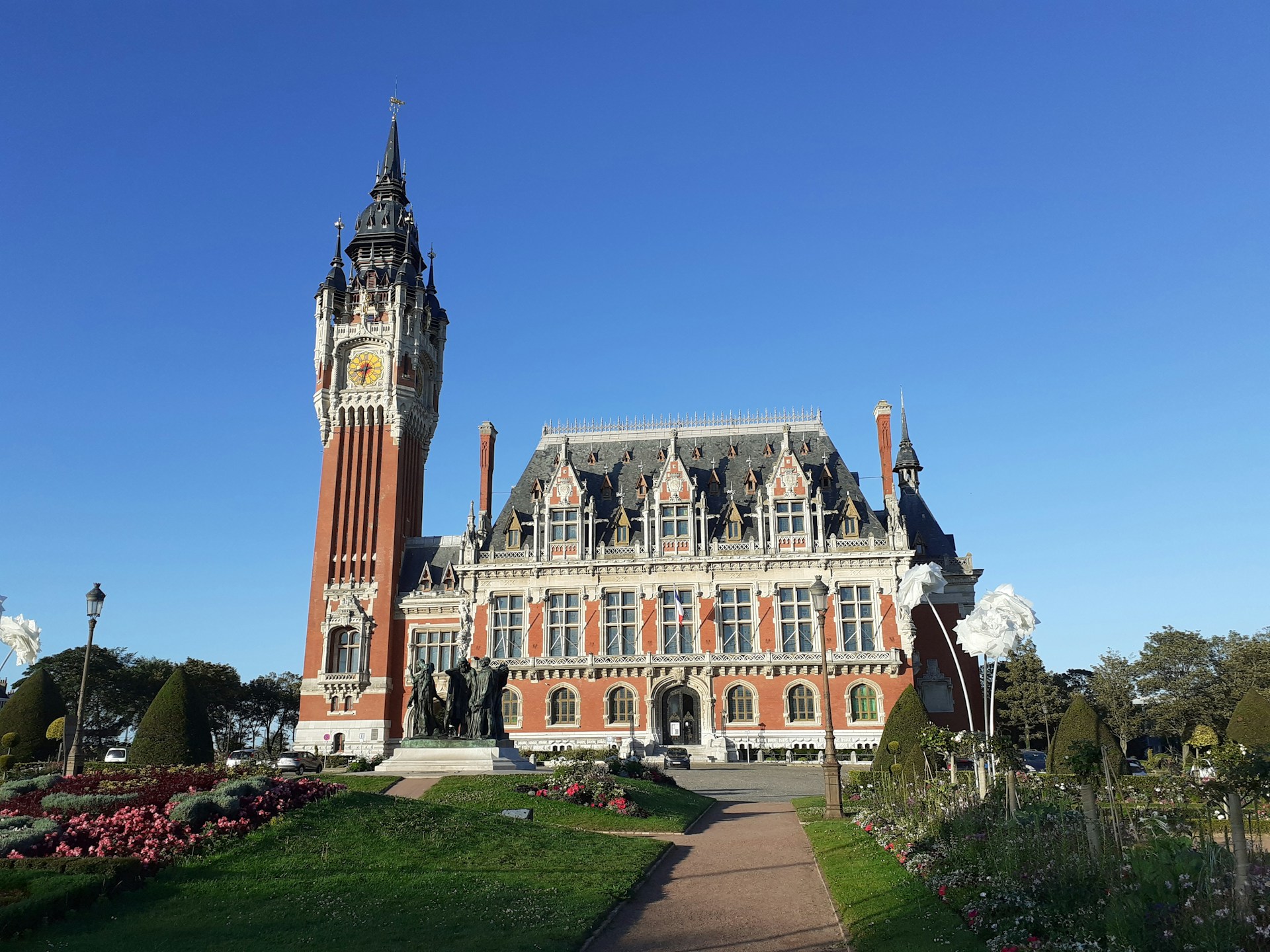
Arrive in the central district and head straight to the Hôtel de Ville. Take time to appreciate the mix of Neo-Flemish and Gothic Revival details: the slate roof, ornate gables, and the 75-meter belfry that anchors the skyline.
- Belfry visit: Go as early as possible (it’s usually quieter in the first hour after opening). The climb is manageable, and the 360° view over the city, port, and sea is the best quick orientation you’ll get.
- Rodin’s “The Burghers of Calais”: In front of the Town Hall stands one of the most moving sculptures in Europe. I always walk around it slowly, noticing the details: rough hands, bare feet, the haunted expressions. It tells the story of six citizens who volunteered their lives during the siege of 1347.
Lunch – Simple Northern Comfort Food
From the Town Hall, I usually wander toward the Saint-Pierre district and duck into a brasserie for something hearty: carbonade flamande (beef slow-cooked in beer) or moules-frites. You’ll find plenty of affordable menus around Rue Royale and the surrounding streets.
Afternoon – Old Calais (Calais-Nord) & Place d’Armes
Cross over into Calais-Nord, the historic part of town that survived bombardment better than the newer areas. Stroll through the cobbled streets toward Place d’Armes, the old central square.
- Have a coffee on a terrace and watch locals run errands—Calais is still very much a living city, not a theme-park backdrop.
- Check the square for the market days (typically Wednesday and Saturday mornings). If you’re there on a market day, wander among the stalls: cheese, saucisson, seasonal fruit, and plenty of shouting in French and regional accents.
Late Afternoon – Harbor Walk & Fort Risban
From Place d’Armes, I like to walk down to the old harbor, following the canals and then continuing toward Fort Risban, a historic fort guarding the entrance to the port.
Climb around the grassy ramparts (kids love this; it’s very family-friendly) and look back toward the city. You’ll see the belfry rising above the rooftops and the constant choreography of ferries coming and going.
Evening – Seafood with a View
I usually end the first day with seafood near the harbor. Many restaurants offer fruits de mer platters, but even a simple plate of fish and chips à la française with a local beer feels special as the sky turns pink above the cranes.
Day 2: Beach Day, Lighthouse & Parc Saint-Pierre
Morning – Calais Beach (Plage de Calais)
I tend to wake up early in Calais; the light over the Channel is different every day. Grab a croissant from a bakery near your accommodation and walk to the beachfront promenade.
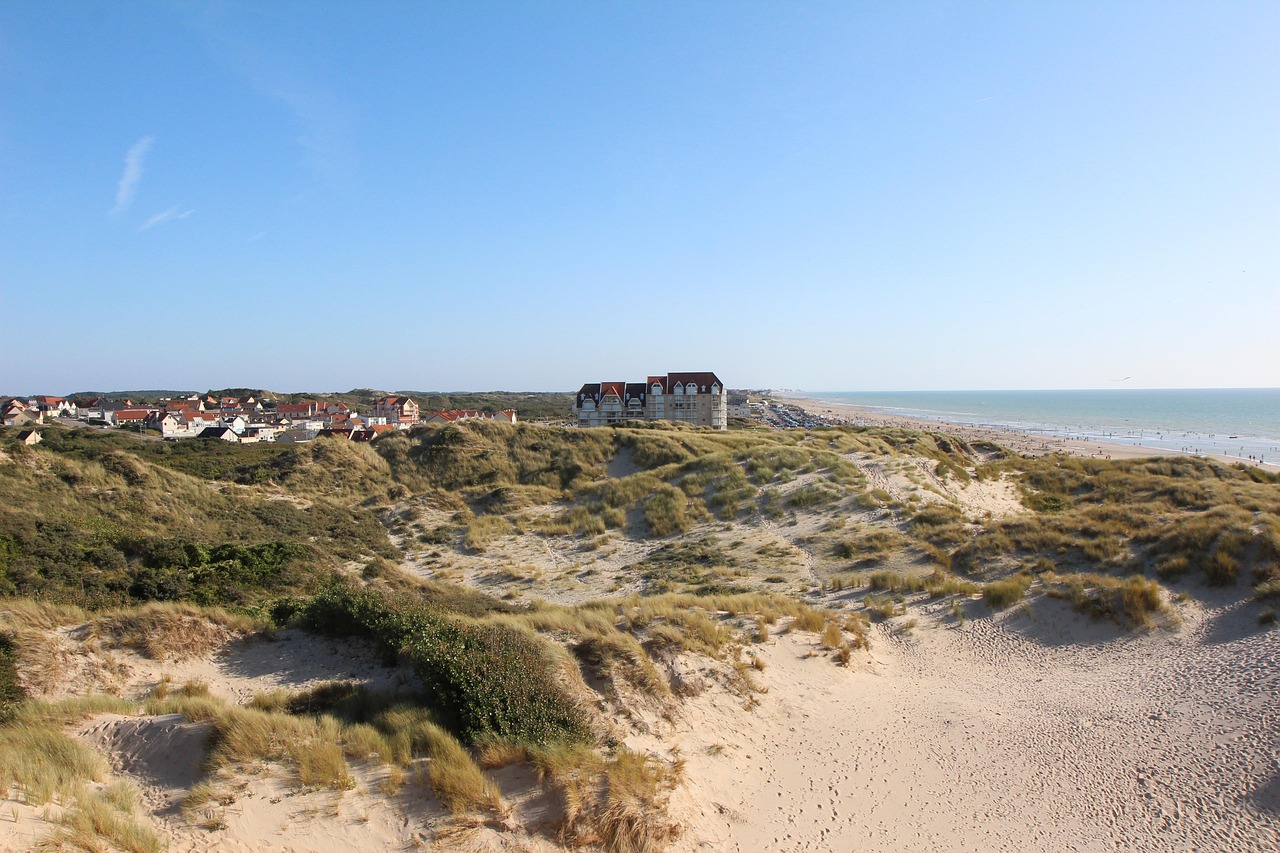
- Beach huts & wide sands: The beach is huge at low tide, perfect for long walks, beach games with kids, or just staring at the horizon. On a clear day you can see the white cliffs of Dover in the distance.
- Family tip: The playgrounds and open spaces along the promenade are ideal for children to run around safely.
- Adventurous tip: Check local clubs for kite-surfing or windsurfing lessons; Calais is windy enough to make it exciting without being extreme.
Late Morning – Calais Lighthouse
Just inland from the harbor stands the Phare de Calais, a white octagonal lighthouse with a black lantern room that has guided ships since the 19th century.
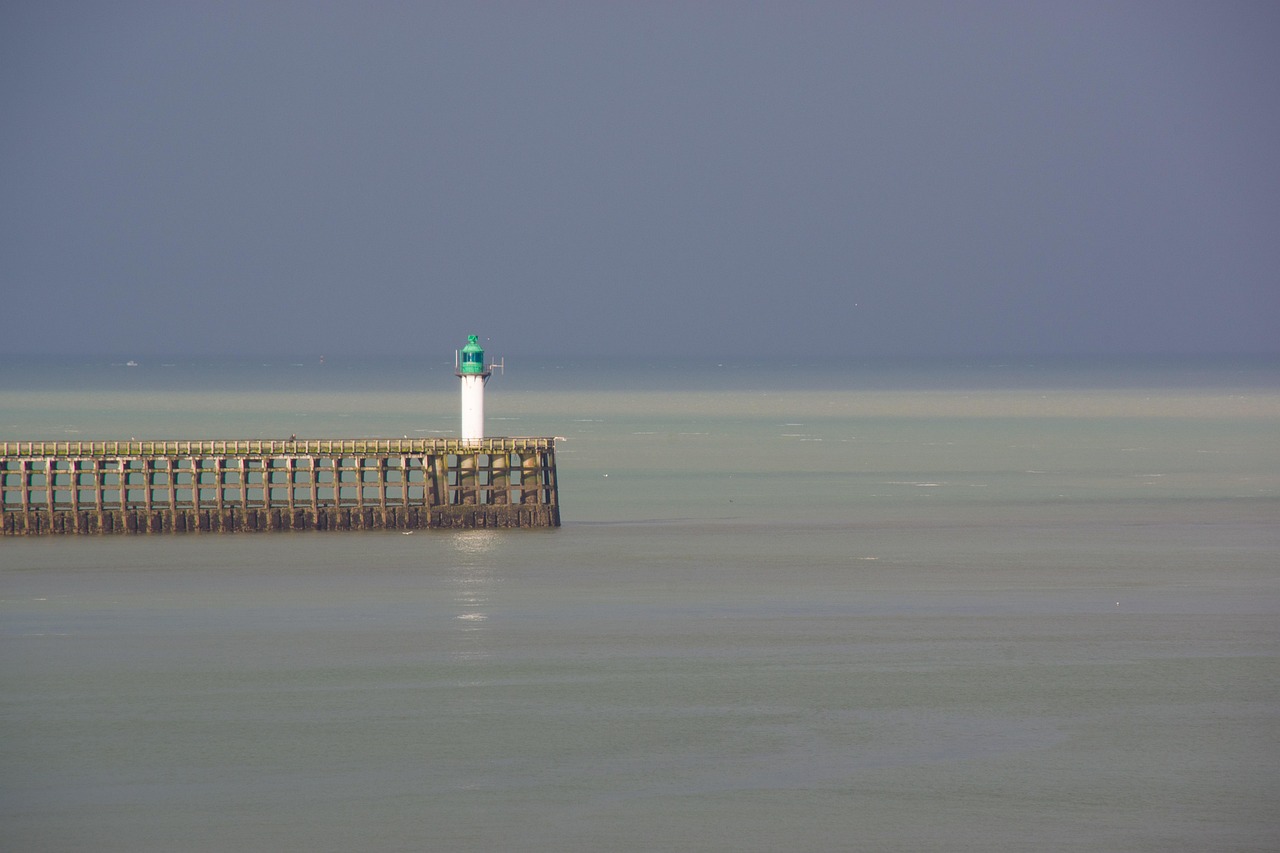
I still remember my first climb up the spiral staircase—narrow, echoing, and suddenly opening onto a panoramic view that made the city layout click in my mind. It’s especially atmospheric on slightly cloudy days when the light shifts over sea and town.
Lunch – Mussels or Crêpes by the Sea
There are several casual spots near the beach where you can order steaming bowls of moules marinières or sweet and savory crêpes. I often go for a simple galette complète (ham, cheese, egg) with a glass of cider.
Afternoon – Parc Saint-Pierre & Dragon Promenade
Head back toward the center and spend a few hours in Parc Saint-Pierre, one of Calais’s green lungs. It’s a favorite with local families: ducks on the pond, shady paths, and room for picnics.
From the park you can continue walking along the canals, watching the interplay between nature and the working port. Calais has been experimenting with art installations and playful urban furniture here, making it a relaxed strolling area.
Evening – Casual Drinks & Early Night
For your second night, try a bar in the Saint-Pierre or downtown area. Calais’s nightlife is low-key but friendly: think cafés that morph into bars, local ales, and the occasional live band rather than mega-clubs.
Day 3: Museums, Lace & Notre-Dame
By day three, most visitors are surprised by how much they’ve already done—and how much remains. Today is about culture: lace, art, and the city’s most important church.
Morning – Calais Lace & Fashion Museum
The Cité de la Dentelle et de la Mode is one of my favorite museums in northern France. Housed in a former lace factory, it’s immersive without feeling dry.
- Watch the massive industrial lace machines in action; the noise and rhythm are mesmerizing.
- Explore exhibits on how Calais lace influenced fashion—from Victorian gowns to haute couture.
- Don’t skip the temporary exhibitions; in 2026 there’s a renewed focus on sustainable textiles and contemporary designers.
Lunch – Local Bistrot
After the museum, I tend to drift back toward the center for lunch. Look for daily specials like welsh rarebit à la française (rich cheese-and-beer toast, a local favorite) or potjevleesch (a cold terrine of mixed meats, very Flemish and surprisingly refreshing).
Afternoon – Musée des Beaux-Arts & Parc Richelieu
The Musée des Beaux-Arts is small but thoughtfully curated, with a focus on regional artists, maritime scenes, and some compelling temporary exhibitions.
Afterward, cross into Parc Richelieu for a gentle walk among trees and statues. The surrounding streets are lined with early 20th-century architecture—balconies, brick facades, and quirky details that reward close observation.
Late Afternoon – Église Notre-Dame
Notre-Dame de Calais is unlike most French churches: its architecture blends English and Flemish styles, a reminder of centuries of cross-Channel entanglement. I always find it calming inside, even when there’s some restoration work underway.
Spend time with the Churchill statue outside and imagine the wartime scenes that played out around this square.
Evening – Farewell Dinner
For your last night on a 3 day itinerary for Calais, splurge a little on a nice restaurant—seafood, of course. Order a bottle of French wine (or try a Belgian beer) and toast the Channel as ferries glide past in the distance.
4 Days in Calais: Add War History & Extra Coastal Time
With 4 days in Calais, you can keep the 3-day structure and add a more in-depth look at the city’s WWII history plus extra time by the sea.
Day 4: Fort Nieulay, WWII Sites & More Beach
Morning – Fort Nieulay
On my last extended stay, I devoted a morning to Fort Nieulay, located a bit inland and often overlooked. It’s a former flood defense fort that protected Calais by allowing controlled inundations of the surrounding land.
The site is peaceful now: grassy ramparts, walking trails, and views over the surrounding countryside. It’s a great spot if you want a quiet escape from the urban core, and it’s very suitable for families to roam safely.
Afternoon – WWII Memorials & Bunkers
Calais was heavily bombed in WWII and played a strategic role in the German defenses of the Channel coast. Scattered around the outskirts and seafront are bunkers and memorials.
- Take a self-guided walk or short drive to see some of the preserved bunkers and plaques.
- Stop at memorials dedicated to resistance fighters and Allied troops; they’re sobering but important.
Late Afternoon – Back to the Beach or Parc Saint-Pierre
After a heavy dose of history, I like to return to the sea. Spend the late afternoon back on the Plage de Calais or rent a bike and ride along the seafront to explore the dunes.
Evening – Casual Nightlife
Try a different bar tonight—maybe one known for craft beer or a wine bar with small plates. Calais’s nightlife is more about conversation than clubbing, which suits the city’s personality.
5 Days in Calais: Opal Coast Day Trip & Deeper Local Life
With 5 days in Calais, you can fully embrace both city and coast. This 5 day itinerary for Calais builds on the 4-day plan and adds a must-do day trip plus more local experiences.
Day 5: Day Trip to Cap Blanc-Nez & Cap Gris-Nez
Morning – Drive or Bus to the Caps
Set your alarm: this is your big coastal adventure. Rent a car in Calais or catch a bus toward the Opal Coast. The twin headlands of Cap Blanc-Nez and Cap Gris-Nez are only about 30–40 minutes away but feel wonderfully wild.
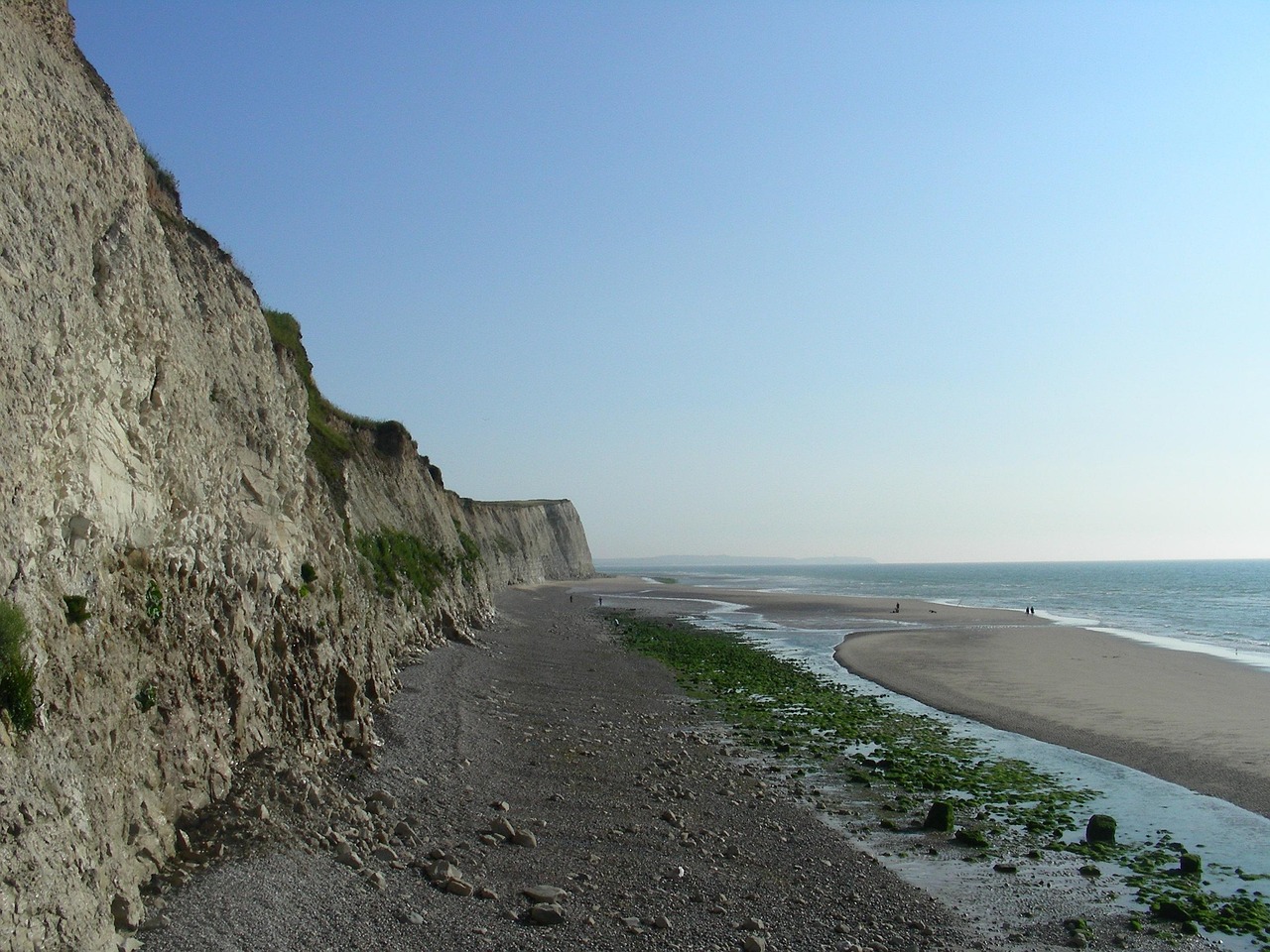
Cap Blanc-Nez is all dramatic white chalk cliffs, windswept grass, and sweeping views across the Channel. On a clear day, the cliffs of Dover seem almost within reach.
Midday – Across to Cap Gris-Nez
Continue along the coastal road to Cap Gris-Nez, where the cliffs are darker and lower but the sense of exposure to sea and sky is intense.
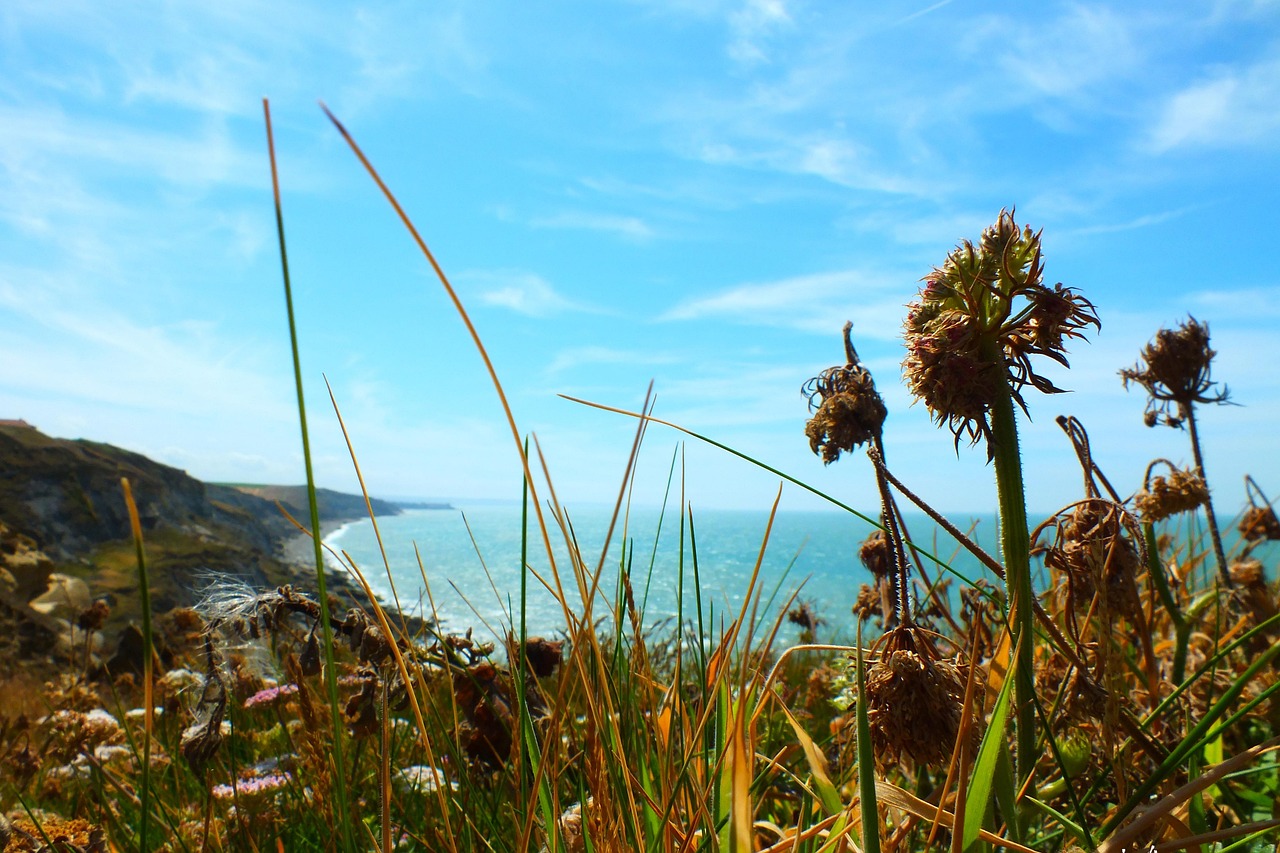
- Hike a short section of the coastal trail linking viewpoints.
- Watch for migrating birds and passing ships; this is one of Europe’s busiest shipping lanes.
Lunch – Seaside Village
Stop in a small fishing village like Wissant for lunch. I like grabbing a terrace table, ordering grilled fish or a big bowl of mussels, and taking my time.
Afternoon – Returning to Calais
Head back to Calais in the late afternoon. If you still have energy, stroll through a neighborhood you haven’t yet explored—maybe deeper into the Saint-Pierre district or around the train station, where you’ll find everyday bakeries and small shops.
Evening – Final Night in Calais
For the last evening of your 5 day itinerary for Calais, pick your favorite spot from earlier in the trip, or ask your accommodation host where they would go for a relaxed dinner. Locals often have strong opinions—and they’re usually good.
Neighborhoods & Districts of Calais
Calais is compact, but each district has its own flavor. Getting to know them helps you choose where to stay and what to explore.
Calais-Nord (Old Calais)
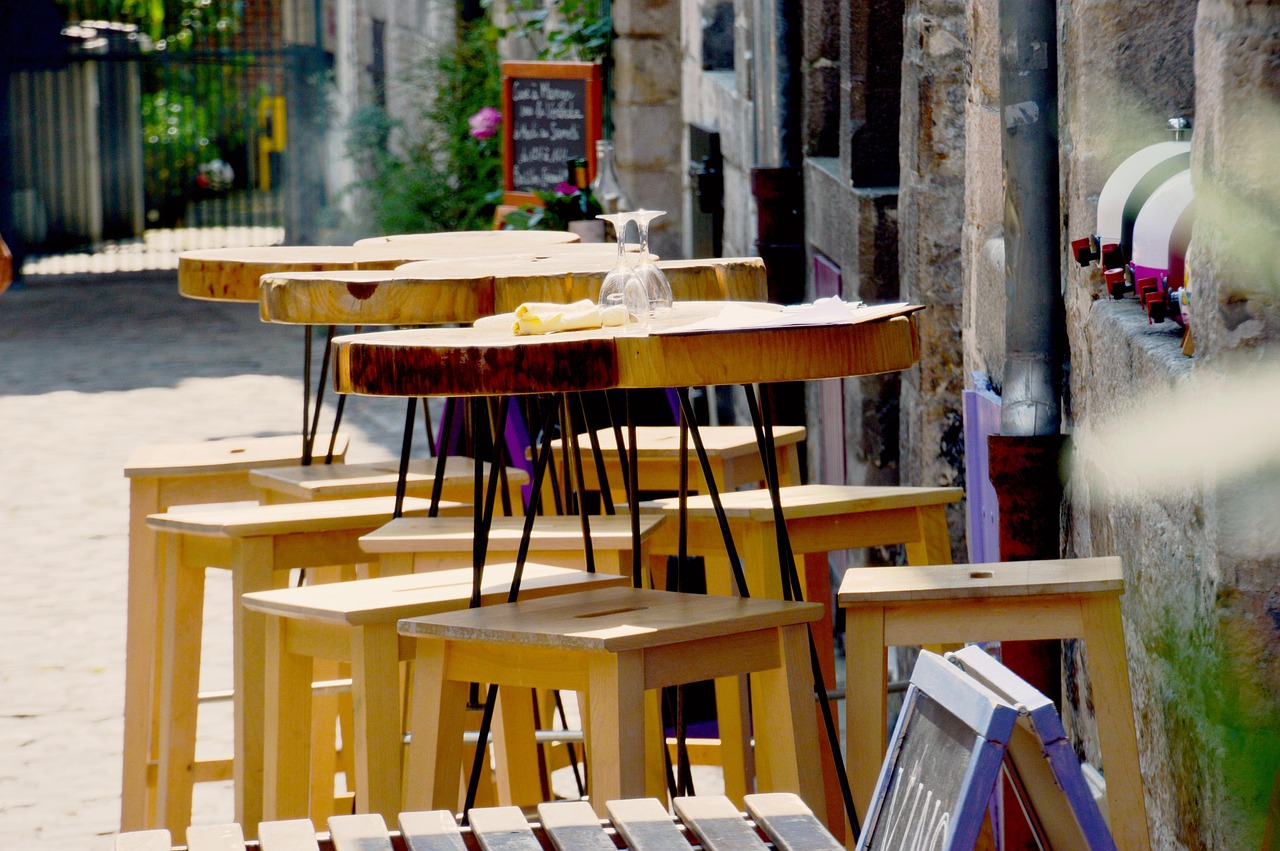
This is the historic heart: narrow streets, older buildings, Place d’Armes, and the proximity to the harbor. It’s where I usually suggest first-time visitors stay if they want atmosphere and easy access to everything on foot.
- Best for: First-time visitors, couples, walkers, photography.
- Vibe: Traditional, slightly worn but charming, lively on market days.
Saint-Pierre District
A little inland from the town hall, Saint-Pierre feels more “local.” It’s where you’ll find many residents doing daily shopping, kids heading to school, and down-to-earth eateries.
- Best for: Experiencing local life, budget dining.
- Vibe: Residential, authentic, unpretentious.
Seafront & Beach Area
Stretching along the Plage de Calais, this is where you come for sea air, sunsets, and long walks. Accommodation here is great if you want a “holiday by the sea” feel.
- Best for: Families, beach lovers, romantic stays.
- Vibe: Relaxed, airy, more seasonal.
Town Hall & Parc Richelieu Area
Centered around the iconic Town Hall and belfry, this area blends civic architecture with shopping streets like Rue Royale and access to parks.
- Best for: Central base, easy transport connections.
- Vibe: Urban, practical, good for short stays.
20 Detailed Attractions in Calais: Stories, History & Tips
Here’s a deeper dive into the must-see attractions in Calais, from iconic landmarks to lesser-known corners. I’ll mix history, personal impressions, and practical travel advice.
1. Calais Town Hall & Belfry
The Hôtel de Ville is Calais’s postcard star. Built in the early 20th century, it replaced older buildings destroyed or rendered obsolete by the city’s expansion. Its flamboyant Flemish-inspired design, with red bricks and stone detailing, reflects Calais’s historical ties to Flanders and England.
Every time I bring visitors here, their first reaction is usually surprise: “I didn’t expect this in Calais.” The belfry, part of a UNESCO ensemble of belfries across France and Belgium, is more than just pretty views—it symbolizes urban freedoms and civic pride that developed in medieval Europe.
- What to do: Tour the interior if open, admire the stained glass, then climb the belfry for city and sea views.
- Best time: Morning for clearer views; late afternoon for warm light on the city.
- Photo tip: Stand across the small park in front for a full façade shot. At night, the building is beautifully lit.
2. Rodin’s “The Burghers of Calais”
Few works of art feel as in-situ as Rodin’s “Les Bourgeois de Calais.” Commissioned in the late 19th century, it depicts the six citizens who offered themselves as hostages to King Edward III during the siege of 1347.
Rodin’s choice to portray them not as heroic victors but as exhausted, frightened individuals caused controversy at the time. Today, standing eye-level with them in front of the Town Hall, you feel the weight of their decision. I often circle the group slowly, focusing on one figure at a time—the downward gaze, the clenched hands, the bare feet on the plinth.
- Tip: Come early or late to avoid large groups; this is a place to linger quietly.
- Family angle: It’s a powerful way to introduce older kids to history and the human side of war and power.
3. Calais Beach (Plage de Calais)
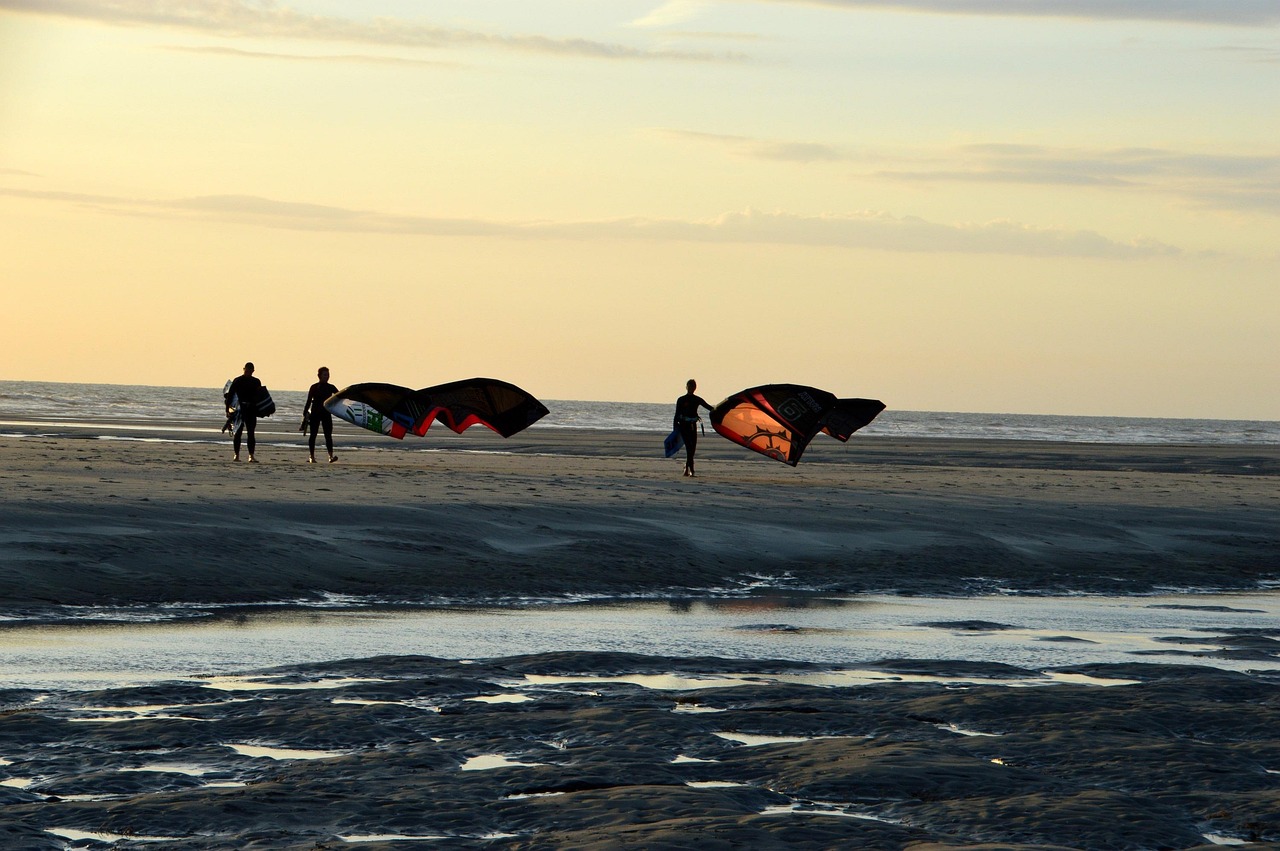
Calais’s beach is its biggest surprise: a broad, sandy stretch that feels almost endless at low tide. I’ve walked here in winter storms, bundled in a scarf, and in summer evenings when the sky glows pink well after 10 pm.
The beach is lined with a promenade, beach huts, and occasional art pieces. It’s rarely overcrowded, even in high summer—one of the city’s quiet luxuries.
- Activities: Swimming in summer (lifeguards in season), sandcastle-building, jogging, kite-surfing, and collecting seashells.
- Romantic tip: Time your walk for sunset; the combination of ferries silhouetted against the horizon and changing sky colors is unforgettable.
- Budget tip: Pick up picnic supplies from a supermarket and eat on the sand instead of at a beachfront restaurant.
4. Calais Lighthouse (Phare de Calais)
Built in the 1840s and electrified in the 19th century, the Phare de Calais is a classic maritime landmark. Climbing its spiral staircase feels like stepping back into a time when lighthouses were lifelines for sailors.
The view from the top offers a different perspective than the belfry: more focused on the sea, harbor, and the geometric lines of the port infrastructure.
- Tip: Wear comfortable shoes and be prepared for wind at the top.
- Photography: Bring a zoom lens if you’re into ship-spotting; the shipping lanes are busy.
5. Musée des Beaux-Arts de Calais
The Fine Arts Museum doesn’t try to compete with the Louvre or Orsay, and that’s its charm. It feels personal, local, and manageable. You’ll find paintings and sculptures that reflect the region’s relationship with the sea, war, and industry.
I enjoy slipping in for an hour or two, especially on rainy afternoons. The scale is just right: you can see everything without feeling rushed.
- Good for: Art lovers, rainy-day activity, families (short enough not to overwhelm kids).
- Check: Current temporary exhibitions; the museum has been increasingly active with contemporary artists in 2026.
6. Calais Lace & Fashion Museum (Cité de la Dentelle et de la Mode)
If you think “lace” sounds niche, this museum may surprise you. Calais’s fortunes were once tightly woven with lace production, and entire neighborhoods grew around the factories.
Walking through the museum, you move from the clatter of historic machines to dimly lit rooms where intricate lace pieces are displayed like jewelry. There are also fashion exhibits that connect Calais lace to global couture houses.
- Personal tip: Join a guided demonstration of the machines if available; hearing the explanations makes the process far more impressive.
- Shopping: The museum shop sells lace items and fashion accessories—great souvenirs that aren’t tacky.
7. Parc Saint-Pierre & Canal Promenade
Parc Saint-Pierre is where I go when I need a breather between museum visits and urban exploring. The park hugs a canal, with footbridges, lawns, and benches under trees.
On sunny weekends, families spread blankets, friends play soccer or boules, and joggers loop the paths. It’s a snapshot of everyday Calais life.
- Best for: Picnics, kids, reading a book, morning jogs.
- Tip: Combine with a walk along the canal toward the harbor for a pleasant half-day outing.
8. Old Calais (Calais-Nord) & Place d’Armes
Calais-Nord is the closest the city gets to a medieval old town, though much was rebuilt after wartime destruction. Still, the street pattern and some surviving buildings give it character.
Place d’Armes is the centerpiece: a wide square with a mix of historical façades, cafés, and the occasional event stage.
- Market days: Visit on Wednesday or Saturday morning for one of the liveliest markets in the region.
- Hidden gem: Duck into side streets; you’ll often find murals, small galleries, or specialty shops.
9. Église Notre-Dame de Calais
Notre-Dame is unique in France: an English perpendicular-style church built while Calais was under English rule. Later, French and Flemish influences layered on, creating a hybrid architecture.
Badly damaged in WWII, the church underwent extensive restoration. Inside, I always pause near the war memorial plaques; they ground Calais’s history in personal names and stories.
- Tip: Check opening hours; they can be irregular.
- Nearby: The Churchill statue and small garden make for a quiet reflection spot.
10. Fort Risban
Fort Risban dates back to the 16th century and was later modified as military technology evolved. Its main job was to guard the harbor entrance, and it saw action in multiple conflicts.
Now, the atmosphere is more picnic than peril. It’s a fantastic place to feel the wind, scan the sea, and imagine the ships that have passed through this narrow stretch over centuries.
- Family-friendly: Kids can safely explore the grassy slopes and old walls.
- Photography: Great spot for shots of ferries framed by historic stonework.
11. Fort Nieulay
Less famous than Fort Risban, Fort Nieulay was part of an ingenious defense system: it allowed the French to flood fields and block enemy advances.
When I last went, I spent a couple of quiet hours walking the perimeter, reading information panels, and listening to birdsong. It’s a subtle but fascinating place if you’re into military history and landscape design.
- Good for: History buffs, walkers, people who like off-the-beaten-path spots.
- Tip: Combine with a countryside bike ride if you have time.
12. Calais War Memorials & WWII Sites
Calais was designated a “fortress city” by the Germans and suffered heavy bombardment in WWII. Today, memorials and surviving bunkers dot the coastline and outskirts.
One of the most moving experiences I had was standing by a small memorial stone near the coast, reading the names of local resistance members. There’s no ticket booth, no souvenir stand—just the wind and the weight of memory.
- Tip: Ask at the tourist office for a map of key WWII sites if you want to do a self-guided tour.
- Respect: These are places of remembrance; keep voices low and behavior appropriate.
13. Maritime & Fishing Heritage (Old Harbor & Docks)
Calais is a working port as much as a passenger gateway. I love wandering the old harbor area early in the morning, when fishing boats unload and the air smells of salt and diesel.
The juxtaposition of colorful boats, industrial cranes, and the endless flow of passenger ferries makes this one of the most photogenic parts of town—if you like gritty, real scenery.
- Tip: Respect restricted areas; stick to public paths and viewpoints.
- Food: Look nearby for seafood restaurants that source directly from the daily catch.
14. Rue Royale & Shopping Streets
Rue Royale and surrounding streets form Calais’s main shopping spine. You’ll find everything from chain stores to small local boutiques, patisseries, and cafés.
This is where I come to run errands when I’m staying longer: buy a SIM card, pick up snacks, replace a forgotten charger. It’s also a good area to people-watch from a café terrace.
- Tip: Many shops close for lunch or early evening; check hours, especially on Mondays.
- Souvenirs: Look for locally made beer, lace items, and regional sweets.
15. Calais Markets (Place d’Armes & Others)
Outdoor markets are essential to French life, and Calais is no exception. The Place d’Armes market is my favorite: noisy, colorful, and full of temptations.
I like to arrive hungry and build an impromptu picnic: a hunk of local cheese, some cured meat, fresh bread, and fruit. Vendors are usually happy to let you taste before you buy.
- Tip: Bring cash; some smaller vendors don’t accept cards.
- Etiquette: Greet vendors with a “Bonjour” before asking questions or pointing at produce.
16. Saint-Pierre District & Local Life
The Saint-Pierre district isn’t about big sights; it’s about atmosphere. It’s where you see schoolchildren with oversized backpacks, people carrying baguettes home, and local bars with regulars at the counter.
On my last trip, I spent a late afternoon just wandering here, stopping for a coffee, then a beer, and chatting with a bar owner about how Calais has changed in the past 20 years.
- Best for: Travelers who like to feel a city’s everyday rhythms.
- Tip: Look for small bakeries and pastry shops; this is where you’ll find the best value.
17. Parc Richelieu & Surrounding Architecture
Parc Richelieu is another green pocket in central Calais, surrounded by elegant early 20th-century buildings. It’s small but refined, with sculptures and flowerbeds.
I often cut through here on my way between the Fine Arts Museum and the Town Hall area, using it as a quiet, leafy shortcut.
- Good for: Short breaks, reading, architecture enthusiasts.
- Photography: Look up; balconies and façades around the park are full of decorative details.
18. Calais Theatre (Le Grand Théâtre)
The Grand Théâtre of Calais is a handsome building hosting plays, concerts, and cultural events. Even if you don’t attend a performance, it’s worth a look for its architecture.
I’ve seen a small contemporary dance performance here; the audience was a mix of students, older locals, and the occasional visitor like me. The atmosphere was relaxed and welcoming.
- Tip: Check the schedule online; some shows are accessible even if your French is basic (music, dance, etc.).
- Culture lovers: This is a good way to tap into local cultural life beyond museums.
19. Street Art & Contemporary Culture
Calais has quietly developed a small but vibrant street art scene. Large-scale murals appear on gable ends, underpasses, and former industrial sites.
On one of my recent visits, I followed a local map of murals and ended up in corners of the city I’d never have seen otherwise. Some works tackle migration and borders, reflecting Calais’s complex recent history.
- Tip: Ask at the tourist office for current street art maps or suggestions.
- Photography: These murals make striking backdrops, but be mindful of residents’ privacy when shooting near homes.
20. Opal Coast Viewpoints (Day Trip from Calais)
Strictly speaking, the Opal Coast is beyond Calais, but it’s so close and so essential that it belongs in any serious travel guide for Calais.
The coastal path between Cap Blanc-Nez and Cap Gris-Nez offers some of the best seaside walking in northern France: chalk cliffs, grassy slopes, lighthouses, and far-reaching views. I’ve walked parts of it in every season; even in winter, bundled up against the wind, it’s exhilarating.
- Transport: Easiest with a car; otherwise, look for regional buses or organized excursions.
- Tip: Bring layers; weather changes quickly along the coast.
Local Food & Drink in Calais
Northern France’s cuisine is hearty, beer-friendly, and influenced by Flemish and coastal traditions. Eating well here doesn’t require a big budget.
Must-Try Local Dishes
- Moules-frites: Mussels in white wine, garlic, and herbs, served with fries. Often available in large, shareable pots.
- Carbonade flamande: Slow-cooked beef stew in dark beer with onions and spices—comfort food on cold days.
- Welsh rarebit (Welsh complet): Thick toast topped with ham and drowned in beer-cheese sauce, often with a fried egg on top.
- Potjevleesch: Cold terrine of mixed meats in gelatin, traditionally served with fries and salad.
- Fresh seafood: Oysters, shrimp, whelks, and assorted shellfish platters.
Where I Like to Eat
I won’t name every specific restaurant (they change, and part of the fun is discovering your own favorites), but here are some patterns I’ve found reliable over several trips:
- Harborfront restaurants: Great for seafood with a view. Slightly pricier, but lunchtime menus can be good value.
- Saint-Pierre brasseries: Often cheaper and more “local.” These are my go-to for carbonade or welsh.
- Old town cafés: Around Place d’Armes, you’ll find terraces perfect for coffee, beer, and simple lunches.
Saving Money on Food
- Menu du jour: Look for daily fixed-price menus at lunch; they’re often excellent value.
- Picnics: Buy bread, cheese, charcuterie, and fruit from markets or supermarkets and eat in a park or on the beach.
- Boulangeries: A sandwich or quiche from a bakery plus a pastry makes a great budget lunch.
Drinks: Beer, Cider & Wine
Calais sits at a crossroads of beer and wine culture. You’ll find:
- French and Belgian beers: Blonde, amber, and dark ales, often on tap.
- Cider: Especially with crêpes or galettes.
- French wine: House wines in carafes are affordable and usually decent.
Nightlife, Entertainment & Cultural Experiences
Calais isn’t a party capital, but there’s enough to keep evenings interesting.
Nightlife
- Bars & pubs: Concentrated around the center and Saint-Pierre. Expect relaxed vibes, sports on TV, and local beers.
- Beachfront evenings: In summer, some spots by the seafront stay open late, with outdoor seating facing the sea.
- Clubs: A handful exist, but they attract mostly locals and are casual.
Cultural Experiences
- Theatre & concerts: Check Le Grand Théâtre and other venues for events during your stay.
- Festivals: From maritime celebrations to cultural weekends, Calais hosts regular events (see the events section below for 2026–2027 highlights).
- Street performances: In high season, you may find buskers and small street shows around central squares.
Day Trips & Nearby Attractions
Calais is a gateway not just to the UK, but to a beautiful stretch of northern France and nearby Belgium. Here are easy day trips I’ve taken and recommend:
Opal Coast: Cap Blanc-Nez & Cap Gris-Nez
As described in the 5-day itinerary, this is a must for nature lovers: dramatic cliffs, sea views, and coastal walks.
Boulogne-sur-Mer
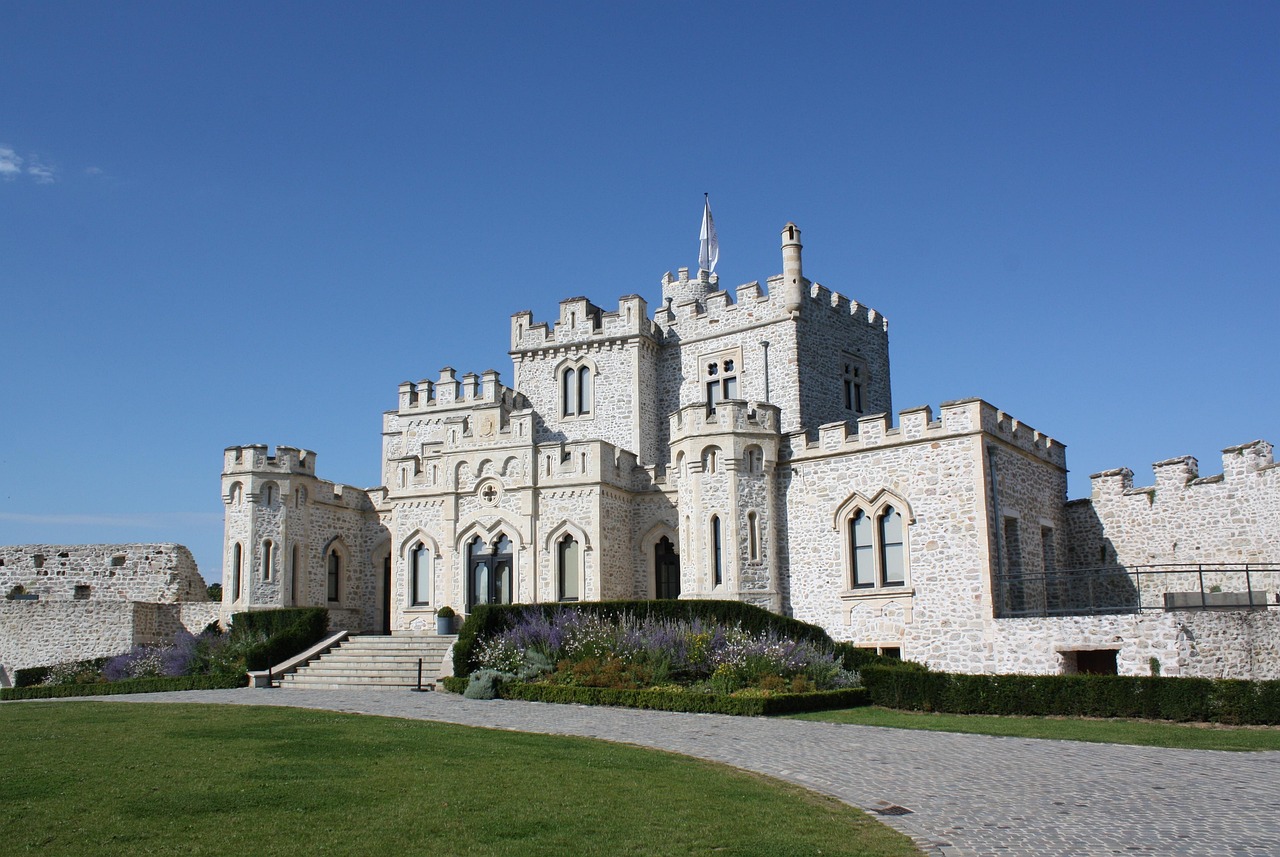
About 30–40 minutes south by train or car, Boulogne-sur-Mer has a walled old town and the impressive Nausicaá sea life center, one of Europe’s largest aquariums—great for families.
Dunkirk (Dunkerque)
To the east, Dunkirk offers WWII history (Operation Dynamo museums), a beach, and a working port. It pairs well with Calais for a two-city coastal trip.
Saint-Omer & Marshlands
Inland, Saint-Omer and the nearby marshlands (Marais Audomarois) offer boat trips through canals, birdlife, and a slower, rural pace.
Cultural Etiquette & Local Customs in Calais
Northern France is friendly, but there are a few customs to keep in mind.
Greetings & Politeness
- Always say “Bonjour” (daytime) or “Bonsoir” (evening) when entering shops or starting interactions.
- “S’il vous plaît” (please) and “Merci” (thank you) go a long way.
- Use “vous” (formal you) with strangers unless invited to use “tu.”
Dining Etiquette
- It’s polite to say “Bon appétit” before starting a meal.
- In casual places, asking for tap water (“une carafe d’eau”) is normal and free.
- Don’t expect a quick check; you usually have to ask for the bill: “L’addition, s’il vous plaît.”
Tipping
- Service is included in restaurant bills, but rounding up or leaving 5–10% for good service is appreciated.
- For taxis, rounding up to the nearest euro or adding a small extra amount is common.
Local Attitudes
Calais has been in the news due to migrant camps and border issues. Locals can be sensitive about how outsiders talk about this. If the subject comes up:
- Listen more than you speak; opinions are often informed by lived experience.
- Avoid judgmental or simplistic statements; the situation is complex.
Practical Travel Tips for Calais (2026–2027)
Getting To Calais
- By ferry: From Dover (UK) to Calais—a classic route, with frequent sailings.
- By Eurotunnel: Shuttle trains for vehicles between Folkestone (UK) and Calais-Fréthun.
- By train: Regional trains connect Calais to Lille, Boulogne, Dunkirk, and beyond.
- By car: Motorways link Calais with Paris, Belgium, and the rest of northern France.
Getting Around Calais
- On foot: The center, old town, and beach are all walkable.
- Bus: Local buses cover the wider urban area; tickets are inexpensive.
- Bike: Renting a bike is a great option for exploring the seafront and nearby countryside.
- Car rental: Useful if you plan multiple day trips along the Opal Coast.
SIM Cards & Connectivity
- In 2026, major providers (Orange, SFR, Bouygues, Free) offer prepaid SIMs with generous data.
- Buy SIMs at supermarkets, dedicated phone shops, or sometimes at petrol stations, then register with your passport.
- EU roaming rules generally make it easy for EU SIM holders; UK and non-EU travelers should check roaming costs.
Money & Costs
- Currency: Euro (€).
- ATMs: Widely available in the center and near shopping areas.
- Budget tips: Use lunchtime menus, markets, and boulangeries to keep food costs low; avoid using dynamic currency conversion on card terminals.
Visa Requirements & Borders
- Calais is in France and the Schengen Area; visa rules follow Schengen regulations.
- EU/EEA/Swiss citizens can enter with ID; many other nationalities can visit visa-free for up to 90 days in 180 days—check official sources before travel.
- UK citizens face post-Brexit Schengen rules (90/180 days); always carry your passport.
Driving & Foreign Licenses
- Most foreign driving licenses are accepted for short-term visits; some non-EU licenses may require an International Driving Permit—check before travel.
- Drive on the right, seatbelts mandatory, and speed limits enforced by cameras.
- Alcohol limit is lower than in some countries; if in doubt, don’t drink and drive.
Safety
- Calais is generally safe, especially in central and tourist areas.
- Standard precautions apply: keep valuables secure, be cautious late at night in deserted areas.
- Traffic near the port and industrial zones can be busy; use designated crossings.
Best Seasons for Activities
- Spring (April–June): Ideal for city walks, museums, and Opal Coast hikes. Weather is mild; fewer crowds.
- Summer (July–August): Best for beach time, family trips, and evening promenades. Busy but still relaxed compared to larger resorts.
- Autumn (September–October): Great light for photography, cooler but often pleasant.
- Winter (November–March): Quiet, atmospheric, dramatic coastal weather; good for budget travelers and those who enjoy bracing walks and museums over sunbathing.
What’s New: Events & Festivals in Calais (2026–2027)
Event schedules can change, but based on recent patterns and local plans, here are some recurring and upcoming highlights to watch for in 2026–2027:
- Calais Maritime Festivals (Spring–Summer 2026 & 2027): Expect sailing events, tall ships visits, and harbor-side concerts celebrating the city’s maritime heritage.
- Lace & Fashion Exhibitions (throughout 2026–2027): The Lace Museum is planning new temporary exhibitions focusing on sustainable fashion and digital design in textiles.
- Music & Arts Weekends (Summer 2026–2027): Open-air concerts in Place d’Armes and Parc Saint-Pierre, with local bands and visiting artists.
- WWII Commemoration Events (May & June each year): Ceremonies and guided walks around key sites, marking anniversaries of wartime events involving Calais and the region.
- Christmas Markets (December 2026 & 2027): Festive stalls in central squares with regional food, crafts, and lights.
Check the official Calais tourism website closer to your travel dates for precise schedules and new additions.
Summary & Final Recommendations: When to Visit Calais
Calais rewards travelers who slow down. It’s not a city of blockbuster museums or Instagram clichés; it’s a working coastal town with an underappreciated mix of beach, history, and local life.
Key Takeaways
- Spend at least 3 days in Calais to see the highlights; 4–5 days if you want to include Opal Coast day trips and more relaxed exploration.
- Don’t miss the Town Hall & belfry, Burghers of Calais, Calais beach, Lace Museum, and Opal Coast viewpoints.
- Eat local: moules-frites, carbonade, and fresh seafood are all excellent value compared to larger French cities.
- Use Calais as a base to explore the Opal Coast, Boulogne-sur-Mer, and Dunkirk.
Best Time to Visit Calais
- For beach & families: Late June to early September.
- For hiking & photography: April–June and September–October for softer light and milder temperatures.
- For budget & quiet: November–March, when accommodation is cheaper and the city feels introspective.
Whether you’re stepping off a ferry for a few days or planning a dedicated coastal break, Calais in 2026 offers more than most travelers expect: a chance to breathe sea air, walk through centuries of history, and share simple, memorable meals in a city that’s refreshingly real.