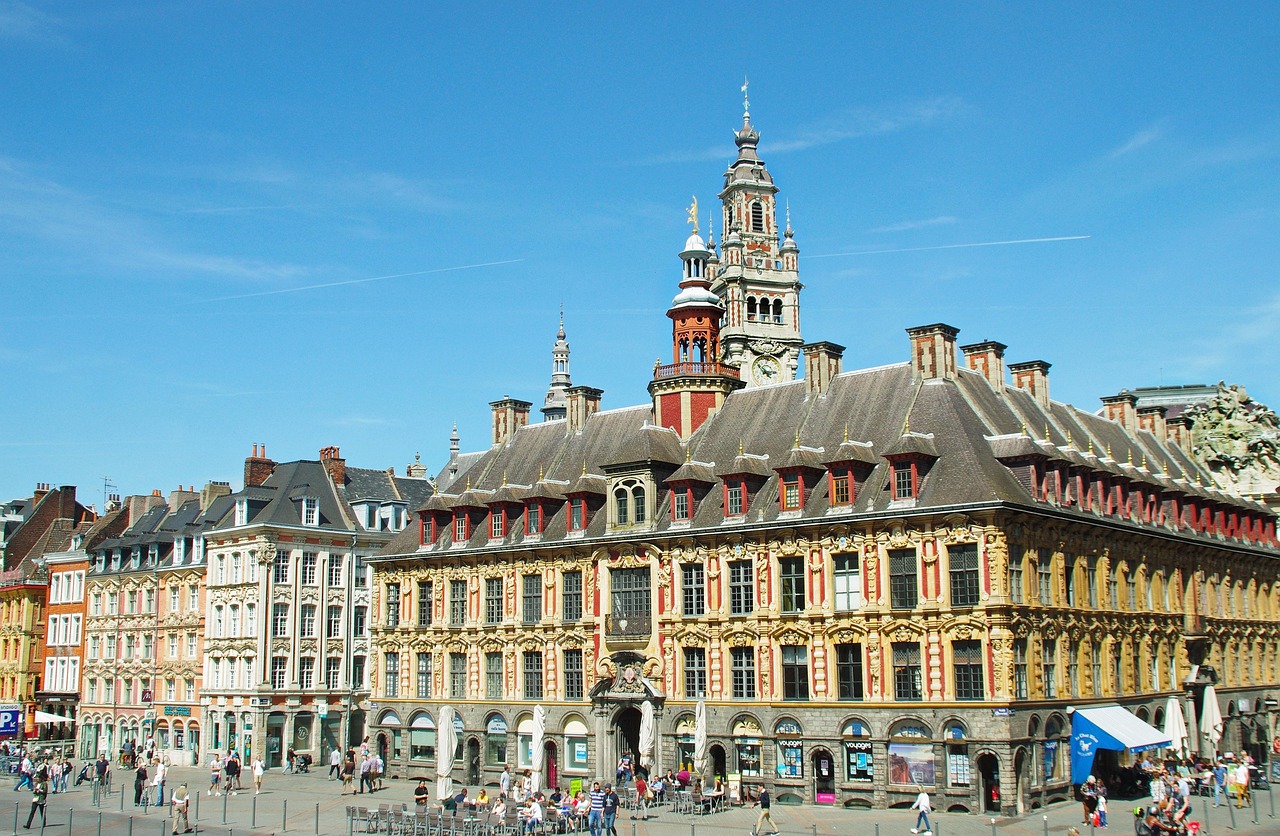
Why Visit Lille in 2026
When friends ask me why I’m so obsessed with Lille, I always say the same thing: it’s the perfect mix of Parisian culture, Belgian charm, and a genuinely warm, northern French soul—without the stress or prices of the big capital. Lille is where I go when I want cobblestone streets and golden Flemish façades, but also craft beer, cool street art, and relaxed cafés that don’t rush you out the door.
Lille in 2026 is buzzing. The city has spent the last decade reinventing itself: old textile warehouses turned into art spaces, new bike lanes, and a food scene that seems to get more creative every year. Yet at its core, Lille is still that friendly, slightly eccentric northern city where strangers say “bonjour” when they walk into a shop, and where Sunday lunch can last half a day.
Whether you have 3 days in Lille, 4 days in Lille, or are planning a full 5 day itinerary for Lille, this comprehensive travel guide for Lille will help you build a trip that mixes the must-see attractions in Lille with authentic cultural experiences, local food, and a few of my favorite hidden gems in Lille.
I’ll walk you through my personal 3–5 day itineraries (I’ve tested every single day in real life, sometimes more than once), the best places to visit in Lille, the neighborhoods you shouldn’t miss, where to eat and drink like a local, and the unspoken local customs in Lille that will make your trip smoother.
Table of Contents
- Why Visit Lille in 2026
- Overview: Lille at a Glance
- Top 20+ Must-See Attractions in Lille (With Stories & Tips)
- Neighborhoods & Areas to Explore
- 3, 4 & 5 Day Itineraries for Lille (Story-Driven)
- Local Food & Drink in Lille
- Nightlife, Entertainment & Cultural Experiences
- Day Trips from Lille
- Cultural Etiquette & Local Customs
- Practical Travel Advice for Lille (2026–2027)
- Major Events & Festivals 2026–2027
- Summary & Best Time to Visit Lille
Overview: Lille at a Glance
Lille is the capital of the Hauts-de-France region in northern France, a stone’s throw from Belgium and just 1 hour by TGV from Paris, 35 minutes from Brussels, and about 80 minutes from London by Eurostar (check 2026 schedules). It’s a compact city that you can walk across in 30–40 minutes, but you’ll want days to dig into the details.
- Population: Around 230,000 in the city; over 1 million in the metro area.
- Vibe: Young, creative, proudly “ch’ti” (northern French), with a Flemish twist.
- Architecture: Red-brick townhouses, ornate Flemish Baroque façades, 17th-century citadel, modern eco-districts.
- Best for: Food lovers, art and museum fans, urban explorers, families, and couples looking for a romantic but low-key European city.
Top 20+ Must-See Attractions in Lille (With Personal Notes)
Below are the core places I always bring visitors to. If you’re building a 3 day itinerary for Lille or stretching to 4–5 days in Lille, these are the anchors of your trip. I’ll weave many of them into the daily itineraries later, but here’s a deeper dive into each one.
1. Grand Place (Place du Général-de-Gaulle)
If Lille has a living room, it’s the Grand Place The first time I arrived in Lille by train and walked up from the metro at Rihour, I remember the sudden opening of space, the hum of conversation spilling from café terraces, and the Déesse column rising in the middle of the square. Since then, every visit begins with a coffee here. History & significance: The Grand Place dates back to the Middle Ages as a marketplace. Over time, guild houses and trading offices were built around it. Today, it’s the beating heart of the city and a key reference point for all things to do in Lille. What to do: Tip: For a classic photo, stand near the fountain facing the Vieille Bourse. Early morning (before 9am) is best if you want the square almost to yourself.
2. Vieille Bourse (Old Stock Exchange)
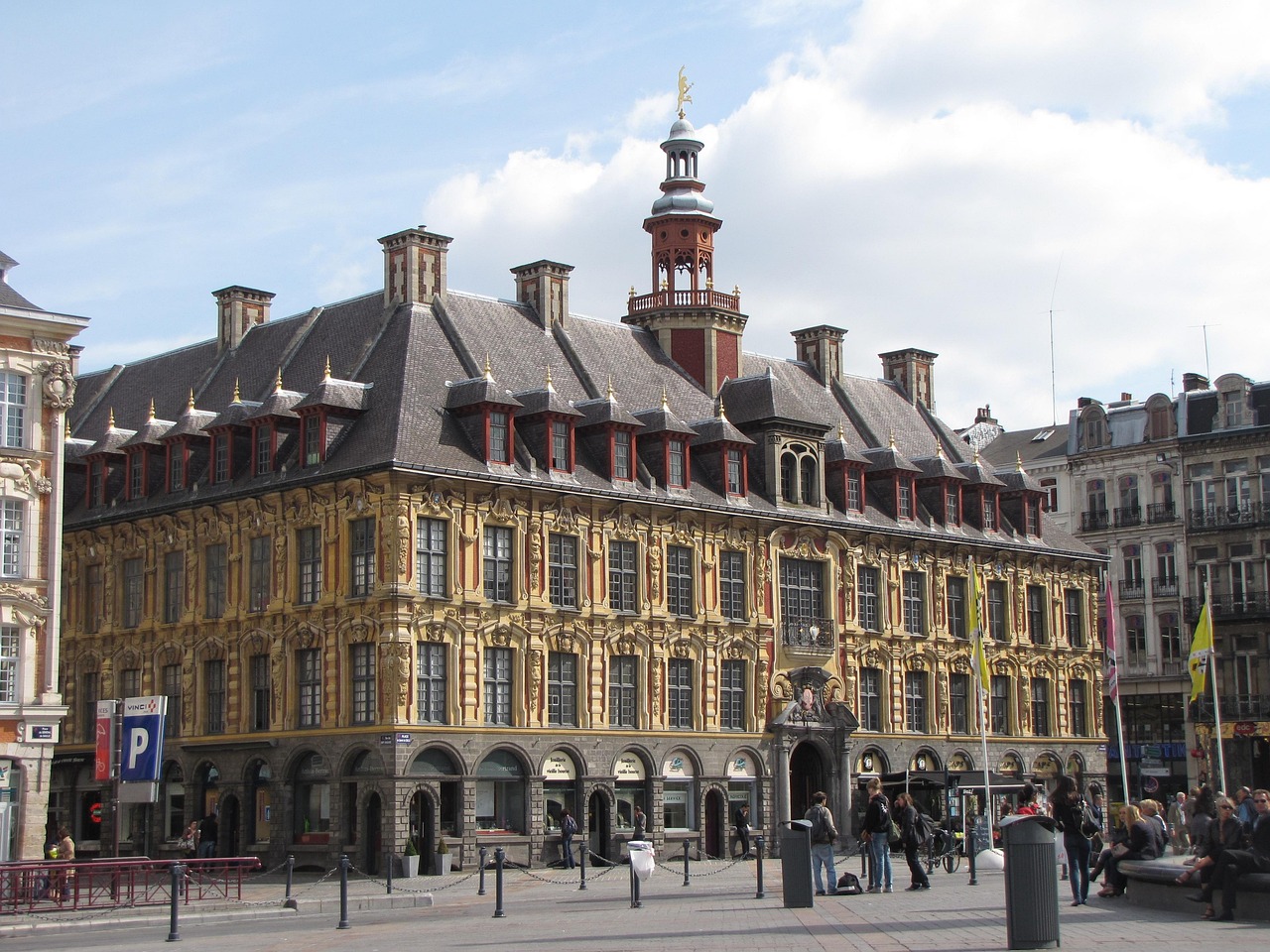
Just off the Grand Place, the Vieille Bourse is my favorite building in Lille. You enter through an archway into a cloistered courtyard, where second-hand booksellers set up stalls and old men play chess under the arcades. On a warm afternoon, with jazz music sometimes drifting in, it feels like you’ve slipped back into the 17th century.
History: Built between 1652 and 1653, the Vieille Bourse is actually a collection of 24 merchant houses around a central courtyard. It was the commercial heart of Lille when the city was part of the Spanish Netherlands.
My routine here: I usually stop by mid-morning, browse the bookstalls for vintage postcards, then sit on the steps and just soak up the scene. In summer, I’ve also caught tango evenings in the courtyard—locals gracefully dancing as the sun sets.
Tips for visitors:
- The book market usually runs from afternoon to early evening on most days (hours shift slightly seasonally).
- Bring a small amount of cash if you want to pick up a book or poster; some vendors don’t accept cards.
- Check if there are any special evening events—sometimes there are dance nights or small concerts.
3. Vieux-Lille (Old Town)
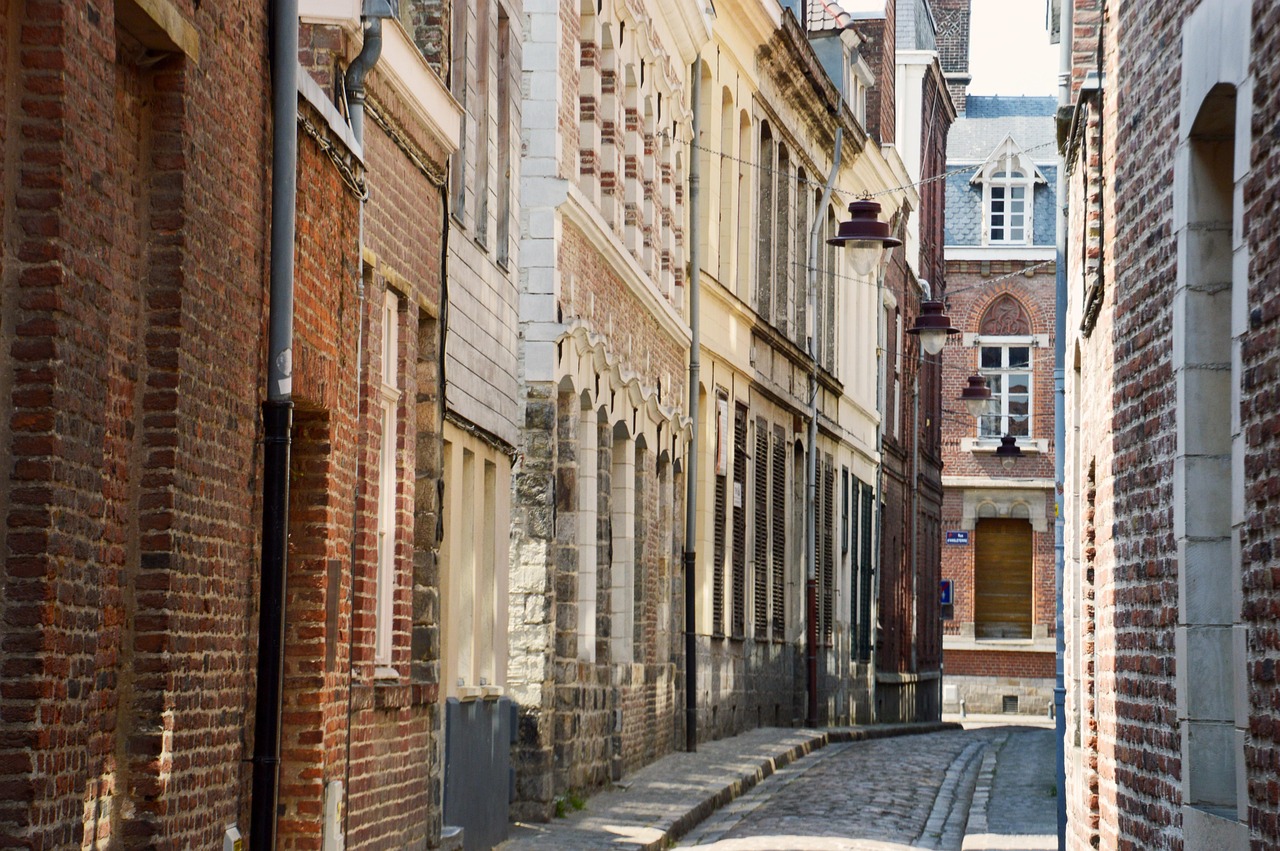
Vieux-Lille is the postcard part of the city: winding cobblestone streets, pastel townhouses, chic boutiques, and tiny courtyards that reveal themselves when a heavy wooden door swings open. When I stay in Lille, I usually base myself here or just on the edge of it.
What makes it special: Unlike some “old towns” that feel like theme parks, Vieux-Lille is still lived-in. Kids cycle to school, neighbors chat across windows, and locals queue for their daily bread at boulangeries that have been there for decades.
Don’t miss:
- Rue de la Monnaie and Rue Esquermoise for pretty façades and high-end shops.
- Notre-Dame-de-la-Treille Cathedral with its modern stone-and-glass façade hiding a more traditional interior.
- Small squares like Place aux Oignons, especially at golden hour.
Tip: Wear flat shoes. The cobblestones are uneven, and I’ve watched more than one visitor regret choosing heels here.
4. Palais des Beaux-Arts de Lille
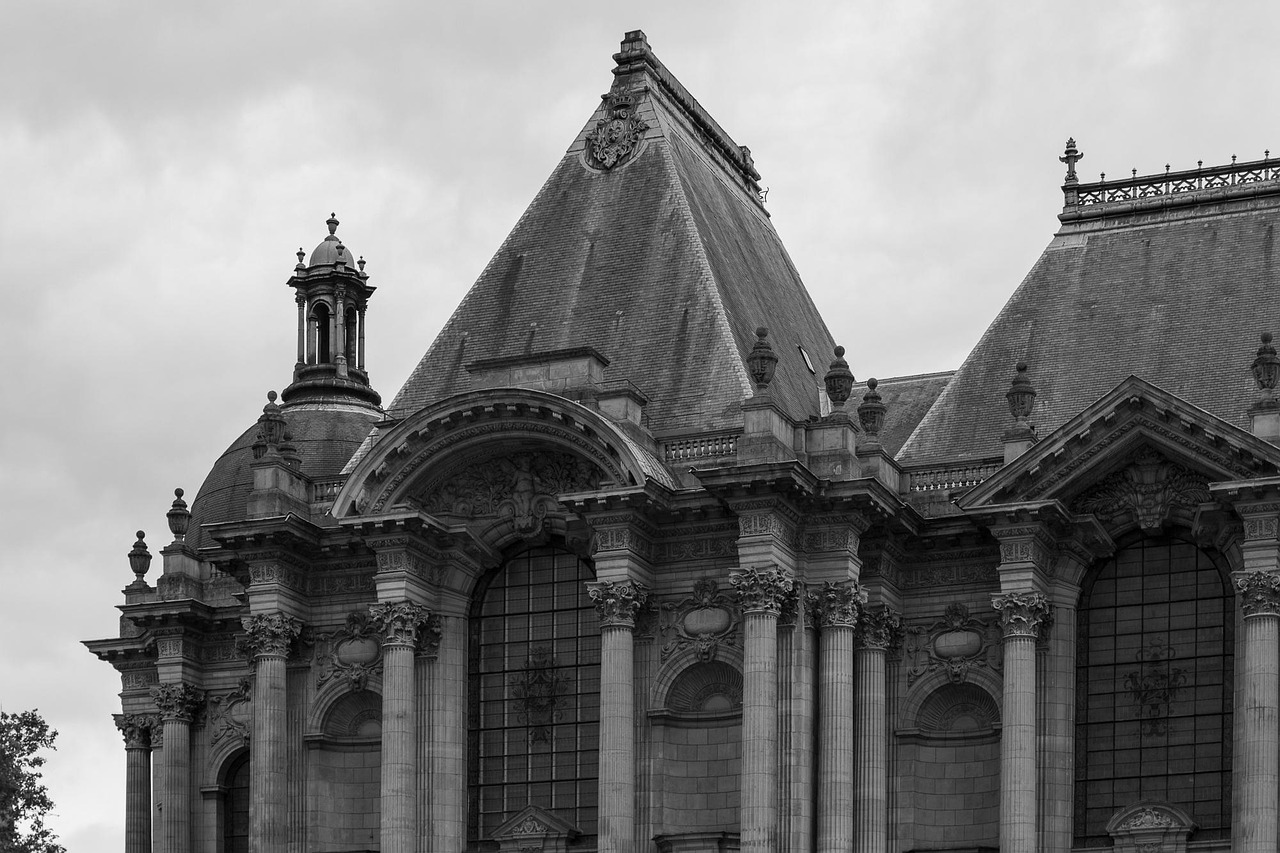
The Palais des Beaux-Arts is one of the largest fine arts museums in France, second only to the Louvre in terms of the richness of its collections. But unlike the Louvre, it’s manageable in a single visit without turning your brain to mush.
My experience: On a rainy November afternoon, I ducked in here “just for an hour” and emerged three hours later. I still remember standing alone in front of a Goya painting, listening to the soft creak of the parquet floor as a guard walked by. It’s that kind of museum—grand, but not crowded.
Highlights:
- Paintings by Rubens, Goya, Delacroix, and other European masters.
- A fascinating collection of relief maps of fortified towns (including Lille) from the 17th century.
- Sculptures by Rodin and others in the airy galleries.
Tips:
- Set aside at least 2–3 hours if you like art; 90 minutes for a “highlights” visit.
- Check for late opening nights; the atmosphere is lovely after dark.
- Free or discounted entry may be available for under-26 EU residents—bring an ID.
5. Citadelle de Lille & Bois de Boulogne
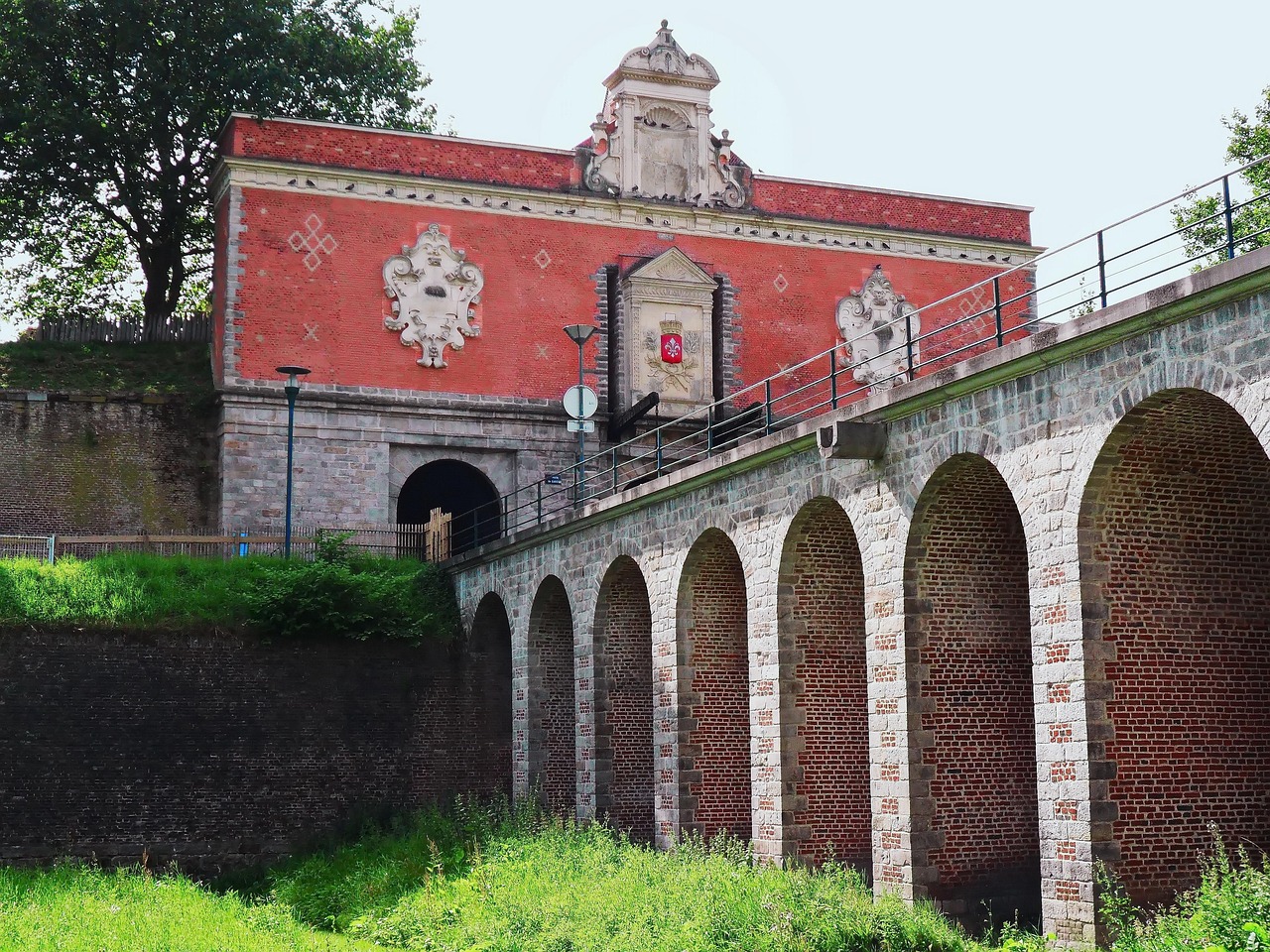
On sunny days, this is where I escape. The Citadelle de Lille, designed by Vauban in the 17th century, is still a functioning military site, but the surrounding parkland—Bois de Boulogne—is open to all.
What it’s like: Tree-shaded paths follow the old ramparts, joggers loop around the moat, and families spread out picnics on the grass. In spring, the blossom along the river is gorgeous. I love walking along the Deûle canal, watching houseboats drift by.
Activities:
- Stroll or run the loop around the citadel.
- Rent a bike or e-scooter and follow the canal paths.
- Visit the nearby Lille Zoo if you’re with children.
Tip: Bring snacks or pick up sandwiches in town before heading over; there are a few kiosks but they get busy on warm weekends.
6. Lille Zoo (Parc Zoologique de Lille)
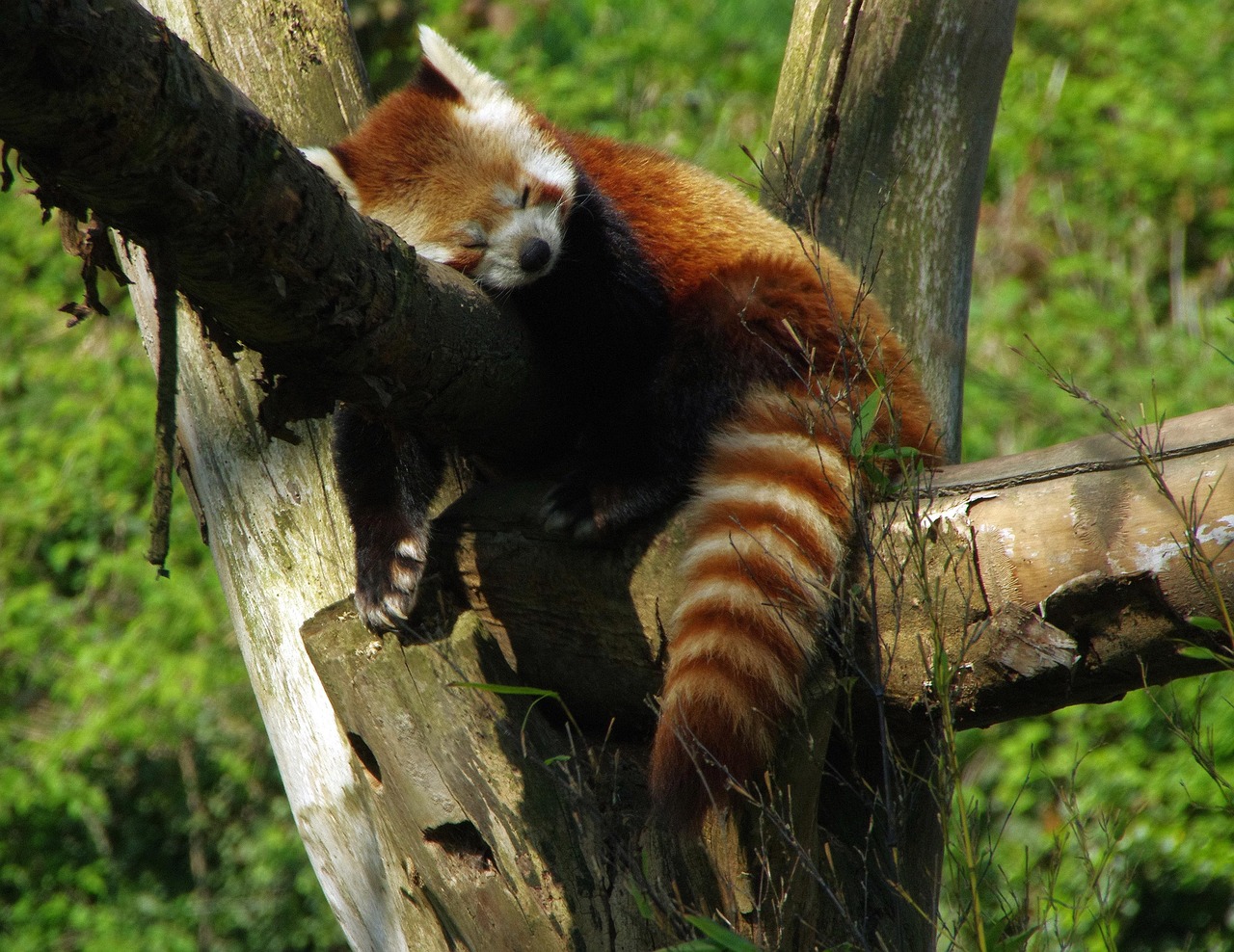
The Lille Zoo is small, free (at the time of writing, check 2026 updates), and surprisingly pleasant. I’ve come here with friends who had toddlers in tow, and it was a hit: manageable size, shaded paths, and animals close enough to keep kids captivated.
What you’ll see: Red pandas, monkeys, tropical birds, a small reptile house, and a few larger mammals. It’s more like a well-kept urban animal park than a huge zoo.
Best time: Mornings are quieter. On sunny school holidays, it gets crowded—try to arrive near opening time.
7. Euralille & Lille Europe Station
If you’re into architecture or city planning, Euralille is fascinating. It’s Lille’s modern business district, wedged between the two main train stations, with bold contemporary buildings by big-name architects.
Why visit:
- See the striking glass-and-steel forms of the Lille Europe station area.
- Grab a quick bite or do some shopping at the Euralille mall.
- Compare the modern skyline with the old brick city you see just a 10-minute walk away.
I often arrive in Lille via Lille Europe and love that you step out into this futuristic space, then drift down toward the Grand Place and feel time rewinding with every block.
8. Lille Opera & Chamber of Commerce Belfry
Just behind the Grand Place is one of the prettiest corners of Lille: the Opéra de Lille facing the neo-Flemish Chamber of Commerce with its tall belfry.
Opera House: The interior is intimate and elegant. I once snagged last-minute tickets to a contemporary dance performance here and was amazed at how affordable it was compared to Paris. If you’re in town for a few days, check the program—you might catch an opera, ballet, or concert.
Chamber of Commerce Belfry: The belfry is not always open to visitors, but when it is, climb it for great views over the rooftops of Lille. In 2026, keep an eye on special open days (often during heritage weekends).
9. Hôtel de Ville & Belfry of Lille
The Hôtel de Ville (town hall) belfry is one of the tallest in the region and part of the UNESCO-listed belfries of Belgium and France. The first time I climbed it, it was a hazy afternoon and the city stretched out like a patchwork of red roofs and church spires.
What to expect:
- An elevator takes you most of the way up; there are still a few steps.
- Panoramic views over Lille and, on a clear day, far into the flat northern countryside.
Tip: Book ahead in busy periods (like the September Braderie weekend) if online reservations are available. It can sell out.
10. Notre-Dame-de-la-Treille Cathedral
This cathedral divides opinions, and that’s exactly why I bring visitors here. The front façade is ultra-modern, made of translucent stone and glass, glowing softly at night. But step inside and you’re in a more classic Gothic space.
My impression: The first time I saw it, I wasn’t sure what to think. On a later visit, I caught the late afternoon light shining through the façade and watched it wash the nave in a warm, diffused glow. That’s when it clicked for me.
Don’t miss: The modern art chapel and the view of the cathedral’s backside from Rue de la Monnaie—it looks almost like a spaceship has landed in the middle of the old town.
11. Musée de l’Hospice Comtesse
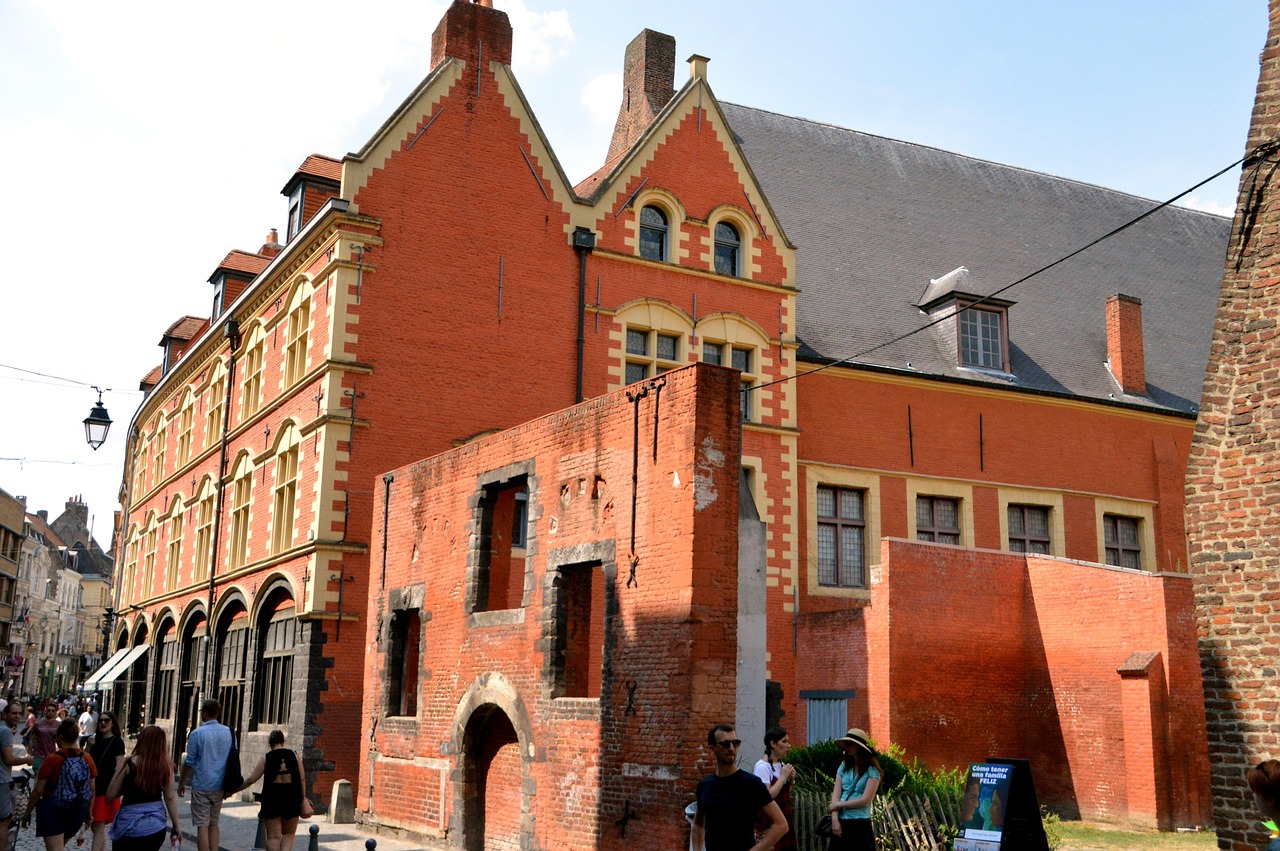
The Hospice Comtesse is one of those places many visitors skip, and that’s a shame. It’s a former hospital and convent founded in the 13th century, now a museum of Lille’s history. The red-brick buildings, cloistered courtyard, and old kitchens are beautifully atmospheric.
I love wandering through the old wards and imagining the lives of the nuns who ran the place. The museum doesn’t overwhelm you—plan about 60–90 minutes.
12. La Piscine Museum (Roubaix)
Technically in Roubaix (a quick metro ride from Lille), La Piscine is one of the coolest museums I’ve visited anywhere. It’s a former Art Deco swimming pool turned art and design museum, with sculptures and artworks displayed around the old pool basin, still filled with water and lit by a giant stained-glass sun.
My visit: I spent a slow Sunday morning here, lingering over the ceramics and textile collections, then had lunch in the café overlooking the pool. It’s peaceful, visually stunning, and absolutely worth half a day of your 4 or 5 day itinerary for Lille.
Tip: Combine it with a walk through Roubaix’s old textile district and maybe some outlet shopping if that appeals.
13. Gare Saint Sauveur
Gare Saint Sauveur is a former freight station turned cultural space: think rotating art exhibitions, film screenings, food events, and a big terrace where locals hang out with beers in hand.
Why I love it: It’s where you feel Lille’s creative side. I’ve seen everything here from immersive light installations to kids’ workshops. In summer, it often hosts festivals and food trucks; in winter, indoor exhibitions take over.
Tip: Check the current program before you go—what you find changes completely from season to season.
14. Wazemmes & Marché de Wazemmes
Wazemmes is the neighborhood where Lille feels most alive, and its market is easily one of the best local food experiences in the city. On Sunday mornings, the Marché de Wazemmes explodes with color: mountains of olives, huge wheels of cheese, fresh herbs, fabric stalls, and street musicians providing the soundtrack.
My Wazemmes ritual: Arrive by 10am, grab a paper cone of fries or a merguez sandwich from a stand outside, then wander through the covered market hall to sniff cheeses and cured meats. I usually end with a coffee or beer on the terrace of a nearby bar, watching the chaos swirl around me.
Tip: Keep an eye on your belongings—it’s crowded and lively, and pickpockets love busy markets everywhere.
15. Marché du Vieux-Lille
For a slightly calmer, more “chic” market experience, the Vieux-Lille market (usually on Sundays) is lovely: local producers, artisanal cheeses, organic veggies, and stalls selling flowers and specialty foods.
I like to grab some fresh fruit and a pastry here and then wander back into the old town for a slow brunch.
16. Lille Natural History Museum
The Musée d’Histoire Naturelle is a bit old-school in the best possible way: glass cases, taxidermy, fossils, and geology displays. It’s not huge, but if you’re traveling with kids or need a break from art museums, it’s a fun stop.
I once ducked in here during a cold snap in January and ended up happily wandering among mineral collections and stuffed animals for over an hour.
17. Parc Jean-Baptiste Lebas
Across from Gare Saint Sauveur, this park is where locals sprawl on the grass with books, play pétanque, or gather for impromptu picnics. It’s framed by the red-brick façade of the old barracks, now housing various institutions.
On summer evenings, I often pick up a takeaway pizza and a bottle of local beer, then join the mix of students, families, and couples enjoying the last light.
18. Street Art in Moulins & Fives
Lille’s edgier creativity shows up on the walls of neighborhoods like Moulins and parts of Fives. Colorful murals and smaller pieces are tucked into alleyways and along old industrial buildings.
I like to follow my nose here, starting around Porte de Valenciennes and walking south, then cutting across to Moulins. You’ll see everything from giant portraits to playful animals.
Tip: Go in daylight and stick to main streets if you’re unfamiliar with the area. It’s generally fine, but like any city, you want to be street-smart.
19. Lille Métropole Musée d’Art Moderne (LaM) – Villeneuve-d’Ascq
Outside the city proper, in Villeneuve-d’Ascq, LaM is a bright, modern museum dedicated to 20th-century and contemporary art, plus a significant collection of outsider art. The surrounding sculpture park is perfect for a sunny afternoon.
How I visit: Metro to Pont-de-Bois or Villeneuve-d’Ascq, then a walk or bus to the museum. I spend a couple of hours inside, then wander the park and maybe stop for a drink at a nearby café.
20. Stade Pierre-Mauroy (Decathlon Arena) – Villeneuve-d’Ascq
For sports fans, Stade Pierre-Mauroy is the place to catch a LOSC Lille football match or big concerts and events. On match days, you can feel the energy in the metro as fans in red and white head out toward Villeneuve-d’Ascq.
Even if you’re not a football die-hard, a night game here can be a thrilling cultural experience—chants, scarves, and that collective roar when Lille scores.
21. La Braderie de Lille (Annual Citywide Flea Market)
Once a year, usually the first weekend of September, Lille turns into the largest flea market in Europe: La Braderie de Lille. Streets close to traffic, stalls stretch for kilometers, and the whole city becomes one big party.
My Braderie memories: Waking early to hunt for vintage posters and enamel signs, then returning to my accommodation for a quick nap before heading back out at night to join the crowds eating mussels and fries. The restaurants pile up empty mussel shells in huge displays outside their doors—a quirky Braderie tradition.
Tip: If you’re planning 3 days in Lille around the Braderie, book accommodation months in advance and be prepared for crowds and higher prices. It’s wild, chaotic, and unforgettable.
Neighborhoods & Areas to Explore in Lille
Vieux-Lille
Charming, historic, and slightly upscale, Vieux-Lille is where you’ll find cobbled lanes, designer shops, and some of the city’s best restaurants. It’s ideal for couples on a romantic trip or anyone who loves wandering pretty streets.
Centre-Ville & Around Grand Place
The commercial core around Grand Place and Place Rihour is busy and convenient: department stores, chain shops, and plenty of cafés. It’s a great base if you want to be central and close to transport.
Wazemmes
Bohemian, multicultural, and a bit rough around the edges, Wazemmes is full of cheap eats, bars, and the famous Sunday market. It’s perfect for budget-conscious travelers and those who like a lively, lived-in neighborhood.
Moulins & Fives
Former working-class and industrial districts that are slowly transforming with new cultural venues, student housing, and street art. If you’re curious about Lille beyond the pretty postcard center, this is where to wander.
Euralille
Modern, business-oriented, and architecturally bold. Not where you’ll spend evenings lingering on terraces, but useful for shopping and train connections, and interesting if you like contemporary architecture.
3, 4 & 5 Day Itineraries for Lille (Story-Driven)
Whether you’re planning 3 days in Lille or stretching to 4 or 5 days, here’s how I’d structure your time. I’ve done versions of these itineraries on multiple trips, tweaking them with each new visit.
3 Day Itinerary for Lille – Classic Highlights
If you only have 3 days in Lille, you’ll want to focus on the historic center, key museums, and a taste of local food and nightlife.
Day 1: Vieux-Lille, Grand Place & First Tastes
On my ideal first morning in Lille, I arrive on an early train and drop my bag at my hotel near the Grand Place. Even if it’s too early to check in, they’ll usually store it for me. Then I head straight into Vieux-Lille for a slow wander and my first coffee.
Morning:
- Walk from Grand Place through the Vieille Bourse courtyard, pausing to glance at the book stalls.
- Continue into Vieux-Lille via Rue de la Bourse and Rue de la Monnaie.
- Stop at a café-boulangerie for a pain au chocolat and coffee; savor it on a terrace if the weather is kind.
- Visit Notre-Dame-de-la-Treille Cathedral and explore its interior and side chapels.
As I walk, I like to duck into small courtyards whenever a gate stands open—you often catch glimpses of hidden gardens and old brick walls.
Lunch: Pick a bistro in Vieux-Lille for your first northern specialty: maybe a carbonade flamande (beef stew in beer) or a potjevleesch (terrine of meats in jelly) with fries. Ask for a local beer like a 3 Monts or Ch’ti.
Afternoon:
- Head back toward Grand Place and climb the Hôtel de Ville Belfry (if you’ve booked a slot). The afternoon light gives a soft view over the city.
- Spend an hour or two at the Palais des Beaux-Arts, focusing on the highlights if you’re not a hardcore art lover.
By late afternoon, I usually feel pleasantly tired and ready to slow down. I’ll often grab a coffee at a café near the museum, then stroll back through Place de la République toward the center.
Evening:
- Enjoy an early evening drink at a bar around Rue de Gand or Rue Royale.
- Dinner in Vieux-Lille or near the Grand Place—consider trying welsh (a decadent cheese-on-toast dish) if you’re very hungry.
- If you still have energy, take a short night walk to see the cathedral and Vieille Bourse beautifully illuminated.
Family-friendly notes: Day 1 works well with kids if you skip or shorten the museum visit and let them run around Grand Place and the nearby parks instead.
Day 2: Citadelle, Zoo, Wazemmes & Nightlife
Day 2 is all about fresh air, local life, and a bit of evening fun.
Morning:
- Walk or take the metro to the Citadelle de Lille area.
- Stroll the Bois de Boulogne paths and, if it appeals, visit the Lille Zoo.
- Follow the canal for a short walk, watching joggers, cyclists, and the occasional barge.
On one visit, I rented a bike and followed the canal paths farther out. It’s flat and easy; ideal for families or couples who like gentle outdoor adventures.
Lunch: Either picnic in the park (grab sandwiches from a bakery on your way) or eat at a café in the Vauban or Canteleu area.
Afternoon:
- Head to Wazemmes. If it’s Sunday, dive into the Marché de Wazemmes. On other days, wander the covered market hall and surrounding streets.
- Explore the side streets for cheap eats, fabric shops, and quirky bars.
I once spent an hour just watching an impromptu drum circle and dancers outside the market—it’s that kind of place.
Evening:
- Have drinks and dinner in Wazemmes if you like a bohemian atmosphere, or head back toward the center for a more classic bistro vibe.
- If you’re into nightlife, check out a craft beer bar near Rue de la Barre or small music venues around the center. On weekends, Lille’s student population keeps things lively.
Romantic twist: For couples, consider a sunset walk back via the Citadelle and along the canal, then a candlelit dinner in Vieux-Lille.
Day 3: Modern Art, Euralille & Cultural Evenings
On your third day, blend modern Lille with cultural experiences and some last-minute shopping.
Morning:
- Take the metro or tram out to LaM (Lille Métropole Musée d’Art Moderne) in Villeneuve-d’Ascq.
- Spend a couple of hours exploring the modern and contemporary collections and the sculpture park.
On one crisp winter morning, I had the park almost to myself; a few dog walkers, a pale sun, and colorful sculptures emerging from the mist.
Lunch: Eat at the museum café or at a nearby brasserie. Then make your way back toward Lille.
Afternoon:
- Explore Euralille: walk around the business district, pop into the mall if you want to shop, and then wander back toward the center.
- Optionally, stop at the Natural History Museum if you’re keen or traveling with children.
Evening:
- Check what’s on at Gare Saint Sauveur—an exhibition, film, or event can make for a memorable last night.
- Alternately, see if there’s a performance at the Opéra de Lille and book tickets in advance.
End the night with a final drink on a terrace near Grand Place, watching the city wind down.
4 Day Itinerary for Lille – Adding Roubaix & Deeper Exploration
With 4 days in Lille, you can add a day trip to Roubaix and dig a bit deeper into neighborhoods and hidden gems.
Day 4: Roubaix & La Piscine
Morning: Take the metro (Line 2) to Roubaix. It’s about 20–25 minutes. Walk through the center toward La Piscine, noticing the old textile factories and brick warehouses.
Spend your morning in the museum, enjoying the interplay of water, light, and art. Don’t rush; sit down occasionally and just take in the space.
Lunch: Eat in the museum café or a nearby restaurant. Roubaix has a growing food scene with some excellent North African restaurants as well.
Afternoon:
- Stroll through Roubaix’s streets; look for industrial architecture and emerging street art.
- If you enjoy shopping, consider visiting one of the outlet centers nearby.
- Return to Lille by late afternoon.
Evening back in Lille: Keep it simple—maybe a relaxed dinner in Wazemmes or a wine bar in Vieux-Lille. You’ve earned a slower pace after four days.
5 Day Itinerary for Lille – Full Immersion & Day Trips
With 5 days in Lille, you can truly settle in: explore more neighborhoods, take a countryside day trip, or even hop briefly into Belgium.
Day 5: Day Trip & Hidden Corners
Option 1: Belgian Day Trip (Tournai or Kortrijk)
Hop on a regional train to Tournai (Doornik) in Belgium—about 30–40 minutes away. Explore its UNESCO-listed cathedral and belfry, wander the riverfront, and enjoy Belgian waffles or beer before returning to Lille.
Option 2: Northern France Countryside
Rent a car or use trains to visit places like Arras (with its beautiful squares and WWI history) or the Lens-Liévin area (for the Louvre-Lens museum).
Option 3: Deeper Lille Exploration
- Take a self-guided street art walk through Moulins and Fives.
- Spend more time in local cafés, reading or journaling.
- Revisit your favorite spots from earlier days, now that you feel at home in the city.
On my latest 5-day stay, I used the last day for a lazy mix: a slow breakfast in Vieux-Lille, a few hours of writing in a coffee shop, then a final loop around the Citadelle at sunset. It felt less like tourism and more like living in Lille for a moment.
Local Food & Drink in Lille
Northern French cuisine is hearty, beer-friendly, and comfort-driven. If you come expecting delicate portions, you might be surprised—in the best way.
Must-Try Dishes
- Carbonade Flamande: Beef stewed in dark beer with onions. Rich and perfect on a cold day.
- Welsh Rarebit (Welsh complet): Toast, ham, and a lake of melted cheese and beer sauce, often with an egg on top.
- Potjevleesch: A cold terrine of chicken, rabbit, and pork in jelly, served with fries.
- Moules-frites: Mussels with fries, especially during Braderie, but good year-round.
- Flemish-style fries: Thick, double-fried, usually served with mayonnaise.
- Maroilles cheese: A famously pungent local cheese; try it baked in a tart or melted on toast.
- Gaufres (Waffles): Both crispy Belgian-style and softer filled waffles are popular.
Where to Eat Like a Local
In Vieux-Lille, you’ll find many estaminets (traditional northern taverns) serving classic dishes. Around Wazemmes and Moulins, you’ll discover more budget-friendly and multicultural options—great couscous, kebabs, and Vietnamese spots.
Tips to save money:
- Look for lunch menus (often 2–3 courses at a reduced price).
- Buy picnic supplies at markets like Wazemmes or Vieux-Lille and eat in a park.
- Coffee and pastries at a bakery counter cost less than at a sit-down café.
Drinks: Beer, Gin & More
Lille is beer country. Local and Belgian brews are everywhere, from simple lagers to complex Trappist ales. You’ll also see northern-style gins and liqueurs.
I love ending a day with a local blonde beer on tap in a small bar, watching regulars drift in and out, greeting the bartender by name.
Nightlife, Entertainment & Cultural Experiences in Lille
Evening Vibes
Lille’s nightlife is driven by its large student population and cross-border culture. You’ll find:
- Craft beer bars in Vieux-Lille and around Rue de la Barre.
- Casual pubs and music venues in Wazemmes and near the university areas.
- Wine bars and cocktail spots for a more refined night out.
Cultural Experiences
For cultural experiences in Lille, check:
- Opéra de Lille – opera, dance, classical concerts.
- Gare Saint Sauveur – experimental art, film, festivals.
- Concert halls like Le Splendid or Aéronef – live music from rock to electronic.
In 2026, Lille continues to lean into its role as a cultural hub in northern France, so expect frequent festivals, exhibitions, and pop-up events.
Day Trips from Lille
Arras
About 40 minutes by train, Arras offers two stunning Flemish-style squares, underground wartime tunnels (Les Boves), and easy access to WWI memorials nearby.
Tournai (Belgium)
A short hop across the border, Tournai has a beautiful cathedral, belfry, and a relaxed small-town feel. Perfect for a gentle day out.
Louvre-Lens
The Louvre’s outpost in Lens is set in a sleek modern building on a former mining site. Exhibits rotate, but the “Galerie du Temps” offers a chronological journey through centuries of art.
Cultural Etiquette & Local Customs in Lille
Lille is French, but also distinctly northern and proudly “ch’ti”. Locals are generally warm and informal once you break the ice.
- Greetings: Always say “Bonjour” (daytime) or “Bonsoir” (evening) when entering shops or cafés. It’s considered basic politeness.
- Language: Many younger people speak some English, but starting in French—however basic—goes a long way.
- Tipping: Service is included, but rounding up or leaving a euro or two for good service is appreciated.
- Dining: Meals are unhurried. Don’t expect the bill unless you ask for it (“L’addition, s’il vous plaît.”).
- Sunday rhythm: Many shops close or have reduced hours; markets and long lunches dominate.
People in Lille have a self-deprecating sense of humor about the weather and their “rough” northern image. Don’t insult the region, but gentle jokes about the rain are usually taken in stride.
Practical Travel Advice for Lille (2026–2027)
Getting Around
Lille is very walkable, but it also has a solid public transport system: metro, trams, and buses run by Ilévia.
- Walk: Most central sights are within 10–20 minutes on foot.
- Metro & Trams: Two metro lines and tram lines connect the center with suburbs like Roubaix and Villeneuve-d’Ascq.
- Bikes & Scooters: Bike lanes are expanding, and you’ll find shared bike and e-scooter systems throughout the city.
Saving Money in Lille
- Use day passes for public transport if you’re moving around a lot.
- Take advantage of museum free days or discounts (often first Sunday of the month in parts of France; check local policies for 2026).
- Stay slightly outside Vieux-Lille for cheaper accommodation, but near a metro stop.
SIM Cards & Connectivity
In 2026, you can easily buy prepaid SIM cards from major French operators (Orange, SFR, Bouygues) at shops in the city or at train stations. Bring your passport. eSIM options are increasingly common and often cheaper if you set them up before arrival.
Car Rental & Driving
You don’t need a car for Lille itself, but for countryside or battlefield day trips it can be useful.
- Foreign licenses: Most foreign driver’s licenses are accepted for short stays; check whether you need an International Driving Permit based on your nationality.
- Parking: Street parking in the center is limited and often paid. Use underground car parks or Park & Ride lots at metro stops.
Visa Requirements
Lille is in France and part of the Schengen Area. Visa requirements depend on your nationality:
- EU/EEA/Swiss citizens can enter freely with an ID or passport.
- Many other nationalities can visit visa-free for short stays (up to 90 days) but should check Schengen rules.
- Some travelers will need to obtain a Schengen visa in advance.
Always verify with official consular sources before travel, especially as regulations can evolve into 2027.
Weather & Best Seasons
Lille’s climate is oceanic: mild but often cloudy and damp.
- Spring (March–May): Unpredictable but lovely when sunny. Great for walking and fewer crowds.
- Summer (June–August): Warm but rarely scorching. Ideal for parks, terraces, and festivals.
- Autumn (September–November): September is fantastic—especially during the Braderie. Later autumn can be rainy but atmospheric.
- Winter (December–February): Grey and chilly, but Christmas markets and cozy estaminets make up for it.
Major Events & Festivals in Lille (2026–2027)
Event calendars change, but some recurring highlights to watch for in 2026–2027:
- La Braderie de Lille: First weekend of September – giant flea market and citywide celebration.
- Lille Piano(s) Festival: Early summer – classical and contemporary piano performances.
- Series Mania Festival (often in spring): International TV series festival hosted in Lille.
- Christmas Markets: Late November through December – Grand Place transforms with a big wheel, lights, and festive stalls.
Before your trip, check Lille’s official tourism website or cultural agendas for exact dates and new events announced for 2026–2027.
Summary & Final Recommendations
Lille doesn’t scream for attention the way some European cities do, and that’s exactly why it works so well for a 3–5 day trip. You get beautiful architecture, serious art, hearty local food, and genuinely friendly locals—without overwhelming crowds or prices.
If you’re planning a 3 day itinerary for Lille, focus on Vieux-Lille, the Grand Place, the Citadelle, and one or two key museums like the Palais des Beaux-Arts or LaM. With 4 days in Lille, add Roubaix’s La Piscine. With 5 days in Lille, slow your pace, add a day trip to Tournai or Arras, and let yourself simply live in the city for a while.
Best seasons to visit: Late spring (May–June) and early autumn (September, especially around the Braderie if you like big events) are ideal. Summer is great for outdoor life and terraces; winter is atmospheric if you enjoy cozy cafés and Christmas lights.
However you structure your stay, leave space in your schedule to do what Lille does best: surprise you in small moments. A conversation with a market vendor, a sudden patch of sunshine on a brick façade, or that extra glass of beer you weren’t planning to have—but are very glad you did.