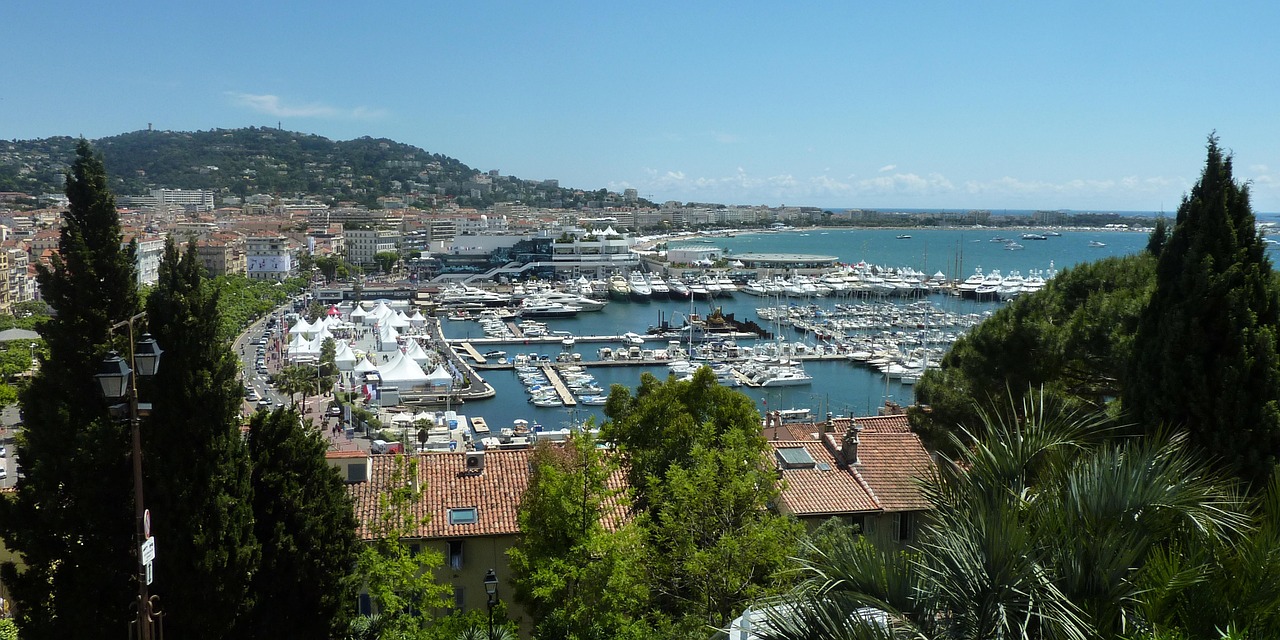
Why Visit Cannes? What Makes It Special in 2026
Cannes is one of those places that’s both exactly what you imagine and full of surprises. You know the clichés: red carpets, movie stars, luxury yachts. They’re real, of course. But what got me hooked on Cannes after many visits wasn’t the glamour; it was the everyday rhythm beneath the glossy surface—morning markets, old fishermen mending nets in the Vieux Port, kids licking ice cream at sunset along the Croisette, and the way the light hits the pastel facades in Le Suquet at golden hour.
In 2026, Cannes feels more balanced than ever: yes, there’s luxury, but also accessible local food, family-friendly beaches, and a growing focus on culture beyond the Film Festival. The city has invested in pedestrian areas, bike lanes, and beach improvements, making it easier (and more pleasant) to explore on foot or two wheels.
If you’re wondering whether to spend 3 days in Cannes, stretch it to 4 days in Cannes, or go all in with 5 days in Cannes, this guide is written with you in mind. I’ve structured it like a personal journal-meets-handbook: real experiences, detailed 3–5 day itinerary options, and deep dives into at least 20 of the must-see attractions in Cannes, plus plenty of hidden gems.
Table of Contents
- Why Visit Cannes in 2026
- Know Before You Go
- Neighborhoods & Areas to Explore
- 20+ Must-See Attractions in Cannes (Deep Dive)
- 3, 4 & 5 Day Itinerary for Cannes (Day-by-Day Stories)
- Local Food in Cannes & Where to Eat
- Nightlife, Entertainment & Cultural Experiences
- Best Day Trips from Cannes
- Cultural Etiquette & Local Customs
- Practical Travel Tips for Cannes (Money, SIM, Transport, Visas)
- Cannes in 2026–2027: Events & What’s New
- Best Time to Visit Cannes
- Summary & Final Recommendations
Know Before You Go
Before we dive into all the things to do in Cannes and the best places to visit in Cannes, a few practical notes from someone who has gone through the rookie mistakes for you:
- Language: French is the main language, but English is widely spoken in tourism areas. A few French phrases go a long way.
- Currency: Euro (€). Cards are accepted almost everywhere, but markets and small cafés appreciate cash.
- Safety: Cannes is generally very safe; watch for petty theft in crowded spots during festivals.
- Best bases: For a short 3 day itinerary for Cannes, stay near La Croisette or the Vieux Port. For 4–5 days in Cannes, Le Suquet or the train station area offers more budget-friendly options with character.
Neighborhoods & Areas to Explore in Cannes
Le Suquet: The Old Heart of Cannes
Le Suquet is where I always start my trips, even if I’ve just arrived on a late train. This is Cannes before the glamour: a hilltop tangle of cobbled lanes, ivy-clad houses, and washing strung between balconies. It’s the city’s oldest quarter and still feels like a village.
Walk up Rue Saint-Antoine—lined with small restaurants and wine bars—and keep climbing to the old church and castle ruins. From there, the view over the bay, the Lérins Islands, and the Croisette is one of the best free panoramas in town.
La Croisette: Glamour, Palaces & Palms
La Croisette is the famous seafront boulevard that you’ve seen in every postcard. It’s lined with luxury hotels like the Carlton and Martinez, designer boutiques, beach clubs, and a wide promenade perfect for strolling. In the mornings, I love jogging here before the crowds wake up; in the evenings, it becomes a catwalk of fashion, families, and rollerbladers.
Vieux Port: The Old Port & Marina
The Vieux Port is where Cannes’ fishing village roots and its luxury yacht present collide. On one side, small colorful fishing boats; on the other, sleek superyachts that look like they belong in a sci-fi film. I like to come early, grab a coffee from a nearby café, and sit on the quay watching life unfold.
Cannes Centre & Rue d’Antibes: Shopping & Everyday Life
Just behind La Croisette, Cannes Centre and Rue d’Antibes are where locals actually shop. You’ll find high-street brands, small boutiques, bakeries, and plenty of cafés. It’s also a good area to stay if you want to be central without Croisette prices.
Le Cannet: The Overlooked Hilltop Neighbor
Technically a separate town but functionally part of greater Cannes, Le Cannet is often skipped. That’s a mistake. The old village has quiet squares, pastel houses, and viewpoints over Cannes. It’s where I go when Cannes feels too buzzy and I need a slower afternoon.
20+ Must-See Attractions in Cannes (Deep Dive)
Below are detailed mini-guides to more than 20 of the best places to visit in Cannes. I’ve woven in personal experiences, history, and practical tips for each. You can mix and match them into your own 3, 4, or 5 day itinerary for Cannes, or follow my suggested routes later in the guide.
1. Palais des Festivals et des Congrès & The Red Carpet Steps
The Palais des Festivals is the beating heart of Cannes’ global fame. Every May, the Cannes Film Festival turns this otherwise businesslike convention center into the most photographed building in the world.
Outside the festival dates, you can still walk up the famous red-carpeted steps. The first time I did it, early on a quiet morning, I expected it to feel cheesy—but it’s oddly fun. You can almost hear the echoes of flashbulbs and applause.
History & significance: The current Palais opened in 1982, replacing an older venue. Beyond the Film Festival, it hosts major events year-round (MIPIM, Lions, and tech and TV fairs), which explains why the city feels suddenly “suit-heavy” some weeks.
Tips:
- When to go: Early morning for photos without crowds; sunset for golden light over the Vieux Port.
- Family-friendly: Kids love running up and down the steps. Bring them when it’s quieter.
- Budget tip: Walking around is free; paid guided tours of the Palais are sometimes offered outside peak events—check at the tourist office across the street.
2. Boulevard de la Croisette
I’ve walked La Croisette in every season: blustery winter mornings with locals wrapped in scarves, languid August evenings when the air smells of sunscreen and grilled fish, and during the Film Festival when it feels like an outdoor fashion show.
What to do:
- Stroll or cycle: Start at the Palais des Festivals and walk east. The sea is on your right, hotels and gardens on your left.
- Beach time: Choose between public beaches (Plage de la Croisette) and private beach clubs with loungers and waiter service.
- Architecture spotting: Look up at the facades of the Carlton and Majestic hotels—belle époque elegance and iconic domes.
Personal tip: My favorite Croisette moment is grabbing a takeaway gelato from a side-street gelateria and sitting on the low wall by the sea near the Palais, watching the light shift over the Lérins Islands.
3. Le Suquet & Église Notre-Dame d’Espérance
Climbing up to Notre-Dame d’Espérance is a ritual for me. The stone church dates back to the 16th century and anchors the old town’s skyline. The interior is simple, with wooden ship models hanging from the ceiling—a reminder that this was once a seafaring community.
Why it’s special: The terrace outside the church offers one of the best sunset viewpoints in Cannes. I’ve watched fireworks here on festival nights and quiet winter sunsets with just a few locals walking dogs.
Tips:
- Wear comfortable shoes; the streets are steep and cobbled.
- Come in the late afternoon, explore the lanes, then time your visit to the terrace for sunset.
- Nearby restaurants on Rue Saint-Antoine are cozy for a romantic dinner after your climb.
4. Musée de la Castre
Next to the church in Le Suquet, the Musée de la Castre occupies a medieval castle and tower. The first time I visited, it was mostly to climb the tower and see the view—but I ended up lingering in the museum itself.
What’s inside: Collections of Mediterranean antiquities, ethnographic artifacts from around the world, musical instruments, and local art. It’s compact but atmospheric.
View from the tower: Climbing the narrow spiral staircase is worth it for the 360-degree view over Cannes, the bay, and the hinterland. On clear days, you can see all the way to the Esterel mountains.
Practicalities: Entry is inexpensive, and it’s a great value way to get a panorama if you don’t want to splurge on rooftop bars.
5. Îles de Lérins: Sainte-Marguerite & Saint-Honorat
Whenever Cannes feels too busy, I hop on a ferry to the Îles de Lérins—two inhabited islands sitting peacefully across the bay. It’s like switching off the city with a 15-minute boat ride.
Île Sainte-Marguerite
This is the larger and more forested island. Pine and eucalyptus trees shade walking paths, and the scent of resin and salt water is intoxicating on hot days.
Highlights:
- Fort Royal: A 17th-century fortress that once held the “Man in the Iron Mask.” There’s a small museum with maritime and prison history exhibits.
- Coves & rocky beaches: Clear turquoise water, ideal for snorkeling. Bring water shoes for the rocks.
Île Saint-Honorat
Smaller and quieter, Saint-Honorat is home to a working Cistercian monastery. Monks tend vineyards and produce excellent wine and liqueurs.
What I love here: Walking the circular path around the island, with views back to Cannes, and sitting quietly in the monastery’s old cloister. It’s deeply peaceful.
Tips:
- Boats leave from the Vieux Port; buy round-trip tickets at the quay or online.
- Pack a picnic or eat at the island restaurants (more expensive but scenic).
- This is one of the most family-friendly and romantic day trips from Cannes.
6. Marché Forville
If you want to feel like a local in Cannes, go to Marché Forville in the morning. This covered market, just below Le Suquet, is where I’ve bought everything from sun-warm strawberries to Provencal olives and goat cheese.
What you’ll find: Seasonal fruits and vegetables, fish counters, cheese stalls, charcuterie, flowers, and a few small eateries. On Mondays, it turns into a flea market.
Eating on a budget: For a cheap lunch, pick up bread, cheese, cured meats, and fruit, then walk 10 minutes to the beach. It’s one of the best ways to save money on food in Cannes without sacrificing flavor.
7. Rue Meynadier
Rue Meynadier is a lively pedestrian street linking the old port area with the newer town. It’s lined with old-fashioned food shops, chocolatiers, bakeries, and budget-friendly eateries.
I often stop here for a quick snack—like a slice of pissaladière (onion and anchovy tart) or a socca (chickpea pancake, a regional specialty more famous in Nice but found here too).
8. Carlton Cannes Hotel (Facade & Beach)
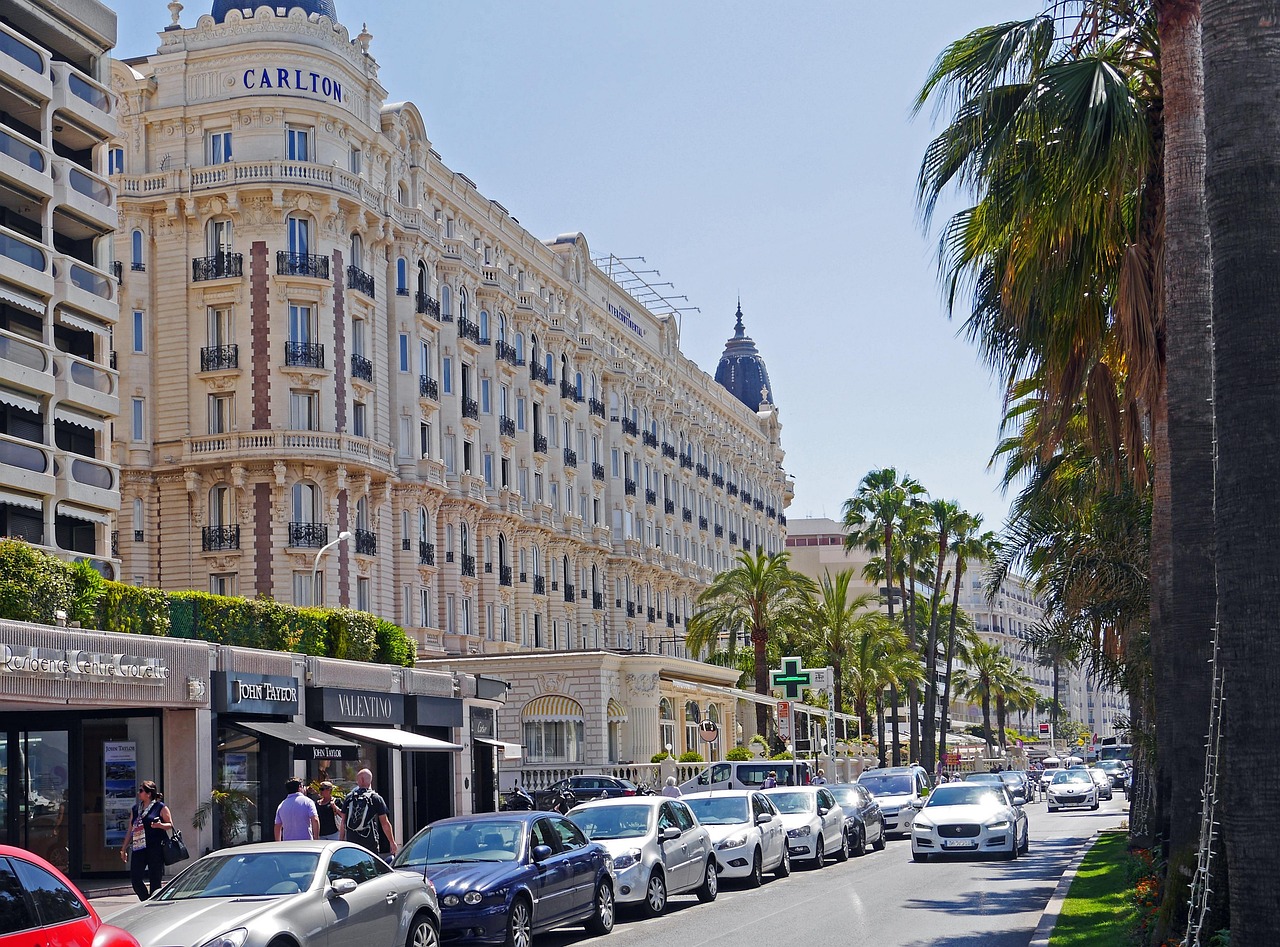
Even if you’re not staying at the Carlton (I never have—yet!), it’s worth admiring its belle époque facade, recently restored. The domes and balconies are pure Riviera romance.
What to do: Have a coffee or drink on the terrace if your budget allows, or simply walk past and photograph the architecture. The hotel’s private beach club across the road is classic Croisette glamour.
9. Villa Domergue
Perched in the hills above Cannes, Villa Domergue is one of the city’s lesser-known architectural gems. Designed by painter Jean-Gabriel Domergue and his sculptor wife, it’s a blend of Italianate villa and Riviera fantasy, with terraced gardens and views over the bay.
I visited during a summer art exhibition and spent as much time outside as inside. The gardens are a dreamy setting for concerts and cultural events.
Tip: Access and opening hours can be irregular; check with the Cannes tourist office before you go, as it’s sometimes only open for events or exhibitions.
10. Chemin des Étoiles (Cannes’ Walk of Fame)
Like Hollywood’s Walk of Fame, Cannes has its own version: the Chemin des Étoiles, with handprints of famous actors and directors embedded in the pavement around the Palais des Festivals.
It’s fun to hunt for names you recognize—my personal geek-out moment was finding Quentin Tarantino’s handprints after rewatching his Palme d’Or winners on the train down.
11. Plage du Midi
To the west of the old port, Plage du Midi stretches towards Mandelieu. It’s more relaxed and local than the Croisette beaches and has a slightly wider sandy strip in places.
Why I like it: Fewer crowds outside peak season, more casual beach bars, and a beautiful view back towards Le Suquet. Great for families and anyone on a budget, as there’s plenty of public beach.
12. Plage du Bijou & Pointe Croisette
At the eastern end of La Croisette, near the Palm Beach area, the coastline juts out into Pointe Croisette. Plage du Bijou is a small sandy cove tucked away here, with calm, shallow water.
Family tip: It’s one of my favorite places to bring kids because the water is usually calm and the atmosphere is low-key compared to the central Croisette.
13. Église Orthodoxe Russe Saint-Michel Archange
This small Russian Orthodox church, with its colorful onion domes, is a surprising sight in Cannes. Built in the late 19th century for the Russian community, it reflects an era when aristocrats wintered on the Riviera.
Inside, it’s richly decorated with icons and candles. I’ve popped in a few times on quiet afternoons; it’s a serene contrast to the busy seafront.
14. Centre d’Art La Malmaison
On La Croisette, La Malmaison is a small art center hosting temporary exhibitions—often modern or contemporary art. It’s housed in what used to be part of the old Grand Hôtel.
I like to duck in when the midday sun is too strong; the exhibitions are usually well-curated and offer a cultural break between beach sessions.
15. Port Canto
Further along La Croisette from the main Vieux Port, Port Canto is a modern marina with sleek yachts, a landscaped promenade, and a quieter vibe.
Why go: It’s great for an evening walk and offers beautiful views back towards central Cannes, especially at sunset. There’s also a small public beach nearby that’s less crowded.
16. Square du 8 Mai 1945 & Parc Roseraie (Roses & Seafront Greenery)
Along the seafront west of central Cannes, Parc Roseraie is a rose garden and small park overlooking the sea. It’s a lovely place for a quiet picnic or a break from the beach.
I’ve spent slow afternoons here under the shade of trees, reading while locals walk their dogs and kids play.
17. Croix des Gardes Natural Park
When you want to stretch your legs and escape the seafront, head to the hills of Croix des Gardes. This natural park just above Cannes offers hiking trails through Mediterranean forest and breathtaking viewpoints.
My routine: On longer stays, I like to hike here in the morning before the heat builds up, then come back down for a late lunch on the seafront. The contrast between pine-scented trails and the glittering bay is pure Riviera magic.
18. Musée Bonnard in Le Cannet
Dedicated to painter Pierre Bonnard, who lived in Le Cannet, this museum is a must for art lovers. Bonnard’s colorful, intimate scenes of daily life and landscapes feel perfectly at home here.
After visiting, I like wandering the nearby streets, which have art trails and reproductions of Bonnard’s works.
19. Rue d’Antibes & Shopping Arcades
Rue d’Antibes is Cannes’ main shopping artery: fashion, cosmetics, bakeries, and cafés. There are also small arcades and passages with more boutiques.
Tip: For budget-conscious travelers, this is where you’ll find mid-range brands and sales, especially in January and July.
20. Night Markets & Summer Events on the Seafront
In summer, the seafront and squares host night markets with artisan stalls, local products, and street performers. I’ve lost track of how many times I’ve “just gone for a walk” and come back with handmade soap, lavender sachets, or a new bracelet.
21. Cannes Street Art & Cinema Murals
Cannes pays homage to its cinema heritage with large murals on building walls—giant depictions of Marilyn Monroe, Charlie Chaplin, and iconic film scenes. There are also pockets of more contemporary street art.
Tip: Pick up a map of the murals from the tourist office or follow an online guide; it makes for a fun self-guided walk, especially with kids or film buffs.
3, 4 & 5 Day Itinerary for Cannes (With Personal Stories)
Below are flexible itineraries based on my own repeated visits. You can adapt them depending on whether you’re planning 3 days in Cannes, 4 days in Cannes, or a full 5 days in Cannes.
Day 1: First Taste of Cannes – Old Town, Market & Croisette
On my most recent trip, I arrived on a mid-morning train from Nice. The first day in Cannes is always about getting my bearings and easing into the rhythm.
Morning: Marché Forville & Rue Meynadier
After dropping my bag at a small guesthouse near the station, I walked straight down to Marché Forville. The smell hits you first: ripe tomatoes, basil, cured meats. I grabbed a coffee from a corner stand and did a slow lap, sampling olives and chatting (in my clumsy French) with a cheese seller who insisted I try a local goat cheese “with character.”
With a bag of picnic supplies—baguette, cheese, cherries—I wandered along Rue Meynadier, ducking into a bakery for a still-warm croissant. This is where Cannes feels most “everyday”: locals in line, shopkeepers chatting, no red carpets in sight.
Late Morning to Afternoon: Le Suquet & Musée de la Castre
From the market, it’s a short climb into Le Suquet. I meandered up narrow lanes, pausing to peek into tiny artisan shops. At the top, I visited Notre-Dame d’Espérance and then the Musée de la Castre. Inside, I drifted through the collections, but the highlight—as always—was climbing the tower.
From the top, Cannes spread out below: the terracotta roofs of the old town, the curve of La Croisette, the Lérins Islands like green jewels in the bay. I ate my picnic on a bench just outside, under the stone walls, feeling smug about having such a view for the price of a museum ticket.
Afternoon: Vieux Port & First Walk on La Croisette
Descending from Le Suquet, I crossed to the Vieux Port. Fishermen were cleaning their boats, and a group of kids were dangling their legs over the quay. I walked the length of the harbor, gawking at yachts I’ll never afford, then looped back toward the Palais des Festivals.
I did the obligatory walk up the red carpet steps, of course—no crowd, just a couple taking wedding photos below. After a few photos with the bay behind me, I stepped onto Boulevard de la Croisette for my first seafront stroll of the trip.
Evening: Sunset on the Croisette & Dinner in Le Suquet
As the light softened, I walked east along La Croisette, watching families play on the sand and joggers weaving between strollers. I sat on the low wall near the Carlton, finishing the last of my cherries, then headed back up to Le Suquet for dinner.
On Rue Saint-Antoine, I chose a small bistro with tables spilling onto the cobblestones. Over a bowl of bouillabaisse and a glass of local rosé, I watched the street come alive. For me, this mix of old-town atmosphere and sea air is the essence of Cannes.
Day 1 summary: Easy walking, low-cost food from the market, and a mix of iconic sights (red carpet, Croisette) with the authentic character of Le Suquet. Perfect start if you only have 3 days in Cannes.
Day 2: Islands Escape & Beach Time
My second day is almost always dedicated to the Îles de Lérins, with beach time on either side.
Morning: Ferry to Île Sainte-Marguerite
I caught a mid-morning ferry from the Vieux Port to Île Sainte-Marguerite. The ride takes about 15 minutes, but the feeling of leaving the city is instant. When the ferry docks, everyone fans out into the forested paths.
I chose a shaded trail that winds along the northern shore, with glimpses of Cannes across the water. The air smelled of pine and eucalyptus—a natural aromatherapy session.
Late Morning: Fort Royal & Island Walks
At Fort Royal, I explored the old prison cells and exhibitions. Standing in the cell reputed to have held the Man in the Iron Mask, I thought about how strange it is that a place of confinement now feels like freedom and openness.
Afterward, I walked to a rocky cove with clear water. I’d packed a simple picnic—bread and cheese from Marché Forville, a few apricots—and ate perched on a warm rock, feet dangling above the water.
Afternoon: Swim & Return to Cannes
After a swim (bring goggles or a mask; the underwater world is beautiful), I wandered back to the ferry. Back in Cannes by mid-afternoon, I walked along to Plage du Midi and spread my towel on the public sand.
Families were building sandcastles, older couples reading under umbrellas, teenagers playing paddleball. It felt more local than the Croisette. I swam again, then dozed under the sun.
Evening: Casual Dinner & Seafront Promenade
For dinner, I chose a casual pizzeria just behind the seafront—good for saving money—and then strolled the promenade again. Street musicians played near the Palais, kids begged for just one more spin on the carousel, and the city glowed.
Day 2 summary: Ideal mix of adventure and relaxation. Great for families, couples, or solo travelers. If your 3 day itinerary for Cannes is beach-focused, this is essential.
Day 3: Art, Views & Hidden Corners
By Day 3, I usually crave a bit more culture and new angles on the city.
Morning: La Malmaison & Croisette Architecture
After breakfast at a café on Rue d’Antibes (espresso and a tartine with jam), I walked to La Malmaison for the morning’s art fix. The temporary exhibition on that trip focused on modern photography—cool, quiet rooms, and just a handful of visitors.
Then I did a self-guided architecture walk along La Croisette, paying attention to details: the balconies, the domes of the Carlton, the clean lines of newer hotels, and the gardens facing the sea.
Midday: Bus or Walk to Le Cannet
Just before lunch, I caught a local bus up to Le Cannet. The ride is short but takes you into a different world: quieter streets, village squares, and views back down to Cannes.
At the Musée Bonnard, I wandered through rooms bathed in soft light, Bonnard’s colorful interiors and landscapes echoing the light outside.
Afternoon: Le Cannet Lanes & Coffee
After the museum, I explored Le Cannet’s old streets, finding painted house fronts, small fountains, and a café terrace that became my afternoon base. With a coffee and a slice of tarte aux abricots, I watched locals greet each other by name—a pace far from the Croisette bustle.
Evening: Back to Cannes & Night Market
I descended back to Cannes in time for a summer night market along the seafront. Stalls selling handmade jewelry, local honey, lavender, and art lined the promenade. A street band played jazz; families strolled, dogs tugging on leashes. I picked up some lavender soap as a souvenir and ended the night with a glass of rosé at a beach bar, toes in the sand.
Day 3 summary: Perfect for rounding off 3 days in Cannes with art, viewpoints, and hidden gems. If you’re stopping at three days, you’ve now had beaches, islands, old town, and culture.
Day 4: Hills, Hikes & Quiet Beaches (For a 4 Day Itinerary for Cannes)
If you have 4 days in Cannes, use the extra day to see the city from above and escape the crowds.
Morning: Hike in Croix des Gardes
I started early and walked up towards Croix des Gardes. The climb is steady but not too hard; trails are well-marked. The reward: sweeping views over the bay, the Lérins Islands, and the red rocks of the Esterel in the distance.
On one spring visit, the hills were dotted with wildflowers, and the air felt freshly washed by a recent rain. I sat on a bench below the large cross that crowns the hill, listening to birds and the faint hum of the city below.
Afternoon: Plage du Bijou & Pointe Croisette
Coming back down, I hopped a bus to Pointe Croisette and walked to Plage du Bijou. The small sandy cove felt almost like a private beach compared to central Cannes.
I spent the afternoon swimming and reading, occasionally looking up to watch boats glide past the headland. Families and couples shared the beach, and the vibe was calm.
Evening: Sunset at Port Canto & Dinner by the Marina
From Plage du Bijou, it’s a short walk to Port Canto. As the sun lowered, the marina’s masts turned into silhouettes against the orange sky. I walked the length of the port, then chose a restaurant with outdoor seating for seafood and a view of the bobbing boats.
Day 4 summary: This extends your Cannes experience into nature and quieter corners. Ideal for a 4 day itinerary for Cannes if you like hiking and less-crowded beaches.
Day 5: Day Trip & Last-Hour Indulgences (For a 5 Day Itinerary for Cannes)
With 5 days in Cannes, you can afford to dedicate one day to a nearby gem, while keeping the evening for a final Cannes flourish.
Option A: Day Trip to Antibes
On one trip, I took the train to Antibes for the day (about 15 minutes). I wandered its old ramparts, visited the Picasso Museum in the Château Grimaldi, and explored the covered market. Antibes has a slightly more lived-in, bohemian feel than Cannes—fewer yachts, more artist studios.
Option B: Day Trip to Grasse
Another time, I chose Grasse, the perfume capital. Buses and trains connect Cannes to the hilltop town. I toured a perfume factory, created my own small fragrance, and wandered the medieval old town. The views over the countryside are beautiful, and the air seems permanently scented.
Evening: Final Night in Cannes – Cocktails & Nightlife
Back in Cannes for the evening, I splurged on a cocktail at a Croisette bar—more expensive, yes, but worth it for the people-watching. Later, I checked out a live music bar in the backstreets near the station, where a local band played covers and original songs until late.
Day 5 summary: The perfect cap to 5 days in Cannes: a taste of the wider Riviera combined with one last indulgent night in the city.
Local Food in Cannes & Where to Eat
Cannes sits in Provence, on the Mediterranean, so expect a blend of Provencal flavors and fresh seafood. Eating well doesn’t have to break the bank if you know where to look.
Must-Try Dishes
- Bouillabaisse: Rich fish stew served with rouille (garlicky sauce) and croutons.
- Socca: Thin chickpea pancake, more common in Nice but often found at markets—crispy edges, soft center.
- Pissaladière: Caramelized onion tart with anchovies and olives.
- Salade niçoise: Tuna, eggs, olives, tomatoes, and green beans—simple and perfect in the heat.
- Daube provençale: Slow-cooked beef stew with red wine and herbs.
Where I Actually Eat
- Marché Forville: For DIY picnics: cheeses, charcuterie, bread, fruit.
- Backstreets behind Rue d’Antibes: Small bistros with fixed-price lunch menus; ideal for saving money while eating well.
- Le Suquet streets: Romantic dinner spots with candlelit terraces—more expensive, but atmospheric.
- Beach kiosks on Plage du Midi: Casual, kid-friendly, with your feet in the sand.
Drinks to Try
- Rosé de Provence: Pale, dry rosé is the Riviera’s unofficial drink.
- Pastis: Anise-flavored aperitif, diluted with water. Sip slowly.
- Lérins Islands wines: Produced by the monks on Saint-Honorat—worth a tasting if you see them on menus.
Budget tip: Look for formule déjeuner (lunch specials) and plat du jour chalkboards. They usually offer the best value, often under €20 for a main and sometimes dessert or coffee.
Nightlife, Entertainment & Cultural Experiences in Cannes
Cannes’ nightlife ranges from laid-back wine bars to high-energy clubs. You don’t have to be a VIP to have fun, though you’ll see your fair share of velvet ropes along the Croisette.
Nightlife
- Beach bars on La Croisette: Great for sunset cocktails; pricier but atmospheric.
- Bars near Rue d’Antibes & station: More local, lower prices, and live music venues with bands and DJs.
- Clubs: Along the Croisette and side streets for dancing into the early hours—dress smart-casual.
Cultural Experiences
- Film-related events: Outside the main Festival, Cannes hosts smaller film and media events throughout the year.
- Concerts at Villa Domergue and in local churches: Summer classical concerts are particularly memorable.
- Fireworks festivals: In summer, the bay lights up with choreographed fireworks shows—watch from the beach or a high viewpoint.
Family tip: Evening walks along the seafront, rides on the carousel near the Palais, and night markets make Cannes evenings enjoyable even with kids.
Best Day Trips from Cannes
One of the best things about basing yourself in Cannes is how easy it is to explore the rest of the Riviera.
Antibes
Distance: ~15 minutes by train. Highlights include the old town, Picasso Museum, and sandy beaches. Great for a relaxed, art-filled day.
Nice
Distance: ~30–40 minutes by train. Walk the Promenade des Anglais, visit old Nice and the Cours Saleya market, and enjoy museums like the Matisse or Chagall Museums.
Grasse
Distance: ~1 hour by bus or train+bus. Perfume factories, old town, and countryside views. Ideal for a cooler escape in summer.
Èze & Monaco
Longer days out, but doable: train to Nice, then bus to Èze (hilltop village with panoramic views) and onward train to Monaco. Expect a full-day adventure.
Tip: For multiple day trips, consider regional day passes for trains/buses to save money.
Cultural Etiquette & Local Customs in Cannes
French Riviera culture is relaxed but still anchored in French social norms.
- Greetings: Say “Bonjour” when entering shops or cafés and “Au revoir” when leaving. It’s basic politeness.
- Language: Start in French (“Bonjour, parlez-vous anglais ?”). Many people switch to English, but the effort is appreciated.
- Restaurant etiquette: Table service is slower and more relaxed; meals are meant to be enjoyed. Ask for the bill (“L’addition, s’il vous plaît”) when you’re ready—waiters won’t rush you.
- Tipping: Service is included, but rounding up or leaving 5–10% for good service is common.
- Dress code: Beachwear is for the beach. In town, especially in the evening, casual-chic is the norm.
- Quiet hours: Residential streets are generally quiet at night; keep noise down when returning from bars or clubs.
Practical Travel Tips for Cannes
Getting Around
- On foot: Central Cannes is compact; you can walk between the station, Croisette, Vieux Port, and Le Suquet.
- Bus: The Palm Bus network serves Cannes and nearby towns. Buy tickets on board or at kiosks.
- Train: The SNCF station links Cannes with Nice, Antibes, Monaco, and beyond—ideal for day trips.
- Bike & scooters: Bike lanes have improved; rentals and e-scooters are available—always ride responsibly.
- Car rental: Not necessary for staying in Cannes; useful if you want to explore the hinterland extensively. Foreign driver’s licenses are generally accepted (non-EU may need an International Driving Permit—check current rules).
Money-Saving Tips
- Stay a few streets back from La Croisette for cheaper accommodation and food.
- Use Marché Forville and supermarkets for picnic lunches.
- Public beaches are free and beautiful—no need to pay for loungers every day.
- Travel off-peak (April–early June, late September–October) for better prices.
SIM Cards & Connectivity
- Buy a prepaid SIM from Orange, SFR, or Bouygues at airports, phone shops, or some supermarkets.
- EU roaming rules mean EU SIMs work like at home; non-EU travelers should compare tourist packages.
- Most hotels, cafés, and restaurants offer free Wi-Fi.
Visa Requirements
- Cannes is in France, part of the Schengen Area. Many nationalities can enter visa-free for short stays (up to 90 days in 180) but must check up-to-date rules.
- Always ensure your passport is valid for at least 3–6 months beyond your stay, depending on your nationality.
Safety & Health
- Petty theft: Watch your belongings on beaches, in markets, and during events.
- Sun protection: The Riviera sun is intense; use sunscreen, hats, and stay hydrated.
- Swimming: Observe flag warnings on beaches; lifeguards are present in high season.
Cannes in 2026–2027: Events & What’s New
While exact dates can shift, here are key events and trends to watch for in Cannes in 2026–2027:
- Cannes Film Festival (May 2026 & 2027): The city’s headline event; book accommodation many months in advance if visiting then.
- Cannes Lions (June): International Festival of Creativity—brings in media and advertising professionals, making the city busier and pricier.
- MIPIM, MIPTV & Other Trade Fairs: Throughout spring and autumn, large conventions fill hotels; check calendars if you prefer quieter times.
- Pyrotechnic Art Festival (Summer): Fireworks competitions lighting up the bay on selected nights.
- Ongoing upgrades: Pedestrian improvements along the seafront and in central areas, plus continued investment in cultural programming around the Palais des Festivals.
Best Time to Visit Cannes
Choosing when to visit Cannes depends on your priorities—beaches, budget, or events.
- Spring (April–June): Ideal balance of warmth, fewer crowds (except during May festivals), and reasonable prices. Great for walking, sightseeing, and beaches from late May onward.
- Summer (July–August): Hot, busy, and lively. Best for beach lovers and nightlife. Expect higher prices and crowds, but also a full program of events.
- Autumn (September–October): My favorite: warm sea, pleasant temperatures, fewer tourists, and softer light. Perfect for 3 or 4 days in Cannes if you like a calmer atmosphere.
- Winter (November–March): Mild, quiet, and more local. Some beach clubs and seasonal spots close, but it’s great for walkers, photographers, and budget travelers.
Summary & Final Recommendations
Cannes is far more than its red carpet. It’s a walkable seaside town where you can blend glamorous promenades with village-like streets, island escapes, hikes, and markets. Whether you plan 3 days in Cannes for a quick taste, 4 days in Cannes for a deeper dive, or 5 days in Cannes as a base for exploring the Riviera, you can shape your trip around what matters most to you.
Key takeaways:
- Use the old town (Le Suquet), La Croisette, and the Vieux Port as your orientation points.
- Don’t miss the Îles de Lérins—they’re the city’s greatest “hidden in plain sight” gem.
- Eat at markets and backstreet bistros to taste local food in Cannes without overspending.
- Respect simple local customs—greetings, dress, and relaxed mealtimes—and Cannes will feel welcoming, not intimidating.
- For the best mix of weather and calm, aim for late spring or early autumn.
After several visits, I still find new corners to explore: another mural, a quiet café terrace, a different angle on the bay. That’s why I keep coming back—and why I suspect you might, too.