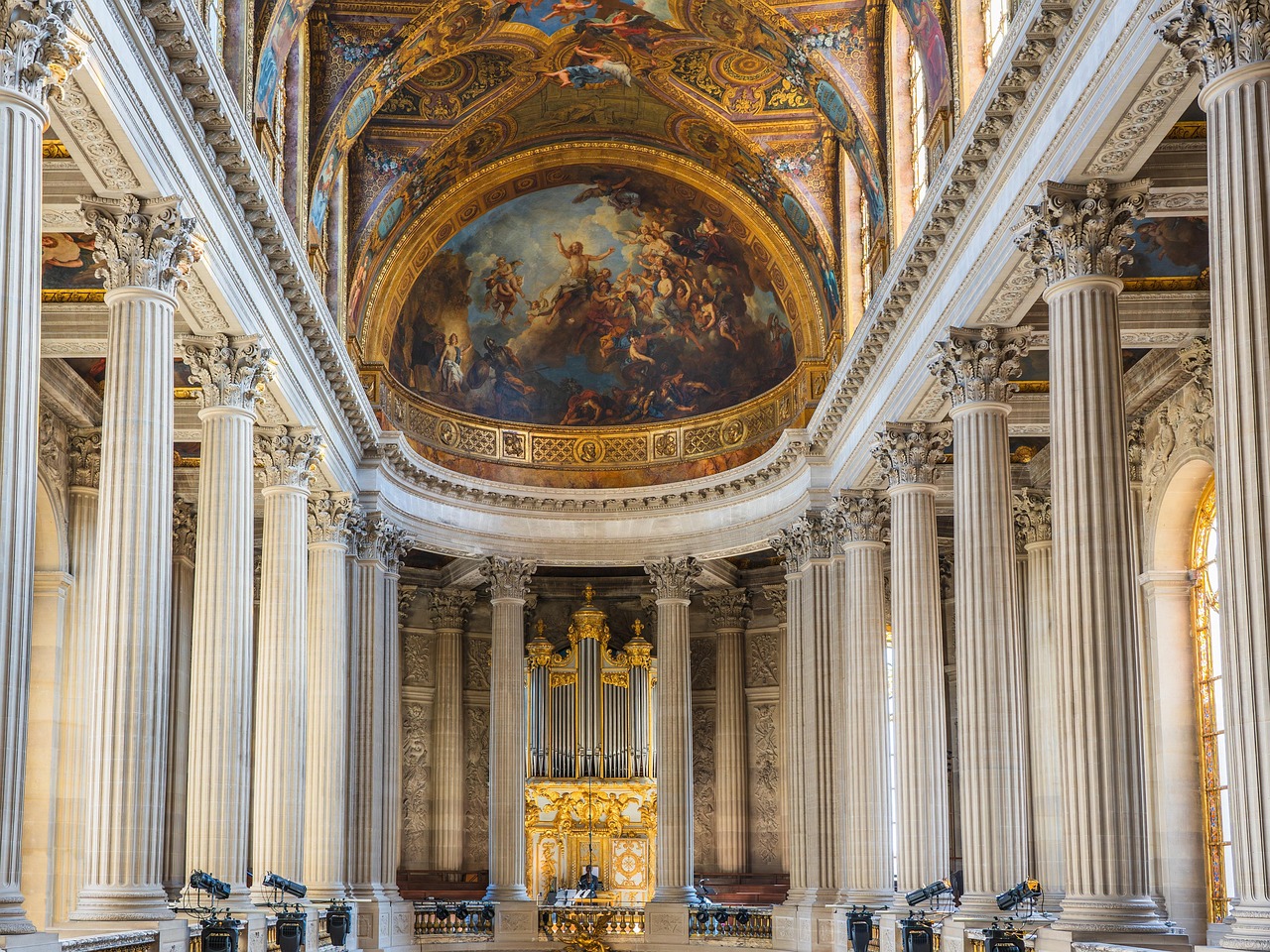
Why Visit Versailles in 2026?
Versailles in 2026 is far more than a palace day trip from Paris. It’s a lived-in, walkable royal town where kids ride scooters under baroque façades, market vendors call out the price of strawberries, and joggers loop around the Grand Canal at sunrise, the palace glowing gold behind them.
I’ve been coming to Versailles for over a decade, for everything from rushed half‑day palace visits to slow winter weeks spent working from café terraces. Every time, the city reveals a new layer: a hidden courtyard café, a quiet alley with faded 18th‑century doorways, a jazz night in a vaulted cellar near the palace. If you only think of Versailles as “that big castle”, you’re missing 80% of what makes this place special.
In 2026–2027, Versailles is particularly exciting thanks to ongoing restoration projects at the château, new immersive exhibitions in the gardens, and a packed calendar of music, dance, and light festivals. It’s also an easy base for 3, 4, or 5 days: close enough to Paris for a day trip, but calm enough to feel like a small provincial town in the evenings.
What makes Versailles unique is this mix of royal spectacle and real life: you can spend your morning tracing the footsteps of Louis XIV in the Hall of Mirrors, your afternoon picnicking along a quiet canal, and your evening sipping a glass of Vouvray at a local wine bar where everyone seems to know each other.
Table of Contents
- Why Visit Versailles in 2026?
- Versailles at a Glance
- Neighborhoods & Areas to Explore
- 20 Must-See Attractions in Versailles (Deep-Dive)
- Suggested 3–5 Day Itineraries
- Local Food & Drink in Versailles
- Nightlife, Entertainment & Cultural Experiences
- Day Trips & Nearby Excursions
- Cultural Etiquette & Local Customs
- Practical Travel Tips for Versailles
- What’s New: Events in 2026–2027
- Summary & Best Time to Visit Versailles
Versailles at a Glance
Versailles sits just southwest of Paris, about 30–40 minutes by train, and is the historic seat of the French monarchy from Louis XIV to the Revolution. Today, it’s a city of about 85,000 people, with three main train stations, leafy boulevards, and a more relaxed rhythm than the capital.
Most visitors come for the Palace of Versailles, but staying a few nights opens up a whole web of small pleasures: early-morning croissants when the streets are still quiet, late walks through the old royal neighborhood of Notre‑Dame, and chats with market vendors who’ll remember your face the second time you return.
Versailles is especially good for:
- History lovers: baroque architecture, royal apartments, and the site where the Treaty of Versailles was signed.
- Families: huge gardens to run around in, boat rentals, bike paths, and many stroller-friendly routes.
- Couples: romantic canal sunsets, candlelit shows, and quiet restaurants tucked into 18th‑century houses.
- Outdoor fans: 800+ hectares of gardens and forest, bike rentals, rowing on the Grand Canal.
- Foodies: a fantastic food market, excellent bakeries, and bistros that are more relaxed (and often cheaper) than central Paris.
Neighborhoods & Areas to Explore in Versailles
Quartier Notre-Dame
This is my favorite part of Versailles to stay in. It’s the historic royal quarter built under Louis XIV for courtiers and high officials. Streets fan out from the Notre-Dame church and the Notre-Dame Market, with narrow lanes, old stone façades, and cozy restaurants.
In the mornings, I like to grab a coffee at a café on Rue Hoche, watching locals buy flowers and cheese at the market. At night, the neighborhood is lively but not wild – wine bars, bistros, and the gentle hum of conversation.
Quartier Saint-Louis
Across from the palace, on the other side of the gardens, Saint‑Louis feels more residential and slightly quieter. The geometric medieval-style streets of the Satory area and the tiny “Carrés Saint-Louis” – colorful artisans’ houses – make for a very photogenic walk.
I often end my day here with a drink on Rue Royale, where the façades glow soft orange at sunset. It’s also close to many hidden gardens and the Pièce d’Eau des Suisses, a lesser-known water basin with great palace views.
Around Versailles-Château Rive Gauche Station
This is where most travelers arrive. The streets here are practical rather than pretty, but they’re full of cafés, creperies, and quick food options. It’s a good place to stay if you want easy station access and don’t mind a slightly more modern vibe.
Versailles-Chantiers & Montreuil
Near Versailles-Chantiers station, the feel is more local, with apartment blocks, parks, and everyday shops. The nearby Montreuil area has a village feel, with some excellent bakeries and hidden bistros. I like walking this way at the end of the day to see the “real” Versailles that most palace-day-trippers never glimpse.
20 Must-See Attractions in Versailles (Deep-Dive)
Below are the 20 main attractions and experiences I recommend for a first or second visit to Versailles. I’ve included history, why they matter, and how they actually feel on the ground, based on multiple visits over the years.
1. Palace of Versailles (Château de Versailles)
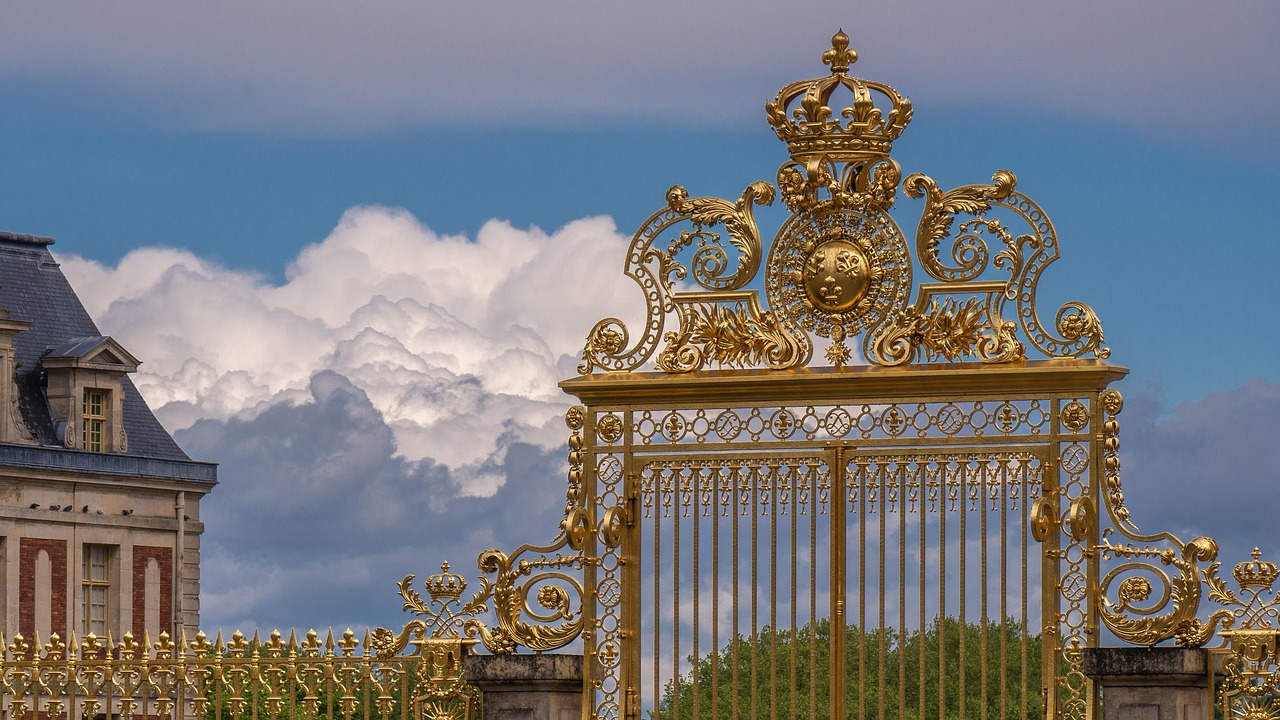
The Palace of Versailles is the beating heart of the city, an immense baroque complex that was the political center of France for over a century. Walking up the golden gates at opening time still gives me goosebumps, no matter how many times I do it.
Louis XIV transformed a modest hunting lodge into the most extravagant royal residence in Europe, a physical expression of absolute power. Inside, the sequence of State Apartments, the King’s and Queen’s Apartments, the Royal Chapel, and the legendary Hall of Mirrors feels like walking through a set of operatic scenes.
I usually time my visits for the first slot of the morning (around 9:00). One winter, I arrived just as the doors opened; cold mist hung over the cour d’honneur, and the empty Hall of Mirrors reflected that ghostly light. For a few precious minutes, it felt like the palace belonged to me alone.
Tips & logistics:
- Tickets: In 2026, pre-book your time slot online. The “Passport” ticket includes the palace, Trianon estates, and gardens (including Musical Fountains days).
- Best time: Early morning or late afternoon. Midday can be shoulder-to-shoulder in high season.
- Route: Follow the recommended path, but don’t rush. Pause in the Salon de la Guerre and Salon de la Paix to admire the ceiling paintings.
- Accessibility: Elevators and ramps exist but aren’t always obvious. Ask staff – they’re generally helpful.
Food tip: Do not rely on the café inside the main palace for lunch – it’s crowded and pricey. Instead, I often grab a picnic at the Notre-Dame Market beforehand and eat later in the gardens.
2. Hall of Mirrors (Galerie des Glaces)
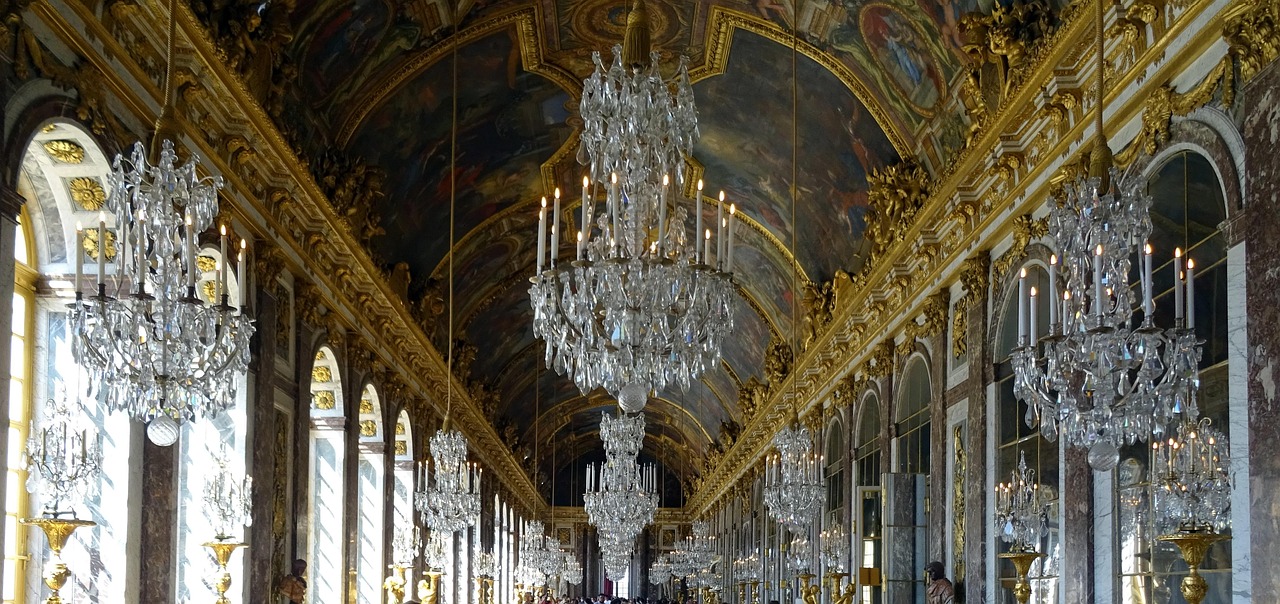
Technically part of the palace, the Hall of Mirrors deserves its own mention. This 73‑meter-long gallery of 357 mirrors reflects the gardens through 17 windows. It’s where royal balls were held, and where the Treaty of Versailles was signed in 1919, ending World War I.
On a sunny day, the light in here is almost overwhelming: chandeliers sparkling, gilding blazing, mirrors alive with reflections. On my last visit, a violinist with a small permitted group started playing Baroque music softly at one end; for a moment, the tourist murmur faded and you could almost hear silk dresses rustling.
Photo tip: If you want photos without huge crowds, walk straight through on your first pass, then circle back near the end of your palace visit; the flow of people often thins slightly later in the morning or late afternoon.
3. Gardens of Versailles (Les Jardins du Château)
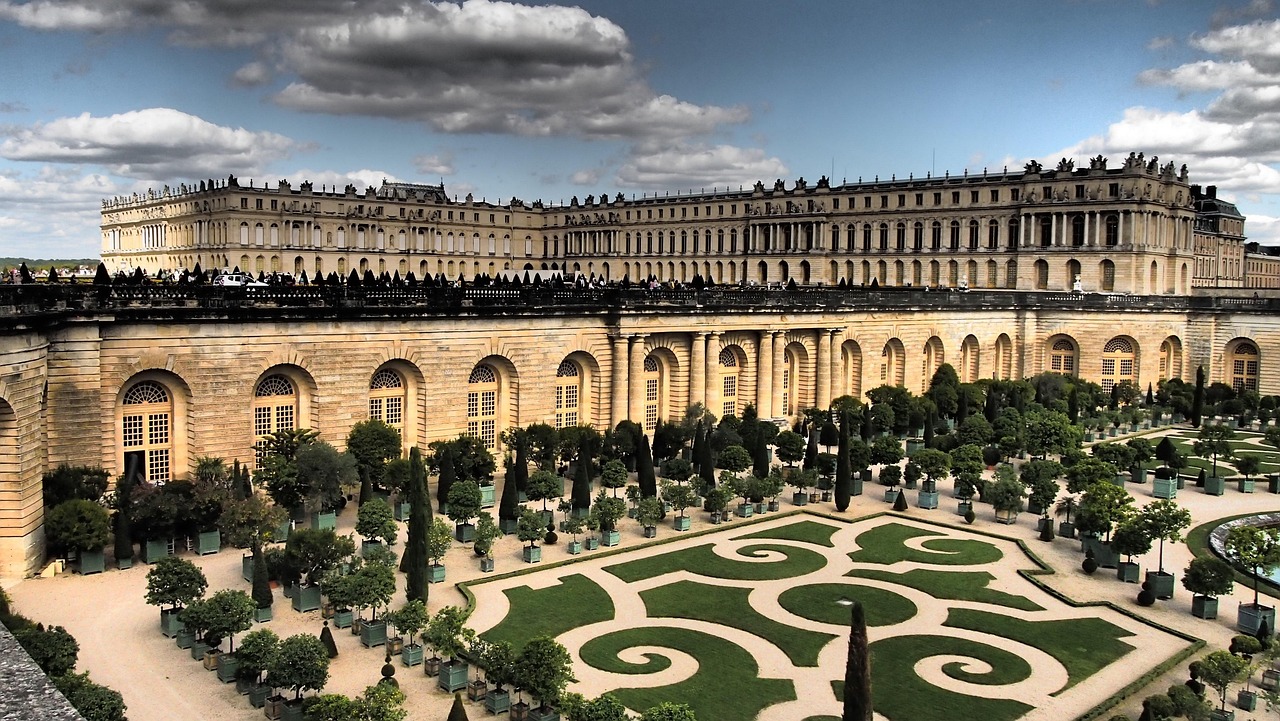
The formal gardens behind the palace, designed by André Le Nôtre, are a masterpiece of geometry: terraces, fountains, clipped hedges, and secret groves. But they’re also a lived-in green space where you’ll see locals jogging and kids learning to ride bikes.
My favorite way to experience them is to start at the palace terrace, then slowly descend toward the Latona Fountain and down to the Grand Canal. In spring and summer, during the Musical Gardens and Musical Fountains days, Baroque music floats through the groves and fountains come to life in choreographed displays.
One July evening, I stayed for the special Night Fountains Show. As darkness fell, the groves glowed with colored lights, firework bursts reflected in the Grand Canal, and classical music rolled through the trees. It was touristy, yes, but somehow also magical.
Tips:
- Access: On non-fountain days, the gardens are free. On fountain/music days, you’ll need a separate ticket or a Passport.
- Comfort: Wear real walking shoes. The gravel paths can be tiring.
- Shade: There’s limited shade near the palace; it gets hot in summer. The groves are cooler.
- Picnics: Officially restricted in some areas, but plenty of people picnic around the Grand Canal and on certain lawns. Keep it discreet and tidy.
4. The Grand Canal
The Grand Canal is the long cross-shaped lake stretching out from the palace axis. It was once used for mock naval battles and royal pageants. Today it’s one of the most peaceful corners of Versailles, especially in the early morning.
On a crisp autumn morning in 2025, I rented a rowboat with a friend and spent an hour lazily paddling, watching the palace recede into the distance. Swans cut white lines through the water, and the symmetry of the whole design felt even more impressive from water level.
Things to do:
- Rowboat rental: Available in warmer months; prices by the half-hour. Arrive early on weekends.
- Bike ride: Cycle along the canal’s edge (you can rent bikes near the Trianon or at the garden entrances).
- Sunset walk: One of the best free romantic experiences in Versailles. The palace glows gold behind you as the sun sets behind the forest.
5. Grand Trianon
The Grand Trianon is a pink marble palace Louis XIV built as a retreat from the stiffness of court life. Compared to the main château, it feels airy and almost intimate, with long colonnades, flowerbeds, and a soothing color palette.
I like to visit the Trianon estates in the afternoon, when most people have run out of energy and retreated back to town. One late spring day, I wandered the Grand Trianon almost alone, the scent of roses drifting in from the gardens through open windows. It was the first time Versailles felt truly serene to me.
Tips:
- Included in the Passport ticket; otherwise separate entry applies.
- Plan at least 1.5–2 hours for Grand Trianon, Petit Trianon, and gardens if you walk between them.
- There’s a small café nearby; it’s handy for a coffee break but not a destination in itself.
6. Petit Trianon & Marie-Antoinette’s Estate
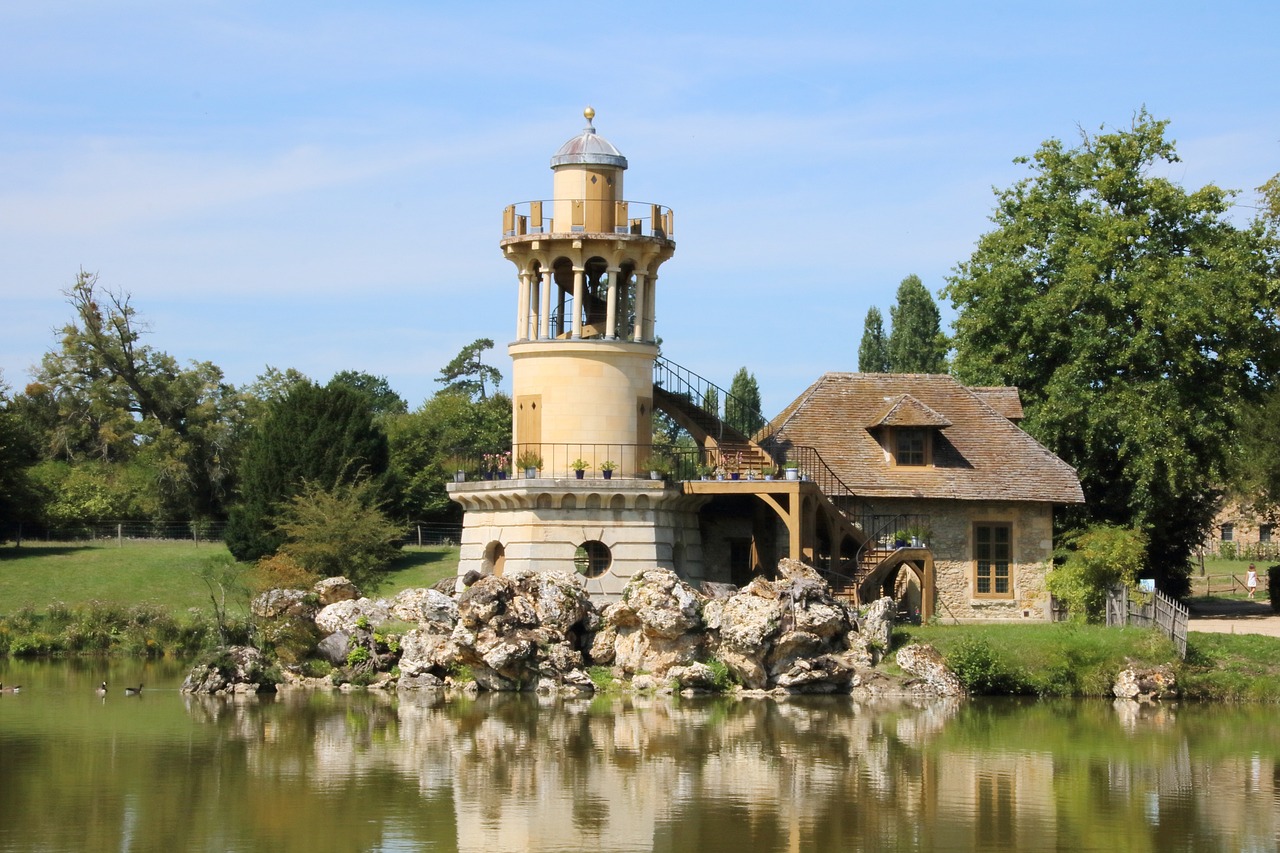
The Petit Trianon and Marie-Antoinette’s Estate show a softer, more personal side of Versailles. The Petit Trianon was given to Marie-Antoinette so she could escape the rigid etiquette of court. Here, the queen created her own world: English-style gardens, a decorative “hamlet” of rustic farmhouses, streams, and groves.
On my first visit, I wasn’t sure what to expect – I’d heard people dismiss the hamlet as “fake”. But walking along the pond, with ducks snuffling near the shore and children feeding them bread, the thatched roofs reflected in the water, it felt oddly authentic in its own way: a glimpse of how the queen wanted to imagine nature.
Don’t miss:
- The Temple of Love, perched on a little island – a favorite spot for couples and photoshoots.
- The Queen’s Hamlet, especially in spring when the gardens are green and flowers are blooming.
- The Petit Trianon’s interiors, which feel more human in scale than the grand apartments.
7. Notre-Dame Market (Marché Notre-Dame)
The Notre-Dame Market is the daily heartbeat of local life in Versailles. Four covered halls and surrounding open-air stalls sell everything from fresh produce to cheese, charcuterie, flowers, olives, and rotisserie chickens whose smell will torment you as you pass.
Almost every time I stay in Versailles, I rent an apartment within walking distance of this market. Mornings here are my ritual: a warm baguette from a nearby boulangerie, a wedge of aged Comté from my favorite cheesemonger, and a quick espresso at the corner café while watching people greet their regular vendors.
When to go:
- Full market days are usually Tuesday, Friday, and Sunday mornings (check current schedules in 2026 as they can shift).
- Arrive before 11:00 to avoid the biggest crush and to get the best selection.
Budget tip: This is one of the best ways to save money in Versailles. Pick up picnic supplies for lunch instead of eating in a restaurant every day.
8. Cathedral of Saint-Louis
The Saint-Louis Cathedral is quieter and less visited than the palace chapel but has a gentle, contemplative atmosphere. Completed in the 18th century, it’s a beautiful example of French classical religious architecture.
I like to duck in here on hot afternoons or on gray, rainy days when the pale stone seems to glow. Once, during an organ rehearsal, I sat in a back pew for half an hour, letting the sound fill the space – a free, unexpected private concert.
Tip: Check posted schedules for organ recitals or choir performances; they’re a wonderful way to experience local culture.
9. Notre-Dame Church of Versailles
The Notre-Dame Church is older than Saint-Louis and was the parish church of the royal court. Louis XVI and Marie-Antoinette’s marriage was registered here. Architecturally, it’s less grand than the cathedral, but its connection to everyday royal life makes it fascinating.
Outside, the small square and surrounding streets are some of my favorite places to wander at dusk, when the bells ring and local families head home with bags from the market.
10. Royal Opera of Versailles (Opéra Royal)
The Royal Opera inside the palace is one of the world’s most beautiful historic theaters. It was inaugurated for the wedding of Louis XVI and Marie-Antoinette. Today, it hosts opera, ballet, early music concerts, and special events.
I strongly recommend trying to catch a performance here if your dates align. I once attended a Baroque opera, seated in the upper galleries, watching powdered wigs and silk gowns swirl across the stage, candlelight reflected in gilded carvings. It felt like time travel.
Tip: Book tickets well in advance. Even if you’re not a huge opera fan, the setting alone is worth it.
11. Royal Stables & Equestrian Academy (Grande Écurie)
Across from the palace, the Royal Stables now house the Académie Équestre de Versailles, a prestigious equestrian school that offers performances blending dressage, dance, and theater.
I went to a Saturday show on a rainy afternoon, expecting a standard horse performance. Instead, it was an almost dreamlike series of tableaux – riders in long coats, horses moving with balletic precision, set to classical and contemporary music. Even my non-horse-loving friend was captivated.
Family tip: This is a great option with older kids who might be less excited about baroque interiors but fascinated by animals and performance.
12. King’s Kitchen Garden (Potager du Roi)
The Potager du Roi is one of my favorite hidden gems in Versailles. This vast walled kitchen garden was created to supply the royal court with fruits and vegetables. Today it’s run by the National School of Landscape Architecture, and you can wander its geometrically laid-out beds, espaliered fruit trees, and greenhouses.
I love coming here in late summer, when the apples and pears are ripening. The contrast between rigid geometry and riotous plant life is strangely soothing. It’s rarely crowded, and you’ll mostly encounter gardeners, students, and a few in-the-know visitors.
Tip: Check the small shop for seasonal produce and jams – truly local souvenirs that support ongoing restoration.
13. Carrés Saint-Louis
The Carrés Saint-Louis are a cluster of small 18th‑century houses built for market traders, artisans, and small businesses. Today they’re one of the most picturesque corners of Versailles, with colored façades, quirky details, and independent shops.
I stumbled on this area by accident on a long aimless walk, and it instantly became a favorite. It feels like a film set: cobblestones, worn shutters, plants tumbling from window boxes. There’s usually a cat or two sunning themselves somewhere.
Photo tip: Come in the morning for soft light and fewer people.
14. Pièce d’Eau des Suisses
The Pièce d’Eau des Suisses is a large ornamental pond south of the palace. It’s technically part of the royal domain but feels more like a neighborhood park. You get one of the best side views of the palace from here, framed by trees and water.
This is where I come to jog when I stay in Saint-Louis. Early in the morning, you’ll see dog walkers, runners, and kids on bikes, plus the occasional photographer setting up tripods for sunrise shots.
15. Avenue de Paris & Place d’Armes
Avenue de Paris is the grand approach to the palace, flanked by elegant mansions and government buildings. It leads to the vast Place d’Armes, the semicircular plaza in front of the palace gates, where three main avenues converge.
I like to walk this avenue at dusk, looking back at the palace as car headlights streak along the road. It gives you a sense of the urban planning and symbolism Louis XIV embedded in the very layout of Versailles.
16. Royal Tennis Court (Salle du Jeu de Paume)
The Salle du Jeu de Paume is where one of the most important events of the French Revolution took place: the Tennis Court Oath in 1789, when members of the Third Estate swore not to separate until a constitution was established.
The building itself is plain compared to the palace, but standing inside, looking at the massive painting depicting the event, you feel the weight of history. It’s a powerful complement to the opulence of the château – a reminder of how quickly power can shift.
Tip: Combine this with a wander through the nearby Saint-Louis streets for a quieter, more reflective afternoon.
17. Gallery of Coaches (Galerie des Carrosses)
The Galerie des Carrosses showcases the royal carriages, sleds, and ceremonial vehicles used by the French court. It’s housed in the former royal stables and is free to visit on certain days.
This is a favorite with families: gigantic gilded carriages, enormous wheels, and intricate detailing that feels straight out of fairy tales. I’m always struck by how impractical they look – more like moving sculptures than real vehicles.
Tip: Check opening days and hours; they’re limited but worth aligning your schedule for.
18. Antiques Quarter of Notre-Dame
On the streets around the Notre-Dame Market, especially Rue de la Paroisse and nearby lanes, you’ll find clusters of antiques shops and galleries. Some are intimidatingly high-end, others are delightfully cluttered with everything from 18th‑century chairs to vintage postcards.
I like to wander here late in the afternoon, peeking into windows and imagining the stories behind old portraits and odd objects. You don’t have to buy anything; window-shopping is half the pleasure.
19. Lambinet Museum (Musée Lambinet)
The Musée Lambinet is a small, atmospheric museum set in an elegant 18th‑century townhouse. It focuses on Versailles’ local history, with period rooms, paintings, and objects that show how people actually lived in and around the royal city.
On a rainy November afternoon, I spent a quiet hour here, almost alone, wandering creaky staircases and peering into rooms set up as they would have been in the 1700s. It felt like slipping behind the scenes of the palace story.
Tip: Great for a slower-paced cultural stop or on days when the palace crowds feel overwhelming.
20. Versailles Forest & Surrounding Parks
Beyond the formal gardens, the wider Versailles forest and surrounding parks offer miles of walking and cycling trails. They’re not as famous as the palace, but they’re where Versailles residents actually go to breathe on weekends.
When I stay longer than a few days, I always schedule a half-day just to walk through the woods, especially in autumn when the leaves blaze orange and gold. It’s a balm after the spectacle of the château.
Suggested Itineraries: 3, 4 & 5 Days in Versailles
Below are flexible itineraries for 3 days in Versailles, 4 days in Versailles, and 5 days in Versailles. They combine the must-see attractions in Versailles with local food, hidden gems, and relaxed time to simply be here, not just rush from line to line.
3 Days in Versailles: The Essential Experience
If you only have 3 days in Versailles, this itinerary gives you a balanced mix: the palace, gardens, Trianon estates, and a taste of local life. Think of it as a well-rounded 3 day itinerary for Versailles that still leaves room to breathe.
Day 1 – First Encounter with the Palace & Old Town
I like to dedicate my first day entirely to the main palace and immediate surroundings, but at a measured pace. Fight the urge to pack too much in; Versailles rewards slowness.
Morning:
- Arrive early, drop bags at your hotel or apartment (I recommend staying in Notre-Dame if you can).
- Walk up Avenue de Paris toward the palace. Let the scale of Place d’Armes and the golden gates sink in.
- Enter the Palace of Versailles with a pre-booked time slot (aim for 9:00–9:30).
- Follow the route through the State Apartments and the Hall of Mirrors, taking your time. Don’t rush: you’ll only be here for the “first time” once.
I usually bring a small notebook and jot down impressions in quiet corners – a gilded detail, a ceiling painting. It keeps me grounded when the crowds are intense.
Lunch: Either grab something quick at one of the palace cafés or, better, leave the palace and walk 10–15 minutes to the Notre-Dame Market. Pick a brasserie with a terrace or assemble a picnic from market stalls.
Afternoon:
- Stroll through the Notre-Dame antiques quarter and side streets.
- Visit the Notre-Dame Church and pause in the square.
- Head back toward the palace terrace and descend into the formal gardens, at least as far as the Latona Fountain and the main alleys.
- If it’s a Musical Gardens day, wander the groves to the sound of Baroque music.
Evening:
- Dinner in the Notre-Dame neighborhood – I like small bistros on Rue de la Paroisse or nearby streets.
- Take a short after-dinner walk; Versailles is safe and lovely at night, with the palace softly lit.
Day 2 – Trianons, Grand Canal & Marie-Antoinette’s World
This day is for exploring the more intimate side of Versailles: the Grand Trianon, Petit Trianon, and Marie-Antoinette’s Estate, plus unhurried time at the Grand Canal.
Morning:
- Start with a bakery breakfast – croissant and coffee at a local café near your lodging.
- Enter the gardens via the palace or one of the side gates (depending on where you’re staying).
- Walk or take the small train to the Grand Trianon. Explore its rooms and gardens.
- Continue on foot to the Petit Trianon and Marie-Antoinette’s Estate.
Leave yourself time simply to wander the hamlet’s paths. On my last visit, I sat on a bench near the pond watching ducks, listening to children giggle, and feeling the weight of the main palace slip away.
Lunch: Either use the small Trianon café or bring picnic supplies from the market to enjoy near the Temple of Love or by the water (respecting any posted signs).
Afternoon:
- Head down to the Grand Canal.
- Rent a rowboat if the weather is good.
- Walk or bike along the canal’s edge. If you rented bikes, make a longer circuit into the surrounding park.
Evening:
- If it’s a Night Fountains Show evening (usually Saturdays in summer), stay on-site; grab a simple dinner at one of the garden kiosks or return briefly to town and come back.
- Otherwise, consider a relaxed dinner in Saint-Louis followed by a twilight walk around the Pièce d’Eau des Suisses.
Day 3 – Local Life, Hidden Corners & Revolutionary Echoes
For your final day, focus on the town of Versailles rather than the palace. This is what most day-trippers miss – and what often makes people fall in love with the city.
Morning:
- Visit the Potager du Roi. Spend a leisurely hour enjoying the geometry and seasonal produce.
- Walk through the Saint-Louis neighborhood: small streets, the cathedral, and the Carrés Saint-Louis.
- Stop by the Royal Tennis Court (Jeu de Paume) to connect with the French Revolution’s history.
Lunch: Choose a local favorite in Saint-Louis – there are several small bistros and crêperies that offer good value.
Afternoon:
- Visit the Musée Lambinet for local history and period interiors.
- Stroll back via Avenue de Paris or weave through Notre-Dame’s antiques quarter for last-minute browsing.
Evening:
- For a final night, treat yourself to a slightly more special dinner – perhaps a gourmet restaurant in Notre-Dame or a wine bar with good small plates.
- Say goodbye to the palace with one last nighttime view from Place d’Armes.
4 Days in Versailles: Slower Rhythms & Deeper Dives
A 4 day itinerary for Versailles gives you all of the above plus time to slow down and explore beyond the obvious. With 4 days in Versailles, you can add forest walks, a day trip, or more cultural experiences.
Day 1–3
Follow the 3 day itinerary for Versailles above, but take pressure off yourself. With an extra day in hand, you can linger longer in places you love, add a long café break, or spend more time in the gardens.
Day 4 – Forest Walks, Extra Museums or a Half-Day Trip
You now know the city; use Day 4 based on your interests.
Option A – Nature & Forest
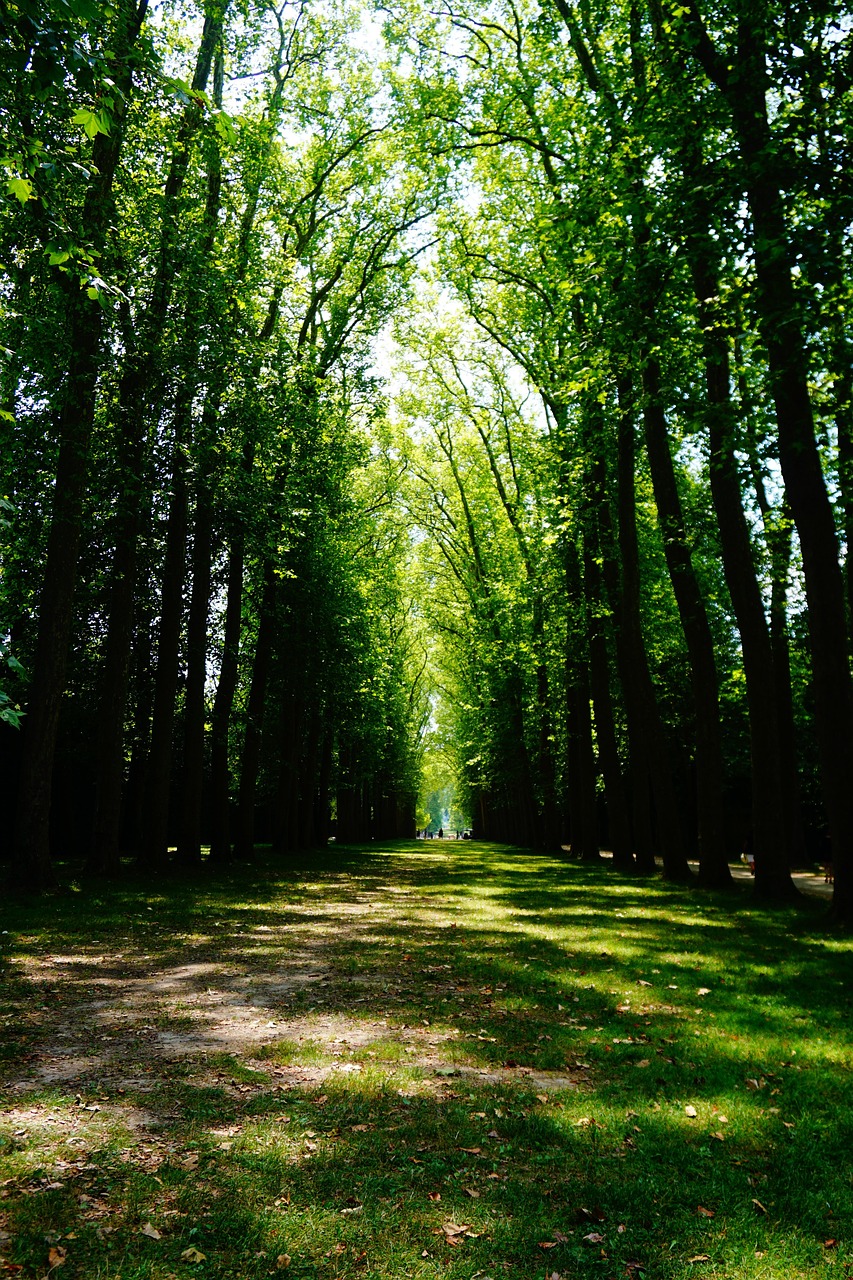
- After breakfast, head into the Versailles forest. Several marked trails start near the palace park or slightly farther out (ask your accommodation for the best local entry points in 2026).
- Pack snacks and water; you can easily spend 3–4 hours walking under the trees, especially beautiful in spring and autumn.
- Return to town in the afternoon for a lazy coffee and pastry in Notre-Dame.
Option B – Extra Culture
- Visit any smaller sites you missed: the Galerie des Carrosses, inside tours of government buildings if available, or temporary exhibitions at the palace.
- Schedule a guided themed tour of the palace (e.g., King’s Private Apartments) – these often require booking ahead.
- End with a performance at the Royal Opera or an equestrian show at the Académie Équestre.
Option C – Half-Day Trip
- Take a short RER or Transilien train into Paris for a half-day in one museum (the Orsay or Orangerie pair nicely with Versailles).
- Return to sleepy Versailles in the evening, glad you’re not staying in central Paris chaos.
5 Days in Versailles: Living Like a Local
With 5 days in Versailles, you can truly settle in. This 5 day itinerary for Versailles assumes you’ll follow the 3-day plan, then add two days of slower experiences and at least one day trip.
Day 4 – Market Rituals & Everyday Versailles
Choose a full market day (Tuesday, Friday, or Sunday) for this.
- Spend a long morning at the Notre-Dame Market: coffee, people-watching, shopping for picnic fare.
- Pick up ingredients and cook your own lunch if you have a kitchen; it’s one of my favorite ways to feel at home here.
- In the afternoon, explore any remaining neighborhoods – maybe around Versailles-Chantiers or Montreuil for a more everyday feel.
- Evening: Head to a local bar for an apéro: a glass of wine or a kir and a small plate of snacks.
Day 5 – Day Trip from Versailles
Use this day to explore beyond Versailles while basing yourself in its calmer atmosphere.
Popular options:
- Paris: Of course. Choose one neighborhood (e.g., Le Marais, Saint-Germain) and explore on foot.
- Giverny (Monet’s Garden): In season, combine trains via Paris. Lush gardens and Monet’s house make a perfect complement to Versailles’ formal landscapes.
- Rambouillet: Smaller château, forest walks, and a less crowded historic town.
Return “home” to Versailles in the evening for a final dinner at your favorite local spot, perhaps re-visiting the bistro you liked most earlier in the week.
Local Food & Drink in Versailles
Local food in Versailles is essentially classic French cuisine with a slightly more relaxed, suburban feel than central Paris. You’ll find everything from traditional bistros to modern wine bars and excellent bakeries.
What to Eat
- Croissants & Viennoiseries: Start every day with something buttery. Versailles has several top-notch bakeries; ask your host for the current local favorite in 2026.
- Galettes & Crêpes: Savory buckwheat galettes (often from Brittany) and sweet crêpes are family-friendly, affordable, and delicious. Great for lunch or a casual dinner.
- Bistro Classics: Think steak-frites, magret de canard (duck breast), boeuf bourguignon, and seasonal fish dishes.
- Cheese & Charcuterie: Assemble your own platters from the Notre-Dame Market for picnics or nights in.
- Pâtisserie: Little cakes and tarts from local pastry shops. I always justify a daily tarte au citron or éclair au chocolat when I’m here.
Where to Eat & Drink (Types of Places)
Rather than listing specific venues that may change by 2026, here’s how I approach food in Versailles:
- Morning cafés: Around Notre-Dame Market and near Versailles-Château Rive Gauche station, there are many classic cafés for coffee and a simple breakfast.
- Boulangeries: Use them for takeaway sandwiches (often better and cheaper than sit-down lunches) before heading into the gardens.
- Bistros in Notre-Dame: For dinner, look for chalkboard menus (ardoises) offering a fixed-price menu du jour. These usually give excellent value.
- Wine bars: Versailles has several cozy wine bars serving small plates – ideal for a light dinner and people-watching.
- Crêperies: Kid-friendly, budget-friendly, and usually good quality.
Money-Saving Food Tips
- Eat your main meal at lunch using the set lunch menus; dinners can be more expensive.
- Use the market for breakfasts and picnics – especially if you have a kitchen.
- Tap water (carafe d’eau) is free and normal to ask for; you don’t have to order bottled water.
- Stand at the counter (au comptoir) for coffee in some cafés; it’s often cheaper than sitting at a table.
Nightlife, Entertainment & Cultural Experiences in Versailles
Versailles isn’t a wild party town, but it has a gentle, cultured nightlife that suits its character: wine bars, concerts, elegant shows, and evening walks.
Evening Highlights
- Night Fountains Show: Seasonal Saturday evening events in the gardens with lights, music, and fireworks.
- Royal Opera: Opera, ballet, and classical concerts in a breathtaking 18th‑century theater.
- Equestrian Performances: The Académie Équestre offers shows blending horsemanship and art.
- Wine Bars & Brasseries: Around the Notre-Dame Market and in Saint-Louis, you’ll find plenty of options for a relaxed drink.
- Local Festivals: Summer street performances, Christmas markets, and special palace events in 2026–2027 (see below).
Family-Friendly Evenings
- Early dinner at a brasserie or crêperie.
- Twilight walk around the Grand Canal or Pièce d’Eau des Suisses.
- Occasional family-focused events at the palace or town square (check the city’s 2026 cultural program).
Romantic Nights
- Sunset by the Grand Canal, then a candlelit dinner in Notre-Dame.
- A performance at the Royal Opera, followed by a late glass of champagne.
- Night Fountains Show – touristy but undeniably romantic.
Day Trips & Nearby Excursions from Versailles
Versailles is a convenient base for several day trips, thanks to its three train stations and frequent connections.
Paris
Obvious but essential. Use Versailles as a quieter home base and hop into Paris for focused half- or full-day explorations: one museum, one neighborhood, one long stroll along the Seine.
Giverny (Monet’s Garden)
From Versailles, connect through Paris to reach Giverny. Monet’s house and gardens are a lush, impressionistic dream, particularly from late spring to early autumn. It pairs beautifully with Versailles’ formal geometry – same love of gardens, entirely different mood.
Rambouillet
Rambouillet offers a smaller château, a large forest, and a less touristy town. It’s a good choice if you want more nature without straying too far.
Practical Tips for Day Trips
- Check SNCF and Île-de-France Mobilités for current timetables and fares in 2026.
- Leave early and return by early evening to avoid commuter crowds.
- If you plan multiple trips into Paris, consider a daily or weekly transit pass covering zones including Versailles.
Cultural Etiquette & Local Customs in Versailles
Versailles is used to visitors, but a few small gestures go a long way toward making interactions smoother and friendlier.
Greetings & Politeness
- Always start interactions with a polite “Bonjour, Madame/Monsieur” before launching into questions.
- In the evening, switch to “Bonsoir”.
- “S’il vous plaît” (please) and “Merci” (thank you) are essential; using them generously will soften almost any conversation.
In Restaurants & Cafés
- Wait to be seated unless it’s obvious you can choose your own table.
- Tipping isn’t mandatory (service is included), but rounding up or leaving 5–10% for good service is appreciated.
- Meals are meant to be savored; don’t expect rushed service. Ask for the bill with “L’addition, s’il vous plaît” when you’re ready to leave.
In the Palace & Gardens
- Follow photography rules (no flash where posted).
- Keep voices low inside; it’s a historic monument, not just a photo backdrop.
- Respect barriers and roped-off areas; they’re protecting fragile elements.
- Picnics: follow posted signs, and always pack out your trash.
Dress & Behavior
- Smart-casual is fine almost everywhere; very casual sportswear is best kept to parks and forest walks.
- For performances at the Royal Opera, people tend to dress up a bit, but there’s no strict code.
Practical Travel Tips for Versailles (2026)
How to Get to Versailles
Most visitors arrive from Paris by train. In 2026, you’ll typically use:
- RER C: To Versailles-Château Rive Gauche (closest to the palace).
- SNCF Transilien N: From Montparnasse to Versailles-Chantiers.
- SNCF Transilien L: From Saint-Lazare to Versailles-Rive Droite.
Getting Around Versailles
- On foot: The historic core is compact; walking is the best way to explore.
- Bikes: Rent bikes near the palace gardens or in town for exploring the park and forest.
- Buses: Local buses connect neighborhoods and stations; useful if your accommodation is farther out.
- Car rental: Not necessary for Versailles itself; only consider if you plan multiple regional day trips. Parking near the palace can be expensive and tight.
SIM Cards & Connectivity
- In 2026, eSIMs and physical SIM cards are widely available at Paris airports, major train stations, and some shops in Versailles.
- Look for major French providers (e.g., Orange, SFR, Bouygues) for good coverage.
- Free Wi‑Fi is available in many hotels, some cafés, and at parts of the palace complex.
Money & Costs
- Currency: Euro (€).
- Cards are widely accepted, including contactless payments.
- ATMs are easy to find in the town center around the stations and market.
- Versailles is slightly cheaper than central Paris for food and accommodation, but it’s still Western Europe – budget accordingly.
Visa Requirements & Driving Licenses
For 2026, always check the latest official sources (French consulate or embassy, EU travel websites), but in general:
- Citizens of many countries can visit France visa-free for short stays (up to 90 days in 180) under the Schengen rules.
- Others will need a Schengen visa obtained before travel.
- Foreign driving licenses are generally accepted for short-term visitors; some nationalities may also need an International Driving Permit (IDP) if you plan to rent a car.
Best Seasons for Different Activities
- Spring (April–June): Ideal for gardens and comfortable palace visits. Flowers bloom, days lengthen; occasional rain.
- Summer (July–August): Long days, Night Fountains Shows, busy and hot. Great for late evenings by the Grand Canal. Book well in advance.
- Autumn (September–October): My personal favorite: fewer crowds, golden foliage in the parks, still-mild temperatures.
- Winter (November–March): Quiet, atmospheric palace visits; shorter days and some closures in the gardens. Christmas markets and festive lights in December.
Hidden Money-Saving Tips
- Consider the Versailles Passport if you plan to see everything (palace, Trianons, gardens on fountain days); it can be cheaper than separate tickets.
- Use weekly transit passes if staying several days and moving in and out of Paris.
- Plan at least one picnic day instead of a restaurant lunch – the market makes this easy and delicious.
What’s New: Events & Changes in 2026–2027
Versailles continually evolves, with rotating exhibitions and seasonal programming. While exact 2026–2027 details will be finalized closer to the dates, you can expect:
- Seasonal Garden Shows: Expanded Musical Fountains and Night Fountains programs with updated light and sound design.
- Temporary Exhibitions: At the palace, focusing on specific monarchs, artists, or themes (check the official Château de Versailles site for 2026–2027 schedules).
- Music & Opera Seasons: Full programming at the Royal Opera and Royal Chapel, including Baroque festivals and sacred music series.
- Local Festivals: Summer street performances, outdoor cinema sessions, and Christmas markets in late November and December.
- Ongoing Restoration: Some palace areas may be under scaffolding in 2026–2027 as Versailles continues long-term restoration; staff and signage will redirect you to alternate routes.
Summary & Final Recommendations
Versailles is more than its palace. It’s a complete small city with layers of history, local food, quiet neighborhoods, and vast green spaces. Whether you spend 3 days in Versailles, 4 days in Versailles, or a full 5 days in Versailles, you’ll find more than enough things to do in Versailles and many hidden gems beyond the beaten track.
Key takeaways:
- Stay overnight rather than day-tripping if you can; evenings and early mornings are the most magical times.
- Balance must-see attractions (palace, Hall of Mirrors, Trianons) with slower local experiences (markets, forest walks, small museums).
- Use the Notre-Dame Market and bakeries to eat well without overspending.
- Learn a few polite French phrases and basic local customs – they’ll transform your interactions.
- For fewer crowds and beautiful light, aim for late spring or early autumn as your best times to visit.
In 2026, Versailles remains one of Europe’s richest cultural experiences – not just a palace to tick off, but a place to settle into for a few days, listening to its quieter stories unfold between the gilded halls.