Why Visit Paphos, Cyprus?
If you’ve ever dreamed of a place where ancient myth, turquoise sea, and easygoing Mediterranean life all blur into one golden-hued memory, Paphos is that place. I’ve been coming here on and off for almost a decade, and every time I land, the same things hit me: the smell of jasmine in the warm evening air, the slow clink of coffee cups in the old town, and that impossibly blue line where the sea meets the sky.
Paphos (Pafos) sits on the southwest coast of Cyprus and is one of those rare destinations that works for almost every kind of traveler: couples looking for something romantic but not cheesy, families who want beaches plus history, solo travelers who love wandering and café-hopping, divers and hikers chasing adventure, and food lovers chasing grilled halloumi and fresh fish at sunset.
This travel guide for Paphos is written for 2026 and beyond, with detailed 3 day, 4 day, and 5 day itineraries, personal stories, and practical travel tips for Paphos. I’ll walk you through the best places to visit in Paphos, the must-see attractions in Paphos, what local food in Paphos you shouldn’t miss, and those little hidden gems in Paphos I’ve slowly collected over multiple visits.
Whether you have 3 days in Paphos, 4 days in Paphos, or 5 days in Paphos, you’ll find a tailored itinerary for Paphos below, plus cultural etiquette, neighborhood breakdowns, nightlife, and day trips. Consider this your all-in-one travel guide for Paphos for 2026–2027.
Table of Contents
- Why Visit Paphos
- Paphos at a Glance (2026–2027)
- Neighborhoods & Areas of Paphos
- 20 Must-See Attractions in Paphos (Deep Dive)
- Suggested Itineraries (3, 4 & 5 Days in Paphos)
- Local Food & Drink in Paphos
- Nightlife & Cultural Experiences
- Day Trips & Nearby Adventures
- Cultural Etiquette & Local Customs
- Practical Travel Advice for Paphos (2026)
- Summary & Best Time to Visit Paphos
Paphos at a Glance (2026–2027)
Paphos is a compact, coastal city with two distinct centers: Kato Paphos by the sea (touristy, lively, where many hotels are) and Ktima Paphos (the Old Town on the hill, with neoclassical buildings, local life, and quieter evenings). The city is also the legendary birthplace of Aphrodite, sprinkled with UNESCO-listed archaeological sites and backed by rugged countryside and vineyards.
In 2026, Paphos remains one of Cyprus’s most beloved coastal hubs, but it’s not yet as overrun as some Mediterranean hotspots. You still get that “small city” feeling: café owners remembering your coffee order by day three, bus drivers chatting like you’ve known each other forever, and beach sunsets that feel surprisingly uncrowded outside peak July–August.
Upcoming Events & What’s New (2026–2027)
- Paphos Aphrodite Festival (September 2026 & 2027): Annual open-air opera at the Medieval Castle by the harbor—plan ahead, tickets sell fast.
- Pafos Wine & Gastronomy Week (May 2026, tentative repeat in 2027): Tastings, pop-up food stalls, and vineyard tours highlighting local wineries from Paphos district.
- Harbor Promenade Revamp (Ongoing through early 2026): Some sections may have light construction; detours are short, and cafés remain open.
- New Coastal Cycling Path: The extended coastal path from Geroskipou to beyond Coral Bay is now largely complete, making sunrise and sunset rides spectacular.
Neighborhoods & Areas of Paphos to Explore
Kato Paphos (Lower Paphos & Harbor)
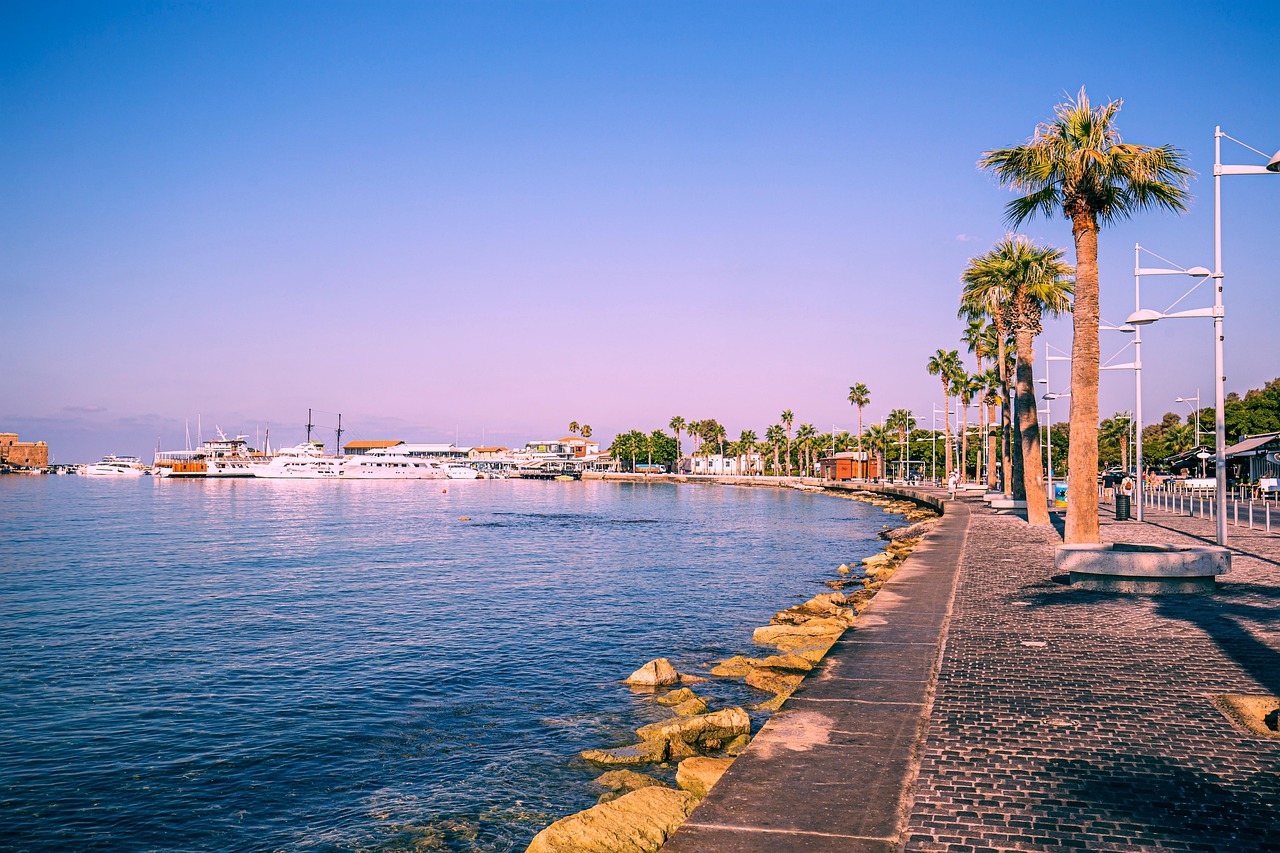
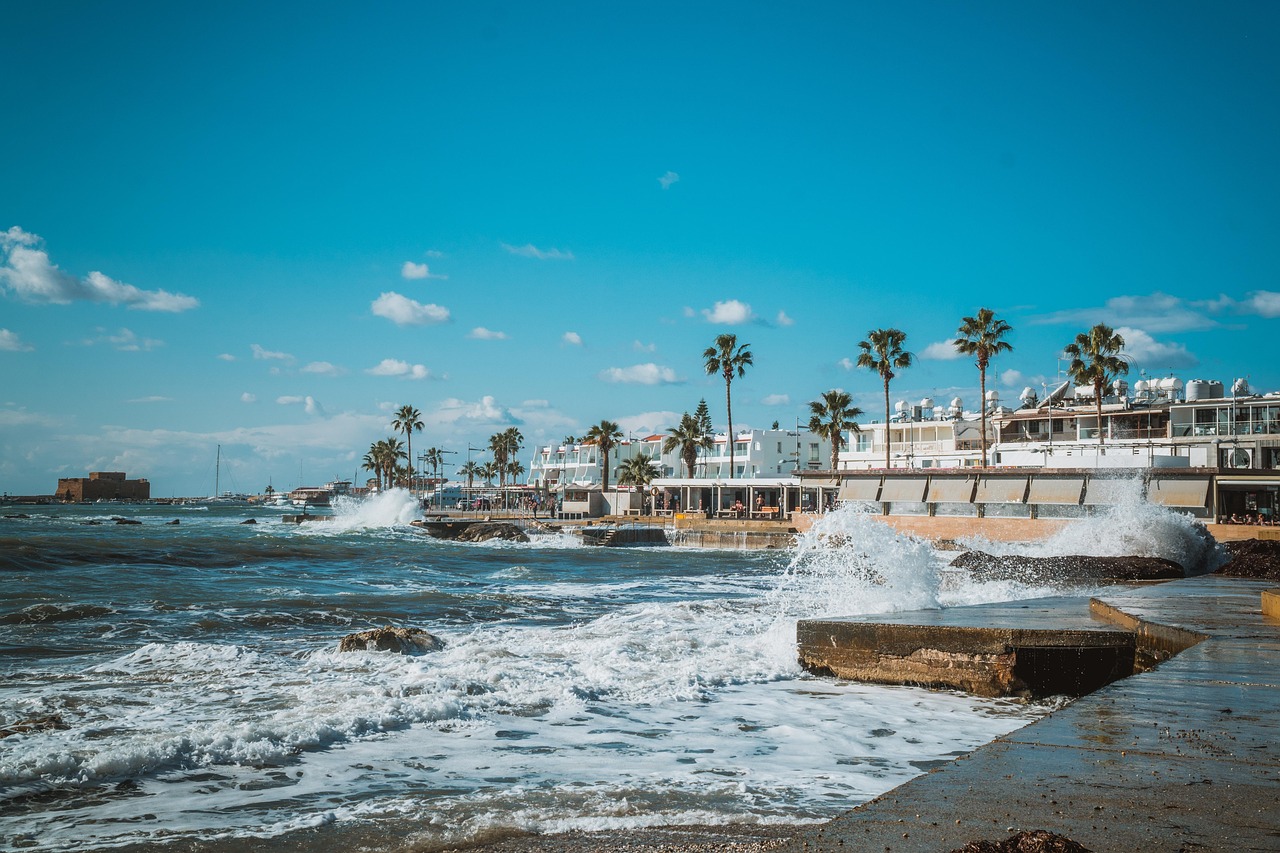
This is where most visitors first fall in love with Paphos: the harbor with its bobbing fishing boats, the Medieval Castle, rows of tavernas, and the entrance to the vast Archaeological Park. If you’re staying in Paphos for 3 days or a week, you’ll probably spend a lot of time here.
In my routine, mornings start with a walk along the seaside promenade, coffee in hand, watching fishermen clean their nets while tour boats gear up for the day. Evenings are for sunset cocktails, a slow stroll, and maybe a last-minute decision to duck into a bar with live bouzouki music.
Ktima Paphos (Old Town Paphos)
Perched above the coast, Ktima Paphos feels like a different city: narrow streets, restored stone houses, art murals, quiet squares, and local shops selling everything from handmade lace to olive oil soaps. If you want a more “local” side of Paphos, this is where to wander.
I love coming here in late afternoon: grabbing a coffee at a shaded café, browsing the Municipal Market, and then walking to a viewpoint where the sea glows orange below. At night, the area gets a gentle buzz from wine bars and creative restaurants, but it never feels rowdy.
Universal & Residential Zones
Just inland from Kato Paphos is a mostly residential area with apartments, small bakeries, and local tavernas. You won’t find major attractions, but if you’re renting an apartment here you’ll get easy access to both Old Town and the harbor by bus, car, or a 20–30 minute walk.
Chloraka & Emba
North of Paphos, these suburbs transition into villages. This is where I stay when I want a quieter base with sea views but easy access to town. You’ll find clifftop paths, hidden coves, and local bakeries where everyone seems to know each other.
Coral Bay & Peyia
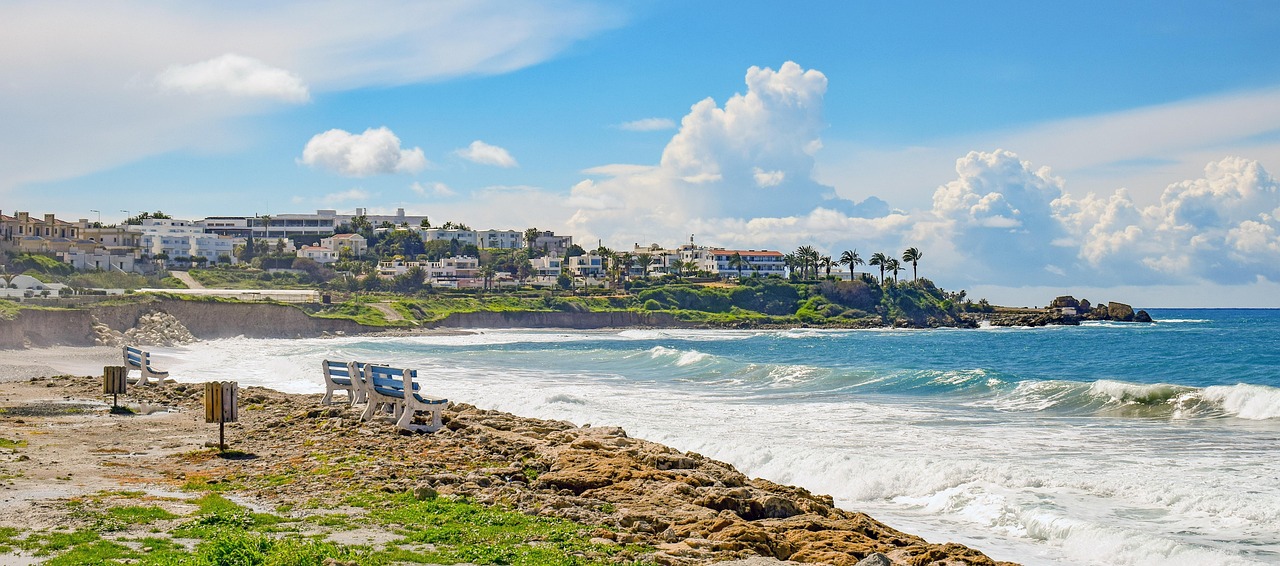
About 20 minutes’ drive from Paphos, Coral Bay is a resort area with a wide sandy beach, clear shallow water, and plenty of bars and restaurants lining the main strip. Above the bay, the village of Peyia climbs the hill with sea-view tavernas and rental villas with pools.
For families, Coral Bay is a dream base: kid-friendly beach, easy bus connection to Paphos, and calmer evenings. I often spend a lazy day here when I need a break from “doing things.”
Geroskipou & Yeroskipou Beach
East of the harbor, Geroskipou is a small town famous for loukoumi (Cyprus delight) and a long pebbly-sandy beach lined with beach bars and water sports. It’s less touristy than Kato Paphos but close enough for quick access.
20 Must-See Attractions in Paphos (Deep Dive)
Below are twenty of the best places to visit in Paphos, with personal notes, history, and tips. I’ll start with the icons and gradually move into lesser-known corners and hidden gems in Paphos.
1. Kato Paphos Archaeological Park
If you only have 3 days in Paphos, this is your number one must-see attraction. The Archaeological Park spreads out right next to the harbor, but once you’re inside, the modern city fades away. It’s a UNESCO World Heritage Site and home to some of the most stunning Roman mosaics in the Mediterranean.
The first time I visited, it was a warm March morning. I remember stepping into the House of Dionysos and just standing there, stunned, staring at the mosaic of the god himself, a swirl of tiny colored stones laid down almost 2,000 years ago. I barely took any photos that first hour—I just wandered, letting the history sink in.
Highlights include:
- House of Dionysos: Huge complex with rich mythological mosaics—give yourself at least an hour here.
- House of Theseus: Once a Roman governor’s villa with a grand layout and a mosaic depicting Theseus and the Minotaur.
- House of Aion & House of Orpheus: Smaller but with intricate details that reward slow looking.
- Odeon & Lighthouse: A small restored theatre and a coastal lighthouse with sweeping sea views—come here near sunset if you can.
Practical tips: Arrive when the park opens, especially in summer. Wear a hat, sunscreen, and good walking shoes—there’s little shade and the ground is uneven. Bring water; there’s often a kiosk, but not always early/late in the season. You can easily spend 3–4 hours here if you like history; even in a rushed 3 day itinerary for Paphos, budget at least 2 hours.
2. Paphos Medieval Castle & Harbor
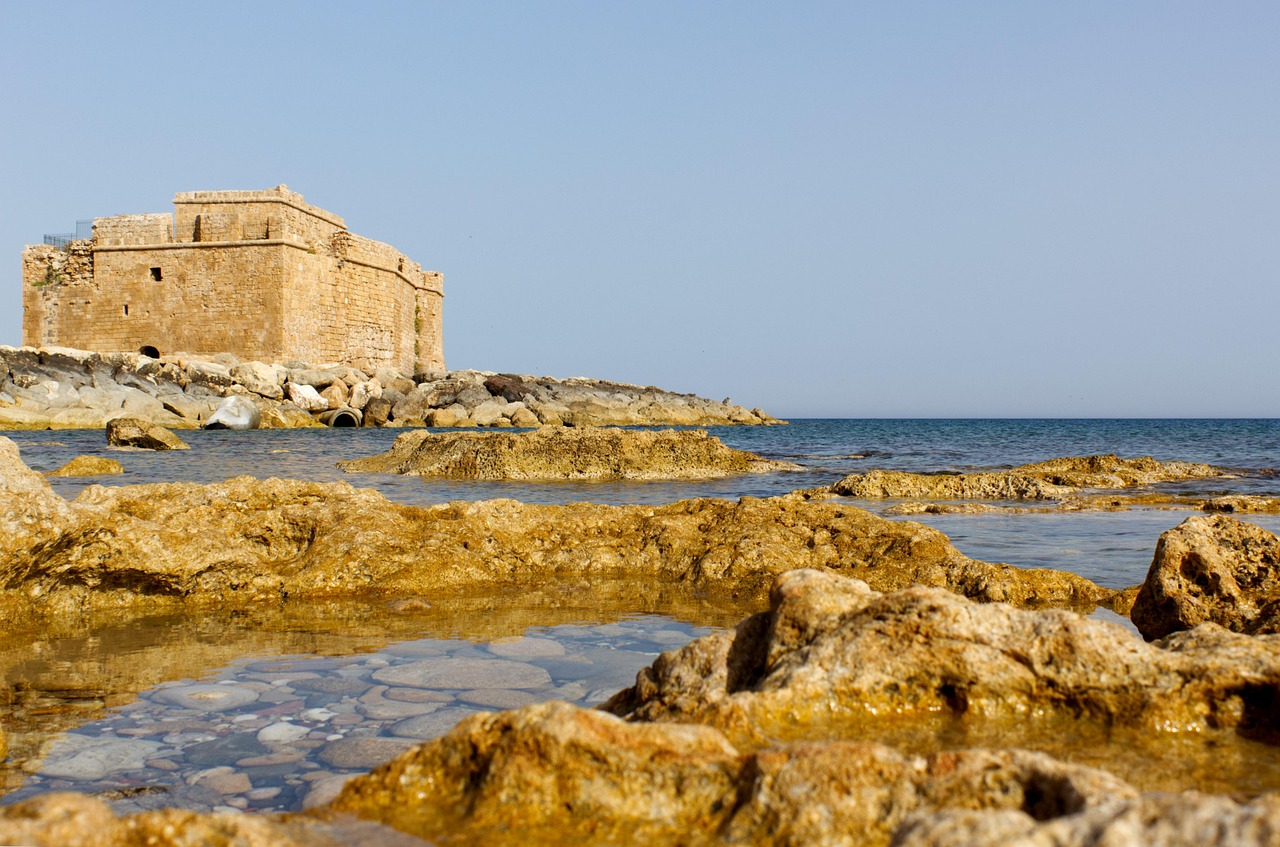
The Medieval Castle at the harbor is Paphos’s postcard star. It’s small, squat, and impossibly photogenic—especially at golden hour. Originally a Byzantine fort, it was rebuilt by the Lusignans, dismantled by the Venetians, and then rebuilt again by the Ottomans in the 16th century. Today it’s less about interior exhibits and more about the views and the atmosphere.
I like to time my visits about an hour before sunset: I climb up for the 360-degree views—fishing boats in one direction, the Archaeological Park in another, the sun sinking into the sea. On festival nights like the Aphrodite Festival, the castle becomes an open-air backdrop for opera performances, which is honestly magical.
Family-friendly? Yes, but keep an eye on small kids on the upper level. Romantic? Absolutely—this is a top spot for couples at sunset.
3. Tombs of the Kings
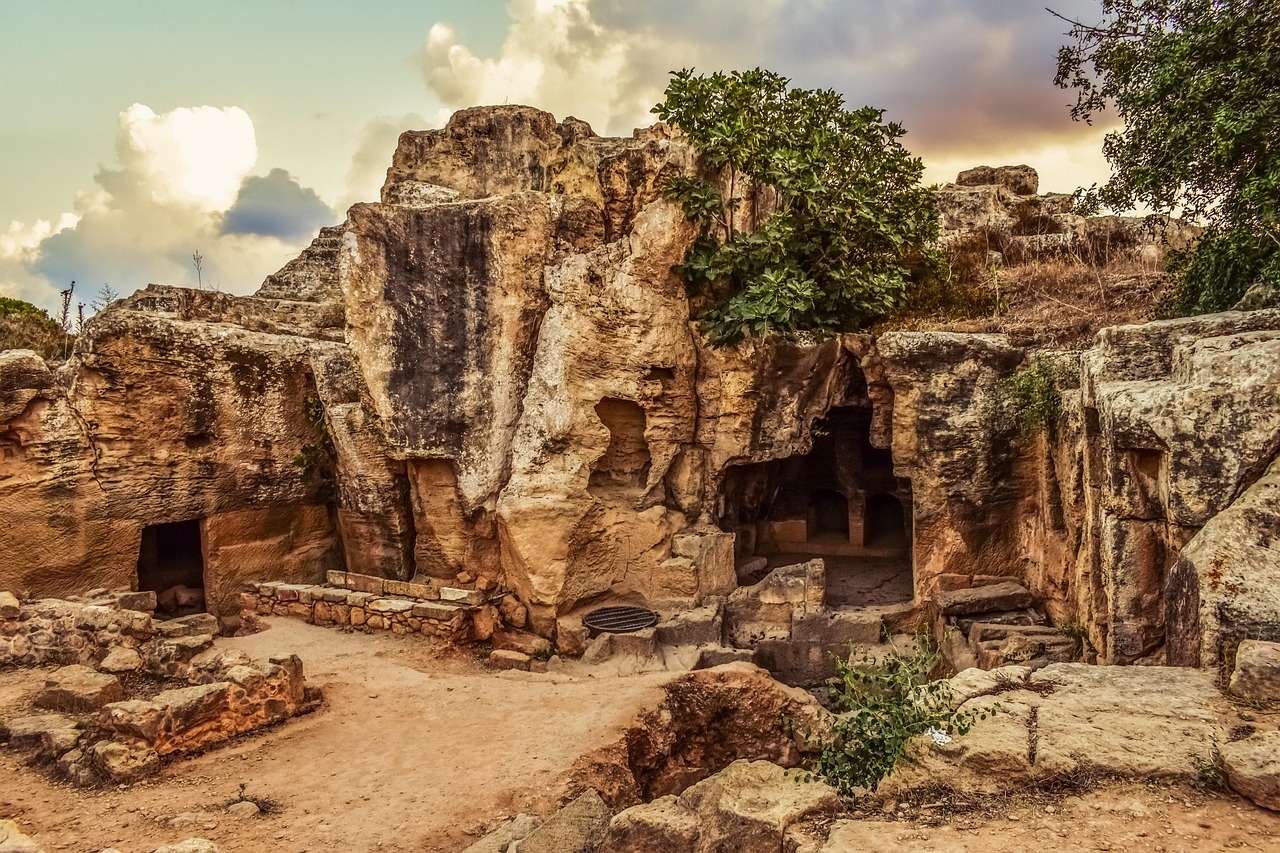
Despite the name, no kings were buried here. The Tombs of the Kings are monumental underground tombs carved into solid rock, used by high-ranking officials of the 3rd century BCE. They stretch over a wide area just north of Kato Paphos.
I first visited on a breezy November afternoon when the crowds were thin. I ducked into one of the tombs, cool air swirling around me, and looked up at Doric columns carved straight from the rock. The sunlight from the courtyard made patterns on the walls, and for a moment it felt like being transported back in time.
Tips: Wear sturdy shoes; some areas are rough or slippery. There’s minimal shade, so come early or later in the day. It’s a short bus ride or a long-ish walk from the harbor along the coastal road.
4. Paphos Mosaics (Houses of Dionysos, Aion, Orpheus, Theseus)
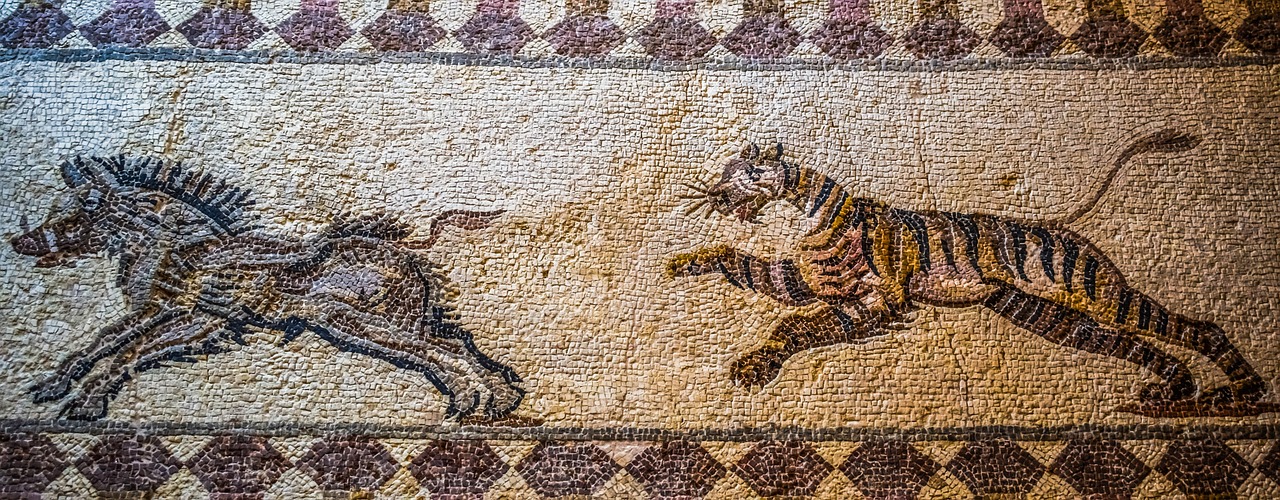
Technically part of the Archaeological Park, the Paphos Mosaics deserve their own mention. They’re one of the big reasons Paphos is a UNESCO site and a key reason many culture lovers plan even just 3 days in Paphos here instead of elsewhere.
On my last visit in 2025, I went back on a cloudy day to avoid the glare. I sat on a bench in the House of Aion for a long time, watching other visitors come and go. The longer you sit, the more details you notice: the folds of a robe, the expression on a god’s face, a tiny bird in the corner you missed at first glance. It’s almost like reading a comic strip of Greek myths, but in stone.
Don’t rush this area. If you love photography, consider coming early or late in the day for softer light and fewer people in your shots.
5. Petra tou Romiou (Aphrodite’s Rock)
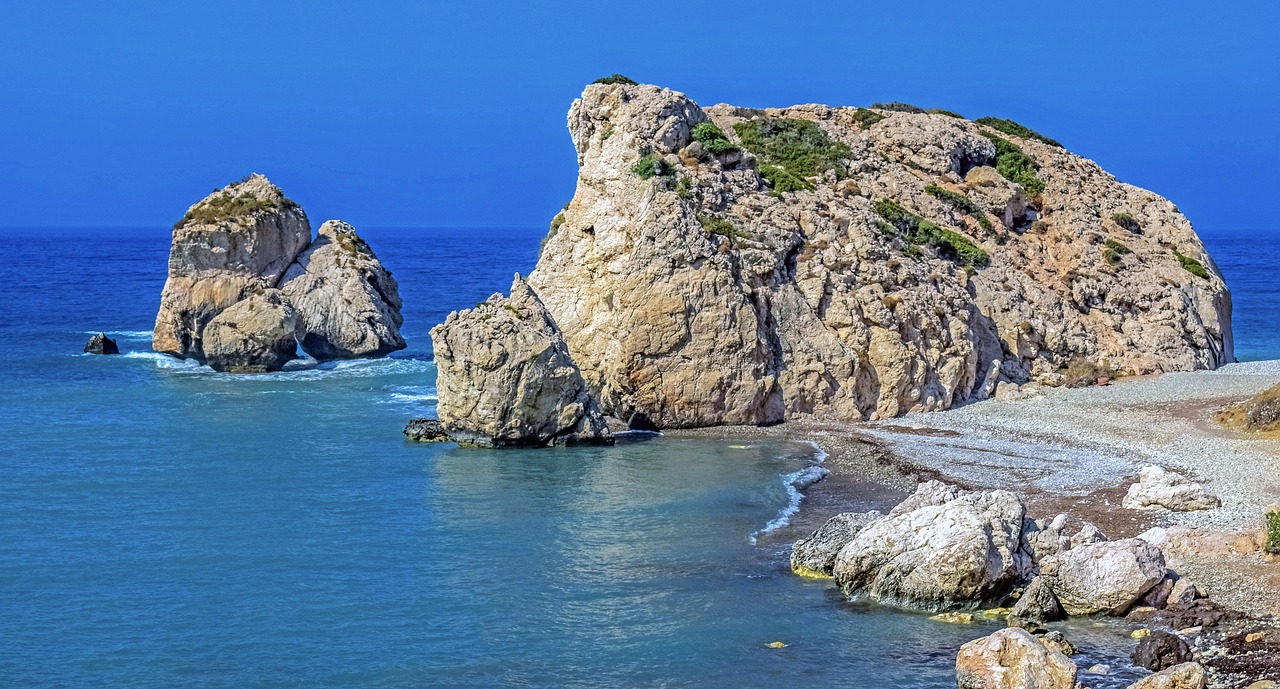
About 25 minutes east of Paphos on the coastal highway stands Petra tou Romiou, better known as Aphrodite’s Rock, the legendary birthplace of the goddess of love. The coastline here is dramatic: rock stacks rising from the sea, waves crashing against pebbles, and a road winding along cliffs.
The first time I came, I made the rookie mistake of arriving mid-day in July. It was beautiful but crowded and scorching. The second time, I came at sunrise. The beach was almost empty, the sea was a soft blue, and the rocks slowly turned pink as the sun climbed. That’s when I finally understood why this place has such a mythic aura.
Local lore says if you swim around the rock three times, you’ll gain eternal beauty or find true love. I’ve watched brave souls attempt it, but the sea can be rough, and the currents are strong—I don’t recommend swimming close to the rock. Stick to the shore for a safer dip.
Getting there: Best by car; there’s a small parking area and an underpass to the beach. Buses sometimes stop nearby but schedules can be sparse—check locally in 2026 for the latest.
6. Paphos Old Town (Ktima)
Old Town Paphos is where I go when I need a break from the beach and want to feel like I’m in a small Mediterranean town again. Over the last few years, the area has been lovingly restored: neoclassical buildings, street art, pedestrianized lanes, and new cafés mixing with old-school coffee houses.
I love wandering from the main square to the Municipal Market, then down to the narrow alleys decorated with murals. One evening in 2024, I found myself at a tiny wine bar where the owner poured generous tastings of local Xynisteri and Maratheftiko wines, explaining each one as if he were introducing friends.
Don’t miss:
- The main square at dusk, when locals gather and children play.
- The Municipal Market for local produce, spices, and a bit of everyday life.
- Street art lanes (ask a local to point you to the latest murals).
7. Saint Neophytos Monastery
About 20 minutes’ drive from Paphos, tucked into the hills near Tala village, lies the serene Saint Neophytos Monastery. Founded in the 12th century by the hermit Neophytos, parts of the monastery are literally carved into the rock.
I’ve visited three times now, and each visit feels like a reset. You step through the gate, and suddenly the city noise disappears. There’s birdsong, a small courtyard with plants, and inside the rock-cut Enkleistra (the hermit’s cell), incredible frescoes that somehow survived centuries of history.
Tips: Dress modestly (shoulders and knees covered). It’s an easy half-day trip; combine it with lunch in Tala or a drive through nearby villages. If you’re on a 4 day itinerary for Paphos, I strongly suggest making room for this.
8. Agios Georgios Pegeias & Sea Caves
Northwest of Coral Bay, the small harbor of Agios Georgios Pegeias feels worlds away from the busier beaches. There’s a small white church overlooking the sea, fishing boats bobbing in the water, and a scattering of ancient ruins nearby. The coastline beyond is dotted with sea caves and dramatic rock formations.
I like coming here in late afternoon for a gentle walk and a simple fish dinner overlooking the harbor. It’s not flashy, but that’s the point. On one visit, a local fisherman at the next table struck up a conversation and ended up sending over a plate of grilled octopus “because you can’t leave without trying this.”
9. Coral Bay Beach
Coral Bay is one of the easiest sandy beaches near Paphos, with shallow, usually calm waters, making it perfect for families and less confident swimmers. There are umbrellas, sun loungers, water sports, and plenty of food options within walking distance.
My Coral Bay days follow a familiar pattern: arrive mid-morning by bus from Paphos, pick a sun lounger near the water, read and swim until I get hungry, then wander up to the strip for a gyros or a meze lunch. If I’m staying until sunset, I’ll grab a drink at a beach bar and watch the sky turn orange and pink.
Budget tip: Bring your own umbrella and towels to save on lounger fees, especially if you’re here multiple days.
10. Paphos Ethnographic Museum
This privately run museum in Old Town is a gem that many visitors skip. Set in a beautiful old house, it’s filled with everyday objects from rural Cypriot life: tools, textiles, furniture, and archaeological finds.
I visited on a hot afternoon when I wanted shade and something quiet. The owner (a descendant of the family who created the collection) walked me through some of the pieces, explaining how people used to weave, farm, and celebrate in the area. It felt more like stepping into someone’s home than a formal museum.
11. Agia Kyriaki Chrysopolitissa & St. Paul’s Pillar
A short walk from the harbor, this active church is built among the ruins of a much older basilica. Wooden walkways lead you through mosaics and columns, and in one corner stands a pillar traditionally associated with Saint Paul, who is said to have been flogged here.
I like visiting at quieter times—early morning or around sunset. Once, I stumbled upon a small service inside; the voices of the choir floated out through open doors, blending with the rustling trees and distant sea. Even if you’re not religious, it’s a peaceful and historically rich spot.
12. Paphos District Archaeological Museum
This museum in the upper town ties together the story of Paphos and the surrounding district, from prehistoric times to the Roman era and beyond. It’s compact but dense with artifacts: pottery, statues, inscriptions, and everyday items.
On a windy day in January, I spent a couple of hours here piecing together the region’s history. The museum is especially useful if you’ve already visited the Archaeological Park and Tombs of the Kings; suddenly, all the ruins have context and faces.
13. Geroskipou Village & Loukoumi
Geroskipou is famous for its loukoumi (often called Turkish delight elsewhere), and several producers offer tastings. The village itself has a lovely church and traditional houses, and it makes a nice detour on your way to the beach.
I have a soft spot for food-related stops, so I naturally ended up at one of the loukoumi workshops. They handed me small pieces to sample—rose, bergamot, pistachio—and I left with a slightly sticky bag filled with gifts for friends. It’s also a good place to pick up other local sweets and nuts.
14. Paphos Coastal Path (Harbor to Chloraka & Geroskipou)
One of my favorite free things to do in Paphos is simply walking or cycling along the coastal path. It runs from Geroskipou Beach through Kato Paphos, past the harbor, and continues toward Chloraka and beyond, with the 2026 extensions making it even longer.
I love starting early, when the light is soft and locals are out jogging or walking their dogs. You pass beaches, hotel gardens, rocky stretches of coast, and occasional cafés where you can stop for a frappe or fresh juice. In the evening, it becomes one of the most romantic walks in the city.
15. Pafos Zoo
Located near Peyia, Pafos Zoo is a popular family attraction, especially if you have kids and are spending 4 days in Paphos or more. The zoo started as a private bird collection and grew into a wider animal park.
I visited with friends and their children, and their excitement was infectious. The highlight was the bird show, where parrots and owls swooped close overhead. While I usually prioritize wild nature over zoos, I can see why families appreciate the variety and shade here on a hot day.
Tip: Combine with Coral Bay or Akamas for a fuller day trip.
16. Akamas Peninsula National Park & Blue Lagoon
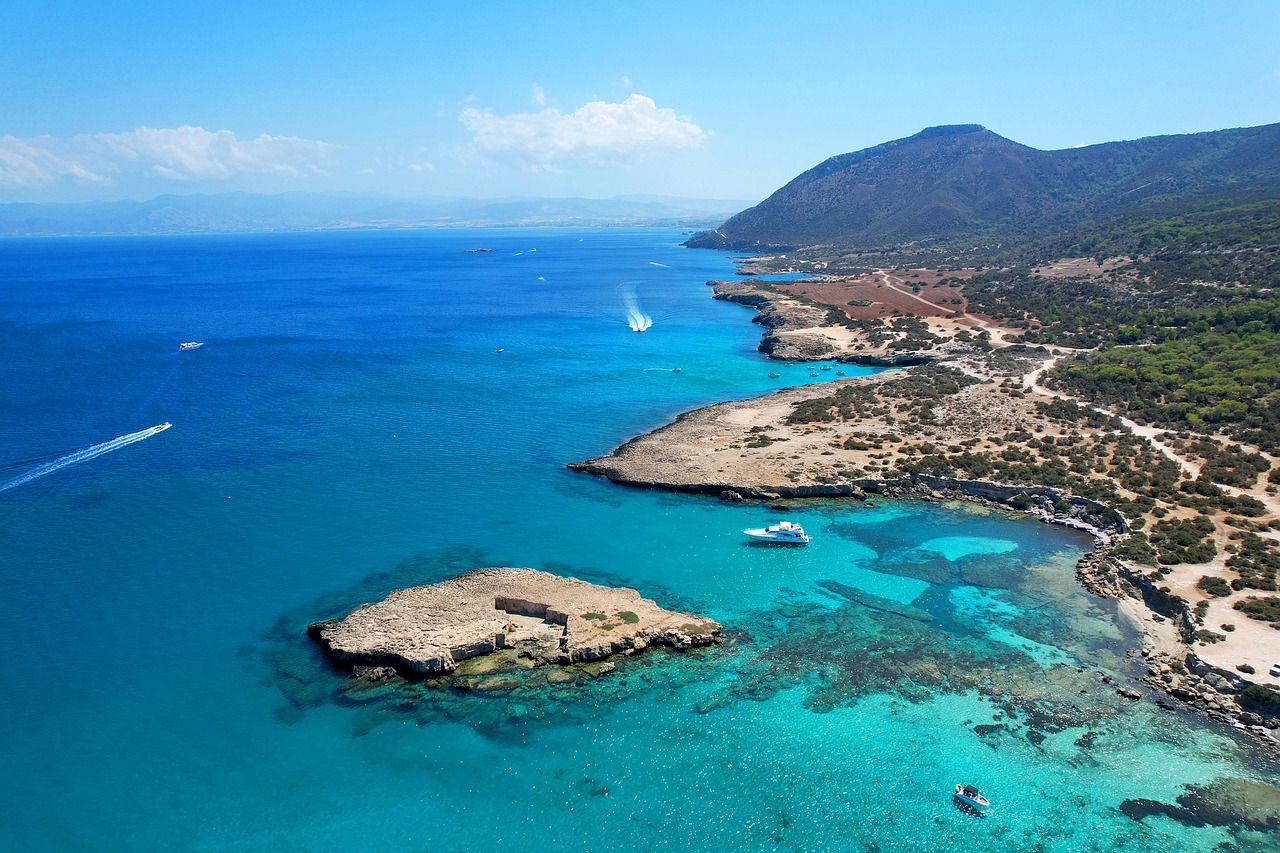
Strictly speaking, Akamas is a bit beyond Paphos, but it’s such a key part of any 5 day itinerary for Paphos that it belongs here. The Akamas Peninsula is a wild, rugged area with hiking trails, gorges, and bays, including the famous Blue Lagoon with its crystal-clear turquoise water.
On my first trip, I joined a boat tour from Latchi: we anchored in the Blue Lagoon, and I jumped into water so clear it felt like floating in glass. On another visit, I tried a 4x4 tour, bouncing along dirt tracks to secluded viewpoints. If you love nature and a bit of adventure, Akamas will be a highlight.
Tip: Don’t attempt deep Akamas trails with a regular rental car—roads can be rough. Use organized tours, boats, or proper 4x4s.
17. Baths of Aphrodite
At the edge of Akamas, near Latchi, lies a shaded grotto fed by a spring: the Baths of Aphrodite, where legend says the goddess bathed and met Adonis. The pool itself is small and protected (no swimming allowed), but the surrounding area has lovely viewpoints and the start of hiking trails.
I came here on a slightly overcast day, which made the greenery even lusher. After a short walk to the grotto, I followed a trail up the hill; at the top, the panoramic view over the coast made the climb worth it.
18. Paphos Wine Villages (Kathikas, Letymbou & Beyond)
North and east of Paphos, the hills are dotted with traditional villages and vineyards. Kathikas, in particular, is a favorite: stone houses, tavernas serving hearty food, and wineries offering tastings of local varieties like Xynisteri and Maratheftiko.
One autumn, I joined friends for a long lunch in Kathikas. We ordered a meze, and the dishes kept coming—grilled halloumi, village sausage, koupepia (stuffed vine leaves), slow-cooked lamb. Afterwards, we visited a nearby winery for a tasting that turned into an impromptu sunset gathering.
19. Adonis Baths Waterfalls
Adonis Baths is a privately run attraction inland from Paphos, with a small waterfall and pools where you can swim. Statues of Aphrodite and Adonis dot the area, and there’s a playful, slightly kitschy vibe.
I visited on a hot June afternoon; the water was refreshingly cold, and it was fun to swim under the falls. The access road is rough in parts, so drive carefully and avoid going right after heavy rain. If you’re short on time in a 3 day itinerary for Paphos, you can skip it, but for longer stays, it’s a refreshing break.
20. Lara Beach (Turtle Beach)
Lara Beach, on the Akamas peninsula, is a remote, protected bay where turtles nest. The sand is coarse, the water clear, and facilities minimal—that’s its charm. Conservation groups mark and monitor nests here, and there’s a sense of wildness missing from more developed beaches.
On my visit, we reached the beach by 4x4 along dusty tracks. A volunteer was present, explaining the turtle conservation work; we walked quietly along the shore, careful to avoid marked nests. Swimming here felt special, like being a guest in someone else’s home.
Important: Follow all posted rules, don’t disturb nests, and avoid bright lights at night during nesting season.
Suggested Itineraries: 3, 4 & 5 Days in Paphos
Below are story-style itineraries based on how I usually structure my trips. You can easily adapt them into a 3 day itinerary for Paphos, 4 day itinerary for Paphos, or 5 day itinerary for Paphos depending on how long you’re staying.
3 Days in Paphos: Classic Highlights
If you only have 3 days in Paphos, focus on the core: ancient sites, the harbor, Old Town, and one good beach session.
Day 1: Harbor, Castle & Paphos Mosaics
Start your first morning walking along the coastal path toward the harbor. I love grabbing a takeaway coffee from a kiosk and watching the city slowly wake up. Head straight into the Kato Paphos Archaeological Park to beat the heat and crowds. Spend a few hours exploring the Paphos mosaics and villas.
Emerging, have lunch at a taverna along the harbor—grilled fish or souvlaki, with a side of village salad. Afternoon is for the Paphos Medieval Castle and a gentle wander around the harbor shops. If you’re up for it, walk a stretch of the coastal path before dinner.
In the evening, choose a restaurant with castle views and time your meal for sunset. This is one of the most romantic simple pleasures in Paphos.
Day 2: Tombs of the Kings & Old Town
Catch the bus or drive up to the Tombs of the Kings in the morning. Explore the tombs at your own pace; I like taking breaks to sit and imagine the ancient funerary rituals that once took place here.
Afterwards, head up to Old Town Paphos (Ktima). Have lunch at a local taverna—try moussaka or kleftiko—and then spend the afternoon wandering: the Municipal Market, the square, street art alleys, maybe the Paphos Ethnographic Museum or Archaeological Museum.
Stay up here for sunset if you can; some viewpoints offer lovely sea panoramas. For dinner, pick a wine bar or bistro in Old Town for a quieter, more local evening.
Day 3: Beach Day at Coral Bay (or Aphrodite’s Rock)
For your final day, go full relaxation mode. Take the bus to Coral Bay Beach and spend the day swimming, sunbathing, and sampling local snacks. If you prefer something more dramatic, rent a car and drive to Petra tou Romiou (Aphrodite’s Rock) instead, pairing it with a village lunch stop.
Return to Paphos for one last harbor stroll. If you haven’t yet, stop by Agia Kyriaki Chrysopolitissa and St. Paul’s Pillar—they’re especially atmospheric in the evening light.
4 Days in Paphos: Adding Monasteries & Wine
With 4 days in Paphos, you can keep the 3-day structure and add a day inland.
Day 4: Saint Neophytos Monastery & Wine Villages
Rent a car for the day or join a small-group tour. Drive to Saint Neophytos Monastery in the morning, soaking in the peace and frescoes. Continue to a wine village like Kathikas for a long lunch and a winery visit. I like ending the day at a village café, sipping local wine and watching the sky fade behind the hills before heading back to Paphos.
5 Days in Paphos: Full Experience with Akamas
With 5 days in Paphos, you can fit in everything above plus a full nature day.
Day 5: Akamas & Blue Lagoon
Head to the Akamas Peninsula. My favorite way is to drive or bus to Latchi, then take a boat tour to the Blue Lagoon. Swim in the clear water, explore the coastline, and maybe stop at the Baths of Aphrodite afterwards. If you’re more of a hiker, opt for a guided walk instead, but pack sturdy shoes and plenty of water.
Return to Paphos pleasantly exhausted, with salt in your hair and that specific kind of content tiredness that only a day in nature brings.
Local Food & Drink in Paphos
Cypriot cuisine is a delicious blend of Greek, Middle Eastern, and local island influences. Eating well is non-negotiable here, and it’s one of my favorite aspects of visiting.
Must-Try Dishes
- Meze: A sequence of many small dishes (often 15–20): dips, salads, grilled meats, seafood, vegetables. Great for groups.
- Halloumi: Grilled or fried; squeaky, salty, and addictive.
- Kleftiko: Slow-cooked lamb, traditionally baked in a sealed clay oven.
- Souvlaki & Sheftalia: Skewers of meat and herb-infused sausages, often in pita with salad.
- Koupepia: Vine leaves stuffed with minced meat and rice.
- Lountza & Halloumi Pita: Smoked pork and cheese in pita bread, my favorite quick lunch.
- Loukoumi: Soft, sugary sweets flavored with rose or citrus from Geroskipou.
Drinks to Try
- Cypriot Coffee: Strong, small, and best sipped slowly at a café.
- Local Wines: Especially Xynisteri (white) and Maratheftiko (red).
- Commandaria: Sweet dessert wine, one of the oldest named wines in the world.
- Zivania: Strong spirit; sip carefully.
Where to Eat (Personal Favorites)
Names change and new places pop up, but here’s the type of spots I gravitate toward:
- Harbor Tavarnas: Great for fresh fish and sea views—perfect for your first or last night.
- Old Town Bistros: Creative takes on traditional dishes, good wine lists, and cozy atmospheres.
- Village Taverns in Kathikas or Tala: For long, slow meze lunches with locals.
- Bakeries Everywhere: Grab spanakopita (spinach pie), tahinopita (tahini pastry), or local bread for budget-friendly breakfasts.
Saving Money on Food
- Eat your main meal at lunch; some tavernas have cheaper lunchtime menus.
- Skip harbor tourist traps with aggressive touts; walk a couple of streets back for better prices.
- Shop at supermarkets or the Municipal Market for fruit, water, and snacks.
- Share a meze instead of ordering individual main courses.
Nightlife, Entertainment & Cultural Experiences
Paphos is not a wild party town like some other Mediterranean resorts, but it has a good mix of relaxed bars, live music, and a few late-night spots.
Nightlife Zones
- Kato Paphos Harbor & Coastal Road: Cocktail bars, pubs showing sports, and restaurants open late.
- Old Town: Wine bars, craft cocktails, and occasional live jazz or acoustic sets.
- Coral Bay Strip: More holiday resort vibe with karaoke bars and casual pubs.
Cultural Experiences
- Paphos Aphrodite Festival (September): Open-air opera at the castle.
- Local Festivals: Look out for village wine festivals, Easter processions, and summer cultural nights in the square.
- Traditional Music Nights: Some tavernas host live bouzouki and folk dances—ask around locally.
One of my favorite evenings in Paphos was entirely unplanned: I followed the sound of music in Old Town and found a small courtyard where a local band was playing. Strangers shared tables, bottles of wine were passed around, and by midnight, everyone was clapping and singing along.
Day Trips & Nearby Attractions from Paphos
If you’re here for a 4 day itinerary for Paphos or longer, consider these day trips:
- Akamas Peninsula & Blue Lagoon: Boat tours from Latchi, 4x4 safaris, or guided hikes.
- Troodos Mountains: Cooler air, hiking trails, painted churches, and villages like Omodos.
- Limassol Old Port & Marina: About an hour’s drive; combine with Kourion archaeological site.
- Polis & Latchi: Quiet beaches, seafood tavernas, gateway to Akamas.
- Village Hopping: Drive between villages like Lefkara, Omodos, and Platres for lace, sweets, and mountain views.
Tip: For most of these, renting a car for a day is the easiest option, but there are also organized tours if you prefer not to drive.
Cultural Etiquette & Local Customs in Paphos
Cypriots are warm, hospitable, and used to visitors, but a bit of cultural awareness goes a long way.
Greetings & Politeness
- Use a friendly “Hello” or “Yia sou / Yia sas” (informal/formal) and “Efharisto” (thank you).
- People appreciate attempts at Greek words but switch easily to English.
Dress & Behavior
- Beachwear is for the beach; cover up in town, shops, and especially in churches/monasteries.
- At religious sites, cover shoulders and knees; avoid loud talking.
- Tipping 5–10% in restaurants is appreciated, especially if service is good.
Dining Customs
- Meals are often slow and social; don’t expect rapid turnover.
- It’s common to share dishes, especially meze.
- Don’t be surprised if you’re offered fruit or a small dessert “on the house.”
Practical Travel Advice for Paphos (2026)
When to Visit Paphos
- March–May: Ideal for sightseeing, hiking, and a quieter 3 day itinerary for Paphos. Wildflowers bloom, temperatures are pleasant.
- June–August: Hot, busy, best for beach lovers. Plan archaeological visits early or late in the day.
- September–October: My favorite: warm sea, fewer crowds, great for both beaches and culture.
- November–February: Mild winter; some tourist services scale back, but it’s peaceful and good for long stays.
Getting Around Paphos
- On Foot: Kato Paphos and the harbor are very walkable.
- Buses: Regular routes connect the harbor, Tombs of the Kings, Coral Bay, Old Town, and Geroskipou. They’re cheap and decent for main routes.
- Car Rental: Best for exploring villages, wineries, and Akamas. Remember: driving is on the left (UK style).
- Taxis & Ride Apps: Widely available; agree on price or ensure meter is on.
Foreign Driver’s Licenses
Most visitors from the EU, UK, and many other countries can drive in Cyprus with their national driving license for short stays. An International Driving Permit can be useful but is not always required; check your country’s specific agreement with Cyprus before you travel.
SIM Cards & Connectivity
- Local providers include Cytamobile, Epic, and Primetel.
- Prepaid SIMs are easy to get at the airport or in town; bring your passport.
- eSIM options are increasingly available if your phone supports it.
Money & Costs
- Currency: Euro (€).
- Cards are widely accepted, but keep some cash for small purchases or village stops.
- Paphos can be good value compared to other Mediterranean destinations, especially if you eat at local tavernas and use buses.
Visa Requirements
Cyprus is in the EU but not yet fully in the Schengen Area (as of early 2026). Many nationalities (including most of Europe, the UK, US, Canada, Australia, and others) can enter visa-free for short stays. Always check the latest entry requirements and any ETIAS/Schengen-related changes before travel, as regulations are evolving for 2026–2027.
Health & Safety
- Paphos is generally very safe; normal urban precautions apply.
- Tap water is generally safe, but many locals prefer bottled or filtered for taste.
- Summer sun is strong—use sunscreen, hats, and stay hydrated.
Hidden Money-Saving Tips
- Use the intercity buses if you’re not renting a car; they’re cheaper than taxis between cities.
- Stay in an apartment with a kitchenette and eat breakfast “at home.”
- Buy water in large bottles from supermarkets instead of small ones from kiosks.
- Look for lunch specials and avoid the most obvious tourist traps right on the main promenade.
Summary: Key Takeaways & Best Time to Visit Paphos
Paphos is one of those destinations that works beautifully whether you’re plotting a packed 3 day itinerary for Paphos or a slow, sun-drenched 5 day itinerary for Paphos. It balances ancient history (mosaics, tombs, monasteries) with easy beach life, village charm, and good food.
If you’re mainly here for beaches and nightlife, aim for June–September. If you care more about cultural experiences in Paphos, walking the archaeological sites, and cooler temperatures, choose March–May or September–November. Winter is for long, quiet stays and digital nomads escaping harsher climates.
However you structure your travel guide for Paphos into reality—whether it’s 3 days in Paphos focused on must-see attractions, 4 days in Paphos with wine villages, or 5 days in Paphos including Akamas—give yourself time to simply sit with a coffee by the harbor, watch the light change on the sea, and let the city’s easy rhythm sink in. That’s when Paphos stops being just a destination and starts feeling like a place you might one day come back to, again and again.