Why Visit Prague in 2026
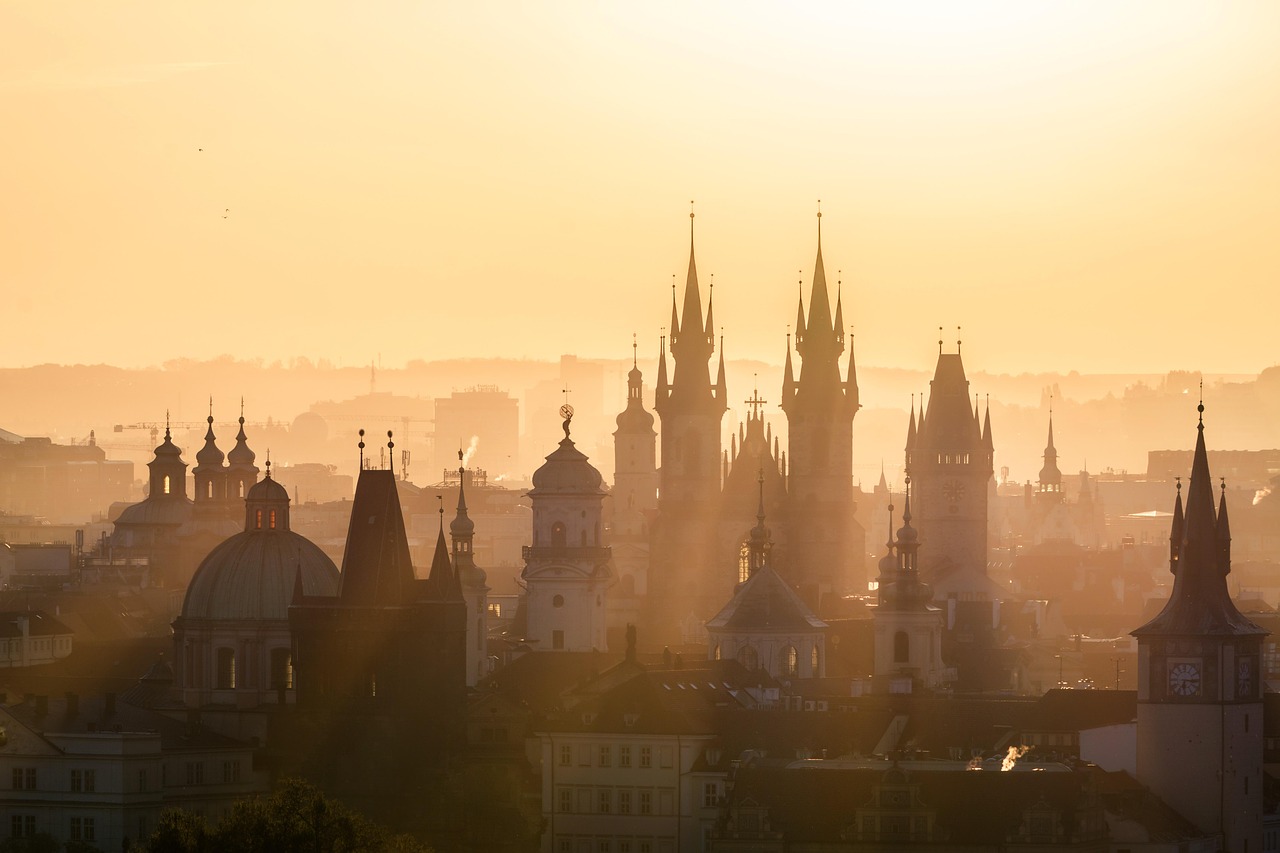
Prague is one of those cities that gets under your skin quietly. It’s not just the postcard skyline of red roofs, spires, and the Vltava River; it’s the way tram bells echo off cobblestones at dusk, the smell of fresh trdelník and roasted pork drifting through Old Town, and the fact that you can wander for hours and still stumble into yet another hidden courtyard, wine bar, or tiny chapel.
In 2026, Prague feels especially alive. The city has bounced back fully from the pandemic years, but it hasn’t forgotten the slower, more local way of doing things. Cafés stay cozy and unhurried, neighborhood pubs are still full of regulars, and big museums are pairing classic Czech history with modern, interactive exhibits. You’ll find a good balance: the major must-see attractions in Prague are as spectacular as ever, yet it’s still easy to find quiet backstreets and authentic local spots.
Whether you’re here for 3 days in Prague or planning a deeper 5 day itinerary for Prague, this city offers a rare combination: medieval architecture, world-class beer, affordable prices (especially compared to Western Europe), a rich cultural scene, and a compact historic center that’s walkable and safe. It’s a city that works equally well for a romantic escape, a family trip, or an adventurous solo journey.
Table of Contents
- Why Visit Prague in 2026
- Prague at a Glance
- Suggested Itineraries (3–5 Days in Prague)
- 20 Must-See Attractions in Prague (With Local Stories)
- Neighborhoods & Districts to Explore
- Local Food in Prague: What & Where to Eat
- Nightlife, Entertainment & Cultural Experiences
- Best Day Trips from Prague
- Cultural Etiquette & Local Customs in Prague
- Practical Travel Tips for Prague (2026–2027)
- Summary & Best Time to Visit Prague
Prague at a Glance
I’ve been living between Prague and other European cities for years, and every time I return, I find it remarkably easy to settle back in. The airport is compact, public transport is reliable, and the historic center is small enough to explore on foot. Yet the city has layers: medieval Old Town, Habsburg-era grandeur, Communist-era relics, and a modern creative scene spread across former industrial districts.
- Population: About 1.3 million (2026)
- Currency: Czech koruna (CZK)
- Language: Czech (English widely spoken in central areas)
- Best for: History lovers, architecture fans, foodies, beer enthusiasts, couples, families, and budget-conscious travelers
- Good trip length: A minimum of 3 days in Prague, ideally 4–5 days if you want day trips and a slower pace
In 2026–2027, Prague is hosting several major events, including expanded programming around the Prague Spring International Music Festival, new exhibitions at the National Museum focusing on 20th-century Czech history, and rotating light installations on iconic buildings during autumn culture weeks. Expect more outdoor concerts, food festivals, and microbrewery events, especially from May to September.
Suggested Itineraries: 3–5 Days in Prague
Below are flexible itineraries that I’ve road-tested with visiting friends and family. You can mix and match depending on your interests, but they’re designed to balance must-see attractions in Prague with quieter, more local corners and plenty of time to sit, sip, and people-watch.
3 Day Itinerary for Prague: The Essentials
If you only have 3 days in Prague, focus on the historic core, the castle area, and a taste of local neighborhoods.
Day 1: Old Town, Charles Bridge & the River
My all-time favorite way to start any stay in Prague is to walk straight into Old Town at dawn or early morning, when it’s still quiet enough to hear your footsteps on the cobblestones.
- Morning: Old Town Square, Astronomical Clock, Týn Church, wander the crooked lanes
- Afternoon: Jewish Quarter (Josefov), riverside walk, Klementinum view
- Evening: Charles Bridge at sunset, dinner in Malá Strana
Day 2: Prague Castle & Lesser Town (Malá Strana)
Dedicate your second day to the castle and its surroundings, with time left for a relaxed beer garden sunset.
- Morning: Prague Castle complex, St. Vitus Cathedral, Golden Lane
- Afternoon: Nerudova Street, Wallenstein Garden, Kampa Island
- Evening: Letná beer garden or riverside drinks
Day 3: New Town, Vyšehrad & Local Life
On your last day, leave the main tourist drag and see how locals live, without skipping the powerful history of Wenceslas Square.
- Morning: Wenceslas Square, National Museum
- Afternoon: Vyšehrad fortress, riverside walk, Vinohrady cafés
- Evening: Žižkov bar or beer garden, or a classical concert
4 Day Itinerary for Prague: Essentials + Neighborhoods
With 4 days in Prague, you can add more local neighborhoods and a deeper dive into cultural experiences.
Follow the 3-day itinerary above, then add:
Day 4: Holešovice & Letná – Creative Prague
- Morning: DOX Centre for Contemporary Art, café brunch
- Afternoon: Stromovka Park or National Gallery, Letná viewpoints
- Evening: Craft beer bars, local bistros in Letná/Holešovice
5 Day Itinerary for Prague: Slow & Satisfying
The ideal 5 day itinerary for Prague gives you time to breathe: you can keep the 4-day plan and add a day trip or a super-local day.
Option A – Day Trip Focus:
- Day 5: Day trip to Kutná Hora (bone church), Karlštejn Castle, or Český Krumlov
Option B – Deep Local Focus:
- Day 5: Markets (Naplavka or Jiřího z Poděbrad), Žižkov, hidden gardens, local pub evening
20 Must-See Attractions in Prague (With Local Stories & Tips)
These are the places I keep returning to with new visitors, and also when I wander alone with a camera and no agenda. Each subsection blends history, significance, and small, practical details that make your visit smoother.
1. Prague Castle (Pražský hrad)
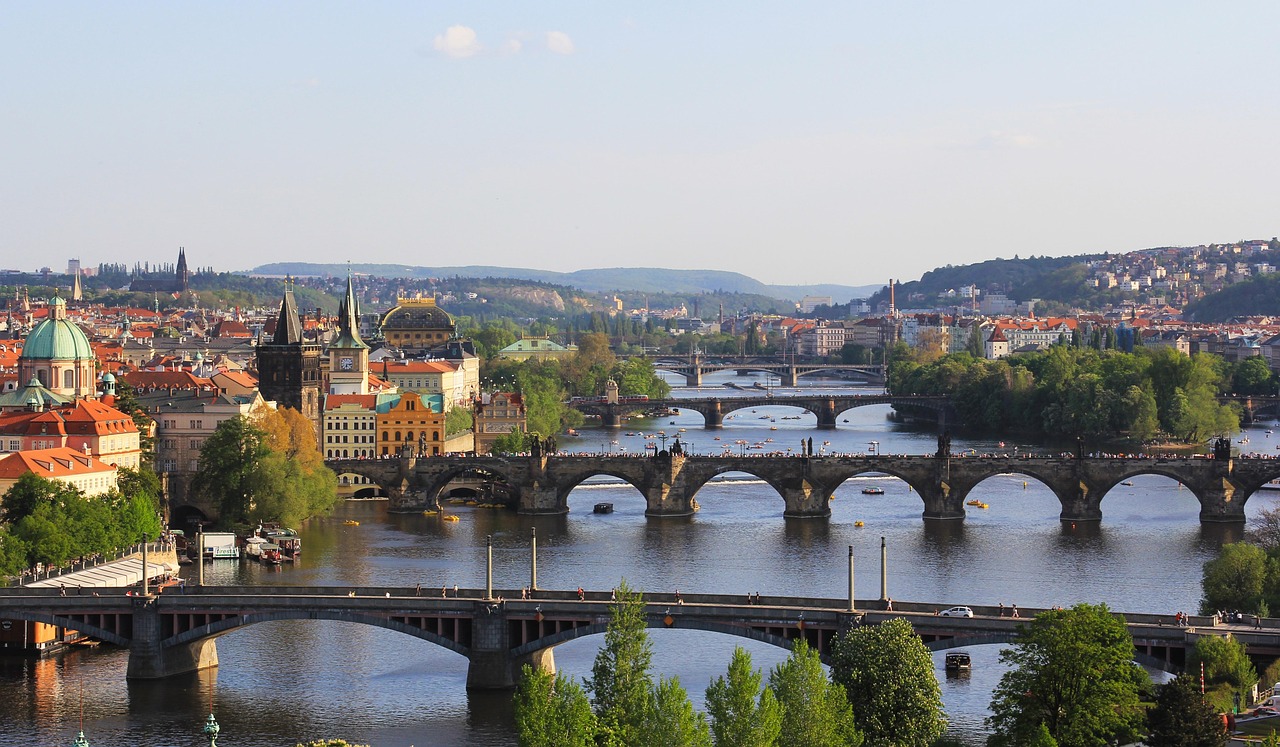
Prague Castle is not a single building but a whole fortified complex — palaces, courtyards, gardens, and churches sitting on a hill above the city. It’s one of the must-see attractions in Prague and dominates almost every skyline photo.
The first time I visited, I made the rookie mistake of arriving at 11 a.m. in July, in the middle of a tour bus avalanche. Now I always go right at opening time, usually taking tram 22 to Prašný most and walking in from the back, which is much less crowded.
Highlights:
- St. Vitus Cathedral: Gothic spires, stained glass by Alfons Mucha, and a serene (if sometimes crowded) interior.
- Old Royal Palace: Once the seat of Bohemian kings; the Vladislav Hall’s vaulted ceiling feels like an upside-down ship.
- Golden Lane: Tiny, colorful houses that once belonged to castle workers and later artisans; touristy, but still atmospheric early or late in the day.
- Castle Gardens: In warmer months, these terraces give you some of the best views across the Vltava and Old Town.
Practical tips: Buy the combined ticket that includes the main interiors if it’s your first time. Plan at least 3–4 hours. The changing of the guard happens hourly; the big ceremony with music is at noon but draws crowds. Dress modestly for cathedral visits (no problem with shorts in summer, but avoid beachwear).
Food nearby: Inside the complex, prices are higher; I usually walk down Nerudova Street afterward and duck into a side-street restaurant for goulash or svíčková (sirloin with creamy sauce and dumplings). For a quick snack, grab a klobása (sausage) from a stand near Malostranské náměstí.
2. Charles Bridge (Karlův most)
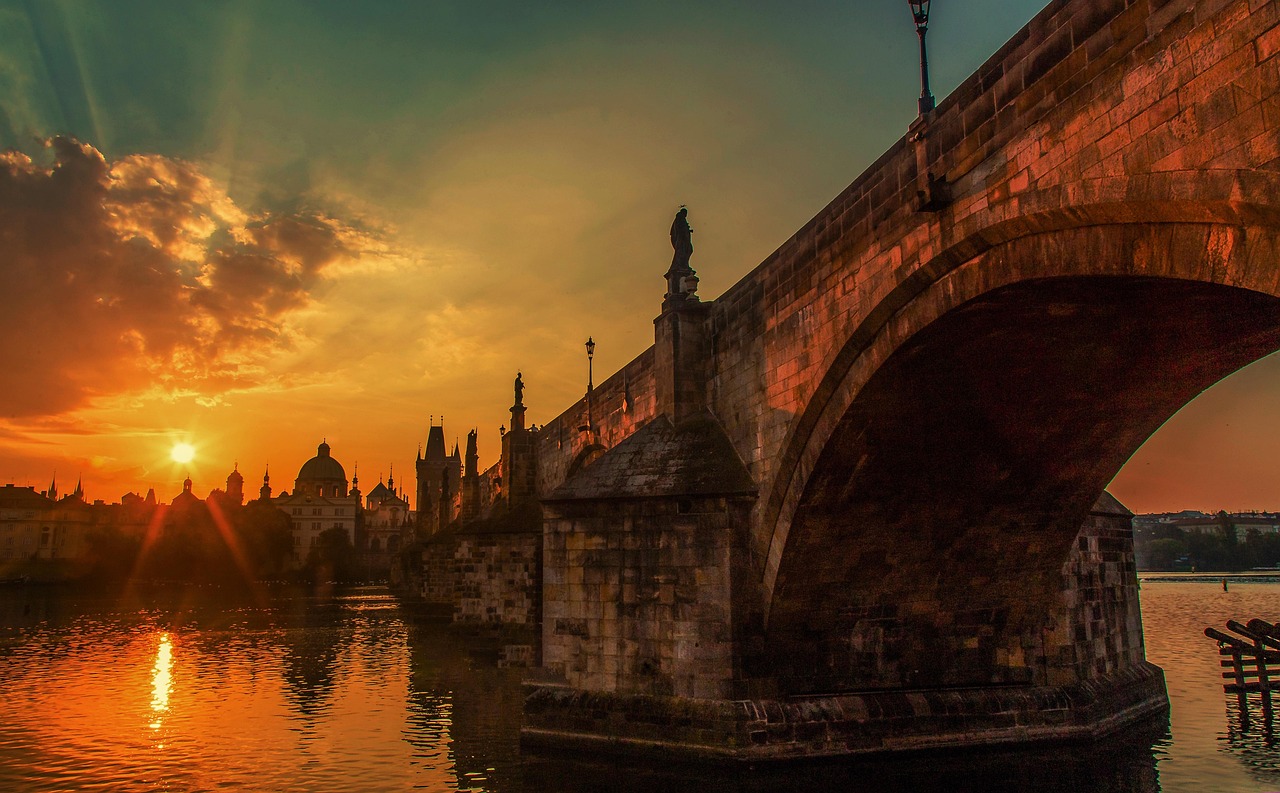
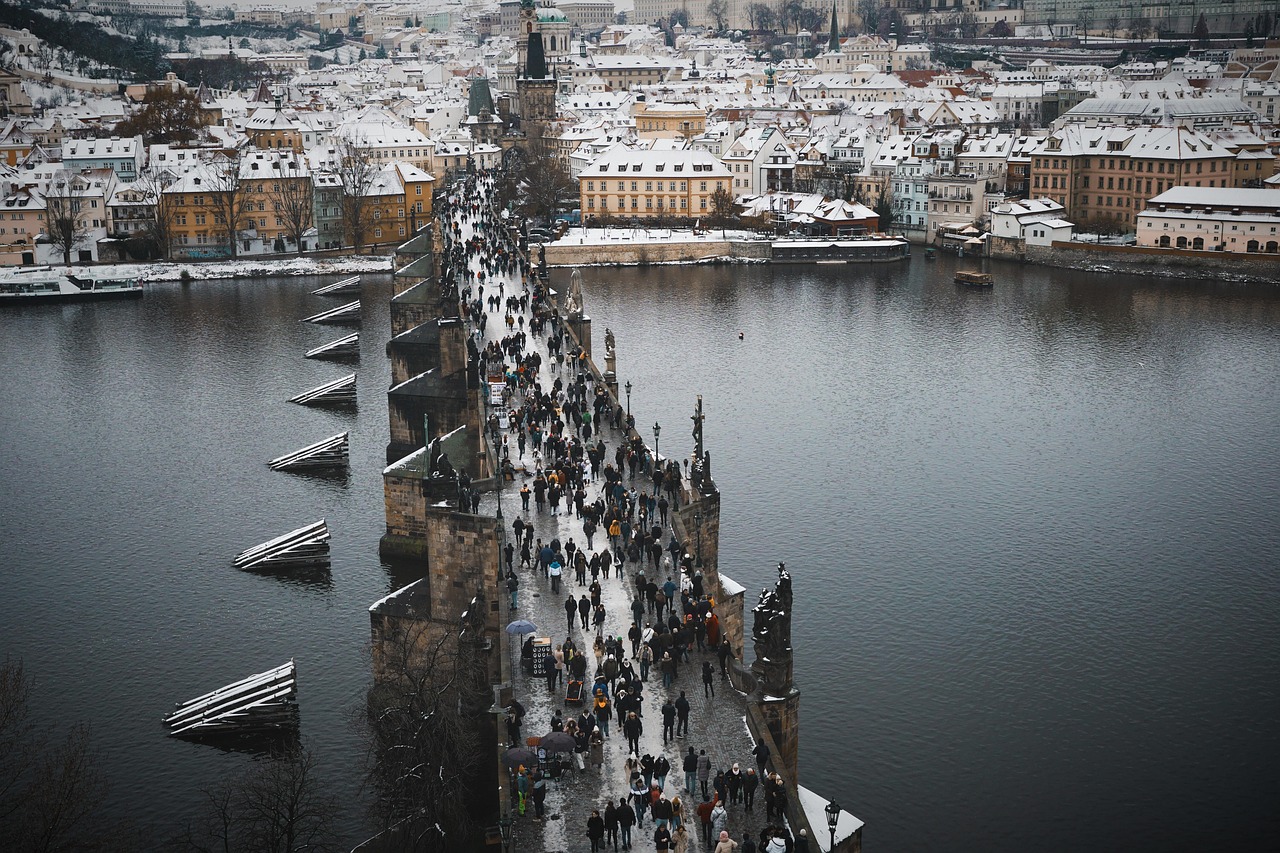
Charles Bridge is the stone spine connecting Old Town and Lesser Town. No matter how many times I cross it, I still find myself slowing down, tracing the worn cobblestones with my eyes, and watching the riverboats slide underneath.
The bridge dates back to the 14th century under King Charles IV, built to replace the earlier Judith Bridge. It’s lined with baroque statues (mostly replicas now) of saints and historical figures, each with its own story — from miraculous healings to rather gruesome martyrdoms.
Best time to visit: Go at sunrise. I know that sounds like guidebook cliché, but it’s worth the early alarm. One winter morning, around 7 a.m., it was just me, a couple of photographers, and a street musician playing soft jazz. The city felt like it belonged only to us.
At midday, the bridge becomes a lively theater: artists, caricaturists, buskers, and tour groups. It’s a good place for people-watching, but keep an eye on your belongings.
Photo tip: For classic skyline shots, stand near the Old Town bridge tower and frame the castle in the background. For romantic photos, head down to Kampa Island and shoot up toward the bridge arches.
3. Old Town Square & Astronomical Clock
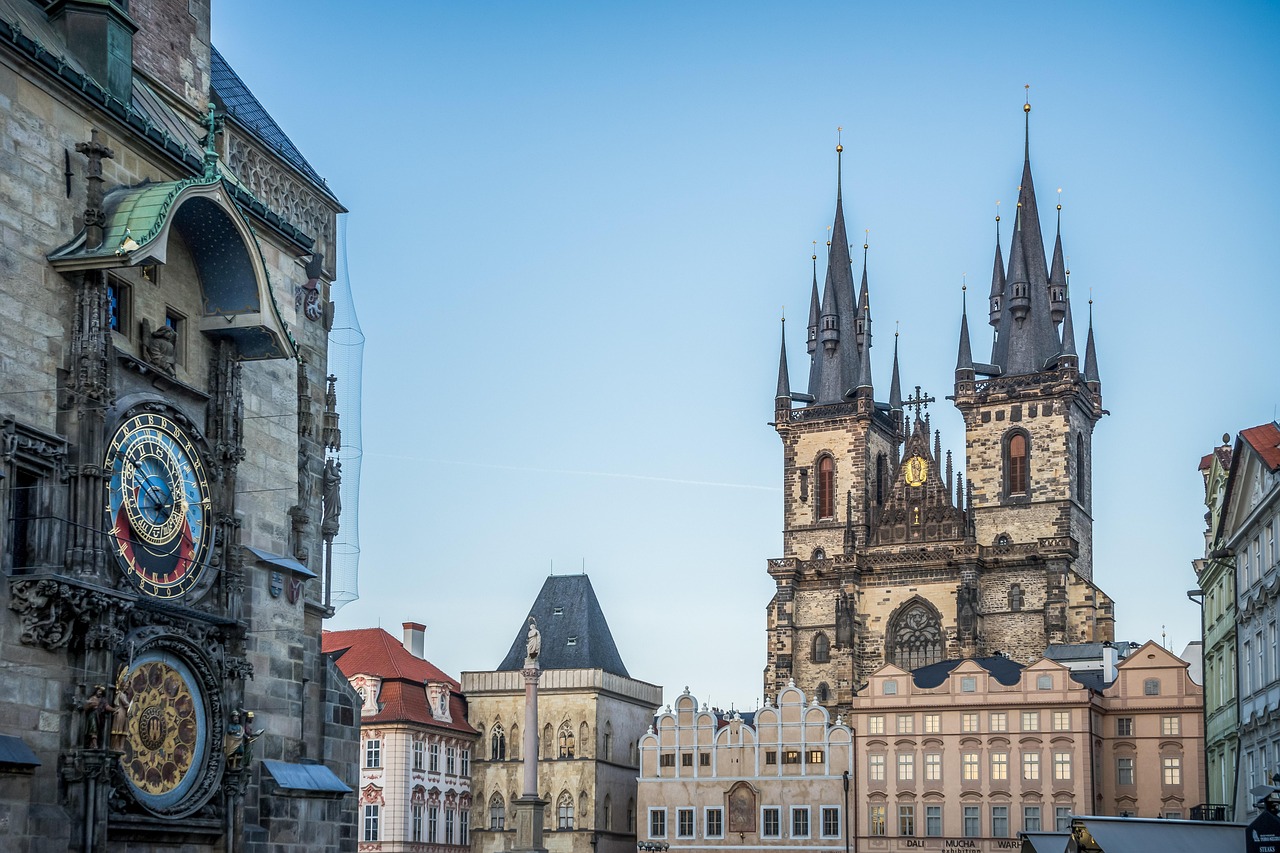
Old Town Square is the heart of the historic center: pastel façades, outdoor café tables, and the unmistakable twin towers of the Church of Our Lady before Týn rising like something out of a fantasy novel.
The square has seen everything from medieval markets to political demonstrations and is still the city’s main stage. In 2026–2027, it hosts seasonal markets (Easter, Christmas), open-air concerts, and occasional projection mapping shows on the facades.
Astronomical Clock (Orloj): On the hour, from 9 a.m. to 11 p.m., a small procession of apostles appears in the windows above the clock face. The clock itself is a 15th-century astronomical wonder, showing not just time but the position of the sun and moon, zodiac signs, and more.
Many first-timers find the show a bit underwhelming compared to the crowds it draws, but the mechanism and symbolism are fascinating if you take a moment to read about them. I recommend catching the show once, then climbing the Old Town Hall tower for a bird’s-eye view of the square.
Tip: Avoid eating at the most obvious tourist traps on the square; instead, head a couple of streets away for better prices and quality. I often grab a coffee from a side street café and sit on the edge of the square for free people-watching instead.
4. Jewish Quarter (Josefov)
Josefov is one of the most moving areas in Prague. Once a cramped, walled ghetto, it was largely demolished and rebuilt in the 19th century, but several synagogues and the old cemetery remain.
Every time I walk through, I’m struck by the contrast between elegant Parisian-style streets and the quiet gravity of the historic sites.
Key sights:
- Old Jewish Cemetery: Thousands of gravestones crammed into a small space, layered over centuries because the community wasn’t allowed more land.
- Pinkas Synagogue: Its walls are inscribed with the names of nearly 80,000 Czech and Moravian Jews murdered in the Holocaust. It’s a place where conversations naturally become whispers.
- Spanish Synagogue: Moorish-style interior, recently restored, with delicate gold details and exhibitions on Jewish history in the region.
Practical tips: Get the combined ticket covering several synagogues and the cemetery. Plan 2–3 hours. Dress modestly and behave respectfully; this isn’t just another tourist site.
5. Wenceslas Square (Václavské náměstí)
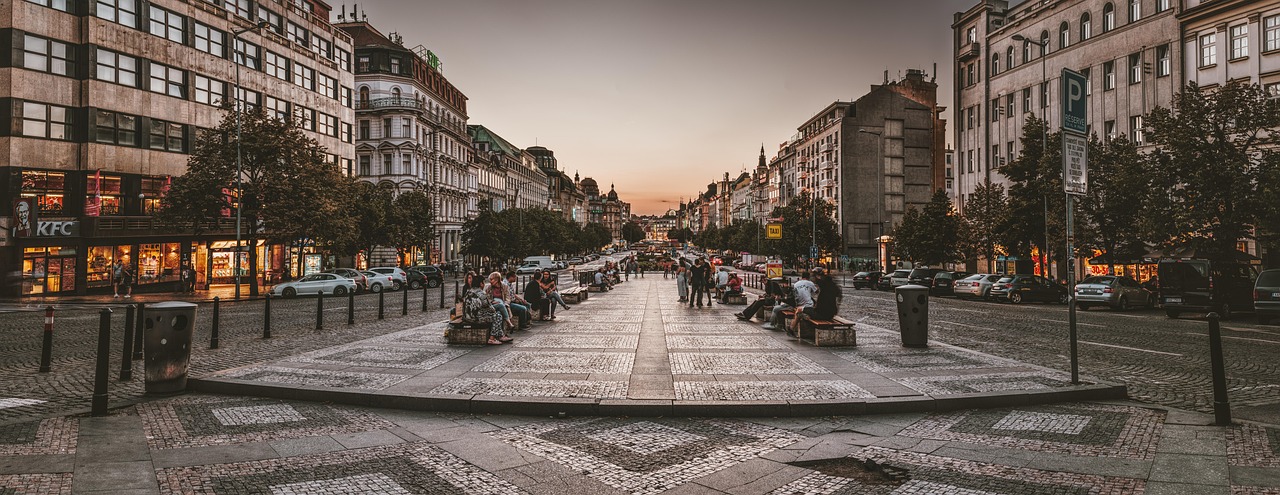
Wenceslas Square is less a square and more a long, sloping boulevard, anchored by the National Museum at one end and a statue of Saint Wenceslas on horseback.
This is where Prague’s modern history played out: demonstrations during the Prague Spring in 1968, the self-immolation of Jan Palach in protest, and massive crowds during the Velvet Revolution of 1989. I still get a small shiver walking up toward the museum, imagining the sea of people and jangling keys demanding freedom.
Today, the square is a mix of shops, hotels, fast food, and historic buildings. It’s not everyone’s favorite area, but it’s essential context for understanding the city’s 20th century.
Tip: Combine your visit with time at the National Museum, especially the modern history exhibits, which have been significantly updated in the last few years with multimedia displays in English.
6. Vyšehrad Fortress
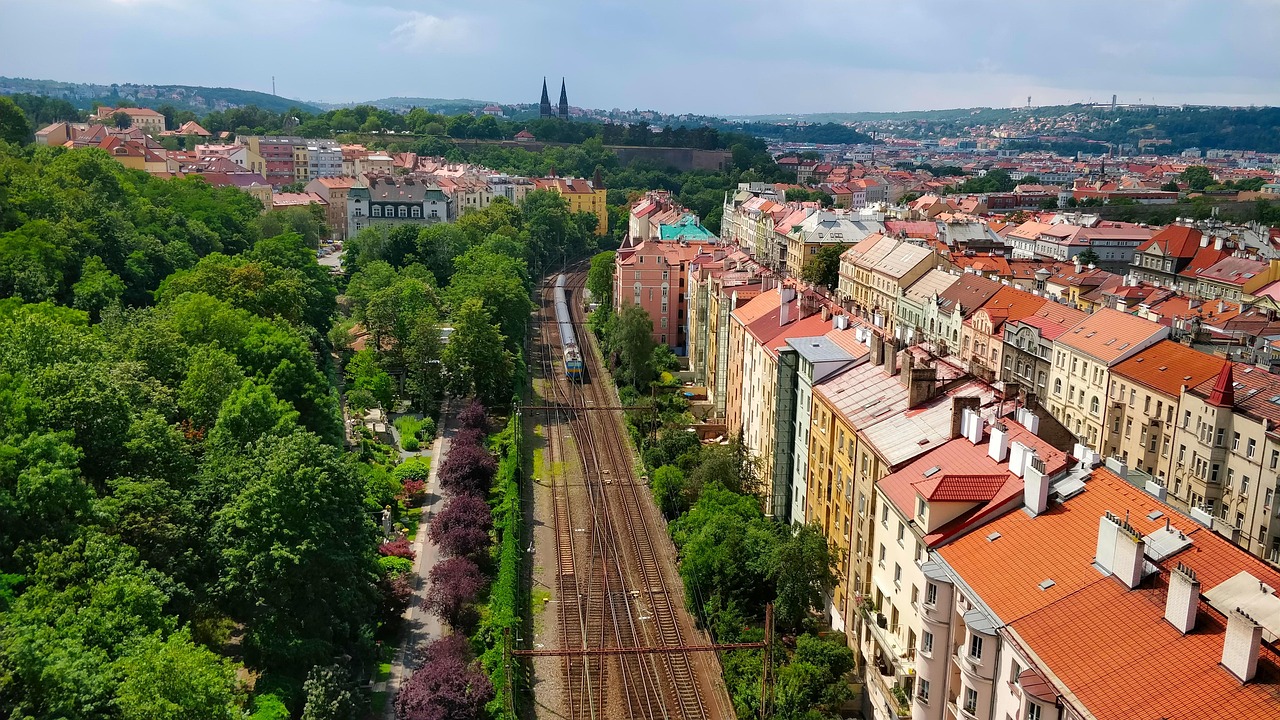
Vyšehrad is where I go when I want to remember that Prague can still be quiet. Perched on a cliff above the Vltava, it’s older than the current castle and wrapped in legends about the city’s founding.
There’s a small basilica (Saints Peter and Paul), a historic cemetery where Czech luminaries like Dvořák and Mucha are buried, and grassy ramparts with sweeping river views. On summer evenings, you’ll see locals picnicking with wine and children rolling down the slopes.
I often bring visiting friends here on their last day. We walk the perimeter, talk about their trip, and watch the sunset paint the river orange.
Practical tips: Take the metro to Vyšehrad station and walk 10 minutes. There’s no entrance fee for the grounds. It’s family-friendly and great for picnics; pick up snacks at a supermarket near the metro before you go.
7. Kampa Island
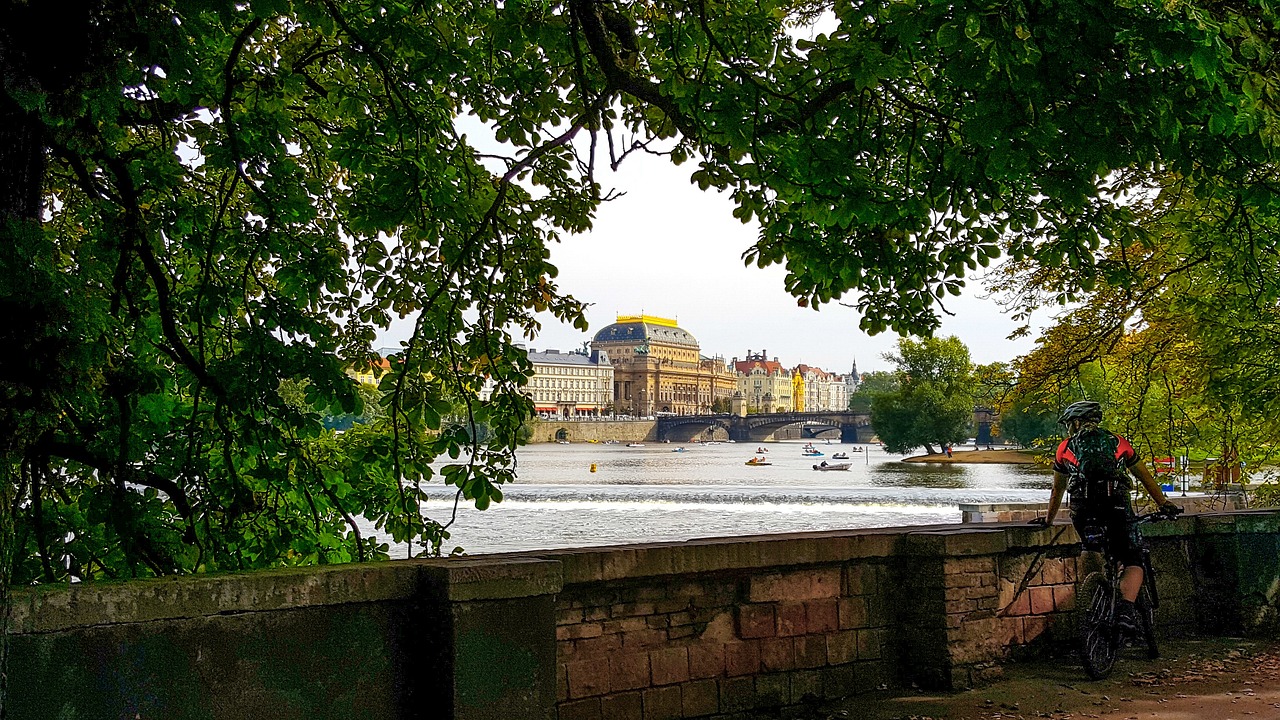
Just a few steps from the Charles Bridge, Kampa feels like a small village. The island is carved by a narrow canal called Čertovka (“Devil’s Stream”) and offers quiet riverside walks, art installations, and grassy patches perfect for a short rest.
I like to sit on the low walls by the river with a takeaway coffee, watching ducks and swans drift by with the bridge overhead. Families love the playgrounds; couples gravitate to the bench-lined paths.
Highlights: The quirky “Crawling Babies” sculptures by David Černý outside the Kampa Museum, waterwheels on the canal, and night reflections of the bridge lights on the water.
8. Letná Park & Beer Garden
Letná is where Prague goes to breathe. Sprawling lawns, walking and cycling paths, and one of the best panoramic views of the city — the classic shot of multiple bridges in a row is taken from here.
On warm evenings, I often end up at the Letná beer garden with friends. The setup is simple: long wooden tables under the trees, draft beer from a kiosk, and a kiosk-style food stand. The view over Old Town and the castle is phenomenal, especially at sunset.
Family-friendly? Absolutely. Kids run around freely, there’s a skate park nearby, and plenty of open space.
Tip: Bring cash (some kiosks still prefer it), and maybe a light jacket; it can get breezy after dark.
9. Petřín Hill & Lookout Tower
Petřín Hill is the leafy lung on the castle side of the river. You can hike up through orchards and wooded paths or take the funicular from Újezd. At the top stands Petřín Lookout Tower, often called Prague’s mini Eiffel Tower.
On my last climb up Petřín Tower, the wind was so strong the structure hummed faintly. From the top, the city stretches in every direction: red roofs, church spires, and distant panelák (Communist-era apartment blocks) on the horizon.
Other attractions on the hill: Mirror maze (fun with kids), gardens, and quiet paths perfect for a romantic stroll.
Tip: This is a great spot for a picnic; I sometimes grab pastries and fruit in Malá Strana and make a slow afternoon of it.
10. Dancing House (Tančící dům)
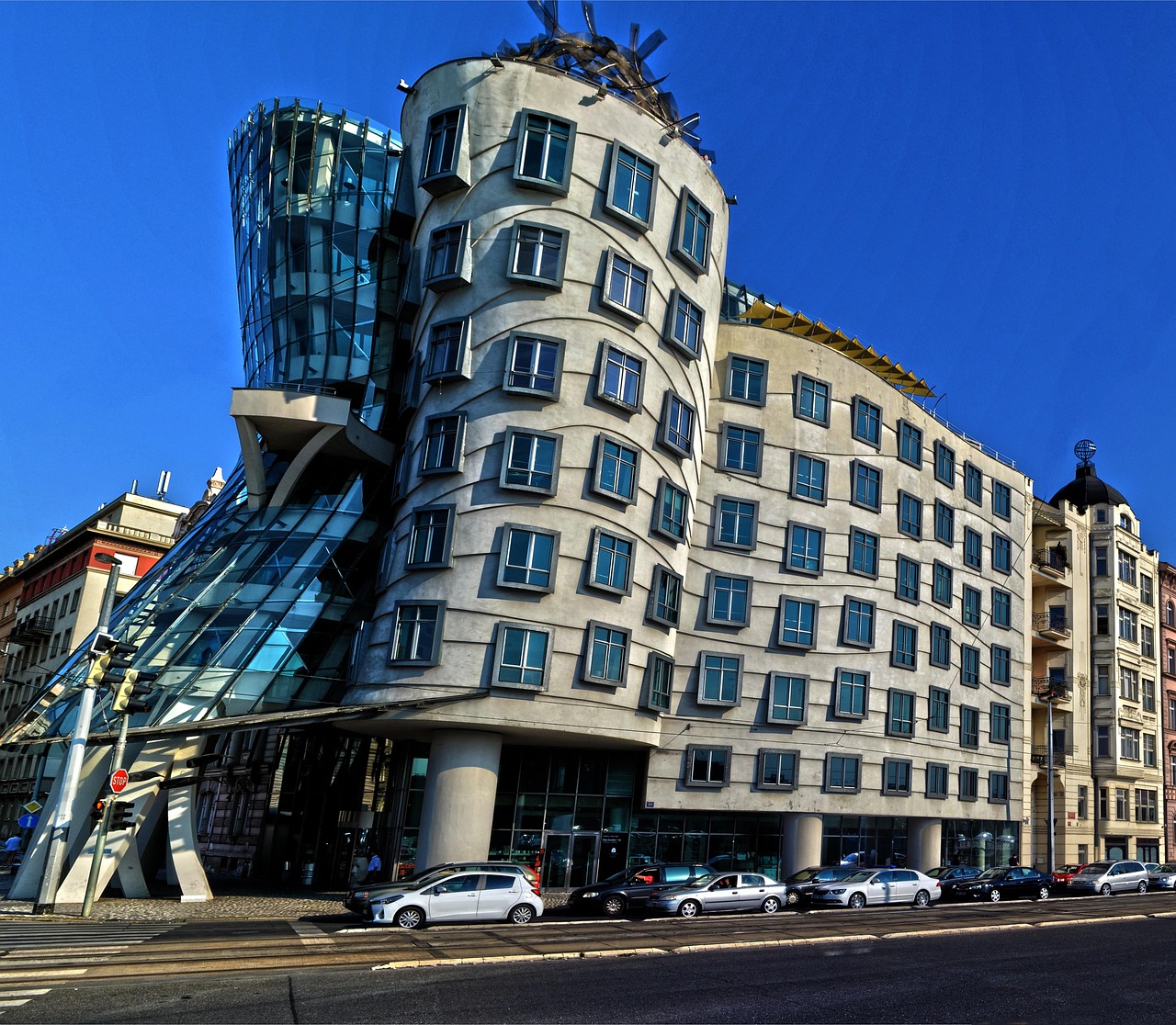
The Dancing House is the poster child of modern Prague architecture. Designed by Vlado Milunić and Frank Gehry, its curving glass and concrete forms earned it the nickname “Fred and Ginger.”
While it’s an office building and hotel inside, the rooftop bar and terrace are open to the public (for the price of a drink). I like to come just before sunset for a quieter, more relaxed view of the river and castle without the Old Town tower crowds.
Photography: Cross to the opposite riverbank for the best full-building shot, especially in the golden hour.
11. National Museum (Národní muzeum)
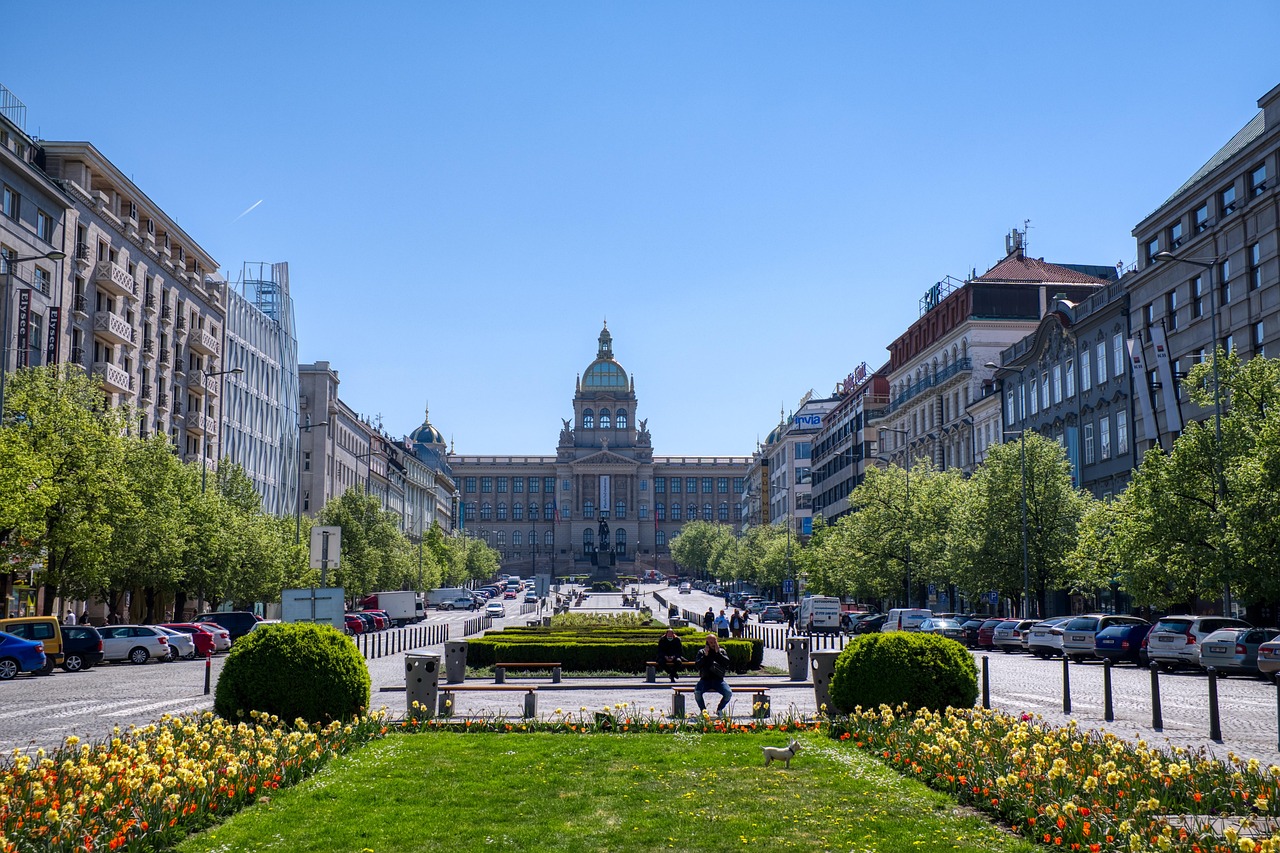
The National Museum sits like a crown at the top of Wenceslas Square. After extensive renovations, its interiors are now bright, polished, and very visitor-friendly, with bilingual labels and interactive exhibits.
In 2026–2027, look out for special exhibitions on Czech 20th-century history, including new multimedia presentations about the Velvet Revolution and the shift from Communism to democracy.
Tip: Even if you’re not a museum person, step into the main hall for a quick look; the grand staircase and glass dome are worth it, and there are good views back over Wenceslas Square from some windows.
12. Municipal House (Obecní dům)
The Municipal House is a jewel of Art Nouveau design and one of my favorite buildings in the city. Located next to the Powder Tower, it’s lavishly decorated inside with stained glass, mosaics, and paintings by Czech masters, including Alfons Mucha.
It’s also a concert venue: Smetana Hall hosts classical performances and is one of the top places for a cultural evening in Prague.
Local tip: Even if you don’t have time for a tour or concert, pop into the ground-floor café for coffee and cake. The interior feels like stepping into a different era, and the prices are surprisingly reasonable for such a grand space.
13. Klementinum & Baroque Library
The Klementinum complex houses one of the most beautiful libraries I’ve ever seen — a Baroque hall with frescoed ceilings, antique globes, and shelves of old tomes. It looks like something out of a fantasy novel, but photos are usually not allowed inside, so you’ll have to soak it in with your eyes.
Guided tours also take you up to an astronomical tower for panoramic views of Old Town and the river. I like this viewpoint almost as much as the Old Town Hall tower, and it’s often slightly less crowded.
14. Strahov Monastery & Library
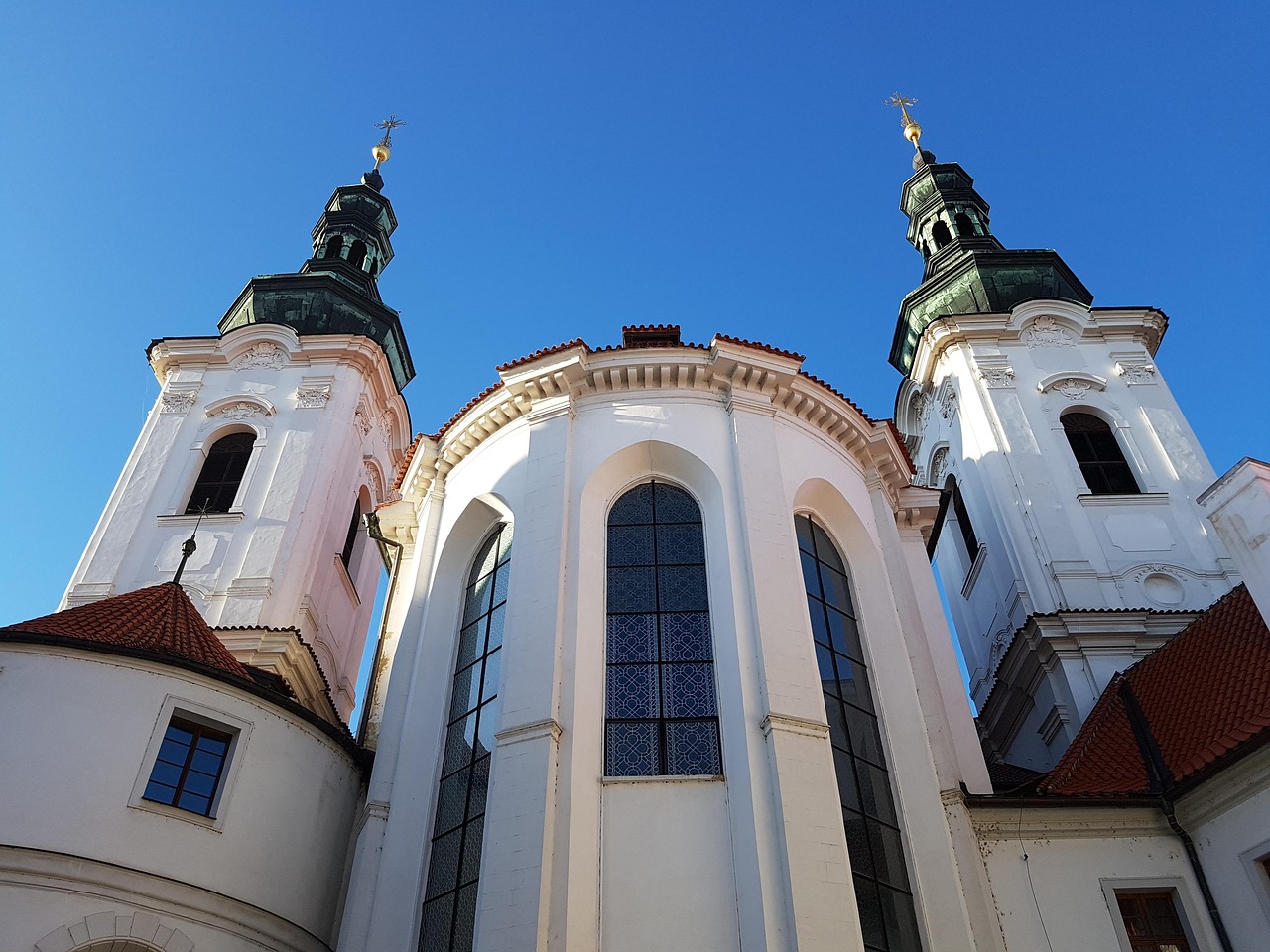
Strahov Monastery sits above Malá Strana and offers not just peaceful courtyards and city views but also one of the most photogenic libraries in Europe. The Theological and Philosophical Halls are lined with ancient books and ornate wooden shelves.
On my last visit, I timed it for late afternoon, when the sunlight slanted through the windows and lit up dust motes like tiny stars. It was crowded, but there were still moments of stillness.
Bonus: The monastery brewery serves excellent beer — try the dark lager and sit outdoors if the weather is kind.
15. Vltava Riverfront & Náplavka
The Vltava is the city’s spine, and the embankments are its living room. On sunny days, especially weekends, locals flock to Náplavka (the riverfront near Palackého bridge) to hang out on the steps, buy drinks from boat bars, and browse small markets.
I love strolling here at golden hour. You can grab a glass of wine or beer from a barge, listen to buskers, and watch paddleboats and swans drift by, with the castle silhouetted in the distance.
Family tip: Boat rentals are popular with families; just be mindful of life jackets for smaller kids and the occasional stronger current.
16. Powder Tower (Prašná brána)
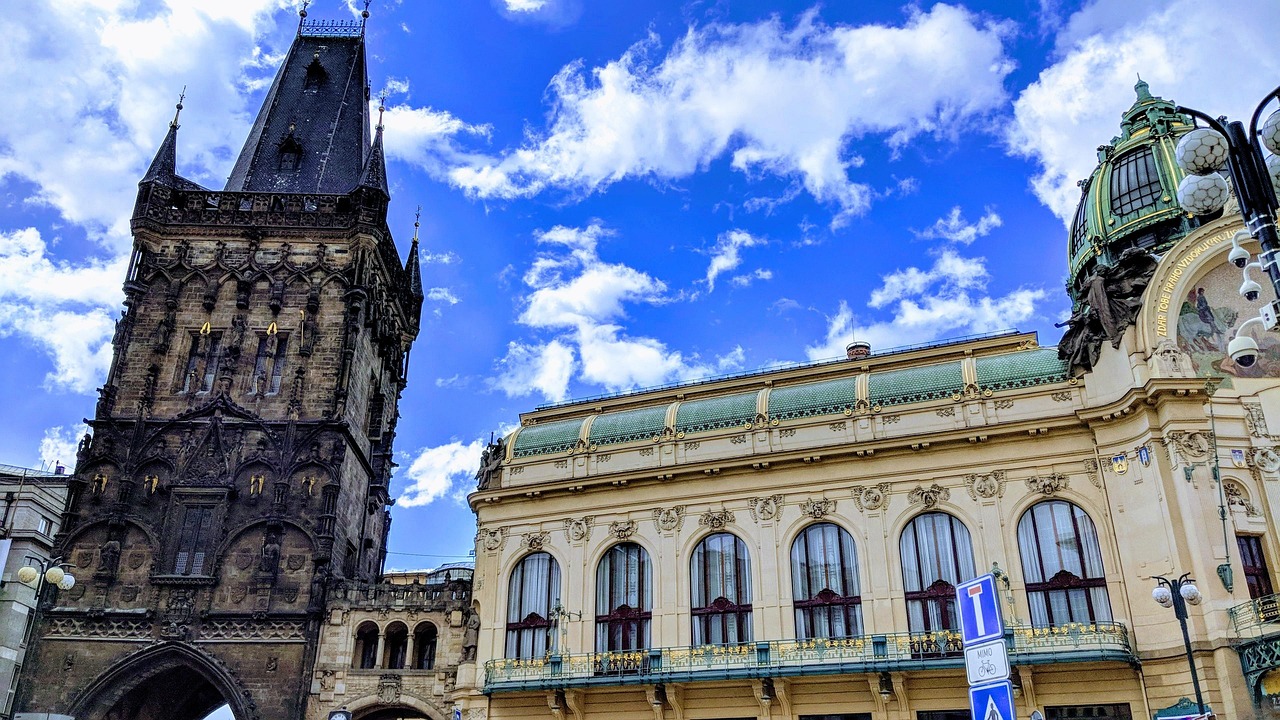
The gothic Powder Tower marks the historical entrance to Old Town and stands right next to the Art Nouveau Municipal House. Once used to store gunpowder, it’s now a viewpoint; a spiral staircase leads up to a narrow walkway with 360° views of the city’s rooftops.
If you’re chasing viewpoints that are slightly less obvious than the main towers, this is a great choice. I like to combine it with a wander down Celetná Street into Old Town Square.
17. DOX Centre for Contemporary Art
In Holešovice, away from the medieval core, DOX offers a different side of Prague: contemporary art, provocative exhibitions, and a striking modern building with a giant wooden airship structure perched on the roof.
I come here when I’ve had my fill of castles and churches and want to see what Czech and international artists are saying about the present and future. Exhibitions often tackle political, social, and environmental topics.
Tip: Combine a visit to DOX with coffee or brunch at one of the many nearby cafés; Holešovice has become a creative hub with excellent food and coffee culture.
18. Vyšehrad Cemetery
Technically part of the Vyšehrad complex, this cemetery deserves its own mention. It’s the resting place of many notable Czech figures, including composers, writers, and artists. The tombstones are often elaborate, with sculptures and mosaics.
I’ve spent quiet afternoons here wandering the paths, recognizing names from street signs and university buildings, and appreciating how the city honors its cultural giants.
19. Charles University Carolinum
Founded in 1348, Charles University is one of the oldest universities in Europe. The Carolinum is its historic seat, a complex of buildings near Old Town Square with a beautiful courtyard and occasional exhibitions or ceremonies.
While not as visitor-oriented as other sights, it’s worth a quick detour to appreciate the Gothic and Baroque architecture and the feeling of centuries of scholarship condensed into one space.
20. St. Nicholas Church in Malá Strana
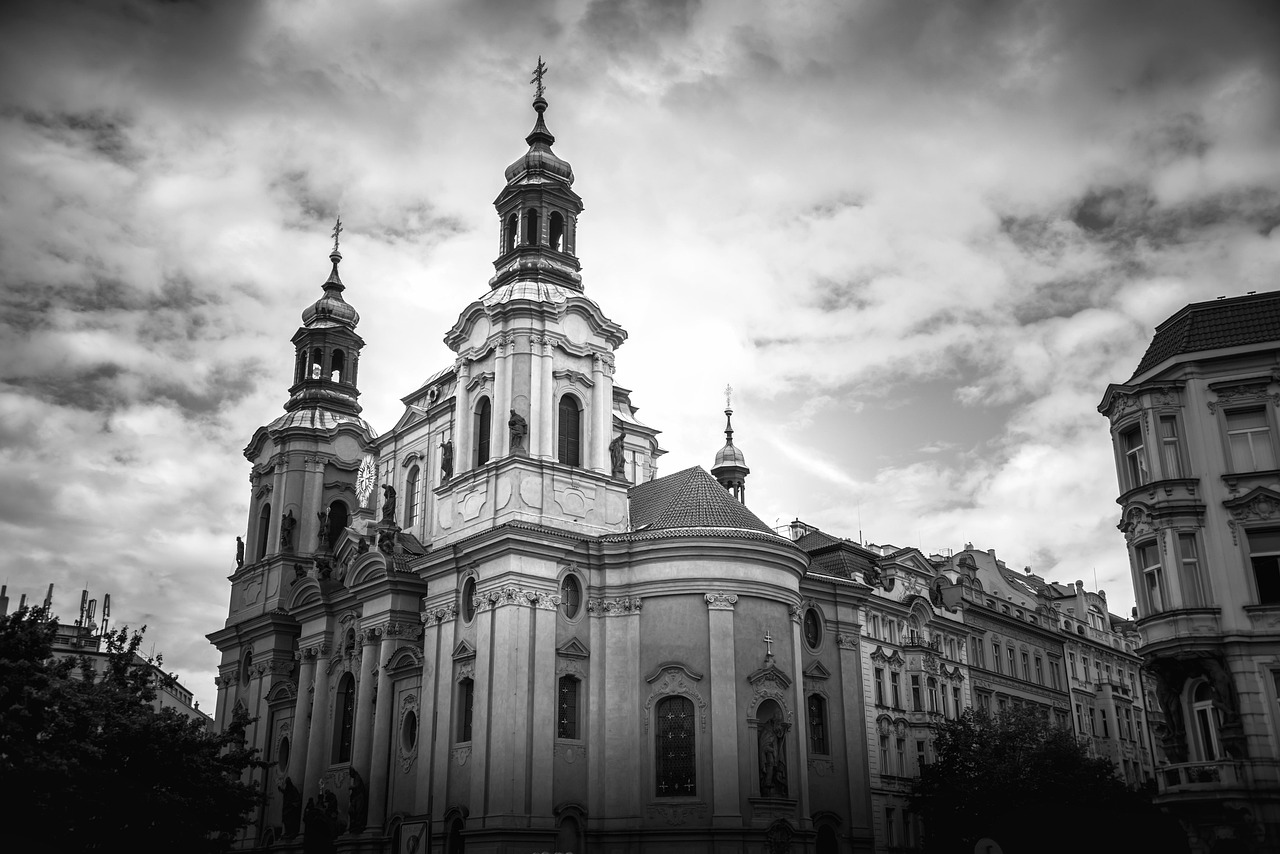
St. Nicholas in Malá Strana is one of the most impressive baroque churches in Europe, with a soaring dome, ornate frescoes, and an organ that Mozart himself once played.
I happened upon an afternoon organ recital here once, purely by chance, and ended up staying for the whole program, sitting under the dome and letting the music reverberate through my chest. Check the schedule posted outside; short concerts are frequent and relatively inexpensive.
Neighborhoods & Districts to Explore in Prague
Beyond individual sights, Prague is a patchwork of distinct neighborhoods. Here are the areas I recommend exploring, especially if you’re here for 4 or 5 days.
Staré Město (Old Town)
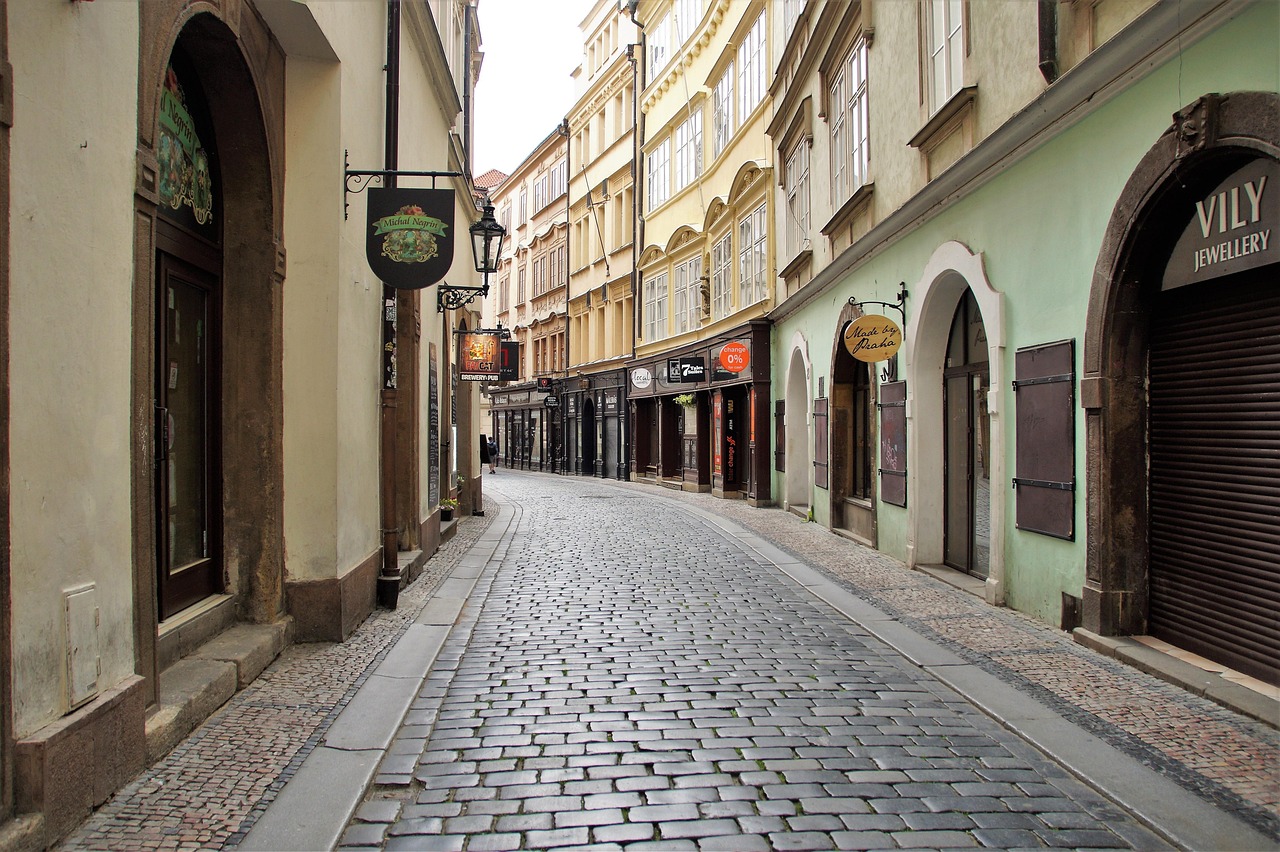
The tourist heart: winding lanes, historic churches, hidden courtyards, and lots of shops and restaurants. It’s undeniably busy, but early mornings and late evenings reveal a softer side. Stay here if you want to be in the middle of everything and don’t mind crowds.
Malá Strana (Lesser Town)
Between the river and castle hill, Malá Strana is one of the most romantic areas: cobblestone streets, baroque palaces, embassy buildings, and quiet gardens. At night, gas lamps give some streets a storybook glow. Great for couples and anyone who wants atmospheric evening walks.
Nové Město (New Town)
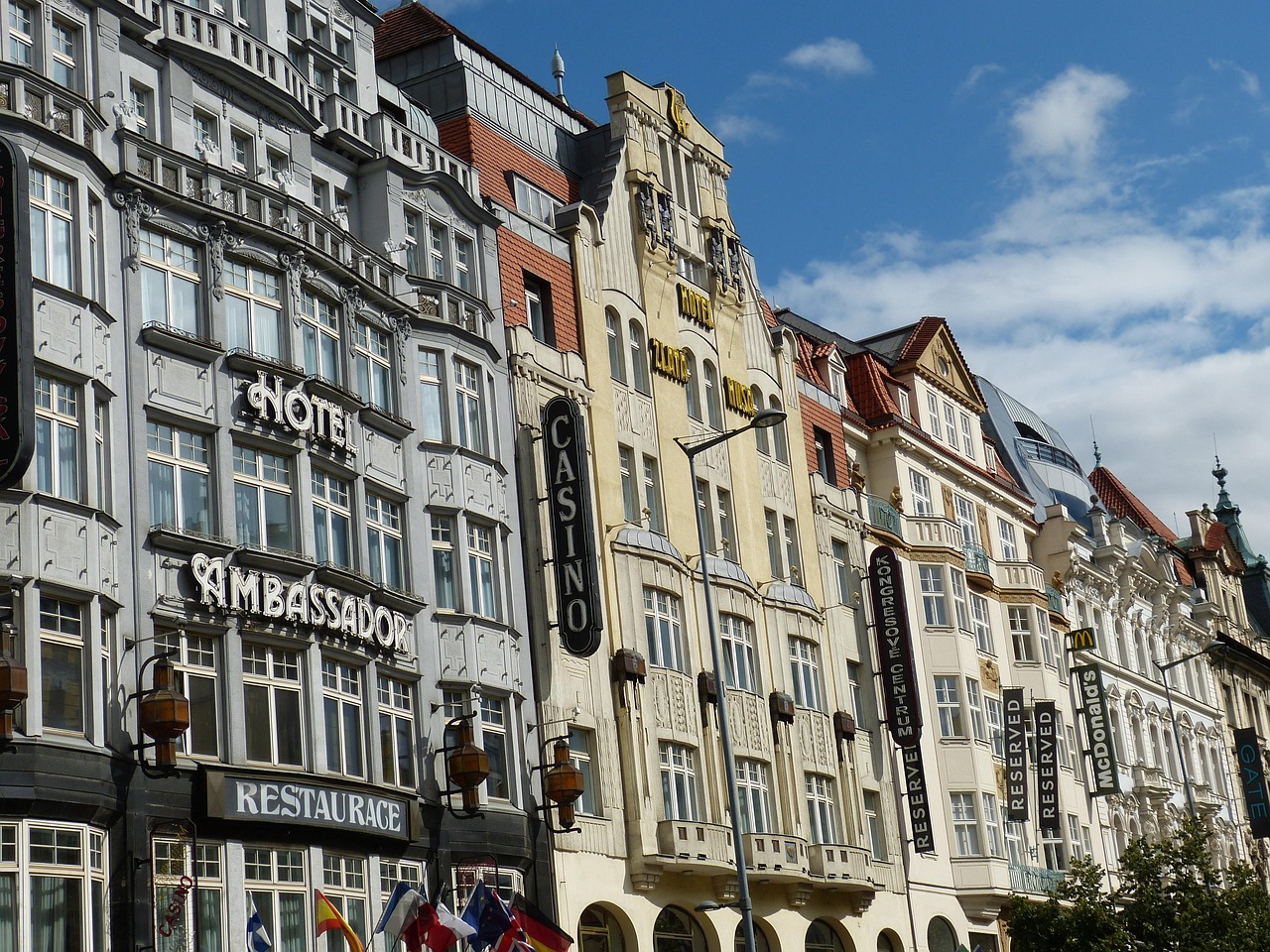
“New” as in 14th century. This broad district includes Wenceslas Square, Národní třída, the Dancing House, and lots of shops and offices. Parts of it are busy and modern; others hide fantastic cafés, bistros, and theaters. I often stay on the edge of New Town to be within walking distance of both the old center and more local streets.
Vinohrady
Vinohrady is my go-to recommendation for people who want a less touristy but still central base. Leafy streets, art nouveau buildings, dog walkers, farmers’ markets at Jiřího z Poděbrad, and a ton of brunch spots and wine bars. It’s popular with expats and young professionals.
Žižkov
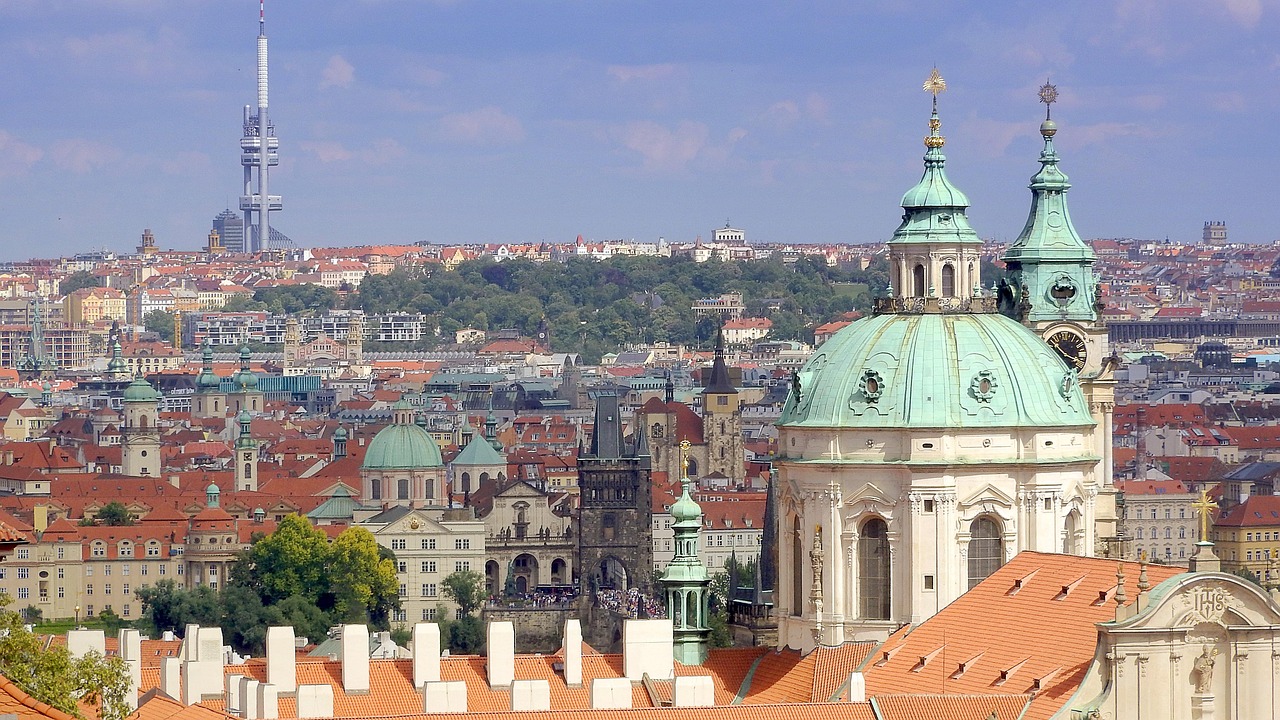
Once known as a rough, working-class area, Žižkov is now a cool, slightly gritty district full of bars, cheap eats, and steep streets. The Žižkov TV tower — with more David Černý “babies” crawling up its legs — is a prominent landmark and offers a 360° viewing platform.
Holešovice
North of the center, Holešovice mixes residential blocks with galleries, cafés, clubs, and creative spaces. DOX is here, as is the Trade Fair Palace (a branch of the National Gallery). This is where many younger locals hang out, and it’s where I go for less touristy nights out.
Letná
Bordering Letná Park, this neighborhood has a village feel with local pubs, design shops, and family-run restaurants. If you like staying somewhere that feels truly local but still walkable to the center (20–25 minutes), Letná is a great choice.
Smíchov & Anděl
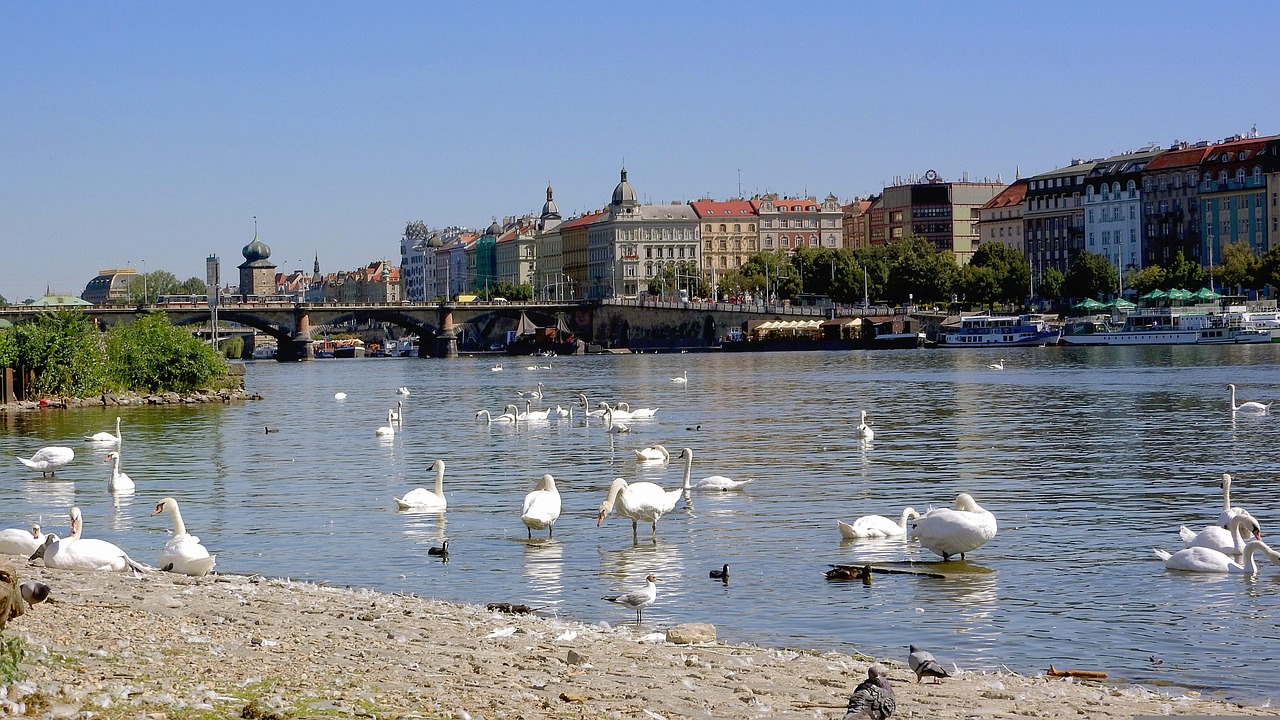
Across the river from New Town, Smíchov is a transport and shopping hub (Anděl junction), with big malls, cinemas, and breweries. Not the most charming architecturally, but convenient for budget accommodation and close to some excellent local pubs and the riverfront.
Local Food in Prague: What & Where to Eat
Czech cuisine is hearty: lots of meat, sauces, and dumplings. But Prague’s food scene in 2026 is much broader than the old stereotypes — you’ll find everything from traditional pub grub to refined modern Czech tasting menus and excellent vegetarian/vegan options.
Must-Try Czech Dishes
- Svíčková na smetaně: Marinated sirloin with creamy vegetable sauce, bread dumplings, and a slice of lemon with cranberry sauce. My personal comfort-food favorite.
- Guláš: Beef goulash with dumplings, rich and paprika-scented. Perfect with a cold lager.
- Vepřo-knedlo-zelo: Roast pork with dumplings and sauerkraut — the national dish.
- Řízek: Schnitzel, usually pork or chicken, breaded and fried, often served with potato salad.
- Bramboráky: Crispy potato pancakes with garlic and marjoram; often sold at markets.
- Knedlíky: Bread or potato dumplings, essential sauce-soakers.
- Koláče & Buchty: Sweet pastries with poppy seed, cheese, or fruit fillings.
Where I Actually Eat (Local-ish Spots)
I tend to avoid the absolute center for dinners unless I know the place well. Some recurring favorites:
- Lokál (several branches): Modern take on a Czech pub with excellent, fresh Pilsner and well-executed classics. Yes, it’s popular with tourists, but locals eat here too.
- Eska (Karlín): Modern Czech with wood-fired bread, inventive dishes, and great breakfast. Pricier but worth it for a special meal.
- Mincovna (near Old Town Square): Solid Czech food in a central location without feeling like a trap.
- U Kroka (near Vyšehrad): Generous portions, local atmosphere, good prices. Great after a walk at Vyšehrad.
Beer & Drinks
Czech beer is legendary, and Prague is a paradise for lager lovers. You’ll find Pilsner Urquell, Staropramen, and many local brews on tap almost everywhere.
- Try: Pilsner Urquell (Pilsner-style lager), Kozel (dark or light), Budvar, and local microbrews.
- Beer etiquette: When your glass is empty, it may be refilled automatically in traditional pubs unless you place a coaster over it or say “Ne, děkuju” (No, thank you).
- Non-beer options: Moravian wines are excellent; try a glass of local white. For something stronger, Becherovka (herbal liqueur) is a classic digestif.
How to Eat Well & Save Money
If you’re on a budget, aim for lunch menus (“polední menu”) on weekdays: many restaurants offer set meals at significantly lower prices. Avoid eating right on Old Town Square or next to the Astronomical Clock; walk a few blocks away for better value.
Supermarkets like Albert, Lidl, and Billa are good for snacks and picnic supplies. For local produce and street food, check out farmers’ markets at Náplavka or Jiřího z Poděbrad (especially on weekends and warmer months).
Nightlife, Entertainment & Cultural Experiences in Prague
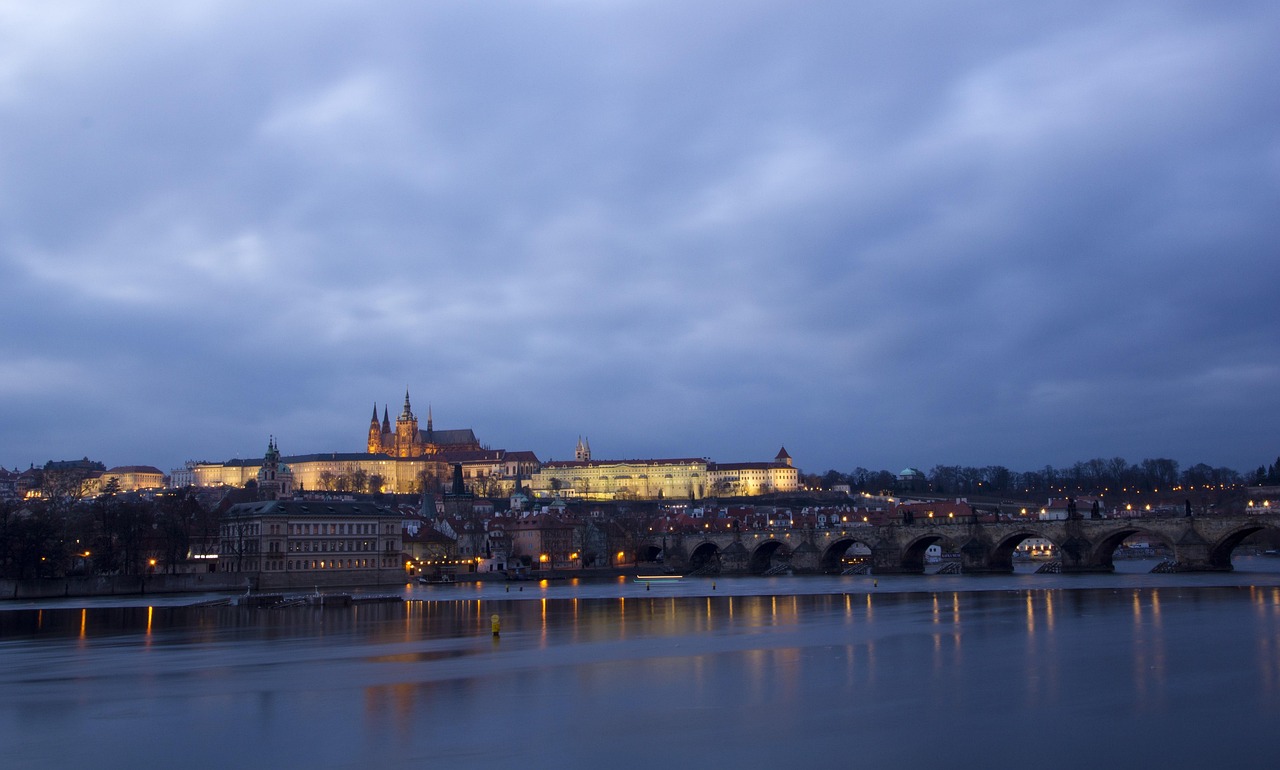
Prague at night is more than cheap beer and stag parties (though you’ll see those too). The range runs from classical concerts in historic halls to underground clubs in old factories.
Classical Music & Opera
- Rudolfinum: Home of the Czech Philharmonic, fantastic acoustics and atmosphere.
- National Theatre (Národní divadlo): Opera, ballet, and drama in a stunning building overlooking the river.
- Municipal House: Smetana Hall hosts symphonic concerts and festivals like Prague Spring.
Jazz & Live Music
- JazzDock: Modern riverside club with excellent acoustics and a rotating lineup.
- Reduta Jazz Club: Classic venue in New Town, legendary in local jazz history.
Pubs, Bars & Clubs
For a relaxed night, I like traditional pubs in Vinohrady or Letná: wooden tables, foamy beer, simple snacks. For something livelier, head to Žižkov or Holešovice.
- Beer bars: Try places specializing in craft beer (“pivotéka” or “pivovar”).
- Wine bars: Look for Moravian wines by the glass; these spots are often cozy and less rowdy.
- Clubs: Cross Club (steampunk decor, electronic music), Roxy (long-running club in Old Town).
Family-Friendly Evenings
For families, evening river cruises are a good option (choose smaller boats with fewer people if you can). In summer, open-air cinemas pop up in parks, and some evenings in Letná or Stromovka feel like neighborhood festivals.
Best Day Trips from Prague
If you’re following a 4 or 5 day itinerary for Prague, consider a day trip to see more of the Czech Republic.
Kutná Hora & Sedlec Ossuary (Bone Church)
About an hour by train, Kutná Hora was once a wealthy silver-mining town. Today it’s known for the UNESCO-listed St. Barbara’s Church and the eerie Sedlec Ossuary, where the bones of thousands are arranged into chandeliers and decorations. It’s haunting but fascinating.
Karlštejn Castle
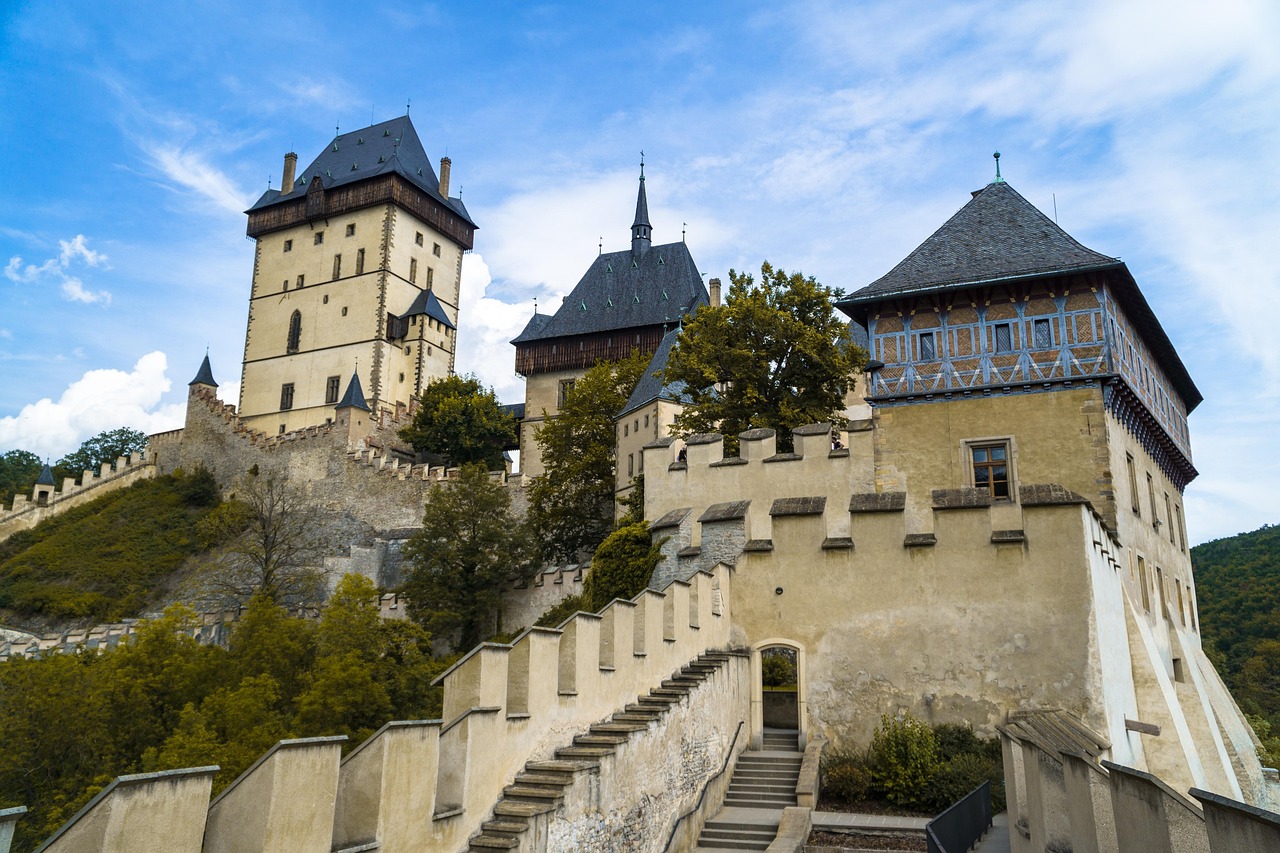
A storybook castle set in forested hills, reachable by train and short hike. Great for families and hikers; combine with a countryside lunch.
Český Krumlov
Further away (2.5–3 hours), best as a long day trip or overnight, Český Krumlov is a fairy-tale town with a river-bending around it and a castle complex overlooking red roofs. It’s well-touristed but magical in the early morning or evening.
Cultural Etiquette & Local Customs in Prague
Czechs tend to be polite but reserved. Don’t mistake a lack of big smiles for unfriendliness — warmth shows in different ways here.
- Greetings: A simple “Dobrý den” (good day) when entering shops or restaurants is appreciated. “Na shledanou” (goodbye) when leaving.
- Personal space: People generally value it; keep voices moderate on public transport.
- Tipping: 10% is standard in restaurants if service is good. Round up in cafés and pubs.
- Shoes off at home: If you’re invited to someone’s apartment, expect to remove shoes.
- Public transport etiquette: Offer seats to elderly, pregnant people, or those with small children. Don’t block tram doors.
Religion is relatively low-key in daily life, but churches are still sacred spaces. Dress and behave respectfully, especially during services.
Practical Travel Tips for Prague (2026–2027)
How to Get Around
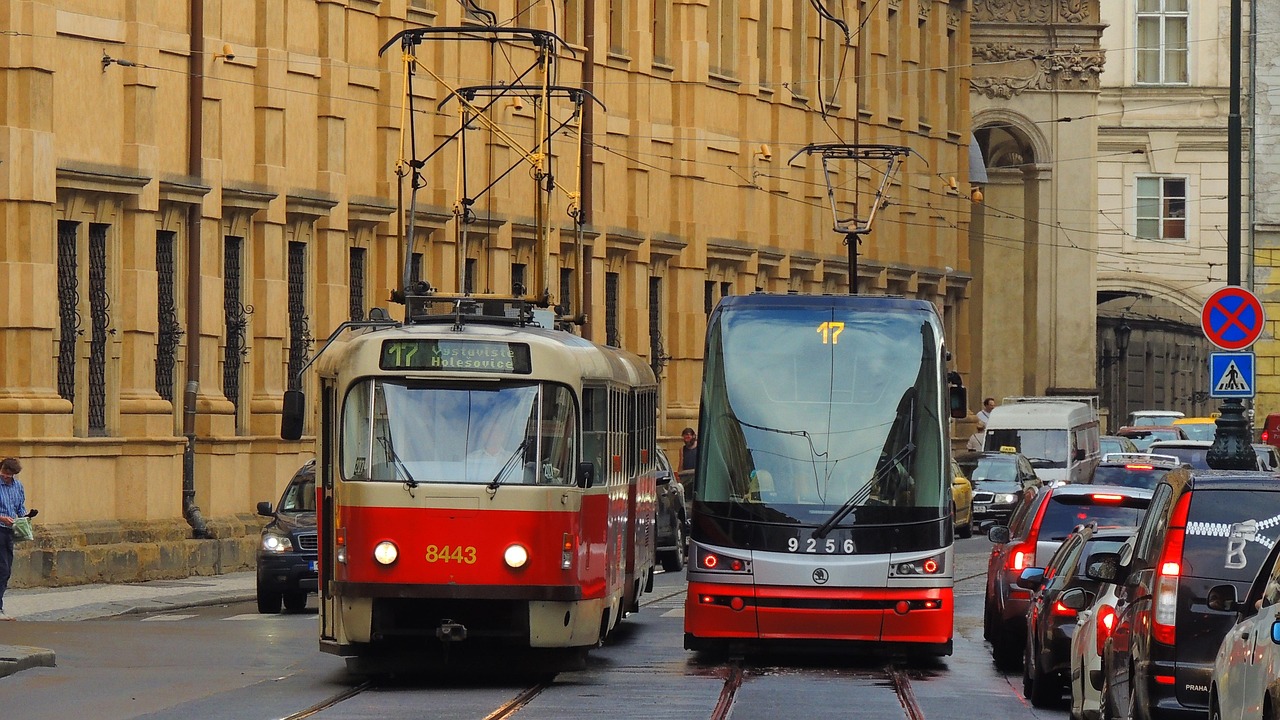
- Public transport: Excellent network of trams, metro, and buses. Buy tickets from machines (now common contactless-friendly) or apps; validate paper tickets when you start your journey. Inspectors do check.
- Walking: The historic center is compact but cobblestoned; wear good shoes.
- Taxis & ride-hailing: Use apps (Bolt, Uber) rather than hailing on the street to avoid overcharging.
- Car rental: Not recommended for staying in the city; parking is tricky and public transport is easier. Useful only if you’re doing extensive day trips or a road trip.
SIM Cards & Connectivity
By 2026, eSIM options are widespread. You can buy local data plans from providers like T-Mobile, O2, or Vodafone at airport kiosks or city shops. EU-based SIMs roam freely in Czechia. Public Wi-Fi is common in cafés and many hotels.
Money & Costs
Currency is Czech koruna (CZK). Cards are widely accepted, even at many smaller places, but it’s handy to have some cash for markets or small pubs. ATMs are common; use those attached to banks rather than standalone machines with poor rates.
Visa & Entry Requirements
- EU/EEA & Swiss citizens: Free movement with ID card or passport.
- Many non-EU visitors (including US, UK, Canada, Australia, etc.): Short stays (up to 90 days in 180) typically visa-free in the Schengen Area; check updated rules and ETIAS implementation details before travel.
- Others: May need a Schengen visa; check with your local Czech embassy or consulate.
Driving & Foreign Licenses
Most foreign driver’s licenses are accepted for short stays, especially if in Latin script; an International Driving Permit is recommended if your license uses another alphabet. Traffic rules are strictly enforced, and alcohol limits for drivers are zero-tolerance.
Seasons & What They’re Best For
- Spring (April–May): Mild weather, blossoms, fewer crowds; excellent for sightseeing and walking.
- Summer (June–August): Warm to hot, busiest season; great for beer gardens, riverfront life, festivals. Book ahead.
- Autumn (September–October): My favorite: crisp air, colorful leaves, lower prices, cultural season in full swing.
- Winter (November–March): Cold, often gray, but magical around Christmas markets; cheaper accommodation except over holidays and New Year’s.
Saving Money in Prague
- Use public transport passes (24-hour or 72-hour) if you’ll move around a lot.
- Eat main meals at lunch with set menus; cook or picnic sometimes for dinner.
- Stay just outside the main tourist belt (Vinohrady, Holešovice, Smíchov, Letná) for better prices.
- Avoid currency exchange booths in ultra-touristy spots; use ATMs or reputable exchange offices with clear, fair rates.
Summary & Final Recommendations
Prague is one of those rare cities that manages to be both iconic and intimate. You can follow a classic 3 day itinerary for Prague and see the major must-see attractions — Prague Castle, Charles Bridge, Old Town Square, the Jewish Quarter — or stretch your stay into 4 or 5 days in Prague to explore neighborhoods like Vinohrady, Holešovice, and Letná, linger in beer gardens, and discover hidden gems in side streets and parks.
For most travelers, the sweet spot is to visit in late spring (May–early June) or early autumn (September–early October), when the weather is pleasant and crowds are thinner. If you love festive lights and don’t mind the cold, December’s Christmas markets add an extra layer of magic.
Whatever season you choose, let yourself wander. Step away from the main route for a tram stop or two, follow the sound of a violin in a side street, and accept that your best memories might come not from a checklist of things to do in Prague, but from a quiet café, a chance conversation, or a sunset over the Vltava that catches you by surprise.