Why Visit Copenhagen in 2026?
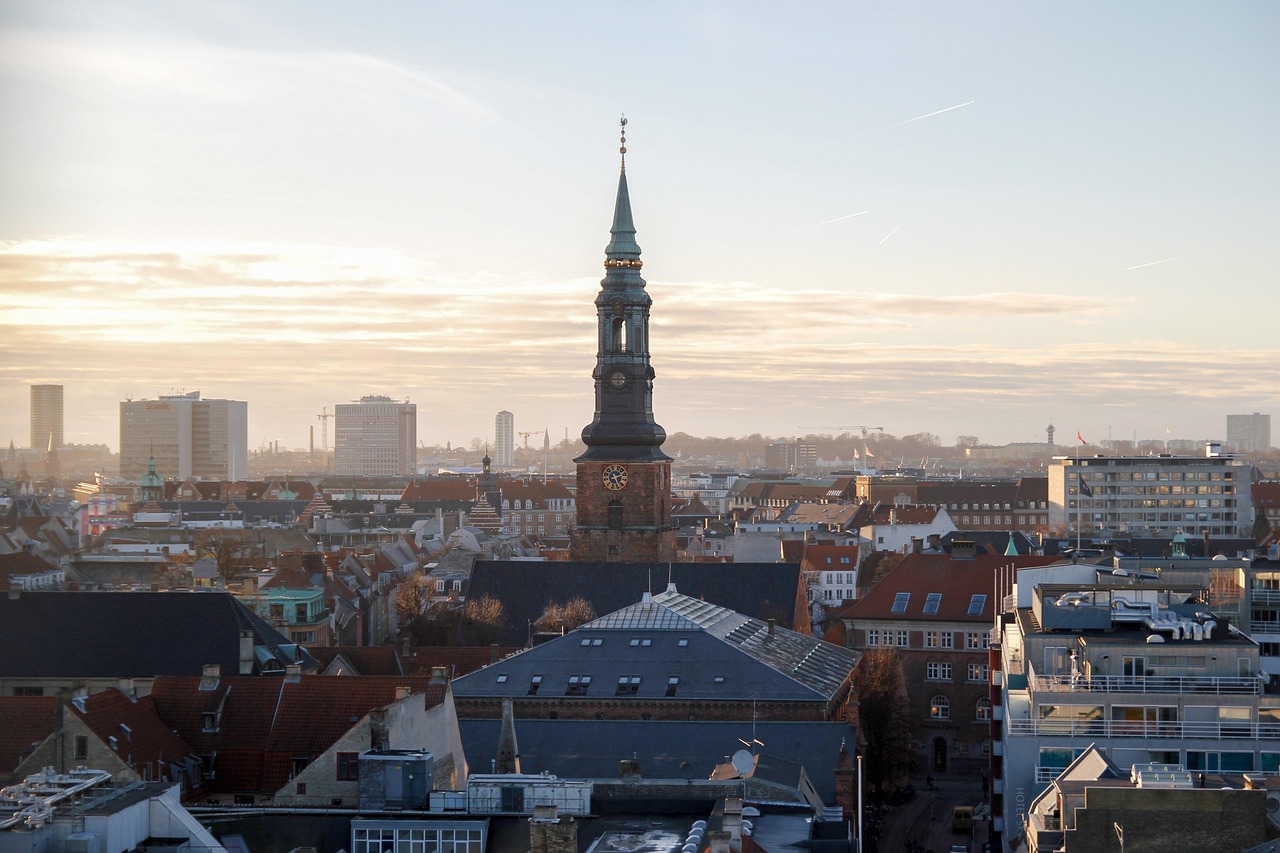
Copenhagen is one of those cities that quietly gets under your skin. It’s not flashy in the way of Paris or New York; instead, it’s subtle, human-scaled, and deeply livable. Every time I come back (my first visit was in 2013, and I’ve returned almost every year since), I’m struck by the same things: people actually use the city. They swim in the harbor, grill on the quayside, cycle everywhere, and treat green spaces like a shared living room.
In 2026, Copenhagen feels especially exciting. The city has doubled down on its identity as a green, design-forward capital: more pedestrian streets, new harbor baths, and a constantly evolving food scene that now ranges from Michelin stars to street-side sourdough and budget-friendly smørrebrød. It’s also an easy city: English is widely spoken, public transport just works, and the compact center means you can walk or bike between most of the best places to visit in Copenhagen.
Whether you’re planning 3 days in Copenhagen for a quick escape, or 4–5 days in Copenhagen for a deeper dive, this travel guide is designed to feel like a local friend took a week off just to show you around. I’ll walk you through the must-see attractions, the neighborhoods where I actually like to stay, the hidden corners I only found on my third or fourth trip, and the tiny etiquette quirks that will help you blend in with the Danes.
All tips and prices are updated for 2026, with a look ahead to major events spilling into 2027.
Table of Contents
- Why Visit Copenhagen in 2026?
- Copenhagen Neighborhoods: Where the City Comes Alive
- 20 Must-See Attractions in Copenhagen (With Local Insights)
- Suggested Itineraries: 3, 4, and 5 Days in Copenhagen
- Local Food in Copenhagen: What (and Where) to Eat
- Nightlife & Cultural Experiences in Copenhagen
- Best Day Trips from Copenhagen
- Local Customs & Cultural Etiquette
- Practical Travel Tips for Copenhagen (Money, SIM, Transport, Visas)
- When to Visit Copenhagen: Seasons & Weather
- Major Events in Copenhagen 2026–2027
- Final Summary & Key Takeaways
Copenhagen Neighborhoods: Where to Stay and Wander
One of the joys of Copenhagen is how distinct its neighborhoods feel. On my last visit, I booked three different short stays in three areas (Vesterbro, Nørrebro, and Christianshavn) and felt like I’d visited three different mini-cities—each with its own rhythm, food, and favorite bench by the water.
Indre By (City Center)
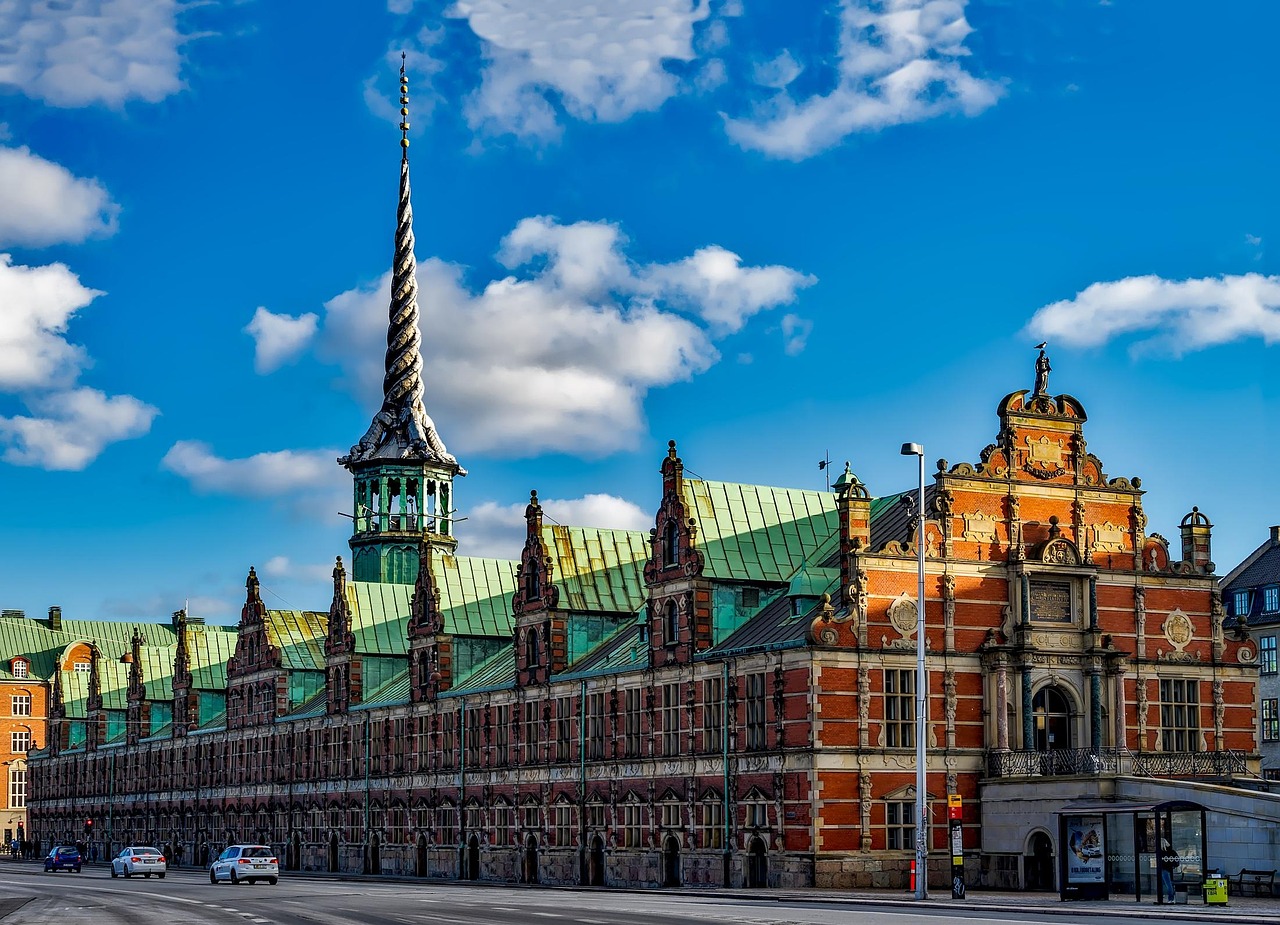
This is where most first-timers start, and for good reason. You’ll find Strøget (the main pedestrian shopping street), colorful Nyhavn, Christiansborg Palace, and a tangle of medieval lanes that still feel surprisingly intimate.
- Vibe: Historic, busy, central, a bit touristy but charming.
- Best for: First-time visitors, short trips (3 days in Copenhagen), easy access to must-see attractions.
- Local tip: Wander a block or two off Strøget to find quieter, more authentic cafés and wine bars.
Vesterbro
My personal favorite area to stay. Once a rough-around-the-edges neighborhood behind the Central Station, Vesterbro has cleaned up without losing its slightly rebellious soul. Think craft beer bars, cozy bistros, second-hand shops, and a short walk to the Meatpacking District (Kødbyen).
- Vibe: Hip, urban, creative, great nightlife.
- Best for: Foodies, bar hoppers, couples who like to be near the action but not in the most touristy part.
Nørrebro
This is Copenhagen’s most multicultural and energetic district. I love coming here for cheap eats, street art, and the Superkilen park—one of the city’s most interesting urban design projects.
- Vibe: Young, diverse, edgy, full of students and creatives.
- Best for: Budget-conscious travelers, long stays, those hunting for hidden gems in Copenhagen.
Østerbro
Often overlooked by tourists, Østerbro is leafy, elegant, and very local. It’s also home to Fælledparken (a huge park) and the national stadium.
- Vibe: Calm, residential, upmarket, family-friendly.
- Best for: Families, travelers who prefer quiet evenings and morning runs by the lakes.
Christianshavn & Christiania
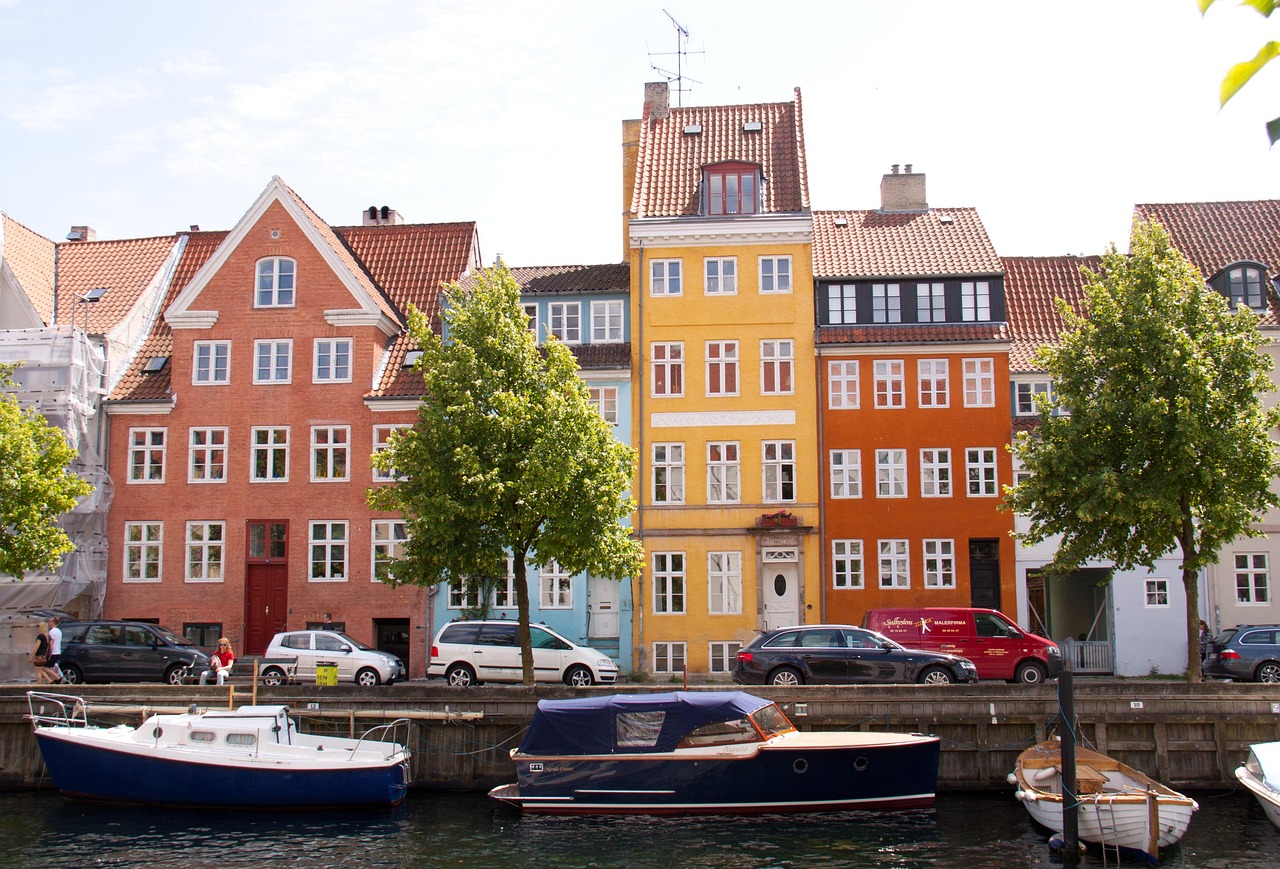
Built on a network of canals, Christianshavn feels a bit like a Danish Amsterdam. It’s also the access point for Freetown Christiania, Copenhagen’s famous semi-autonomous neighborhood.
- Vibe: Waterside, bohemian, village-like.
- Best for: Romantics, photographers, anyone who dreams of living on a houseboat.
Frederiksberg
Technically its own municipality, Frederiksberg feels posh and green, with big boulevards, designer shops, and one of my favorite parks in the city, Frederiksberg Have.
- Vibe: Elegant, green, relaxed.
- Best for: Longer stays, families, travelers who like calm residential streets.
Islands Brygge & Sydhavnen
These former industrial waterfront areas have turned into some of the most modern corners of Copenhagen, with new architecture, harbor baths, and boardwalks where locals bask in the (rare) summer sun.
- Vibe: Modern, waterfront, relaxed.
- Best for: Summer stays, swimmers, architecture lovers.
20 Must-See Attractions in Copenhagen (With Local Stories & Tips)
Below are the must-see attractions in Copenhagen that I return to again and again. Even if you’re only planning a 3 day itinerary for Copenhagen, most of these can fit into your schedule with a bit of planning. For each one, I’ll share a mix of history, what it’s actually like to be there, and the small details that guidebooks often miss.
1. Nyhavn: Copenhagen’s Colorful Postcard Harbor
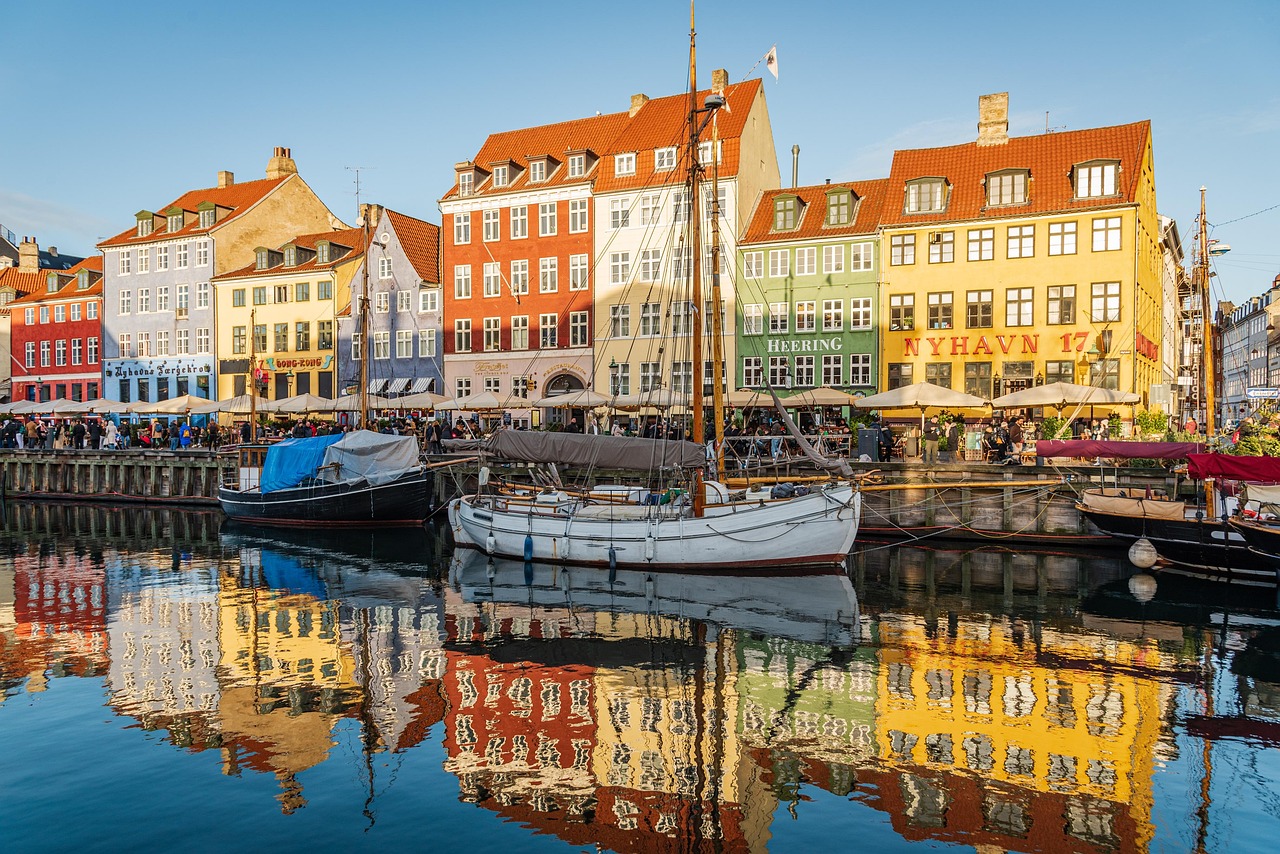
Nyhavn is that impossibly colorful canal you’ve seen on every Copenhagen postcard. The first time I walked onto the cobblestones here, it was a chilly April afternoon; the terrace heaters were on, people were wrapped in blankets, and every table seemed to have a beer or a glass of wine on it.
Dating back to the 17th century, Nyhavn was once a rough sailors’ quarter. Today, the historic townhouses (some of which Hans Christian Andersen lived in) are painted in bright hues that look almost too saturated to be real, especially on a sunny day.
What to do: Stroll both sides of the canal, then cross the small bridges for different viewpoints. I like to come twice: once early in the morning when it’s quiet and deliveries are rolling in, and again around golden hour when the light hits the facades and every photographer on earth shows up.
Boat tours: Many of the classic canal tours depart from Nyhavn. I usually opt for a 1-hour canal tour in my first 24 hours in the city; it’s the quickest orientation to many things to do in Copenhagen.
Eating & drinking: The places right on the canal are pricey. For better value, slip into the back streets (like Toldbodgade or side lanes off Kongens Nytorv). My ritual is to get a coffee to-go and sit on the edge of the canal, legs dangling over the water if the weather allows.
Romantic or family-friendly? Both. Couples: come at dusk, grab a glass of wine, and watch the boats sway. Families: the colorful houses are a hit with kids, and the car-free zone makes it easy with strollers.
Getting there: Metro to Kongens Nytorv, then a 2–3 minute walk.
2. Tivoli Gardens: Fairy-Tale Amusement Park in the Heart of the City
On my second visit to Copenhagen, I nearly skipped Tivoli Gardens because I assumed it was “just an amusement park.” I’m glad I didn’t. It’s a magical, slightly nostalgic world tucked right next to the Central Station, and it’s one of the most atmospheric spots in the city—especially at night.
Opened in 1843, Tivoli is one of the oldest amusement parks in the world. Walt Disney is said to have drawn inspiration from it for Disneyland. The park mixes old wooden roller coasters with meticulously landscaped gardens, lakes, and themed pavilions that look especially beautiful when the thousands of lights come on after sunset.
What I love doing here:
- Riding the wooden roller coaster (Rutschebanen), which still has a human brake operator on board.
- Finding a quiet bench by the lake and people-watching while munching on Danish pastries.
- Visiting in December for the Christmas market—strings of lights, mulled wine (gløgg), and stalls selling handicrafts.
Best time to go: Late afternoon into evening. In summer, come after dinner when the sky is still light but the park is illuminated. In winter, the fairy lights and seasonal decorations make it one of the coziest places in Copenhagen.
Family-friendly? Absolutely. It’s one of the best family activities in the city. For couples, it’s also surprisingly romantic—especially if you’re into slightly old-world charm.
Money-saving tip: Entry tickets and ride passes can add up. If you’re not a ride person, just get the entrance ticket and enjoy the gardens, live performances, and food. Check combo tickets and online discounts in 2026, especially if you’re building a 3 day itinerary for Copenhagen and planning multiple paid attractions.
3. The Little Mermaid: Copenhagen’s Most Famous (and Smallest) Icon
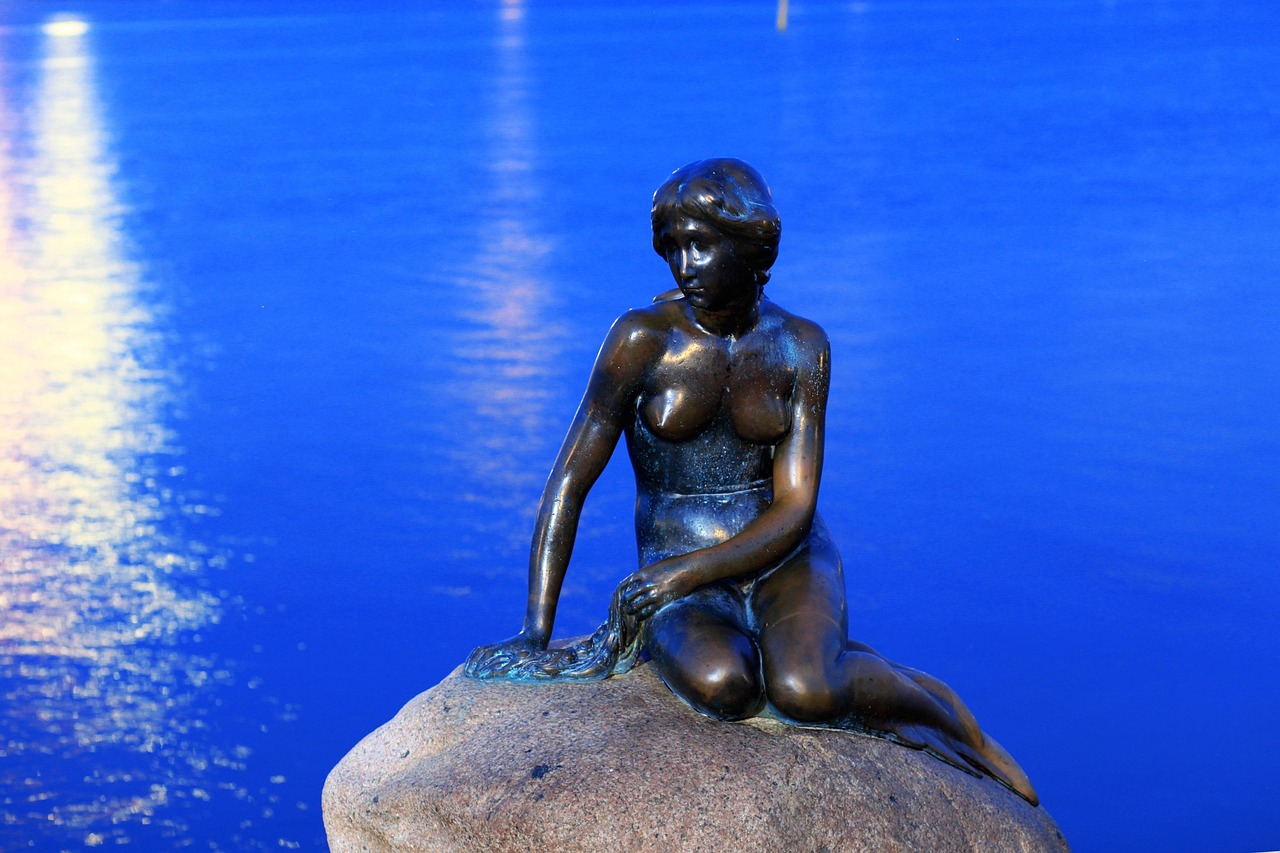
I’ll be honest: the Little Mermaid statue is often underwhelming at first glance. It’s small, it’s usually surrounded by people taking photos, and it sits rather quietly on a rock by the harbor. But I still go back every few trips, mostly for the walk along the waterfront and the views of the harbor.
The statue was unveiled in 1913, inspired by Hans Christian Andersen’s fairy tale and commissioned by the founder of Carlsberg. It’s become the symbol of Copenhagen, for better or worse.
How I visit: I never go just for the statue. Instead, I walk or bike up the harbor from Nyhavn or the Kastellet fortress, enjoying the breeze and the changing skyline. The statue then becomes a pleasant stop along a scenic route.
Best time: Early morning or late evening in summer if you want fewer crowds. In winter, it’s often windy and chilly, so bundle up.
Tip: Combine with a visit to Kastellet (the star-shaped fortress) and the nearby Gefion Fountain to make the trip more worthwhile.
4. Christiansborg Palace: Power, History, and a Tower View

Christiansborg Palace sits on Slotsholmen island and houses the Danish Parliament, Supreme Court, and Prime Minister’s Office. It’s the only building in the world that hosts all three branches of a country’s government under one roof.
I remember visiting on a drizzly November day when the gray sky made the copper spires look extra dramatic. I spent hours wandering through the royal reception rooms, imagining the state banquets that happen there, then descended to the ruins beneath the palace to see the foundations of the older castles that once stood on the site.
Don’t miss:
- The Royal Reception Rooms and the Great Hall with its modern tapestries depicting Danish history.
- The tower, which offers one of the best free views over the city.
- The ruins under the palace, which give a sense of just how many layers of history lie under Copenhagen’s feet.
Family tip: Kids often enjoy the “castle” experience and the underground ruins. The tower elevator is handy for those with limited mobility.
5. Rosenborg Castle & The King’s Garden
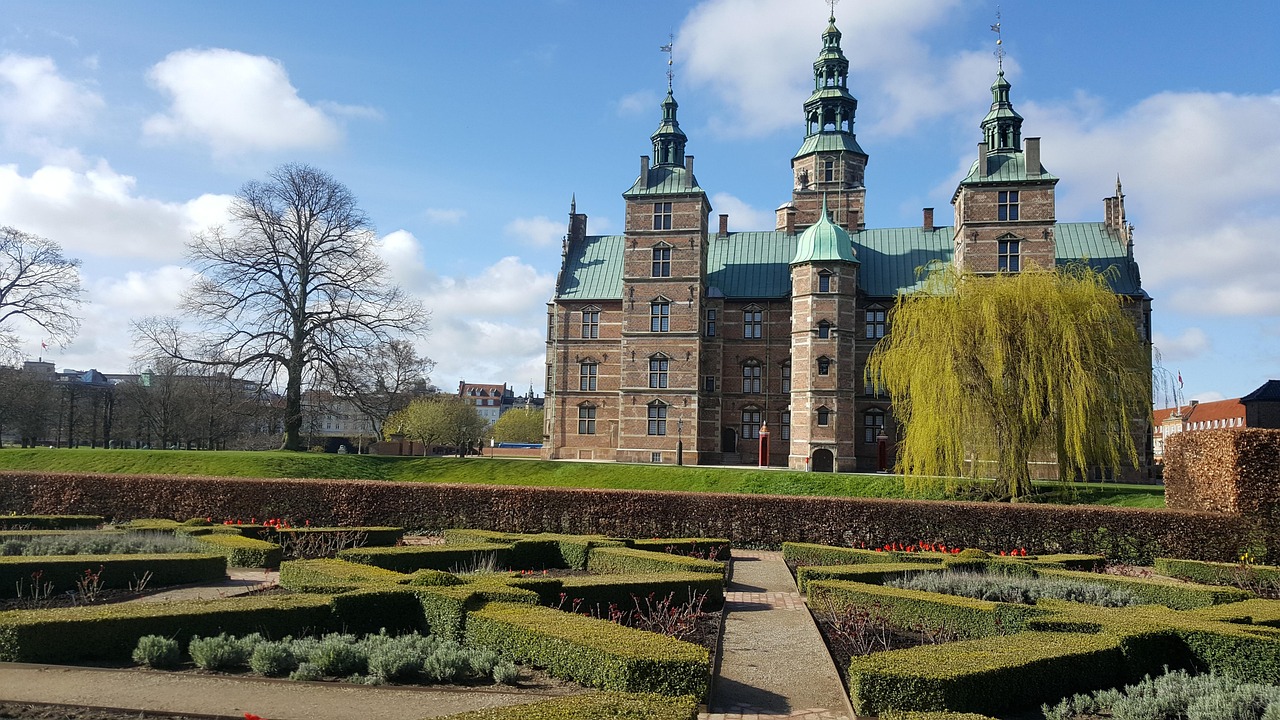
Rosenborg looks exactly like the kind of castle you’d draw as a kid—tall spires, red brick, and surrounded by a moat and gardens. Built in the early 1600s as a royal summer residence, it now houses the Danish crown jewels and royal regalia.
The first time I visited, it was a crisp spring day. After touring the castle’s interiors, I sprawled on the grass in the King’s Garden (Kongens Have) with half the city, watching friends play spikeball and families picnic under blooming trees.
Inside the castle: Expect ornate rooms, portraits, and the glitter of the crown jewels in the basement vault. It’s not huge, but there’s plenty to see.
Outside: The King’s Garden is one of Copenhagen’s favorite green spaces. In summer, it’s a natural stop on any 4 day itinerary for Copenhagen, especially if you need a break from sightseeing.
Tip: Book tickets in advance for the castle in peak season, or come early to avoid queues. The garden itself is free and open year-round.
6. The Round Tower (Rundetaarn)
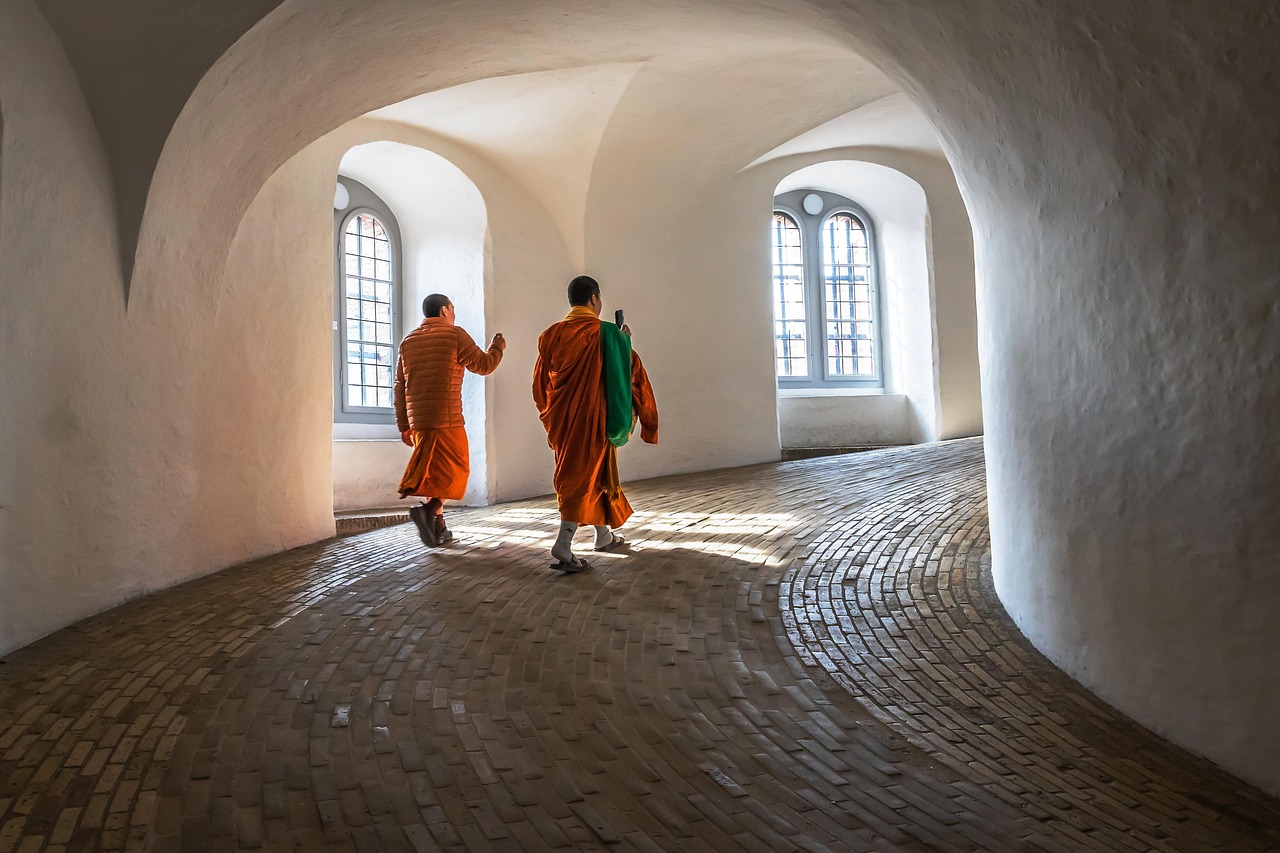
The Round Tower is one of my favorite low-key attractions in Copenhagen. Built in the 17th century as an astronomical observatory, it has a unique spiral ramp instead of stairs, which winds gently up to the top.
I love the slow ascent: you pass whitewashed walls, old windows with views into the rooftops, and small exhibition spaces. At the top, you’re rewarded with a 360° view over the red roofs of Indre By.
Family tip: Kids tend to enjoy running up the ramp, and strollers can manage most of the way.
Best time to go: Late afternoon on a clear day for golden light over the city.
7. National Museum of Denmark (Nationalmuseet)
If you want a quick crash course in Danish history—from Vikings to modern welfare state—this is the place. I’ve spent rainy afternoons here learning about bog bodies, Viking artifacts, and the everyday life of Danes through the centuries.
Highlights: The Viking exhibits, the “Stories of Denmark” galleries, and the children’s museum section, which is hands-on and great for families.
Travel tip: It’s a smart inclusion on a 3 days in Copenhagen plan if you hit bad weather or want a deeper cultural context.
8. Ny Carlsberg Glyptotek
This art museum was founded by the Carlsberg brewing family and is one of the most beautiful indoor spaces in the city. The winter garden—a glass-domed atrium filled with palms and sculptures—is where I go when Copenhagen’s winter feels endless.
Collections: Classical sculpture, French impressionists, and Danish Golden Age paintings. Even if you’re not an art buff, the architecture alone is worth a visit.
Tip: Check for free or discounted entry days in 2026; it’s been free on certain weekdays in past years.
9. Designmuseum Danmark
Design is part of Denmark’s national identity, and this museum is the best way to understand why your hotel chair is so comfortable and beautiful. I’ve lost hours here admiring mid-century furniture, textiles, and everyday objects that make Scandinavian design so iconic.
Don’t miss: The Danish chair collection, which turns something as simple as a chair into an object of contemplation.
Good for: Anyone who loves interior design, architecture, or minimalism. It’s also a sheltered, inspiring stop on a rainy day.
10. Frederiks Church & Amalienborg Palace
Amalienborg is the home of the Danish royal family, a stately square of four almost identical palaces. Nearby, the green copper dome of Frederiks Church (also known as the Marble Church) rises above the skyline.
I like to approach from the waterfront, where the modern opera house frames the view up the axis to the palace and church—a perfect example of Copenhagen’s mix of old and new.
Changing of the guard: If the monarch is in residence, you can watch the changing of the guard around midday. It’s a quieter, more intimate version of similar ceremonies in other capitals.
Church visit: Step inside Frederiks Church to admire the dome and enjoy a moment of calm. Check if dome climbs are available during your visit for more city views.
11. The King’s Garden & Botanical Garden
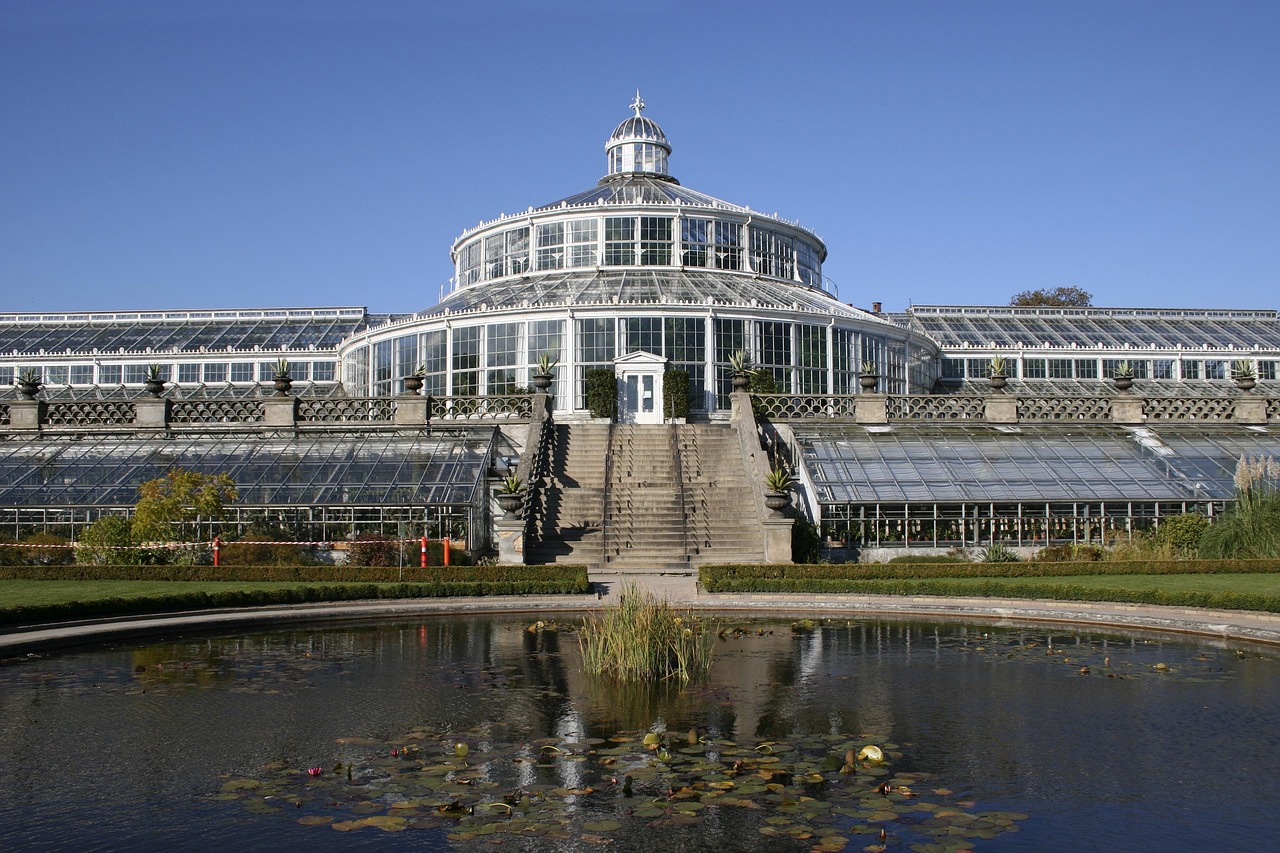
Beyond Rosenborg’s King’s Garden, the Botanical Garden is another green oasis I return to on every trip. The elegant Palm House greenhouse feels like stepping into a Victorian glass dream, and the outdoor paths are perfect for a slow stroll.
Family-friendly: Kids love running along the paths, and the small ponds are full of ducks and plant life to observe.
Tip: Bring a takeaway coffee and pastry; this is one of the best cheap pleasures in Copenhagen.
12. Freetown Christiania
Christiania is one of Copenhagen’s most talked-about areas: a self-declared autonomous neighborhood founded in the 1970s on a former military base. It’s known for its alternative lifestyle, street art, and the controversial Pusher Street, where cannabis is openly sold.
My first visit felt a bit like entering another world—handmade houses, murals everywhere, people building and tinkering. I usually come during the day, stick to the main paths, and respect local rules (no photos in certain areas, especially around Pusher Street).
Is it safe? During the day, yes, if you’re respectful and stick to the main routes. Avoid taking photos where signs say not to, and don’t treat residents like zoo exhibits.
Good to know: Christiania’s status is constantly evolving; by 2026, local authorities continue to negotiate its future, so expect some changes and respect any posted guidelines.
13. Superkilen Park
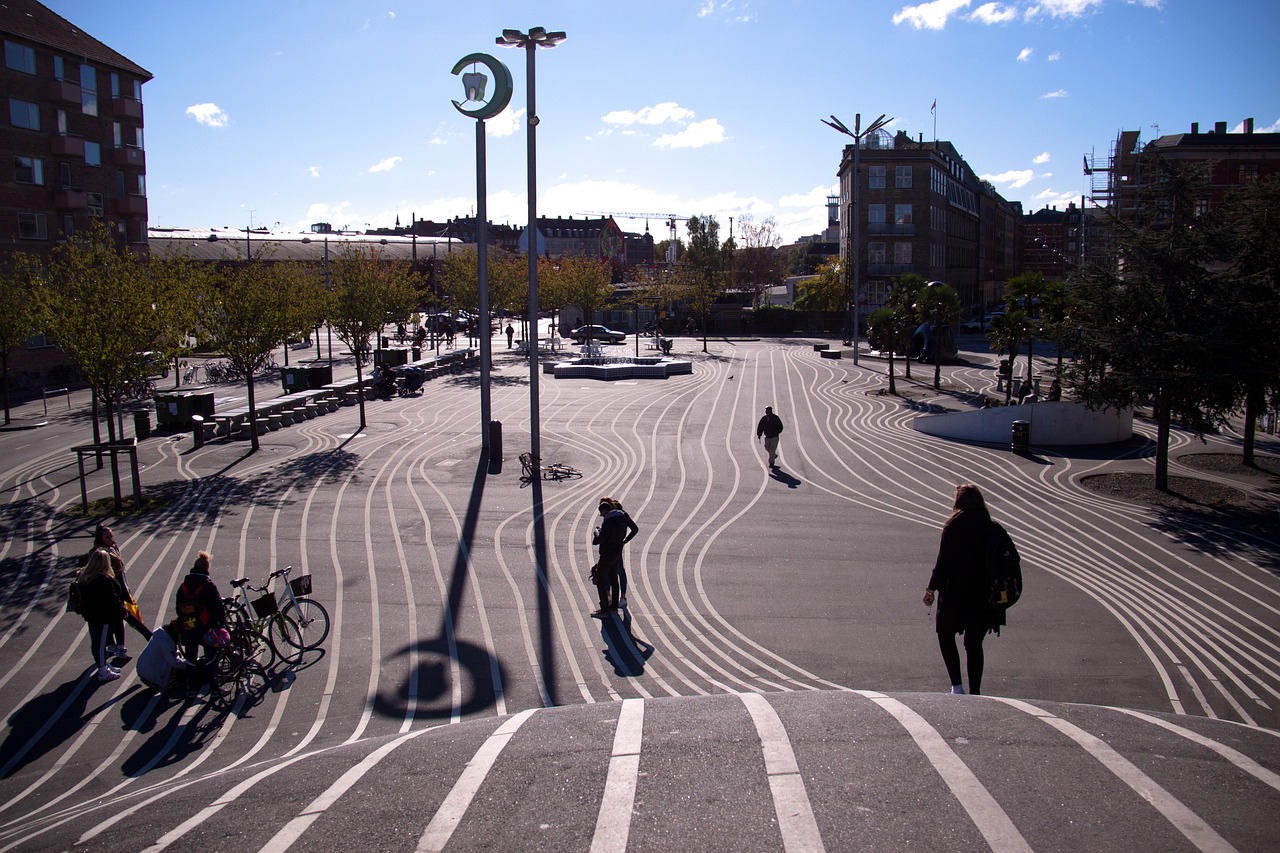
Superkilen, in Nørrebro, is one of the most visually striking public spaces I’ve ever seen. Designed as a celebration of the neighborhood’s diversity, the park is filled with objects from around the world: benches from Brazil, swings from Iraq, a Moroccan fountain, and more.
Walking through Superkilen feels like wandering through an outdoor design experiment. It’s especially good for photos, but also just a fun place to see Copenhageners hanging out, skating, and playing.
Tip: Combine with a food walk through Nørrebro for a perfect afternoon of hidden gems in Copenhagen.
14. Kødbyen (Meatpacking District)
The Meatpacking District, behind Central Station in Vesterbro, has transformed from an industrial area into one of the city’s most vibrant nightlife and dining hubs. White and gray warehouse buildings now house wine bars, street food, galleries, and late-night spots.
On my last trip, I spent an evening hopping between a natural wine bar, a casual pizza place, and a late-night gallery opening. In summer, the whole area spills outside, with people perched on curbs and loading docks.
Best for: Nightlife, bar-hopping, casual dinners. The vibe is urban and creative rather than polished.
15. CopenHill (Amager Bakke)
CopenHill is one of those “only in Copenhagen” places: a waste-to-energy plant with a ski slope and hiking trail on its roof. The building, designed by Bjarke Ingels Group, has become an icon of the city’s green ambitions.
I visited on a windy autumn day and hiked up the zigzagging path, pausing for views over the harbor and city. Brave souls were skiing on the artificial surface, while others were enjoying the rooftop bar.
Activities: Hiking, running, skiing (year-round), climbing on the enormous artificial wall, or just taking in the view.
Good for: Adventure seekers, architecture nerds, and anyone wanting a different perspective on the city.
16. Harbor Baths (Islands Brygge & Nordhavn)
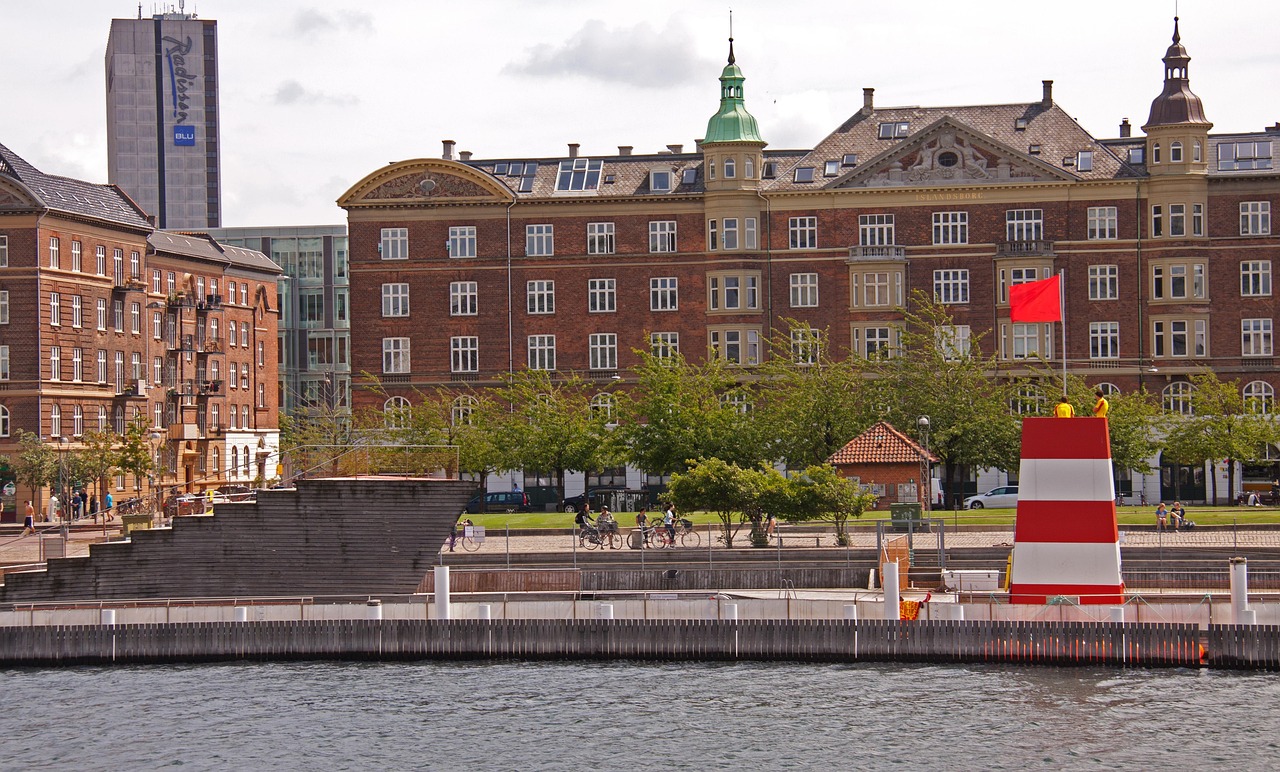
One of the most surprising things about Copenhagen is that people actually swim in the city harbor. The water is clean enough for official harbor baths, with lifeguards and diving platforms.
I still remember my first summer jump at Islands Brygge: cold, exhilarating, and followed by lying on the wooden deck with an ice cream, watching boats glide past.
Popular spots: Islands Brygge, Kalvebod Bølge, and the Nordhavn harbor baths are my favorites.
Tip: Pack a swimsuit if you’re visiting between June and early September. It’s free, uniquely local, and one of the most memorable things to do in Copenhagen.
17. SMK – The National Gallery of Denmark
Located near the Botanical Garden, SMK holds Denmark’s largest collection of art. From medieval religious works to contemporary installations, there’s plenty to explore.
I like starting in the older wings and then moving to the modern glass extension, where light pours in and you can gaze out over the park.
Good for: Art lovers, rainy days, and slower-paced afternoons on a 4 day itinerary for Copenhagen.
18. Torvehallerne Food Market
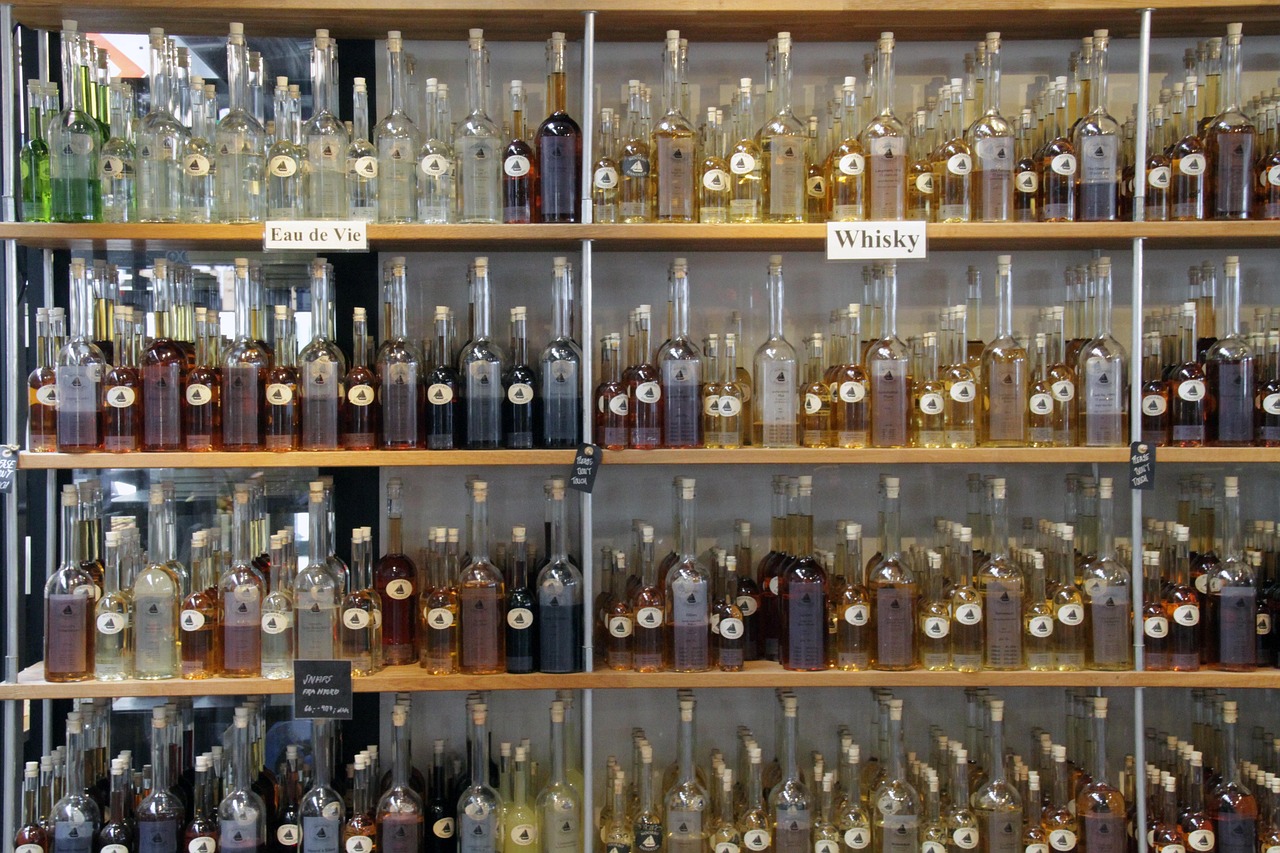
Torvehallerne is my go-to place for a casual but excellent meal. Two glass halls filled with food stalls and specialty shops, plus outdoor seating in warmer months.
I almost always stop here on my first day: grab a coffee, pick up a smørrebrød (open-faced sandwich), maybe some local cheese or pastries, and sit watching the city swirl around me.
Tip: It can get busy at lunch; come early or late, or embrace the bustle. Great option for families and groups with different tastes.
19. Reffen Street Food & Urban Area
Reffen, on Refshaleøen, is a huge outdoor street food market and creative zone on a former industrial island. It’s one of my favorite summer spots in Copenhagen: picnic tables by the water, live music, food from all over the world, and views back to the city.
How to visit: Take a harbor bus or bike out along the water. It feels just far enough from the center to be an adventure.
Good for: Casual evenings, group dinners, and sunset drinks with a harbor breeze.
20. Assistens Cemetery & Surrounding Nørrebro Streets
Assistens Cemetery, where Hans Christian Andersen and Søren Kierkegaard are buried, is also a beloved local park. Danes treat it with a mix of respect and everyday ease; you’ll see people walking dogs, reading under trees, and quietly chatting on benches.
I like wandering the paths, finding the famous graves, then slipping out into Nørrebro’s side streets for coffee and vintage shopping. It’s a good reminder that Copenhagen’s soul lies as much in these everyday spaces as in its grand palaces.
Suggested Itineraries: 3, 4, and 5 Days in Copenhagen
Below are flexible itineraries built from my own repeat visits. They’re designed to mix must-see attractions in Copenhagen with local life, food, and downtime. Feel free to swap days around depending on weather and your energy.
3 Days in Copenhagen: Classic Highlights with Local Flavor
If you’re planning 3 days in Copenhagen, this is a great balance of iconic sights, cultural experiences, and a few hidden corners.
Day 1: Old Town, Nyhavn & Harbor
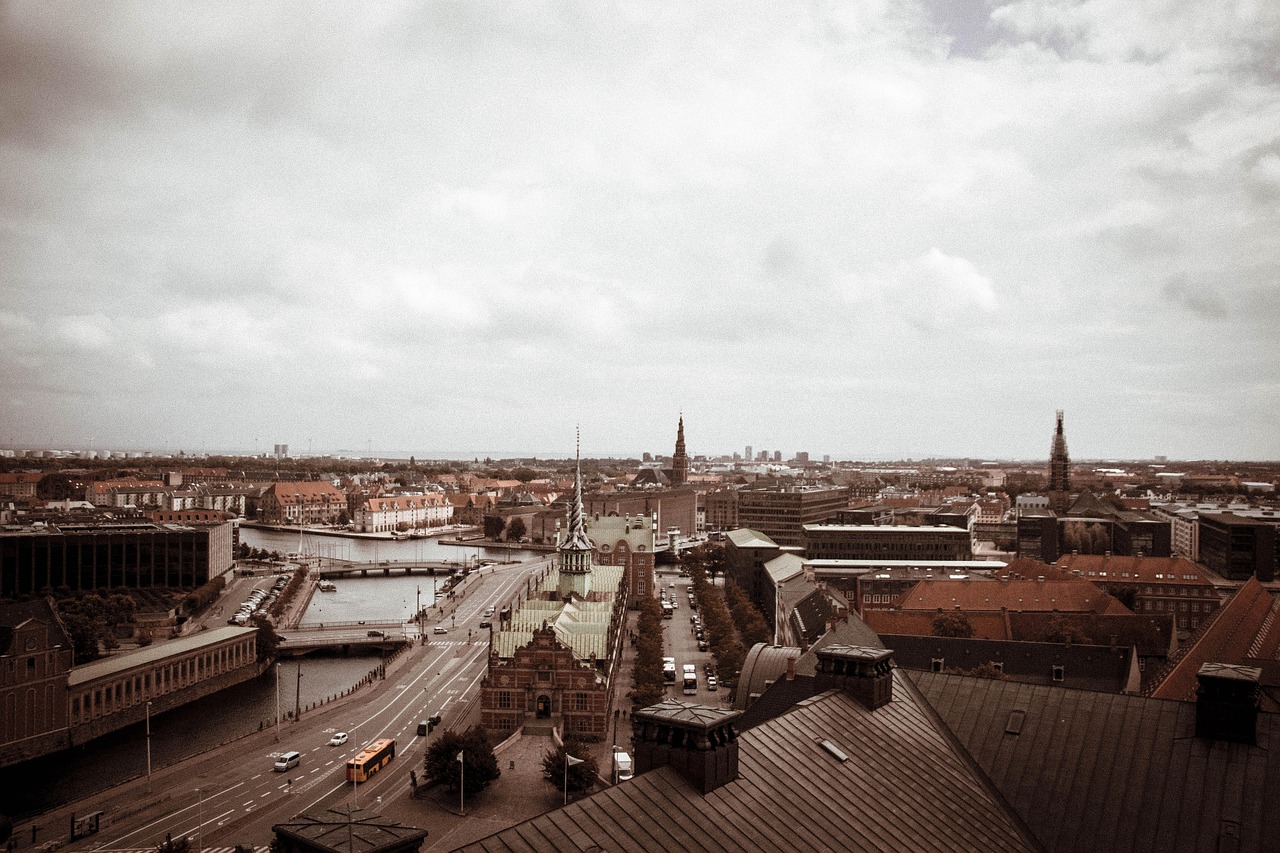
Start in Indre By: wander Strøget and the side streets, climb the Round Tower, and get your bearings. Around midday, head to Nyhavn for a canal tour—this gives you a quick overview of many things to do in Copenhagen. In the afternoon, stroll to Amalienborg and Frederiks Church, then continue along the harbor to Kastellet and, if you like, the Little Mermaid.
Evening: Dinner in Nyhavn’s back streets or across the harbor at Ofelia Plads food kiosks (seasonal). If you’re not too tired, a twilight walk along the harbor is magical.
Day 2: Palaces, Museums & Tivoli
Morning in Christiansborg Palace and the National Museum. Afternoon visiting Ny Carlsberg Glyptotek or SMK, depending on your interests. Late afternoon and evening in Tivoli Gardens—stay for the lights and maybe a ride or two.
Day 3: Christianshavn & Nørrebro
Morning: Explore Christianshavn’s canals, climb the Church of Our Saviour (if you’re not afraid of heights), and take a daytime walk through Christiania, respecting local rules. Afternoon: Head to Nørrebro—visit Assistens Cemetery, Superkilen, and end the day with dinner at one of the many budget-friendly spots there.
4 Days in Copenhagen: Deeper Neighborhood Exploration
With 4 days in Copenhagen, you can slow down and enjoy more local life.
Day 4: Vesterbro & Meatpacking District
Lazy breakfast in Vesterbro, a stroll down Istedgade for cafés and shops, then a detour to Frederiksberg Garden. Afternoon coffee back in Vesterbro, then an evening in the Meatpacking District for dinner and drinks.
5 Days in Copenhagen: Add Day Trips & Water
With 5 days in Copenhagen, you can add a full day trip and a day focused on the water and modern architecture.
Day 5: Day Trip (Louisiana, Kronborg, or Roskilde)
Choose one: Louisiana Museum of Modern Art (for art and sea views), Kronborg Castle in Helsingør (Shakespeare’s “Hamlet” castle), or Roskilde (Viking Ship Museum and cathedral). I’ll detail these in the day trip section, but any of them pair beautifully with a 5 day itinerary for Copenhagen.
Local Food in Copenhagen: What & Where to Eat
Copenhagen’s food scene has exploded in the last decade. From New Nordic fine dining to humble hot dogs and bakery counters, there’s something for every budget.
Classic Danish Dishes to Try
- Smørrebrød: Open-faced rye bread sandwiches topped with herring, shrimp, roast beef, or potatoes. Try them at Torvehallerne or traditional places like Restaurant Schønnemann (book ahead).
- Danish pastries (wienerbrød): Cinnamon buns (kanelsnegle), spandauer, and more. My morning ritual is a pastry and coffee from a local bakery, then a walk by the lakes.
- Frikadeller: Danish meatballs, often served with potatoes and gravy.
- Rød pølse: The iconic red hot dog from a pølsevogn (hot-dog stand). Cheap, quick, and very local.
New Nordic & Trendy Spots
Copenhagen is the birthplace of New Nordic cuisine, with seasonal, local ingredients and creative techniques. In 2026, the fine-dining scene remains strong, but there are also more mid-range spots inspired by the same ethos.
Budget-Friendly Food Tips
- Use food markets like Torvehallerne and Reffen for diverse, mid-priced meals.
- Lunch deals: many restaurants offer cheaper lunch menus; make your main meal at midday to save money.
- Supermarkets like Netto, Fakta, and Irma are good for picnic supplies.
Nightlife & Cultural Experiences in Copenhagen
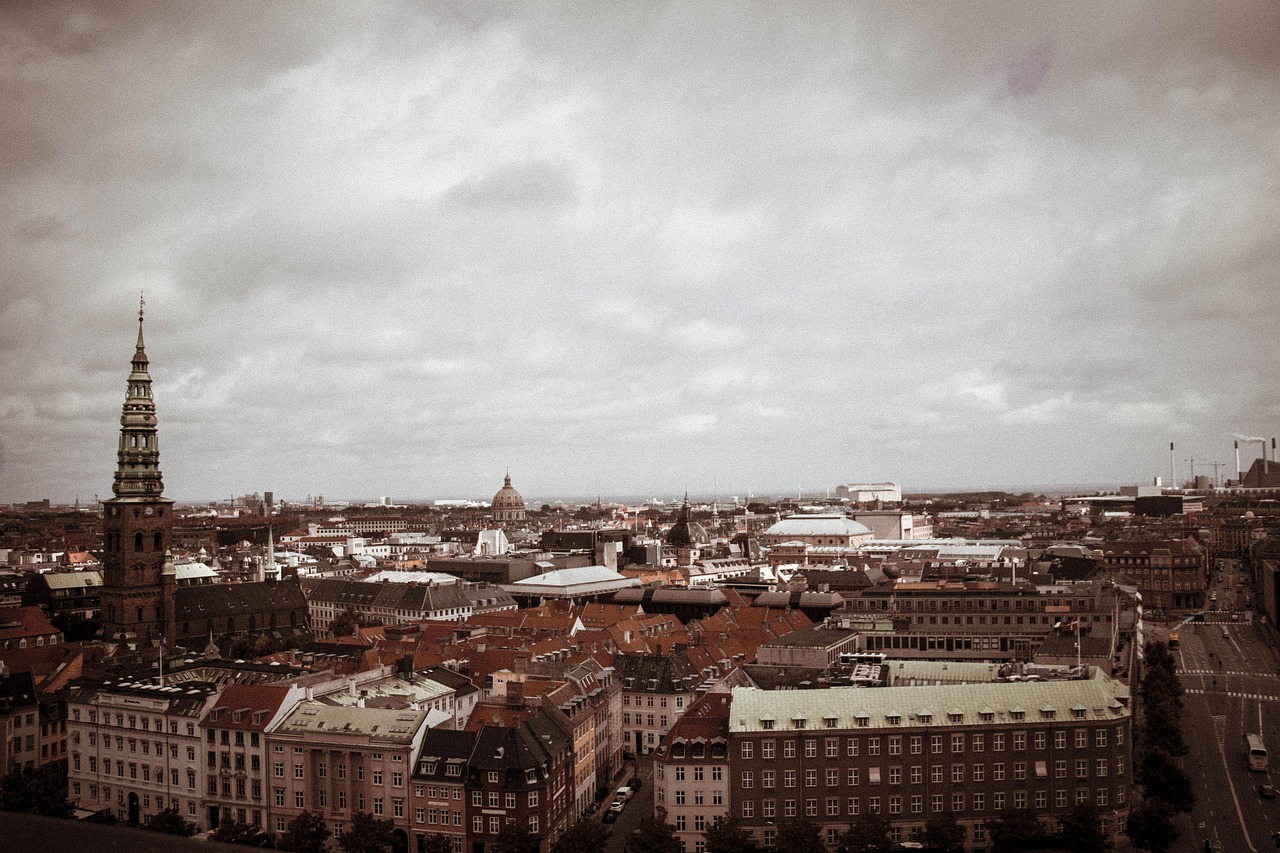
Copenhagen’s nightlife is more about cozy bars, craft cocktails, and music venues than all-night clubs (though those exist too).
Where to Go Out
- Vesterbro & Meatpacking District: Bars, beer halls, and late-night venues.
- Nørrebro: Younger, edgier bars and music spots.
- Indre By: Classic pubs and wine bars tucked into old buildings.
Cultural Experiences
- Catch an opera or ballet at the Copenhagen Opera House (the building itself is worth a visit).
- Look for small concerts in churches or community venues—posters are often on lampposts and notice boards.
- Visit during a festival like Copenhagen Jazz Festival (usually July) for live music across the city.
Best Day Trips from Copenhagen
Louisiana Museum of Modern Art
About 35 minutes north by train, Louisiana is my favorite day trip from Copenhagen. The museum combines world-class modern art with a stunning seaside setting.
Getting there: Train from København H to Humlebæk, then a short walk following signs.
Kronborg Castle (Helsingør)
Shakespeare’s “Hamlet” castle sits at the narrowest point of the Øresund Strait. The fortress, cannons, and sea views make this a great family trip.
Getting there: Train from København H to Helsingør (about 45 minutes), then a short walk.
Roskilde: Viking Ship Museum & Cathedral
Roskilde, about 25 minutes by train, was once Denmark’s capital. The Viking Ship Museum lets you see and even sail in reconstructed Viking ships (seasonally), while the cathedral is a UNESCO site and the burial place of Danish monarchs.
Local Customs & Cultural Etiquette in Copenhagen
Danes are generally relaxed, but a few norms will help you feel more at home.
- Personal space & quiet: Danes value privacy. Keep voices moderate on public transport and avoid oversharing with strangers.
- Biking etiquette: Use bike lanes, signal with your hand, don’t block lanes, and never walk in the bike lane.
- Punctuality: Being on time is important, especially for tours and reservations.
- Tipping: Service is usually included. Rounding up or adding 5–10% for good service is appreciated but not mandatory.
- Shoes off: In private homes, you’ll usually be asked to remove shoes.
Practical Travel Tips for Copenhagen
Getting Around: Public Transport, Bikes & Cars
- Public transport: Efficient metro, S-trains, and buses. Get a city pass or use contactless payment. The driverless metro runs frequently, even late.
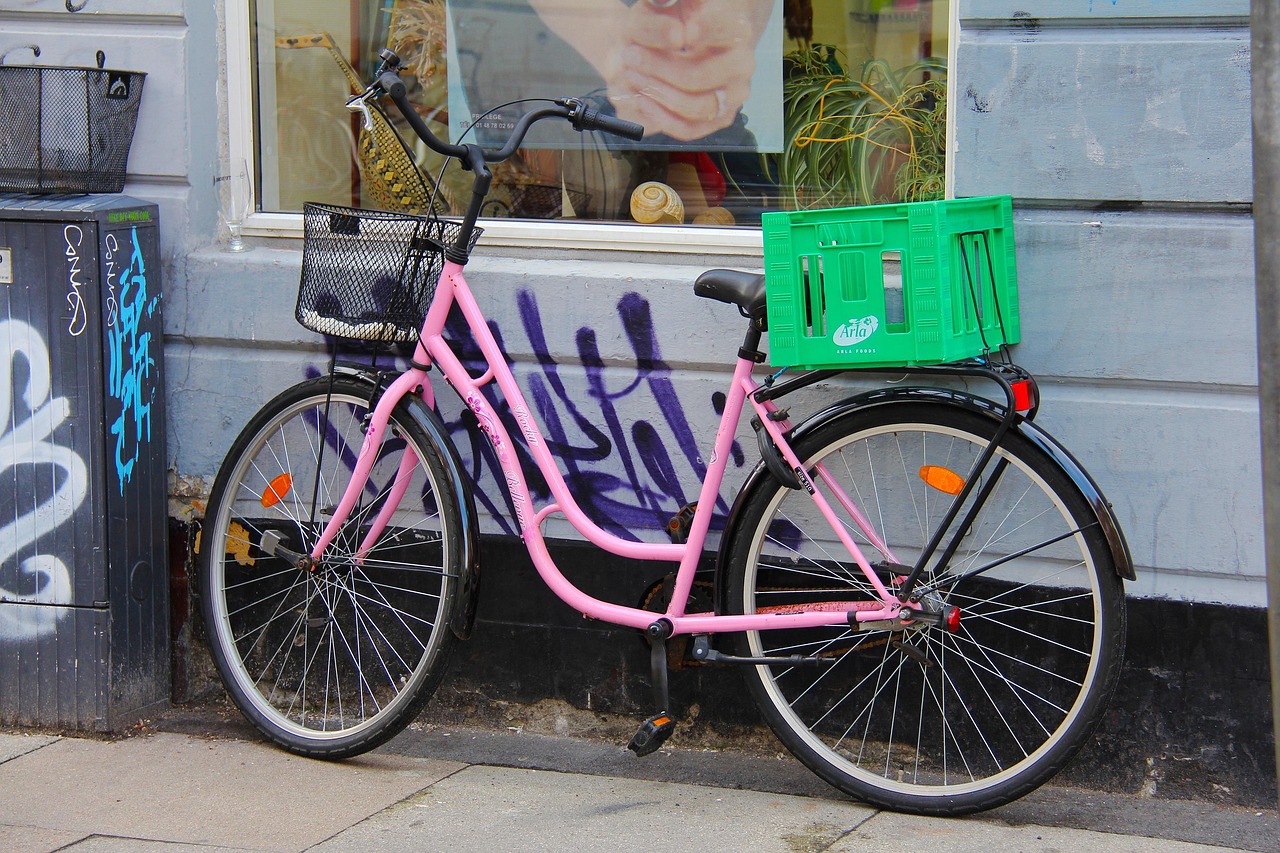
- Biking: The best way to see the city. Rent from bike shops or app-based services. Always lock your bike and follow rules.
- Car rental: Generally unnecessary and inconvenient in the center due to parking costs. Rent only if you’re exploring rural Denmark.
Money & Costs
- The currency is the Danish krone (DKK). Cards are accepted almost everywhere.
- Copenhagen is expensive. Save by using supermarkets, cooking if you have a kitchen, and focusing on free attractions (gardens, harbor baths, churches, walks).
SIM Cards & Connectivity
- In 2026, eSIM options are common. Carriers like YouSee, TDC, and Telia offer tourist-friendly plans.
- Buying a prepaid SIM at the airport or in 7-Eleven shops is easy; bring your passport for registration.
Visa Requirements & Driver’s Licenses
- Denmark is in the Schengen Area. Many visitors (EU, UK, some others) can enter visa-free for short stays; always check current rules before travel.
- Foreign driver’s licenses from many countries are accepted for short visits; if in doubt, carry an International Driving Permit.
When to Visit Copenhagen: Seasons & Activities

- Spring (April–May): Blossoms, lengthening days, fewer crowds. Great for city walks and gardens.
- Summer (June–August): Best for harbor swimming, long evenings, outdoor dining, and festivals. Also the busiest and priciest.
- Autumn (September–October): Crisp air, golden parks, slightly lower prices. Cozy café season begins.
- Winter (November–March): Short days, but magical Christmas markets and hygge. Ideal if you love winter atmosphere and museums.
Major Events in Copenhagen 2026–2027
Specific dates change year to year, but in 2026–2027 you can expect:
- Copenhagen Jazz Festival: Usually July – concerts all over the city.
- Distortion Festival: Early summer – street parties and club nights, mainly in Nørrebro and Vesterbro.
- Copenhagen Pride: August – parades, events, and parties celebrating LGBTQ+ communities.
- Christmas Markets: Late November to December – Tivoli, Nyhavn, and various squares.
Check the 2026–2027 event calendars closer to your trip, as the city increasingly hosts design, sustainability, and food festivals that can enrich your stay.
Summary: Key Takeaways for Your Copenhagen Trip
Copenhagen is a city that rewards both quick visits and slow returns. For a 3 day itinerary for Copenhagen, focus on Nyhavn, the old town, palaces, a museum or two, and Tivoli. With 4 days in Copenhagen, add neighborhood exploration in Vesterbro and Nørrebro. With 5 days in Copenhagen, fold in a day trip to Louisiana, Kronborg, or Roskilde and extra time by the harbor baths.
Eat smørrebrød, pastries, and at least one hot dog from a street cart. Swim in the harbor if the season allows. Rent a bike, but respect the rules. Embrace hygge: candles, cozy cafés, slow conversations. Remember that many of the best cultural experiences in Copenhagen are free—parks, canals, architecture, and the simple pleasure of watching a city that’s been carefully designed for people, not cars.
For most travelers, late spring to early autumn is the best time to visit, with summer being ideal for outdoor life and winter for hyggelig markets and museums. Whatever season you choose, Copenhagen in 2026 is ready to welcome you with clean air, good design, and a way of life that might just inspire you long after you’ve flown home.