Why Visit Alexandria in 2026?
Alexandria is the city where the Mediterranean kisses Egypt. It’s lighter, breezier, and more melancholic than Cairo, with sea air tangled in its old tram lines and faded belle-époque balconies. When people ask me where to spend 3–5 days in Egypt beyond the pyramids, I always say: “Alexandria, if you want the country’s soul.”
Founded by Alexander the Great, once home to the legendary Library and the Pharos Lighthouse, Alexandria has been a crossroads of civilizations for over two millennia. Today, it’s a city of layered histories: Greek, Roman, Jewish, Armenian, Italian, French, Ottoman, and of course, Egyptian. Walk its Corniche at sunset and you’ll feel all of them at once.
In 2026, Alexandria is quietly having a moment. New restorations, refreshed museums, and a growing café and food scene make it perfect for a 3 day itinerary in Alexandria or a deeper 4–5 days in Alexandria if you want to really sink into the city’s rhythm. It’s less intense than Cairo, more authentic than many resort towns, and still astonishingly good value.
This travel guide for Alexandria is written like I’d plan your trip if we were friends: detailed 3, 4, and 5 day itineraries, must-see attractions in Alexandria, local food you can’t miss, neighborhoods to wander, and the small cultural details that make your visit smoother and more respectful.
Quick Overview & Planning Basics
If you’re skimming to decide how many days to spend: 3 days in Alexandria is the minimum to see the highlights (Bibliotheca Alexandrina, Catacombs, Qaitbay Citadel, Corniche). A 4 day itinerary for Alexandria lets you add more museums, food wandering, and perhaps a half-day beach. With 5 days in Alexandria, you can slow down, explore hidden gems, and do at least one day trip.
- Best for: History lovers, couples, families, foodies, slow travelers, Mediterranean romantics.
- Not ideal for: People wanting all-inclusive resort vibes or guaranteed pristine beaches year-round.
- Perfect trip length: 3–5 days in Alexandria, often combined with Cairo and Luxor/Aswan.
Below, I’ll walk you through detailed itineraries, then deep dives into at least 20 must-see attractions in Alexandria with personal stories, and finally all the nuts and bolts: where to stay, how to get around, local customs in Alexandria, and real-world travel advice for Alexandria in 2026.
Suggested Itineraries: 3, 4 & 5 Days in Alexandria
3 Day Itinerary for Alexandria: Highlights & First-Timers
When friends message me with, “We only have 3 days in Alexandria, what should we do?”, I send a version of this plan. It hits the classic things to do in Alexandria while leaving room to breathe.
Day 1: The Corniche, Qaitbay Citadel & Old Alexandria
I usually start the first day along the sea. After dropping my bag at whatever small hotel I’ve chosen near the Corniche, I walk until the salty air and the honk of old trams reset my internal clock.
- Morning: Stroll the Corniche from around Stanly Bridge toward downtown, stopping at a café with sea views for a simple Egyptian breakfast (fuul, taameya, baladi bread). This stretch instantly orients you to the city.
- Late morning: Head to Qaitbay Citadel, built on the exact site of the ancient Pharos. Wander the ramparts and watch kids fishing off the rocks.
- Lunch: Fresh seafood near the citadel (I’ll list my favorite spots below in the food section).
- Afternoon: Explore the old streets around Bahary and Anfoushi; peek into small mosques and bakeries, and maybe hop a short boat ride around the harbor.
- Evening: Sunset back along the Corniche, then a relaxed dinner at a local grill or fish place.
Day 2: Bibliotheca Alexandrina & Downtown Layers
- Morning: Visit the Bibliotheca Alexandrina. Take the guided tour if you can; it gives context to both ancient and modern Alexandria.
- Lunch: Café or restaurant along the Corniche near the library.
- Afternoon: Walk into downtown: see the Saad Zaghloul Square, old cinemas, French-style buildings, maybe duck into Greco-Roman Museum if you’re keen on history.
- Late afternoon: Coffee in an old literary café (like Trianon or Délices), people-watch, and feel the 20th-century cosmopolitan Alexandria that older locals still reminisce about.
- Evening: Family-friendly stroll through Shallalat Gardens or a tram ride for fun; romantic travelers might book a seafront dinner.
Day 3: Catacombs, Pompey’s Pillar & Local Life
- Morning: Visit the Catacombs of Kom el Shoqafa, one of the must-see attractions in Alexandria for its eerie blend of Egyptian and Greco-Roman motifs.
- Late morning: Walk or taxi to Pompey’s Pillar & Serapeum.
- Lunch: Local koshary or street food in central Alexandria.
- Afternoon: Choose between the Royal Jewelry Museum in Zizenia or a more relaxed few hours at a local beach club (season-dependent).
- Evening: Final Corniche walk; try sweets like konafa or basbousa, then pack for your next destination.
4 Day Itinerary for Alexandria: Deeper Dive
If you can manage 4 days in Alexandria, you’ll have time to wander beyond the main sites and start to feel the city.
Day 1–3: Follow the 3 Day Itinerary Above
Keep the first three days broadly the same. For the fourth day, I like to mix in less-famous but very rewarding places.
Day 4: Royal Alexandria & Hidden Neighborhood Corners
- Morning: Head to Montazah Palace & Gardens. Wander the sprawling gardens, walk along the footbridges, and enjoy the sea views. Great for families and couples.
- Lunch: Picnic in Montazah or lunch in a nearby café overlooking the water.
- Afternoon: Explore Zizenia and Roushdy neighborhoods—tree-lined streets, old villas, boutique cafés, and quieter residential Alexandria. Stop by the Royal Jewelry Museum if you didn’t on Day 3.
- Evening: Try a more modern restaurant or rooftop bar, watch the city lights dance along the Corniche.
5 Day Itinerary for Alexandria: Slow, Local & Side Trips
With 5 days in Alexandria, you no longer feel rushed. You can sleep in, linger in cafés, or head a bit out of town.
Day 1–4: Follow the 4 Day Itinerary
Day 5: Day Trip or Themed Day
- Option 1 – Day Trip to El-Alamein: WWII history, war cemeteries, small museum, and a chance to see the desert meet the sea. Somber but powerful; I’ve gone twice, and it hits differently each time.
- Option 2 – Abu Qir & Fishing Villages: Explore Abu Qir, eat incredible local seafood, see humble harbors and traditional boats.
- Option 3 – Deep Cultural Day: Focus on lesser-known museums and cultural centers: Greek Club area, small churches, mosques, and literary cafés, plus a performance at the Alexandria Opera House if timings align.
The 20+ Best Places to Visit in Alexandria (With Personal Notes)
Below are the must-see attractions in Alexandria, each with history, significance, and my own experiences and tips. Think of this as the backbone of any 3–5 day itinerary for Alexandria.
1. Qaitbay Citadel (Fort Qaitbay)
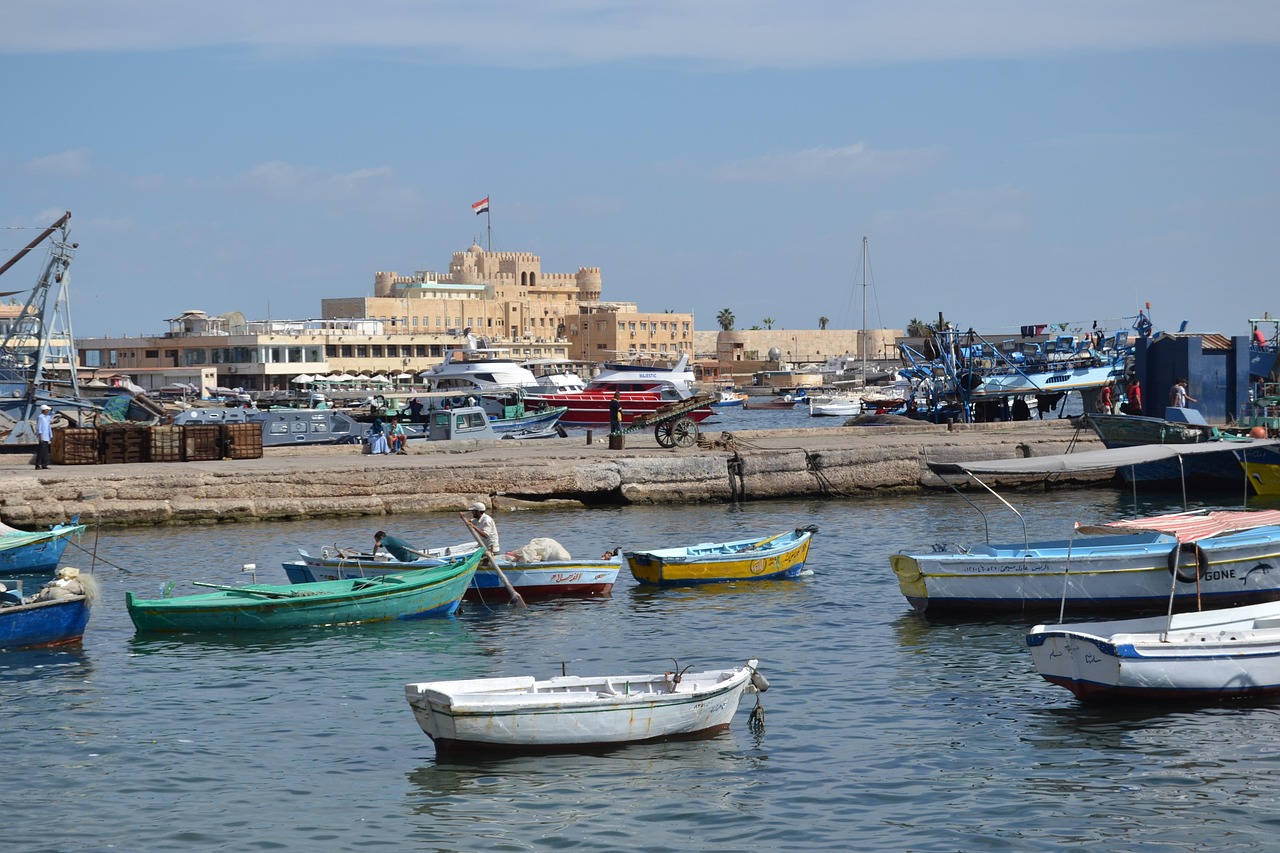
The Qaitbay Citadel is where I bring people on their first afternoon. Standing on the ramparts, with the Mediterranean stretching endlessly and the smell of grilled corn drifting up from vendors below, you finally feel the scale of Alexandria’s story.
Built in the 15th century by Sultan Al-Ashraf Qaitbay, the fortress stands on the original site of the Pharos Lighthouse, one of the Seven Wonders of the Ancient World. The lighthouse was destroyed by a series of earthquakes; its stones were repurposed to build the citadel. You can literally touch the recycled bones of a lost wonder.
Inside, narrow staircases lead to small chambers and open terraces. The inner rooms are simple, but the joy here is in the views: fishing boats bobbing below, kids leaping into the water, couples posing for wedding photos in shimmering dresses and sharp suits.
My routine: I like arriving mid to late afternoon, when the harsh midday glare softens. I’ll circle the exterior first, walking along the breakwater to watch locals fish and teenagers flirt. Then I enter the citadel, climb to the top, and sit on the stone ledge, letting the wind whip my hair around. On my last visit in late 2025, I watched a storm roll in: dark clouds over the sea, lighthouse beams flickering from distant ships. It was cinematic.
Tips:
- Family-friendly: Kids love the castle vibe, but keep an eye on them near low walls.
- Romantic: Sunset here is atmospheric—great place for photos.
- Time needed: 1–2 hours including a slow walk around the harbor.
- Nearby food: Plenty of seafood restaurants. I often grab fried calamari and sayadieh (spiced rice with fish) in Bahary afterward.
2. Bibliotheca Alexandrina (New Library of Alexandria)
The Bibliotheca Alexandrina is the city’s proudest modern statement: a sleek, circular structure sloping toward the sea, covered in carved scripts from dozens of languages. It’s both tribute and answer to the mythic ancient Library of Alexandria.
Every time I walk into the main reading hall, with its cascading wooden terraces bathed in natural light, I get goosebumps. It feels like stepping into an idea of what a library should be: open, airy, buzzing with quiet energy.
What to see:
- Main Library Hall: You’ll see students, researchers, and kids doing homework. It’s a living space, not just a showpiece.
- Museums Inside: There’s a manuscript museum, antiquities museum, and a small but engaging science center. On a hot day, you can happily spend hours here.
- Planetarium: Check schedules; families especially love the shows.
My experience: In 2024 I spent a half-day just wandering the exhibitions, then retreated to the café with a mint lemonade and a book about Alexandria’s cosmopolitan era. A local friend joined later and pointed out the building’s subtle nods to Egyptian sun symbolism.
Tips:
- Guided tours in English are worth it for context on the architecture and mission.
- Dress modestly but comfortably; light layers are fine.
- Great rainy-day or midday-heat activity.
3. Catacombs of Kom el Shoqafa
The Catacombs of Kom el Shoqafa are one of my favorite “wow, this actually exists” places in Alexandria. Tucked in a dense, unassuming neighborhood, the entrance looks modest—until you descend the ancient spiral staircase.
These catacombs date back to the 2nd century AD, a remarkable blend of Egyptian, Greek, and Roman funerary art. You’ll see Anubis wearing Roman armor, pharaonic-style figures with Greek hairstyles, and carved reliefs that seem to argue that identities have always been layered and fluid.
What it’s like: The air gets cooler as you go down. The central shaft once lowered bodies on a platform; surrounding it are chambers and niches for burials. Some frescos are faded, but enough remains to feel the surreal mix of cultures that defined ancient Alexandria.
My tip: Go early in the day, before crowds and heat. On one visit, I arrived just as they opened and had entire chambers to myself, the silence broken only by the echo of my footsteps and a distant call to prayer filtering down from the street above.
Practicalities:
- No photography allowed in some sections—respect the rules.
- Not ideal if you’re very claustrophobic, though the spaces are not tiny.
- Wear good shoes; floors can be uneven and slightly damp.
4. Pompey’s Pillar & Serapeum
Pompey’s Pillar is one of those landmarks that looks underwhelming in photos but becomes impressive when you’re standing at its base. The granite column, nearly 27 meters high, looms over the remains of the Serapeum, a temple dedicated to the Greco-Egyptian god Serapis.
Despite its name, the pillar has nothing to do with Pompey; it was erected in honor of the Roman Emperor Diocletian around 298–302 AD. Around the site, you’ll find scattered sphinxes and ruins that hint at the once-grand complex.
My experience: I usually combine this with the Catacombs. The site is often quiet, and I’ve had moments of almost private contemplation here, sitting on a low wall, imagining the temple libraries that some historians think may have housed parts of the ancient Library’s collections.
Good to know:
- Bring a hat; there’s very little shade.
- 30–60 minutes is enough unless you’re deeply into archaeology.
5. Montazah Palace & Gardens
Montazah is where Alexandrians go to breathe. Once a royal retreat for Egypt’s last kings, the grounds are now a vast public park with pine trees, lawns, and sea views, framing the ornate Montazah Palace with its fairy-tale towers.
Why I love it: On my first summer visit, I spent almost a full day here. I walked the promenade, watched families picnic under the palms, rented a pedal boat for a short spin, and ended up napping on the grass with the sound of waves in the distance. It felt worlds away from downtown’s bustle.
Activities:
- Strolling the gardens and seafront walkways.
- Visiting small private beaches and platforms (seasonal, often with entry fees).
- Picnicking—locals bring full spreads; you can just grab snacks.
Tips:
- Perfect for families and couples; very relaxed vibe.
- Go on a weekday if possible; weekends can be crowded.
- Modest swimwear is common on public beaches; more liberal at some private facilities.
6. Royal Jewelry Museum
Hidden in a quiet Zizenia street, the Royal Jewelry Museum is one of the city’s loveliest surprises. Housed in a former royal palace, its lavish ceilings, stained glass, and parquet floors almost outshine the jewelry displays themselves.
The collection showcases pieces owned by Egypt’s royal family: crowns, tiaras, brooches, bejeweled swords, and everyday items like cigarette cases encrusted with diamonds. It’s a glittering snapshot of a bygone elite lifestyle.
Personal note: I first stumbled upon it on a hot afternoon when I just wanted somewhere air-conditioned and quiet. I ended up staying over two hours, fascinated by the tiny inscriptions and photographs that tell the human side of these objects.
Good for: Art and design lovers, anyone interested in royal history, and travelers looking for a beautiful indoor stop during the middle of the day.
7. Greco-Roman Museum (Reopened & Revamped)
After a long restoration, the Greco-Roman Museum has re-emerged as one of Alexandria’s most important cultural experiences. It houses statues, reliefs, mosaics, and everyday objects from the city’s Hellenistic and Roman periods.
Highlights: The massive statue of Serapis, stunning busts of Ptolemaic rulers, intricate mosaics, and small domestic artifacts that reveal daily life in ancient Alexandria.
My tip: Go slowly. The temptation is to rush from “big piece” to “big piece”, but it’s the small items—child’s toys, household tools—that made me feel closest to the people who lived here two thousand years ago.
8. Roman Amphitheater (Kom el-Dikka)
Kom el-Dikka is a fascinating archaeological site right in the city center: a remarkably preserved small Roman amphitheater surrounded by remains of lecture halls, baths, and homes.
When I visited with a historian friend, she pointed out that this wasn’t a gladiator arena but more likely used for performances and gatherings—think intimate concerts and public readings. Standing on the “stage”, I whispered a few words just to hear the acoustics; even my quiet voice carried up the stone steps.
Tips:
- Combine with nearby downtown wandering.
- Not huge; 45–60 minutes is usually enough.
- Great for kids who like to climb (within allowed areas) and imagine ancient performances.
9. Alexandria Corniche & Stanly Bridge
The Corniche is Alexandria’s spine: a sweeping coastal boulevard hugging the Mediterranean for kilometers. It’s noisy, chaotic, and utterly alive—especially in the evenings when families, couples, and groups of friends all come out.
Stanly Bridge: This ornate, multi-towered bridge is one of the city’s most Instagrammed spots, but it’s also genuinely lovely. At night, its lights reflect off the water, framing the curve of the bay and the high-rises behind.
My habit: On almost every trip, I dedicate at least one long walk to the Corniche. I’ll buy roasted corn on the cob from a vendor, maybe some sugarcane juice, and just see where my feet take me. I’ve had some of my best random conversations with locals this way.
Tips:
- Evening is prime time; it’s too hot and washed-out at midday in summer.
- Traffic is intense; always use crosswalks or pedestrian bridges when possible.
- For a more tranquil experience, walk earlier in the morning.
10. Alexandria Beaches (Stanly, Glim, Mandara & More)
Alexandria’s beaches are not postcard-perfect by global standards, but they’re very real: packed with Egyptian families, colorful umbrellas, kids shrieking in the surf, and men selling everything from tea to inflatable rings.
Where to go:
- Stanly & Nearby: Urban vibe, lots of cafés and crowds.
- Mandara & Montazah Area: Slightly more relaxed, some private beach clubs.
- Private Club Beaches: Better facilities and cleanliness, entry fees apply.
Cultural note: Modest swimwear is common, especially for women. You’ll see everything from full-coverage “burkinis” to more typical Western-style swimsuits at some private areas, but it’s courteous to err on the conservative side, especially on public beaches.
11. Abu Qir & Nelson’s Battle Waters
Abu Qir is a working fishing town northeast of Alexandria, historically significant as the site of the Battle of the Nile (also known as the Battle of Aboukir Bay), where Nelson defeated the French fleet in 1798. Today, it’s better known for its seafood and humble harbors.
Why go: To see a less polished side of the Mediterranean, eat absurdly fresh fish, and watch fishermen mend nets on the shore. On one visit, an older man insisted I try a piece of just-fried fish straight from his boat’s tiny stove; it was blisteringly hot and impossibly good.
Tips:
- Go midday for lunch; ask your driver or hotel for a recommended restaurant.
- Agree on taxi prices beforehand or use ride-hailing apps if available.
12. The Greek Club & Eastern Harbor Views
The Greek Club (officially the Greek Nautical Club) has one of the best terrace views in Alexandria: right over the Eastern Harbor, with Qaitbay Citadel in the distance. It’s a place where you can feel echoes of the city’s once-large Greek community.
Over grilled fish and chilled drinks, I’ve watched sunsets here that turned the entire harbor gold. It leans more “locals and in-the-know expats” than touristy, which I love.
Note: Sometimes there are member restrictions; ask your hotel or a local friend if they can help you access, or check if the attached restaurant is open to the public at the time of your visit.
13. Alexandria Opera House (Sayyed Darwish Theatre)
This elegant theater, named after Egyptian composer Sayyed Darwish, hosts classical concerts, opera, ballet, and local cultural performances. Inside, it’s all red velvet, chandeliers, and that anticipatory hush before a show starts.
I try to catch at least one performance every few visits. Once, I watched a mixed program of Western classical pieces and Egyptian compositions; hearing an oud and violin share a stage encapsulated Alexandria’s in-between identity.
Tip: Check schedules in advance; seats are often reasonably priced, and dress smart-casual.
14. Mosques & Churches of Old Alexandria
Alexandria’s spiritual landscape is as layered as its cultural one. A few notable spots:
- Abu al-Abbas al-Mursi Mosque: A beautiful, creamy-colored mosque in Anfoushi with intricate detailing. Even from outside, it’s worth a stop; non-Muslims may be allowed inside outside prayer times—dress modestly and ask politely.
- Saint Mark’s Coptic Orthodox Cathedral: Spiritual heart of the Coptic community; historically significant as well.
- Greek Orthodox Church of Annunciation & Others: Dotted around downtown, often with quiet courtyards and icons that speak to the city’s Greek past.
On one winter afternoon, I sat quietly in a church pew while a small choir practiced; their voices mixed with the faint sound of traffic outside and the muezzin’s call from a nearby mosque—a very Alexandrian soundtrack.
15. Shallalat Gardens & Downtown Green Spaces
Shallalat Gardens is a central park built over parts of Alexandria’s old fortifications. You’ll see remnants of walls and old cannons half-hidden among trees and lawns.
I like to cut through here when I’ve had enough concrete; kids play football, couples sit on benches, and vendors sell snacks at the edges. It’s not spectacular, but it’s part of everyday Alexandria, and sometimes that’s exactly what you want.
16. Historic Cafés: Trianon, Délices & Company
Alexandria’s old European-style cafés are time capsules from the city’s cosmopolitan heyday. Trianon, Délices, Athineos—these names come up again and again in local nostalgia.
The pastries are sometimes more charming than life-changing, but the atmosphere is everything: smoked glass mirrors, worn wooden chairs, faded photos of celebrities and politicians from the 1930s–1960s.
Whenever I need to write or simply watch life go by, I camp out in a corner with a Turkish coffee and a slice of cake. Once, an elderly man at the next table struck up a conversation and ended up telling me stories about when Greek, Italian, and Egyptian kids all went to school together in the neighborhood.
17. Alexandria Fish Market & Local Seafood Spots
The main fish market (and the many smaller ones) is where you feel Alexandria as a living port city. Piles of silver fish gleam on crushed ice, crabs clatter in crates, and sellers shout prices over the din.
Some seafood restaurants let you choose your fish from market-style displays, then grill or fry it to order. My go-to combination: grilled sea bass, fried calamari, tahini, pickled vegetables, and warm baladi bread, all eaten with sticky fingers.
18. Maamoura Beach & Promenade
Maamoura, on Alexandria’s eastern side, has a more controlled, resort-like feel compared to central beaches. There’s a promenade with cafés and ice cream stands, small amusement rides for kids, and a generally family-friendly atmosphere.
It’s not a must-do if you’re short on time, but if you have 4–5 days and want an easy beach + stroll combo, it’s a pleasant half-day.
19. Alexandria National Museum
Set in a restored Italianate mansion, the Alexandria National Museum offers a compact but well-curated overview of the city’s history, from pharaonic through Greco-Roman, Coptic, Islamic, and modern eras.
I usually recommend it early in a trip; it gives you a mental timeline so that when you later see scattered ruins and architectural styles, you know roughly where they fit in the story.
20. Street Art, Bookshops & Everyday Corners
Some of my best Alexandria memories aren’t in guidebooks: a mural of a girl with windswept hair on a crumbling wall; a tiny second-hand bookshop with towering stacks of French and Arabic novels; a backstreet café where students debated politics over shisha and tea.
Give yourself at least half a day with no fixed agenda. Wander around downtown’s side streets, around Camp Caesar or Bab Sharq, letting curiosity be your guide. That’s where the city quietly opens up.
Alexandria Neighborhoods & Areas to Explore
Downtown (El-Mansheya, Raml Station & Around)
Downtown is all peeling facades, old cinemas, tram lines, and hurrying crowds. It’s where you feel Alexandria’s 20th-century cosmopolitan history most strongly.
- Vibe: Busy, gritty, historic, full of character.
- Best for: Budget stays, old cafés, street photography, people-watching.
Zizenia, Roushdy & Kafr Abdo
These are leafy, mostly residential neighborhoods east of downtown, with villas, embassies, small parks, and more upscale cafés.
- Vibe: Quiet, middle/upper-class, café culture.
- Best for: Boutique stays, evening walks, feeling “local.”
Bahary & Anfoushi
Close to Qaitbay Citadel, this is old Alexandria: dense housing, narrow lanes, kids playing in the streets. It’s also where you find the Abu al-Abbas al-Mursi Mosque and some great local seafood.
- Vibe: Lively, traditional, very local.
- Best for: Photography, food, and understanding everyday life.
Eastern Corniche (Stanly, Sidi Gaber, San Stefano)
This stretch features high-rises, malls (like San Stefano), seafront hotels, and busy beaches.
- Vibe: Modern, energetic, a mix of local and tourist.
- Best for: Midrange and upscale hotels with sea views, nightlife, convenient access to beaches.
Montazah & Maamoura
Further east, more relaxed. Ideal if you prioritize greenery and sea air over proximity to downtown.
Best Local Food in Alexandria & Where to Eat
What to Eat in Alexandria
- Seafood: Grilled or fried fish, calamari, shrimp, sayadieh rice, fish tagines.
- Fuul & Taameya: Fava bean stew and Egyptian falafel (made with fava beans, not chickpeas).
- Koshary: Iconic Egyptian carb-bomb of pasta, rice, lentils, chickpeas, and crispy onions.
- Hawawshi: Spiced minced meat baked in bread.
- Alexandrian Liver (Kebda Eskandarani): Spicy liver sandwiches; one of the city’s signatures.
- Sweets: Basbousa, konafa, baklava, rice pudding (roz bel laban), and ice cream.
Where to Eat: Personal Favorites
I won’t list every famous name (they change, and part of the fun is discovering your own), but here are types of places and how I use them to both eat well and save money:
- Seafood Restaurants in Bahary & Abu Qir: Choose from the fresh display, tell them how you’d like it cooked. This is where I splurge—still cheaper than seafood in many Western cities.
- Local Fuul & Taameya Stands: Breakfast for the price of a coffee elsewhere, filling and delicious. I usually point and say “min kull haga shwaya” (a little of everything).
- Koshary Shops: Extremely budget-friendly; perfect lunch on a busy sightseeing day.
- Historic Cafés: Slightly pricier but you’re paying for atmosphere and history.
- Modern Coffee Shops in Zizenia/Roushdy: For good espresso, Wi-Fi, and people-watching.
Nightlife, Entertainment & Cultural Experiences in Alexandria
Nightlife in Alexandria is more low-key than in Cairo but still varied. Think cafés, shisha lounges, a handful of bars (often in hotels), and cultural centers hosting concerts and film screenings.
- Corniche Evenings: Families out late, street vendors, ice cream, and sea breezes.
- Hotel Bars & Rooftops: For cocktails or a glass of wine with a view, look to larger hotels along the Corniche and San Stefano.
- Cultural Centers: French Institute, Goethe-Institut, and local centers often have events—check their 2026–2027 calendars.
- Alexandria Opera House: For concerts, ballet, opera, and traditional music.
Day Trips & Nearby Attractions from Alexandria
El-Alamein
About 1.5–2 hours west of Alexandria, El-Alamein is historically significant for its WWII battles. You can visit the Commonwealth, German, and Italian cemeteries and the military museum.
Walking among the rows of white headstones, reading names and ages, I was struck by how many young men from so many countries ended up buried on this stretch of Egyptian coast.
Practical tips: Hire a driver for the day or join a tour; bring water, sun protection, and be respectful—this is a memorial, not a photo backdrop.
Borg El-Arab & North Coast
Further along the coast, resort areas offer clearer water and more typical “beach holiday” experiences. If you’re visiting in high summer and want at least one day of turquoise water, this is where to go.
Rashid (Rosetta)
Rashid, known in the West as Rosetta, lies where a branch of the Nile meets the Mediterranean. It’s historically important (think Rosetta Stone), and its old Ottoman houses and riverside setting make for a mellow, culture-rich day trip.
Cultural Etiquette & Local Customs in Alexandria
Alexandria is relatively liberal by Egyptian standards but remains a conservative, Muslim-majority city. A few guidelines:
- Dress: Shoulders and knees covered are appreciated, especially in local neighborhoods, mosques, and markets. On the Corniche and in modern cafés, you’ll see a range of styles; use your judgment.
- Public Affection: Keep it minimal. Holding hands is usually fine, but kissing and heavy affection in public is frowned upon.
- Greetings: A simple “Salaam alaikum” (peace be upon you) goes a long way. Handshakes are common, but some conservative women may prefer not to; follow their lead.
- Photography: Always ask before photographing people, especially women and children. Avoid military buildings and some ports.
- Tipping: Common and expected—keep small notes for café staff, porters, and drivers.
- Ramadan: During Ramadan, be discreet with eating and drinking in public during daylight; many restaurants still serve, but respect the fasting culture.
Practical Travel Tips for Alexandria (2026)
Getting Around Alexandria
- On Foot: Downtown and sections of the Corniche are walkable, but distances between neighborhoods can be long.
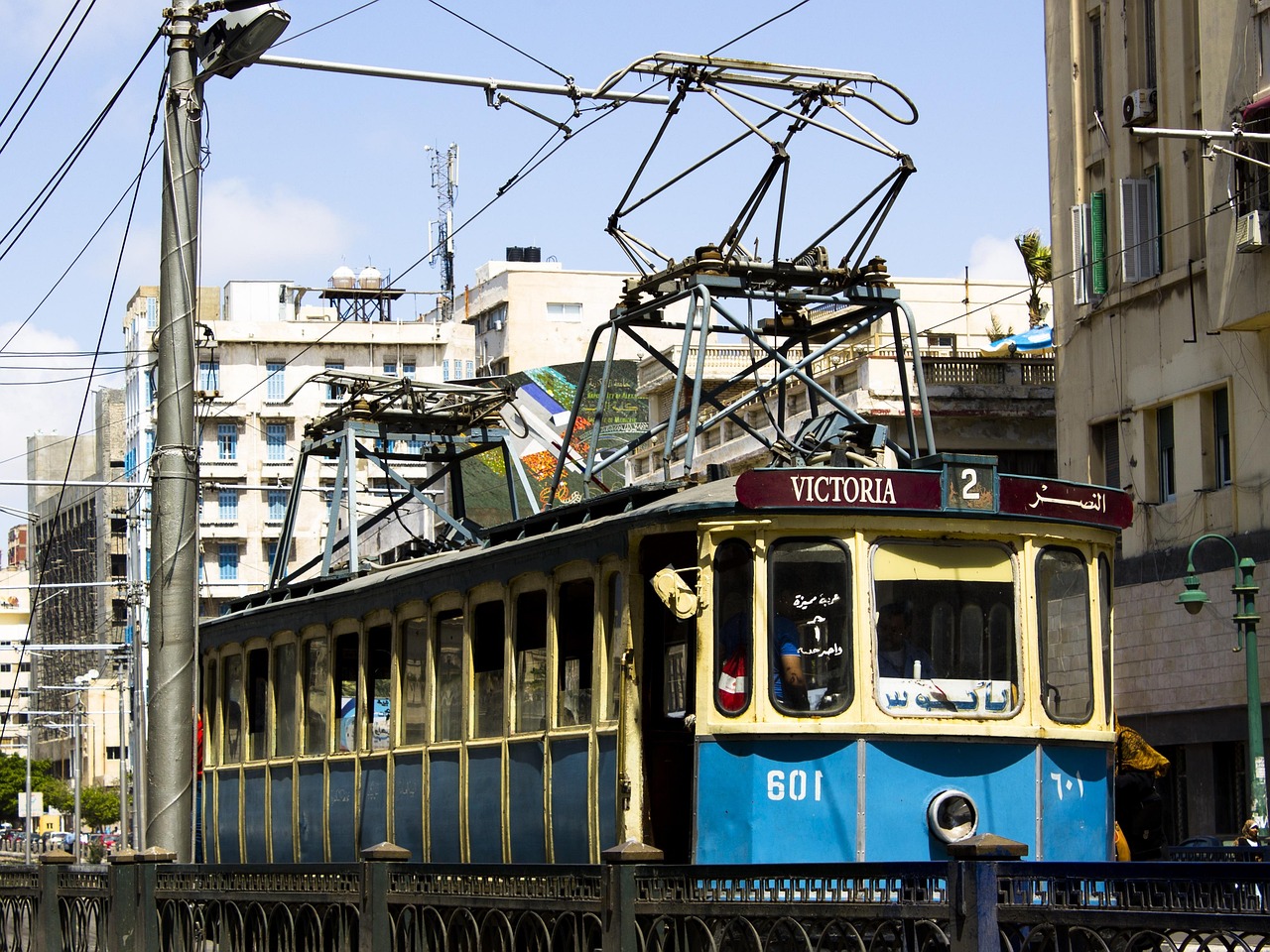
- Trams: Iconic and very cheap; fun to ride, but slow and sometimes crowded. Great for a short experience, not for tight schedules.
- Taxis & Ride-Hailing: Plentiful; in 2026, ride-hailing apps are common and often easier than negotiating with street taxis. Always confirm destination clearly.
- Car Rental: Possible, but I don’t recommend it unless you’re comfortable with Egyptian traffic norms. Local drivers are assertive and lanes are more suggestion than rule.
How to Save Money in Alexandria
- Eat where locals eat: fuul, taameya, koshary, and simple grills are tasty and cheap.
- Use ride-hailing apps to avoid overpaying for taxis.
- Stay in midrange local hotels or guesthouses rather than big international chains if budget is a concern.
- Many key things to do in Alexandria—Corniche walks, exploring neighborhoods—are free.
SIM Cards & Connectivity
In 2026, it’s still easy and affordable to get a local SIM card at the airport or from major providers (Vodafone, Orange, Etisalat) in the city.
- Bring your passport; it’s usually required for registration.
- Data packages are cheap; I recommend getting at least 10–20 GB if you’re staying a week.
- Coverage in Alexandria is generally good, with 4G+ widely available.
Visa Requirements & Driving
Visas: Many nationalities can obtain an e-visa or visa on arrival for Egypt; check your specific case on official government sites before travel, as policies can change.
Driving:
- Foreign driver’s licenses are sometimes accepted for car rental, but an International Driving Permit (IDP) is strongly recommended.
- Traffic in Alexandria can be hectic; if you’re not used to assertive driving cultures, hire a driver instead.
Safety & Health
- General Safety: Violent crime against tourists is rare; petty theft can happen—use normal city precautions.
- Water & Food: Drink bottled water, be cautious with salads and street juices if you have a sensitive stomach.
- Women Travelers: Solo female travelers visit Alexandria regularly. Expect some staring and occasional comments; firm but polite boundaries help. Stick to busy areas at night or use trusted transport.
Best Seasons & What They’re Good For
- Spring (March–May): My personal favorite. Pleasant temperatures, less humidity, ideal for walking and a classic 3 or 4 day itinerary for Alexandria.
- Summer (June–August): Hot and humid, but milder than inland cities thanks to sea breezes. Busy with Egyptian holidaymakers; great if you want to see local beach culture, less ideal if you hate crowds.
- Autumn (September–November): Another excellent time—warm sea, cooling evenings, fewer crowds.
- Winter (December–February): Can be cool, rainy, and windy, but atmospheric. Dramatic seas, moody skies, and cheap accommodation; perfect for museum-hopping and café lingering.
Alexandria in 2026–2027: Events & What’s New
While event calendars can shift, here are recurring and anticipated happenings in 2026–2027:
- Alexandria International Film Festival: Typically held in late summer/early autumn, showcasing Mediterranean cinema. Check 2026 dates closer to your trip.
- Bibliotheca Alexandrina Cultural Seasons: Year-round lectures, exhibitions, and concerts. Their 2026–2027 programs are expected to emphasize Mediterranean cultural exchange.
- Local Music & Theater Festivals: Smaller events often pop up at the Opera House and cultural centers, especially in spring and autumn.
- Ongoing Restorations: Various heritage buildings and museums continue to be renovated; expect some fresh facelifts and potentially new exhibition spaces by late 2026.
Summary: Key Takeaways & When to Visit Alexandria
Alexandria isn’t a city that overwhelms you with single blockbuster sights (though the Bibliotheca, Catacombs, and Qaitbay Citadel are impressive). Instead, it seeps into you slowly: in long Corniche walks, in the salty smell of fish markets, in the way old tram lines cut across sunlit squares.
If you have 3 days in Alexandria: Focus on the main attractions—Bibliotheca Alexandrina, Qaitbay Citadel, Catacombs, Pompey’s Pillar, a downtown wander, and at least one big seafood meal.
For a 4 day itinerary for Alexandria: Add Montazah Palace & Gardens, the Royal Jewelry Museum or Greco-Roman Museum, and more time to simply wander neighborhoods.
For 5 days in Alexandria: Slow down. Build in café time, a day trip to Abu Qir or El-Alamein, and let yourself get pleasantly lost in the side streets. That’s when the city starts feeling like a friend rather than a destination.
Best seasons to visit: March–May and late September–November balance pleasant weather, reasonable prices, and manageable crowds. Winter is great for budget-conscious, culture-focused travelers; summer is ideal if you want full-on local beach energy and don’t mind heat.
However you structure your travel guide for Alexandria in your mind—history-heavy, food-focused, family-oriented, romantic, or adventurous—this city can meet you there. Give it at least a few days, walk a lot, talk to people, and let the sea be your compass.