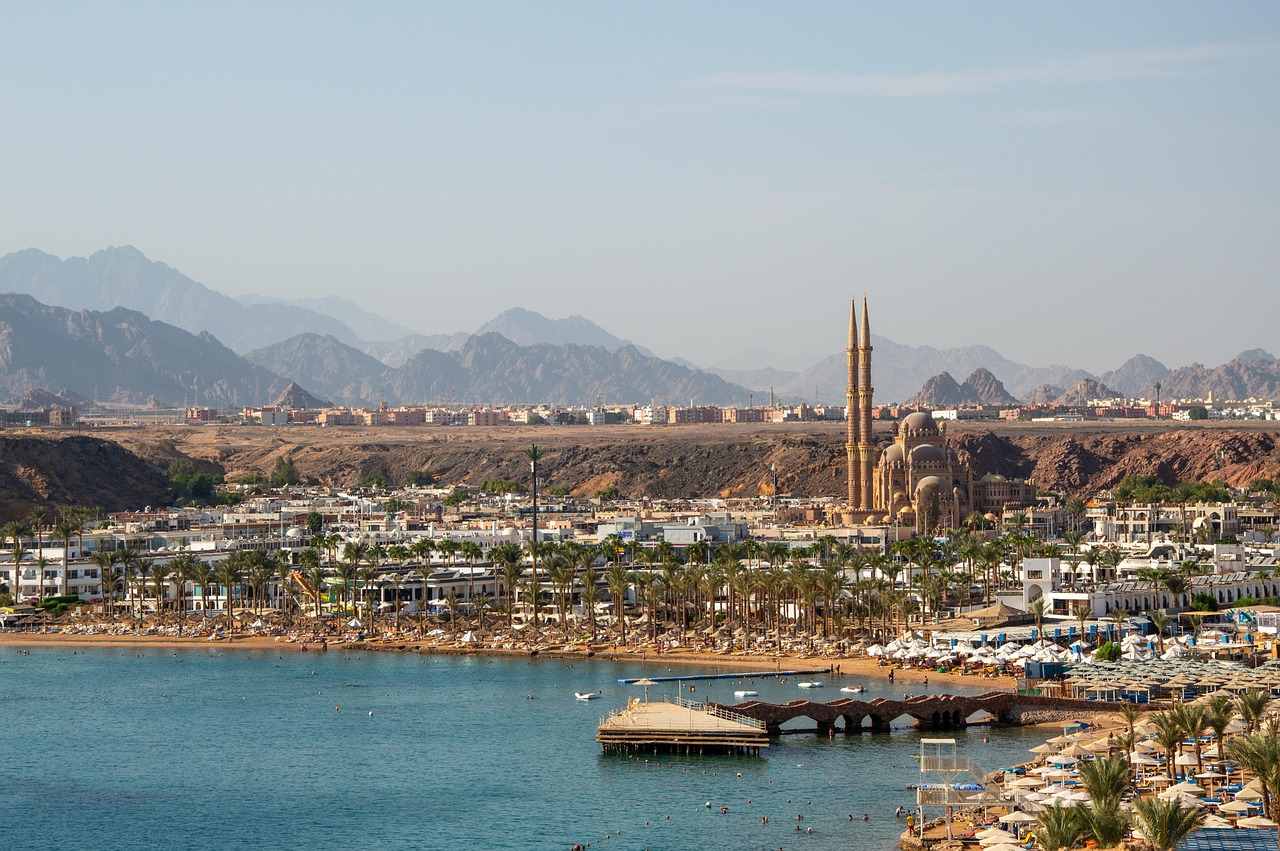
Why Visit Sharm El Sheikh?
If there’s one place I keep going back to in Egypt, it’s Sharm El Sheikh. I’ve been coming here on and off for more than a decade, and every time I land, that first breath of warm, salty Red Sea air feels like a reset button.
Sharm is a paradox in the best way: a desert city wrapped around some of the most spectacular coral reefs in the world; a resort strip where you can still find hole‑in‑the‑wall falafel joints; a place where you can dive with sharks in the morning and drink mint tea with Bedouins under a billion stars at night.
Whether you’re planning 3 days in Sharm El Sheikh, a packed 4 day itinerary for Sharm El Sheikh, or a slow and indulgent 5 days in Sharm El Sheikh, this comprehensive travel guide for Sharm El Sheikh will walk you through the best places to visit, honest personal tips, local food, cultural etiquette, and plenty of hidden corners I’ve fallen in love with over the years.
Table of Contents
- Why Visit Sharm El Sheikh?
- Quick Overview of Sharm El Sheikh
- Suggested 3–5 Day Itineraries
- Neighborhoods and Areas to Explore
- Top 20+ Must‑See Attractions in Sharm El Sheikh
- Local Food & Drink: What and Where to Eat
- Nightlife, Entertainment & Cultural Experiences
- Best Day Trips & Nearby Adventures
- What’s New: Sharm El Sheikh in 2026–2027
- Cultural Etiquette & Local Customs
- Practical Travel Advice & Money‑Saving Tips
- Summary & Best Time to Visit
Quick Overview of Sharm El Sheikh
Sharm El Sheikh sits at the southern tip of Egypt’s Sinai Peninsula, right where the rugged gold‑and‑red mountains drop dramatically into the electric‑blue Red Sea. It’s famous for its reefs, year‑round sun, and a mix of chilled beachfront living and polished resort infrastructure.
In 2026, Sharm is firmly back on the international radar. New eco‑friendly dive centers, upgraded promenades in Naama Bay, more direct flights from Europe and the Gulf, and a growing focus on sustainable tourism are reshaping the city. But the essentials remain the same: warm hospitality, crystal‑clear water, affordable luxury (if you know where to look), and sunsets that make you forget to check your phone.
Suggested 3–5 Day Itineraries for Sharm El Sheikh
To help you plan, I’ve broken down my tried‑and‑tested itineraries—these are the routes I use when friends visit for the first time. You can pick a 3 day itinerary for Sharm El Sheikh, extend to 4 days, or go all‑in with a 5 day itinerary for Sharm El Sheikh.
3 Days in Sharm El Sheikh: Essential Highlights
If you only have 3 days in Sharm El Sheikh, focus on the icons: the reefs, the desert, and a taste of local life. Think of this as your “Sharm sampler platter.”
- Day 1: Naama Bay, Old Market (Old Sharm), evening at SOHO Square.
- Day 2: Ras Mohammed National Park (snorkeling or diving), sunset in Hadaba.
- Day 3: Desert adventure (quad bikes or Bedouin dinner), relaxed beach time at Sharks Bay or Nabq.
4 Days in Sharm El Sheikh: Balanced Sea & Desert
With 4 days in Sharm El Sheikh, you can slow down a little and add either a dedicated dive day or a cultural/monastery day trip.
- Day 1: Naama Bay stroll, glass‑bottom boat or easy reef snorkel, Old Market evening.
- Day 2: Full day Ras Mohammed by boat (snorkel/dive).
- Day 3: St. Catherine’s Monastery & Sinai Mountains OR extra dive/snorkel day at Tiran Island.
- Day 4: Desert quads & Bedouin dinner, lazy afternoon in Nabq or Sharks Bay.
5 Days in Sharm El Sheikh: Deep Dive into Sharm
With 5 days in Sharm El Sheikh you can combine the must‑see attractions in Sharm El Sheikh with some real hidden gems and local experiences.
- Day 1: Naama Bay, Old Market, SOHO Square night walk.
- Day 2: Ras Mohammed National Park (boat), evening spa or hammam.
- Day 3: Tiran Island or local reefs (Sharks Bay, Ras Um Sid), seafood feast.
- Day 4: St. Catherine’s & Dahab day trip OR full desert day (Colored Canyon/Moses Mountain region).
- Day 5: Free day for shopping, extra dive, kite‑surfing in Nabq, or café‑hopping.
Later in the guide, I break down each day as a personal story—with time estimates, where I eat, and how I get around.
Neighborhoods & Areas in Sharm El Sheikh
Sharm isn’t huge, but each area has its own flavor. I usually choose where to stay based on what I want that trip: nightlife, quiet beaches, or dive‑in/dive‑out convenience.
Naama Bay: Classic Tourist Heart
Naama Bay is where Sharm’s story as a resort town really took off. It’s a wide crescent of sand lined with hotels, cafés, and a long pedestrian promenade that feels like a continuous open‑air living room at night.
I still like staying here when I’m with first‑timers. You can walk almost everywhere, grab a late‑night shawarma, and find a dive shop, pharmacy, or shisha café within a few minutes’ stroll.
- Best for: First‑time visitors, nightlife, easy access to everything.
- Vibe: Lively, touristy, convenient, lots of touts but generally friendly.
- Tip: For quieter nights, choose a hotel a block or two back from the main promenade.
Old Market (Old Sharm / Sharm El Maya): Local Soul
The Old Market is where I go when I’m craving something that feels more “Egypt” and less “resort bubble.” You’ll find spice shops, cheap local eateries, and the stunning Al Sahaba Mosque rising like a fantasy backdrop.
Even if you’re staying elsewhere, come here after dark for dinner and people‑watching. This is one of my favorite cultural experiences in Sharm El Sheikh.
Hadaba & Ras Um Sid: Clifftop Calm
Hadaba is a slightly elevated area overlooking the sea, with residential pockets, small hotels, and some of the best house reefs in town (Ras Um Sid). I often base myself here when I want quiet evenings and easy reef access right off the beach.
Nabq Bay: Space, Wind & New Resorts
Nabq is further north, more spread out, and breezier—great for kitesurfing and long walks along the shore. Many newer all‑inclusive resorts are here, and the area is growing fast in 2026 with more shopping and dining options.
SOHO Square & Around: Entertainment Hub
SOHO Square, near the airport and Sharks Bay, is a polished, landscaped entertainment zone: fountains, light shows, ice rink, bowling, plenty of restaurants and bars. It’s very family‑friendly and walkable at night.
Top 20+ Must‑See Attractions in Sharm El Sheikh (with Personal Notes)
Here are the things to do in Sharm El Sheikh that I recommend over and over. For each, I’ll share what it’s like, a touch of history or context, and my own experiences and tips.
1. Ras Mohammed National Park
Ras Mohammed is Sharm’s crown jewel: a national park at the tip of Sinai where the Gulf of Suez and the Gulf of Aqaba meet. Under the water is an explosion of life—soft corals, schools of barracuda, turtles, even dolphins if you’re lucky.
The first time I went (years ago), I remember dropping into the water at Shark Reef and feeling like I’d landed in another universe. Walls of coral, purple and orange soft corals waving like underwater forests, and a vertical drop that seems to fall into infinity.
History & Significance
Declared a protected area in 1983, Ras Mohammed was Egypt’s first national park. The protection has paid off: it’s one of the healthiest reef systems in the Red Sea, making it a pilgrimage site for divers worldwide.
How to Visit
- By boat: Most people join a full‑day boat trip from Sharm’s marina (pickup from your hotel). You’ll usually do 2–3 snorkel or dive stops, including Shark Reef/Yolanda Reef.
- By land: A 45–60 minute drive from Sharm; you can tour the mangrove area, “Magic Lake,” and cliff viewpoints, then snorkel from shore.
My Typical Day at Ras Mohammed
I usually book with a reputable dive center (ask if they limit group size; it matters). We’re picked up around 8:00, on the boat by 9:00. Coffee on deck, briefing, then first dive or snorkel by mid‑morning. Lunch is usually a simple but decent buffet onboard—grilled chicken or fish, rice, salads.
Between dives I love sitting on the top deck watching the color of the water change—a dozen shades of blue. On one trip in 2024, a pod of dolphins suddenly appeared and rode our bow wave for a full 15 minutes. The entire boat went silent; even the crew just stood and watched.
Tips for Visitors
- Bring a reef‑safe sunscreen and a rash guard; the sun is brutal and normal sunscreen damages corals.
- Even if you only snorkel, a mask that fits well makes or breaks your day. I now travel with my own.
- Ask your operator if park fees are included; if not, bring cash in Egyptian pounds.
2. Tiran Island & Straits of Tiran
Tiran Island sits to the northeast, guarding the entrance to the Gulf of Aqaba. The reefs here—famous among divers (Jackson, Thomas, Woodhouse, Gordon)—are swept by currents that bring in big fish and astonishing visibility.
On my second dive trip to Tiran, we descended along the wall at Jackson Reef, and a school of giant trevallies passed by like silver torpedoes. Later, at the surface, I floated on my back, looking at the bare desert island and thinking how deceptive the emptiness above is compared to the chaos of life below.
How to Visit
- Dive boats: Full‑day trips for certified divers, usually 2–3 dives.
- Snorkel boats: Some operators offer snorkel‑friendly Tiran trips—ask specifically.
Tips
- Certain sites can have strong currents. If you’re a newer diver, mention your comfort level; good centers will pick appropriate sites.
- Bring a windbreaker or light jacket—even in warm months, it gets breezy on the boat ride back.
3. Naama Bay Promenade
Naama Bay isn’t a single attraction but an experience: beach clubs, dive shops, ice‑cream stands, shisha cafés, and neon signs all competing for your attention. It’s touristy, yes, but also undeniably fun.
On my first trip, I stayed in a budget hotel a few minutes’ walk away and spent evenings wandering the promenade with a cup of sugarcane juice, getting pulled into conversations with touts who somehow always guessed my nationality wrong (“Russian? Italian? Spanish?”).
What to Do
- Walk the full length of the promenade at least once—from one end to the other, stopping for tea or gelato.
- Try a glass‑bottom boat tour if you’re not keen on swimming but still want to see reefs.
- End the evening with a shisha by the sea—order mint tea or karkadé (hibiscus).
Food Tip
Skip the aggressive tourist traps and look for places where you see Egyptians actually eating—one of my go‑tos is a simple grill place a street back from the water, where the mixed grill is half the price of the seafront and twice as good.
4. Old Market (Sharm El Maya)
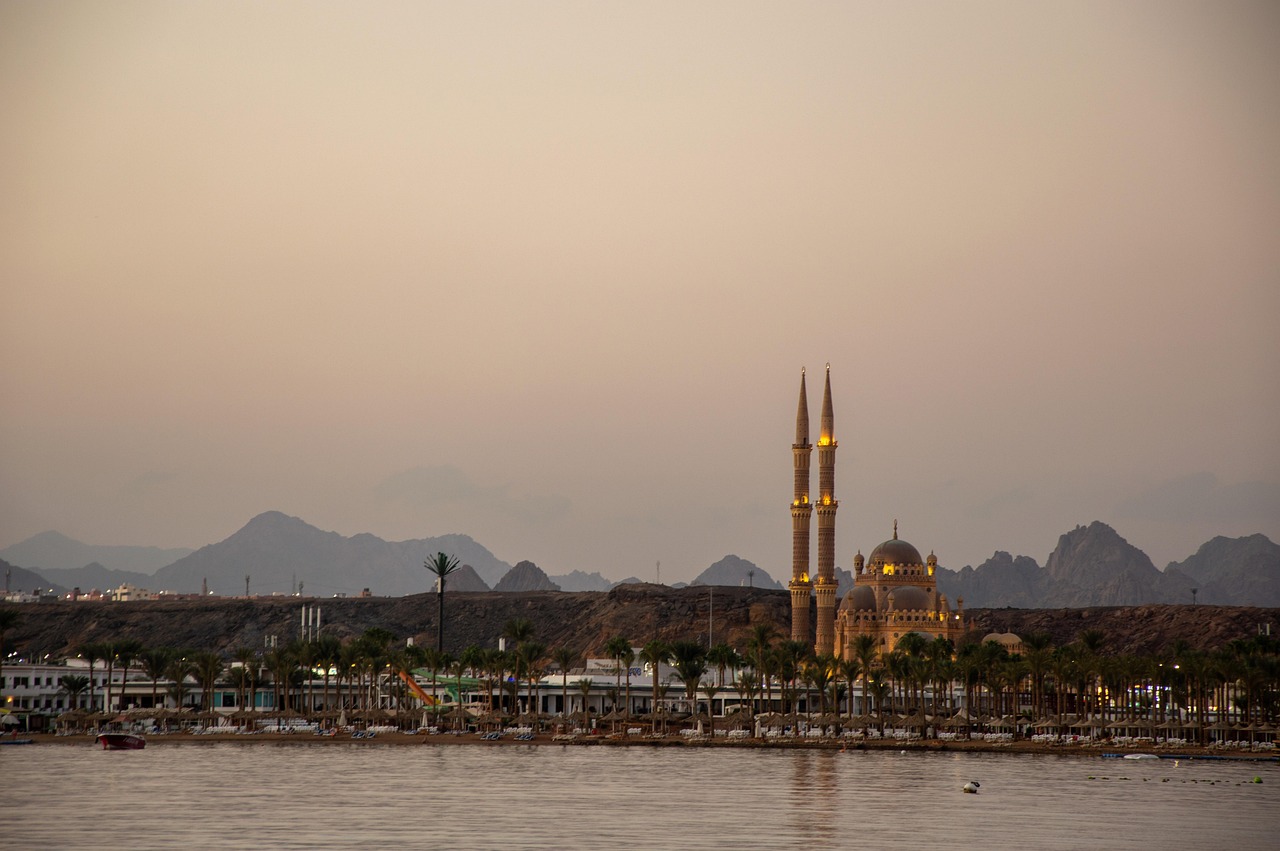
Old Market is where I bring friends on their first night if I want to shake off the resort bubble immediately. The star is the ornate Al Sahaba Mosque, a relatively new but stunning piece of architecture that looks like it was teleported from a storybook.
I like to arrive just before sunset, grab a seat at a simple café with plastic chairs, and watch the sky go pink behind the mosque while kids play and shopkeepers set up their evening displays.
What to Buy & Eat
- Spices & teas: Ask to smell before you buy. Hibiscus, mint, cumin, and local spice mixes are great souvenirs.
- Street food: Try fresh falafel (called ta’ameya), koshari (a carb bomb of pasta, rice, lentils, and tomato sauce), or fresh sugarcane juice.
- Baklava & sweets: Look for busy pastry shops; I usually buy a mixed kilo and share with whoever I’m traveling with.
Etiquette Tip
Modest clothing is appreciated here, especially near the mosque—shoulders and knees covered. If you want to photograph people, ask first with a smile and a simple “mumkin sura?” (may I take a photo?).
5. Ras Um Sid Reef & Beach
Ras Um Sid is my favorite “lazy day” reef. It’s a short drive from both Naama Bay and Hadaba, and you can spend hours just snorkeling off the jetty, floating above coral gardens alive with clownfish, lionfish, and the occasional moray eel peeking out.
One January morning, I went early and had the water almost to myself. The light was still soft, and the reef felt calmer. I remember watching a single purple anthias (a tiny reef fish) darting among the corals and thinking, “This is better than any spa.”
Practicalities
- Many hotels along this stretch have private access jetties. If you’re not staying here, look for beach clubs that offer day passes.
- The reef edge can be shallow at low tide; always use the jetty and avoid stepping on coral.
7. Nabq Protected Area
Nabq Protected Area is where the desert meets the sea in a quieter, wilder way than in central Sharm. You’ll find mangroves, wide empty beaches, and small Bedouin settlements.
On a trip in 2023, my driver parked under a lonely acacia tree, and we walked along the shore where the mangrove roots twist like sculptures. A Bedouin family invited us for tea—it was just sweet black tea in small glasses, but the setting, with mountains fading into the haze, made it feel special.
How to Visit
- Arrange a 4x4 or guided trip through a local agency or your hotel.
- Combine it with a camel ride or simple Bedouin lunch on the beach.
8. St. Catherine’s Monastery
St. Catherine’s lies about 2.5–3 hours inland from Sharm, at the foot of Mount Sinai. It’s one of the oldest continuously inhabited Christian monasteries in the world and a UNESCO World Heritage site.
I’ve visited three times now, and each visit feels different. Once in the blazing midday sun, when the stone buildings radiated heat; once in February, when the air was crisp and the mountains dusted with snow; and once as part of an overnight Mount Sinai climb, arriving at the monastery sleepy but exhilarated after watching sunrise from the summit.
Highlights
- The Burning Bush (traditionally believed to be the site where Moses encountered God).
- The icon collection and old manuscripts (some of the world’s most significant Christian art).
- The fortress‑like walls that have protected the monastery for centuries.
Tips
- Dress modestly (shoulders and knees covered). Women may be asked to cover hair inside certain chapels.
- If you plan to climb Mount Sinai, bring warm layers—even in summer, it’s cold at the top before sunrise.
9. Mount Sinai (Jebel Musa)
Climbing Mount Sinai overnight to watch the sunrise is one of those experiences that sounds like a cliché until you actually do it. The hike starts around 1–2 a.m. with a Bedouin guide, and you walk slowly by starlight, passing occasional tea huts with flickering lamps.
The last section is a series of steep stone steps. On my first climb, I was convinced I wouldn’t make it—but my guide, Ahmed, just smiled and said, “Slowly, slowly, we have time.” We reached the summit about 30 minutes before sunrise, wrapped in blankets rented at the top. As the sky lightened, the jagged mountains around us emerged in layers, from dark purple to gold.
Practical Tips
- Wear good closed shoes; the path is rocky.
- Bring a headlamp (guides often have flashlights, but you’ll want your own).
- Bring cash for tea, snacks, and optional blanket rentals at the summit.
10. SOHO Square
SOHO Square is Sharm’s polished entertainment mall—part promenade, part mini‑theme park. It’s the kind of place where kids run between dancing fountains while parents linger over dinner. There’s an ice rink, bowling, karaoke, and a rotating schedule of live music.
When I’m staying in Sharks Bay, I often end up here in the evenings. I’ll grab a simple dinner, then sit near the main fountain with an ice cream and people‑watch. It’s touristy, yes, but also surprisingly relaxing.
11. Al Sahaba Mosque (Old Market)
By night, Al Sahaba Mosque looks like a sandcastle lit from within. It’s relatively new (completed in the 2010s) but built in a style that blends Mamluk and Ottoman influences—domes, minarets, intricate carvings.
I love photographing it from different angles—up close to capture the patterns, and from across the square to show its full silhouette. During the call to prayer, the sound fills the entire area and adds a poignancy to the otherwise bustling market.
13. Desert Quad Biking & Bedouin Dinner
Quad biking into the desert at golden hour is pure adrenaline and beauty. You ride in a convoy, dust cloud behind you, mountains glowing ahead. Many tours combine quads with a simple Bedouin dinner and stargazing.
On one trip, after we parked the quads, our Bedouin hosts brewed sweet tea over a small fire while our group lay back on rugs, trying to identify constellations. With almost no light pollution, the sky feels impossibly big.
Tips
- Wear sunglasses or goggles and a scarf to cover your face; the dust is real.
- Check your insurance coverage; quads are fun but carry some risk.
14. Colored Canyon (Day Trip from Sharm)
Colored Canyon is a labyrinth of sandstone passages in the Sinai interior. The rocks swirl with shades of red, yellow, and purple—especially magical when the sun is low.
The scrambling is mostly easy, but there are a few narrow squeezes. I remember turning sideways to slide through a tight gap and laughing with an Italian woman behind me who said, “This is not for claustrophobics!”
15. Dahab: Laid‑Back Neighbor
Dahab is about an hour and a half north of Sharm—a smaller, more bohemian town with a long seafront promenade, legendary dive sites like the Blue Hole, and a slower pace.
When I need a break from Sharm’s glossier side, I escape to Dahab for a day or two: barefoot cafés, beanbags by the water, and long conversations with dive bums who came for a week and stayed for ten years.
16. Farsha Mountain Lounge
Farsha is one of Sharm’s most atmospheric spots: a multi‑level, open‑air café built into the cliffside in Hadaba, overlooking the sea. Think carpets, lanterns, low tables, and a soundtrack of chill music as the sun sets.
I usually arrive an hour before sunset to snag a good spot. Order mint tea or a fresh juice, settle into the cushions, and watch boats drift across the horizon as the sky turns orange. It’s effortlessly romantic, but also great with a group of friends.
17. Hollywood Sharm El Sheikh
Hollywood Sharm is a quirky entertainment complex with huge dinosaur statues, fountains, and light shows. It’s kitschy but fun—especially for families with young kids.
I wouldn’t cross town just for it, but if you’re staying nearby or have an evening to fill, it’s an easy, lighthearted outing.
18. Sharm’s Old Church & Christian Community
Sharm has a small but active Christian community, and visiting a Coptic church here offers another side of local life. The architecture mixes simple modern lines with traditional iconography.
I once visited during a quiet afternoon; a priest kindly explained some of the icons and their symbolism in slow, patient English.
19. Nabq Kite & Windsurfing Beaches
The constant breeze in Nabq makes it a small heaven for kitesurfers and windsurfers. Even if you don’t ride, it’s fun to watch the colorful kites dancing over the shallow lagoon.
20. Local Cafés & Shisha Lounges
Some of my best Sharm memories aren’t on a beach or boat—they’re in simple cafés, sipping tea and playing backgammon with locals. Look for places with more Egyptians than tourists, sports on TV, and the smell of apple or grape shisha in the air.
Even if you don’t smoke, you can enjoy the vibe with a mint tea or Turkish coffee. It’s a great way to see everyday life unfold around you.
Local Food in Sharm El Sheikh: What to Eat & Where
Sharm’s food scene is a blend of Egyptian classics, Bedouin specialties, and international resort fare. If you only eat at your hotel buffet, you’ll miss half the fun. Here are the flavors I look for on every trip.
Must‑Try Egyptian Dishes
- Koshari: Egypt’s unofficial national dish: pasta, rice, lentils, chickpeas, crispy onions, and tangy tomato sauce. Cheap, filling, and vegetarian‑friendly.
- Ta’ameya (Egyptian falafel): Made from fava beans instead of chickpeas—greener and lighter inside.
- Ful medames: Slow‑cooked fava beans with olive oil, cumin, lemon, and sometimes tahini. Classic breakfast.
- Grilled fish & seafood: You’re on the Red Sea—don’t leave without at least one seafood feast.
- Molokhia: A garlicky, slightly slimy green soup made from jute leaves—love it or hate it, but worth trying once.
Where I Actually Eat (Real Recommendations)
Names change quickly in Sharm, but these are the types of places I seek out:
- Old Market local grills: Look for busy, slightly smoky places with a grill at the front and simple seating. I usually order mixed grill, rice, salad, and tahini, plus fresh bread. It’s inexpensive and hearty.
- Seafood restaurants in Hadaba & Old Market: You pick your fish by weight—ask for it grilled with lemon and garlic. Add rice, tahini, and a green salad. I budget more here but it’s still good value compared to Europe.
- Naama Bay side‑street koshari joint: Small, bright, chaotic. You order by size (small, medium, large). A large bowl usually sets me up for an entire afternoon.
- Bedouin dinners in the desert: Simple but lovely—rice, grilled chicken, bread, salad, and tea. The setting under the stars adds half the flavor.
Drinks & Desserts
- Karkadé: Hibiscus tea, hot or cold. Tart and deep red.
- Fresh juices: Mango, guava, sugarcane, pomegranate in season.
- Baklava & basbousa: Sticky, sweet pastries—great with strong coffee.
Money‑Saving Eating Tips
- Step one street back from the main tourist strip and prices often drop by 30–50% for better food.
- Portions are big; sharing dishes is normal and reduces waste and cost.
- Most places take card in 2026, but cash gets you flexibility in small, local eateries.
Nightlife, Entertainment & Cultural Experiences
Sharm’s nightlife ranges from family‑friendly promenades to full‑on club nights. I’ve done both: quiet tea evenings at Farsha and dancing until 3 a.m. at Naama Bay clubs.
Family‑Friendly Evenings
- SOHO Square: Light shows, live music, ice cream, arcade games, bowling.
- Naama Bay promenade: Street performers, cafés, shopping, casual dinners.
- Hollywood Sharm: Fountains, giant statues, simple rides for kids.
Romantic Nights
- Farsha Mountain Lounge: Sunset drinks and lantern‑lit seating over the sea.
- Beachfront dinners: Many hotels set up tables in the sand; ask if they can do a simple candlelit setup.
Clubs & Bars
Clubs come and go, but Naama Bay remains the hub. You’ll find everything from Western‑style dance clubs to more laid‑back bars with live music and DJs. Dress codes are generally relaxed, but beachwear is not ideal at nightclubs.
Cultural Experiences
- Old Market evenings: Mix of shopping, mosque views, and local cafés.
- Desert shows: Many quad/Bebouin tours include traditional music and sometimes tannoura (whirling dervish) performances.
- Ramadan nights (if visiting in that month): The city feels different—lanterns, special desserts, late‑night family outings.
Best Day Trips & Nearby Adventures from Sharm El Sheikh
Beyond the immediate city, you can use Sharm as a base for some pretty incredible day or overnight trips:
- St. Catherine’s Monastery & Mount Sinai: Spiritual history plus epic mountain landscapes.
- Dahab: Chill seaside town with great snorkeling/diving and a very different vibe.
- Colored Canyon / White Canyon: Rock formations and short hikes.
- Blue Hole (Dahab): Famous dive spot—only go with reputable centers and within your certification level.
Most tours can be booked via your hotel or directly with local agencies in Naama Bay or Old Market. Always check what’s included (meals, entrance fees, gear) and confirm the schedule in writing or via WhatsApp.
Sharm El Sheikh in 2026–2027: What’s New & Upcoming Events
Sharm continues to position itself as both a leisure and conference hub. While exact line‑ups change, here’s what to expect in 2026–2027:
- International Diving & Watersports Festivals (annual, usually spring/autumn): Demo days, reef‑cleanup dives, photography workshops, and talks on sustainable diving.
- Red Sea Music & Arts Events: Seasonal concerts and beach festivals featuring regional and international artists.
- Eco‑tourism & Climate Conferences: Building on past COP events, Sharm continues to host green‑focused summits at its convention centers.
Always check closer to your travel dates (late 2025 or early 2026 for that year) via local tourism websites or your hotel’s concierge for up‑to‑date event calendars.
Cultural Etiquette & Local Customs in Sharm El Sheikh
Sharm is more relaxed than Cairo or rural Egypt, but it’s still part of a predominantly Muslim country with its own norms. A little sensitivity goes a long way.
Dress Code
- On the beach/pool: Normal swimwear is fine in resorts and beach clubs.
- In town/Old Market: Cover shoulders and knees where possible, especially for women. Men in tank tops and very short shorts will stand out.
- Religious sites: Modest clothing; women may need to cover hair in mosques and some churches.
Behavior & Interaction
- Public displays of affection are best kept low‑key.
- Using your right hand for eating and giving/receiving items is considered polite.
- Haggling in markets and with some taxi drivers is normal—keep it friendly, smile, and be ready to walk away.
Photography
- Avoid photographing military or police sites, checkpoints, or government buildings.
- Ask permission before photographing people, especially women and older men.
During Ramadan
If you visit during Ramadan, many locals will be fasting from sunrise to sunset. Sharm’s resorts remain fully functional, but you may notice some restaurants adjusting hours. It’s courteous not to eat or drink conspicuously right in front of fasting staff during daylight.
Practical Travel Advice & Hidden Tips for Sharm El Sheikh (2026)
Getting In & Visa Requirements
- Visas: Many nationalities can obtain a Sinai‑only entry permission stamp on arrival (free) if staying in Sharm and certain other areas, but it restricts where you can travel in Egypt. For more flexibility (e.g., visiting Cairo or beyond Sinai), get the standard Egyptian tourist visa (often available on arrival or via e‑visa for 30 days—check latest rules before you travel in 2026).
- Airport: Sharm El Sheikh International (SSH) has direct flights from many European and Middle Eastern cities, plus domestic flights from Cairo and other Egyptian hubs.
Getting Around
- Taxis: Still common. Agree the fare before you get in. I usually ask my hotel what a reasonable rate is for my route and use that as a baseline.
- Ride‑hailing: Services change; as of recent years, some apps operate intermittently in Sharm. By 2026, check which local apps (if any) are active—your hotel staff will know.
- Microbuses: Local minibuses run set routes along the main roads (Naama–Old Market–Nabq). They’re dirt‑cheap but require a bit of confidence and at least a few Arabic phrases.
- Car rental: Available at the airport and in town. A valid foreign driver’s license is usually accepted; some nationalities benefit from an International Driving Permit. Driving is on the right; traffic can be chaotic but manageable if you’re experienced.
SIM Cards & Connectivity (2026)
- Major providers: Vodafone, Orange, Etisalat, WE.
- You can buy a tourist SIM at the airport or in town; bring your passport.
- For most travelers, a 20–30 GB data package is plenty for a week.
- Wi‑Fi in hotels is improving in 2026 but can still be patchy—especially on boats—so don’t rely on it for heavy remote work.
Money & Budget Tips
- Currency: Egyptian Pound (EGP). Card acceptance is growing, but always carry some cash.
- ATMs are widely available in tourist areas; I avoid airport exchange kiosks due to poor rates.
- To save money:
- Eat at local restaurants outside the main strips at least once a day.
- Book dive packages (multiple days) instead of single dives.
- Combine friends on taxis and negotiate full‑day rates for trips like St. Catherine’s if comfortable.
Health & Safety
- Tap water is not recommended for drinking; use bottled or filtered water.
- Bring a small first‑aid kit—reef scrapes, mild food upsets, and sunburn are the most common issues I see.
- Respect reef safety: no touching corals, no feeding fish, no standing on the reef.
Best Seasons & Weather for Activities
- October–April: Ideal for most visitors. Warm days, cooler evenings. Great visibility for diving and comfortable temperatures for desert trips and hiking.
- May–September: Very hot, especially mid‑summer. Still popular with divers (water is warm and clear) but plan activities early or late in the day. Air‑conditioning is essential.
- Winter (Dec–Feb): Can be breezy; bring a light jacket, especially for evenings and boat trips.
Hidden Tips from Experience
- Plan a “buffer day”: If you’re flying out after a dive trip, keep your last full day dry to respect no‑fly times and enjoy some last‑minute shopping or a hammam.
- Don’t overschedule: It’s tempting to cram every reef and canyon into a 3 day itinerary, but Sharm is also about slowing down by the sea.
- Ask locals: Some of my favorite meals and coffee spots came from asking hotel staff, dive guides, or taxi drivers, “Where do you eat on your day off?”
Summary: Key Takeaways & Best Time to Visit Sharm El Sheikh
Sharm El Sheikh is one of those places that can be whatever you need it to be: a 3 days in Sharm El Sheikh crash course in reefs and desert, a leisurely 4 or 5 day itinerary for Sharm El Sheikh packed with must‑see attractions and hidden gems, or a longer escape where you dive, nap, and repeat.
If you’re into the sea, you’ll be spoiled with some of the best coral reefs on the planet. If you crave landscapes, Sinai’s mountains and canyons are just a few hours away. If food and culture are your thing, Old Market evenings, Bedouin tea in the desert, and local cafés will keep you happy.
Best times to visit: For most travelers, October to April is the sweet spot: comfortable temperatures, clear water, and pleasant evenings. If you don’t mind heat and want the warmest water, May to early September can work—just plan for early‑morning outings and lazy afternoons in the shade.
Whichever season and however many days you choose, Sharm rewards those who look beyond the hotel buffet and explore: chat with your dive guide about his favorite reef, share tea with Bedouins under the stars, wander Old Market’s alleys, and let the desert and sea do their quiet, unforgettable work.