Why Visit Luxor in 2026
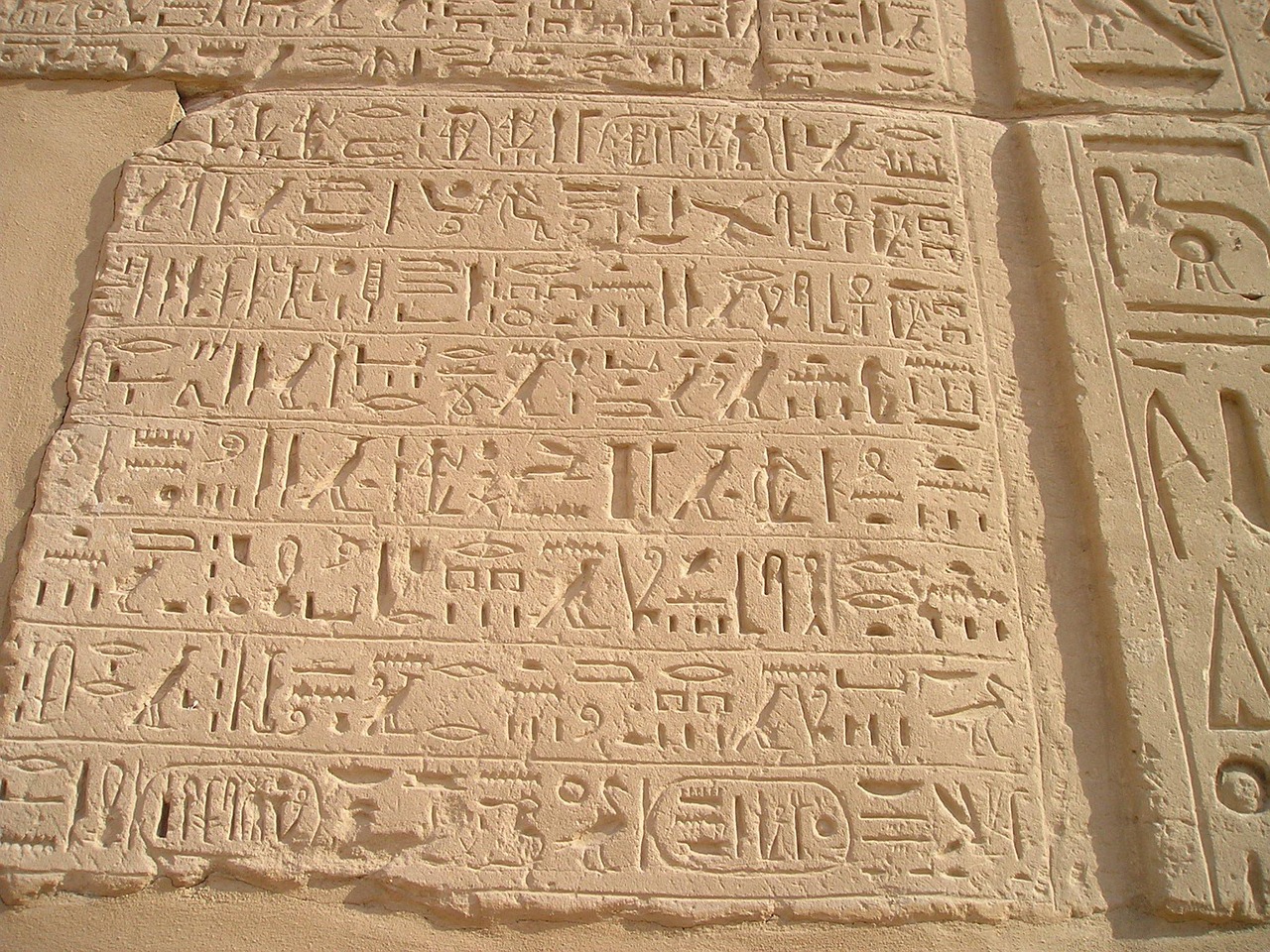
Luxor is not just another stop on a Nile cruise; it’s where ancient Egypt feels most alive. The city stretches along both banks of the Nile, with the modern town on the East Bank and the legendary necropolis on the West Bank. Standing on the corniche at sunset, watching feluccas glide past while the mountains of the West Bank turn pink, you understand why Luxor is often called the “world’s greatest open-air museum.”
I’ve visited Luxor several times over the past decade, usually in short bursts tacked onto Cairo trips. But in 2024 I stayed for a full week, then came back for another five days in early 2026 to update this guide. That’s when Luxor really hooked me: early-morning temple visits when you practically have the columns to yourself, evenings sipping mint tea in tiny alley cafés, and boat rides where the only sound is the rustle of sugarcane.
In 2026–2027, Luxor is especially exciting. Restoration projects at Karnak and Luxor Temple are revealing new colors and carvings. The Avenue of Sphinxes has matured into a true evening promenade. And tourism has rebounded but not yet returned to pre-2010 crush levels, meaning you can still find quiet corners even in the most famous sites.
Luxor works for many types of travelers:
- Families: Easy logistics, friendly locals, and jaw-dropping “Indiana Jones” moments for kids in the Valley of the Kings.
- Couples: Romantic felucca cruises, candlelit dinners overlooking the Nile, sunrise balloon rides.
- History buffs: Some of the world’s most impressive temples and tombs, many still actively studied and restored.
- Adventurous travelers: Hot air ballooning, cycling through West Bank villages, hikes in desert wadis.
- Slow travelers: Affordable long stays, relaxed Nile-side life, friendly neighborhood feel.
Whether you’re planning 3 days in Luxor or a full 5 day itinerary for Luxor, this 2026 travel guide will walk you through must-see attractions, hidden gems, local food, cultural etiquette, and practical travel tips so you can make the most of your time here.
Table of Contents
- Why Visit Luxor
- Understanding Luxor’s Neighborhoods & Layout
- Top 20 Must-See Attractions in Luxor (Deep Dive)
- Suggested Itineraries: 3–5 Days in Luxor
- Local Food in Luxor: What to Eat & Where
- Nightlife & Cultural Experiences
- Best Day Trips & Nearby Excursions
- Cultural Etiquette & Local Customs
- Practical Travel Advice for Luxor 2026–2027
- When to Visit Luxor & Final Takeaways
Understanding Luxor’s Neighborhoods & Layout
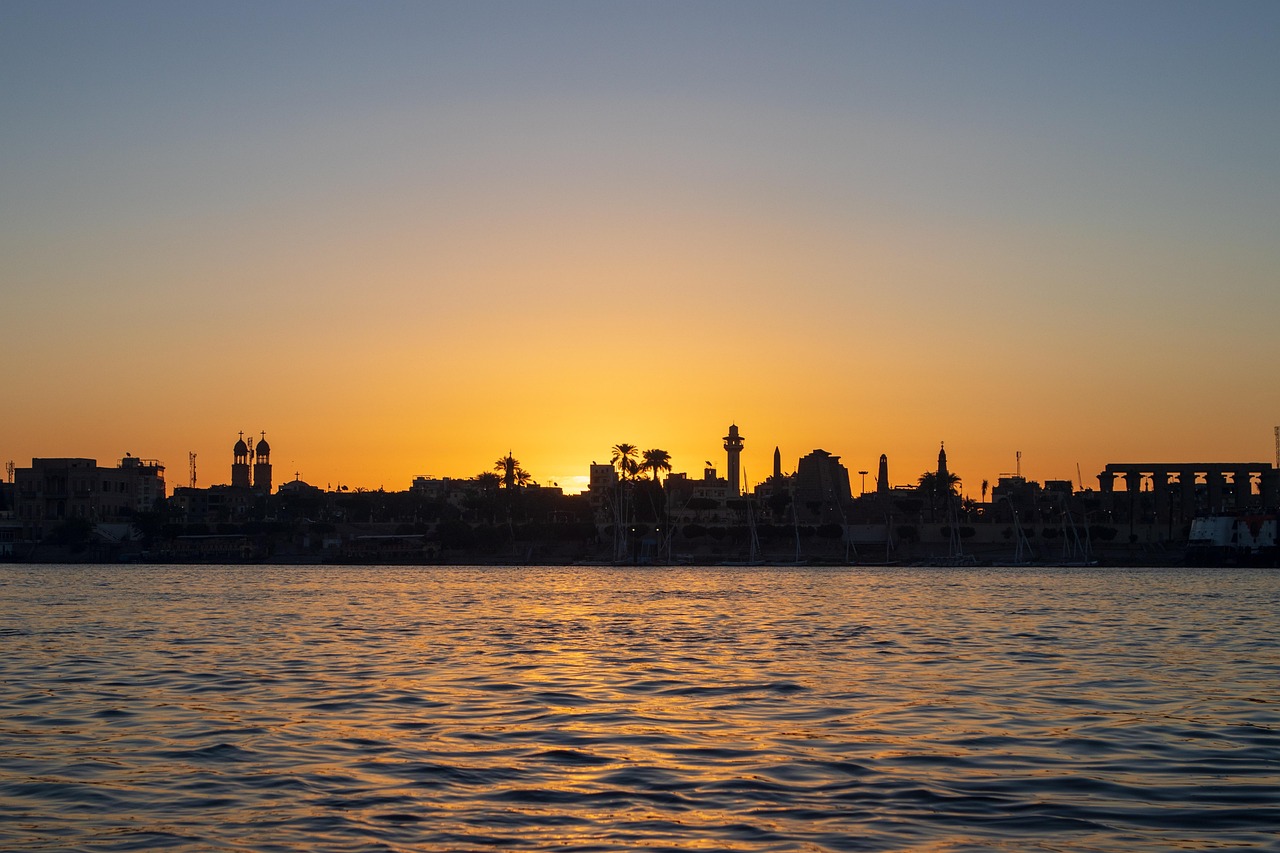
Luxor is essentially two cities facing each other across the Nile, tied together by bridges, motorboats, and a constant flow of life.
East Bank: Temples & City Life
- Downtown & Corniche: The main tourist strip, stretching along the Nile. Here you’ll find many mid-range hotels, restaurants, ATMs, and the Luxor Temple glowing at night.
- Karnak Area: Slightly north, more spread out and quieter. Good for hotels that offer views across to the West Bank, plus easy access to Karnak Temple.
- Train Station & Market District: Bustling, noisy, and very local. Great for cheap eats and everyday shopping, but less polished.
West Bank: Villages & Tombs
- El-Gezira & Ramla: Directly across from Luxor city. A relaxed, village-like vibe with guesthouses, Nile-view cafés, and easy access to the ferry.
- Al Qarna (Qurnah): Closer to Valley of the Kings, dotted with small homes, fields, and tomb sites. Good base if you’re focused on the West Bank.
- Desert Edge: Out toward the cliffs and wadis. Few accommodations, but stunning for walks, cycling, and sunrise or sunset views.
Most visitors stay on the East Bank for convenience, but personally I love basing myself on the West Bank for at least part of the trip. Waking up to the sound of donkeys and roosters, then cycling to the tombs, feels like slipping into a different century.
Top 20 Must-See Attractions in Luxor (In-Depth Guide)
These are the best places to visit in Luxor. I’ve arranged them roughly from most iconic to lesser-known, but all are worth considering for a 3–5 day itinerary.
1. Karnak Temple Complex
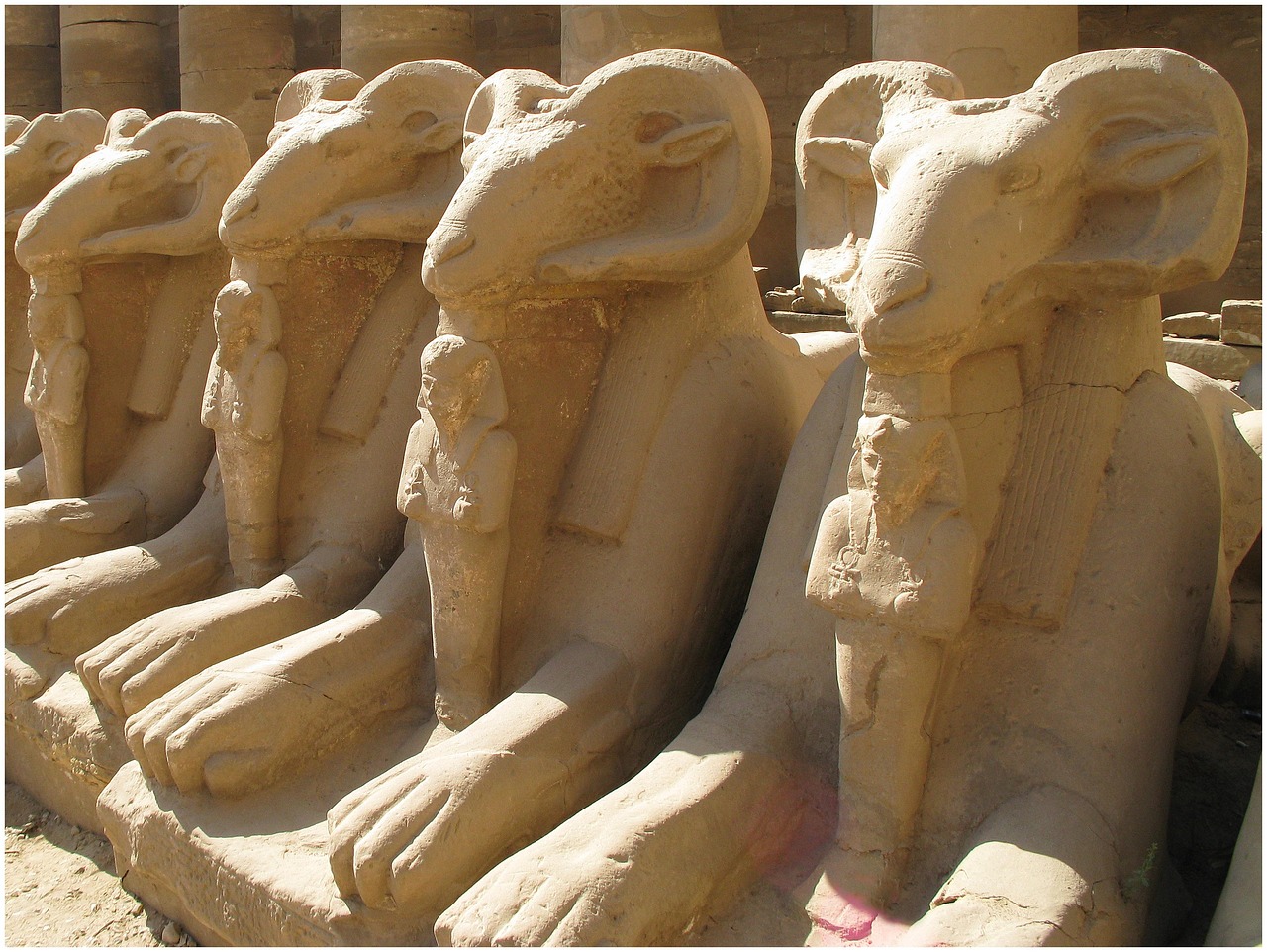
If you only had half a day in Luxor, I’d send you to Karnak. It’s not one temple but a vast complex of sanctuaries, pylons, obelisks, and chapels built over about 2,000 years. On my first visit I made the rookie mistake of showing up at 11 a.m. in late April. By noon I was half-dizzy from the heat and overwhelmed by the scale. On my second visit, I arrived at 6:30 a.m. and felt like I’d walked into a private meeting with the gods.
The star attraction is the Great Hypostyle Hall, 134 colossal columns that feel like a stone forest. The light changes every minute after sunrise, and if you look up you can still see vivid colored paint on some of the carved reliefs. I like to stand toward the middle, close my eyes, and imagine the original roof overhead and priests moving through with incense.
Historically, Karnak was the spiritual heart of Thebes, dedicated mainly to Amun-Ra. Pharaohs from the Middle Kingdom to the Ptolemaic period all left their mark here. Hatshepsut, Thutmose III, Seti I, Ramesses II – their names are everywhere. In 2026, ongoing restoration around the sacred lake and some side chapels means you may see scaffolding, but it’s also when new details are being revealed.
Tips:
- Best time: 6–8 a.m. in high season; after 3 p.m. in shoulder months.
- Allow: Minimum 3 hours; 4–5 if you love archaeology.
- What to bring: Hat, water, snacks, wide-angle lens if you care about photography.
- How to get there: Taxi or Uber-style app (when available) from downtown takes ~10–15 minutes; from West Bank, cross by ferry then taxi.
For families, make a game of “spot the cartouches” (oval name rings of pharaohs). For couples, come back in the evening for the sound and light show – touristy but atmospheric, walking through the temple under starry skies.
2. Luxor Temple
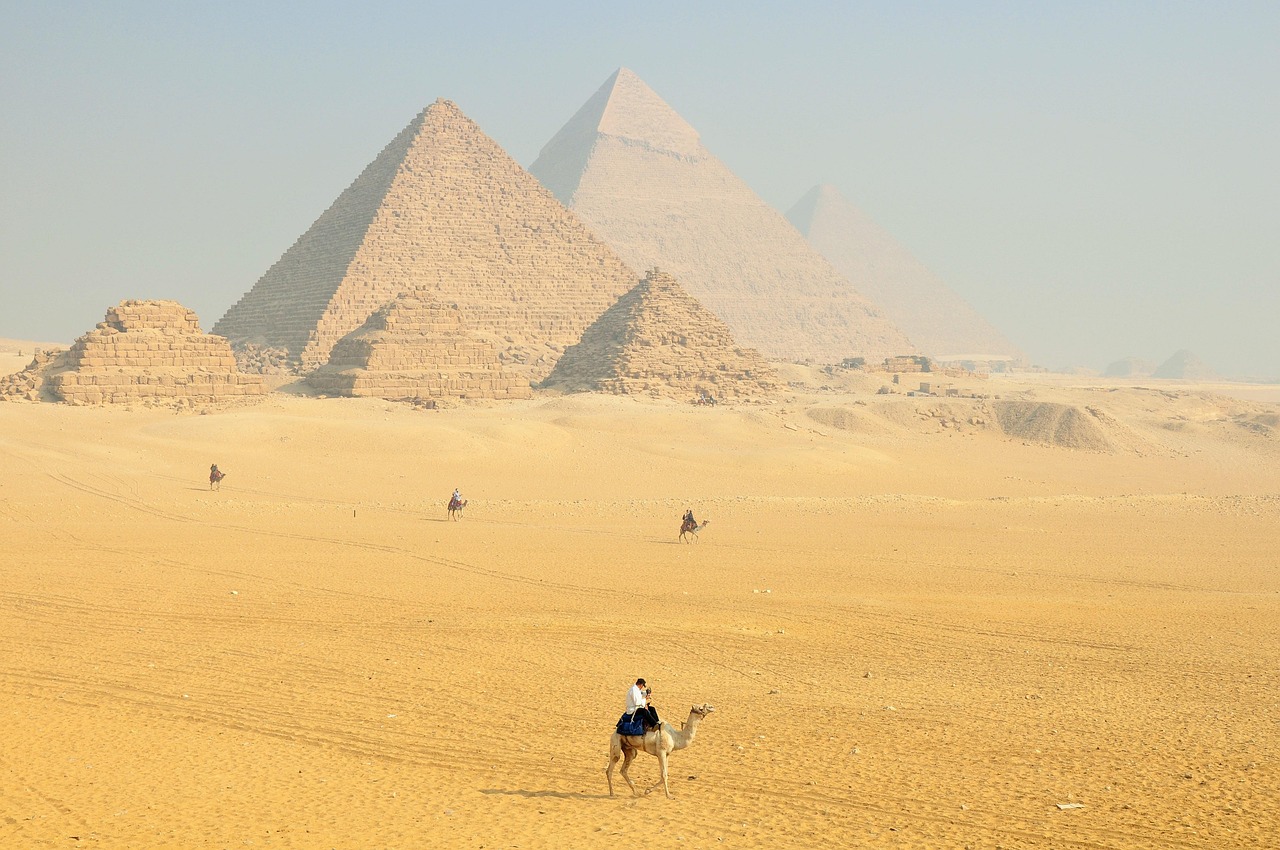
Luxor Temple feels more intimate than Karnak but is just as layered. It sits right in the city center, almost floating above the traffic and honking of the corniche. In 2022 I stayed in a small hotel opposite the temple and would wander over just before sunset. Watching the stone slowly glow gold, then orange, then almost purple under the floodlights never got old.
Luxor Temple was mainly built by Amenhotep III and Ramesses II. You’ll recognize Ramesses’s giant seated statues at the entrance, along with the remaining obelisk (its twin stands in Paris). Inside, look for the Roman frescoes overlaid on older reliefs in the inner rooms – the temple was converted into a church and later part of a mosque, which still stands integrated into the structure.
One of the most exciting developments in recent years is the Avenue of Sphinxes, a restored processional walkway lined with hundreds of sphinx statues that now physically connects Luxor Temple to Karnak. While you likely won’t walk the entire 3 km, strolling a small section at dusk with locals is a highlight.
Tips:
- Best time: 1–2 hours before sunset, then stay into the evening for dramatic lighting.
- Family-friendly: Easy to reach, no long car rides, lots of “wow” moments without being as vast as Karnak.
- Nearby food: Try a simple koshary place just behind the temple for a cheap, filling meal afterward.
3. Valley of the Kings
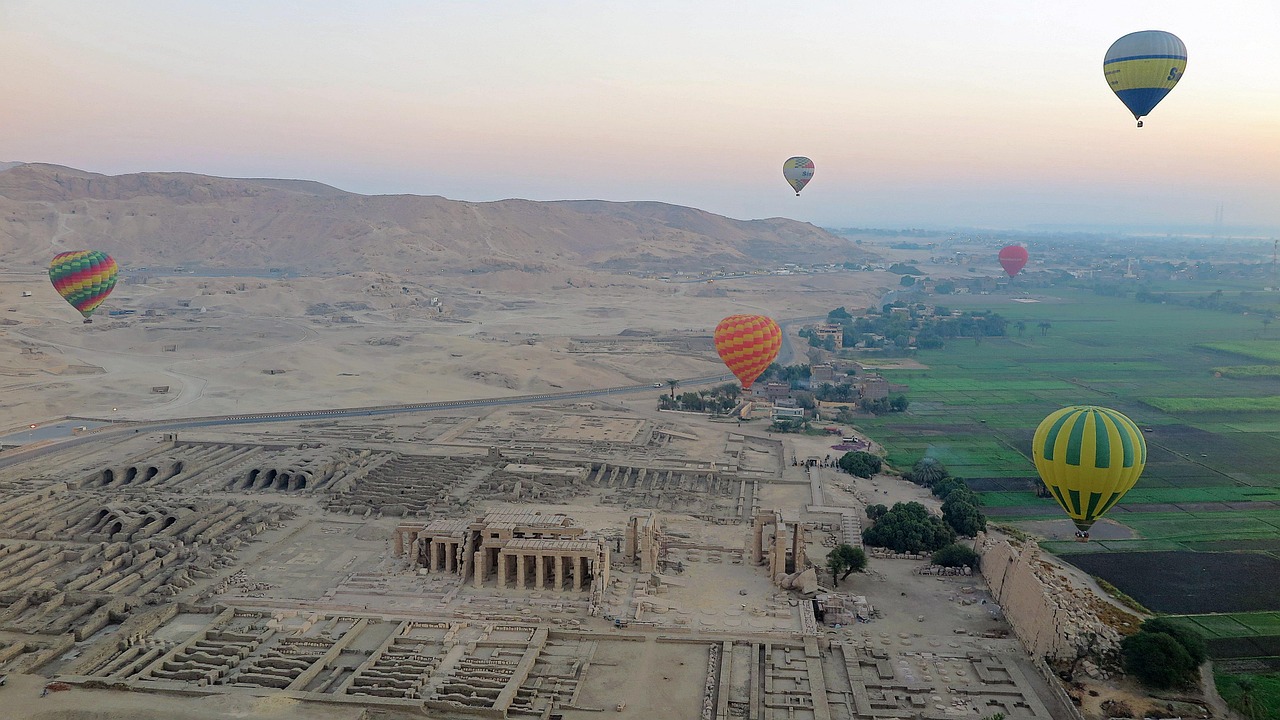
The first time I stepped into the Valley of the Kings was at 7 a.m. on a cool January morning. The cliffs were still in shadow, and the tour buses had not yet arrived. It felt eerily quiet – appropriate for a royal cemetery where some of ancient Egypt’s greatest rulers were buried.
The Valley of the Kings holds over 60 tombs, though only a rotating selection is open at any time. Your standard ticket typically includes entry to three tombs of your choice (check at the gate; this can change). In 2026, regularly open highlights often include:
- KV9 – Ramesses V/VI: One of my favorites, with a long corridor and a ceiling covered in astronomical scenes.
- KV11 – Ramesses III: Vivid colors and detailed battle and offering scenes.
- KV14 – Tausert/Setnakht: Less crowded, with interesting double-occupancy history.
The Tutankhamun tomb (KV62) requires a separate ticket but is worth it for the experience of seeing the small burial chamber and the king’s mummy (the treasures are mostly in Cairo). Don’t expect grandeur – its fame comes from its discovery, not size – but there’s something spine-tingling about standing in the room that stunned the world in 1922.
Practical notes:
- Best time: Arrive at opening (usually around 6 a.m. in high season) to beat heat and crowds.
- Transport: Taxi from West Bank guesthouse is 10–20 minutes; from East Bank, cross by ferry then taxi (~30–40 minutes total).
- Physical demands: Some tombs have steep ramps; there are electric carts (for a small fee) from the visitor center to the main valley.
- Photography: Rules change frequently; as of late 2025, a camera ticket allowed non-flash photography in many tombs, but confirm at the gate.
4. Valley of the Queens
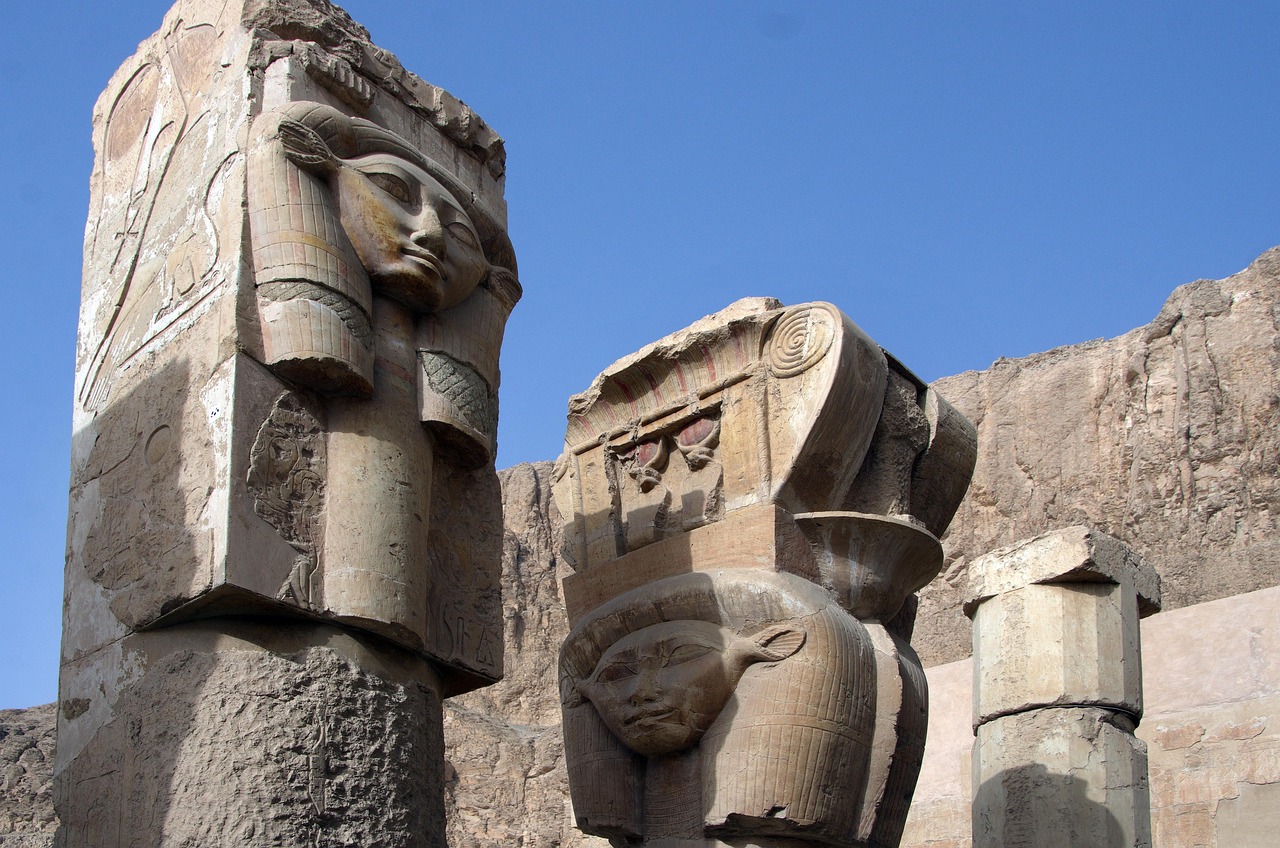
Smaller and quieter than the Valley of the Kings, the Valley of the Queens holds the tombs of royal women and princes. It’s worth visiting especially for one extraordinary tomb: QV66 – Nefertari, wife of Ramesses II.
The tomb of Nefertari is one of the most stunning in all of Egypt, with incredibly well-preserved, colorful paintings that look almost freshly done. Entry is pricey and strictly controlled, but if your budget allows, I highly recommend it. I booked a slot on my third Luxor visit and still remember the deep blues and rich reds on the goddess figures – it feels like stepping into a jewel box.
Even if you skip Nefertari, the valley itself is peaceful, and some of the other tombs often open (like those of princes) are interesting and usually much less crowded than the West Bank’s headline sites.
5. Temple of Hatshepsut (Deir el-Bahari)
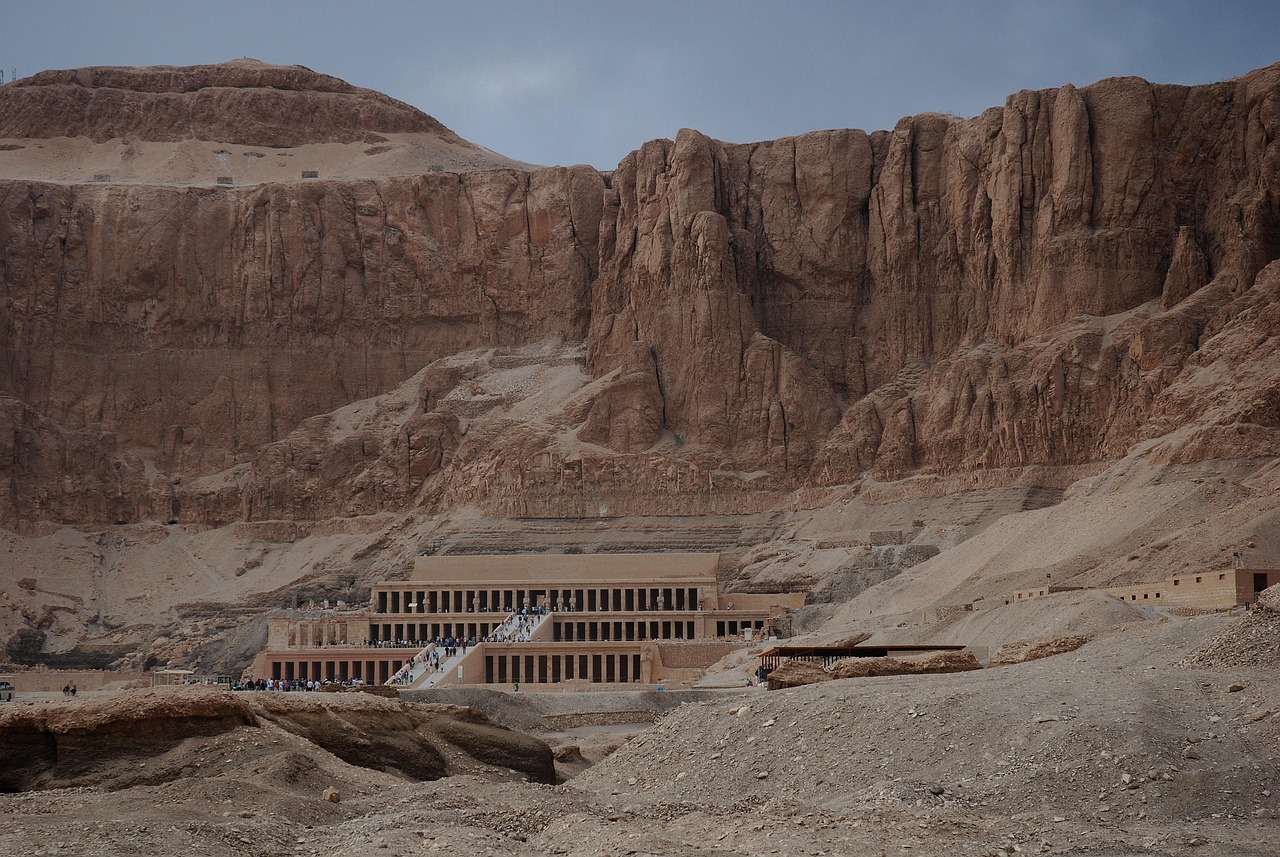
The terraced temple of Hatshepsut is one of Luxor’s most photogenic landmarks, built dramatically against the cliffs of Deir el-Bahari. Hatshepsut was one of Egypt’s few female pharaohs, and her mortuary temple reflects both political power and refined aesthetics.
From a distance, the temple’s clean lines almost look modern. Up close, you can see reliefs depicting her famous expedition to Punt – including odd-looking trees and exotic goods – and scenes presenting her divine birth to justify her rule. On my second trip, I arrived just after sunrise and watched the cliffs change from gray to gold while the temple gradually filled with light and people.
Tips:
- Go early: Tour buses arrive mid-morning; before 8 a.m. it can be surprisingly quiet.
- Combine with: Valley of the Kings in the same morning; they’re relatively close.
- Clothing: This area is exposed and can be windy – bring a scarf to protect from sun and blowing dust.
6. Medinet Habu (Mortuary Temple of Ramesses III)
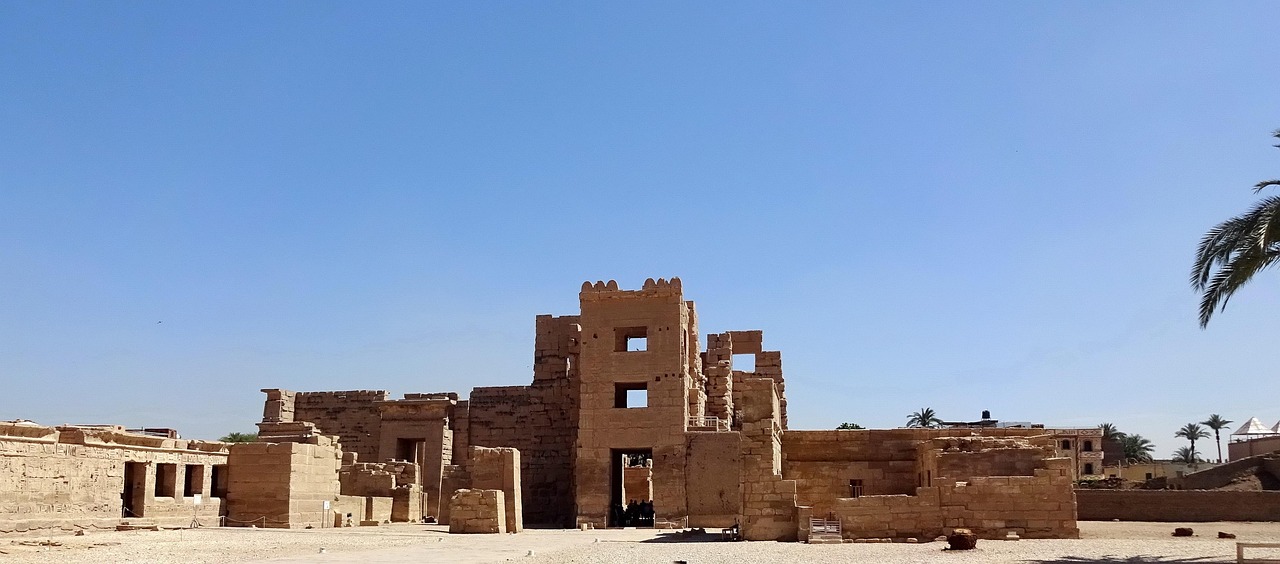
Medinet Habu is my personal favorite West Bank temple and a bit of a hidden gem compared to Karnak and Hatshepsut. It’s less visited, which means more space and time to soak in the details. The first time I walked through its massive gate (migdol), I was struck by how vivid the reliefs still are – especially the battle scenes of Ramesses III triumphing over the Sea Peoples.
Inside, you’ll find courtyards lined with columns, chapels, and an inner sanctuary. Some of the best-preserved color in Luxor lives here: look up at the undersides of the architraves and columns. On several visits, I’ve been able to stand almost alone in the hypostyle hall, listening to the echo of my own footsteps.
Just outside, the surrounding village has a few simple cafés where you can sip tea under a palm tree and watch daily life go by.
7. The Ramesseum (Mortuary Temple of Ramesses II)
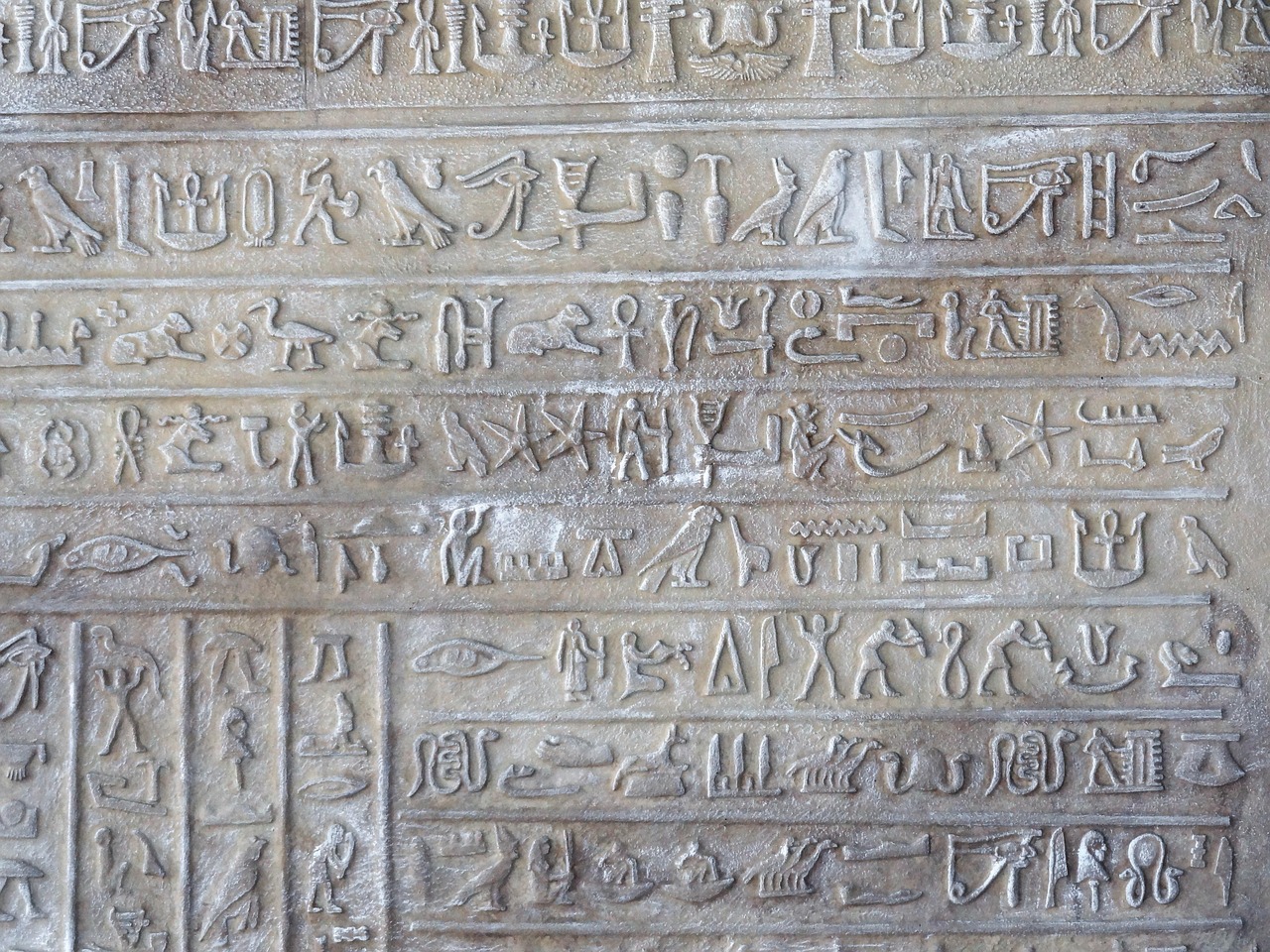
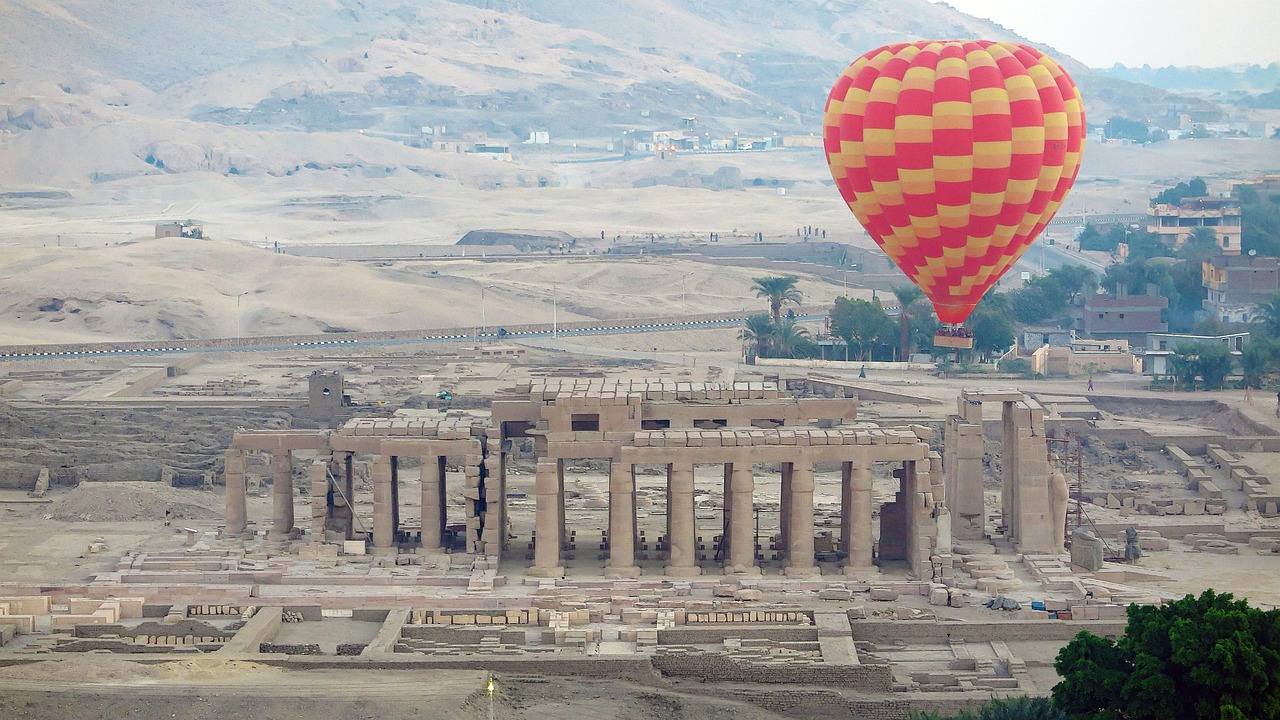
The Ramesseum is Ramesses II’s mortuary temple – an enormous complex that today lies largely in picturesque ruins. Literary fans may recognize it as the inspiration behind Percy Bysshe Shelley’s “Ozymandias,” with its fallen colossi symbolizing the impermanence of power.
When I visited one hazy afternoon, I had the place nearly to myself. I sat near the toppled giant statue of Ramesses, imagining how it once dominated the courtyard. The remaining columns and reliefs are still impressive, and the atmosphere is contemplative rather than crowded.
If you’re doing a longer stay or a 5 day itinerary for Luxor, the Ramesseum is a wonderful, less-visited counterpart to the more famous temples.
8. Deir el-Medina (Workers’ Village)
Deir el-Medina is where the artisans and workers who carved the royal tombs lived. It’s one of the few places in Egypt where you can walk through a complete ancient village, with streets, small houses, and chapels. It’s also where some of the most beautiful tombs are, albeit much smaller than the royal ones.
The tombs of Sennedjem and others here are richly painted with domestic and religious scenes. I still remember ducking into one tiny tomb, my back brushing the ceiling, and being enveloped by a sky of deep blue with stars. The intimacy of these spaces makes them especially powerful.
Outside the tombs, take time to wander through the ruins of the village itself. If you’re interested in the daily life of the people who built the wonders of Luxor, this is a must.
9. Valley of the Nobles
Often overshadowed by the Valley of the Kings, the Valley of the Nobles is a treasure for those who want to understand ancient Egyptian society beyond pharaohs. Scattered along the hillsides are tombs of administrators, priests, and officials, many with lively, detailed wall paintings of banquets, agriculture, and everyday tasks.
On one visit, my local guide took me into the tomb of Rekhmire, a vizier, and pointed out scenes of foreign delegations bringing tribute – Nubians, Syrians, and others, each with distinctive attire and gifts. Later, in the tomb of Sennefer, grape vines painted on the ceiling created the illusion of being in a shaded pergola.
The area is spread out, so you won’t see everything in one go, but that’s part of its charm. You can focus on a few well-known tombs or ask a guide to take you to some quieter ones.
10. Luxor Museum
While Cairo’s new Grand Egyptian Museum (GEM) grabs the headlines, Luxor Museum remains one of my favorite museums in Egypt. It’s small, beautifully curated, and blissfully calm. The collection focuses on finds from the Luxor area, including statues, reliefs, and objects from various temples and tombs.
Highlights include a set of exquisitely carved statues of pharaohs and deities, some discovered buried in a cache at Luxor Temple, and a few items from Tutankhamun’s tomb. The lighting is excellent, making it a dream for photography (without flash, and always re-check current rules), and bilingual labels provide just enough context without overwhelming.
I like to visit Luxor Museum late afternoon, after a hot day of temple hopping, and let the air-conditioning and quiet atmosphere reset my brain. It also helps tie together everything you’ve been seeing in situ.
11. Mummification Museum
This small museum on the East Bank corniche focuses on the art and science of mummification. It’s not essential for every traveler, but if you’re fascinated by ancient Egyptian beliefs about death and the afterlife, it’s worth an hour.
Displays include tools used by embalmers, canopic jars, animal mummies, and explanatory panels (in English and Arabic) walking through the process. There’s also at least one human mummy on display. It’s less about shock value and more about understanding the rituals behind what you’ve seen in tomb paintings.
12. Avenue of Sphinxes
The restored Avenue of Sphinxes runs roughly 3 km between Karnak and Luxor Temple. In ancient times, it was the grand processional route for religious festivals like Opet. Today, carefully excavated and reconstructed, it’s become one of Luxor’s most atmospheric evening walks.
After its formal reopening in 2021, more sections have been made accessible, and by 2026 it’s a well-integrated part of the cityscape. I like to start near Luxor Temple just before dusk and stroll a short stretch as locals do their evening promenade. The mix of ancient stones, modern street life, and soft lighting feels uniquely Luxorian.
13. Hot Air Balloon Ride Over the West Bank
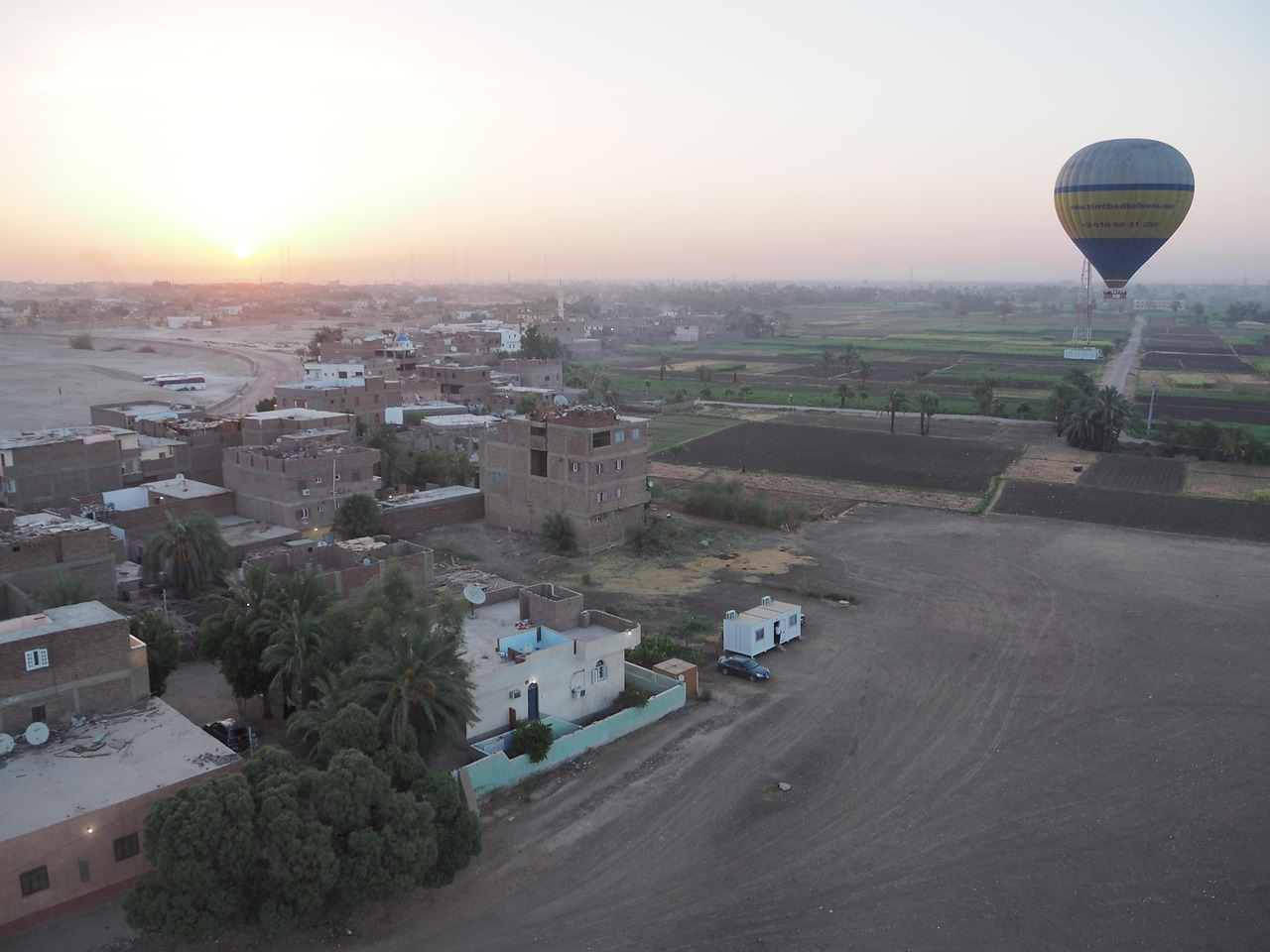
A sunrise hot air balloon ride over Luxor is one of those experiences that sound overhyped until you actually do it. Then you understand why everyone raves. Floating silently above the green fields of the West Bank, with the Nile, the city, and the desert cliffs all visible at once, is unforgettable.
I did my first balloon ride in 2018 and again in 2025 with a friend who was nervous about heights. The takeoff is gentle; you feel more like you’re on a balcony being lifted than a roller coaster. As the sun rises, you see the shadows of the balloons stretch across the fields, and the temples below look like miniature models.
Safety & tips:
- Choose a reputable company with a solid safety record; your hotel or guesthouse will know the current best operators.
- Expect a very early pickup (around 4–5 a.m.).
- Wear layers – mornings can be chilly, but it warms quickly.
- For photographers, a 24–70mm equivalent lens works well.
14. Sunset Felucca Cruise on the Nile
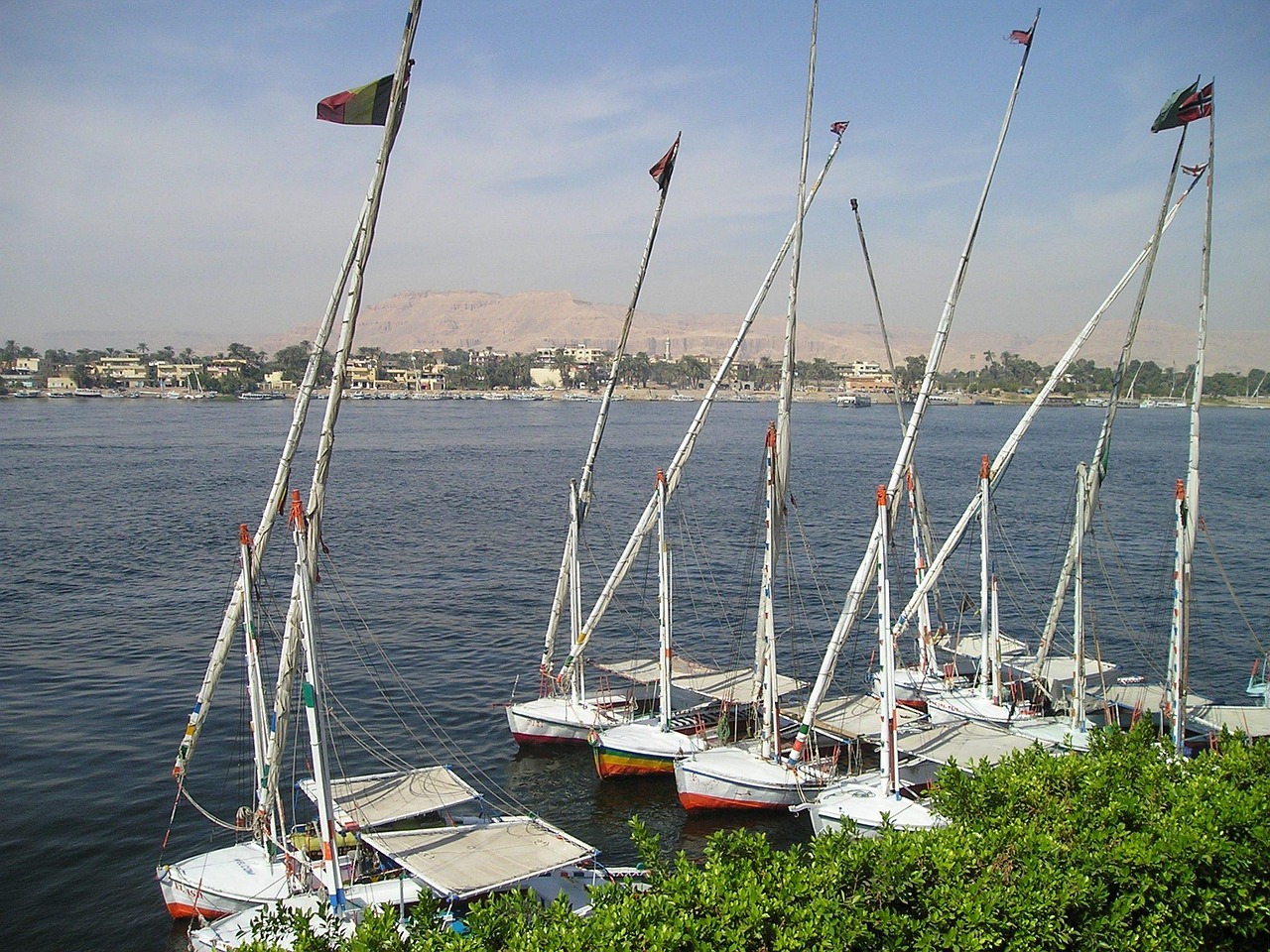
In a city full of massive stone monuments, some of my favorite Luxor moments are soft and simple: drifting along the Nile on a felucca as the sun goes down. A felucca is a traditional wooden sailboat with no engine, just canvas and wind. The pace is slow; the world shrinks to ripples and rustling sails.
My ritual is to walk along the East Bank corniche about an hour before sunset, chat with a few captains, bargain politely, and then head out for 60–90 minutes. Prices are usually per boat, not per person, so it’s great value for couples or families. Bring some snacks or ask the captain if he can arrange tea on board.
On one particularly memorable evening, a local boy on a smaller boat paddled over and sang for us in exchange for a small tip, his voice carrying across the water as the temples lit up in the distance.
15. Colossi of Memnon
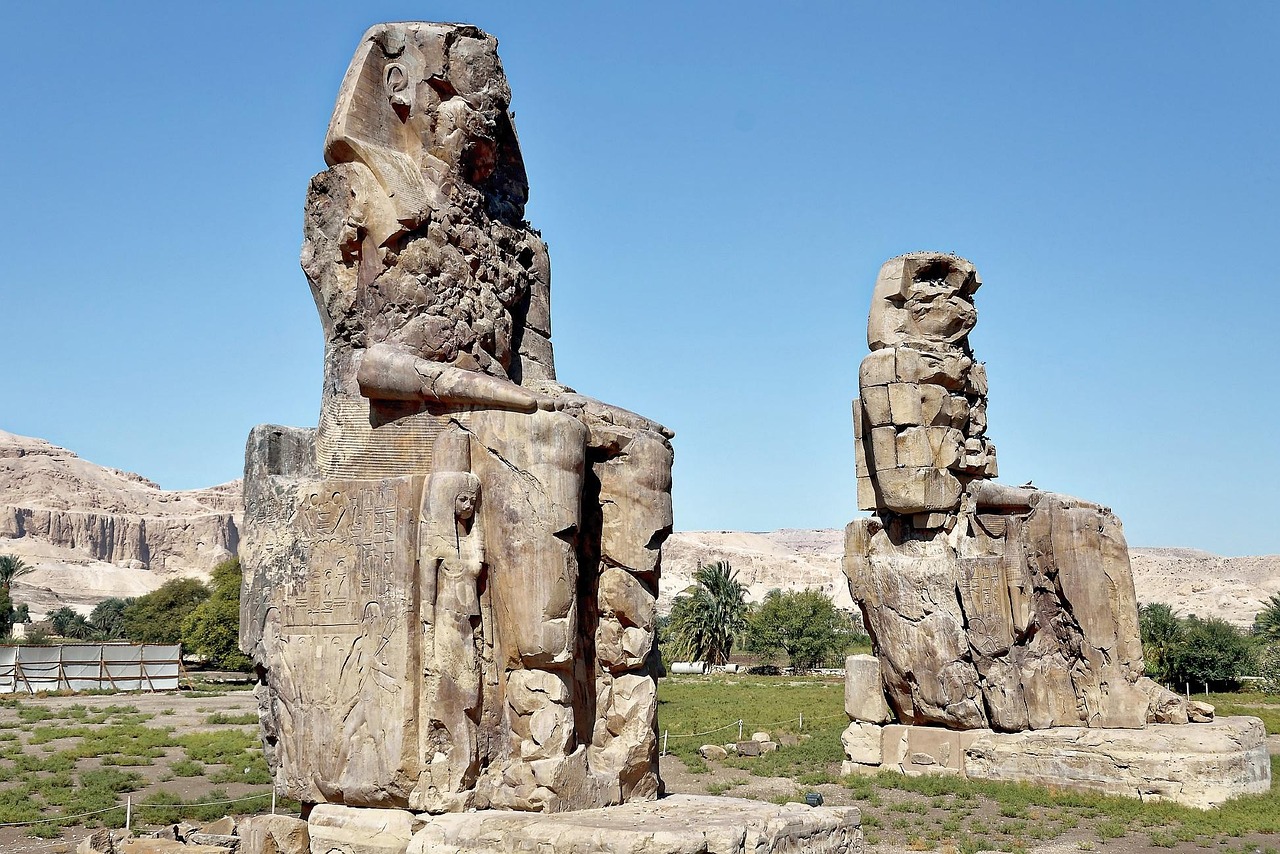
The Colossi of Memnon are two huge seated statues of Amenhotep III that once guarded his now mostly-ruined mortuary temple. They stand right by the roadside on the West Bank, so you’ll pass them often on your way to other sites. It’s easy to underestimate them because you get used to seeing them, but up close they’re impressive.
Historically, one of the statues was famous in Roman times for making a “singing” sound at dawn after being cracked by an earthquake – likely a combination of temperature changes and structural damage. The phenomenon ended after later repairs. Nowadays, the site around the colossi is part of an extensive ongoing excavation, and each year (including into 2026–2027) more of Amenhotep’s temple is being revealed.
I like to stop here briefly in the early morning when the light is soft and the tour buses are still on their way.
16. West Bank Villages & Countryside
Beyond the famous tombs and temples, the West Bank’s villages are where you feel Luxor’s living culture. Narrow lanes lined with mud-brick houses, sugarcane fields, small mosques, and kids playing football at dusk. Spending time here turns your trip from a checklist of monuments into an actual connection.
I often rent a bicycle from my guesthouse in Ramla or Gezira and pedal toward the fields, waving at farmers and dodging the occasional goat. If you’re not comfortable biking, a donkey cart ride or a simple walk works as well. Locals are very used to visitors; a few words of Arabic (“salaam alaikum,” “shukran”) go a long way.
There are also small family-run cafés where you can sip mint tea under date palms, and a few pottery workshops and art spaces have popped up in recent years. Ask your host for current recommendations.
17. Banana Island (Gezirat al-Moz)
“Banana Island” is a popular, if slightly touristy, Nile island north of Luxor city. Boats from both banks will offer to take you there for a small fee. Once on the island, you can wander among banana groves, sip tea, and sometimes feed friendly (if opportunistic) animals.
It’s particularly good for families – kids love the boat ride and the novelty of the banana plantations. On my last visit, I went late afternoon when the light was soft, and we had a simple grilled fish lunch by the water. Don’t expect untouched wilderness; do expect a relaxed couple of hours away from the city buzz.
18. Nubian Culture & Villages (Day Trip Extension)
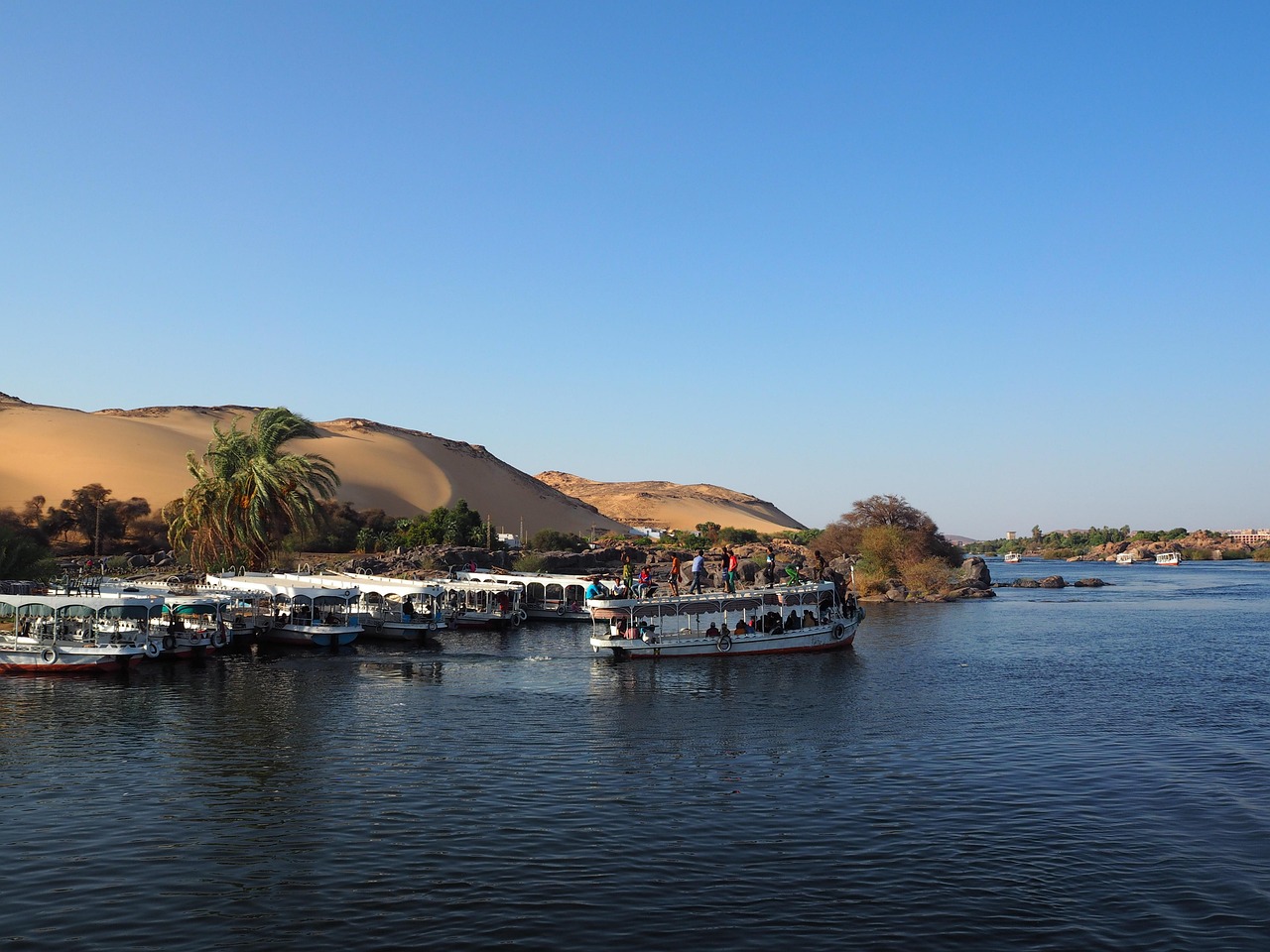
While Aswan is more famous for Nubian culture, there are opportunities around Luxor to learn about Nubian traditions and music through cultural evenings or small community-run centers. In 2026, a few local groups have started organizing Nubian music nights on the West Bank, featuring drums, distinctive vocals, and brightly colored costumes.
It’s not the same as visiting a traditional Nubian village on Lake Nasser, but it’s a great introduction if you’re not heading further south. Ask your guesthouse about current authentic (not purely staged) options, as these can change seasonally.
19. Luxor Souq & East Bank Markets
The Luxor souq is a long, partially covered market street running roughly parallel to the corniche. Here you’ll find spices, scarves, galabeyas (traditional robes), alabaster souvenirs, lanterns, and the occasional surprise antique-looking item (usually not actually antique).
Yes, some vendors can be persistent, and yes, you’ll hear “Welcome my friend!” many times. But there are also genuine characters and good conversations to be had. I like to go in the late afternoon, when the heat has faded and families are out shopping. If you duck into side streets, you’ll find more local-oriented stalls – vegetables, household goods, cheap clothing.
Bargaining: It’s expected for non-food items. Start at about half the initial price and aim for somewhere in the middle. Keep it friendly; a smile does more than hard haggling.
20. Luxor Corniche & City Walks
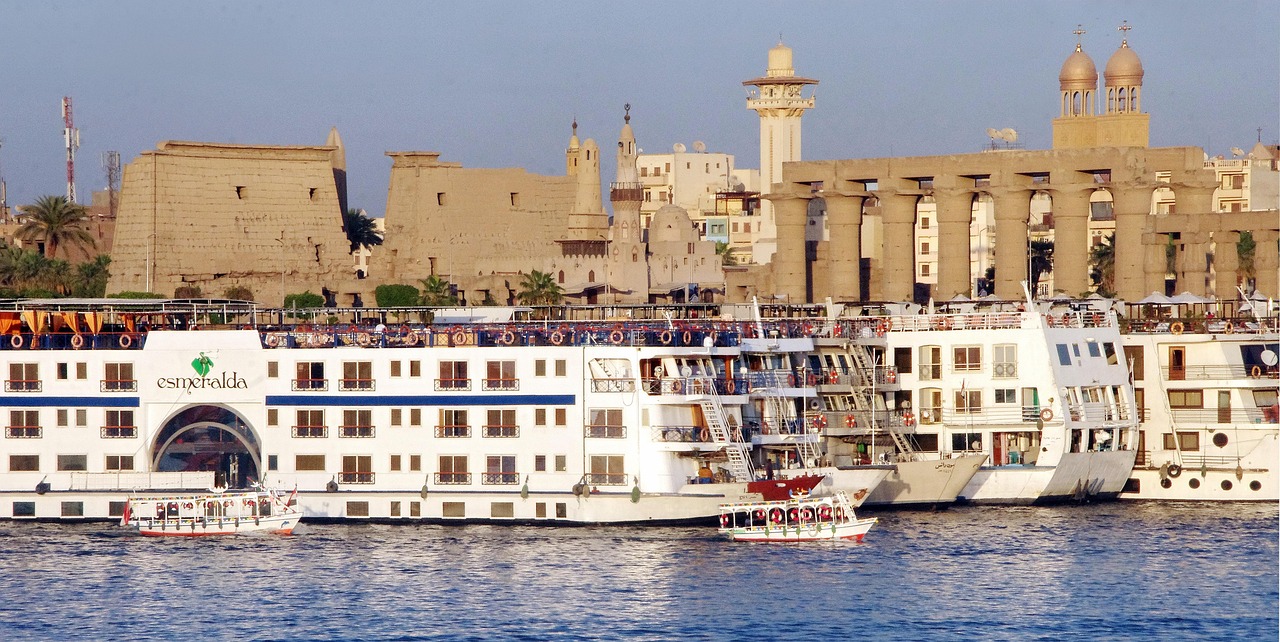
Finally, don’t underestimate the simple pleasure of walking Luxor’s corniche – the riverside promenade – especially in the evening. This is where locals stroll, couples sit on benches, and kids ride bikes. The skyline includes a mix of low-rise hotels, minarets, and the illuminated outline of Luxor Temple.
On my last trip, I developed a habit of doing a corniche walk after dinner almost every night. I’d buy a cup of sugarcane juice from a street stand, watch cruise boats light up, and listen to a mix of Arabic pop and call to prayer drifting through the air. It’s one of the best free things to do in Luxor and gives you a sense of the city as more than just its ancient sites.
Suggested Itineraries: 3–5 Days in Luxor
Luxor works beautifully for 3 days, 4 days, or a full 5 day itinerary. Below is a flexible plan based on my own recent stays. You can adjust depending on your pace and interests.
3 Days in Luxor – Classic Highlights
If you only have 3 days in Luxor, focus on the icons. Here’s a realistic, not-rushed plan that I’ve followed with friends visiting for the first time.
Day 1 – East Bank Temples & Nile Sunset
Morning: Karnak Temple
Start early at Karnak (aim for opening time). Spend 3–4 hours exploring the Hypostyle Hall, the sacred lake, and side chapels. On my last 3-day sprint, we hired a guide for the first 90 minutes to get oriented, then wandered on our own.
Lunch: Head back toward town and grab lunch at a local restaurant near the corniche – grilled chicken or falafel with tahini is light but filling.
Afternoon: Luxor Museum
Cool off with an hour or two at Luxor Museum. This helps connect what you saw at Karnak with beautifully displayed statues and artifacts.
Sunset: Luxor Temple & Avenue of Sphinxes
Time your visit to Luxor Temple for about 1.5 hours before sunset. Watch as the light changes and the temple lights come on. Afterward, stroll a section of the Avenue of Sphinxes.
Evening: Dinner along the corniche. I like simple grills and tagines overlooking the river. If you still have energy, do a gentle corniche walk.
Day 2 – West Bank: Valley of the Kings, Hatshepsut & Village Life
Early Morning: Valley of the Kings
Cross to the West Bank (public ferry or arranged boat) and head straight to the Valley of the Kings at opening. Visit three tombs on the standard ticket plus Tutankhamun if you wish.
Late Morning: Hatshepsut Temple
Continue to Hatshepsut’s temple. Allow about 1.5 hours to explore and take in the cliffside setting.
Lunch: Stop at a simple local restaurant near the West Bank road – fuul, bread, and salad make a great cheap meal.
Afternoon: Colossi of Memnon & Medinet Habu
Pause at the Colossi for photos, then head to Medinet Habu. Spend time appreciating the vivid reliefs and quieter vibe.
Late Afternoon: West Bank Villages
If you’re not exhausted, walk or bike through nearby villages before crossing back to the East Bank.
Evening: Optional felucca ride at sunset (you might also save this for Day 3 if you’re tired).
Day 3 – Deeper Dives & Flex Day
Option A (History-heavy): Valley of the Queens (with Nefertari if budget allows), Deir el-Medina, and a selection of tombs in the Valley of the Nobles. Perfect for history buffs.
Option B (Relaxed): Sleep in, explore the souq and markets, visit the Mummification Museum, then do a felucca at sunset followed by a leisurely dinner.
Option C (Adventure): Sunrise hot air balloon ride over the West Bank, then a relaxed brunch and afternoon café-hopping.
4 Day Itinerary for Luxor – Add Depth & Local Life
With 4 days in Luxor, you can keep the 3-day structure and add more local experiences and less-visited sites.
Day 4 – Hidden Gems & Nile Life
Morning: Ramesseum & Valley of the Nobles
Start at the Ramesseum, taking your time to appreciate the ruins without crowds. Then visit a few hand-picked tombs in the Valley of the Nobles (your guesthouse or a local guide can suggest which ones are currently open and in good condition).
Lunch: Simple local spot or picnic in the shade near Medinet Habu area.
Afternoon: West Bank Village Time
Rent a bicycle or hire a donkey cart for a slow tour of the fields and lanes. This is a great time to stop at a family-run café – I once spent an hour chatting (in broken Arabic and hand gestures) with a farmer about irrigation methods and football teams.
Evening: Nubian Music or Cultural Night (if available)
In 2026, watch for small cultural evenings on the West Bank featuring Nubian or local folk music. They’re informal and friendly, often organized through guesthouses.
5 Day Itinerary for Luxor – Slow Travel & Hidden Corners
Spending 5 days in Luxor lets you breathe, revisit favorites, and include day trips. Use the 4-day itinerary as your base, then add:
Day 5 – Day Trip or Deep Dive
Option 1: Day Trip to Dendera (and Abydos if time allows)
Head north to Dendera Temple, dedicated to Hathor, with its famous zodiac ceiling and stunning blue-hued reliefs. It’s about 1.5–2 hours by private car. If you’re up for a long day, continue to Abydos, one of Egypt’s most sacred sites.
Option 2: Full Relaxation Day
Sleep in, linger over breakfast, book a spa treatment at a Nile-side hotel, and spend the afternoon reading by the pool or on a balcony. In the evening, stroll the corniche and have a special farewell dinner with Nile views.
Option 3: Photography & Repeats
Revisit your favorite site (Karnak at sunrise is especially worth a second look) for deeper photography or quiet contemplation. With a 5-day itinerary, you can afford to repeat the places that moved you most.
Local Food in Luxor: What to Eat & Where
Egyptian food is hearty, flavorful, and surprisingly vegetarian-friendly. Luxor’s dining scene is more low-key than Cairo’s, but there are plenty of places to eat well without breaking the bank.
Must-Try Dishes
- Koshary: A mix of pasta, rice, lentils, chickpeas, and crispy onions topped with tomato and garlic-vinegar sauces. Cheap, filling, and addictive.
- Fuul & Taameya: Fava bean stew (fuul) and Egyptian falafel (taameya) made from fava beans, often eaten for breakfast with bread.
- Molokhia: A green soup made from jute leaves, often served with rice and chicken or rabbit.
- Grilled meats (Mashawi): Kofta (minced meat skewers), kebab, and grilled chicken.
- Fatta: Rice and crispy bread layered with meat and garlic-vinegar sauce, often served on special occasions.
- Fresh juice: Sugarcane, mango, guava, and hibiscus (karkade). Great way to cool down.
Where I Like to Eat in Luxor
(Names and exact locations evolve; always ask locals or your hotel for current favorites. These are types of places rather than endorsements of one specific business.)
- Local koshary shops (East Bank near the market): Packed with locals at lunch; a bowl of koshary and a soft drink can cost less than a coffee back home.
- Simple grills on the corniche: Great for mixed grills, salad, and rice with Nile views. Check which ones are busy with Egyptians, not just tour groups.
- West Bank rooftop cafés (Ramla/Gezira): Perfect for sunset drinks (non-alcoholic in many places) and simple tagines.
- Juice stands near the train station and market: Look for busy stalls and juice made fresh in front of you.
Saving Money on Food
- Eat like a local: koshary, fuul, falafel, and bread-based meals are very affordable.
- Skip hotel buffets unless included; street and café food is cheaper and often tastier.
- Ask prices before ordering in touristy cafés to avoid “surprises” on the bill.
Nightlife, Entertainment & Cultural Experiences
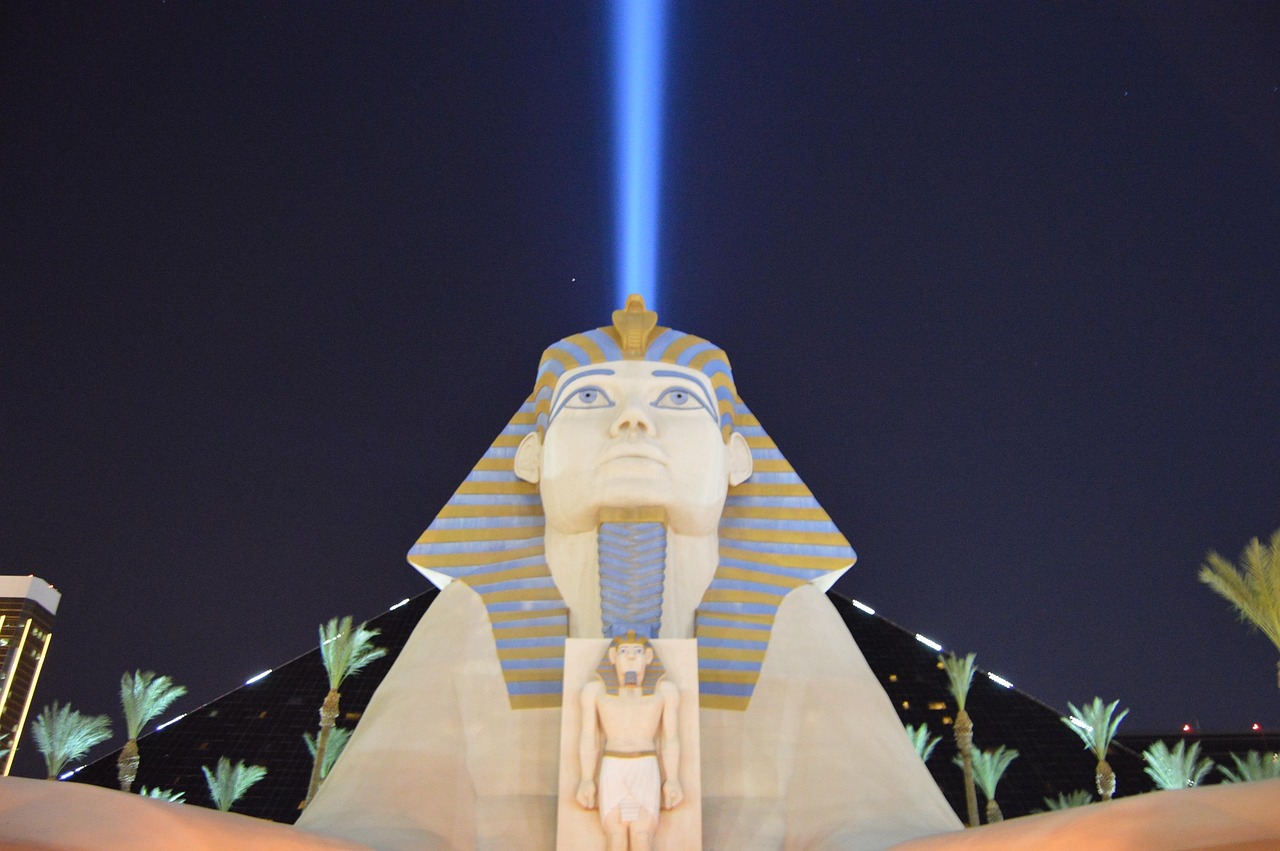
Luxor is not a clubbing city, but evenings are far from dull. Think Nile views, shisha cafés, and cultural shows rather than all-night dancing.
Nightlife & Evening Activities
- Nile-side cafés: Both banks have cafés where locals smoke shisha, drink tea, and watch football. Great people-watching.
- Hotel bars: Some larger Nile-front hotels serve alcohol and have live music a few nights a week.
- Sound & Light Shows: At Karnak and sometimes Luxor Temple – a bit kitschy, but being inside the temples at night is special.
- Felucca at night: Some captains offer after-dark rides under the stars.
Cultural Experiences
- Traditional music evenings: Occasional Nubian or Upper Egyptian folk performances, especially on the West Bank.
- Cooking classes: A few guesthouses and small restaurants offer lessons; you shop for ingredients then cook together.
- Local festivals: In 2026–2027, watch for religious moulids and local celebrations, especially around major Islamic holidays.
Major Events & Travel Scene Changes 2026–2027
While exact dates and programs can shift, some ongoing trends and likely events include:
- Annual Luxor African Film Festival (LAFF): Usually held in early spring, bringing African cinema, workshops, and screenings to Luxor.
- Increased integration with Cairo’s GEM: More coordinated ticketing and combined itineraries being developed; Luxor may see new joint exhibits or digital links to artifacts in Cairo.
- Expanded restoration at Karnak & Medinet Habu: Expect some scaffolding but also newly opened sections and improved signage through 2026–2027.
Day Trips & Nearby Attractions from Luxor
If you have 4–5 days, consider these excursions.
Dendera Temple (Hathor Temple)
About 60–70 km north of Luxor, Dendera is dedicated to Hathor, goddess of love, music, and joy. The hypostyle hall’s ceiling, with its restored blue backgrounds and zodiac, is stunning. I visited on a hazy day and still found the carvings incredibly crisp and photogenic.
How to get there: Private car with driver arranged via your hotel is the most straightforward. Allow 1.5–2 hours each way plus 2–3 hours on site.
Abydos Temple (Seti I)
Further north, Abydos is one of Egypt’s holiest ancient sites, with some of the finest reliefs in the country. The temple of Seti I has beautifully carved scenes and the famous “Abydos king list.” It’s a long day trip but deeply rewarding for serious history fans.
Tip: Combine Dendera and Abydos in one long day if you’re energetic, or focus on Dendera alone for a more relaxed outing.
Desert & Wadi Walks
On the West Bank, guides can take you on short hikes into nearby wadis and desert plateaus behind the tomb areas. These offer sweeping views over the Nile valley and a sense of the stark landscape that frames Luxor’s fertility.
Cultural Etiquette & Local Customs in Luxor
Luxor is welcoming, but it’s also a conservative city. A bit of cultural awareness makes interactions smoother and more respectful.
Dress Code
- Women: Shoulders and knees covered in town is appreciated. At temples, modest clothing feels more appropriate and attracts less attention. Loose, light fabrics are best.
- Men: T-shirts and long shorts or light trousers are fine. Avoid going shirtless except at hotel pools.
Greetings & Behavior
- “Salaam alaikum” (peace be upon you) is a common greeting; reply “Wa alaikum salaam.”
- Shaking hands is common between men; between men and women it varies. Let the local person lead.
- Public displays of affection are frowned upon. Keep things discreet, especially in villages.
Bargaining & Tipping
- Bargaining is normal in markets and for taxis (without meters). Keep it friendly and don’t feel pressured.
- Tipping (“baksheesh”) is part of the culture. Small tips for helpful staff, guards who open extra lights in tombs, and drivers are appreciated.
Photography Etiquette
- Always ask permission before photographing people, especially women and children.
- Be respectful in religious spaces (mosques) and avoid photographing during prayer without explicit permission.
Practical Travel Advice for Luxor 2026–2027
Getting There
- By air: Luxor International Airport has regular flights from Cairo and some seasonal international routes (especially in winter).
- By train: Comfortable daytime and overnight trains connect Luxor to Cairo and Aswan. Book higher-class seats for comfort.
- By bus or car: Long-distance buses and private transfers are options, but the train is usually more comfortable.
Getting Around Luxor
- Public ferry: Crosses between East and West Banks; cheap, frequent, and atmospheric.
- Private motorboats: Faster and more flexible, especially early morning or late at night.
- Taxis: Widely available; agree on fares before you get in.
- Bicycles: Great for the West Bank; avoid main roads in the heat of the day.
- Car rental: Possible but not necessary. Driving in Egypt can be stressful; if you do rent, an International Driving Permit is recommended along with your national license.
Money-Saving Tips
- Stay in West Bank guesthouses for better value and a more local feel.
- Eat where locals eat – simple Egyptian restaurants are both inexpensive and delicious.
- Buy a multi-site ticket if available; check at ticket offices for current combined passes.
- Travel in shoulder seasons (late October–November, February–March) for lower prices and manageable weather.
SIM Cards & Connectivity
- Major providers include Vodafone Egypt, Orange, and Etisalat.
- Buy a SIM at the airport or official shops in town; bring your passport.
- Data packages are reasonably priced; 10–20 GB is usually enough for a week or more.
Visa Requirements
Visa rules can change, so always check official sources before travel. As of early 2026:
- Many nationalities can obtain a tourist visa on arrival at Egyptian airports or apply for an e-visa in advance.
- Standard tourist visas are often valid for 30 days; longer stays may require extensions in Egypt.
Health & Safety
- Tap water is not recommended for drinking; stick to bottled or filtered water.
- Use sunscreen, hats, and light clothing; the sun is intense even in winter.
- Luxor is generally safe, with a strong tourism police presence. Normal city precautions apply (watch belongings, use hotel safes).
Best Seasons & Weather
- October–April: Best time to visit. Days are warm to mild; nights can be cool in winter.
- May & September: Hot but still manageable for early-morning sightseeing.
- June–August: Very hot (often 40°C+). Only recommended if you can handle the heat and plan to rest midday.
Hidden Tips From Multiple Visits
- Start temple days at opening time; take a long lunch/siesta; return to town sites in late afternoon.
- Carry small bills for tips, ferries, and snacks.
- Ask your hotel which tombs or temple sections were recently restored – those are often the most impressive.
- For sunrise balloon rides, book your first available morning so you have backup days in case of wind cancellations.
Summary & Final Recommendations
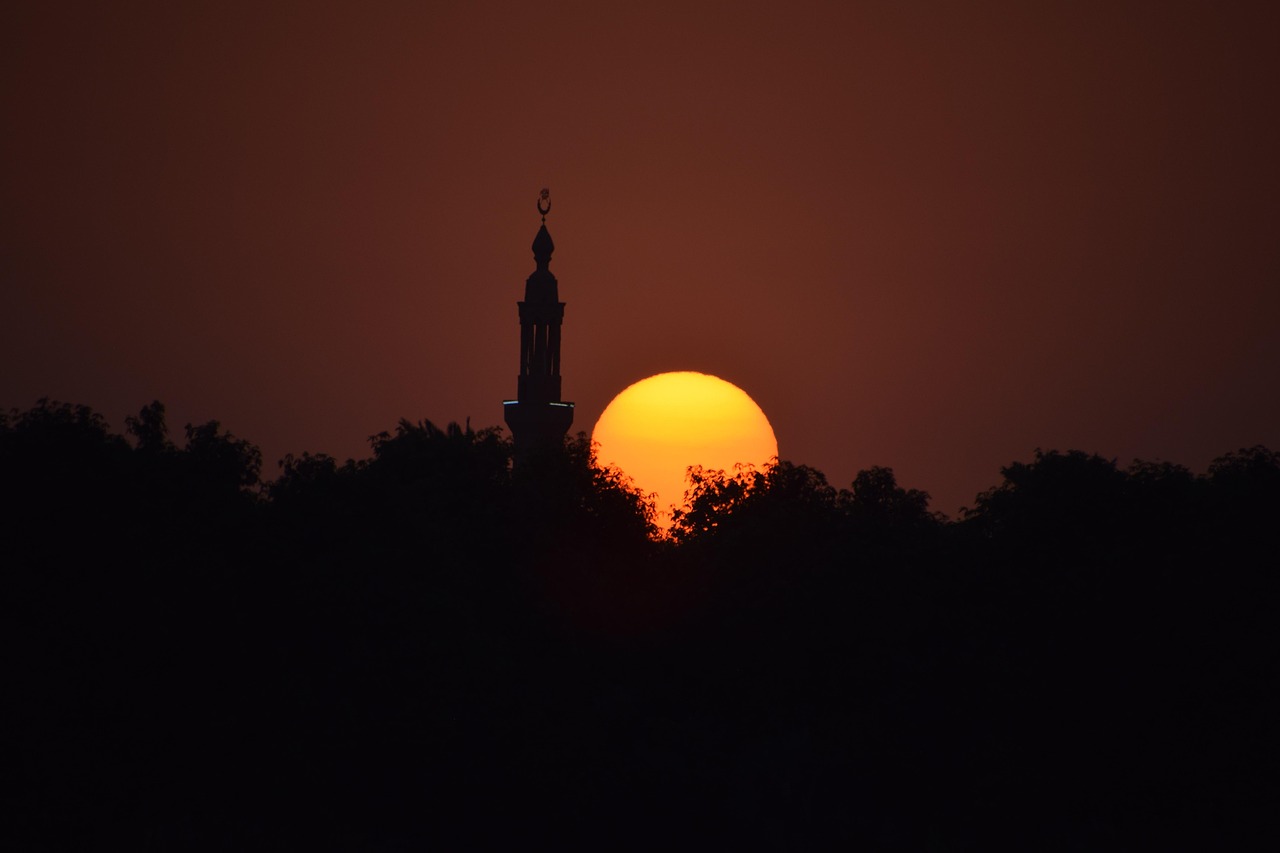
Luxor is a place where timelines bend. In one day you can stand in a temple built 3,000 years ago, sip tea with a farmer whose family has tended the same fields for generations, and watch cruise ships glide by under neon lights. Whether you’re planning 3 days in Luxor, a richer 4 day itinerary, or a slow, immersive 5 days in Luxor, the city rewards both curiosity and patience.
Key takeaways:
- Base yourself according to your style: East Bank for convenience, West Bank for calm village life.
- Prioritize Karnak, Luxor Temple, Valley of the Kings, Hatshepsut, and at least one museum for a strong foundation.
- Add Medinet Habu, Deir el-Medina, and a felucca ride to go beyond the basics.
- Respect local customs, dress modestly, and engage with people – Luxor’s warmth is as memorable as its monuments.
Best time to visit Luxor: For most travelers, November–March offers the best balance of pleasant weather and lively atmosphere. October and April are also excellent if you don’t mind slightly higher temperatures. Whenever you come in 2026–2027, come with time, curiosity, and a willingness to wander – Luxor will do the rest.