Why Visit Casablanca in 2026
Casablanca is the Morocco that Moroccans live in. It’s not a museum-city like some medinas; it’s the country’s beating commercial heart, where art deco balconies lean over traffic, Atlantic waves crash against concrete corniches, and the scent of grilled sardines mixes with espresso and sea salt. I’ve been coming here for over a decade, and each visit feels like catching up with an old friend who’s changed just enough to keep things interesting.
For many travelers, Casablanca is just a gateway airport before heading to Marrakech or Fes. That’s a shame. Spend 3–5 days in Casablanca and you’ll discover:
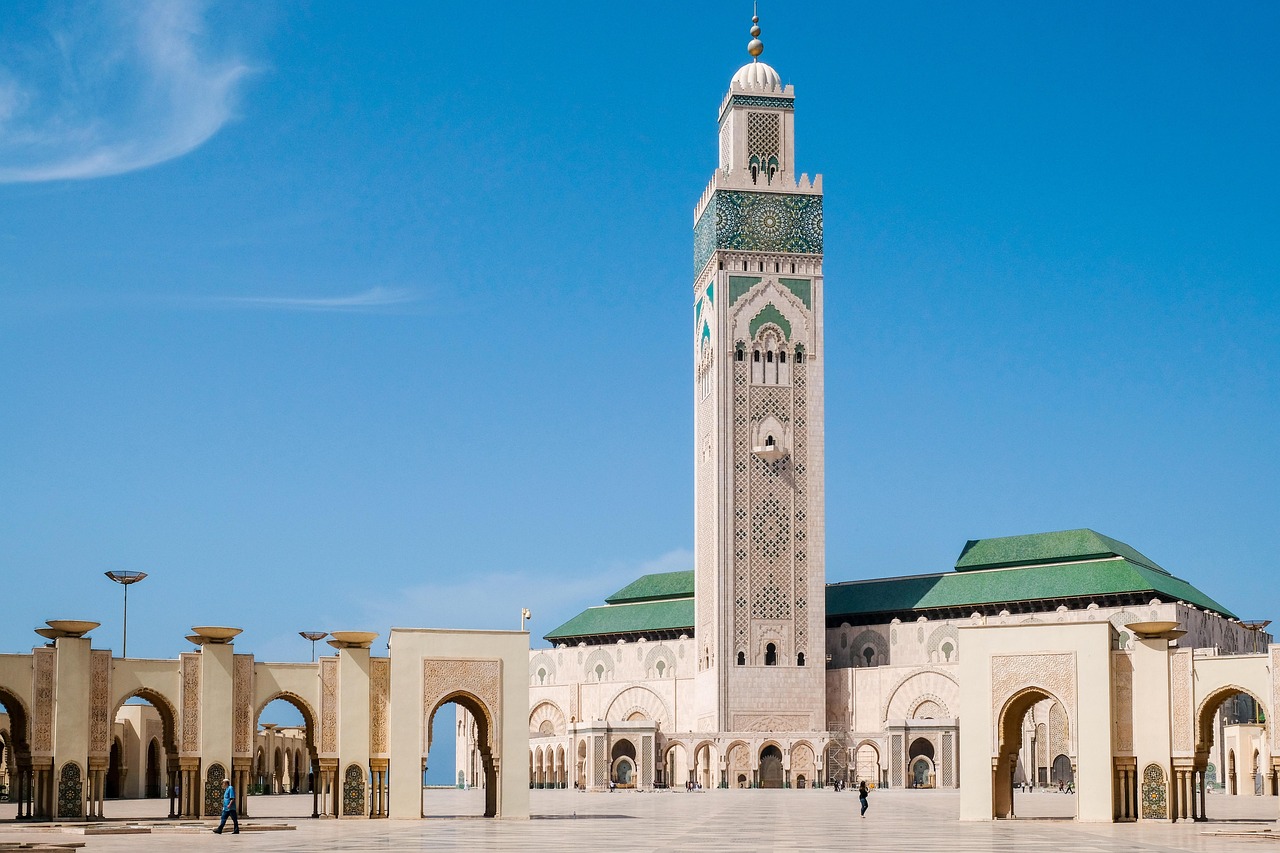
- Iconic landmarks like the Hassan II Mosque, one of the world’s largest mosques, rising directly over the Atlantic.
- Architectural treasures from French art deco façades to sleek modern glass towers and revived industrial spaces.
- Real-life local food—lunch counters full of tagines, late-night brochette grills, and sophisticated seafood restaurants with Atlantic views.
- Neighborhoods with personality: from the old medina’s tangled alleys to hip Maarif and the leafy Anfa hills.
- Culture beyond clichés: galleries, design boutiques, live music, and festivals that rarely make foreign guidebooks.
In 2026, Casablanca is polishing itself up even more—new tram lines, revamped corniche stretches, and a growing scene of creative spaces and rooftop bars. Whether you have 3 days in Casablanca or a more relaxed 5 day itinerary for Casablanca, this travel guide will help you experience the city like a curious local, not just a stopover passenger.
Table of Contents
- Casablanca at a Glance
- Suggested 3–5 Day Itineraries
- 20 Must-See Attractions in Casablanca (In-Depth)
- Neighborhoods & Districts to Explore
- Local Food in Casablanca & Where to Eat
- Nightlife, Entertainment & Cultural Experiences
- Best Day Trips from Casablanca
- Cultural Etiquette & Local Customs
- Practical Travel Tips for Casablanca (2026–2027)
- Major Events & Festivals 2026–2027
- Summary & Best Time to Visit Casablanca
Casablanca at a Glance
Casablanca (Dar el Beida in Moroccan Arabic) is Morocco’s largest city and economic capital. It sits on the Atlantic coast, roughly halfway between Rabat and El Jadida, and is home to over 4 million people. Expect a fast-paced, urban feel—closer to Barcelona or Marseille than a romanticized desert town.
For a travel guide for Casablanca, you need to think in layers: art deco downtown, the old medina, the Atlantic waterfront, modern business districts, and leafy residential hills. This mix is what makes planning a 3 day itinerary for Casablanca or a longer stay so interesting.
Suggested 3–5 Day Itineraries in Casablanca
These itineraries are based on how I actually structure my own visits, especially when showing friends around for the first or second time.
3 Days in Casablanca: Classic Highlights
If you only have 3 days in Casablanca, this itinerary focuses on the must-see attractions in Casablanca, balanced with food stops and local experiences.
Day 1 – Hassan II Mosque, Corniche & Sunset
I always start day one with the city’s undisputed showstopper: the Hassan II Mosque.
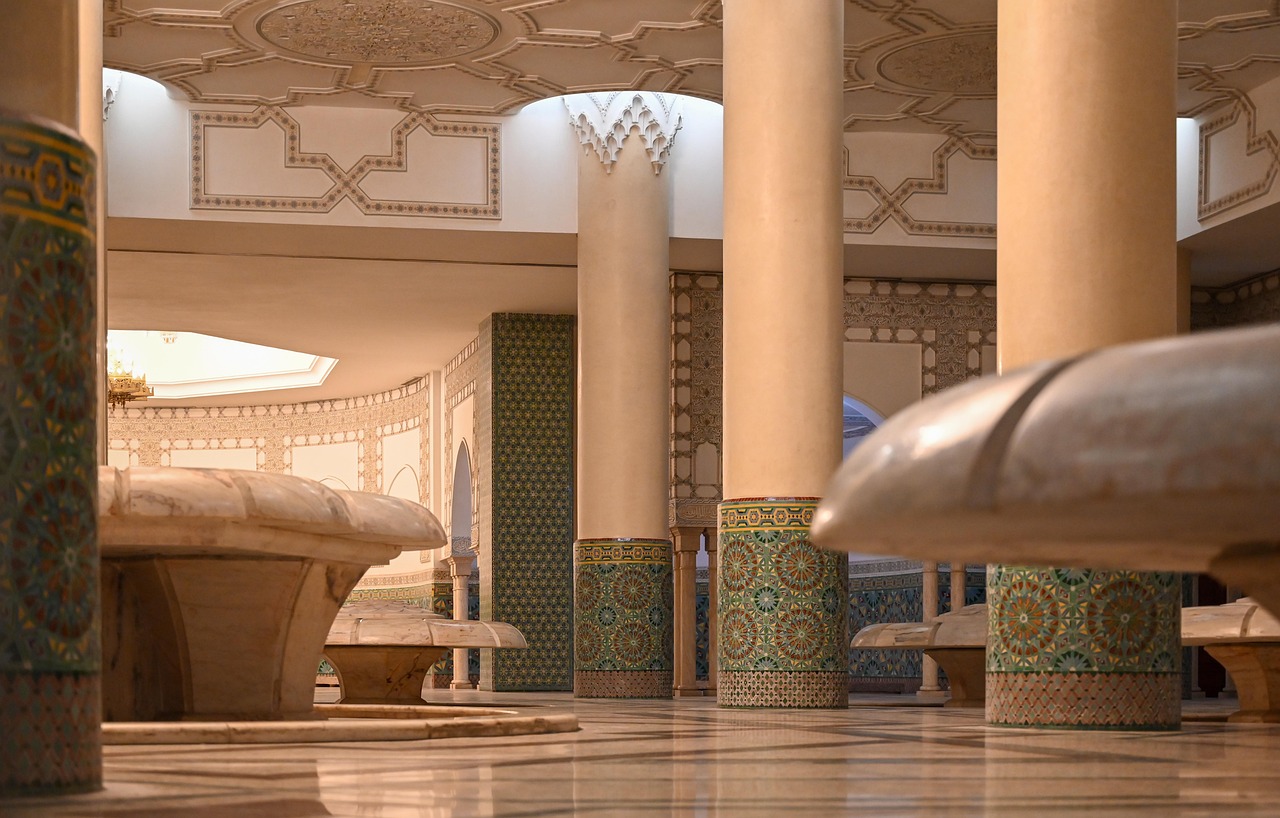
Arrive for the morning guided tour (usually around 9–11am; check 2026 schedules in advance). Walking into the prayer hall, with its carved cedar ceilings and onyx columns, is breathtaking no matter how many times I’ve been. The Atlantic waves crashing below the glass floor windows still give me goosebumps.
- Getting there: Tram to Place des Nations Unies, then petit taxi (~10–20 MAD) to the mosque. Or walk 20–25 minutes if you like city strolls.
- Dress code: Modest clothing; shoulders and knees covered. Scarves for women are not mandatory but appreciated.
- Family-friendly? Yes, though young kids may get restless—bring snacks and water.
- Romantic? Very, especially if you linger on the sea terrace after the tour.
Lunch on the Corniche: After the mosque, I usually walk along the waterfront toward Ain Diab Corniche. Stop for a seafood lunch—grilled sardines, calamari, and a salade niçoise-style Moroccan salad. You’ll find everything from casual fish joints to higher-end restaurants with panoramic terraces.
Spend your afternoon wandering the corniche, watching surfers at Ain Diab, and maybe renting a bike or simply people-watching from a café. For sunset, I like to grab mint tea at a café overlooking the rocks and, if it’s warm, dip my feet in the water.
Evening: If you’re not jet-lagged, head to a rooftop bar around Maarif or along the corniche for your first taste of nightlife in Casablanca. Many places have live DJs and a mix of locals and visitors.
Day 2 – Old Medina, Downtown Art Deco & Habous
Day two is about history and architecture: this is where Casablanca’s layers become clear.
Morning in the Old Medina: Start at Place des Nations Unies and slip into the Old Medina. It’s smaller and less intense than Fes or Marrakech, but that’s exactly why I love it. I like to wander without an agenda, letting the alleys pull me toward spice shops, small mosques, and tailors hunched over sewing machines.
- Pick up dried fruits and nuts for snacks.
- Try a fresh orange juice or sugarcane juice from a street stall.
- For kids: buy a simple toy or colorful slippers—vendors are usually friendly and playful.
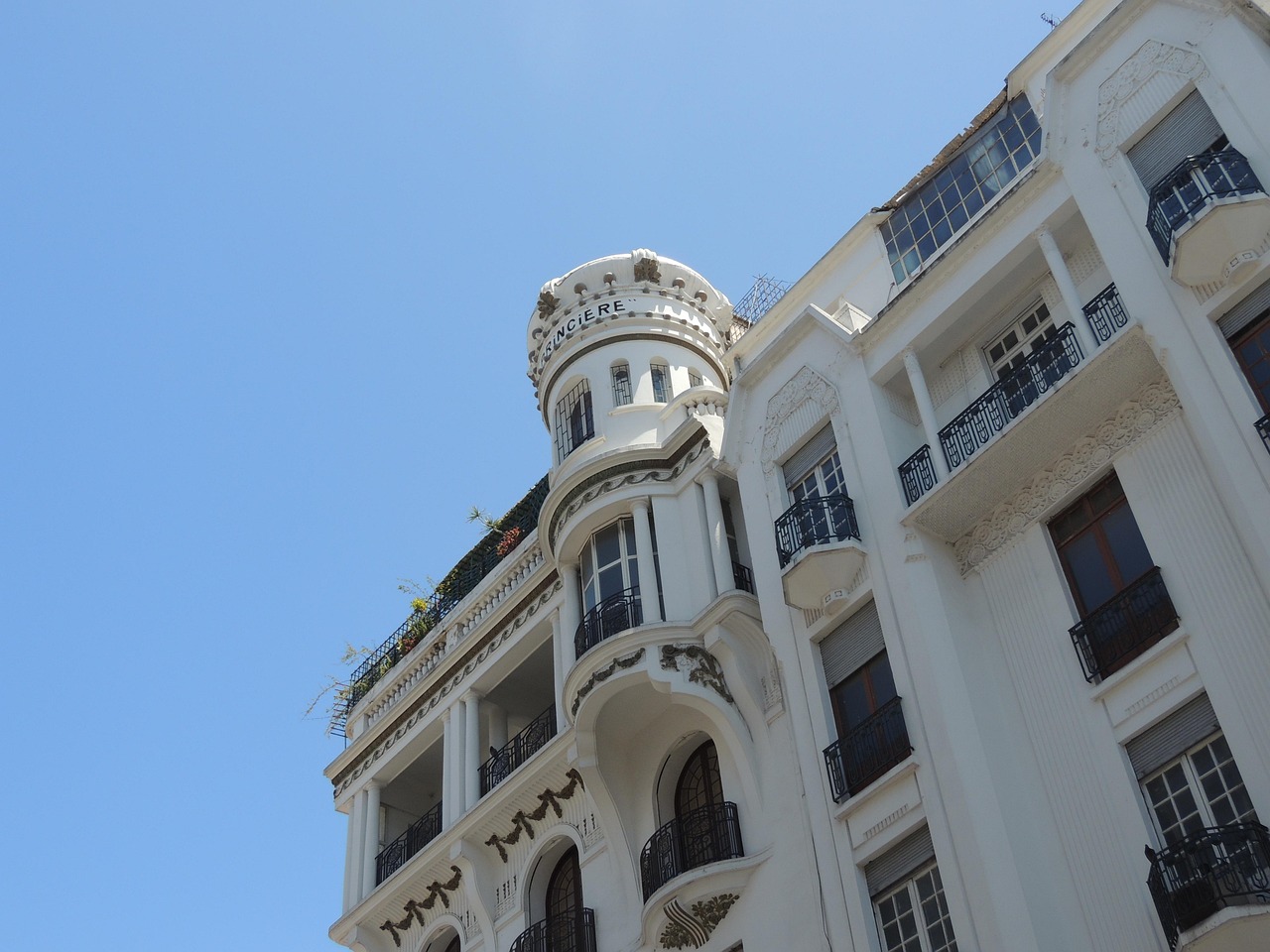
Downtown Art Deco Walk: Exit the medina toward Place Mohammed V and the surrounding streets. This is one of my favorite strolls in the city: faded art deco balconies, geometric ironwork, and old cinemas now repurposed. I usually walk down Boulevard Mohammed V and side streets toward Derb Omar, stopping for coffee at a retro café with marble-topped tables.
Lunch: Grab a plate of loubia (bean stew) or a simple tagine at a worker’s café; these spots are cheap, filling, and a window into local life. I’ve had some of my best meals in places with plastic chairs and menus only in Arabic.
Afternoon in the Habous (New Medina): Take a petit taxi to the Habous Quarter, a planned “new medina” built during the French Protectorate that blends Moroccan styles with European urban planning. I always stop at one of the famous pastry shops for kaab el ghazal (almond “gazelle horns”) and chebakia. Browse bookstores, carpet shops, and ceramic stalls.
Before sunset, walk up toward the Mahkama du Pacha (more on this in the attractions section) and, if visiting hours allow, peek into its ornate courtyards.
Evening: Dinner in Habous or back downtown. If you want something atmospheric, choose a restaurant in a restored riad-style building—candlelight, live oud music, and tagines slow-cooked to perfection.
Day 3 – Maarif, Anfa & Contemporary Casablanca
Your third day explores modern Casablanca: shopping, cafés, and neighborhoods where locals actually hang out.
Morning in Maarif: Start in Maarif, the city’s shopping and café district. I like to grab a strong espresso and msmen (layered flatbread) at a busy corner café, then just watch people: students, office workers, fashion-forward locals.
- Explore local fashion boutiques and Moroccan streetwear brands.
- Check out mid-range malls if you need anything practical.
- Stop by a pâtisserie for French-Moroccan pastries.
Afternoon in Anfa & La Corniche: Take a taxi up to the Anfa hills, where you’ll find leafy streets and sea views. On one trip, I spent an entire afternoon just café-hopping and reading on terraces. From there, head back down to the corniche for a late lunch or early dinner by the water.
Evening Options:
- Family-friendly: Ice cream on the corniche, kids’ play areas, and an early night.
- Romantic: Sunset cocktails on a rooftop, then a moonlit walk by the sea.
- Adventurous: Try night surfing sessions (in season) or join locals at a live music venue.
If you only had 3 days, you’ve seen both the famous and the everyday sides of Casablanca. If you have time for a 4 day itinerary for Casablanca or more, keep reading.
4 Days in Casablanca: Culture & Coast
With 4 days in Casablanca, you can go deeper into cultural experiences and coastal relaxation.
Day 4 – Museums, Galleries & Artsy Casablanca
Use your extra day to explore some of Casablanca’s emerging cultural scene.
Start at Villa des Arts, a beautiful art deco villa turned art museum with rotating exhibitions of Moroccan and international contemporary art. I’ve discovered several local artists here whose work I still follow years later.
Later, head to La Fondation Abderrahman Slaoui (see details below), which houses vintage posters, jewelry, and design pieces—perfect for understanding Casablanca’s 20th-century cosmopolitan vibe.
Lunch: Eat at a café near the museums or go back downtown for a modern Moroccan bistro where chefs reinterpret traditional dishes (think lamb tagine with creative plating, or fusion couscous bowls).
Afternoon/Evening: Browse smaller galleries or concept stores in Maarif or central Casablanca. If you’re visiting during a festival (see the events section), attend an evening concert, film screening, or street performance.
5 Days in Casablanca: In-Depth & Day Trips
A 5 day itinerary for Casablanca is ideal—it lets you combine city life with at least one day trip.
Day 5 – Day Trip to Rabat or El Jadida
On my longer stays, I almost always take a day trip. Two of my favorites:
- Rabat (1–1.5 hours by train): Morocco’s capital has a calmer vibe, a lovely waterfront, and the blue-and-white Oudayas Kasbah. Great for couples and families.
- El Jadida (1–1.5 hours by train): A seaside town with a UNESCO-listed Portuguese fortress and a laid-back beach. Excellent if you want more swimming and sun.
Trains in 2026 are frequent and comfortable; book online or at the station. Return to Casablanca in the evening for a farewell dinner—maybe at a seafood restaurant overlooking the lit-up mosque.
20 Must-See Attractions in Casablanca (Deep Dive)
Below are the best places to visit in Casablanca with personal notes, history, and tips. You won’t do all 20 in 3 days, but this section helps you customize your own plan.
1. Hassan II Mosque
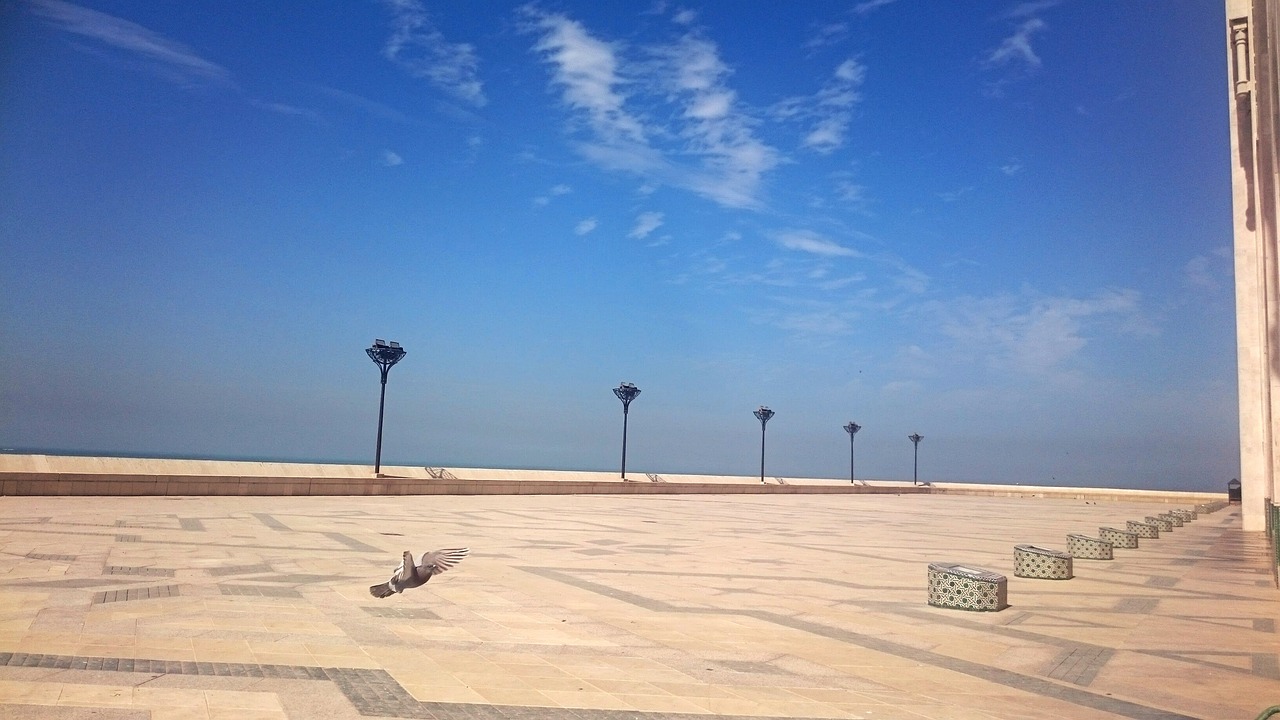
The Hassan II Mosque dominates every conversation about things to do in Casablanca—and for good reason. Completed in 1993, it was commissioned by King Hassan II and designed by French architect Michel Pinseau. The mosque’s minaret soars 210 meters high, the tallest in the world, and the complex straddles land and sea on a vast platform built over the Atlantic.
On my first visit, I arrived just as the fog was lifting off the water; the minaret appeared like a mirage. Inside, the cedar ceilings, zellige tiles, and marble floors create a sense of scale that photos can’t capture. The guided tour walks you through the main prayer hall, ablutions area, and sometimes the underground hammam spaces (not in use for the public).
- History tip: The mosque was funded heavily through national donations, symbolizing unity and modern faith.
- When to go: Morning tours are less hot; late afternoon light is magical for photos on the esplanade.
- Dress & behavior: Modesty, quiet voices, no shoes in the prayer hall (bags are provided).
I like to circle the exterior afterward, watching local kids play soccer and families strolling—reminding me that the mosque is both monument and neighborhood gathering place.
2. Ain Diab Corniche
The Ain Diab Corniche is Casablanca’s seaside playground: a long strip of promenade, beaches, cafés, clubs, and pools. In summer evenings, it’s where half the city seems to come to walk, flirt, and eat ice cream.
I’ve spent lazy mornings here watching surfers and afternoons bouncing between cafés. There are pay-to-enter beach clubs if you want loungers and pools, plus public stretches of sand if you’re happy with just a towel.
- Family-friendly: Yes—playgrounds, shallow areas (always watch kids; currents can be strong), and casual food.
- Nightlife: Many of Casablanca’s most famous clubs and lounges sit along this strip.
- Money-saving tip: Skip pricey beach clubs and join locals on public beaches; bring your own snacks.
3. Old Medina of Casablanca
The Old Medina is smaller and less labyrinthine than those in Fes or Marrakech, but it’s where I go when I want to feel wrapped in old Casablanca. You’ll find everyday shops: tailors, hardware, cheap clothing, spices, and a few tourist-oriented stalls.
Historically, this area predates the French Protectorate and was partially walled; remnants still exist. I often enter via the gate near the port and wind my way out toward Place des Nations Unies, stopping for olives or fresh bread.
Tip: Navigation apps work poorly in narrow streets—embrace getting lost. If you feel disoriented, ask a shopkeeper for “Place Nations Unies”; most will happily point the way without expecting a tip.
4. Habous Quarter (New Medina)
The Habous Quarter, built in the 1920s–30s, is sometimes called the “new medina.” It’s calmer and cleaner than the old medina, with orderly streets, whitewashed arches, and a mix of administrative buildings and shops.
I always come here for pastries and olives—rows of barrels with every variety. It’s also good for carpets, ceramics, and bookshops. Unlike tourist-saturated souks elsewhere, many shops here cater primarily to locals, so bargaining is gentler.
Personal routine: Mint tea at a corner café, pastry stop, a slow browse through bookstores, then a walk up to the Mahkama du Pacha facade.
5. Place Mohammed V & Art Deco Downtown
Place Mohammed V is the civic heart of Casablanca, framed by grand administrative buildings in a blend of neo-Moorish and art deco styles. Pigeons, fountains, palm trees, and traffic swirl together.
From here, I like to wander down Boulevard Mohammed V and side streets, admiring old cinemas, balconies with wrought-iron railings, and cafés frozen in time. There’s a whole movement now to preserve this art deco heritage, and walking here feels like stepping into a 1930s movie set.
Tip: Look up. The best details—sunburst reliefs, geometric patterns, stained glass—are often above eye level.
6. Villa des Arts
Villa des Arts is one of my favorite quiet escapes in Casablanca. This white art deco villa with gardens hosts rotating exhibitions of contemporary Moroccan and international art, plus cultural events.
On a hot afternoon, I’ll wander the galleries, then sit outside with a notebook. Exhibitions change regularly, so every visit feels new—sometimes photography, sometimes installation art, sometimes painting.
Practical: Entry is often free or very low-cost; check opening hours, as they can shift around holidays and Ramadan.
7. Fondation Abderrahman Slaoui
The Fondation Abderrahman Slaoui is a small gem: a museum dedicated to vintage posters, jewelry, and decorative arts. It tells the story of Morocco’s encounter with modernity through advertising, design, and travel posters.
I still remember finding a 1930s travel poster for “Casablanca, la ville blanche” here—it instantly connected the city’s cinematic myth with its real history.
Why go: It’s compact, beautifully curated, and offers great context for Casablanca’s 20th-century boom.
8. Mahkama du Pacha
The Mahkama du Pacha in the Habous Quarter is an ornate administrative building and former court, built in the 1940s in a neo-Moorish style. Its carved cedar wood, stucco, and zellige tilework rival many palaces.
Access policies change; in some years I’ve been able to enter with a guide or during open days, while at other times it’s closed to casual visitors. Even from outside, though, the arches and doors are worth seeing.
Tip: Ask locally or check recent reports for 2026 visiting rules. If entry is allowed, go with a guide or during official hours.
9. Casablanca Cathedral (Sacré-Cœur)
The former Cathédrale du Sacré-Cœur is a striking, now-deconsecrated church in a fusion of Gothic and art deco styles. Built in the 1930s, it has two square towers and a monumental, almost surreal presence amid palm trees.
When accessible, I’ve climbed to the upper levels for one of the best skyline views: mosque minarets, modern towers, and the sea beyond. The interior is sometimes used for exhibitions and events.
Note for 2026: Restoration and repurposing plans have been ongoing; check if there are updated visiting hours or ticket systems.
10. Central Market (Marché Central)
Marché Central is Casablanca’s historic central market, just off the tram line in downtown. It’s smaller than some markets elsewhere, but the quality of produce and seafood is excellent.
I come here for two things: early-morning photos of colorful produce stalls, and seafood lunches. Some stands will grill your chosen fish on the spot and serve it with bread, salads, and lemon wedges.
Money-saving tip: Eating here is usually cheaper and fresher than many tourist restaurants. Don’t be shy about pointing to what you want; vendors are used to visitors.
11. Casablanca Port & Seafront
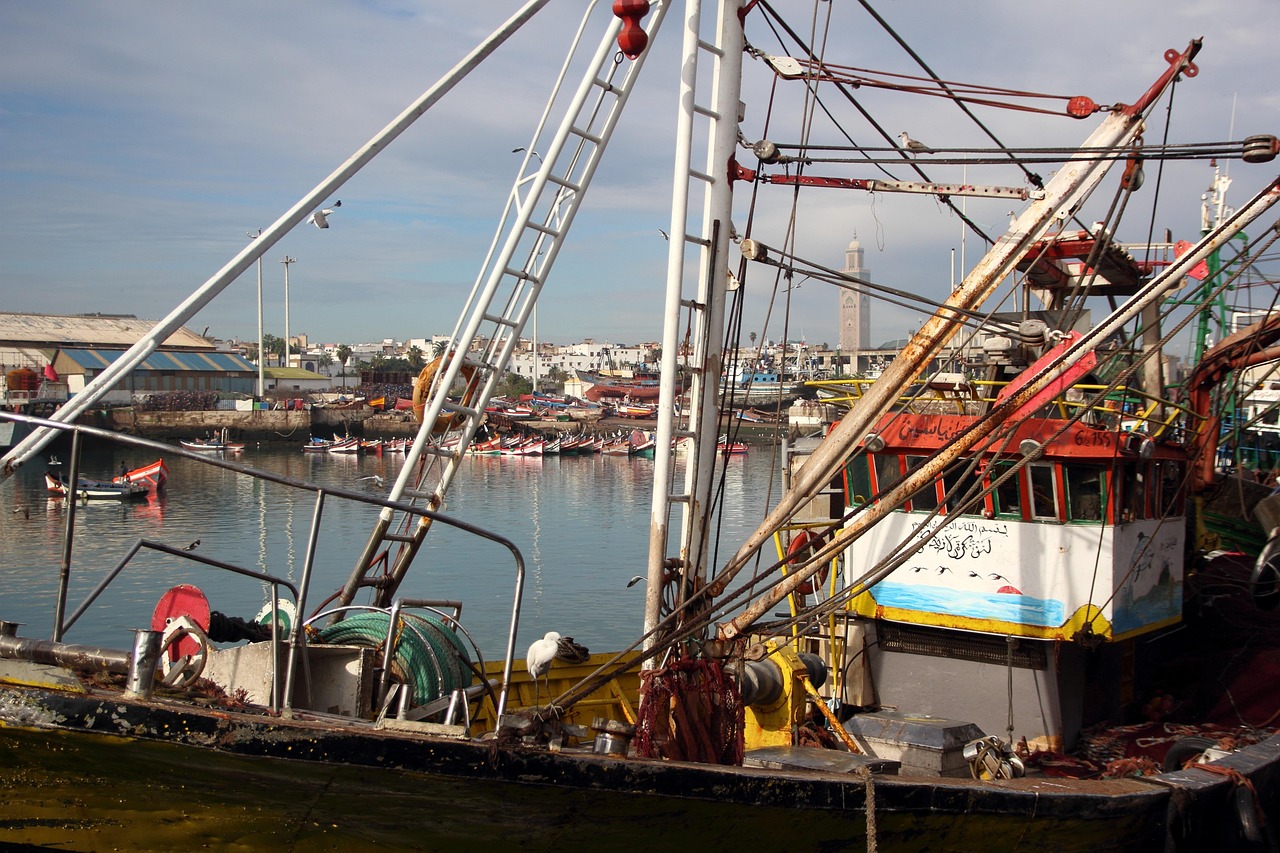
The Port of Casablanca is one of the largest artificial ports in the world and a major economic engine. While much of it is industrial and off-limits, the surrounding area offers glimpses of daily port life: fishermen mending nets, ships docking, the smell of diesel and sea salt.
On one visit, I spent an hour just watching seagulls circle above unloading trawlers—a very different vibe from the leisure-focused corniche.
Safety note: Stick to public areas and daylight hours; this is a working port, not a polished tourist attraction.
12. Anfa & Anfa Hills
Anfa is a leafy, upscale district climbing the hills above the coast. It’s quieter, with villas, embassies, and some chic cafés and restaurants. Historically, this area was home to European settlers and wealthy families; today, it’s a mix of old and new money.
I like to come up here for brunch on weekends and to escape the noise. Some streets offer glimpses of the Atlantic and the Hassan II Mosque in the distance—perfect for photos.
13. Maarif District
Maarif is Casablanca’s shopping and café hub, filled with mid-rise buildings, boutiques, malls, and eateries. If you want to see what middle-class urban life here looks like in 2026, this is where to go.
I’ve spent many afternoons café-hopping with friends here, talking politics and football over espresso and pastries. It’s also a good place to buy contemporary Moroccan fashion or international brands at more reasonable prices than in tourist-heavy cities.
14. Boulevard de la Corniche
Boulevard de la Corniche runs along the seafront in Ain Diab and beyond. It’s technically part of the corniche, but I list it separately because walking or cycling along this boulevard at sunset is one of my rituals in Casablanca.
You get views of the Atlantic, glimpses into beach clubs, and the constant soundtrack of waves and traffic. Street vendors sell roasted nuts, popcorn, and cotton candy—perfect if you’re traveling with kids.
15. Casablanca Marina & Marina Mall
The newer Casablanca Marina area, between the Hassan II Mosque and the port, showcases the city’s modern face: glass towers, a marina, and a mall with restaurants and shops.
Some travelers dismiss it as “just another mall,” but I appreciate the contrast with the old medina. On one rainy day, I spent a few hours here sipping coffee and watching boats bob in the harbor, then walked out to the mosque in a drizzle for moody photos.
16. Arab League Park (Parc de la Ligue Arabe)
Parc de la Ligue Arabe is Casablanca’s central green lung, recently renovated with paths, lawns, and palm-lined alleys. It stretches near the Cathédrale Sacré-Cœur and offers much-needed shade in warmer months.
I like to grab an ice cream and wander here in late afternoon, watching kids run around and couples sit on benches. After hectic markets, this park feels like a reset button.
17. Casablanca Technopark & Startup Scene
Casablanca Technopark is a technology and innovation hub on the edge of the city, home to startups, co-working spaces, and events. It’s not a classic tourist sight, but if you’re into tech, entrepreneurship, or remote work, it’s worth a look.
I once attended a small startup pitch night here and ended up chatting with young developers about their favorite cheap lunch spots—one of which became a staple for me.
18. El Hank Lighthouse (Phare d’El Hank)
The El Hank Lighthouse stands on a promontory west of the Hassan II Mosque, guiding ships into the port. The surrounding area is more local and less polished than Ain Diab; you’ll see fishermen, kids playing, and waves smashing against rocks.
At sunset, the lighthouse silhouette against the sky is a beautiful sight. On one trip, I watched a storm roll in from here—dark clouds backlit by the last of the sun.
19. Quartier Gauthier
Quartier Gauthier is a trendy neighborhood between downtown and Maarif, known for its restaurants, cafés, and boutiques. It’s become one of my favorite evening hangouts: you can find everything from gourmet burger joints to creative Moroccan fusion restaurants.
The architecture is a mix of older low-rise buildings and newer constructions, but the street life is what matters: terraces packed with young professionals, soft music, and the clink of glasses.
20. Sidi Abderrahman Island & Shrine
Sidi Abderrahman is a small rocky island off the corniche connected by a causeway, home to a religious shrine and a tiny settlement. It’s a fascinating blend of spirituality and seaside life.
I often come here in the late afternoon. The sea crashes around the rocks, pilgrims visit the shrine, and fortune-tellers and healers sometimes offer their services nearby. It’s not for everyone, but it’s a powerful reminder that Casablanca is more than its business towers.
Cultural note: Dress modestly and be respectful; this is a religious site for many locals.
Neighborhoods & Districts to Explore
Casablanca’s character changes dramatically from one area to the next. Understanding the main neighborhoods helps you choose where to stay and how to structure your days.
1. Downtown (Centre-Ville)
Good for first-timers, architecture lovers, and budget to mid-range stays. You’ll be near the tram, markets, Place Mohammed V, and Marché Central.
2. Old Medina
Atmospheric but less touristy than other Moroccan medinas. A few small guesthouses exist, but most travelers prefer staying nearby rather than inside.
3. Habous Quarter
Quieter, with a village feel. Great for those who like traditional architecture and a slower pace. Limited accommodation, but worth extensive daytime exploration.
4. Maarif
Urban, energetic, and young. Ideal for shopping, cafés, and more contemporary vibes. Mid-range hotels and apartments are common.
5. Anfa & Anfa Hills
Leafy, upscale, and residential. Perfect if you want peace, views, and are okay using taxis or ride-hailing to get around.
6. Ain Diab & La Corniche
Beachfront, nightlife-heavy. Great for those focused on sea views, swimming, and going out at night. Family-friendly by day, party-oriented by night.
7. Quartier Gauthier
Trendy and central, with lots of restaurants and bars. Excellent for foodies and those who want to walk to many evening spots.
Local Food in Casablanca & Where to Eat
The local food in Casablanca spans humble street stalls to polished fine dining. Here’s what to look for and where I personally return again and again.
Must-Try Dishes
- Tagine: Slow-cooked stews with lamb, chicken, or fish. In Casablanca, I love simple chicken-and-olive tagines at worker cafés.
- Couscous: Traditionally eaten on Fridays after midday prayers. Ask around for “couscous du vendredi.”
- Grilled sardines & seafood: As an Atlantic city, this is where I eat my weight in fish.
- Harira: Hearty soup often eaten in the evening, especially during Ramadan.
- Street sandwiches: Merguez sausage, kebabs, or fried fish stuffed into bread with salad and sauces—cheap and delicious.
- Pastilla: Flaky pastry filled with pigeon or chicken, almonds, and spices; more common at sit-down restaurants.
- Mint tea & coffee: You’ll drink a lot of both. Café culture is huge.
Where to Eat (Personal Favorites)
(Names may shift in 2026; always cross-check current reviews, but these patterns hold.)
- Marché Central seafood stalls: Pick your fish, have it grilled on the spot. Budget-friendly and fresh.
- Worker cafés downtown: Look for busy places with tagines bubbling at the front. Expect low prices and big portions.
- Pastry shops in Habous: For traditional Moroccan sweets and almond-based pastries.
- Corniche restaurants: For seafood with sunset views. Pricier but memorable.
- Bistros in Gauthier & Maarif: For modern twists on Moroccan classics and international dishes.
Saving Money on Food
- Eat your main meal at lunch at local spots; dinner can be lighter street food.
- Follow locals: packed, noisy places are usually tasty and affordable.
- Buy fruit, bread, and cheese from markets for DIY breakfasts or picnics.
Nightlife, Entertainment & Cultural Experiences
Nightlife in Casablanca ranges from laid-back tea houses to full-on clubs. As a local friend once told me, “Casa doesn’t sleep, it just changes outfits.”
Nightlife
- Corniche clubs & lounges: DJ sets, dancing, dress codes, and sea views. Expect higher prices and reservations on weekends.
- Rooftop bars in Maarif & Gauthier: Perfect for cocktails and city views—romantic and social.
- Cafés open late: For tea, coffee, and people-watching if you prefer low-key evenings.
Cultural Experiences
- Live music: Look for venues hosting gnawa, jazz, or fusion bands—often in Gauthier or central Casablanca.
- Theater & cinema: Some historic cinemas downtown show a mix of local and international films.
- Festivals: See the 2026–2027 events section; film, music, and design festivals are increasingly common.
Best Day Trips from Casablanca
One of the advantages of basing yourself here for 4 days in Casablanca or more is easy access to nearby cities by train.
Rabat
Trains run frequently (around 1–1.5 hours). Visit the Oudayas Kasbah, Hassan Tower, and Chellah necropolis, and stroll the medina.
El Jadida
A relaxed coastal town with a Portuguese fortress and a famous cistern. Great for those craving quieter streets and beach time.
Mohammedia
Smaller and calmer than Casablanca, popular with locals for weekend beach breaks. Only about 30 minutes by train.
Cultural Etiquette & Local Customs
Understanding local customs in Casablanca will make your trip smoother and more respectful.
Dress & Behavior
- Casablanca is relatively liberal, but modest dress is still appreciated—especially in older areas and religious sites.
- PDA (kissing, hugging) is frowned upon in public. Holding hands is generally fine.
- Always ask before photographing people, especially women and in religious contexts.
Language
- Darija (Moroccan Arabic) is the main spoken language.
- French is widely used in business, menus, and signage.
- English is increasingly understood, especially among younger people, but not guaranteed.
Greetings & Hospitality
- Common greeting: “Salam alaikum” (peace be upon you). Response: “Wa alaikum salam.”
- If invited for tea, it’s polite to accept at least a small glass.
- Use your right hand for eating, giving, and receiving.
Ramadan Considerations
During Ramadan, many locals fast from dawn to sunset. In Casablanca, some restaurants stay open for non-fasting customers, but expect altered hours and a quieter daytime atmosphere. I love breaking the fast with locals over harira and dates when I’m here in Ramadan—it’s a powerful communal experience.
Practical Travel Tips for Casablanca (2026–2027)
Getting Around
- Tram: Clean, cheap, and efficient across main corridors. Buy rechargeable cards or single-use tickets.
- Petit taxis: Red cars for up to 3 passengers. Insist on the meter or agree on a fare before departure.
- Ride-hailing apps: Widely used in 2026, often more comfortable and predictable than street taxis.
- Walking: Great for central areas; sidewalks can be uneven, so wear good shoes.
Car Rental & Driving
- Casablanca traffic is intense; I rarely recommend driving within the city unless you’re very confident.
- For day trips, renting a car can be useful, but trains cover most popular routes.
- Foreign driver’s licenses are generally accepted; an International Driving Permit is recommended.
SIM Cards & Connectivity
- Major providers: Maroc Telecom, Orange, and Inwi.
- Buy SIMs at official shops or the airport; you’ll need your passport.
- Data packages are inexpensive; I usually buy a 10–20 GB package for a week.
Money & Budgeting
- Currency: Moroccan dirham (MAD). ATMs are widely available.
- Cards are accepted at larger hotels, restaurants, and malls; carry cash for taxis, markets, and smaller cafés.
- Street food and local cafés are very affordable; upscale restaurants and clubs can be pricey.
Visa Requirements
Visa rules vary by nationality, but many visitors from Europe, North America, and parts of Asia can enter visa-free for stays up to 90 days. Always confirm with your nearest Moroccan consulate or official government website before traveling in 2026–2027, as policies can change.
Safety
- Casablanca is generally safe, but like any big city, watch your belongings in crowded areas.
- Avoid poorly lit streets late at night; use licensed taxis or ride-hailing apps.
- Scams are less aggressive than in some tourist hot spots, but always confirm prices upfront.
Best Seasons & Weather
- Spring (March–May): My favorite time. Mild weather, wildflowers, and pleasant evenings.
- Autumn (September–November): Also lovely; warm but not scorching, with swimmable seas.
- Summer (June–August): Warm to hot, especially inland, but the Atlantic breeze helps. Beaches can be crowded.
- Winter (December–February): Mild but can be rainy and windy. Good for city walks and museums; pack layers.
Major Events & Festivals in Casablanca (2026–2027)
Casablanca’s event calendar grows every year. Exact 2026–2027 dates will be confirmed closer to the time, but here are recurring highlights to watch for:
- Casablanca International Film Festival: Screenings, panels, and red-carpet evenings celebrating Moroccan and global cinema.
- Jazzablanca Festival: A major jazz and world music event with concerts in venues and open-air stages.
- Design & Architecture Biennials: Showcasing Casablanca’s design scene and its art deco heritage.
- Ramadan night markets & cultural programs: In 2026–2027, expect expanded programming, including late-night concerts and food stalls.
Before your trip, search specifically for “Casablanca 2026 festival” or check the city’s cultural centers and tourism boards for up-to-date listings.
Summary & Final Recommendations
Casablanca rewards travelers who look beyond postcards. It’s a city of contrasts: monumental mosques and gritty markets, art deco relics and gleaming towers, humble bean stews and inventive fine dining, conservative traditions and bold creative voices.
For a first visit, I recommend:
- 3 days in Casablanca: Focus on the Hassan II Mosque, corniche, old medina, downtown art deco, and Habous.
- 4 days in Casablanca: Add museums, galleries, and more neighborhood wandering (Maarif, Gauthier, Anfa).
- 5 days in Casablanca: Include at least one day trip to Rabat, El Jadida, or Mohammedia.
For the best time to visit Casablanca, aim for spring or autumn when temperatures are comfortable and the Atlantic breezes are gentle. Come with an open mind, comfortable walking shoes, and a healthy appetite, and Casablanca will show you a side of Morocco that many visitors miss—a living, breathing, modern city with deep roots and an exciting future.