Why Visit Tallinn in 2026
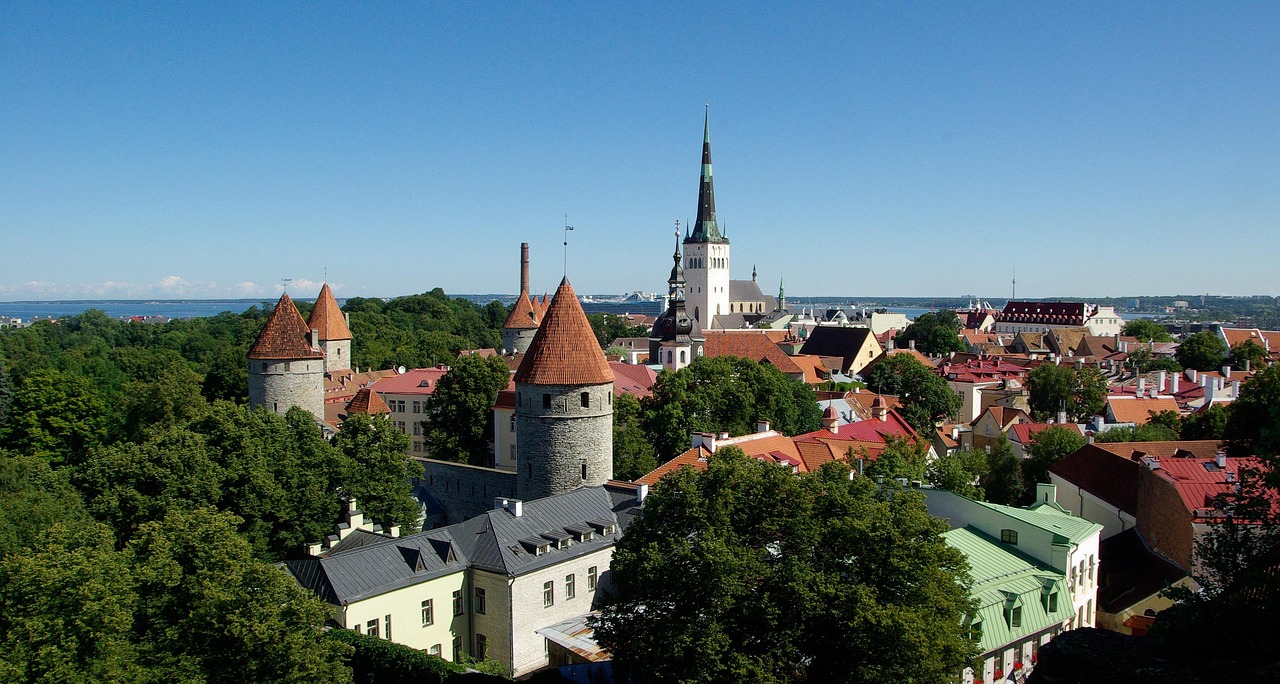
I still remember my first winter arrival in Tallinn: snow carried sideways by the wind, the faint smell of wood smoke in the air, and the Old Town walls glowing golden against a blue‑black sky. I’d come “just for 3 days in Tallinn” and ended up staying a month. Since then, I’ve returned many times, in all seasons, and Tallinn has become one of those cities I recommend to everyone—families, couples, solo travelers, digital nomads, and anyone who loves history and good food.
Tallinn is special because it balances contrasts beautifully: a perfectly preserved medieval Old Town and a sleek digital society; cobbled lanes and glass towers; hearty traditional food and creative New Nordic cuisine; quiet forests and buzzing seaside promenades. It’s small enough to feel intimate but big enough to keep you busy for 4–5 days (and then some).
In 2026, Tallinn is particularly exciting. New tram lines are making it easier to get around, Kalamaja and Telliskivi are exploding with fresh bars and galleries, and the city is preparing for a series of cultural events and tech festivals that will fill the 2026–2027 calendar.
This travel guide is written like I’d plan a trip for a good friend: a practical, detailed, and personal travel guide for Tallinn with 3, 4, and 5 day itinerary ideas, the best places to visit in Tallinn, local food you shouldn’t miss, and honest travel tips for Tallinn that I’ve learned the hard way (like how to avoid cruise ship crowds in the Old Town and where to find an actually good coffee at 7am).
Table of Contents
- Why Visit Tallinn
- Tallinn at a Glance (Neighborhoods & Vibe)
- 20 Must‑See Attractions in Tallinn (Deep Dive)
- Suggested Itineraries: 3, 4 & 5 Days in Tallinn
- Local Food in Tallinn & Where to Eat
- Nightlife, Entertainment & Cultural Experiences
- What’s New: Tallinn Events & Festivals 2026–2027
- Best Day Trips from Tallinn
- Local Customs in Tallinn & Cultural Etiquette
- Practical Travel Advice for Tallinn
- Summary & Final Recommendations
Tallinn at a Glance: Neighborhoods & First Impressions
Tallinn is compact, and most visitors quickly learn the basic layout: the fairy‑tale Old Town on a hill, the modern city center at its feet, a fast‑changing creative district to the northwest, and the sea stretching out beyond.
Key Neighborhoods
- Vanalinn (Old Town) – The heart of historic Tallinn. Cobblestone streets, medieval towers, churches, and more tourists than locals in summer—but still magical. You’ll spend a big chunk of your 3 day itinerary for Tallinn here.
- Toompea – The upper Old Town on a limestone hill with grand government buildings, Alexander Nevsky Cathedral, and the best viewpoints. Architecturally stunning, especially for sunset.
- Kesklinn (City Center) – Modern Tallinn: shopping malls, business towers, the main bus station, and a growing restaurant scene. Not as charming as the Old Town, but practical for transit and hotels.
- Kalamaja & Telliskivi – Former wooden house district and industrial zone, now the hipster heart of Tallinn. Street art, craft beer, design shops, and the famous Balti Jaama Turg market.
- Rotermann Quarter – A beautifully converted industrial area between the Old Town and harbor. Striking architecture, stylish restaurants, and good for a modern Tallinn skyline shot.
- Pirita – A green, seaside district with beaches, yacht harbor, and the ruins of Pirita Convent. Perfect on warm days and for bike rides.
- Kadriorg – Elegant, leafy neighborhood east of the center with Kadriorg Palace, parks, and museums; my go‑to when I need a quiet walk.
- Nõmme & Forest Suburbs – Less visited by tourists but lovely for those who want to see everyday life and pine forests.
20 Must‑See Attractions & Experiences in Tallinn (Deep Dive)
This section goes far beyond a quick list of things to do in Tallinn. For each of these 20 attractions, I’ll share history, why it matters, and practical tips from my own visits.
1. Tallinn Old Town (Vanalinn)
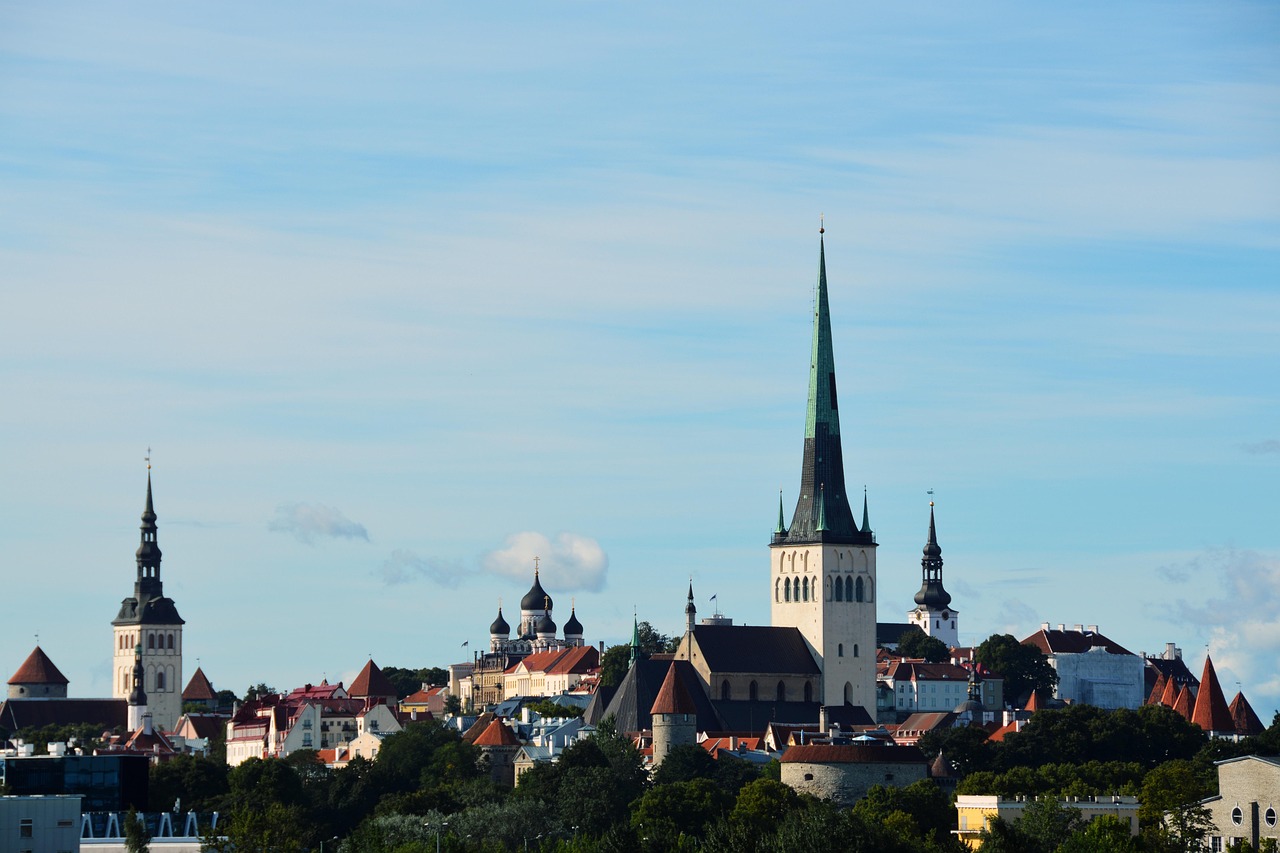
If you have only 3 days in Tallinn, you’ll spend at least 1.5 of them in the Old Town. It’s that good. The medieval walls, red‑tiled rooftops, hidden courtyards, and random stone arches make it feel like a movie set—except real people actually live and work here.
The Old Town is split into two main parts: Lower Town (with Town Hall Square and most of the shops and cafes) and Toompea (the upper town on the hill). On my first trip, I did what most people do wrong: I rushed through with a basic walking tour and checked it off. On my second and third trips, I slowed down and explored side streets like Laboratooriumi, Müürivahe, and Pikk, and that’s when Tallinn really clicked.
Highlights & What to Do
- Wander without a map early in the morning (before 9am) to have the streets almost to yourself, especially in summer.
- Walk along the remaining city walls and climb one of the towers for a feeling of stepping back several centuries.
- Duck into hidden courtyards and passageways—St. Catherine’s Passage is the classic one, but there are many unnamed ones that are even quieter.
- Stop for coffee in a small cafe on a side street rather than on Town Hall Square to avoid inflated prices.
My Tip
On my last visit, I spent a full afternoon just “getting lost” with a loose rule: every time I saw a staircase, archway, or passage that looked slightly out of the way, I took it. I ended up at a tiny artists’ courtyard with nobody else around and a local ceramicist who happily chatted about winter in Tallinn while I warmed my hands on a mug of tea. Plan time in your 4 or 5 day itinerary for Tallinn to just wander like this.
2. Town Hall Square (Raekoja plats)
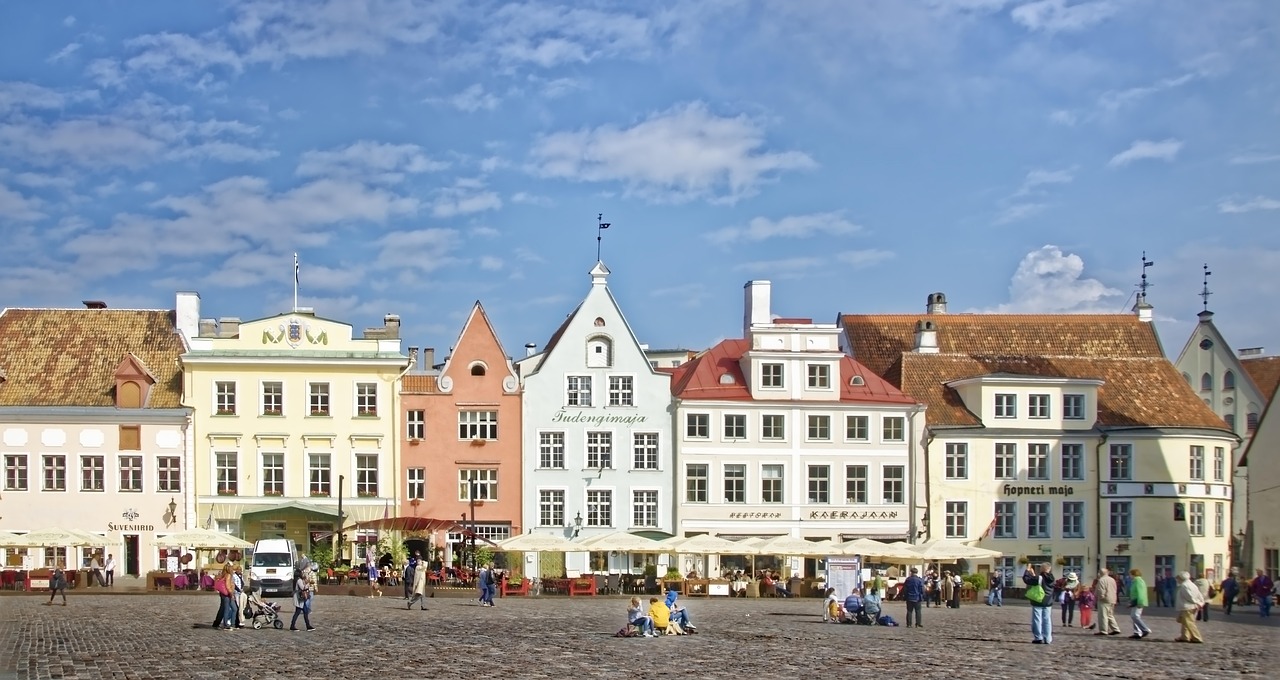
The beating heart of the Old Town, Raekoja plats is where you’ll inevitably find yourself multiple times a day, especially if you’re staying nearby. In summer, terraces spill into the square; in winter, it transforms into one of Europe’s coziest Christmas markets.
On my first December visit, snowflakes were swirling, a choir was singing carols in Estonian, and the smell of mulled wine wrapped the whole square. It felt like walking into a snow globe.
What to Do
- Admire the Gothic Town Hall, one of the oldest in Northern Europe.
- Visit the Town Hall Pharmacy (Raeapteek), operating since the 15th century—one of the oldest pharmacies in Europe still in business.
- In December, browse the Christmas market stalls and try local snacks like gingerbread, blood sausage, and hot glögi.
Tips
For food, avoid the restaurants directly lining the square if you’re on a budget; you’re mostly paying for the location. That said, grabbing one drink or coffee here at sunset, watching the light change on the facades, is worth the splurge. For a 3 day itinerary for Tallinn, I’d stop here at least twice: once by day, once by night.
3. St. Olaf’s Church (Oleviste kirik)
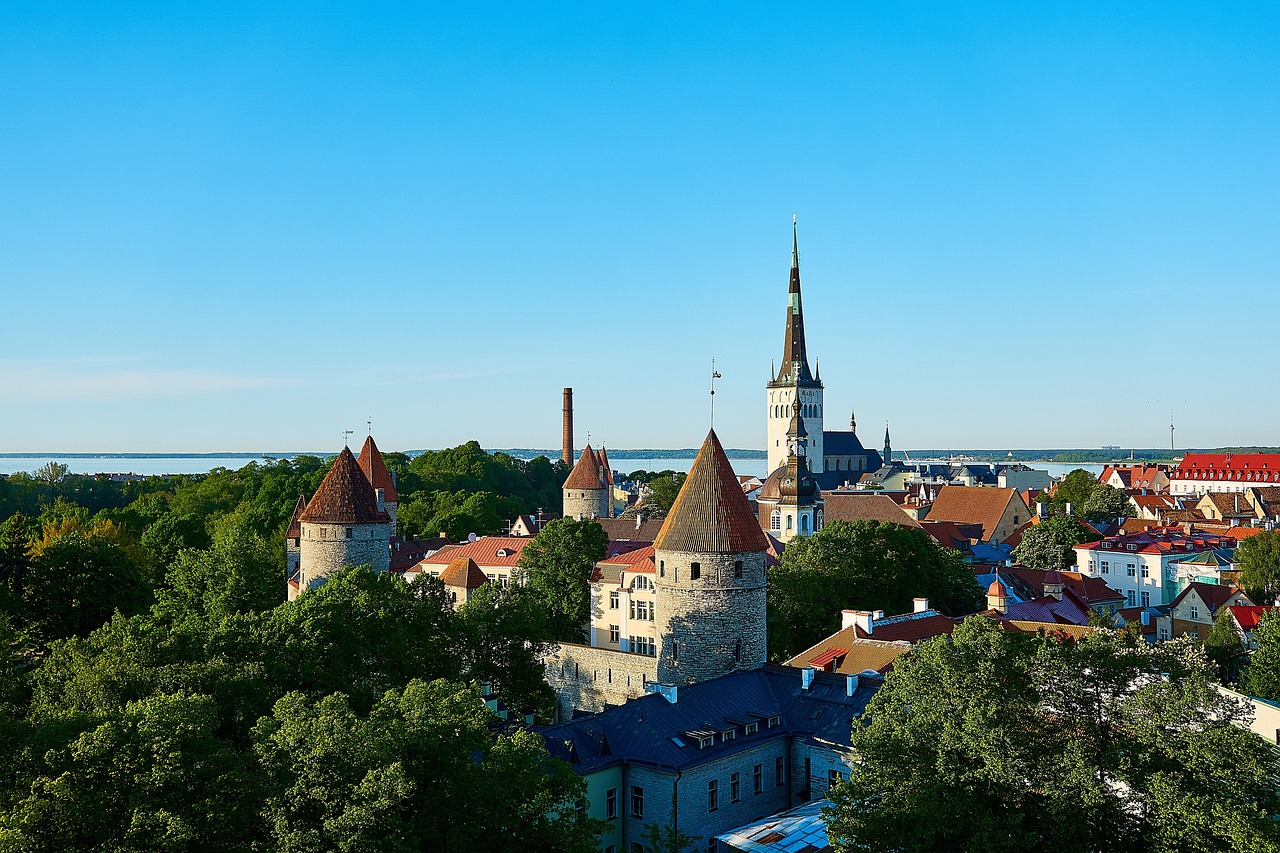
St. Olaf’s Church is one of Tallinn’s most recognizable spires and, historically, one of its most striking buildings. In the Middle Ages, its tower was said to be among the tallest in the world, doubling as a navigational aid for ships in the Baltic.
I climbed its narrow spiral staircase on a windy autumn afternoon. The climb is a bit intense—steep, slightly uneven steps—but the reward at the top: an open‑air viewing platform with 360‑degree views over the Old Town and the harbor. The wind up there can be fierce, so hold onto your hat and your phone.
Why Visit
- For some of the best panoramic views of Tallinn’s red rooftops and church spires.
- To feel how old this city really is; the church dates back to at least the 13th century.
Tips
Go early in the morning or near closing time to avoid the crowds. If you’re afraid of heights or have mobility issues, consider one of the Toompea viewpoints instead—they’re more accessible and still beautiful.
4. Alexander Nevsky Cathedral
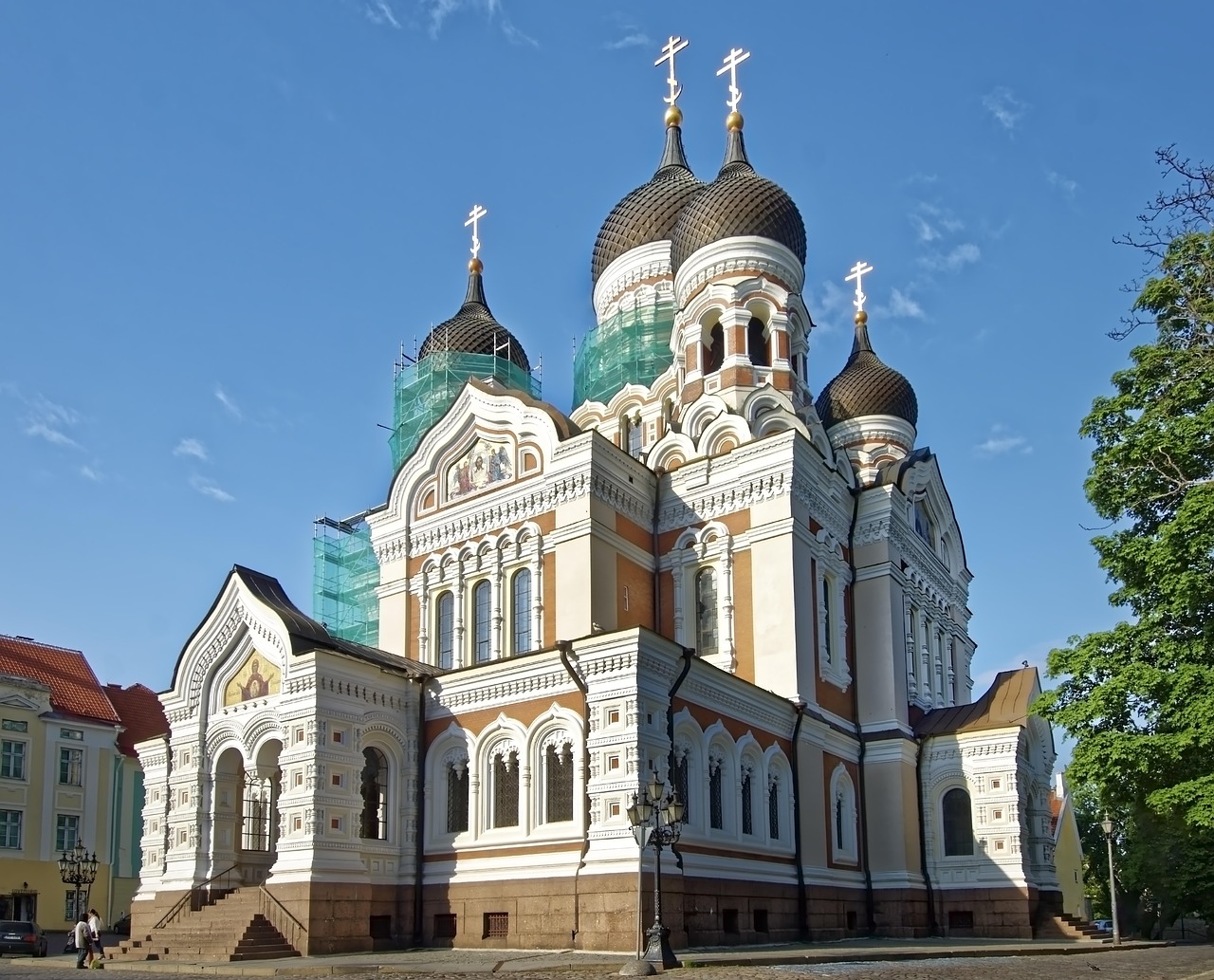
This Russian Orthodox cathedral crowns Toompea Hill with its onion domes and bold, dark silhouette. Built in the late 19th century during the Russian Empire, it’s both a stunning piece of architecture and a reminder of Tallinn’s complicated history.
The first time I visited, bells were ringing and a small service was underway. I slipped inside quietly. The interior is rich with icons and candlelight; it feels worlds apart from the simpler Lutheran churches nearby.
Visiting Tips
- Dress modestly and speak softly inside; this is an active place of worship.
- Avoid flash photography. In some services, photos may not be appropriate at all—follow posted guidance.
- Combine your visit with nearby viewpoint platforms, like Kohtuotsa and Patkuli, for incredible city views.
5. Toompea Hill & Toompea Castle
Toompea is where power in Estonia has literally sat for centuries. The Estonian Parliament now occupies parts of the medieval castle complex. Walking around the hilltop, you’ll pass pink government buildings, ancient stone towers, and quiet lanes that feel far away from the bustle below.
On one summer evening, I walked up just before sunset. Locals were sitting on benches, couples shared ice cream, and a busker played soft guitar near a viewpoint. The sky slowly turned gold, then deep blue, with the harbor lights twinkling in the distance. It’s one of my favorite romantic spots in Tallinn.
Don’t Miss
- Kohtuotsa Viewpoint – Famous for its view over the Old Town rooftops. It gets busy, but the atmosphere can be fun in summer.
- Patkuli Viewpoint – Slightly quieter and especially beautiful at sunrise when the city is still half asleep.
- Walking the small streets behind the cathedral, where the tourist flow drops dramatically.
6. Kiek in de Kök & Bastion Passages
The wonderfully named Kiek in de Kök (Low German for “Peep into the Kitchen”) is a massive artillery tower that once allowed guards to spy into the city’s homes. Today, it’s one of the most interesting museums in Tallinn, especially if you love fortifications and slightly eerie underground passages.
I toured the Bastion Passages on a rainy day—a perfect choice because you’re underground most of the time. The tunnels were originally built in the 17th–18th centuries and later used during wars and Soviet times. The tour mixes history, urban legends, and a bit of spookiness (in a family‑friendly way).
Why Go
- To understand how Tallinn defended itself and see the city from a different angle (literally underground).
- Ideal for families with older kids who like stories of secret tunnels and hidden passages.
Tips
Book the Bastion Passages tour in advance, especially in high season. Wear comfortable shoes and a light jacket; it can be cool underground even in summer.
7. Telliskivi Creative City
Telliskivi is where I go when I’ve had my fill of medieval romance and want to see modern, creative Tallinn. Once an industrial area, it’s now filled with studios, co‑working spaces, cafes, restaurants, and design shops. The walls are splashed with murals, and there’s almost always something happening: a flea market, live music, a design fair.
On a recent spring visit, I spent a long afternoon there: brunch at a cafe in a former factory hall, browsing Estonian design at small boutiques, and then craft beer and live jazz in the evening. It’s also a great area for digital nomads; I’ve spent many laptop afternoons here.
Highlights
- Street art and murals that make for great photos.
- Small, locally owned shops selling Estonian jewelry, ceramics, clothing, and more.
- A wide choice of eateries, from vegan bowls to burgers and modern Estonian plates.
Family & Nightlife
Daytime is very family friendly—kids can roam safely around the pedestrian areas. At night, the bars and music venues kick into gear, making this one of the best places for nightlife in Tallinn outside the Old Town.
8. Balti Jaama Turg (Baltic Station Market)
Just next to the train station and a short walk from Telliskivi, Balti Jaama Turg is my favorite place to graze through local food in Tallinn. This multi‑level market combines old‑school stalls with stylish food counters and small restaurants.
I like to come hungry and do a mini “food tour” on my own: smoked fish from one vendor, a bowl of Georgian khinkali from another, a slice of cake and coffee upstairs. On weekends, the vibe is especially lively, with people shopping, socializing, and kids running around.
What to Try
- Smoked fish and pickles from the traditional stalls.
- Local berries in summer—blueberries, strawberries, and wild forest berries when in season.
- Estonian baked goods and rye bread from the bakeries.
Budget Tip
For anyone looking to save money in Tallinn, eating one meal a day at Balti Jaama Turg (or picking up picnic supplies) is a smart move. Prices are generally lower than in touristy Old Town restaurants, and portions are generous.
9. Kadriorg Palace & Park
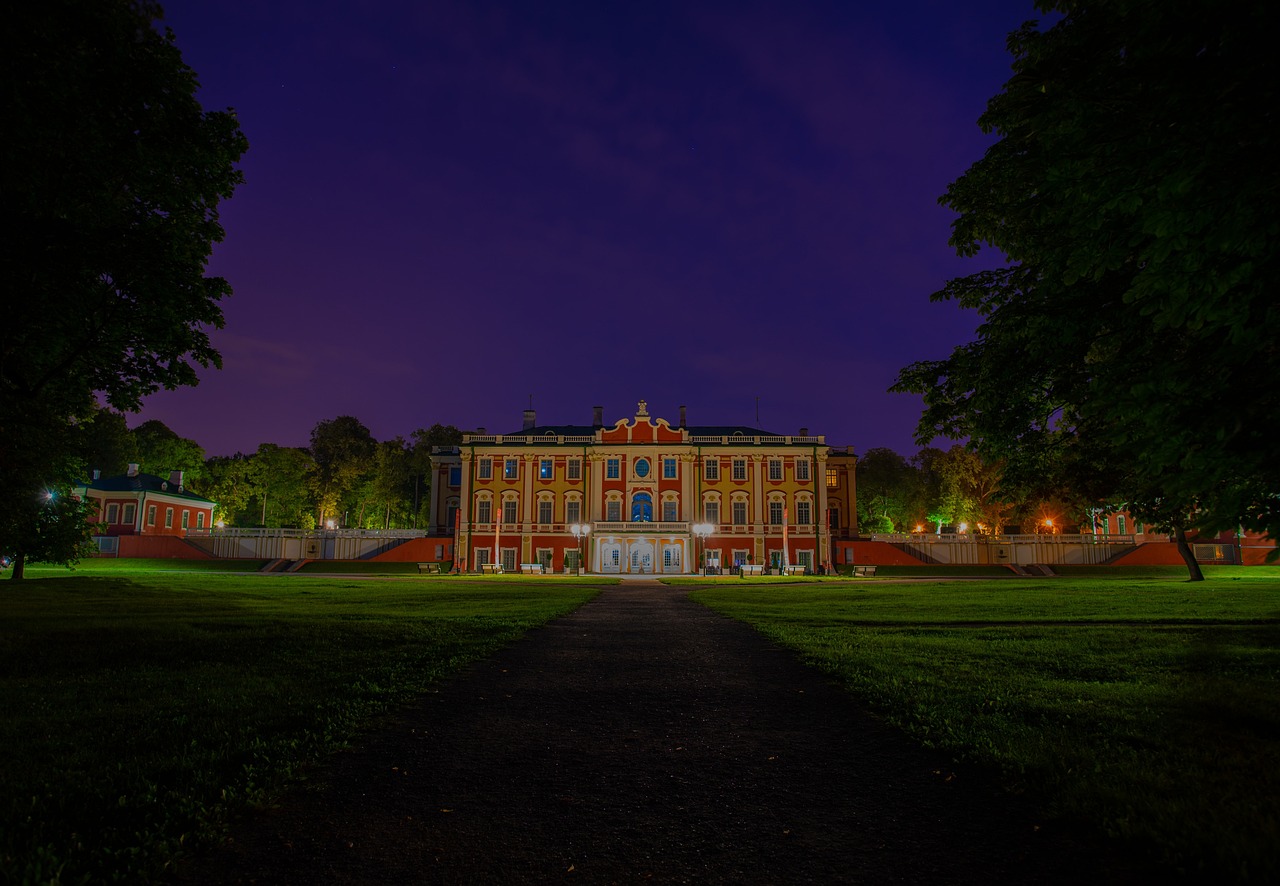
Kadriorg is where you go when you need a break from cobblestones and crowds. The Baroque palace, built by Peter the Great for Catherine I, sits in the middle of expansive, manicured gardens and parkland. It’s elegant, peaceful, and especially beautiful in late spring and early autumn.
One of my favorite Tallinn rituals is walking from the center to Kadriorg on a sunny morning, grabbing a coffee near the park entrance, and then wandering through the gardens, past fountains and flowerbeds, to the palace itself. In winter, it can be magical under fresh snow, especially when the trees are frosted.
What to Do
- Visit the Kadriorg Art Museum inside the palace (focused on foreign art).
- Walk the park trails and find a bench to sit and people‑watch.
- Combine with a visit to the nearby Kumu Art Museum (see below).
Tip
Bring snacks or pick some up on the way; the park is ideal for a simple picnic during warmer months and makes a relaxing afternoon in a 4 day itinerary for Tallinn.
10. Kumu Art Museum
Kumu is Estonia’s main art museum and one of the most impressive modern buildings in Tallinn. Architecturally, it’s worth seeing even if you’re not a huge museum person: glass, stone, and curves built into a hillside at the edge of Kadriorg Park.
I spent a rainy afternoon here on my second trip, drifting between floors of Estonian art from classical to contemporary. The sections on Soviet‑era art are especially insightful and give context to the country’s recent history and identity.
Why Go
- For a deep dive into Estonian art and history through paintings, sculpture, and installations.
- To enjoy a quiet, reflective break from the busier Old Town.
Tip
Check for temporary exhibitions—Kumu often hosts excellent contemporary shows. If you’re on a tight schedule (3 days in Tallinn), combine Kumu and Kadriorg Palace in one half‑day.
11. Seaplane Harbour (Lennusadam)
The Seaplane Harbour is one of the best maritime museums I’ve ever visited—and I’ve seen a lot. Housed in an enormous early 20th‑century seaplane hangar, it tells the story of Estonia’s maritime and naval history through ships, submarines, seaplanes, and interactive exhibits.
I visited with friends who had kids, and it was an absolute hit for all ages. We explored the submarine, played with hands‑on exhibits, and spent way longer than expected inside. Outside, ships are moored at the quay, and there’s a nice seaside area to walk around.
Why It’s Great
- Highly interactive and engaging for families—truly one of the most family‑friendly things to do in Tallinn.
- Fascinating for anyone interested in history, engineering, or the sea.
- The hangar itself is an architectural gem.
Tip
Plan at least 2–3 hours; don’t underestimate how long you’ll want to stay. Combine with a seaside walk toward Noblessner.
12. Noblessner Seafront Quarter
Noblessner is a former submarine shipyard turned into a stylish waterfront neighborhood. Think converted industrial halls, art galleries, excellent restaurants, and a harbor full of boats. It’s one of the most exciting examples of Tallinn’s modern development and a great place to see a different side of the city.
My ideal Noblessner evening: arrive around golden hour, stroll along the water, stop for a drink on a terrace with sea views, then have dinner at one of the local restaurants. In summer, the sunsets here can be spectacular.
What to Do
- Have a seaside dinner or drinks overlooking the harbor.
- Visit art spaces or small design shops (these change, so check what’s current in 2026).
- Combine with Seaplane Harbour for a full waterfront afternoon and evening.
Tip
This area is especially nice for couples; the atmosphere feels a bit more grown‑up and romantic than the Old Town’s pub scene.
13. Patarei Sea Fortress & Prison (When Accessible)
Patarei, a 19th‑century sea fortress turned Soviet and then Estonian prison, is one of Tallinn’s most haunting historical sites. It has been in flux for years, with parts open, closed, and under redevelopment. In 2026, check the latest status; often, parts of it are open for exhibitions about the history of totalitarian regimes.
I visited when parts of the complex were still semi‑abandoned. Walking through peeling corridors and empty cells, with the sea just beyond the walls, was deeply affecting. It’s not a lighthearted attraction, but it adds important context to Estonia’s 20th‑century story.
Tip
This is better suited to adults and older teens than young children. Wear sturdy shoes—surfaces can be uneven—and allow yourself some quiet time afterward to process.
14. Pirita Beach & Convent Ruins
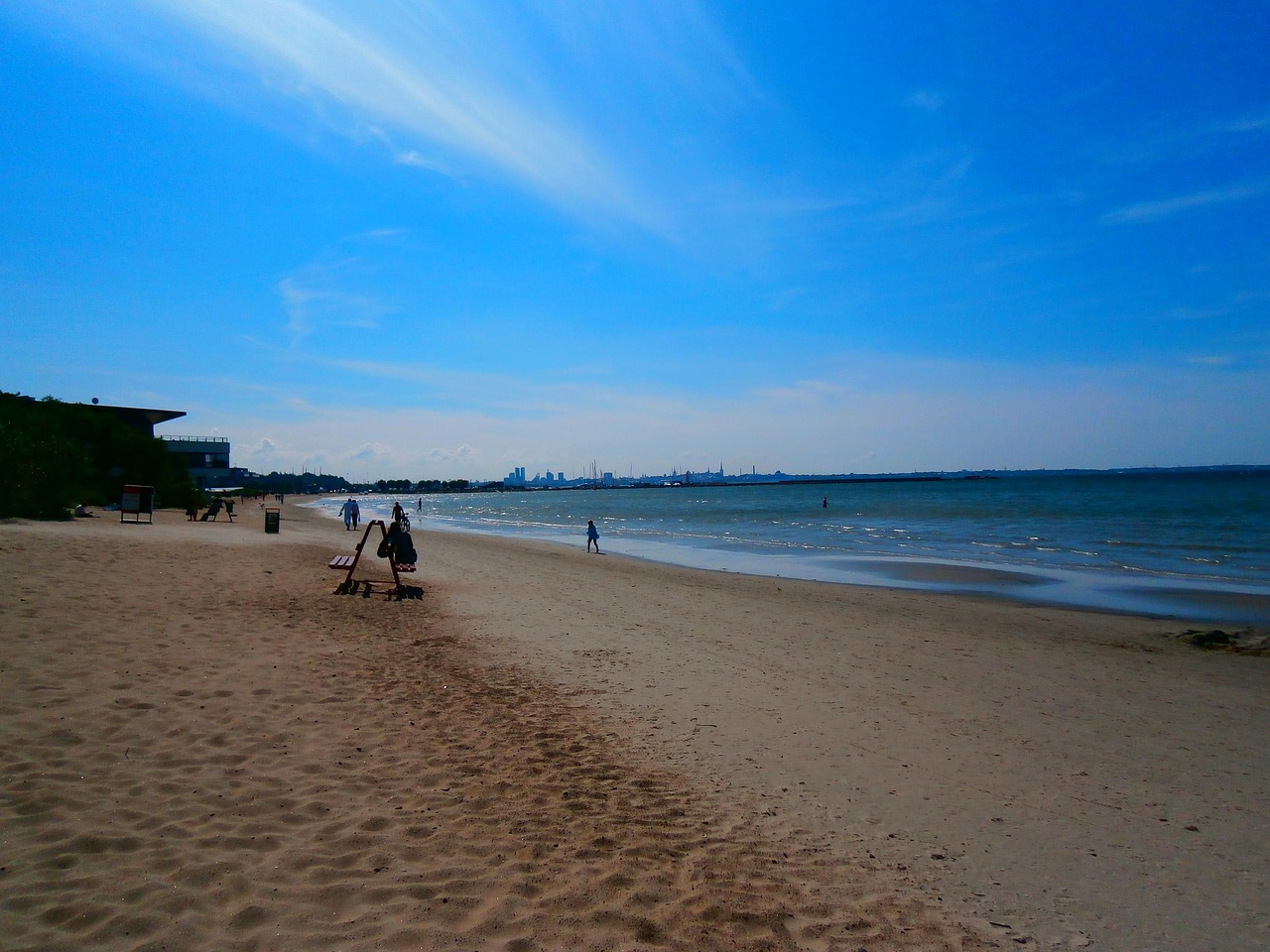
On hot summer days, half of Tallinn seems to migrate toward Pirita. The long sandy beach, backed by pine trees, looks out over the bay toward the city’s skyline. It’s a totally different mood from the Old Town—relaxed, sun‑soaked, and full of picnicking families.
A bit inland, the atmospheric ruins of Pirita Convent stand as a reminder of a much older Tallinn. I once biked from the center to the convent along the coast, then looped back via the forested park; it was one of my favorite active days in the city.
What to Do
- Swim, sunbathe, or just walk along the shore in summer.
- Visit the convent ruins for a dose of history in a peaceful setting.
- Rent a bike and follow the coastal path from Kadriorg to Pirita.
Tip
Bring a light jacket even in summer; the sea breeze can be cool. For a 5 day itinerary for Tallinn in warmer months, dedicating half a day to Pirita is a great idea.
15. St. Catherine’s Passage (Katariina käik)
St. Catherine’s Passage is one of the Old Town’s most photogenic corners: a narrow, stone‑paved lane lined with arches and the workshops of local artisans. It feels like a little time capsule, especially early in the day or in the off‑season.
I like to walk through here in the late afternoon, when the light softens and the stone glows. You can watch glassblowers, jewelers, and ceramicists at work in tiny studios and pick up truly local souvenirs.
Tip
This is a great alternative to generic souvenir shops. Prices can be higher, but you’re paying for craftsmanship and supporting local artists.
16. Rotermann Quarter
Rotermann Quarter is a superb example of how Tallinn blends old and new. Former industrial buildings have been transformed into a district of bold, contemporary architecture, with sharp angles, brick, steel, and glass all interwoven.
When I stay in hotels near the harbor, I often cut through Rotermann on my way to the Old Town. It’s full of cafes, restaurants, and boutiques, and it makes a nice contrast to the medieval atmosphere just a few minutes’ walk away.
Why Visit
- For the architecture: photographers will love the lines, reflections, and textures.
- For modern dining options, from quick lunch spots to upscale dinners.
- As a “bridge” walk between the harbor area and Old Town.
17. Estonian Open Air Museum (Eesti Vabaõhumuuseum)
Located a short drive or bus ride from the center, the Estonian Open Air Museum is a collection of historic rural buildings—farmhouses, windmills, village schools—reconstructed in a forested seaside setting. It’s like stepping into an Estonian village from centuries past.
I visited on a crisp autumn day, with leaves turning gold and red. Walking between old wooden houses, chatting with costumed guides about traditional life, and warming up with hot soup at the on‑site tavern felt like a refreshing break from the city.
Good For
- Families—kids love the space to run around and the farm animals.
- Anyone interested in Estonian culture and rural traditions.
- A calm day in nature without going too far from Tallinn.
18. Tallinn TV Tower
Standing 314 meters high, the Tallinn TV Tower offers sweeping views over the city, the Baltic Sea, and on a very clear day, even to Finland. The tower also has exhibitions on Estonia’s broadcasting history and its path to digital society.
On my visit, I timed it for late afternoon. Watching the landscape shift from daylight to dusk from that height was surreal. There’s also a glass‑floored section for those who like a little adrenaline with their views.
Tip
The TV Tower is somewhat out of the way, so it’s best for a 4 or 5 day itinerary for Tallinn rather than a tight 3 day plan, unless you’re particularly keen on views and towers.
19. St. Nicholas’ Church & Niguliste Museum
St. Nicholas’ Church (Niguliste) is both a historic church and a museum of ecclesiastical art. The star of the collection is Bernt Notke’s macabre and fascinating painting “Danse Macabre,” a reminder of the medieval preoccupation with mortality.
I ducked in here on a chilly day when the wind made outdoor exploring less fun. The church interior is serene, and the artworks, altarpieces, and sculptures tell stories of Tallinn’s religious and artistic heritage.
Why Go
- To see one of the most important late medieval artworks in Northern Europe.
- For a quiet cultural interlude close to the Old Town center.
20. Kalamaja Wooden House District
Kalamaja is one of my favorite neighborhoods to just wander. Once a working‑class area of fishermen and factory workers, it’s now full of colorful wooden houses, leafy streets, and a relaxed, lived‑in feel. You’ll see kids riding bikes, people walking dogs, and locals chatting on stoops.
On a clear afternoon, I like to walk from Balti Jaama Turg through the backstreets of Kalamaja, taking photos of the architecture and stopping in a corner cafe for a slice of cake or a beer. It’s a wonderful way to see everyday Tallinn beyond the tourist core.
Tip
If you have 4 or 5 days in Tallinn, build in a slow Kalamaja wander. It’s not about specific “sights” so much as soaking in the atmosphere.
Suggested Itineraries: 3, 4 & 5 Days in Tallinn
These itineraries are built from my own repeated visits—what I actually do when I have 3, 4, or 5 days in Tallinn. Feel free to mix and match based on your interests.
3 Day Itinerary for Tallinn
If you only have 3 days in Tallinn, you’ll want to focus on the essentials: the Old Town, a taste of modern creative Tallinn, and at least one seaside or park escape.
Day 1: Old Town Immersion
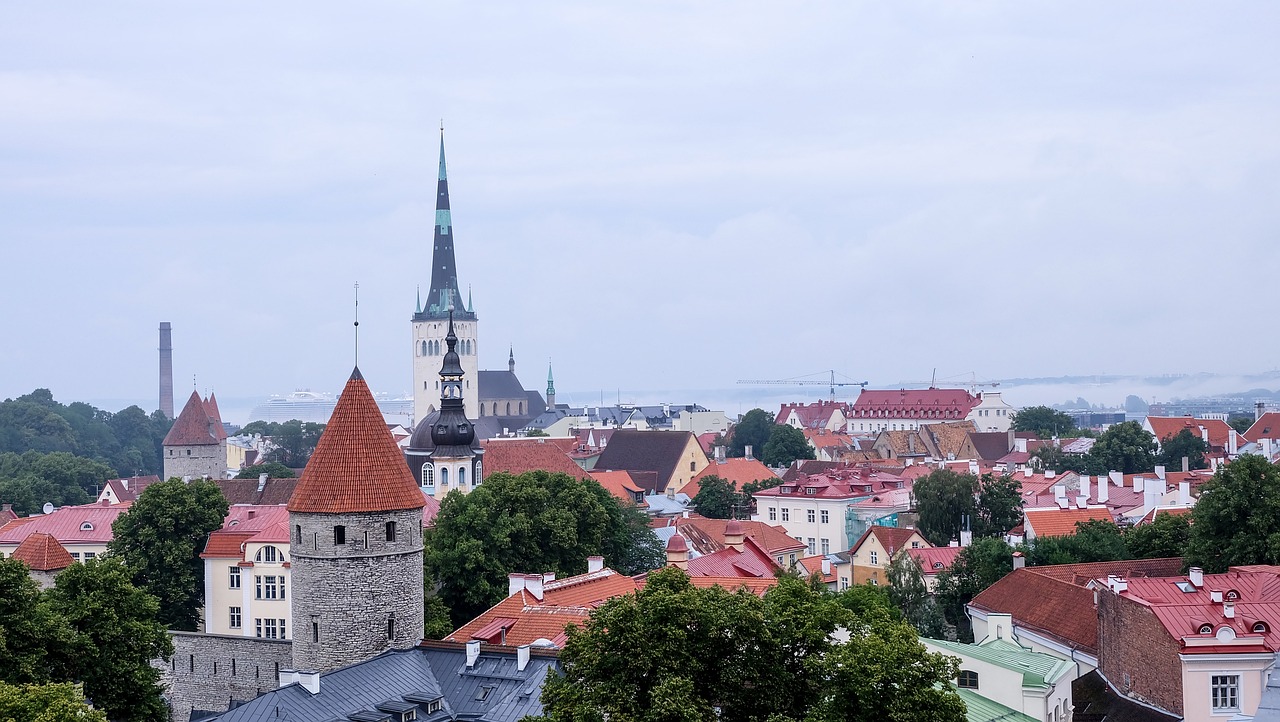
Start your first morning early in the Lower Old Town. Grab a coffee and pastry from a side‑street bakery (I often choose a spot just off Pikk street) and aim to reach Town Hall Square before the biggest crowds. Wander into the Town Hall Pharmacy, then slowly make your way through the web of streets toward St. Catherine’s Passage. Let yourself pop into any artisan workshop that catches your eye.
By late morning, head toward St. Olaf’s Church and climb the tower if you’re up for it. The midday light is great for photos from above. For lunch, duck into a less touristy restaurant on a side street—ask if they have daily specials; these are often good value.
After lunch, begin your ascent to Toompea Hill. Visit the Alexander Nevsky Cathedral, then stroll around the hilltop, stopping at Kohtuotsa and Patkuli viewpoints. I like to simply sit on the wall and watch the city spread out below.
For dinner, either try a traditional Estonian restaurant in the Old Town or step just outside the walls to avoid the busiest spots. End your first day with an evening walk through the softly lit streets; they feel very different at night.
Day 2: Creative Tallinn & Markets
On day two, start at Balti Jaama Turg. Have breakfast there—maybe a coffee from a specialty stand and something savory from one of the bakeries. Explore the market stalls, from fresh produce to vintage clothing.
From there, wander over to Telliskivi Creative City. Spend late morning and early afternoon browsing design shops, street art, and choosing a cafe for lunch. If you’re a digital nomad, you might find yourself wanting to linger with your laptop.
In the afternoon, walk back toward the Old Town via Kalamaja, taking the quieter backstreets. Look up; many of the wooden houses have intricate details that are easy to miss if you rush.
Evening options: Either return to Telliskivi for dinner and drinks (great nightlife here) or head into Rotermann Quarter for a more polished, modern vibe.
Day 3: Kadriorg & the Sea
For your third day, give your feet a break from cobblestones. Take a tram or a pleasant walk to Kadriorg Park. Stroll the gardens, visit Kadriorg Palace and, if you’re in the mood for art, the Kumu Art Museum.
After a lazy picnic lunch or cafe stop in Kadriorg, continue toward the seaside. Depending on the weather, you can either walk along the shore back toward the city center or, in warmer months, continue on to Pirita for beach time.
End your day with a seaside dinner—either in Kadriorg, closer to the harbor, or even in Noblessner if you have the energy to stretch your route. This gives you a nice closing chapter to your 3 days in Tallinn: medieval, creative, and coastal.
4 Day Itinerary for Tallinn
With 4 days in Tallinn, you can add one of the major museums and a slightly more off‑center experience.
Days 1–3
Follow the 3 day itinerary for Tallinn above as a base. Then add:
Day 4: Seaplane Harbour & Noblessner
Start at the Seaplane Harbour (Lennusadam). Give yourself a solid 2–3 hours; it’s larger and more engaging than it looks from the outside. If you’re into photography, the hangar and ship exhibits are fantastic subjects.
After the museum, walk along the waterfront toward Noblessner. Have a late lunch or early dinner at one of the harbor‑side restaurants. I love watching the light over the water here, especially in the long evenings of late spring and summer.
If you’re still in the mood to explore, you can loop back toward the Old Town on foot, enjoying city and sea views along the way.
5 Day Itinerary for Tallinn
Five days in Tallinn lets you breathe. You can mix the core sights with deeper cultural experiences and a half‑day escape into nature or rural history.
Days 1–4
Use the 4 day itinerary for Tallinn as your framework. Then add:
Day 5: Open Air Museum & TV Tower (or Free Day)
Option one: Head to the Estonian Open Air Museum in the morning. Wander the grounds, learn about rural life, and have lunch at the on‑site tavern. In the afternoon, continue to the Tallinn TV Tower for big views and a different perspective on the city.
Option two: Use day five as a “free” day—a buffer to revisit your favorite neighborhood, browse the shops you rushed past, or take a slow coffee‑and‑reading day in Telliskivi. Sometimes, the best hidden gems in Tallinn are the experiences you stumble upon when you finally stop rushing.
In my most recent 5 day itinerary for Tallinn, I devoted the last day to slow wandering in Kalamaja and the Old Town, revisiting a cafe I loved and catching a small evening concert I found on a poster the day before. It was the perfect way to end the trip.
Local Food in Tallinn: What to Eat & Where
Estonian cuisine is hearty, seasonal, and increasingly creative. Think rye bread, root vegetables, mushrooms, wild berries, fish, and pork, but also modern twists that make good use of these ingredients in lighter, fresher ways.
Must‑Try Estonian Dishes
- Rye Bread (leib) – Dark, dense, and slightly sour. I eat it with everything when I’m in Estonia.
- Sprat Sandwich (kiluvõileib) – Rye bread with butter, pickled sprats, egg, and onions. Much tastier than it sounds.
- Verivorst – Blood sausage, traditionally eaten around Christmas, often with lingonberry jam and sauerkraut.
- Kama – A mixture of roasted grain flours, often served as a dessert or breakfast with yogurt or kefir.
- Seljanka – A rich, sour soup often made with mixed meats or fish; perfect on a cold day.
Where I Love to Eat (Examples by Area)
I won’t name specific venues that may change by 2026, but here’s how I approach eating in Tallinn:
- Old Town – I look for slightly hidden restaurants on side streets or in courtyards, often in vaulted cellars or old merchant houses. Menus that highlight “modern Estonian” or seasonal local ingredients are usually a good bet.
- Telliskivi & Kalamaja – Great for brunches, vegetarian and vegan food, and casual dinners. Craft beer bars and natural wine bars pop up here regularly.
- Rotermann Quarter – My pick for sleek, modern restaurants and bistros, especially for a nicer night out.
- Balti Jaama Turg – For budget‑friendly, tasty, and varied food, especially at lunch. I often eat here when I want to try different things in one go.
Cafes & Coffee
Tallinn takes coffee seriously. You’ll find third‑wave coffee bars in the Old Town, Telliskivi, Kalamaja, and Rotermann. On cold days, I often spend an hour or two nursing a cappuccino and watching life go by—especially in winter when daylight is short.
Budget Tips for Eating
- Look for daily lunch specials (päevapakkumine) in cafes and restaurants; they’re usually excellent value.
- Have at least one main meal at Balti Jaama Turg or other markets.
- Self‑cater simple breakfasts with supermarket finds (yogurt, bread, cheese, berries) and splurge on dinner.
Nightlife, Entertainment & Cultural Experiences in Tallinn
As evening falls, Tallinn shifts gears. The Old Town glows, bars fill up, and in areas like Telliskivi and Noblessner, the creative crowd comes out to play.
Nightlife Areas
- Old Town – Bars and pubs tucked into ancient cellars and courtyards. Great for a classic medieval‑meets‑modern vibe.
- Telliskivi – Trendy bars, craft beer, and live music. My favorite area for a relaxed but lively night out.
- Noblessner – More chilled waterfront bars and wine spots; romantic and stylish.
Cultural Experiences
- Concerts & Performances – Check local listings for events at concert halls, churches (often host classical concerts), and smaller venues in Telliskivi.
- Museums by Night – Occasionally, Tallinn museums host special evening events or openings; worth watching out for in 2026 and 2027.
- Seasonal Events – From Christmas markets in winter to outdoor cinema in summer, there’s always something on if you look for it.
Family‑Friendly Evenings
For families, an after‑dark walk through the Old Town (not too late), an early dinner, and perhaps a visit to a viewpoint are usually enough. In summer, kids will love evening walks along the seafront in Pirita or Noblessner.
What’s New: Tallinn Events & Festivals 2026–2027
Tallinn’s events calendar shifts slightly each year, but here are the types of events you can expect around 2026–2027 (exact dates vary; always check closer to your trip):
- Tallinn Music Week (TMW) – A major city‑wide music and arts festival, usually in spring. Great for discovering Nordic and Baltic artists and exploring venues all over the city.
- Old Town Days – A festival celebrating Tallinn’s medieval heritage, with concerts, markets, and performances in and around the Old Town.
- Maritime & Sea Festivals – Harbor‑side events with ships, food, and music, particularly in summer.
- Christmas Market – In Raekoja plats from late November through December, one of the highlights of winter in Tallinn.
- Tech & Startup Conferences – Tallinn is a digital hub, so expect multiple tech events, hackathons, and conferences across 2026–2027 that can make the city busier (and hotels pricier) for a few days.
In 2026, Tallinn continues to refine its public transport and waterfront redevelopment, with new tram links likely improving connections between the airport, harbor, and key districts. This makes it an even better base for 3 to 5 day stays.
Best Day Trips from Tallinn
Once you’ve explored the main things to do in Tallinn, it’s worth looking beyond the city limits. With 4 or 5 days in Tallinn, you can fit in at least one of these:
Lahemaa National Park
Estonia’s first and largest national park, about an hour’s drive from Tallinn. Think forest trails, bog walks on wooden boardwalks, manor houses, and fishing villages along a wild Baltic coast.
You can join a guided tour from Tallinn or rent a car for the day. I once did a day trip here in late September—mist rising over bog pools, golden leaves, and almost nobody else on the trails. It was spectacular.
Naissaar Island or Aegna Island
In summer, small boats run to nearby islands where you can hike, explore remnants of military installations, and enjoy almost empty beaches. Perfect for adventurous travelers who like combining nature with a bit of history.
Paldiski & Coastal Cliffs
Former Soviet military town with dramatic coastal cliffs nearby. It makes for an unusual, offbeat day trip if you’re curious about Estonia’s Cold War history and striking landscapes.
Local Customs in Tallinn & Cultural Etiquette
Estonians may first appear reserved, but they are generally kind, straightforward, and helpful. Understanding a few local customs will make your stay smoother.
Communication Style
- Quiet & Reserved – People tend to speak softly in public. Loud voices on trams or in cafes can stand out.
- Direct but Polite – Estonians often say what they mean without lots of small talk. This isn’t rudeness; it’s efficiency.
- Personal Space – Give people a bit of distance, especially in queues and on public transport.
In Restaurants & Cafes
- Service can feel less “chatty” than in some countries, but it’s normal.
- Tips – Not mandatory but appreciated. Around 5–10% is common for good service.
- It’s polite to say “Aitäh” (thank you) when paying or being served.
General Etiquette
- Respect for Nature – Estonians love their forests and beaches. Take your trash with you and stick to marked trails in sensitive areas.
- Punctuality – Being on time is appreciated for tours or meet‑ups.
- Churches – Dress modestly and keep voices low; follow any local rules about photography.
Practical Travel Advice for Tallinn (2026)
Getting Around Tallinn
Tallinn is very walkable, especially for visitors staying near the Old Town or city center. That said, the public transport network is excellent and expanding.
Public Transport
- Trams, Buses, Trolleys – Cover the city efficiently. Tickets can be bought via contactless payment on board or with transit cards; check current rules in 2026.
- Airport to City – Connected by tram and buses; the ride is short and easy.
- Harbor to Center – A pleasant walk or a quick tram/bus ride depending on your luggage and weather.
Taxis & Ride‑Hailing
Ride‑hailing apps are widely used and generally reliable. I use them at night or with heavy luggage; otherwise, I prefer walking or public transit.
Car Rental
You absolutely don’t need a car for a typical 3 or 4 day itinerary for Tallinn focused on the city. Consider renting a car only for day trips (like Lahemaa) or if you’re exploring more of Estonia.
How to Save Money in Tallinn
- Stay slightly outside the Old Town – Neighborhoods like Kalamaja or parts of Kesklinn offer better value while still being walkable.
- Use lunch specials – Many restaurants have weekday lunch deals that are significantly cheaper than dinner.
- Self‑cater breakfasts – Supermarkets are well stocked and affordable.
- Walk when possible – The city is compact, and walking is often the fastest way between central areas.
- Museum passes – Look for combined tickets or city cards if you plan to visit many attractions.
SIM Cards & Connectivity
Estonia is famously digital. Free Wi‑Fi is common in cafes, hotels, and even some public spaces.
- EU Travelers – Most EU SIMs roam in Estonia with no extra fee; check your plan.
- Non‑EU Travelers – Buy a local prepaid SIM at the airport, malls, or convenience stores. Packages including data are inexpensive.
- eSIMs – By 2026, eSIM options are widely available; they’re convenient for short stays.
Visa Requirements & Foreign Driving Licenses
Tallinn is part of Estonia, which is in the Schengen Area. Visa rules can change, so always check official sources before traveling, but as of 2026:
- EU/EEA/Swiss Citizens – Can enter freely with an ID card or passport.
- Many other nationalities – Can visit visa‑free for short stays (typically up to 90 days) but should confirm their specific status.
- Others – May require a Schengen visa obtained in advance.
For driving:
- Most foreign driving licenses are accepted for short visits; an International Driving Permit can be helpful, especially if your license is not in Latin script.
- Roads around Tallinn are generally in good condition, and signage is clear.
Best Time to Visit Tallinn (By Season)
Tallinn is a year‑round destination, but your experience will differ dramatically depending on when you come.
Winter (December–February)
- Pros – Magical Christmas market, possible snow, cozy cafes, fewer crowds.
- Cons – Very short daylight, cold and wind off the sea.
- Best for – Romantic trips, Christmas lovers, photographers who enjoy winter scenes.
Spring (March–May)
- Pros – Days lengthen, parks come alive, fewer tourists than in summer.
- Cons – Weather can be changeable; pack layers.
- Best for – Balanced sightseeing with lighter crowds.
Summer (June–August)
- Pros – Long days (almost white nights in June), outdoor dining, festivals, beach days in Pirita.
- Cons – Busiest season; Old Town can be crowded, especially with cruise ships.
- Best for – Families, first‑timers, and those wanting to combine city and sea.
Autumn (September–November)
- Pros – Beautiful fall colors in Kadriorg and parks, cooler but still pleasant, fewer tourists.
- Cons – Days shortening, more rain in late autumn.
- Best for – Quiet getaways, cultural trips, budget‑conscious travelers.
For most travelers planning 3 or 4 days in Tallinn, late May–June and September are ideal: good weather, longish days, and manageable crowds.
Summary: Key Takeaways & Final Recommendations
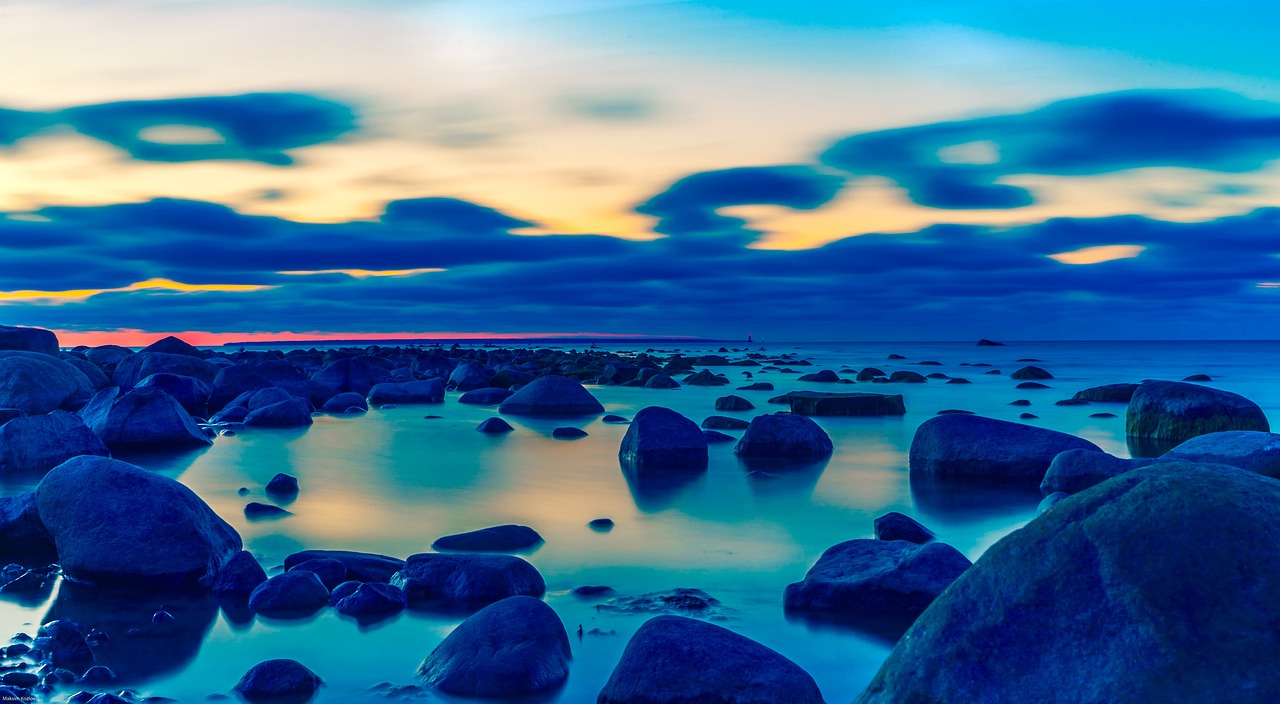
Tallinn may be small, but it packs a lot into its compact size. Whether you’re crafting a 3 day itinerary for Tallinn or stretching it to 5 days, you can experience:
- The storybook charm of the Old Town and Toompea.
- Modern, creative energy in Telliskivi, Kalamaja, Rotermann, and Noblessner.
- Rich history in sites like Kiek in de Kök, Seaplane Harbour, Patarei, and St. Nicholas’ Church.
- Green escapes in Kadriorg Park, Pirita, and the nearby Estonian Open Air Museum.
- Hearty and inventive local food in Tallinn, from markets to modern bistros.
For a first visit, I recommend at least 3 days in Tallinn to do the city justice, with 4–5 days in Tallinn if you want to dig deeper, enjoy more relaxed mornings, and maybe add a day trip.
As you walk the cobbles, sip coffee in a repurposed factory hall, or watch the sun sink behind the harbor from Noblessner, remember that Tallinn is not just a medieval postcard. It’s a living, evolving city that rewards curiosity—so give yourself time to wander beyond the main squares, talk to locals when you can, and follow your nose down that side street that looks just a little bit intriguing.
Whichever season you choose and however you shape your itinerary, Tallinn in 2026 is ready to surprise you—in quiet, thoughtful, and occasionally breathtaking ways.