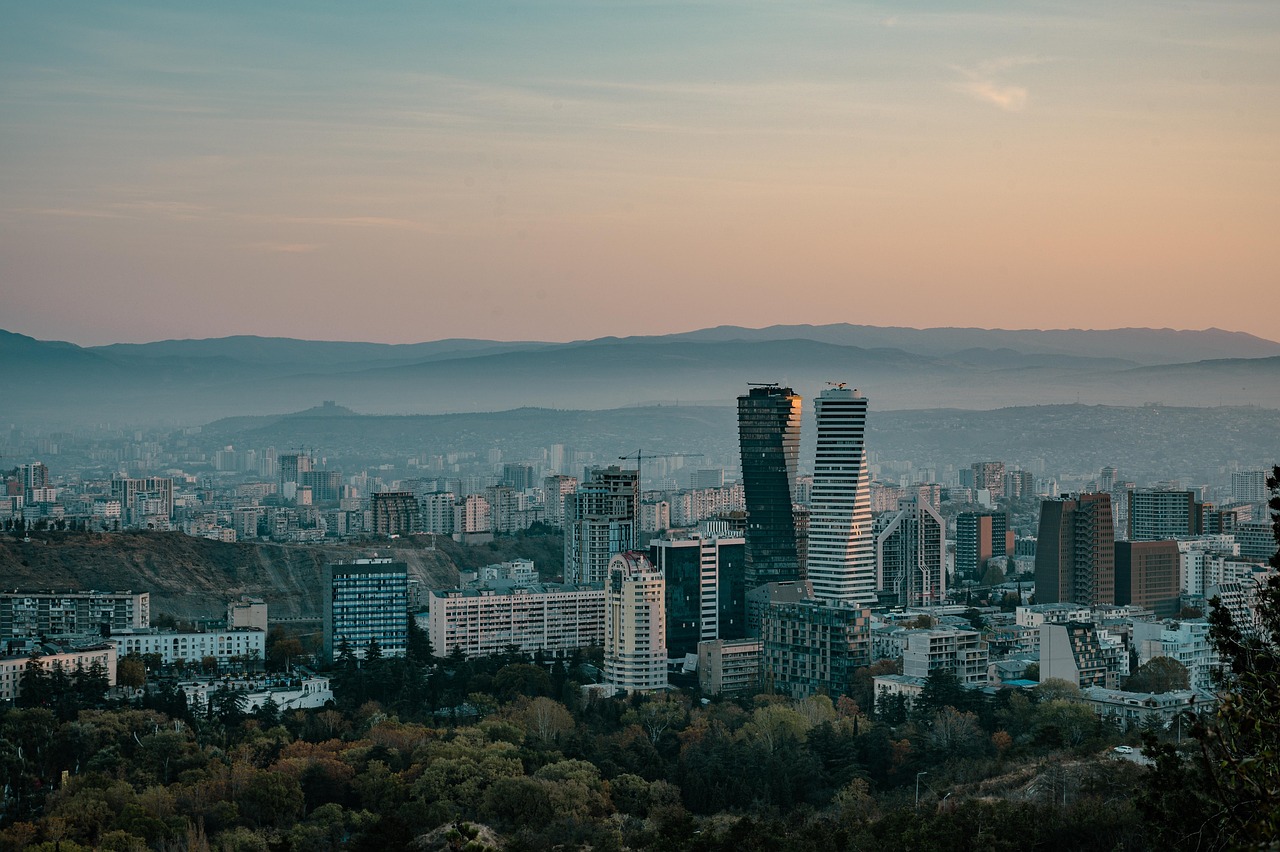
Why Visit Tbilisi, Georgia in 2026?
Tbilisi is one of those cities that quietly gets under your skin. The first time I came, I planned to stay 3 days in Tbilisi. I ended up staying two weeks. By my fourth visit, the guesthouse owner in Sololaki greeted me with, “Welcome home, Jessica.”
It’s a city of contrasts: ancient churches perched on cliffs, glass bridges over the Mtkvari River, wine poured from plastic jugs in basement bars, minimalist coffee shops next to crumbling 19th-century balconies. You’ll find sulfur baths, techno clubs, hipster wine bars, and family-run bakeries where khachapuri comes out of the oven puffed and golden.
In 2026, Tbilisi is in that sweet spot: firmly on the map but still raw around the edges. Prices are rising but it’s still very affordable compared with Western Europe. New bars and galleries open constantly, yet babushkas still sell herbs and churchkhela from street corners.
This travel guide for Tbilisi is based on multiple trips (2018–2025) and updated for 2026. I’ll walk you through must-see attractions in Tbilisi, cultural experiences, local food, hidden gems, and practical travel advice for Tbilisi so you can build a 3, 4, or 5 day itinerary for Tbilisi that actually feels like you lived here for a moment.
Table of Contents
- Why Visit Tbilisi?
- Understanding Tbilisi’s Neighborhoods
- 20+ Must-See Attractions in Tbilisi (Deep Dive)
- Suggested Itineraries: 3, 4, and 5 Days in Tbilisi
- Local Food in Tbilisi & Where to Eat
- Nightlife, Entertainment & Cultural Experiences
- Best Day Trips from Tbilisi
- Cultural Etiquette & Local Customs in Tbilisi
- Practical Travel Tips for Tbilisi (2026–2027)
- When to Visit Tbilisi & Final Takeaways
Getting Oriented: Tbilisi’s Most Interesting Neighborhoods
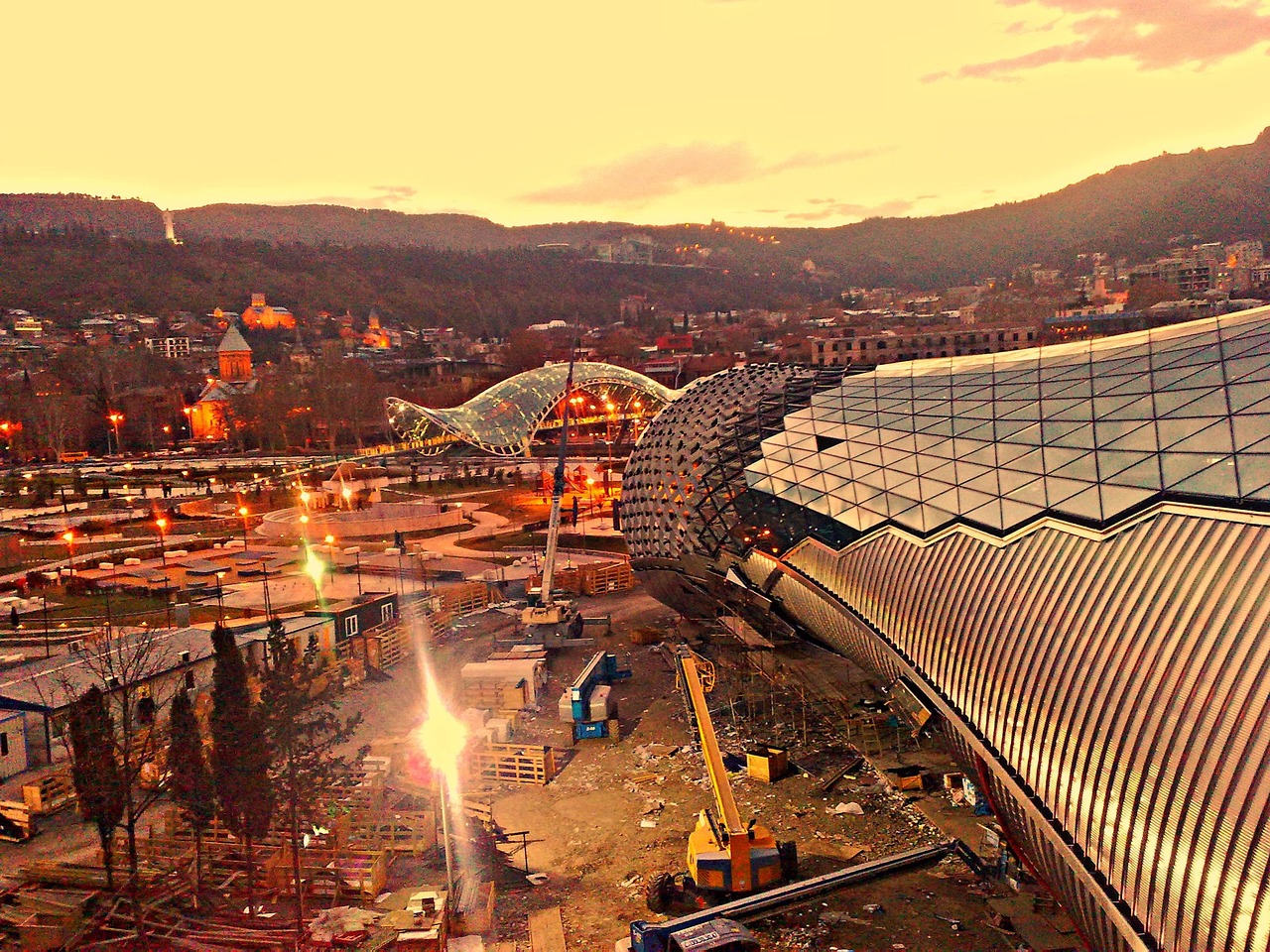
Tbilisi spreads along the Mtkvari River and curls up steep hills on either side. Where you stay shapes how you experience the city, so here’s a quick feel for the main areas before we dive into detailed things to do in Tbilisi.
- Old Town (Dzveli Tbilisi) – Cobbled lanes, wooden balconies, churches, sulfur baths. Best for first-timers and anyone who wants to walk to major attractions. It can be touristy but still feels authentically lived-in, especially on the backstreets.
- Sololaki – My personal favorite. Elegant, slightly faded 19th-century buildings, Art Nouveau doors, wine bars, cafes. Quieter than Old Town but right next to it. Great base for a 3 day itinerary for Tbilisi or longer.
- Avlabari – Historically Armenian area across the river from Old Town. Views back to the Narikala Fortress are fantastic. More local, slightly cheaper guesthouses.
- Vera – Trendy, leafy neighborhood up the hill from Rustaveli. Filled with cool cafes, boutique hotels, and bars. Feels residential but stylish; great if you like brunch and good coffee.
- Vake – Green, upscale area further north with big parks, embassies, and shopping streets. Perfect if you want quieter evenings and more modern accommodation.
- Didube & Station Square – Transport hubs with metro and marshrutka (minibus) stations. Not pretty, but practical if you’re day-tripping a lot.
For a first visit of 3–5 days in Tbilisi, I usually recommend staying in Sololaki or Old Town for easy access to the best places to visit in Tbilisi, then spending your evenings exploring Vera and Vake.
20+ Must-See Attractions in Tbilisi (In-Depth Local Guide)
Instead of just listing the must-see attractions in Tbilisi, I’ll share how I experienced them, how to get there, what to look for, and a few stories from wandering around them on different trips. You won’t do all 20 in 3 days in Tbilisi, but this section helps you build your own 3, 4, or 5 day itinerary for Tbilisi.
1. Narikala Fortress & the Cable Car
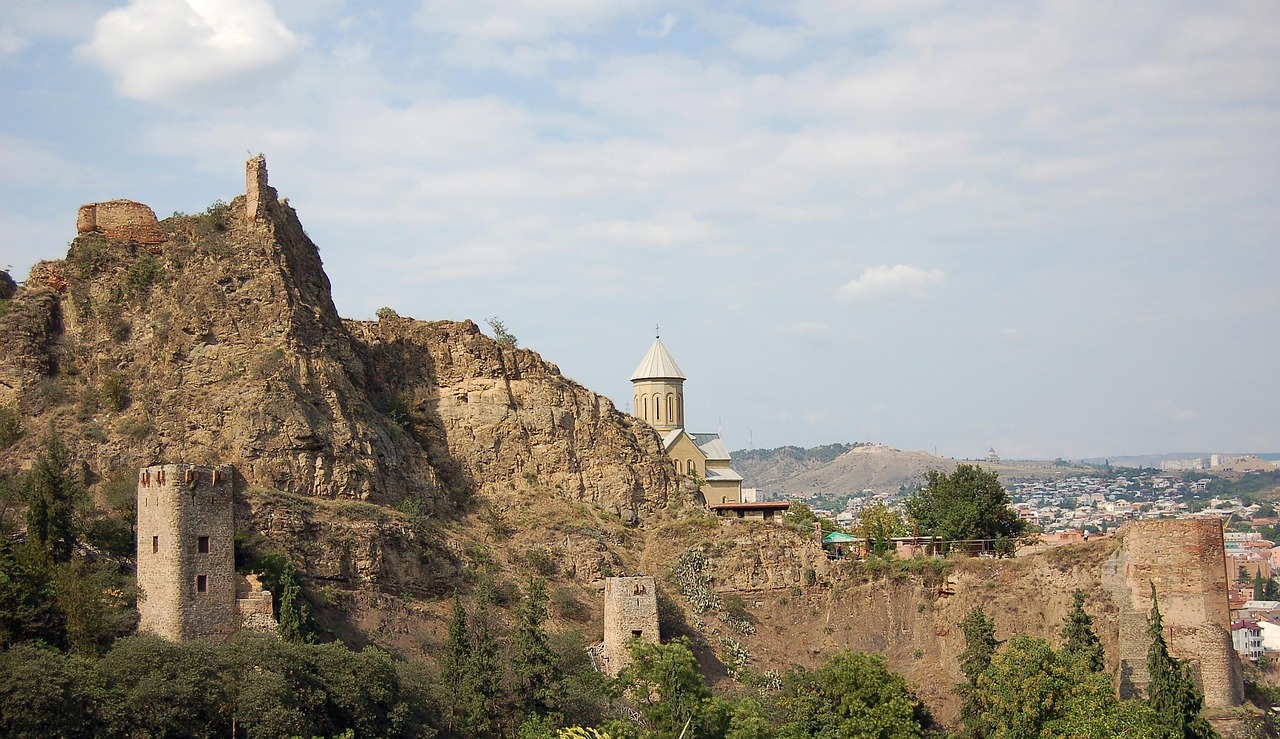
Narikala is the jagged stone crown that watches over the city. Every time I land in Tbilisi, I drop my bags, buy a 3 GEL cable car ticket from Rike Park, and float up over the river to say hello to the fortress.
The history stretches back to the 4th century, with Arabs, Mongols, Persians, and Russians all leaving their mark. A major explosion in the 1820s destroyed parts of it, which is why some sections look more like romantic ruins than a pristine castle.
How I like to visit: I try to go twice each trip: once just before sunset to watch the city lights flicker on, and once early in the morning when the tour groups haven’t arrived. In 2024, I took my parents up at dusk; my dad (who’s afraid of heights) forgave me as soon as he saw the view.
What to do there:
- Wander the crumbling walls and find your own quiet corner. There are no safety rails in many places, so watch your footing.
- Pop into St. Nicholas Church inside the fortress. The frescoes are modern but depict scenes from the Bible and Georgian history in a vivid, almost graphic-novel style.
- Walk along the ridge towards the Mother of Georgia statue for more panoramic viewpoints.
How to get there: The easiest way is by cable car from Rike Park (near the Bridge of Peace). You can also hike up from Old Town via Betlemi Street and a network of staircases; it’s steep but rewards you with hidden courtyards and painted balconies.
Tips: In summer, it’s brutally hot on the exposed hill. Bring water and a hat. In winter, it can be icy; I nearly slid down one frosty morning in January. Good shoes are a must year-round.
2. Old Town (Dzveli Tbilisi)
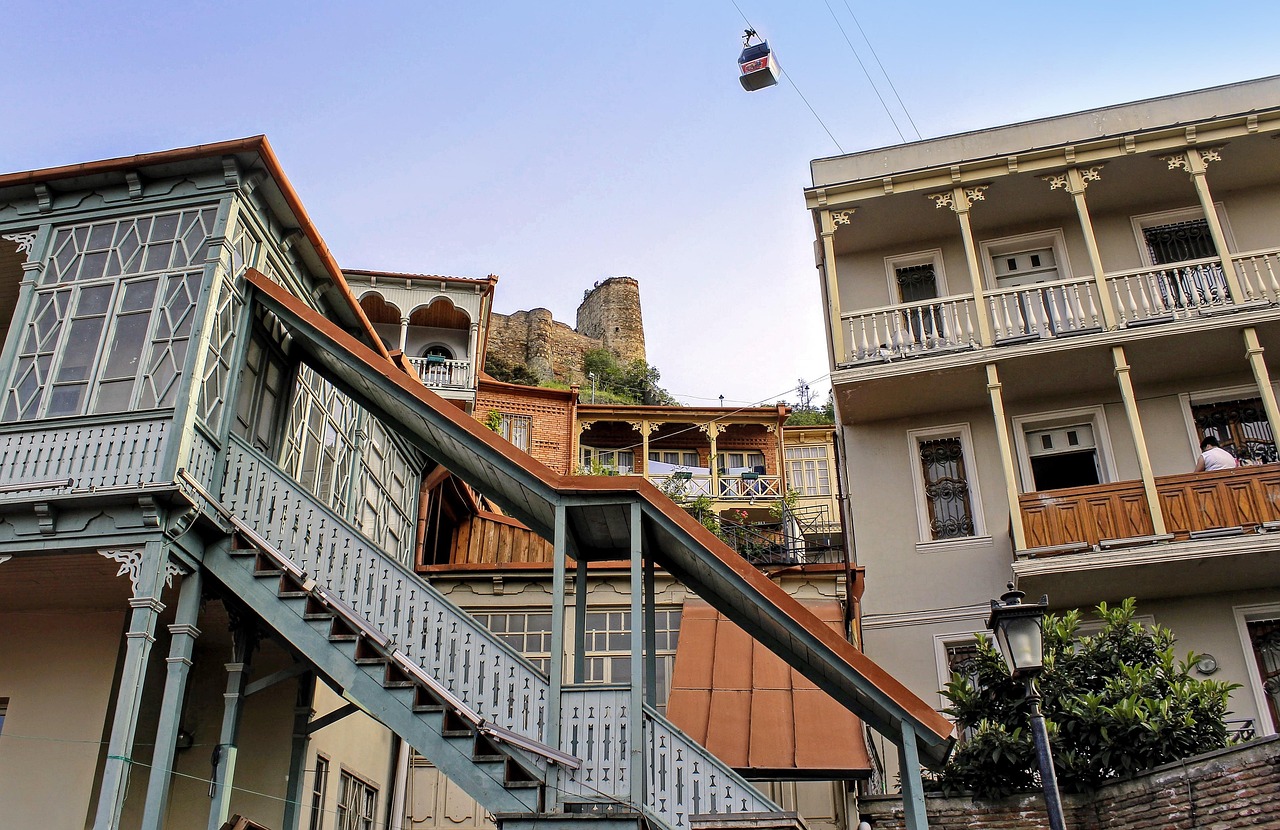
This is where Tbilisi’s layered history really shows: Persian-style brick domes, Orthodox church spires, wooden houses with carved balconies leaning at improbable angles. I’ve spent entire days here without once checking my watch.
Highlights & micro-attractions:
- Betlemi Quarter – A steep, atmospheric area with blue-and-green wooden houses, a couple of tiny churches, and fantastic views if you follow the steps uphill.
- Jvaris Mama Church – One of my favorite small churches; often you’ll hear polyphonic singing practice in the evenings.
- Old Caravanserai courtyards – Look for archways that lead into hidden courtyards; some still retain their caravanserai layout from Silk Road times.
Food & drink nearby: Old Town is increasingly touristy, but tucked among the souvenir shops are some good spots. I like grabbing a coffee from a tiny hole-in-the-wall and then wandering without a map. On one trip, I stumbled into a backyard workshop where an old man was carving wooden icons; he invited me in and poured homemade wine in recycled plastic bottles.
Tip: Go early if you want quiet photos. After 11:00, tour groups start flooding the main lanes, especially in high season (May–October).
3. Abanotubani Sulfur Baths
Legend says Tbilisi was founded when King Vakhtang Gorgasali’s falcon fell into a hot spring here. The “tbili” in Tbilisi means “warm.” Whether or not you believe the story, soaking in these baths after a day of climbing hills is non-negotiable self-care.
Abanotubani is the bath district with characteristic brick domes. Inside, you’ll find tiled rooms with hot sulfur pools and often a vigorous scrub option (called kisa).
My experience: I’ve tried both the public baths (very budget) and private rooms. My favorite memory is a winter visit: it was snowing lightly outside, and inside the private room, steam turned everything dreamlike. The scrub was intense but I walked out feeling like I had new skin.
How it works:
- You can book a private room (usually by the hour) or use gender-segregated public baths.
- Some baths are basic and traditional; others are more spa-like with mosaics and optional massages.
Practical tips:
- Bring flip-flops and a swimsuit if you’re shy, although many locals go nude in private rooms.
- Prices vary widely; ask to see the room first. Most places accept card now, but small cash is handy.
- The sulfur smell is strong. Your hair may remember it the next day.
Good for: Couples (romantic private room), solo travelers (public baths or small private), and even families (some places have family rooms—ask ahead).
4. Holy Trinity Cathedral (Sameba)
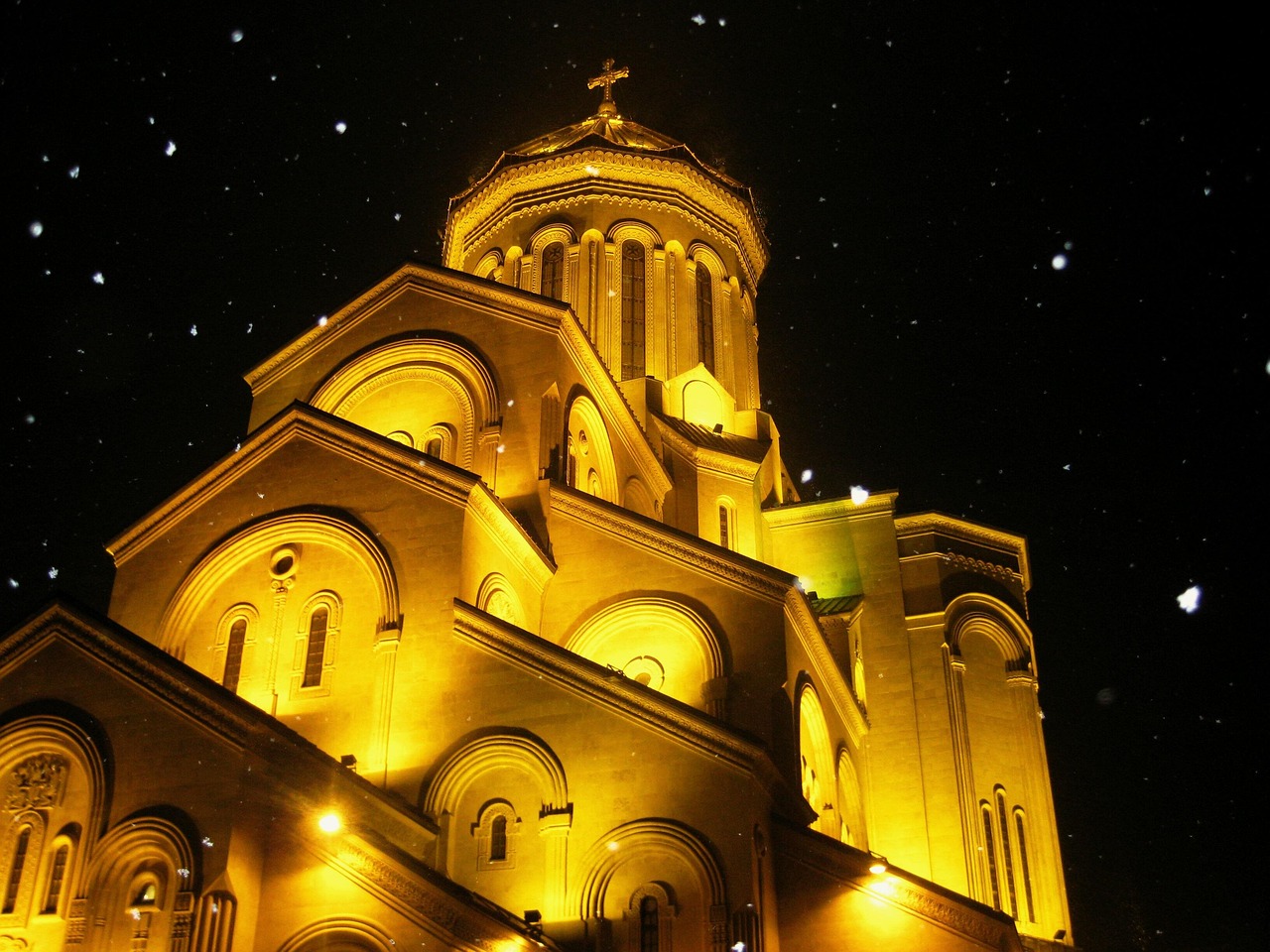
Sameba dominates the skyline from almost every angle. Built between 1995 and 2004, it’s relatively new but intentionally monumental—a statement of post-Soviet identity and faith.
I like coming here in the late afternoon. The golden stone glows, children play in the gardens, and you can see the entire city spread out below.
Inside: The interior is vast and still feels incomplete in some parts, with bare walls awaiting frescoes. Services are long and hypnotic, with chanting and the sweet smell of incense.
Etiquette:
- Dress modestly: shoulders and knees covered. Women are often expected to cover their heads with a scarf (some are available at the entrance).
- Don’t take flash photos during services; better yet, avoid photographing people who are praying.
Getting there: It’s a short but steep walk up from Avlabari metro station. Taxis and Bolt can drop you right at the gate.
5. Bridge of Peace & Rike Park
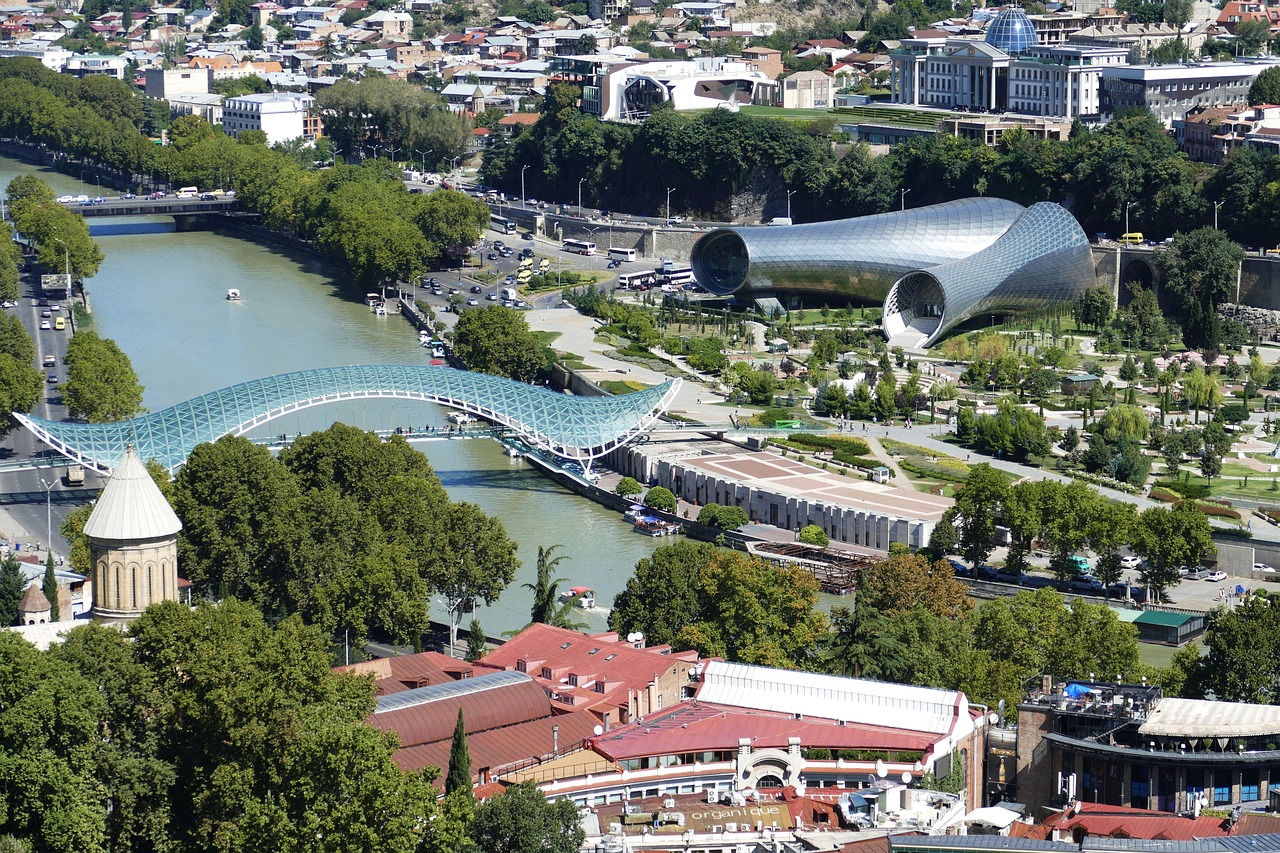
The glass-and-steel Bridge of Peace is Tbilisi’s photogenic modern landmark, arching over the river between Old Town and Rike Park. At night, it lights up with a constantly shifting pattern; on my first visit, I stood under it with a gelato just watching the colors change.
Rike Park, on the left bank of the river, is where kids play, couples stroll, and street performers set up in the evenings. It’s also the base station for the Narikala cable car.
Good for: Families (playgrounds, open space), romantic evening walk, easy city photography.
Tip: Visit once by day and once at night. The vibe is completely different.
6. Rustaveli Avenue
Rustaveli is Tbilisi’s main artery: broad sidewalks, grand 19th-century buildings, theaters, museums, and a growing number of cafes and shops. It’s both the city’s elegant face and its stage for protests and celebrations.
I like walking the stretch from Freedom Square up to the Technical University metro station, stopping at the Parliament building, the Georgian National Opera, and the Rustaveli Theatre. On one trip, I stumbled into a free performance festival and watched contemporary dance on an outdoor stage as the sun set.
Nearby attractions:
- Georgian Museum of Fine Arts – Impressive collection, especially if you’re interested in Georgian modernists.
- Georgian National Museum – Great for history lovers; the archaeological gold collection is stunning.
Tip: There are several good budget eats on the side streets off Rustaveli, where office workers grab lunch—perfect for saving money while eating like a local.
7. Mtatsminda Park & Funicular
For families and romantics, Mtatsminda Park on the hilltop overlooking Tbilisi is an easy win. The funicular ride alone is worth it—especially at sunset when the city lights flicker on below.
What’s up there:
- An amusement park with rides for kids and a Ferris wheel that looks over the whole valley.
- Cafes and restaurants (prices are slightly higher, but the view justifies at least a coffee).
- Walking paths through pines, especially peaceful on weekday mornings.
My favorite moment: One October evening, I rode the Ferris wheel as a cold wind started to blow. Tbilisi looked like a sea of lights in a bowl. Couples were taking selfies, kids were squealing, and someone nearby was playing Georgian pop on their phone—perfectly chaotic and cozy at once.
Getting there: Take the funicular from the lower station near Rustaveli (look for the historic funicular building). You can also drive or take a Bolt, but the funicular is half the fun.
8. Fabrika: Tbilisi’s Hipster Hub
Fabrika is a former Soviet sewing factory turned into a creative complex with hostels, bars, studios, and street art. It’s where I go when I want to feel Tbilisi’s younger, artsy side.
What you’ll find:
- Co-working spaces and design shops.
- Bars spilling into the courtyard, usually packed with locals, expats, and travelers.
- Street art and murals covering the walls—bring your camera.
Best time to go: Late afternoon into evening. Start with a coffee, browse the shops, then slide into wine or cocktails as the courtyard fills up. It’s also a great place to meet people if you’re traveling solo.
Families? Earlier in the day it’s fine with kids; after 9–10 pm it gets more bar-like.
9. Chronicle of Georgia Monument
This colossal monument on a hill above the Tbilisi Sea looks like something out of a dark fantasy movie. Created by sculptor Zurab Tsereteli in the 1980s (and still technically unfinished), it’s a series of enormous stone pillars carved with scenes from Georgian history and the life of Christ.
Why I love it: On my second trip, a local friend drove me up at golden hour. We had the entire place to ourselves except for a couple taking wedding photos. It feels otherworldly—part temple, part brutalist dream.
Good to know:
- There’s no entrance fee.
- Come by Bolt or taxi; it’s too far to walk from the center. The ride is 20–30 minutes depending on traffic.
- The wind can be fierce; bring a jacket even if it’s warm in the city.
10. Dry Bridge Flea Market
If you like rummaging for treasures, you’ll lose hours at Dry Bridge. On blankets and tables under the trees, vendors lay out Soviet memorabilia, antique jewelry, enamelware, cameras, coins, and random oddities.
On my first visit, I bought an old Soviet-era enamel mug from a man who told me (in a mix of Russian and gestures) that it had been his camp mug in the army. Whether that was true or not, I think of him every time I use it.
When to go: Best on weekends and in good weather, when more vendors show up. Morning is quieter; late morning to early afternoon is busiest.
Bargaining: Expected but keep it friendly. Learn a few words of Georgian or Russian—it goes a long way.
Nearby: The park next door often hosts painters selling canvases; it’s a colorful open-air gallery.
11. Meidan & Shardeni Street
Shardeni Street and the Meidan area are the most obviously touristy part of Old Town: hookah bars, outdoor cafes, souvenir shops, and nightclubs. I usually don’t linger here long, but it’s good for people-watching and one of the liveliest places in Tbilisi at night.
What I use it for:
- A quick coffee break when I’m crossing between Old Town and the river.
- The occasional late-night stop when everything else nearby is closed.
Tip: For more authentic food and better prices, walk a few blocks away from Shardeni. But if you want a “we’re in Tbilisi!” buzz on your first night, this is where you’ll feel it.
12. Metekhi Church & Cliff
Perched dramatically on a cliff above the river, Metekhi Church is one of Tbilisi’s most iconic silhouettes. The equestrian statue of King Vakhtang Gorgasali stands guard at the edge, looking over the water towards Old Town.
I like coming here early in the morning when it’s quiet. The view across to Narikala Fortress and the sulfur baths is one of my favorites in the city.
Inside: The church itself is relatively simple but beautiful. Services can be quite atmospheric, with chanting echoing off the stone.
Family tip: The area around Metekhi is pedestrian-friendly and good for photos. Kids usually enjoy looking down at the river from the viewpoint.
13. Mother of Georgia (Kartlis Deda)
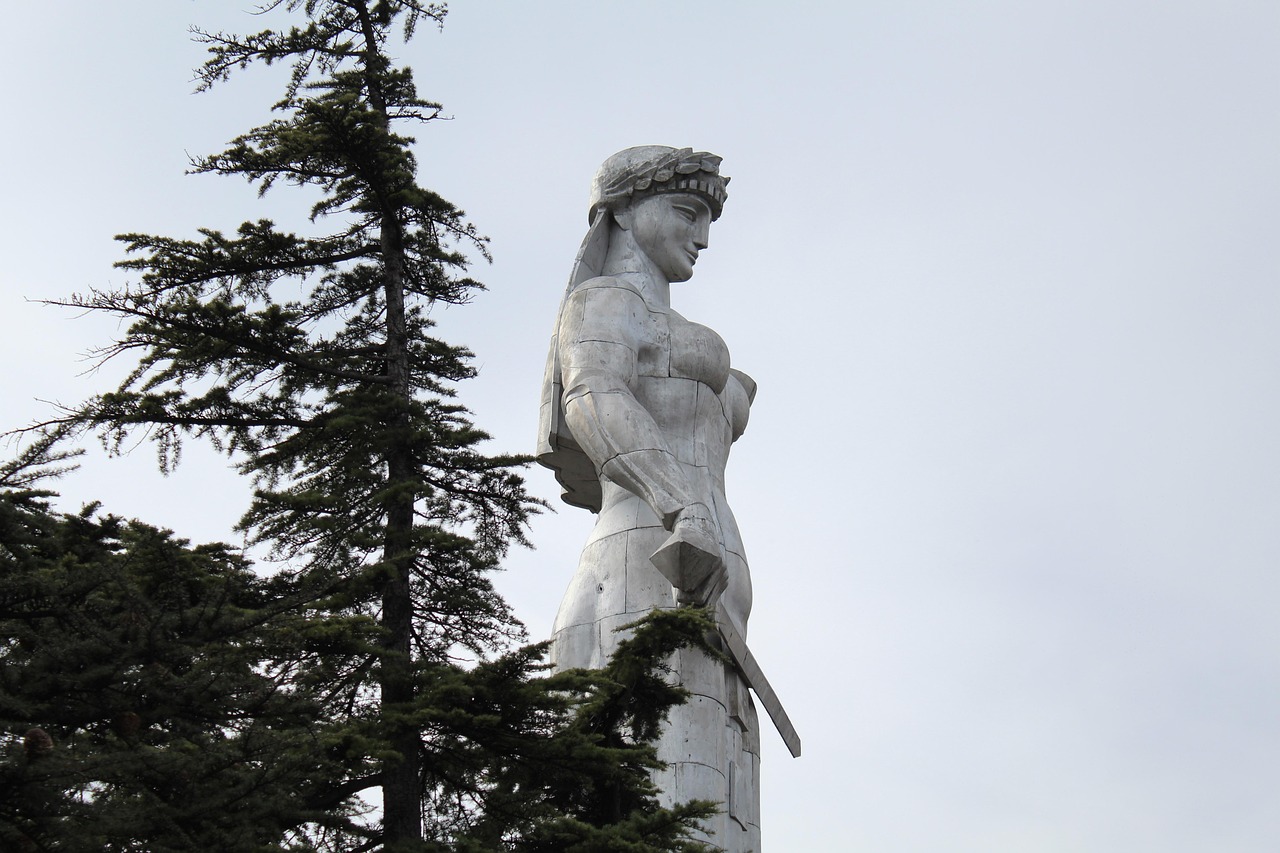
The aluminum statue of Kartlis Deda—Mother of Georgia—stands on the ridge above Old Town, holding a sword in one hand and a bowl of wine in the other. The symbolism is clear: guests are welcomed with wine, enemies are met with a fight.
I usually combine this with a Narikala visit, walking along the ridge from the fortress. The path winds through pines with multiple vantage points over the old rooftops and the river.
Tip: If you’re short on time, you don’t need a separate trip up here; just include it in your Narikala walk. But if you have 4 or 5 days in Tbilisi, it’s worth lingering and exploring the side paths.
14. Rezo Gabriadze Marionette Theater & Leaning Clock Tower
Every hour, a little puppet show plays out from the whimsical leaning clock tower next to the Rezo Gabriadze Theater near Anchiskhati Church. It looks like something from a storybook, assembled from tiles, bricks, and sculptures with a deliberate sense of play.
My experience: One evening, I managed to get a last-minute ticket to a marionette performance here. Even without understanding every word, the artistry and atmosphere were magical. It feels like entering a tiny world of its own.
Tickets: Performances often sell out, especially in peak season. Check the schedule online or swing by earlier in your trip to buy tickets if this is a priority.
Family-friendly: The shows are good for older children interested in theater; the hourly outdoor clock performance is suitable for everyone.
15. Anchiskhati Basilica
This modest 6th-century church is the oldest surviving church in Tbilisi. Compared with Sameba’s grandeur, Anchiskhati feels intimate and ancient, with thick stone walls and a quiet courtyard.
Why visit: If you’re interested in early Christian architecture or want a more contemplative space, this is it. On one visit, I slipped in during a weekday service and was completely mesmerized by the polyphonic chant of the choir.
Etiquette: Same as other churches—modest dress, respectful behavior, no flash.
16. Georgian National Opera and Ballet Theater
The striped Moorish Revival facade of the Opera House on Rustaveli is one of the prettiest buildings in the city. Inside, the gilded auditorium feels straight out of a 19th-century European capital.
My tip: Even if you’re not an opera fan, check the program. Tickets are often surprisingly affordable compared with Western Europe, and it’s a lovely night out. I once scored a balcony seat for a ballet performance for less than the cost of a mid-range dinner.
Dress code: Smart casual is fine; locals dress nicely but not over-the-top.
17. Vake Park & Turtle Lake
When the center feels hectic, I escape to Vake. The park itself is big and leafy, popular with runners, families, and dog walkers. From the upper edge, trails (and now a modern cable car reopened in the mid-2020s) lead up to Turtle Lake, a small reservoir with cafes and walking paths.
What to do:
- Stroll or run in Vake Park in the morning when it’s coolest.
- Take the cable car or hike up to Turtle Lake for lunch and a walk around the water.
- Visit the nearby open-air Ethnographic Museum (see below).
Families: Kids love the lake, paddleboats (in summer), and playgrounds.
18. Open Air Museum of Ethnography
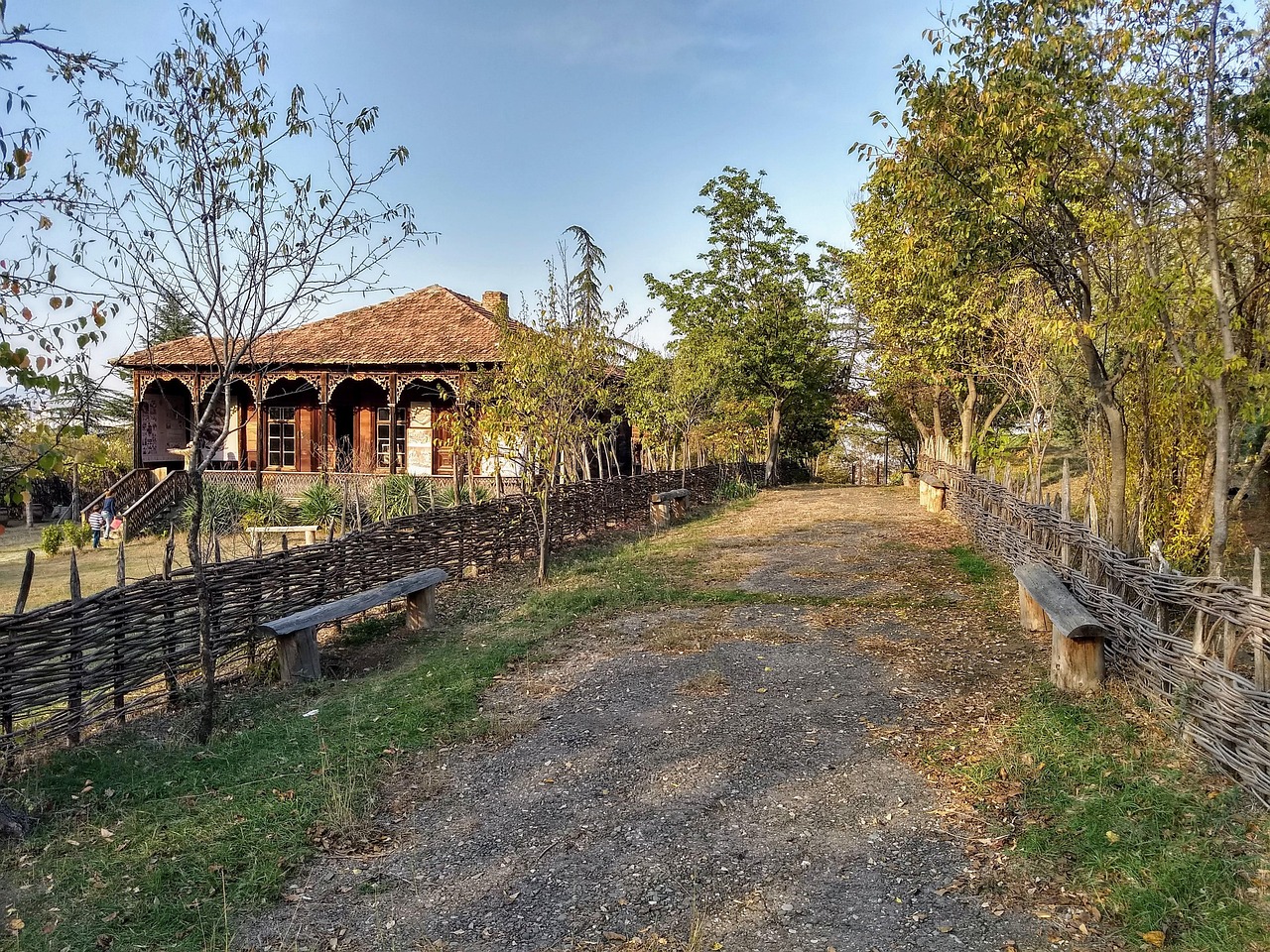
Just above Vake, this open-air museum spreads across a hillside, with traditional houses and structures relocated from villages across Georgia. It’s like walking through a miniature version of the country’s regions.
Why I like it: The setting is beautiful, with pine trees and city views, and the old wooden houses are full of details: carved balconies, antique tools, ovens. On one visit, an elderly caretaker invited me into a Kakhetian house and explained (in Russian and gestures) how bread used to be baked in the old ovens.
Tip: Combine this with Turtle Lake and Vake Park for a half-day out of the urban buzz.
19. Sioni Cathedral
Located in Old Town close to the river, Sioni Cathedral has been destroyed and rebuilt multiple times since the 6th century. It’s one of the spiritual hearts of the city and often busy with worshippers.
Inside: You’ll see icons, frescoes, and often long queues for specific relics. Services are powerful; you’re likely to hear that rich Georgian chant again.
Etiquette & note: Same modest dress rules. Avoid blocking pathways with photos; stand towards the back if you’re just observing.
20. National Botanical Garden of Georgia
Tucked behind Narikala Fortress, the Botanical Garden is a green lung for the city. It stretches along a valley with streams, waterfalls, and walking paths.
Why visit: In summer, it’s a cool escape from the heat; in spring, wildflowers and blossoms are everywhere. I’ve spent lazy afternoons here reading under trees or picnicking by the water.
Activities:
- Walk to the waterfall (popular for photos).
- Try the zipline that runs from the Narikala side into the garden if you want a small adrenaline hit.
Good for: Families, couples, and anyone needing a break from the city streets.
21. Tbilisi’s Wine Bars & Cellars (Bonus “Attraction”)
Wine is woven into Georgian culture and hospitality. Tbilisi’s wine bars are therefore as important as any monument. Many offer qvevri (amphora-aged) natural wines you won’t find elsewhere.
How I like to explore them: On each visit, I choose a different area—Sololaki, Vera, or Old Town backstreets—and wander until I find a small, cozy bar with locals inside. I ask for a tasting of a few qvevri wines, build up to a carafe of my favorite, and usually end up chatting with the owner about their family’s vineyard.
Tip: Even if you know nothing about wine, say you’re curious. Georgians love to introduce visitors to their wine traditions and will gladly guide you.
Suggested Itineraries: 3, 4, and 5 Days in Tbilisi
These itineraries are built from actual days I’ve spent in the city, tweaked for 2026. They balance must-see attractions in Tbilisi with hidden gems, local food, and downtime. Mix and match depending on whether you have 3 days in Tbilisi, 4 days in Tbilisi, or 5 days in Tbilisi.
3 Day Itinerary for Tbilisi: First-Time Highlights
Day 1 – Old Town, Narikala & Sulfur Baths
I always tell first-time visitors: your first day should anchor you in Old Town and the hills above it. This is the Tbilisi that will stay in your memory.
- Morning: Start with a leisurely breakfast in Sololaki—perhaps at a small bakery where you can try fresh khachapuri and strong coffee. Then wander into Old Town, exploring lanes around Sioni Cathedral and Anchiskhati.
- Late morning: Walk across the Bridge of Peace into Rike Park, then take the cable car up to Narikala Fortress. Give yourself time to sit on the walls and take in the view.
- Lunch: Head back down via the footpaths into Abanotubani and have lunch near the sulfur baths (try some classic local food in Tbilisi: khinkali, lobio, salads with walnut paste).
- Afternoon: Stroll through Abanotubani and the waterfall behind the baths, then take a break at your hotel.
- Evening: Book a private sulfur bath session. Afterward, wander through the softly lit streets of Old Town and have dinner in a traditional restaurant with live music.
Personal note: My favorite memory from a “Day 1” like this was stepping out of the bathhouse with damp hair, the domes glowing under street lamps, and the faint sound of a choir practicing in a nearby church. That’s when I knew I was hooked on this city.
Day 2 – Rustaveli, Museums & Mtatsminda
Day 2 is about Tbilisi’s cultural side: museums, theaters, grand avenues, and hilltop views.
- Morning: Walk Rustaveli Avenue. Pop into the Georgian National Museum or the Museum of Fine Arts, depending on your interests. Grab coffee and a pastry at a side-street cafe.
- Lunch: Eat at a casual place frequented by office workers off Rustaveli—great way to save money and sample everyday local dishes.
- Afternoon: Take the funicular up to Mtatsminda Park. Wander, ride the Ferris wheel, and enjoy the panorama.
- Evening: Either have dinner at the funicular restaurant (pricey but scenic) or back down in Vera, where you’ll find excellent wine bars and bistros.
Day 3 – Dry Bridge, Fabrika & Wine Bars
By Day 3, you’ve hit the essentials. Now it’s time for markets, street art, and wine.
- Morning: Head to Dry Bridge Market and browse antiques. Even if you don’t buy anything, it’s a fascinating window into recent history.
- Lunch: Picnic with things you’ve picked up from a local supermarket or small bakery, or eat at a nearby cafe.
- Afternoon: Walk or take a short Bolt ride to Fabrika. Explore the creative spaces and street art, maybe work from a cafe if you’re a digital nomad.
- Evening: Return to Sololaki or Vera for a mini wine bar crawl—ask for recommendations of qvevri wines and small plates like pkhali and badrijani nigvzit (eggplant with walnuts).
This 3 day itinerary for Tbilisi hits the classic things to do in Tbilisi while still leaving enough breathing room that you don’t feel rushed.
4 Day Itinerary for Tbilisi: Adding Hills and Lakes
With 4 days in Tbilisi, you can slow down and add some nature and residential neighborhoods.
Day 4 – Vake, Turtle Lake & Ethnographic Museum
On my third visit, this was the day that made Tbilisi feel like a livable city, not just a beautiful stopover.
- Morning: Take a bus, metro+bus, or Bolt to Vake Park. Walk under the trees, then make your way to the Turtle Lake cable car or hiking path.
- Late morning: Circle Turtle Lake. Stop for coffee or lemonade at a lakeside cafe. In summer, you might see paddleboats and locals sunbathing.
- Afternoon: Visit the Open Air Museum of Ethnography just downhill from the lake. Give yourself at least 1.5–2 hours to wander among the houses and read the signs.
- Evening: Return to Vake for dinner; try a modern Georgian bistro or a simple mtsvadi (grilled meat) place.
5 Day Itinerary for Tbilisi: Offbeat Monuments & Avlabari Views
If you have 5 days in Tbilisi, you can reach further and dig deeper into local life and architecture.
Day 5 – Chronicle of Georgia, Tbilisi Sea & Avlabari
- Morning: Take a Bolt up to the Chronicle of Georgia monument. Spend time walking among the pillars, reading the reliefs, and taking in the view over the Tbilisi Sea.
- Optional: In summer, you can continue to the lakeside for a low-key beach vibe (note that facilities vary year to year, and water quality is something locals debate—ask at your guesthouse for current info).
- Afternoon: Head back into town and explore Avlabari. Visit Sameba Cathedral if you haven’t already, wander the streets, and find a viewpoint over Old Town from this side of the river.
- Evening: Have a farewell dinner in a traditional restaurant with live music and maybe a bit of toasting—Georgian-style.
By the end of a 5 day itinerary for Tbilisi, you’ll have seen the major must-see attractions in Tbilisi, tasted local food in Tbilisi from both touristy and neighborhood spots, and discovered at least a couple of your own hidden gems in Tbilisi.
Local Food in Tbilisi & Where to Eat
Georgian food is a reason to visit all by itself. It’s comforting, rich, and full of herbs and walnuts. On every trip, I swear I’ll eat lighter, and every time, a bubbling dish of ajapsandali or plate of khinkali destroys my resolve.
Must-Try Dishes
- Khinkali – Soup dumplings filled with meat, mushrooms, cheese, or potatoes. Eat them with your hands: bite a small hole, sip the broth, then eat the rest. Locals will side-eye you if you leave the top knot, but it’s allowed.
- Khachapuri – Cheese-filled bread. In Tbilisi, you’ll mostly see Imeretian (round) and Adjarian (boat-shaped with egg and butter). Share one; they’re heavy.
- Pkhali – Vegetable “pâtés” (spinach, beetroot, eggplant) mixed with ground walnuts and herbs. Great for vegetarians.
- Badrijani nigvzit – Rolled eggplant slices filled with walnut paste and topped with pomegranate seeds. I order this everywhere.
- Lobio – Bean stew, often served in clay pots with mchadi (cornbread) and pickles.
- Mtsvadi – Skewers of grilled meat, usually pork or veal, often cooked over grapevine wood.
Drinks
- Wine – Try both European-style and qvevri natural wines. Ask for a tasting flight in wine bars.
- Chacha – Grape pomace brandy. Strong! Sip slowly, preferably with food.
- Tarragon lemonade – Bright green, sweet, and strangely addictive.
Where I Like to Eat (2026 Snapshot)
Specific restaurant scenes change quickly, but some patterns hold:
- Sololaki & Old Town backstreets – Great mix of traditional restaurants and modern takes on Georgian cuisine.
- Vera & Vake – Trendier spots, brunch cafes, wine bars with excellent small plates.
- Local bakeries & “tone” ovens – Look for traditional clay ovens where bakers slap dough on the inner walls. Perfect for budget breakfasts.
Money-saving tip: Eat your main meal at lunch. Many places have cheaper lunch menus, and you’ll walk off the calories afterward.
Nightlife, Entertainment & Cultural Experiences in Tbilisi
Tbilisi’s nightlife is surprisingly diverse for a city this size: everything from smoky underground jazz to serious techno, mellow wine bars to rooftop cocktail spots.
Types of Nightlife
- Wine bars – My top choice: relaxed, conversational, great for couples and solo travelers.
- Craft beer bars – Georgian craft beer has boomed; look for taps with local brews.
- Clubs – The electronic music scene has a big reputation (especially Bassiani and KHIDI), though entry policies can be strict and scenes evolve year to year.
- Live music – Check for venues offering jazz, rock, or traditional Georgian ensembles.
Cultural Experiences
- Opera or ballet at the Georgian National Opera – Beautiful building, relatively affordable tickets.
- Rezo Gabriadze Theater – Marionette performances with a cult following.
- Church services – Even if you’re not religious, attending part of a service to hear Georgian polyphonic singing is powerful. Just observe respectfully.
Events & Festivals (2026–2027)
Exact dates can shift, but keep an eye out for:
- Tbilisoba (usually October) – City festival celebrating Tbilisi with food stalls, concerts, and performances, especially in Old Town and Rike Park.
- New Wine Festival (May) – Held in Tbilisi, featuring small winemakers from across Georgia.
- Film & music festivals – Rustaveli and other venues host various festivals; check local listings as 2026 schedules firm up.
Best Day Trips from Tbilisi
One of the joys of basing yourself in Tbilisi for 4 or 5 days is how easy it is to escape to nearby historical and wine regions.
Mtskheta
Georgia’s ancient capital and a UNESCO site, just 30 minutes from Tbilisi.
- Highlights: Svetitskhoveli Cathedral, Jvari Monastery on the hill, old streets and riverside views.
- How to get there: Marshrutka from Didube station, taxi/Bolt, or organized tour.
Kazbegi (Stepantsminda)
A longer day trip but spectacular: mountain scenery, Gergeti Trinity Church perched high above town, and dramatic valleys. Many travelers now choose an overnight here to avoid rushing.
Kakheti Wine Region (Telavi or Sighnaghi)
If you love wine, dedicate a day (or two) to Kakheti. From Tbilisi, tours and private drivers can take you to family wineries, monasteries, and scenic villages.
Cultural Etiquette & Local Customs in Tbilisi
Georgians are famously hospitable, but there are a few customs and unwritten rules that will make your time in Tbilisi smoother.
At the Table
- Supras (feasts) – If you’re invited to a big meal, there will likely be a tamada (toastmaster) leading a series of toasts. It’s polite to at least sip each toast; if you don’t drink, explain kindly at the beginning.
- Sharing – Dishes often go in the center of the table to share rather than individual plates.
In Churches
- Dress modestly. Women may be expected to wear a headscarf and skirt (some churches provide wraps).
- Men should remove hats.
- Don’t speak loudly or use flash photography; step aside if you’re just observing.
General Behavior
- Language: Georgian is the main language; many older people speak Russian, and younger people often speak some English.
- Personal space: Expect closer distances in queues and conversations than in Northern Europe or North America.
- Hospitality: It’s common for people to offer help, directions, or even invitations for coffee. Trust your instincts, but know that many offers are genuinely friendly.
Practical Travel Advice for Tbilisi (2026–2027)
Getting Around Tbilisi
- Metro: Two lines, simple to use, and cheap. Use a transport card (often called Metromoney); tap in at stations and some buses.
- Buses: Extensive network; Google Maps is increasingly reliable, but local apps and offline maps help.
- Taxis & Bolt: Bolt is widely used and usually cheaper and more reliable than hailing on the street. Always check that the driver’s details match.
- Walking: Many central areas are walkable, but sidewalks can be uneven; watch your step, especially at night.
- Car rental: Possible, but city driving can be aggressive and parking tricky. For most travelers, public transport + Bolt + tours is easier.
SIM Cards & Connectivity
- Major providers: Magti, Geocell, Beeline. In my experience, Magti has strong coverage.
- Buy SIMs at the airport or city branches with your passport. Prepaid data packages are affordable.
- Wi-Fi is common in cafes, restaurants, and accommodations.
Money & Costs
- Currency: Georgian Lari (GEL).
- Cards: Widely accepted in mid-range and high-end places; small bakeries, markets, and marshrutkas are often cash-only.
- ATMs: Common around Rustaveli, Old Town, and malls.
- Saving money: Eat at lunch spots outside the main tourist streets, use the metro and buses, and drink local wine in carafes rather than imported spirits.
Visas & Entry (Check for 2026 Updates)
Georgia has one of the more generous visa regimes in the region, allowing many nationalities to stay visa-free for up to a year. However, rules can change—always verify with official Georgian government or consular websites before traveling in 2026–2027.
- Passport should be valid for at least 6 months beyond your stay.
- Some nationalities may need e-visas or pre-arranged visas.
Driving & Licenses
- Short visits: Many foreign driver’s licenses are accepted, but an International Driving Permit is strongly recommended.
- Roads: City traffic can be chaotic; mountain roads require confidence and caution.
Safety
- Tbilisi is generally safe, even at night in busy areas.
- Watch for the usual city issues: pickpocketing in crowds, especially around tourist hotspots and on transport.
- Stray dogs are common but usually calm; avoid approaching them, especially in groups.
When to Visit Tbilisi & Final Takeaways
Best Seasons for Different Activities
- Spring (April–June): My personal favorite. Mild weather, blossoms, outdoor cafe season, fewer crowds than high summer.
- Autumn (September–October): Wine harvest season, Tbilisoba festival, golden light and colors. Great for combining city time with Kakheti wine trips.
- Summer (July–August): Hot—often very hot in the afternoons. Good if you plan mountain escapes as well, but in the city you’ll want shade and air-con.
- Winter (November–March): Quieter, colder, occasionally snowy. Cozy for sulfur baths and wine bars; combine with a mountain trip if you like snow.
Key Takeaways for Your 2026 Tbilisi Trip
- Plan at least 3 days in Tbilisi for the essentials; 4 or 5 days in Tbilisi lets you add lakes, parks, and day trips.
- Base yourself in Sololaki, Old Town, or Vera to balance atmosphere and convenience.
- Mix must-see attractions like Narikala, Sameba, Rustaveli, and the sulfur baths with quieter corners: Betlemi lanes, the Botanical Garden, Vake Park.
- Don’t rush meals—local food in Tbilisi and long, toasty dinners are a core cultural experience, not just fuel.
- Use the metro and Bolt to get around, and don’t be afraid to wander on foot; many hidden gems in Tbilisi are down unassuming side streets.
- Respect local customs in churches and at the table, and you’ll likely experience the warmth Georgians are famous for.
Whether you follow this guide for a structured 3 day itinerary for Tbilisi, stretch to a 5 day itinerary for Tbilisi, or simply pick a few things to do in Tbilisi that speak to you, my hope is that you’ll leave already planning your return. I always do.