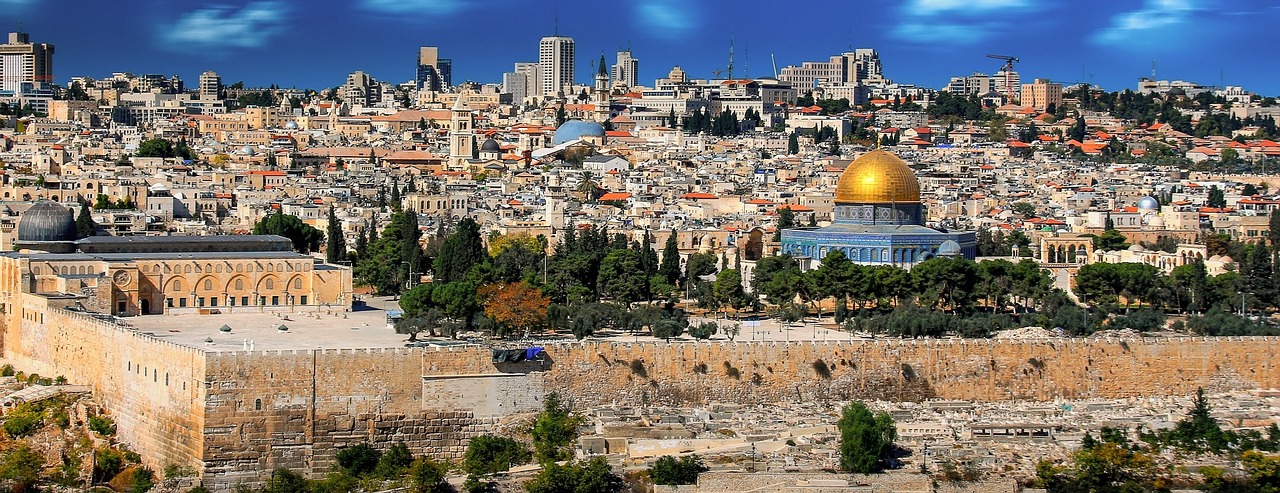
Why Visit Jerusalem in 2026?
Jerusalem is one of those places that refuses to be reduced to a single story. It’s at once spiritual and political, ancient and cutting-edge, contemplative and loud. I’ve been returning to Jerusalem regularly for over a decade, and every visit still shocks me a little: a new café tucked inside a stone courtyard, a new tram line, an unexpected conversation at a market stall.
In 2026, the city feels particularly dynamic. Restoration projects in the Old City are nearing completion, new galleries have opened in Mahane Yehuda and the City Center, and the high-speed rail from Tel Aviv continues to make weekend trips easier than ever. Whether you’re planning 3 days in Jerusalem or a full 5 day itinerary for Jerusalem, this guide will help you build a trip that goes deeper than just ticking off the must-see attractions.
This comprehensive travel guide for Jerusalem is written as if I’m walking with you: through the Old City’s twisting alleys at dawn, across the golden stones of the Western Wall plaza at dusk, and into tucked-away wine bars at night. We’ll cover the best places to visit in Jerusalem, the local food in Jerusalem you absolutely must try, and the subtle local customs in Jerusalem that will help you move through the city respectfully and smoothly.
Table of Contents
- Why Visit Jerusalem
- Suggested 3–5 Day Itineraries (With Personal Stories)
- 20 Must-See Attractions in Jerusalem (Deep Dive)
- Neighborhoods & Areas to Explore
- Local Food & Drink in Jerusalem
- Nightlife, Entertainment & Cultural Experiences
- Best Day Trips from Jerusalem
- Cultural Etiquette & Local Customs
- Practical Travel Tips for Jerusalem (2026–2027)
- Major Events & Festivals 2026–2027
- Summary & Best Time to Visit
Suggested 3–5 Day Itineraries in Jerusalem
Whether you have 3 days in Jerusalem or a full 5 day itinerary for Jerusalem, the city rewards a slow, layered approach. Below are flexible day-by-day plans drawn from my own trips, with a mix of headline sights, hidden gems, and very local moments.
3 Days in Jerusalem: Classic First-Time Itinerary
If it’s your first time and you’re wondering how to craft the perfect 3 day itinerary for Jerusalem, this is the route I usually take visiting friends along.
Day 1: Old City Essentials & First Taste of Jerusalem
I like to start early, before the tour groups pour in. On my last April visit, I arrived at Jaffa Gate at 7:30 a.m., coffee in hand, the stones still cool from the night.
- Morning: Walk through Jaffa Gate into the Old City, explore the Church of the Holy Sepulchre, wander the Christian and Muslim Quarters, and finish late morning at the Western Wall.
- Lunch: Hummus at a no-frills spot in the Old City (I often end up at a tiny family-run place near the Damascus Gate – look for where locals are squeezed in).
- Afternoon: Walk a section of the Ramparts Walk for city views, then exit near Tower of David Museum.
- Evening: Dinner and a stroll around the Mamilla pedestrian boulevard, perhaps catching the Tower of David night show.
Family-friendly? Yes, but bring water and plan for shade breaks. The Old City can be overwhelming for young kids; I usually schedule an ice cream stop near Jaffa Gate as a reward.
Romantic? Very. Sunset at the Ramparts or Mamilla’s terraces can be surprisingly intimate even in a busy city.
Day 2: Markets, Modern City & Mahane Yehuda by Night
This is my favorite day for understanding modern Jerusalem life. You’ll eat very, very well.
- Morning: Start at Mahane Yehuda Market for coffee and a bourekas. Wander the stalls as vendors shout out deals, then join a short tasting tour or DIY your way through pickles, olives, and pastries.
- Late morning: Walk or take the light rail down Jaffa Road to City Center and Ben Yehuda Street for shopping and people watching.
- Afternoon: Visit the Israel Museum for art, archaeology, and that famous model of Second Temple-period Jerusalem.
- Evening: Back to Mahane Yehuda, which transforms into a nightlife hub. Trendy bars and intimate wine spots replace produce stands; it’s one of my favorite nightlife in Jerusalem experiences.
Day 3: Mount of Olives, Yad Vashem & Neighborhood Wandering
- Morning: Taxi up to the Mount of Olives viewpoint for that iconic skyline shot (bring your camera). Then walk down past ancient Jewish cemeteries and churches to the Old City’s Lion’s Gate.
- Lunch: Falafel or shawarma outside the Old City walls, or a café in the Musrara neighborhood.
- Afternoon: Head to Yad Vashem, Israel’s official Holocaust memorial. It’s intense but essential, best visited with at least a few quiet hours.
- Evening: Walk through the German Colony and along The Train Track Park, with dinner on Emek Refaim Street.
If you only have 3 days in Jerusalem, this hits the major must-see attractions in Jerusalem while giving you a feel for both ancient and modern life.
4 Days in Jerusalem: Deeper Cultural Experiences
With 4 days in Jerusalem, you can slow down and add more nuanced cultural experiences in Jerusalem.
Keep the first three days as above, and for Day 4:
Day 4: Hidden Gems, Alternative Jerusalem & Night Views
- Morning: Explore the Nachlaot neighborhood’s labyrinth of narrow alleys and old courtyards. This is where I go when I want to feel Jerusalem’s quieter, residential side.
- Late morning: Visit the Islamic Art Museum or the smaller Underground Prisoners Museum for lesser-known perspectives on the city’s history.
- Afternoon: Coffee in Talbiya or Rehavia, then an architectural walk past theater, embassies, and elegant stone homes.
- Evening: Head up to the Haas Promenade for a panoramic city view at dusk. When the stone turns gold and then pink, you understand what people mean by “Jerusalem of Gold.”
This extra day also lets you linger: an extra coffee at Mahane Yehuda, another hour in the Israel Museum’s sculpture garden, or a spontaneous detour into a gallery you discover by accident.
5 Days in Jerusalem: Full Immersion & Day Trips
A 5 day itinerary for Jerusalem is my ideal for first-timers. It allows you to breathe and also squeeze in a nearby adventure.
Use the 4-day plan, and for Day 5 choose one of these:
Option A (Adventurous): Dead Sea & Masada Day Trip
- Early morning: Depart Jerusalem by tour or rental car to Masada, climb the Snake Path or take the cable car up.
- Late morning: Explore Masada’s ruins and views across the Judean Desert.
- Afternoon: Float in the Dead Sea, cover yourself in mineral mud, and nap in the shade.
- Evening: Return to Jerusalem for a simple dinner and an early night.
Option B (Cultural): Bethlehem & West Bank Glimpse
- Morning: Join a guided tour to Bethlehem, visit the Church of the Nativity and Banksy’s Walled Off Hotel area.
- Afternoon: Return to Jerusalem, explore more of the East Jerusalem neighborhoods and cafés.
- Evening: End with a wine bar in the city center or live music near the market.
Option C (Slow Travel): “Just Live Here” Day
My personal favorite is to dedicate a whole day to just “being” in Jerusalem instead of “doing.”
- Sleep in, have a long brunch in the German Colony.
- Read a book in a shady corner of the Liberty Bell Park.
- People-watch on Ben Yehuda Street or in a café in Rehavia.
- Finish with a sunset walk on the Train Track Park and a casual dinner.
20 Must-See Attractions in Jerusalem (Deep Dive)
Below are 20 of the best places to visit in Jerusalem, each with history, context, and personal notes. I’ve ordered them roughly from most iconic to more hidden gems.
1. The Old City of Jerusalem
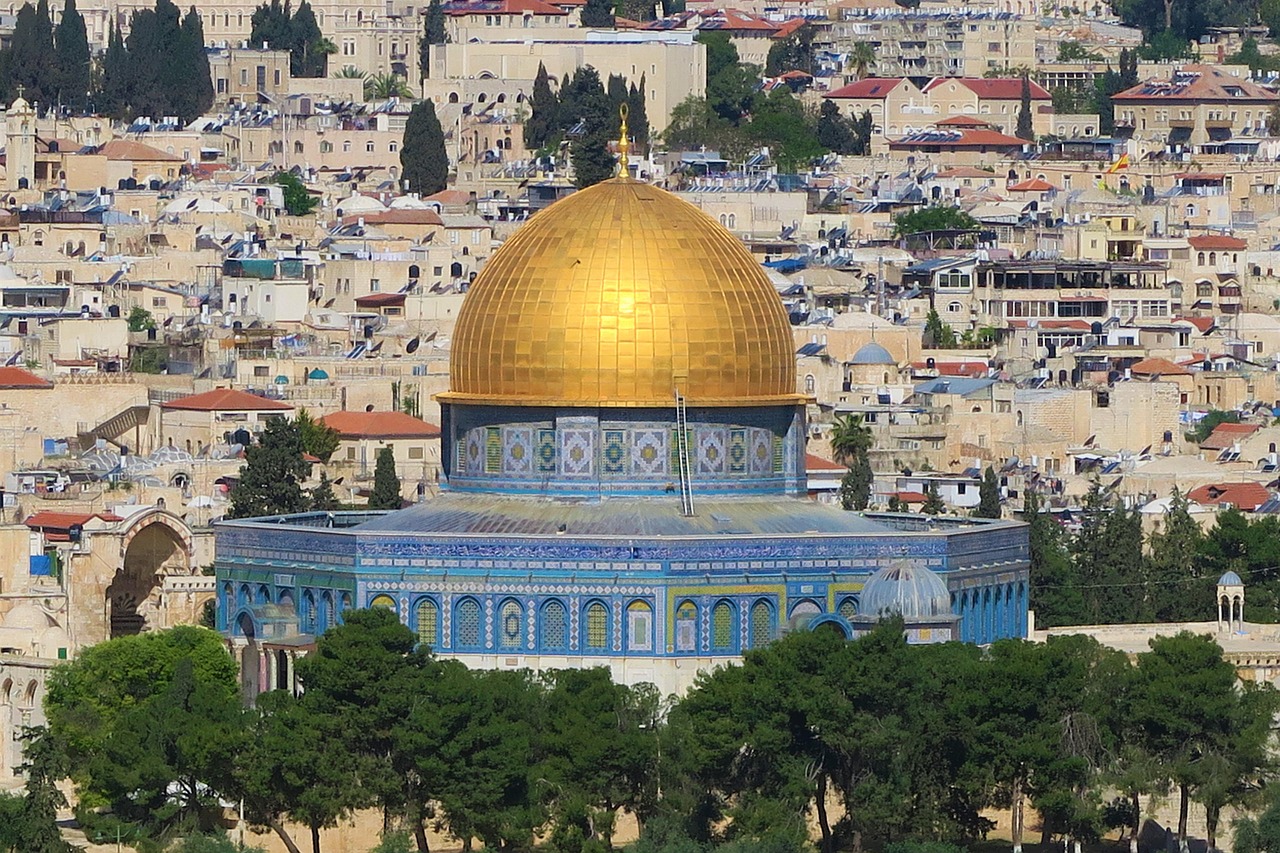
The Old City is less a single attraction than a dense universe of stories packed into less than one square kilometer. Enclosed by 16th-century Ottoman walls, it’s divided into the Jewish, Christian, Muslim, and Armenian Quarters, though those borders blur as you wander.
On my first solo trip, I got lost within 15 minutes of stepping through Jaffa Gate; now I deliberately get lost whenever I can. Turn down side alleys, follow the sound of a call to prayer or church bells, and peek into courtyards. Some of the most memorable moments I’ve had here weren’t at the big-ticket sites but in tiny workshops: an Armenian ceramic artist explaining his glazes, or an old man hand-rolling ka’ak bread rings.
Highlights inside the Old City:
- Cardo: A restored Roman-era street in the Jewish Quarter, with mosaics and shops.
- Souqs (bazaars): Especially in the Muslim Quarter, a maze of spice stalls, textiles, and food.
- Roof walks: Ask locals about access to certain rooftops; the views of domes and laundry lines are unforgettable.
Practical tips: Wear comfortable, non-slip shoes (the stones are smooth and can be slick). Modest dress is important: shoulders and knees covered for both men and women. Avoid bringing a large backpack if you can; alleys get crowded.
2. The Western Wall (Kotel)
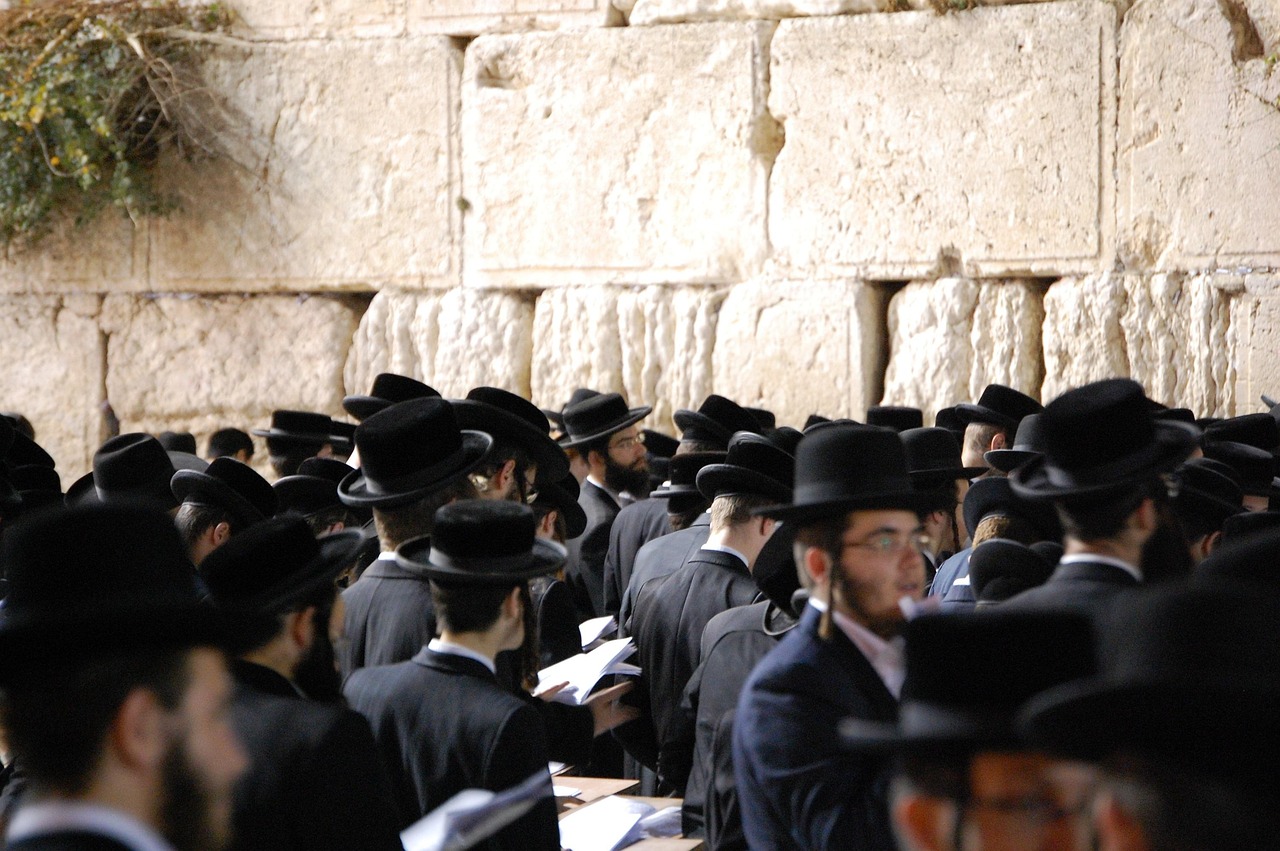
The Western Wall is the last remaining retaining wall of the Second Temple complex, making it one of Judaism’s holiest sites. Regardless of your beliefs, the atmosphere can be deeply moving: handwritten notes pressed into the cracks, soldiers singing together on Friday evenings, bar mitzvah celebrations with drums and shofars.
I like to visit twice in one trip: once in the quiet of early morning, when cleaners are still at work and the plaza is nearly empty, and once on a Friday night after sundown. On that first visit, I wrote a short note to my future self, folded it tiny, and tucked it between stones that have seen empires rise and fall.
Etiquette:
- Dress modestly (knees and shoulders covered).
- The prayer area is divided by gender; follow the signs.
- If you approach the wall, walk away from it backward or sideways (many prefer not to turn their backs fully).
Family tip: Older kids often find the history fascinating; consider a short guided tour of the Western Wall Tunnels to connect the stones with the timeline.
3. Church of the Holy Sepulchre
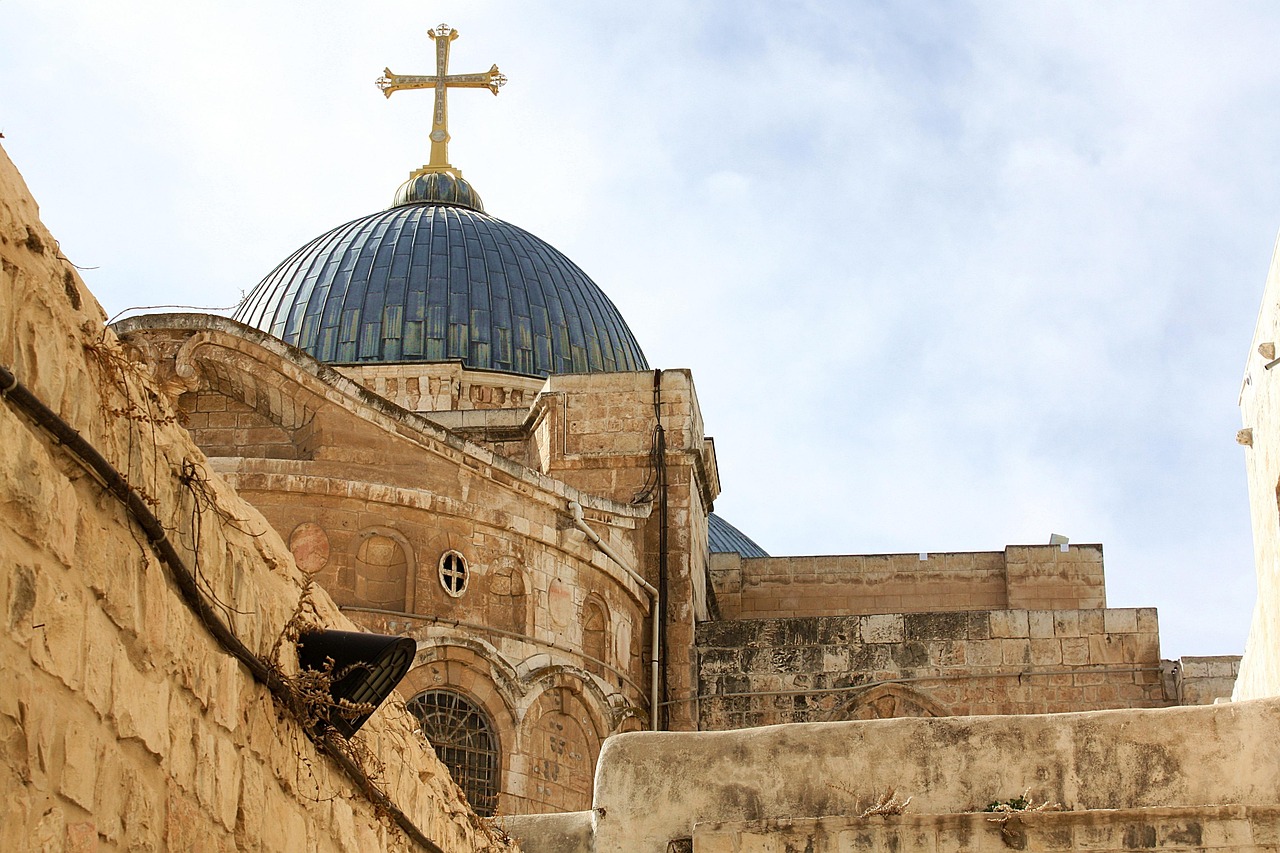
For many Christians, this is the holiest site in the world: believed to be where Jesus was crucified, buried, and resurrected. Even if you’re not religious, the intertwining of faith, history, and politics here is riveting.
The first time I entered, incense hung thick in the air and pilgrims were singing softly in a language I didn’t recognize. Monks in different robes passed each other with practiced choreography: Greek Orthodox, Armenian, Franciscan, Coptic, Ethiopian. The building itself is a patchwork of centuries, with Crusader arches, Byzantine mosaics, and medieval graffiti.
Don’t miss:
- The Stone of Unction near the entrance, where pilgrims place rosaries and personal items.
- The Edicule (small chapel) built over the tomb, usually with a long line.
- The rooftops, where the Ethiopian monastery sits in quiet contrast to the bustle below.
Tip: Come early (before 8 a.m.) or late in the evening to avoid the biggest crowds, especially in peak seasons.
4. Via Dolorosa
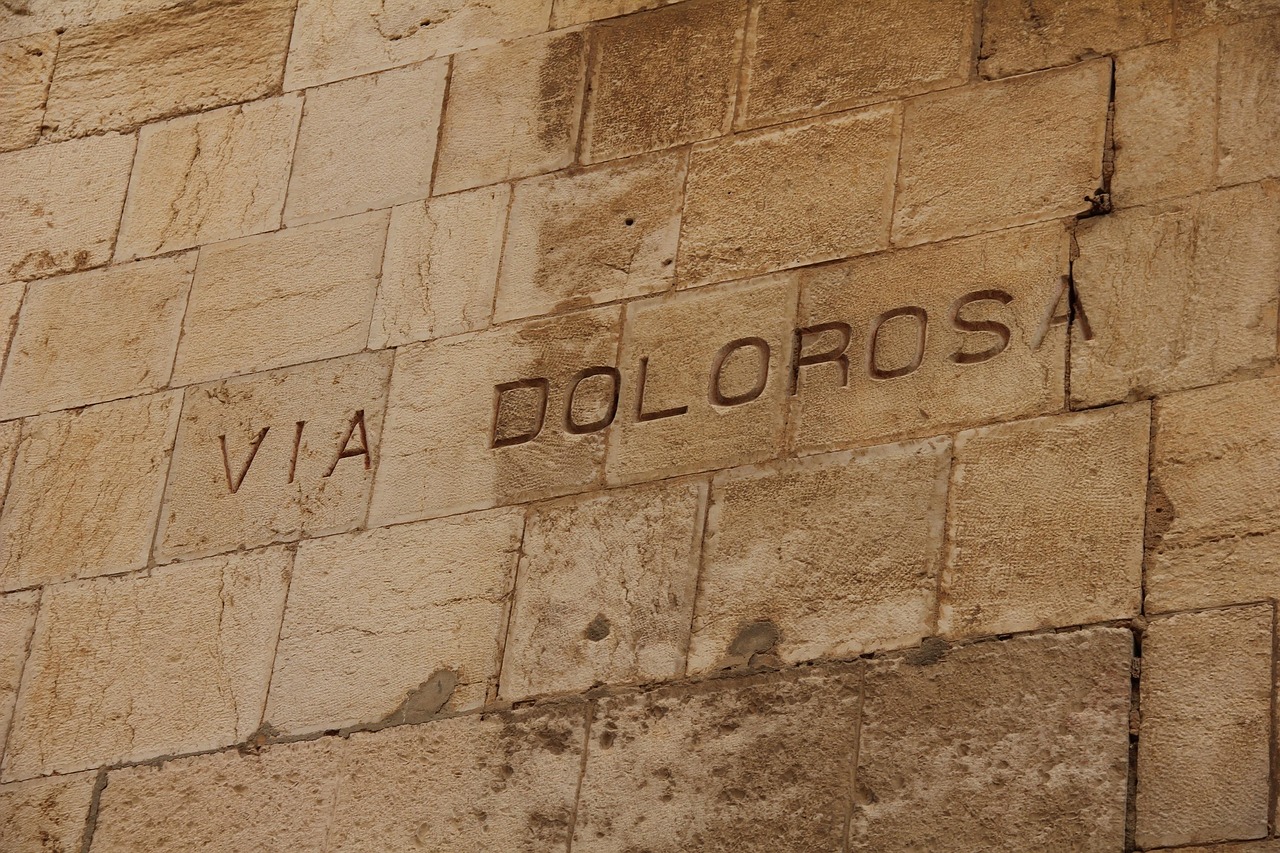
The Via Dolorosa (“Way of Sorrow”) winds through the Muslim and Christian Quarters, traditionally marking Jesus’ path to crucifixion. Stations are marked modestly; without a guide or map, you might pass them without realizing.
I’ve walked it alone at dawn, when shop shutters are still closed and cats are the main traffic, and also in the afternoon with a group of Filipino pilgrims carrying a wooden cross and singing hymns. Both experiences felt incredibly different but equally memorable.
How to experience it:
- Self-guided with a good offline map, pausing at each station for a moment of reflection.
- Join an organized procession (often on Fridays) if you’d like the communal experience.
5. Temple Mount / Haram al-Sharif
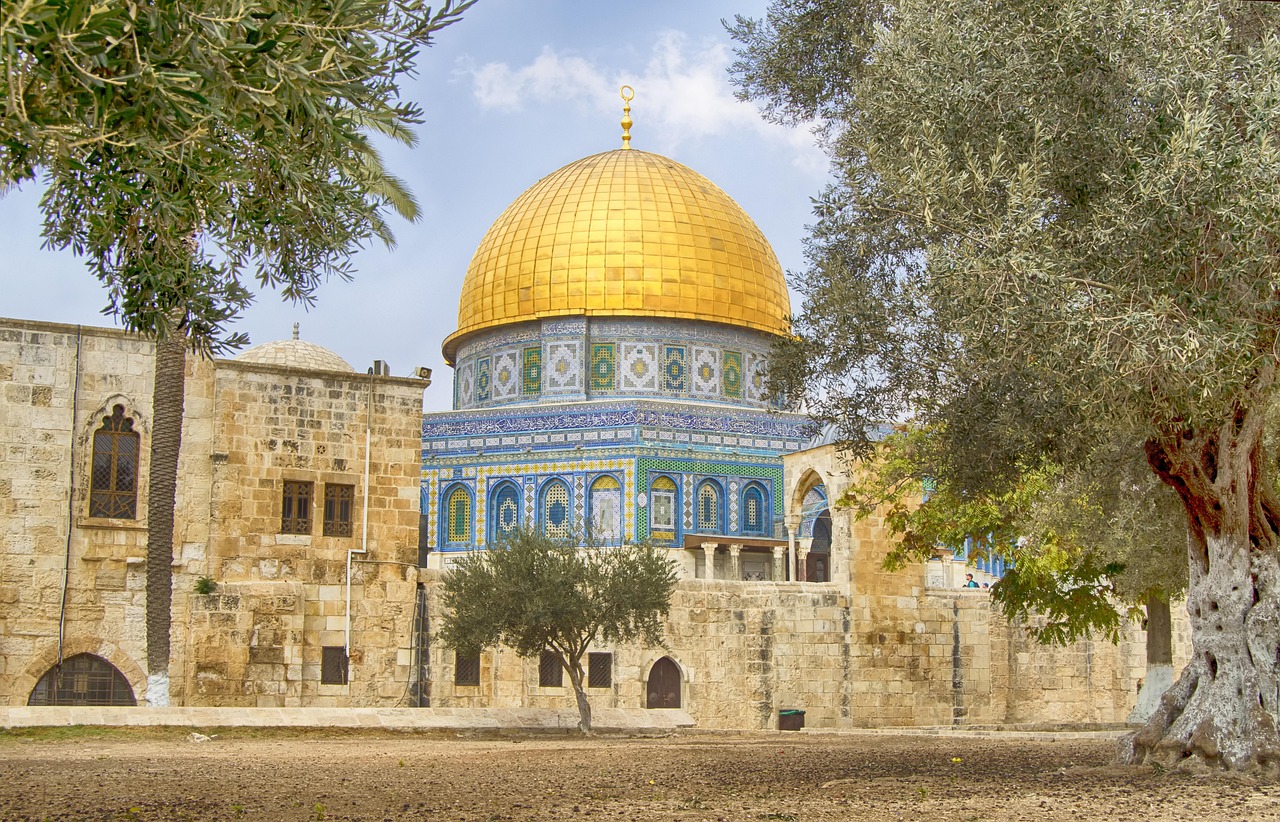
One of the most sensitive and sacred places on earth, the Temple Mount (Haram al-Sharif) is home to the Dome of the Rock and Al-Aqsa Mosque. For Jews, it’s the site of the First and Second Temples; for Muslims, it’s the third holiest site in Islam. Non-Muslims are currently not allowed inside the mosques but can visit the platform during specific hours.
The Dome of the Rock’s golden dome and intricate blue tiles are so iconic that seeing them up close feels almost unreal. The last time I went, a group of children were kicking a ball around the courtyard while tourists quietly circled, necks craned upward. It was one of those grounding moments: beyond the headlines, this is also simply a place where people live, pray, and play.
Important: Access and visiting hours are politically sensitive and can change. Check current regulations before you go. Modest dress is essential, and security checks are standard.
6. Mount of Olives
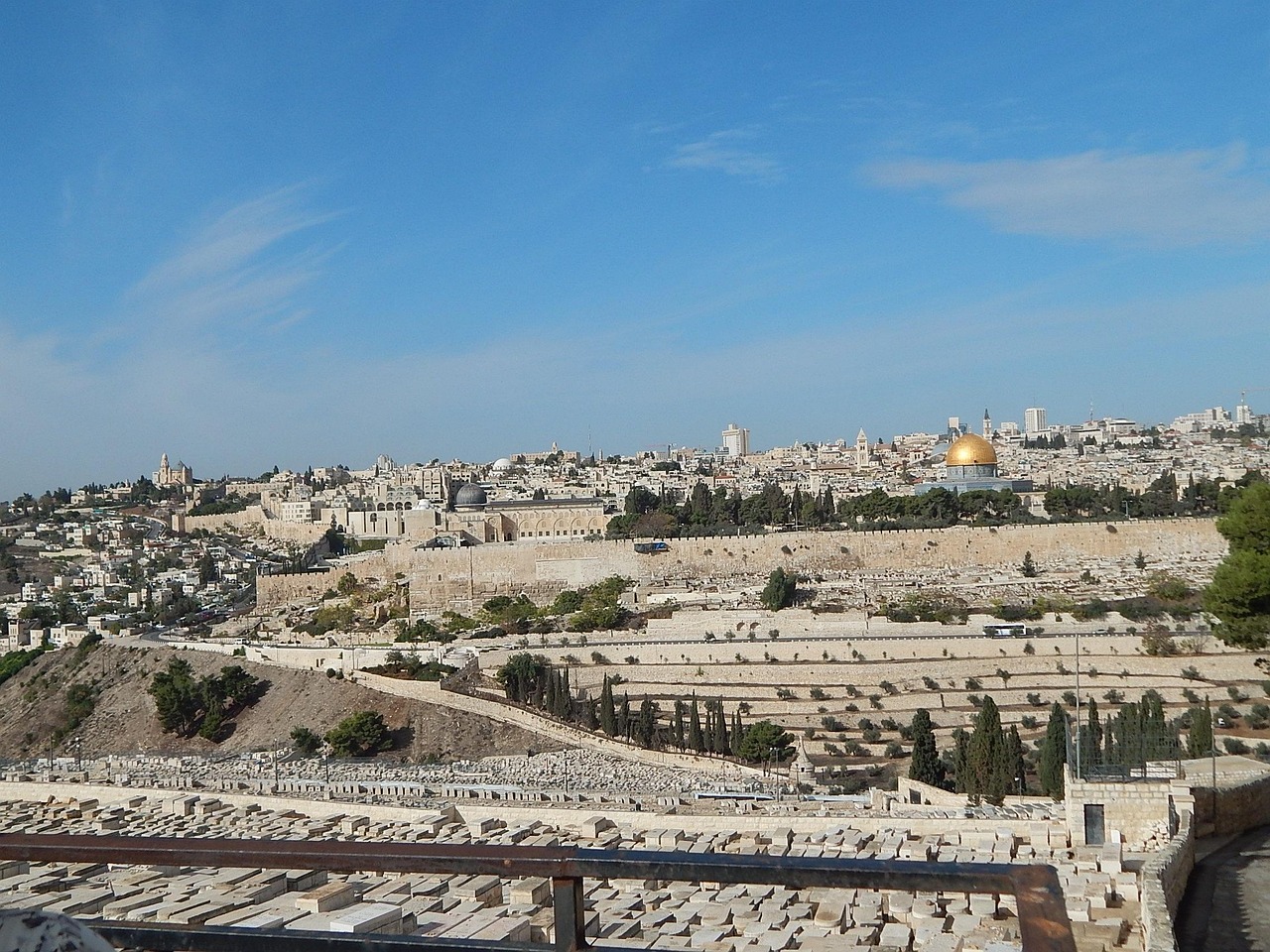
The postcard view of Jerusalem—golden Dome of the Rock, Old City walls, and a sea of stone houses—comes from the Mount of Olives. Beyond the view, the slope is dotted with churches and one of the world’s oldest active Jewish cemeteries.
I like to take a taxi up to the main lookout (near the 7 Arches Hotel) just before sunrise or sunset. On a clear winter afternoon, you can see the Judean Desert fading into the horizon. Then I slowly walk down through the cemetery, passing names in Hebrew and other languages, until I reach the Garden of Gethsemane and, eventually, Lion’s Gate into the Old City.
Tips:
- Wear good walking shoes; the descent is steep and the stones can be slippery.
- Taxis are easy to find on top; agree on price or ensure the meter is on before starting.
- Combine this with an Old City day or with a visit to East Jerusalem neighborhoods nearby.
7. Israel Museum
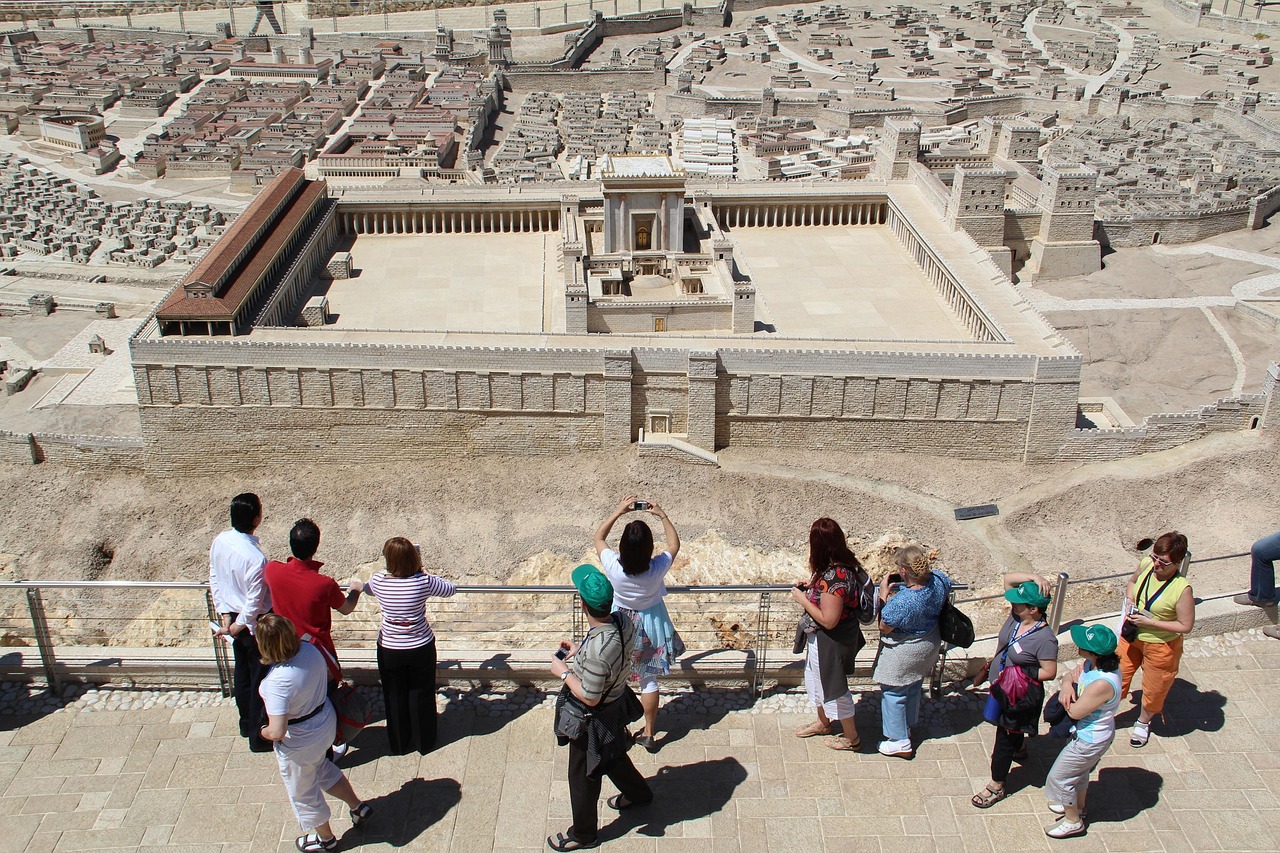
The Israel Museum is one of the world’s great encyclopedic museums and a must for any travel guide for Jerusalem. Its collections range from prehistoric artifacts to avant-garde contemporary art, but two sections are especially famous: the Dead Sea Scrolls in the Shrine of the Book, and the large outdoor Second Temple model of Jerusalem.
I’ve spent entire days here and still not seen everything. My usual routine: start with the archaeological wing in the morning, break for coffee in the sculpture garden (where kids can run around), and then dive into one of the rotating contemporary exhibitions. The museum shop is also one of the best in the country for design and books.
Family-friendly: Very. There’s a great Youth Wing with interactive exhibits, and the outdoor spaces are kid heaven.
8. Yad Vashem – World Holocaust Remembrance Center
Yad Vashem is powerful, haunting, and essential for understanding modern Jewish history and, by extension, Israel. The main museum takes you chronologically through the rise of Nazism, the Holocaust, and its aftermath, interspersed with personal stories, photos, and artifacts.
I rarely visit more than once every few years because it’s emotionally heavy, but each time I do, I leave with a slightly different focus—on a family photo, a diary, a pair of shoes. Allow yourself several hours and some quiet space afterward; I usually take a slow walk through the surrounding pine forest before heading back into the city.
Note: This may not be suitable for very young children. There is a separate children’s memorial, which is deeply moving but somber.
9. Mahane Yehuda Market
This is where Jerusalem eats, shops, and flirts. By day, Mahane Yehuda is a busy open-air and covered market selling everything from pomegranates to boutique cheeses. By night, shutters become canvases for street art and bars spill music and laughter into the alleys.
On a typical visit, I’ll grab a café hafuch (local-style latte) and rugelach from a bakery, wander through spice stalls that smell like cumin and cardamom, and then sit down for a leisurely lunch of kubbeh soup or sabich (eggplant and egg pita). After dark, I might return for craft beer and shared plates at one of the trendy spots that have popped up in the last decade.
Money-saving tip: Produce and nuts are often cheaper here than in supermarkets; if you’re self-catering, stock up. Many stalls lower prices in the late afternoon, especially before Shabbat.
10. Tower of David (Jerusalem Citadel Museum)
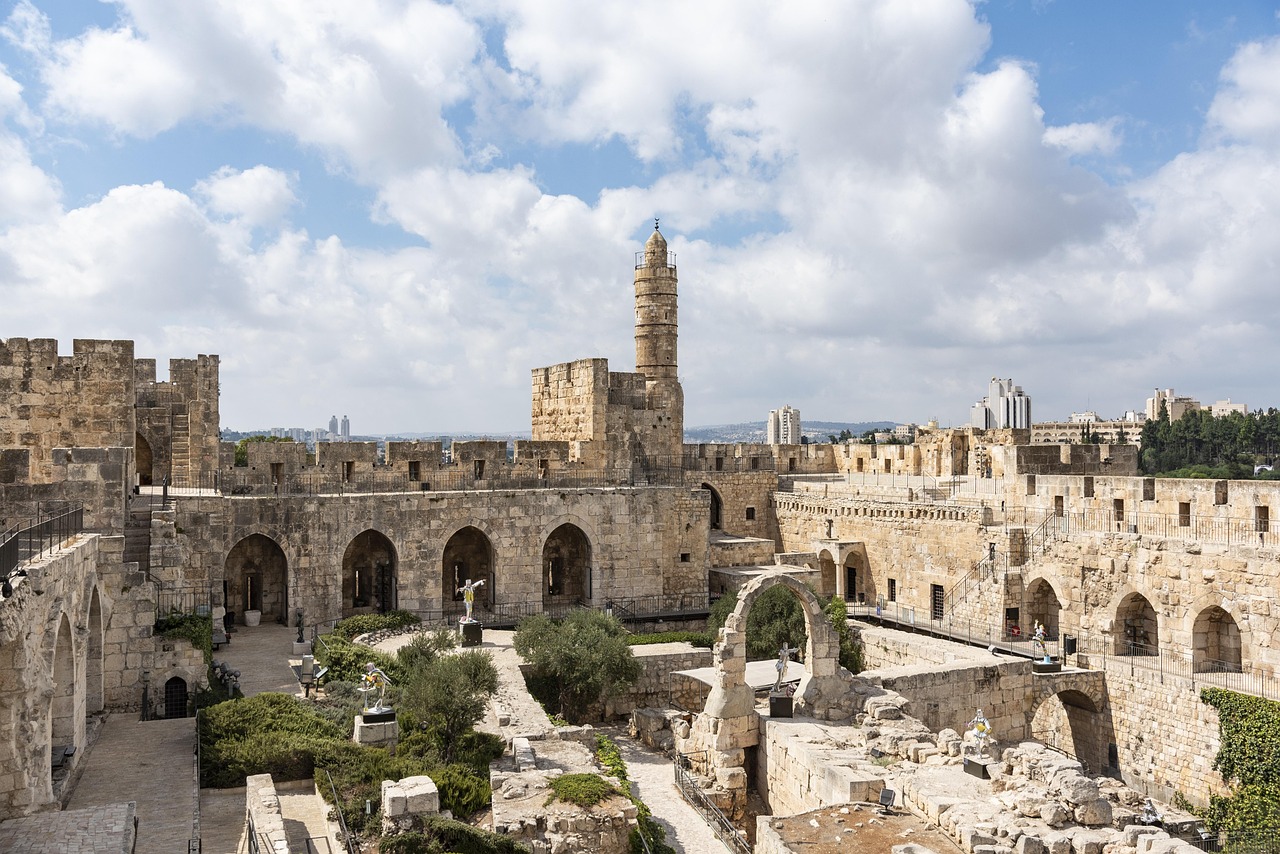
Just inside Jaffa Gate, the Tower of David is a fortress that has watched rulers come and go for nearly 2,000 years. Today, it’s an excellent museum about Jerusalem’s history—and one of the best viewpoints in the city.
I like to wander through the archaeological layers in the courtyard, then climb to the ramparts for panoramic views over the Old City rooftops and modern West Jerusalem. The evening sound-and-light show, which projects the story of the city onto the stone walls, is particularly magical for families and couples alike.
11. City of David & Hezekiah’s Tunnel
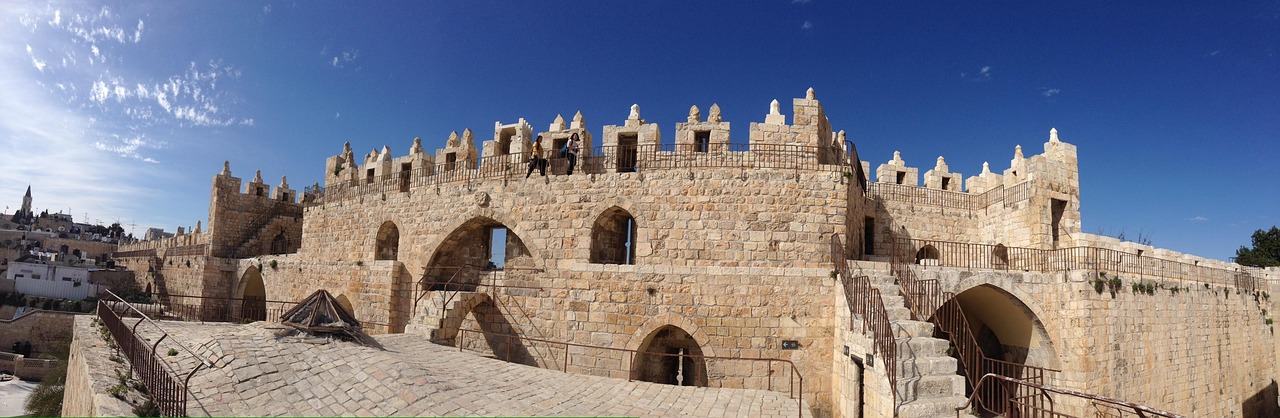
Just outside the Old City’s Dung Gate, the City of David is an active archaeological site that takes you beneath modern Jerusalem into ancient tunnels, water systems, and fortifications. If you’re into Biblical history or archaeology, this is a must.
The adventurous highlight is Hezekiah’s Tunnel, a narrow, water-filled tunnel carved in the 8th century BCE. The water usually reaches mid-calf or knee height; you walk by flashlight, feeling your way along the stone walls. The first time I did it, I couldn’t stop laughing at how surreal it was—ancient engineering meets modern headlamps and squealing kids.
Tip: Wear shorts and water shoes or sandals that can get wet. Bring a small flashlight or use your phone with a waterproof case.
12. German Colony & Emek Refaim Street
The German Colony is one of my favorite neighborhoods to stay in: leafy streets, 19th-century stone houses built by Templer settlers, and a relaxed café culture. Emek Refaim Street is the main drag, lined with restaurants, bakeries, boutiques, and small supermarkets.
My perfect German Colony morning: a run or stroll along the nearby Train Track Park, followed by breakfast at a café—shakshuka, fresh bread, and strong coffee—while watching dog walkers and families drift by. It feels like a small town inside the city.
Romantic? Very. Many of the restaurants have candlelit patios at night, ideal for lingering over wine and mezze.
13. Nachlaot
Behind Mahane Yehuda, Nachlaot is a patchwork of old Sephardic and Ashkenazi neighborhoods, with narrow alleys, hidden courtyards, and low stone houses. It’s where I go when I want to feel the city’s heartbeat without the tourist crowds.
There’s a quiet magic here: kids playing in courtyards, older residents chatting on tiny balconies, potted plants everywhere. It’s easy to get lost, but that’s the point. Occasionally, you’ll stumble on a small synagogue or a mural tucked into a corner.
Respect: This is a residential area, with observant communities. Dress modestly, especially on Shabbat, and keep noise and photography discreet.
14. Haas Promenade (Tayelet)
On a ridge in southern Jerusalem, the Haas Promenade offers one of the best free views of the city. Fewer tourists make it out here, so you’ll often share the path with joggers, dog walkers, and couples out for a stroll.
My favorite time is just before sunset. Bring a simple picnic—hummus, fresh bread, olives from Mahane Yehuda—and watch the Old City walls slowly glow gold. On certain holidays and events, you can see fireworks from here too.
15. Mamilla Mall & David’s Village
Mamilla is a modern open-air shopping street directly outside Jaffa Gate, built in restored stone buildings that blend old and new. Luxury brands sit alongside local design shops and cafés with Old City views.
I have a soft spot for Mamilla at night, when fairy lights are strung across the pedestrian street and musicians often play live. It’s touristy, yes, but also genuinely pleasant and a convenient place to regroup after a long Old City day.
16. Mount Herzl & National Cemetery
Mount Herzl is Israel’s national cemetery, where leaders like Theodor Herzl and Yitzhak Rabin are buried alongside fallen soldiers. It’s moving and gives important context to the country’s modern story.
The manicured paths, trees, and quiet corners contrast with the intensity of Yad Vashem, located nearby. On one visit, I followed a small ceremony for a recently fallen soldier from a distance—the flags, the silence, the mix of young and old attendees. It was a stark reminder that the city’s history isn’t just ancient.
17. Museum of Islamic Art
Often overlooked, the Museum of Islamic Art houses exquisite ceramics, textiles, manuscripts, and one of the world’s most important antique watch collections. It’s a quiet, contemplative space that broadens your understanding of the region’s cultural heritage beyond the usual narratives.
I stumbled in one hot afternoon just to escape the sun and ended up staying for hours, drawn into the delicate calligraphy and the stories behind each object.
18. Liberty Bell Park & Surroundings
Liberty Bell Park stretches between the German Colony and Talbiya, offering lawns, a skate park, playgrounds, and shady trees. There’s a replica of the Liberty Bell here, gifted by the United States.
On weekends, families picnic on the grass, kids race around on scooters, and occasionally there’s a small festival or open-air concert. It’s one of my favorite green spaces to decompress after museum-hopping.
19. Train Track Park (Railway Park)
Built along the route of the old Ottoman-era railway, the Train Track Park is a long, mostly flat path connecting southern neighborhoods. It’s perfect for walking, running, or cycling and gives you a slice of everyday local life.
I like to start near the German Colony and walk south around sunset. You’ll pass dog walkers, kids learning to ride bikes, and couples sharing ice cream on benches. It’s safe, lively, and a great way to stretch your legs without dealing with traffic.
20. East Jerusalem Neighborhoods (Wadi Joz, Sheikh Jarrah, Salah ad-Din Street)
To understand Jerusalem, it’s important to spend time in East Jerusalem, where much of the city’s Palestinian life is centered. Areas like Salah ad-Din Street, Sheikh Jarrah, and the streets just outside Damascus Gate offer a different rhythm: Arabic bookshops, sweet shops selling knafeh, and busy local cafés.
On my last trip, I spent an afternoon in a small café off Salah ad-Din, sipping mint tea and watching students chatter at the next table. The contrast with West Jerusalem is striking but not as alien as headlines sometimes suggest—people are still just going about their lives.
Tip: As always, be aware of current events and avoid demonstrations or tense areas. Dress modestly and ask before photographing people.
Jerusalem Neighborhoods & Areas to Explore
Beyond the headline attractions, Jerusalem is a city of distinct neighborhoods, each with its own character:
- City Center & Ben Yehuda: Busy pedestrian streets, shopping, and many hotels. Great base without being too far from anything.
- German Colony & Baka: Leafy, café-filled, popular with expats and families. Ideal for a slower pace.
- Nachlaot: Atmospheric, religious, and residential. Good for wandering, less so for nightlife.
- Rehavia & Talbiya: Elegant, quiet, with embassies, theaters, and old stone villas.
- East Jerusalem (e.g., Wadi al-Joz, Sheikh Jarrah): Predominantly Palestinian, with their own commercial centers and social life.
Local Food & Drink in Jerusalem
Jerusalem is one of the best places in the world to eat if you love bold flavors and fresh ingredients. Think of it as a huge, delicious argument between Middle Eastern, North African, Eastern European, and modern fusion cuisines.
Must-Try Dishes
- Hummus: Warm, silky, topped with chickpeas, olive oil, and maybe mushrooms or fava beans. Go early; the best places close when they run out.
- Falafel: Crispy chickpea balls stuffed into pita with salads and tahini.
- Shakshuka: Eggs poached in spicy tomato sauce, usually for breakfast but great anytime.
- Sabich: Pita stuffed with fried eggplant, egg, salad, and amba (tangy mango sauce).
- Knafeh: Sweet cheese pastry soaked in syrup, especially in East Jerusalem.
Where I Actually Eat
Some of my recurring stops (names intentionally general; ask locals for what’s currently best):
- A tiny hummus joint near the Old City’s Damascus Gate – plastic chairs, huge flavor, very low prices.
- A Yemenite soup place in Mahane Yehuda – perfect on a winter day.
- A bakery in the German Colony that does outrageous rugelach and challah before Shabbat.
Saving Money on Food
- Eat your main meal at lunch; many places have cheaper midday menus.
- Use markets and bakeries for breakfasts and snacks.
- Tap water is safe to drink; carry a refillable bottle instead of buying plastic.
Nightlife, Entertainment & Cultural Experiences
Jerusalem’s nightlife is more low-key than Tel Aviv’s, but it’s there if you know where to look.
Nightlife Hotspots
- Mahane Yehuda by night: Bars and eateries between the stalls, from craft beer to cocktail bars.
- City Center: Pubs and live music venues around Zion Square and nearby alleys.
- German Colony: Wine bars and mellow restaurants perfect for a quieter evening.
Cultural Experiences
- Tower of David Night Spectacular: Light and sound show in the citadel.
- Theater & concerts: Check listings at the Jerusalem Theater, Gerard Behar Center, and local bars.
- Religious services: Attending (respectfully) a Friday night service or Christian mass can be deeply evocative, even if you’re not observant.
Best Day Trips from Jerusalem
Once you’ve explored the main things to do in Jerusalem, consider these side trips:
- Dead Sea & Masada: Classic combo for history and floating in salty water. Tours leave daily from Jerusalem; self-drive is straightforward.
- Ein Gedi Nature Reserve: Combine with the Dead Sea for desert hikes and waterfalls.
- Bethlehem: Short trip through a checkpoint into the West Bank, usually visited with a local guide.
- Jericho & the Judean Desert: For an even older city and stark desert landscapes.
Cultural Etiquette & Local Customs in Jerusalem
Jerusalem is layered with religious and cultural sensitivities. Knowing a few basic norms will make your visit smoother and more respectful.
Dress & Behavior
- Modest dress: Cover shoulders and knees in religious areas (Old City holy sites, ultra-Orthodox neighborhoods, some East Jerusalem spots).
- Photography: Always ask before photographing people, especially in religious contexts.
- Gender separation: Some buses, sections of the Western Wall, and religious events may have separate areas; follow posted signs.
Shabbat (Sabbath)
From Friday afternoon to Saturday evening, much of Jewish Jerusalem slows down.
- Buses and light rail reduce or stop service in many areas.
- Many Jewish-owned shops and restaurants close; some in East Jerusalem and hotels remain open.
- Noise and driving through certain ultra-Orthodox neighborhoods can be frowned upon.
I like to spend Friday late afternoon at Mahane Yehuda as people stock up for Shabbat—it’s chaos in the best way. Then I walk toward the Western Wall to watch the city transition into a different pace.
Practical Travel Tips for Jerusalem (2026–2027)
Getting Around
- On foot: The Old City and central areas are very walkable but hilly.
- Light Rail: The red line runs from Mount Herzl through the city center to Pisgat Ze’ev, passing near Mahane Yehuda and Damascus Gate.
- Buses: Extensive network; use apps like Moovit for real-time info.
- Taxis & rideshares: Widely available; insist on the meter within city limits.
- Car rental: Not ideal for central Jerusalem due to traffic and parking; useful for day trips (Dead Sea, Galilee, etc.). Foreign drivers’ licenses are generally accepted (check that yours is valid in Israel and consider an International Driving Permit if from outside Europe/North America).
SIM Cards & Connectivity
- Local providers (e.g., Partner, Cellcom, HOT Mobile) sell prepaid SIMs at the airport and in major malls.
- Data is relatively affordable; I usually get a 30-day plan with generous data and local calls.
- Most cafés and hotels have free Wi-Fi.
Money & Costs
- Currency: Israeli Shekel (ILS).
- Cards widely accepted; small cash useful for markets and small vendors.
- Jerusalem can be pricey; use markets, bakeries, and lunch specials to save.
Visa & Entry Requirements
Requirements vary by nationality. Many visitors receive a free tourist visa on arrival. Always check the latest rules from official Israeli government sources before traveling.
You’ll receive a small paper entry card instead of a passport stamp in many cases—keep it with your passport during your stay.
Safety & Current Events
- Check recent news and government travel advisories.
- Avoid demonstrations and large political gatherings.
- Security checks at malls, stations, and major sites are normal.
Major Events & Festivals in Jerusalem (2026–2027)
Jerusalem’s calendar follows both the Gregorian and Jewish/Islamic/Christian calendars, so dates shift yearly. For 2026–2027, watch for:
- Jerusalem Light Festival (2026): Nighttime art and light installations around the Old City walls and streets.
- Jerusalem Film Festival (Summer 2026 & 2027): Screenings, talks, and red-carpet events at venues across the city.
- Jerusalem Marathon (Spring 2026 & 2027): Races that loop around major landmarks; book accommodation early if you’re coming then.
- Religious holidays: Passover, Easter, Ramadan/Eid, Sukkot—each transforms the city in different ways, from processions to special meals.
In 2026, several Old City restoration and accessibility projects are slated to finish, improving pathways and signage—especially helpful if you’re traveling with kids or older relatives.
Summary & Best Time to Visit Jerusalem
Jerusalem is not a “been there, done that” city. It’s a place you absorb slowly, in layers: sunrise over the Mount of Olives, bargaining for spices in Mahane Yehuda, the hush of Yad Vashem, the clink of glasses in a German Colony wine bar, a child’s laughter echoing in a stone courtyard in Nachlaot.
Best Seasons for Visiting Jerusalem
- Spring (March–May): My top recommendation. Mild weather, wildflowers in the hills, perfect for walking-heavy days and a 3 day itinerary for Jerusalem or longer.
- Autumn (September–November): Also excellent; warm but not scorching, long evenings, and many festivals.
- Summer (June–August): Hot, especially mid-day, but manageable with early starts and siestas. Nights are lively.
- Winter (December–February): Can be cold and rainy, occasionally snowy. Atmospheric, less crowded, and ideal for museum-hopping and cozy cafés.
Whether you have 3 days in Jerusalem, 4 days in Jerusalem, or a full 5 day itinerary for Jerusalem, focus on a balance: iconic sites, neighborhood wandering, local food, and at least one moment where you simply sit and watch the city move around you. That’s usually when Jerusalem reveals itself most honestly.
If you let it, the city will challenge you, comfort you, and stay with you long after you’ve left those golden stones behind.