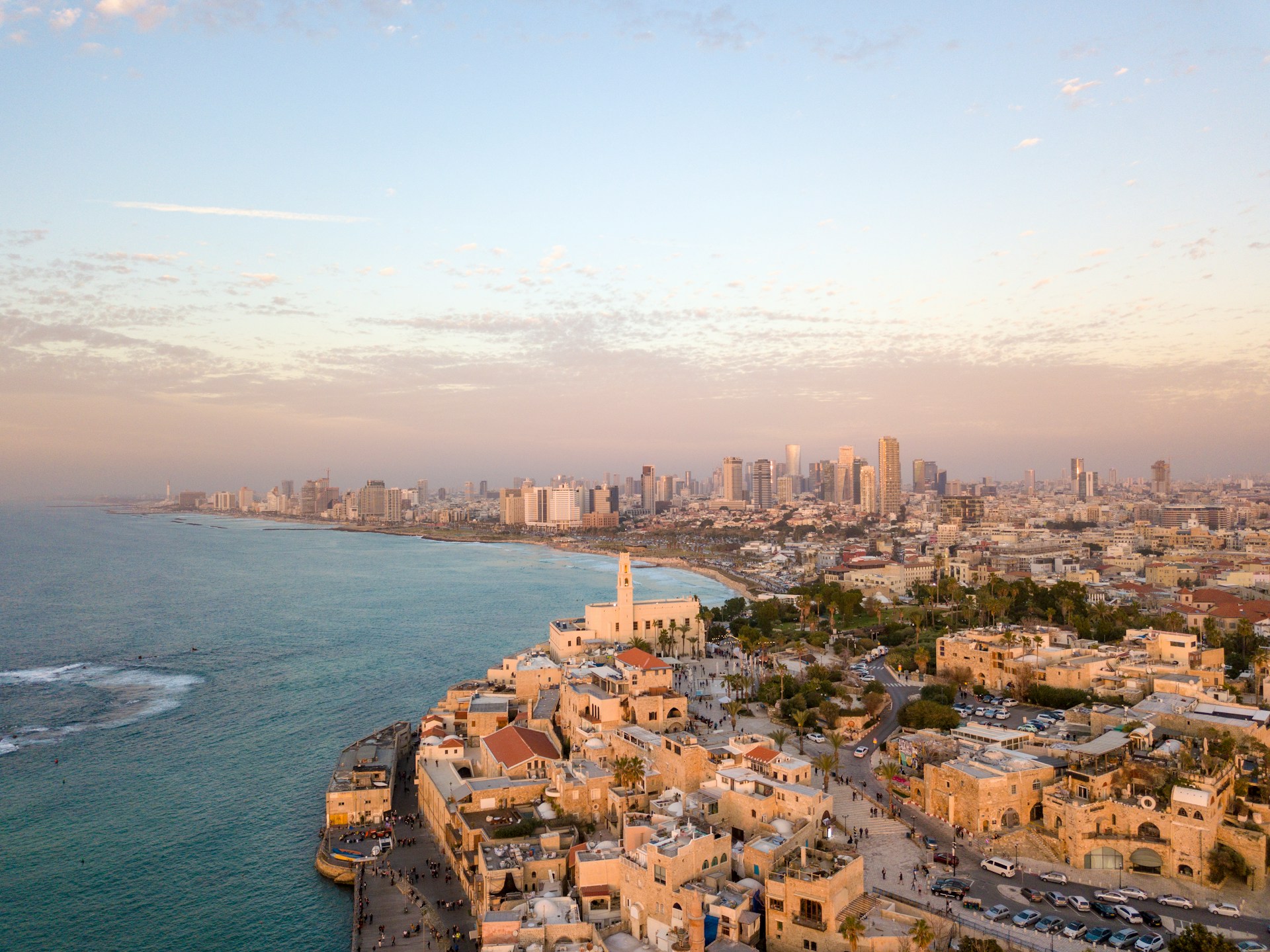
Why Visit Tel Aviv?
Tel Aviv is a city that doesn’t ask you to choose. It lets you have sunrise swims and late-night techno, ancient port towns and glassy skyscrapers, vegan shawarma and meticulously plated tasting menus. It’s a place where you can walk barefoot along the Mediterranean, then step into a Bauhaus lobby or a buzzing start-up office ten minutes later.
I’ve been coming to Tel Aviv for more than a decade, and every visit feels like meeting the same old friend who somehow learned a few new tricks. The city is compact, walkable, and intensely lived-in. Cafés spill onto sidewalks, conversations run late, and nobody seems in a rush to go home.
Whether you have 3 days in Tel Aviv, 4 days in Tel Aviv, or are planning a full 5 day itinerary for Tel Aviv, you can shape the city around what you love: food, art, nightlife, history, beach, or all of the above.
What makes Tel Aviv special in 2026?
- The energy: A laid-back beach town wrapped around a hyper-creative metropolis.
- The food: From hummus and falafel to modern Israeli cuisine, world-class coffee, and some of the best vegan food on the planet.
- The coast: 14 km of beach and a seaside promenade perfect for walking, running, or cycling.
- The neighborhoods: Each with its own personality – bohemian, upscale, gritty, or quietly residential.
- The culture: Museums, galleries, street art, live music, and festivals that run late into the night.
Table of Contents
- Why Visit Tel Aviv?
- 3–5 Day Tel Aviv Itineraries
- Top 20+ Must-See Attractions in Tel Aviv (With Personal Stories)
- Neighborhoods & Districts of Tel Aviv
- Local Food in Tel Aviv: What & Where to Eat
- Nightlife, Entertainment & Cultural Experiences
- Best Day Trips from Tel Aviv
- Cultural Etiquette & Local Customs
- Practical Travel Advice for Tel Aviv (2026–2027)
- Major Events & Festivals 2026–2027
- Summary & Best Time to Visit Tel Aviv
3–5 Day Itineraries for Tel Aviv (With Personal Stories)
Use these as ready-made plans or mix and match for your own 3 day itinerary for Tel Aviv, 4 day itinerary for Tel Aviv or 5 day itinerary for Tel Aviv. I’ve structured them like my own trips: beach time balanced with culture, food, and a bit of aimless wandering.
3 Days in Tel Aviv – Highlights & First Impressions
If you have just 3 days in Tel Aviv, focus on the essentials: Old Jaffa, the beachfront, the markets, and a taste of the city’s nightlife and food scene.
Day 1 – Jaffa, the Promenade & Sunset on the Beach
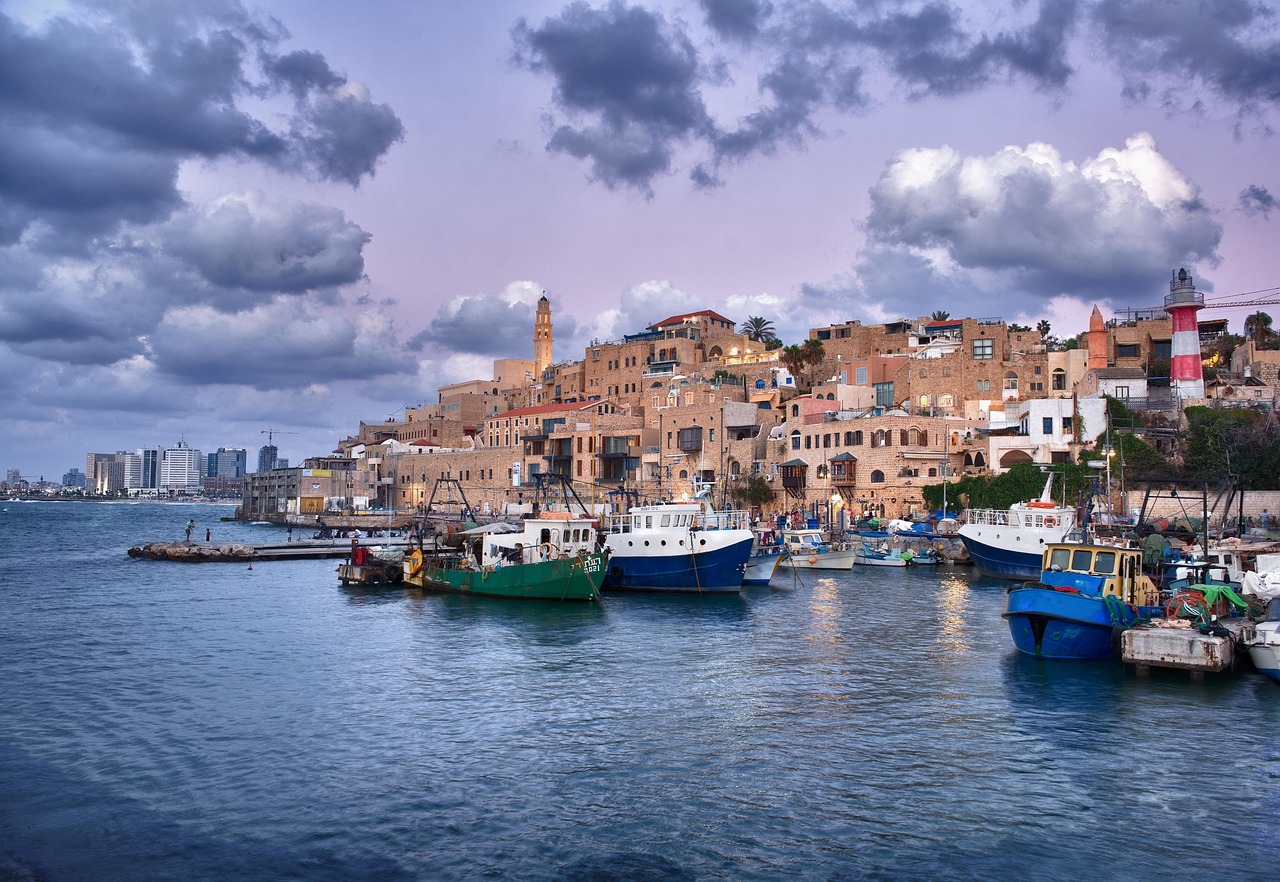
I almost always start my trips in Old Jaffa. It’s the ancient counterpoint to Tel Aviv’s modern skyline, and it helps ground the rest of your visit in history.
Morning: Old Jaffa & Flea Market
Arrive early, around 9:00, before the tour groups. I like to grab coffee at a small café on Yefet Street and watch the city wake up – vendors rolling up shutters, fishermen heading back from the port.
- Walk up to the Jaffa Clock Tower and continue through the stone alleys toward the Old Jaffa Port.
- Visit the Jaffa Flea Market (Shuk HaPishpeshim) for antiques, oddities, and vintage clothes. It really comes alive late morning.
- Pop into small galleries and design shops tucked between old stone houses.
Lunch tip: In Jaffa, I usually go for fresh seafood or Arab-Israeli home cooking. Ask for the daily fish catch and lots of salads. Portions are big – sharing is normal here.
Afternoon: Walk the Tayelet (Beach Promenade)
From Jaffa, walk north along the Tayelet (promenade). This is where Tel Aviv really feels like a seaside city.
- Stroll or rent a bike/scooter – there are lanes along most of the promenade.
- Stop at Charles Clore Park for city and sea views.
- Pick a beach (Banana Beach, Jerusalem Beach, or Bograshov) and swim, nap, or people-watch.
Sunset: Tel Aviv sunsets are spectacular. On one trip, I watched a drum circle spontaneously form near Dolphinarium Beach while surfers caught the last waves of the day. Stay until the sky goes orange-pink and the lights of the city flick on behind you.
Evening: First Taste of Nightlife
For your first night, keep it simple around the Rothschild Boulevard area – lots of bars, restaurants, and people out late. A typical evening for me:
- Start with hummus or mezze at a casual spot.
- Move to a cocktail bar or craft beer pub on Rothschild.
- Walk back if you’re staying in the center – Tel Aviv feels very alive at night, even on weekdays.
Day 2 – Markets, Bauhaus, and Culture
Day two is about understanding Tel Aviv’s daily rhythm: the markets, the cafés, and the architecture.
Morning: Carmel Market & Nearby Streets
I like to arrive at the Carmel Market (Shuk HaCarmel) around 10:00. It’s already lively, but you can still move. Grab a fresh juice, wander the produce aisles, and follow your nose.
- Try bourekas (savory pastries), fresh halva, and freshly squeezed pomegranate juice when in season.
- At the southern end, step into the more hipster area near Nachalat Binyamin and Kerem HaTeimanim (Yemenite Quarter).
- Kerem HaTeimanim is where I go for simple, soulful lunches – Yemenite soups, lahoh bread, and tiny family-run eateries.
Afternoon: White City & Dizengoff
After lunch, walk toward Rothschild Boulevard to explore the White City – Tel Aviv’s cluster of Bauhaus and International Style buildings (a UNESCO World Heritage Site).
- Join a Bauhaus walking tour or use an audio guide app.
- Admire the curved balconies, raised pilotis, and shaded gardens designed for the Mediterranean climate.
- Continue to Dizengoff Street for shopping, cafés, and design stores.
Evening: Tel Aviv Port (Namal Tel Aviv)
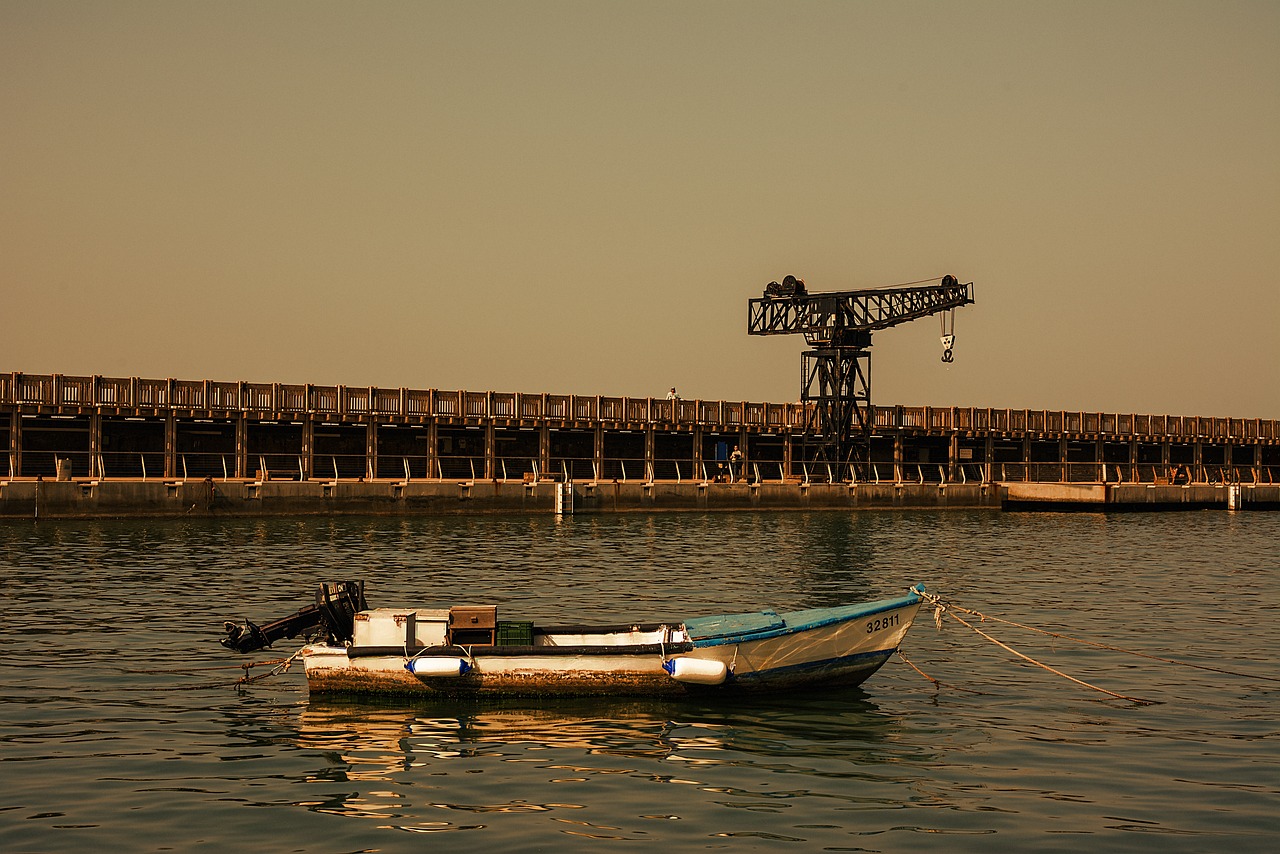
Head up to the Tel Aviv Port in the evening. This old port has been transformed into a waterfront district full of restaurants, bars, and a wavy boardwalk.
- Walk the wooden promenade and catch the breeze.
- Dinner at one of the many seafood or grill restaurants.
- Family-friendly: lots of space for kids to run, plus ice cream spots.
Day 3 – Art, Street Life & Optional Day Trip
Your third day can lean urban or historical. If it’s your first time in Israel and you’re not extending your trip, consider a day trip to Jerusalem. Otherwise, stay and deepen your Tel Aviv experience.
Option A: Stay in Tel Aviv – Florentin & Museums
- Start in Florentin for street art and café culture. I usually walk aimlessly here, photographing murals and popping into tiny coffee shops.
- Visit the Tel Aviv Museum of Art in the afternoon for architecture and world-class collections.
- End the day in Sarona or on the beach, depending on your mood.
Option B: Day Trip to Jerusalem
From Tel Aviv’s Savidor Center or HaHagana station, the high-speed train gets you to Jerusalem in around 35 minutes. It’s a long, full day, but many people combine 3 days in Tel Aviv with a whirlwind visit to the Old City, the Western Wall, and Mahane Yehuda Market. Return to Tel Aviv in the evening and treat yourself to a beachside drink – the contrast between the two cities is striking.
4 Days in Tel Aviv – Slow Down & Dive Deeper
With 4 days in Tel Aviv, you can keep the 3-day structure but add a full day of slower exploration, hidden gems, and more time in neighborhoods.
For a 4 day itinerary for Tel Aviv, I suggest:
- Day 1: Jaffa & the Promenade
- Day 2: Carmel Market, White City, Port
- Day 3: Florentin, Tel Aviv Museum of Art, Sarona
- Day 4: Neighborhoods – Neve Tzedek, north beaches, and a sunset picnic
Day 4 – Neve Tzedek, Hidden Corners & North Beaches
Morning: Neve Tzedek
Neve Tzedek is one of Tel Aviv’s oldest neighborhoods, and one I return to almost every trip. It’s a maze of low-rise houses, bougainvillea, boutique shops, and cafés.
- Wander Shabazi Street and side alleys, popping into galleries and design shops.
- Visit the Suzanne Dellal Center courtyard – home to dance and performing arts.
- Stop for brunch at a café with outdoor seating; Neve Tzedek is made for slow mornings.
Afternoon: North Tel Aviv Beaches & Parks
Head north along the promenade toward Hilton Beach and Independence Park. The atmosphere changes as you move away from the city center – more locals walking dogs, more joggers, and a slightly more chilled pace.
- Hilton Beach: Popular LGBTQ+ friendly area, good for swimming when the sea is calm.
- Independence Park: Great for a picnic with sweeping sea views.
- Continue further north if you like, toward the quieter Metzitzim Beach.
Evening: Local Bars & Live Music
For your last night, dive into live music or a more low-key bar scene. I like small venues in Florentin or around King George Street, where you can hear local bands or jazz sets rather than full-on club nights.
5 Days in Tel Aviv – Live Like a Local
With 5 days in Tel Aviv, you can really settle into the city. You’ll have time to revisit your favorite beach, discover hidden gems, and maybe even take two day trips.
A suggested 5 day itinerary for Tel Aviv:
- Day 1: Jaffa & Beaches
- Day 2: Markets & White City
- Day 3: Florentin & Museums
- Day 4: Neve Tzedek & North Beaches
- Day 5: Choose: Day Trip (Caesarea/Haifa) or Deep Neighborhood Wander
Day 5 – Your Choice: Day Trip or Deep Dive
Option A: Day Trip to Caesarea & Zichron Ya’akov
From Tel Aviv, you can reach Caesarea in about 45–60 minutes by car or coach. It’s an ancient port city built by Herod with impressive Roman ruins right on the sea. Combine it with a stop in Zichron Ya’akov, a charming hill town with wineries and pedestrian streets. It’s a beautiful contrast to Tel Aviv’s modern buzz.
Option B: Deep Dive into Tel Aviv Neighborhoods
- Spend the morning in Levinsky Market (spice & delicacies market in south Tel Aviv).
- Head to Yarkon Park for a bike ride or paddle boat.
- End in a residential neighborhood like Bazel area or Old North, lingering in cafés and wine bars.
On one 5-day stay, my last day was simply coffee, bookstores, and reading on the beach. It ended up being my favorite day of the trip – Tel Aviv rewards unstructured time.
Top 20+ Must-See Attractions in Tel Aviv (With Local Insight)
These are the best places to visit in Tel Aviv, the must-see attractions I return to regularly. I’ll weave in history, significance, and what it actually feels like to be there.
1. Old Jaffa (Yafo)
Why go: For thousands of years, Jaffa was the gateway to this coast – everyone from ancient Egyptians to the Ottomans passed through. Today it’s a romantic, slightly crumbling hilltown looking down at modern Tel Aviv.
History in brief: One of the world’s oldest ports, mentioned in Egyptian letters and biblical stories. It was once a separate Arab city; after 1948 it was merged with Tel Aviv. The labyrinth of stone alleys and churches reflects centuries of layered history.
My experience: My favorite Jaffa moment was an early winter morning in 2023. I climbed up to the Jaffa Hill garden and watched the sun rise over Tel Aviv’s skyline while fishermen were already out at sea. The call to prayer floated up from a nearby mosque, mingling with church bells – a soundscape that stayed with me.
What to do:
- Walk the Old Jaffa Port boardwalk and peek into artist studios.
- Visit St. Peter’s Church and the surrounding square.
- Explore the alleys of the Artists’ Quarter – street names like “Zodiac Alley” add to the charm.
- Check out Ilana Goor Museum for eclectic art in a historic house.
Food tip: Jaffa is fantastic for Arab-Israeli food: grilled meats, fresh fish, and piles of salads. Go slightly off the main tourist drag for better prices.
How to get there: From central Tel Aviv, walk or bike along the promenade (30–40 minutes) or take a bus/ride-share directly to the Jaffa Clock Tower.
Best for: Couples (very romantic at night), photographers, history lovers.
2. Jaffa Flea Market (Shuk HaPishpeshim)
Why go: Chaotic, colorful, and full of stories. You can find everything from Ottoman-era doors to 90s toys and modern design shops.
My experience: I once spent half a day haggling over a vintage copper coffee pot, then realized I had nowhere in my apartment to put it. I bought it anyway; every time I use it at home, I remember the vendor’s theatrical outrage when I underbid him.
Tips: Go on weekdays late morning or afternoon. Fridays are vibrant but crowded. Haggle politely; it’s part of the ritual, but don’t push too far for handmade items.
3. Tel Aviv Beaches & The Tayelet (Promenade)
Why go: The beaches are Tel Aviv’s living room. Locals treat the sea like a daily necessity, not a special trip.
Beaches to know:
- Jerusalem/Banana Beach: Laid-back, great for sunsets.
- Bograshov Beach: Central, social, lots of rentals.
- Gordon Beach: Popular with tourists and locals; beach volleyball and outdoor gym.
- Hilton Beach: LGBTQ+ hotspot, good surf, slightly more rugged vibe.
- Metzitzim Beach: Family-friendly, calmer water.
My routine: I usually swim early (before 9:00) to avoid the strongest sun, then return for sunset with a beer or watermelon and feta from a nearby shop. Many locals do the same – you’ll see people carrying small picnic coolers after work.
Safety tip: Swim near lifeguard stations and respect the flags. The Mediterranean can have strong currents, especially in winter.
4. Carmel Market (Shuk HaCarmel)
Why go: It’s the sensory heart of central Tel Aviv: shouting vendors, pyramids of fruit, sizzling food stands, and the smell of spices and grilled meat.
History: The market started in the 1920s and has evolved with the city. You’ll still find old-school produce sellers alongside hip food stalls selling craft beer and vegan burgers.
My experience: I’ve made an informal ritual of buying a small bag of mixed nuts and dried fruit from the same stall every visit. The vendor doesn’t remember me, but I remember him, and that’s enough.
What to eat: Sabich (fried eggplant sandwich), falafel, fresh juices, Malabi (rosewater milk pudding), and whatever pastry is coming out of the oven hot.
Money-saving tip: Produce is often cheaper here than in supermarkets, especially if you buy what’s in season and not early in the morning.
5. Neve Tzedek
Why go: A picturesque neighborhood where you can slow down and appreciate Tel Aviv’s more gentle side.
History: Built in the late 19th century, Neve Tzedek was one of the first Jewish neighborhoods outside Jaffa’s walls, and a precursor to Tel Aviv itself. After a period of decline, it was renovated and gentrified, becoming a hub for artists and boutiques.
My experience: I’ve spent rainy afternoons here hiding in bookshops and sunny mornings tracing the same streets, noticing new details each time – an old tiled floor, an ornate door handle, a cat asleep in a windowsill.
Tip: Combine with a visit to the nearby beach or the old railway station complex (HaTachana) for a full half-day.
6. The White City (Bauhaus & International Style Buildings)
Why go: Over 4,000 Bauhaus and International Style buildings, many from the 1930s, give Tel Aviv its distinct modernist look.
History: Jewish architects trained in Europe (especially Germany) brought the Bauhaus aesthetic to the new city, adapting it for the climate: narrow windows, white facades, flat roofs, and deep balconies.
My experience: On my last visit, I joined a guided tour that finally connected the dots between buildings I’d admired for years. Walking down Rothschild afterward, I saw the street differently – not just as a pretty boulevard but as a living architectural museum.
Tip: Look up. Many of the best details are above eye level – curves, corner windows, and floating staircases.
7. Rothschild Boulevard
Why go: The spine of central Tel Aviv – shady trees, bike lanes, outdoor cafés, and important historic buildings.
History note: This is where the State of Israel was declared in 1948, at Independence Hall (currently under renovation and evolving into a broader heritage center).
My experience: I love walking Rothschild in late afternoon when the heat has softened. Couples sit on benches with iced coffee, kids zip past on scooters, and start-up workers spill out for after-work drinks.
8. Tel Aviv Port (Namal Tel Aviv)
Why go: A redeveloped port with a wavy wooden boardwalk, restaurants, shops, and sea views.
My experience: One summer evening, I watched a storm roll in from here – the wind picked up, waves crashed against the breakwater, and locals stood with ice creams, watching the drama unfold like a movie.
Family tip: Great for strollers, kids’ bikes, and casual dining. There is usually some kind of pop-up or weekend event.
9. Tel Aviv Museum of Art
Why go: Tel Aviv’s flagship art museum with both international and Israeli art and striking modern architecture.
My experience: I ducked into the museum once mainly to escape a midday heatwave and ended up staying four hours. The building itself – especially the newer Herta and Paul Amir Building – is worth the visit alone.
Tip: Ideal for hot afternoons or rare rainy days. Check for temporary exhibitions – contemporary and photography shows are often excellent.
10. Sarona Market & Templer Colony
Why go: A mix of historic Templer buildings, modern offices, and a fancy indoor food hall.
History: The area was originally a German Templer colony from the 19th century. The old houses have been renovated and now house boutiques and cafés.
My experience: I have a soft spot for Sarona because it shows Tel Aviv’s talent for reinvention – 19th-century houses now sit in the shadow of glass towers, and people picnic on lawns that used to be farmland.
11. Florentin
Why go: Gritty, artistic, and rapidly changing – Tel Aviv’s answer to a Brooklyn or Shoreditch-style neighborhood.
My experience: I spent a week in an Airbnb here once and fell into a rhythm of tiny espressos, cheap lunches, and late-night bars where furniture didn’t match and nobody cared. The street art changes constantly; I recognize walls, not murals.
Tip: Come by day for murals and coffee, then return at night for bars and live music.
12. Levinsky Market
Why go: Less touristy than Carmel, focused on spices, dried fruits, nuts, and specialty ingredients, plus trendy eateries.
My experience: A friend once dragged me here “just to buy spices.” We left three hours later, full of Georgian dumplings, Greek pastries, and Turkish coffee, having bought more za’atar than anyone reasonably needs.
Money tip: Great place to buy edible souvenirs: spice blends, herbal teas, and olive oil.
13. Yarkon Park (Ganei Yehoshua)
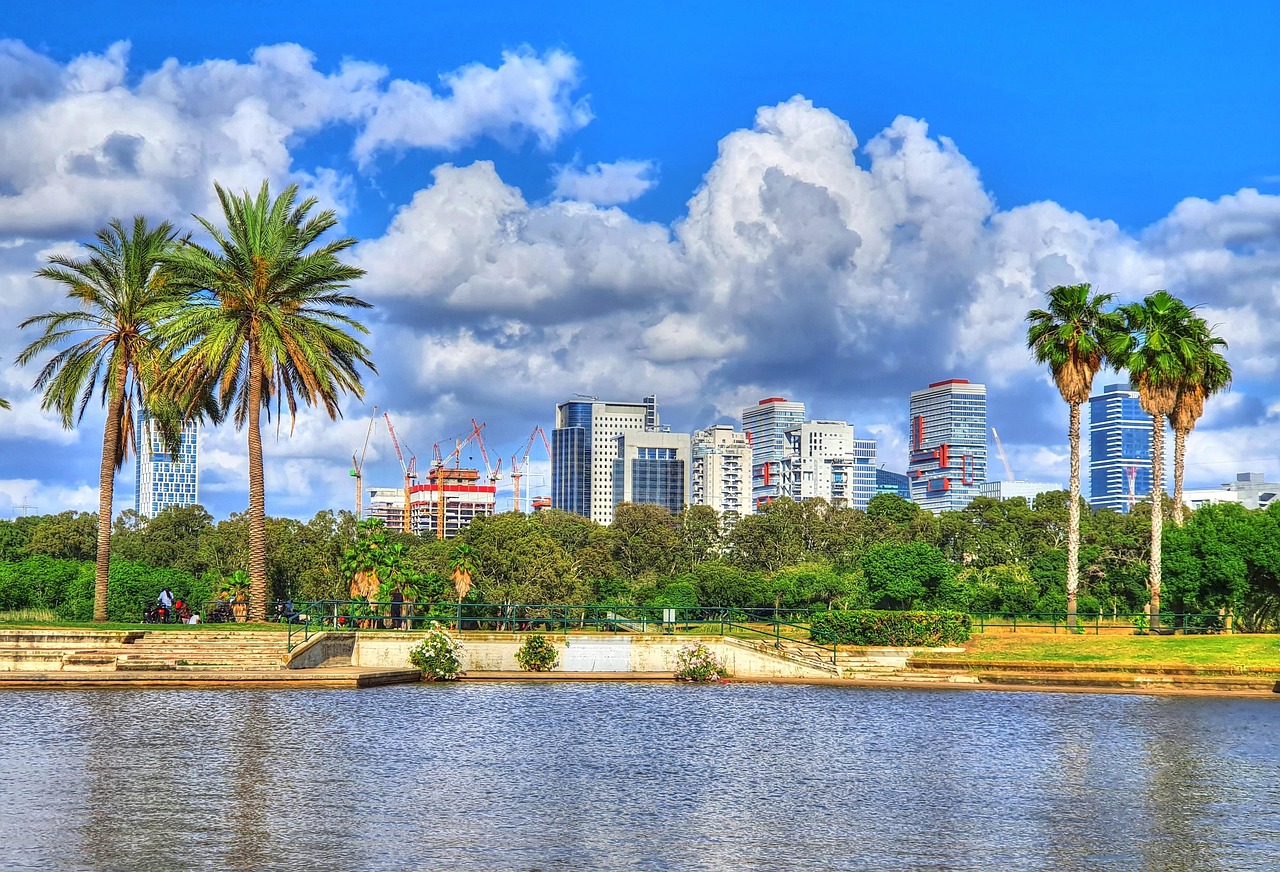
Why go: Tel Aviv’s biggest green lung. Joggers, families, cyclists, and picnickers all share the space along the Yarkon River.
Activities: Rent bikes, pedal boats, or just walk. There’s a small botanical garden, rock garden, and sports facilities.
Family friendly: Very. Playgrounds, open lawns, and safe paths away from traffic.
14. HaTachana – The Old Railway Station
Why go: A renovated 19th-century railway station turned into a complex of shops, galleries, and cafés between Neve Tzedek and the sea.
My experience: I like coming here in the late afternoon when the light is soft on the old train carriages. The area feels a bit curated, but it’s a pleasant place to wander and people-watch.
15. Tel Aviv Independence Trail
Why go: A self-guided walking route marked by bronze medallions in the pavement, connecting key historic sites related to the founding of Tel Aviv and the State of Israel.
Tip: Download the official app or pick up a brochure; it’s a compact way to mix sightseeing with history on foot.
16. Gordon Pool & Marina
Why go: An iconic outdoor seawater pool next to the beach and the marina. Great if you want a controlled swim with lanes rather than waves.
My experience: On my last winter visit, the sea was too rough for a comfortable swim, so I did laps in Gordon Pool instead, watching surfers battle the waves just beyond the breakwater.
17. Suzanne Dellal Center for Dance & Theater
Why go: A beautiful cultural complex in Neve Tzedek and home to leading dance companies, including the Batsheva Dance Company.
Tip: Even if you don’t catch a performance, the courtyard and surrounding streets are worth a wander.
18. Bauhaus Center & Architecture Tours
Why go: If you’re into architecture, the Bauhaus Center offers exhibitions, books, and guided tours around the White City.
My experience: I joined their Friday morning tour once and ended up with a completely new appreciation for building details I’d walked past for years.
19. Street Art in Florentin & South Tel Aviv
Why go: Tel Aviv has a dynamic street art scene. Florentin is the epicenter, but murals spill into neighboring areas.
Tip: Take a street art tour if you can – you’ll learn about the artists, the politics, and the humor behind the images.
20. Tel Aviv’s Skyline & Contemporary Architecture

Why go: Beyond Bauhaus, Tel Aviv’s skyline is changing fast with new towers, bridges, and public spaces.
Highlights: The Azrieli Center towers, the new HaShalom and Savidor station developments, and bridges over the Ayalon Highway all show Tel Aviv’s vertical ambitions.
My experience: I like standing on Jaffa Hill at dusk, watching the skyscrapers of central Tel Aviv light up while the sea stays dark. It captures the city’s dual nature: Mediterranean and metropolitan.
More Notable Spots
- Nachalat Binyamin Arts & Crafts Fair: Open-air market on select days with local artisans.
- Bazel neighborhood: Leafy streets, boutiques, and relaxed cafés.
- Hilton Cliff & Independence Park: Great viewpoints and picnic spots.
- Beit Ha’ir & Bialik Square: Historic city hall and cultural institutions.
Neighborhoods & Districts to Explore in Tel Aviv
Tel Aviv is compact, but each area feels distinct. Here’s how I think about the city when I’m planning days:
City Center & Rothschild
Good for: First-time visitors, nightlife, being in the middle of everything.
Kerem HaTeimanim & Carmel Market Area
Good for: Food, budget stays, authentic older streets.
Neve Tzedek
Good for: Boutique hotels, romantic stays, photography.
Florentin & South Tel Aviv
Good for: Street art, nightlife, younger travelers.
Old North & Basel
Good for: Quieter residential vibe, families, still walkable to beaches.
Jaffa
Good for: History, views, a slight step back from the Tel Aviv hustle.
Local Food in Tel Aviv: What & Where to Eat
Tel Aviv is a paradise for food lovers: Middle Eastern classics, Jewish diasporic dishes, Mediterranean seafood, and an explosion of vegan and modern Israeli restaurants.
Must-Try Dishes
- Hummus: Creamy, warm, topped with chickpeas, tahini, or mushrooms.
- Falafel: Crispy chickpea balls in pita with salads.
- Sabich: Iraqi-Jewish sandwich with fried eggplant, egg, and amba sauce.
- Shakshuka: Eggs poached in tomato-pepper sauce, a brunch staple.
- Bourekas: Flaky pastries stuffed with cheese, potato, or spinach.
- Fresh fish: Grilled or fried, often served whole with salads.
Where I Like to Eat
I rotate between simple neighborhood joints and more polished spots. Around Carmel Market and Kerem HaTeimanim you’ll find great Yemenite and Moroccan places. In Jaffa, look for Arab-run family restaurants. In the center and north, modern Israeli bistros and wine bars are everywhere.
Saving Money on Food
- Eat your main meal at lunch – many places have cheaper lunch deals.
- Markets and bakeries are your friend: fresh bread, cheeses, olives, and fruit make fantastic picnic meals.
- Tap water is safe to drink – refill bottles instead of buying.
Nightlife, Entertainment & Cultural Experiences
Tel Aviv doesn’t sleep easily. Whether you want rooftop cocktails, underground techno, live jazz, or a low-key wine bar, you’ll find it.
Types of Nights Out
- Bar-hopping on Rothschild & Allenby: Classic night for first-timers.
- Florentin: More alternative, cheaper drinks, lots of 20-somethings.
- Port & Beachfront: Relaxed drinks with sea views, more families and tourists.
- Live Music: Jazz, rock, and indie in small venues across the city.
Cultural Experiences
- Dance performances at Suzanne Dellal Center.
- Classical concerts and opera at the Performing Arts Center.
- Gallery openings, film festivals, and pop-up events year-round.
Best Day Trips from Tel Aviv
If you’re using Tel Aviv as a base for 4 or 5 days, consider these easy day trips:
Jerusalem
High-speed trains make this very doable. Visit the Old City, Mahane Yehuda Market, and modern neighborhoods.
Caesarea
Roman ruins by the sea, plus a beautiful beach. Reachable by car or bus/train plus taxi.
Haifa & Akko (Acre)
Longer days out but rewarding: Baháʼí Gardens in Haifa and Crusader-era Old City in Akko.
Cultural Etiquette & Local Customs in Tel Aviv
Tel Aviv is informal and relaxed, but a few customs are useful to know.
Dress & Behavior
- Beachwear is normal on the beach and promenade; in the city center, casual clothes are fine.
- For religious sites (especially on day trips), cover shoulders and knees.
- Public displays of affection are common and generally accepted in Tel Aviv.
Shabbat (Friday Evening to Saturday)
Many businesses, especially public services, reduce hours from Friday afternoon to Saturday evening, but Tel Aviv stays more open than most cities in Israel. Restaurants, bars, and many shops remain open, and the beaches are busy.
Tipping
- Restaurants: 10–15% is standard (often in cash).
- Cafés: Round up or leave small change.
- Taxis: Optional but appreciated (round up fares).
Social Norms
- People are direct; don’t take bluntness personally.
- Queueing can be… flexible. Hold your ground gently and with humor.
- Security checks at malls and stations are normal. Cooperate and it goes fast.
Practical Travel Advice for Tel Aviv (2026–2027)
Getting Around
- On foot: City is walkable, especially between center, beaches, and Jaffa.
- Bikes & scooters: Shared services are everywhere; use designated lanes where possible.
- Buses & Light Rail: The Tel Aviv light rail Red Line is operating and expanding. Buses cover most routes.
- Ride-shares & taxis: Easy to hail via apps; agree on meter or app price.
Saving Money
- Stay slightly away from the beachfront for cheaper accommodation.
- Use weekly public transit passes if you’re staying 4–5 days and moving around a lot.
- Eat at markets and simple eateries instead of high-end restaurants every night.
SIM Cards & Connectivity
In 2026, you can choose between:
- eSIMs: Many international eSIM providers cover Israel; activate before arrival.
- Local SIMs: Available at the airport and city kiosks; bring passport for registration.
- Wi-Fi is common in cafés, hotels, and many public spaces.
Car Rental & Driving
- You don’t need a car inside Tel Aviv; traffic and parking are headaches.
- Rent a car only for day trips or if you’ll explore the rest of the country.
- Most foreign driver’s licenses are accepted for tourists (up to a limited stay); check your specific country’s rules before traveling.
Visas & Entry
Visa requirements vary widely by nationality. Many travelers receive a free entry permit on arrival for short stays. Always check official government sources or your local Israeli consulate before your trip, as regulations can change by 2026–2027.
Safety
- Petty theft exists but violent crime is relatively low; usual city precautions apply.
- Follow any local advisories regarding regional security situations.
- Use sunscreen, hats, and lots of water – the sun is strong much of the year.
Best Seasons & Weather
- Spring (March–May): Ideal for sightseeing and beach walks, not too hot.
- Early Summer (June): Hot but manageable; sea is warm.
- High Summer (July–August): Very hot and humid; better if your priority is beach and nightlife.
- Autumn (September–November): Excellent balance of warmth and fewer crowds.
- Winter (December–February): Mild with some rain; good for culture, food, and urban exploring.
Major Events & Festivals in Tel Aviv (2026–2027)
Exact dates shift each year, but here are recurring events you can expect around 2026–2027:
- Tel Aviv Pride (June): One of the largest Pride events in the region, with a big parade and week-long parties.
- White Night (Laila Lavan): A night of citywide cultural events, concerts, and late openings.
- Docaviv: International documentary film festival.
- TLVFest: LGBTQ+ film festival.
- Various food and wine festivals: Often held in spring and autumn – check city listings closer to your trip.
Summary: Planning Your Tel Aviv Trip in 2026
Tel Aviv is best approached not as a checklist of sights, but as a lifestyle to slip into for a few days. Wake up late, linger over coffee, swim, wander markets, nap, then let the evening stretch as long as it wants.
For first-time visitors:
- 3 days in Tel Aviv: Focus on Jaffa, the beaches, Carmel Market, and one museum.
- 4 days in Tel Aviv: Add Neve Tzedek, Florentin, and a deeper dive into food and nightlife.
- 5 days in Tel Aviv: Live like a local, revisit favorite spots, and take at least one day trip.
Best time to visit: Late March–May and October–early November, when the weather is warm but not oppressive, and you can enjoy both the beach and the city comfortably.
However you structure your itinerary, leave some space in your schedule. Tel Aviv’s real magic is often in the unscripted moments: an unexpected conversation at a bar, a sunset that pulls you off your planned route, or the perfect plate of hummus you stumble upon when you’re simply hungry and curious in the right place at the right time.