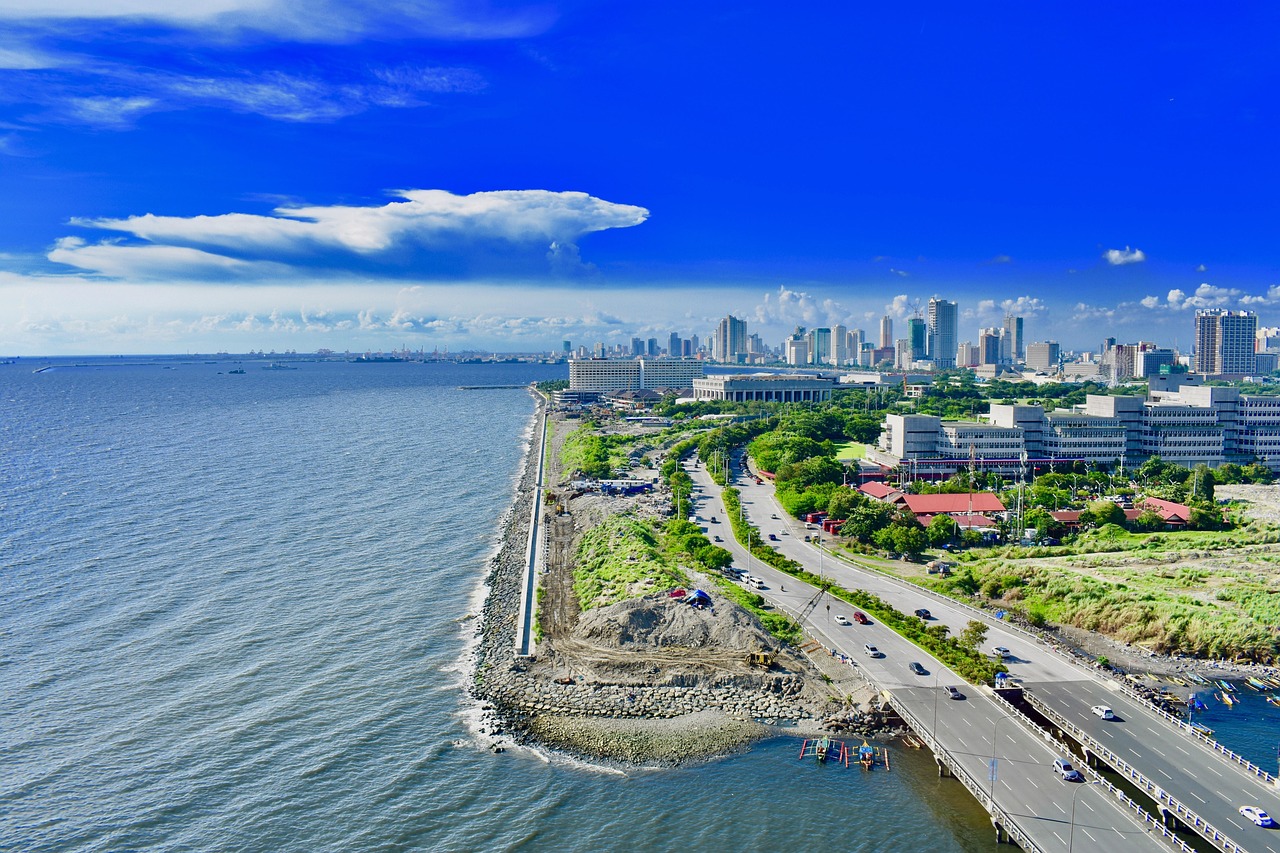
Why Visit Manila in 2026?
Manila isn’t a city that tries to be “easy.” It’s loud, layered, chaotic, and endlessly human. But if you give it time—at least 3 to 5 days—it rewards you with some of Southeast Asia’s most powerful history, vibrant food culture, and genuinely warm people. Locals will call you “ate” (big sister) or “kuya” (big brother) within minutes. Strangers will help you figure out Jeepney routes. And every corner seems to have a story, a karaoke machine, or a street-food grill.
I’ve been coming back to Manila several times a year for over a decade. I’ve seen it under monsoon rains, in the fierce April heat, at Christmas when the malls explode with lights, and during Fiesta season when every barangay (neighborhood) feels like a block party. This guide is everything I wish I’d had on my first visit—woven with the kind of practical detail and local nuance you really need to enjoy the city.
In 2026–2027, Manila is especially worth visiting. Infrastructure is improving, new museums and food halls are opening, and the city’s creative scene—indie cafés, galleries, live music bars—is thriving. It’s also a perfect base for day trips to Taal Volcano, Tagaytay, Corregidor Island, and nearby beach towns.
If you’re wondering whether to spend 3 days in Manila, 4 days in Manila, or 5 days in Manila, this travel guide will help you choose the best itinerary and show you exactly what to do each day.
Table of Contents
- Why Visit Manila
- Manila’s Neighborhoods & Where to Stay
- Top 20+ Must-See Attractions in Manila
- 3–5 Day Itineraries (With Personal Daily Stories)
- Best Local Food in Manila & Where to Try It
- Nightlife, Entertainment & Cultural Experiences
- Best Day Trips from Manila
- Cultural Etiquette & Local Customs
- Practical Travel Advice for Manila (2026–2027)
- Summary & Best Time to Visit Manila
Manila’s Neighborhoods & Where to Stay
Metro Manila is actually a cluster of cities and districts. For a first-timer planning 3–5 days in Manila, these are the areas I recommend:
- Intramuros – Historic walled city, Spanish-era vibes, cobblestones, churches. Best for history lovers and photographers.
- Ermita & Malate – Old Manila meets backpacker district. Near Manila Bay, museums, and nightlife. Great if you want character over polish.
- Makati – Modern business district; walkable parts (Poblacion, Legazpi Village). Best for first-timers who want comfort, food, and nightlife.
- BGC (Bonifacio Global City) – Sleek, safe, very walkable, artsy murals. Feels more “global city” than “chaotic Manila.” Families love it.
- Binondo & Quiapo – Old Chinatown and devotional heart of the city. Intense, colorful, full of hidden gems and street food.
- Pasay – Near airport and Mall of Asia. Good if you’re transiting or want quick access to the bay and big events.
Personally, I like to split my stay: first nights in Intramuros or Malate to soak in old Manila, then move to Makati or BGC for comfort and food-hopping.
Top 20+ Must-See Attractions in Manila (With Local Stories & Tips)
Below are the core places I return to again and again. You won’t see them all in a 3 day itinerary for Manila, but in 4–5 days in Manila you can cover most highlights.
1. Intramuros: The Walled City
Intramuros is where Manila began. Enclosed by thick stone walls, it’s a compact maze of cobblestone streets, churches, plazas, and colonial-era buildings that somehow survived war, earthquakes, and modernization.
I still remember my first evening walk on the walls in 2012—warm air, the clop of a kalesa (horse-drawn carriage), and the distant honk of jeepneys below. Since then I’ve watched Intramuros slowly transform: heritage houses restored, cafés opening in old buildings, students spilling out of universities inside the walls.
What to Do in Intramuros
- Walk the ramparts at sunset – Start near Puerta Real and wander the walls for views of old and new Manila.
- Explore on foot or by bamboo bike – I love the bicycle tours that wind through backstreets, plazas, and hidden courtyards.
- Visit San Agustin Church & Museum – Baroque beauty and a cool, quiet refuge from the heat.
- Grab coffee in a heritage house – Cafés inside old stone buildings give you a feel for the city’s layered past.
Practical Tips
- Best time: Late afternoon to early evening (4–7 pm) for softer light and cooler temperatures.
- Getting there: Grab (ride-hailing), taxi, or LRT to Central Terminal then a short walk.
- Dress code: Light, breathable clothes; carry a small umbrella for both sun and sudden rain.
2. Rizal Park (Luneta)
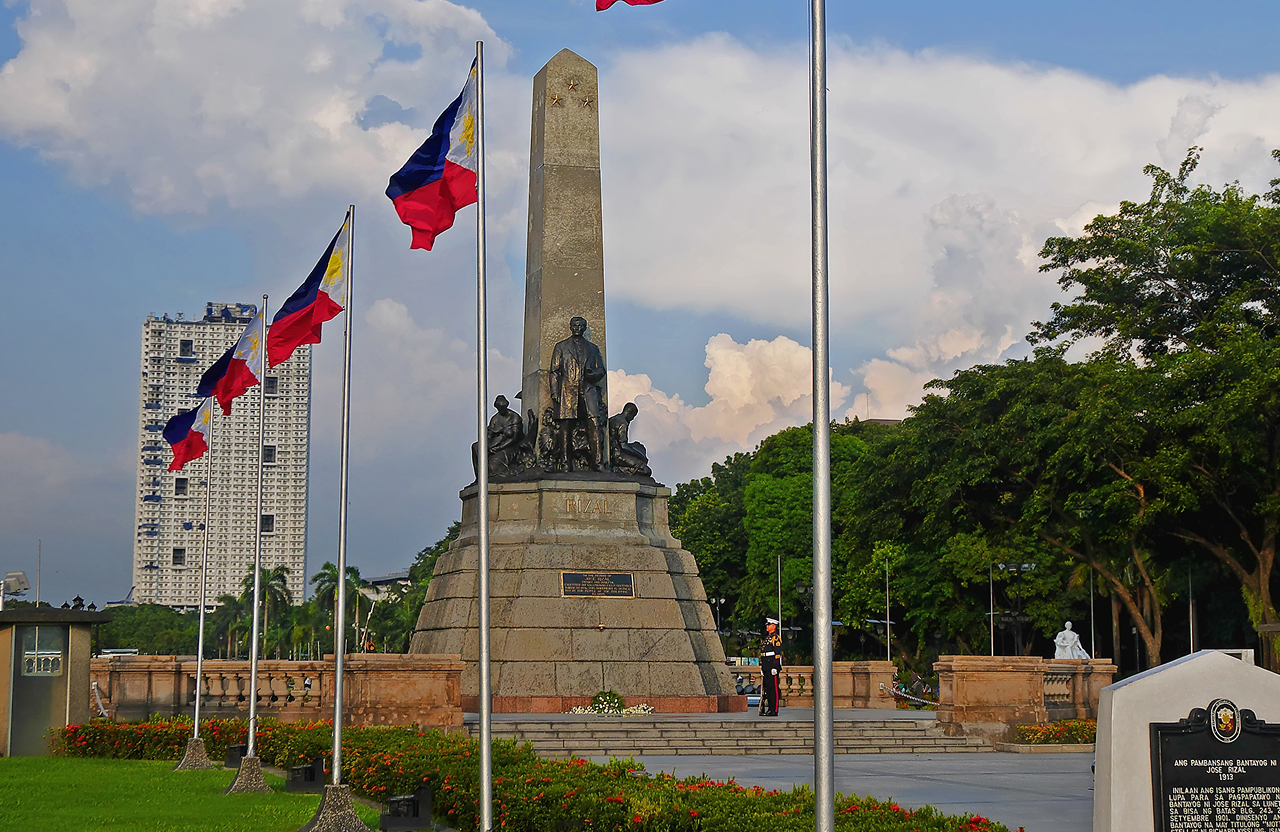
Rizal Park is Manila’s national front yard—a huge green space dedicated to Dr. José Rizal, the national hero. It’s where history, politics, and family picnics all collide.
I like coming here early on Sunday mornings. You’ll see joggers, tai chi groups, families with Jollibee breakfasts, and occasionally a protest or rally. The Rizal Monument is always guarded by soldiers in crisp uniforms, a reminder of how central Rizal is to Filipino identity.
What to Do
- Visit the Rizal Monument and read the plaques about his life and execution.
- Walk through the Relief Map of the Philippines (currently in phases of improvement in 2026) to visualize the archipelago.
- In the evenings, catch the musical fountain show if it’s running—kids love it.
Tips
- Family-friendly: Yes. Lots of open space, ice cream carts, and cheap snacks.
- Combine with: Intramuros, National Museum complex, and Ermita.
3. San Agustin Church & Museum
San Agustin is the oldest stone church in the Philippines and a UNESCO World Heritage Site. Inside, it feels like stepping into Old Spain—ornate altar, chandeliers, trompe-l’oeil painted ceiling.
On my second visit, I sat quietly at the back during a weekday mass. Outside, Manila honked and buzzed; inside, the only sounds were choir voices and the creak of pews. The attached museum holds religious art, old manuscripts, and photos of Manila before the war.
Tips
- Dress modestly: Shoulders and knees covered if possible, especially during services.
- Photography: Allowed in many areas, but be respectful during mass and near altars.
4. Manila Cathedral
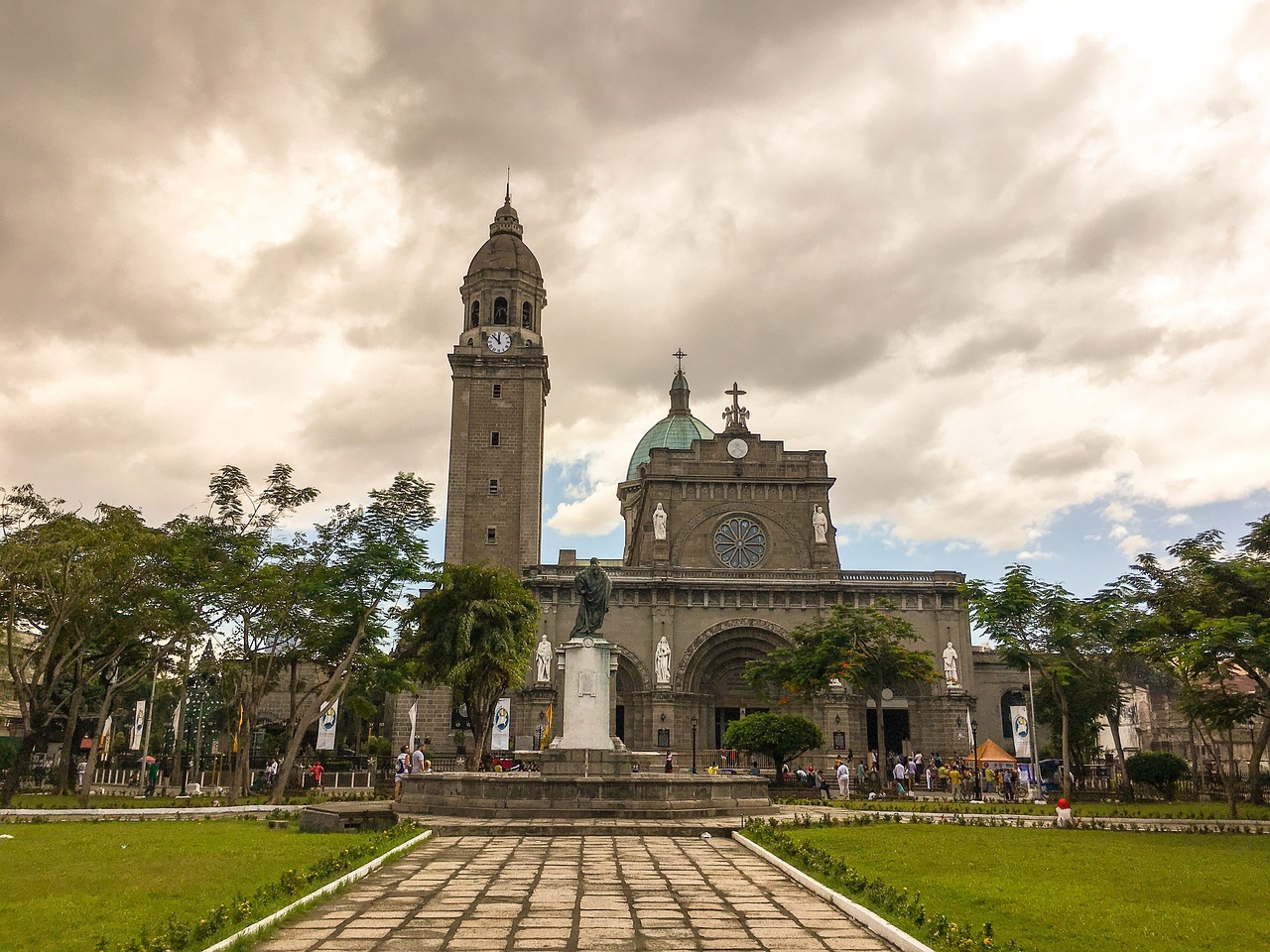
The Manila Cathedral has been destroyed and rebuilt multiple times by earthquakes and war. The current version, completed in the 1950s and recently restored, is both a symbol of resilience and a working cathedral.
I like to step inside when the afternoon heat gets too much. The cool, high-ceilinged nave, stained glass, and the soft hum of prayers are soothing. Outside, the plaza often hosts food stalls and occasional cultural events.
Good to Know
- Mass schedules: Check online; Sundays get crowded.
- Photography: Respect rules and avoid flash during services.
5. National Museum Complex
For a deep dive into Filipino art, history, and natural heritage, spend half a day across the National Museum of Fine Arts, Anthropology, and Natural History. Entrance has often been free or low-cost, making this a budget-friendly cultural highlight.
The first time I saw Juan Luna’s “Spoliarium”—a massive, dark painting that greets you at the Fine Arts entrance—I understood why Filipinos talk about it with such pride. It’s haunting and grand at the same time.
Highlights
- Fine Arts: “Spoliarium,” classic Filipino painters, and evolving contemporary exhibits.
- Anthropology: Pre-colonial gold, indigenous culture exhibits, and archaeological finds.
- Natural History: Whale skeletons, biodiversity exhibits; kids love this one.
Tips
- Time: Allow 3–4 hours if you want to explore more than one building.
- Combine with: Rizal Park and Intramuros (walkable).
6. Binondo: The World’s Oldest Chinatown
Binondo is one of my favorite places in Manila. It’s noisy, a bit grimy, utterly alive, and home to some of the best local food in Manila. Established in the 16th century, it’s considered the world’s oldest Chinatown.
I usually come hungry and early. My routine: breakfast dim sum near Ongpin Street, a walk through jewelry shops and herbal pharmacies, a visit to Binondo Church, and then a hop over to the Escolta area for coffee in a historic art deco building.
Things to Do
- Binondo Food Crawl: Try dumplings, lumpia, fried siopao, and hopia from hole-in-the-wall institutions.
- Visit Binondo Church (Minor Basilica of St. Lorenzo Ruiz) and light a candle.
- Explore side streets for traditional bakeries and tea shops.
Tips
- Best time: Morning to early afternoon. Chinese New Year is magical but very crowded.
- Cash: Many small eateries are cash-only.
7. Quiapo & Quiapo Church
Quiapo is raw Manila energy turned up to 11. The area around Quiapo Church is a swirl of devotees, amulet sellers, fortune tellers, cheap electronics, and street food.
I usually enter from the side streets, weaving through stalls of anting-anting (amulets) and herbal remedies. Inside the church, the atmosphere shifts—quiet intensity, candles, and rows of people touching or praying before the image of the Black Nazarene.
What to Expect
- Devotional culture: Quiapo shows you faith, folk beliefs, and commerce all mixed together.
- Shopping: Extremely cheap clothes, gadgets, and trinkets in the surrounding market.
- Food: Try local snacks like palitaw, kakanin (rice cakes), and street noodles.
Safety & Tips
- Keep valuables secure (front-worn bag, no flashy jewelry).
- Ask permission before photographing vendors or worshippers up-close.
- Avoid bringing big backpacks inside the church area if possible.
8. Poblacion, Makati: Hip Bars & Indie Vibes
Poblacion has changed a lot over the years—from red-light backstreets to one of Manila’s coolest neighborhoods, full of rooftop bars, live music, and creative restaurants. I like staying nearby so I can wander on foot at night.
Some evenings, I bar-hop slowly—cheap beer in a tiny bar, then craft cocktails on a rooftop, then late-night tapsilog (garlic rice + egg + meat) at a 24-hour carinderia. The mix of locals, expats, and artists makes Poblacion feel social and laid-back rather than pretentious.
Best For
- Nightlife & food: Perfect for a casual night out with friends or a slightly edgy date night.
- Budget travelers: Lots of mid-range and boutique accommodations nearby.
Tips
- Walkable, but sidewalks can be uneven—watch your step.
- Weeknights are more relaxed; weekends are lively and can get crowded.
9. Bonifacio Global City (BGC)
If Intramuros is old Manila, BGC is the future city: wide sidewalks, public art, modern malls, and glass towers. It’s my go-to area when I’m working remotely or traveling with friends who want comfort and safety above all else.
In 2026, BGC continues to expand with new parks, galleries, and food halls. I love late afternoon walks here, stopping to admire murals and grabbing coffee at third-wave cafés.
Highlights
- High Street: Pedestrian strip with shops, restaurants, and open spaces.
- Mind Museum: Interactive science museum—fantastic for families.
- Public art and murals scattered across the district.
Good to Know
- More expensive than other areas but very convenient and walkable.
- Easy Grab pick-ups; traffic can still be heavy at rush hour on the edges.
10. SM Mall of Asia & Manila Bay
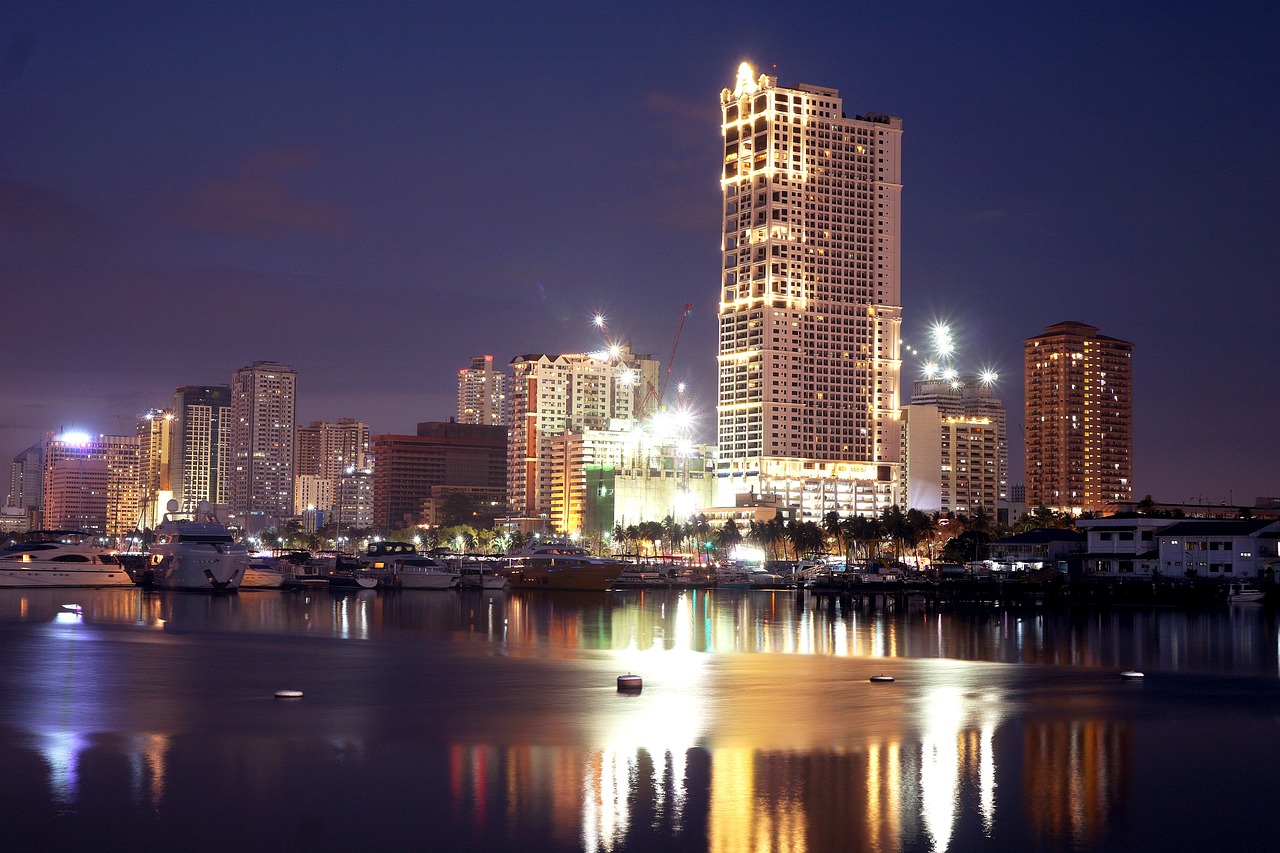
“Mall culture” is a huge part of life here, and Mall of Asia (MOA) is one of the largest in the region. I’m not a big mall person, but I’ve come to appreciate MOA for what it is: an air-conditioned escape with almost anything you might need—and a great spot to watch the Manila Bay sunset.
I like to time my visits so I end the day on the bayside promenade, watching the sky turn gold and orange. Street performers, couples, families, and joggers all converge here.
Things to Do
- Shop, eat, or watch a movie in one of the massive cinemas.
- Walk along the bay and maybe ride the small amusement park attractions.
- Catch fireworks on weekends or special events when scheduled.
11. Malate & Ermita: Old-School Manila Vibes
Malate and Ermita were once the heart of bohemian and tourist Manila—artsy, a bit gritty, with colonial houses, old hotels, and bars by the bay. Today, they’re a mix of backpacker-friendly stays, Korean and Japanese restaurants, and classic Manila nightlife.
I’ve stayed here many times when I wanted to be close to Rizal Park, Intramuros, and the bay. Some streets feel stuck in the 1990s in the best possible way.
What to Do
- Eat at mom-and-pop eateries or Korean BBQ joints.
- Walk to Rizal Park or the baywalk (daytime and early evening are best).
- Experience classic KTV (karaoke) or a live band bar.
Tips
- Street lighting can be patchy; use Grab at night for longer distances.
- Choose well-reviewed guesthouses or hotels; quality varies a lot.
12. Cultural Center of the Philippines (CCP) Complex
The Cultural Center of the Philippines (CCP) complex, along Roxas Boulevard, is a cluster of theaters and galleries that has long been the home of the country’s performing arts. Its brutalist architecture is iconic.
I’ve watched ballet, orchestral concerts, and indie film festivals here. In 2026, parts of the complex are under phased renovation and modernization, but shows continue, and the area still draws artists and culture lovers.
What to Experience
- Philippine Philharmonic concerts, ballets, or theater productions.
- Film festivals and art exhibits when scheduled.
- Sunset walks along the nearby bay area before or after a show.
13. Manila Ocean Park
If you’re traveling with kids—or you’re a big kid at heart—Manila Ocean Park is a fun, family-friendly stop near Rizal Park and the bay. The underwater tunnel, penguin exhibits, and sea lion shows are the main draws.
I’ve taken friends’ children here and watched their faces light up at the giant rays overhead. It’s touristy, yes, but well-run and a nice break from the heat.
Tips
- Buy combo tickets online in advance to save money.
- Go early to avoid crowds and school groups.
- Combine with a morning in Intramuros or Rizal Park.
14. Star City & Bay Area Amusements
Star City is a classic local amusement park with rides, haunted houses, and carnival games. It was damaged by fire in 2019 but has been gradually rebuilding and reopening. By 2026, more attractions are operating again.
It’s not Disneyland, but it has a scrappy charm and is beloved by locals. I’ve come here with friends for an evening of cheap thrills and laughter, followed by fish balls and isaw (grilled chicken intestines) from nearby stalls.
15. Greenbelt & Ayala Center, Makati
The Ayala Center area—Greenbelt, Glorietta, Landmark—is mall heaven, but Greenbelt stands out because of its landscaped gardens, koi ponds, and the beautiful Greenbelt Chapel at its heart.
On hot days, I weave between the indoor malls and the shaded outdoor paths, stopping for halo-halo or iced coffee. The chapel in the middle is a peaceful spot to sit and breathe.
Why Go
- Great mix of local and international restaurants.
- Safe, walkable, and convenient base for travelers.
- Easy access to the Ayala Museum nearby.
16. Ayala Museum
After a major renovation and digital upgrade, the Ayala Museum has become one of my favorite indoor attractions in Manila. It’s compact but rich, blending art, history, and interactive exhibits.
The dioramas of Philippine history are legendary—detailed miniatures that tell the story from pre-colonial times to the People Power Revolution. I’ve watched friends who “don’t like museums” get sucked into these for an hour.
Highlights
- Gold of Ancestors: stunning pre-colonial gold artifacts.
- Contemporary art exhibits that rotate regularly.
- Audio guides and digital features that make the history engaging.
17. Escolta & Historic Downtown
Escolta was once Manila’s premier shopping street, lined with elegant art deco and neoclassical buildings. Today it’s a fascinating blend of faded grandeur, creative studios, and weekend markets.
I love walking here on Saturdays when old buildings host art events, vintage markets, and pop-up cafés. The juxtaposition of crumbling facades and bold new art feels very Manila—never static, always repurposing itself.
Tips
- Check for art walks and pop-up markets—these often happen monthly or seasonally.
- Combine with a Binondo food trip; they’re close by.
18. Paco Park
Paco Park is a small, circular park that used to be a cemetery. High stone walls, leafy trees, and a tiny chapel create an unexpectedly romantic atmosphere. It’s one of my favorite “quiet corners” of Manila.
I once brought a book and spent an entire lazy afternoon here, moving from bench to bench as the sun shifted. It’s not a must-see for everyone, but if you like offbeat, historical spots, it’s worth a stop.
19. University Belt (U-Belt)
Home to several major universities, the U-Belt area is full of cheap eats, bookstores, and student energy. It’s not polished, but it gives you a feel for everyday youth culture in Manila.
I come here for budget food crawls: burger joints, milk tea, and tiny cafés full of students cramming for exams.
20. Manila Baywalk & Roxas Boulevard
The Manila Bay sunset is famous for a reason. Along Roxas Boulevard, the Baywalk area has gone through cycles of decline and renewal, but when the sky lights up, it still feels magical.
My favorite memory: one July evening, watching the sky blaze pink and orange while a street musician played “Bakit Ngayon Ka Lang.” Couples, joggers, vendors—all against the glow of the bay.
Tips
- Go around 5–6 pm; leave once it’s fully dark if you’re not with a local or group.
- Don’t bring anything you’d be devastated to lose; be street-smart.
3–5 Day Itineraries for Manila (With Personal Daily Stories)
These itineraries are based on how I actually structure trips for visiting friends. You can adapt them for 3 days in Manila, 4 days in Manila, or 5 days in Manila, depending on your schedule.
3 Day Itinerary for Manila: Essential Highlights
If you only have 3 days in Manila, focus on history, food, and a taste of nightlife.
- Day 1: Intramuros, Rizal Park, National Museum, sunset at Manila Bay.
- Day 2: Binondo & Escolta food and heritage walk, Quiapo, evening in Makati or BGC.
- Day 3: Ayala Museum, Greenbelt, Poblacion nightlife or BGC dinner.
4 Day Itinerary for Manila: Add Culture & Neighborhoods
With 4 days in Manila, you can add more local neighborhoods and a themed activity or two.
- Day 1: Intramuros + Rizal Park + Manila Ocean Park.
- Day 2: Binondo, Escolta, Quiapo.
- Day 3: Makati (Ayala Museum, Greenbelt) + Poblacion evening.
- Day 4: BGC + CCP area or Paco Park + Malate dinner.
5 Day Itinerary for Manila: Full Experience + Day Trip
If you have 5 days in Manila, you can enjoy the city at a more relaxed pace and add a day trip.
- Day 1–4: Follow the 4 day itinerary for Manila above.
- Day 5: Day trip to Tagaytay and Taal Volcano views or Corregidor Island.
How I Spend 4–5 Days in Manila (Personal Story Version)
Day 1: First Glimpse of Old Manila – Intramuros, Rizal Park & the Bay
I like to start every Manila trip in Intramuros. It gives context—everything you see later, from jeepneys to Jollibee, feels different once you’ve walked the old walls and seen where the city began.
On one recent January morning, I grabbed a light breakfast (pandesal and coffee) in Malate, then took a short Grab ride to Intramuros. The air was still cool as I entered through Puerta del Parian. A kalesa driver offered a tour—tempting—but I chose to walk.
I wandered to San Agustin Church first. The sanctuary was empty except for a few tourists. I spent nearly an hour in the attached museum, imagining the lives behind the old photographs and vestments. Outside, the sun had climbed just high enough that the stone walls radiated warmth.
From there, I walked slowly toward the Manila Cathedral, ducking into side streets and peeking into courtyards. Students in uniforms hurried past, reminding me that Intramuros is not a frozen museum but a living district.
Midday: Coffee & Museums
By midday, the heat was intense. I found a café in a heritage building, ordered an iced kapeng barako, and watched the world go by. Then I headed out of Intramuros on foot toward the National Museum of Fine Arts, passing by portions of the old walls and crossing into the green expanse of Rizal Park.
Inside the museum, the air-con and quiet were a relief. I always make a beeline for “Spoliarium” and then wander through the halls, noticing new details each time. In 2026, several galleries feature modern and contemporary Filipino art that speaks to recent political and social issues—worth taking your time with.
Late Afternoon: Rizal Park & Sunset
Around 4 pm, I stepped back into the light and walked through Rizal Park. Families picnicked, kids chased bubbles, and hawkers sold cold drinks. I stopped at the Rizal Monument, watching the ceremonial guards swap shifts, then continued walking toward Manila Bay.
I reached the baywalk just as the sky began to glow. I bought dirty ice cream (the not-so-dirty local scoop) in ube and cheese flavors from a pushcart and found a spot on the seawall. The sun slid toward the horizon, painting the water gold. Somewhere behind me, someone’s portable speaker played an old OPM ballad. It felt like an appropriately emotional start to another Manila visit.
That night, tired but happy, I grabbed a simple dinner—sinigang and grilled fish—at a Malate eatery and slept early, ready for a bigger adventure the next day.
Day 2: Food & Faith – Binondo, Escolta & Quiapo
Day two is always my Binondo day. I set my alarm early because I like to be in Chinatown by 9 am, before the lunchtime rush. From Makati, a Grab ride took around 30 minutes (traffic was kind that morning).
I hopped out near Ongpin Street and followed my nose to a no-frills dim sum place I’ve been visiting for years. Steamer baskets clattered, staff shouted orders in a mix of Tagalog and Hokkien, and I devoured siomai, hakaw, and congee for less than the price of a coffee back home.
After breakfast, I wandered through jewelry shops, incense-scented stores, and hole-in-the-wall bakeries selling hopia and tikoy. I stopped at Binondo Church, slipped inside for a few minutes of quiet, then continued exploring back alleys where vegetables, dried fish, and more obscure Chinese herbs were piled high.
Midday: Escolta’s Creative Revival
By late morning, I crossed the bridge toward Escolta. I’d timed the trip for a weekend because I knew a small art and vintage market would be happening. Inside a restored building, stalls sold zines, vinyl, thrifted clothes, and handmade crafts. A DJ spun lo-fi beats while kids played in a corner reading nook.
I grabbed a cold brew and a pastry from an indie café nestled in an old office space, then climbed to a balcony to look down at the street. Jeepneys roared past the once-grand art deco facades, and I found myself imagining Escolta in the 1930s, full of well-dressed shoppers and horse-drawn carriages.
Afternoon: Quiapo’s Devotional Heart
From Escolta, I walked or took a short jeepney ride to Quiapo. The transition was immediate: the air thicker, the crowds denser, the noise level higher. Stalls selling amulets, herbal oils, and candles lined the streets around Quiapo Church.
I moved slowly, careful not to bump anyone in the press of bodies. A woman offered to read my palm; another tried to sell me an anting-anting for protection. Inside the church, I found a spot near the back and watched as people moved forward to touch the image of the Black Nazarene, some with tears in their eyes.
Back outside, I treated myself to street snacks: turon (banana fritters), kwek-kwek (battered quail eggs), and sugarcane juice. The chaos was exhausting but energizing. It’s not an easy place, but it’s one of the most honest windows into the city’s soul.
Evening: Recovery in Makati
By late afternoon I was ready for air-conditioning and quiet. I hopped into a Grab back to Makati, showered off the city dust, and walked over to Greenbelt for dinner. Sitting under trees illuminated by warm lights, with a bowl of kare-kare in front of me, I thought about the contrast between the day’s grit and the evening’s polish—that’s Manila in a nutshell.
Day 3: Modern Manila – Makati & Poblacion Nightlife
By day three, I like to slow the pace. Manila’s sensory overload can catch up with you, and a more relaxed schedule helps.
I started with a late breakfast near my Makati hotel—tapsilog and barako coffee—then walked to the Ayala Museum. I spent nearly two hours just on the diorama exhibit and pre-colonial gold, then skimmed through rotating art shows. The museum is compact enough not to be overwhelming, but rich enough to be satisfying.
Afterward, I drifted into Greenbelt, wandering between the ponds and the mall sections. I lit a candle and sat for a few minutes in the Greenbelt Chapel, watching office workers pop in and out for quick prayers.
Afternoon: Cafés & Work Time
Since I often work on the road, I found a café with good Wi-Fi, ordered a cold brew, and spent a few hours catching up on emails while watching a thunderstorm roll in through floor-to-ceiling windows. Manila’s afternoon rains can be intense but short; within an hour, the sky had cleared.
Night: Poblacion Crawl
That evening, I met friends in Poblacion. We started at a small rooftop bar overlooking the mix of old houses and new high-rises, ordered local craft beer, and watched the city lights flicker on.
From there, we wandered down to a narrow alley filled with micro-bars and eateries. One place specialized in Filipino-inspired small plates; another had a live acoustic set. We talked politics, love, and travel, surrounded by strangers who felt like they could easily be friends.
We ended the night at a 24-hour eatery, sharing a huge plate of crispy pata and garlic rice, laughing at how our clothes smelled faintly of smoke and city air. It was one of those Manila nights that doesn’t look glamorous on Instagram but feels perfect in real life.
Day 4: BGC, Science & the Arts
If you’re staying 4 days in Manila, I like dedicating one day to BGC and the CCP area, mixing modern city walking, science museums, and evening performances.
I took a mid-morning Grab to BGC and started at Bonifacio High Street, grabbing brunch at a café that served silog plates with a hipster twist. After wandering through a few shops, I headed to the Mind Museum—a hit even if you’re an adult traveling without kids. Interactive exhibits make science feel playful, and the air-con is a blessing.
After lunch, I strolled through BGC’s grid of streets, stopping to photograph murals and sculptures. The sidewalks are wide, and you can actually stroll without constantly dodging traffic—rare in Manila.
Evening: Performance at CCP
In the late afternoon, I rode to the Cultural Center of the Philippines. The low, angular building glowed softly as the sun set behind the bay. I’d booked tickets in advance for a ballet performance; inside, the lobby buzzed with students, older couples, and fellow culture nerds.
After the show, I grabbed a light dinner nearby—often a simple bowl of lugaw (rice porridge) or pancit from a small eatery—and then headed back to my hotel, satisfied and a little in love with the city’s creative side.
Day 5: Day Trip from Manila – Tagaytay & Taal Views
When I have 5 days in Manila, I almost always carve out one day for Tagaytay, about 1.5–2.5 hours away depending on traffic. The cooler air and views of Taal Volcano are a perfect counterpoint to the city’s intensity.
I usually leave around 7 am with a pre-arranged car or tour. We stop at a roadside café for bulalo (beef marrow soup) brunch overlooking the lake, then spend time at view decks and gardens, maybe squeezing in a quick visit to a small farm or coffee shop.
By late afternoon, we’re heading back toward Manila, often catching a glimpse of the skyline emerging from the haze as we descend from the ridge. It’s a gentle way to close a Manila trip—literally gaining perspective before re-entering the city’s orbit.
Best Local Food in Manila & Where to Try It
Filipino food is soulful, salty-sour-sweet, and comfort-driven. Manila is the best place to dive deep, from humble carinderias to chef-driven restaurants.
Must-Try Filipino Dishes
- Adobo – Chicken or pork stewed in soy sauce, vinegar, garlic, bay leaves. Classic comfort food.
- Sinigang – Sour soup (often tamarind-based) with pork, shrimp, or fish and vegetables.
- Kare-kare – Peanut-based oxtail or beef stew served with bagoong (shrimp paste).
- Lechon – Roast pig with crispy skin; seek out lechon stalls or buffets.
- Inihaw – Grilled meats and seafood, usually eaten with rice and dipping sauces.
- Halo-halo – Shaved ice dessert with jellies, beans, fruits, leche flan, and ice cream.
- Tapsilog – Breakfast plate of cured beef (tapa), garlic rice (sinangag), and egg (itlog).
Where I Actually Eat in Manila
- Carinderias (local eateries) – I love wandering side streets in Malate or Makati and picking a busy, clean-looking carinderia for cheap, home-style dishes.
- Binondo – Noodle houses, dim sum, and Chinese-Filipino hybrids. Perfect for food crawls.
- Malls (Greenbelt, Glorietta, SM, Robinsons) – Surprisingly great range of Filipino and Asian options in clean, air-conditioned spaces.
- Poblacion & BGC – For modern Filipino, fusion, and craft cocktails paired with local flavors.
Street Food & Safety
I’m fairly adventurous with street food, but I follow a simple rule: busy stall, high turnover. I often go for:
- Fish balls, kwek-kwek, and kikiam – Skewered and dipped in sweet or spicy sauce.
- Isaw – Grilled chicken intestines. Sounds scary; tastes smoky and delicious if well-cooked.
- Turon & banana cue – Deep-fried banana treats, easy on the stomach and sweet tooth.
If you have a sensitive stomach, start with mall food courts and well-reviewed restaurants, then gradually sample cooked street foods.
Nightlife, Entertainment & Cultural Experiences in Manila
Manila comes alive at night in different ways depending on where you go.
Where to Go Out
- Poblacion (Makati) – Bars, rooftops, live music, and late-night eats. Casual, social, mixed crowd.
- BGC – Sleek bars, clubs, and restaurants with more polished vibes and higher prices.
- Malate – Older nightlife district with KTV, live bands, and more “classic” Manila nights.
Cultural Experiences
- Performances at CCP – Ballet, orchestra, theater, and film festivals.
- Local gigs – Bars in Poblacion and Quezon City often host indie bands and open mics.
- Fiestas & Processions – In January 2026–2027, the Feast of the Black Nazarene in Quiapo remains a huge event (crowded and intense; observe from the edges unless you’re prepared).
Major Events in Manila (2026–2027)
- January: Feast of the Black Nazarene in Quiapo.
- February: Chinese New Year events in Binondo; art festivals in BGC and Escolta.
- March–May: Various summer music festivals and mall events; Holy Week processions (expect closures and heavy travel crowds).
- September: Start of the extended Filipino Christmas season—decorations and sales begin.
- November: All Saints’ and All Souls’ Day traditions, with families visiting cemeteries.
- December: Christmas concerts, Simbang Gabi dawn masses, and huge mall events citywide.
Best Day Trips from Manila
Tagaytay & Taal Volcano Views
Why go: Cooler climate, stunning views of Taal Volcano, great food, and greenery. Perfect romantic or family-friendly day trip.
Getting there: Private car, tour, or bus + tricycle (2–3 hours each way depending on traffic). I recommend a private driver if your budget allows.
Corregidor Island
Why go: World War II history, dramatic ruins, coastal views. The guided tours are informative and moving.
Getting there: Organized ferry + tour from Manila Bay. Book at least a day or two in advance.
Pagsanjan Falls (Magdapio Falls)
Why go: Adventurous boat ride upriver through a gorge to a big waterfall. Great for nature lovers.
Getting there: 2–3 hours by car or bus to Laguna, then local guides handle the canoe trip.
Cultural Etiquette & Local Customs in Manila
Manileños are generally relaxed and forgiving with foreigners, but knowing a few customs makes interactions smoother.
Everyday Etiquette
- Smiles & greetings: A simple “hello,” “good morning,” or “salamat po” (thank you, with respect) goes a long way.
- Use of “po” and “opo”: Add “po” when speaking to older people or in polite contexts. Example: “Salamat po.”
- Modest dress: In churches and government offices, cover shoulders and knees when possible.
- Personal space: Crowded places mean less personal space; don’t take it personally.
Social Interactions
- Indirect communication: People may avoid saying “no” directly; “maybe” can mean “probably not.”
- Saving face: Avoid confrontations or raising your voice; stay calm and polite when issues arise.
- Photos: Ask before photographing people closely, especially in markets and religious settings.
Religion & Devotion
- Manila is predominantly Catholic; religious images and processions are common.
- In churches, remove hats, keep voices low, and don’t pose for loud selfies near the altar.
Practical Travel Advice for Manila (2026–2027)
Best Time to Visit Manila
- Dry season (Dec–May): Best for sightseeing. December–February are cooler and ideal for walking; March–May are hot.
- Wet season (Jun–Nov): Expect afternoon thunderstorms and occasional typhoons, but also fewer foreign tourists and greener surroundings.
Getting Around Manila
- Grab (ride-hailing): My default for most journeys. Safe, cashless, and convenient.
- Taxis: Use metered taxis or ask your hotel to call a reputable company.
- Jeepneys: Iconic and cheap, but routes can be confusing. Great if you’re with a local or feeling adventurous.
- LRT/MRT: Fast during rush-hour traffic but can be crowded. Good for certain routes (e.g., to Intramuros or Makati).
- Walking: Best in BGC, parts of Makati, and Intramuros. Sidewalks elsewhere are hit-or-miss.
SIM Cards & Connectivity
- In 2026, eSIMs and physical SIMs from major providers (e.g., Smart, Globe) are easy to buy at the airport and malls.
- Tourist packages often include generous data for 7–30 days. Bring your passport for registration.
Money & Budget Tips
- Currency: Philippine Peso (PHP).
- ATMs: Widely available in malls and banks; some have lower fees than others.
- Cash vs card: Cards are accepted in malls and bigger restaurants; cash still needed for markets, jeepneys, and small eateries.
- Saving money: Eat at carinderias, use public transport selectively, and stay in mid-range guesthouses or hostels in Makati or Malate.
Accommodation: Where to Stay on a Budget vs Comfortable
- Budget: Hostels and simple hotels in Malate, Ermita, and Poblacion; look for good recent reviews.
- Mid-range: Business hotels and serviced apartments in Makati and Ortigas.
- Higher-end: International chains and boutique hotels in BGC, Makati, and near the bay.
Visa Requirements & Driving
- Visa: Many nationalities receive visa-free entry or visa on arrival for short stays. Always check updated rules before travel in 2026.
- Driving: Foreign driver’s licenses are generally accepted for short stays, but traffic is intense and parking scarce. I do not recommend car rental for first-time visitors; use Grab instead.
Health & Safety
- Drink bottled or filtered water; avoid ice from questionable street stands.
- Use sunscreen and stay hydrated—heat and humidity are real.
- Keep bags closed and in front of you in crowded areas (Binondo, Quiapo, public transport).
- At night, stick to well-lit, busy areas and use Grab for longer distances.
Hidden Tips to Make Manila Easier
- Plan by area: Cluster sights (Intramuros + Rizal Park + National Museum) to minimize traffic time.
- Start early: Sightsee in the morning, rest during mid-day heat, go out again late afternoon.
- Always allow buffer time: For flights and intercity connections, give yourself extra hours in case of traffic or rain.
- Use malls strategically: As air-con breaks, clean bathrooms, and safe pickup points for rides.
Summary & Final Recommendations
Manila is not a “checklist” city; it’s a relationship. The more time you give it—whether you stay 3 days in Manila, 4 days in Manila, or 5 days in Manila—the more it reveals its layers: Spanish walls and glass towers, incense and exhaust fumes, halo-halo and craft coffee, devotion and nightlife.
For a first visit, I recommend:
- Minimum: 3 day itinerary for Manila to cover Intramuros, Binondo, and Makati/BGC.
- Ideal: 4 day itinerary for Manila to add more museums and neighborhoods.
- Best: 5 day itinerary for Manila with at least one day trip to Tagaytay or Corregidor.
Best seasons: December–February for cooler weather and Christmas atmosphere; March–May for hot but dry days; June–November for lower prices and greener landscapes (with some rain planning).
If you come with curiosity, patience, and a willingness to let go of rigid plans, Manila will reward you with stories you’ll be telling long after your trip ends. And chances are, like me, you’ll find yourself coming back again and again.