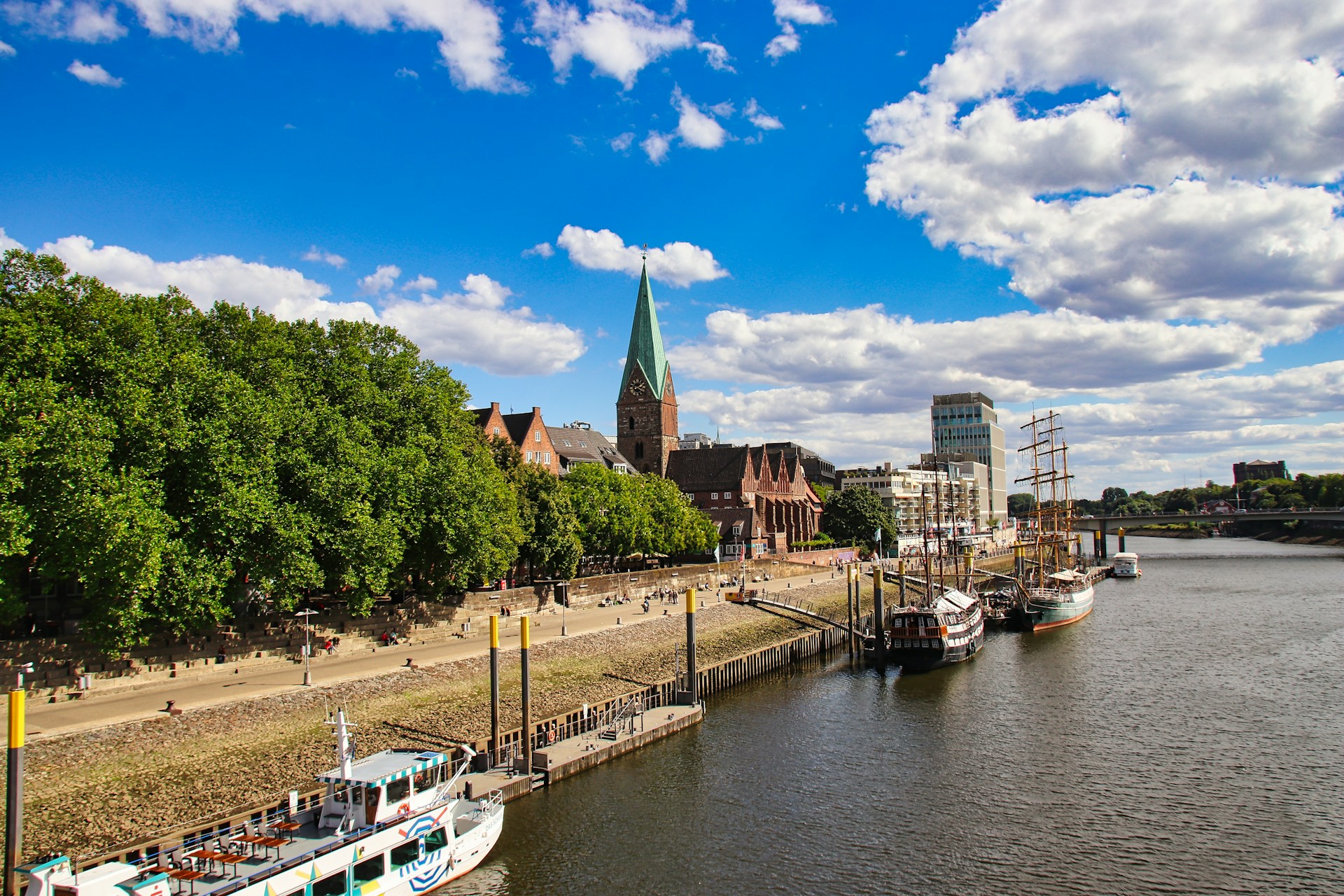
Why Visit Bremen? What Makes This North German City Special
Bremen is one of those cities that quietly slides under most travelers’ radar—and that’s exactly why I love it. While crowds are elbowing through Berlin and Munich, Bremen is sipping coffee on the Weser, listening to street musicians in a fairy‑tale square, and clinking beer glasses in centuries‑old taverns.
Every time I come back (I’ve been visiting regularly since my student days), Bremen feels like a perfectly balanced city: historic but not dusty, lively but not overwhelming, creative but not trying too hard. It’s big enough to fill 3–5 days with things to do, yet compact enough that you can walk almost everywhere.
If you’re planning 3 days in Bremen or stretching it to a 4 or 5 day itinerary for Bremen, this guide will walk you through the must-see attractions, hidden gems, and all the practical travel advice for Bremen you need—based on many (many) laps around the Old Town, lazy afternoons in Viertel cafés, and more than a few evenings in riverside beer gardens.
Think Gothic and Renaissance architecture, UNESCO‑listed town hall, whimsical sculptures, narrow medieval lanes, world‑class museums, riverside walks, and a genuinely welcoming local culture. Bremen is ideal for:
- Couples – romantic sunsets by the Weser, candlelit restaurants in the Schnoor.
- Families – science museums, boats, parks, and fairy‑tale statues everywhere.
- Culture lovers – galleries, theater, music, and deep Hanseatic history.
- Slow travelers & budget‑minded visitors – affordable, walkable, and relaxed.
Table of Contents
- Why Visit Bremen
- Bremen at a Glance (2026–2027)
- Suggested Itineraries (3–5 Days in Bremen)
- Top 20+ Must-See Attractions in Bremen
- Neighborhoods & Areas to Explore
- Local Food in Bremen & Where to Eat
- Nightlife, Entertainment & Cultural Experiences
- Day Trips from Bremen
- Cultural Etiquette & Local Customs
- Practical Travel Tips for Bremen
- Summary & Best Time to Visit Bremen
Bremen at a Glance (2026–2027)
Bremen is a historic Hanseatic city in northern Germany, about an hour by train from Hamburg. It sits on the Weser River and has a population of around 570,000. The compact Altstadt (Old Town) is wrapped around the iconic Marktplatz, and most of what visitors want to see is within a 20–30 minute walk.
For 2026–2027, Bremen continues to focus on sustainable tourism, bike‑friendly streets, and a packed cultural calendar.
Major Events in 2026–2027
- Bremer Freimarkt (October 2026 & 2027) – One of Germany’s oldest funfairs, with rides, beer tents, and traditional food. The entire city feels like a party.
- Bremer Musikfest (late summer 2026 & 2027) – Classical and contemporary music festival across various venues, from churches to modern halls.
- Breminale (usually July) – Free riverside cultural festival with music, performances, and food stalls along the Weser.
- Christmas Market (late Nov–Dec) – One of my favorite times to visit: the Marktplatz glows under thousands of lights, mulled wine flows, and the Schlachte-Zauber market adds a medieval maritime twist along the river.
Suggested Itineraries: 3–5 Days in Bremen
Before we dive deep into each attraction, here’s how I’d structure your time depending on how long you’re staying. These itineraries are built from my own repeated visits—tweaked over time to balance must-see attractions in Bremen, authentic local experiences, and plenty of coffee and cake.
3 Day Itinerary for Bremen
If you only have 3 days in Bremen, focus on the essentials: the Old Town, riverfront, a couple of standout museums, and a taste of local food.
- Day 1: Altstadt highlights – Marktplatz, Town Hall, Roland statue, Bremen Town Musicians, St. Petri Dom, Böttcherstraße, Schlachte promenade.
- Day 2: Schnoor quarter, Weser River cruise, Übersee-Museum, evening in Viertel.
- Day 3: Universum Science Center (great for families), Bürgerpark, Weser stadium area or craft beer by the river.
4 Day Itinerary for Bremen
With 4 days in Bremen, you can slow things down, add more museums or a brewery visit, and enjoy an extra evening riverside.
- Day 1: Classic Old Town loop (Marktplatz, Dom, Böttcherstraße, Schlachte).
- Day 2: Schnoor, Weser cruise, Kunsthalle art museum.
- Day 3: Universum, Bürgerpark, Rhododendron-Park & Botanika (in spring/summer).
- Day 4: Überseestadt (former harbor turned creative district), Beck’s brewery tour or craft breweries, sunset at the waterfront.
5 Day Itinerary for Bremen
A 5 day itinerary for Bremen lets you explore more hidden gems in Bremen, take a short day trip, and really live like a local.
- Day 1: Old Town deep dive (Town Hall tour, Dom tower, Böttcherstraße museums).
- Day 2: Schnoor, Kunsthalle, Theater or concert in the evening.
- Day 3: Universum, Bürgerpark cycling or boating, Viertel nightlife.
- Day 4: Überseestadt, Beck’s or craft beer, Weserstrand (river “beach”) in good weather.
- Day 5: Day trip to Bremerhaven, Worpswede artists’ village, or the North Sea coast.
Top 20+ Must-See Attractions & Experiences in Bremen (With Local Insight)
Below are the core places I return to on almost every visit. For each, I’ll share a mix of history, why it matters, and how it feels to actually be there—plus tips on when to go, what to combine it with, and any food or drink you shouldn’t miss nearby.
1. Marktplatz (Market Square)
The Marktplatz is the beating heart of Bremen—and the first place I always walk to after dropping my bag at the hotel. It’s one of the most beautiful squares in Germany, framed by architectural showstoppers on all sides.
On warm evenings, I love grabbing a seat at one of the café terraces, ordering a local beer, and just people‑watching: cyclists cutting through, tour groups craning their necks at the ornate gables, kids pointing at the Town Musicians statue just around the corner.
What to See & Do
- Admire the Town Hall (Rathaus), Roland statue, and the row of historic merchant houses.
- Visit during the Christmas Market (late November–December) when the whole square glows with lights and stalls.
- Look down: the pavement mosaics and lines mark old trade routes and city boundaries.
Tips
- Best time: Early morning for quiet photos; golden hour for atmosphere.
- Money saver: Skip the priciest terrace cafés and grab coffee or a pastry from a nearby bakery, then sit on the steps or a bench.
2. Bremen Town Hall (Rathaus) – UNESCO Treasure
The Rathaus is Bremen’s pride and joy—a UNESCO World Heritage Site and easily one of the most impressive town halls in Europe. Its late Gothic and Weser Renaissance façade is all intricate carvings, statues, and arcades.
I still remember my first tour inside: standing in the grand upper hall with its carved wooden ceiling, ship models hanging overhead, and centuries of civic power practically radiating from the walls.
History & Significance
Built in the early 15th century and remodeled in the 17th, the Town Hall symbolizes Bremen’s independence and prosperity as a Hanseatic trading city. Even today, it’s the seat of the senate and mayor.
Visiting Tips
- Guided tours: Highly recommended. They run in German and often in English—check the tourist office or online schedule for 2026 times.
- Cellar (Ratskeller): Don’t miss the famous wine cellar under the Rathaus; it houses some of the oldest casks of German wine. I like to book a tasting or at least pop in for a glass.
- Tickets: Tours are inexpensive; book ahead in peak season or during big events (Freimarkt, Christmas Market).
3. Roland Statue
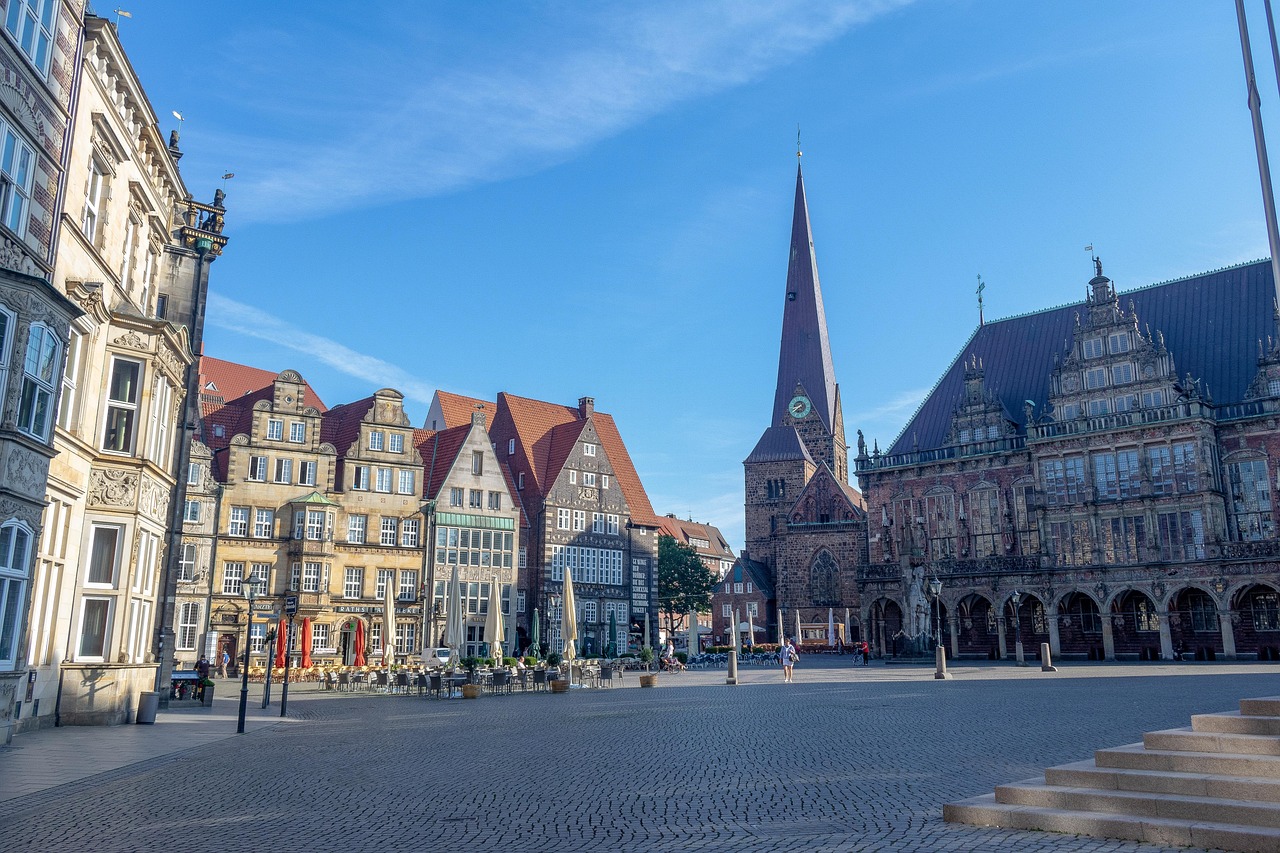
Right in front of the Town Hall stands the Roland statue, another UNESCO‑listed symbol of Bremen’s freedom. Roland, a medieval knight figure, has guarded the square since 1404.
Locals like to say that as long as Roland stands, Bremen will remain free. He’s also a great landmark when you’re giving directions: “Meet me by Roland at 5?” is something I’ve said more times than I can count.
Good to Know
- Roland’s sword and shield represent justice and market rights.
- From certain angles you get him, the Rathaus, and the Dom all in one shot—classic Bremen photo.
4. Bremen Town Musicians Statue
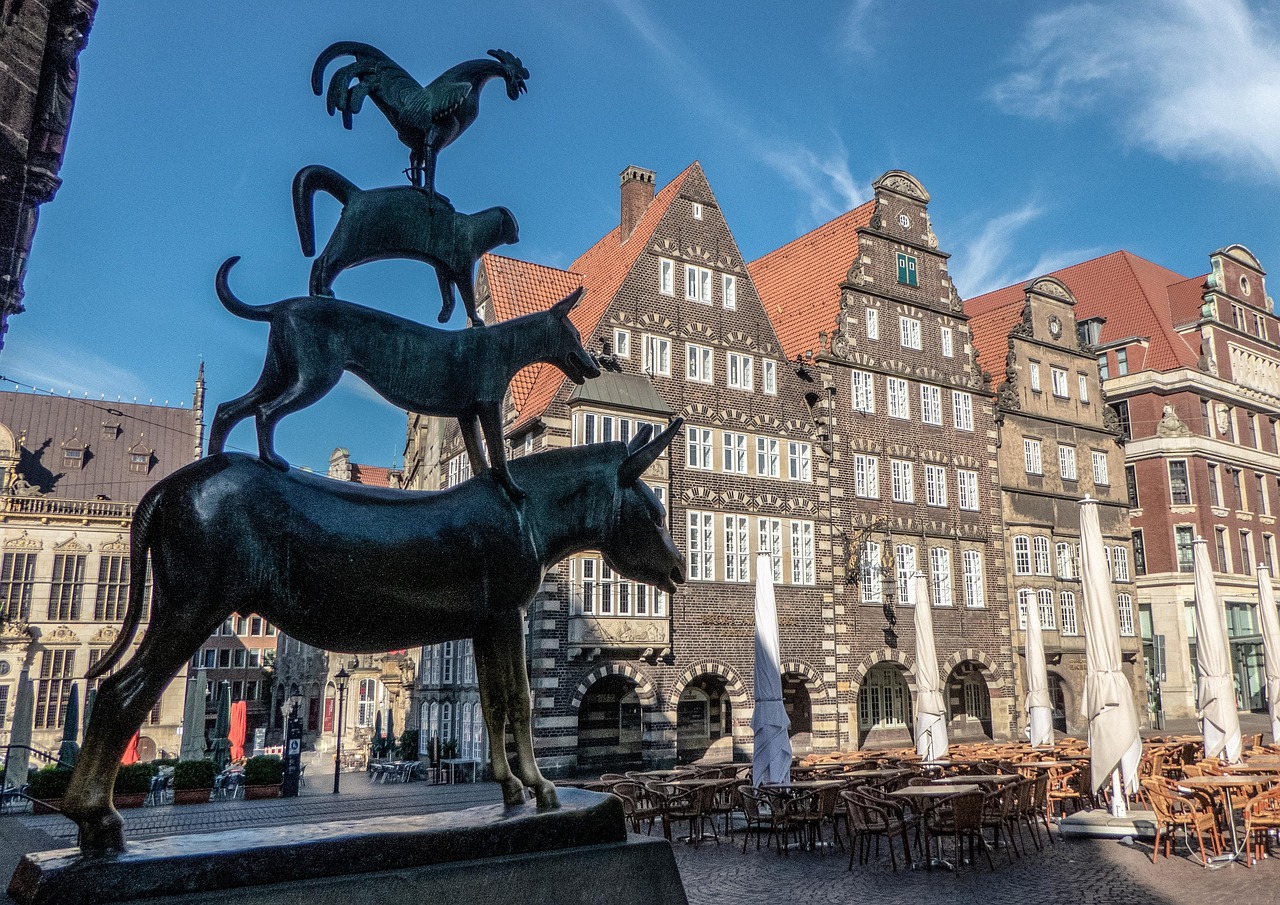
Inspired by the Brothers Grimm fairy tale, the Bremen Town Musicians statue is probably the city’s most famous image: donkey, dog, cat, and rooster stacked on top of each other.
I still smile every time I walk past. There’s always a small crowd—kids trying to imitate the pose, couples taking cheesy photos, and at least one person rubbing the donkey’s legs for luck. Yes, that’s the tradition: hold or rub the donkey’s front legs with both hands and make a wish.
Tips
- Location: West side of the Town Hall, slightly tucked away.
- Timing: Early morning or later evening if you want fewer people in your shot.
- Family-friendly: Bring the fairy tale (in your language) and read it in the Marktplatz—kids love connecting the story with the place.
5. St. Petri Dom (St. Peter’s Cathedral)
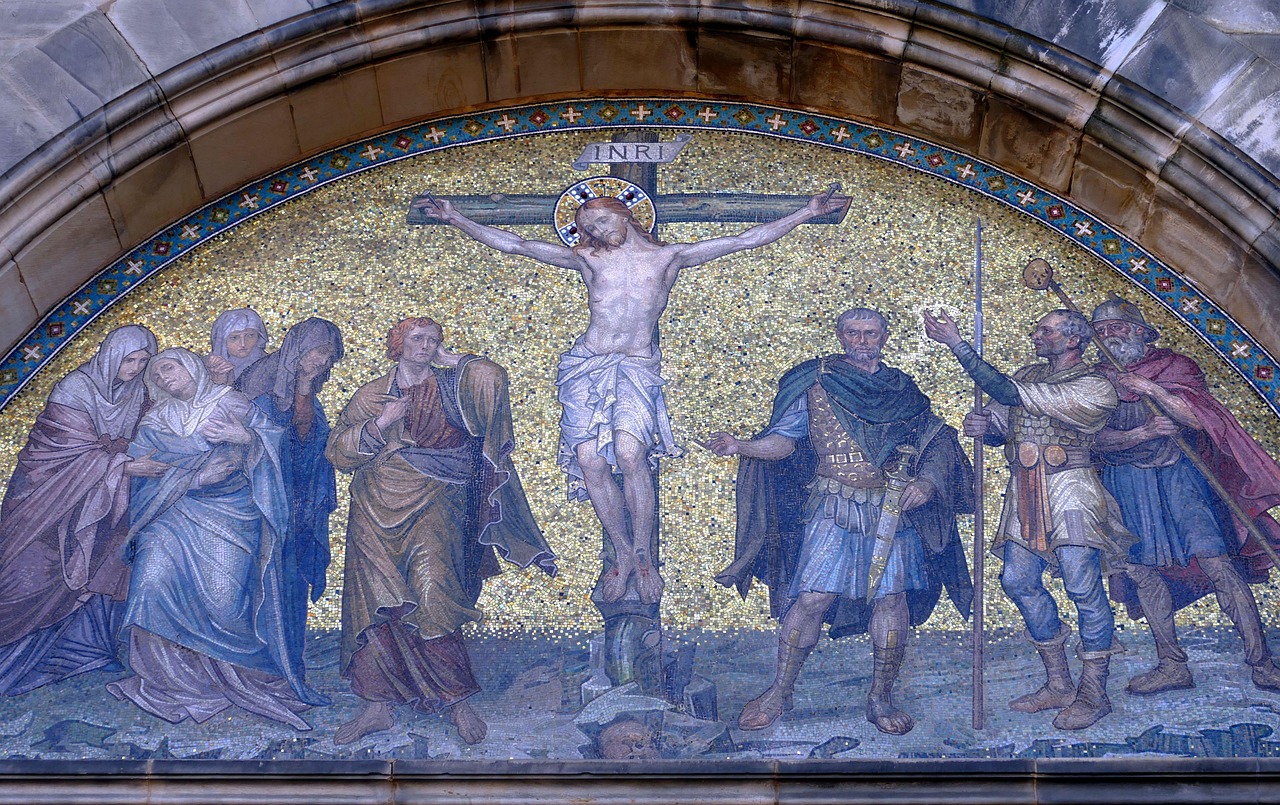
The twin towers of St. Petri Dom dominate the Old Town skyline. This Romanesque‑Gothic cathedral is a peaceful retreat from the bustle of the square—and a great vantage point if you climb the tower.
I like to step inside for a few quiet minutes on almost every visit. The cool stone, stained glass, and soft organ music (if you catch a rehearsal) contrast beautifully with the lively Marktplatz outside.
Highlights
- Interior: Check out the ornate choir stalls, crypt, and small museum.
- Tower climb: The view over the red roofs of Bremen and the Weser is worth the stairs, especially on a clear day.
- Bleikeller (Lead Cellar): Contains mummified bodies from centuries ago—macabre but fascinating if you’re into history.
Tips
- Dress modestly (no beachwear) and keep voices low inside—it’s an active place of worship.
- Watch for organ concerts and special events in 2026–2027; they add a lot to the experience.
6. Böttcherstraße – Art Deco Alley of Surprises
Böttcherstraße is one of my favorite streets in Europe: a short, narrow lane that packs in wild brick architecture, courtyards, art, and quirky shops. It links the Marktplatz with the Weser River, and every time I walk through, I notice a new detail.
Businesses here were shaped in the early 20th century by coffee magnate Ludwig Roselius, who turned it into an expressionist and Art Deco showpiece. Some features annoyed the Nazis so much they called it “degenerate art”—which pretty much makes me love it even more.
What Not to Miss
- Glockenspiel House: At set times, a carillon of porcelain bells rings while wooden panels rotate showing explorers and aviators. The first time I heard it, I just stopped, grinning like everyone else in the alley.
- Paula Modersohn-Becker Museum: Dedicated to the pioneering expressionist painter with strong links to nearby Worpswede.
- Hidden courtyards and stairways—duck into any open doorway that seems public; you’ll often find surprising art or design.
Tips
- Best time: Late afternoon light on the brickwork is gorgeous.
- Food: There are a few cafés and restaurants tucked in here; I’ve had some cozy winter lunches in their warm interiors after escaping a chilly wind outside.
7. Schlachte Promenade – Life Along the Weser
The Schlachte is where Bremen comes to breathe: a long promenade along the Weser, lined with beer gardens, restaurant terraces, old ships, and in summer, a lively outdoor market vibe.
On warm evenings, this is where I inevitably end up—sharing a table with friends at a riverside beer garden, watching boats glide by, and listening to snippets of English, Dutch, and Scandinavian from fellow travelers.
Things to Do
- Walk the length of the promenade at sunset; the city looks beautiful from the riverbanks.
- Grab a drink or meal at one of the many beer gardens—you’ll find everything from simple bratwurst to more elaborate local dishes.
- Visit the Schlachte-Zauber Christmas Market in winter for a maritime‑themed twist on the festive season.
Tips
- Budget tip: Some stalls are cheaper than sit‑down restaurants; check prices before you commit.
- Romantic: Take an evening boat cruise that departs from near here—it’s beautiful when the city lights come on.
8. Schnoor Quarter – Medieval Lanes & Fairy-Tale Vibes
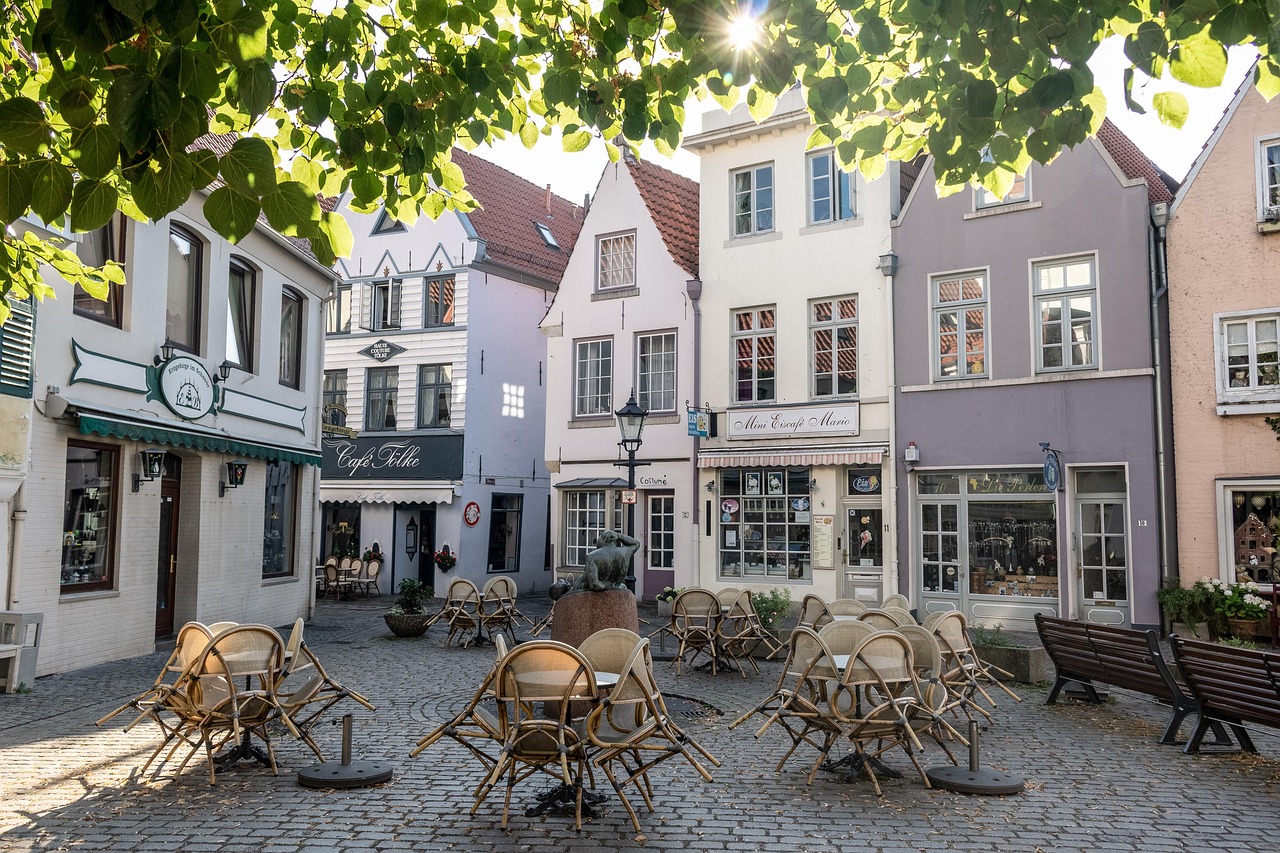
The Schnoor is Bremen’s oldest district: a warren of narrow, twisting lanes lined with crooked houses from the 15th to 18th centuries. It’s touristy, yes—but it’s also genuinely magical if you avoid the worst of the crowds.
I like to come early in the morning or on drizzly afternoons. The tiny houses lean toward each other as if gossiping, and you can easily get lost (in a good way) among artisan shops, galleries, and tiny cafés.
What to Look For
- Small craft shops selling jewelry, ceramics, and handmade gifts.
- Cute cafés with just a handful of tables—perfect for coffee and cake.
- Hidden courtyards and alleyways that feel like film sets.
Tips
- Family-friendly: Kids love the “miniature village” feel and the sweet shops.
- Romantic: Come at dusk when lanterns and window lights come on—it’s like stepping into a fairy tale.
- Photos: Be respectful; people actually live here, so avoid shooting straight into windows.
9. Universum Bremen – Science Meets Architecture
Universum Bremen is one of the best science museums I’ve visited with kids—and honestly, it’s fun as an adult too. The main building looks like a silvery whale or spaceship, and inside is a playground of interactive exhibits.
I spent a rainy day here with friends and their children, and we barely scratched the surface after hours of playing with physics experiments, weather simulations, and illusions.
What’s Inside
- Hands‑on exhibits about human biology, earth sciences, and technology.
- Outdoor area with experiments and climbing structures (best in good weather).
- Temporary exhibitions that change regularly—check the 2026 program in advance.
Tips
- Family must: Plan at least 3–4 hours if you have kids—they won’t want to leave.
- Getting there: A short tram ride from the center (lines often marked towards Universität); it’s an easy, straightforward trip.
- Food: There’s a café on site; for budget travelers, bring snacks or a picnic.
10. Übersee-Museum – The World in One Building
Right next to the main train station, the Übersee-Museum (Overseas Museum) explores cultures and natural history from around the world. It’s a mix of ethnography, biology, and geography under one roof.
On one visit, I ducked in to kill an hour before my train and ended up staying for three, wandering through re‑created environments and detailed exhibits on Asia, Africa, and the Americas.
Highlights
- Immersive displays on global cultures and colonial history.
- Natural history sections with animals, ecosystems, and interactive displays.
- Regular special exhibitions—2026 themes are scheduled to focus on climate change and sustainable trade.
Tips
- Combine with arrival/departure: perfect if you have a few hours before your train.
- Good rainy‑day option, especially for families and curious travelers.
11. Bürgerpark – Bremen’s Green Lung
Bürgerpark is my go‑to escape when I need a break from sightseeing. It’s a large, landscaped park just north of the city center, with ponds, winding paths, and plenty of quiet corners.
On one summer visit, I rented a small rowboat with friends and drifted around the lake, then lazed with ice cream under the shade of huge trees. In autumn, the foliage is stunning.
What to Do
- Walk or cycle through the park; many locals jog here before or after work.
- Rent a rowboat in season or just sit by the water watching ducks and swans.
- Visit one of the cafés or the historic Parkhotel for a more upscale coffee or drink with a view.
Tips
- Free: The park itself is free and open year‑round.
- Family-friendly: Playground areas and lots of space to run around.
- Seasonal: Spring and autumn are particularly beautiful; winter walks can be atmospheric if you’re wrapped up warmly.
12. Kunsthalle Bremen – Art Lovers’ Haven
Kunsthalle Bremen is the city’s main art museum, set just off the Osterdeich and close to the Old Town. If you enjoy paintings, this is absolutely worth a few hours.
I’ve happily lost entire afternoons here, moving from Old Masters to French impressionists to German expressionism, with quiet breaks in the museum café.
Collection Highlights
- European art from the 14th century to contemporary.
- Strong representation of French impressionism and German modernism.
- Regular special exhibitions; the 2026 program includes a focus on North German artists and maritime themes.
Tips
- Check for late opening days—evening visits are quiet and atmospheric.
- If you’re short on time, ask staff for a “highlights” list.
13. Rhododendron-Park & Botanika
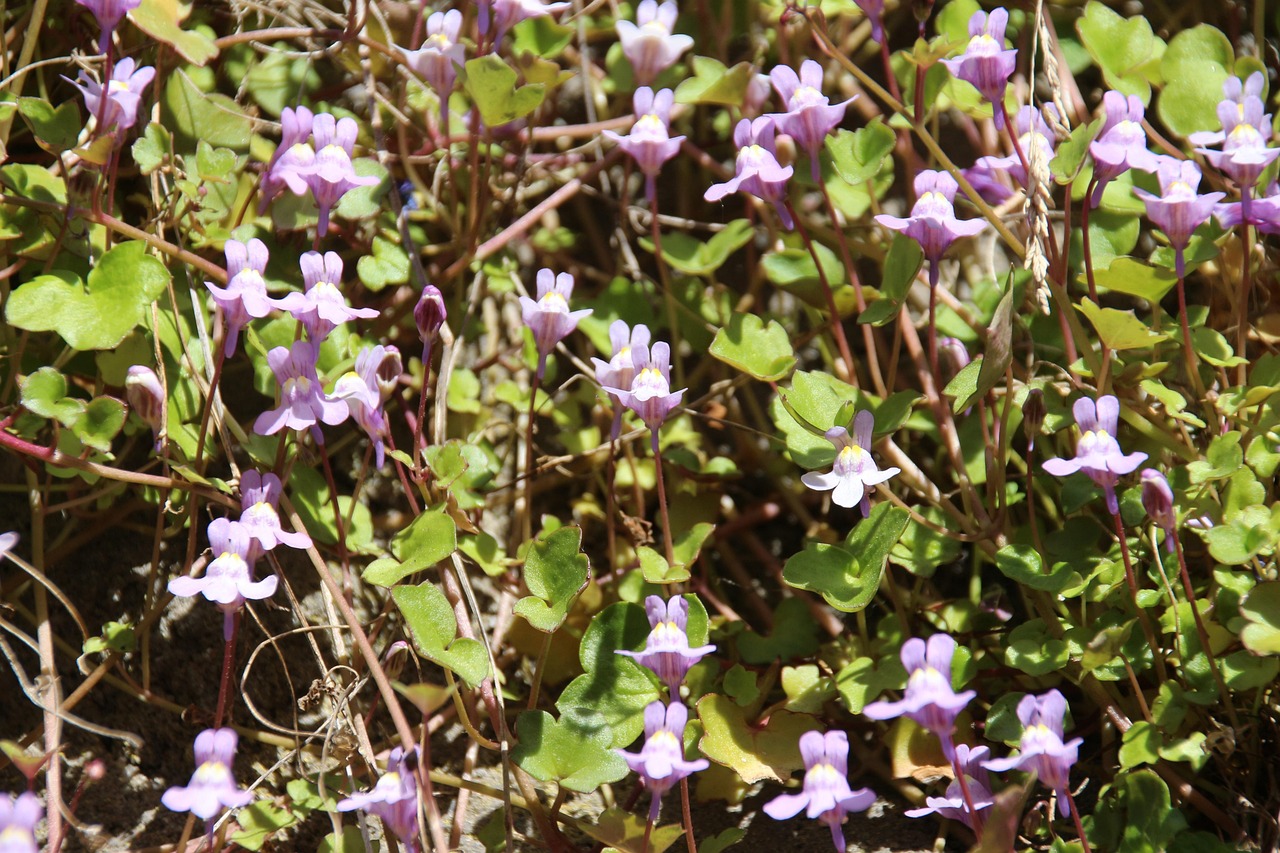
In late spring, the Rhododendron-Park becomes a riot of color as thousands of rhododendrons and azaleas bloom. Even outside peak season, it’s a peaceful botanical garden escape.
I once visited in May and felt like I’d stepped into a painting—tunnels of blossoms, bees buzzing, and couples slowly strolling along the paths.
What’s There
- Extensive rhododendron and azalea collections.
- Botanika: an indoor botanical center with Asian landscapes, including a tranquil Japanese garden and butterfly house.
Tips
- Best time: Late April to early June for peak bloom.
- Combine with Universum on a longer day—they’re not too far apart by tram or bike.
14. Überseestadt – From Harbor to Hip District
Überseestadt is one of Europe’s largest urban redevelopment projects, transforming former harbor and warehouse areas into a modern district with offices, lofts, cafés, and cultural spaces.
I love coming out here in the late afternoon: old brick warehouses stand shoulder‑to‑shoulder with glassy new buildings, and the long quays are perfect for sunset strolls.
Highlights
- Converted warehouses housing restaurants, design shops, and galleries.
- Wide promenades along the docks, ideal for walking, jogging, or cycling.
- Occasional events and markets—check local listings for 2026 pop‑ups and festivals.
Tips
- Getting there: Tram or bus from the center, or rent a bike and follow the river.
- Food & drink: Trendy cafés and bars with water views; it’s a nice contrast to the historic center.
15. Weserstadion – For Football Fans
If you’re into football (soccer), watching SV Werder Bremen play at Weserstadion is a must. The stadium sits picturesquely by the Weser, surrounded by greenery.
I once joined a local friend for a match and loved the atmosphere: green‑and‑white scarves everywhere, chants echoing, and an energy that carried on into nearby pubs afterwards.
Tips
- Tickets: Buy ahead for big matches; for less high‑profile games you can often get seats a bit closer to the date.
- Arrival: Walk or take the tram; match‑day traffic can be intense for cars.
- Even on non‑match days, guided stadium tours may be available.
16. Beck’s Brewery & Local Beer Culture
Bremen is the home of Beck’s, one of Germany’s most internationally recognized beers. The riverside brewery offers tours that walk you through the brewing process and end with tastings.
The first time I took the tour, I enjoyed not just the beer but the peek into Bremen’s industrial heritage—and the smell of malt in the air as you walk around the site.
What to Expect
- Tour of the production facilities (when operating) and historical exhibits.
- Tasting session with several Beck’s varieties and sometimes local alternatives.
Tips
- Book in advance, especially on weekends and in summer.
- If big‑brand beer isn’t your thing, Bremen also has smaller craft breweries and pubs worth checking out—ask locals in Viertel or Überseestadt for current favorites.
17. Geschichtenhaus & City History Corners
For something more offbeat, the stories house (Geschichtenhaus) style museums and small city history corners around the Old Town bring Bremen’s past to life with actors and interactive exhibits.
On one visit, I joined a German‑language performance where costumed guides played characters from different centuries—traders, fishermen, and even a somewhat grumpy town official. Even with limited language skills, it was entertaining and atmospheric.
Tips
- Ask at the tourist information office on Marktplatz for current locations and schedules; offerings can change year by year.
- These are great if you like immersive, theatrical history rather than just reading plaques.
18. Theater am Goetheplatz & Performing Arts
Theater am Goetheplatz is Bremen’s main theater for drama, opera, and dance. It’s a handsome building just off the Viertel area, and catching a performance here is one of my favorite cultural experiences in the city.
Once, I saw a modernized opera production that spilled into the foyer during intermission—actors mingling with the audience in costume. It felt very Bremen: creative, a bit experimental, but still welcoming.
Tips
- Check the 2026–2027 program online; even if you don’t speak German, opera and dance can still be enjoyable.
- Dress code is smart‑casual; you’ll see everything from jeans to suits.
- Combine with dinner or drinks in Viertel before or after.
19. Focke-Museum – Bremen’s History in Depth
The Focke-Museum is the city’s main museum of history and culture, set in a leafy park a bit outside the center. It’s a great place if you like context: how Bremen grew from a medieval trading town to a modern city.
I went on a drizzly afternoon and loved the mix of historic buildings, exhibits on crafts and daily life, and quiet garden paths between the museum wings.
Highlights
- Exhibits on Hanseatic trade, local industry, and everyday life.
- Historic buildings and sculptures in the surrounding park.
Tips
- Best for travelers who enjoy historical detail and have at least 4–5 days in Bremen.
- Combine with a walk in the neighborhood or café stop for a slower‑paced day.
20. Stadthalle & Modern Waterfront Views
For a taste of modern Bremen, the area around the Stadthalle (ÖVB Arena) and nearby waterfront developments offers sleek architecture and wide views.
I’ve attended a couple of concerts and trade fairs here; walking out afterward to the open spaces and water views feels like a different Bremen than the medieval lanes of the Altstadt—but they complement each other nicely.
Tips
- Check event listings; the arena hosts concerts, sports, and fairs throughout 2026–2027.
- Come at dusk for skyline photos that contrast historic spires with modern lines.
Neighborhoods & Areas to Explore in Bremen
Altstadt (Old Town)
The Altstadt is where you’ll spend most of your first couple of days: Marktplatz, Dom, Böttcherstraße, Schnoor, and the main shopping streets. It’s compact and walkable, with layers of history in every direction.
Even after multiple visits, I still enjoy wandering aimlessly here, turning down whatever alley looks most interesting.
Viertel (Ostertor & Steintor)
The Viertel is Bremen’s bohemian heart: street art, indie shops, bars, and a generally creative vibe. It’s where I tend to end up at night, whether for a casual beer, a concert, or just a long dinner with friends.
Daytime, you’ll find people working on laptops in cafés, browsing bookstores, or chatting on sidewalks. At night, it hums with life but rarely feels unsafe or aggressive.
Schwachhausen
Schwachhausen is a leafy, upscale residential area north of the center, near Bürgerpark. Elegant villas, quiet streets, and a few good cafés make it a pleasant area for a stroll if you like seeing how locals live.
Neustadt
Across the river from the Altstadt, Neustadt has been evolving into a more alternative, creative neighborhood with a younger vibe and lower rents. You’ll find craft beer spots, small venues, and street art.
I’ve had some of my favorite low‑key dinners here in small, family‑run places that tourists rarely find.
Überseestadt
As mentioned earlier, Überseestadt mixes modern architecture with industrial heritage. It’s a must for anyone into urban design or waterfront developments.
Local Food in Bremen & Where to Eat
Bremen’s cuisine leans hearty and northern: plenty of fish, potatoes, cabbage, and rich sauces. But the city’s also big enough to have a wide range of international options, especially in Viertel and Neustadt.
What to Eat in Bremen
- Kohl und Pinkel – Kale with a special smoked sausage, typically a winter specialty. I once joined a local “Grünkohltour” (kale hike), where you walk between pubs, drink schnapps, and end with a massive kale feast—very northern German.
- Knipp – A pan‑fried dish made from oats and meat, usually served with potatoes and applesauce. Rustic, filling, and delicious on a cold day.
- Bremer Knippbrötchen – A roll filled with Knipp, a good on‑the‑go snack if you want to try it without a full plate.
- Fischbrötchen – Fish sandwiches (matjes herring, fried fish, or smoked fish) commonly found along the Schlachte and in markets.
- Labskaus – A traditional sailor’s dish of corned beef, potatoes, and beetroot, served with pickles and herring. Looks odd, tastes better than it looks.
- Rote Grütze – A red berry pudding often served with vanilla sauce or ice cream; a perfect dessert in summer.
- Kaffee und Kuchen – Coffee and cake is practically a ritual here; try local bakeries for seasonal tarts and classic German cakes.
Where to Eat & Drink (Personal Favorites)
Specific restaurant scenes shift year by year, but these general areas are consistently good bets:
- Around Marktplatz & Böttcherstraße: Traditional German restaurants perfect for your first taste of local food, plus the historic Ratskeller under the Town Hall for wine and hearty dishes.
- Schnoor: Cute cafés and a few small, romantic restaurants—ideal for a cozy dinner but expect slightly higher prices.
- Viertel (Ostertor & Steintor): My go‑to for variety: veggie and vegan spots, international cuisines, tapas, burger joints, and relaxed bars.
- Neustadt: Increasingly interesting for budget‑friendly, creative kitchens and craft beer bars.
- Schlachte: Great for riverside beer gardens and casual meals, especially in good weather.
Money-Saving Food Tips
- Look for Mittagstisch (lunch specials) in many restaurants—cheaper than evening menus.
- Supermarkets often have good bakery sections and hot counters; I’ve put together many tasty picnic lunches this way.
- Try local bakeries for breakfast instead of hotel buffets if you’re on a budget.
Nightlife, Entertainment & Cultural Experiences in Bremen
Bremen’s nightlife isn’t wild in a Berlin sense, but it’s pleasantly lively and varied. It suits people who like bars, live music, theater, and long evenings over drinks more than hardcore clubbing.
Bars & Pubs
- Viertel: The highest density of bars and pubs; you can easily do your own mini bar‑hop along Ostertorsteinweg and side streets.
- Schlachte: More touristy but lovely on summer evenings by the river.
- Neustadt: Emerging craft beer and alternative scene, popular with students.
Live Music & Events
- Small venues and bars in Viertel host live bands and open mics—ask locals or check posters on the street.
- Major concerts at ÖVB Arena (Stadthalle).
- Classical and jazz concerts tied to Bremer Musikfest and other festivals in 2026–2027.
Cultural Experiences
- Theater am Goetheplatz and smaller theaters for drama, opera, and dance.
- City tours focused on history, architecture, or even crime stories and legends—I’ve tried a couple and always learn new anecdotes.
- Festivals: Breminale, Freimarkt, Christmas Markets, and smaller neighborhood festivals give you a real taste of local life.
Day Trips from Bremen
One of the advantages of spending 4 or 5 days in Bremen is that you can easily add a day trip. Germany’s trains and regional buses make it straightforward.
Bremerhaven – Maritime Museums & North Sea Air
About an hour north by train, Bremerhaven is all about ships, sea, and emigration history.
- German Emigration Center: Award‑winning museum about the millions who left Europe via Bremerhaven.
- Klimahaus: Interactive museum where you “travel” along the 8th longitude through all climate zones.
- Windy walks along the harbor and North Sea views.
Worpswede – Artists’ Village in the Moor
Worpswede, about 30–40 minutes away by regional transport, is a picturesque artists’ colony that inspired painters like Paula Modersohn-Becker.
I spent a quiet day here wandering from studio to gallery to café, with fields and moorland in between. It’s perfect if you need a slower, more contemplative day.
North Sea Coast & Wadden Sea
If you have 5 days and want a breath of salty sea air, consider a trip to the North Sea coast for beaches and the UNESCO‑listed Wadden Sea. It takes a bit longer (often 1.5–2 hours depending on where you go) but makes a refreshing contrast to city life.
Cultural Etiquette & Local Customs in Bremen
Bremen is friendly and fairly relaxed, but a few cultural norms will help you blend in.
- Punctuality: Germans take time seriously. Arrive on time for tours, reservations, and meet‑ups.
- Quiet in residential areas: Keep noise down at night, especially in courtyards and stairwells.
- Greetings: A simple “Moin” (common in northern Germany, used all day) or “Guten Tag” works; in shops, it’s polite to greet and say “Tschüss” or “Auf Wiedersehen” when leaving.
- Cash vs card: Cards are widely accepted, but some small places still prefer cash. I always carry a bit of cash for bakeries, kiosks, and market stalls.
- Tipping: Round up or add around 5–10% in restaurants and bars; hand it directly to the server when you pay, rather than leaving it on the table.
- Recycling: Germans are serious about trash separation. Use the correct bins and return bottles with deposit (Pfand) to supermarkets.
- Sunday quiet: Many shops are closed on Sundays; parks, cafés, and museums are your best bets, and it’s considered a day for relaxation.
Practical Travel Tips for Bremen (2026 Edition)
Getting Around Bremen
Bremen is one of the easiest cities to navigate that I’ve ever visited.
- On foot: Most sights in the Altstadt, Schnoor, Viertel, and Schlachte are walkable.
- Trams & buses: Reliable and frequent. A day ticket is usually the best value if you take more than two rides.
- Bikes: Very bike‑friendly city. Many hotels rent bikes; otherwise look for rental shops or app‑based systems.
- Car rental: Generally not necessary unless you’re doing multiple day trips or heading to rural areas. Parking in the center can be expensive.
How to Save Money in Bremen
- Public transport passes: Day tickets and multi‑day cards can save money and sometimes include discounts for attractions.
- Lunch deals: Eat your main meal at lunchtime when many restaurants have cheaper menus.
- Free sights: Marktplatz, Schnoor, Schlachte, Bürgerpark, and many churches are free to wander.
- Self-catering: Book accommodation with a kitchenette and use local supermarkets and markets.
SIM Cards & Connectivity
In 2026, staying connected in Bremen is easy.
- EU travelers: Most EU phone plans include roaming in Germany at domestic rates.
- Non-EU travelers: Buy a prepaid SIM from major providers (Telekom, Vodafone, O2) at electronics stores or kiosks; bring your passport for registration.
- Many cafés, hotels, and public areas offer free Wi‑Fi.
Visa Requirements
Bremen is in Germany, which is part of the Schengen Area.
- EU/EEA/Swiss citizens: No visa needed; just bring your ID card or passport.
- Many non-EU countries (e.g., USA, Canada, UK, Australia, Japan): Visa‑free for short stays (up to 90 days) but may require ETIAS authorization (check the latest 2026 regulations before travel).
- Other nationalities: May need to apply for a Schengen visa in advance—check with your nearest German embassy or consulate.
Driving & Foreign Licenses
- Most EU licenses are valid in Germany.
- Many non‑EU licenses are accepted for short stays; however, an International Driving Permit (IDP) plus your home license is often recommended and sometimes required by rental agencies.
- Remember that Germany drives on the right, and seatbelts are mandatory.
Best Seasons for Different Activities
- Spring (April–June): Ideal for 3–4 day itineraries in Bremen. Rhododendron-Park in bloom, milder weather, fewer crowds.
- Summer (July–August): Best for outdoor cafés, Schlachte evenings, Breminale, and cycling. Can be busy, but Bremen rarely feels as crowded as bigger cities.
- Autumn (September–October): Great shoulder season; colorful in Bürgerpark; Freimarkt in October makes for a fun visit.
- Winter (late Nov–Dec): Perfect if you love Christmas markets. Short days but very cozy—mulled wine, lights, and fewer tourists.
Safety & Common Sense
Bremen feels generally safe, including at night in the main areas I’ve mentioned.
- Use normal city precautions: watch your bag in crowds, especially at festivals and markets.
- Stick to well‑lit streets at night; Viertel and central areas are usually fine into late evening.
- Emergency number for police, fire, and ambulance: 112.
Summary: Planning Your Perfect Trip to Bremen
Bremen is one of those cities that quietly wins you over. It doesn’t shout; it charms. From the first time I stepped into the Marktplatz and heard the hum of café chatter beneath the Rathaus, I knew I’d be back—and I’ve kept that promise many times.
Whether you follow a 3 day itinerary for Bremen focused on the Old Town and riverfront, stretch to 4 days in Bremen to add museums and parks, or luxuriate in a 5 day itinerary for Bremen with day trips and local haunts, you’ll find plenty of things to do in Bremen without the stress of a hyper‑touristy destination.
Key takeaways:
- Base yourself near the Altstadt or Viertel for easy access to sights and food.
- Don’t miss: Marktplatz, Rathaus, Roland, Town Musicians, Schnoor, Schlachte, Böttcherstraße, and at least one major museum (Universum, Kunsthalle, or Übersee-Museum).
- Plan for at least one riverside evening and one park or garden day to balance culture with relaxation.
- Consider timing your visit for spring blooms, summer festivals, or the magical Christmas Market season.
If you’re looking for a destination that combines must-see attractions with genuine cultural experiences in Bremen, delicious local food, and an easygoing pace, Bremen deserves a spot at the top of your list for 2026–2027.
Pack good walking shoes, an appetite for hearty northern dishes, and enough curiosity to duck into every intriguing alleyway—and Bremen will do the rest.